+264 81 8211 521
info@safariworldtours.com
Deals & Discounts


A UNESCO valley known for engravings, history, and desert silence
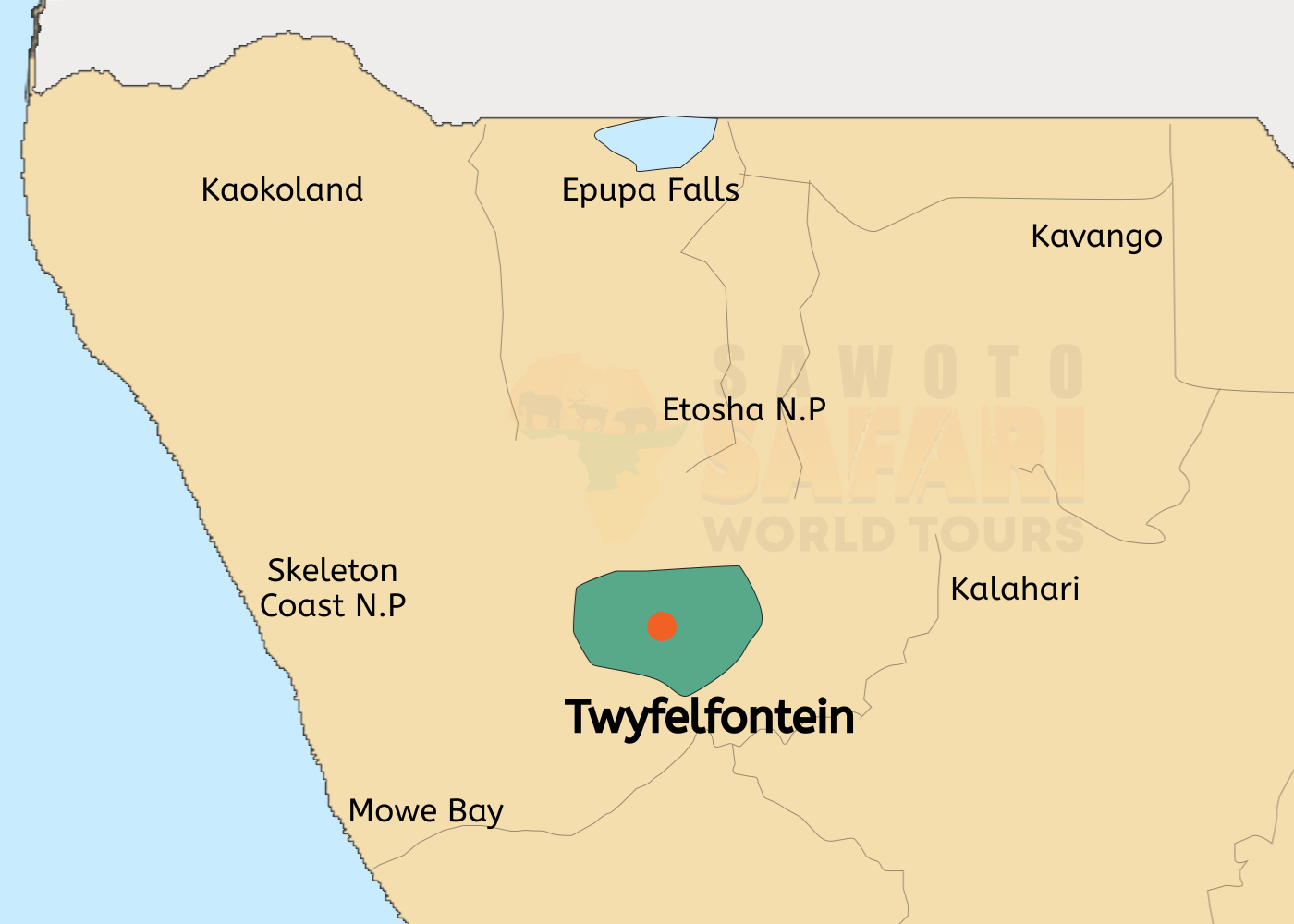
Twyfelfontein sits in the Damara highlands, about 70 kilometres west of Khorixas. Its name means “doubtful fountain,” linked to the valley’s unreliable water source and the people who once lived around it.
The valley was known to the Damara as Uri-Ais, meaning “jumping fountain,” before later settlers arrived in the area. In the 1940s, farmers tried to live here, but the small fountain did not provide a steady water supply. Over time, the farms were abandoned, leaving the valley to its older history. Today, Twyfelfontein stands among the most meaningful Travel Destinations In Namibia for travelers interested in culture, archaeology, and desert landscapes.
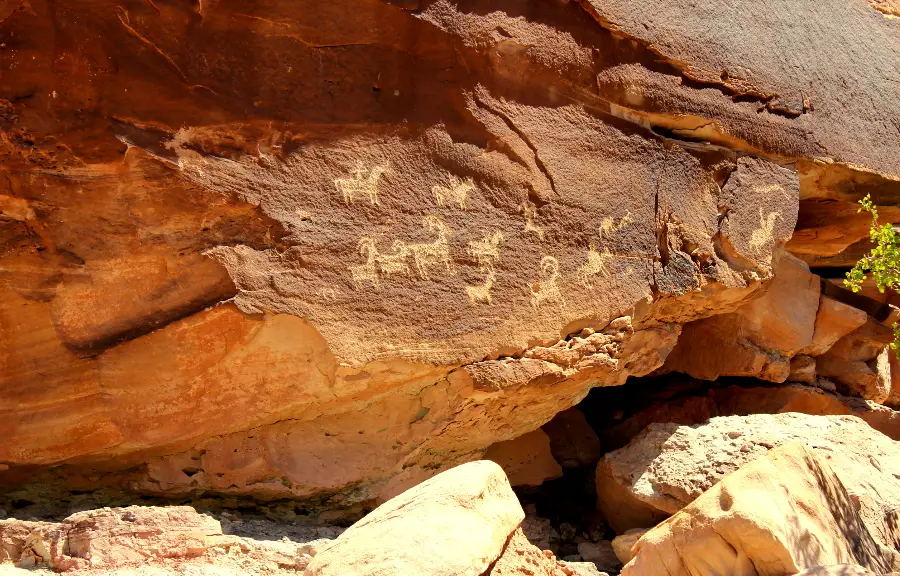
Twyfelfontein is famous for its San rock engravings and paintings, with thousands of petroglyphs found across the sandstone rocks. Many show animals, hunters, tracks, and daily life from long ago. The site was declared a national monument in 1952 and later became a UNESCO World Heritage Site in 2007.

Gather ideas from our Namibia tour packages, or let our consultants help you picture the possibilities. We can build the journey around your time, style, and interests.
Twyfelfontein lies in the Damara highlands, west of Khorixas, and is often included on routes through Damaraland. The map helps travelers understand nearby roads, access points, and links to other desert landmarks in the region. It also makes planning easier for visitors, adding this UNESCO rock art site to a wider Namibia journey.
Twyfelfontein is one of Namibia’s most important cultural sites. It has ancient San rock engravings, red ochre paintings, sandstone slabs, and a dry valley setting that feels quiet but full of history. People used this place for thousands of years, and in 2007, it became Namibia’s first UNESCO World Heritage Site. Visitors explore it only with local guides.
Twyfelfontein has been linked to human life for more than 6,000 years. San hunter-gatherers used the valley first, and Khoikhoi herders came much later. The dry air, quiet valley, and sandstone rocks helped keep the old engravings safe.
San hunter-gatherers lived and moved through this valley during the late Stone Age. They used the land for shelter, food, and daily survival. Much later, Khoikhoi herders also came into the area. They called the valley ǀUi-ǁAis, a name often linked with “jumping waterhole.”
The valley has sandstone table mountains on both sides. Flat rock slabs sit across the land, and these became a natural surface for early artists. They used quartz tools to cut through the dark outer layer of the stone, showing the lighter rock underneath.
There are at least 2,500 groups of rock carvings at Twyfelfontein, with around 5,000 separate images. That is a huge number for one place. The site is even more special because it has both engravings and paintings, which is rare.
Most of the engravings and paintings are linked to the San people, though Khoikhoi marks are also found here. The dry climate helped protect the art for many years. So did the remote location. Without that rough desert setting, many images may have been lost.
Twyfelfontein’s modern history is tied to discovery, farming, doubt, and later protection. Even the name came from an unreliable spring. Over time, this dry valley moved from a difficult farming area into one of Namibia’s most valued heritage sites.
In 1921, German topographer Reinhard Maack reported the rock engravings at Twyfelfontein. He was already known for work linked to the White Lady site at Brandberg. After that, the valley still stayed fairly quiet for years, with little European settlement around it.
After World War II, farmer David Levin came to the valley during a hard drought. He wanted to test if the spring could support a farm. The water was not reliable, and his doubts helped create the Afrikaans name Twyfelfontein, meaning doubtful fountain.
In 1950, Ernst Rudolph Scherz carried out the first scientific survey of the rock art. Two years later, Twyfelfontein became a National Monument. This protection was needed because some engravings had already been stolen or damaged before people started taking the site seriously.
The valley was farmed for some time, then later designated a nature reserve in 1986. In 2007, Twyfelfontein became Namibia’s first UNESCO World Heritage Site. That made its value clear, not just locally, but internationally too.
The rock art is the main reason people come to Twyfelfontein. The engravings show animals, tracks, people, symbols, and hunting scenes. Some images are easy to notice straight away. Others need a guide to explain their deeper meaning.
Many visitors first stop at the animal engravings. You may see rhinos, elephants, giraffes, ostriches, antelopes, lions, and animal tracks carved into stone. These were not random pictures. They show how closely early people watched animals and understood the land around them.
Some images surprise visitors because they show sea animals, including a seal. The ocean is far from Twyfelfontein, so this small detail says a lot. It suggests that San people traveled long distances or knew about coastal places through movement and memory.
Two famous images are the Dancing Kudu and the Lion Man. The Lion Man is especially interesting because it may show a person changing into a lion. Many experts connect this carving with ritual life, belief, and the work of shamans or medicine people.
There are also geometric marks, grinding hollows, board-game markings, and red ochre paintings. The paintings mostly show human figures. Together, these marks make Twyfelfontein feel less like a viewing stop and more like a record of old thought, movement, and belief.
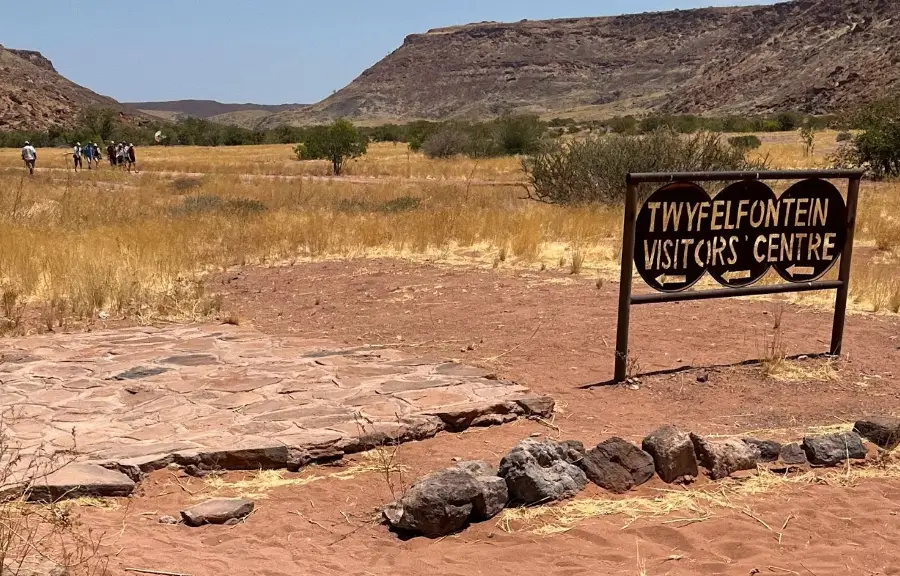
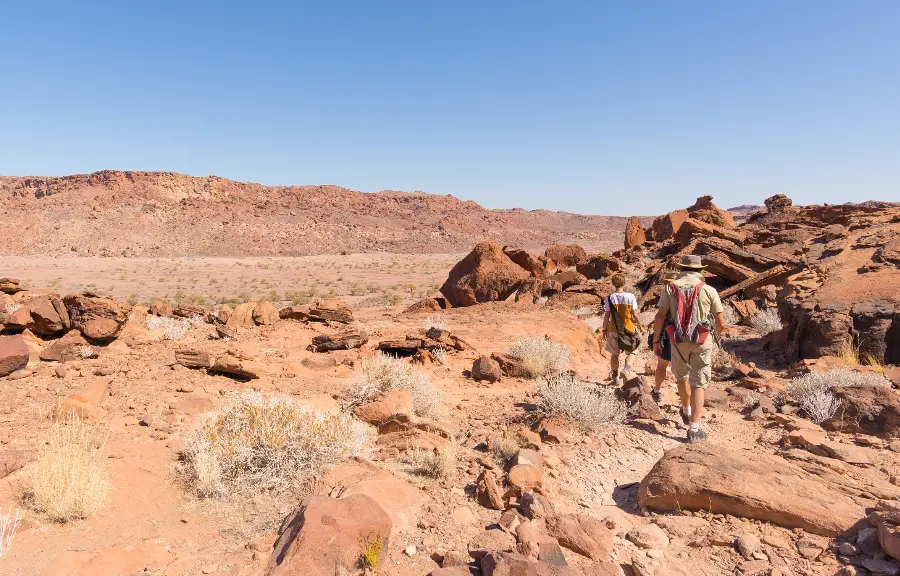
Twyfelfontein is visited on foot with a local guide from the visitor center. The walks are not very long, but the ground can be uneven. The sun can also feel strong, so water, shoes, and sun protection are important.
Guided walks usually take about 30 to 80 minutes, depending on the route. The guide leads visitors to the main engravings and explains what the images may mean. Without that guidance, many carvings can look simple at first and easy to misunderstand.
It is better to visit early in the day when the heat is still manageable. Midday can feel heavy in the valley, especially on the rocks. Morning light also makes walking easier, and it gives you more patience to listen, look, and take photos.
Many travellers visit Twyfelfontein as part of a Damaraland route. Khorixas is the nearest small town, and nearby stops include Organ Pipes, Burnt Mountain, Aba-Huab River valley, and Damara cultural visits. Staying nearby gives you more time to see the area properly.
The most important thing is respect. Do not touch the engravings, scratch the rocks, or walk outside the marked areas. These images have lasted for thousands of years. A careful visit helps keep them safe for the next people who come here.
Twyfelfontein feels quiet, dry, and deeply old. Expect guided walks, sandstone formations, ancient engravings, animal carvings, red-ochre paintings, Damara highland views, and stories that help you better understand the valley.
These Namibia Safari Itineraries bring together the country’s wide range of travel experiences, from wildlife parks and desert roads to coastal towns, cultural stops, and quiet lodge stays. Some routes are short and focused. Others stretch across several regions. And for travelers comparing Namibia Safari Packages, these itineraries make it easier to choose a trip that fits their time, comfort, and travel style.
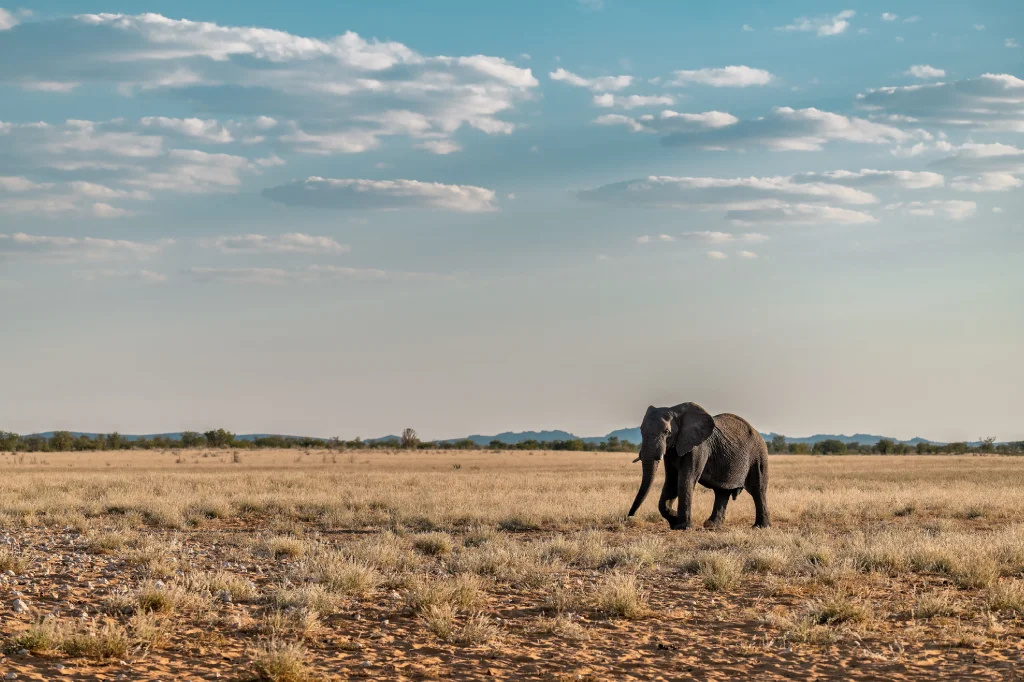
2 Destinations: Etosha National Park → Namibia
View Details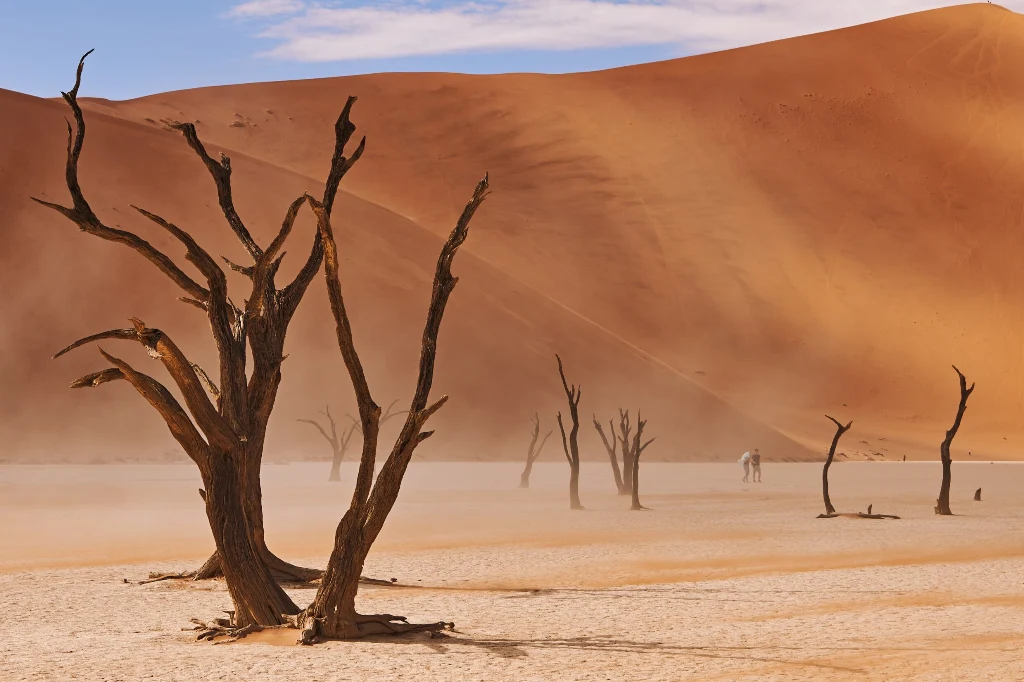
5 Destinations: Botswana → Etosha National Park → Namibia → Sossusvlei → Swakopmund
View Details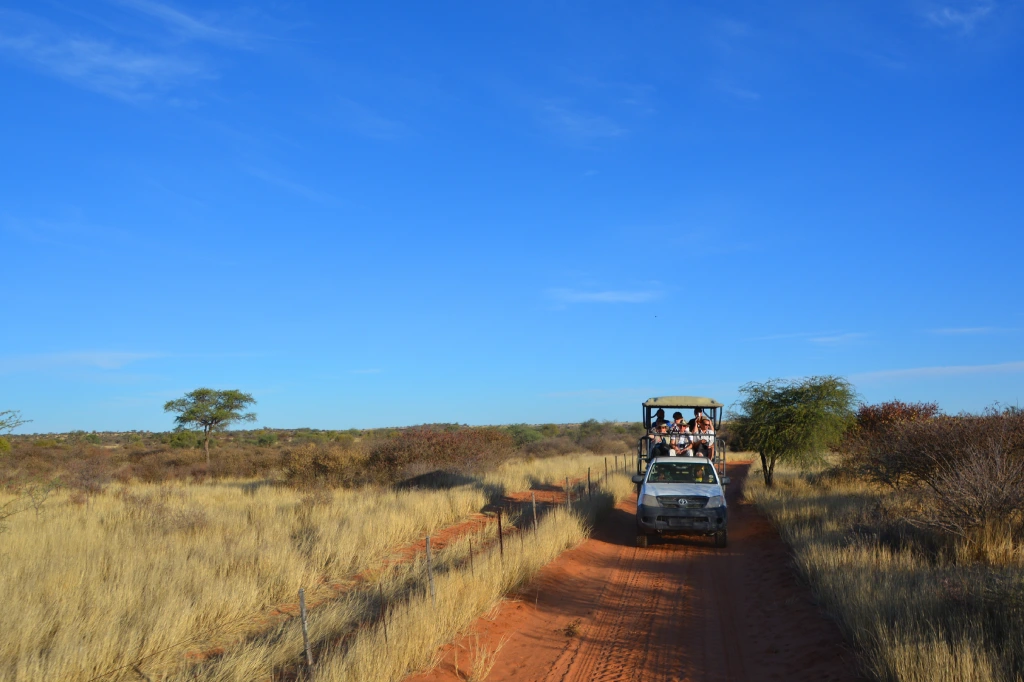
6 Destinations: Etosha National Park → Namibia → Sossusvlei → Spitzkoppe → Swakopmund → Windhoek
View Details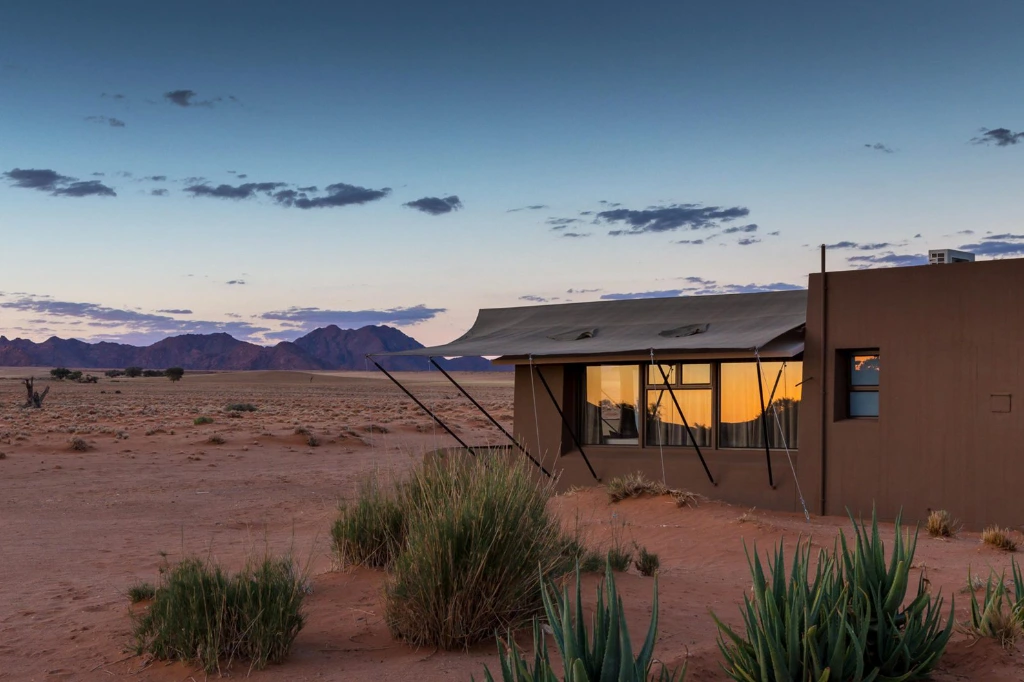
5 Destinations: Etosha National Park → Namibia → Sossusvlei → Swakopmund → Windhoek
View Details
5 Destinations: Etosha National Park → Namibia → Sossusvlei → Swakopmund → Windhoek
View Details
6 Destinations: Botswana → Etosha National Park → Namibia → Sossusvlei → Swakopmund → Zimbabwe
View Details
6 Destinations: Etosha National Park → Fish River Canyon → Namibia → Sossusvlei → Swakopmund → Twyfelfontein
View Details
6 Destinations: Botswana → Etosha National Park → Namibia → Sossusvlei → Swakopmund → Zimbabwe
View Details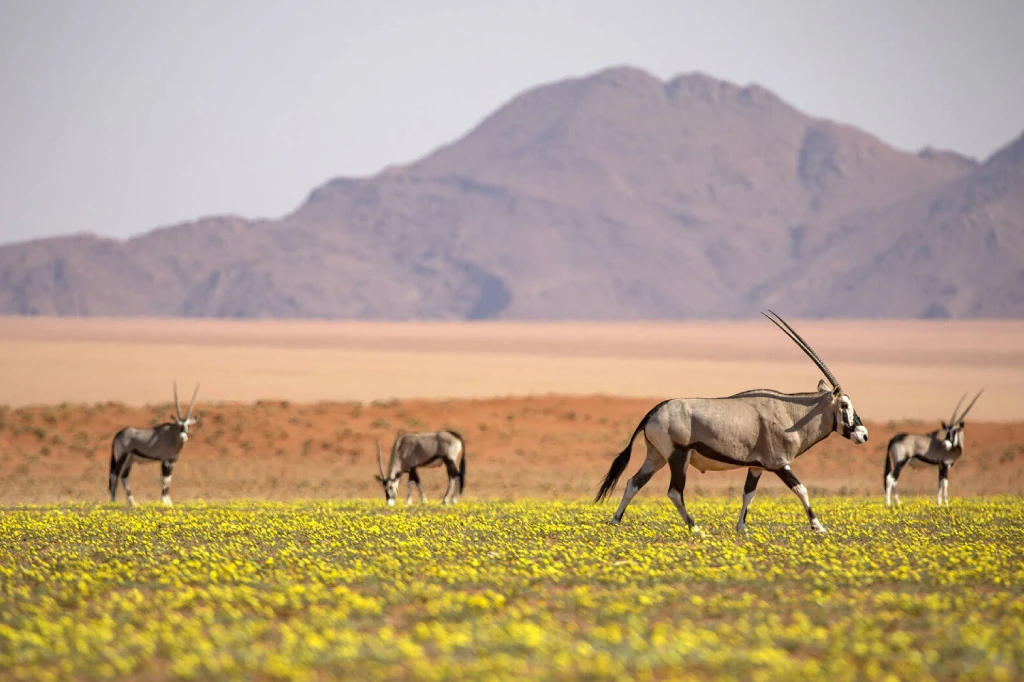
7 Destinations: Etosha National Park → Kamanjab → Namibia → Spitzkoppe → Swakopmund → Twyfelfontein → Windhoek
View Details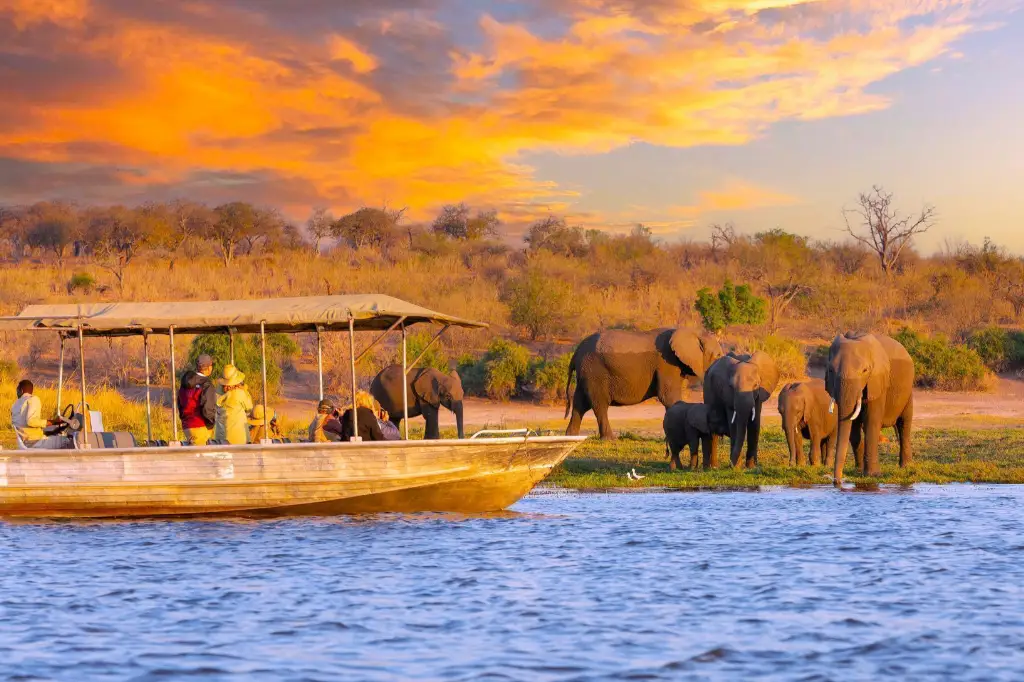
4 Destinations: Etosha National Park → Namibia → Sossusvlei → Swakopmund
View Details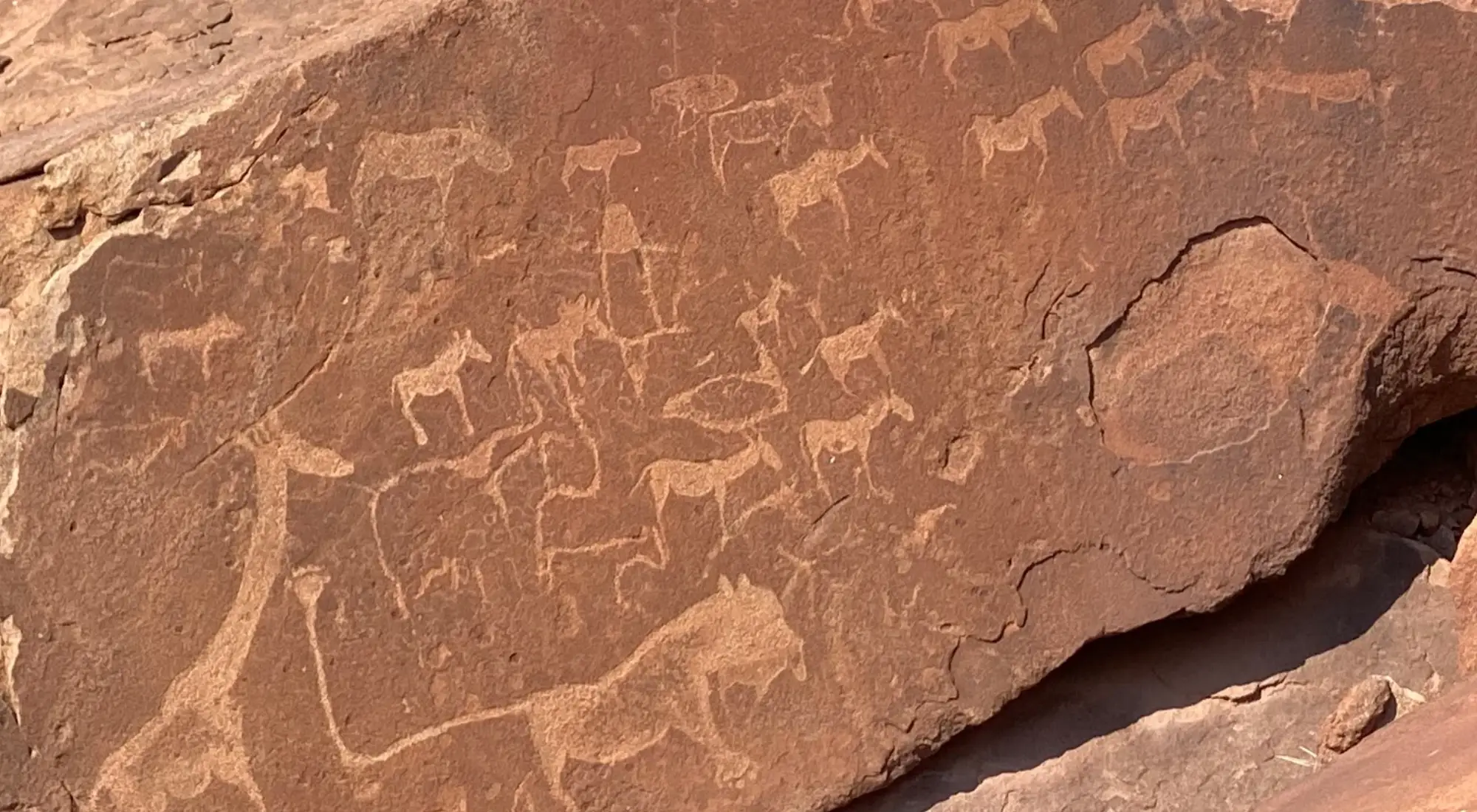
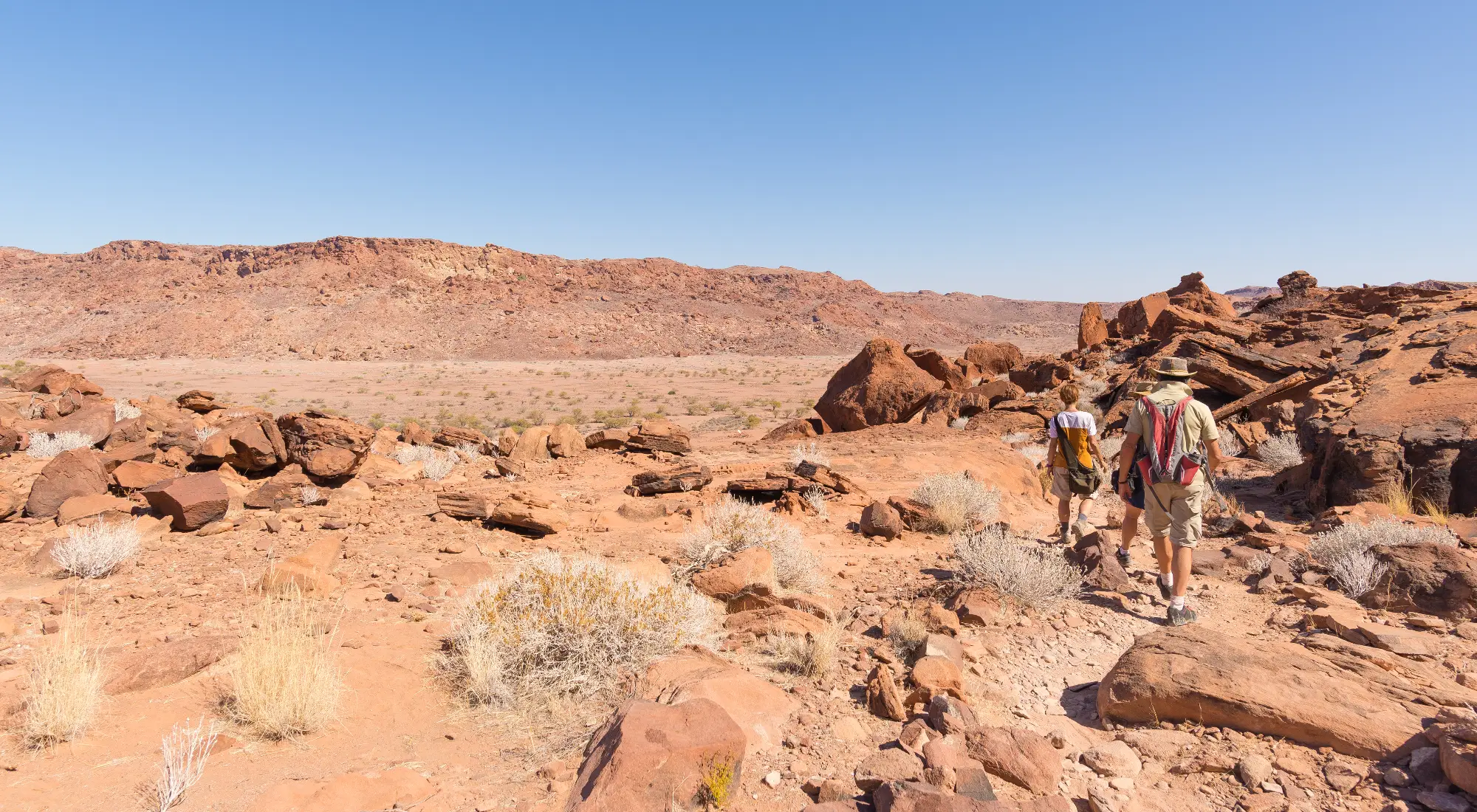
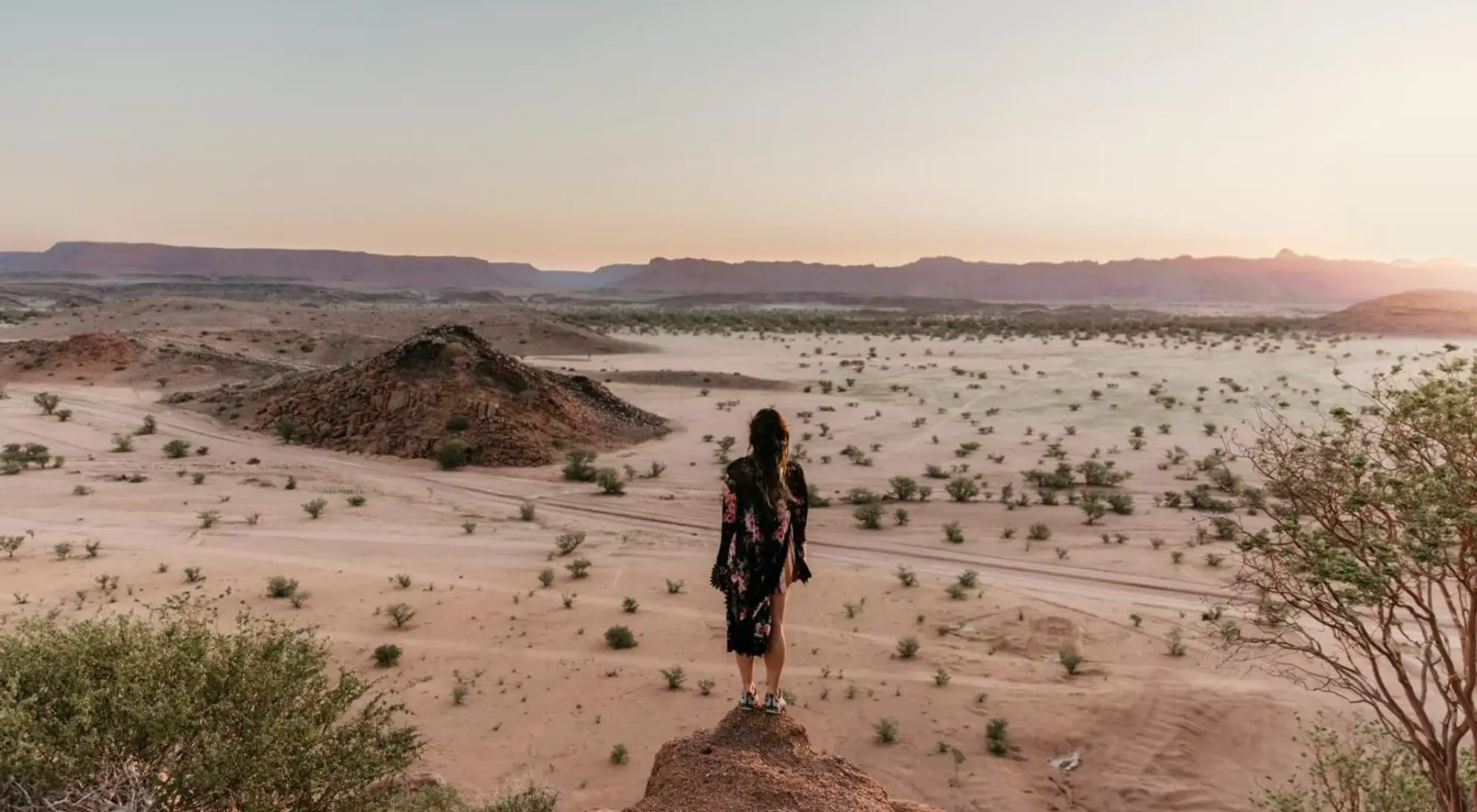
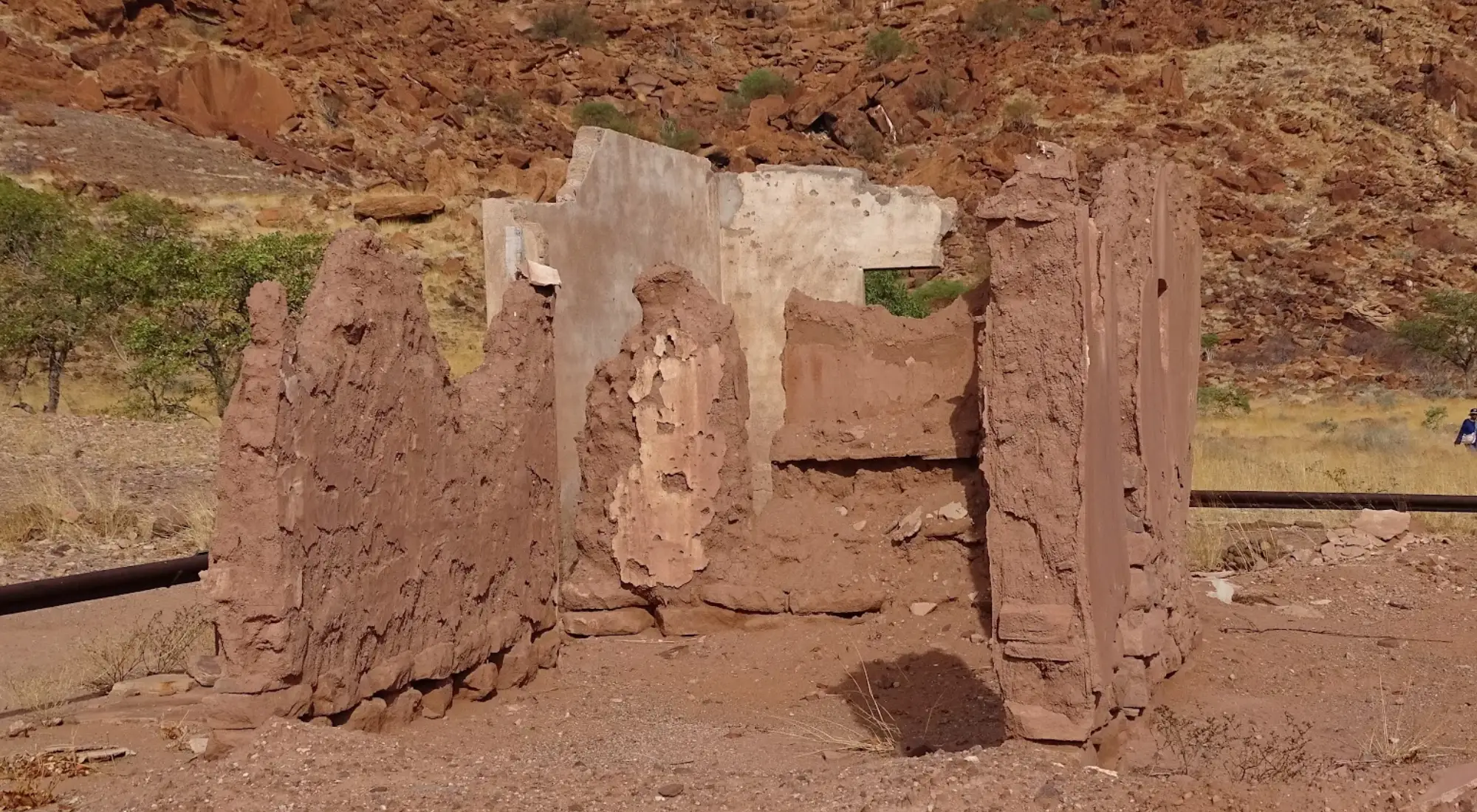
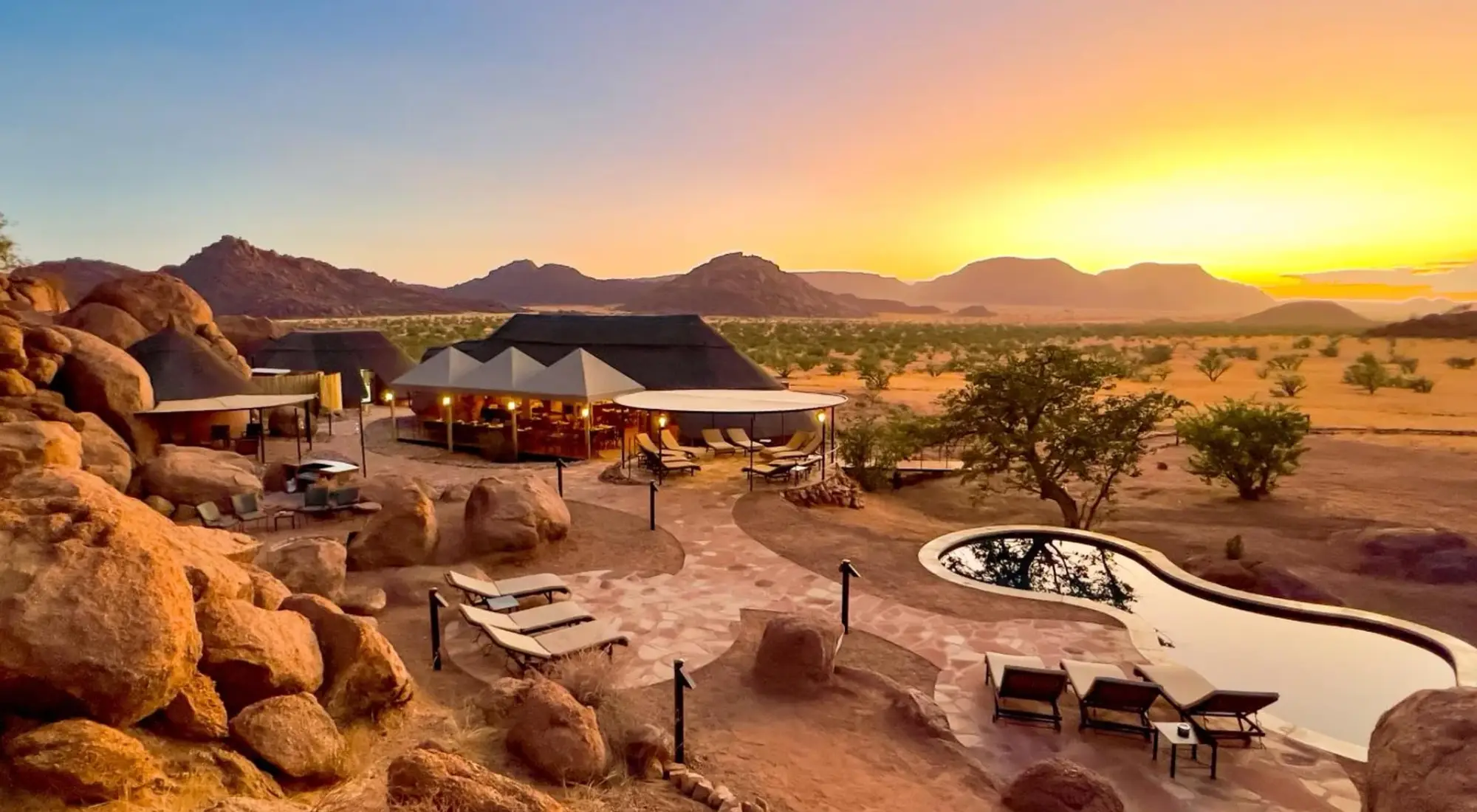
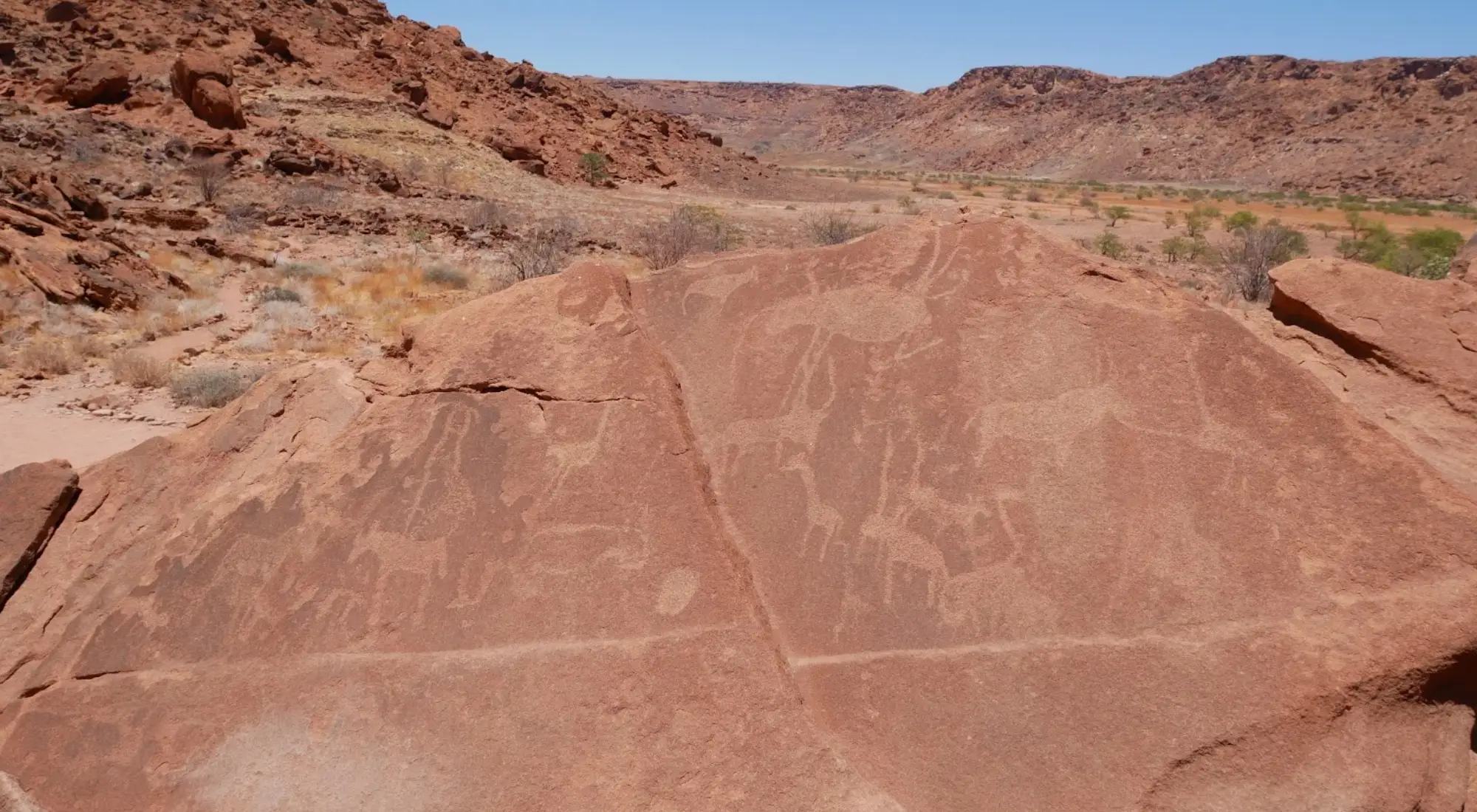
This gallery features Twyfelfontein’s sandstone rocks, ancient engravings, dry-valley views, and guided walking routes. Each image gives a closer look at the quiet heritage carved into this desert landscape.
Twyfelfontein is one of Namibia’s key rock art sites, set in the dry Damaraland region. People visit to see old engravings, sandstone cliffs, animal carvings, and guided walking paths. These FAQs explain its history, UNESCO value, famous rock art, and how to visit the site with care.
Namibia has a lot to pull travelers in. Wide desert dunes, wildlife parks, salt pans, coastal towns, canyons, and quiet wilderness areas all sit within one country. This section brings the main attractions in Namibia together, so travelers can see what fits their route, time, comfort level, and the kind of journey they want.
Our Namibian tour was an unforgettable experience from start to finish. Henzel was both our guide and driver, and he did an outstanding job in both roles. He was incredibly thorough and well-prepared, always sharing detailed insights about the landscapes, wildlife, and local culture. You could tell he truly knew and loved the country.

We did the “7 Days Wildlife Etosha and Sossusvlei Namibian Safari (Accommodated)” with Safari World Tours in December 2023 and it was the best choice for our family! We are experienced travelers (49 countries visited) and found that to travel to Namibia with a small child (4 years old) a tour would the the best option







 English
  German