+264 81 8211 521
info@safariworldtours.com
Deals & Discounts


A salt pan wilderness known for wildlife, birds, and mirages
Etosha National Park is one of Namibia’s top game-viewing areas. Spread over 22,270 km² in northern Namibia, it ranks among Africa’s finest safari parks, with varied wildlife and birdlife across dry, open terrain and dramatic landscapes.
Etosha is often translated as the “Place of Mirages,” “Land of Dry Water,” or the “Great White Place.” These names come from the Etosha Pan, a large, shallow salt depression that covers more than 5,000 km² of the park. Its silvery-white surface stretches across the horizon, where dust devils move across the flats, and heat illusions blur distant views during an Etosha National Park Safari, making it one of the Best Places To Visit In Namibia.
Etosha’s vegetation ranges from thorn-bush and woodland savannah to dwarf shrub savannah, grasslands, and saline desert. Mopane trees dominate around 80% of the park’s tree cover. Wildlife in Etosha National Park includes lions, giraffes, zebras, wildebeest, cheetahs, leopards, hyenas, elephants, black rhinos, and black-faced impalas, making it rich in wildlife sightings.

Gather ideas from our Namibia tour packages, or let our consultants help you picture the possibilities. We can build the journey around your time, style, and interests.
Etosha is a large park, and the map helps make sense of it before the drive begins. It shows the main gates, rest camps, waterholes, salt pan areas, and game routes across northern Namibia. Travelers can see how far apart places are, plan driving times more effectively, and choose entry points without feeling rushed upon arrival.
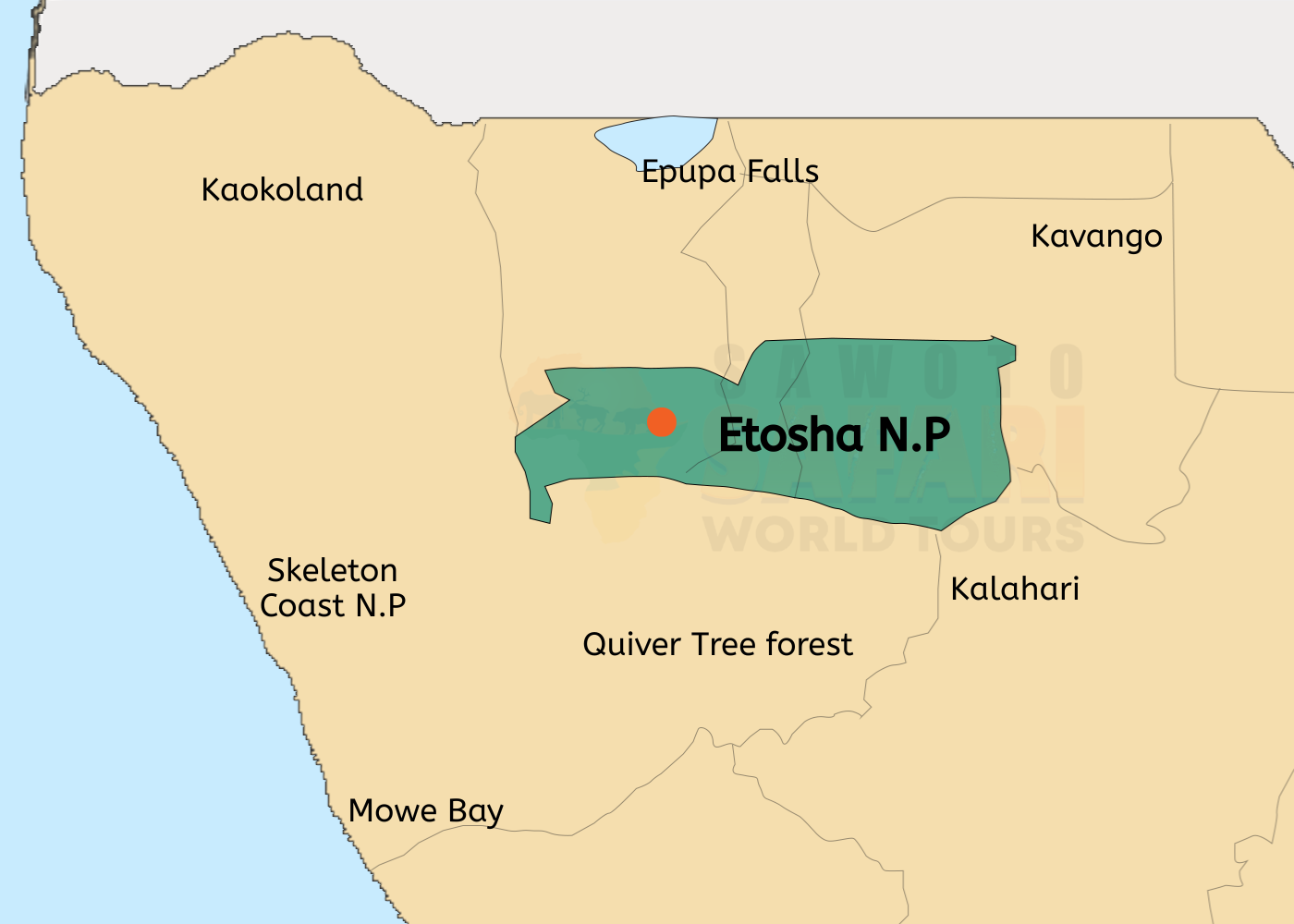
Etosha National Park is a big, dry, wildlife-rich park where planning makes the visit smoother. Before traveling, it helps to understand the seasons, road layout, waterhole viewing, wildlife movement, and weather changes. These details make it easier to choose the right time, pack well, and enjoy the park without rushing through its wide-open areas.
Etosha National Park remains open year-round, so there is no single fixed month when travel becomes possible. The dry season is usually better for game viewing because animals move closer to the few remaining water sources—one of the key highlights of Namibia Tours and Safaris. The wet season feels different. Greener, quieter in places, and better for birds.
From May to August, Etosha gets some of its most pleasant weather. The heat is not as harsh during the day, which makes long game drives easier to enjoy. Early mornings and nights can feel surprisingly cold, especially around open camps. A warm layer is worth packing, even if Namibia sounds like a hot destination.
July to September is the main wildlife-viewing period. Water becomes harder to find, so animals gather around waterholes in clear view. You may see elephants, giraffes, zebras, antelopes, lions, and other animals sharing the same space. It is a rewarding time to visit, though the park can get busy.
November to April brings the rains. And honestly, that should not put every traveler off. The showers often pass, leaving the land fresher and greener. Migratory birds arrive, the scenery softens, and young animals may be seen close to their mothers. It is a lovely season for slower, quieter observation.
December to June is often a calmer travel period, with fewer visitors in many areas and sometimes better prices for tours or flights. It suits travelers who prefer more space. Just remember that from October to February, Etosha can get very hot. Light clothes, sun protection, and enough water really matter.
Etosha’s wildlife can surprise you because the land looks so dry at first. Then animals begin to appear near waterholes, in pale grass, under thorny trees, and across open flats. The park has elephants, lions, giraffes, zebras, wildebeests, springbok, black rhinos, leopards, cheetahs, gemsbok, and smaller desert-adapted species.
The thicker vegetation areas are good places to look for elephants, leopards, and endangered black rhinos. Etosha’s elephants are known for their impressive size, helped by minerals found in the ground. Lions often blend into the pale grass so well that you may miss them at first. Giraffes, of course, are easier.
Birdlife adds another layer to Etosha, especially during the rainy season. After good rains, parts of the salt pan may hold water and draw flamingos. More than 340 bird species have been recorded in the park, including ostriches, kori bustards, European bee-eaters, and many migratory birds that arrive with the rains.
Wildlife viewing is strongest in the dry season, from May to October. Water is harder to find, grass stays shorter, and animals move toward known waterholes. This makes sightings clearer and more regular. Elephants, zebras, giraffes, wildebeests, springbok, gemsbok, and other antelopes often pass through in steady numbers.
Etosha also has a few special wildlife highlights. Black-faced impala and Damara dik-dik are among the near-endemic antelope species found here. Dawn and dusk are better for lions, leopards, and cheetahs. Black rhinos are often seen at night near floodlit waterholes, so advance booking is worth considering.
The western side of Etosha gives travelers a different look at the park. Galton Gate was once used mainly by Dolomite visitors, but it is now open to all visitors. That makes this quieter side easier to include in a longer Etosha safari route.
This area does not feel the same as the south-eastern and eastern parts of the park. The land is more uneven, the vegetation changes, and the wildlife experience feels less familiar. Hartmann’s mountain zebra can be found here, which gives the western side a special reason to be explored.
At certain times, the white dust and clay linked with the Etosha Pan shifts into reddish-brown soil. It can make you pause for a second, because the land suddenly feels like another park. That change in colour and texture is one of the small details that makes western Etosha stand apart.
The route from Okaukuejo to Dolomite is roughly 175 kilometres. Around 15 waterholes sit along this route, spaced out in a useful way for game viewing. These waterholes have been open for several years and have been improved, helping more wildlife move through this side of the park.
Travellers can also reach Dolomite through Galton Gate on the western border of Etosha. This route is useful for anyone who wants to go beyond the busier central and eastern areas. It adds more variety to the trip and gives Etosha a wider, less expected travel experience.
Namibia is a country of strong contrasts. Desert, semi-desert, savannah, open plains, dry woodland, and hardy vegetation all sit within its borders. As travellers move north toward Etosha National Park, the land starts to open into grasslands, pale pans, camel thorn trees, and Mopani-covered areas.
Etosha is known for its huge salt pan, which covers about 4,731 km². This pale, open space is one of the park’s main features. It gives the whole area that dry, exposed look, while the grasslands, trees, and scattered water sources nearby support far more wildlife than expected.
The vegetation includes open grasslands, large camel thorn trees, Mopani trees, thorn-bush, shrubs, and saline areas. That mix creates different habitats for animals and birds. So even when the park looks empty from a distance, there is often life moving quietly somewhere nearby.
Animals in Namibia still roam with a level of freedom that feels rare. Etosha carries that feeling strongly. The open land, scattered waterholes, mixed vegetation, and long views allow many species to move naturally across the park. It gives visitors a clear sense of Namibia’s wild character.
This variety is one reason Etosha remains such an important safari area. It may look dry and simple at first glance, but every section has its own soil, trees, waterholes, and wildlife movement. Spend enough time here, and the park slowly starts revealing those differences.
An Etosha Safari feels open, dry, and very real. You drive past pale salt pans, wait near quiet waterholes, and watch animals appear slowly across the land. Some sightings happen fast. Others need patience, silence, and a good eye.
These Namibia Safari Itineraries bring together the country’s wide range of travel experiences, from wildlife parks and desert roads to coastal towns, cultural stops, and quiet lodge stays. Some routes are short and focused. Others stretch across several regions. And for travelers comparing Namibia Safari Packages, these itineraries make it easier to choose a trip that fits their time, comfort, and travel style.
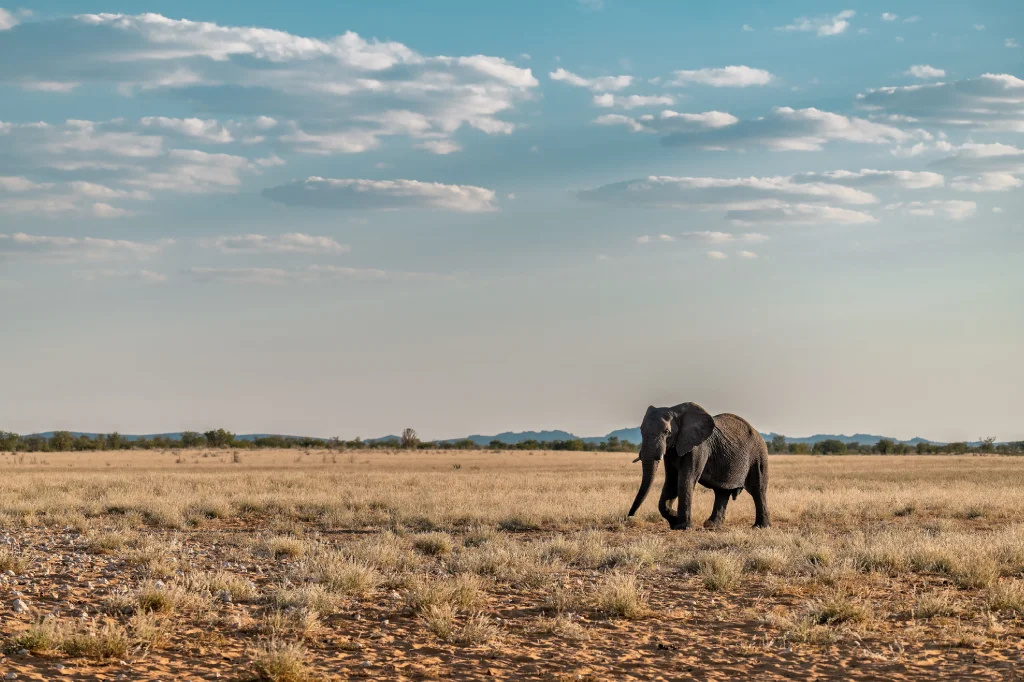
2 Destinations: Etosha National Park → Namibia
View Details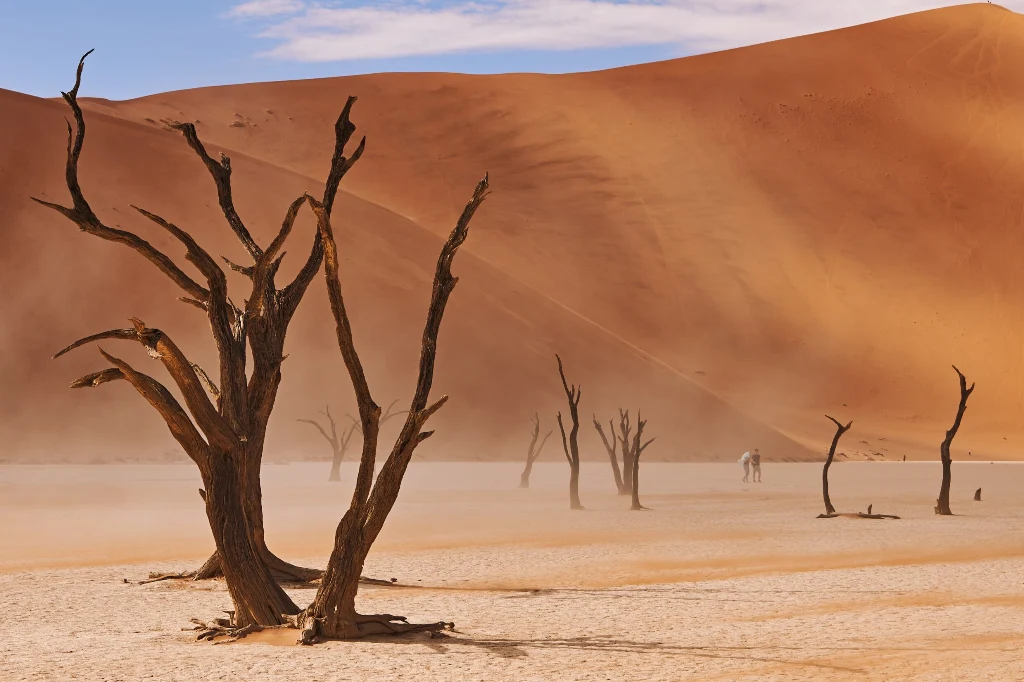
5 Destinations: Botswana → Etosha National Park → Namibia → Sossusvlei → Swakopmund
View Details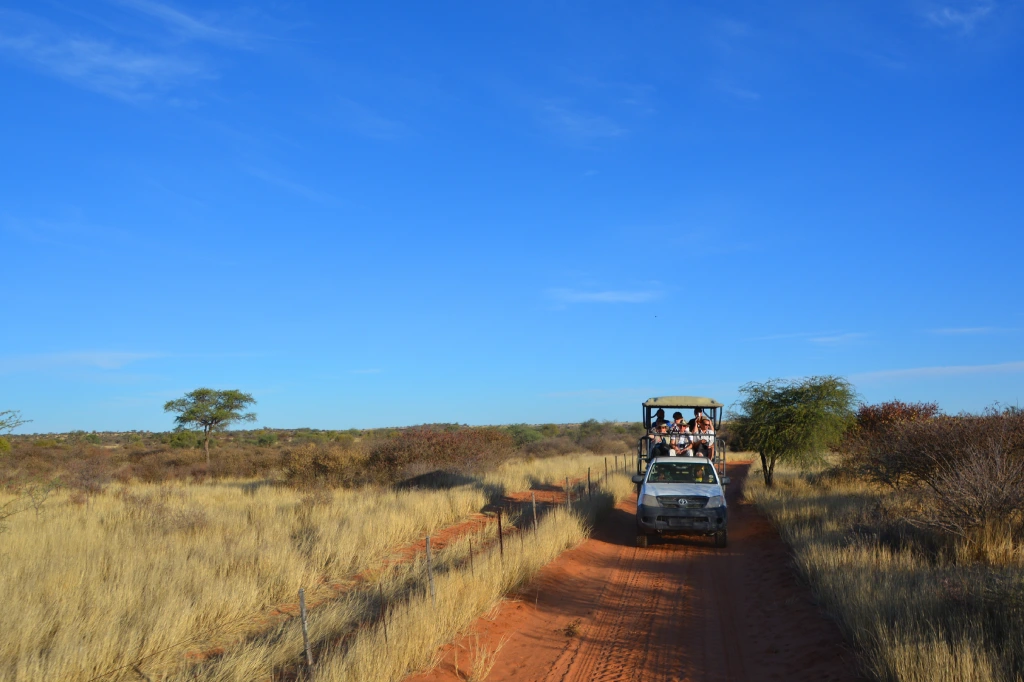
6 Destinations: Etosha National Park → Namibia → Sossusvlei → Spitzkoppe → Swakopmund → Windhoek
View Details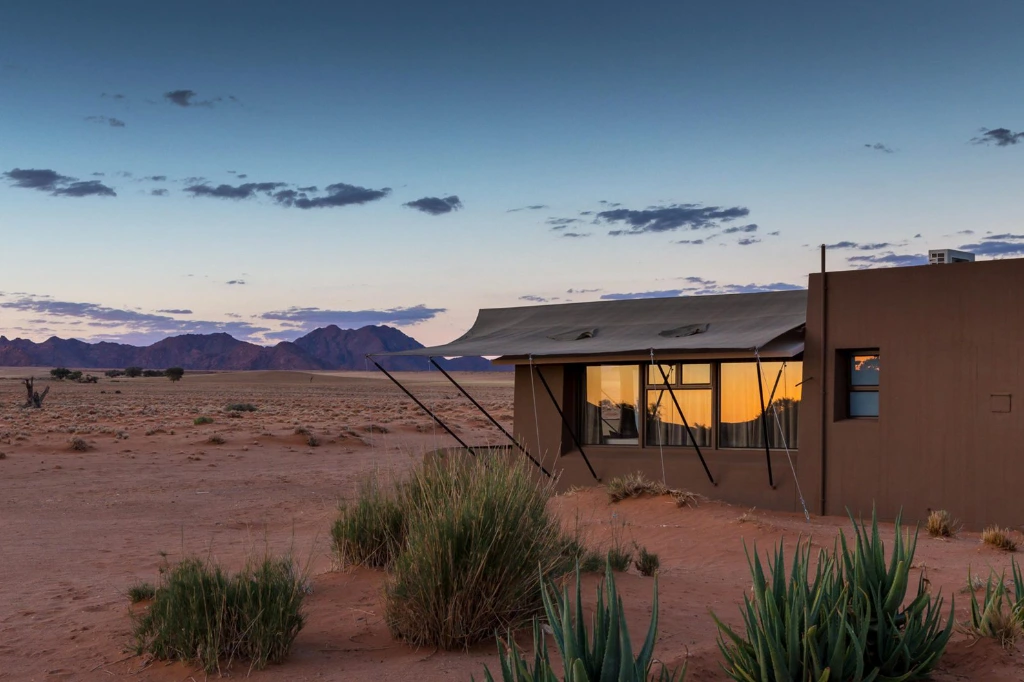
5 Destinations: Etosha National Park → Namibia → Sossusvlei → Swakopmund → Windhoek
View Details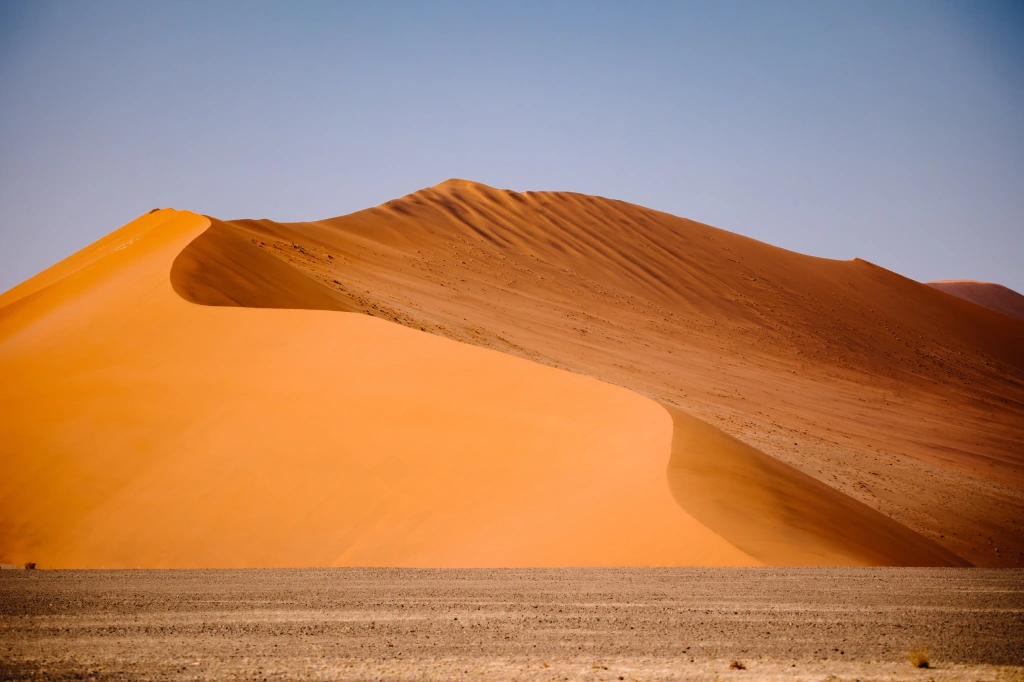
5 Destinations: Etosha National Park → Namibia → Sossusvlei → Swakopmund → Windhoek
View Details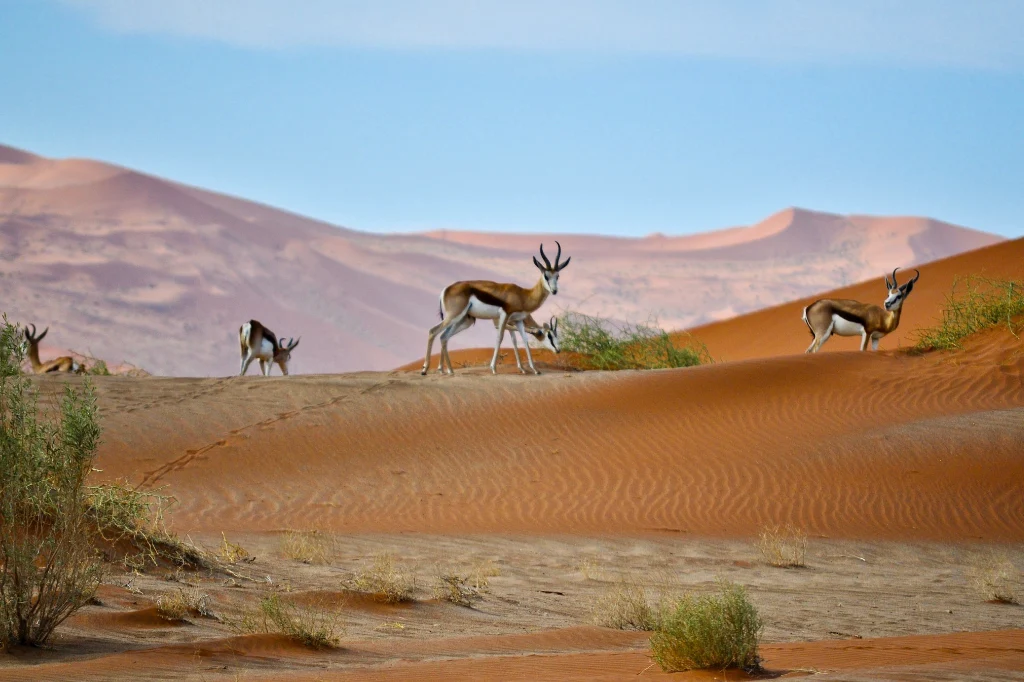
6 Destinations: Botswana → Etosha National Park → Namibia → Sossusvlei → Swakopmund → Zimbabwe
View Details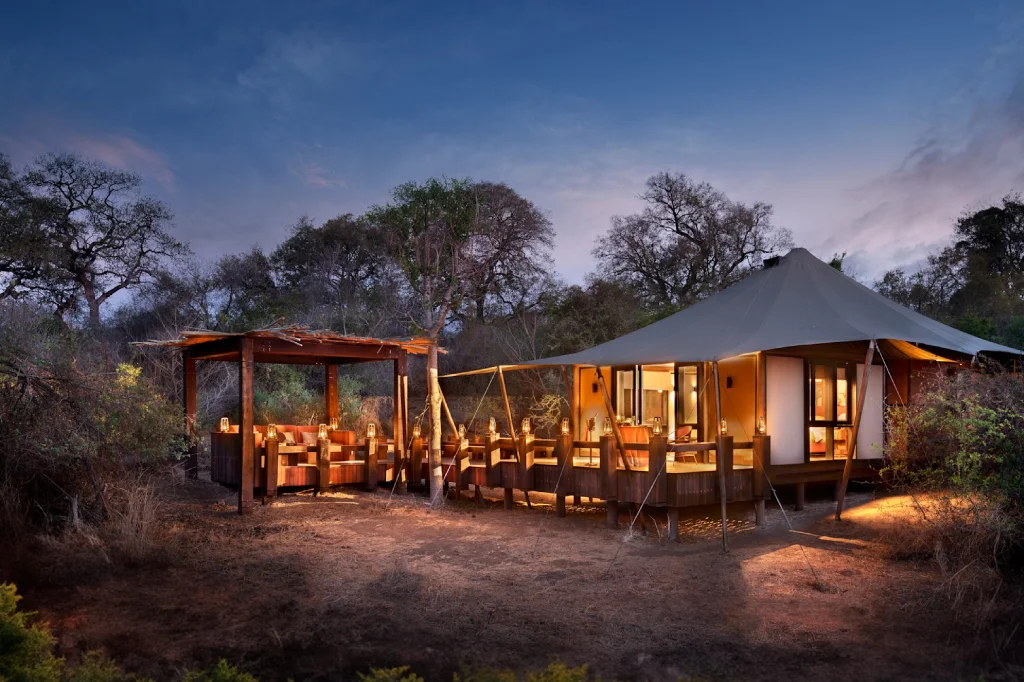
6 Destinations: Etosha National Park → Fish River Canyon → Namibia → Sossusvlei → Swakopmund → Twyfelfontein
View Details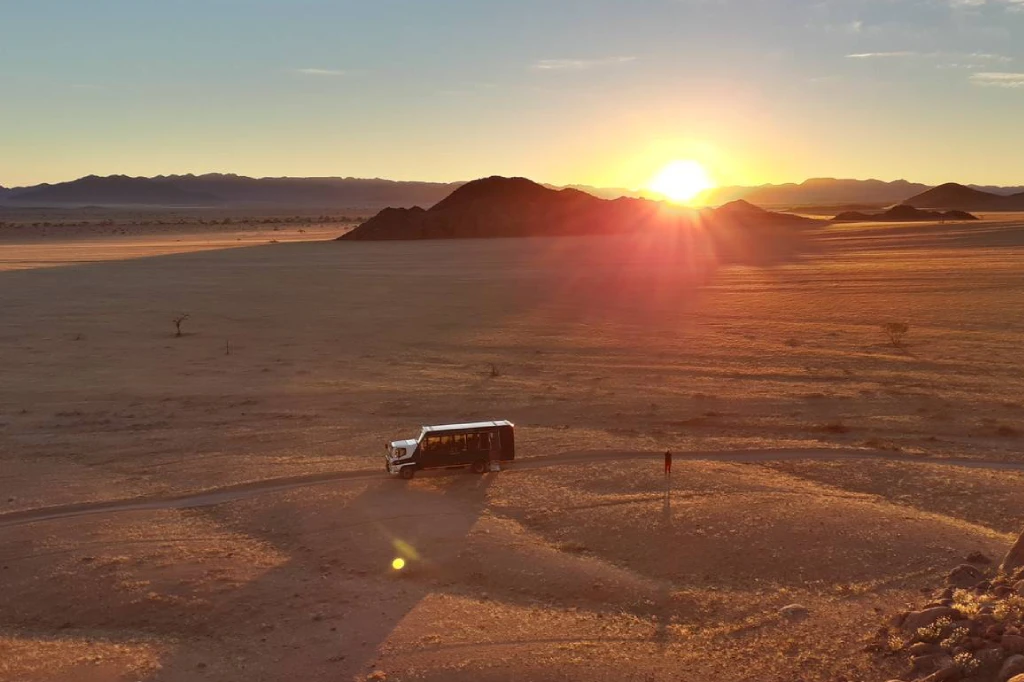
6 Destinations: Botswana → Etosha National Park → Namibia → Sossusvlei → Swakopmund → Zimbabwe
View Details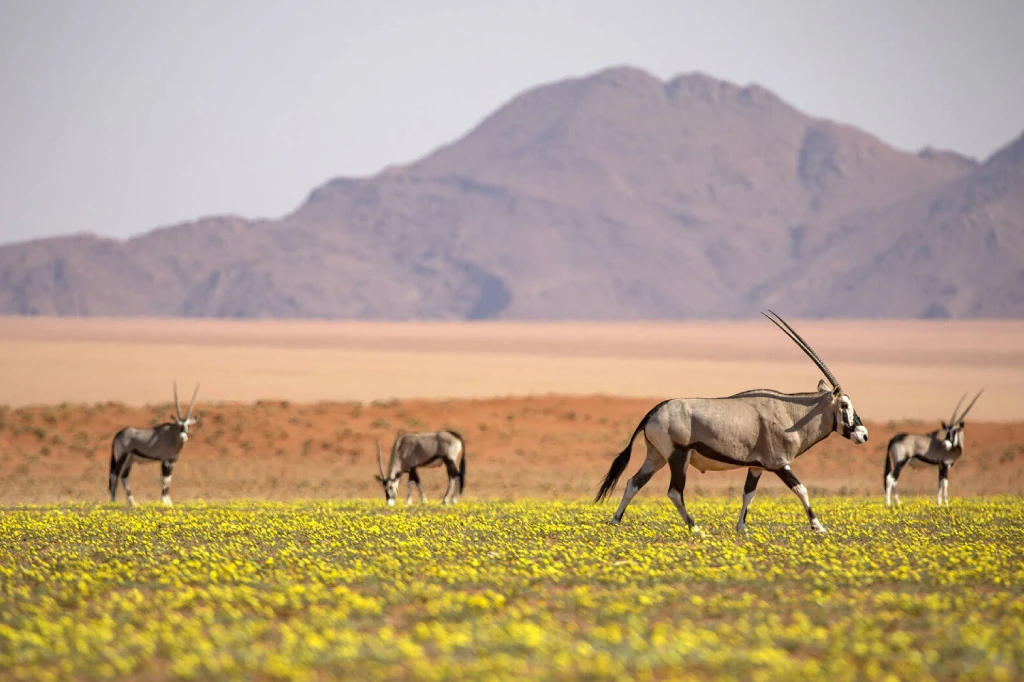
7 Destinations: Etosha National Park → Kamanjab → Namibia → Spitzkoppe → Swakopmund → Twyfelfontein → Windhoek
View Details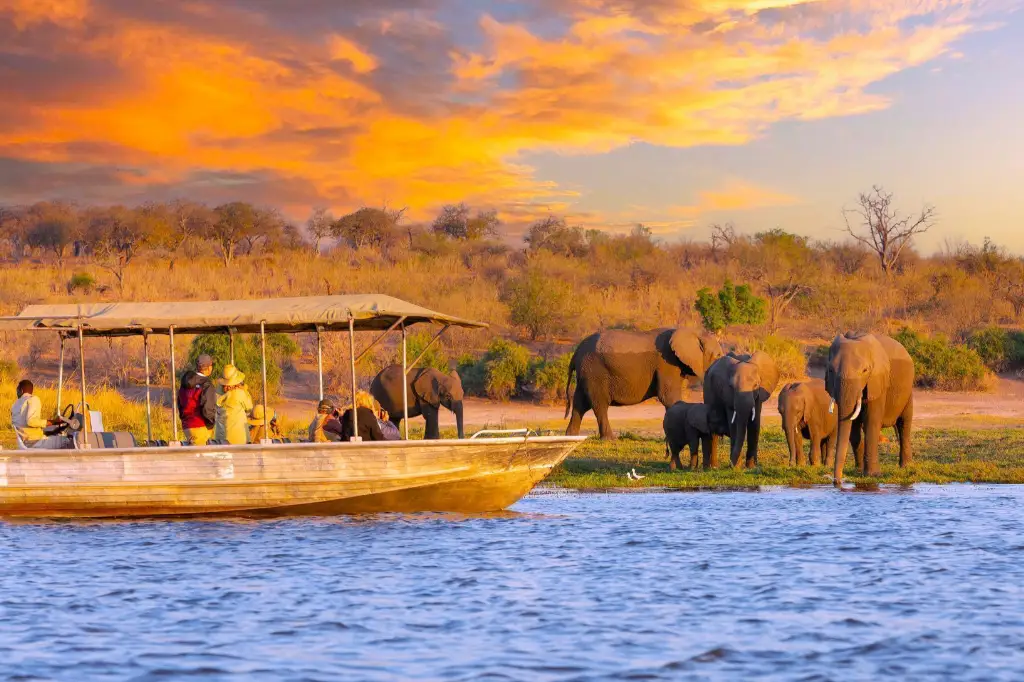
4 Destinations: Etosha National Park → Namibia → Sossusvlei → Swakopmund
View Details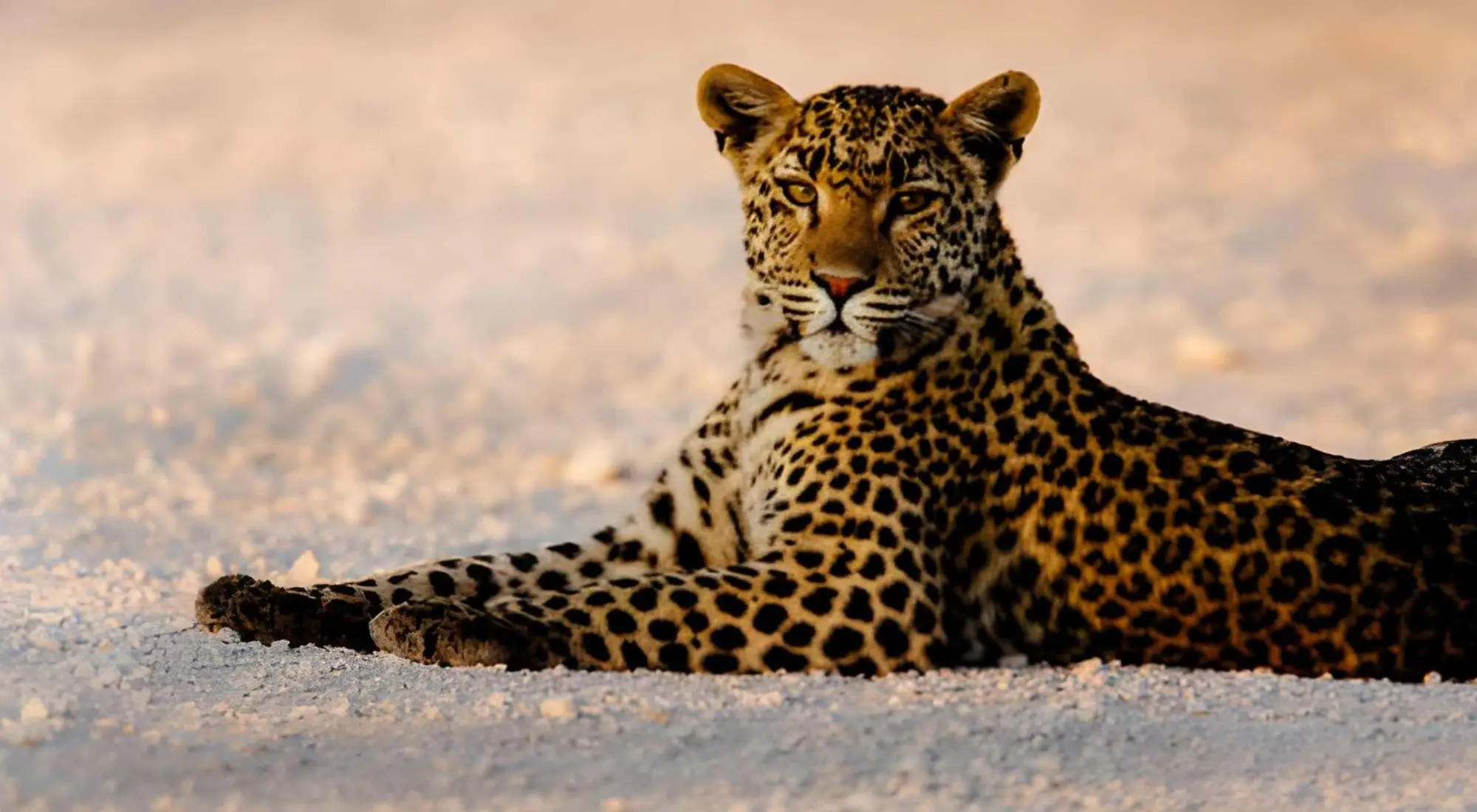
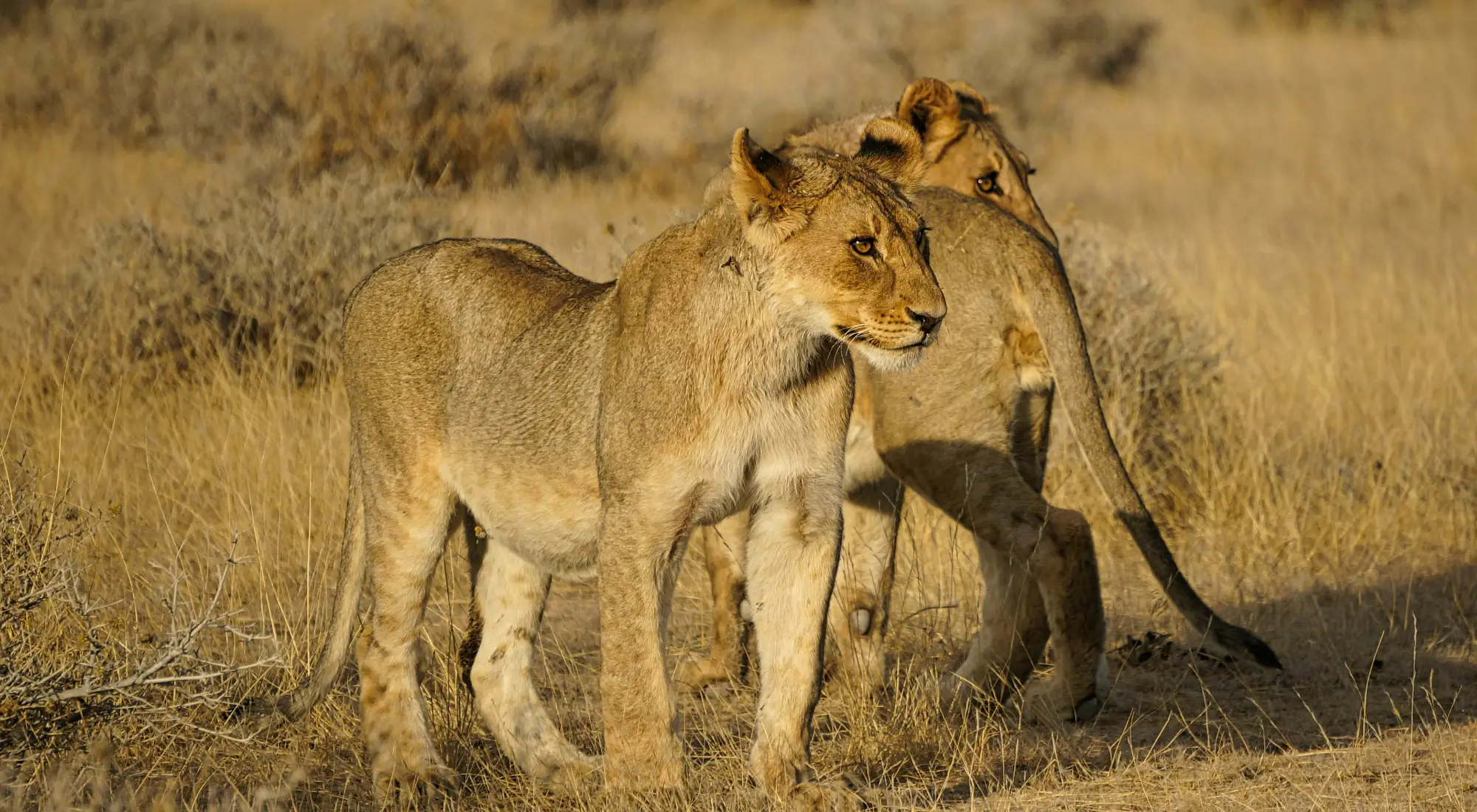
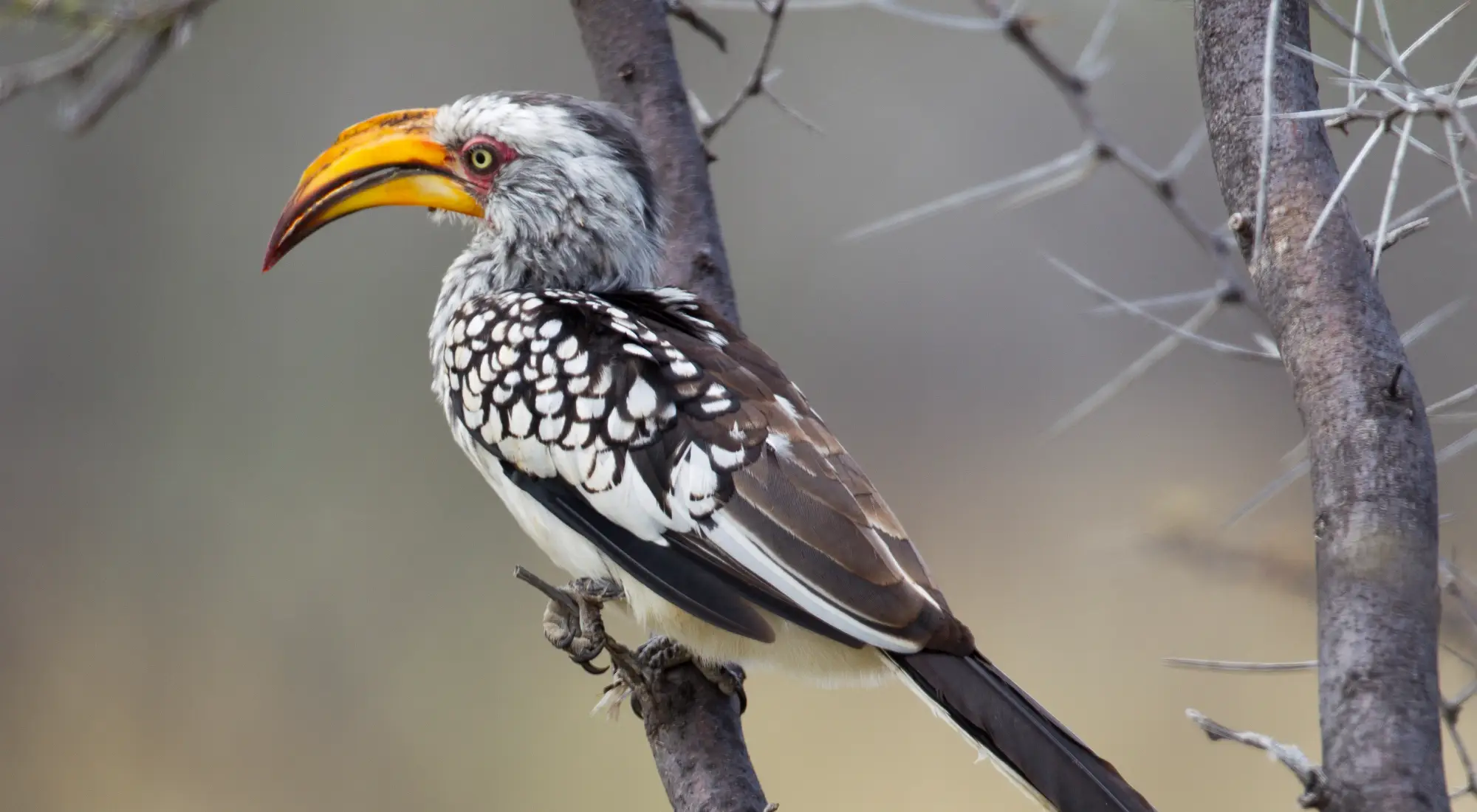
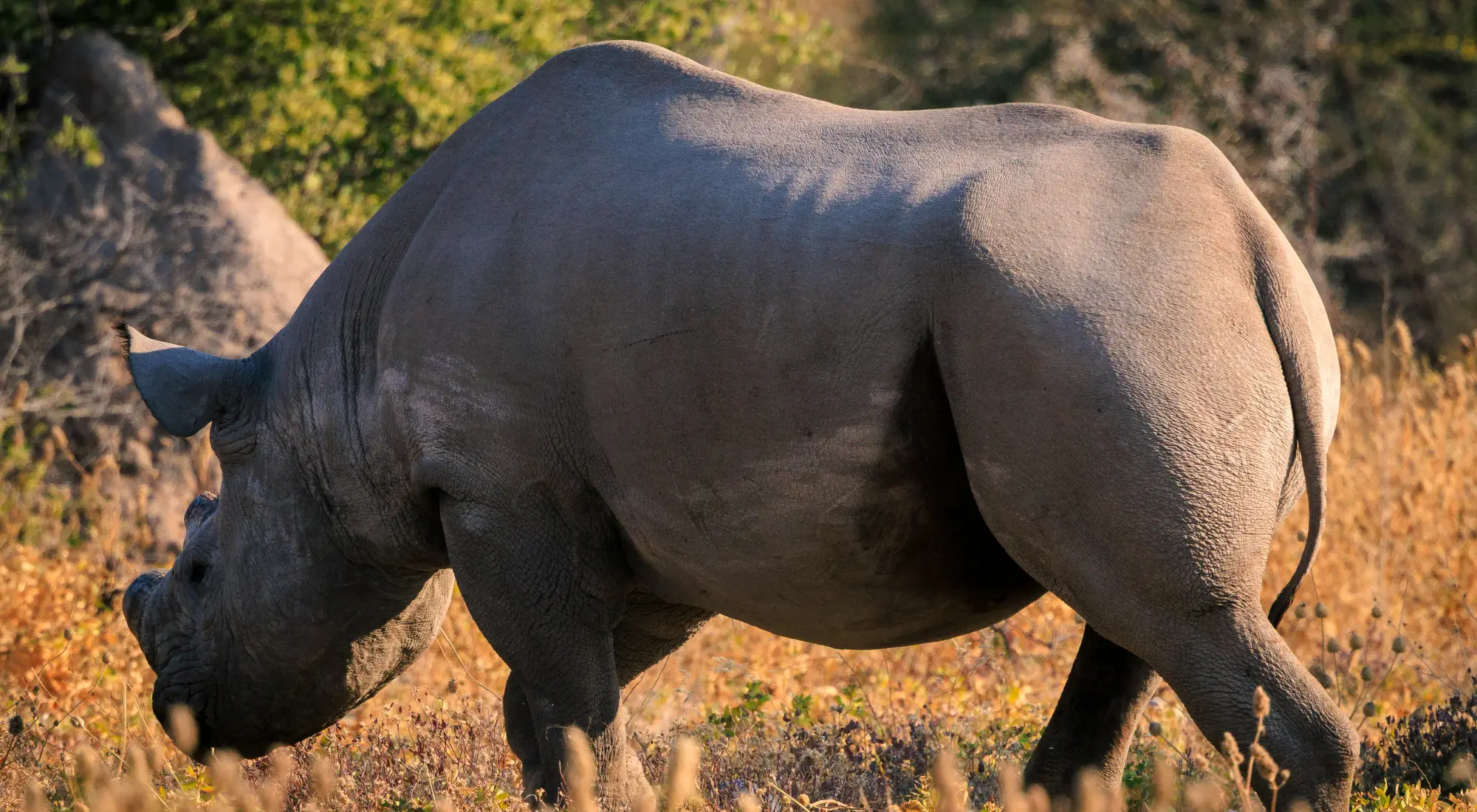
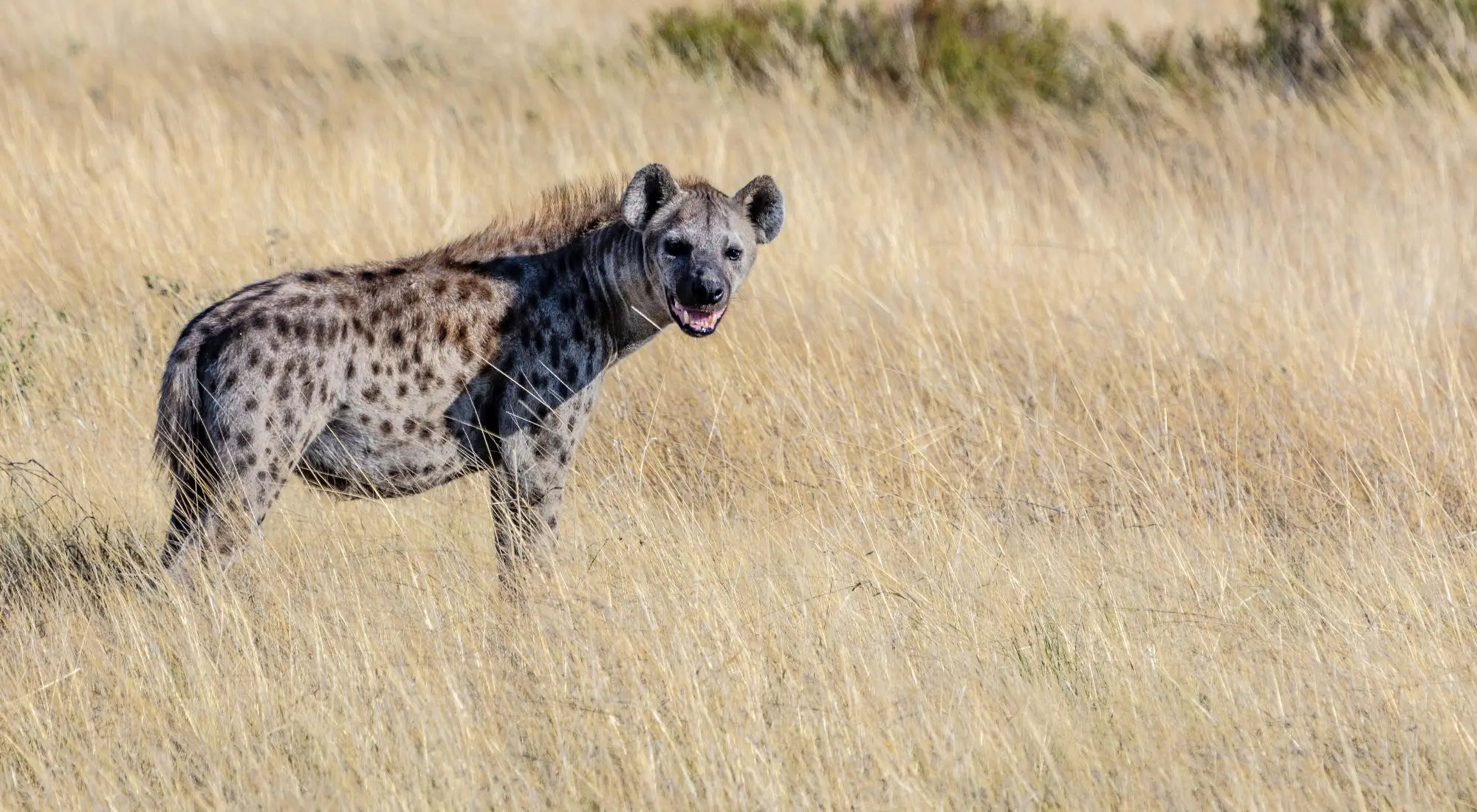
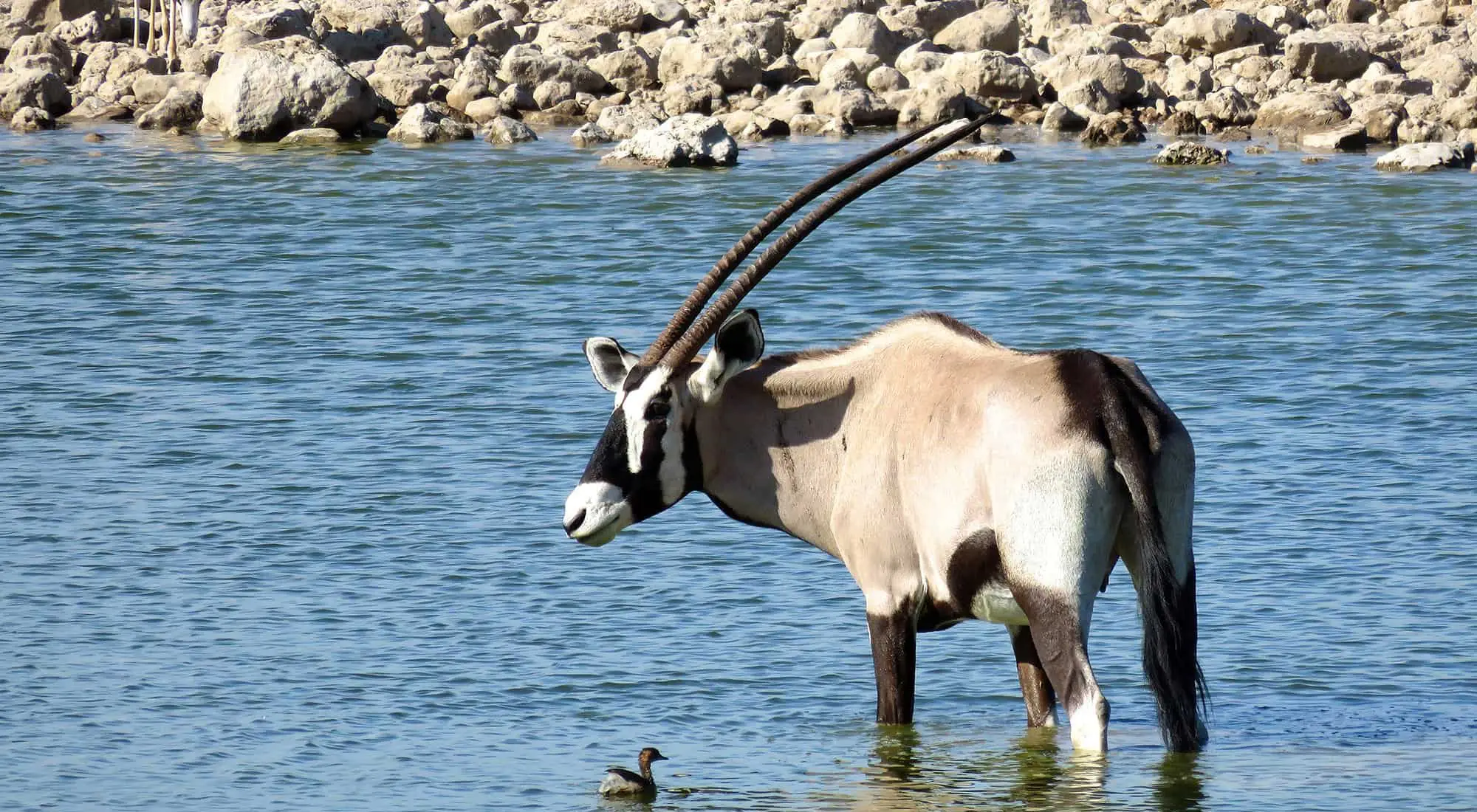
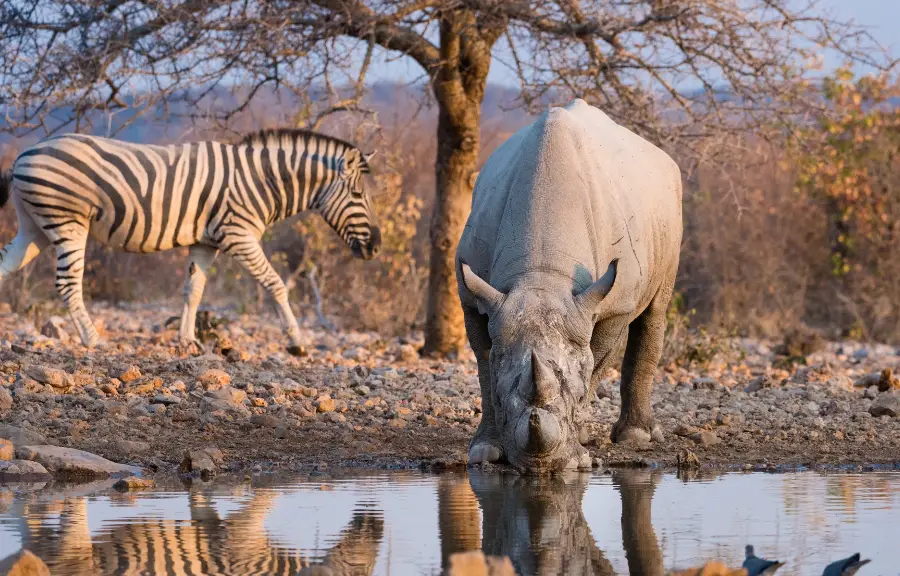
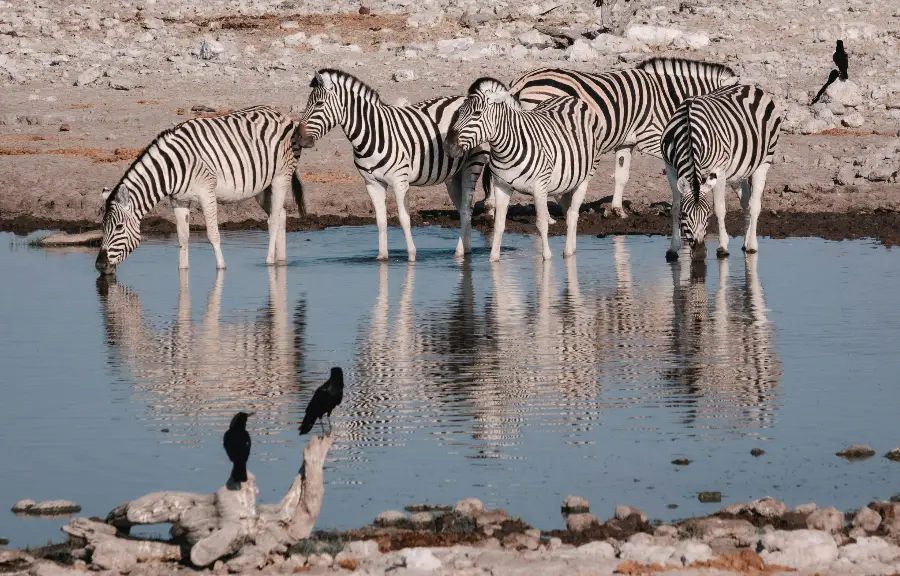
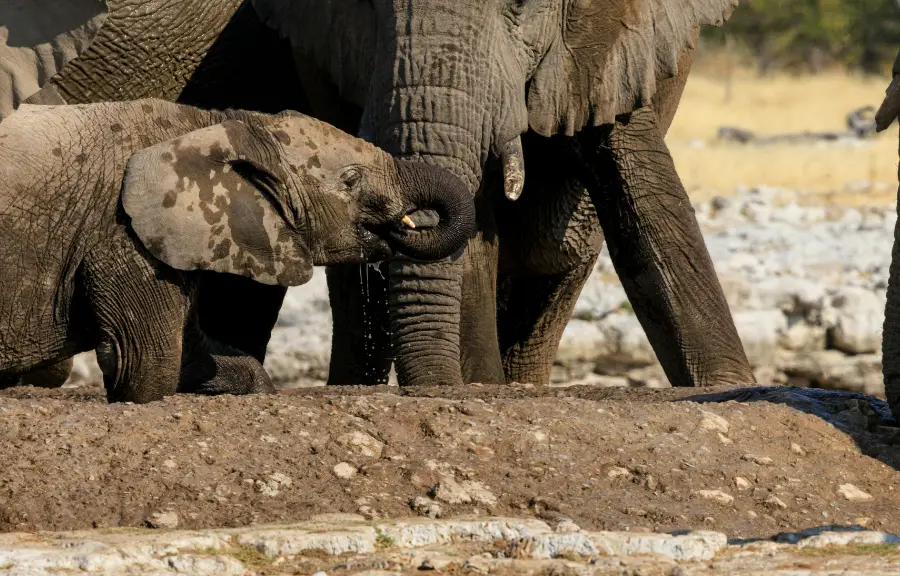
See Etosha in small, clear glimpses. White salt pans, animals near waterholes, dusty tracks, open skies, and quiet safari moments that show the park before the journey begins.
Etosha National Park raises many practical questions before a visit, especially regarding timing, entry gates, permits, self-drive rules, wildlife, and guided safaris. These FAQs keep the answers simple, so travelers can understand the basics before planning their route, booking accommodation, or adding Etosha to wider Namibia Safari Packages.
Namibia has a lot to pull travelers in. Wide desert dunes, wildlife parks, salt pans, coastal towns, canyons, and quiet wilderness areas all sit within one country. This section brings the main attractions in Namibia together, so travelers can see what fits their route, time, comfort level, and the kind of journey they want.
Our Namibian tour was an unforgettable experience from start to finish. Henzel was both our guide and driver, and he did an outstanding job in both roles. He was incredibly thorough and well-prepared, always sharing detailed insights about the landscapes, wildlife, and local culture. You could tell he truly knew and loved the country.

We did the “7 Days Wildlife Etosha and Sossusvlei Namibian Safari (Accommodated)” with Safari World Tours in December 2023 and it was the best choice for our family! We are experienced travelers (49 countries visited) and found that to travel to Namibia with a small child (4 years old) a tour would the the best option






 English
  German