+264 81 8211 521
info@safariworldtours.com
Rabatte & Deals


Mountain roots, folklore, dances, sacred fire traditions, craft skills, and open-air museum visits reveal how Berg Damara culture still lives through memory, community, and Namibia’s deep cultural story today with pride.

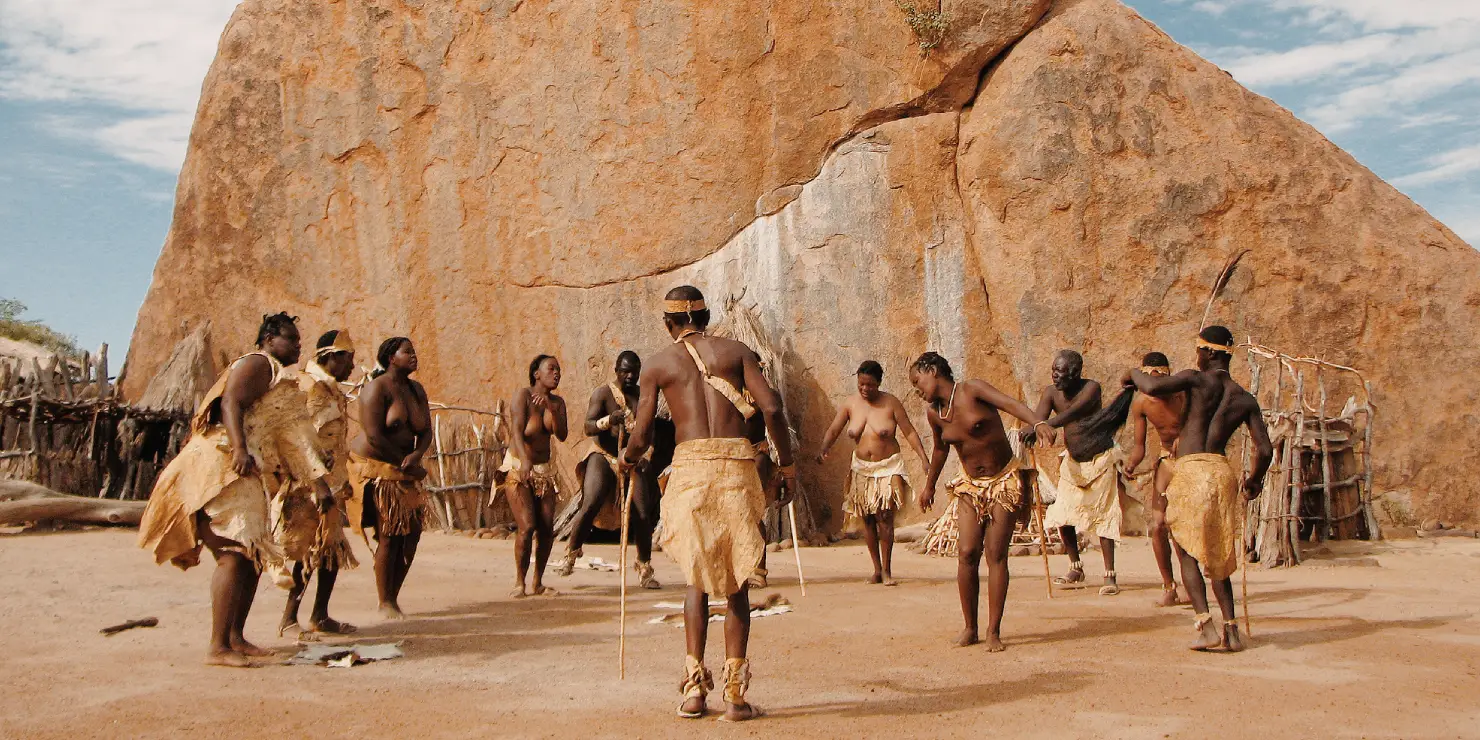
The Berg Damara, also called the Damara or Bergdama, are among Namibia’s oldest indigenous groups, alongside the San and Khoekhoe. Once hunter-gatherers and semi-nomadic mountain dwellers, many later became agro-pastoralists, cultivating crops and keeping livestock. Their origin remains complex for historians, as their physical features and Khoekhoe language suggest different ancestral links. Their story is an important part of Namibian culture.
A Berg Damara cultural visit adds depth to Namibia Touren und Safaris, especially around Twyfelfontein, Damaraland, Okombahe, and northwestern Namibia.
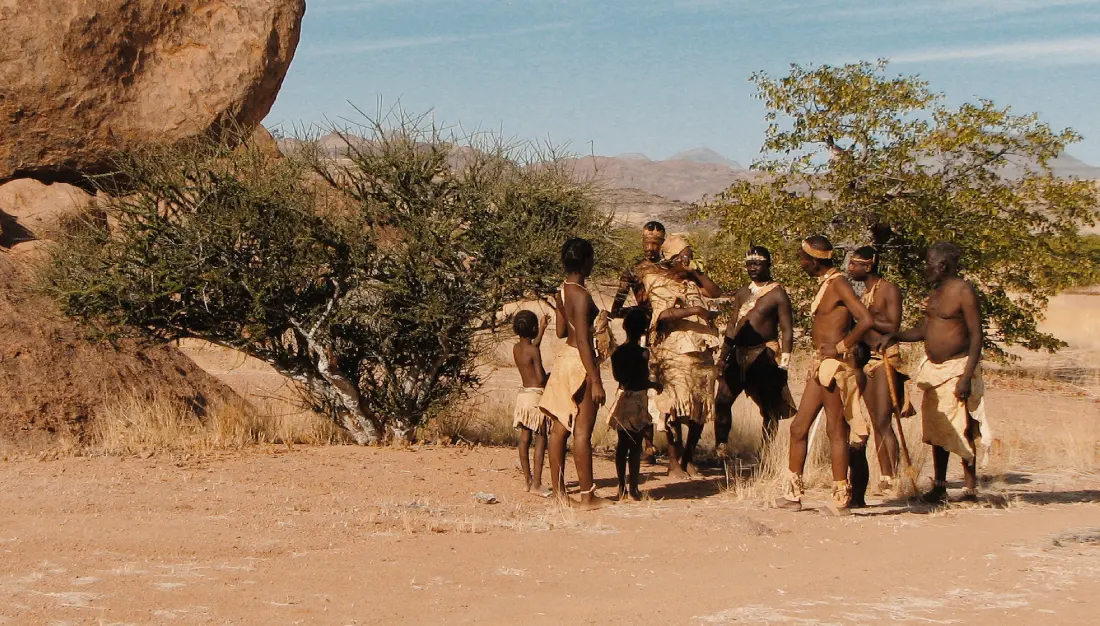
The Berg Damara have lived in Namibia for a very long time, with strong links to the hills and highlands where they once stayed for extended periods. The name “Berg Damara” was used by Germans to describe their life in the mountainous Khomas highlands. Today, Damara communities are found across Namibia, though many live mainly in the northwestern region, where their culture remains visible through language, festivals, stories, and living museums.
Damara culture carries a mix of old hunter-gatherer knowledge, farming life, livestock keeping, storytelling, dance, medicine, and spiritual belief. In the past, small bands lived in movable family groups, using wild plants, goats, iron work, pottery, and shared labour to survive. For travellers exploring Namibia Travel Destinations, learning about the Damara people adds a human layer to the landscapes of Damaraland and nearby regions.
Their culture feels strongest when explained through stories, craft, dance, and daily skills.
The Berg Damara are often described as one of Namibia’s most interesting cultural groups because their origins are still debated. Anthropologists have long found it difficult to explain how their physical features and the Khoekhoe language came together. This has made the Damara an important subject of discussion in southern Africa regarding early communities, migration, cultural contact, and identity.
Historically, many Berg Damara lived as hunter-gatherers in the mountainous parts of central Namibia. Some groups later served as clients of the Khoekhoe and Herero, working as cattle herders or providing iron tools and ornaments. Their skill in iron forging and pottery made them useful to neighboring communities. These older roles show how the People of Namibia have long exchanged skills, labor, language, and survival knowledge.
The Damara speak Khoekhoe, a language known for its click sounds. This connects them linguistically with wider Khoisan-speaking groups, even though their cultural practices have also been compared with those of peoples of central and western Africa. This mixture is one reason their history feels layered and not easy to fit into a single category.
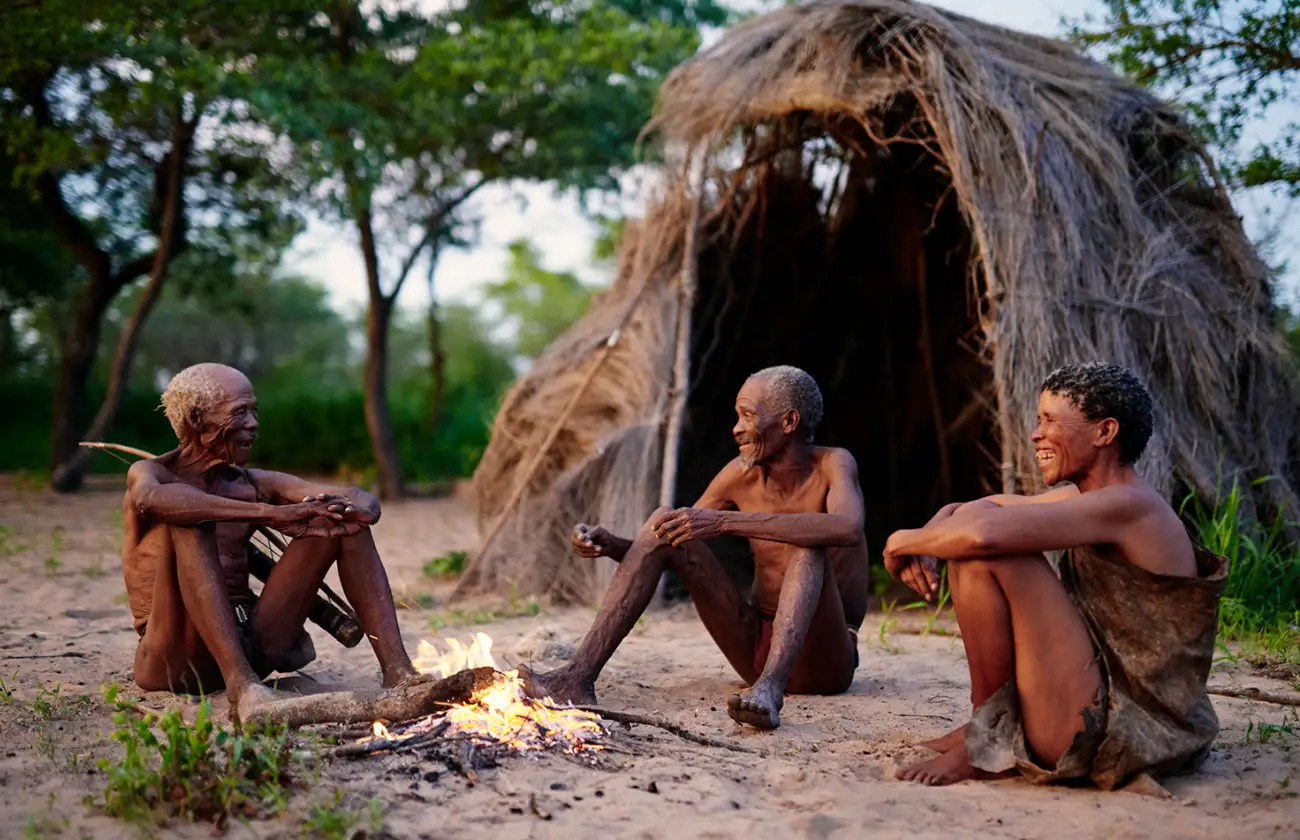
Traditional Damara society was organized around extended families known as haoti, with eleven clans forming part of the wider community structure. In earlier times, small bands of related families lived in temporary settlements made of grass-covered huts, often arranged inside thornbush enclosures. A sacred fire burned at the center of the village. The fire keeper or ritual leader held an important role, illustrating how leadership, belief, and daily life were closely connected in Namibian traditions.
Traditional Berg Damara religion placed strong meaning on the eternal fire. This sacred fire was linked with ritual life, hunting practices, leadership, and the spiritual center of the settlement. In many communities, the band leader was also the fire keeper, supported by elder male relatives. This role was not only political. It carried ritual responsibility.
Berg Damara belief also included the idea of a supreme being connected with rain and the yearly renewal of plant life. There were beliefs in life after death, and sickness or death could be understood as linked to the deity or departed souls needing attention. Over time, many Damara people adopted Christianity, yet older beliefs still remain important for understanding their cultural history and Namibian culture.
Before colonial influence, many Damara groups lived more mobile lives. They used wild plant foods, kept goats in some areas, and moved in small family groups. As time passed, many became more settled, taking up farming and animal keeping. Rural Damara communities today may grow corn, vegetables, and other crops while also keeping livestock.
This shift from hunter-gatherer and semi-nomadic life to agro-pastoral living shows how Damara culture has adapted. It has not stayed frozen in the past. It has moved with pressure, contact, land changes, and modern needs. That makes the Berg Damara story important for travellers who want to understand Modern Namibian People as well as older traditions.
The Damara people have a strong tradition of folklore and storytelling. Old tales may be shared through spoken performance, music, singing, and dance. These stories are not just entertainment. They carry memory, humor, lessons, history, and community values. Traditional dances are also a major part of the Damara expression, especially during cultural events and festivals.
Traditional medicine and healing practices are also part of the Damara cultural life. Knowledge of plants, rituals, and healing methods has long been passed down through families and communities. Visitors may learn about these traditions at cultural sites, where guides explain how Damara life worked in the past, before modern settlement patterns changed many daily routines.
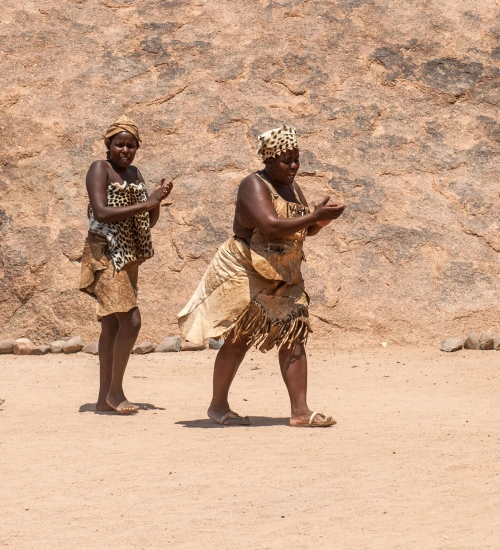
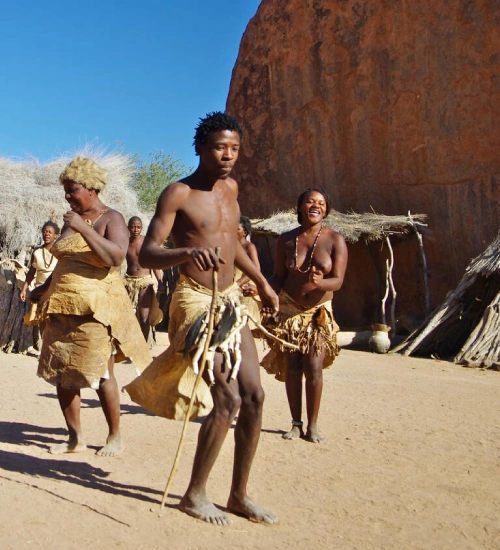
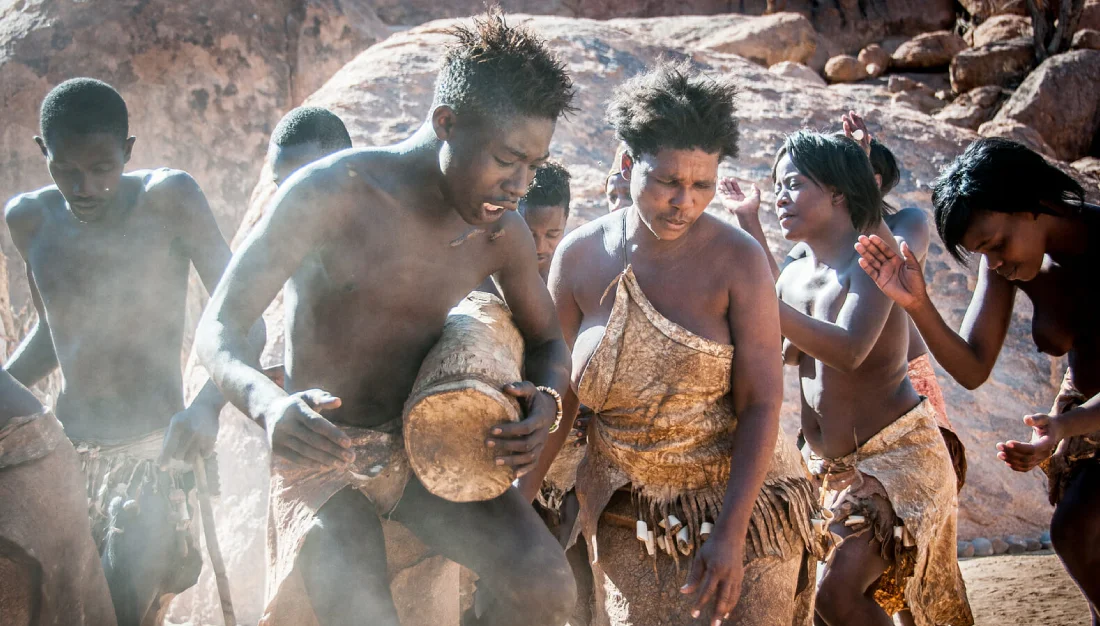
The Damara Living Museum near Twyfelfontein is one of the best places to learn about old Damara life. This open-air museum recreates traditional practices through village tours, bush tours, crafts, fire-making, hunting methods, storytelling, and daily demonstrations. Around 30 staff members help present the experience. For Namibia Guided Tours, this stop adds strong cultural meaning to a Damaraland route.
Traditional Damara dance is one of the most memorable parts of the culture. It often includes singing, movement, rhythm, and storytelling. Visitors may experience dance during a museum visit, cultural gathering, or the annual Damara Festival. These performances help keep older customs visible and pass them to younger generations while giving travellers a deeper look at Namibia Culture beyond scenery.
The Damara Festival is a two-day annual event held in November at Okombahe. It celebrates Damara traditions through cultural performances, music, storytelling, dance, and community gathering. The festival also honours deceased Damara leaders and helps pass cultural knowledge to younger people. For travellers interested in Namibia Tourist Destinations, this event offers one of the strongest ways to experience Damara heritage.
Damara cultural visits often include demonstrations of older village skills such as craftwork, tool use, daily food preparation, traditional clothing, and bush knowledge. These small details matter because they show how people lived with available materials. A village or museum visit can turn simple objects into stories about survival, identity, and the practical knowledge behind Namibia Traditions.
Damaraland is one of the best areas to combine culture, scenery, and history. Travellers can pair a Damara Living Museum visit with Twyfelfontein rock engravings, desert landscapes, wildlife areas, and nearby community experiences. This makes the region one of the Unique places to visit in Namibia for travellers who want both ancient landscapes and meaningful cultural learning.
The Berg Damara story is not easy to reduce to one line. It includes ancient roots, mountain life, debated origins, click language, family clans, sacred fire traditions, farming, livestock, dance, folklore, healing, and modern change. That is what makes the experience valuable. It gives travellers a chance to look beyond the surface and understand how layered Namibia’s cultural history really is.
This experience works well within Namibia Safari Touren for travellers who want more than landscapes and wildlife. A visit to the Damara Living Museum, the Damara Festival, or a guided cultural stop can add context to Damaraland’s hills, valleys, and ancient sites. The strongest visits are respectful, well-guided, and not rushed. They let travelers listen, watch, ask questions carefully, and understand that Damara culture is not just history. It is still carried by people, families, language, and memory.
Explore Damara culture with patience, and let its stories add real depth to your journey in Namibia.
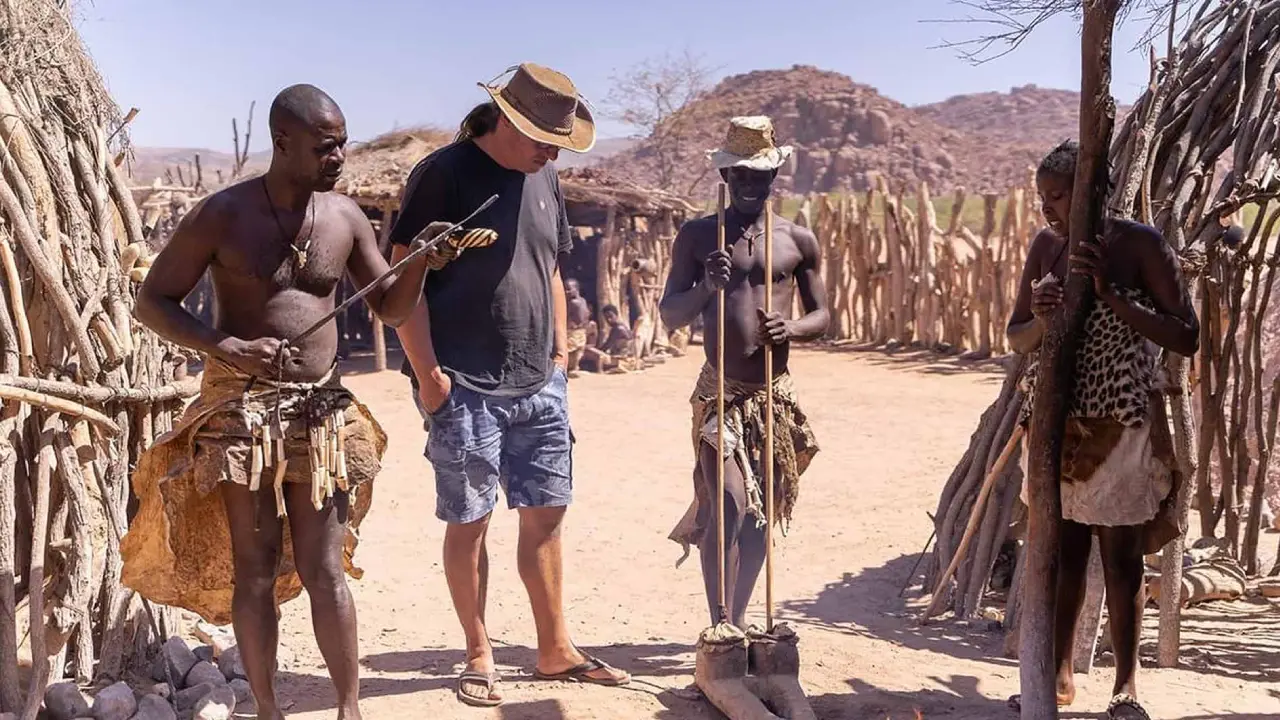
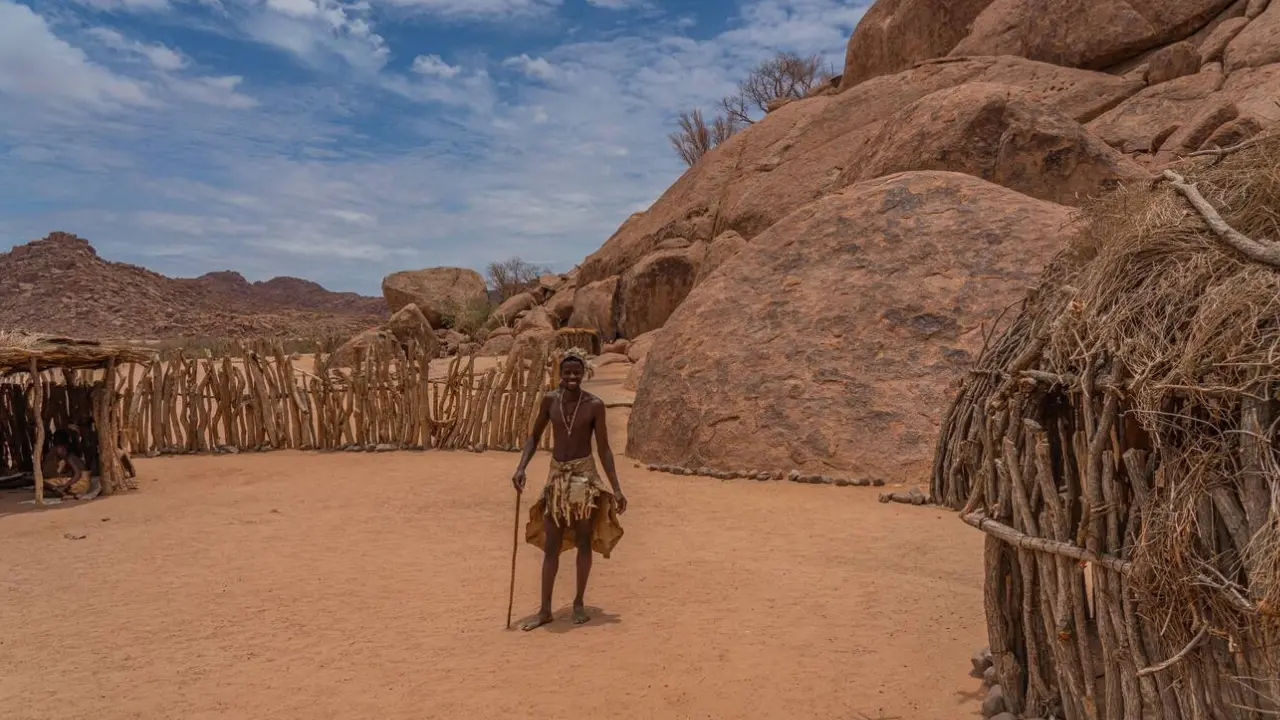
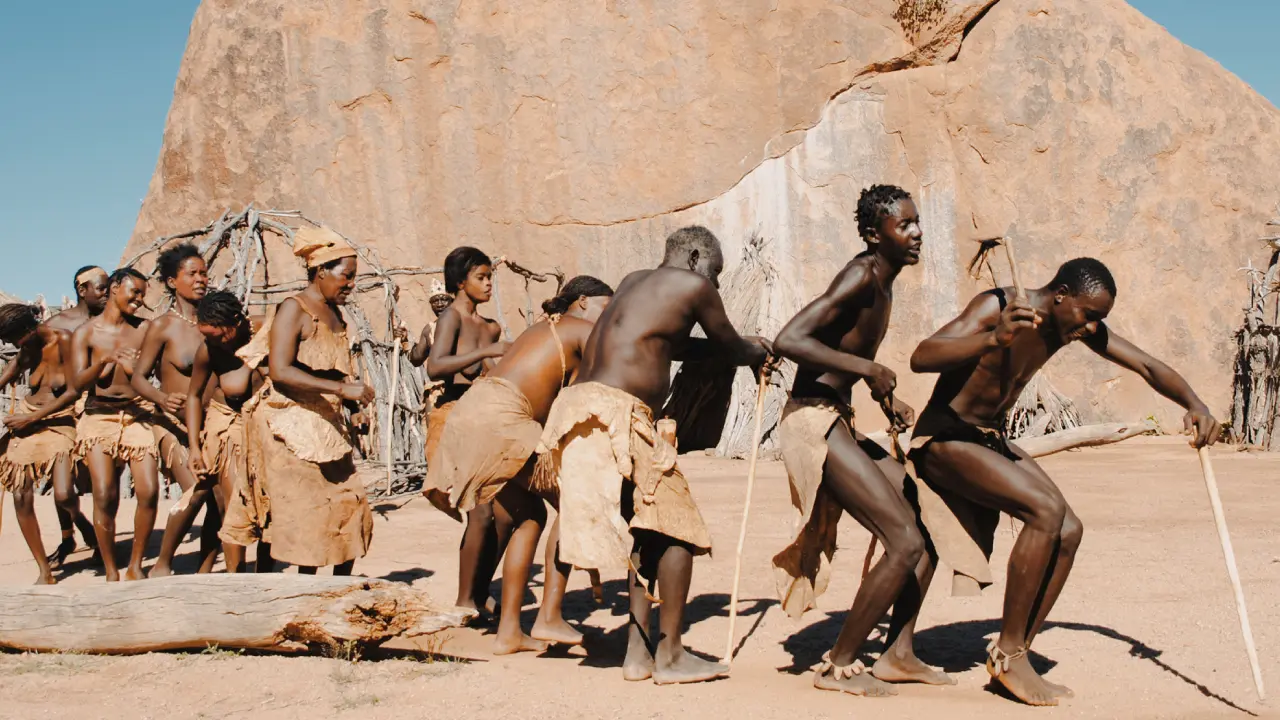
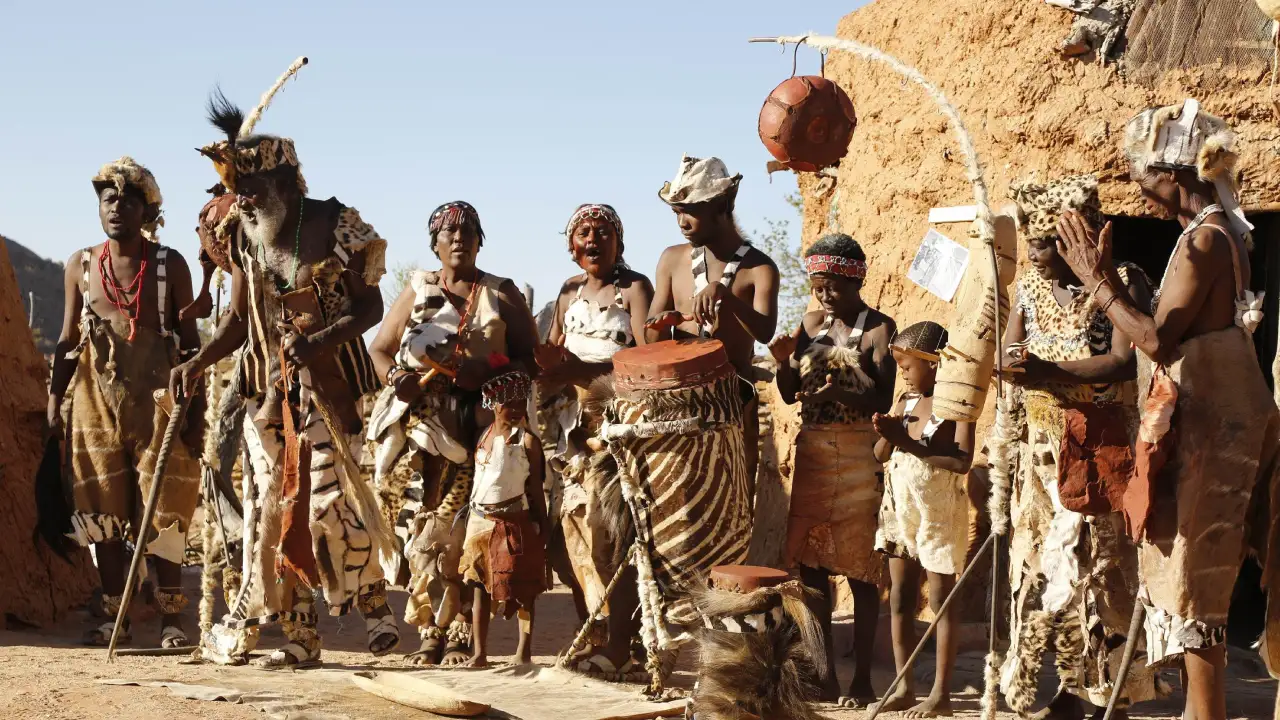
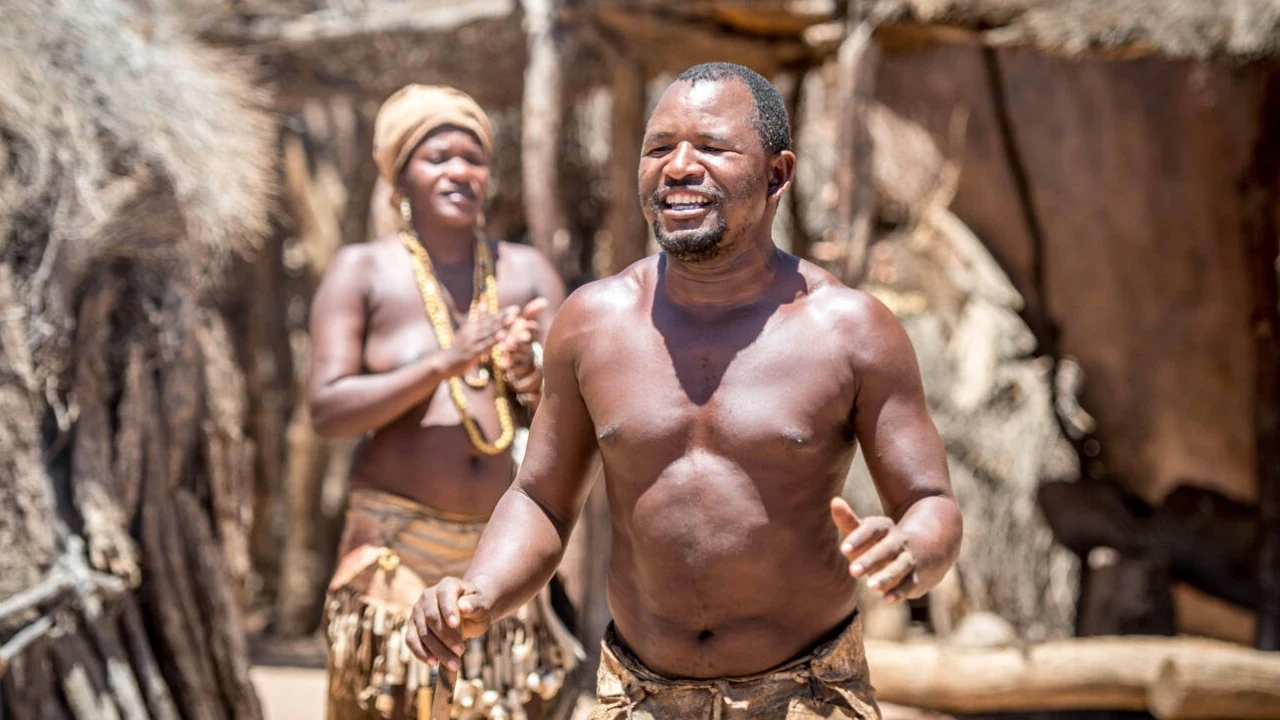
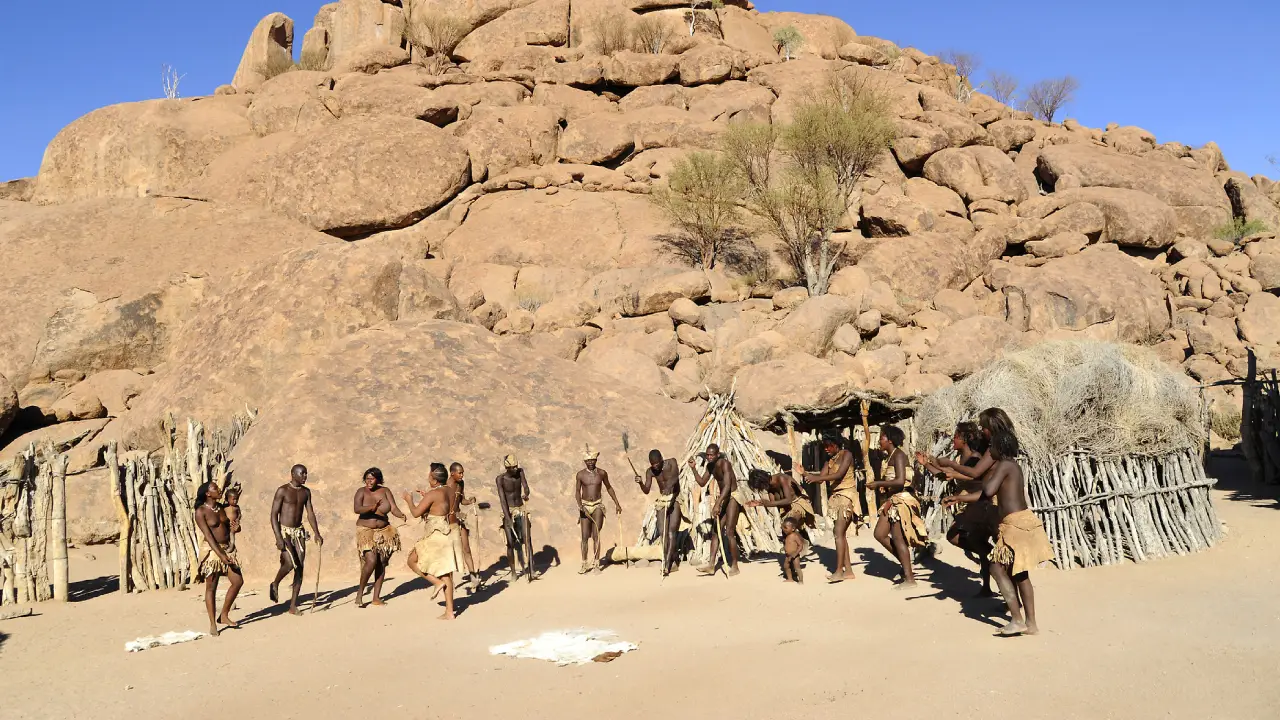
Browse Damara dances, village scenes, craft moments, fire traditions, storytelling spaces, cultural dress, and Damaraland views that show heritage through people, memory, and everyday skills.
A Berg Damara cultural visit brings questions about origin, language, traditions, festivals, museum visits, and daily life. These FAQs give travellers a clear starting point before visiting Damaraland, Twyfelfontein, or Okombahe. They also help place the Damara people within the wider context of Namibia Tours and Safaris without reducing their culture to a quick stop.
Meeting Namibia’s indigenous tribes offers a unique glimpse into the country’s rich cultural heritage. From learning about the traditions of the Himba and San people to hearing local stories and experiencing traditional ways of life, these encounters provide a deeper connection to Namibia beyond its landscapes and wildlife.
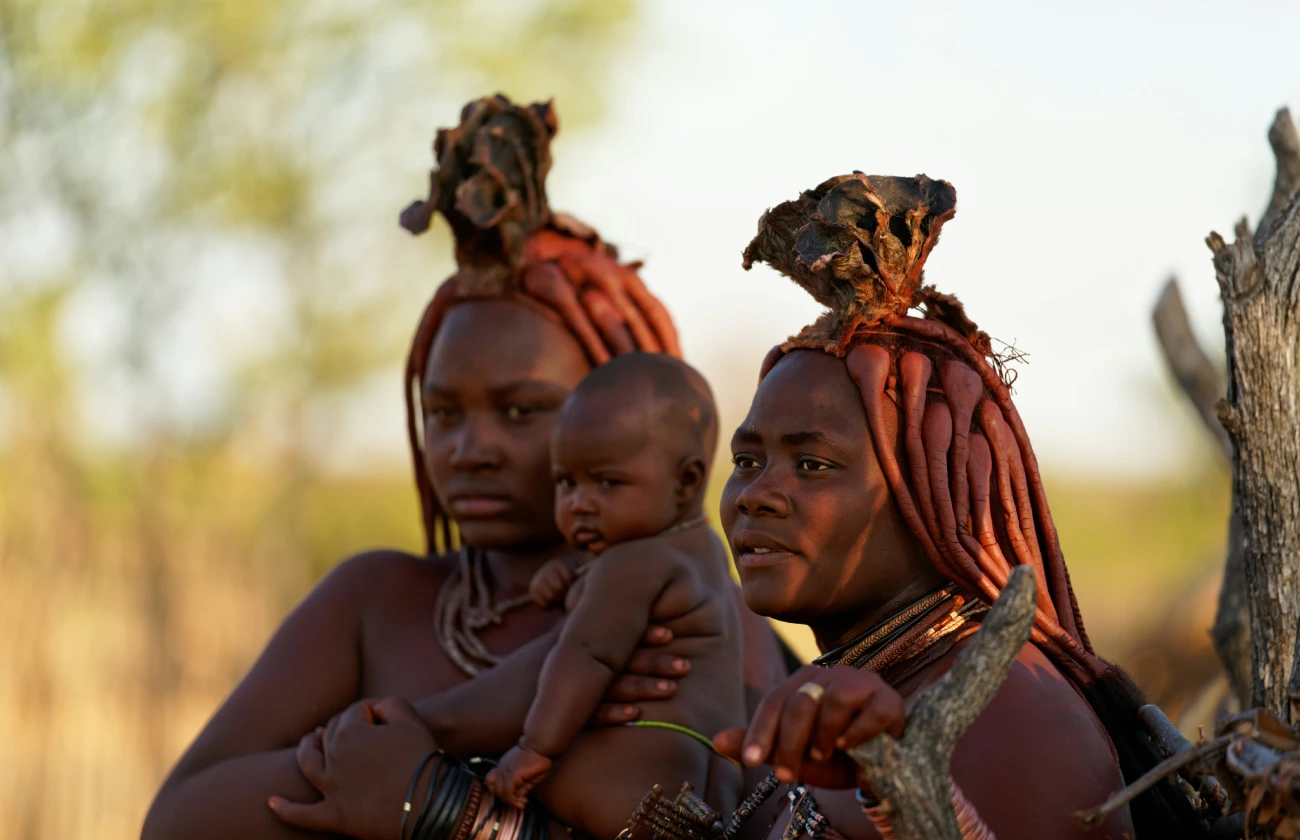
Gather ideas from our Namibia tour packages, or let our consultants help you picture the possibilities. We can build the journey around your time, style, and interests.
Unser Namibia safari itineraries are designed to link desert landscapes, wildlife parks, coastal towns, and remote cultural areas into one seamless journey. Travelers can move from Etosha’s game drives to Sossusvlei’s dunes, Swakopmund’s coast, and Damaraland’s rugged beauty, with enough time to enjoy each place properly.
2 Destinations: Etosha National Park → Namibia
View Details
5 Destinations: Botswana → Etosha National Park → Namibia → Sossusvlei → Swakopmund
View Details
6 Destinations: Etosha National Park → Namibia → Sossusvlei → Spitzkoppe → Swakopmund → Windhoek
View Details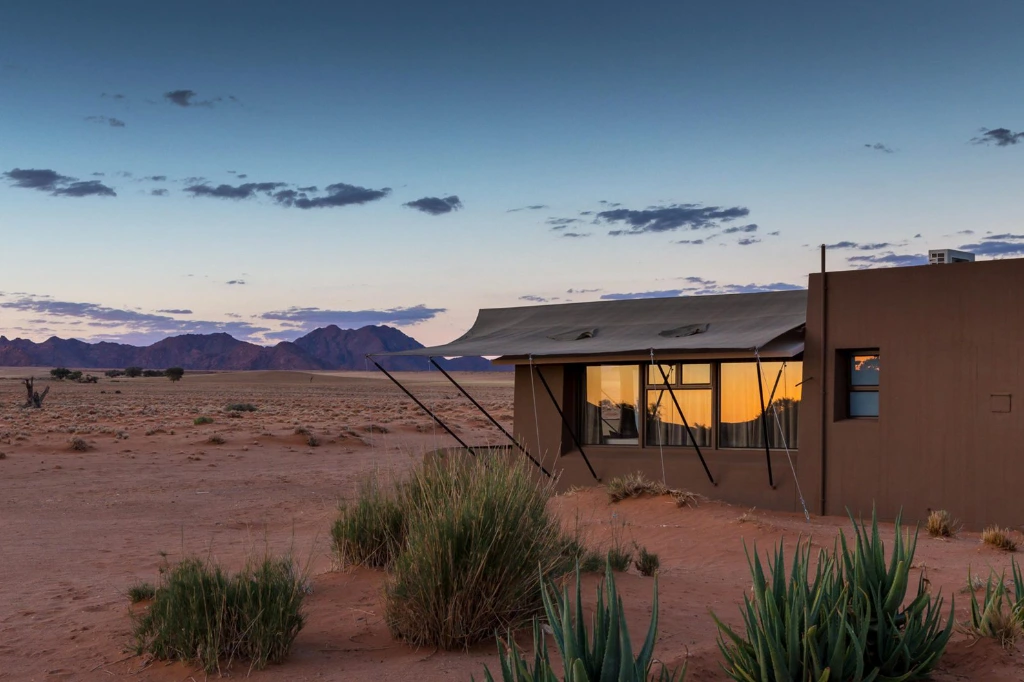
5 Destinations: Etosha National Park → Namibia → Sossusvlei → Swakopmund → Windhoek
View Details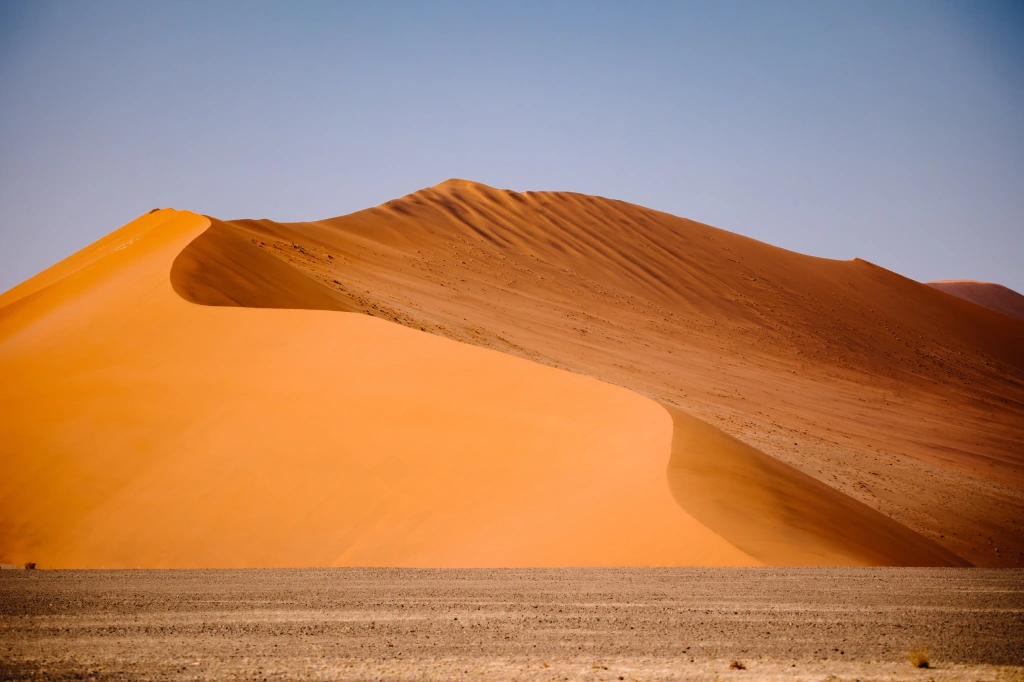
5 Destinations: Etosha National Park → Namibia → Sossusvlei → Swakopmund → Windhoek
View Details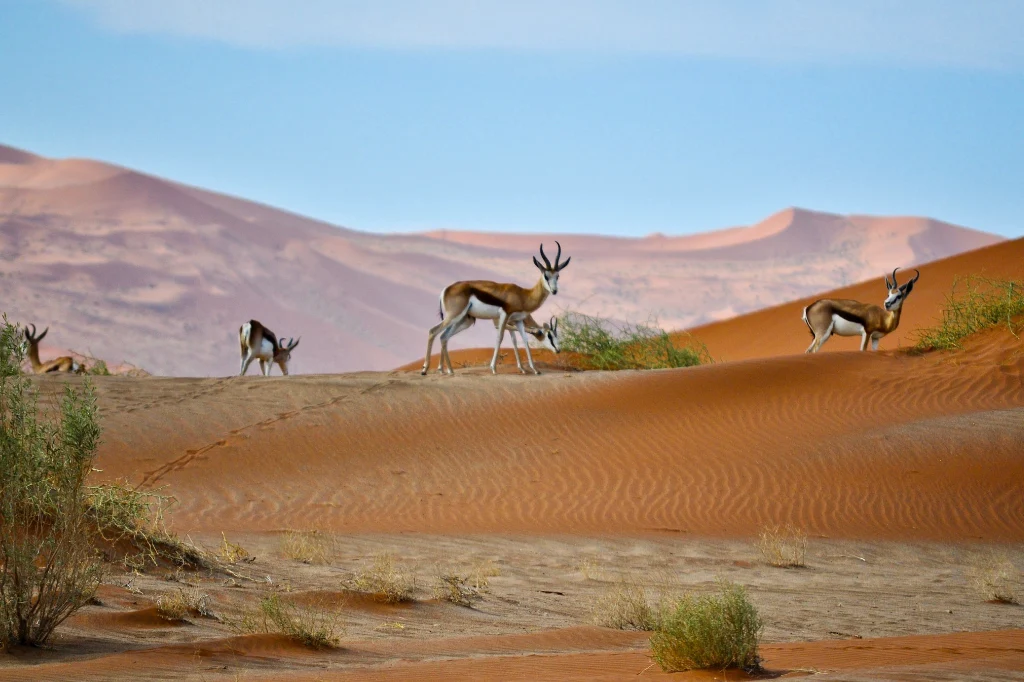
6 Destinations: Botswana → Etosha National Park → Namibia → Sossusvlei → Swakopmund → Zimbabwe
View Details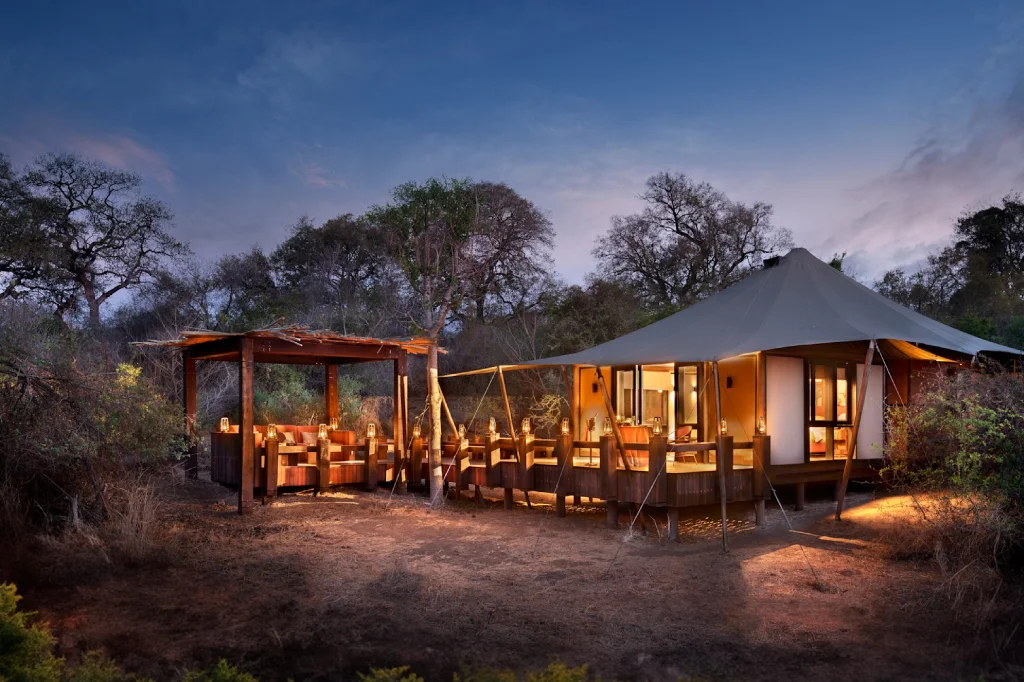
6 Destinations: Etosha National Park → Fish River Canyon → Namibia → Sossusvlei → Swakopmund → Twyfelfontein
View Details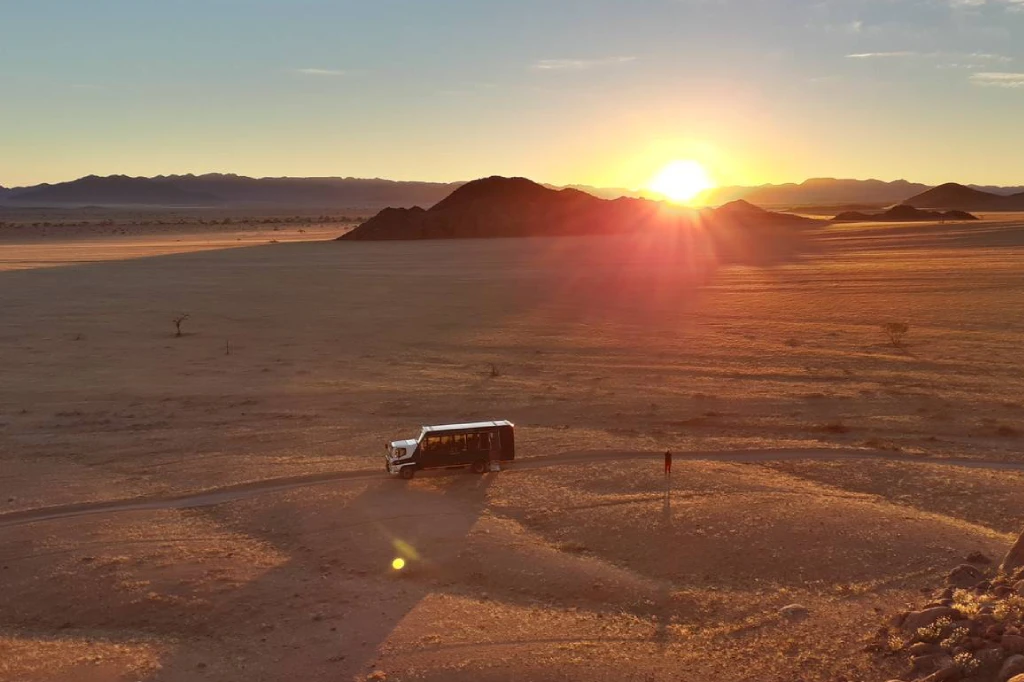
6 Destinations: Botswana → Etosha National Park → Namibia → Sossusvlei → Swakopmund → Zimbabwe
View Details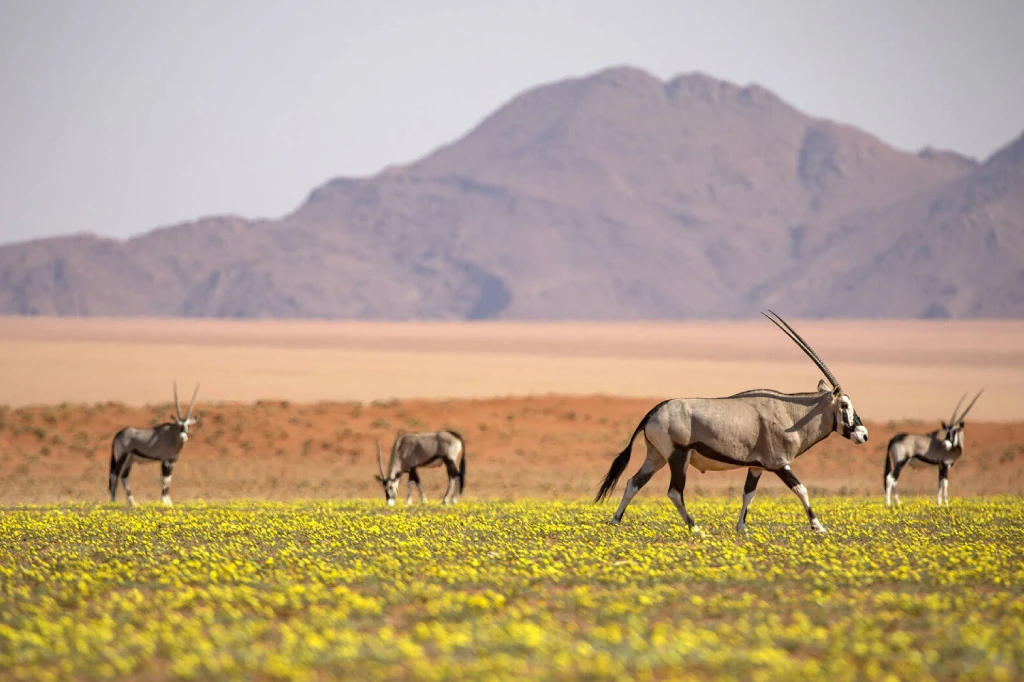
7 Destinations: Etosha National Park → Kamanjab → Namibia → Spitzkoppe → Swakopmund → Twyfelfontein → Windhoek
View Details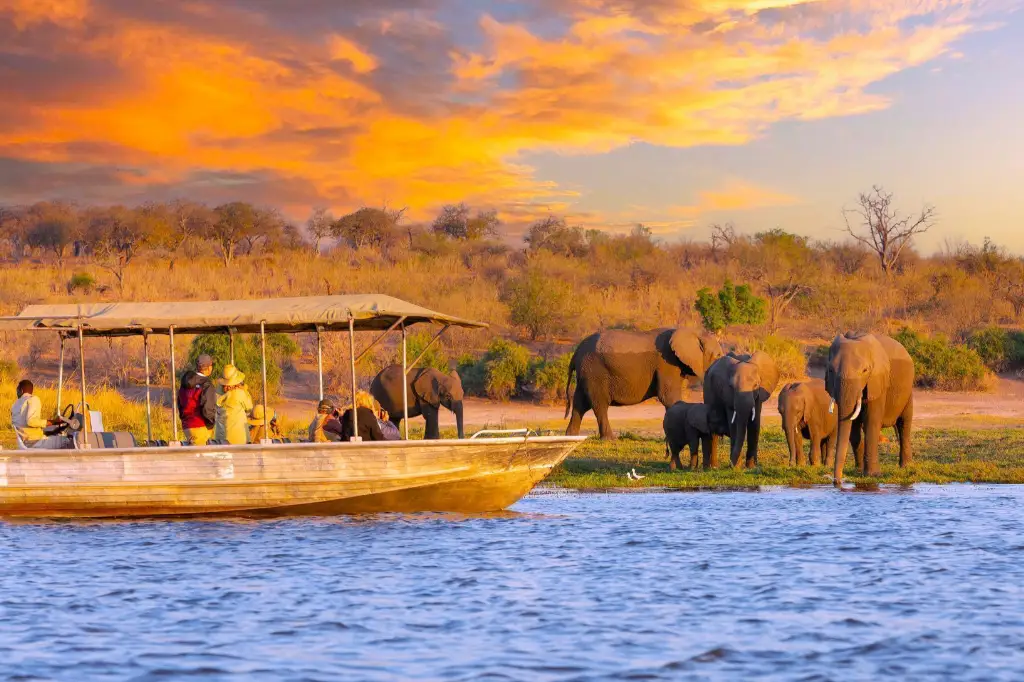
4 Destinations: Etosha National Park → Namibia → Sossusvlei → Swakopmund
View DetailsOur Namibian tour was an unforgettable experience from start to finish. Henzel was both our guide and driver, and he did an outstanding job in both roles. He was incredibly thorough and well-prepared, always sharing detailed insights about the landscapes, wildlife, and local culture. You could tell he truly knew and loved the country.

We did the “7 Days Wildlife Etosha and Sossusvlei Namibian Safari (Accommodated)” with Safari World Tours in December 2023 and it was the best choice for our family! We are experienced travelers (49 countries visited) and found that to travel to Namibia with a small child (4 years old) a tour would the the best option






 German
  English