+264 81 8211 521
info@safariworldtours.com
Rabatte & Deals


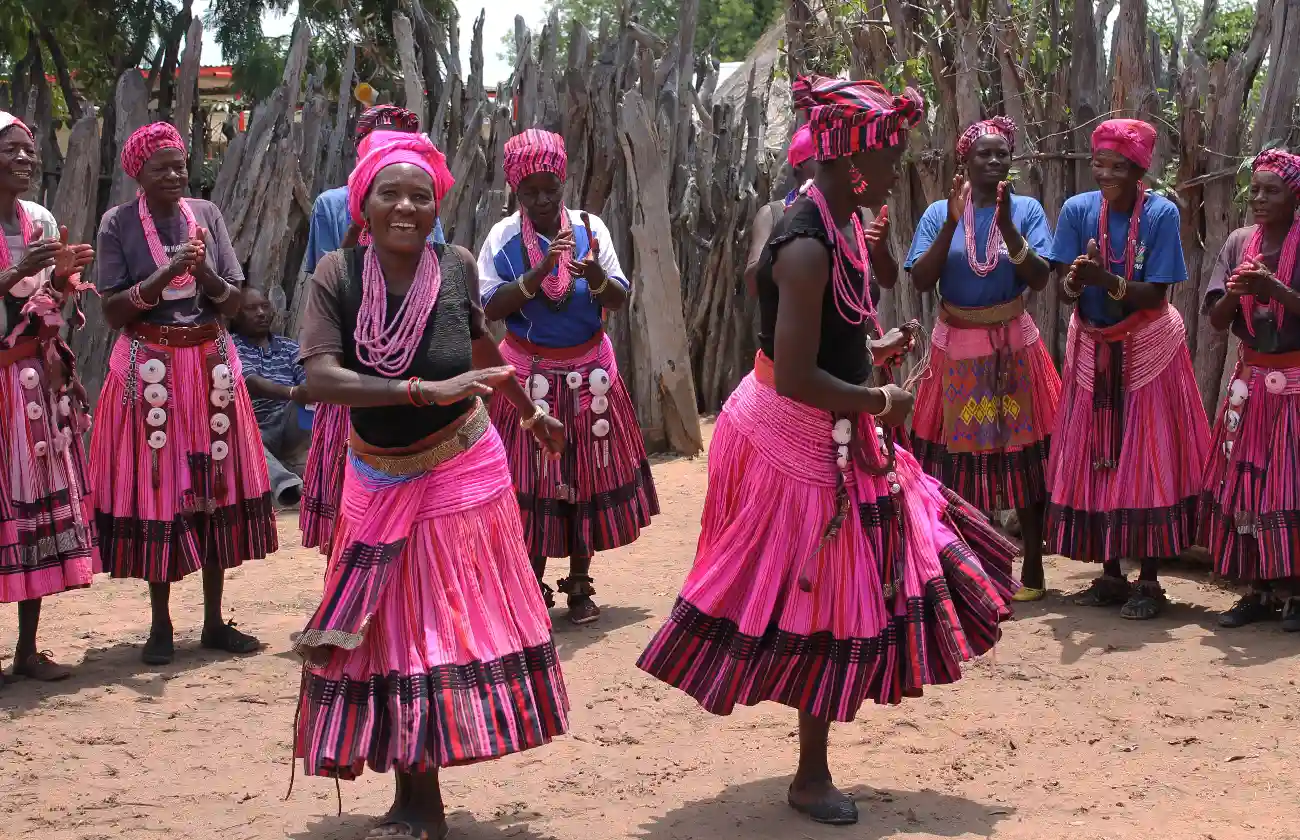
Meet the Himba people with respect, learn about their daily life, livestock, ochre traditions, hairstyles, beliefs, and family customs across Namibia’s remote northern landscapes.

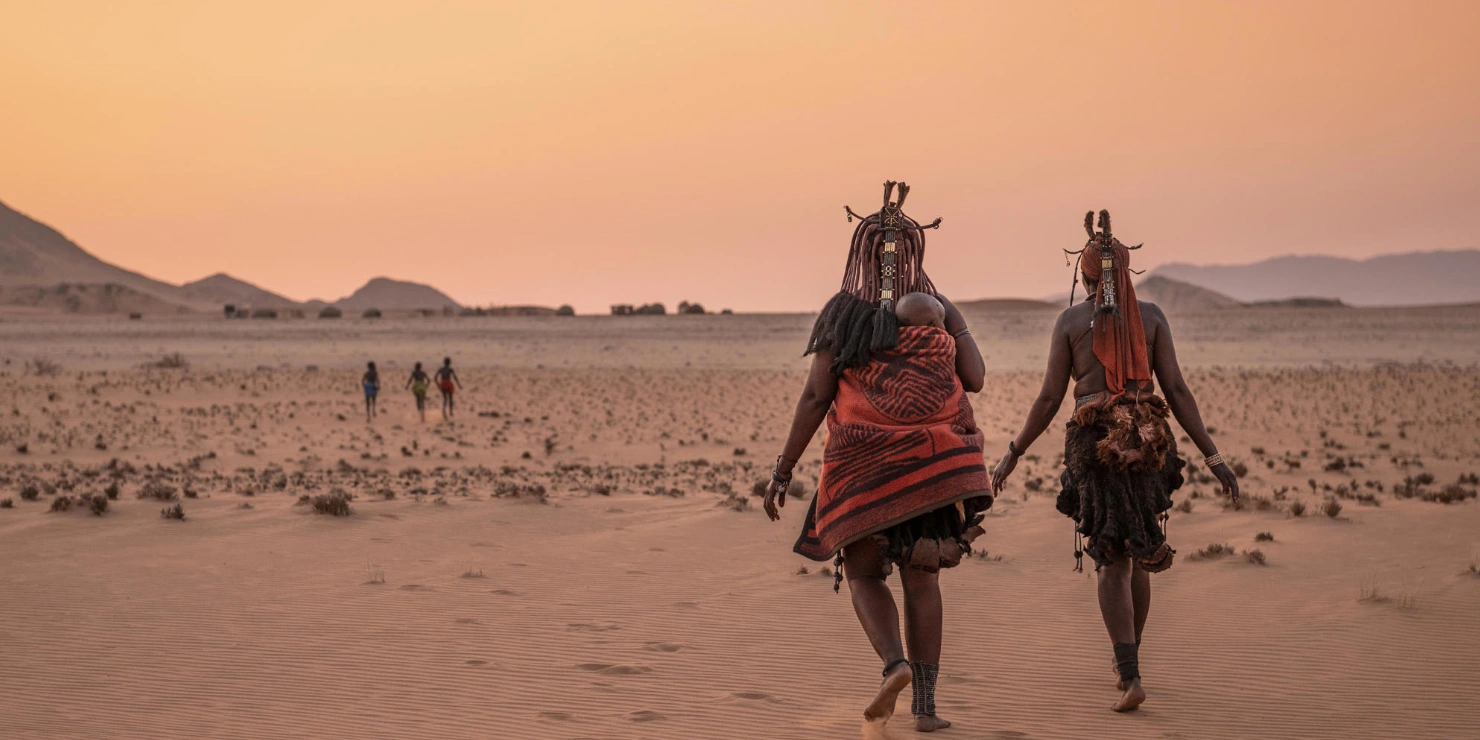
The Himba people are one of Namibia’s most recognized cultural communities, mainly living in the Kunene Region, formerly known as Kaokoland, and across the Kunene River in southern Angola. They are semi-nomadic pastoralists, closely linked to cattle, goats, water sources, grazing land, and family life. Their red ochre appearance, detailed hairstyles, jewelry, and daily traditions make them an important part of Namibian culture.
A Himba community visit adds human depth to Namibia Touren und Safaris, especially when paired with Kaokoland, Etosha, or northern travel routes.
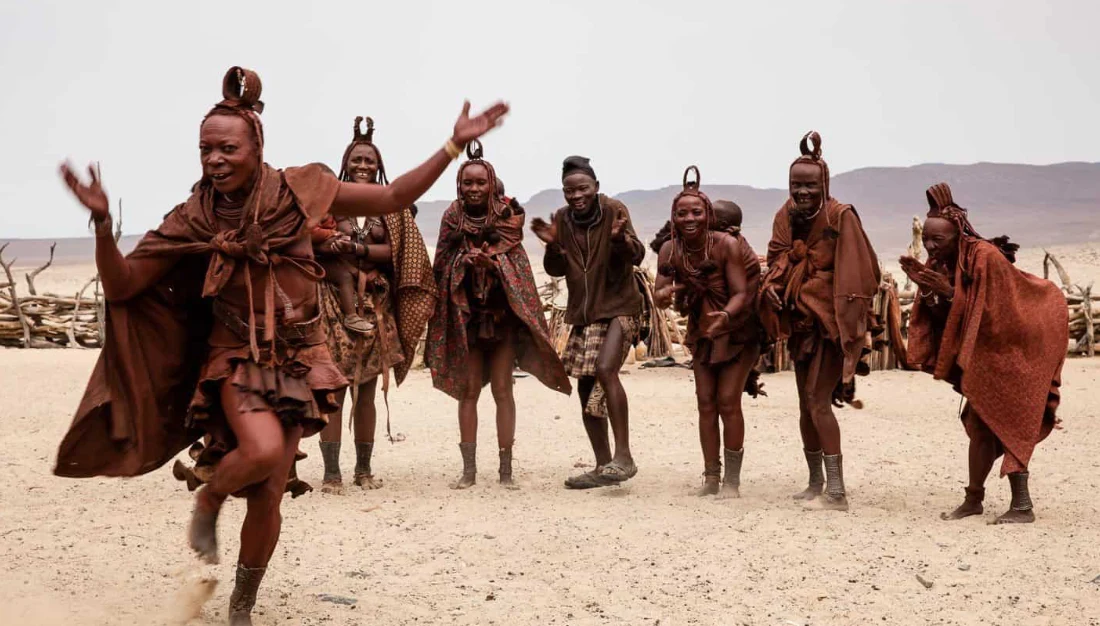
The Himba people have lived in northern Namibia for centuries, with roots linked to migration from Angola around the 16th century. They are closely related to groups such as the Herero and Tjimba, yet they have kept a distinct way of life. Their culture is shaped by movement, livestock, family ties, spiritual beliefs, and survival in dry land where water and grazing are never taken lightly.
A visit to a Himba community should never feel rushed or careless. With a responsible guide, travelers may learn about ochre body care, hairstyles, jewelry, cattle, food preparation, family roles, and spiritual customs. Some visits may include music, dance, or quiet conversations through translation. For travelers exploring Namibia Travel Destinations, this experience adds a thoughtful cultural pause between landscapes, wildlife areas, and remote northern roads.
The best visits feel calm, respectful, and led by local understanding.
The Himba are semi-nomadic, which means families may move when grazing land or water becomes limited. Their livestock, especially cattle, has deep economic, social, and cultural value. Cattle are not just animals kept for food or wealth. They are tied to identity, family status, marriage customs, and community life. This close link between people, animals, and land gives travellers a clearer view of the People Of Namibia.
Their homes, routines, and movements reflect the demands of a dry landscape. Women often manage household duties, children, milking, and body care, while men may focus on livestock, wider family decisions, and movement between grazing areas. Still, daily life is not as simple as one fixed role for everyone. Himba society depends on shared responsibility, family cooperation, and knowledge passed down quietly through generations.
One of the most visible Himba traditions is the use of red ochre mixed with butterfat. Women apply this mixture, often called otjize, to their skin and hair. It is used for beauty, identity, protection from the harsh desert sun, and cultural meaning. To outsiders, it may look decorative. For the Himba, it is part of daily life, personal care, and belonging.
Hairstyles also carry meaning. Young girls, unmarried women, married women, and mothers may wear different styles, headpieces, braids, or ornaments. A hairstyle can show age, marital status, and social stage. Jewellery also speaks quietly. Ostrich eggshells, leather, metal, shells, and animal-skin pieces may all hold meaning. These details make Namibia Traditions feel lived-in, not performed.
The Himba people have strong spiritual beliefs linked to nature, ancestors, and a higher power known as Mukuru. Ancestral spirits are believed to play an important role in daily life, guiding families and connecting the present with those who came before. During times of drought, prayers may be directed toward Kalunga, linked with rain. Women may also pray for fertility, safe pregnancy, and healthy childbirth.
Traditional healers and herbalists hold an important place in the community. They may be consulted for physical illness, spiritual concerns, or problems affecting family life. These beliefs show how deeply Himba culture connects the body, land, family, animals, and spirit. For travellers interested in Namibia Africa Culture, this part of the visit needs patience and respect, not quick judgement.
Marriage is an important part of Himba culture. Traditionally, elders may help arrange marriages, and bride price is often discussed between families, commonly in the form of livestock. Polygamy is also practised in some Himba communities, partly because children, family size, household work, and livestock support hold strong value in daily life.
A Himba wedding is not just a private event between two people. It can involve family approval, traditional dress, jewellery, singing, dancing, food, and community presence. Women’s clothing and adornment may also change after marriage, showing their new stage in life. These customs help visitors understand how family, cattle, status, and social bonds remain closely connected in Himba society.
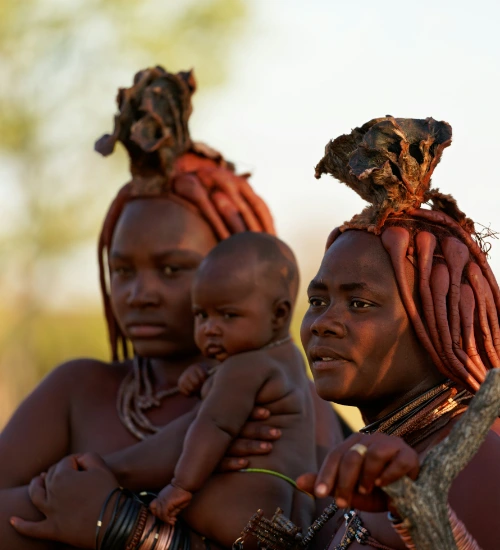
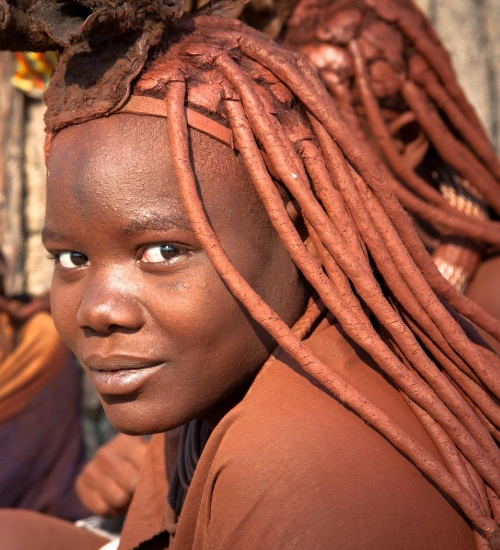
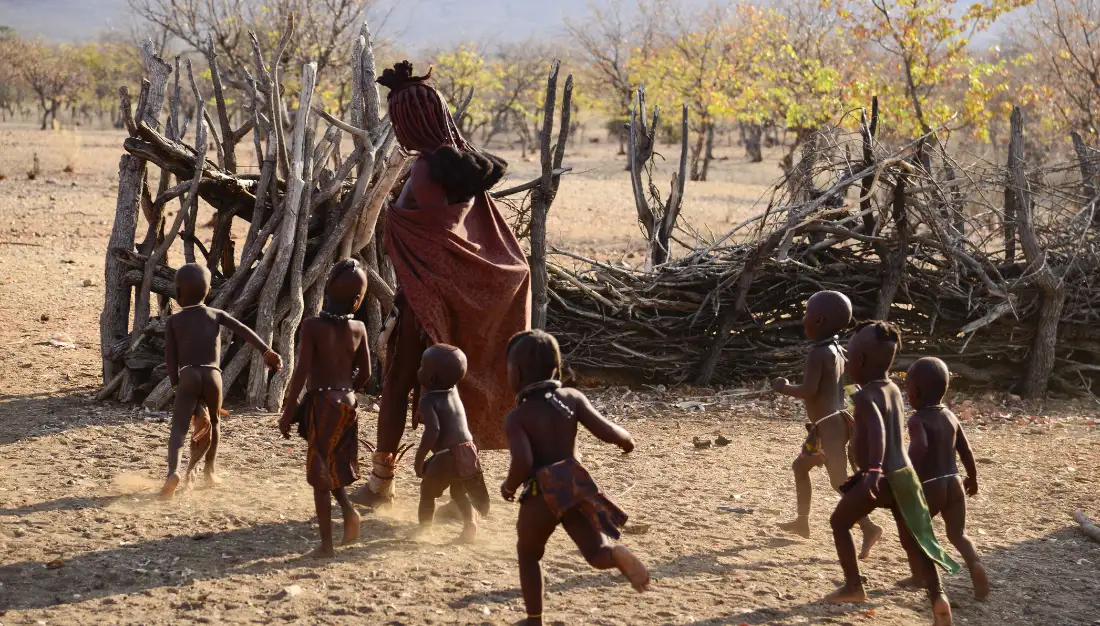
Kaokoland, in Namibia’s Kunene Region, is one of the main areas where travelers can meet Himba communities. The region is remote, dry, and visually powerful, with open land, scattered settlements, livestock, and mountain views. Visits are usually arranged through guides or safari operators to make sure the experience is respectful. It is one of the most meaningful tourist destinations in Namibia for cultural learning.
One of the most visible Himba traditions is the use of red ochre mixed with butterfat. Women apply this mixture to their skin and hair for beauty, identity, and protection from the harsh desert climate. Hairstyles also show age, marital status, and social meaning. These details are not costumes for visitors. They are part of daily life, memory, and Namibia Traditions passed through families.
Livestock sits at the centre of Himba life. Cattle and goats provide milk, wealth, status, food security, and social value. Families may move when grazing land or water becomes limited, which is why the Himba are often described as semi-nomadic. Visitors may see milking, herding, household work, and simple daily routines. This gives a grounded view of the People Of Namibia beyond towns and safari lodges.
Himba women’s hairstyles are full of meaning. Young girls, unmarried women, married women, and mothers may wear different styles, headpieces, or ornaments. Red ochre, butter, animal fat, shells, leather, and jewellery all carry cultural importance. These details help travellers understand how appearance can show identity, age, family role, and personal status within Namibia Africa Culture.
A guided Himba visit helps avoid awkward or disrespectful moments. A good guide can translate, explain customs, ask permission for photos, and help travelers understand what they are seeing. The visit may include conversations about homes, family life, livestock, beliefs, and daily work. For Namibia Guided Tours, this cultural stop works best when handled slowly and with care.
Visiting the Himba people is not about ticking off another stop. It is about slowing down and seeing a way of life shaped by dry land, livestock, family memory, and long-held traditions. The best moments are often simple: a guide explaining a hairstyle, a woman preparing ochre, children moving around the homestead, or cattle standing nearby in the dust. It feels quiet, human, and real.
This experience works well for Namibia Safari Touren travelers who want more than just scenery and wildlife. It connects the land with the people who live on it. The Himba have preserved many traditions while also facing modern challenges, including limited access to education, land pressure, scarce resources, and cultural change. A responsible visit can support cultural tourism when it is planned with respect. It should never feel like watching people from a distance. It should feel like being allowed to learn, briefly and carefully.
Meet the Himba people with patience, respect, and curiosity, and let the visit add meaning to your journey in Namibia.
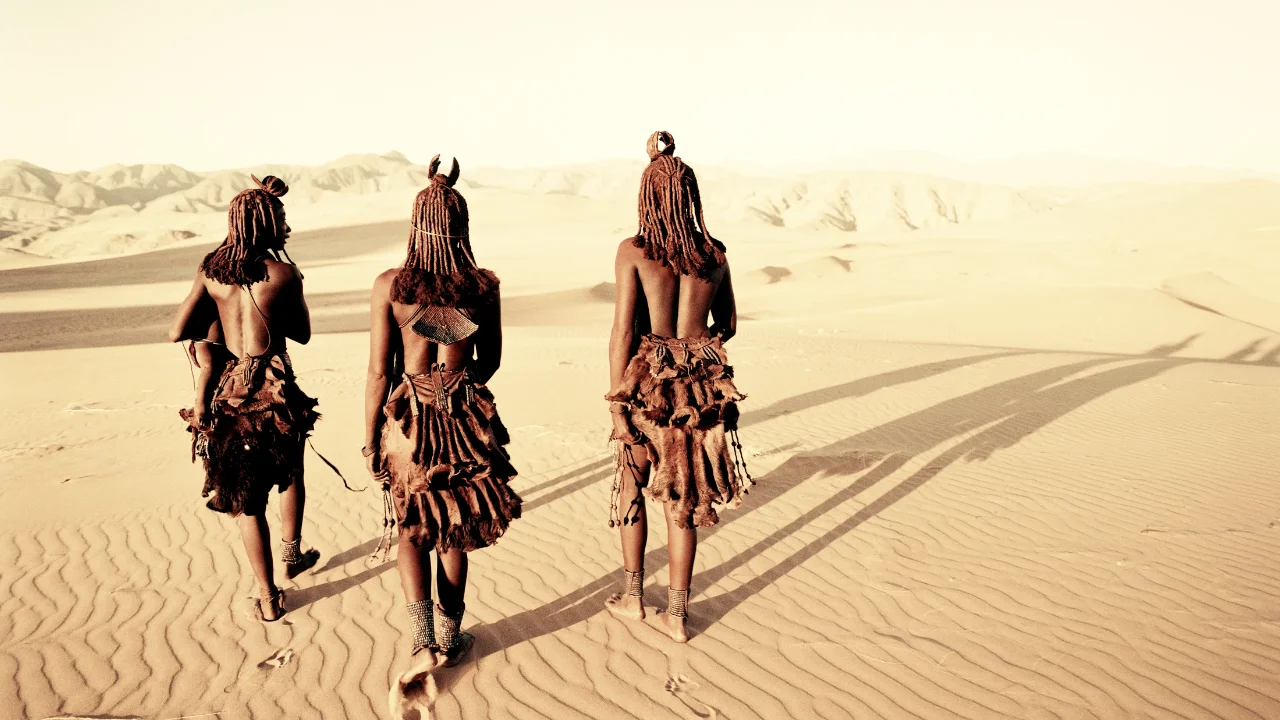
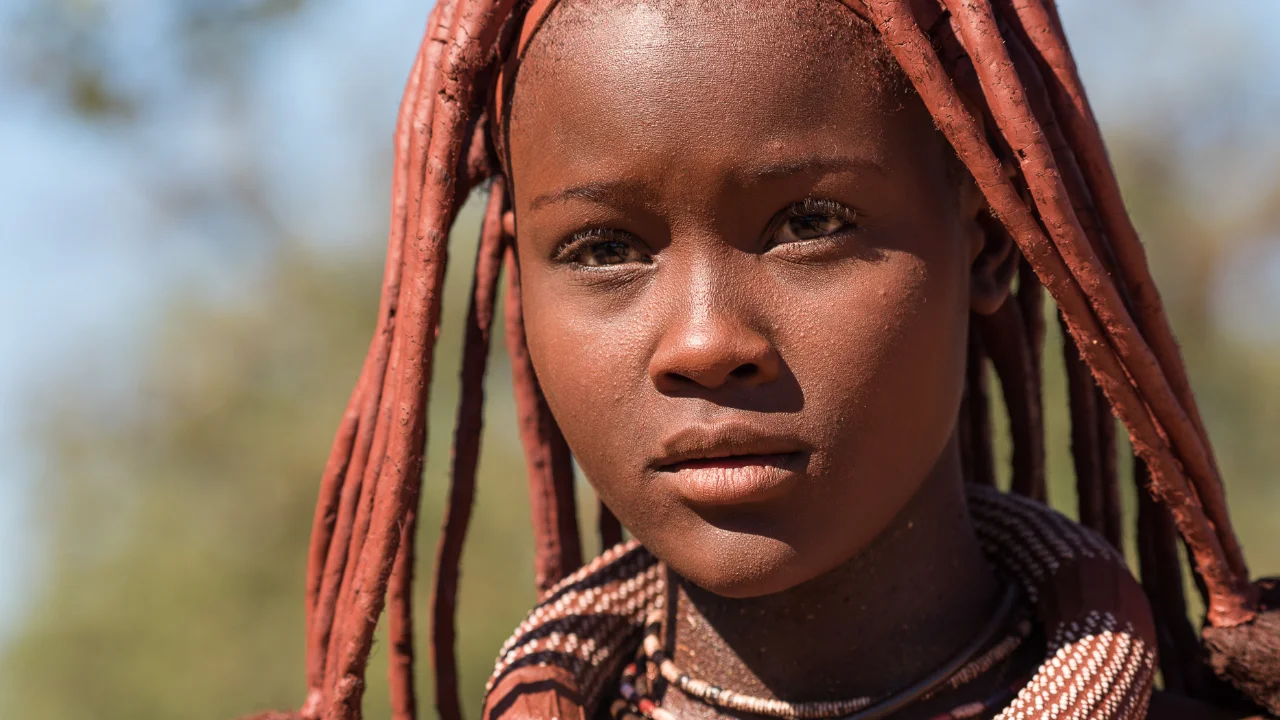
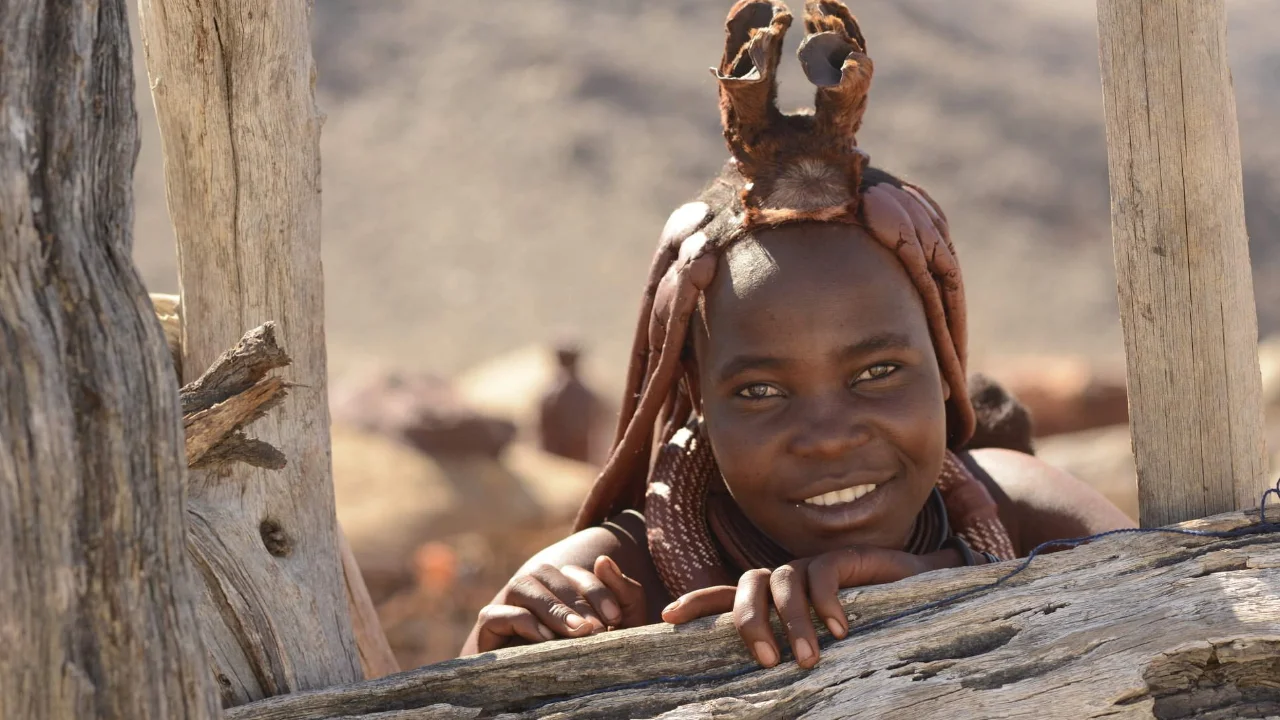
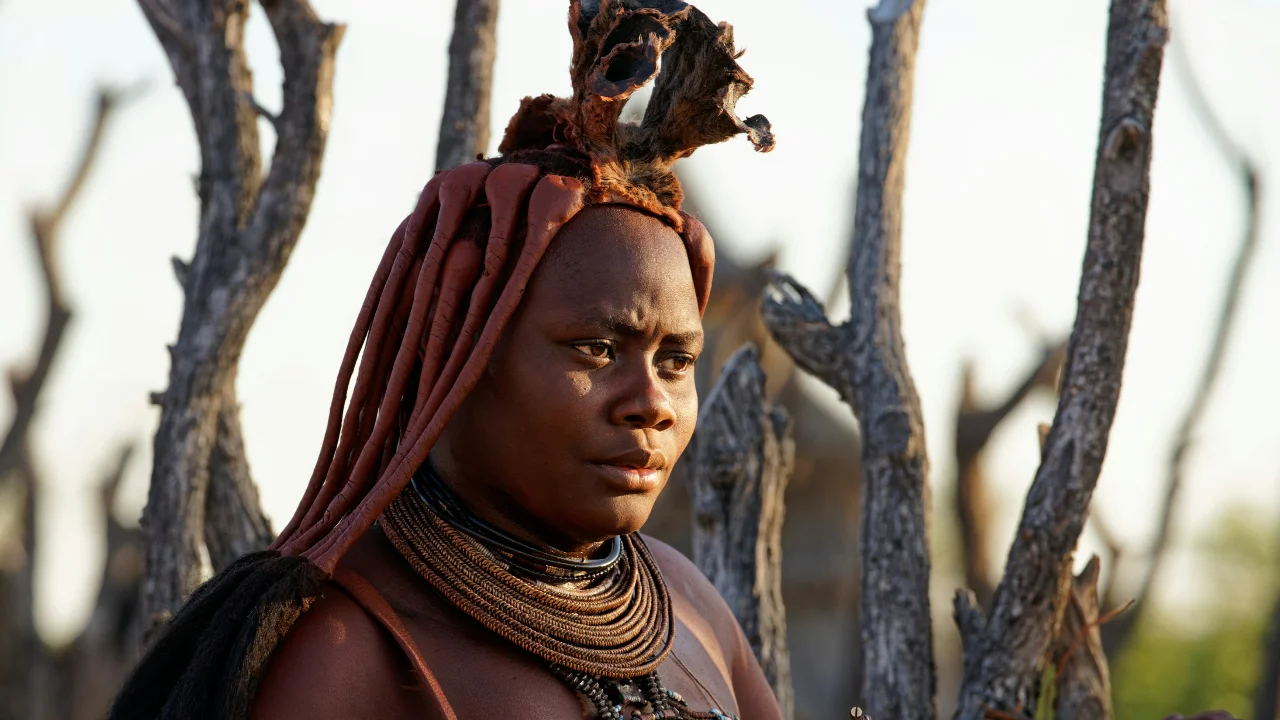
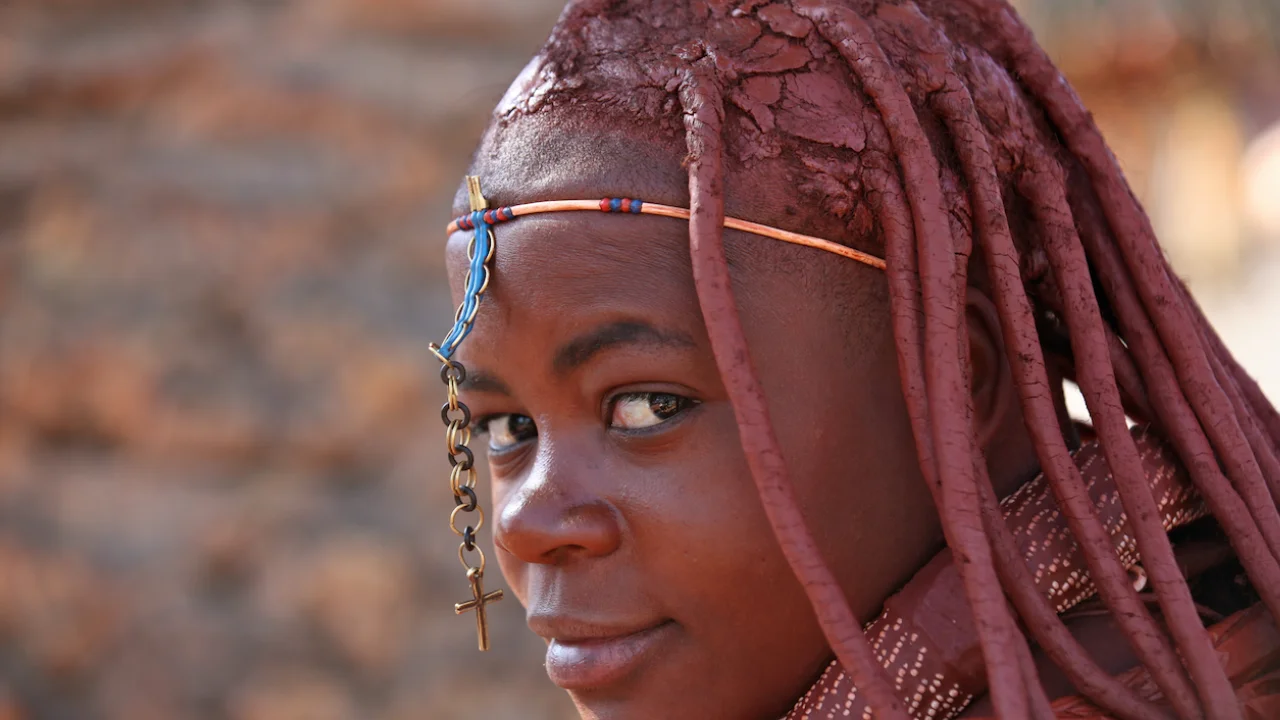
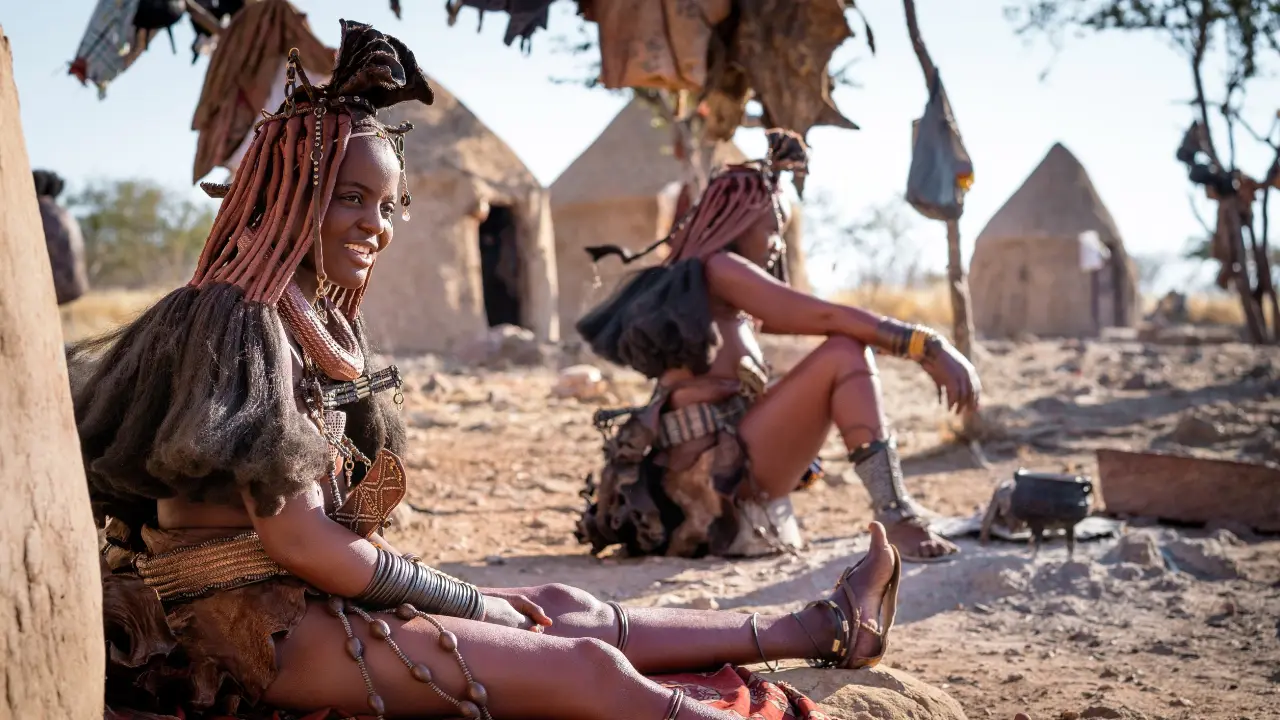
View Himba portraits, ochre traditions, village scenes, jewellery details, livestock moments, and northern Namibia landscapes that show culture, daily life, and place with quiet respect.
A Himba cultural visit brings many questions about traditions, location, daily life, clothing, beliefs, and respectful travel. These FAQs explain the basics in a clear way, so travellers can understand the experience before visiting. It also helps place the Himba people within wider Namibia Touren und Safaris without reducing their culture to a quick stop.
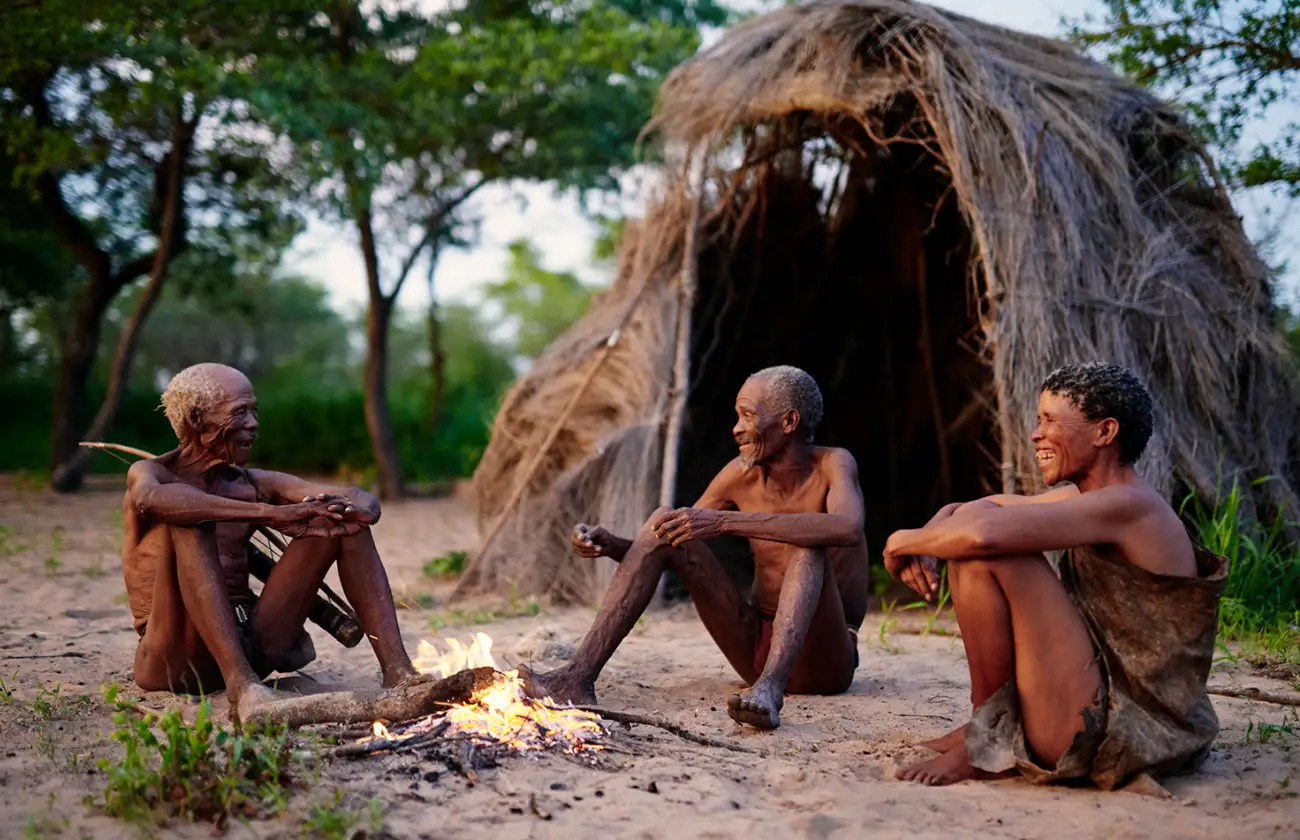
Meeting Namibia’s indigenous tribes offers a unique glimpse into the country’s rich cultural heritage. From learning about the traditions of the Himba and San people to hearing local stories and experiencing traditional ways of life, these encounters provide a deeper connection to Namibia beyond its landscapes and wildlife.
Gather ideas from our Namibia tour packages, or let our consultants help you picture the possibilities. We can build the journey around your time, style, and interests.
Unser Namibia safari itineraries are designed to link desert landscapes, wildlife parks, coastal towns, and remote cultural areas into one seamless journey. Travelers can move from Etosha’s game drives to Sossusvlei’s dunes, Swakopmund’s coast, and Damaraland’s rugged beauty, with enough time to enjoy each place properly.
2 Destinations: Etosha National Park → Namibia
View Details
5 Destinations: Botswana → Etosha National Park → Namibia → Sossusvlei → Swakopmund
View Details
6 Destinations: Etosha National Park → Namibia → Sossusvlei → Spitzkoppe → Swakopmund → Windhoek
View Details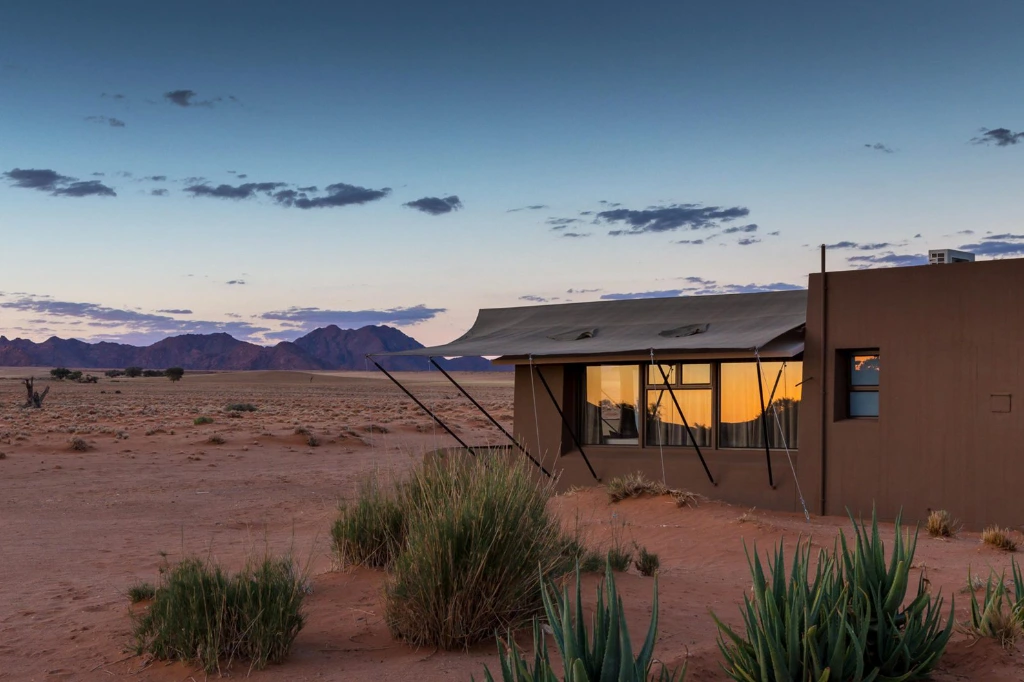
5 Destinations: Etosha National Park → Namibia → Sossusvlei → Swakopmund → Windhoek
View Details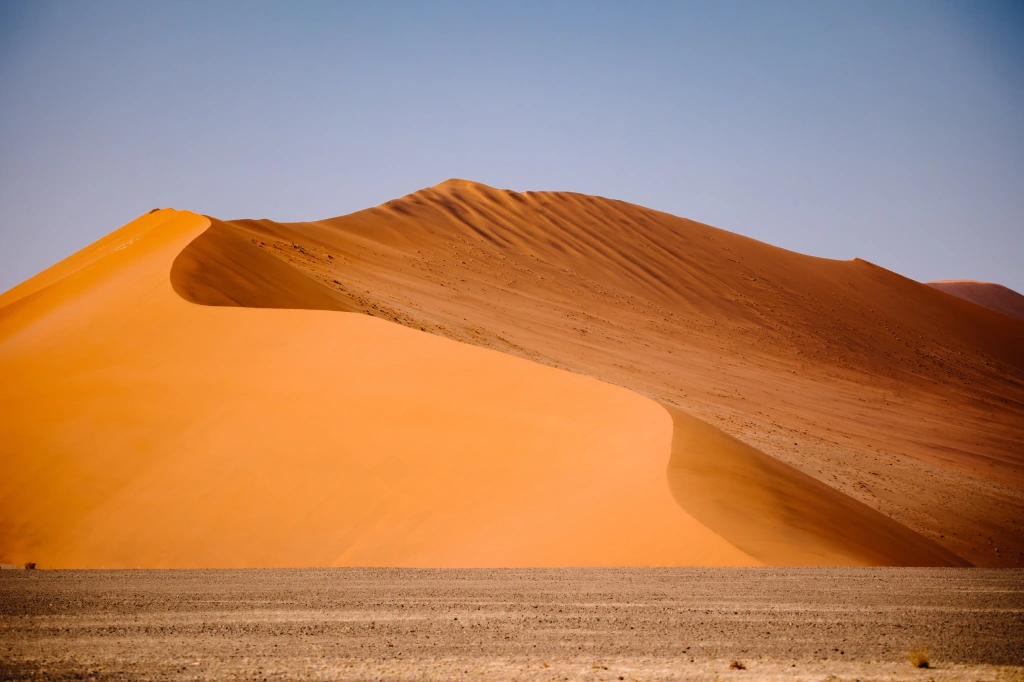
5 Destinations: Etosha National Park → Namibia → Sossusvlei → Swakopmund → Windhoek
View Details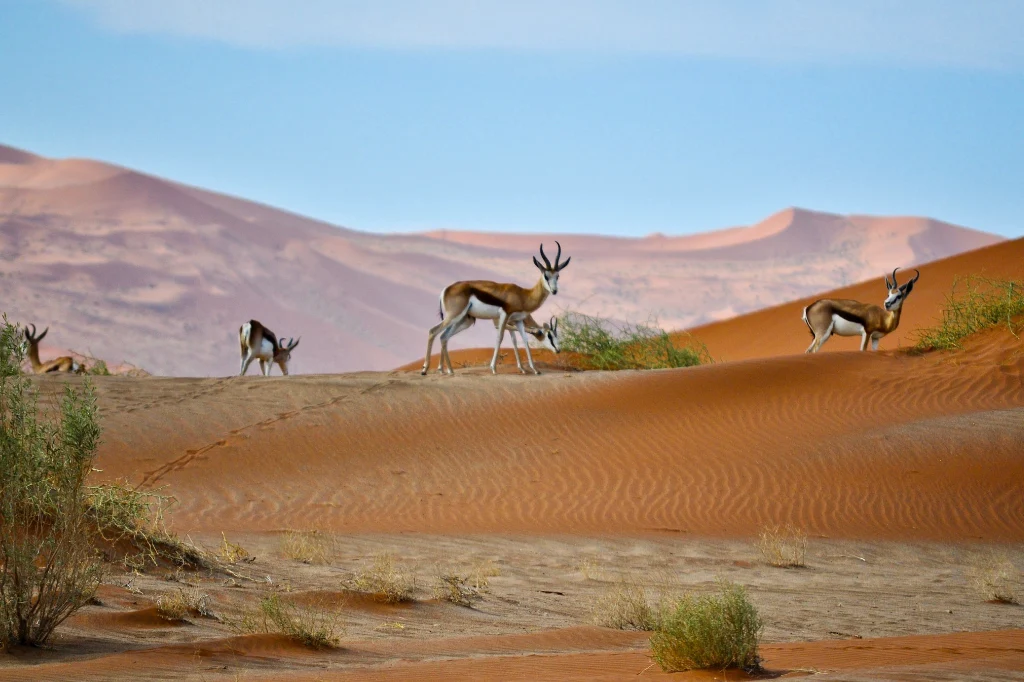
6 Destinations: Botswana → Etosha National Park → Namibia → Sossusvlei → Swakopmund → Zimbabwe
View Details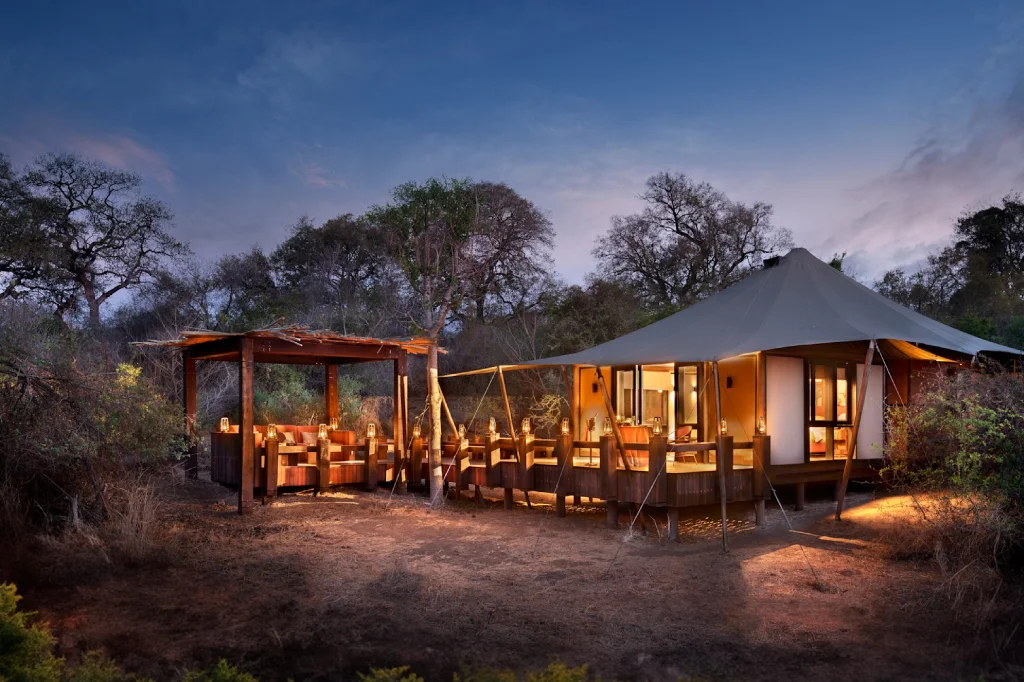
6 Destinations: Etosha National Park → Fish River Canyon → Namibia → Sossusvlei → Swakopmund → Twyfelfontein
View Details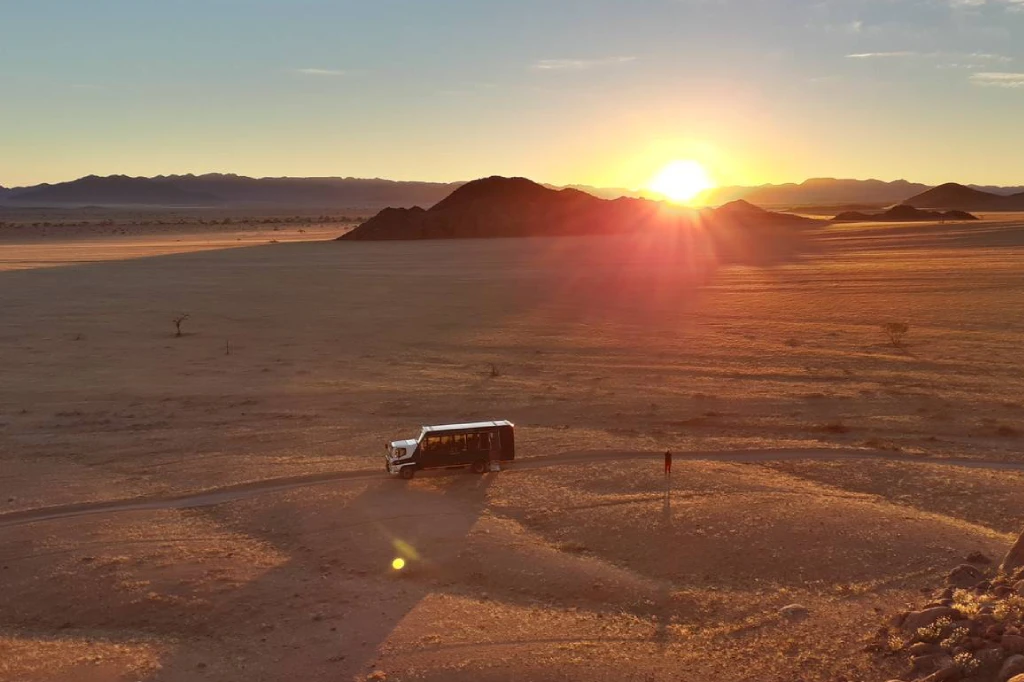
6 Destinations: Botswana → Etosha National Park → Namibia → Sossusvlei → Swakopmund → Zimbabwe
View Details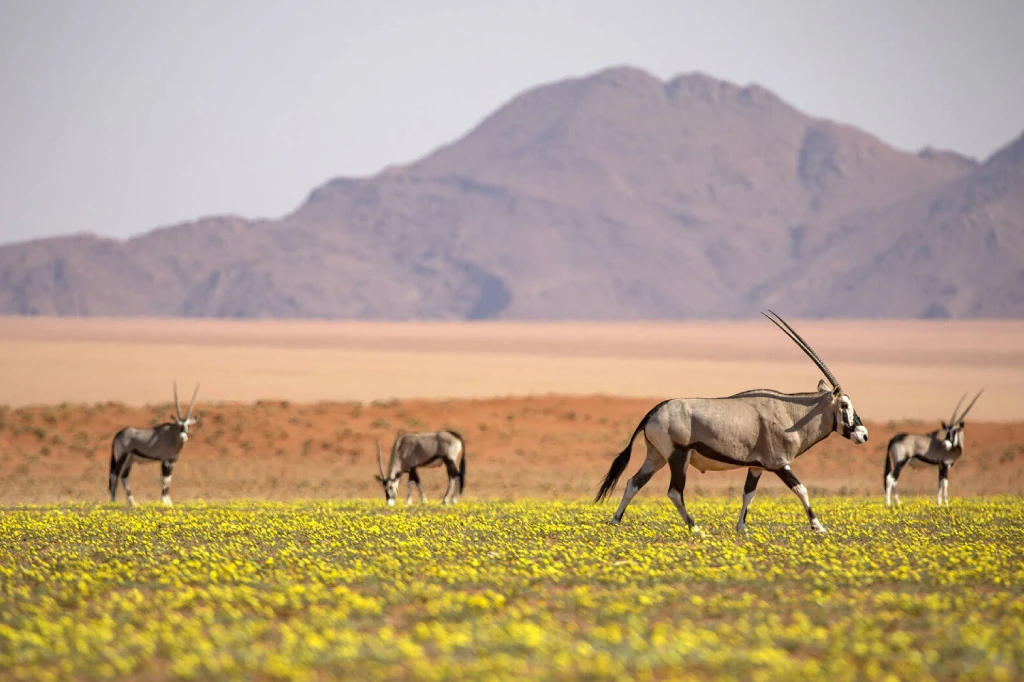
7 Destinations: Etosha National Park → Kamanjab → Namibia → Spitzkoppe → Swakopmund → Twyfelfontein → Windhoek
View Details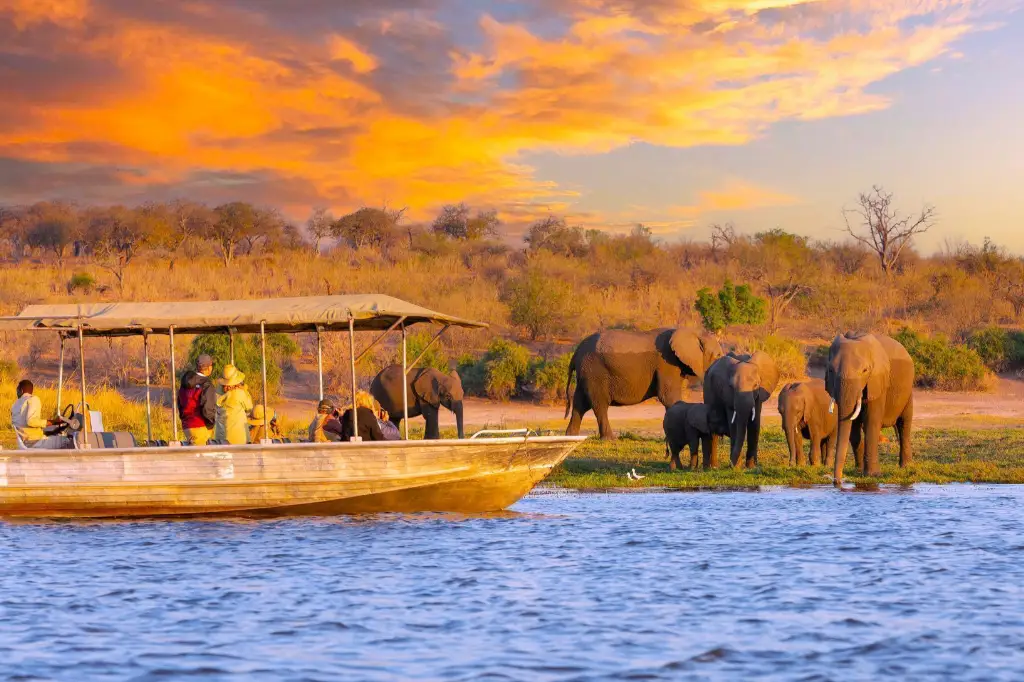
4 Destinations: Etosha National Park → Namibia → Sossusvlei → Swakopmund
View DetailsOur Namibian tour was an unforgettable experience from start to finish. Henzel was both our guide and driver, and he did an outstanding job in both roles. He was incredibly thorough and well-prepared, always sharing detailed insights about the landscapes, wildlife, and local culture. You could tell he truly knew and loved the country.

We did the “7 Days Wildlife Etosha and Sossusvlei Namibian Safari (Accommodated)” with Safari World Tours in December 2023 and it was the best choice for our family! We are experienced travelers (49 countries visited) and found that to travel to Namibia with a small child (4 years old) a tour would the the best option






 German
  English