+264 81 8211 521
info@safariworldtours.com
Rabatte & Deals


A rugged desert region known for wildlife, rocks, and silence
Damaraland is one of Namibia’s most striking regions, known for dry mountains, open plains, ancient rock art, and desert wildlife. It sits in the northwestern part of Namibia, within the wider Kunene Region.
This area is often seen as one of the more remote Namibia Travel Destinations, with landscapes that feel rough, old, and full of quiet space. Travelers visit for dramatic landforms, rocky valleys, desert-adapted animals, and cultural sites that show signs of early human life. Damaraland Tours often include scenic drives, wildlife viewing, and visits to famous rock engraving sites.
The region is also known for black rhinos, desert-adapted elephants, lions, spotted hyenas, zebras, and giraffes. Its wildlife is not always easy to find, but that is part of the experience. The land asks visitors to slow down and look properly.

Gather ideas from our Namibia tour packages, or let our consultants help you picture the possibilities. We can build the journey around your time, style, and interests.
Damaraland sits in northwestern Namibia, within the wider Kunene Region. Most travelers reach it by road, usually through routes linked with Swakopmund, Twyfelfontein, Palmwag, Brandberg, and Etosha. The map helps you see distances, gravel roads, remote stops, and wide-open landscapes before you plan the journey.
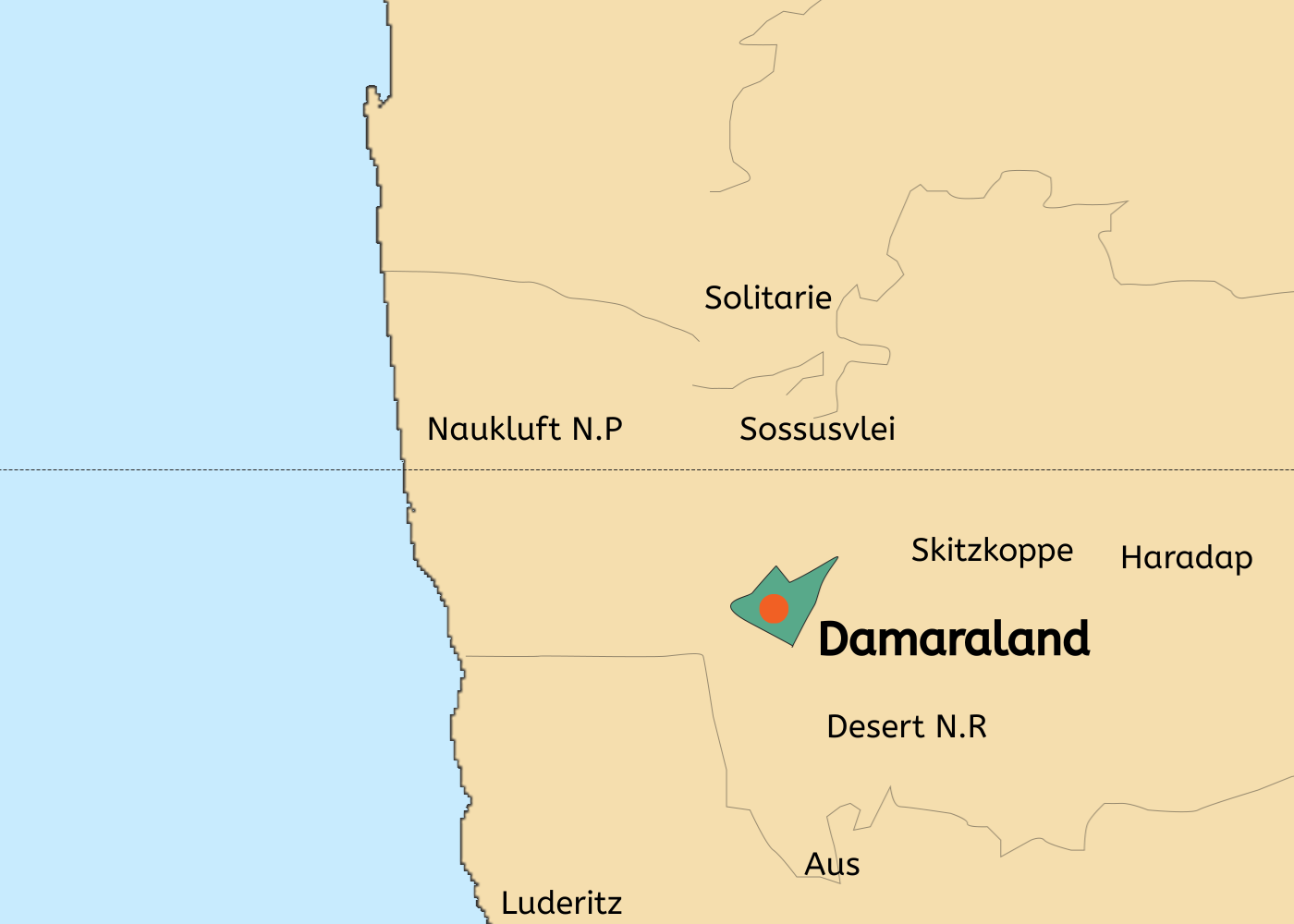
Damaraland feels rough, old, and wide open in the best way. This northwestern region of Namibia is known for rocky valleys, dry hills, ancient rock art, and rare desert wildlife. Travellers come for Twyfelfontein, Brandberg, Vingerklip, the Petrified Forest, desert elephants, black rhinos, and long roads that feel far from everything.
Damaraland can be visited in any season, but the dry months often feel easier for travel. From May to October, wildlife viewing improves, evenings feel cooler, and gravel road journeys are usually more comfortable across this rugged part of Namibia.
From May to October, Damaraland is mostly dry and easier to explore. Rain is limited, so animals often move closer to water points and dry riverbeds. This can improve the chance of seeing desert-adapted elephants, black rhinos, or other wildlife, especially with a guide who knows the land well.
The evenings can feel cool during the dry season, which is a relief after warm days on the road. Lodge stays, outdoor dinners, and sundowner stops feel more pleasant. The air is often clear too, so the mountains, gravel plains, and red rock areas stand out beautifully in the distance.
November to March can bring hotter and wetter weather. Some travellers still enjoy Damaraland during this time, especially after rain when the land looks softer and fresher. Long drives may feel heavier, though, and some road sections can become harder to manage, so a flexible plan helps.
January to April is usually less ideal for sightseeing. Heat, humidity, and rain can affect road comfort, visibility, and long outdoor stops. Still, Damaraland does not close. With enough water, local advice, and careful planning, short visits can still work well between lodges and viewpoints.
Damaraland is strongly known for ancient rock art, especially at Twyfelfontein. This UNESCO World Heritage Site holds carvings and paintings that show animals, tracks, people, and old signs once used for learning, movement, belief, and survival.
Zweifelsbrunnen is one of the most important stops in Damaraland. The site has thousands of engravings, many carved into red sandstone. You may see giraffes, lions, animal tracks, and human-like figures left by early hunter-gatherer groups long before modern roads reached this dry and rocky region.
These carvings are not just old drawings on stone. Many are believed to have worked as teaching signs, route clues, and spiritual records. Guides help explain why certain animals appear often and how the markings may have helped people understand water, hunting, and wildlife movement across the land.
Late afternoon can be a lovely time to visit Twyfelfontein. The light becomes softer, and the carvings are easier to see. The rocks warm in colour, and small details stand out. It feels better when you slow down, listen to the guide, and let the place speak quietly.
The Damara Living Museum adds another layer to the visit. It sits not far from Twyfelfontein and shares local traditions, daily skills, and heritage. It reminds travellers that Damaraland is not only about rocks and views. It is also about people, memory, and knowledge passed through generations.
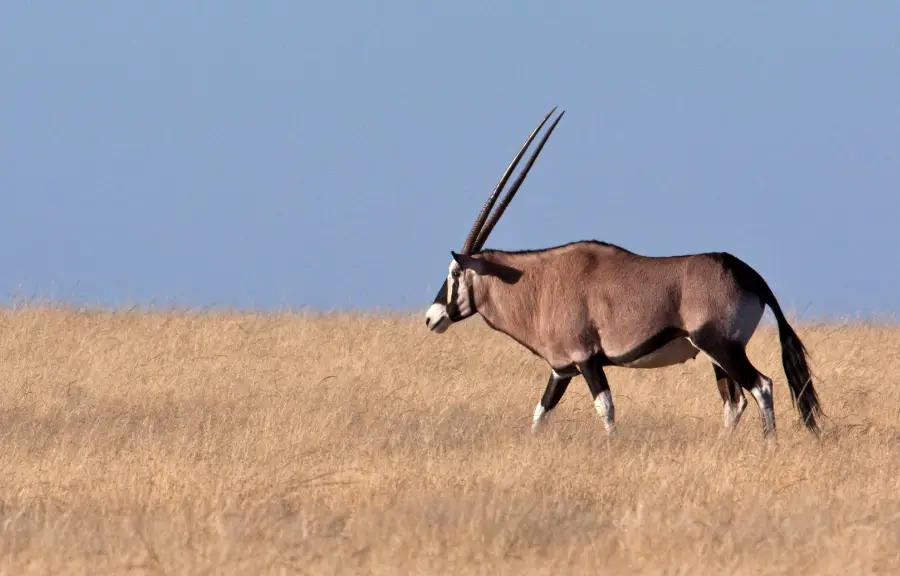
Damaraland is one of Namibia’s special places for desert-adapted wildlife. Elephants, black rhinos, oryx, springbok, giraffes, jackals, hyenas, and sometimes lions may be seen here, though sightings need patience, careful guiding, and a slow eye.
The desert-adapted elephants are among the most memorable animals in Damaraland. They move through dry riverbeds, rocky valleys, and harsh open plains in search of food and water. Seeing them cross a dusty valley quietly can feel far more powerful than watching animals in a crowded safari area.
Black rhinos also live in the wider Damaraland area. Tracking them is not a quick or casual activity. Guides follow footprints, old routes, and small signs in the land. There are no easy guarantees here. A rhino seen against a red hill feels earned, and that makes it special.
Other wildlife may include oryx, springbok, zebra, giraffe, jackal, spotted hyena, and desert-adapted lions. These animals do not appear on command. Damaraland asks travellers to look slowly, read the land, and accept quiet gaps between sightings. That slower pace is part of the experience.
Smaller life also belongs here. Lizards, insects, birds, rodents, and desert plants all help the region survive. A good guide can point out things many visitors miss, like tracks in the sand or feeding marks on shrubs. Damaraland rewards people who pay attention.
Damaraland has some of Namibia’s most unusual natural landmarks. Brandberg, Vingerklip, the Petrified Forest, Organ Pipes, and Burnt Mountain all reveal old geology, desert colour, wide views, and the strong character of this remote region.
Brandberg is one of Damaraland’s best-known mountain areas and includes Namibia’s highest peak. The wider range is also linked with ancient rock paintings, including the famous White Lady site. Its size, colour, and remote setting make it one of the strongest landmarks during long drives through the region.
Vingerklip is another striking stop. It stands like a tall stone finger above the surrounding plains and rises about 35 meters from the ground. Travellers often stop here for photos, short walks, and wide views over dry valleys, flat-topped hills, and open country near the Damaraland route.
The Petrified Forest gives the region a much older feeling. Fossilized tree trunks, believed to be hundreds of millions of years old, lie scattered across the ground. You can still see bark-like texture and growth lines in the stone. It feels strange, quiet, and deeply ancient.
Organ Pipes and Burnt Mountain are often visited near Twyfelfontein. The Organ Pipes are tall dolerite columns formed by volcanic activity, while Burnt Mountain shows dark, heated-looking rock colors. These are short stops, but they add strong visual interest to a Damaraland journey.
A Damaraland visit brings rocky valleys, ancient engravings, desert wildlife, and wide dry landscapes. Travellers may see elephants, rhinos, Brandberg, Twyfelfontein, and quiet roads that make the region feel raw and deeply Namibian.
These Namibia Safari Itineraries bring together the country’s wide range of travel experiences, from wildlife parks and desert roads to coastal towns, cultural stops, and quiet lodge stays. Some routes are short and focused. Others stretch across several regions. And for travelers comparing Namibia Safari Packages, these itineraries make it easier to choose a trip that fits their time, comfort, and travel style.
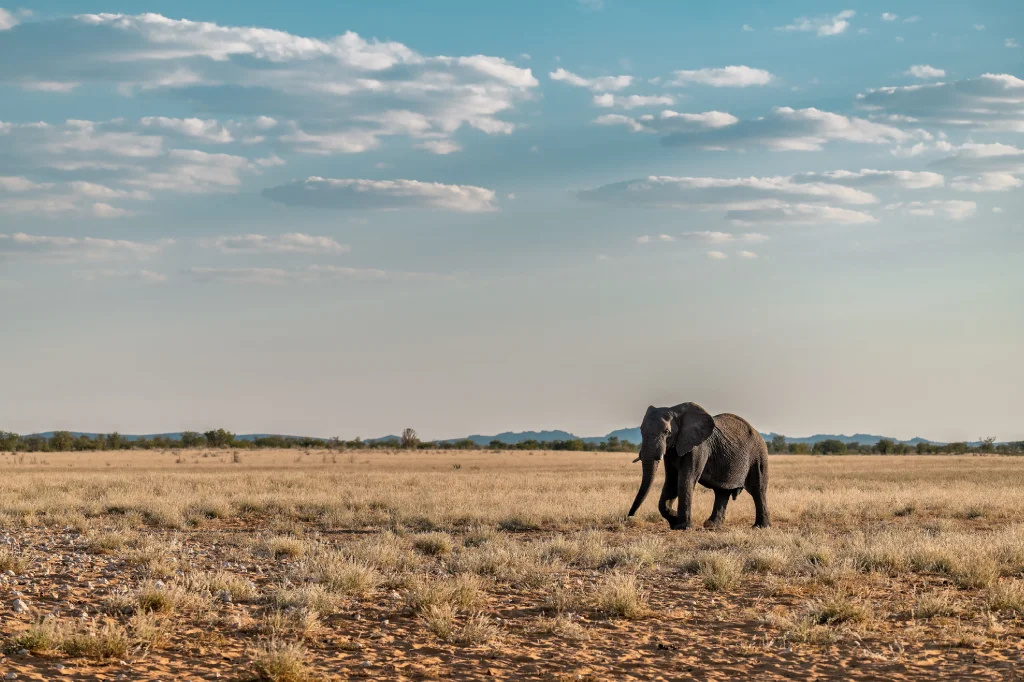
2 Destinations: Etosha National Park → Namibia
View Details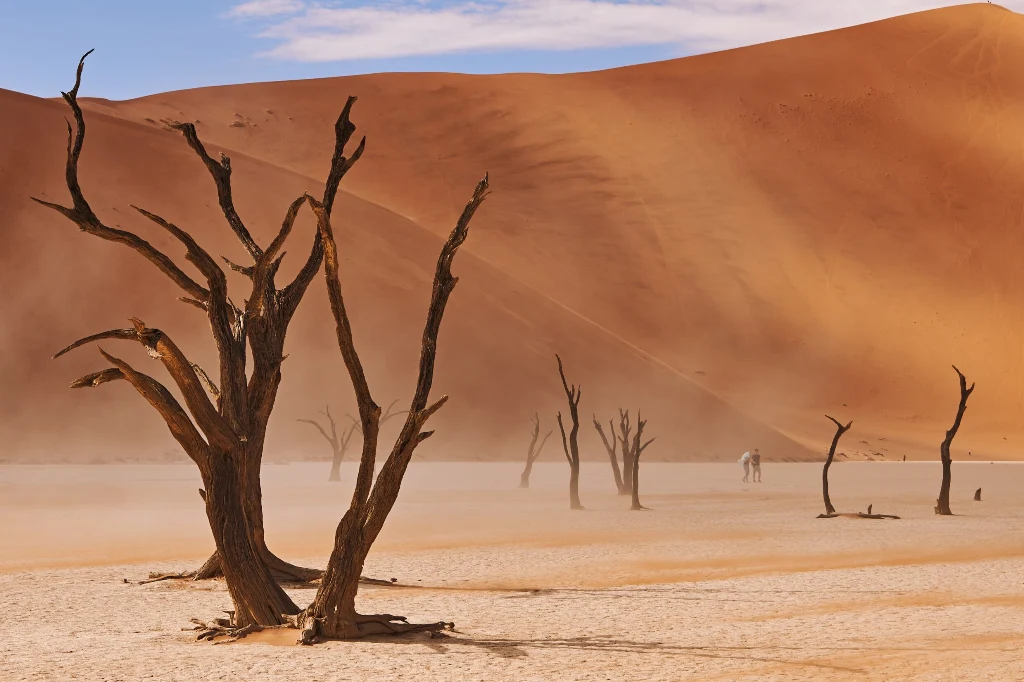
5 Destinations: Botswana → Etosha National Park → Namibia → Sossusvlei → Swakopmund
View Details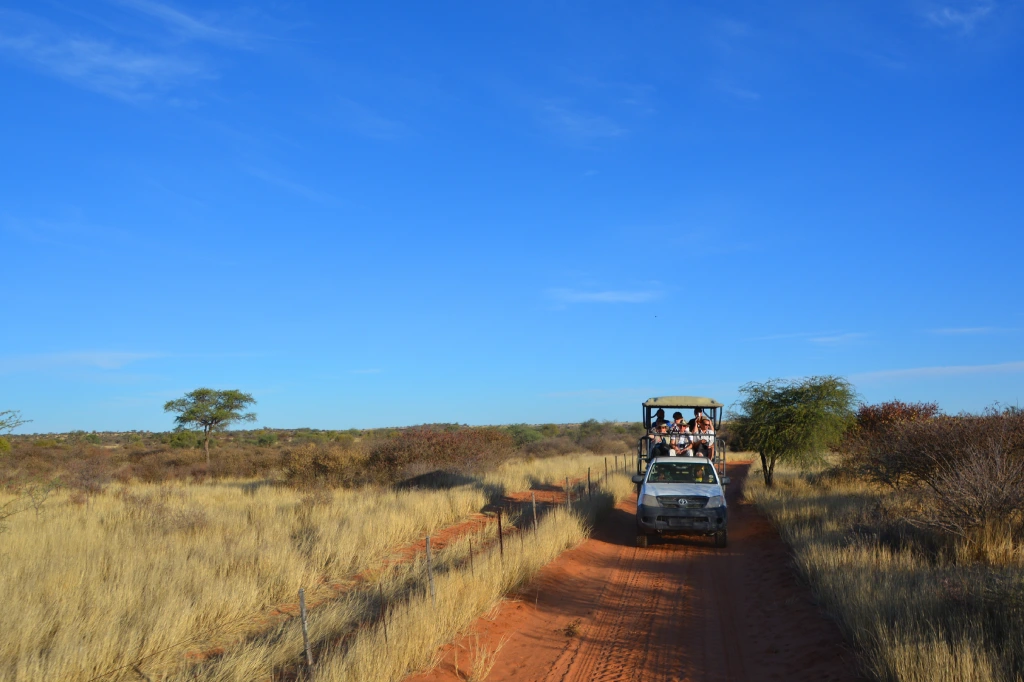
6 Destinations: Etosha National Park → Namibia → Sossusvlei → Spitzkoppe → Swakopmund → Windhoek
View Details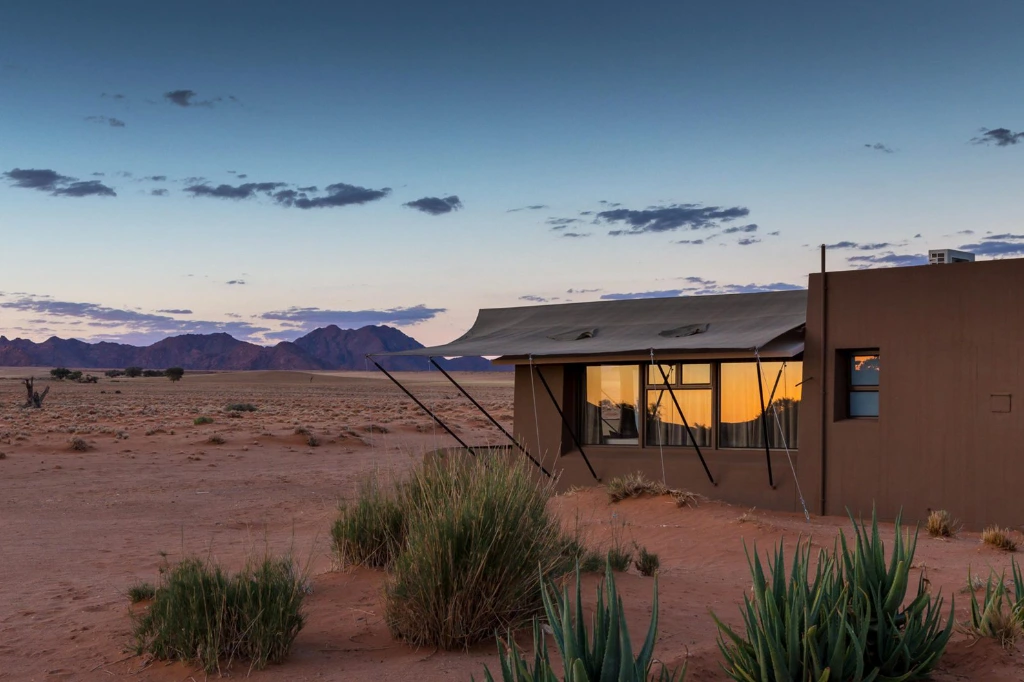
5 Destinations: Etosha National Park → Namibia → Sossusvlei → Swakopmund → Windhoek
View Details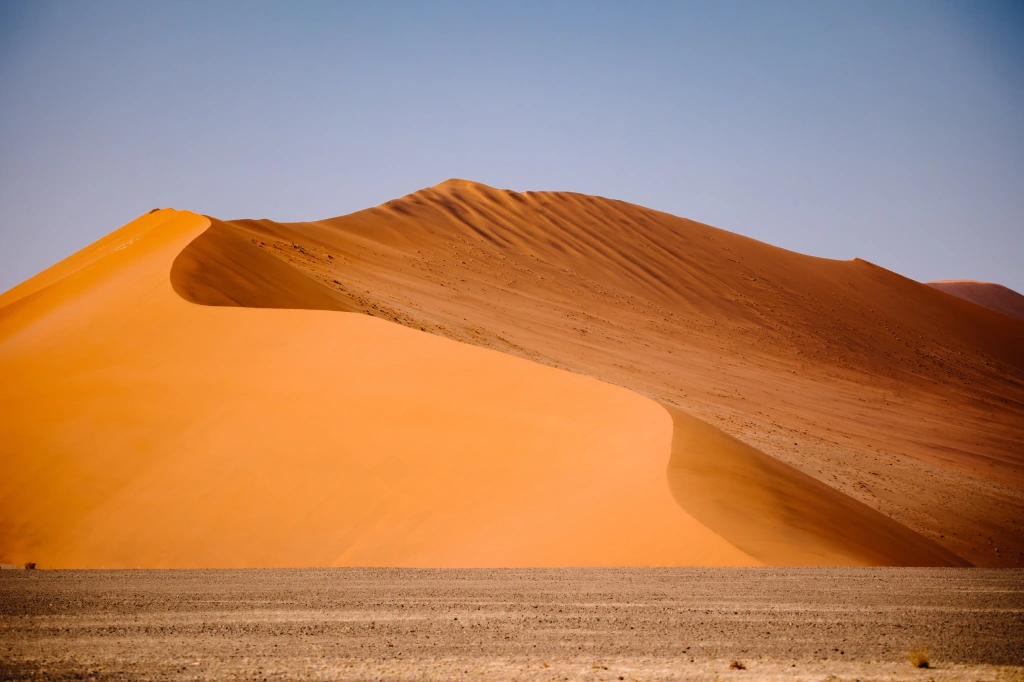
5 Destinations: Etosha National Park → Namibia → Sossusvlei → Swakopmund → Windhoek
View Details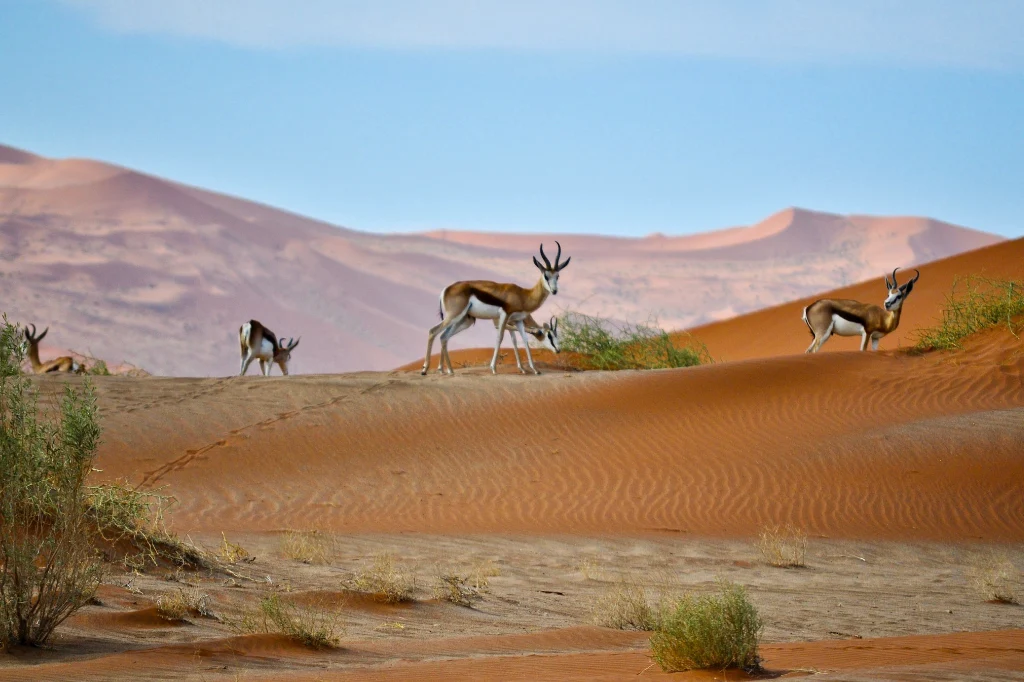
6 Destinations: Botswana → Etosha National Park → Namibia → Sossusvlei → Swakopmund → Zimbabwe
View Details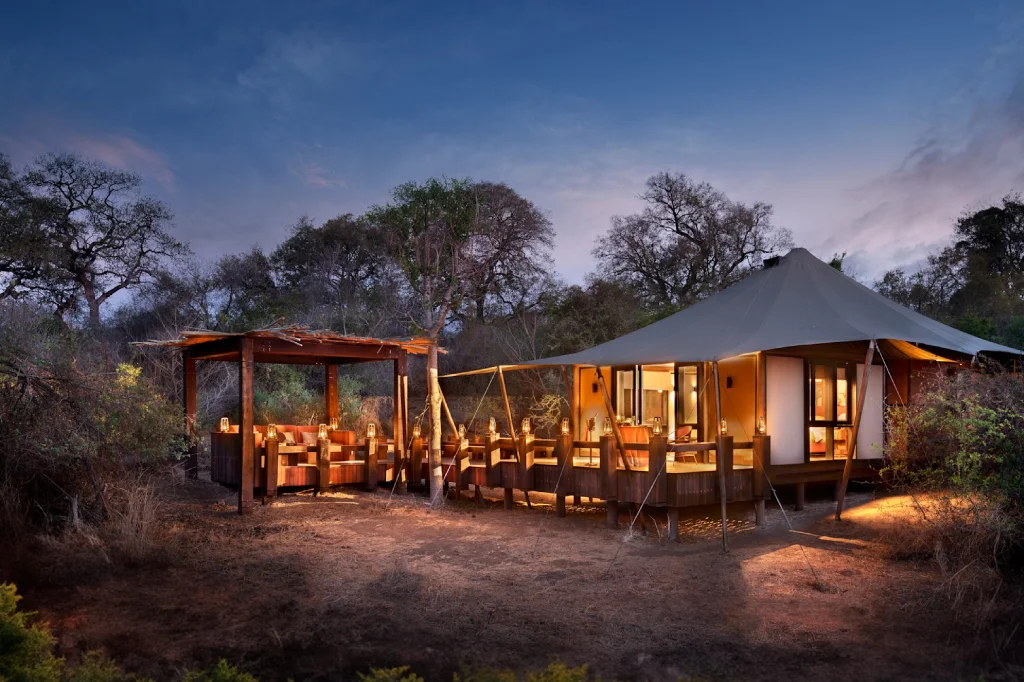
6 Destinations: Etosha National Park → Fish River Canyon → Namibia → Sossusvlei → Swakopmund → Twyfelfontein
View Details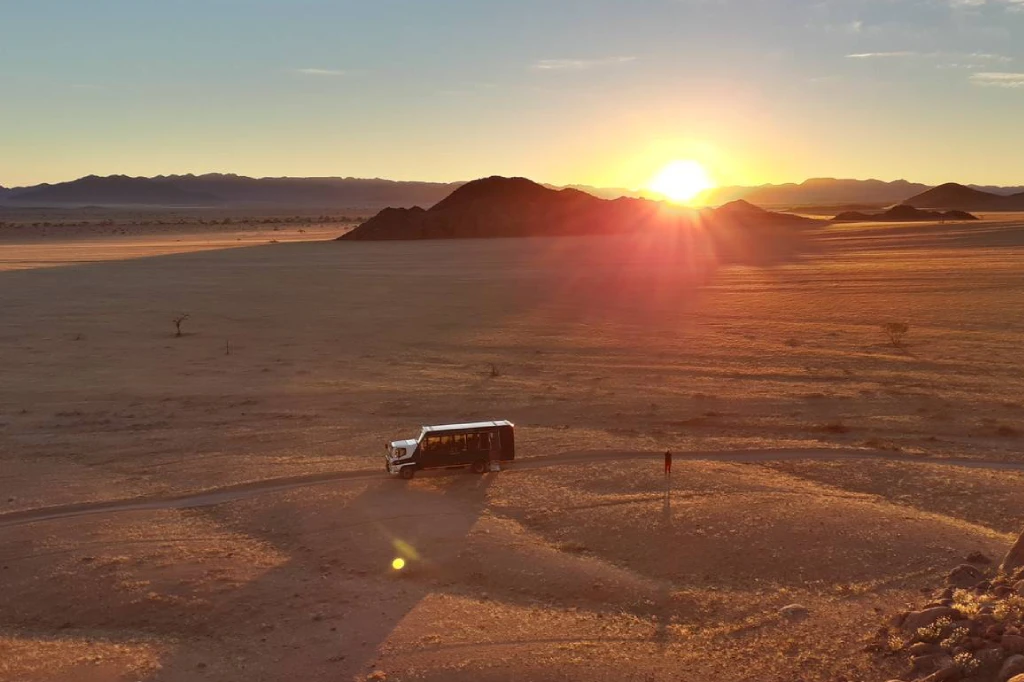
6 Destinations: Botswana → Etosha National Park → Namibia → Sossusvlei → Swakopmund → Zimbabwe
View Details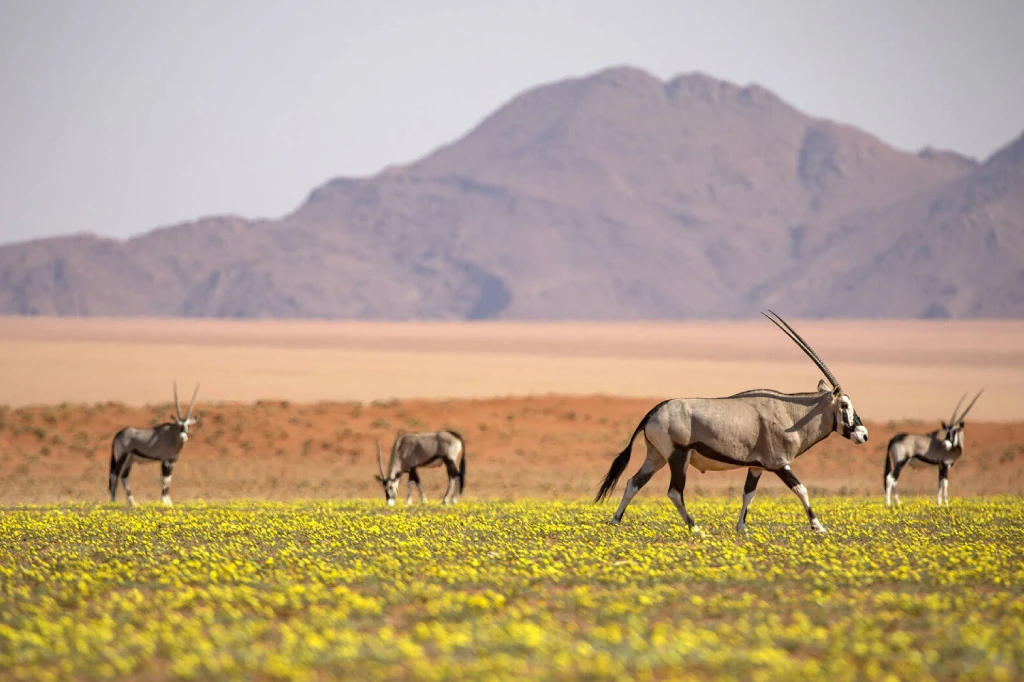
7 Destinations: Etosha National Park → Kamanjab → Namibia → Spitzkoppe → Swakopmund → Twyfelfontein → Windhoek
View Details
4 Destinations: Etosha National Park → Namibia → Sossusvlei → Swakopmund
View Details
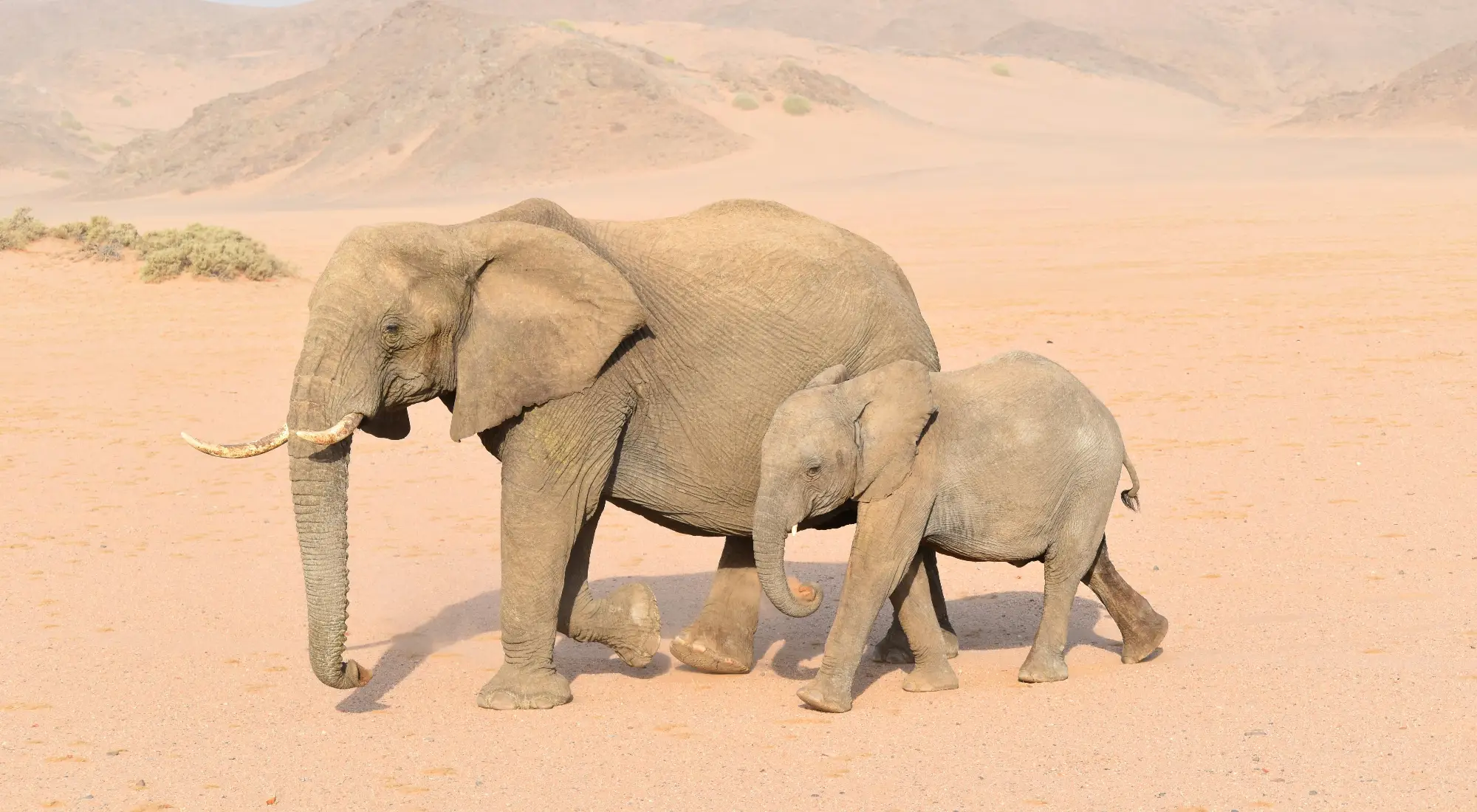
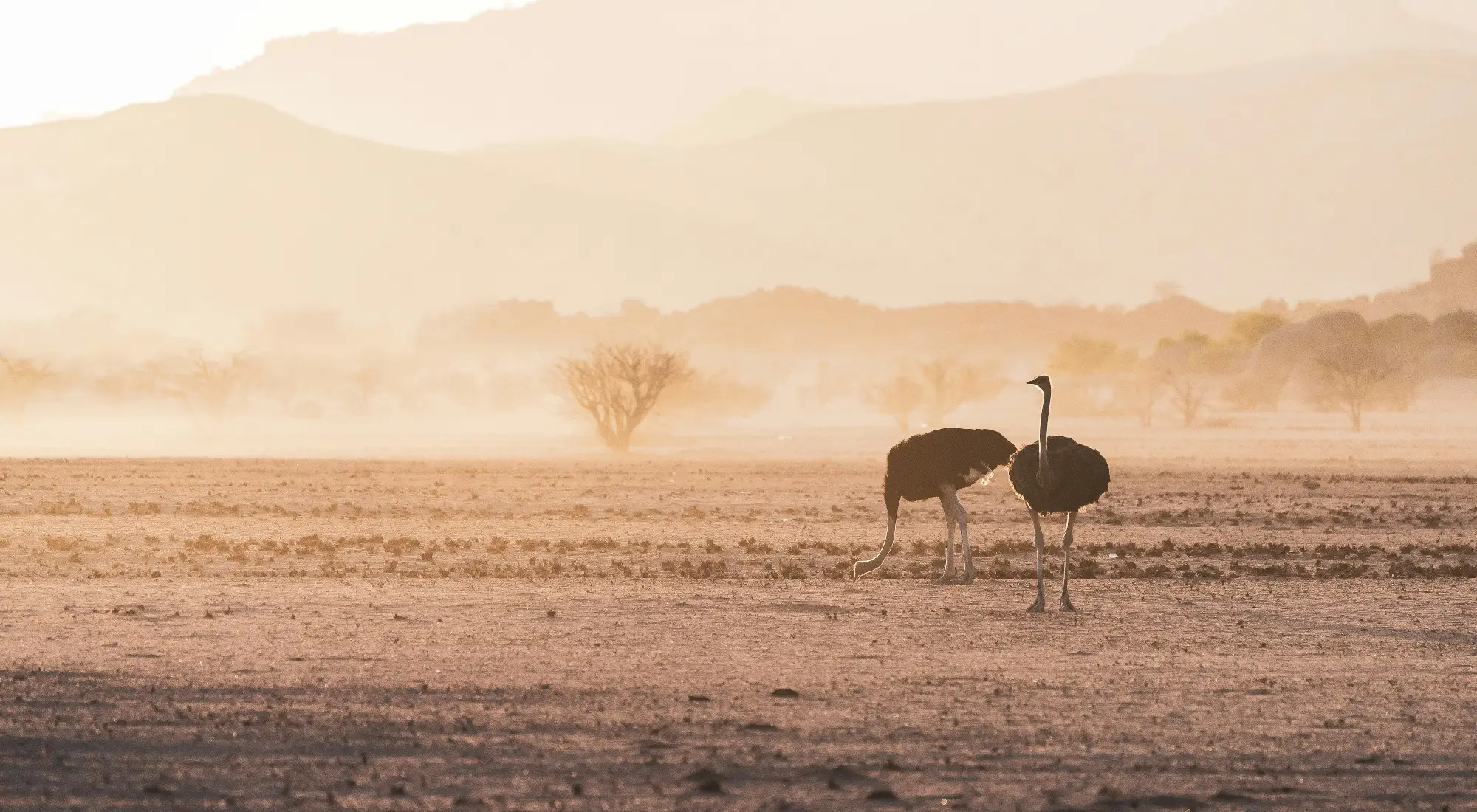
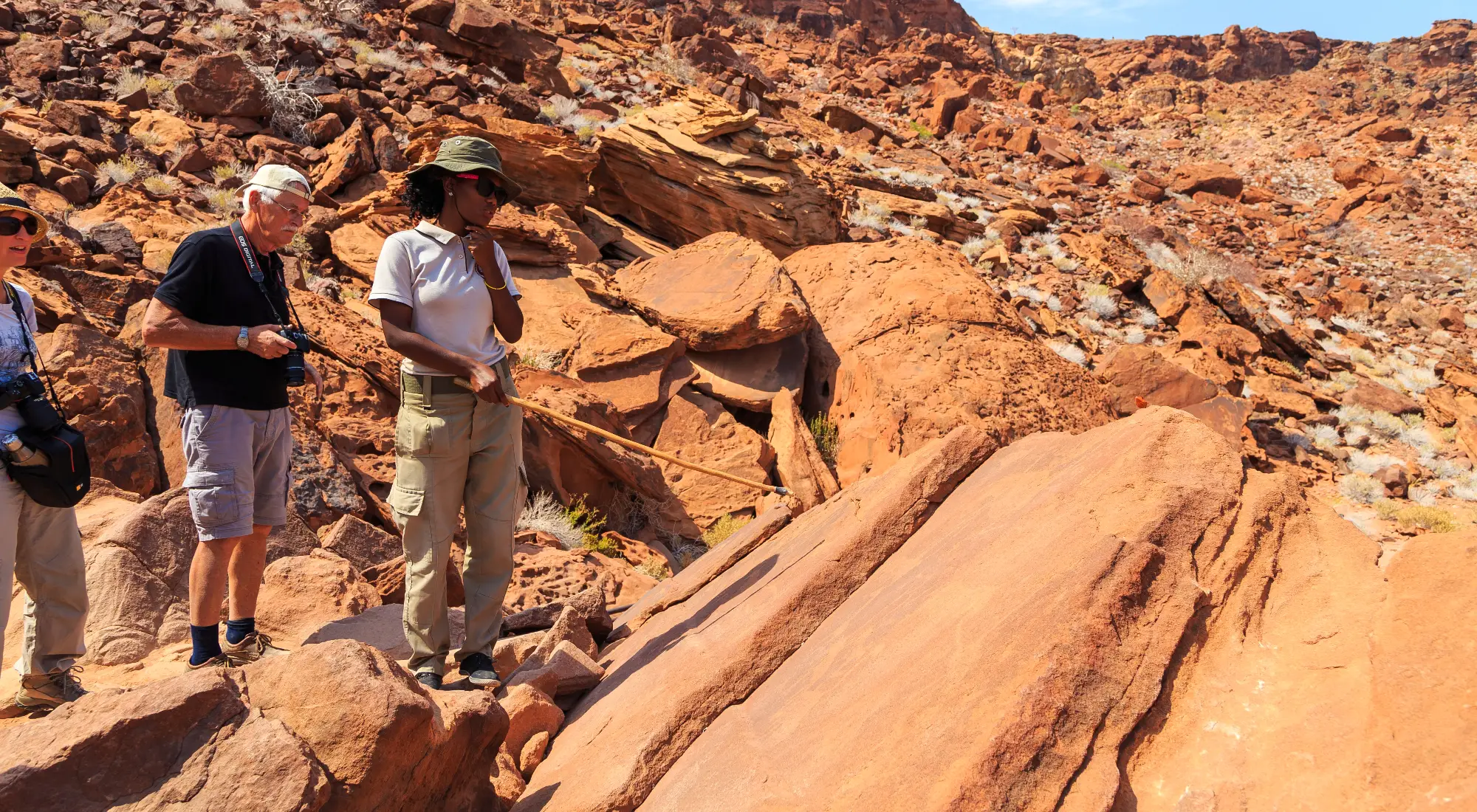
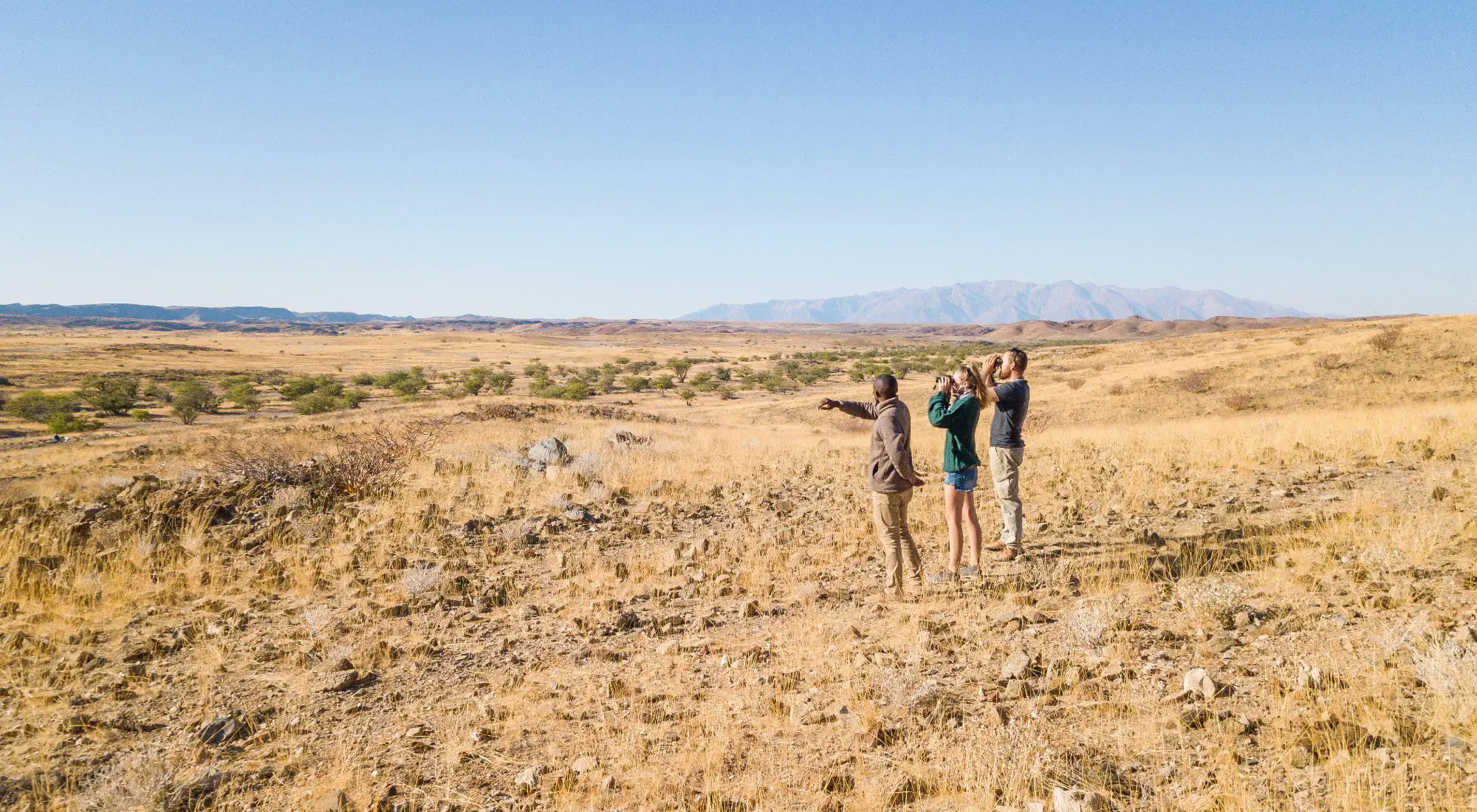
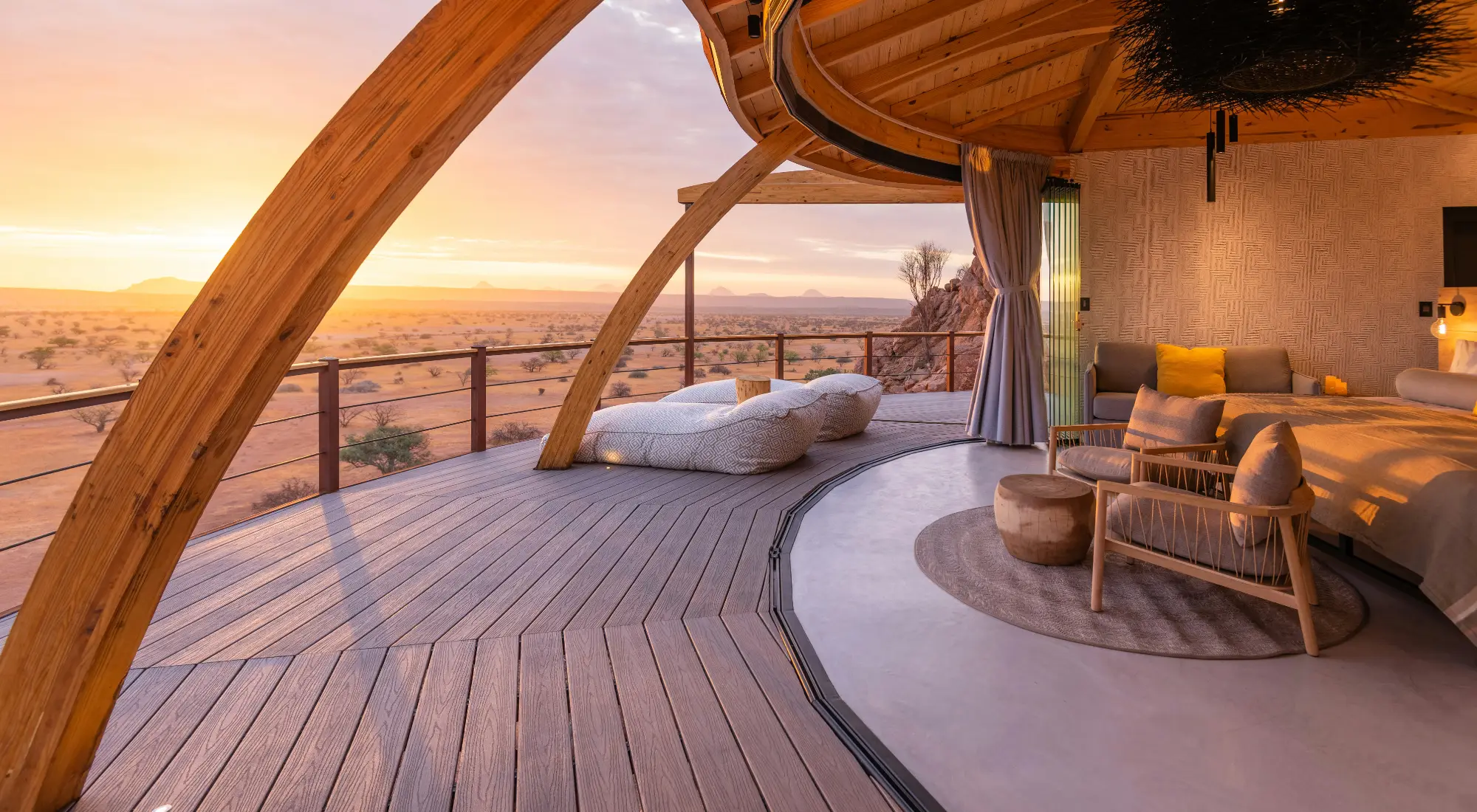
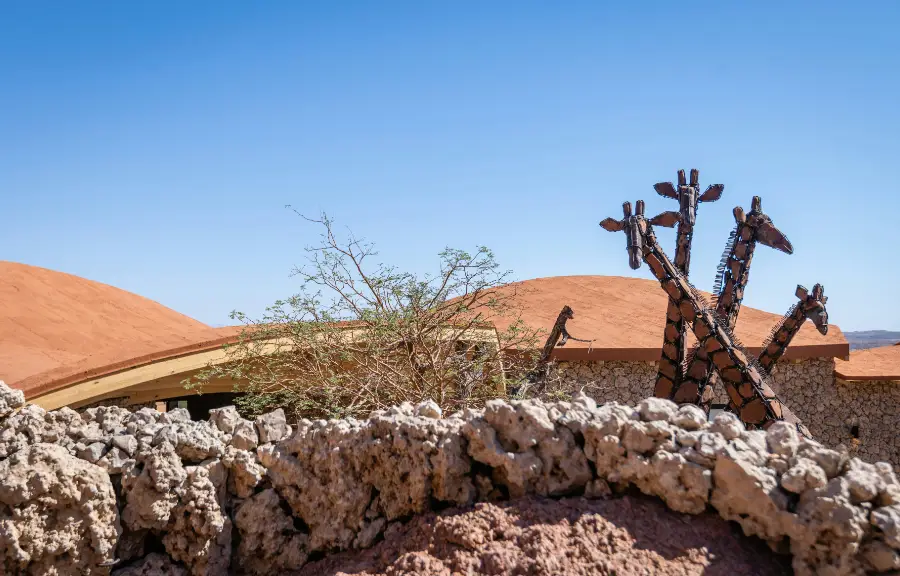
Explore Damaraland through images of ancient rock engravings, dry valleys, desert elephants, Brandberg, Vingerklip, and rough mountain scenery. Each photo shows the region’s wild character and deep cultural past.
These Damaraland FAQs help travelers understand this rough and beautiful region before planning a visit. The area is known for ancient rock art, desert elephants, black rhinos, Brandberg Mountain, the Petrified Forest, and long gravel roads. If you are heading there, it helps to know what the land, wildlife, routes, and stays are really like.
Namibia has a lot to pull travelers in. Wide desert dunes, wildlife parks, salt pans, coastal towns, canyons, and quiet wilderness areas all sit within one country. This section brings the main attractions in Namibia together, so travelers can see what fits their route, time, comfort level, and the kind of journey they want.
Our Namibian tour was an unforgettable experience from start to finish. Henzel was both our guide and driver, and he did an outstanding job in both roles. He was incredibly thorough and well-prepared, always sharing detailed insights about the landscapes, wildlife, and local culture. You could tell he truly knew and loved the country.

We did the “7 Days Wildlife Etosha and Sossusvlei Namibian Safari (Accommodated)” with Safari World Tours in December 2023 and it was the best choice for our family! We are experienced travelers (49 countries visited) and found that to travel to Namibia with a small child (4 years old) a tour would the the best option






 German
  English