+264 81 8211 521
info@safariworldtours.com
Rabatte & Deals


A famous Namibia desert destination filled with dunes, pans, and light
Sossusvlei sits inside Namib-Naukluft National Park, one of Africa’s largest protected areas and one of Namibia’s most famous destinations. It is known for red dunes, white salt pans, open skies, and strong desert scenery.
This remarkable place is surrounded by some of the world’s highest dunes, with some rising to nearly 400 meters. The landscape changes beautifully in the soft morning and evening light, making Sossusvlei a favorite stop for photographers, nature lovers, and travelers on Namibia Touren und Safaris. The white pan, orange sand, and clear blue sky create a scene that feels almost unreal, especially at sunrise, when the dunes glow.
The name Sossusvlei means “dead-end marsh,” referring to the point where dunes stop the Tsauchab River from flowing farther through the desert. Most years, the pan stays completely dry, but in rare rainy seasons, water gathers here and reflects the surrounding dunes like glass.

Gather ideas from our Namibia tour packages, or let our consultants help you picture the possibilities. We can build the journey around your time, style, and interests.
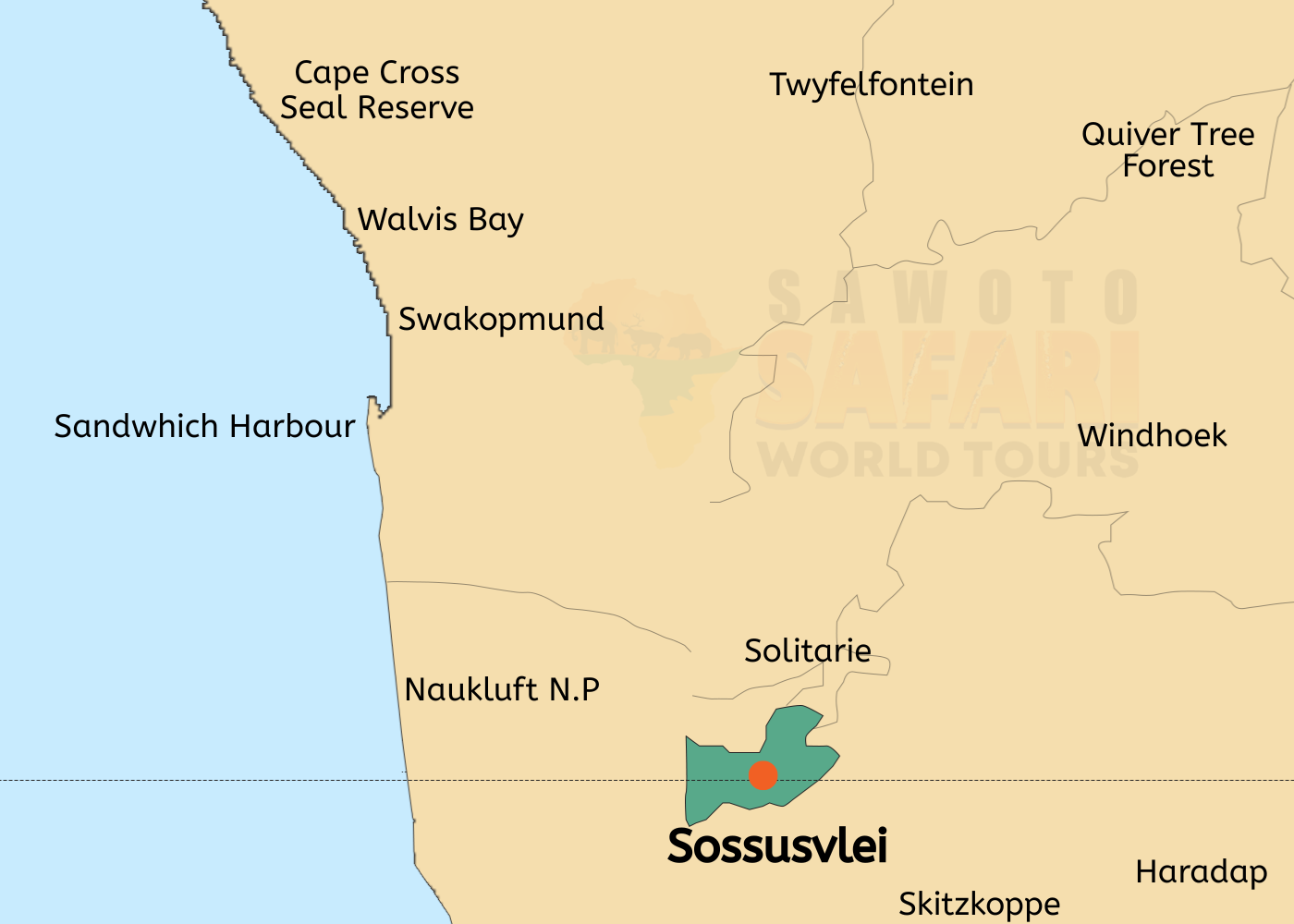
Sossusvlei sits deep in the southern Namib Desert, inside the vast Namib-Naukluft National Park. A map makes the place easier to understand before you go. You can see the long desert roads, nearby lodges, entry points, and the final stretch toward the dunes. It also helps with drive timing, route planning, and guided safari arrangements.
Sossusvlei is easier to enjoy when travelers understand the desert before arrival. Light, heat, wind, distance, and silence can change the day quickly. This section gives a clear look at the best time to visit, wildlife, scenery, and activities, helping travelers plan with better timing, calmer expectations, and a smoother Namibia Desert Experience from morning to night in southern Namibia.
Sossusvlei is most comfortable in autumn or spring, when the air feels milder and skies stay clear. Still, the desert works through most months. Early starts often matter more than season, especially for cooler sand, softer light, and quieter views around the dunes.
Autumn and spring usually give Sossusvlei its easiest travel conditions. Days feel warm without becoming too punishing, and nights are not as sharp as winter. The clear desert air also helps photographers catch clean colours across the dunes. For many travellers, these months feel balanced, comfortable, and simple to plan around without stress or guessing at all here.
Winter, from May to August, brings clear days and cold nights. Campers need warm layers because temperatures can drop close to freezing. The east wind can also appear without much warning, carrying dust across the desert. When that happens, it is better to move early, rest midday, and return later when the air settles again outside the lodge.
Summer can still be rewarding, but the heat requires care. October and November often feel heavy, with temperatures reaching the high thirties. Later summer rain in Namibia may cool the air slightly. In rare wet years, March and April can bring green touches to the usually dry desert floor, which feels surprising for visitors there on arrival.
Whatever month you choose, sunrise is your best friend here. The sand feels cooler, the roads are quieter, and the dunes catch soft light before the harsh glare begins. By late morning, many travelers return to lodges, take short drives, or save energy for sundowner views and evening walks near the desert edge instead of pushing too hard.
Wildlife in Sossusvlei is quiet, small, and easy to miss at first. It lives in tracks, shade, burrows, and cool hours. Oryx, springbok, ostriches, insects, reptiles, and night creatures all show how life survives in a dry desert with little water daily.
At first, the desert may look empty. Then you start noticing marks in the sand. Beetles, spiders, geckos, and other small creatures move mostly when the heat is lower. Some use fog droplets for water. Others stay under the sand, where the temperature is kinder than the open surface during daytime heat and dry afternoon light.
Oryx are among the most memorable animals around Sossusvlei. Their long horns and calm desert posture suit the open plains perfectly. Springbok also appear in dry areas, often in small groups. Ostriches walk across the flats looking for food, moving with surprising ease through heat, dust, and distance in this harsh place around them each day.
Predators are harder to see, but they belong to this landscape too. Brown hyena, spotted hyena, jackal, Cape fox, bat-eared fox, aardwolf, and porcupine may move after dark. Cooler hours make wildlife more active, so early mornings and evenings give better chances for quiet sightings near dry riverbeds and lonely tracks around camp after sunset.
Wildlife viewing here is not loud or fast. You need patience, and honestly, a slower eye. Look for footprints, small holes, shifting sand, or sudden movement near low plants. Sossusvlei teaches travellers to notice small signs of life, not only big animals standing beside the road in clear view each morning here.
Sossusvlei scenery feels simple at first, then slowly takes hold. Red dunes, pale pans, black trees, and clean skies change with the light. Morning and evening bring the strongest colors, while midday shows the desert in a harder, brighter way for travelers here.
The red dunes are usually the first thing travelers notice. They rise in long lines, sometimes smooth, sometimes cut sharply by the wind. Between them sit white clay pans, dry riverbeds, and open ground. The place feels wide and bare, but not empty. Every color seems stronger because there is so little distraction around the dunes in every direction.
Deadvlei gives the landscape its most famous contrast. The white pan, dark camel thorn trees, and red dunes sit together in a strange, quiet scene. It is beautiful, yes, but also harsh. The trees are dead, the ground is dry, and the heat reminds travellers where they are under the open sky.
Light changes Sossusvlei more than anything else. Sunrise brings warm orange tones and long shadows along the dune ridges. Midday can feel flat, bright, and hard on the eyes. Late afternoon softens the view again. This is why many photographers wait for those early or late hours before taking their favourite shots in silence.
The wider scenery includes Dune 45, Big Daddy, Hiddenvlei, Sesriem Canyon, and the long road from Sesriem gate. Each place feels slightly different. Some areas look grand and open. Others feel quiet and close, especially when there are fewer visitors around and only wind moving through the sand near your feet.
Things to do in Sossusvlei are simple, physical, and time-dependent. Most travellers climb, walk, watch, or fly before the heat grows strong. The best moments often come early, when the dunes are cooler and the light still feels gentle outside there.
Dune 45 is one of the most popular stops in the area. Many travellers climb it at sunrise, when the sand is cooler and the light feels soft. The walk is not too long, but it still takes effort. From the ridge, the desert opens in every direction across the surrounding dune fields and plains.
Deadvlei is another major highlight. A short walk from the 4×4 parking area leads to the pale pan and its dark, dead camel thorn trees. The scene feels quiet and strange in the best way. Big Daddy rises nearby, giving strong walkers a much tougher dune climb with wide views from above.
Sesriem Canyon brings a welcome change from sand. The narrow gorge was carved by the Tsauchab River over time, and its walls provide shade during the hotter hours. It is often visited before or after the dunes, especially by travellers who want a short, easy walk away from the open heat.
For quieter moments, Hiddenvlei is worth the walk. Stargazing is also special here, because the skies can be very clear with little light around. Some travelers choose a sunrise hot-air balloon flight or a photography safari, while others simply enjoy staying in a desert lodge and slowing down after a hot day.
Expect early starts, open desert views, warm sand, and quiet time around the dunes. Sossusvlei feels simple at first, but its light, space, and silence stay with travellers long after the drive ends.
These Namibia Safari Itineraries bring together the country’s wide range of travel experiences, from wildlife parks and desert roads to coastal towns, cultural stops, and quiet lodge stays. Some routes are short and focused. Others stretch across several regions. And for travelers comparing Namibia Safari Packages, these itineraries make it easier to choose a trip that fits their time, comfort, and travel style.
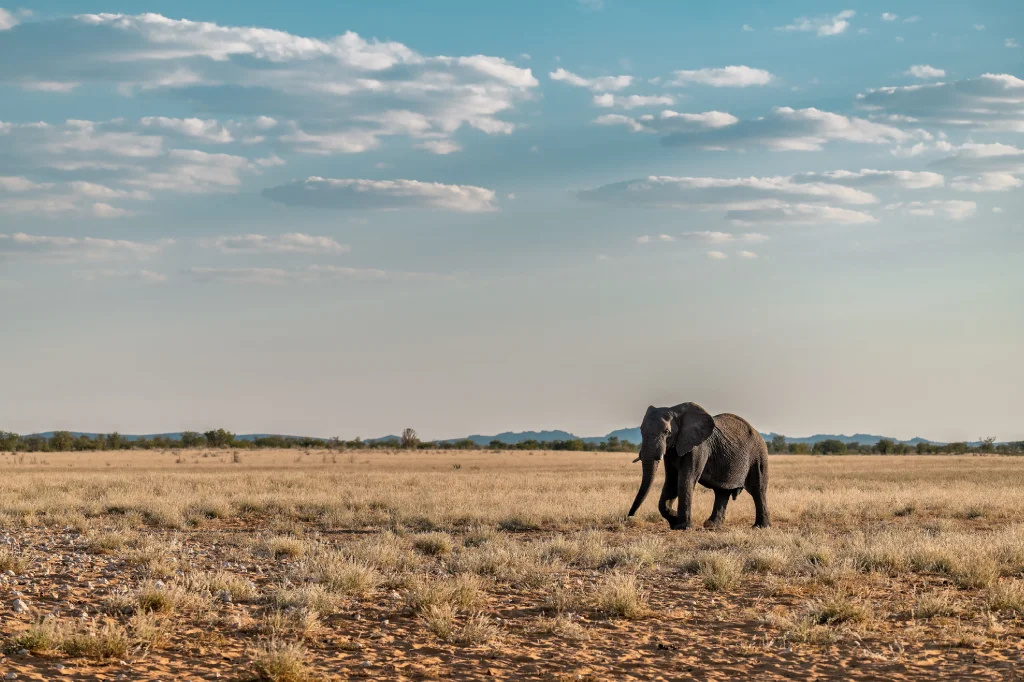
2 Destinations: Etosha National Park → Namibia
View Details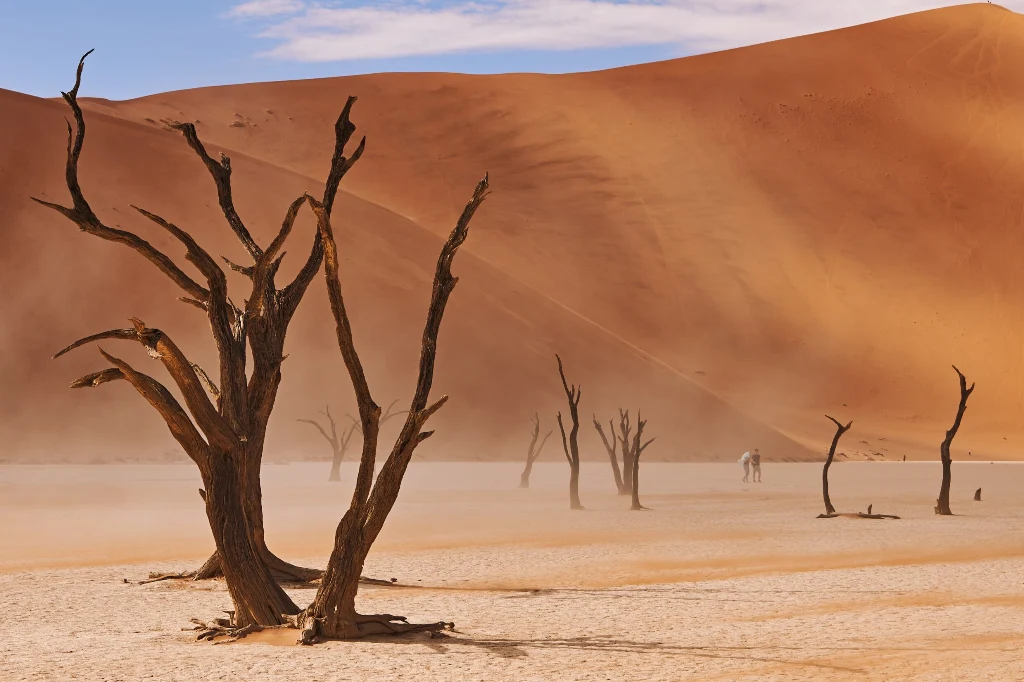
5 Destinations: Botswana → Etosha National Park → Namibia → Sossusvlei → Swakopmund
View Details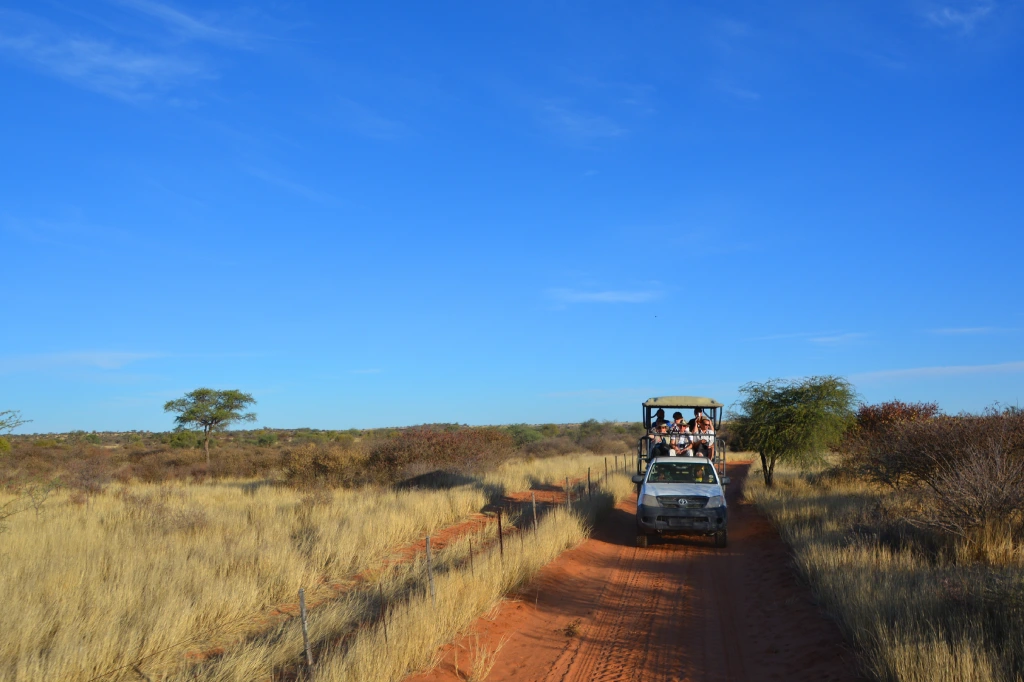
6 Destinations: Etosha National Park → Namibia → Sossusvlei → Spitzkoppe → Swakopmund → Windhoek
View Details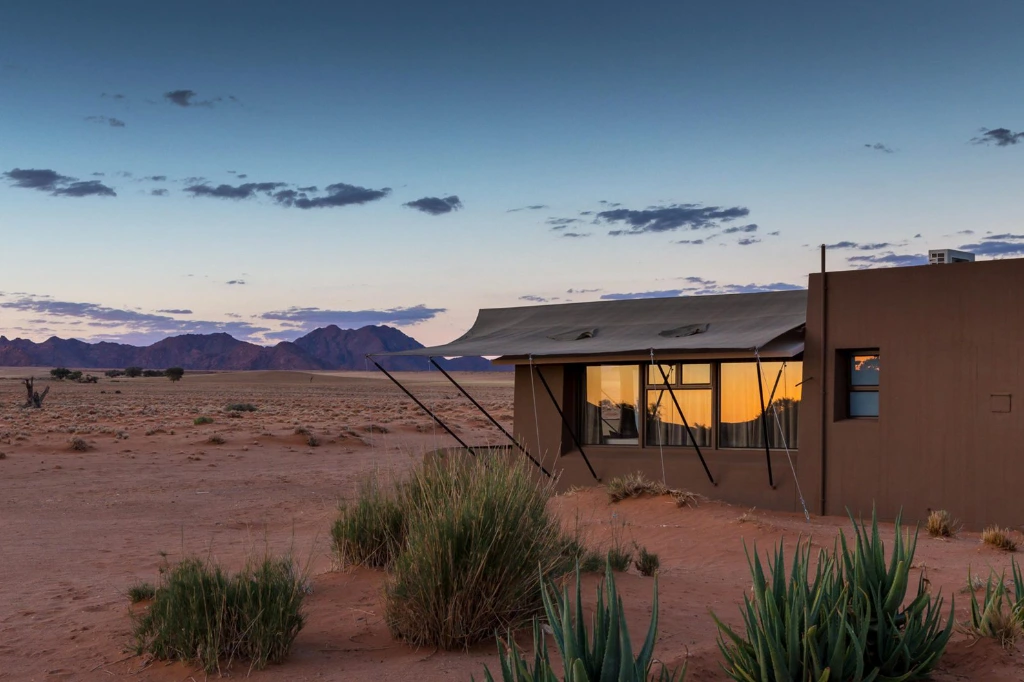
5 Destinations: Etosha National Park → Namibia → Sossusvlei → Swakopmund → Windhoek
View Details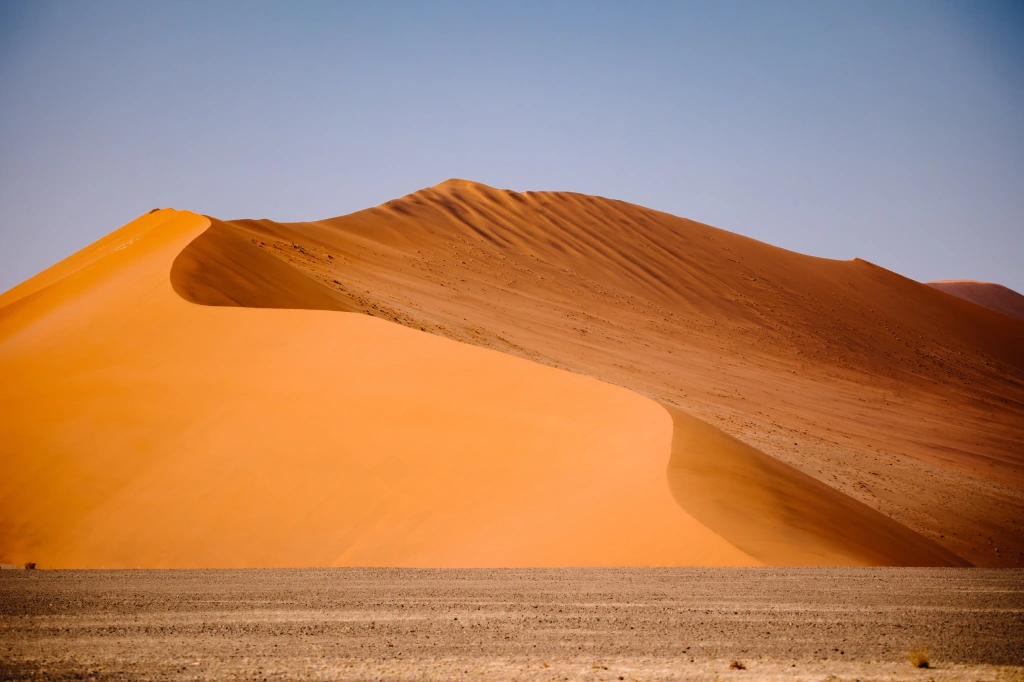
5 Destinations: Etosha National Park → Namibia → Sossusvlei → Swakopmund → Windhoek
View Details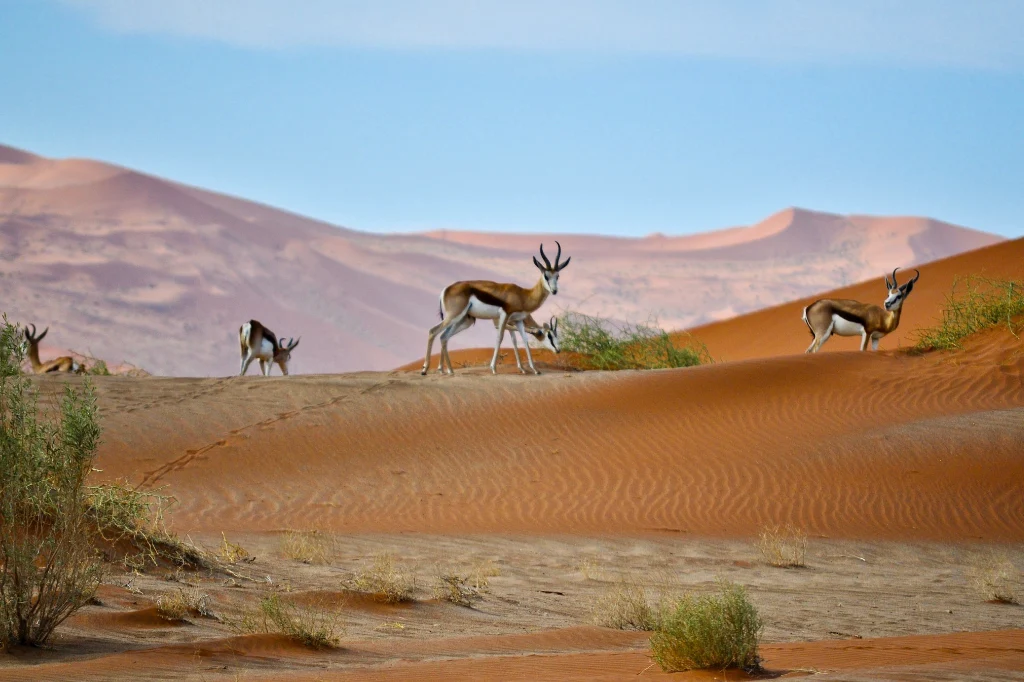
6 Destinations: Botswana → Etosha National Park → Namibia → Sossusvlei → Swakopmund → Zimbabwe
View Details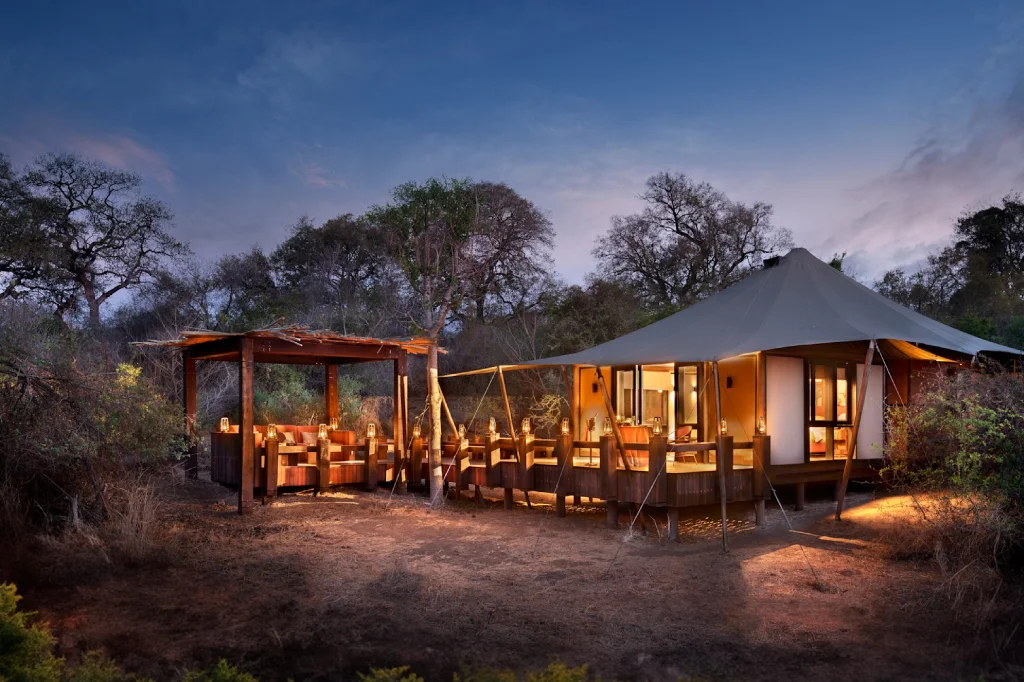
6 Destinations: Etosha National Park → Fish River Canyon → Namibia → Sossusvlei → Swakopmund → Twyfelfontein
View Details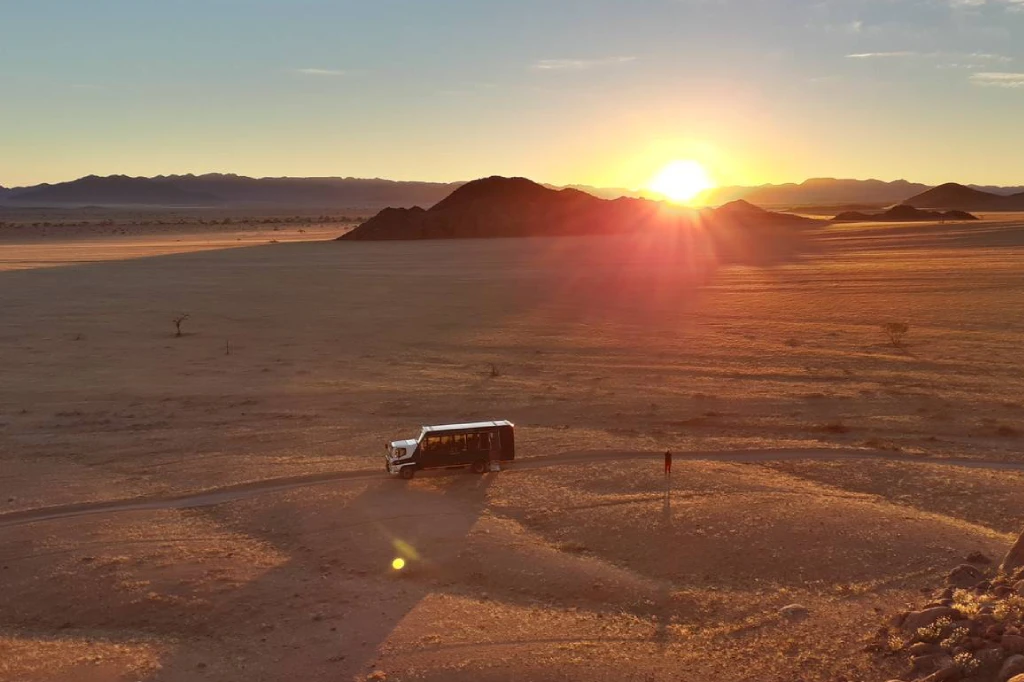
6 Destinations: Botswana → Etosha National Park → Namibia → Sossusvlei → Swakopmund → Zimbabwe
View Details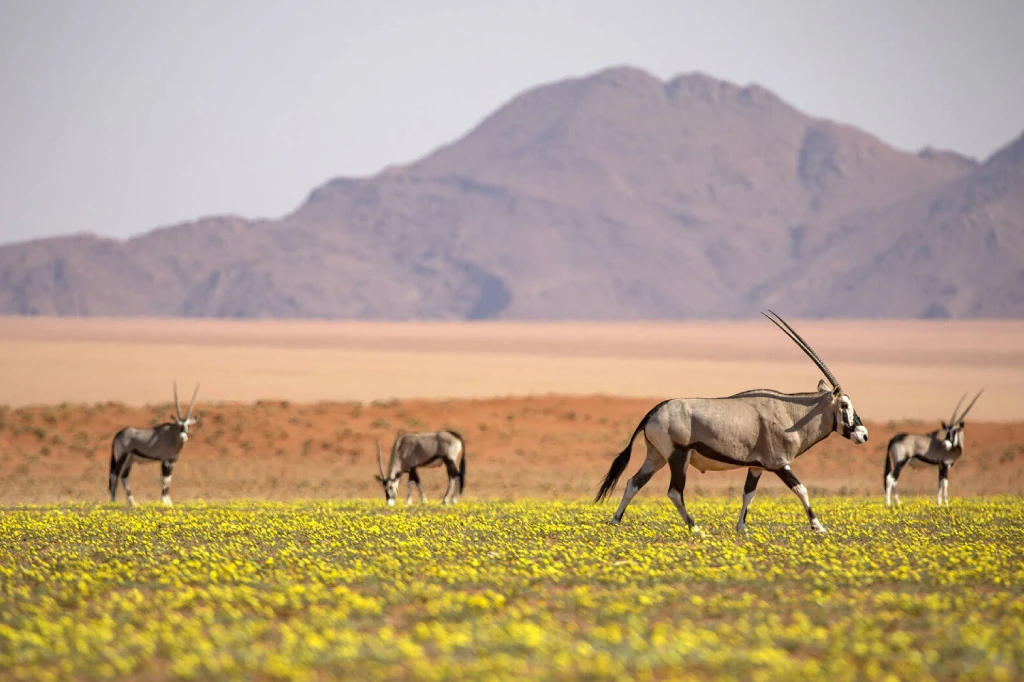
7 Destinations: Etosha National Park → Kamanjab → Namibia → Spitzkoppe → Swakopmund → Twyfelfontein → Windhoek
View Details
4 Destinations: Etosha National Park → Namibia → Sossusvlei → Swakopmund
View Details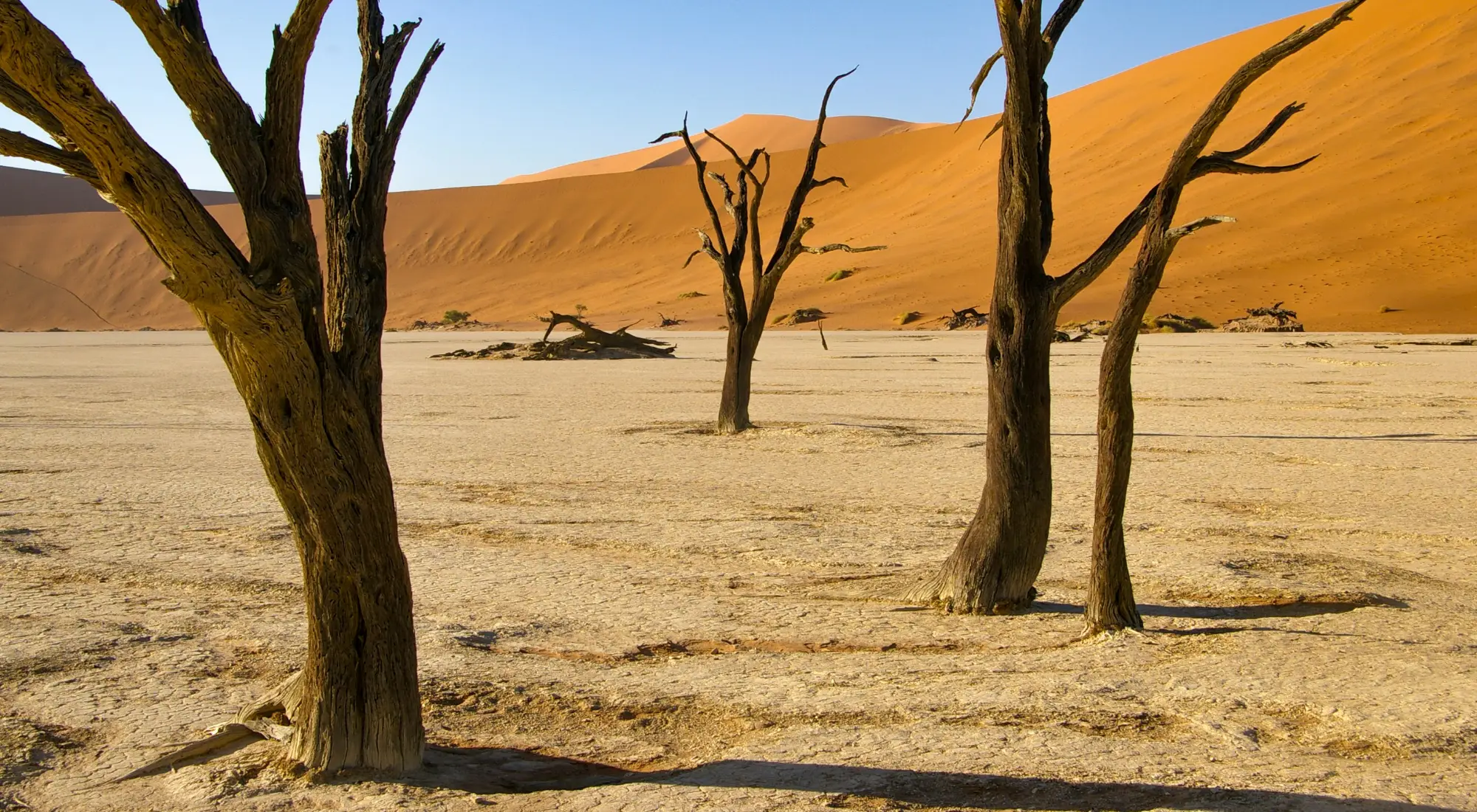
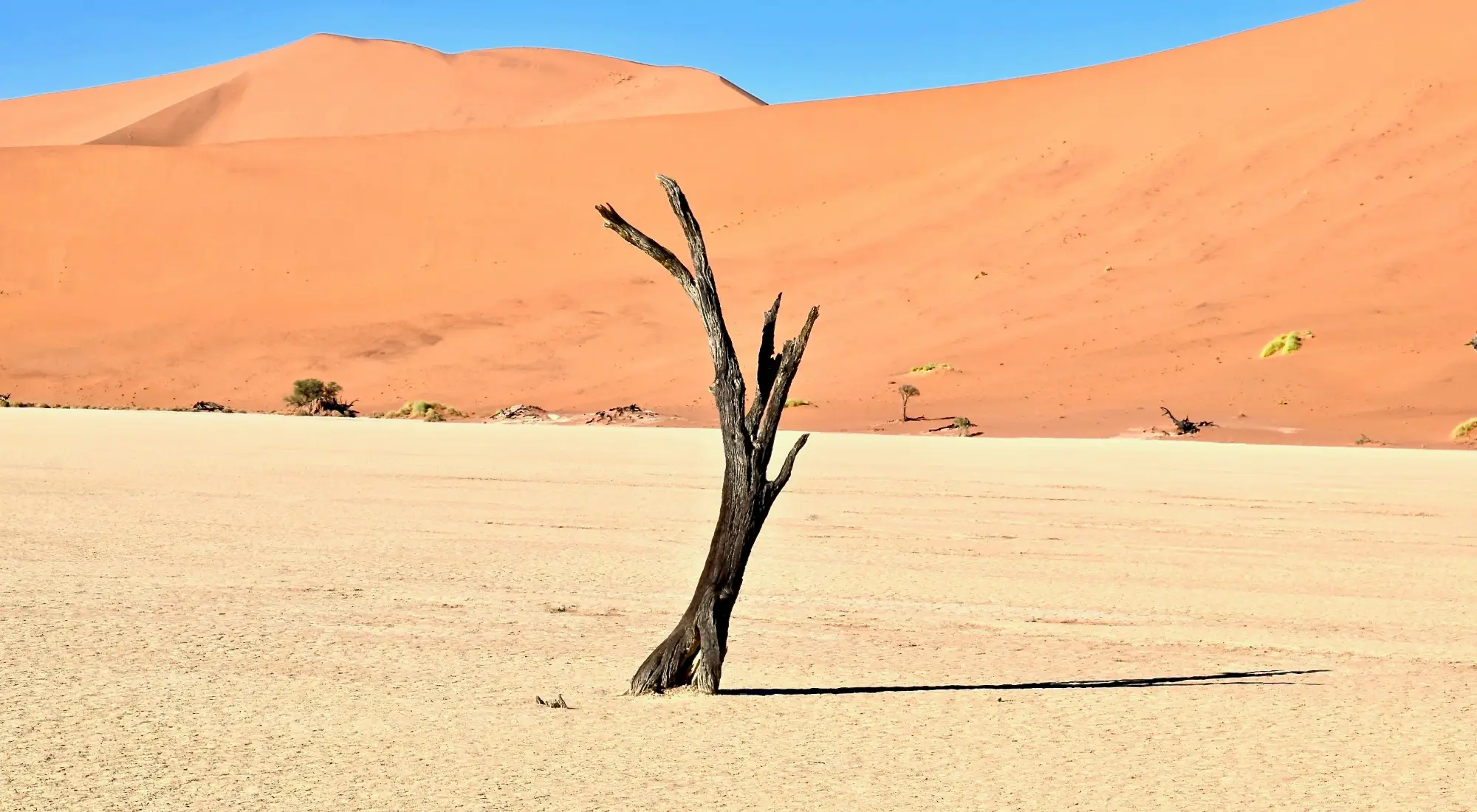
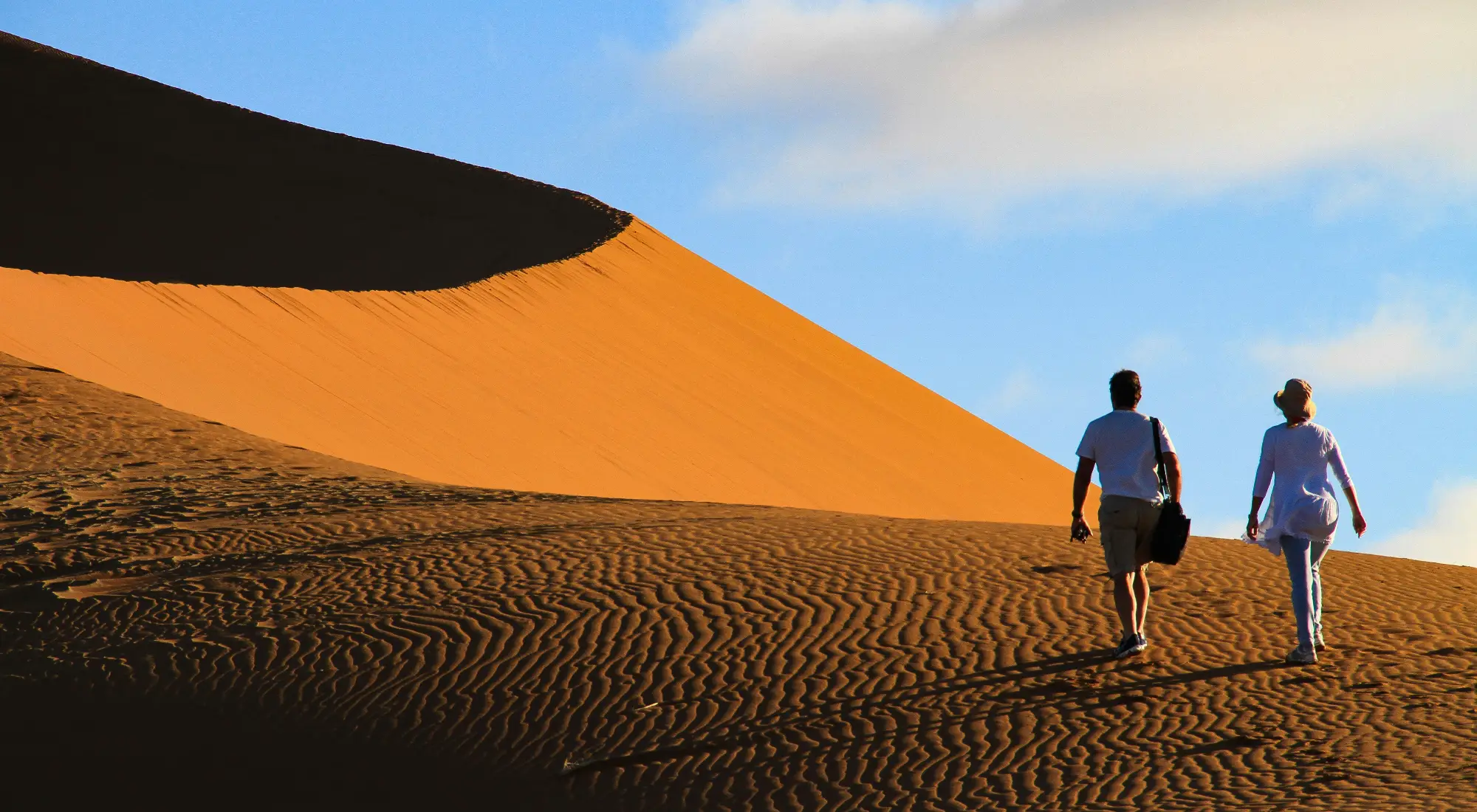
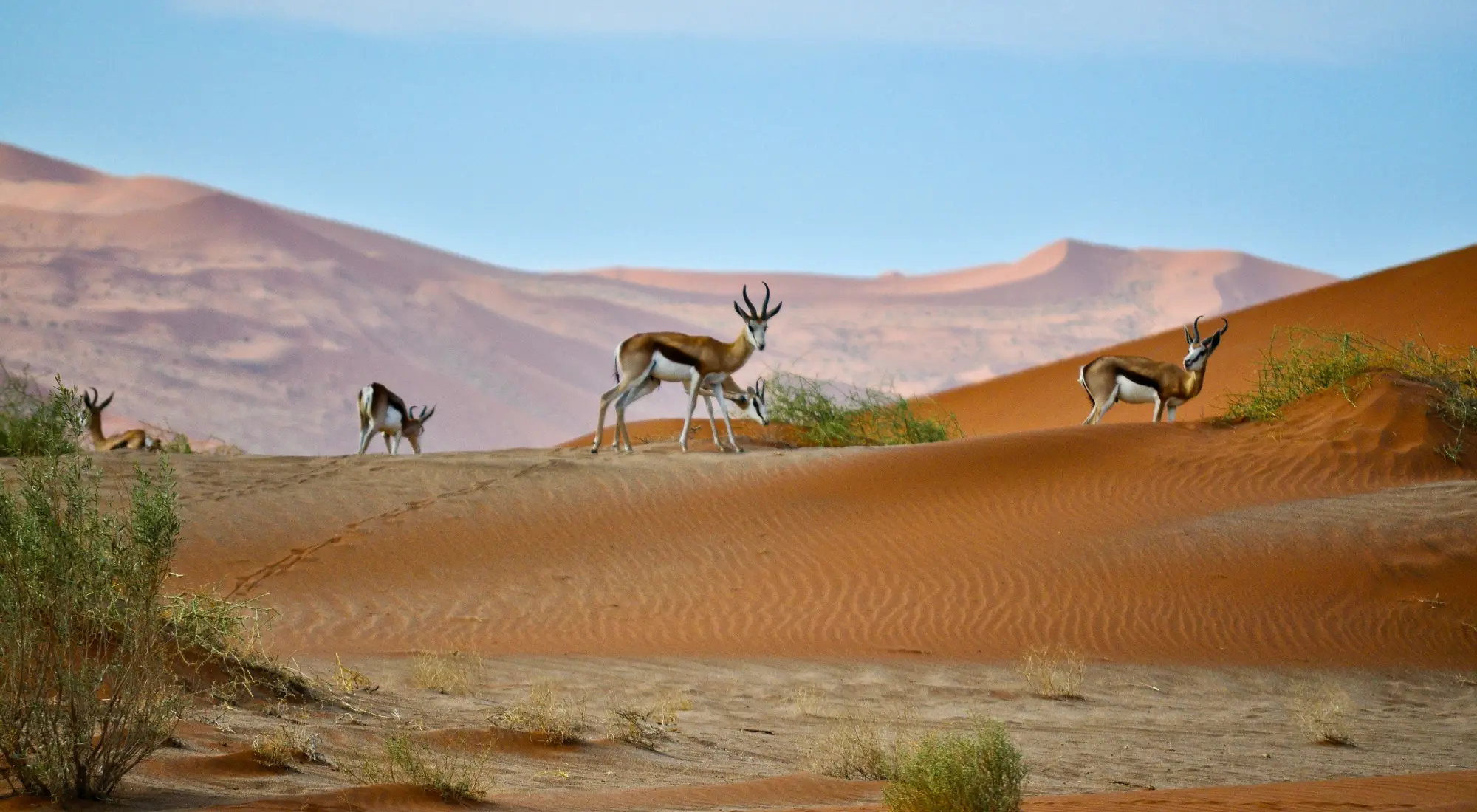
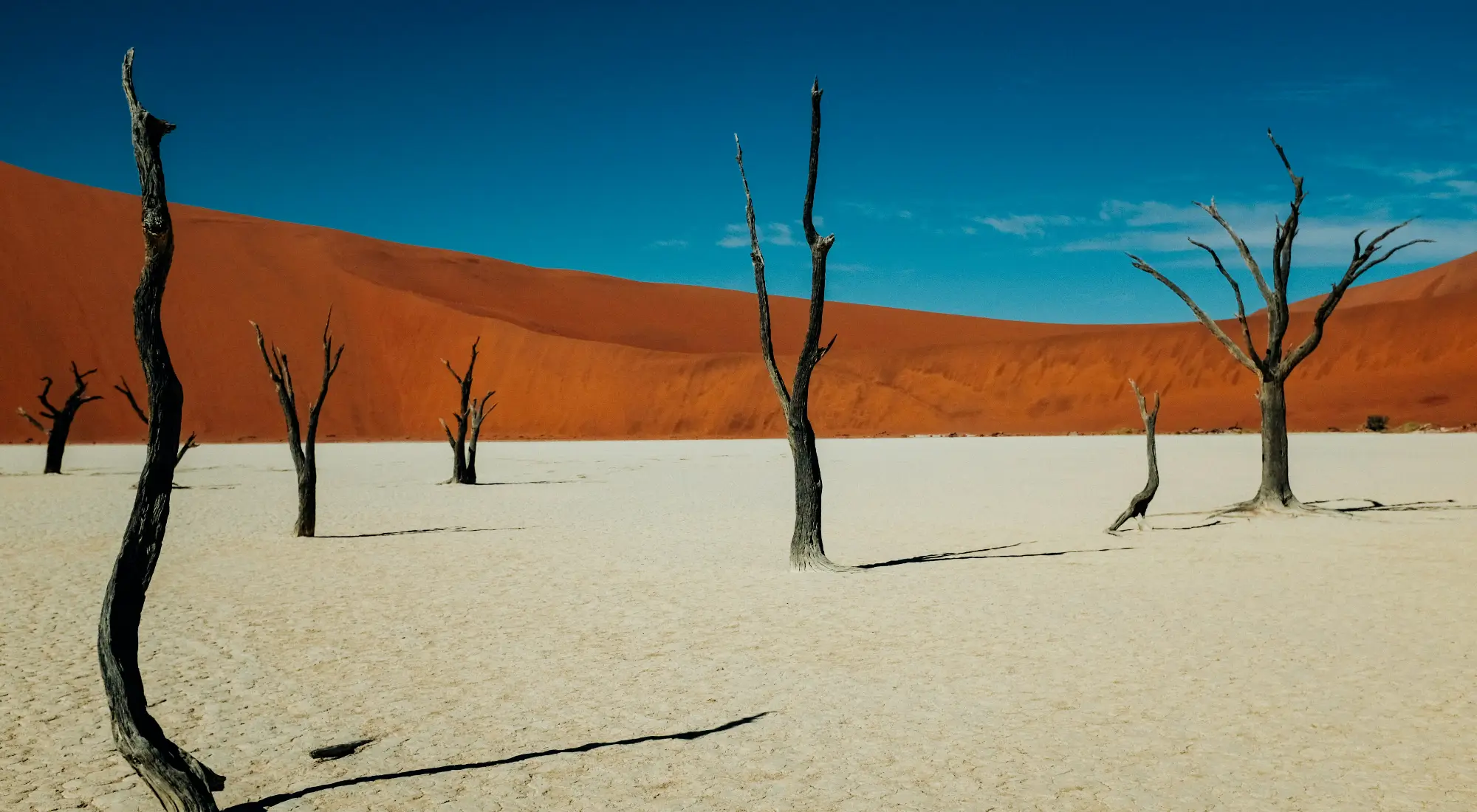
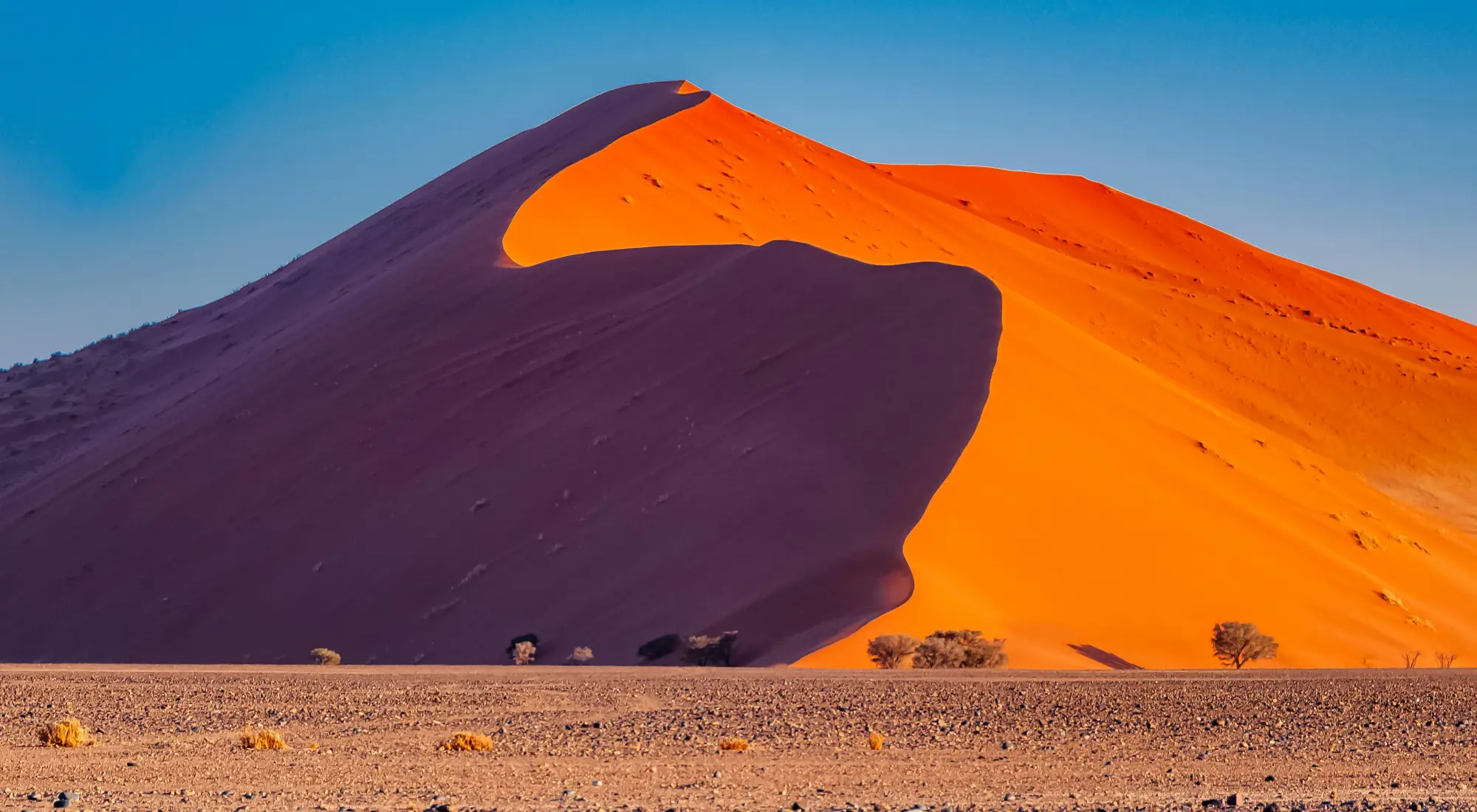
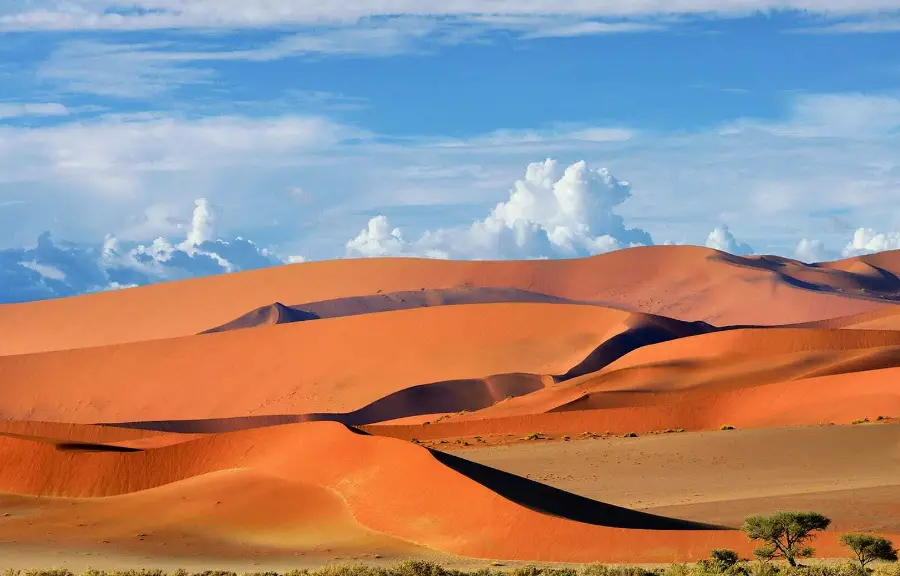
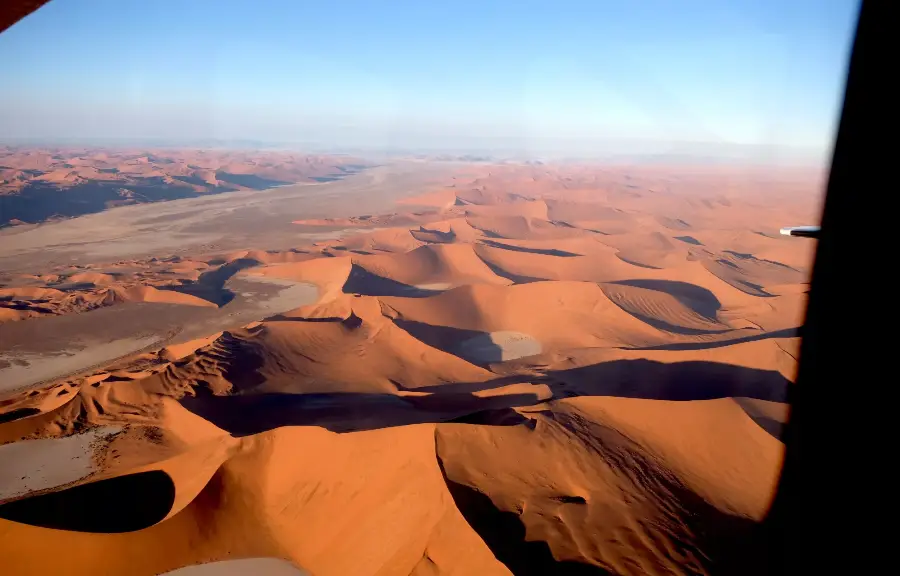
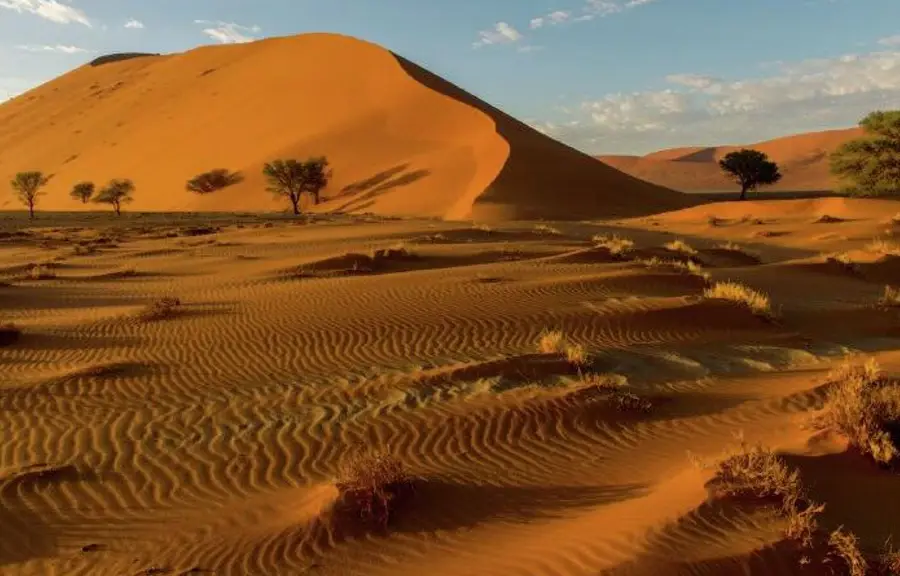
Sossusvlei’s gallery brings together red dunes, pale pans, desert tracks, sunrise views, and quiet open spaces. These images help travelers feel the place before they reach the Namib Desert.
Sossusvlei looks simple from a distance, just dunes, sand, and wide-open land. But once travellers start planning, small questions come up fast. Permits, food, heat, walking routes, and entry times all matter here. These FAQs keep things clear, so the visit feels easier before the first desert drive begins.
Namibia has a lot to pull travelers in. Wide desert dunes, wildlife parks, salt pans, coastal towns, canyons, and quiet wilderness areas all sit within one country. This section brings the main attractions in Namibia together, so travelers can see what fits their route, time, comfort level, and the kind of journey they want.
Our Namibian tour was an unforgettable experience from start to finish. Henzel was both our guide and driver, and he did an outstanding job in both roles. He was incredibly thorough and well-prepared, always sharing detailed insights about the landscapes, wildlife, and local culture. You could tell he truly knew and loved the country.

We did the “7 Days Wildlife Etosha and Sossusvlei Namibian Safari (Accommodated)” with Safari World Tours in December 2023 and it was the best choice for our family! We are experienced travelers (49 countries visited) and found that to travel to Namibia with a small child (4 years old) a tour would the the best option







 German
  English