+264 81 8211 521
info@safariworldtours.com
Rabatte & Deals


Across Namibia’s Zambezi Region, Caprivian culture comes alive through river journeys, village gatherings, fishing skills, woven crafts, masked dances, warm food traditions, and stories carried beside the water for generations with pride.

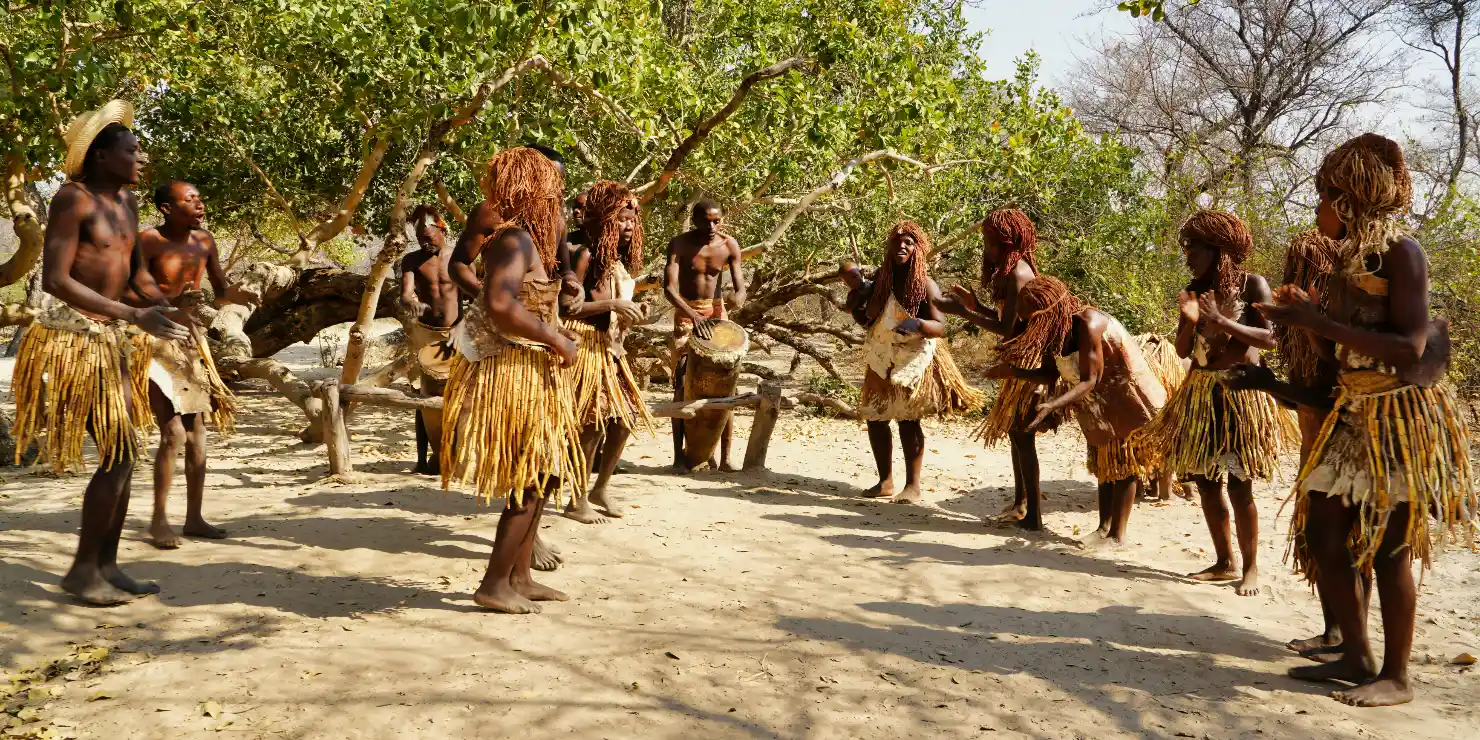
Der Caprivian people live in Namibia’s northeastern region, where rivers, floodplains, wildlife, and cross-border cultures meet. The area, now often called the Zambezi Region, has strong links with communities such as the Masubia, Mafwe, Mbukushu, Mayeyi, and Totela. Namibia’s culture is shaped by fishing, farming, cattle herding, storytelling, music, dance, crafts, and river-based daily life.
A Caprivian cultural visit adds depth to Namibia Touren und Safaris, especially in the Zambezi, Kwando, Linyanti, and Chobe regions, as well as on village routes.
The Caprivian region feels different from much of Namibia. Instead of dry open desert, this area is shaped by rivers, wetlands, green floodplains, farms, fishing grounds, and wildlife corridors. The Zambezi, Kwando, Linyanti, and Chobe Rivers support both people and animals. Daily life often moves around water, with fishing, canoe travel, farming, livestock, and riverbank meals forming part of local identity.
The Caprivian people are not one single tribe. The region includes several cultural groups with their own languages, customs, leadership structures, and histories. The Masubia, Mafwe, Mbukushu, Mayeyi, and Totela all add to the region’s identity. For travellers exploring Namibia Travel Destinations, this makes the Caprivi one of the country’s richest cultural meeting points.
Caprivian culture is best understood through rivers, villages, crafts, music, and community life.
The Caprivi Strip has a complex history shaped by colonial borders, regional trade, and political change. It was named after German Chancellor Leo von Caprivi, whose 1890 negotiations helped Germany gain access to the Zambezi River. The region was expected to serve as a route toward neighbouring areas, but it remained less industrialised than many colonial powers had imagined.
Because of its position, the Caprivi has always felt connected to more than one place. It sits near Botswana, Zambia, Zimbabwe, and Angola, creating a cultural blend that feels different from central and southern Namibia Reiseziele. This crossroads position shaped languages, trade, marriage ties, fishing routes, and local identities. It also helped communities keep strong traditions while absorbing outside influences.
The Caprivian people include different tribal groups rather than one single ethnic community. The Masubia are known for strong traditional leadership and ceremonial life. The Mafwe have long been linked with fishing, river travel, and trade. The Mbukushu are recognised for craft skills such as wood carving, basket weaving, and pottery. The Mayeyi and Totela also add important language, customs, and local identity to the region.
These groups have lived side by side for generations, often maintaining separate customs while sharing river landscapes, markets, farming areas, and social ties. This makes the region a living cultural mosaic. For visitors interested in the People Of Namibia, the Caprivi shows how difference can exist within shared land, water, and daily cooperation.
Unlike Namibia’s arid interior, the Caprivi is water-rich. Rivers are not only scenic features. They provide food, transport, work, stories, and seasonal rhythm. During the rainy season, floodwaters rise and people may move through waterways using dugout canoes called mekoro. This practice has been passed down through generations and remains closely linked with local skill.
Fishing plays a major role in Caprivian life. Traditional fish traps and net casting are still used in some areas. Families may prepare freshly caught bream or catfish over an open fire and serve it with mahangu porridge. These simple meals reveal how Namibia Traditions often live through food, work, and the river’s daily gifts.
The fertile floodplains of the Caprivi support farming and grazing in ways that are not possible across much of Namibia. Crops such as maize, millet, and sorghum are widely grown and form the base of many local dishes. Subsistence farming remains important for many households, especially in villages where families grow food for daily use.
Livestock, especially cattle, also carries cultural and economic value. Cattle can show wealth, support barter trade, and play a role in dowries or ceremonies. The balance between fishing, farming, and livestock gives Caprivian culture a practical strength. It also shows why this region is one of the most distinctive Namibian safari destinations, where wildlife, food, land, and people are closely linked.
Caprivian craftsmanship is known across Namibia. Women often weave baskets from reeds and palm leaves, creating useful and beautiful items with natural dyes and geometric patterns. Men may carve wood into stools, masks, canoes, figurines, and objects inspired by wildlife, spirits, or ancestors. Pottery is less common today, but older generations still carry the skill.
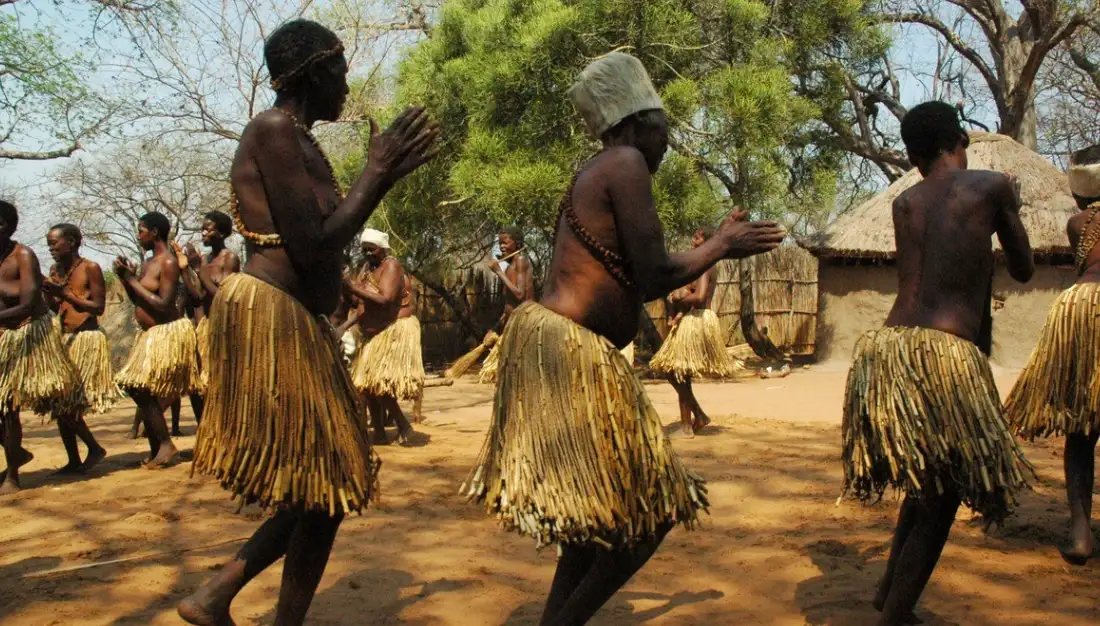
Music and dance are part of social life, not only performance. Drums, clapping, ululation, singing, and movement bring people together during weddings, harvest festivals, rites of passage, and community celebrations. The Makishi dance, performed with vivid masks representing ancestral spirits, is one of the most striking traditions. It gives travellers a strong glimpse into Namibia Africa Culture.
The Caprivian people face real challenges, including poverty, unemployment, prejudice, and political underrepresentation. The region has often been described as one of Namibia’s poorer areas, despite its fertile land, rivers, and tourism value. Its political past also includes the Caprivi conflict, when separatist tensions and government action left a difficult legacy.
At the same time, many communities are working to preserve cultural heritage while adapting to modern life. Education, technology, tourism, and movement to urban centres have changed younger generations’ lifestyles. Elders still play an important role in passing down river skills, stories, ceremonies, craft knowledge, and local history. This balance makes the Caprivian story part of the Modern Namibian People and their changing future.
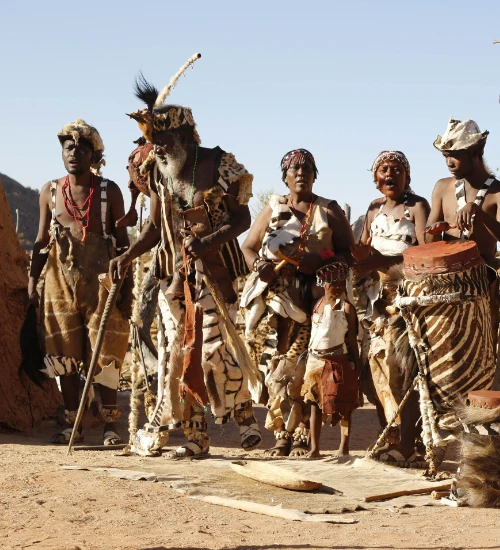
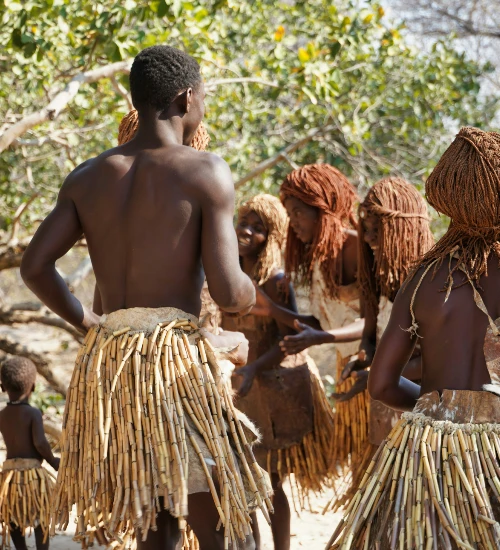
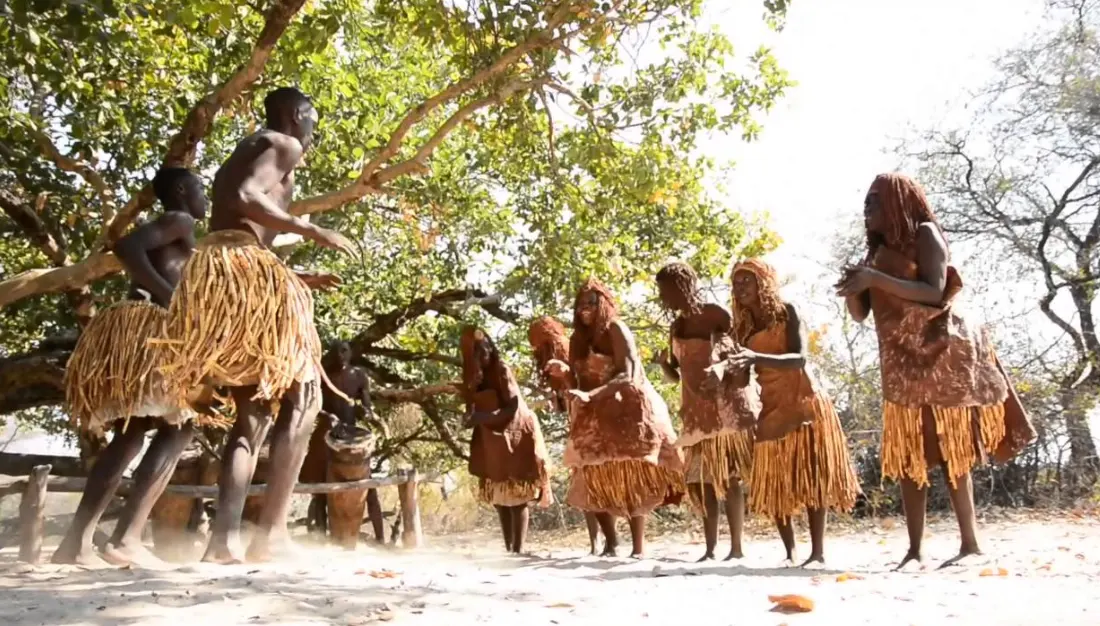
Village life along the Zambezi and nearby rivers shows how closely Caprivian communities are tied to water. Fishing, canoe travel, farming, cooking, storytelling, and riverbank gatherings all form part of the experience. For Namibia Guided Tours, a respectful village visit can help travellers understand the human side of the Zambezi Region beyond wildlife viewing and lodge stays.
Traditional fishing is one of the strongest parts of Caprivian daily life. Locals may use fish traps, nets, and dugout canoes called mekoro to move across flooded areas and river channels. These skills are practical, old, and still meaningful. Travellers exploring Namibia Tourist Destinations can learn how water supports food, movement, and family routines in this region.
Caprivian crafts include basket weaving, pottery, and wood carving. Women often weave baskets using reeds, palm leaves, natural dyes, and geometric designs. Men may carve canoes, masks, stools, or wildlife figures from wood. These crafts are both useful and artistic, making them meaningful cultural items for travellers interested in Unique places to visit in Namibia.
The Makishi dance is one of the most powerful cultural expressions connected with the region. It is performed with colourful masks representing ancestral spirits and is often seen during special ceremonies or community celebrations. Music, drumming, clapping, and movement all come together. This makes the dance an important part of Caprivian cultural identity and storytelling.
The Caprivi region connects culture with wildlife in a rare way. Nearby protected areas such as Bwabwata, Mudumu, and Nkasa Rupara support elephants, buffalo, birds, river life, and community-based tourism. Cultural visits can pair naturally with boat cruises, village walks, fishing experiences, and lodge stays, making the region an important part of Namibia Safari Touren.
The Caprivian people show a side of Namibia that feels green, wet, lively, and deeply connected to neighbouring countries. Their culture has grown around rivers, fishing, farming, livestock, crafts, ceremonies, music, and movement. It is a place where dugout canoes, woven baskets, open-fire fish meals, village stories, and wildlife routes all sit close together. This makes the region feel very different from desert Namibia.
This experience fits well within Namibia Safari Touren for travellers who want more than classic game drives. A Caprivian cultural visit can include village interaction, basket weaving, storytelling, traditional fishing, canoe life, or a chance to witness dance and celebration. It should always be done respectfully, with local guidance and fair community benefit. When handled well, cultural tourism supports livelihoods while giving travellers a clearer view of the people who live along Namibia’s rivers.
Explore Caprivian culture with care, and let Namibia’s river communities add warmth, movement, and meaning to your journey.
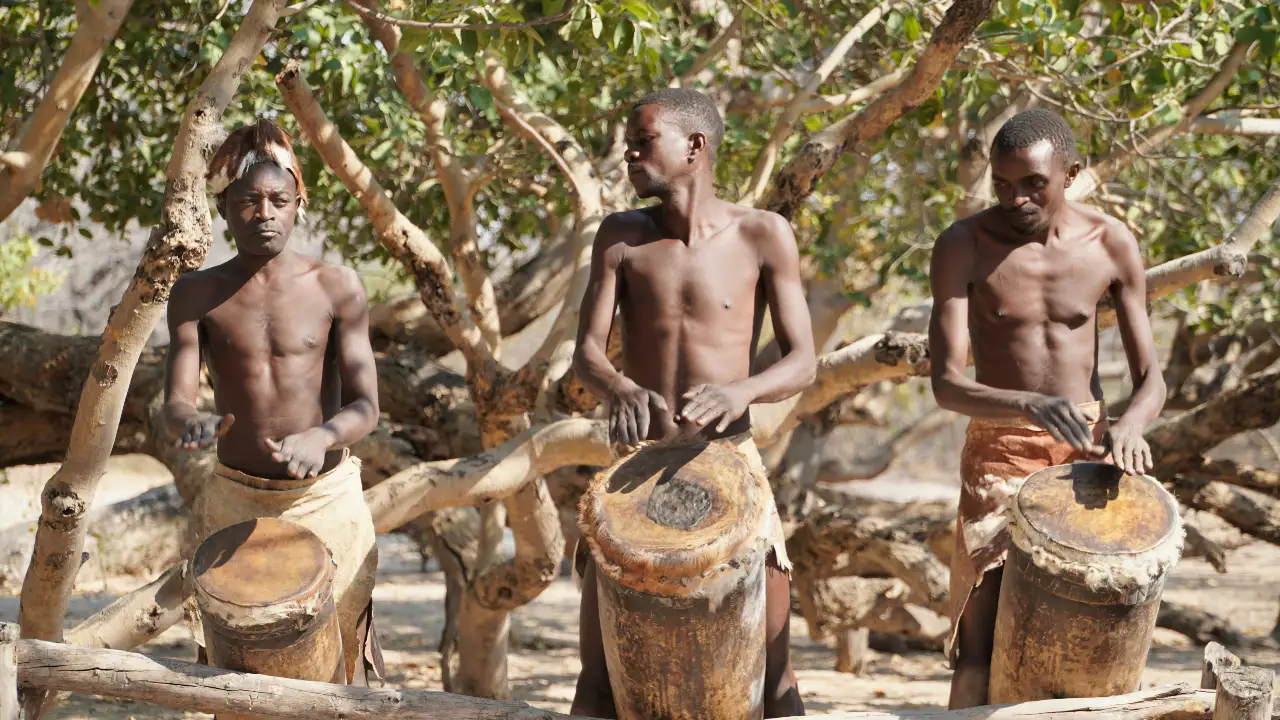
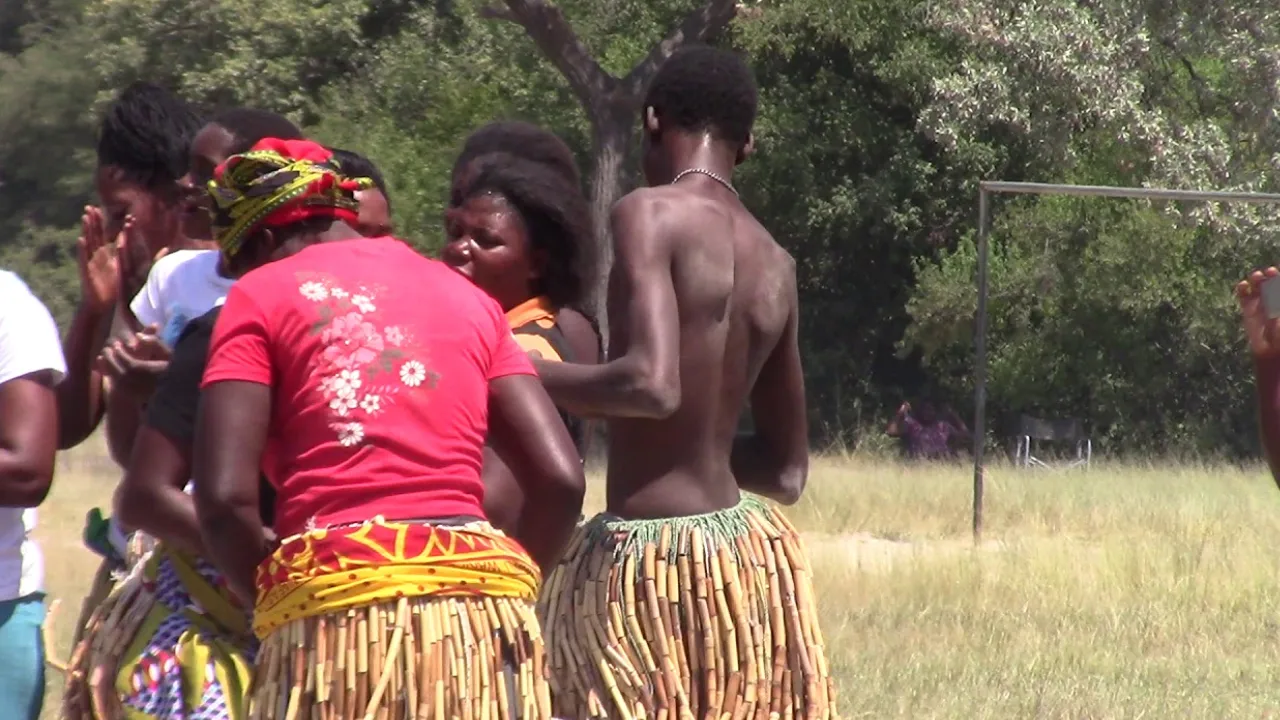
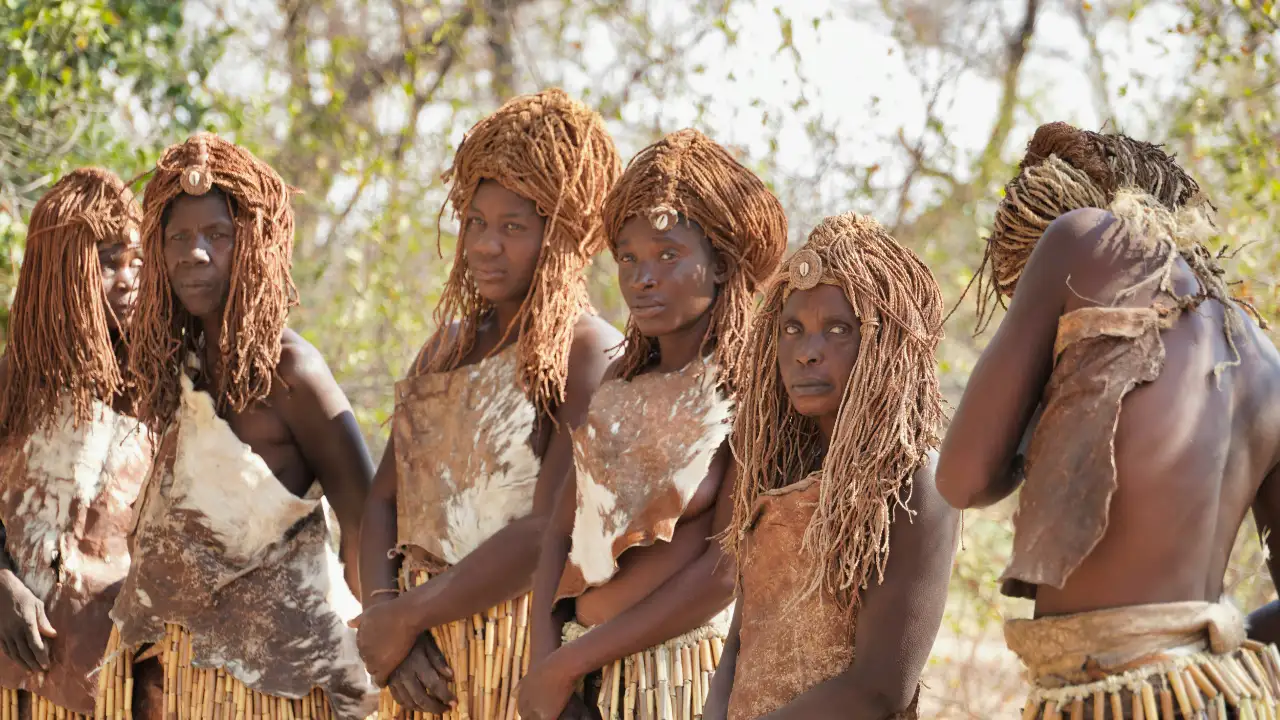
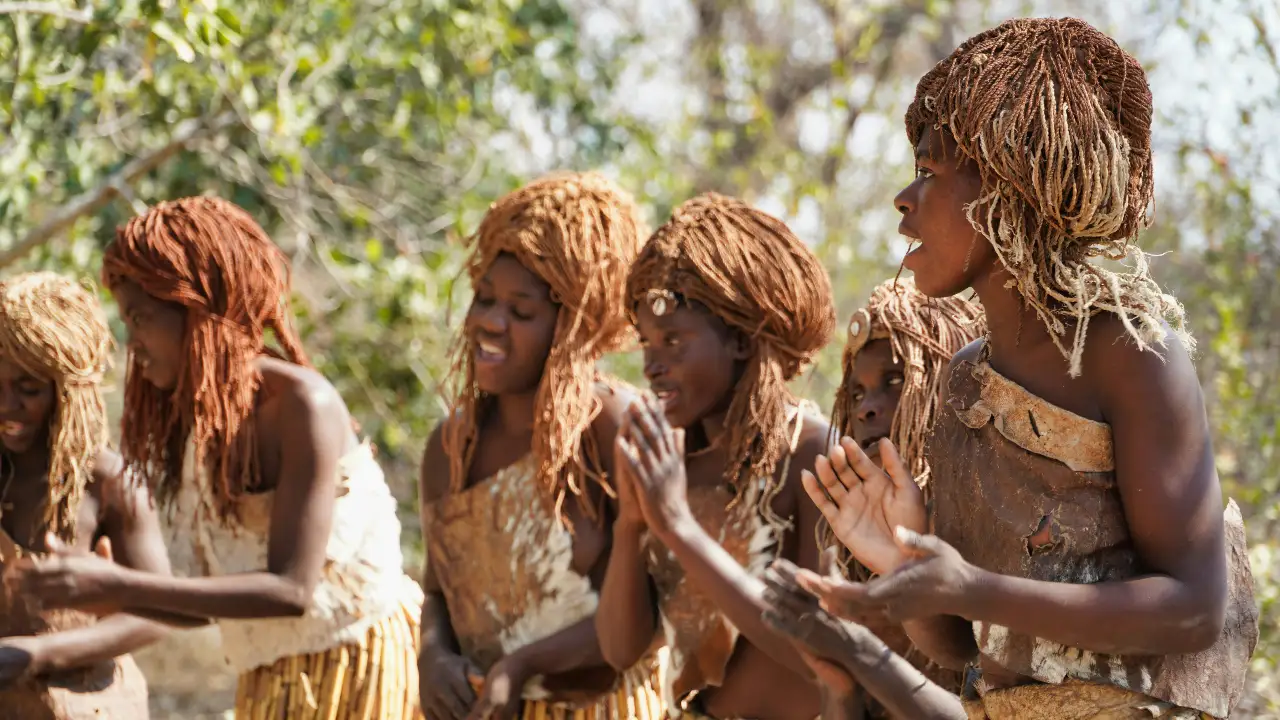
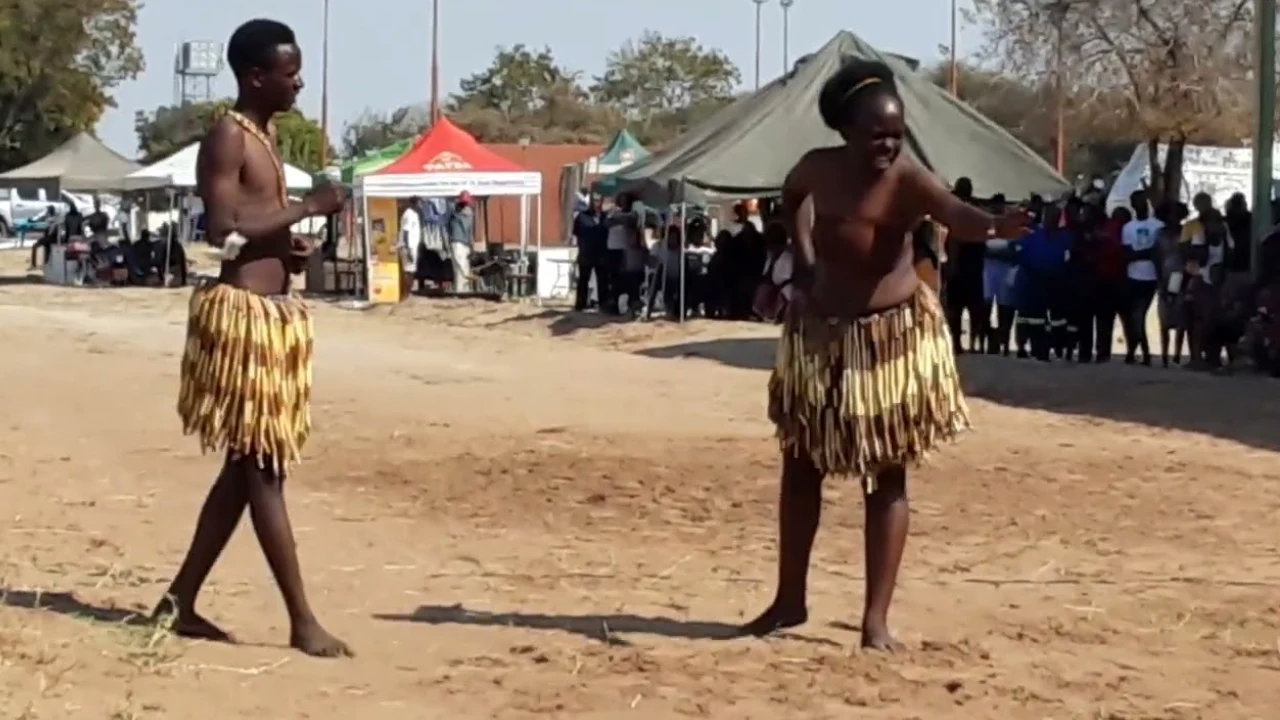
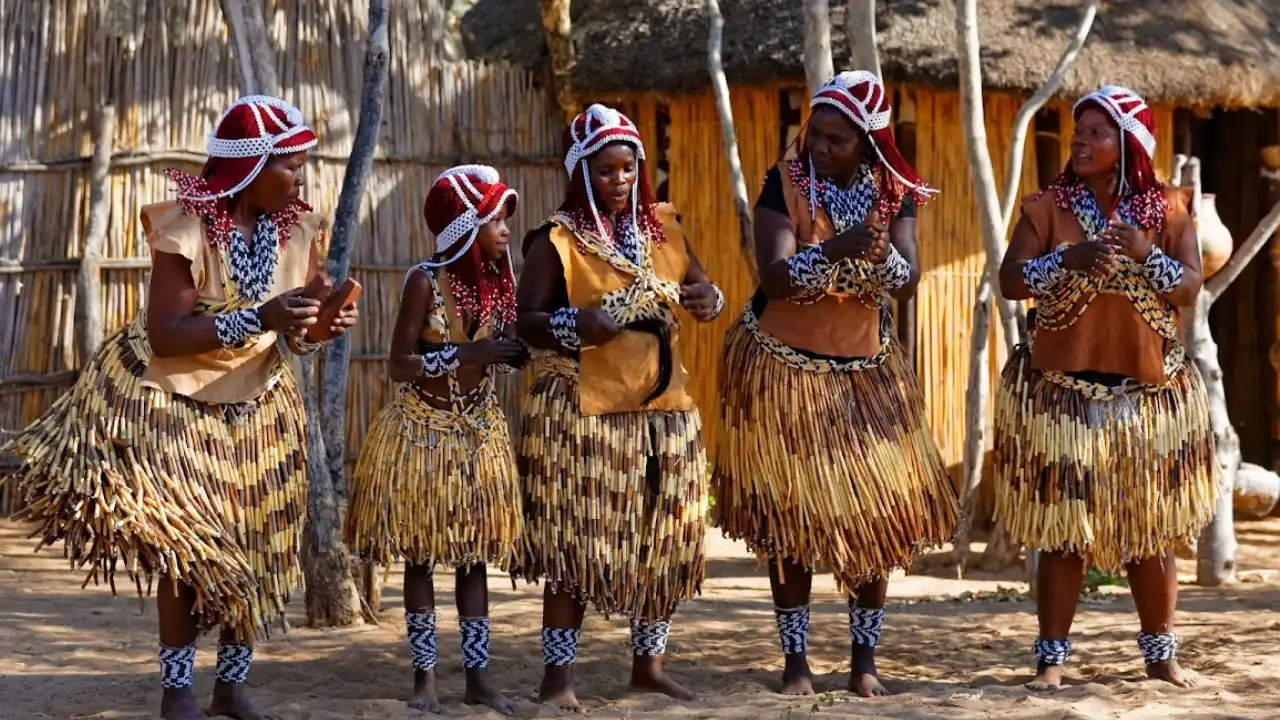
Browse river villages, woven baskets, fishing canoes, Makishi masks, open-fire meals, dance scenes, wetlands, and Zambezi landscapes that show Caprivian culture through water, craft, and community.
Caprivian culture brings questions about river life, tribal groups, fishing traditions, crafts, dance, and where to experience this heritage. These FAQs explain the basics before travellers visit the Zambezi Region. They also place Caprivian communities within wider Namibia Touren und Safaris without reducing their culture to only rivers or performances.
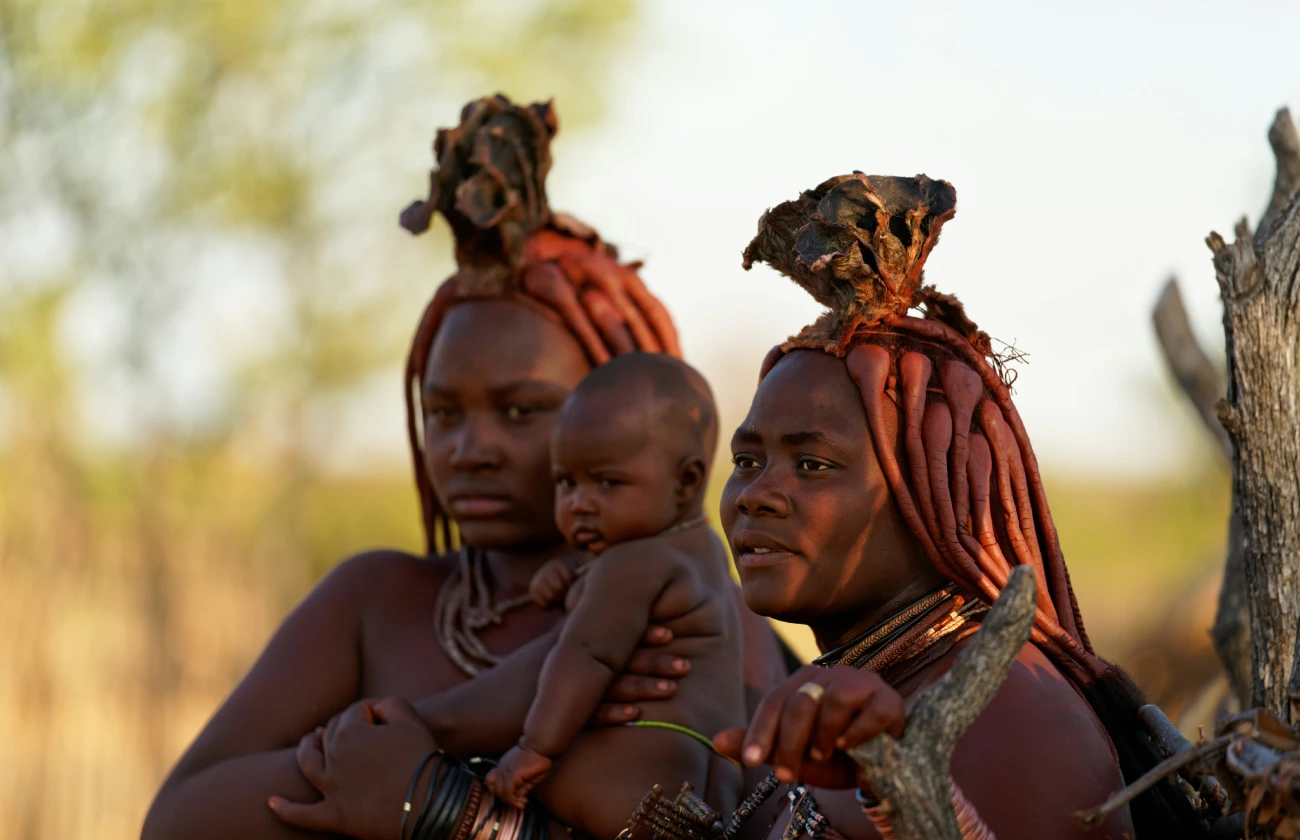
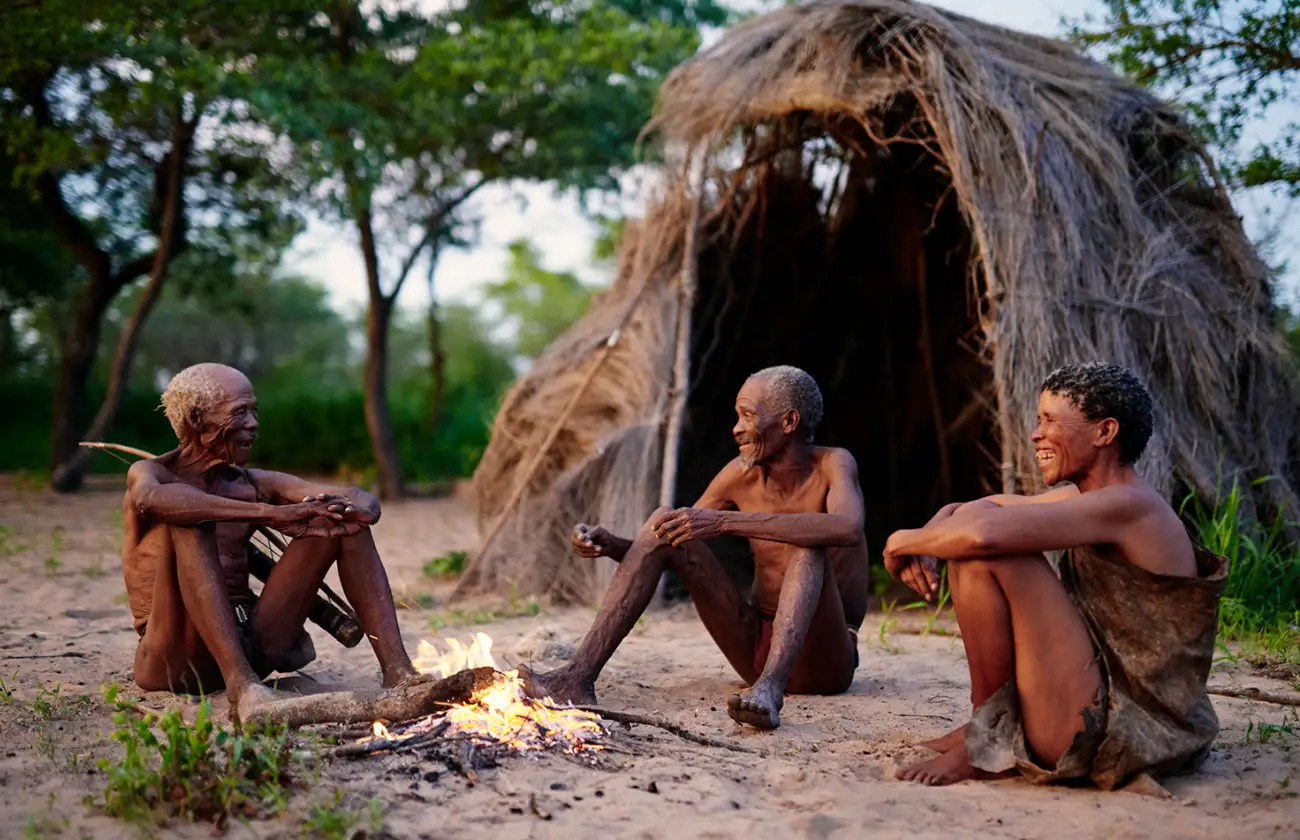
Meeting Namibia’s indigenous tribes offers a unique glimpse into the country’s rich cultural heritage. From learning about the traditions of the Himba and San people to hearing local stories and experiencing traditional ways of life, these encounters provide a deeper connection to Namibia beyond its landscapes and wildlife.
Gather ideas from our Namibia tour packages, or let our consultants help you picture the possibilities. We can build the journey around your time, style, and interests.
Unser Namibia safari itineraries are designed to link desert landscapes, wildlife parks, coastal towns, and remote cultural areas into one seamless journey. Travelers can move from Etosha’s game drives to Sossusvlei’s dunes, Swakopmund’s coast, and Damaraland’s rugged beauty, with enough time to enjoy each place properly.
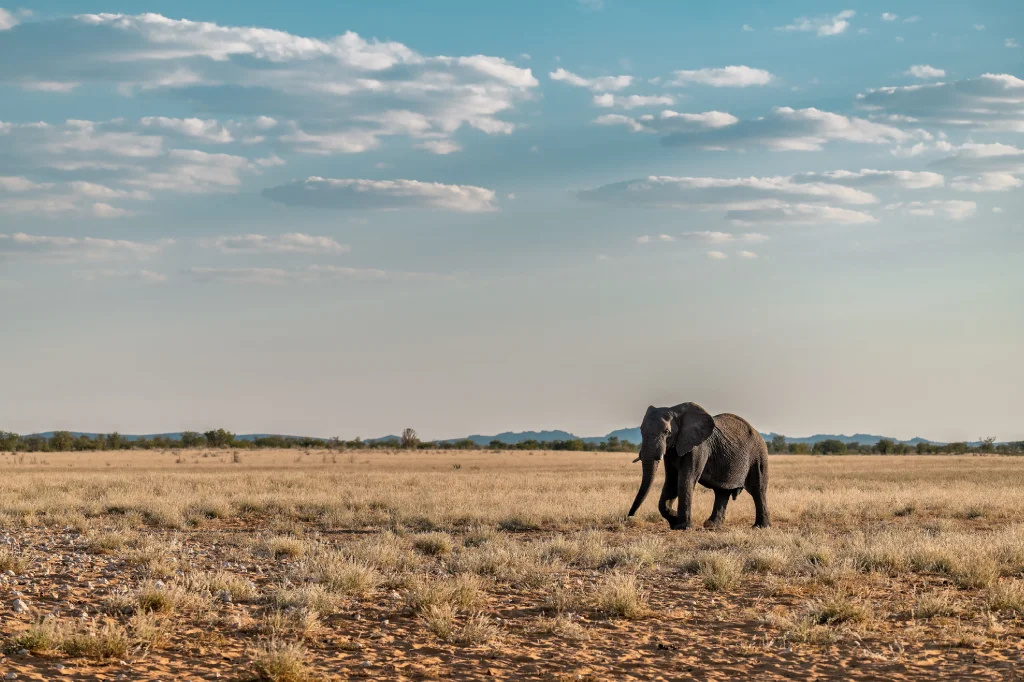
2 Destinations: Etosha National Park → Namibia
View Details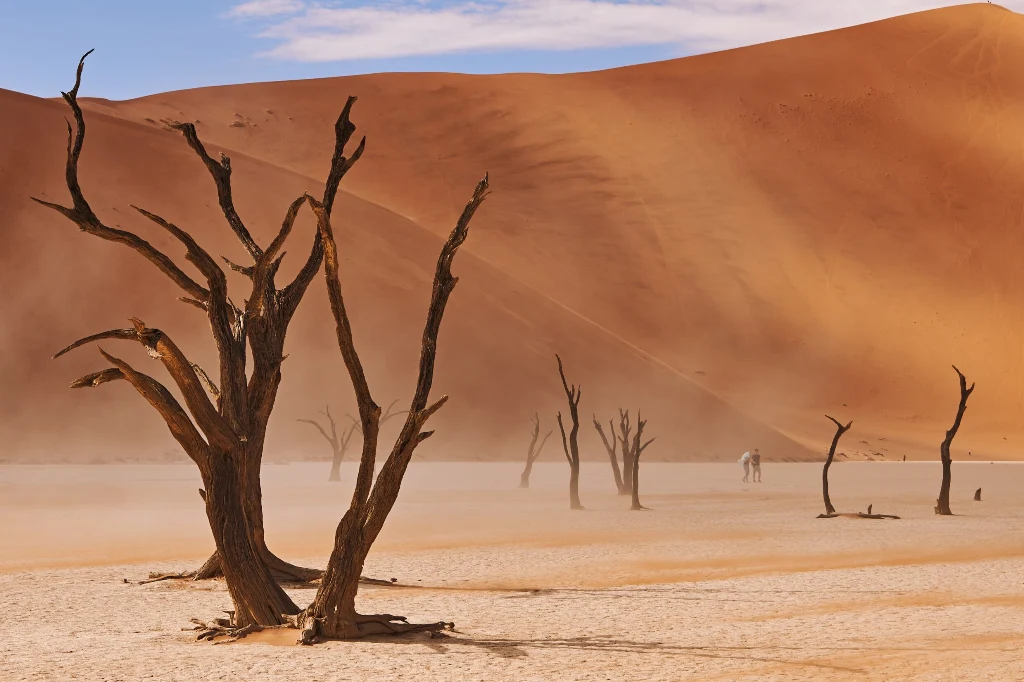
5 Destinations: Botswana → Etosha National Park → Namibia → Sossusvlei → Swakopmund
View Details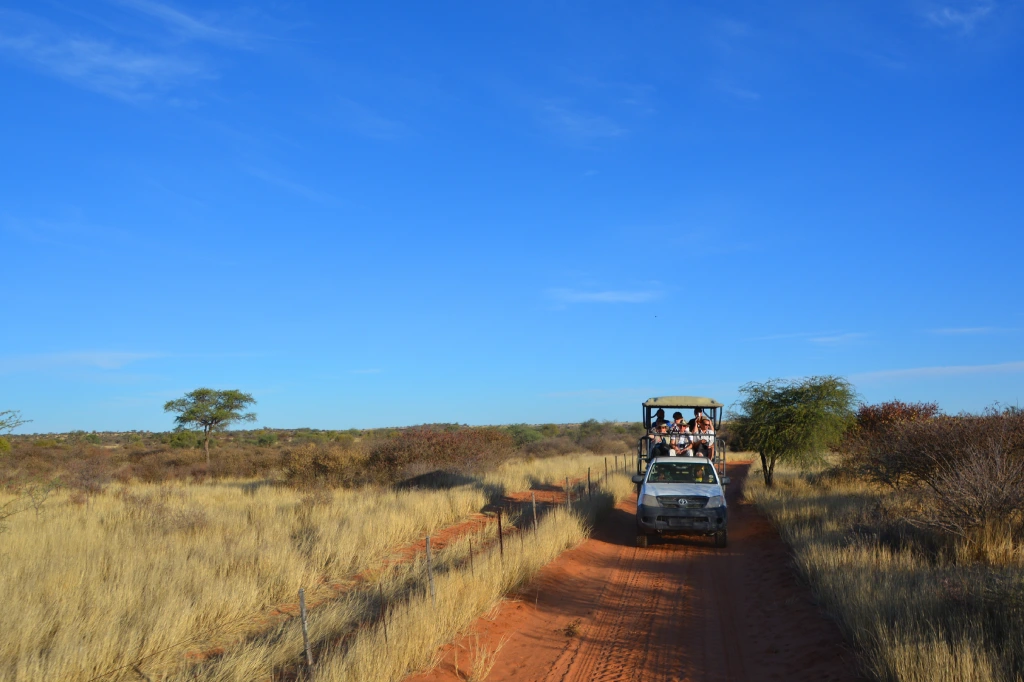
6 Destinations: Etosha National Park → Namibia → Sossusvlei → Spitzkoppe → Swakopmund → Windhoek
View Details
5 Destinations: Etosha National Park → Namibia → Sossusvlei → Swakopmund → Windhoek
View Details
5 Destinations: Etosha National Park → Namibia → Sossusvlei → Swakopmund → Windhoek
View Details
6 Destinations: Botswana → Etosha National Park → Namibia → Sossusvlei → Swakopmund → Zimbabwe
View Details
6 Destinations: Etosha National Park → Fish River Canyon → Namibia → Sossusvlei → Swakopmund → Twyfelfontein
View Details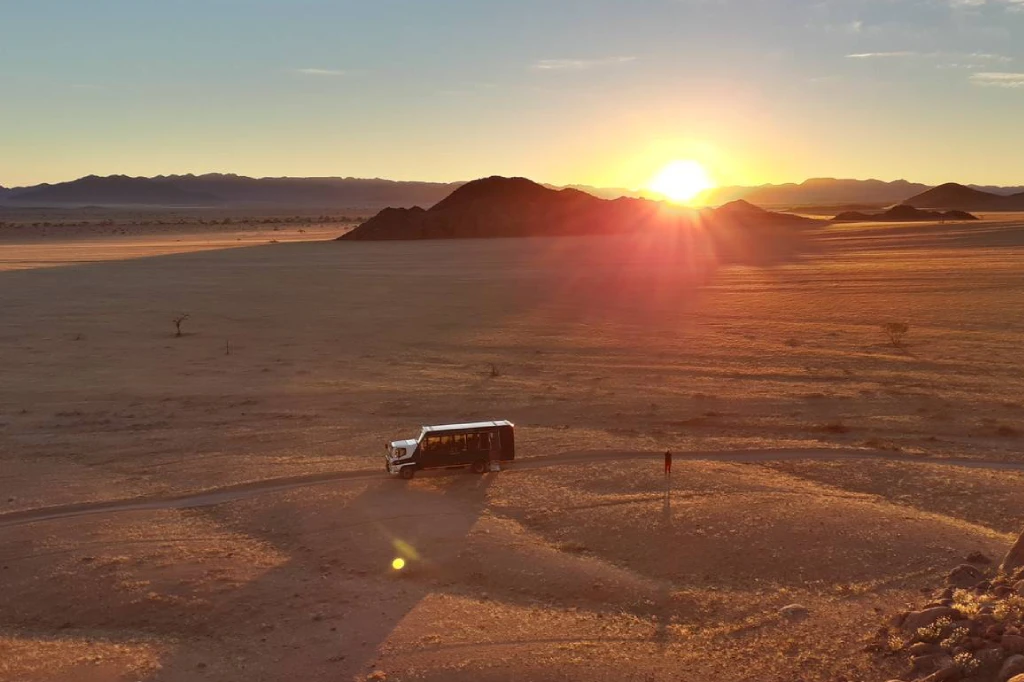
6 Destinations: Botswana → Etosha National Park → Namibia → Sossusvlei → Swakopmund → Zimbabwe
View Details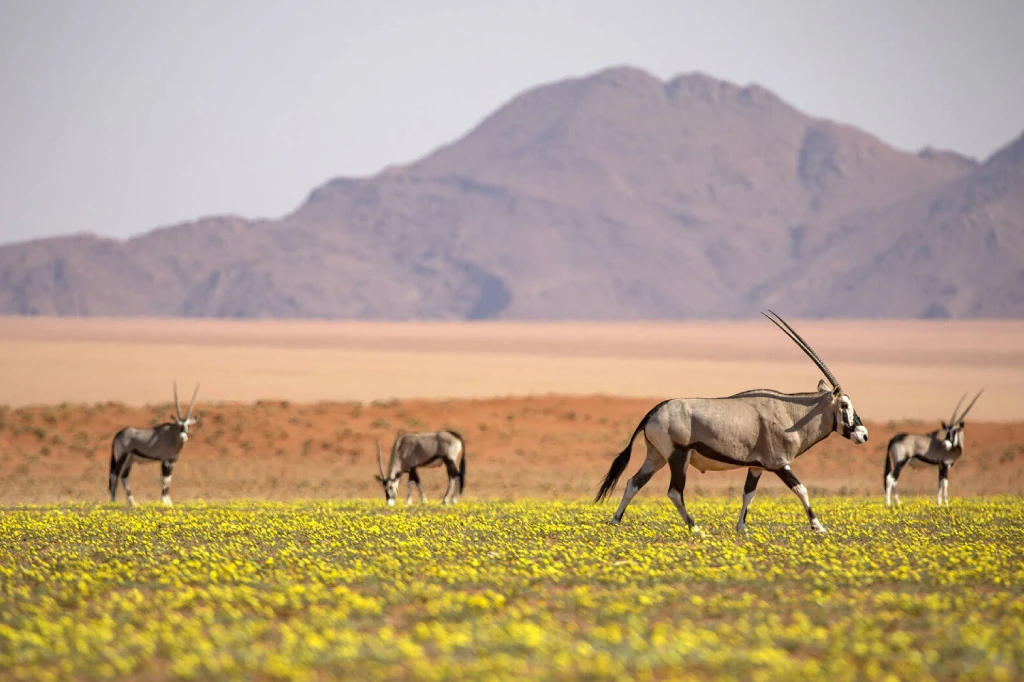
7 Destinations: Etosha National Park → Kamanjab → Namibia → Spitzkoppe → Swakopmund → Twyfelfontein → Windhoek
View Details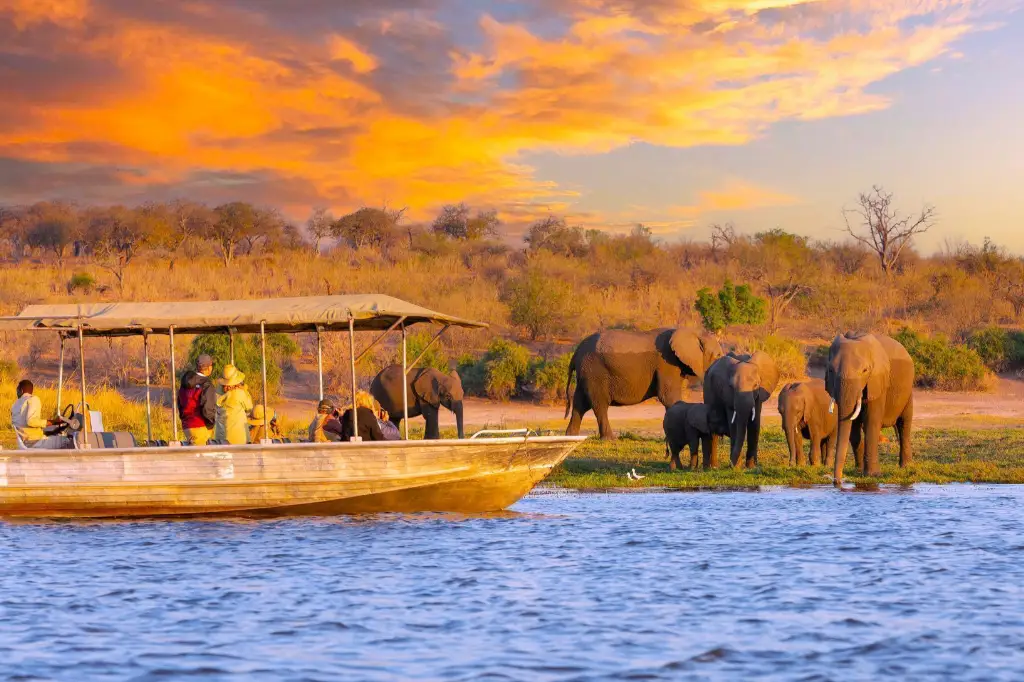
4 Destinations: Etosha National Park → Namibia → Sossusvlei → Swakopmund
View DetailsOur Namibian tour was an unforgettable experience from start to finish. Henzel was both our guide and driver, and he did an outstanding job in both roles. He was incredibly thorough and well-prepared, always sharing detailed insights about the landscapes, wildlife, and local culture. You could tell he truly knew and loved the country.

We did the “7 Days Wildlife Etosha and Sossusvlei Namibian Safari (Accommodated)” with Safari World Tours in December 2023 and it was the best choice for our family! We are experienced travelers (49 countries visited) and found that to travel to Namibia with a small child (4 years old) a tour would the the best option






 German
  English