

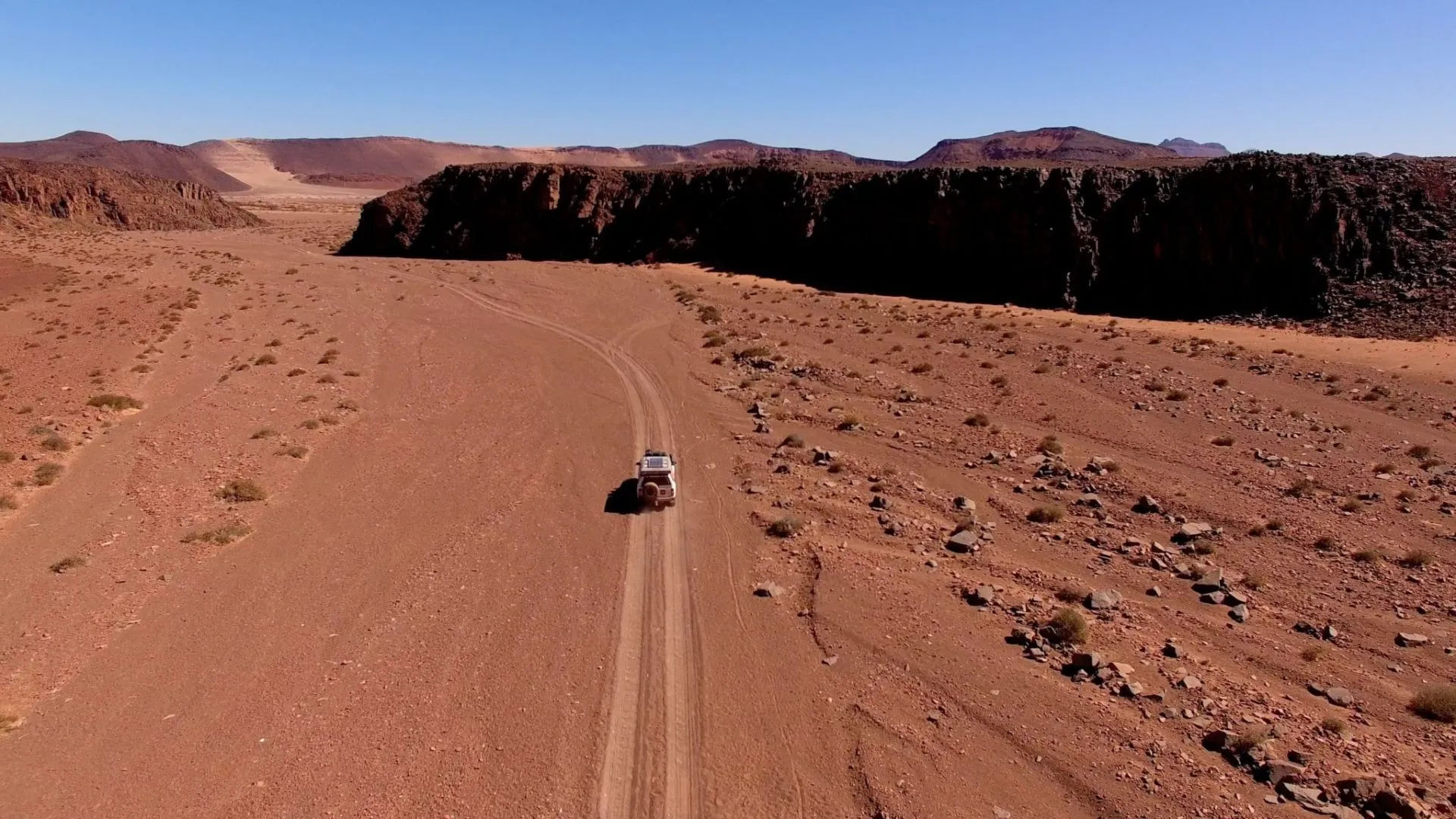
Yes, you can explore parts of the Skeleton Coast on a Namibia Self-Drive Tour, provided you stay on permitted public roads and follow current entry rules. Independent access does not cover the entire coastline, especially the restricted far north. The wider coastal region also includes places south of Skeleton Coast National Park, so visiting Cape Cross is different from entering the park itself. A rewarding Skeleton Coast Self-Drive starts with a realistic route, a suitable vehicle and a clear overnight plan. Whether you want a coastal day out or several days of remote scenery, knowing where you can go makes the journey much easier to enjoy.
Can you drive the whole Skeleton Coast independently?
Independent travellers can use permitted public roads in the accessible southern section, but the restricted northern wilderness requires specifically authorised arrangements. A normal rental vehicle booking does not provide that access. Check current gate requirements, permitted routes and accommodation booking conditions before deciding how far north you will travel.
Key Facts for Your Trip
| Planning Detail | What to Check |
| Access area | Choose permitted public roads; northern wilderness access needs separate authorization. |
| Permits | Confirm the requirements for your exact route with park authorities. |
| Vehicle | Match the vehicle to road conditions and rental restrictions. |
| Accommodation | Reserve your overnight stop and confirm its operating arrangements. |
| Fuel | Plan refuelling before remote stretches; verify any camp supply directly. |
Which Parts of the Skeleton Coast Can You Explore Yourself?
Many people say “Skeleton Coast” when they mean the whole coastal journey, not just the national park. That’s where the confusion starts. Swakopmund, Henties Bay and Cape Cross all sit south of the park. They make a lovely road trip, but visiting them doesn’t mean you’ve entered Skeleton Coast National Park.
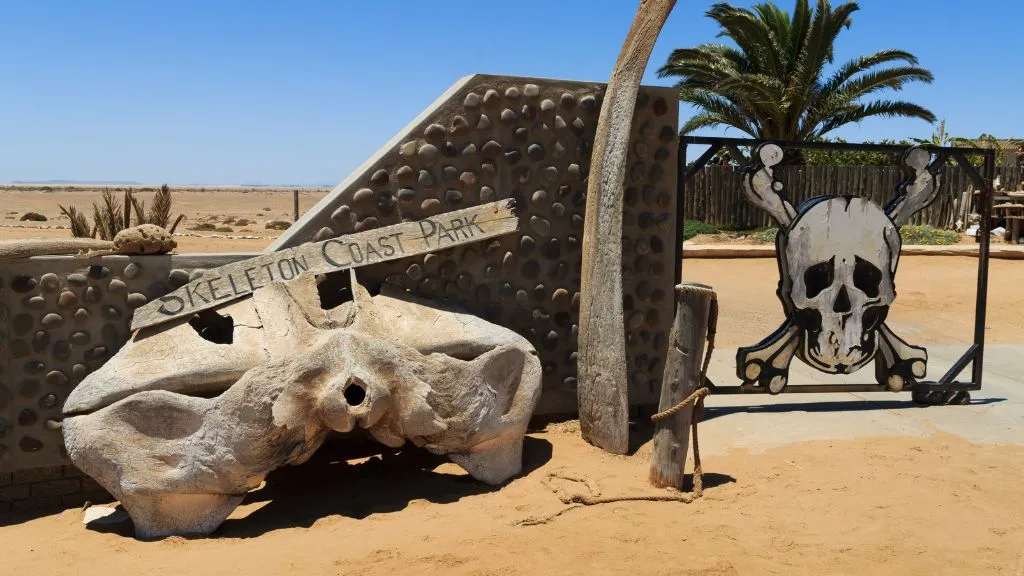
The park itself starts at the Ugab River and runs north towards the Kunene River. Ugabmund (on the southern approach) and Springbokwasser (on the inland approach) are the key entry points. Entry rules can change, so confirm your exact route before you go instead of assuming a gate is open.
Torra Bay and Terrace Bay need their own planning. Torra Bay is a seasonal campsite, while Terrace Bay has rooms and chalets. Check availability and any access conditions that come with your booking through Namibia Wildlife Resorts (NWR). The far north is not simply the coastal road continuing. To visit those restricted areas, you need authorised experience with permission for that specific location.
How Do You Plan a Realistic Skeleton Coast Driving Route?
Start in Swakopmund and head north to Henties Bay. Cape Cross, the seal colony, is an optional stop further up the coast, and it has its own reserve entry requirements. Cape Cross Lodge is roughly 122 kilometres north of Swakopmund. Your actual distance will depend on where you start and where you stop.
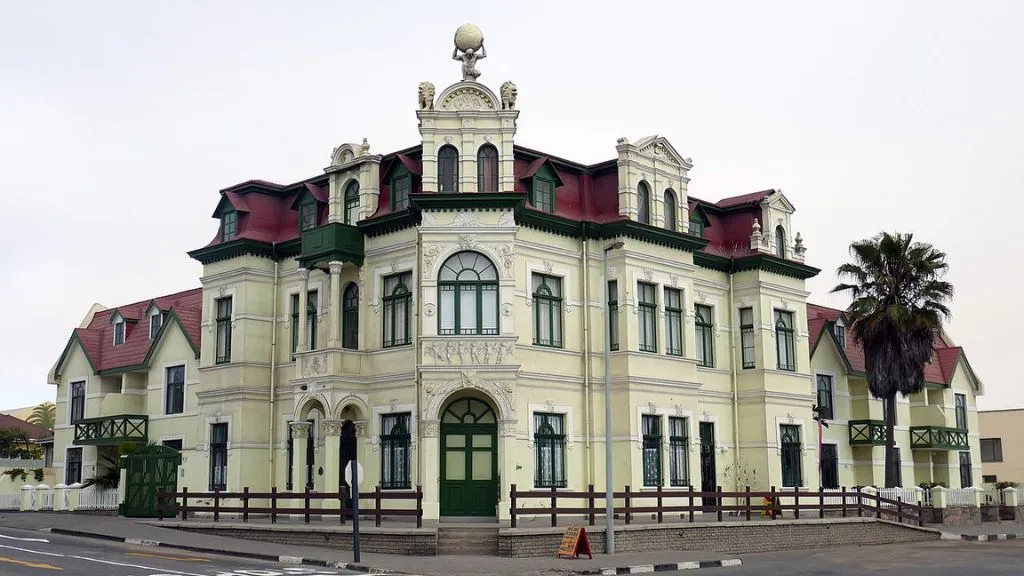
- For a Short Trip, explore the south coast of the park and head back to your accommodation. Give yourself a full day if you don’t want to rush.
- For a Longer Trip, only continue towards Ugabmund once you’ve confirmed your park route. From there you might arrange passage to Springbokwasser and on into Damaraland or book an overnight stay on the coast.
Build each day around a destination you’ve actually confirmed. Leave extra time for fog, road conditions, photos and gate procedures. A Cape Cross visit and a longer park journey need very different schedule.
Do You Need a 4×4 for a Skeleton Coast Self-Drive?
Not automatically. On maintained public roads, whether you need one depends on your exact route, the current conditions and your rental agreement. Ask your rental company to approve the roads you plan to use before you pick a vehicle.
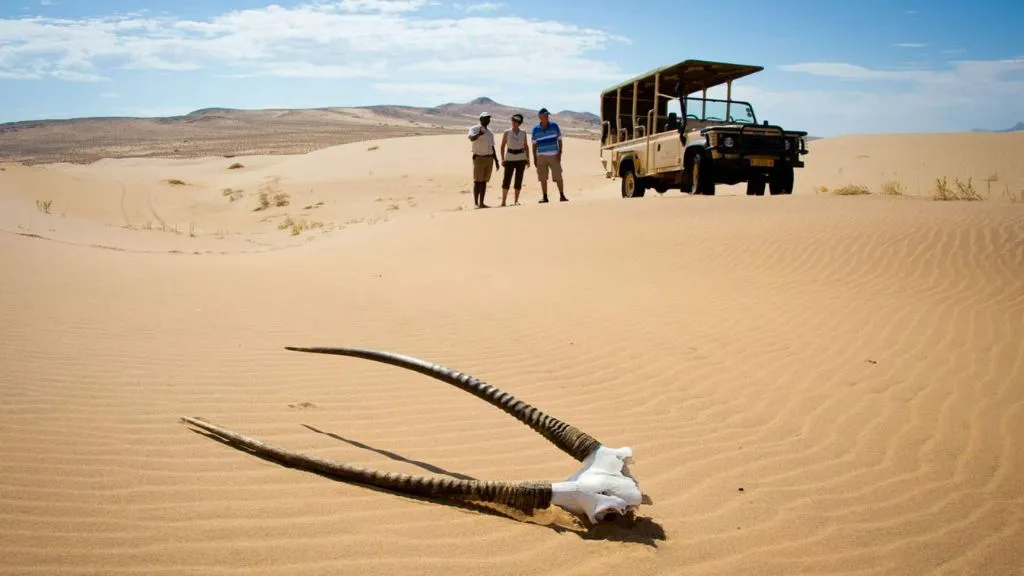
Sand, remote tracks and specialist excursions are another matter. They call for different equipment and more experience. And a 4×4 doesn’t give you the right to enter restricted areas, cross protected ground or follow an unsigned track.
Before you set off:
- Inspect the tyres and the spare wheels.
- Check you have the tools you need.
- Learn the breakdown procedure.
- Ask whether recovery covers your route, and what to do if you get a puncture or a mechanical problem.
What Permits and Bookings Should You Check?
Treat permits and accommodation as two separate things. Namibia’s Ministry of Environment, Forestry and Tourism (MEFT) handles park permissions. NWR manages its own accommodation reservations.
Also check whether your trip counts as simple transit between gates or needs a different visitor arrangement. Permission to pass through doesn’t automatically cover a detour or an overnight stay.
One warning: the official online information isn’t fully consistent. MEFT’s parking page mentions booking requirements, while its general guidance talks about permits issued at the gate. So confirm your route, documents, fees and entry and exit deadlines directly before you leave. For Torra Bay or Terrace Bay, get the current booking conditions from NWR too.
What Can You See Along the Route?
This is a drive about space and atmosphere: wide gravel plains, Atlantic surf, sea mist and desert colours that keep shifting. A lot of the charm is in the stretches between stops, where the road is quiet, the ground is pale, and the ocean keeps vanishing into fog and reappearing.
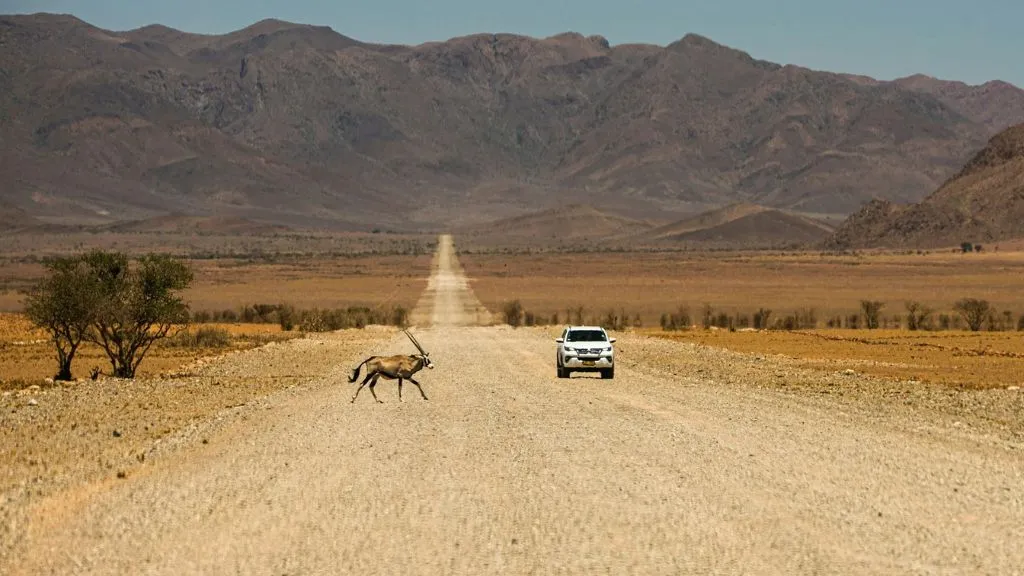
On the southern approach, Cape Cross has a Cape fur seal colony and makes a good separate visit. Further along your permitted route, use authorised stopping places for coastal views and any wreck remains you can reach. Ask locally before following directions to a particular wreck.
Come mainly for the landscape. Desert elephants and lions do live in the wider region, but an ordinary coastal drive doesn’t guarantee you’ll see them.
Should You Self-Drive or Choose a Guided Skeleton Coast Tour?
- Fuel: Fill up before long remote stretches. NWR lists a filling station at Torra Bay, but it operates seasonally, so confirm directly. Don’t build your fuel plan around a supply you haven’t verified.
- Supplies: Carry drinking water, food, offline maps and warm, windproof clothing.
- Daylight: Drive in daylight only.
- Fog: Slow down, leave a generous gap behind the car ahead, and take loose surfaces gently. If visibility gets too poor, stop somewhere safe.
- Communication: Don’t rely on mobile reception alone. Talk to your rental company about suitable communication equipment and a check-in routine.
- Nature: Stay on authorised roads and keep off the fragile lichen fields.
Travel tip: Tell someone your route and expected arrival time and make sure they know when to raise the alarm.
Self-drive or guided tour?
It comes down to how confident you are behind the wheel, the pace you like, and where you want to end up.
| Factors | Self-drive | Guided or authorised specialist trip |
| Flexibility | Set your own pace within access rules | Follow an agreed itinerary |
| Responsibility | You handle driving and navigation | The guide handles both |
| Access | Permitted public routes only | Depends on the operator’s authorisation |
| Planning | You check bookings, roads and fuel | Confirm what’s included |
A guide drives for you and explains the landscape as you go. Self-driving gives you more control over your stops, within the permitted routes. If the restricted north is what you’re after, ask about an authorised guided or fly-in experience that covers your chosen area.
Plan Your Skeleton Coast Journey with Safari World Tours
A good Namibia holiday has room for busy wildlife days and a quiet stretch beside the Atlantic. Give the coast enough time and it may end up being the part you remember most. Take a look at Safari World Tour’s Namibia Self Drive Tours, then get in touch with your dates, who’s travelling, how confident you are driving, and your accommodation preferences. Ask which coastal route fits your wider itinerary and what arrangements it needs. Start with the places you most want to see, and build the journey around them.
Related Itinerary
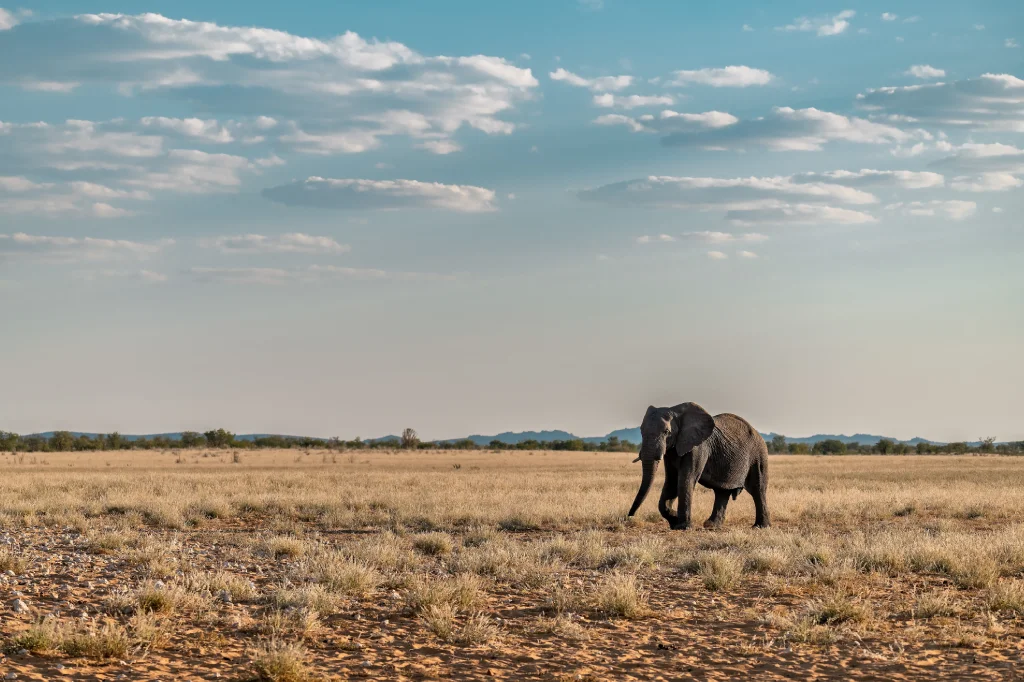
3 Days Etosha Wildlife Safari (Camping)
2 Destinations: Etosha National Park → Namibia
View Details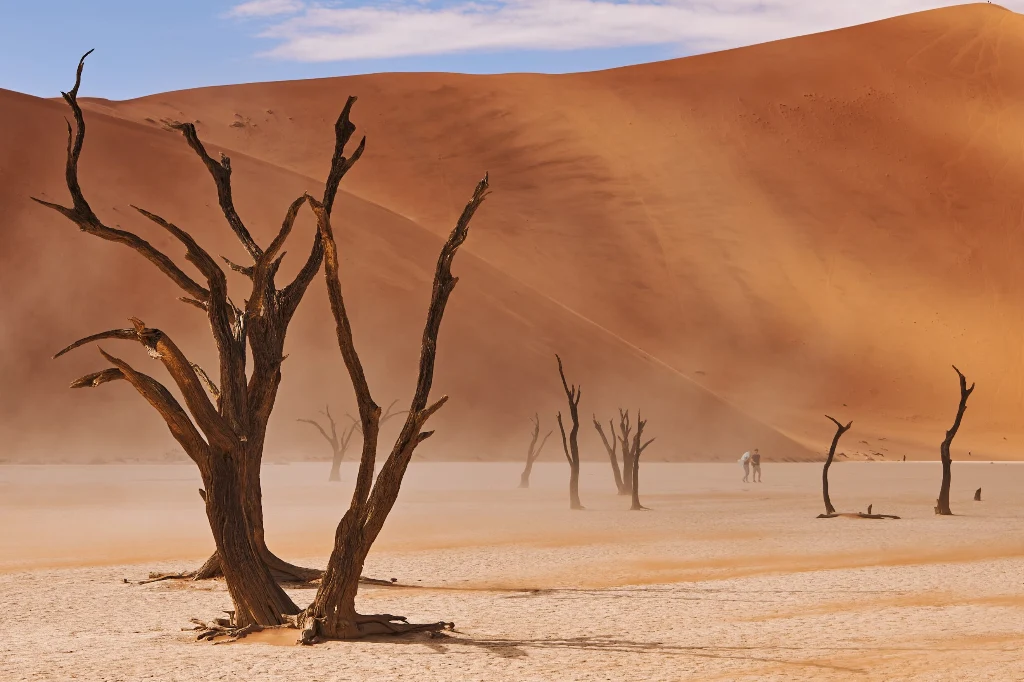
14 Days Tour to Great Safari in Namibia, Botswana & Victoria Falls Tour (Camping)
5 Destinations: Botswana → Etosha National Park → Namibia → Sossusvlei → Swakopmund
View Details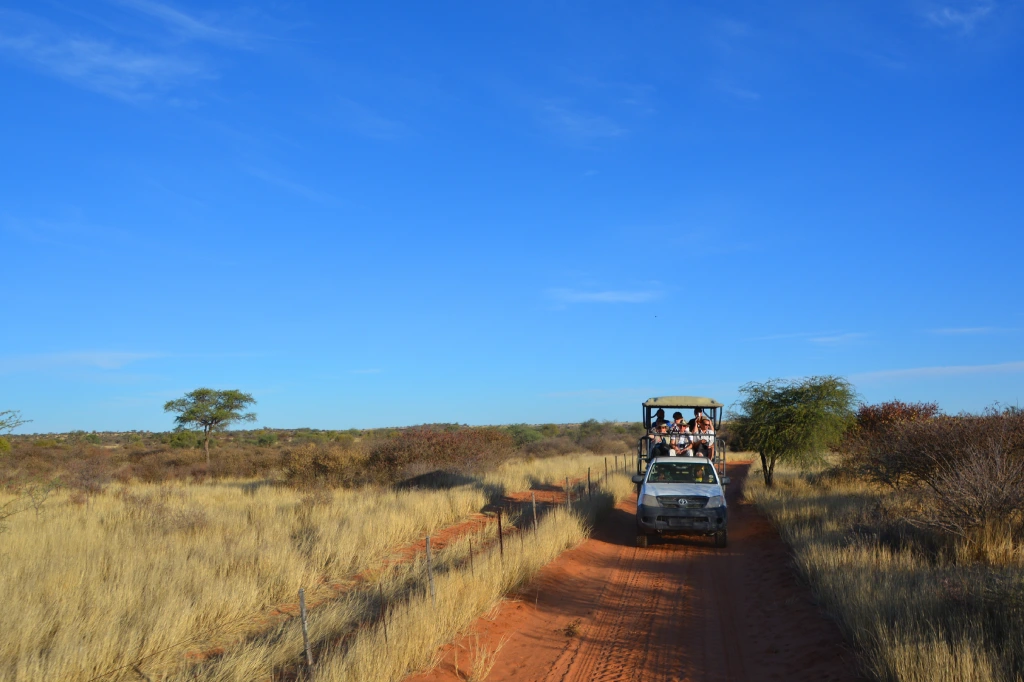
14 Days Tour to Wonderful Safari in Namibia, Botswana & Victoria Falls Tour (Accommodated)
6 Destinations: Etosha National Park → Namibia → Sossusvlei → Spitzkoppe → Swakopmund → Windhoek
View Details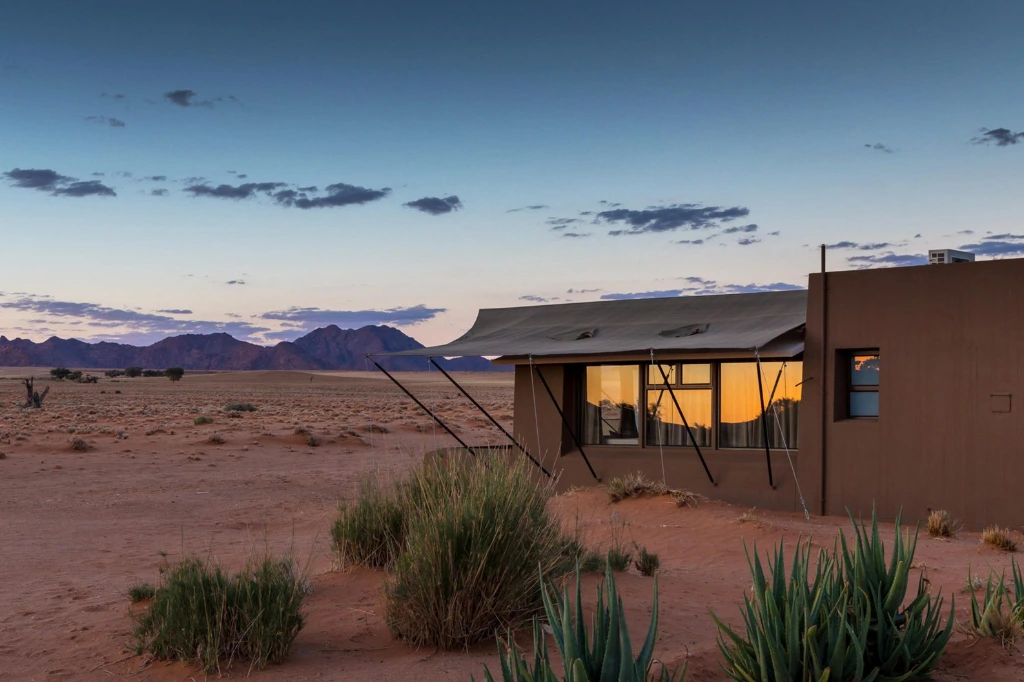
17 Days Tour to Namibia, Botswana & Victoria Falls Tour (Camping and Lodging)
5 Destinations: Etosha National Park → Namibia → Sossusvlei → Swakopmund → Windhoek
View Details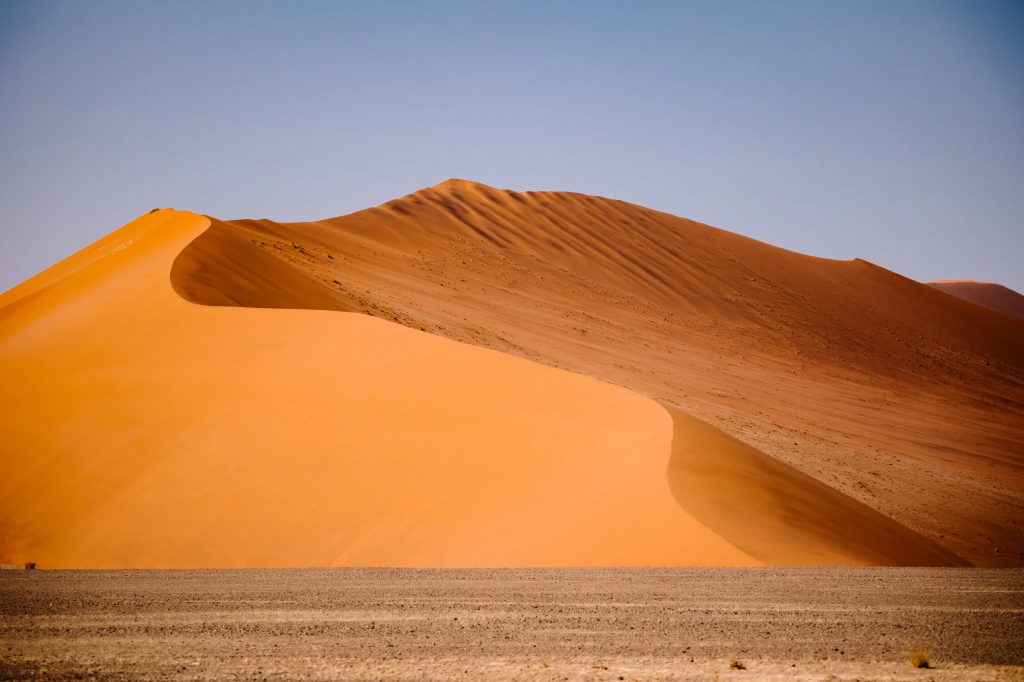
16 Days Tour to Marvelous Safari in Namibia, Botswana and Victoria Falls (Lodging & Camping)
5 Destinations: Etosha National Park → Namibia → Sossusvlei → Swakopmund → Windhoek
View Details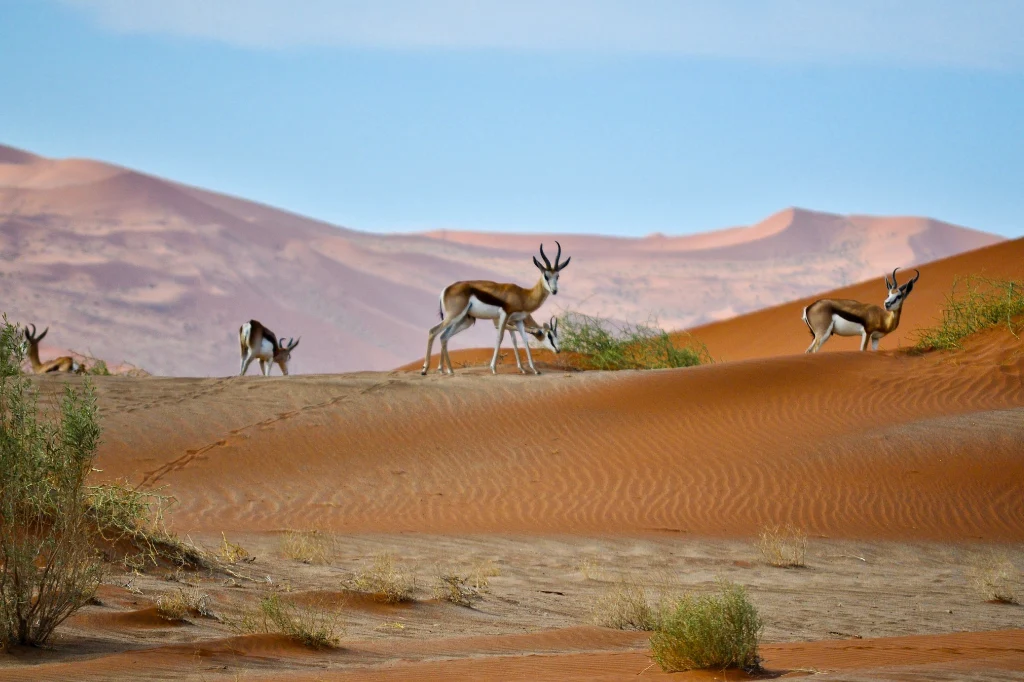
18 Days Adventure Safari in Namibia, Botswana and Vic Falls (Lodging)
6 Destinations: Botswana → Etosha National Park → Namibia → Sossusvlei → Swakopmund → Zimbabwe
View Details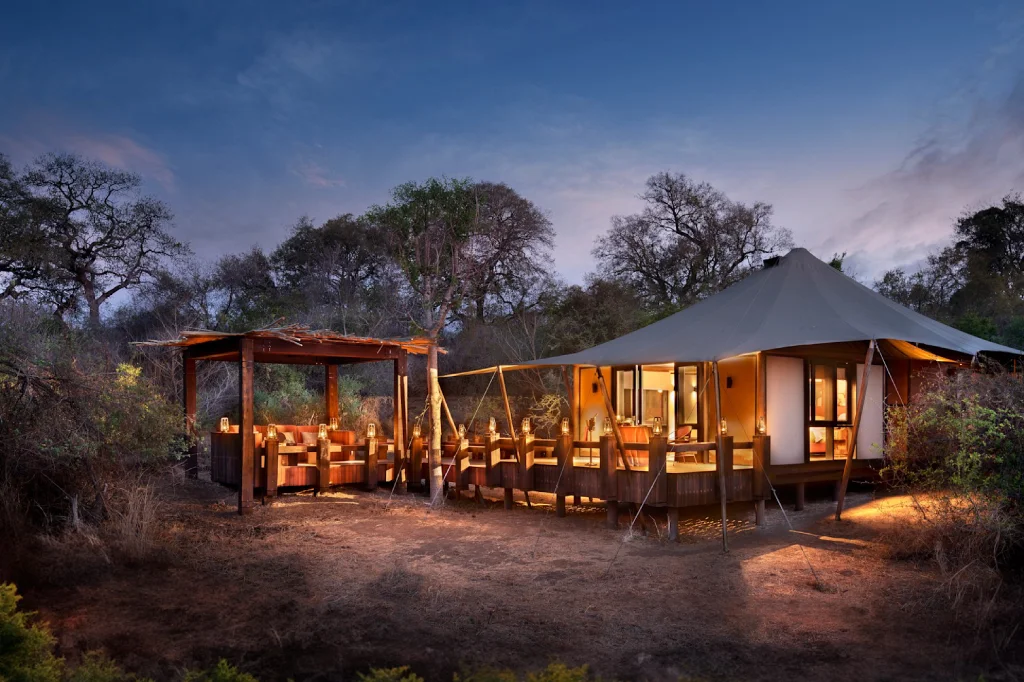
24 Days Tour Southern African Safari – 4 Countries (Camping)
6 Destinations: Etosha National Park → Fish River Canyon → Namibia → Sossusvlei → Swakopmund → Twyfelfontein
View Details
12 Days Tour to Namibia, Botswana & Zimbabwe – Vic Falls Safari (Camping)
6 Destinations: Botswana → Etosha National Park → Namibia → Sossusvlei → Swakopmund → Zimbabwe
View Details
17 Days Trail Safari in Namibia, Botswana and Vic Falls (Lodging & Camping)
7 Destinations: Etosha National Park → Kamanjab → Namibia → Spitzkoppe → Swakopmund → Twyfelfontein → Windhoek
View Details
12 Days Trail Safari in Namibia, Botswana and Vic Falls (Lodging)
4 Destinations: Etosha National Park → Namibia → Sossusvlei → Swakopmund
View Details
 English
 German