+264 81 8211 521
info@safariworldtours.com
Deals & Discounts


A visit to Rehoboth opens up a human story of mixed ancestry, land struggles, family pride, traditional dress, and a community that still holds its identity through memory and place.

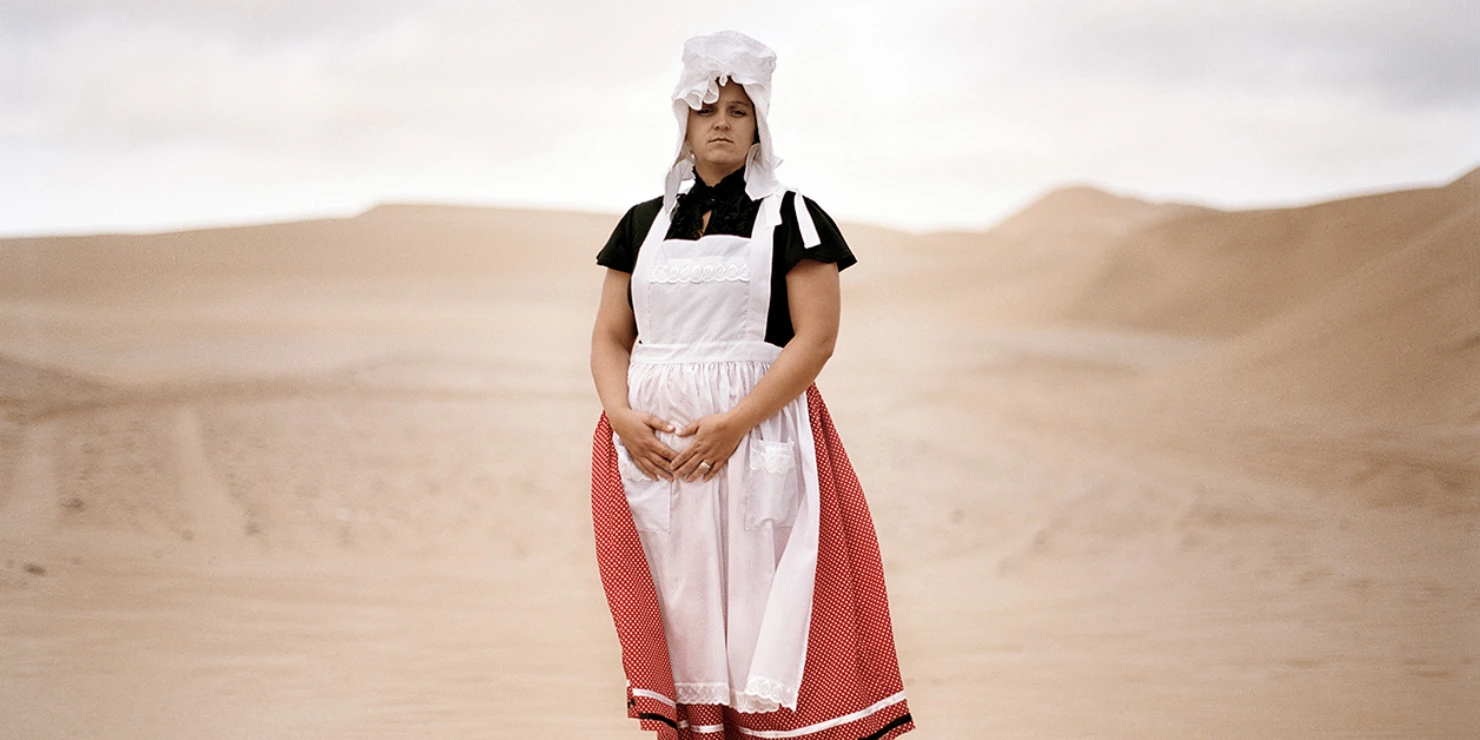
The Rehoboth Basters are a distinct community in central Namibia, descended from European settlers and indigenous Khoi people of Southern Africa. Their story is tied to movement, land ownership, family pride, Christian influence, Afrikaans language, and the town of Rehoboth, where they settled in 1870. Their identity sits between different worlds, making them an important part of Namibia’s culture and historical memory.
A Rehoboth Baster cultural visit adds depth to Namibia Tours and Safaris, especially for travelers interested in heritage, identity, and central Namibia.
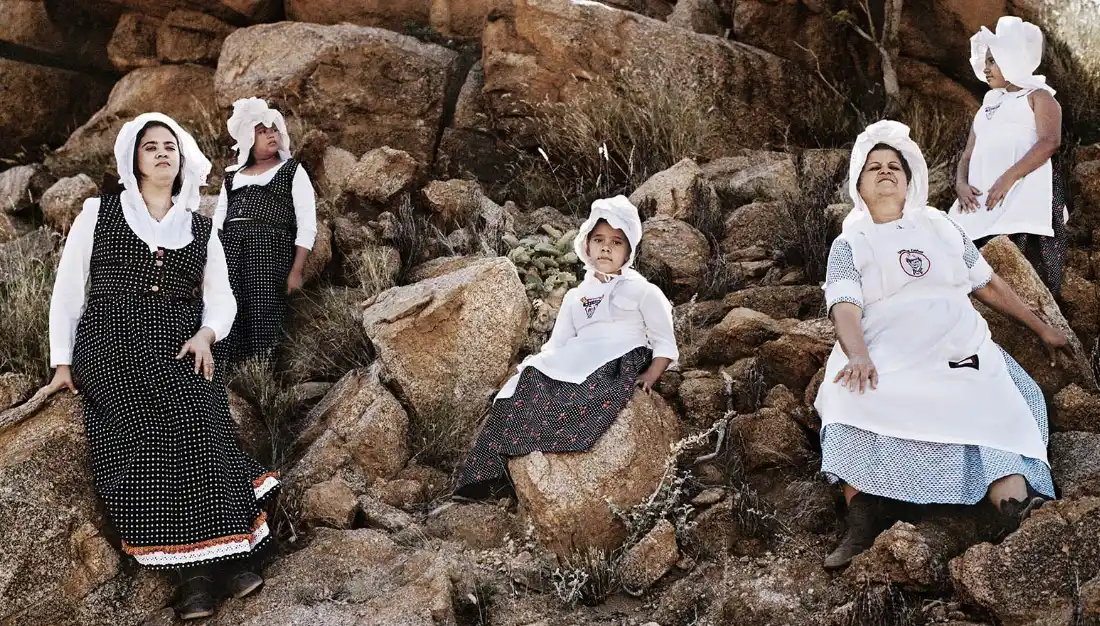
The Rehoboth Basters trace their roots to the northern frontier districts of the Cape Colony. Their ancestors were often children of white fathers and Khoekhoe mothers, living in a society that did not fully accept them. Facing discrimination and pressure, they moved north from De Tuin, crossed the Orange River in 1868, and later settled at Rehoboth in 1870 under Kaptein Hermanus van Wyk.
The word “Baster” can sound harsh today, but the community adopted it as part of its own identity. For many Rehoboth Basters, the name carries memory, not shame. It speaks of mixed ancestry, hard movement, land struggles, family loyalty, and survival through colonial rule, apartheid, and political change. For travellers exploring Namibia Travel Destinations, Rehoboth offers a deeply human cultural story.
Their history feels strongest through land, family memory, clothing, and community pride
The Rehoboth Basters emerged from a difficult social world in the Cape Colony. They were not fully accepted by white settler society and were also kept at a distance by some Khoi communities, partly because they had adopted the language and customs of their European forefathers. This left them in an in-between place, socially and politically.
Mission stations played a major role in gathering various clans and offering Christian teaching and education. Still, abuse, stigma, and exclusion continued. The Basters eventually chose to move north into what is now Namibia, looking for land, stability, and self-rule. Their journey makes them one of the People Of Namibia whose identity was shaped through both rejection and determination.
After moving through places such as Warmbad and Bethanie, a group of around 300 people settled at Rehoboth in 1870. They later gained ownership of land after negotiations with Abraham Swartbooi and colonial authorities. From 1870 to 1990, the Rehoboth area was often linked with autonomous status and was known as Rehoboth or Basterland.
Land remains one of the most sensitive parts of Rehoboth Baster history. Treaties, paternal laws, self-government, colonial control, and later government decisions all affected their claims. Many Basters argue that traditional land, sacred places, and community property were lost or absorbed into state systems after independence. This gives Rehoboth a deeper place in Namibia Traditions, politics, and memory.
The Rehoboth Basters developed their own leadership structure, with a Kaptein and council playing an important role in community affairs. Hermanus van Wyk became one of the early kapteins after the community crossed into Namibia. Later, Captain Cornelius van Wyk and his council became linked with treaty negotiations during the South African administration period.
The Captains Council remains important in discussions around traditional leadership, land rights, and community recognition. Modern political participation has also included movements such as the United People’s Movement, which sought to give the Rehoboth Basters a stronger voice. This shows how Baster identity continues into the present, not only as history but as living civic concern.
The Battle of Tsamkhubis, fought on May 8, 1915, remains one of the strongest memories in Rehoboth Baster history. Earlier, the Basters had supported the German colonial government during some conflicts, but relations changed sharply in 1915. Fear of losing land and independence during the conflict involving Germany and South African forces led to a tragic clash.
Today, Tsamkhubis is remembered through annual commemorations honouring fallen heroes. These gatherings keep the past close to the present. They include ceremony, memory, community presence, and cultural dress. For travellers interested in Namibia Africa Culture, Tsamkhubis helps explain how land, loyalty, fear, colonial politics, and identity became tied together in one painful chapter.
One of the most recognisable parts of Rehoboth Baster heritage is the traditional dress of Baster women. Though no longer worn every day, it appears during special ceremonies, especially Tsamkhubis commemorations. The outfit often includes long skirts, blouses, aprons, and the distinctive kappie headdress.
The kappie has roots in Cape Dutch and Boer settler dress, later adopted and adapted by Baster women. It usually included cloth wrapped around the head with a bonnet worn over it. Younger girls wore lighter or striped kappies, while older women often preferred darker ones. Some kappies were decorated with ostrich feathers, while others were handmade with careful quilting. These garments are part of Modern Namibian People preserving older family skills.
Afrikaans has long played an important role in Rehoboth Baster identity. For the community, language is not just a tool for speaking. It is linked to memory, family, church, documents, education, and political recognition. Concerns around the use of Afrikaans in official communication remain part of the community’s cultural and rights-based discussions.
Christianity has also shaped Rehoboth Baster life through mission history, church practice, family values, and community discipline. Respect for elders, strong family ties, and community protection are often described as important traits. The Basters have endured apartheid, two world wars, land pressure, and changing political systems while holding tightly to heritage, faith, and the idea of home.
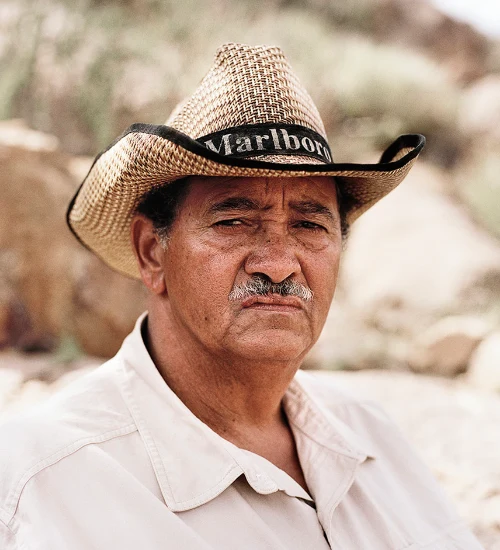
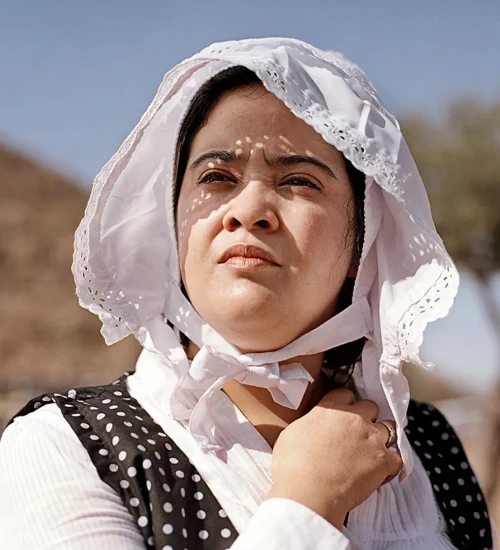
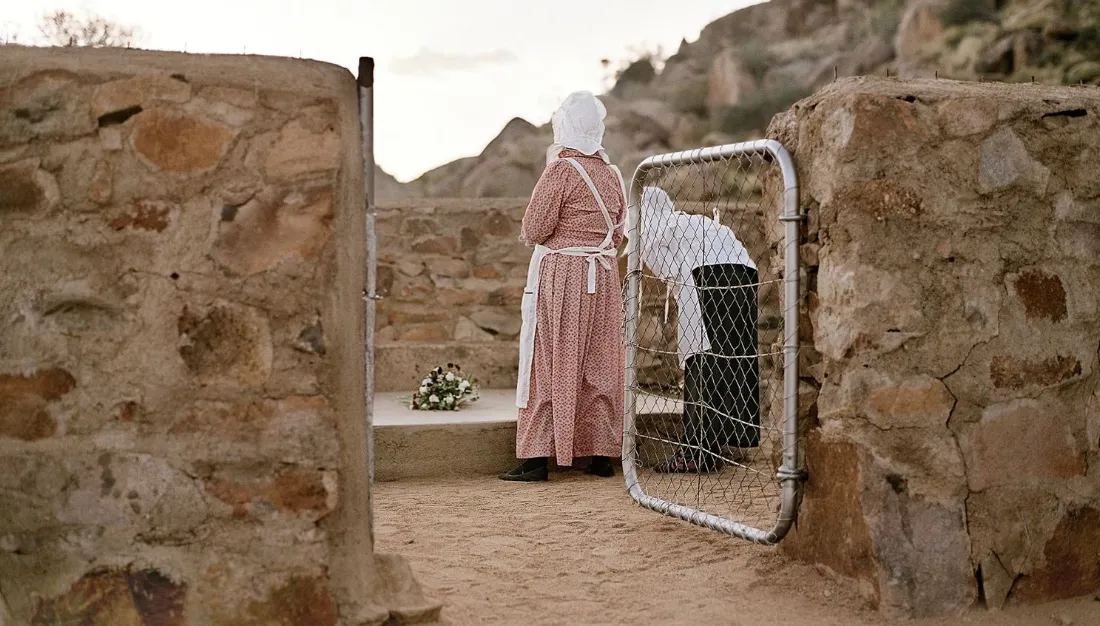
Rehoboth is the centre of Rehoboth Baster history and identity. The town became home to the community in 1870 and remains closely tied to land, leadership, family memory, church life, and political claims. Its desert-town setting adds to its distinct character. For travellers exploring Namibia Tourist Destinations, Rehoboth gives a grounded look at central Namibia’s cultural history beyond wildlife and landscapes.
The annual Tsamkhubis commemoration honours the Rehoboth Basters who died during the 1915 battle with German colonial forces. It is one of the strongest cultural memory events connected to the community. Traditional dress, flags, speeches, and remembrance may form part of the gathering. This event helps visitors understand how Namibia Traditions can carry grief, pride, and identity together.
The kappie headdress and long dress of Rehoboth Baster women are important cultural symbols. Though mostly worn during ceremonies today, they still carry family memory and old craft knowledge. Some older kappies are kept as heirlooms, while some women still know how to make them. This makes the dress one of the more meaningful cultural details in Rehoboth heritage.
Basterland refers to the area historically associated with the Rehoboth Basters. It reflects more than geography. It carries ideas of belonging, autonomy, family settlement, land struggle, and community survival. The identity of the Basters has often been described as “in-between,” shaped by mixed ancestry, colonial history, and local pride. This gives Rehoboth a unique place among Namibia’s destinations.
The Rehoboth Baster culture places strong value on family, elders, history, and community loyalty. The group has often been described as proud, hardy, and protective of its own. These qualities helped the community endure discrimination, colonial control, apartheid, land loss, and political change. A respectful cultural visit can help travelers see identity not as a label, but as something carried across generations.
The Rehoboth Baster story is layered and sometimes difficult. It includes mixed ancestry, movement from the Cape, missionary influence, settlement in Rehoboth, land ownership, treaties, colonial conflict, self-government, and later disputes over recognition and property. It is not a simple cultural tale. It is a story of people trying to hold on to place, law, language, clothing, memory, and community dignity.
This experience fits well within Namibia Safari Tours for travelers who want to understand central Namibia beyond scenery. Rehoboth may not feel as visually dramatic as the dunes or national parks, but its cultural story is strong. A visit here opens space to think about identity, race, land, and belonging in Namibia’s past and present. The best way to approach it is slowly, with respect for lived experience rather than quick judgment or easy summaries.
Explore Rehoboth with care, and let its people, clothing, land stories, and history add weight to your journey in Namibia.
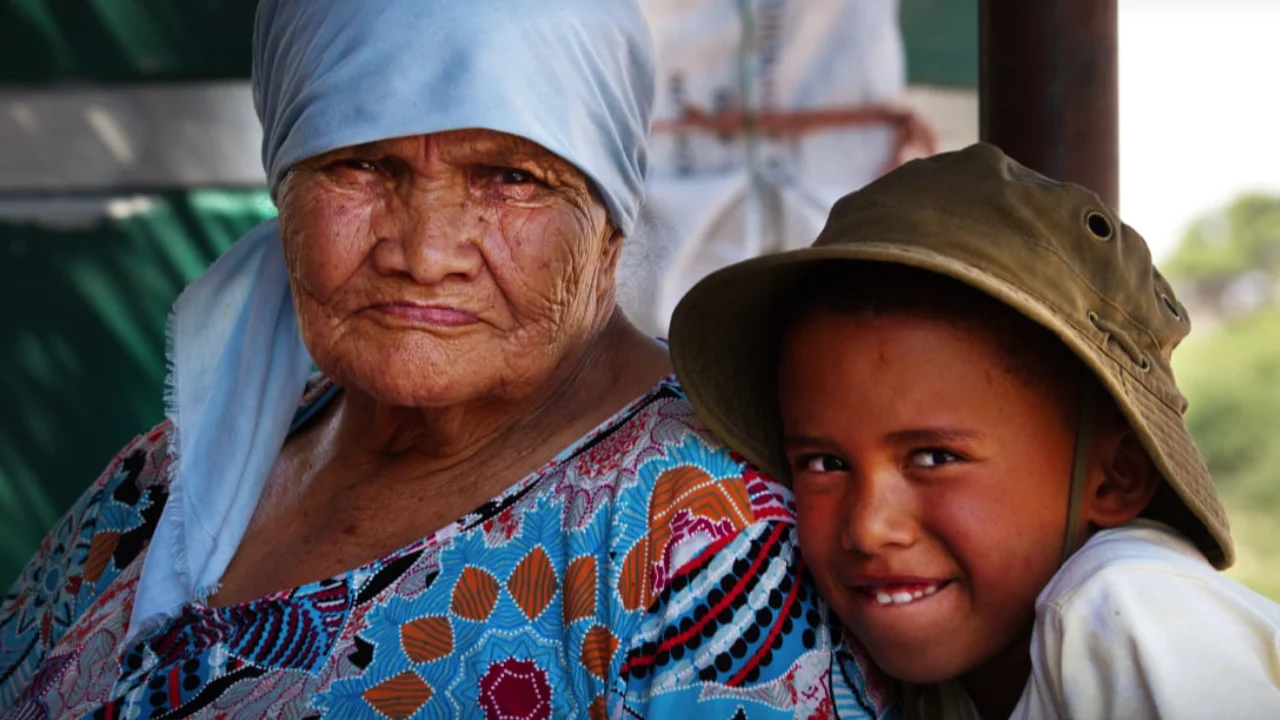
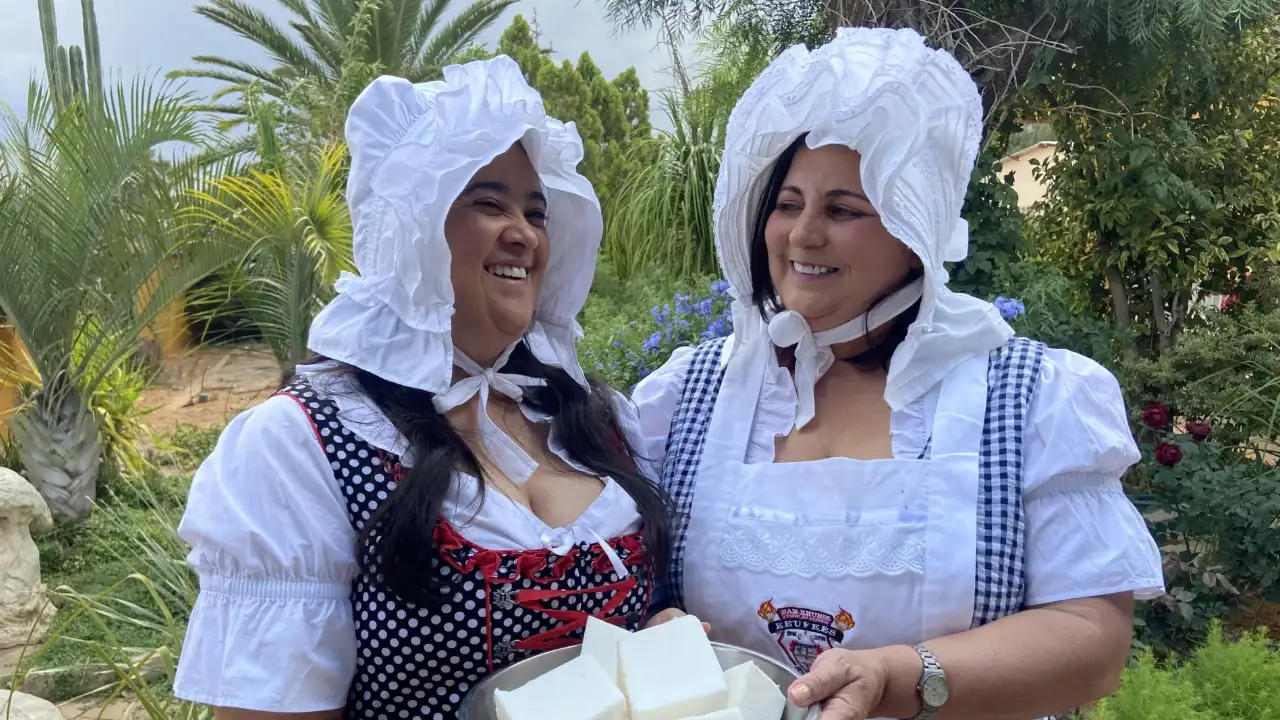
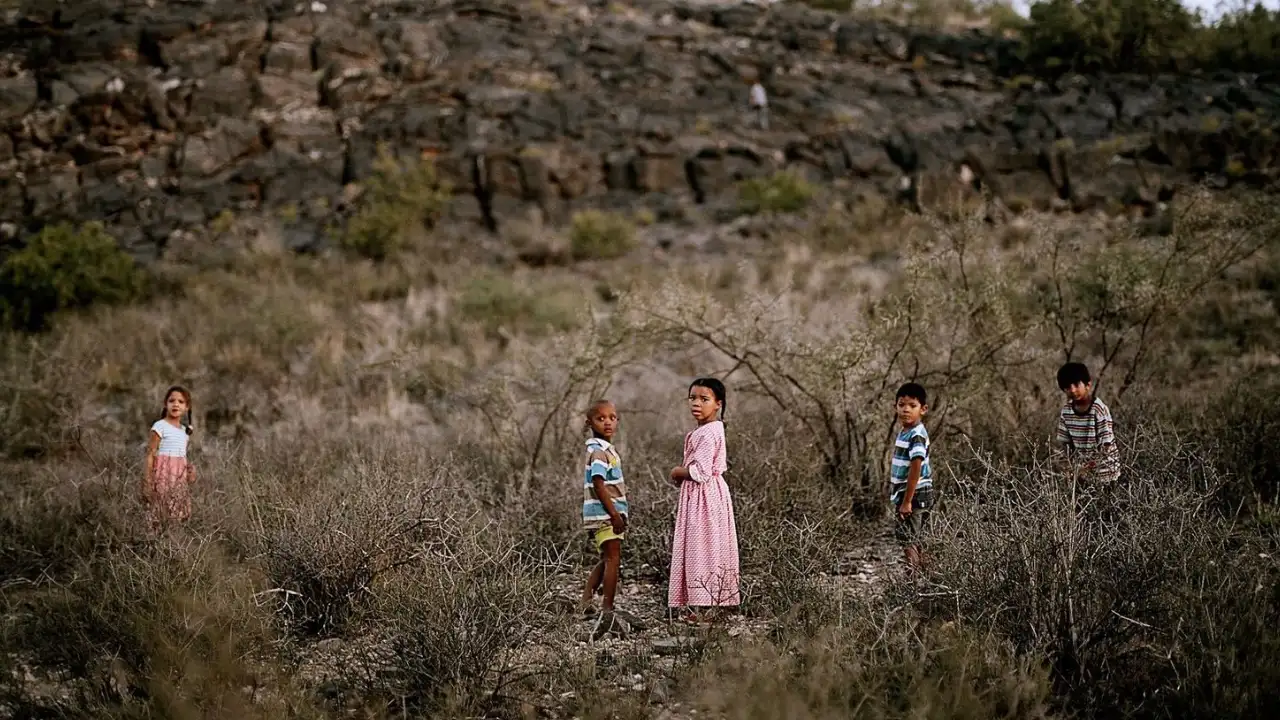
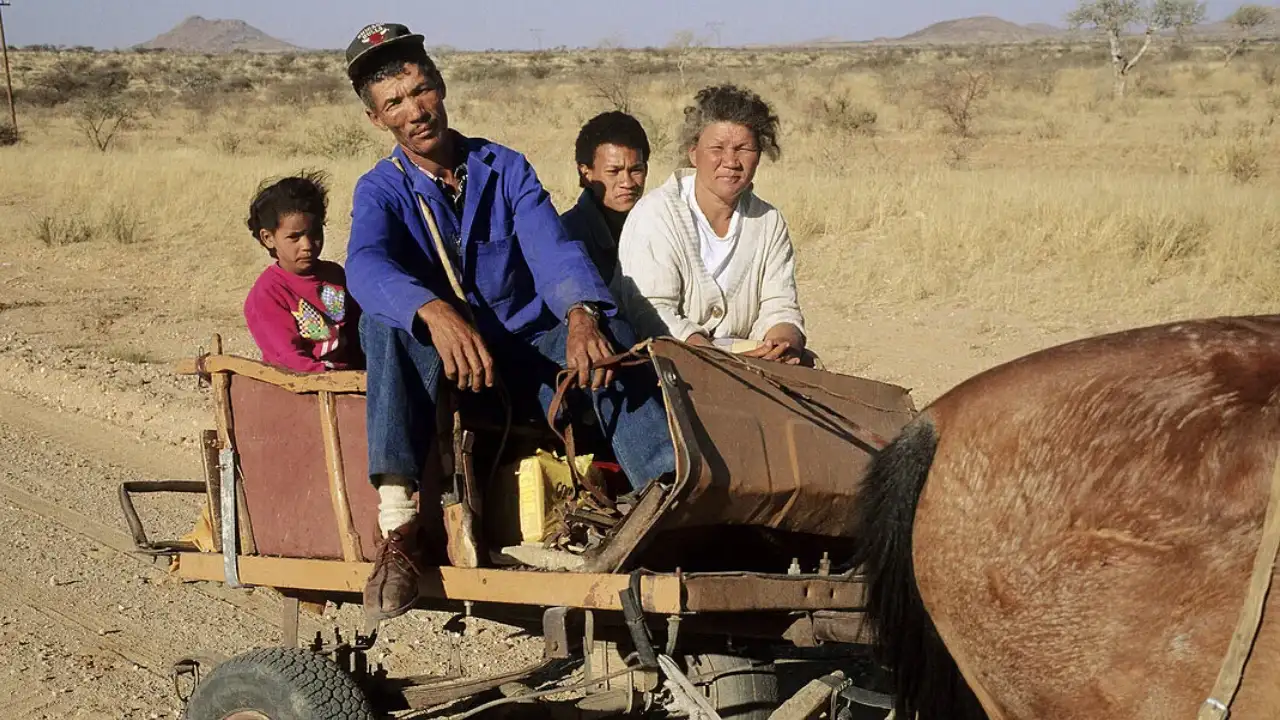
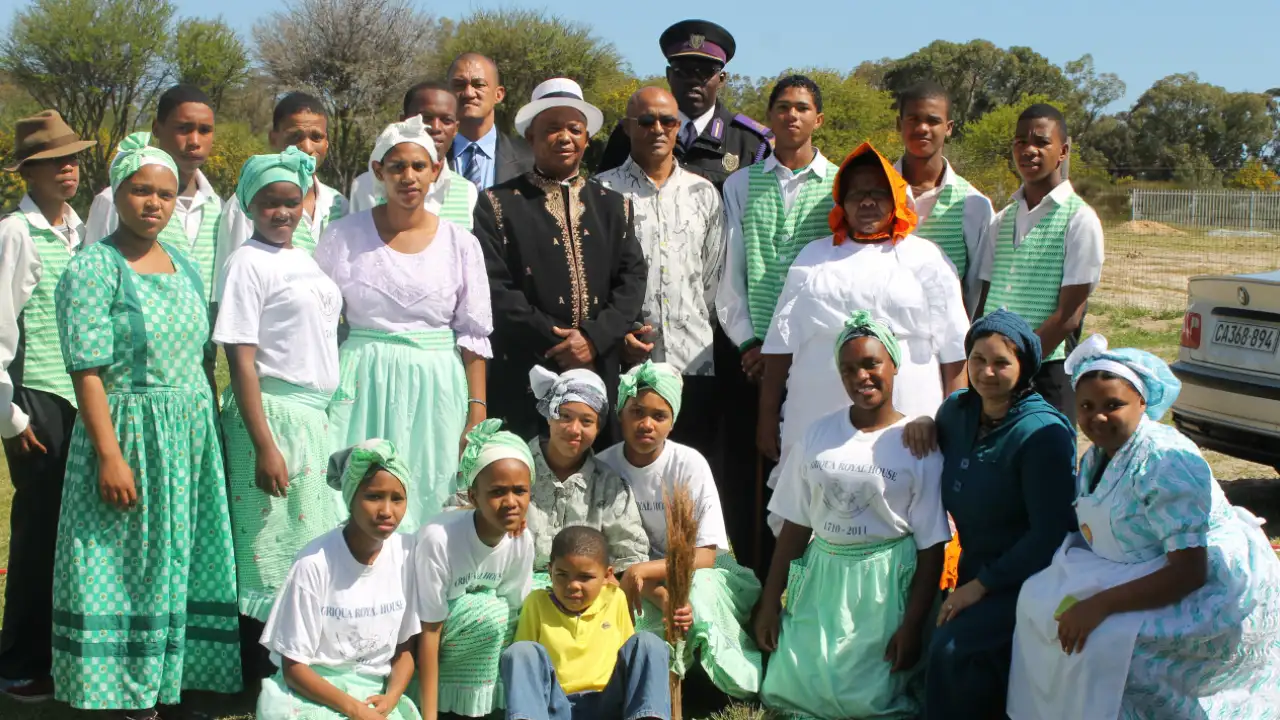
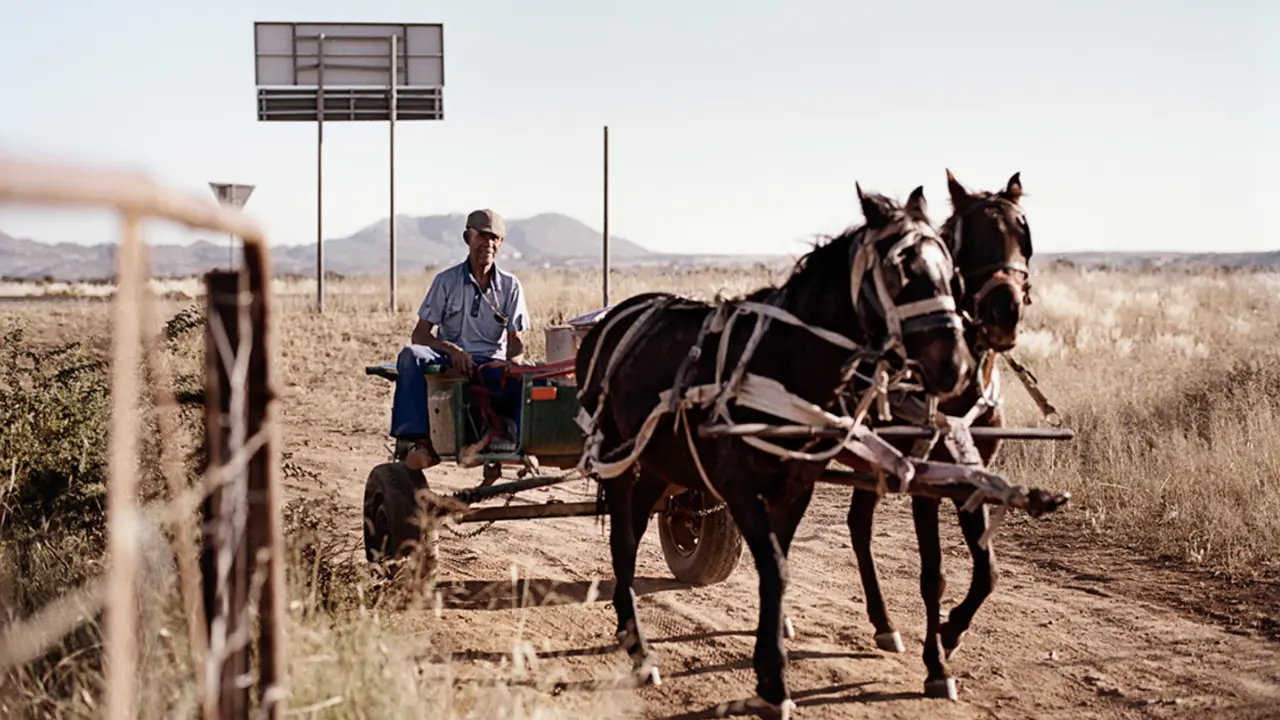
Browse Rehoboth town scenes, family portraits, kappie dress details, Tsamkhubis memories, flags, churches, and desert landscapes that show Baster heritage through identity, pride, and place.
Rehoboth Baster culture brings questions about ancestry, land, language, traditional dress, leadership, and Tsamkhubis history. These FAQs explain the basics clearly before travelers visit Rehoboth or central Namibia. They also place the community within the broader context of Namibia Tours and Safaris without reducing its story to a simple cultural label.
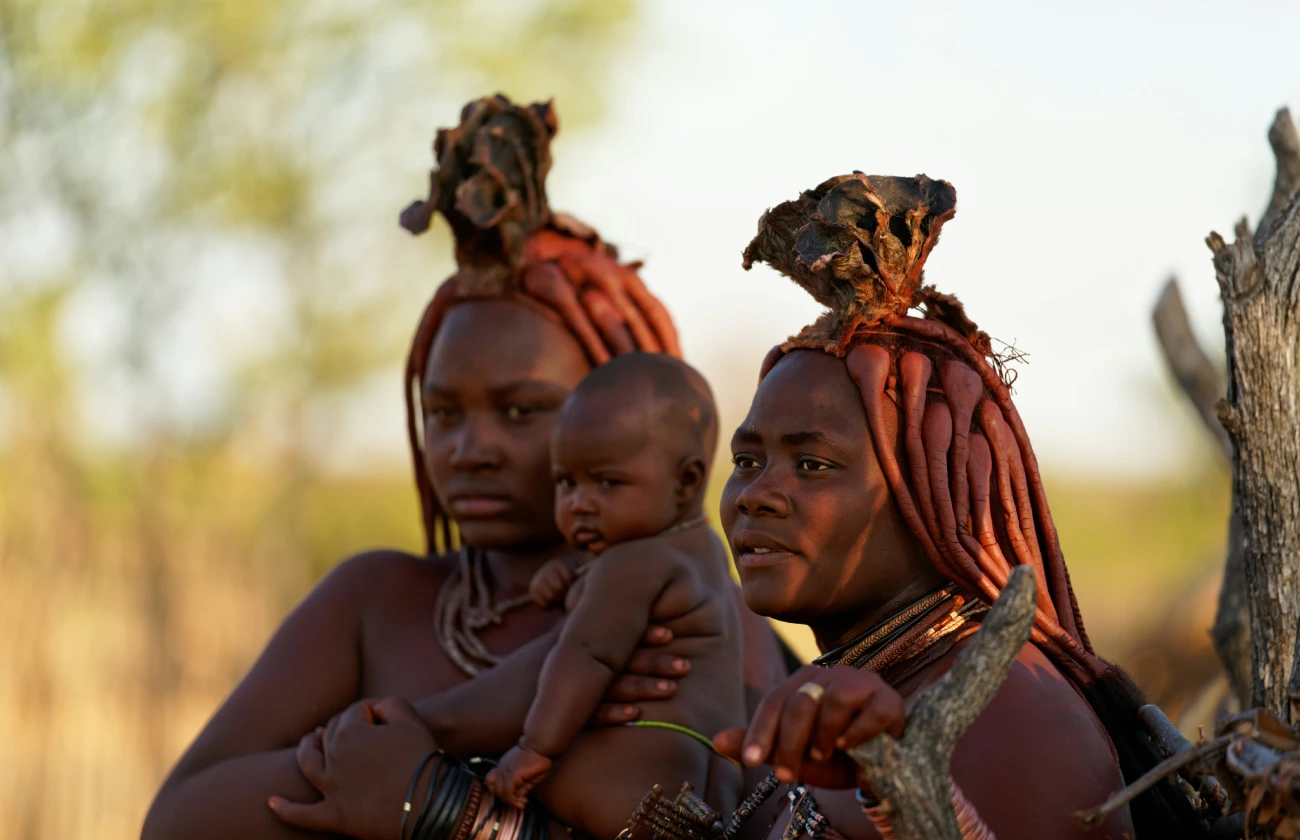
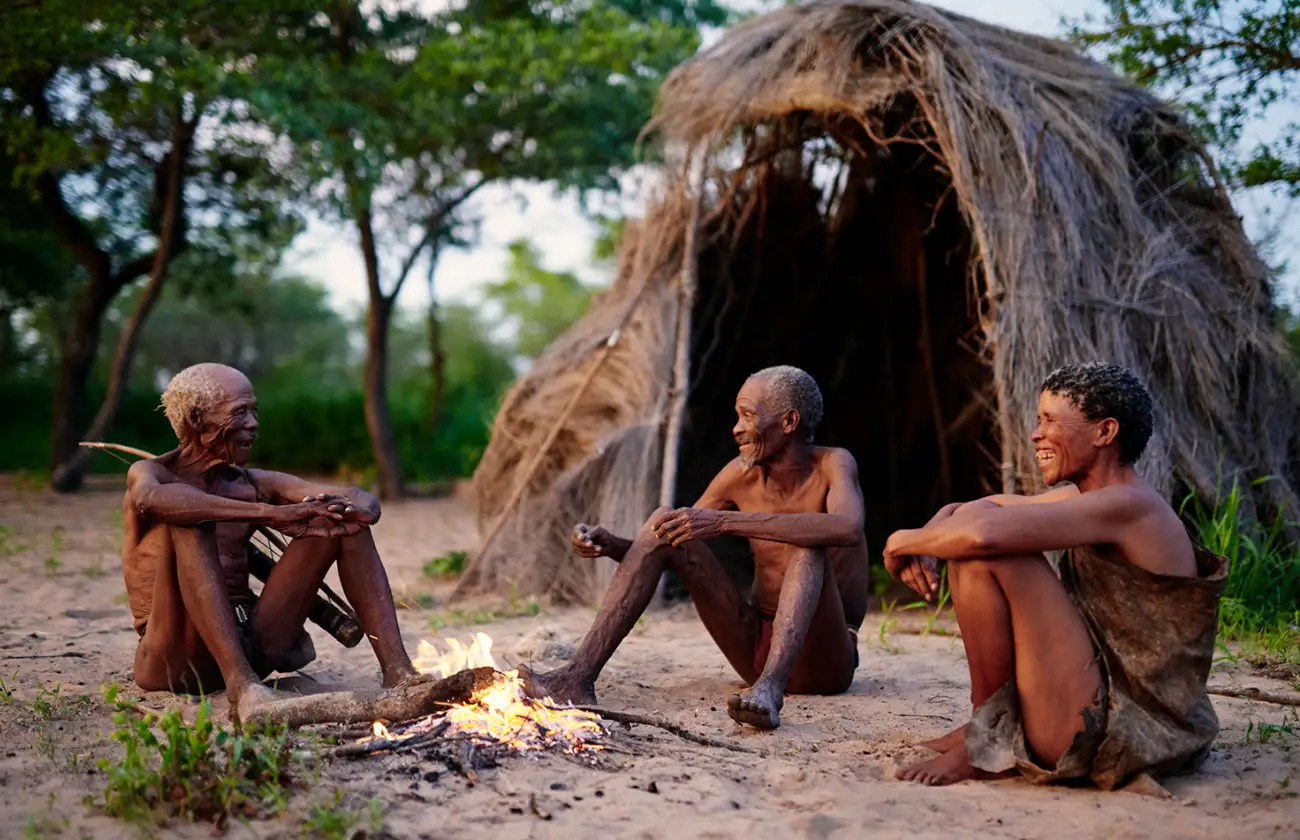
Meeting Namibia’s indigenous tribes offers a unique glimpse into the country’s rich cultural heritage. From learning about the traditions of the Himba and San people to hearing local stories and experiencing traditional ways of life, these encounters provide a deeper connection to Namibia beyond its landscapes and wildlife.
Gather ideas from our Namibia tour packages, or let our consultants help you picture the possibilities. We can build the journey around your time, style, and interests.
Our Namibia safari itineraries are designed to link desert landscapes, wildlife parks, coastal towns, and remote cultural areas into one seamless journey. Travelers can move from Etosha’s game drives to Sossusvlei’s dunes, Swakopmund’s coast, and Damaraland’s rugged beauty, with enough time to enjoy each place properly.
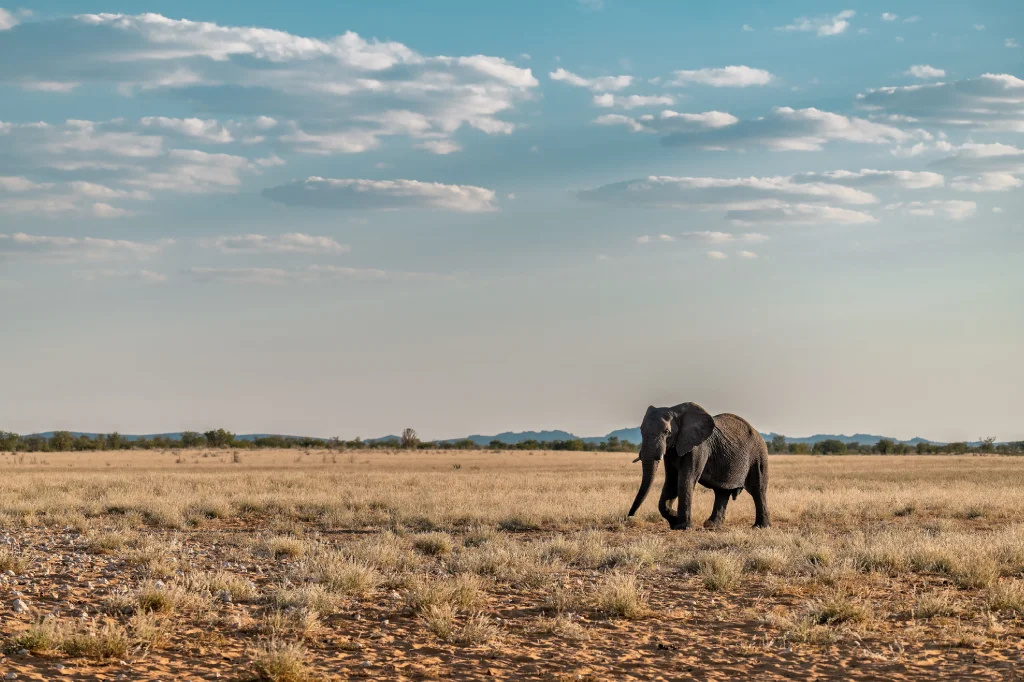
2 Destinations: Etosha National Park → Namibia
View Details
5 Destinations: Botswana → Etosha National Park → Namibia → Sossusvlei → Swakopmund
View Details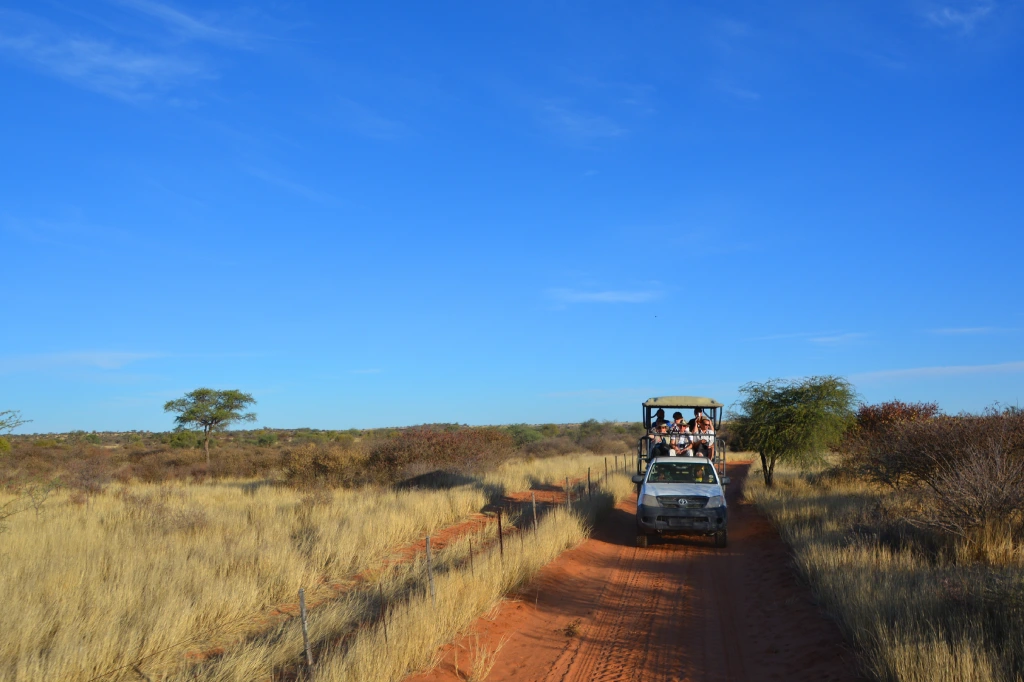
6 Destinations: Etosha National Park → Namibia → Sossusvlei → Spitzkoppe → Swakopmund → Windhoek
View Details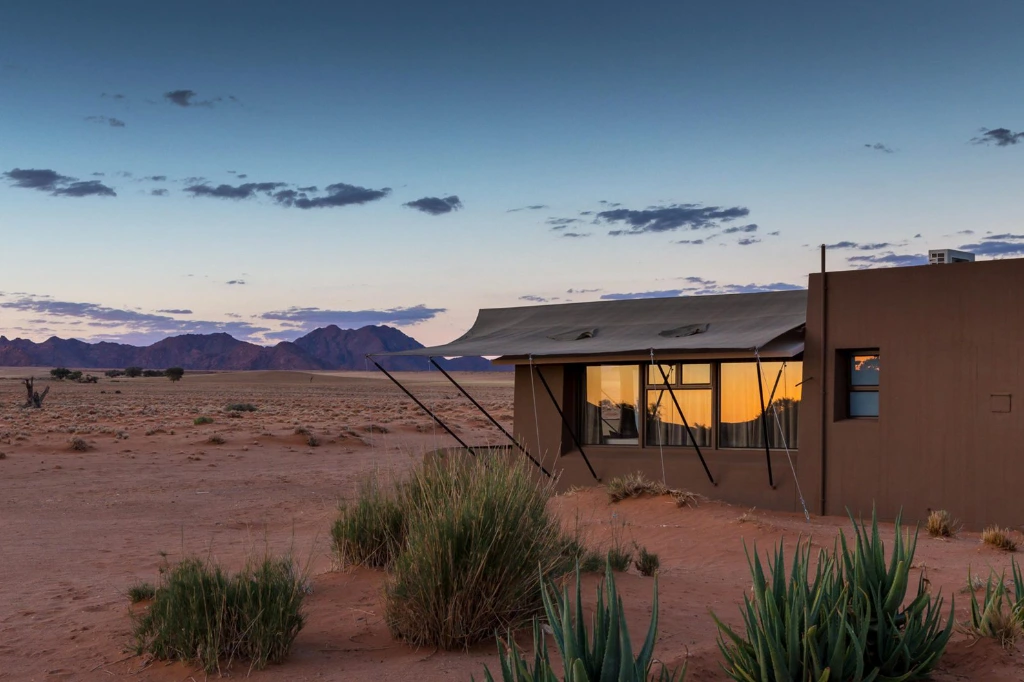
5 Destinations: Etosha National Park → Namibia → Sossusvlei → Swakopmund → Windhoek
View Details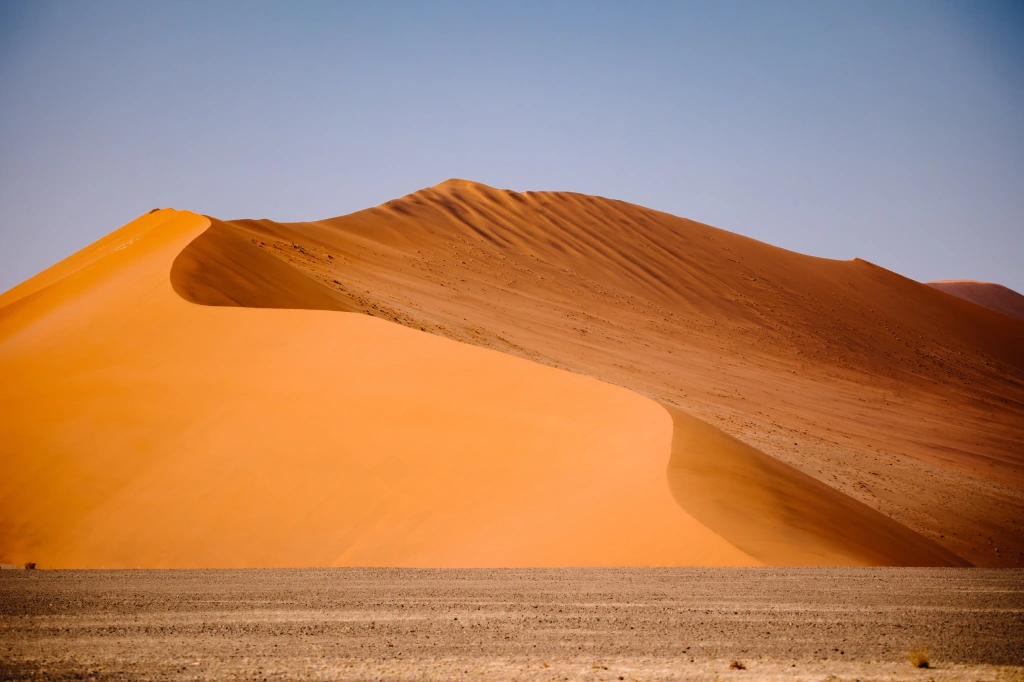
5 Destinations: Etosha National Park → Namibia → Sossusvlei → Swakopmund → Windhoek
View Details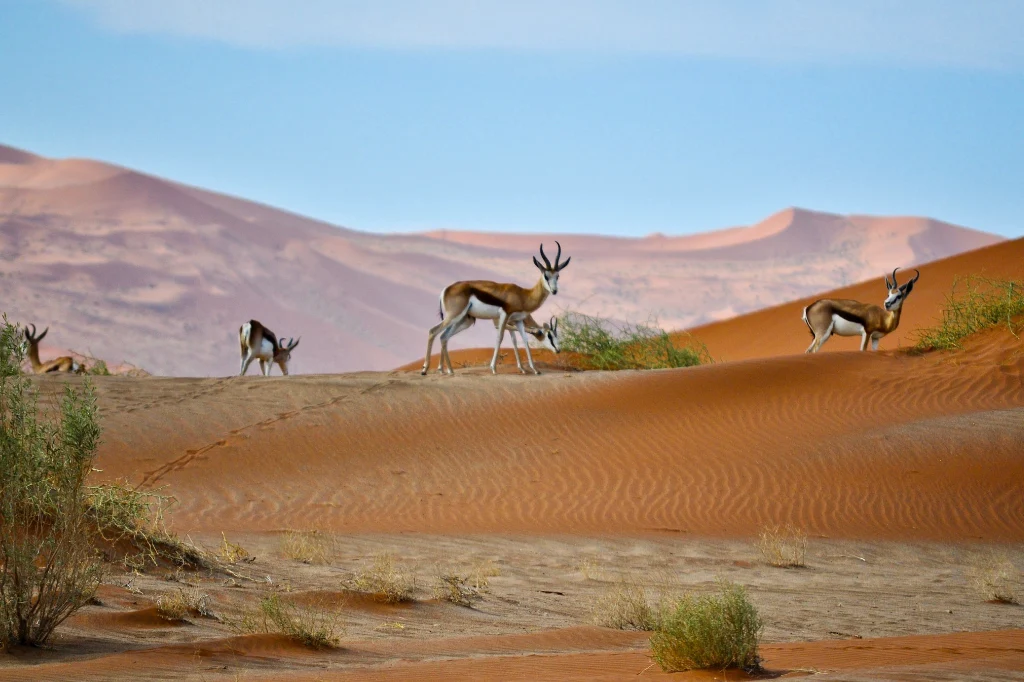
6 Destinations: Botswana → Etosha National Park → Namibia → Sossusvlei → Swakopmund → Zimbabwe
View Details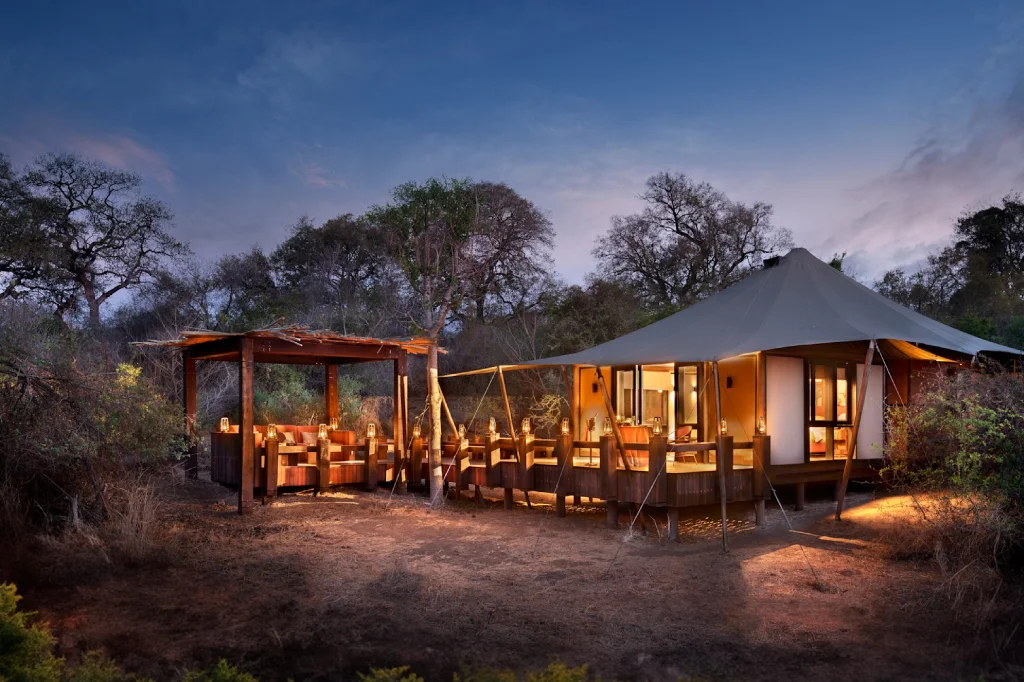
6 Destinations: Etosha National Park → Fish River Canyon → Namibia → Sossusvlei → Swakopmund → Twyfelfontein
View Details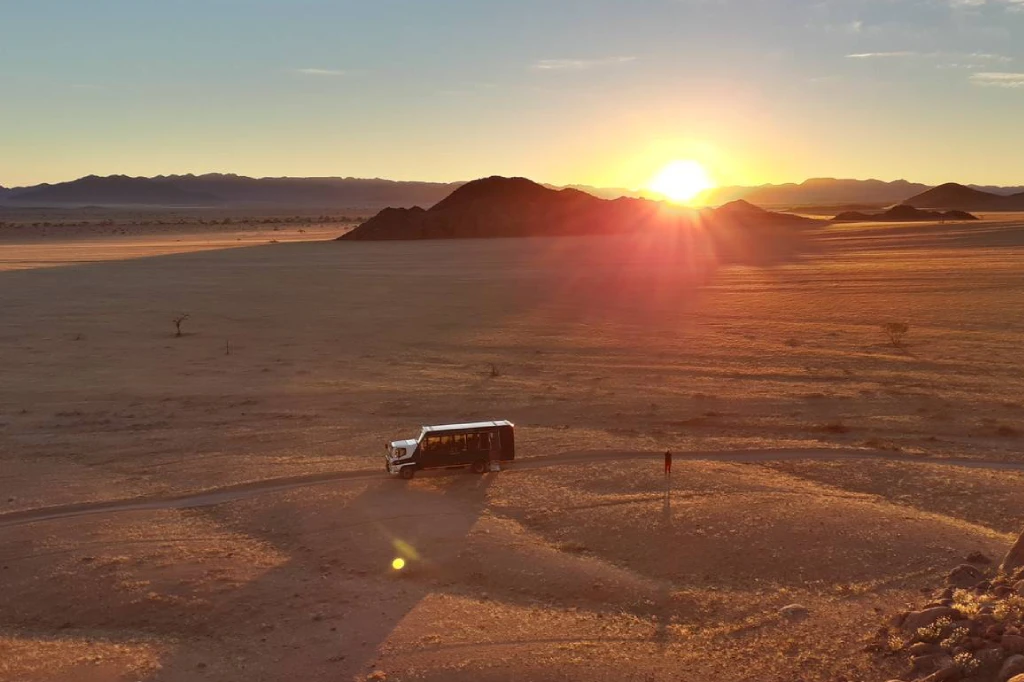
6 Destinations: Botswana → Etosha National Park → Namibia → Sossusvlei → Swakopmund → Zimbabwe
View Details
7 Destinations: Etosha National Park → Kamanjab → Namibia → Spitzkoppe → Swakopmund → Twyfelfontein → Windhoek
View Details
4 Destinations: Etosha National Park → Namibia → Sossusvlei → Swakopmund
View DetailsOur Namibian tour was an unforgettable experience from start to finish. Henzel was both our guide and driver, and he did an outstanding job in both roles. He was incredibly thorough and well-prepared, always sharing detailed insights about the landscapes, wildlife, and local culture. You could tell he truly knew and loved the country.

We did the “7 Days Wildlife Etosha and Sossusvlei Namibian Safari (Accommodated)” with Safari World Tours in December 2023 and it was the best choice for our family! We are experienced travelers (49 countries visited) and found that to travel to Namibia with a small child (4 years old) a tour would the the best option






 English
  German