+264 81 8211 521
info@safariworldtours.com
Deals & Discounts


A small Namibia destination rich in birds, rapids, and riverlife.
Popa Game Park is Namibia’s smallest game park, set along the Okavango River opposite Bwabwata National Park. It may be small, but its river setting lends it a calm, lively character.
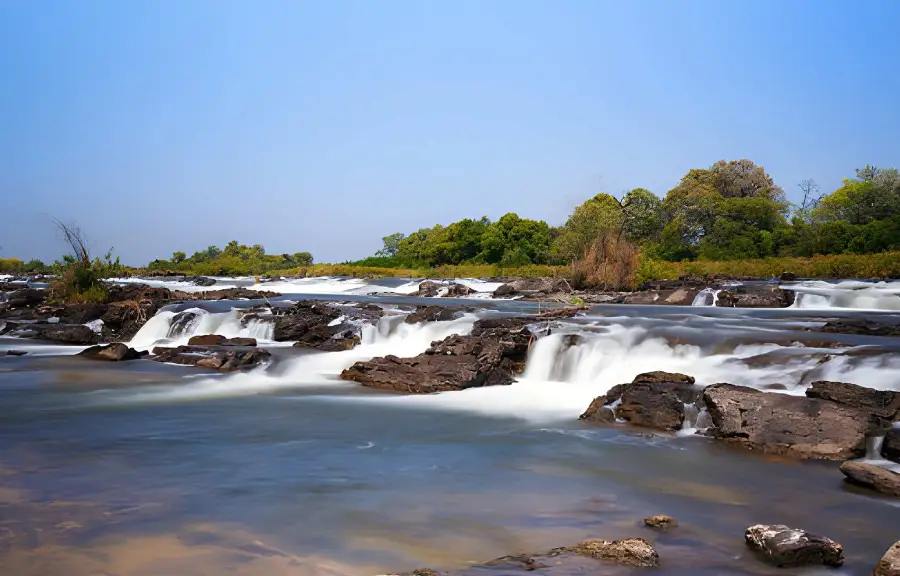
The park is best known for Popa Falls, where the Okavango River breaks over a quartzite ledge, forming low, rushing rapids. The sound of moving water, birdsong, and leaves from riverine trees creates a peaceful stop for travelers exploring Namibia’s destinations. Around the river, the park protects patches of riverine forest, open lawns, savannah vegetation, and small islands that bring a different feel from Namibia’s dry desert landscapes.
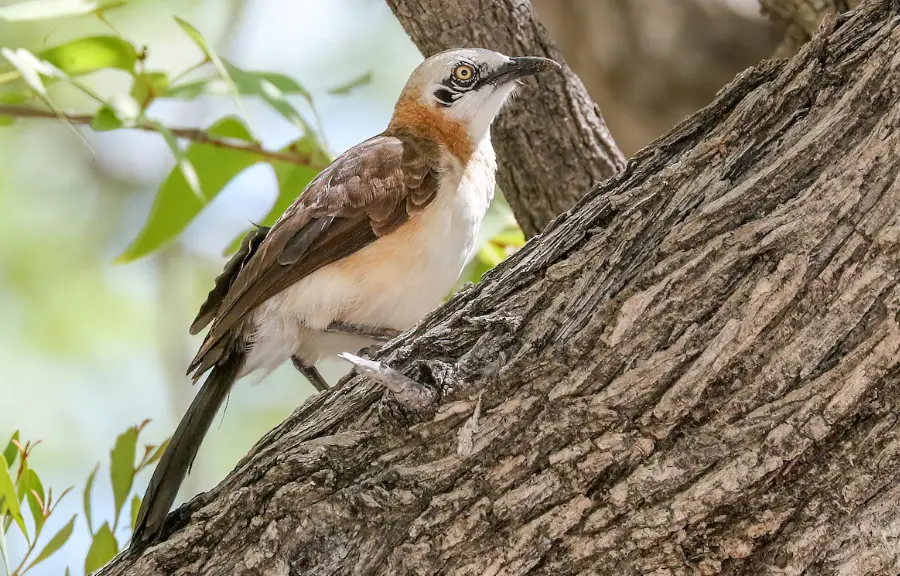
Popa Game Park is especially loved by birdwatchers, with more than 400 bird species recorded in the area. Slaty egret, saddle-billed stork, bat hawk, collared pratincole, western banded snake eagle, and Heuglin’s robin may be seen here.

Gather ideas from our Namibia tour packages, or let our consultants help you picture the possibilities. We can build the journey around your time, style, and interests.
Popa Game Park sits beside the Okavango River in northeastern Namibia, close to Bwabwata National Park and other attractions in the Kavango region. A map helps travelers understand the riverside setting, nearby access roads, lodge areas, and possible routes for longer journeys in Namibia, especially when combining Popa with wildlife parks, river stops, and nearby cross-border travel plans.
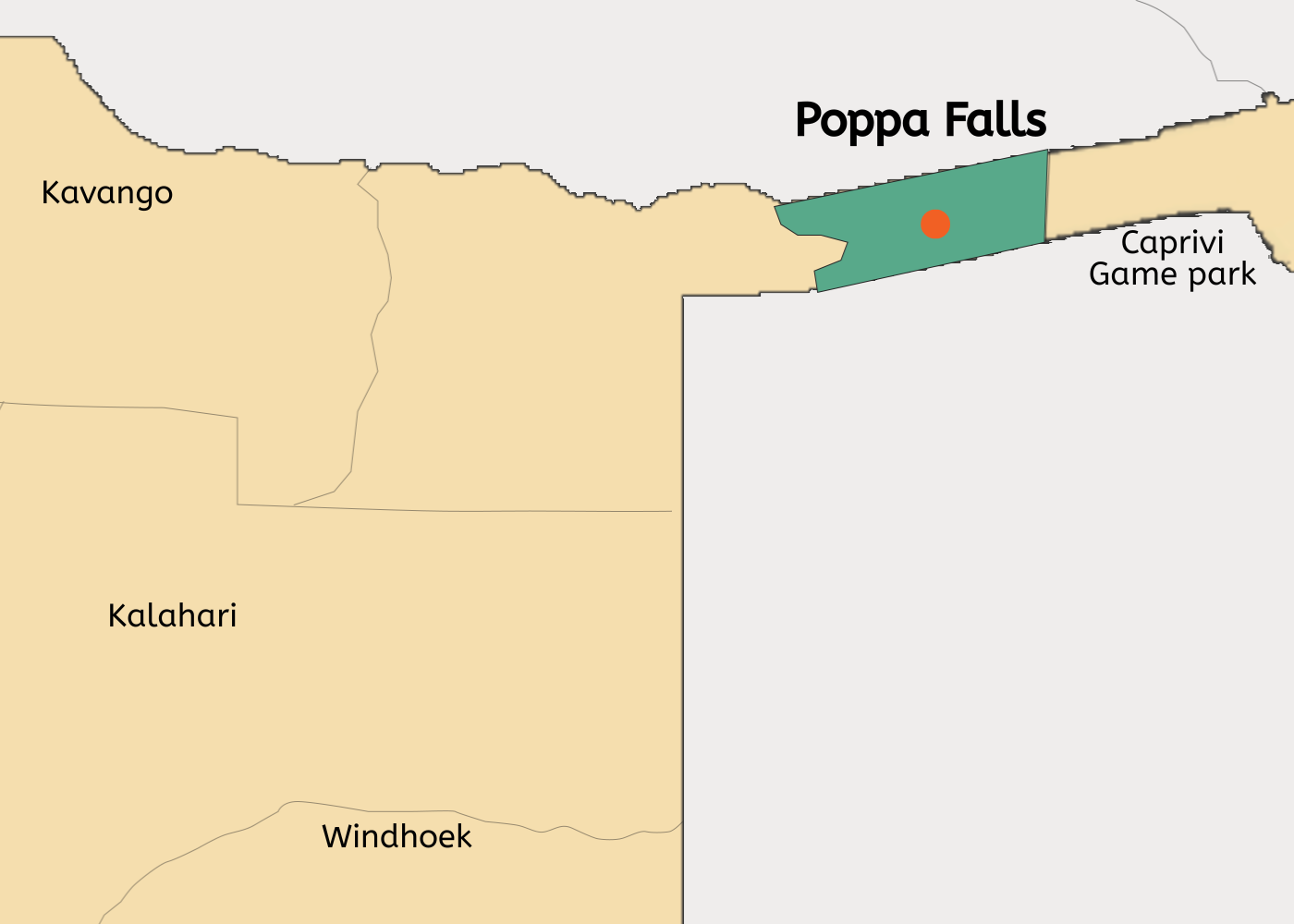
Popa Game Park feels more like a quiet riverside pause than a large wildlife reserve. Before visiting, it helps to know its best seasons, river animals, green scenery, and simple activities. The park is small, but the Okavango River, rapids, birds, and nearby protected areas give it a useful place in northern Namibia travel plans for visitors today, too.
Popa Game Park can be visited all year, but the season changes the mood. Rain makes the rapids stronger and the vegetation fresher. July to September suits travellers linking Popa with nearby parks and northern Namibia routes during a longer safari plan too.
During the rainy season, the Okavango River carries more water through Popa. The rapids sound fuller, and the green edges of the park feel brighter. This is a good time for travellers who want the river to be the main part of the visit, not just a pretty background near the lodge area after arrival there slowly on site.
July to September is also a popular period, mostly because travel across northern Namibia feels practical then. Many visitors use Popa as a stop between Bwabwata, Khaudum, Mahango, Mudumu, and the Zambezi parks. The weather is easier for road travel, and the park fits neatly into wider routes without much pressure for guests there too nearby.
The drier months may not give the rapids the same strength, but the park still has value. Birding remains good, river views stay pleasant, and short walks feel easier. For travellers who dislike heavy rain or muddy roads, this quieter season can make the stop feel simple, useful, and relaxed for one night stay nearby too for visitors.
The best time really depends on your wider plan. Choose wetter months for stronger river sound and fresher scenery. Choose July to September for smoother travel connections. Popa does not need many days, but the right timing helps this small park feel more meaningful on a northern Namibia journey, especially between longer wildlife stops nearby too on route.
Wildlife in Popa Game Park belongs to the river. This is not a place for big herds, but for hippos, crocodiles, monkeys, fish, and birds. Slow watching near the Okavango often brings the most satisfying moments for patient visitors here today too nearby.
Hippos and crocodiles are the main river animals to look for around Popa. Hippos usually stay in deeper water, sometimes heard before they are seen. Crocodiles may rest near the banks, still and easy to miss at first. Their presence reminds visitors that this calm-looking river is very much alive and wild beneath the surface nearby today there.
Vervet monkeys bring quicker movement to the trees and lodge areas. They are curious, lively, and often close enough to notice without trying hard. Around the river, smaller life also matters. Broad-head catfish and oscillated spiny eel are part of the Okavango system, even if most travellers only glimpse the water briefly from the bank quietly nearby there.
Birdwatching is the strongest wildlife reason to visit Popa. More than four hundred bird species have been recorded here, which is impressive for such a small park. Slaty egret, saddle-billed stork, bat hawk, western banded snake eagle, collared pratincole, and Heuglin’s robin are among the names birders may know well in this region during morning walks there today.
The best way to enjoy wildlife here is to slow down. Sit near the river, listen, and look along the banks and trees. Popa does not rush a sighting toward you. It gives small moments instead: a bird call, a monkey leap, a ripple, or tracks near the water in soft mud after sunrise slowly there too on visits.
Popa Game Park looks softer than many Namibian Destinations. The scenery is made of river water, low rapids, lawns, islands, and shaded trees. It feels green, compact, and restful, especially after long drives through drier parts of the country around northern Namibia today.
Popa Falls are really a series of rapids, not a tall waterfall. The Okavango River crosses a rocky ledge, drops only a few metres, and keeps moving toward Botswana. Once visitors know this, the place makes more sense. Its charm is sound, water, and setting, not height, with trees close by there beside the bank quietly today too.
The riverine forest gives the park its calm green feel. Jackal-berry and knob-thorn trees grow near the water, mixed with shrubs and savannah vegetation. After dry roads and open landscapes, this shaded strip feels refreshing. It is small, yes, but the river makes it feel alive and useful for resting during travel here between park visits today nearby.
Open lawns and small islands add to the gentle setting. The park does not overwhelm visitors with huge views. Instead, it gives close scenes: water sliding over rocks, birds crossing the river, monkeys in branches, and shadows moving under trees. It is scenery for slow looking, not quick dramatic photos on site each afternoon by the water quietly.
Popa also works well because of where it sits. Nearby protected areas bring bigger wilderness, while this park gives a softer river stop between them. For travellers moving through northern Namibia, that change matters. It breaks the long journey with water, greenery, and an easy place to pause before the next drive nearby too on route today too.
Things to do in Popa Game Park are quiet and river-based. Travellers come for the rapids, birds, riverside views, short rests, and nearby park connections. It suits slow travel more than packed activity lists or long game drives through open country today too.
Begin with the rapids, but arrive with the right expectation. Popa Falls are low rapids on the Okavango River, not a high curtain of water. During the rainy season they feel stronger and louder. In drier months they are softer, but still give the park its main sound beside the trees and lawns after arrival today beside camp.
Birdwatching is one of the best activities here. Mornings are usually more pleasant, with cooler air and better movement around the river trees. Bring binoculars if you have them. Even casual visitors can enjoy the calls, colours, and quick flashes of birds crossing the water near the banks and islands during slow visits there with patience nearby today.
Popa is also useful for travellers linking several protected areas. From here, routes can continue toward Bwabwata, Mahango, Buffalo, Khaudum, Mudumu, or Nkasa Rupara. That makes the park a helpful stopover, especially when the journey needs a quiet night beside water before more wildlife viewing in the north on longer Namibia routes nearby after rest for travellers today.
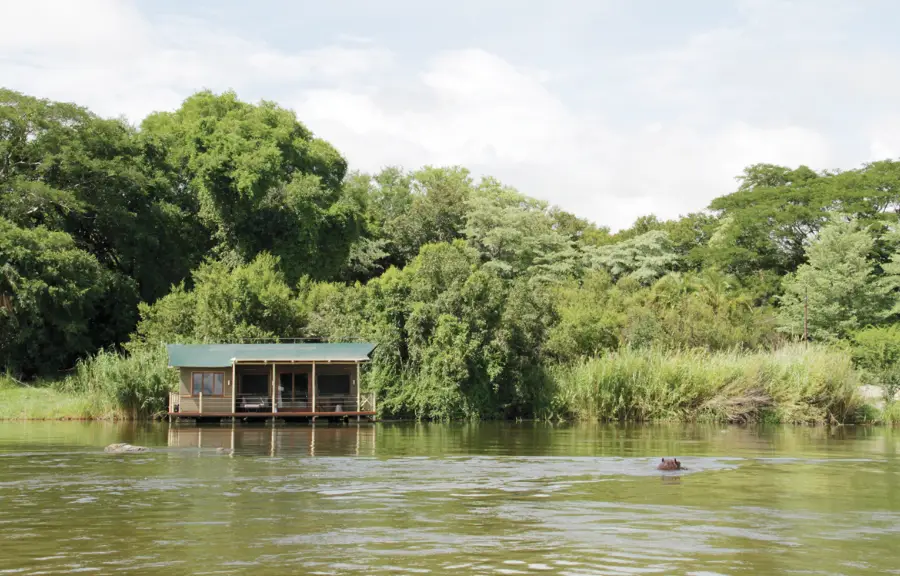
Accommodation near the park makes the visit easier. Travellers can stay around Popa Falls Resort, Divava, Rainbow River Lodge, White Sands, or other riverside places. After a long road day, sitting near the Okavango, hearing the water and birds, can feel like the main activity for the evening, quietly after sunset, slowly.
Expect a quiet riverside stop with flowing rapids, bird calls, green river edges, and easy access to nearby parks. Popa Game Park feels calm, compact, and useful during longer northern Namibia Safari routes.
These Namibia Safari Itineraries bring together the country’s wide range of travel experiences, from wildlife parks and desert roads to coastal towns, cultural stops, and quiet lodge stays. Some routes are short and focused. Others stretch across several regions. And for travelers comparing Namibia Safari Packages, these itineraries make it easier to choose a trip that fits their time, comfort, and travel style.
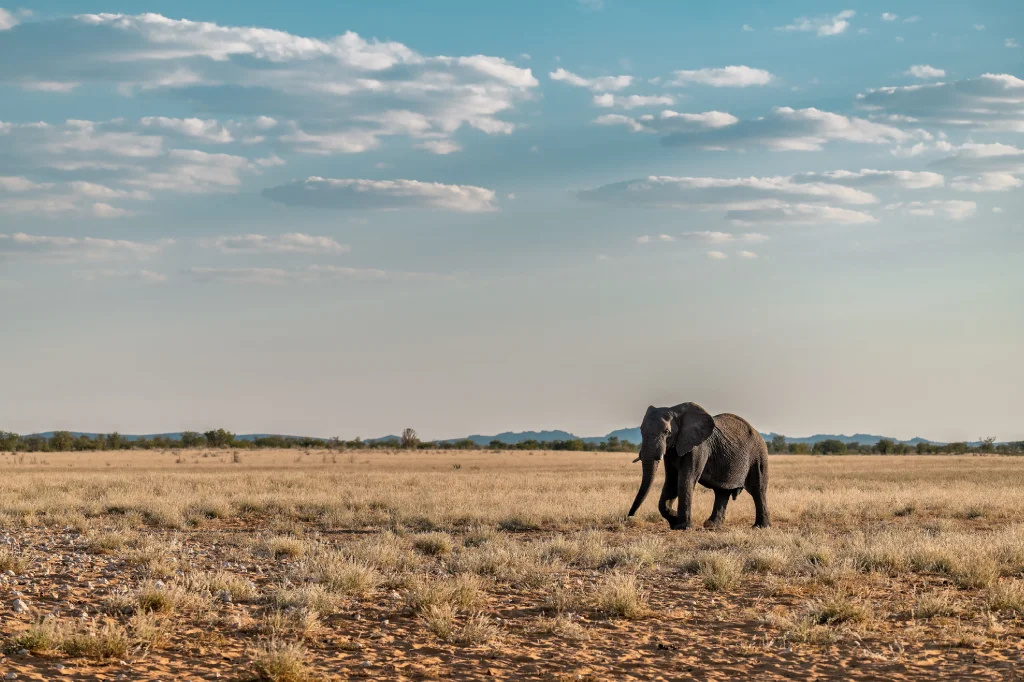
2 Destinations: Etosha National Park → Namibia
View Details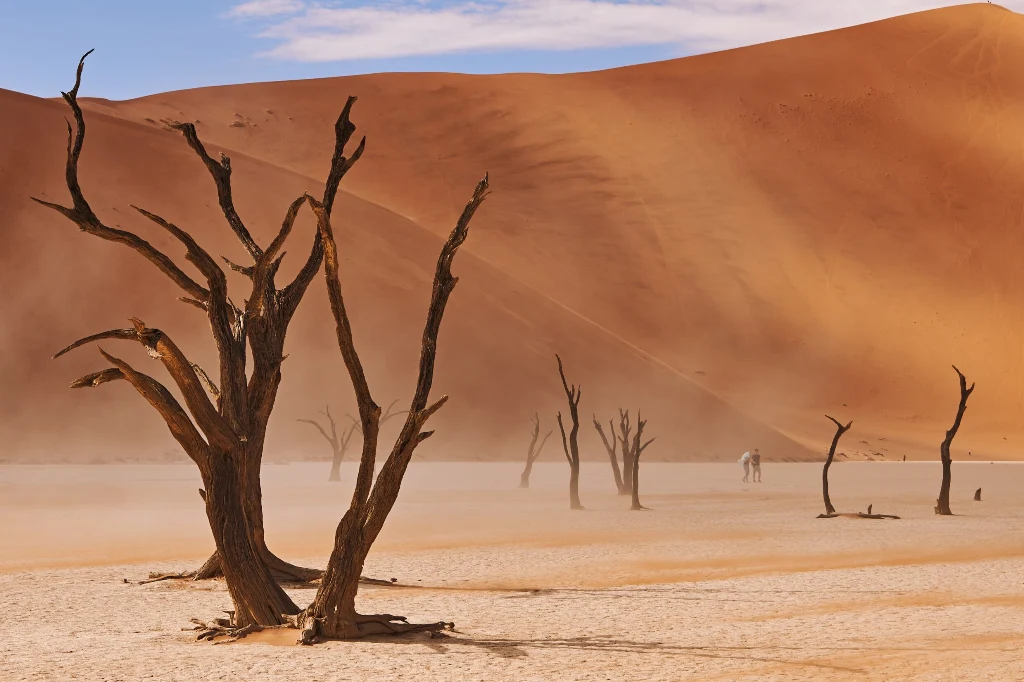
5 Destinations: Botswana → Etosha National Park → Namibia → Sossusvlei → Swakopmund
View Details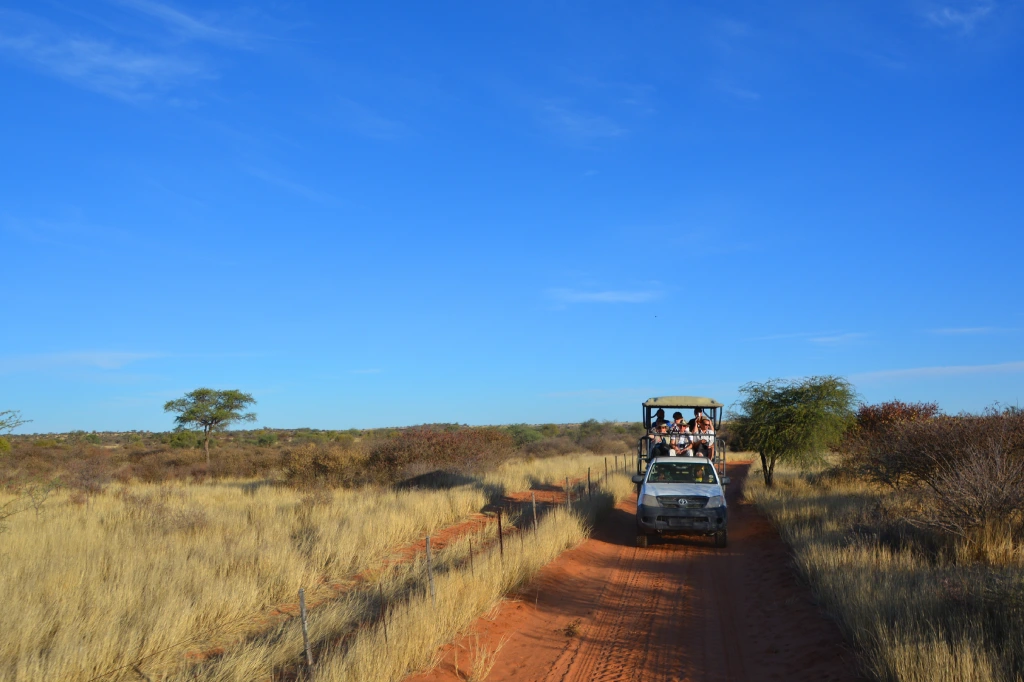
6 Destinations: Etosha National Park → Namibia → Sossusvlei → Spitzkoppe → Swakopmund → Windhoek
View Details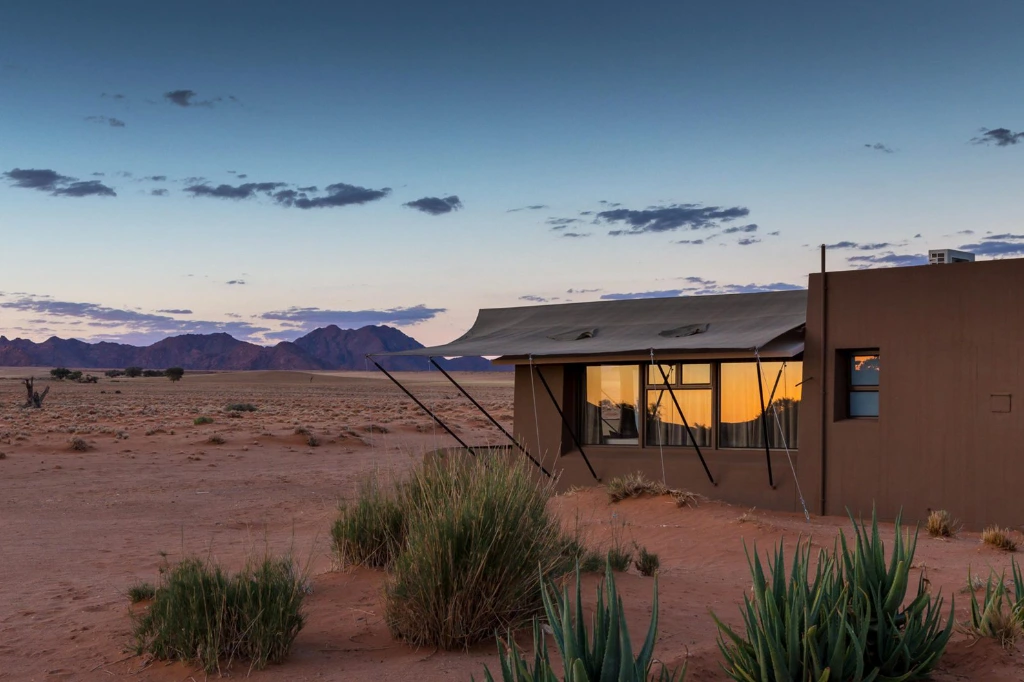
5 Destinations: Etosha National Park → Namibia → Sossusvlei → Swakopmund → Windhoek
View Details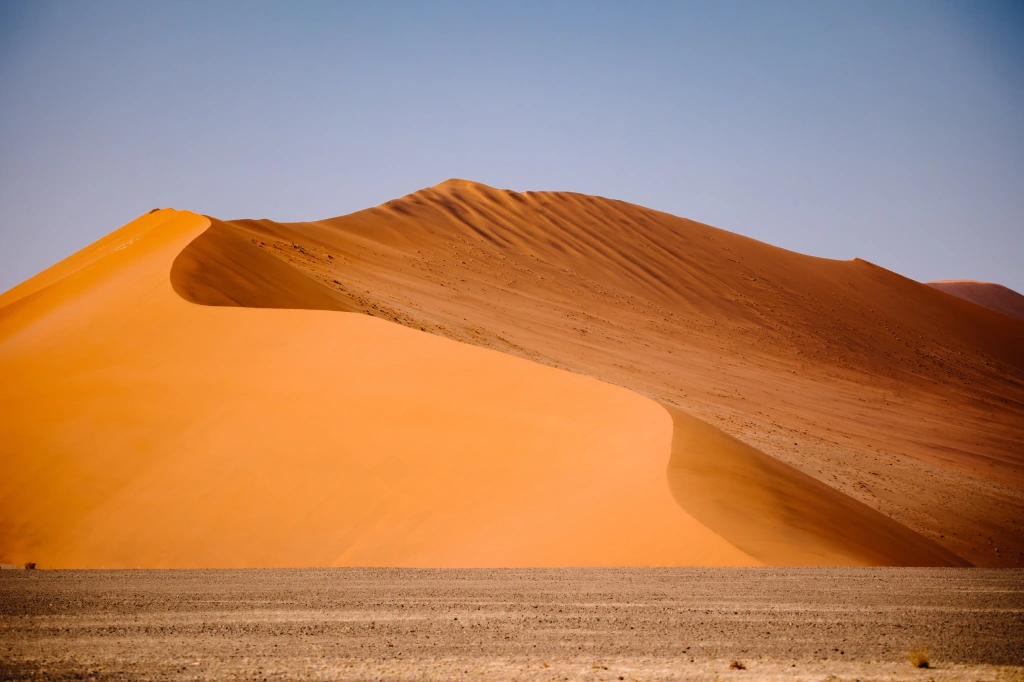
5 Destinations: Etosha National Park → Namibia → Sossusvlei → Swakopmund → Windhoek
View Details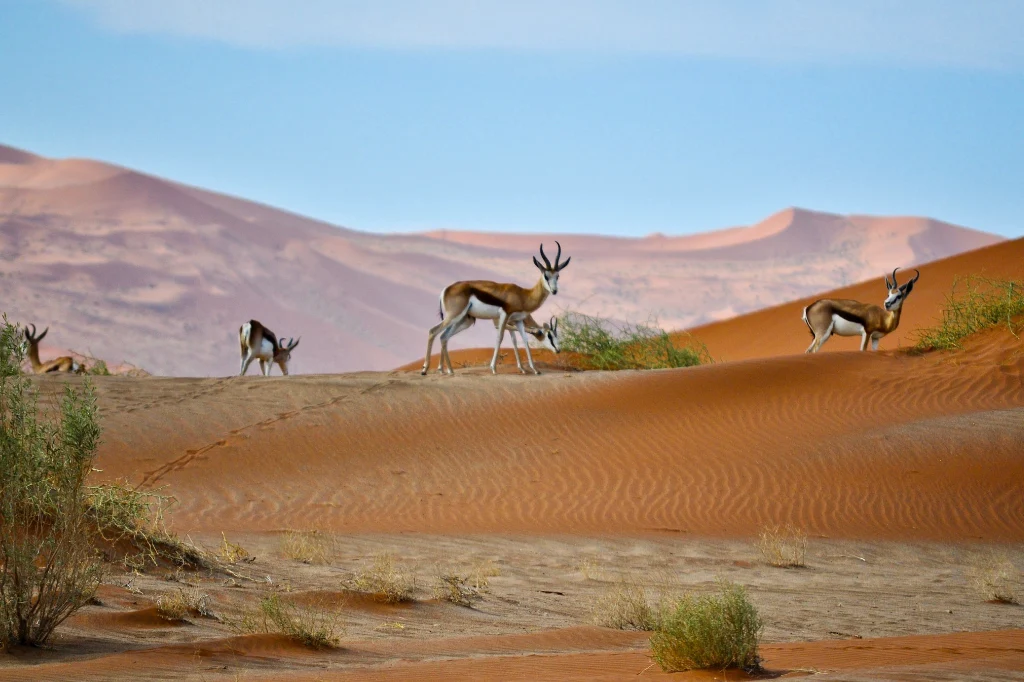
6 Destinations: Botswana → Etosha National Park → Namibia → Sossusvlei → Swakopmund → Zimbabwe
View Details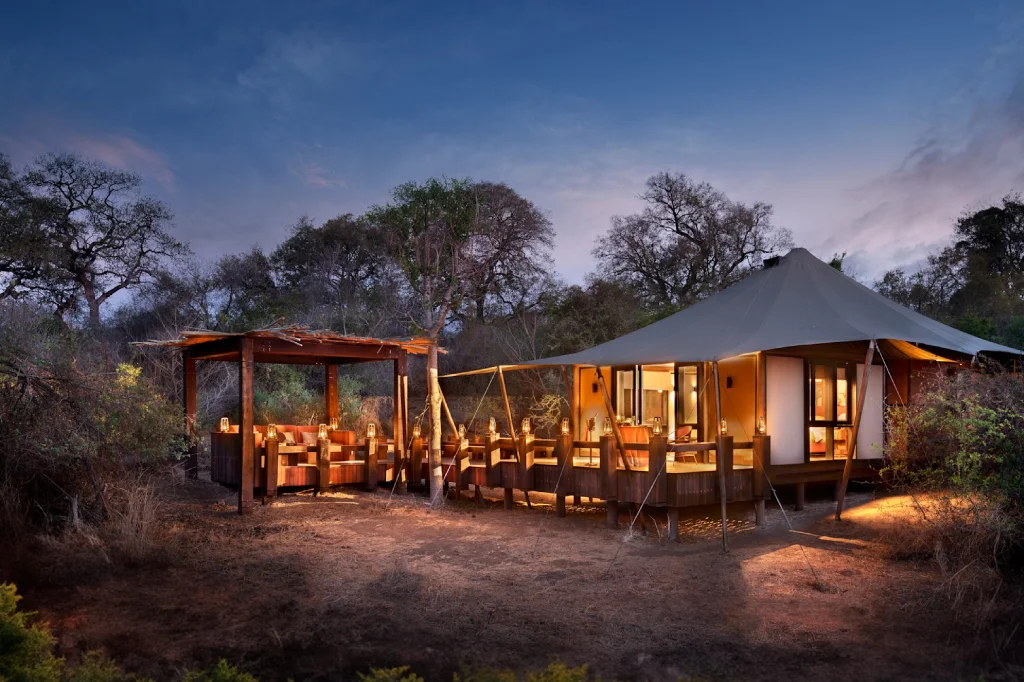
6 Destinations: Etosha National Park → Fish River Canyon → Namibia → Sossusvlei → Swakopmund → Twyfelfontein
View Details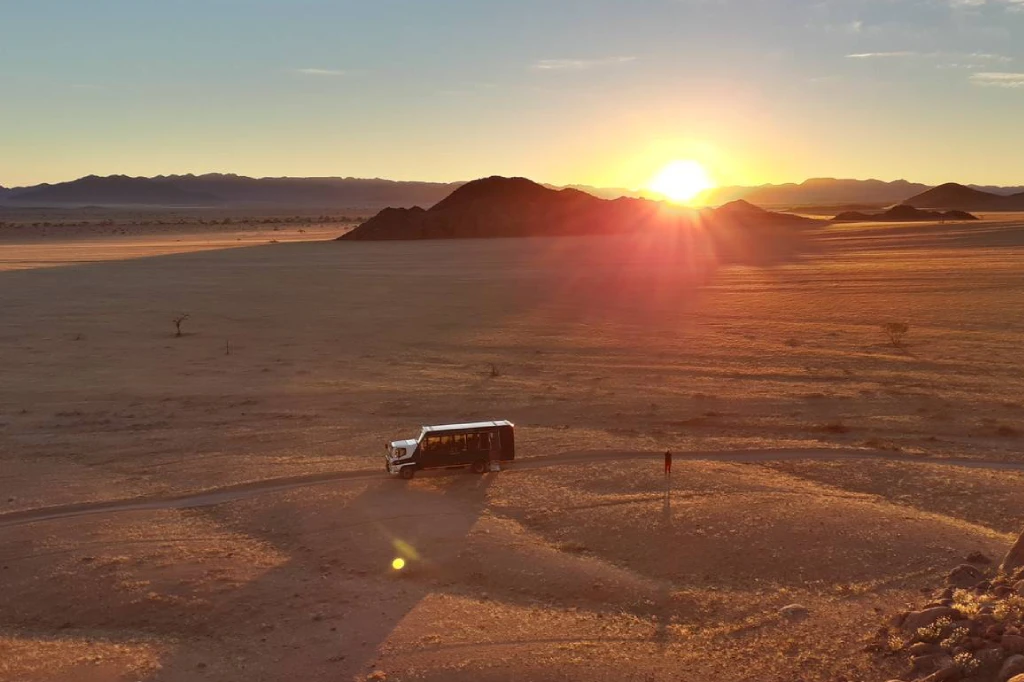
6 Destinations: Botswana → Etosha National Park → Namibia → Sossusvlei → Swakopmund → Zimbabwe
View Details
7 Destinations: Etosha National Park → Kamanjab → Namibia → Spitzkoppe → Swakopmund → Twyfelfontein → Windhoek
View Details
4 Destinations: Etosha National Park → Namibia → Sossusvlei → Swakopmund
View Details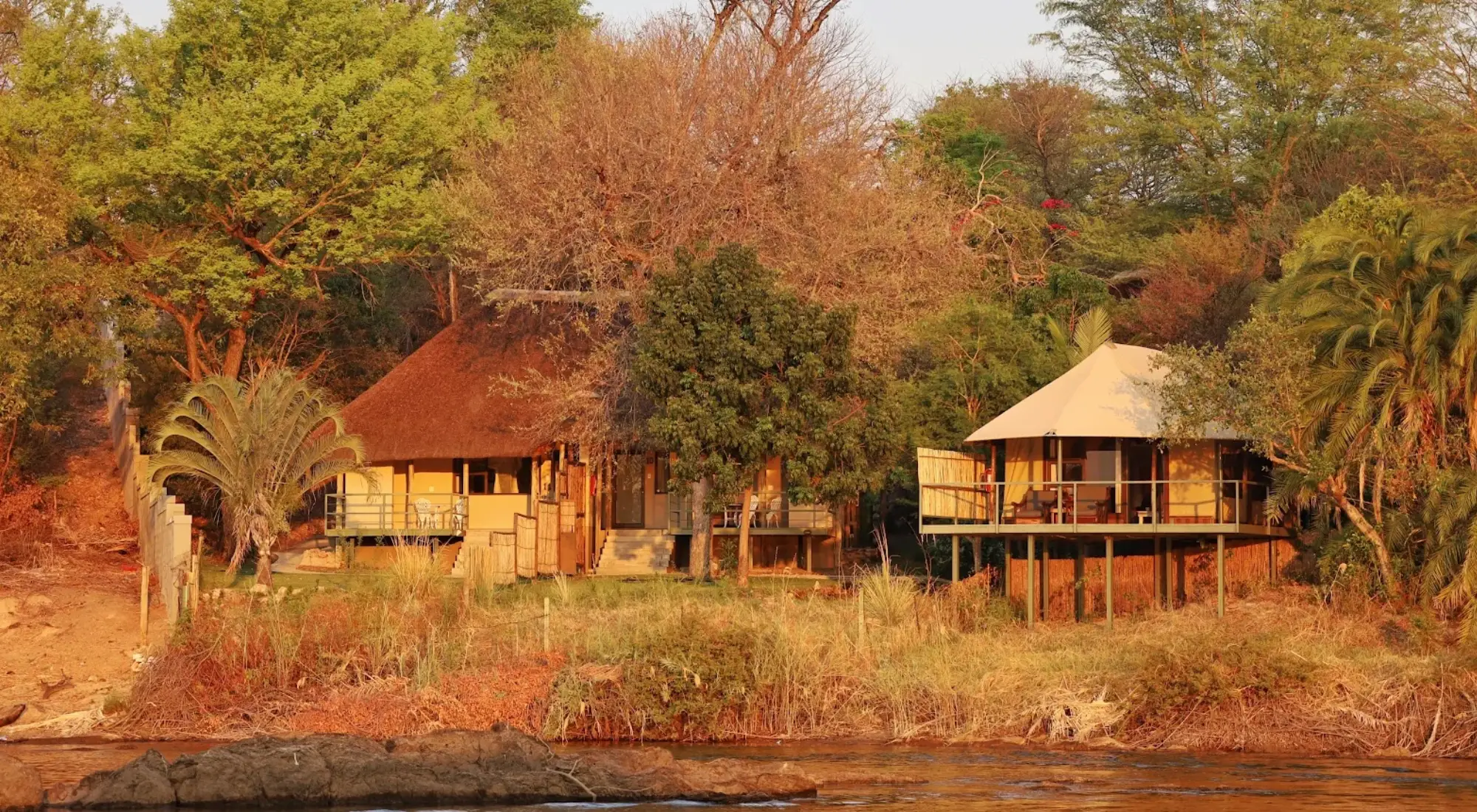
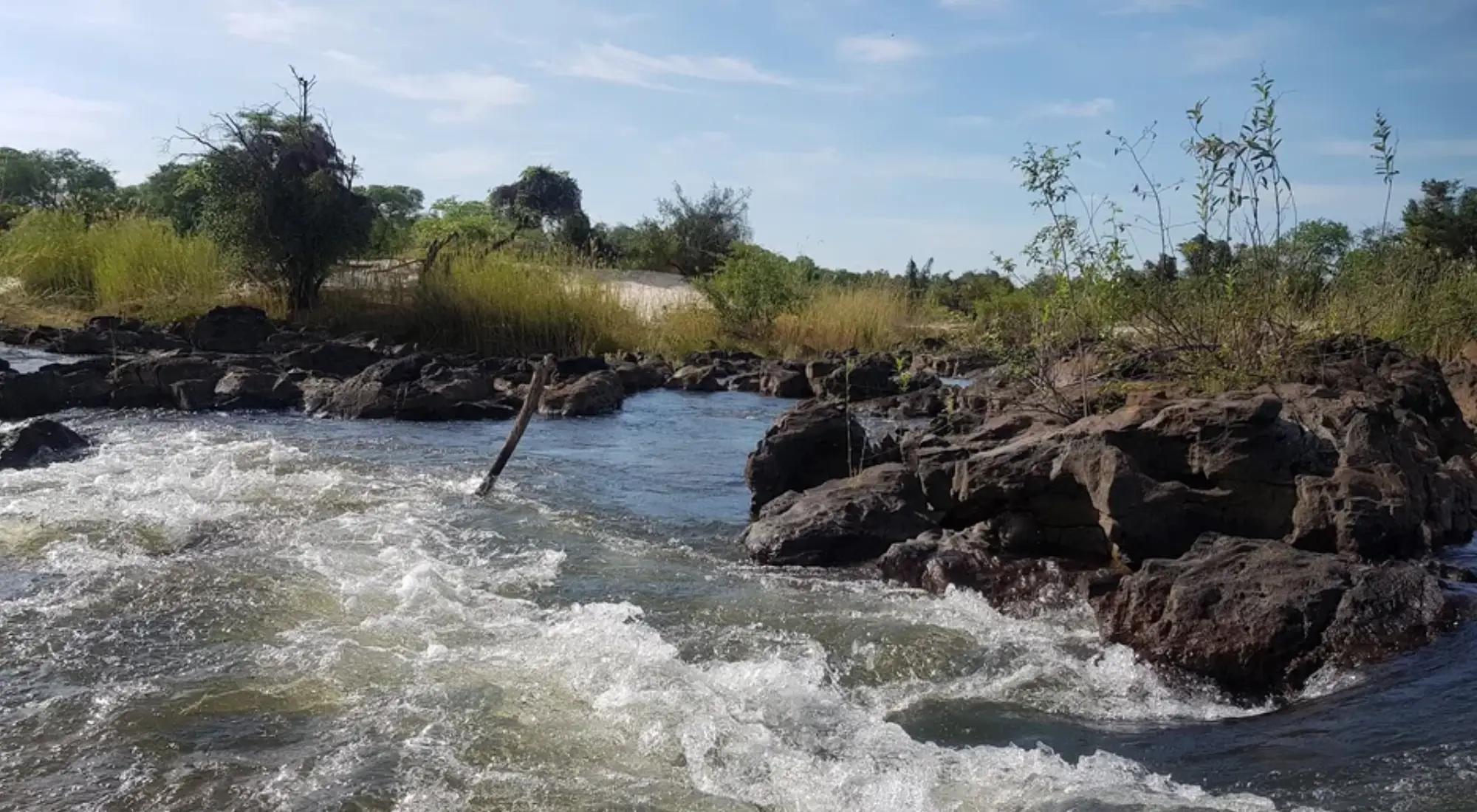
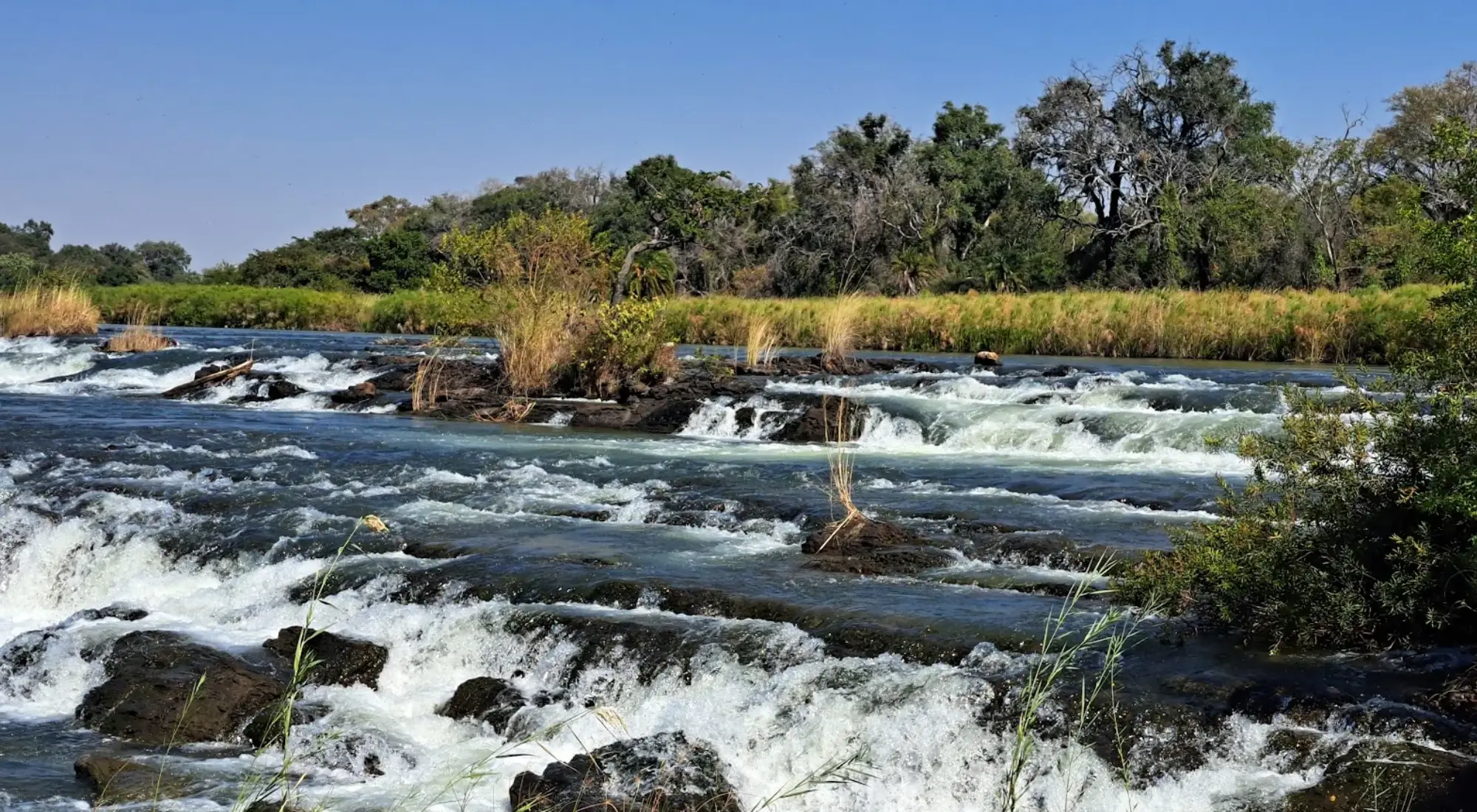
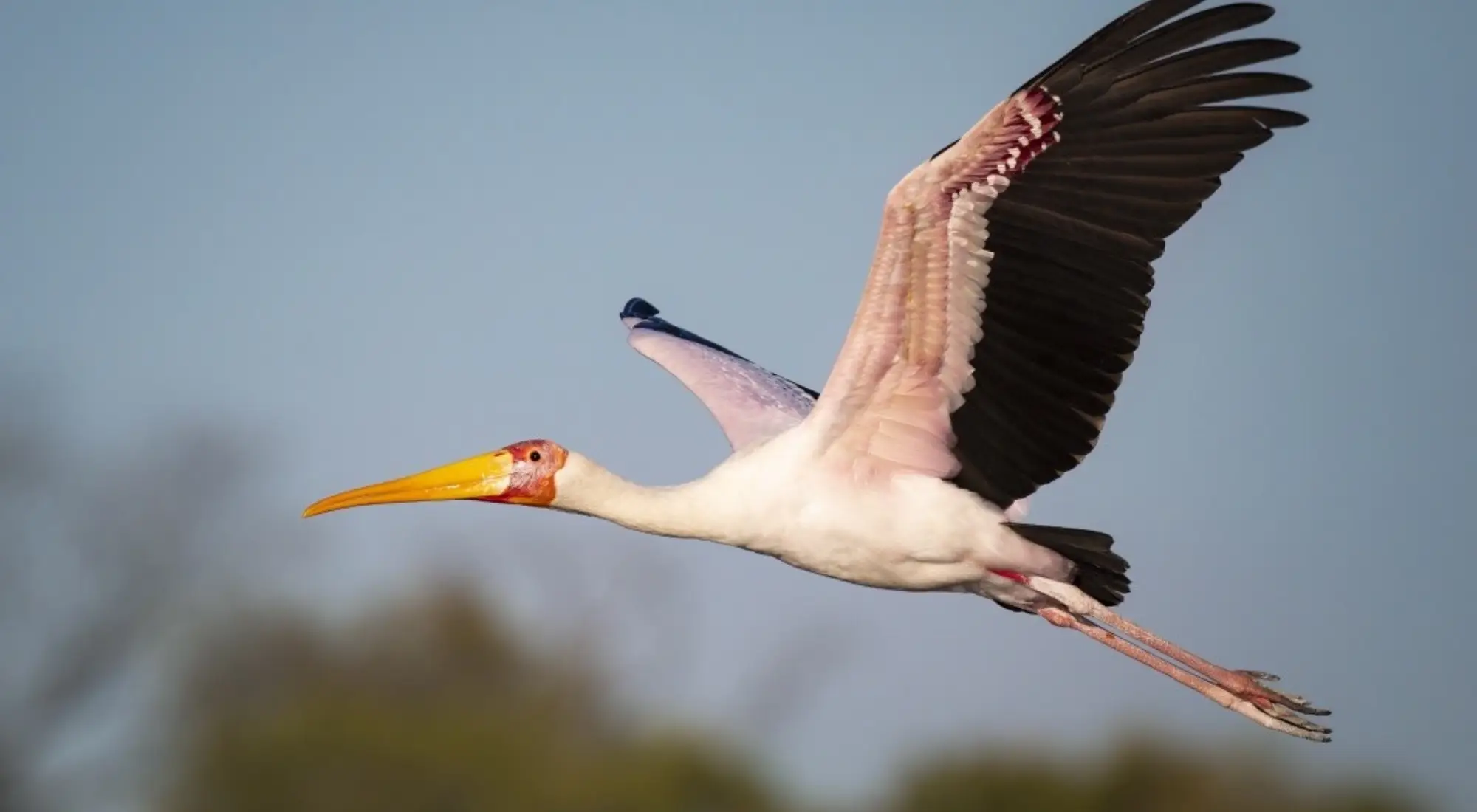
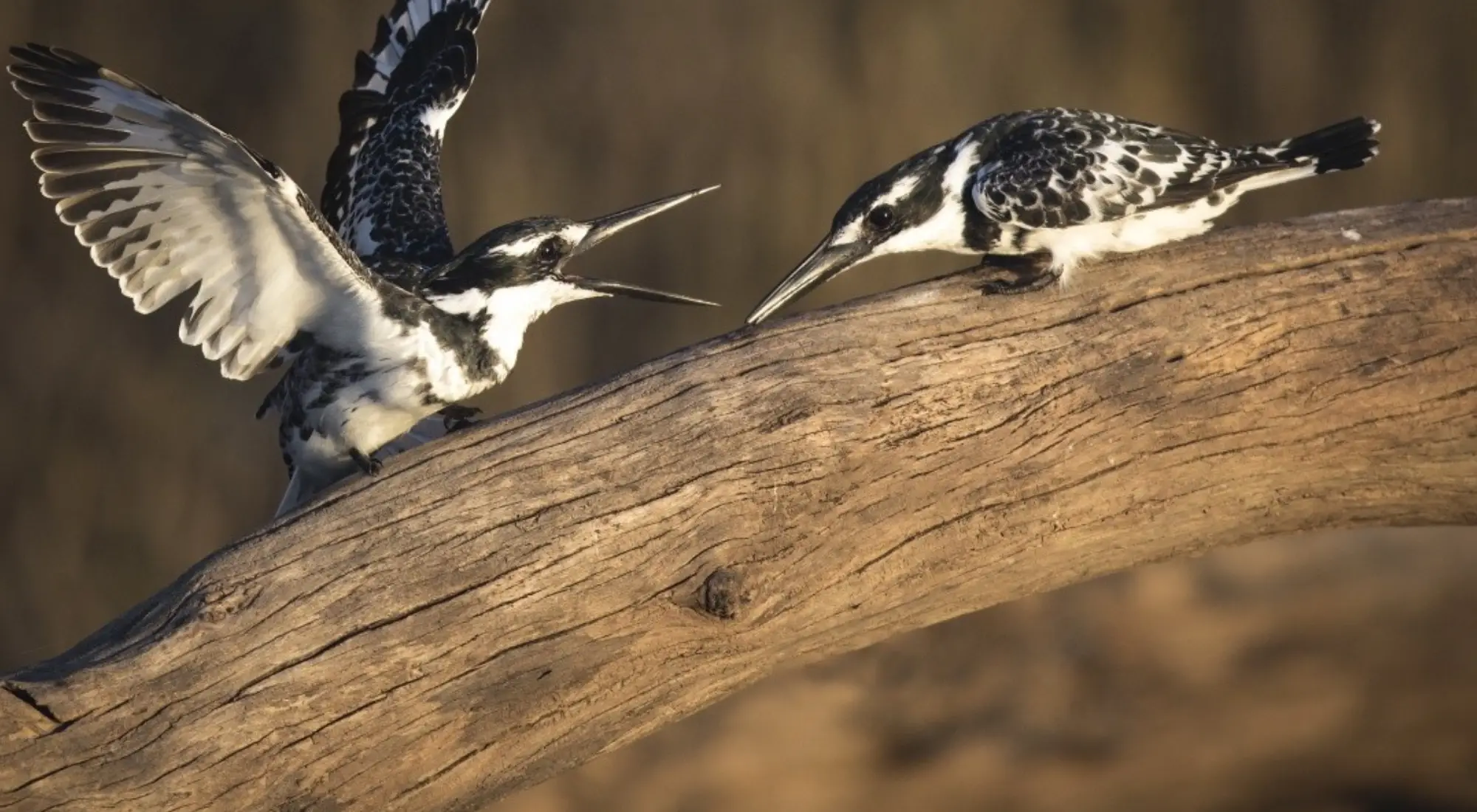
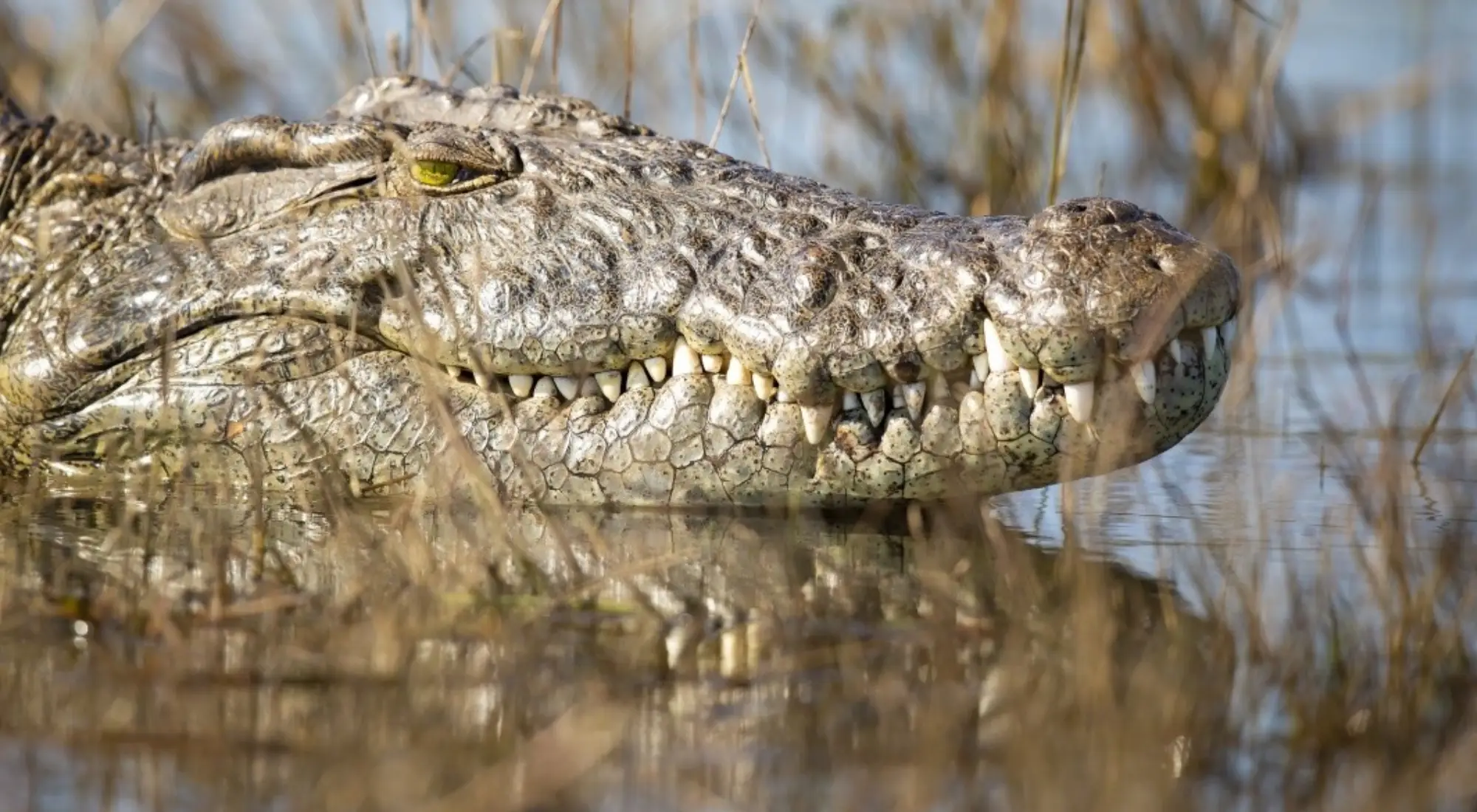
Popa Game Park’s gallery captures river rapids, green banks, birdlife, shaded trees, and quiet Okavango moments. These images show the park’s soft riverside charm before travelers arrive.
Popa Game Park is small, but travellers still have useful questions before visiting. Its river location, rapids, birdlife, access routes, nearby parks, and accommodation options all affect the plan. These FAQs give simple answers, so the stop feels easier to understand and better placed within a wider northern Namibia journey.
Namibia has a lot to pull travelers in. Wide desert dunes, wildlife parks, salt pans, coastal towns, canyons, and quiet wilderness areas all sit within one country. This section brings the main attractions in Namibia together, so travelers can see what fits their route, time, comfort level, and the kind of journey they want.
Our Namibian tour was an unforgettable experience from start to finish. Henzel was both our guide and driver, and he did an outstanding job in both roles. He was incredibly thorough and well-prepared, always sharing detailed insights about the landscapes, wildlife, and local culture. You could tell he truly knew and loved the country.

We did the “7 Days Wildlife Etosha and Sossusvlei Namibian Safari (Accommodated)” with Safari World Tours in December 2023 and it was the best choice for our family! We are experienced travelers (49 countries visited) and found that to travel to Namibia with a small child (4 years old) a tour would the the best option







 English
  German