+264 81 8211 521
info@safariworldtours.com
Deals & Discounts


A coastal town with German buildings, seals, ghost towns, and views
Luderitz sits on Namibia’s Atlantic coast, where colourful fishing boats, old German-style buildings, sea wind, and rocky shorelines give the town a very different feel from the inland desert routes.
The town is known for its colonial architecture, harbour views, seafood, and strong links to Namibia’s early coastal history. Travellers often use Luderitz as a base for visiting Kolmanskop, the famous ghost town slowly being taken over by desert sand. It is one of the more distinctive coastal Destinations In Namibia, with a mix of history, ocean scenery, and nearby adventure stops.
Around Luderitz, visitors can explore Diaz Point, Shark Island, Halifax Island, and Bogenfels Point, depending on route access and tour options. Boat trips, seal sightings, sunset views, and quiet coastal drives all add to the experience. The town feels remote, windy, and full of old stories.

Gather ideas from our Namibia tour packages, or let our consultants help you picture the possibilities. We can build the journey around your time, style, and interests.
Luderitz sits on Namibia’s southern Atlantic coast, with harbor roads, rocky viewpoints, nearby islands, and desert routes around it. The map helps travelers understand the town’s position, access from Aus, links to Kolmanskop, Diaz Point, Shark Island, and coastal tour areas. It is useful for planning short drives, boat trips, and overnight stays.
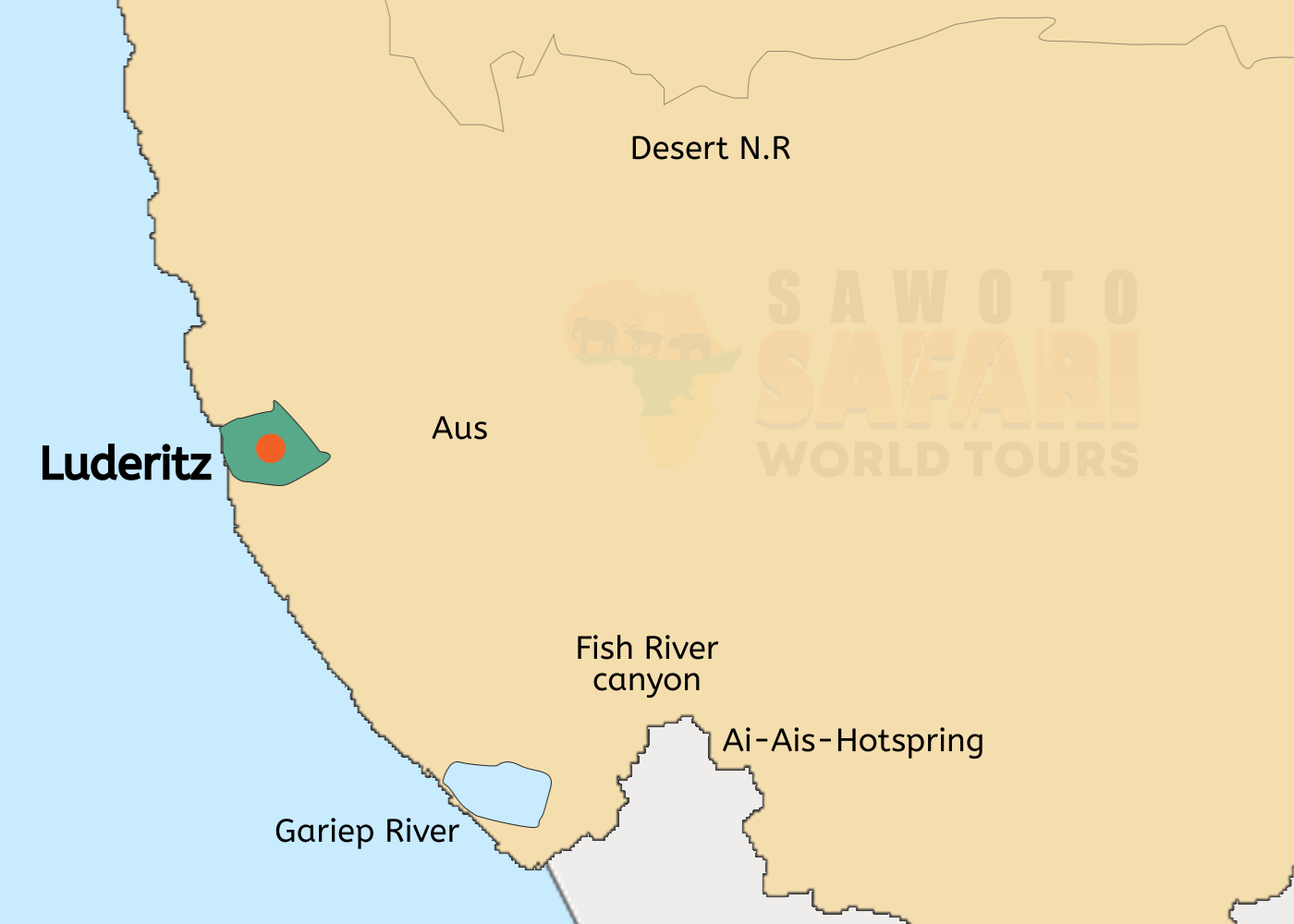
Luderitz is a small harbor town on Namibia’s southern Atlantic coast, known for its German-style buildings, fishing past, rocky shoreline, marine wildlife, and nearby Kolmanskop Ghost Town. It sits at the end of the B4 road, with easy access to Diaz Point, Shark Island, Halifax Island, coastal viewpoints, seafood restaurants, and desert routes toward Aus.
Luderitz has always been tied to the sea. Its harbour, fishing trade, diamond history, and German colonial buildings give the town a look and feeling that is very different from Namibia’s inland desert stops.
Luderitz was founded in 1883 after Franz Adolf Lüderitz bought land from local Nama chief Joseph Frederiks. A few decades later, diamonds were found near Kolmanskop in 1908. That changed everything. People came quickly, money moved fast, and the quiet coast became part of a strict diamond area.
By 1912, Luderitz had grown into a busy town with more than a thousand people. Today, it is much quieter. Still, the old streets, German-style houses, Art Nouveau details, churches, and harbour views keep that early coastal character alive.
The port has always played a big role here. Before Walvis Bay became part of Namibia in 1994, Luderitz was one of the country’s key harbour points. Fishing, seafood processing, and rock lobster activity still remain part of local life.
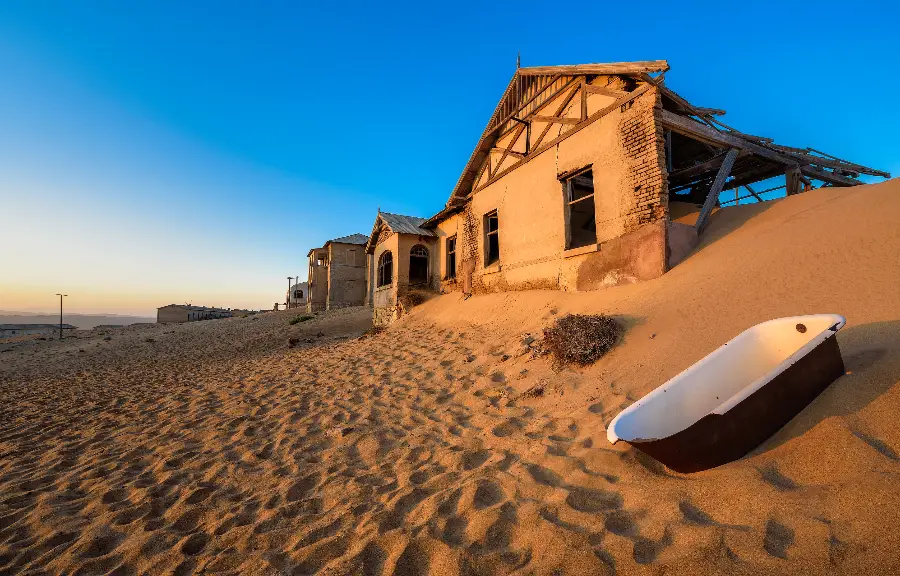
Kolmanskop is the main historic stop near town, only a short drive away. Once a wealthy diamond settlement, it was later abandoned. Now sand fills the rooms and old corridors, making the place feel strange, quiet, and oddly powerful.
Luderitz has several coastal places worth visiting, and most are not far from town. Rocky viewpoints, islands, beaches, lighthouses, churches, and harbour corners give travellers a mix of history, sea views, and short scenic drives.
Diaz Point is one of the best-known stops near Luderitz. It is linked with Portuguese explorer Bartolomeu Dias, who reached this coast in 1488. Visitors go there for the lighthouse, the cross, open ocean views, seals, and strong coastal wind.
Shark Island has beautiful views of Luderitz and the harbour, but it also carries a serious colonial past. It is not just a viewpoint. Visitors may see seals, pelicans, and open water here, while also learning about the difficult history connected to the site.
The Luderitz Waterfront gives the town a calmer side. There are fishing boats, seafood restaurants, small shops, and harbour views. It is a good place for a slow walk, a meal, or a quiet break after visiting the windier coastal points.
Agate Beach and Grosse Bucht are good for travellers who enjoy quieter shorelines. Agate Beach is known for colourful stones and long walks. Grosse Bucht, south of town, has a wild sandy beach, though the wind can be strong, especially in warmer months.
Luderitz is good for travellers who want more than one kind of experience. Marine wildlife, old buildings, boat trips, penguins, seals, kitesurfing, museum visits, and desert history can all fit into a short stay.
Halifax Island is one of the top wildlife stops near Luderitz. It is home to one of Namibia’s African penguin colonies and is usually visited by catamaran tour. Around the bay, visitors may also see seals, dolphins, cormorants, seagulls, flamingos, and other seabirds.
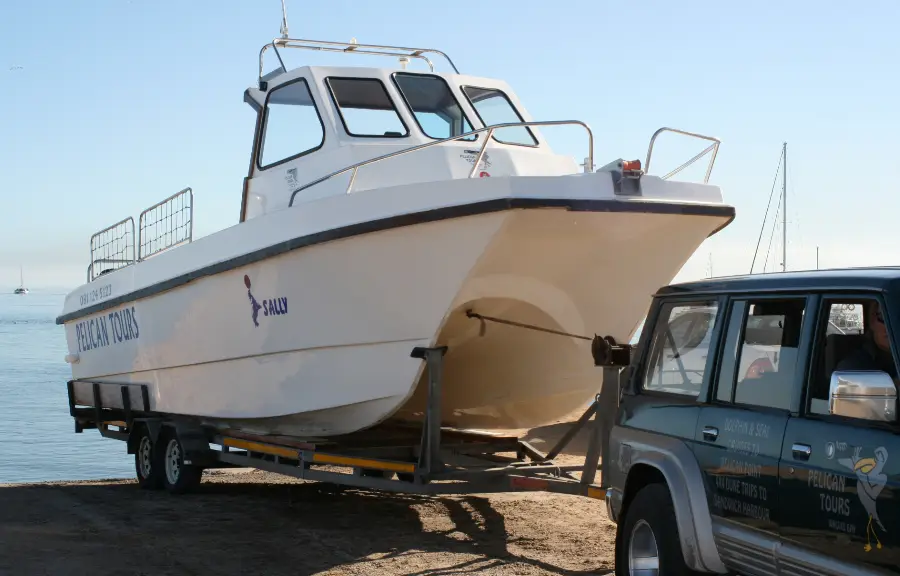
Catamaran trips are a good way to see Luderitz from the water. The trips bring sea views, wildlife sightings, and a different look at the harbour. The coast can feel cold and windy, so warm clothing is useful even on a bright day.
Historic town walks are also worth doing. Goerke Haus, Felsenkirche, old German-style buildings, and the Luderitz Museum help explain the town’s past. The centre is small, so visitors can walk between architecture, cafés, museum stops, and harbour views without much trouble.
For active travellers, Luderitz is known for strong winds, which attract kitesurfers and windsurfers. The coastline also has rocky roads, viewpoints, and photo stops. Some nearby areas need guided access, so it is better to check road rules and tour options first.
Luderitz is remote, but it is not hard to manage with planning. The town has fuel, supermarkets, restaurants, banks, tyre services, guesthouses, hotels, and road access from the B4, which makes it useful on southern Namibia routes.
The B4 is the main road into Luderitz. The town sits at the end of this route, about 700 kilometres southwest of Windhoek and roughly 500 kilometres south of Sossusvlei. Roads are generally tarred, but distances are long, so early starts help.
Many travellers reach Luderitz from Aus, about 120 kilometres away. This works well for combining the town with Kolmanskop and the wild horses near Garub. Travellers coming from South Africa can also reach Luderitz through longer routes across southern Namibia.
Luderitz can be visited throughout the year, though wind is part of the experience. April to October is often cooler, while warmer months may feel more comfortable for some travellers. The coast keeps the weather milder than the inland desert areas.
Accommodation includes small hotels, guesthouses, lodges, and coastal stays. Restaurants often serve seafood, including oysters, lobster, and fish. Since the town is small and far from major centers, it is better to book rooms, tours, fuel stops, and visits to Kolmanskop in advance.
Luderitz has a windy, faraway coastal feel, with old German-style buildings, harbour views, penguin trips, Kolmanskop nearby, rocky shores, seafood spots, and that cold Atlantic air following you around town.
These Namibia Safari Itineraries bring together the country’s wide range of travel experiences, from wildlife parks and desert roads to coastal towns, cultural stops, and quiet lodge stays. Some routes are short and focused. Others stretch across several regions. And for travelers comparing Namibia Safari Packages, these itineraries make it easier to choose a trip that fits their time, comfort, and travel style.
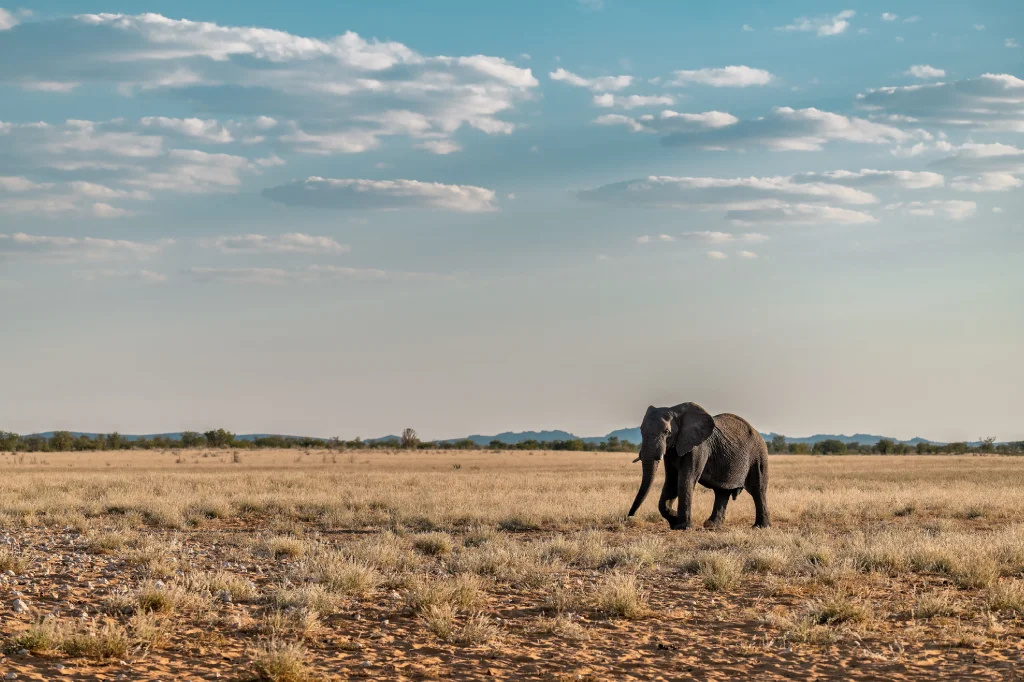
2 Destinations: Etosha National Park → Namibia
View Details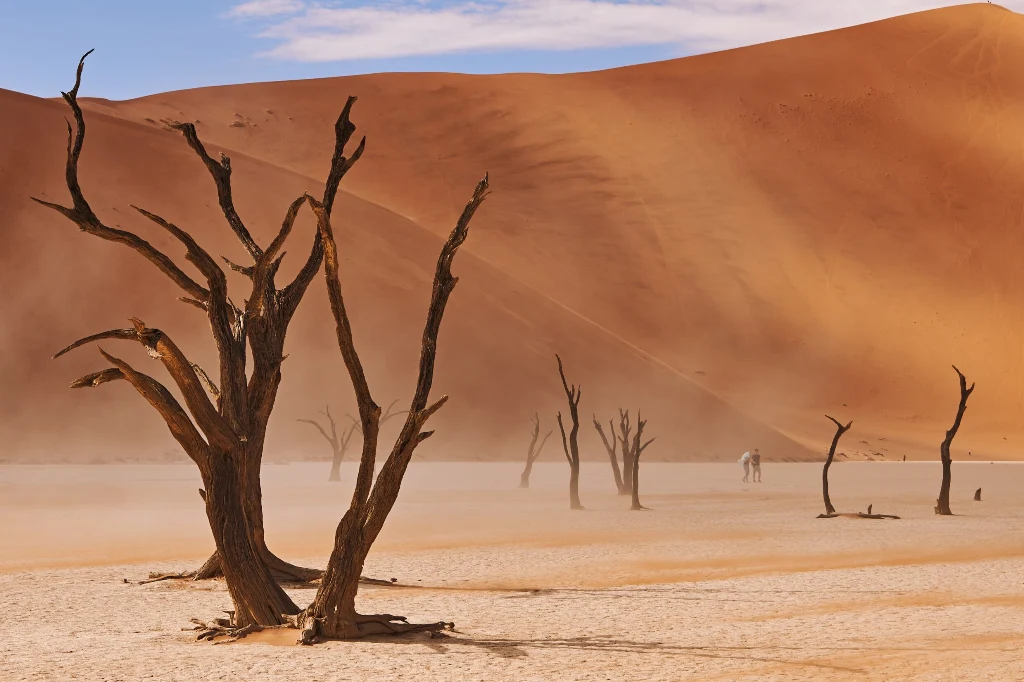
5 Destinations: Botswana → Etosha National Park → Namibia → Sossusvlei → Swakopmund
View Details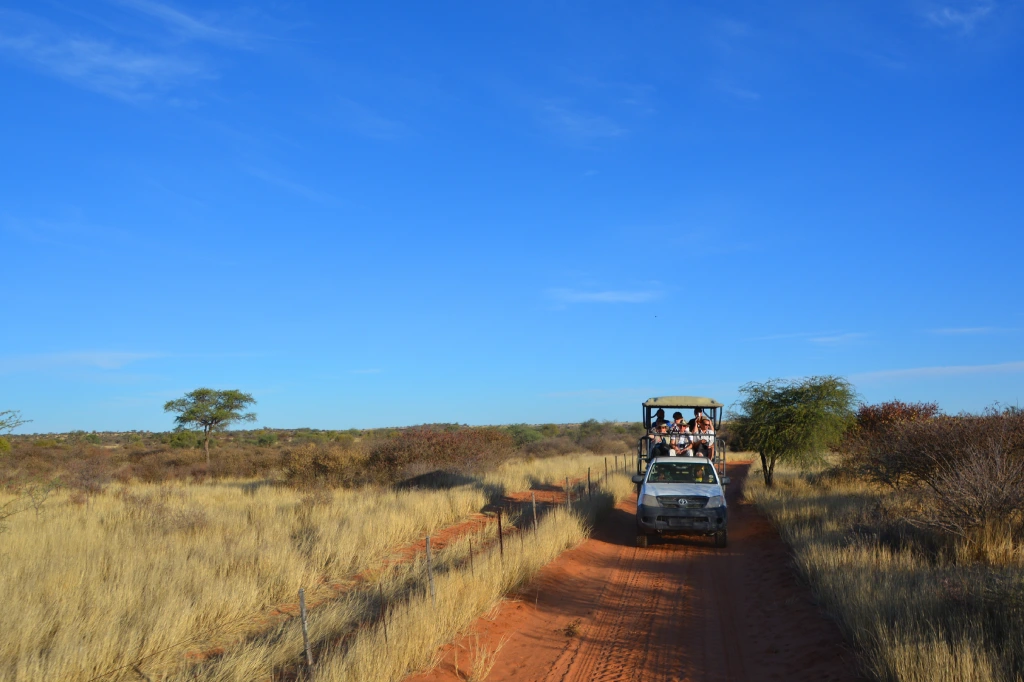
6 Destinations: Etosha National Park → Namibia → Sossusvlei → Spitzkoppe → Swakopmund → Windhoek
View Details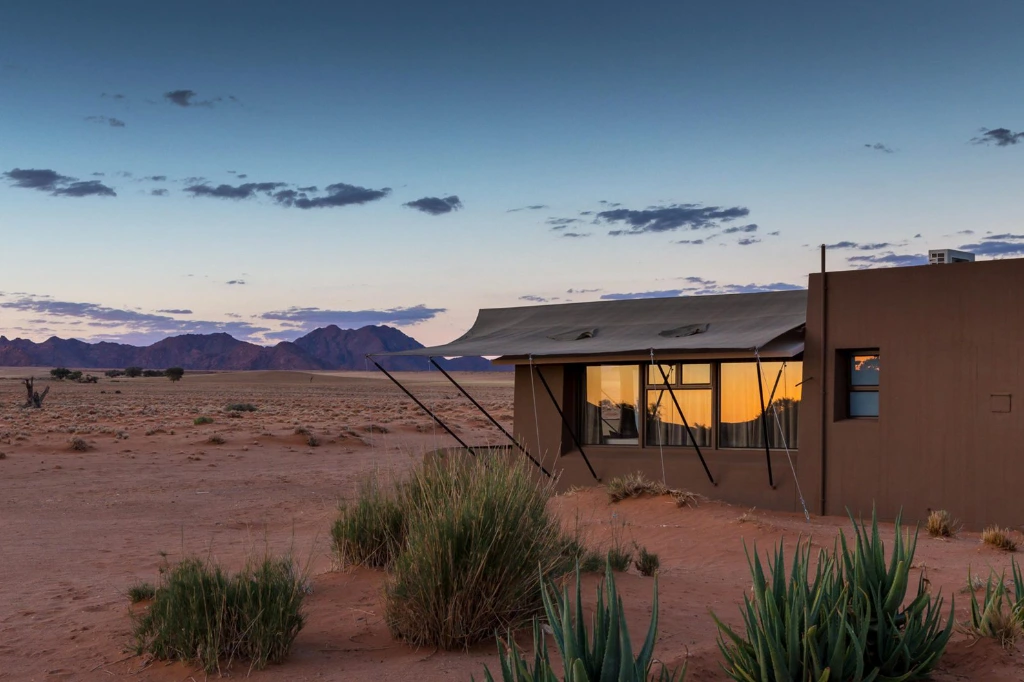
5 Destinations: Etosha National Park → Namibia → Sossusvlei → Swakopmund → Windhoek
View Details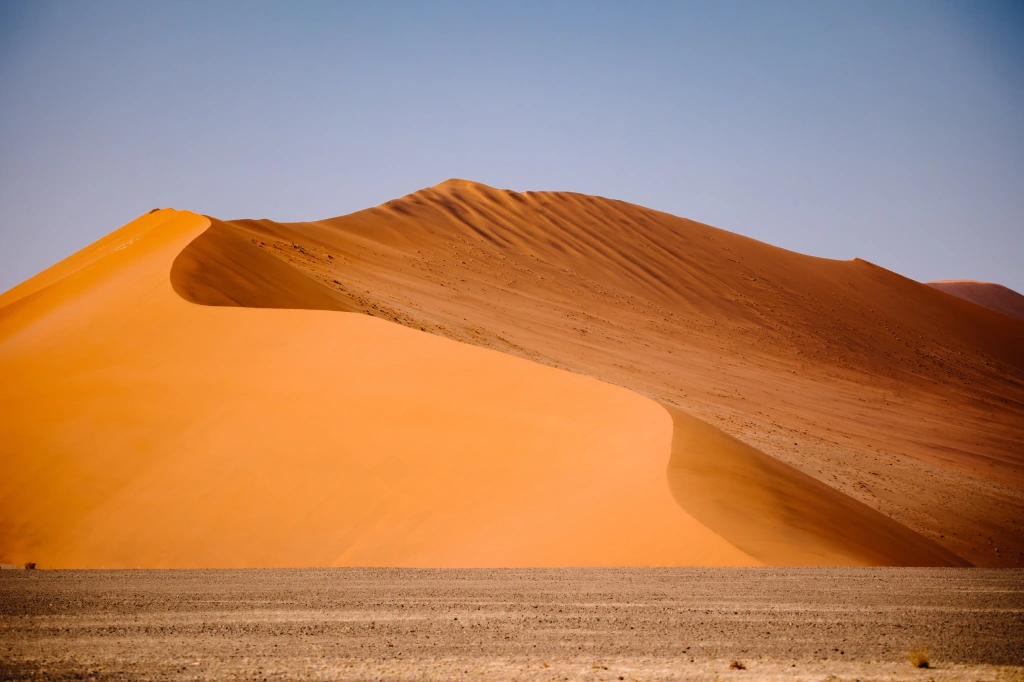
5 Destinations: Etosha National Park → Namibia → Sossusvlei → Swakopmund → Windhoek
View Details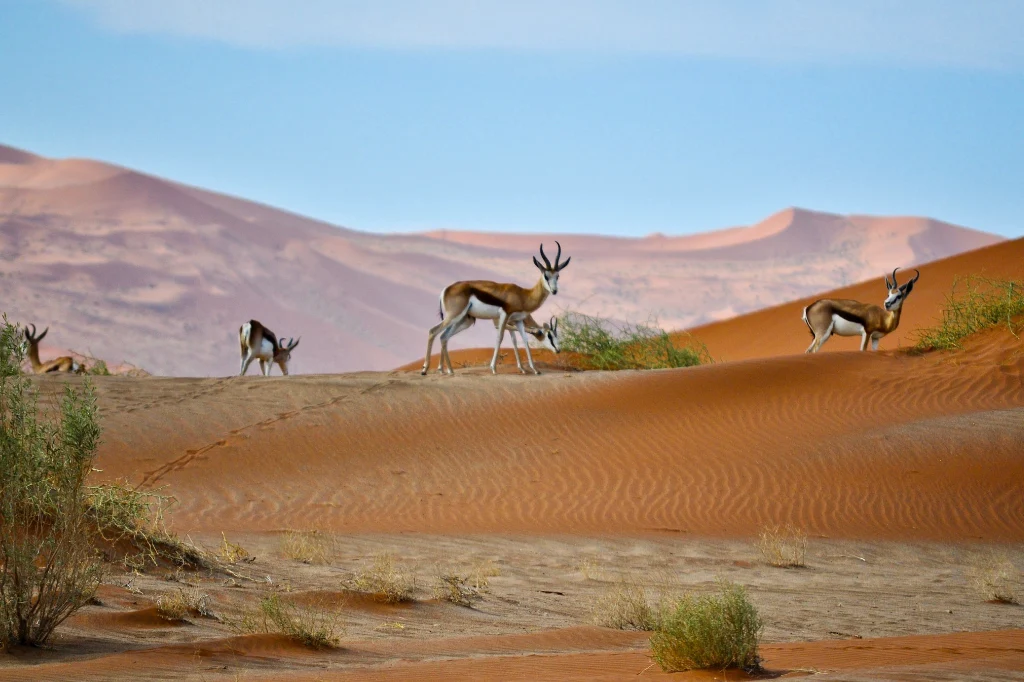
6 Destinations: Botswana → Etosha National Park → Namibia → Sossusvlei → Swakopmund → Zimbabwe
View Details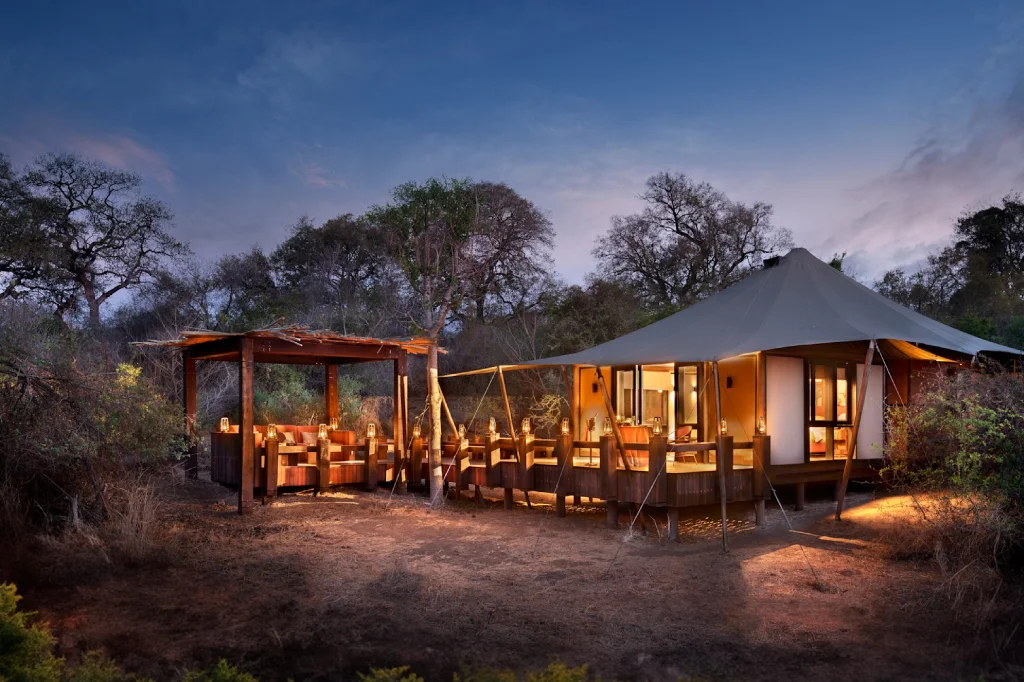
6 Destinations: Etosha National Park → Fish River Canyon → Namibia → Sossusvlei → Swakopmund → Twyfelfontein
View Details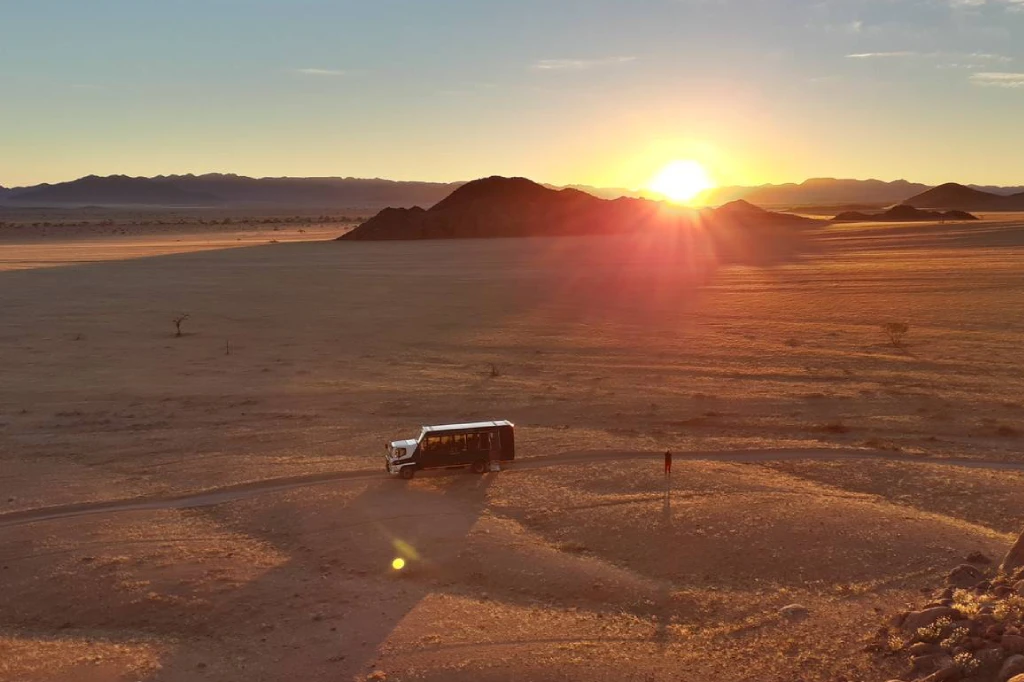
6 Destinations: Botswana → Etosha National Park → Namibia → Sossusvlei → Swakopmund → Zimbabwe
View Details
7 Destinations: Etosha National Park → Kamanjab → Namibia → Spitzkoppe → Swakopmund → Twyfelfontein → Windhoek
View Details
4 Destinations: Etosha National Park → Namibia → Sossusvlei → Swakopmund
View Details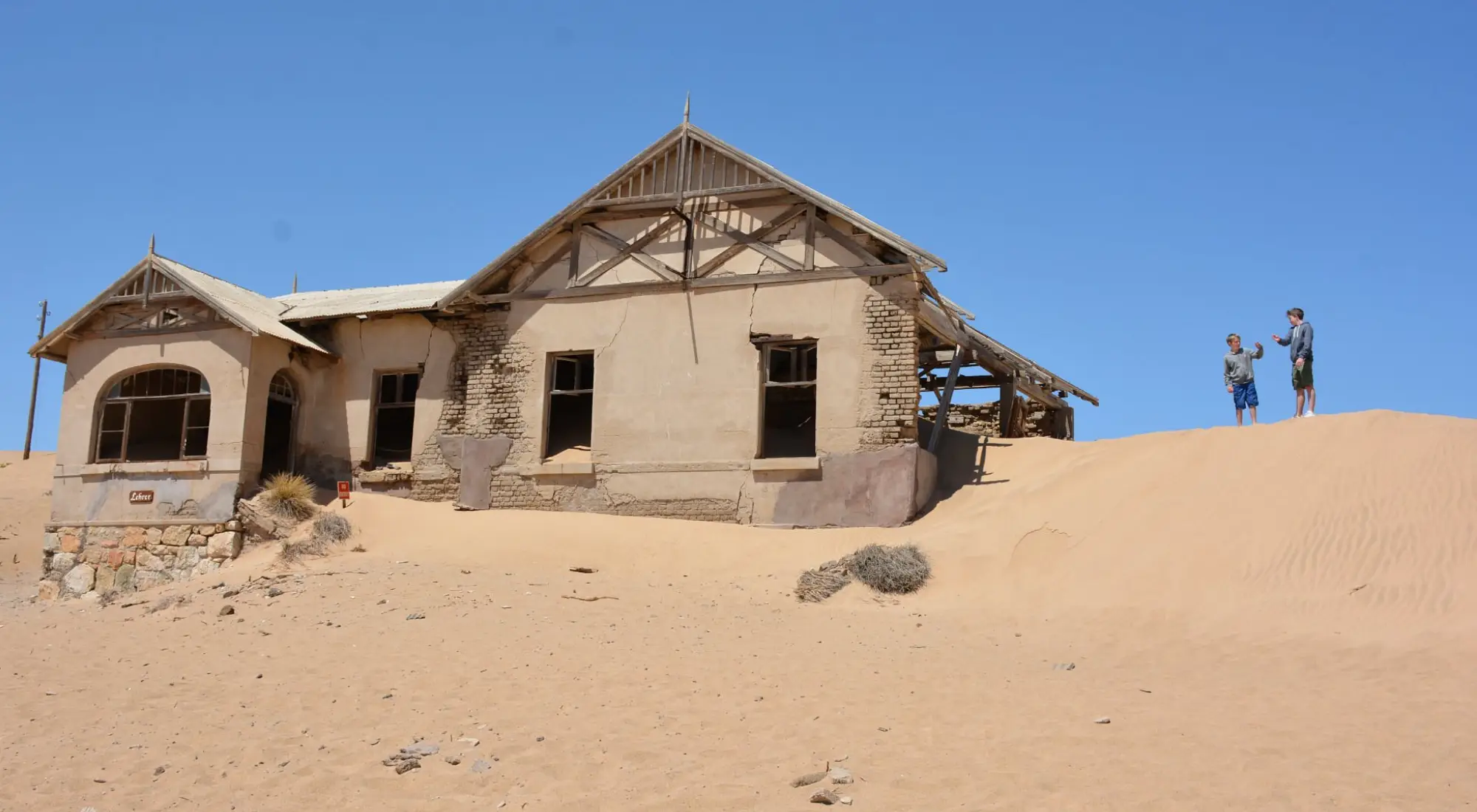
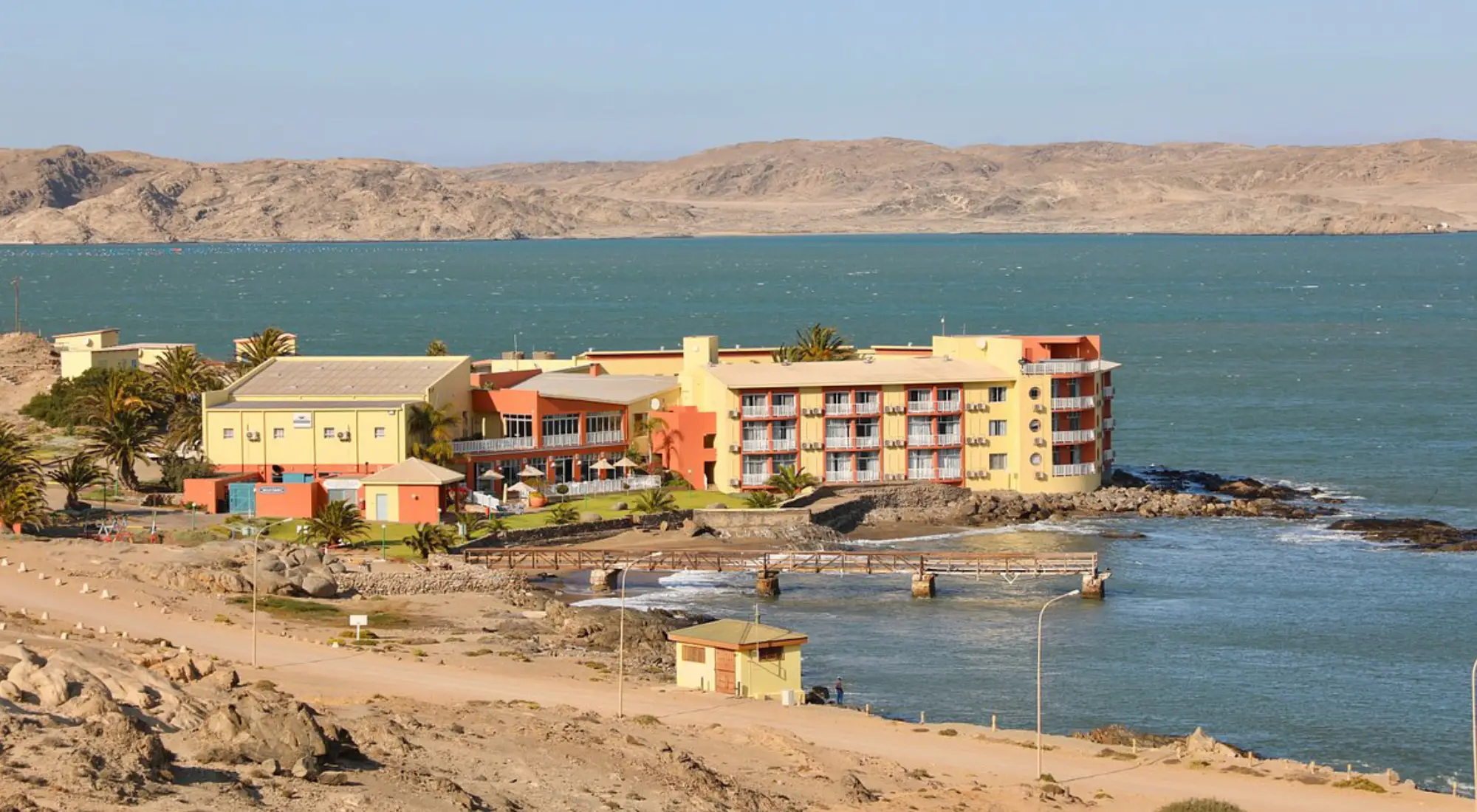
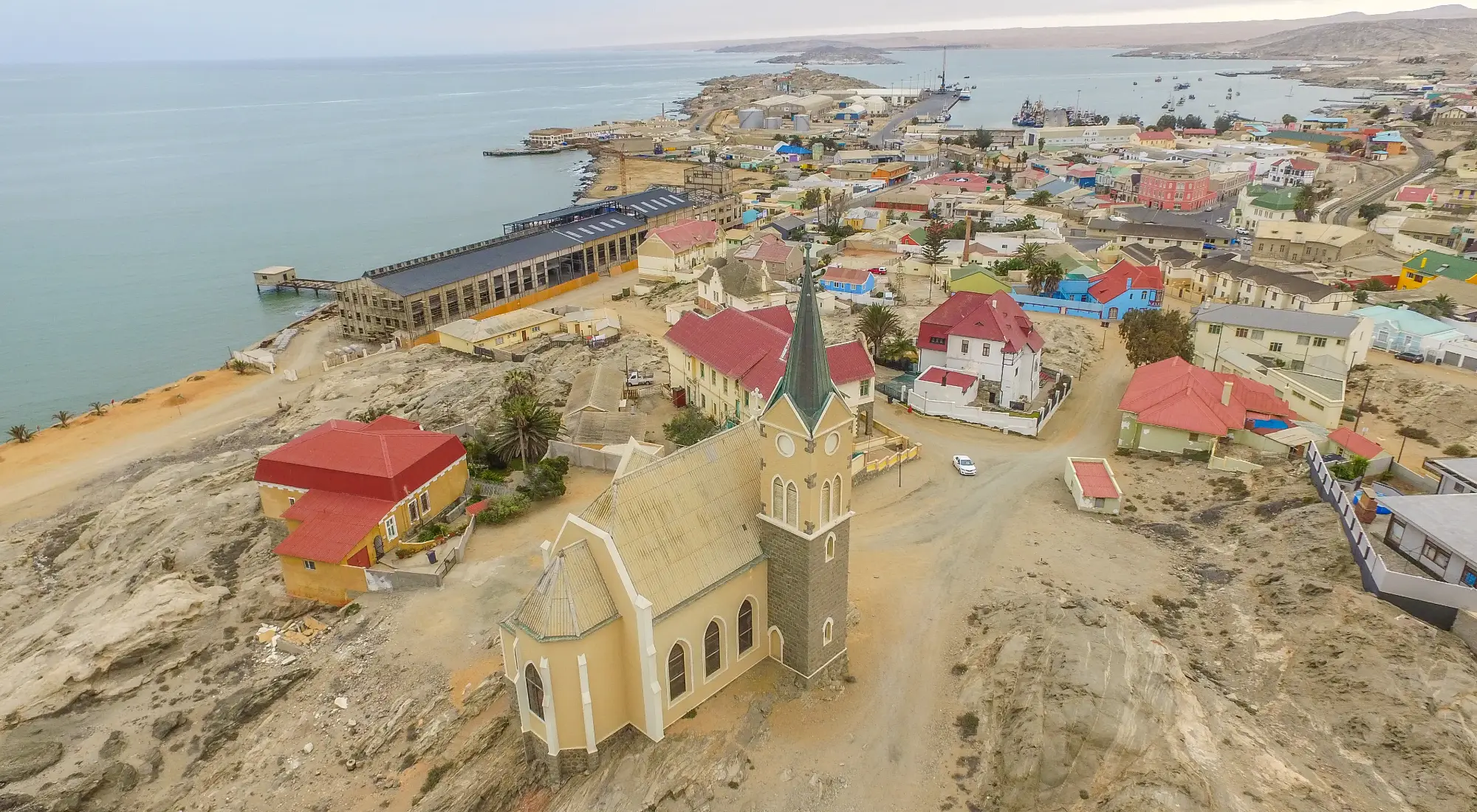
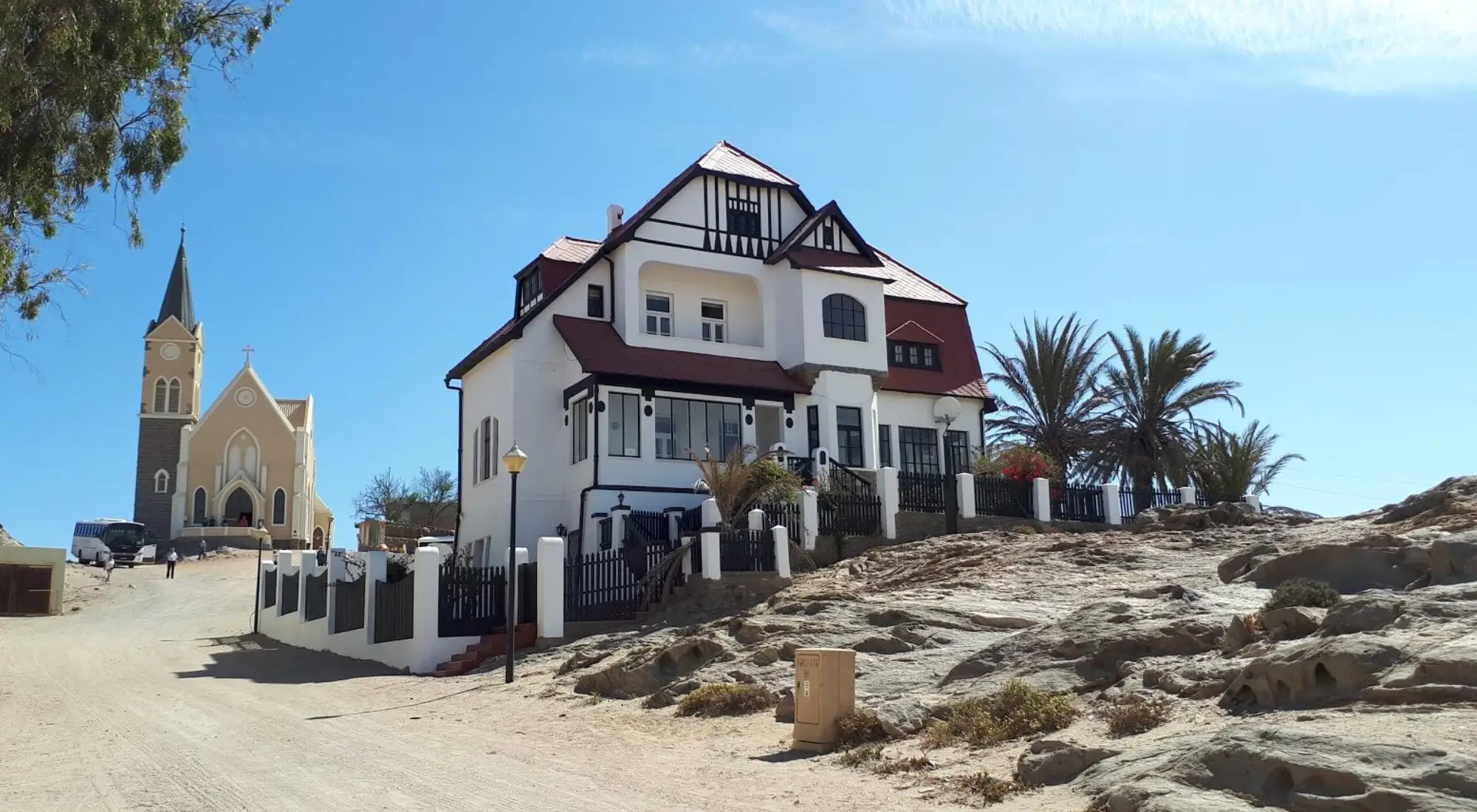
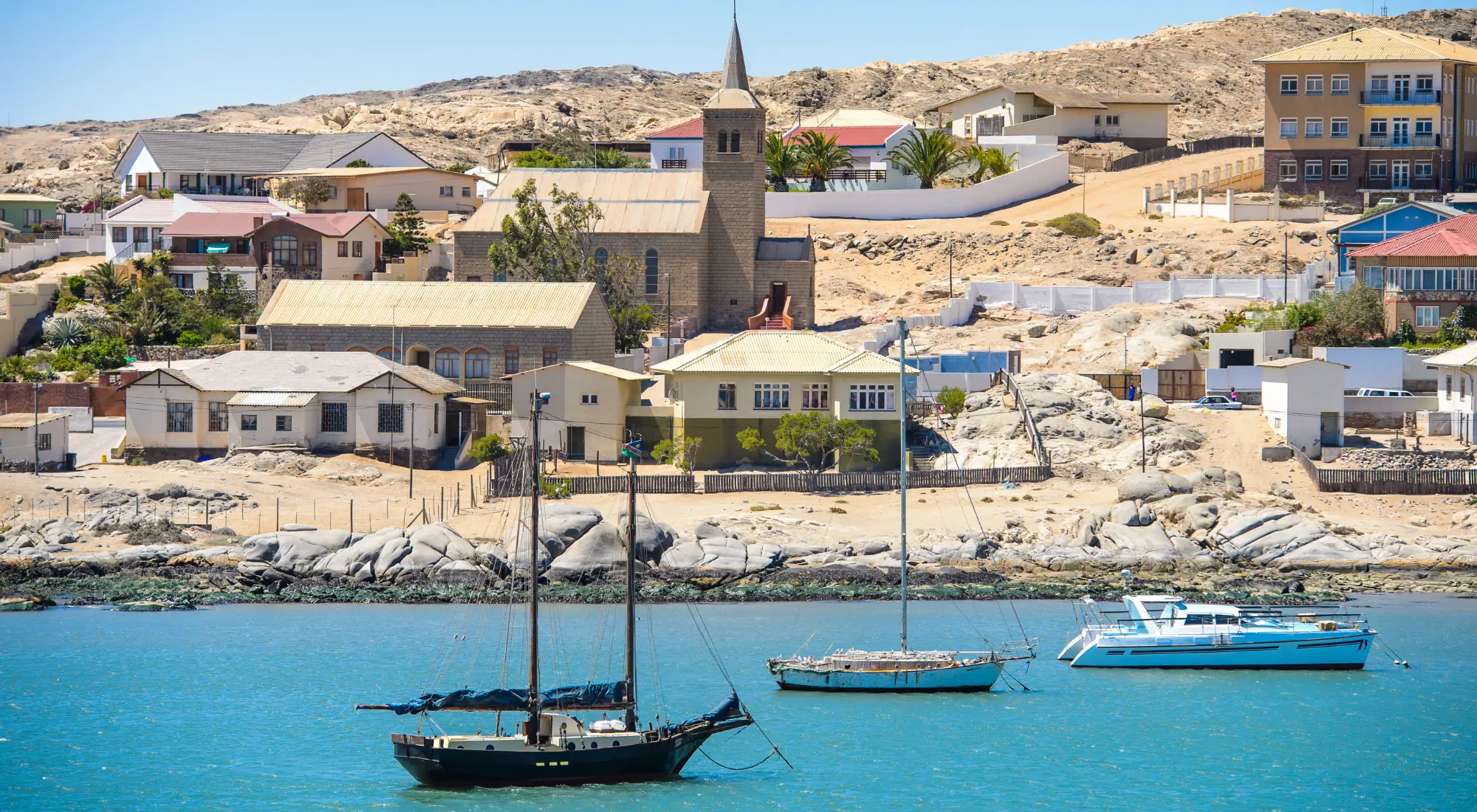
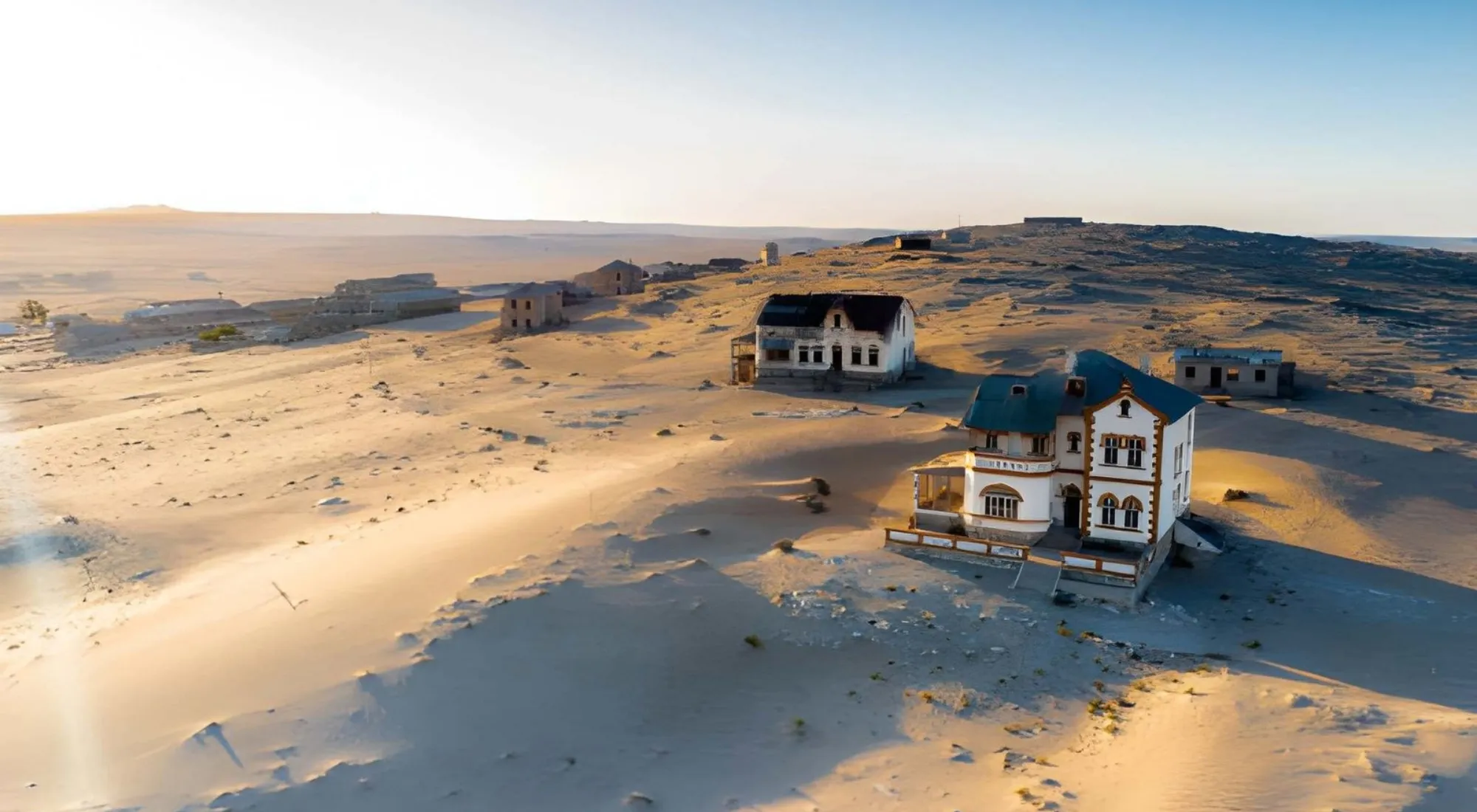
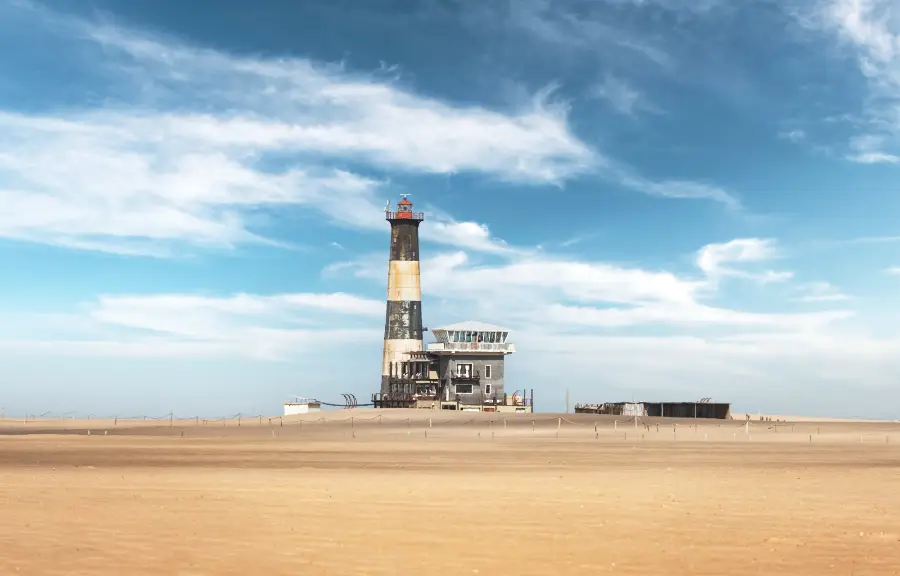
This gallery shows Luderitz through harbor boats, German-style buildings, rocky shores, Kolmanskop ruins, penguin trips, and cold Atlantic views, giving travelers a clear feel for this remote coastal town.
Luderitz has that cold, windy coastal feeling that stays with you. The town is known for its German-style buildings, fishing boats, rocky Atlantic views, seafood, marine wildlife, and the nearby Kolmanskop Ghost Town. These FAQs cover the main things travellers ask before visiting, from top attractions and road access to wildlife and adventure activities.
Namibia has a lot to pull travelers in. Wide desert dunes, wildlife parks, salt pans, coastal towns, canyons, and quiet wilderness areas all sit within one country. This section brings the main attractions in Namibia together, so travelers can see what fits their route, time, comfort level, and the kind of journey they want.
Our Namibian tour was an unforgettable experience from start to finish. Henzel was both our guide and driver, and he did an outstanding job in both roles. He was incredibly thorough and well-prepared, always sharing detailed insights about the landscapes, wildlife, and local culture. You could tell he truly knew and loved the country.

We did the “7 Days Wildlife Etosha and Sossusvlei Namibian Safari (Accommodated)” with Safari World Tours in December 2023 and it was the best choice for our family! We are experienced travelers (49 countries visited) and found that to travel to Namibia with a small child (4 years old) a tour would the the best option





 English
  German