+264 81 8211 521
info@safariworldtours.com
Deals & Discounts

A river region with culture, birdlife, wildlife, and village life
The Kavango Region lies in northern Namibia and includes Kavango East and Kavango West. Life here is strongly linked to the Okavango River, which flows from Angola toward Botswana’s Okavango Delta.
The river gives this region its green character, supporting villages, farming, fishing, wildlife, and daily life along its banks. The Kavango people live mainly near the river and are divided into several cultural subgroups, each with deep local ties to the land and water. Rundu, one of Namibia’s largest towns, sits at the centre of the region and acts as an important stop for Namibia Travel Destinations in the north.
The Kavango Region is also known for birdlife, river scenery, fishing, and access to nearby wildlife areas. Travellers can expect a softer, greener side of Namibia, with wetlands, woodland, lodges, and quiet river views that feel very different from the country’s desert south.

Gather ideas from our Namibia tour packages, or let our consultants help you picture the possibilities. We can build the journey around your time, style, and interests.
The Kavango Region stretches across northern Namibia, with the Okavango River guiding much of its landscape, travel routes, and settlement areas. The map helps travellers understand Rundu’s position, river access, nearby villages, lodges, and links toward Caprivi, Botswana, and other northern routes. It is useful for planning river stays, cultural stops, and wildlife-focused journeys.
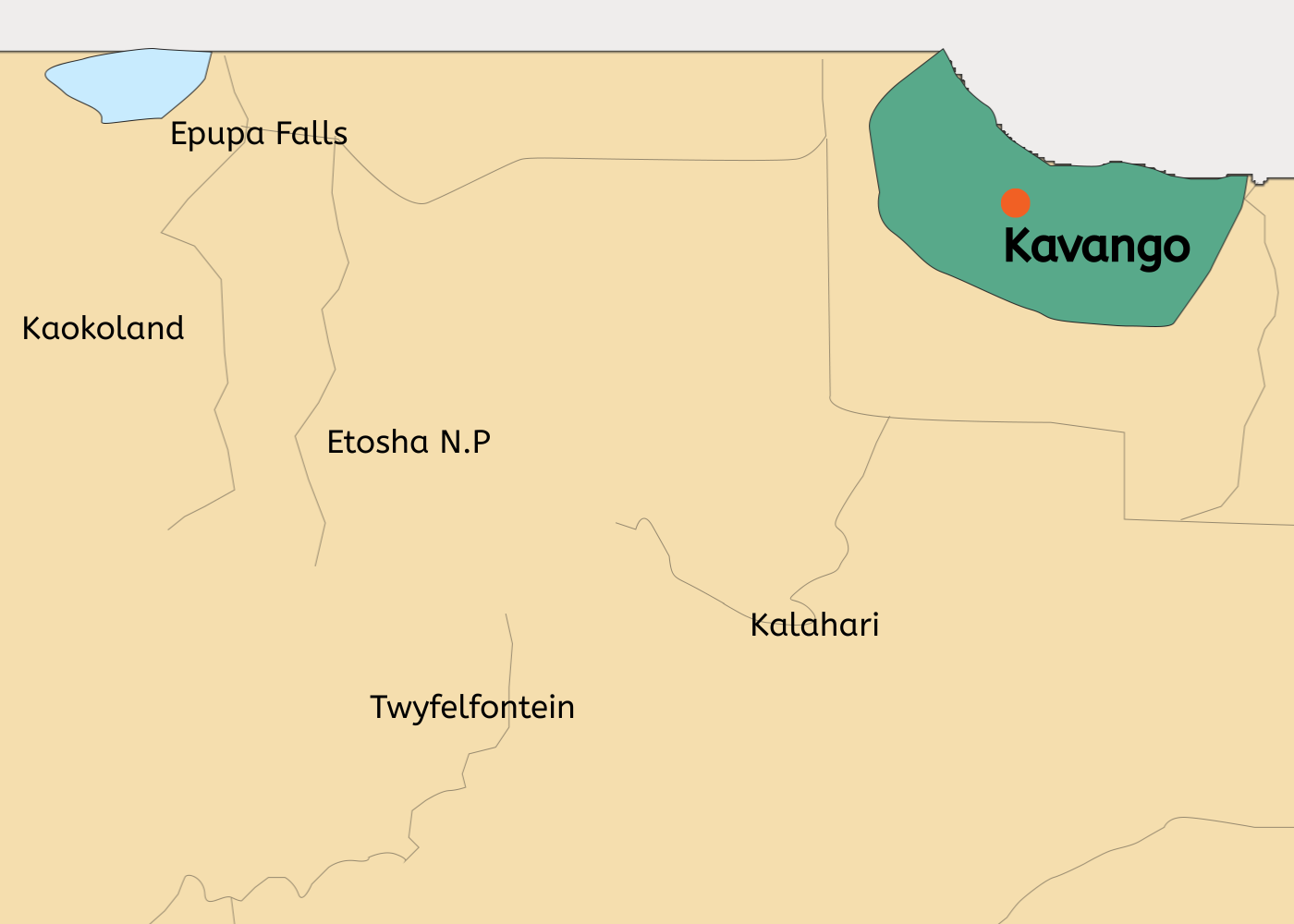
The Kavango Region sits in northern Namibia and includes Kavango East and Kavango West. It is one of the country’s greener areas, mainly because of the Okavango River along the Angola border. Travellers come here for Rundu, river lodges, woodcarving, village life, Mahango, Buffalo Park, Mangetti National Park, birding, fishing, and slow northern routes.
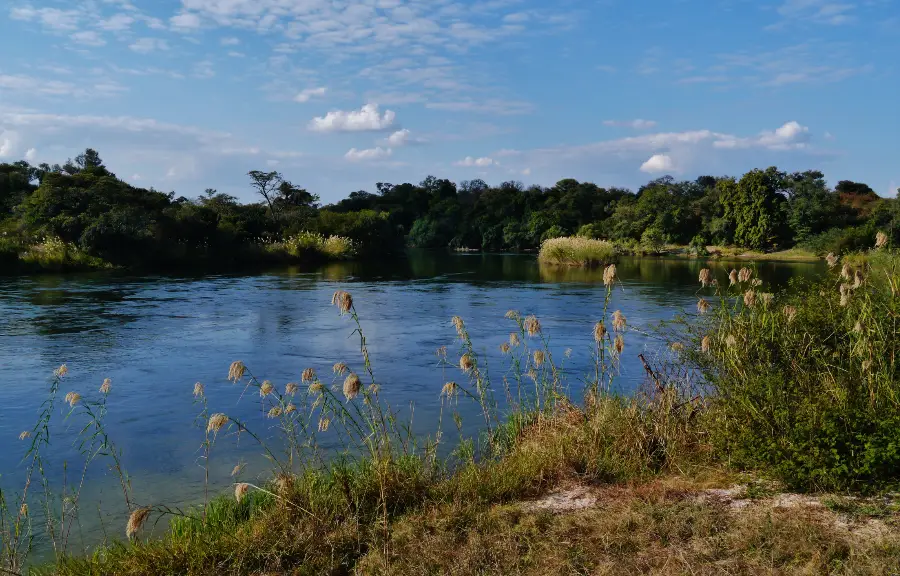
The Kavango Region shows a different side of Namibia. The Okavango River runs along the northern border with Angola, bringing water, trees, farms, fishing areas, floodplains, villages, cattle posts, and daily river life into this part of the country.
This area gets about 500 to 600 millimetres of rain each year, which is a lot by Namibian standards. Still, the land can dry quickly. South of the river, the sandy Kalahari Basin soaks up rain fast, so surface water is not always easy to find.
Along the Okavango, Namibia feels greener and softer. You see baobabs, river woodlands, floodplains, small fields, and homes close to the water. The river is not just something to look at. It supports food, transport, livestock, crops, fishing, and local trade.
The river usually reaches its highest level around February or March. When the water drops, people plant in the fertile floodplain soil. Pearl millet, sorghum, maize, beans, pumpkins, and groundnuts are common crops. Farther inland, families also keep cattle and goats.
For travellers, this river gives the Kavango Region its slower feel. You may see mokoros, fishing places, riverside lodges, small farms, and village life along the banks. It is still Namibia, but not the Namibia of dunes and dry gravel roads.
Rundu is the main town of Kavango East and an important centre in northern Namibia. It sits beside the Okavango River and is known for woodcarving, open markets, local food, river views, travel services, and nearby cultural stops.
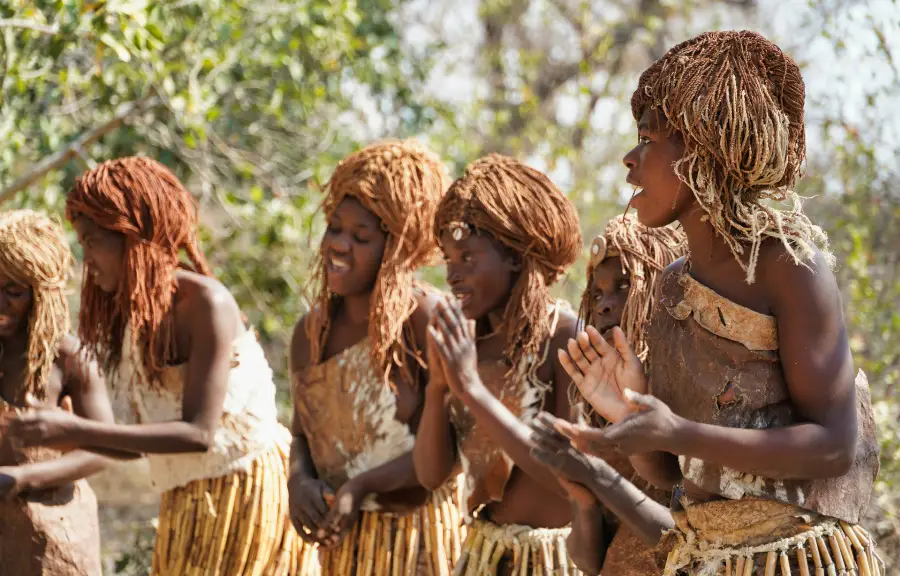
The Kavango people are part of Namibia’s rich cultural mix. They settled along both sides of the Okavango River after moving south from the Great Lakes region of East Africa. Archaeological findings place early settlement in this river area around the 17th century.
There are five main Kavango communities, each with its own traditional area and leadership. The Vakwangali and Vambunza live more toward the west, the Vashambyu and Vagiriku live in central areas, and the Hambukushu are found farther east along the river.
Several languages are spoken here. Rukwangali is common among the Vakwangali and Vambunza. Shishambyu is spoken by the Vashambyu, while Thimbukushu is spoken by the Hambukushu. These languages give the region a strong local identity inside Namibia.
Woodcarving is one of the best-known crafts in Kavango. Travellers can find bowls, masks, spoons, furniture, animal figures, and carved doors made from local wood. Good stops include Mbangura Woodcarvers’ Cooperative, Ncumcara Craft Shop, roadside stalls, and Rundu Open Market.
The Kavango Region is a good gateway to northern Namibia’s river and woodland wildlife areas. Around the Okavango, travellers may see elephants, buffalo, giraffes, zebras, crocodiles, hippos, antelope, predators, and many birds.
Mahango National Park and Buffalo Park are among the best-known wildlife stops near the Okavango River. They are useful for game viewing and birding, especially for travellers moving between Rundu, Divundu, and the wider north-eastern Namibia route.
Mangetti National Park lies about 100 kilometres southwest of Rundu in Kavango West. It was once used as a game camp for rare and endangered species. In 2008, it became a national park to protect wildlife, vegetation, and support careful local tourism.
Wildlife in Mangetti includes eland, blue wildebeest, African wild dog, leopard, hyena, impala, gemsbok, kudu, giraffe, and Burchell’s zebra. Some animals were moved from Etosha and private areas to help rebuild wildlife numbers and support rural conservation.
Birdlife is one of the region’s strongest highlights. Namibia’s north-east has more than 400 bird species, especially around rivers, wetlands, and woodlands. African fish eagles, Slaty Egrets, Hartlaub’s Babblers, Malachite Sunbirds, jacanas, cranes, and river birds are often seen.
The Kavango Region works well for travellers who want northern Namibia with more water, culture, and village life. It offers river views, birding, fishing, crafts, game drives, boat cruises, museums, and quiet lodge stays beside the Okavango.
The Trans-Caprivi Highway makes travel easier through this part of Namibia. Rundu also has flight links from Windhoek, which helps if time is short. Many self-drive routes continue from here toward Divundu, Mahango, Bwabwata, Katima Mulilo, or Botswana.
The Living Museum of the Mbunza, about 14 kilometres west of Rundu, is a worthwhile cultural stop. It introduces visitors to pre-colonial Vambunza life through fishing, farming, traditional skills, daily tasks, and local knowledge shared by people from the region.
The Sambyu Museum, about 30 kilometres from Rundu, displays woodcarvings, traditional crafts, and stone tools from the Kavango Region and southern Angola. It gives useful background before travellers continue into Namibia’s north-eastern river and wildlife areas.
For wildlife, July to October is usually the better period. The weather is drier, plants are thinner, and animals stay closer to water. From December to March, rain is common. Roads can become difficult after heavy showers, so planning needs more care.
Kavango Region feels greener and slower than much of Namibia, with the Okavango River, woodcarving villages, open markets, birdlife, fishing spots, river lodges, and wildlife areas giving travellers a softer northern journey.
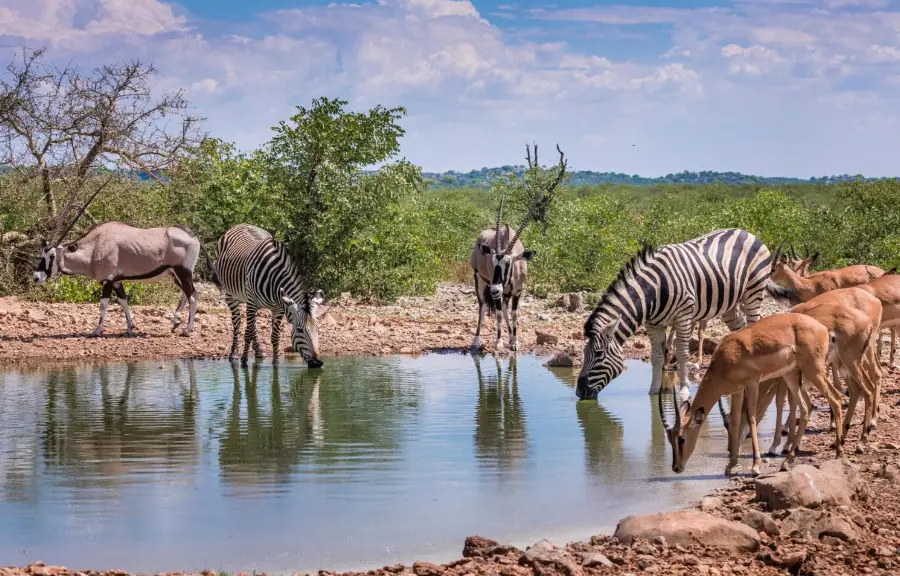
These Namibia Safari Itineraries bring together the country’s wide range of travel experiences, from wildlife parks and desert roads to coastal towns, cultural stops, and quiet lodge stays. Some routes are short and focused. Others stretch across several regions. And for travelers comparing Namibia Safari Packages, these itineraries make it easier to choose a trip that fits their time, comfort, and travel style.
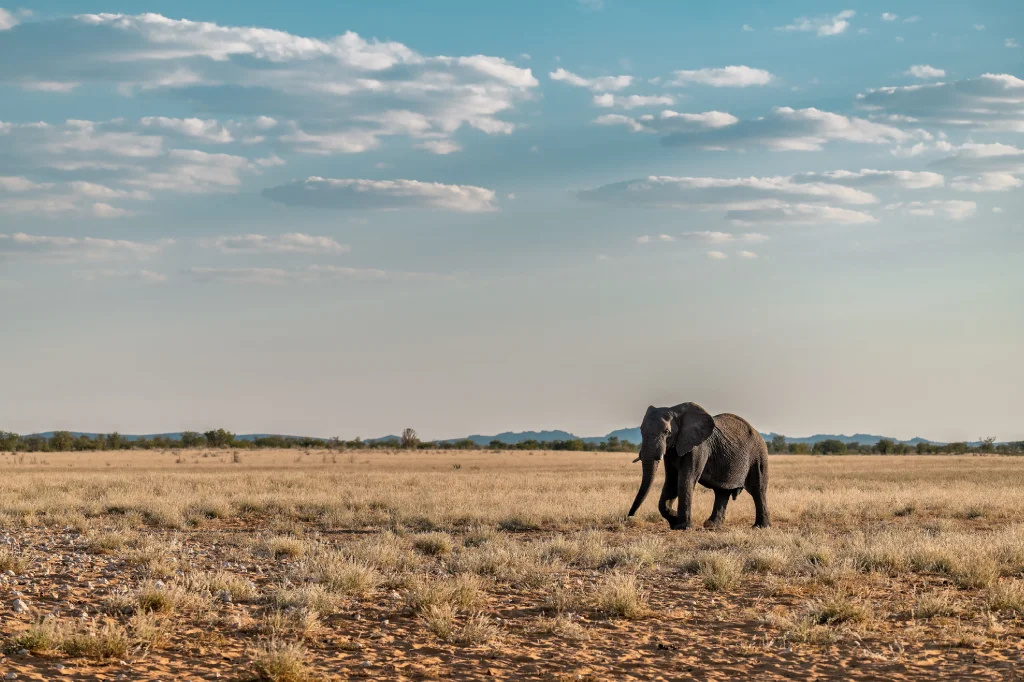
2 Destinations: Etosha National Park → Namibia
View Details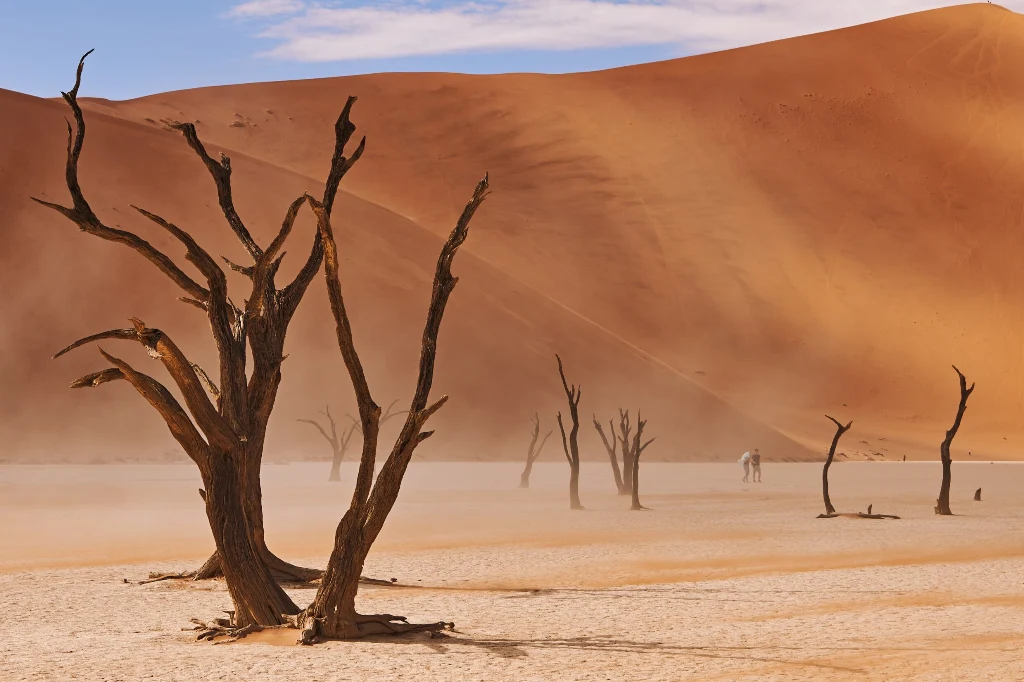
5 Destinations: Botswana → Etosha National Park → Namibia → Sossusvlei → Swakopmund
View Details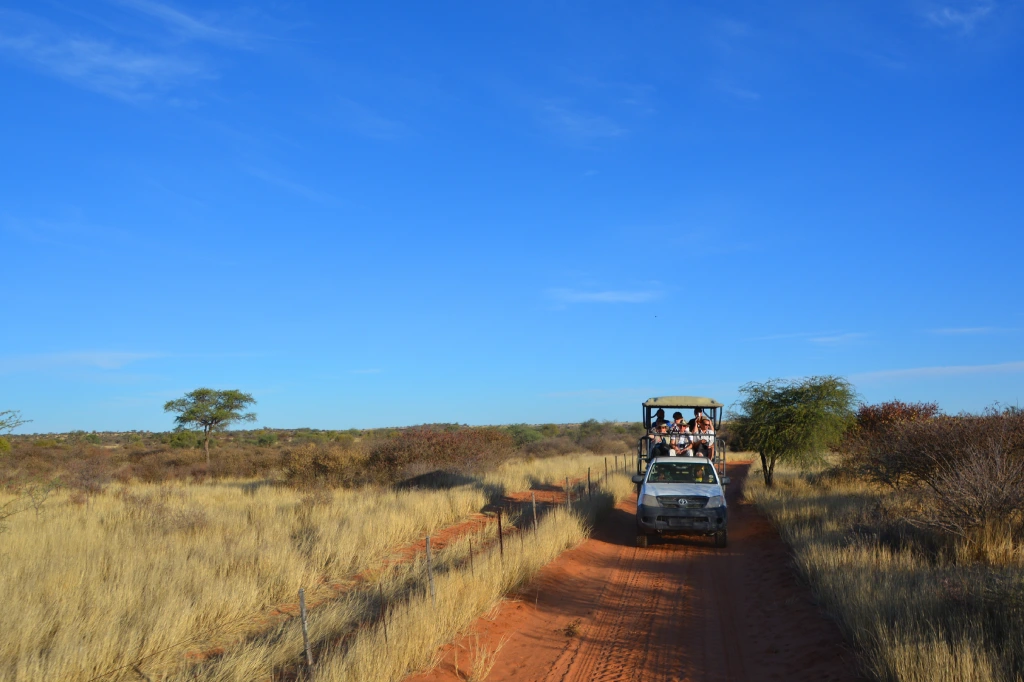
6 Destinations: Etosha National Park → Namibia → Sossusvlei → Spitzkoppe → Swakopmund → Windhoek
View Details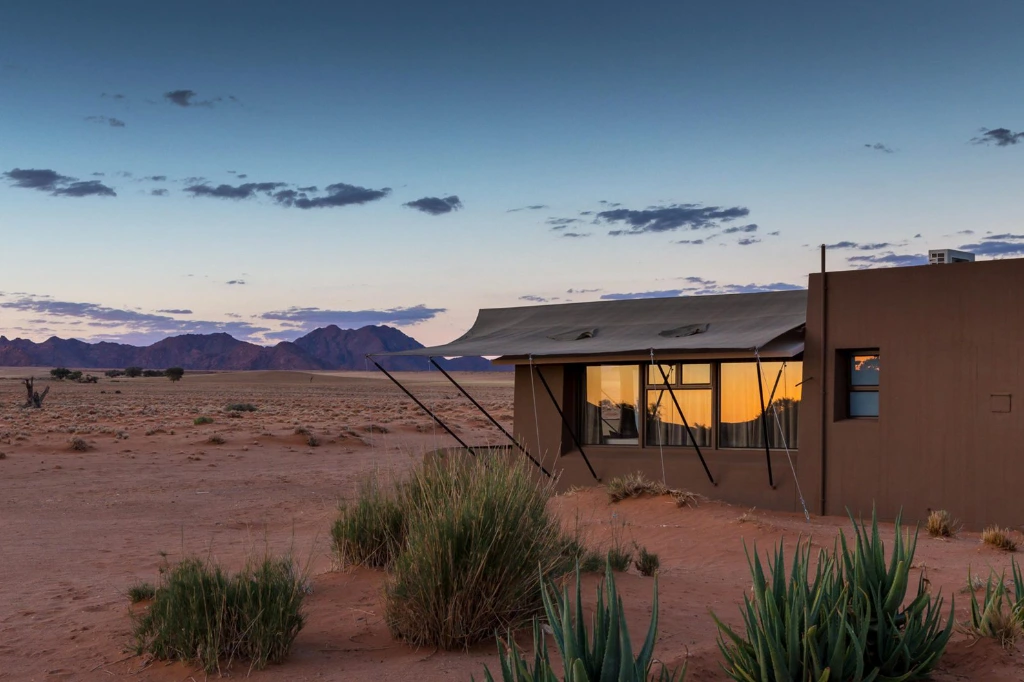
5 Destinations: Etosha National Park → Namibia → Sossusvlei → Swakopmund → Windhoek
View Details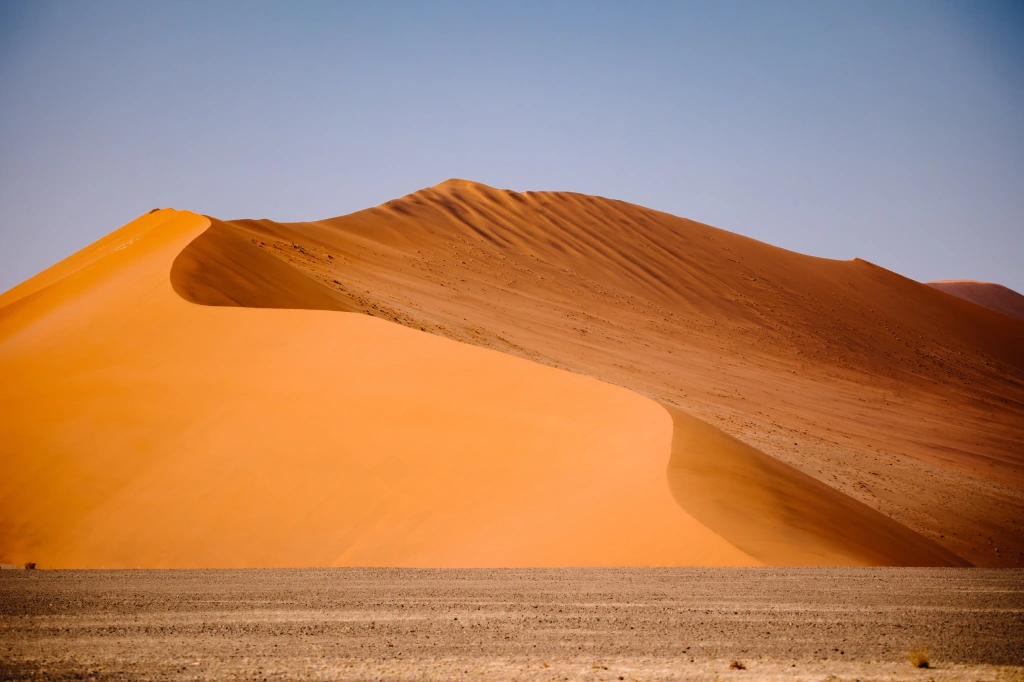
5 Destinations: Etosha National Park → Namibia → Sossusvlei → Swakopmund → Windhoek
View Details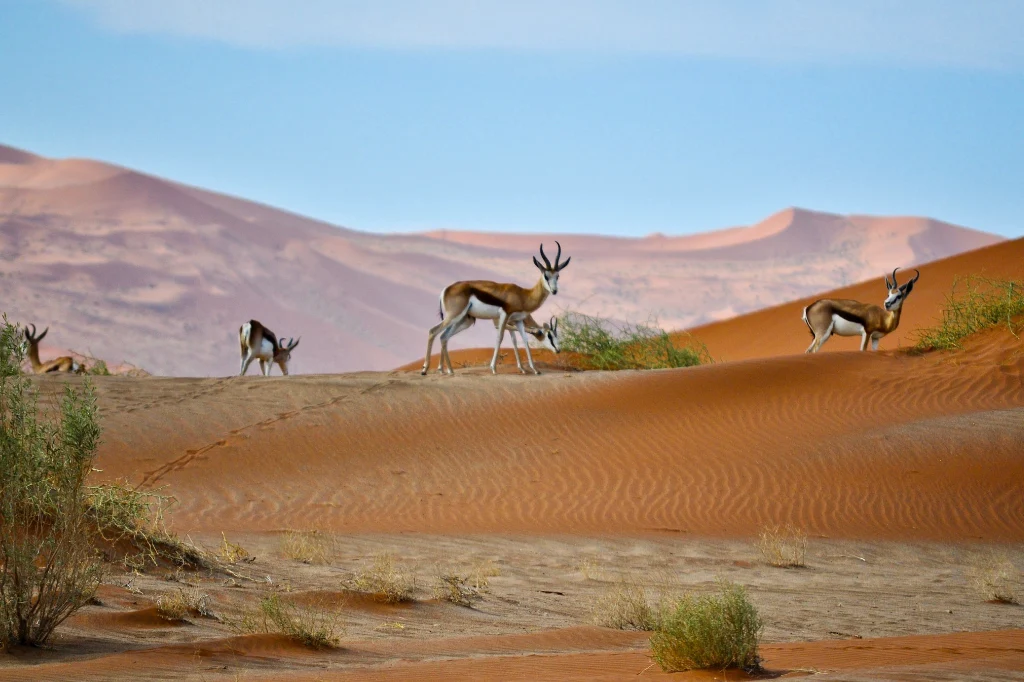
6 Destinations: Botswana → Etosha National Park → Namibia → Sossusvlei → Swakopmund → Zimbabwe
View Details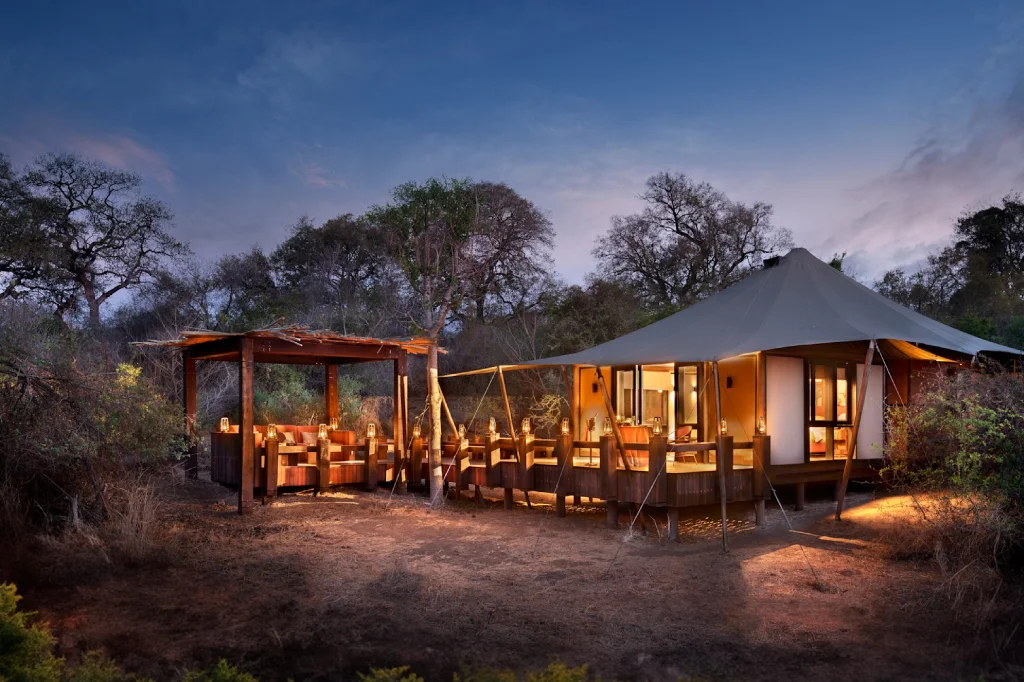
6 Destinations: Etosha National Park → Fish River Canyon → Namibia → Sossusvlei → Swakopmund → Twyfelfontein
View Details
6 Destinations: Botswana → Etosha National Park → Namibia → Sossusvlei → Swakopmund → Zimbabwe
View Details
7 Destinations: Etosha National Park → Kamanjab → Namibia → Spitzkoppe → Swakopmund → Twyfelfontein → Windhoek
View Details
4 Destinations: Etosha National Park → Namibia → Sossusvlei → Swakopmund
View Details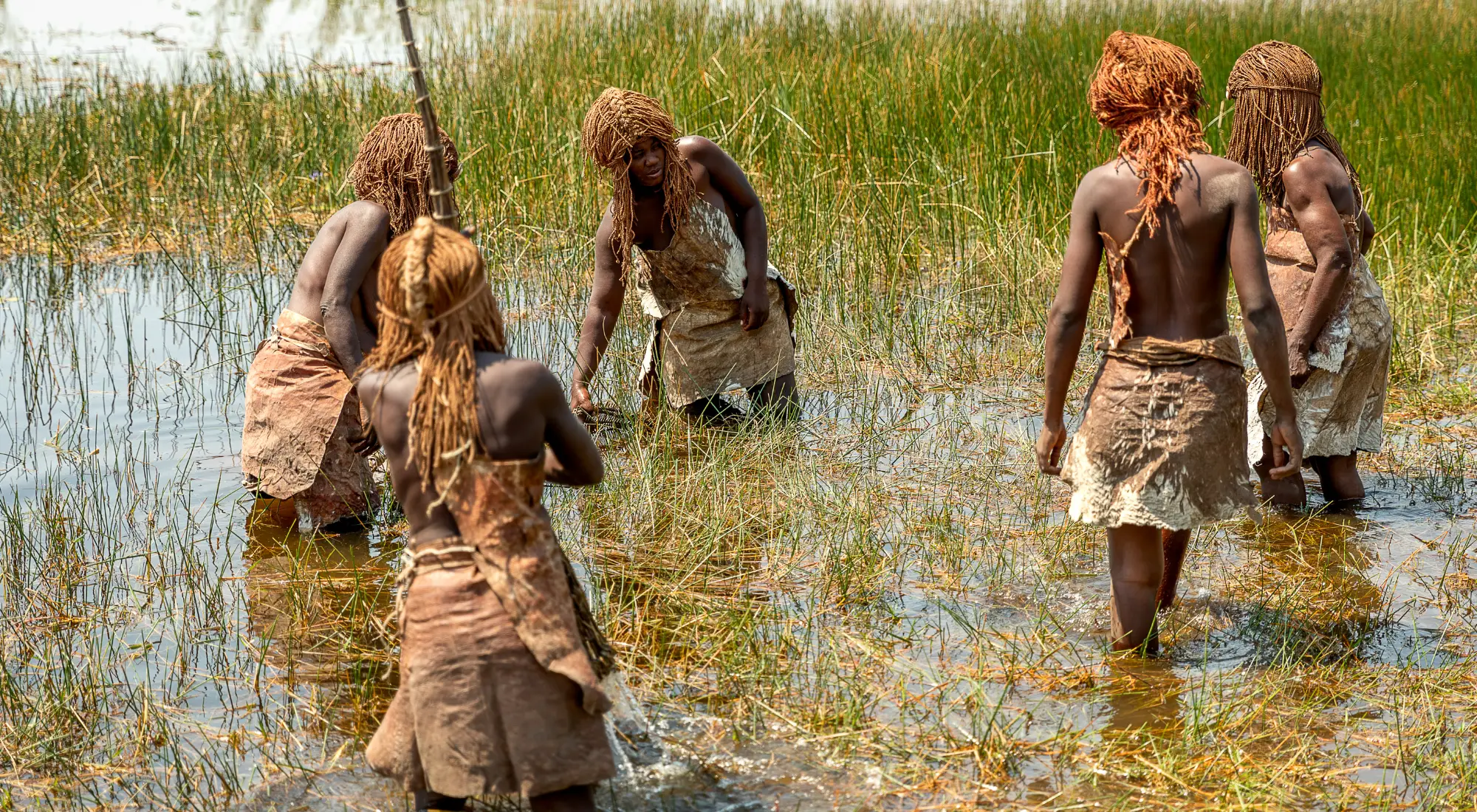
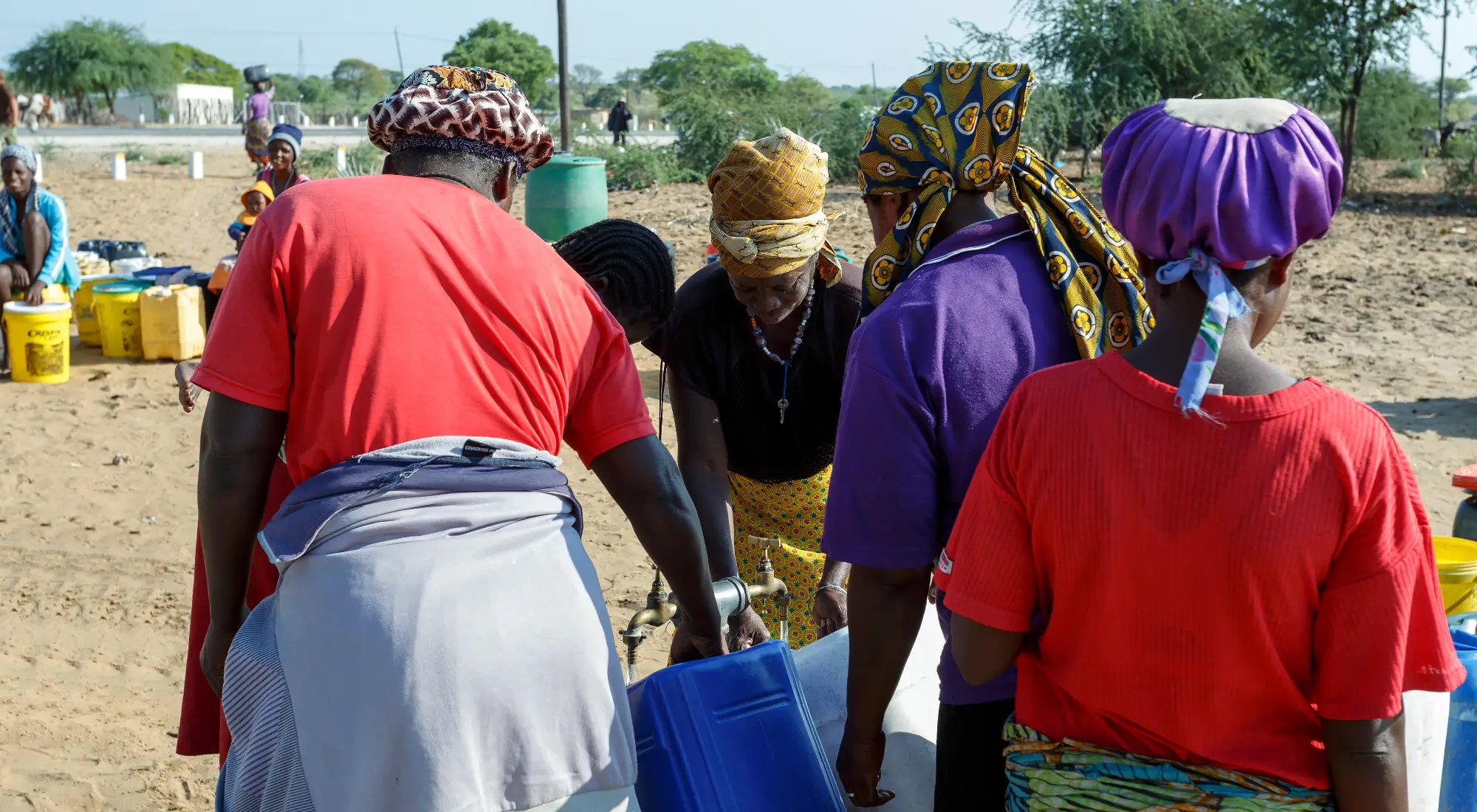
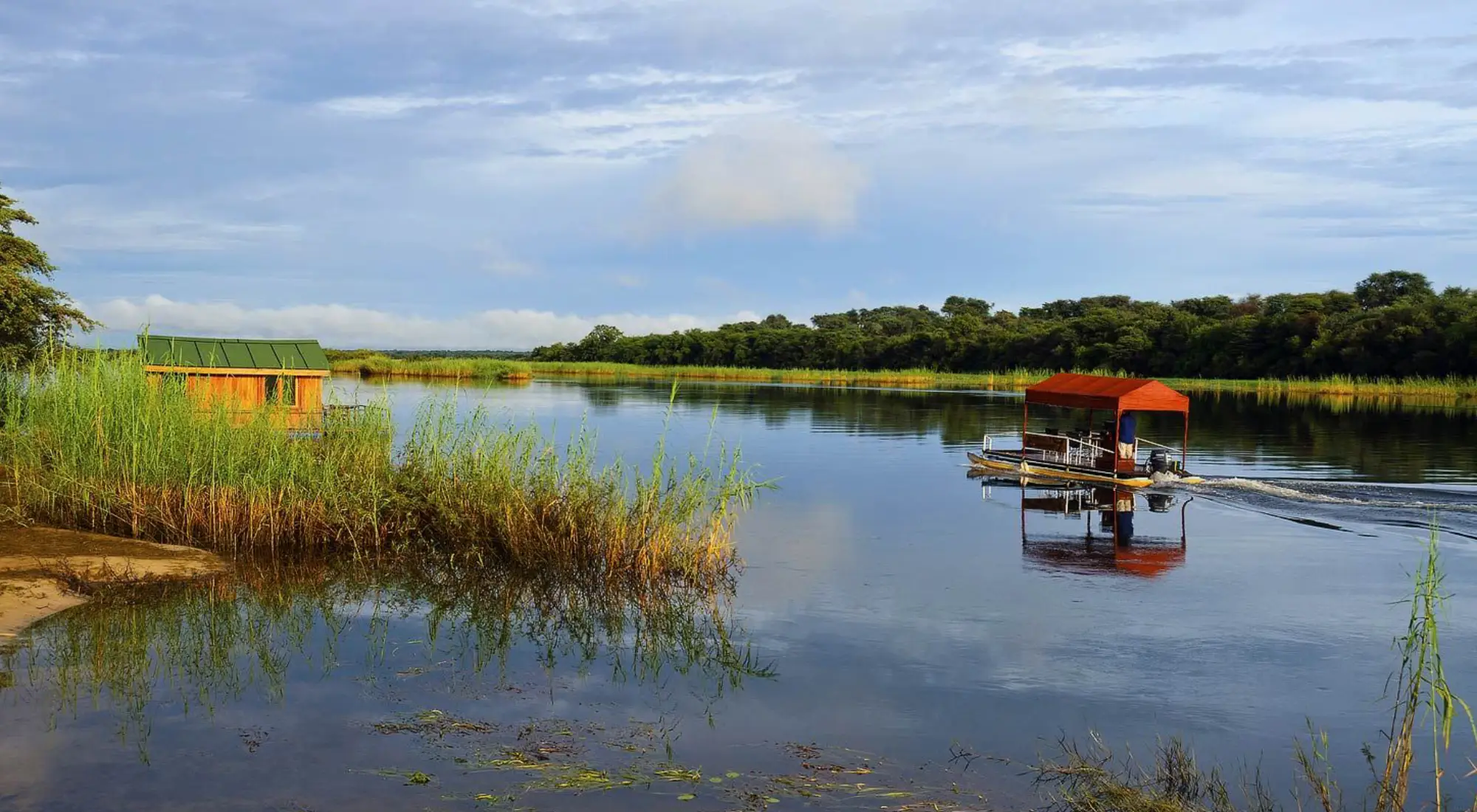
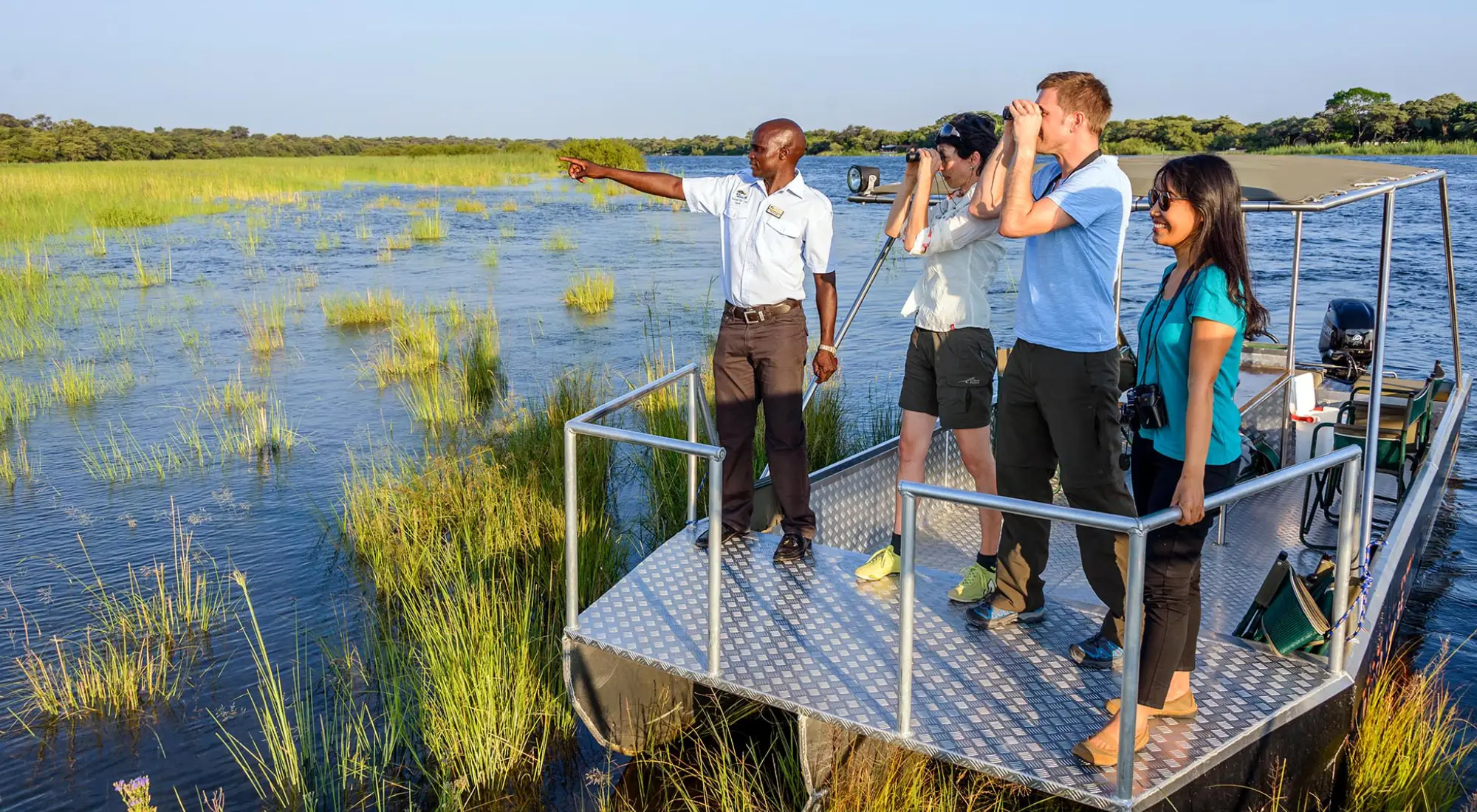
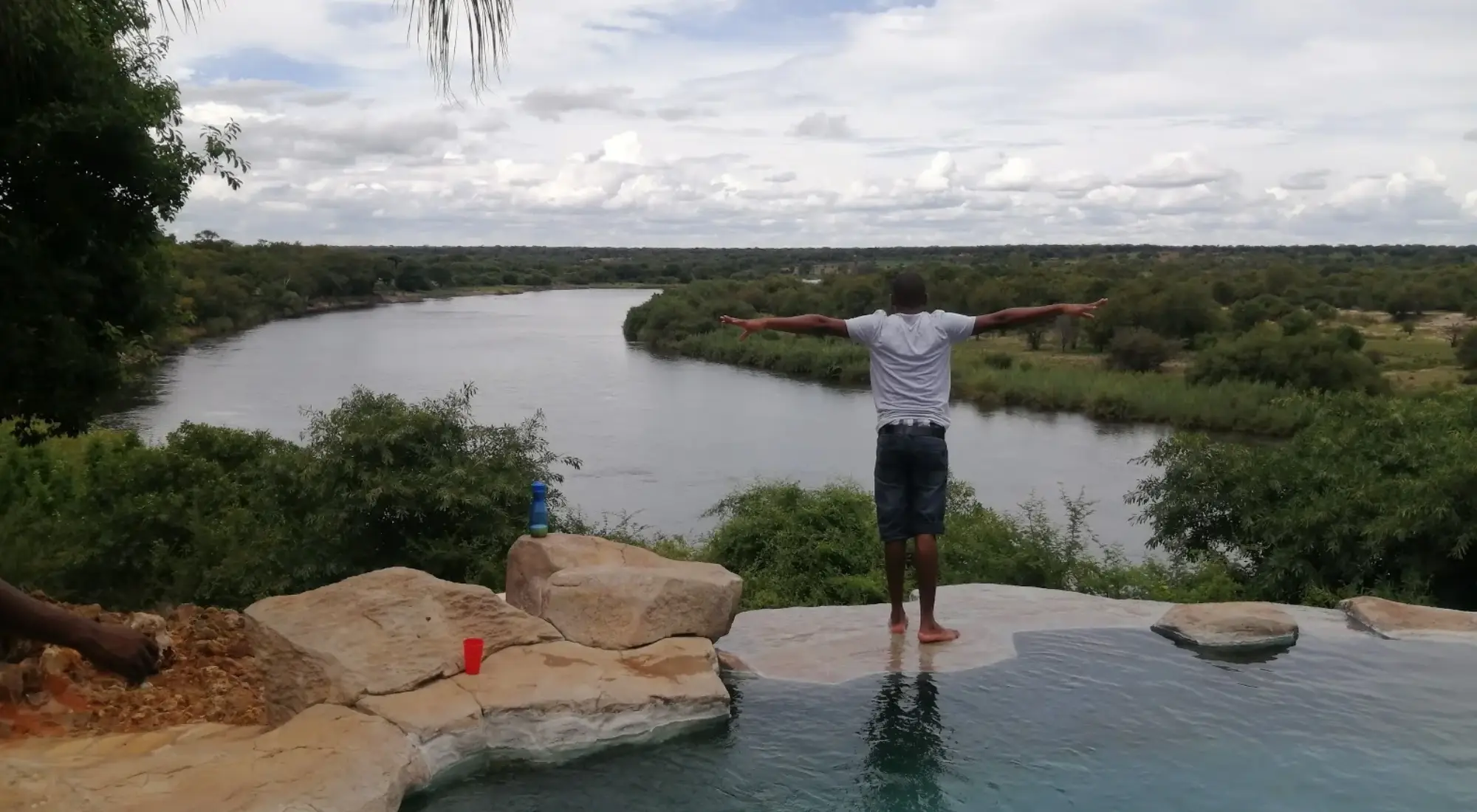
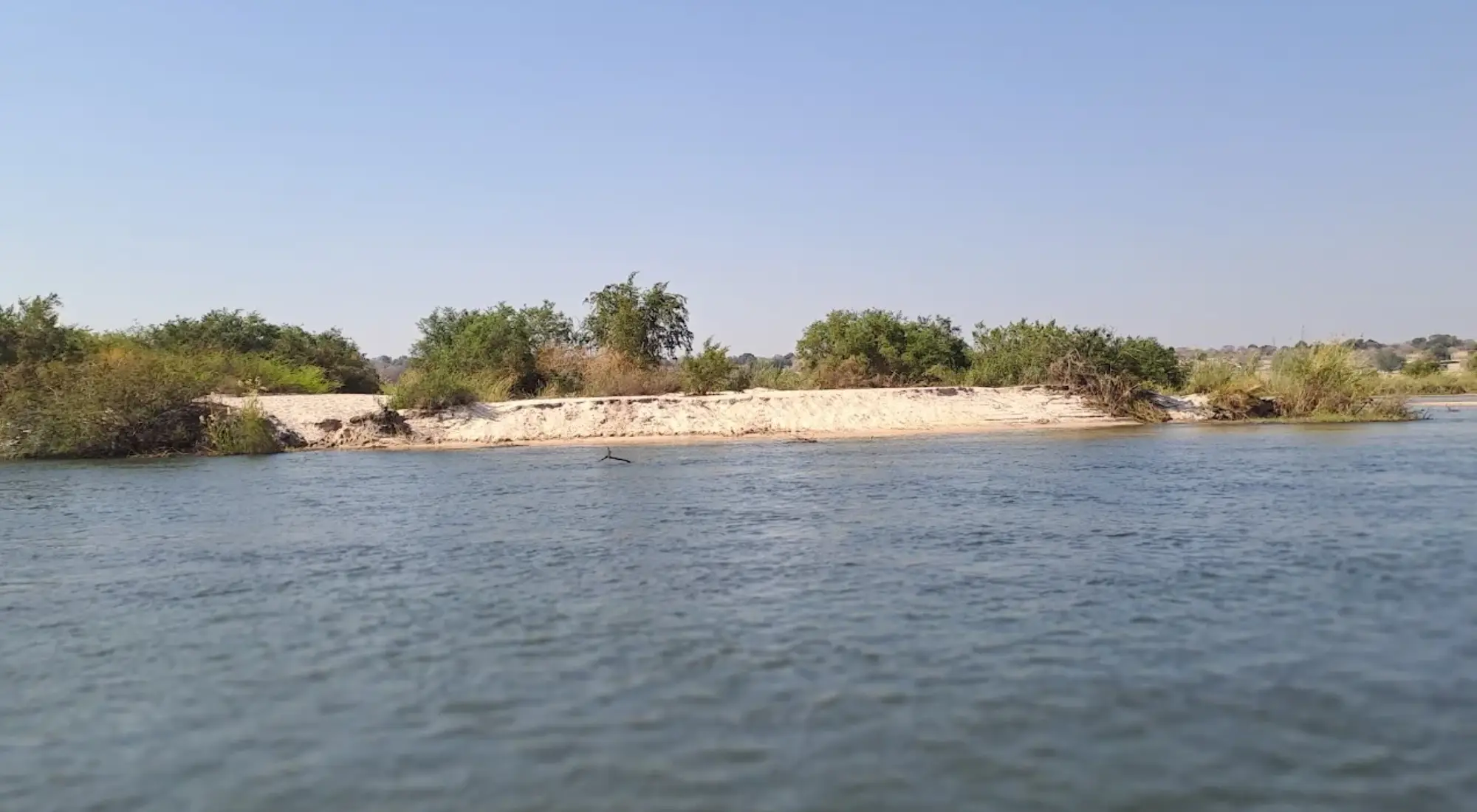
This gallery shows the Kavango Region through Okavango River scenes, Rundu markets, woodcarving stalls, fishing moments, birdlife, river lodges, and green northern landscapes that feel far from Namibia’s dry desert south.
Kavango Region gives travelers a greener, river-led side of Namibia. The Okavango River supports farming, fishing, crafts, wildlife, villages, and daily movement along the banks. These FAQs cover the main things visitors often ask before arriving, including Rundu, culture, wildlife parks, river activities, travel seasons, and ways to reach the region.
Namibia has a lot to pull travelers in. Wide desert dunes, wildlife parks, salt pans, coastal towns, canyons, and quiet wilderness areas all sit within one country. This section brings the main attractions in Namibia together, so travelers can see what fits their route, time, comfort level, and the kind of journey they want.
Our Namibian tour was an unforgettable experience from start to finish. Henzel was both our guide and driver, and he did an outstanding job in both roles. He was incredibly thorough and well-prepared, always sharing detailed insights about the landscapes, wildlife, and local culture. You could tell he truly knew and loved the country.

We did the “7 Days Wildlife Etosha and Sossusvlei Namibian Safari (Accommodated)” with Safari World Tours in December 2023 and it was the best choice for our family! We are experienced travelers (49 countries visited) and found that to travel to Namibia with a small child (4 years old) a tour would the the best option





 English
  German