

A quiet Kunene village with Himba culture and rugged landscapes
Kamanjab is a small village in Namibia’s Kunene Region, set along the C40 road northeast of Outjo. It is often used as a quiet stop between Etosha, Damaraland, and northern routes.
The village is known for its rural setting, open skies, nearby Himba cultural experiences, and access to the wider landscapes of north-western Namibia. It is not a busy destination, and that is part of its appeal. Travellers exploring Namibia Cultural Destinations often pause here for community campsites, guided village visits, and a closer look at daily life in this dry and rugged region.
Kamanjab also works well as a gateway toward Damaraland, the Etendeka Plateau, and routes deeper into Kunene. Visitors may find simple accommodation, local stops, and cultural tours that share Himba traditions with care. The dry season, from May to October, is usually more comfortable for travel.

Gather ideas from our Namibia tour packages, or let our consultants help you picture the possibilities. We can build the journey around your time, style, and interests.
Kamanjab lies in Namibia’s Kunene Region, northeast of Outjo and within reach of Etosha, Damaraland, and north-western travel routes. The map helps travellers understand nearby roads, village access, cultural stops, campsites, and onward links toward rugged landscapes. It is useful for planning short stays, guided visits, and longer self-drive journeys.
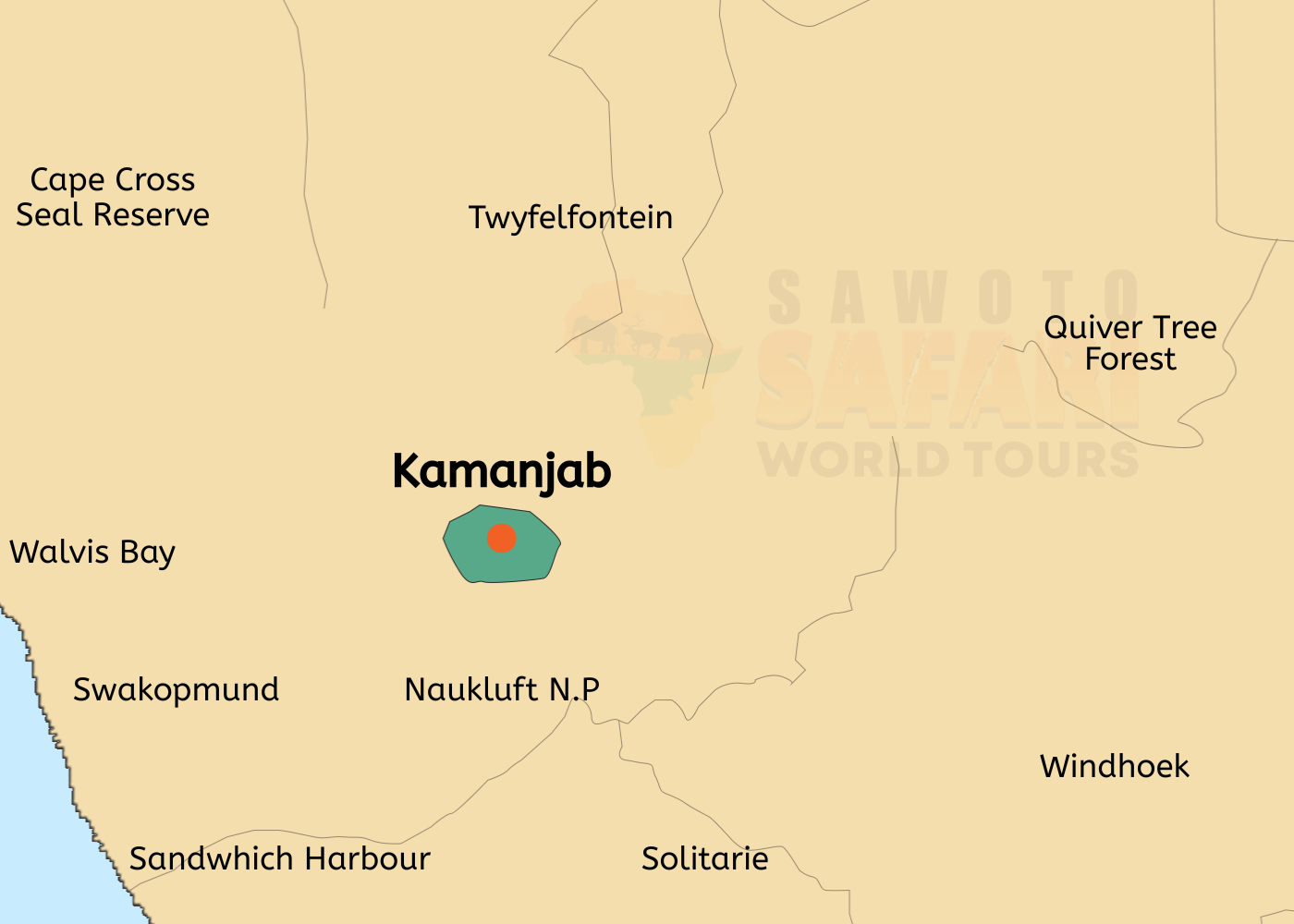
Kamanjab is a small village in Namibia’s Kunene Region, known for Himba culture, rural markets, dry landscapes, wildlife day trips, and routes toward Etosha and Damaraland. Its story connects the Himba and Herero movements, German colonial routes, trading posts, and cultural tourism. Travelers often stop here for community visits, cheetah experiences, and quiet road journeys.
Kamanjab has a quiet history, but not an empty one. Himba and Herero communities, scarce water sources, traders, colonial routes, and rural life have all shaped this small village in Namibia’s north-west.
In the late 1800s, the area around Kamanjab was used by Himba and Herero people moving with their livestock. Water was limited, so every usable source had value. The land was dry and open, and people moved carefully through it, following what the season allowed.
During the early 1900s, German colonial authorities used Kamanjab as a small stop on supply and administration routes. It was never a big town, but its position made it useful. Traders, officials, and travellers passed through while moving across the Kunene Region.
By the mid-20th century, Kamanjab had grown into a small trading post. It connected nearby rural communities with goods from larger towns like Outjo and Otjiwarongo. The village stayed simple, but that trading role gave it a steady place in the region.
After Namibia became independent in 1990, Kamanjab became part of the Kunene Region. Today, it still carries a strong rural identity. Himba culture, local markets, modest services, and road links make it useful for travellers moving between Etosha, Damaraland, and north-western Namibia.
Kamanjab gives travellers a closer look at rural Kunene life. Himba cultural visits, open-air markets, handmade crafts, local food, and slow village exchanges all add to the experience. Nothing feels rushed here, and that is part of the place.
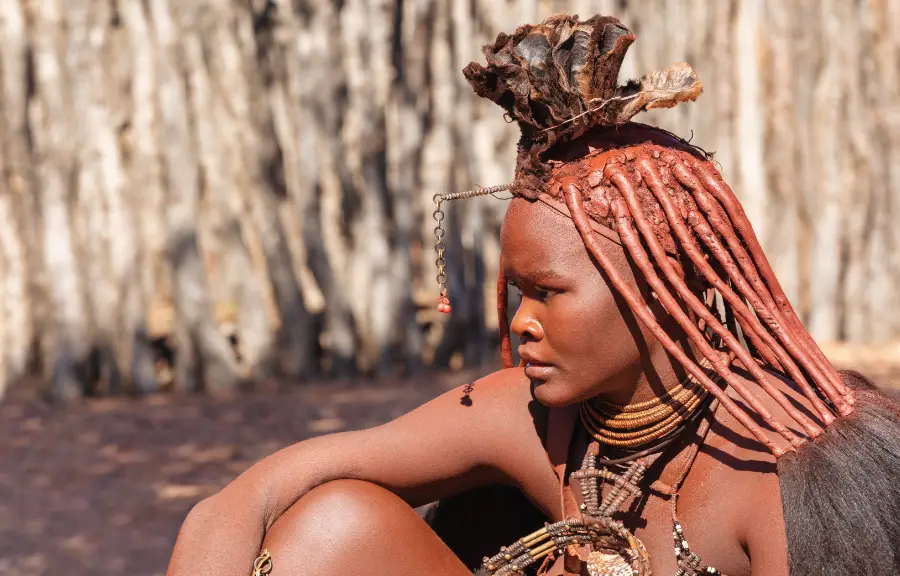
Himba culture is one of the main reasons visitors stop near Kamanjab. Many families still follow important customs linked to pastoral life, dress, jewellery, hairstyles, and ochre-based body care. These traditions are not for show only. They are part of daily identity.
Cultural visits need care and respect. Always ask before taking photos, especially around homesteads or markets. A greeting helps. So does patience. English is often understood in tourism spaces, though Otjiherero and Khoekhoegowab may also be heard in daily conversation.
Local crafts include beadwork, woven baskets, jewellery, tools, and items made from materials like ironwood and cowhide. Small markets near the petrol station and family-run stalls along local roads can give visitors a more personal exchange than larger souvenir shops.
Food in Kamanjab is hearty and inland-based. Local meals may include potjiekos, game meat, and sometimes seasonal mopane worms. Herero and Damara influences can be felt in the food culture. Do not expect seafood here. This is dry-country cooking.
Kamanjab works well as a base for simple day trips and cultural stops. Travellers can visit Himba settlements, cheetah farms, Damara heritage sites, Etosha’s western side, and nearby rural areas without moving too far from the village.
Himba village visits are among the most meaningful experiences near Kamanjab. Visitors can learn about pastoral life, dress, adornment, daily customs, and family traditions. A good local guide makes the visit easier, more respectful, and less awkward for everyone involved.
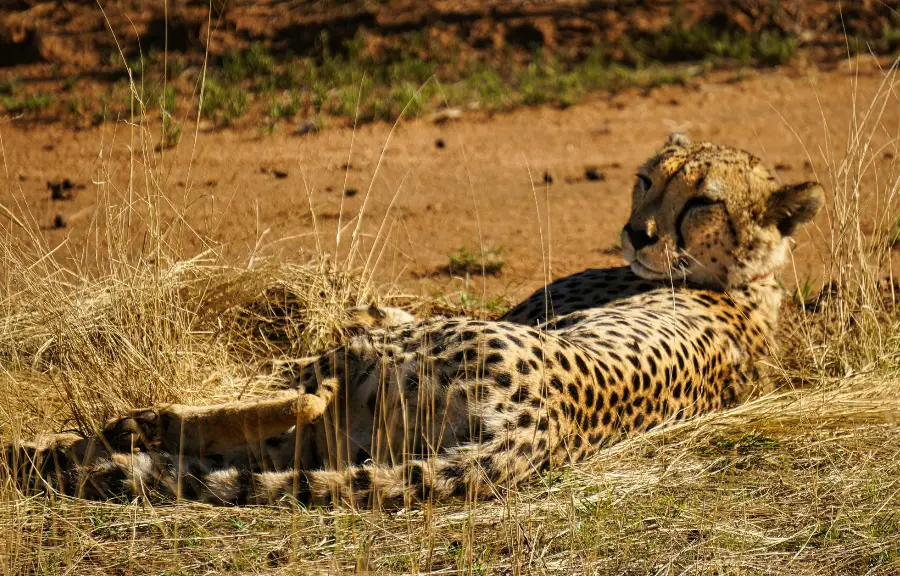
Otjitotongwe Cheetah Farm is a short drive from Kamanjab and gives visitors a closer look at rehabilitated cheetahs. Feeding sessions and guided viewing may be part of the visit. It is a simple stop, but families and animal lovers often remember it.
Kamanjab also works as a gateway to the western side of Etosha National Park. A full-day safari can bring waterholes, salt pan views, elephants, lions, rhinos, and other wildlife. This side of Etosha can feel quieter than the busier eastern routes.
Other options include the Damara Living Museum and, with more time, longer routes toward Okonjima Nature Reserve. These trips add cultural learning, wildlife education, and a fuller sense of Namibia beyond the village itself. Kamanjab is small, but it connects well.
Kamanjab has a dry, semi-desert climate, with strong sun, cool nights, and clear seasonal changes. Travel planning should consider heat, rain, road conditions, wildlife viewing, cultural visits, and the simple reality of moving through rural Namibia.
May to October is the dry season and often the best time for most travellers. Days are sunny and more comfortable, with cooler mornings and evenings. Wildlife viewing is usually better, mosquitoes are fewer, and roads are easier to handle.
November to April brings hotter weather and occasional rain. The land can turn greener, birding may improve, and sunsets can look beautiful after storms. But some roads become difficult after heavy rain, so remote trips need more planning and local advice.
Packing should be practical. Bring a wide-brimmed hat, UV sunglasses, light long-sleeved clothes, closed shoes, a reusable water bottle, neutral colours for wildlife areas, binoculars, a small day bag, and a light fleece or shawl for cooler evenings.
Kamanjab is not a polished resort town. And that is exactly why it has value. Travel slowly, book guided cultural visits properly, carry water, respect local customs, and use it as a thoughtful stop between Etosha, Damaraland, and Kunene routes.
Kamanjab feels quiet, dry, and rural, with Himba cultural visits, local markets, cheetah experiences, and routes toward Etosha and Damaraland. Expect simple stops, warm days, cool nights, and meaningful community encounters.
These Namibia Safari Itineraries bring together the country’s wide range of travel experiences, from wildlife parks and desert roads to coastal towns, cultural stops, and quiet lodge stays. Some routes are short and focused. Others stretch across several regions. And for travelers comparing Namibia Safari Packages, these itineraries make it easier to choose a trip that fits their time, comfort, and travel style.
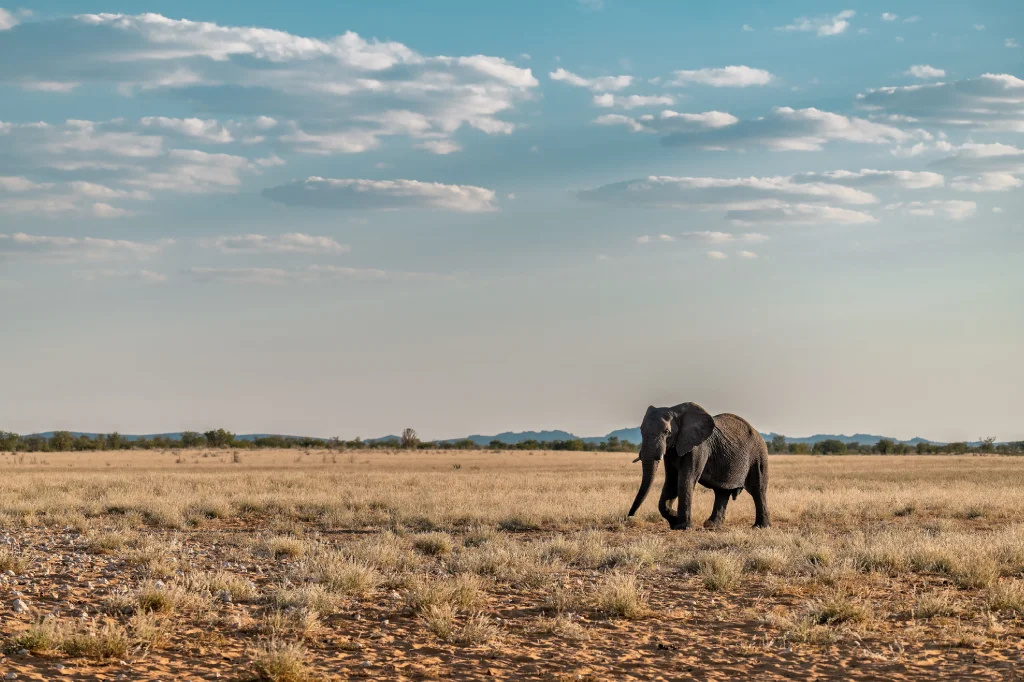
2 Destinations: Etosha National Park → Namibia
View Details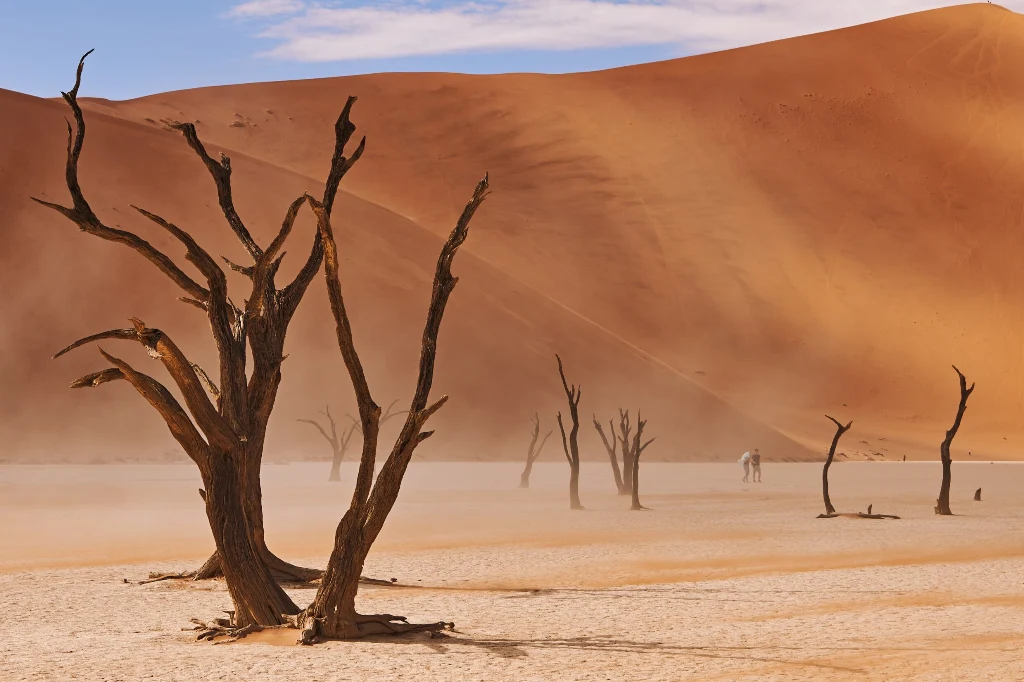
5 Destinations: Botswana → Etosha National Park → Namibia → Sossusvlei → Swakopmund
View Details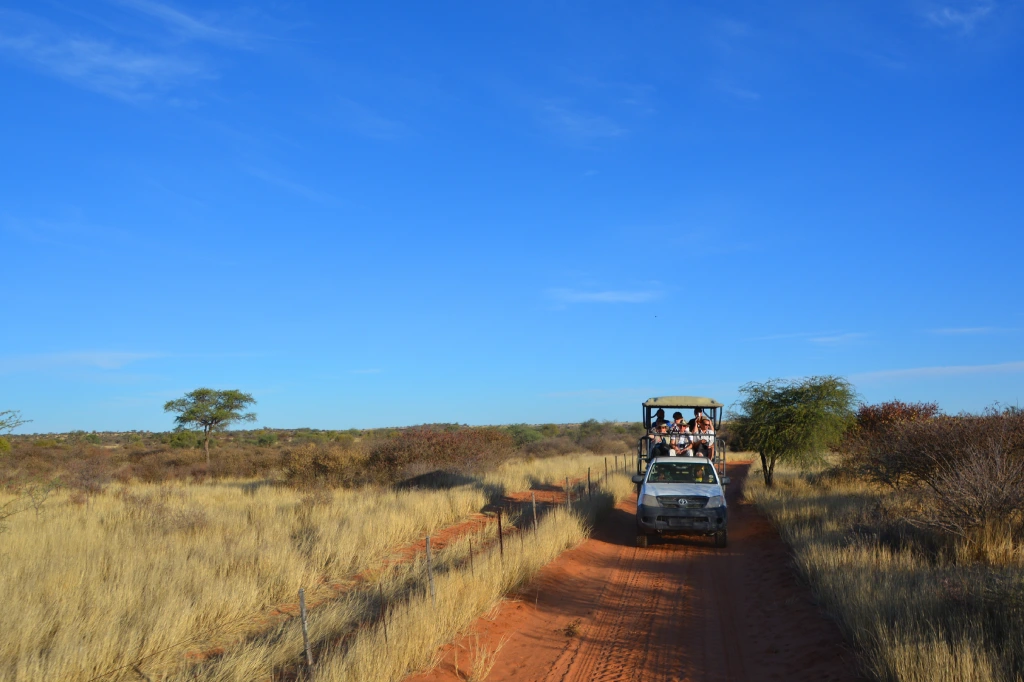
6 Destinations: Etosha National Park → Namibia → Sossusvlei → Spitzkoppe → Swakopmund → Windhoek
View Details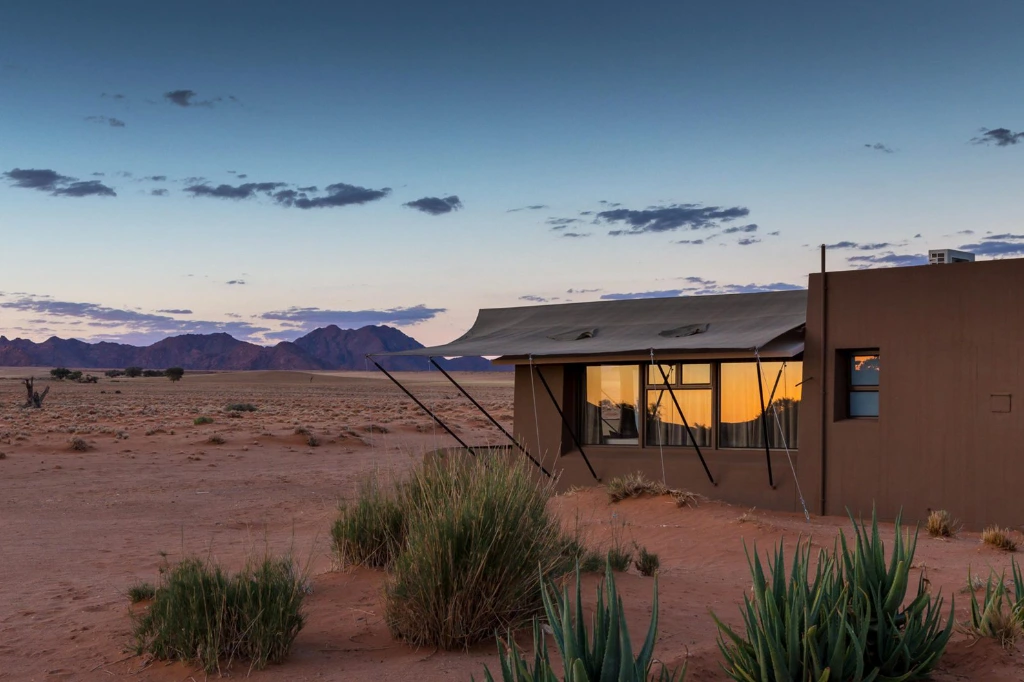
5 Destinations: Etosha National Park → Namibia → Sossusvlei → Swakopmund → Windhoek
View Details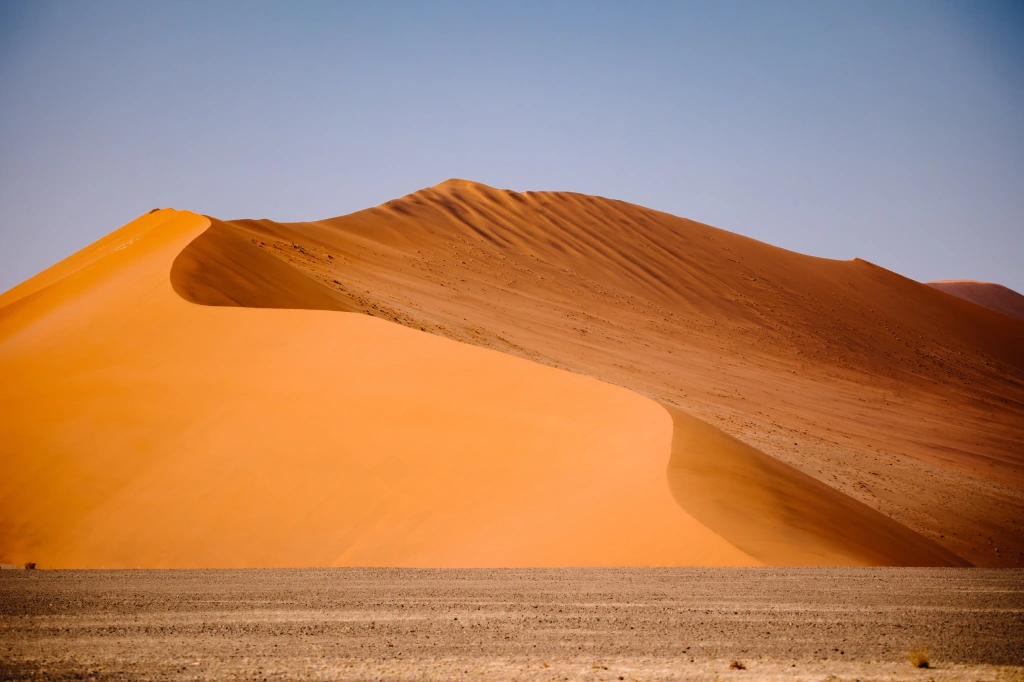
5 Destinations: Etosha National Park → Namibia → Sossusvlei → Swakopmund → Windhoek
View Details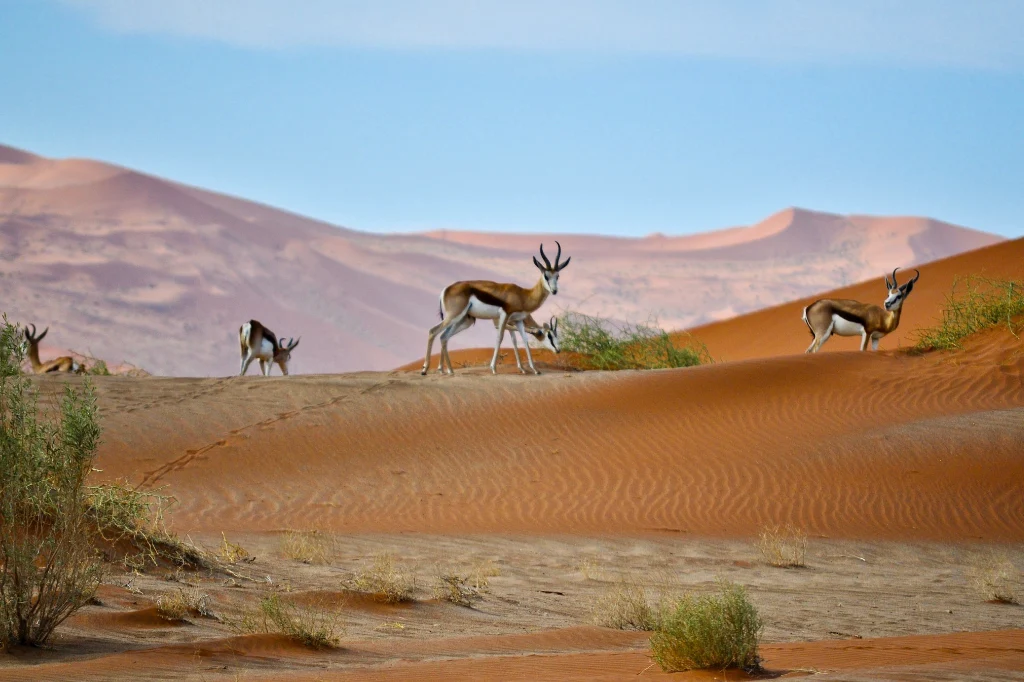
6 Destinations: Botswana → Etosha National Park → Namibia → Sossusvlei → Swakopmund → Zimbabwe
View Details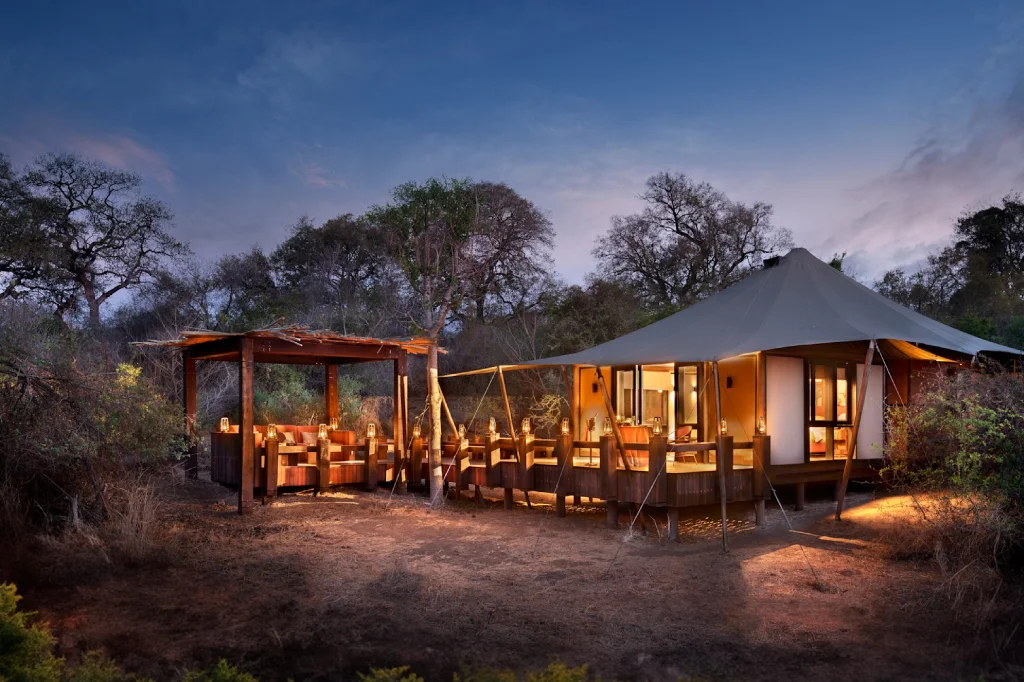
6 Destinations: Etosha National Park → Fish River Canyon → Namibia → Sossusvlei → Swakopmund → Twyfelfontein
View Details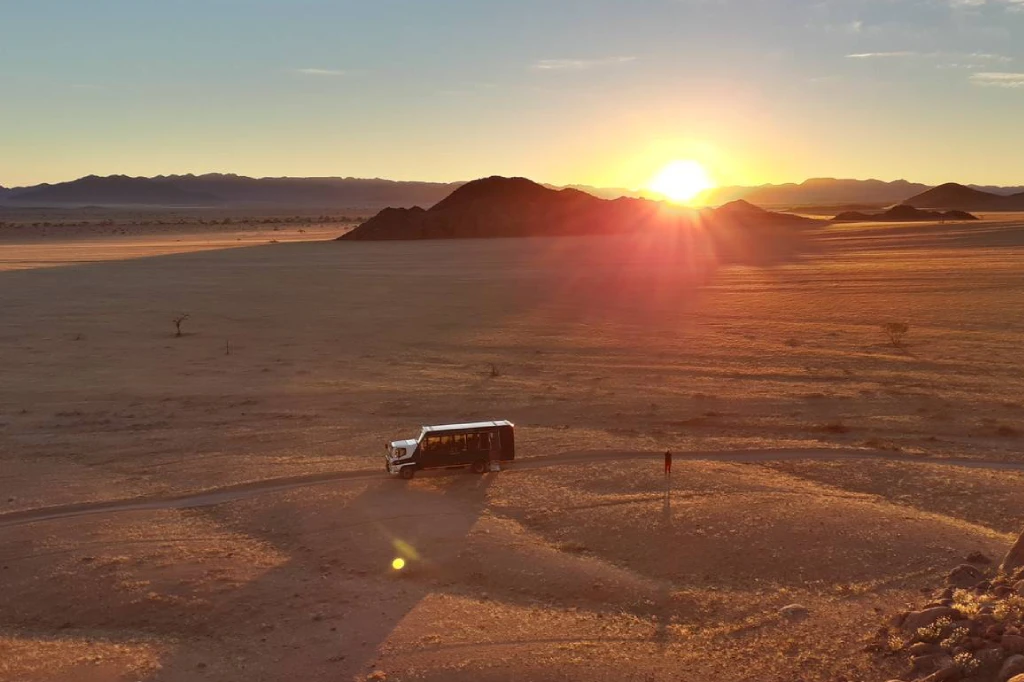
6 Destinations: Botswana → Etosha National Park → Namibia → Sossusvlei → Swakopmund → Zimbabwe
View Details
7 Destinations: Etosha National Park → Kamanjab → Namibia → Spitzkoppe → Swakopmund → Twyfelfontein → Windhoek
View Details
4 Destinations: Etosha National Park → Namibia → Sossusvlei → Swakopmund
View Details
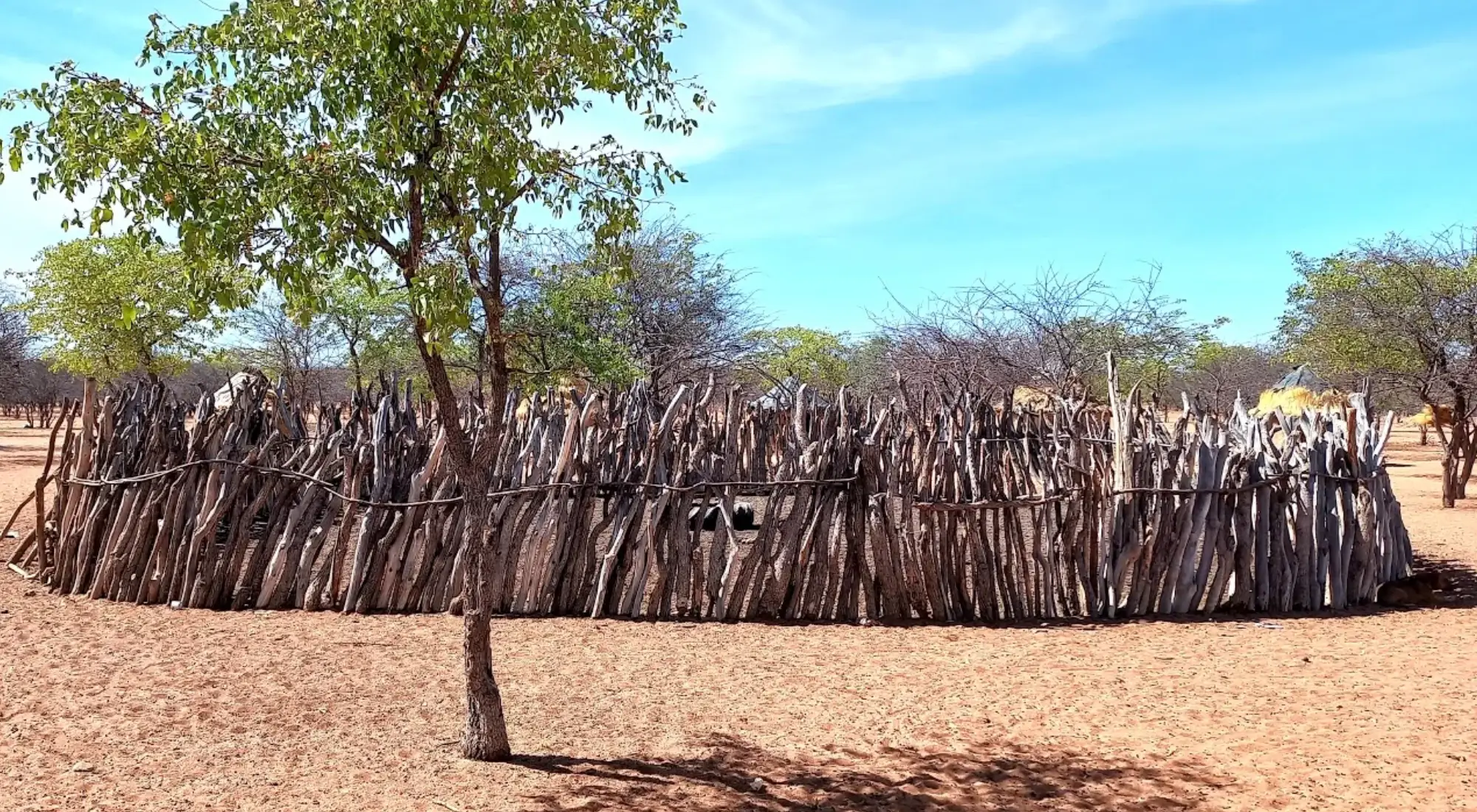
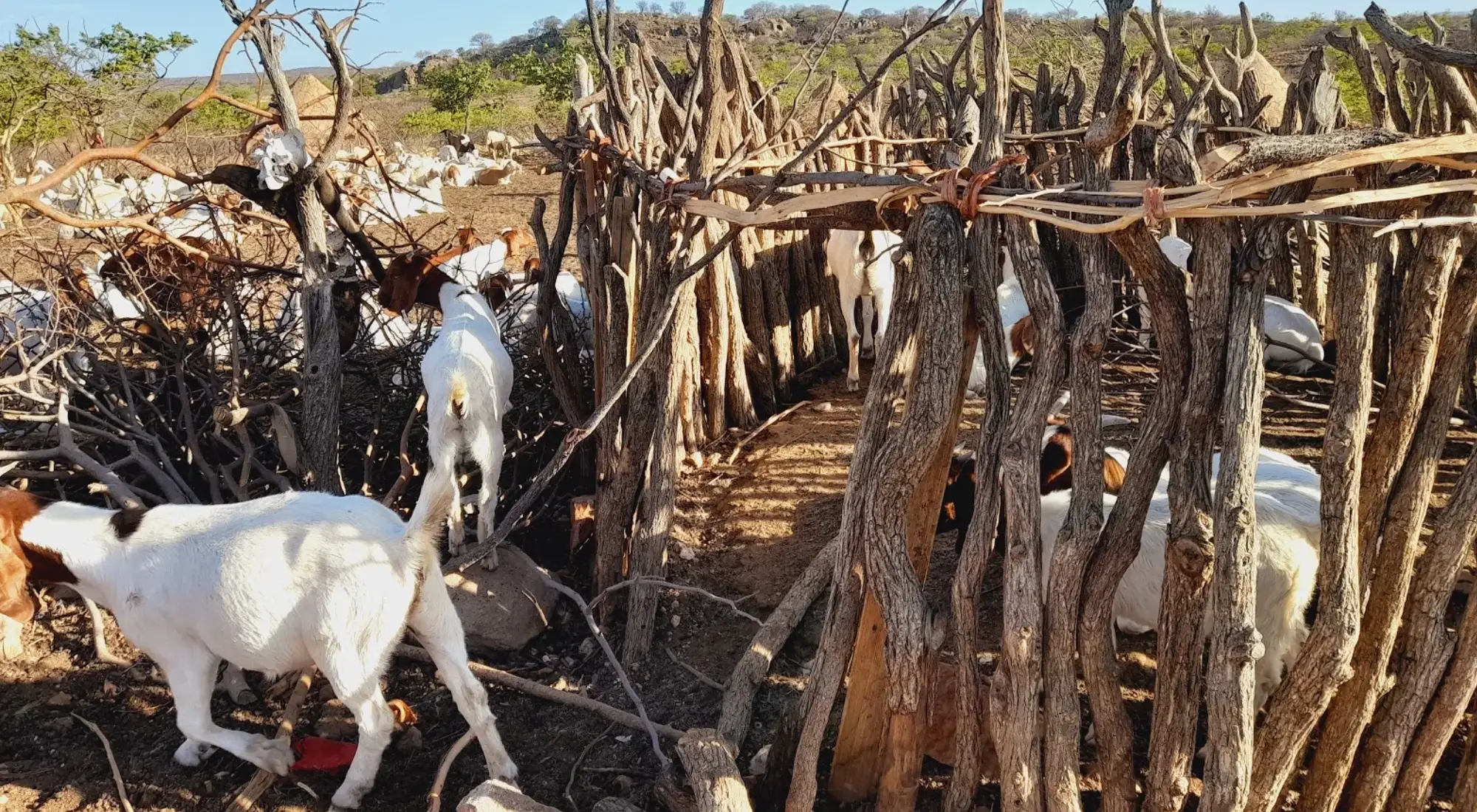
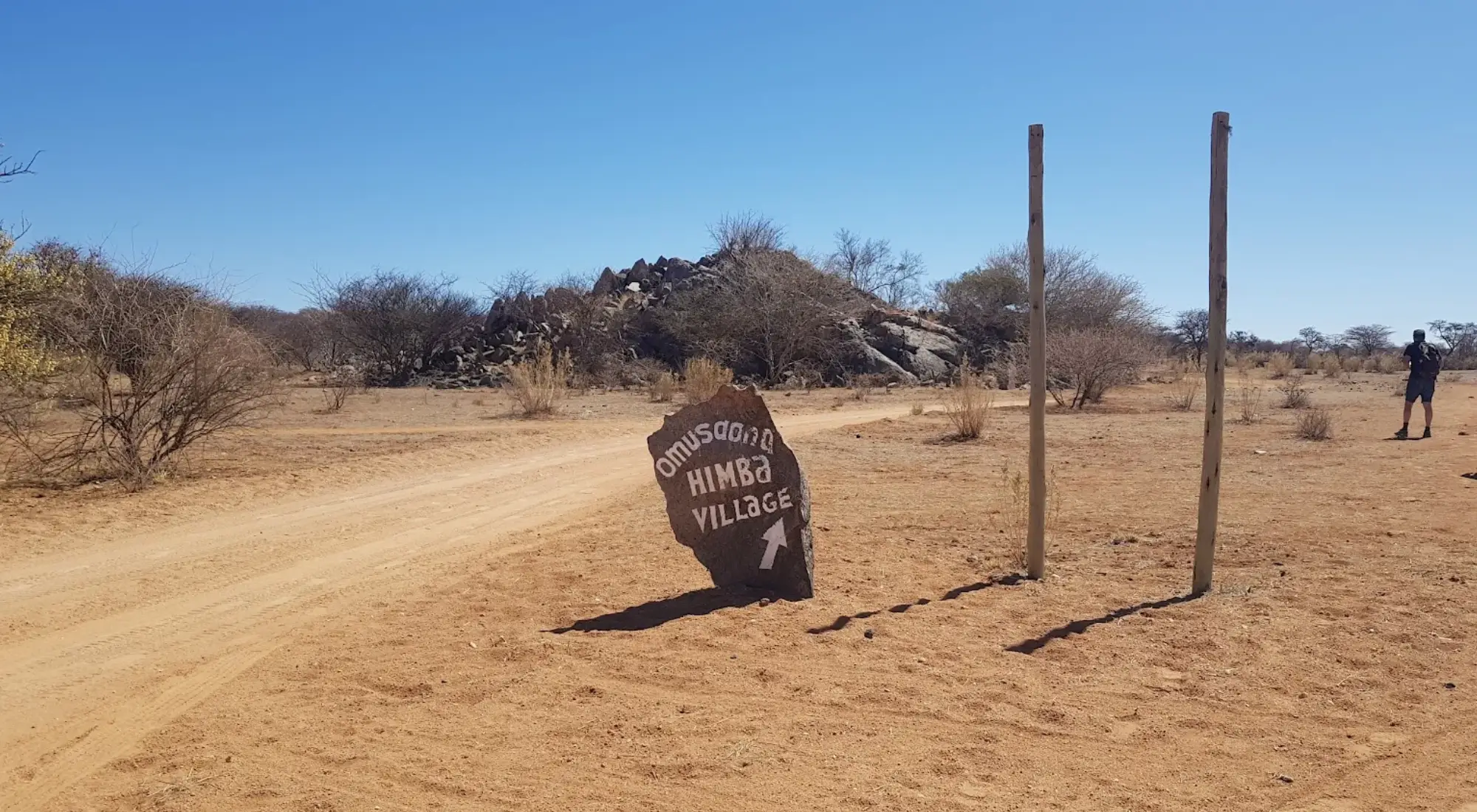
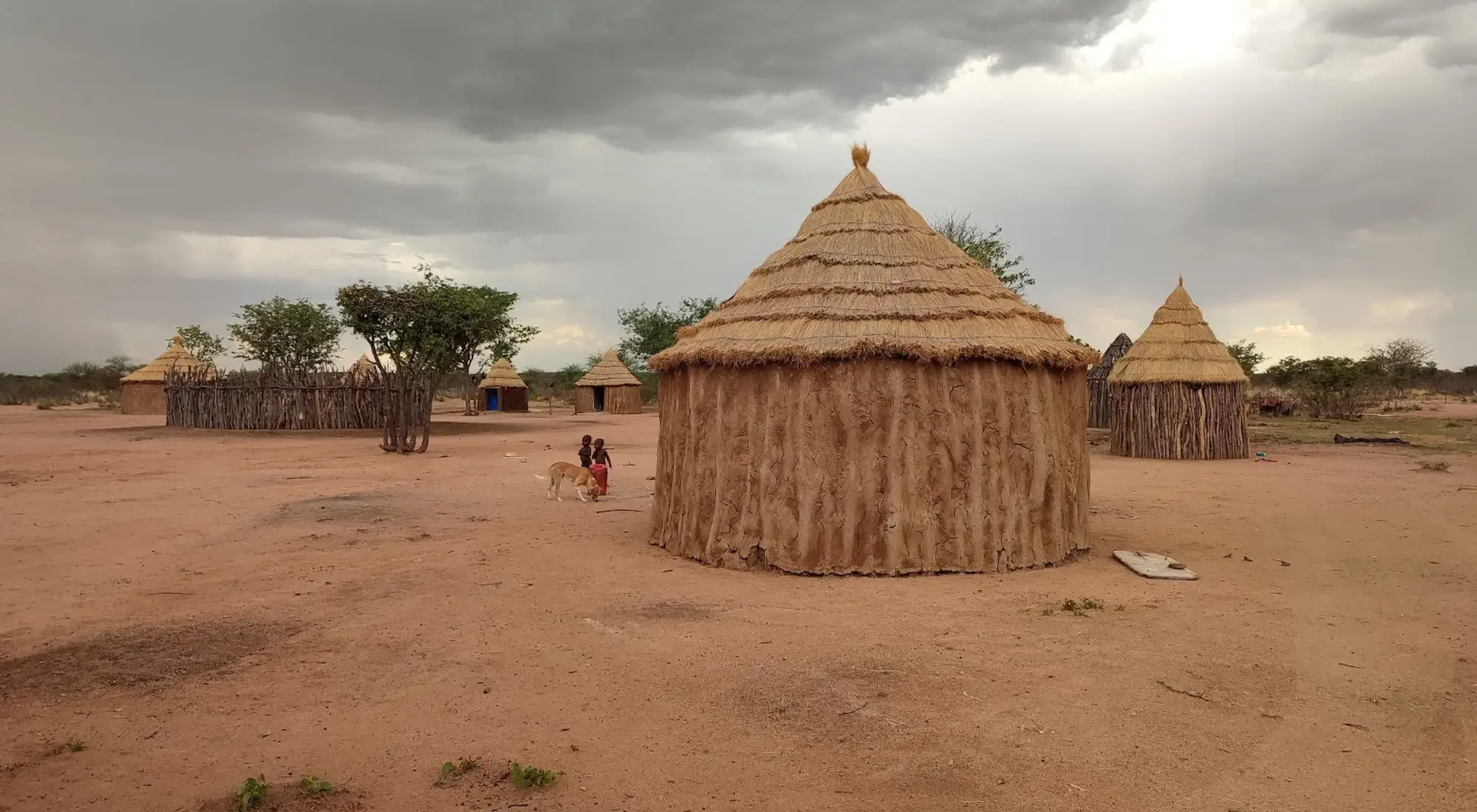
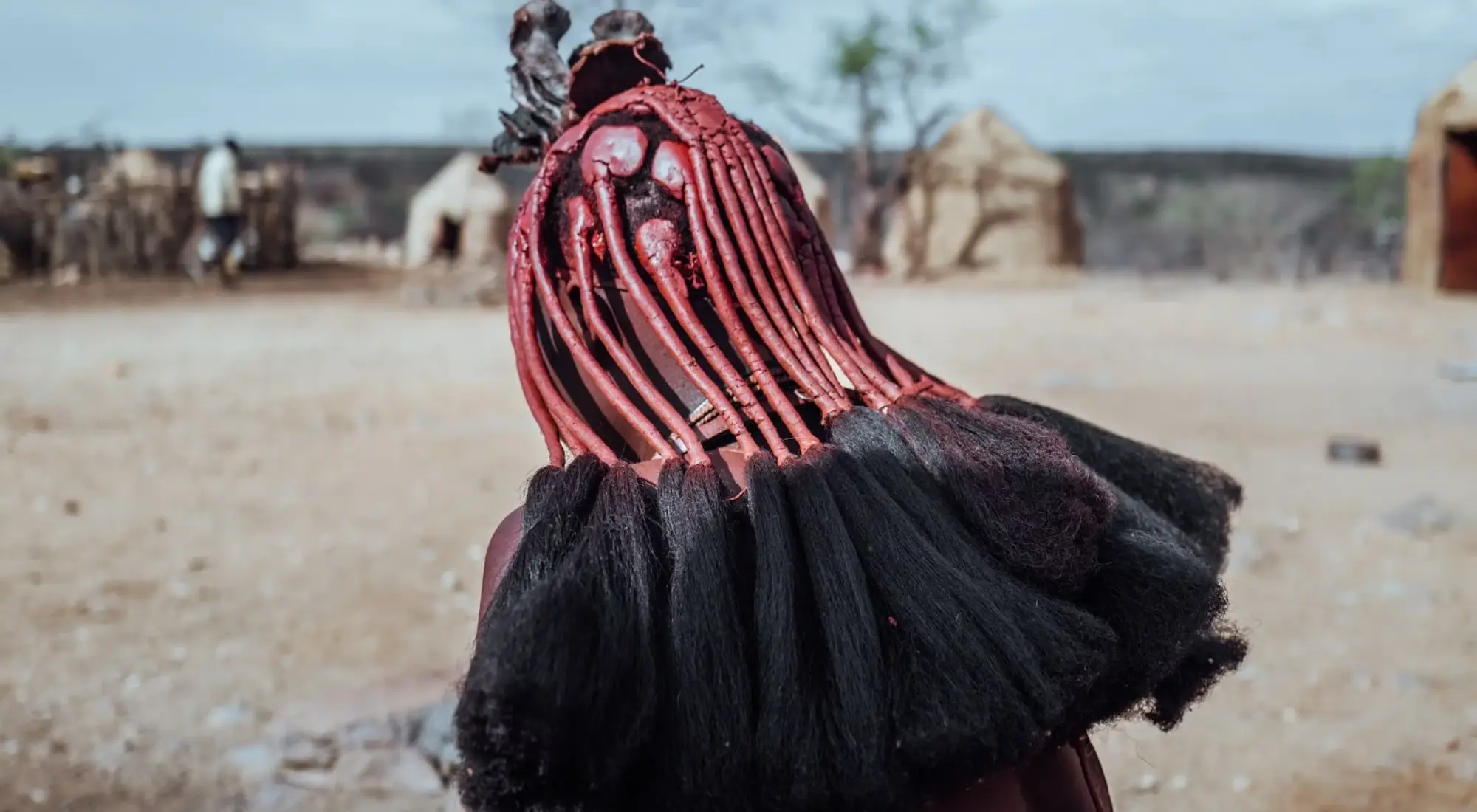
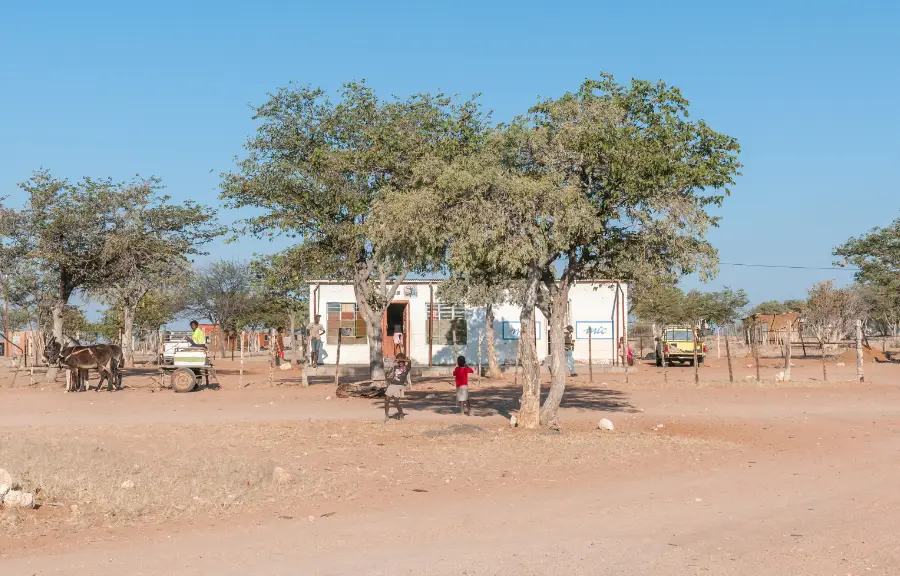
This gallery shows Kamanjab through Himba cultural visits, dry Kunene roads, local craft stalls, cheetah encounters, rural village scenes, and quiet landscapes linking Etosha, Damaraland, and north-western Namibia.
Kamanjab is a quiet village in Namibia’s Kunene Region, often used as a stop between Etosha, Damaraland, and north-western routes. Travellers come here for Himba cultural visits, rural markets, cheetah experiences, dry landscapes, and simple travel services. These FAQs cover the main things to know before planning a short stay or day trip.
Namibia has a lot to pull travelers in. Wide desert dunes, wildlife parks, salt pans, coastal towns, canyons, and quiet wilderness areas all sit within one country. This section brings the main attractions in Namibia together, so travelers can see what fits their route, time, comfort level, and the kind of journey they want.
Our Namibian tour was an unforgettable experience from start to finish. Henzel was both our guide and driver, and he did an outstanding job in both roles. He was incredibly thorough and well-prepared, always sharing detailed insights about the landscapes, wildlife, and local culture. You could tell he truly knew and loved the country.

We did the “7 Days Wildlife Etosha and Sossusvlei Namibian Safari (Accommodated)” with Safari World Tours in December 2023 and it was the best choice for our family! We are experienced travelers (49 countries visited) and found that to travel to Namibia with a small child (4 years old) a tour would the the best option






 English
  German