

A vast desert region with San culture, wildlife, and dunes
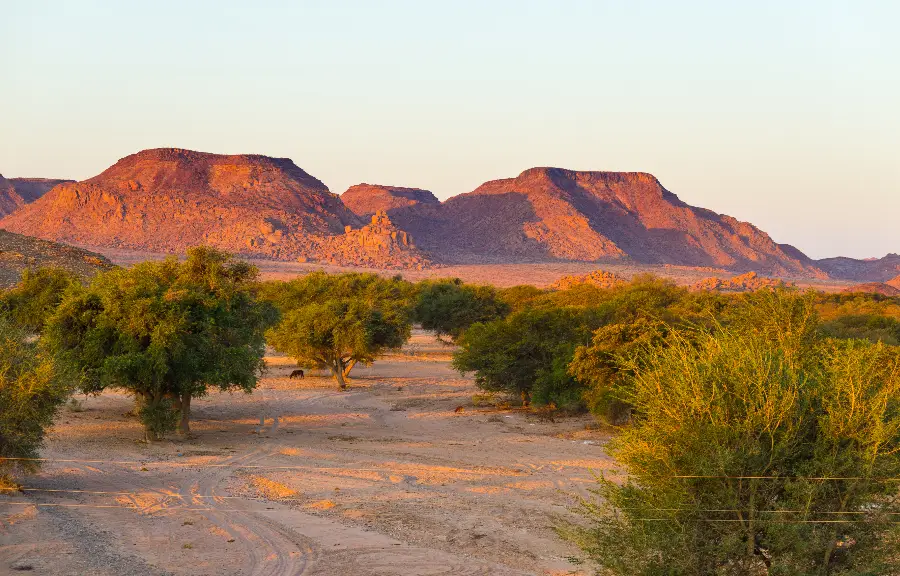
The Kalahari Desert in Namibia is known for its red sand dunes, wide-open spaces, desert wildlife, and strong cultural links to the San people. It feels quieter and softer than many expect.
This region is often passed over for the Namib Desert, yet it gives travellers a different kind of desert experience. The red dunes get their colour from iron oxide in the sand, and after summer rains, parts of the land can turn surprisingly green. For travellers exploring Namibia Travel Destinations, the Kalahari adds wildlife, silence, guest farms, campsites, and a deeper look at San/Bushman knowledge.
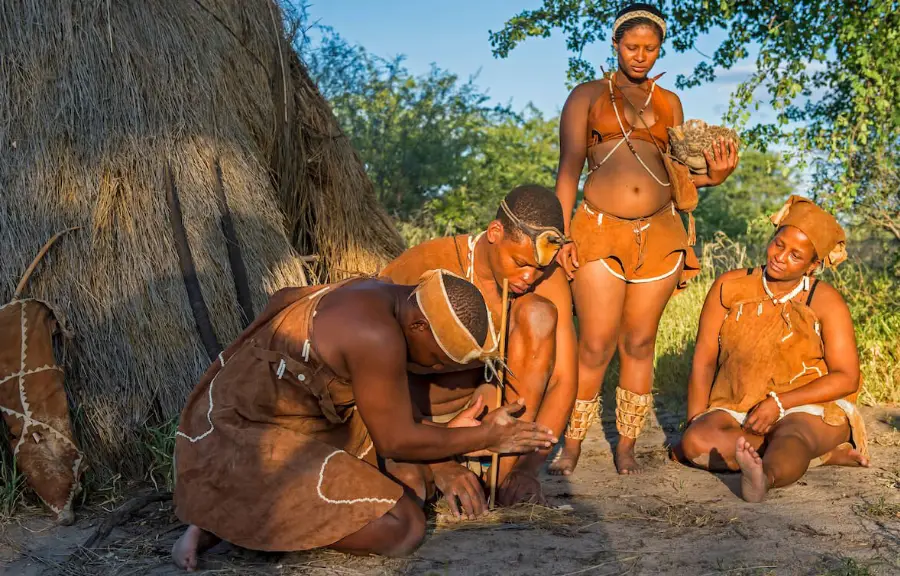
The Kalahari is one of the ancestral homes of the San people, who lived across southern Africa for thousands of years. Visitors can learn about tracking, plants, animals, customs, and modern San life through guided cultural experiences, lodges, and living museums in the region.

Gather ideas from our Namibia tour packages, or let our consultants help you picture the possibilities. We can build the journey around your time, style, and interests.
The Kalahari Desert stretches across eastern and southern Namibia, with red dunes, guest farms, wildlife areas, and quiet open roads. The map helps travellers understand how the region connects with Windhoek, Mariental, Keetmanshoop, and border routes toward Botswana and South Africa. It is useful for planning overnight stays, desert drives, and wider safari routes.
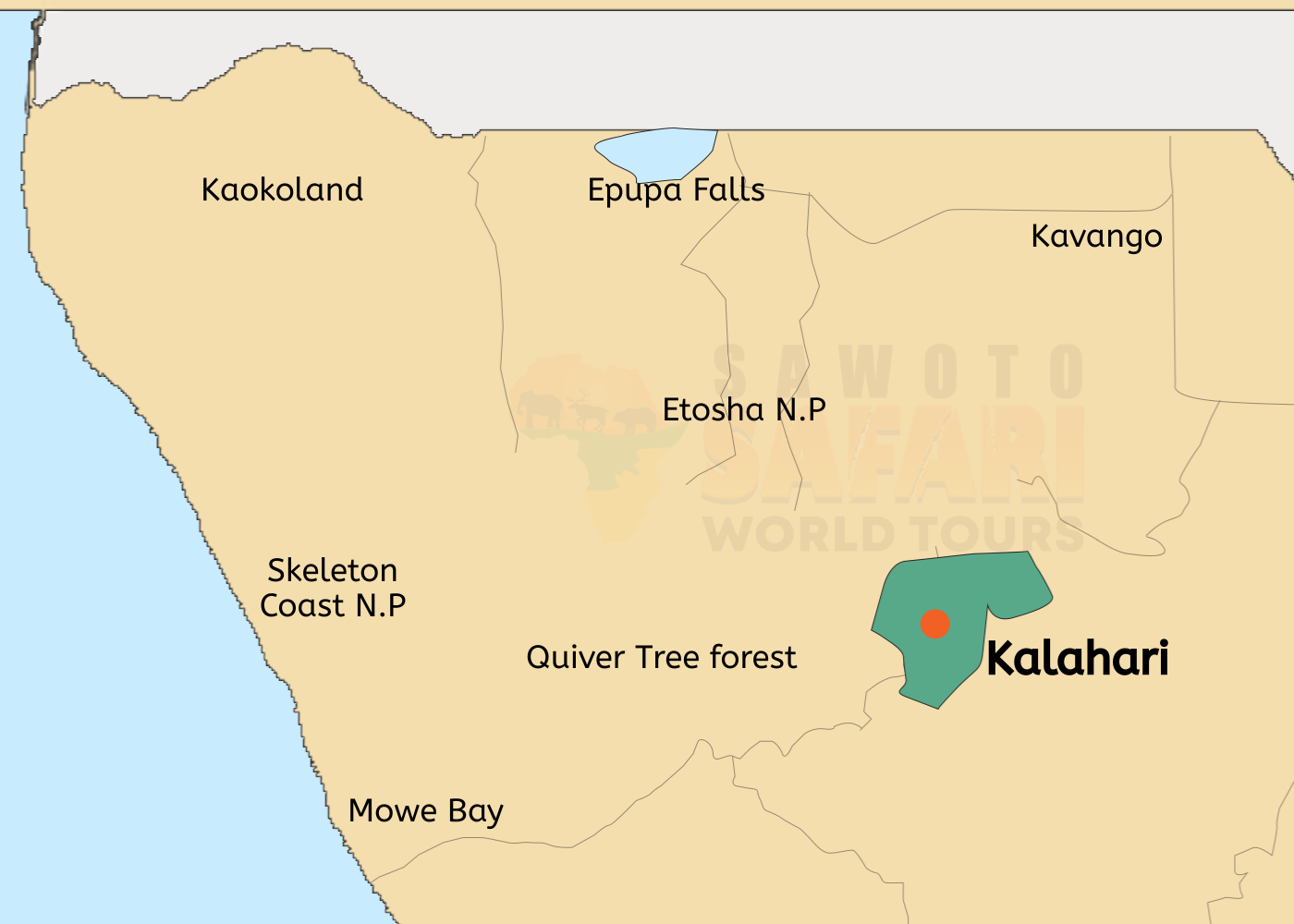
The Kalahari Desert in Namibia is known for red dunes, San culture, desert wildlife, sociable weaver nests, devil’s claw plants, guest farms, campsites, and quiet open land. It is not a true desert in the strict rainfall sense, but it still feels dry, wide, hot in summer, and very cold on winter nights.
The Kalahari stretches across a huge part of southern Africa, with Namibia’s section mainly linked to the south-east. Travellers come for red sand, wide skies, guest farms, desert plants, wildlife, and that quiet semi-desert feeling.
The Kalahari is often called a desert, though technically it gets too much rain to be a true desert. Still, when you stand there in the heat, with sand underfoot and open land around you, it feels dry enough. Summers can be very hot, and winter nights can drop below freezing.
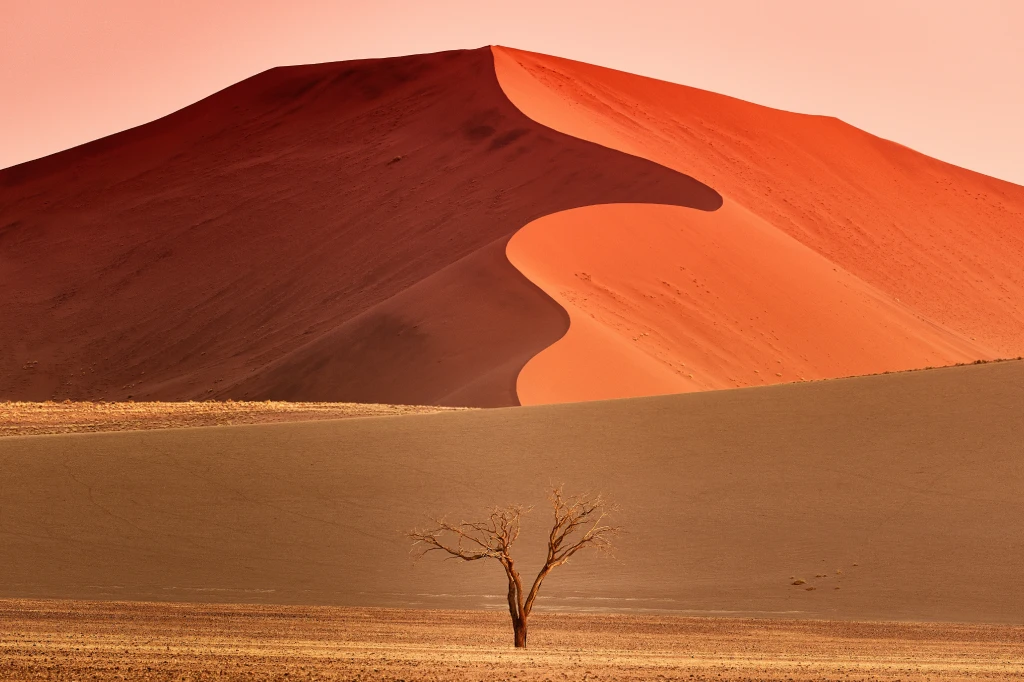
The red dunes are one of the first things people notice. Their colour comes from iron oxide in the sand, which gives them that rusted look. In the southern Kalahari, the colour can feel especially strong in the softer light of morning or late afternoon.
After summer rain, the land can change quickly. Grass appears, small plants return, and places that looked dry and tired can turn green for a while. It is still hot, sometimes very hot, but the whole region feels softer after good rain.
The Kalahari is not a place that needs to impress loudly. Much of its charm sits in the quiet. Red dunes, bird calls, long views, campfires, and clear skies do most of the work. You slow down here, even without planning to.
The Kalahari is one of the ancestral homes of the San, also known as Bushmen. Their connection with this land runs deep, through tracking, plant knowledge, hunting skills, stories, tools, and a close understanding of dry-country life.
San communities have lived across southern Africa for thousands of years, with some histories linking them to the Kalahari for around 20,000 years. Traditionally, they moved in small hunter-gatherer groups, following water, seasons, animals, plants, and the needs of daily survival.
Over time, life changed. As other groups and European settlers moved into the wider region, many San communities were pushed farther into the Kalahari. Many now live more settled lives, and old hunter-gatherer practices are no longer the centre of daily life.
Tourism has helped keep some traditional knowledge visible. At some lodges and living museums, visitors can learn about tracking, fire-making, plant uses, tools, and how people survived in such a dry land. These experiences can be simple, but very meaningful when done well.
It is important to see San culture as living, not only historical. The San are modern people too, with changing lives and real challenges. A respectful visit should show both sides: old knowledge of the land and present-day life in Namibia.
The Kalahari may look empty at first, but it is not. Animals, birds, reptiles, thorn trees, grasses, succulents, and useful plants like devil’s claw have all found ways to survive in this dry semi-desert.
Predators are one of the big wildlife draws. Travellers often hear about cheetah, leopard, hyena, and the famous Kalahari lion with its dark mane. The Kgalagadi Transfrontier Park is especially known for predator sightings, though it lies across South Africa and Botswana.
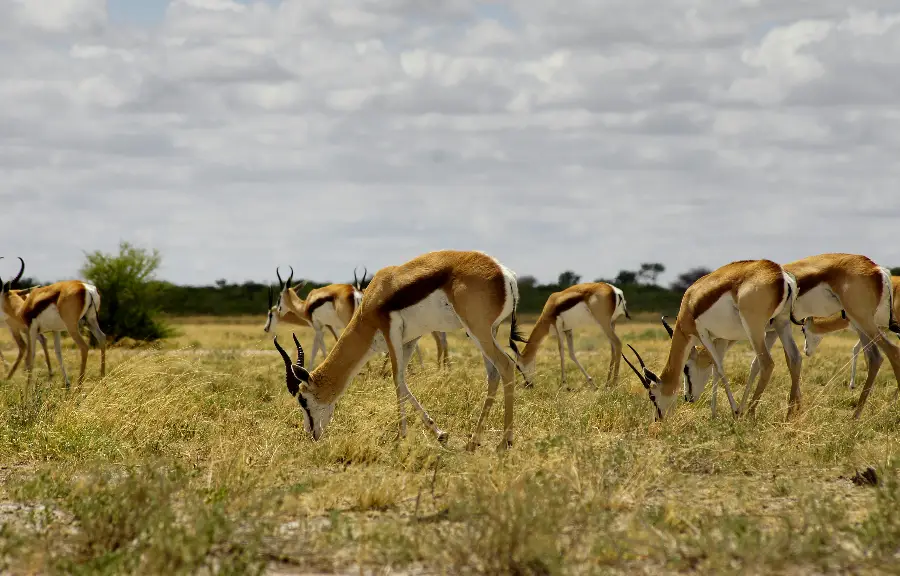
Antelope are also part of the wider Kalahari scene. Springbok, oryx, eland, and kudu are well suited to dry land and open space. Wildlife viewing may not feel crowded or constant, but the sightings often stay with you because the setting is so open.
Birdlife is strong here, with more than 300 species recorded in the Kalahari. Raptors are a highlight, including bateleur, lappet-faced vulture, and martial eagle. Sociable weaver nests are another special sight, sometimes holding hundreds of birds in one huge nest.
The plant life is easy to overlook, but it is worth noticing. Devil’s claw grows in the Kalahari and is known for its strange fruit and traditional medicinal uses. Tough grasses, shrubs, and desert plants survive heat, sandy soil, and limited water.
The Kalahari suits travellers who enjoy quiet places, scenic drives, red dunes, guest farms, wildlife, birding, San culture, and clear night skies. It works well in both self-drive trips and guided Namibia safari routes.
The dry season runs from May to September. Days are usually mild and easier for drives or wildlife viewing, but nights can be cold. If you are camping or staying on an open guest farm, pack warm clothes. The temperature drop can catch people off guard.
The green season runs from October to April. It can be very hot, but isolated thunderstorms may bring fresh grass and colour back to the land. Birding is often better during this period, and the Kalahari can look surprisingly alive after rain.
Accommodation ranges from campsites to lodges and owner-run guest farms. Many farms cover large areas and can feel almost like private reserves. Activities often include sunrise drives, sunset drives, guided walks, nature outings, stargazing, and sometimes San cultural experiences.
Namibia’s Kalahari links well with Windhoek, Sossusvlei, Fish River Canyon, Luderitz, and the South African border. Distances are long, so fuel, water, and overnight stops should be planned properly. The quiet is beautiful, but the region still needs care.
The Kalahari Desert feels wide, quiet, and warm, with red dunes, open skies, San cultural experiences, guest farms, desert wildlife, birdlife, and cold nights that surprise many travellers after sunset.
These Namibia Safari Itineraries bring together the country’s wide range of travel experiences, from wildlife parks and desert roads to coastal towns, cultural stops, and quiet lodge stays. Some routes are short and focused. Others stretch across several regions. And for travelers comparing Namibia Safari Packages, these itineraries make it easier to choose a trip that fits their time, comfort, and travel style.
5 Destinations: Fish River Canyon → Kalahari → Luderitz → Namibia → Naukluft
View Details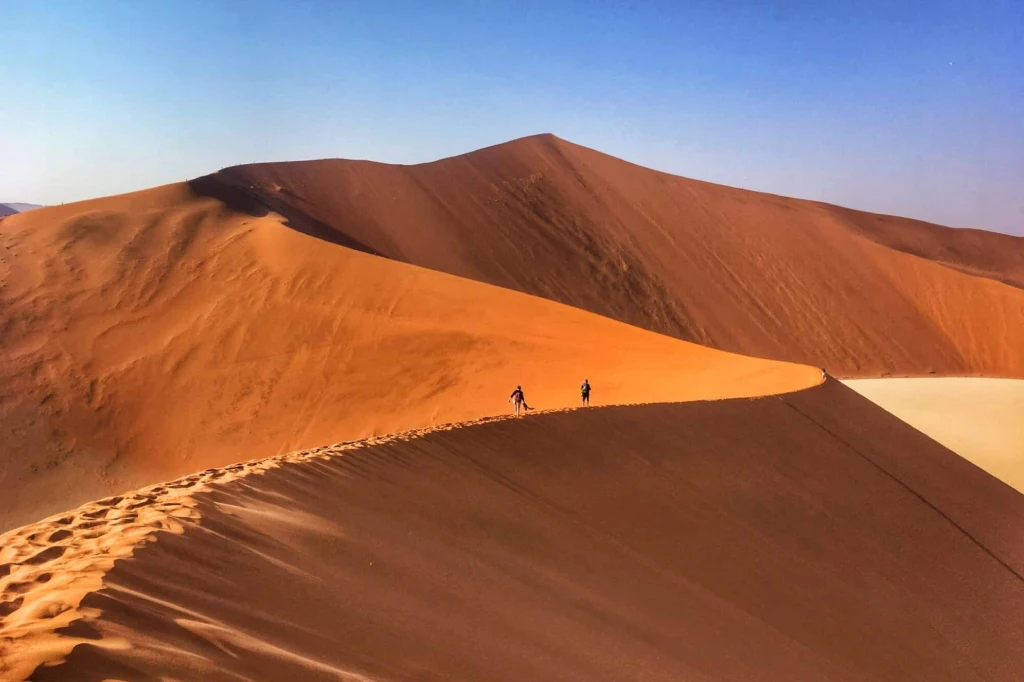
4 Destinations: Etosha National Park → Namibia → Twyfelfontein → Waterberg
View Details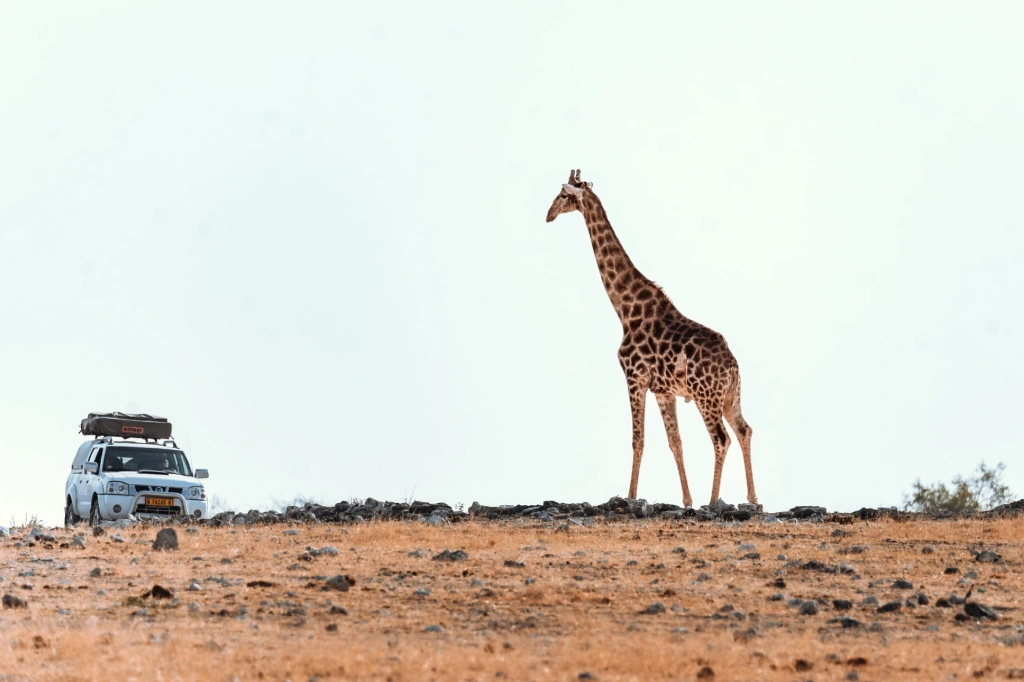
9 Destinations: Aus → Etosha National Park → Fish River Canyon → Hardap → Kalahari → Namibia → Sossusvlei → Swakopmund → Windhoek
View Details
6 Destinations: Damaraland → Etosha National Park → Namibia → Swakopmund → Twyfelfontein → Windhoek
View Details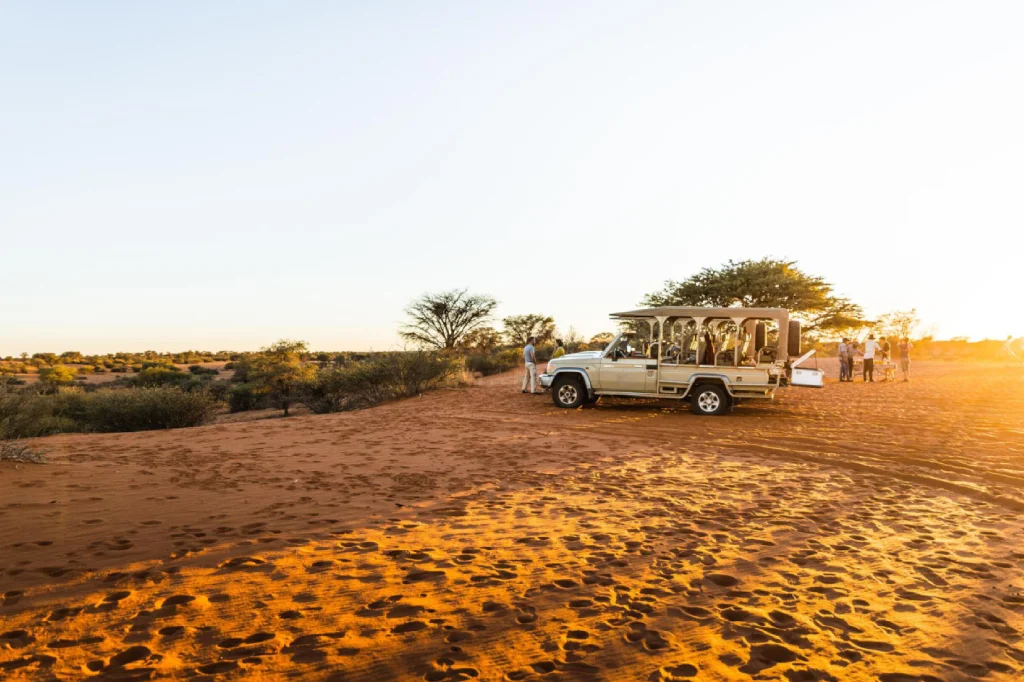
6 Destinations: Damaraland → Etosha National Park → Namibia → Swakopmund → Twyfelfontein → Windhoek
View Details
8 Destinations: Damaraland → Etosha National Park → Fish River Canyon → Kalahari → Namibia → Sossusvlei → Swakopmund → Waterberg
View Details
4 Destinations: Damaraland → Etosha National Park → Namibia → Swakopmund
View Details
8 Destinations: Damaraland → Etosha National Park → Fish River Canyon → Kalahari → Namibia → Sossusvlei → Swakopmund → Waterberg
View Details
11 Destinations: Etosha National Park → Fish River Canyon → Kalahari → Luderitz → Namibia → Naukluft → Spitzkoppe → Swakopmund → Twyfelfontein → Waterberg → Windhoek
View Details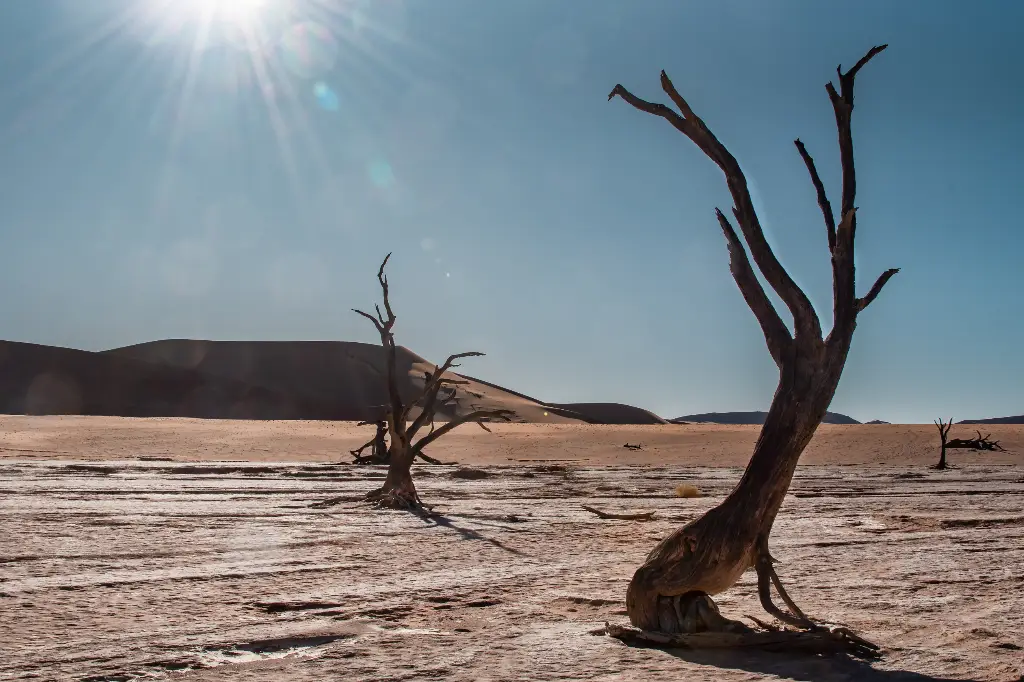
9 Destinations: Aus → Cape Cross → Etosha National Park → Fish River Canyon → Kalahari → Namibia → Swakopmund → Twyfelfontein → Windhoek
View Details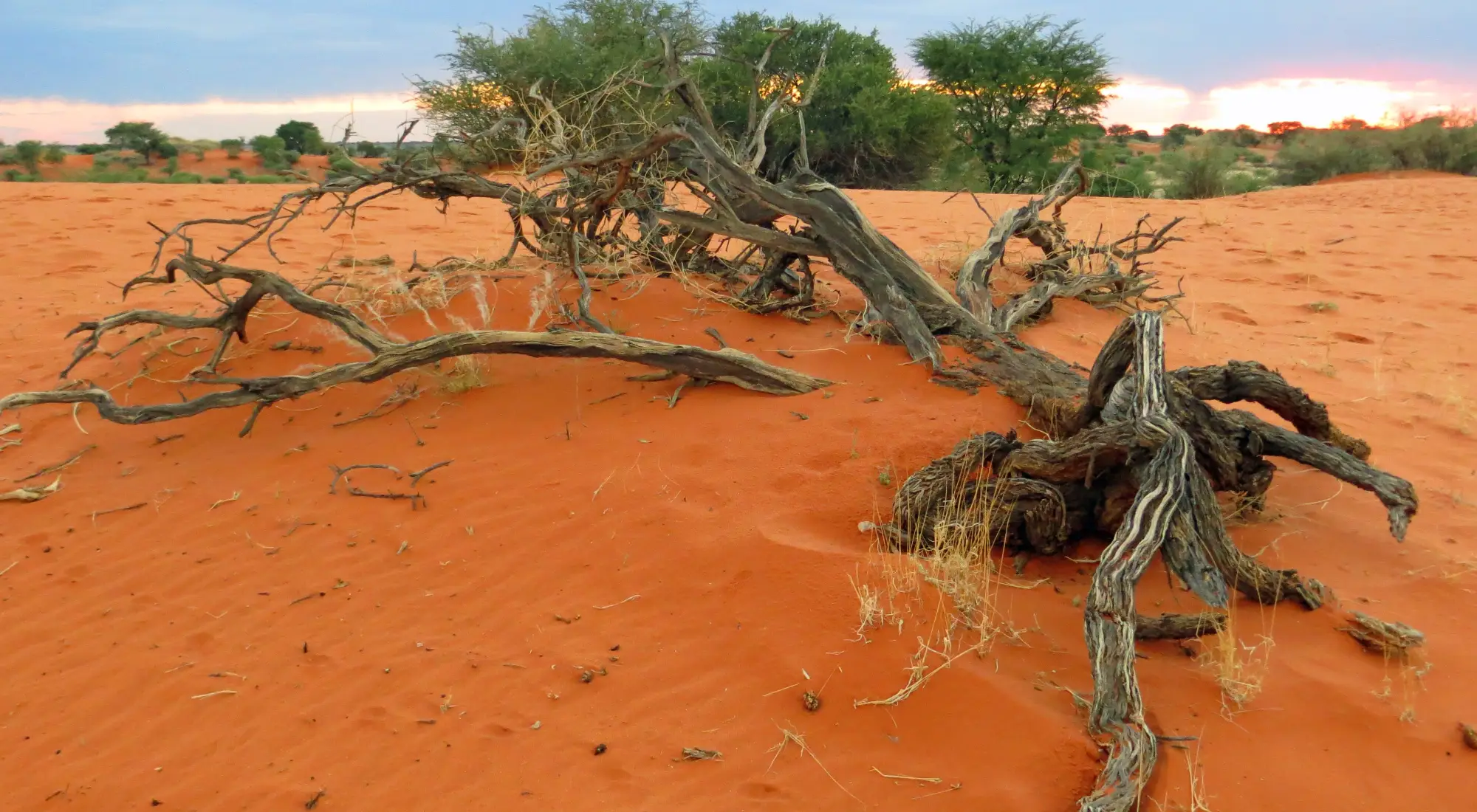
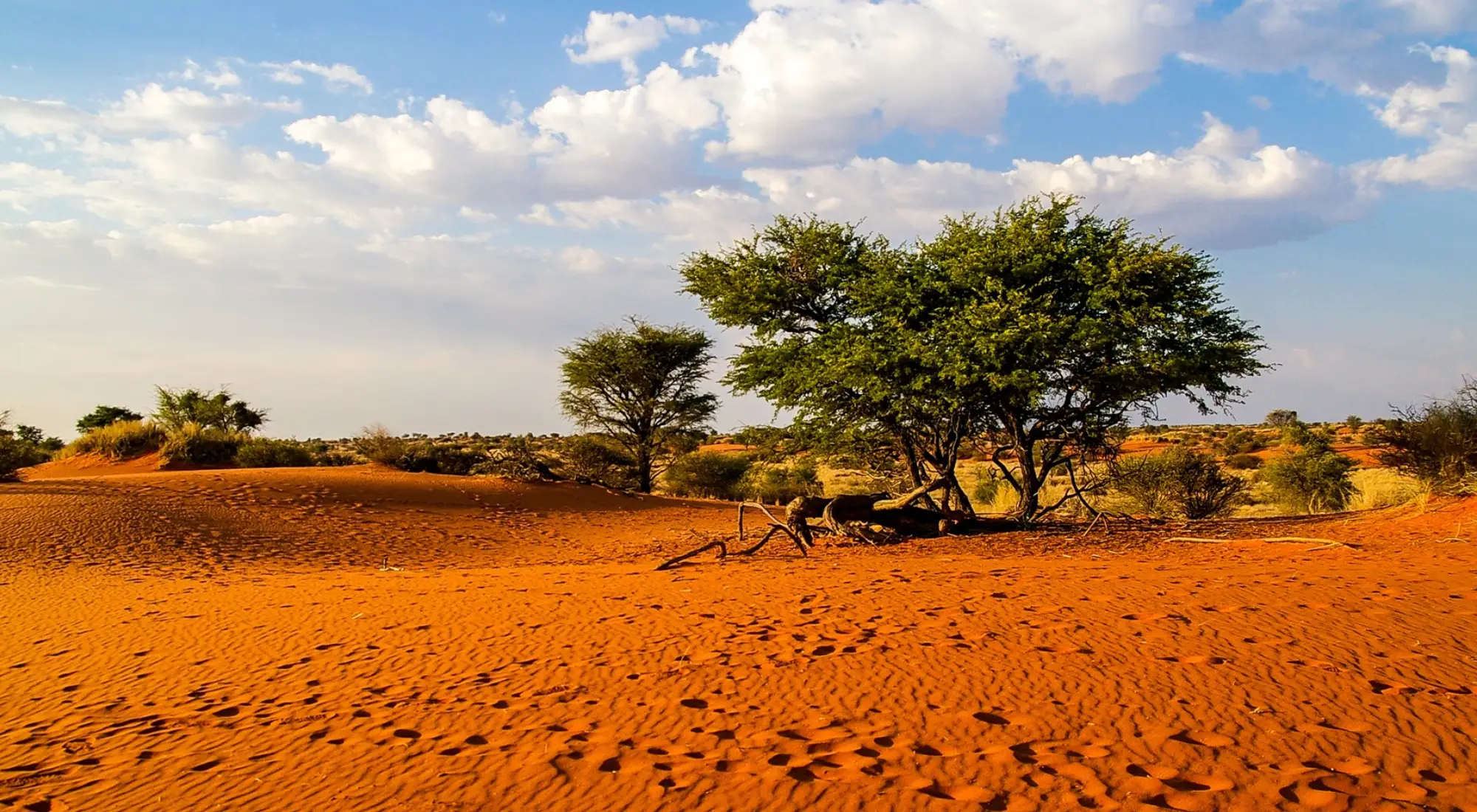
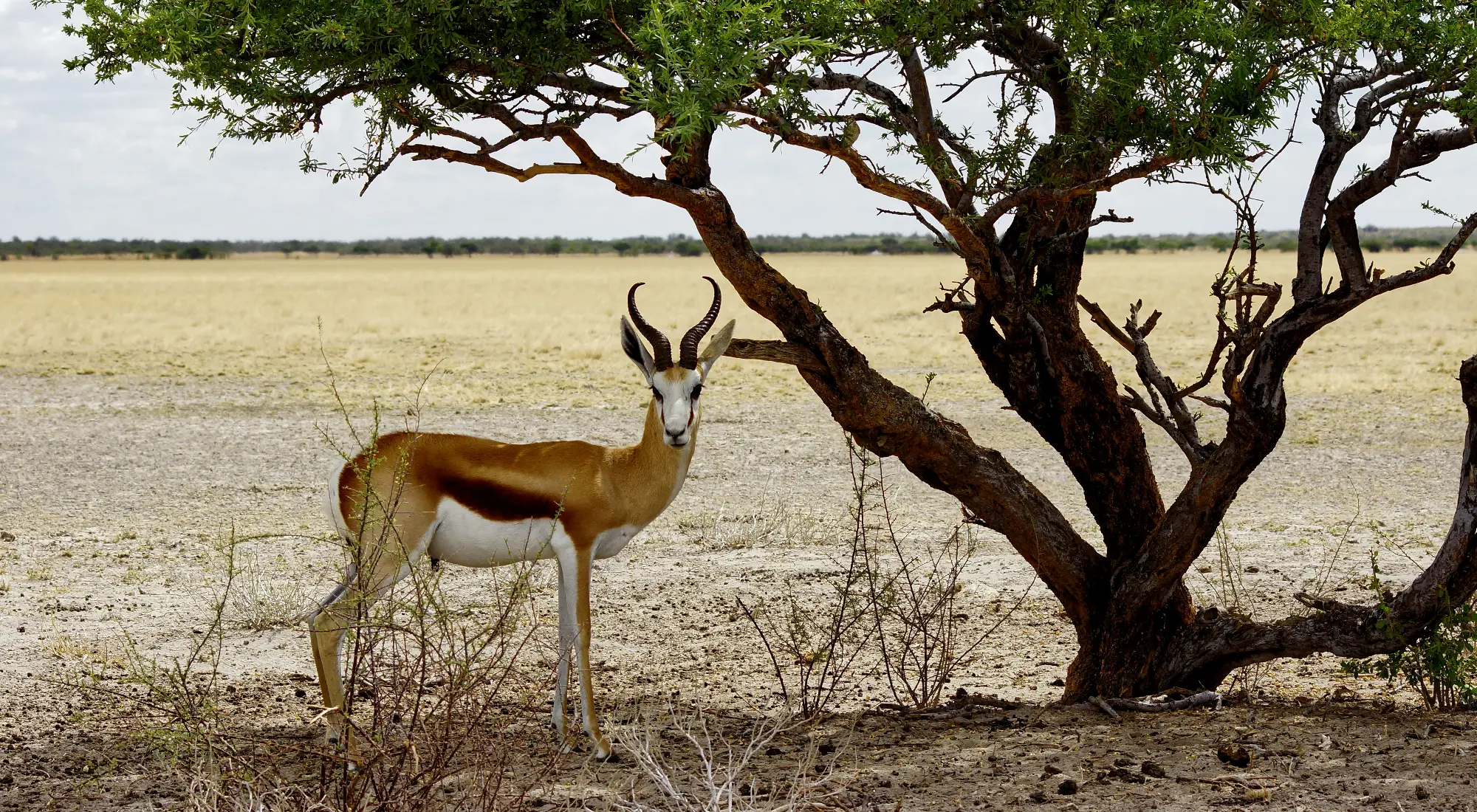
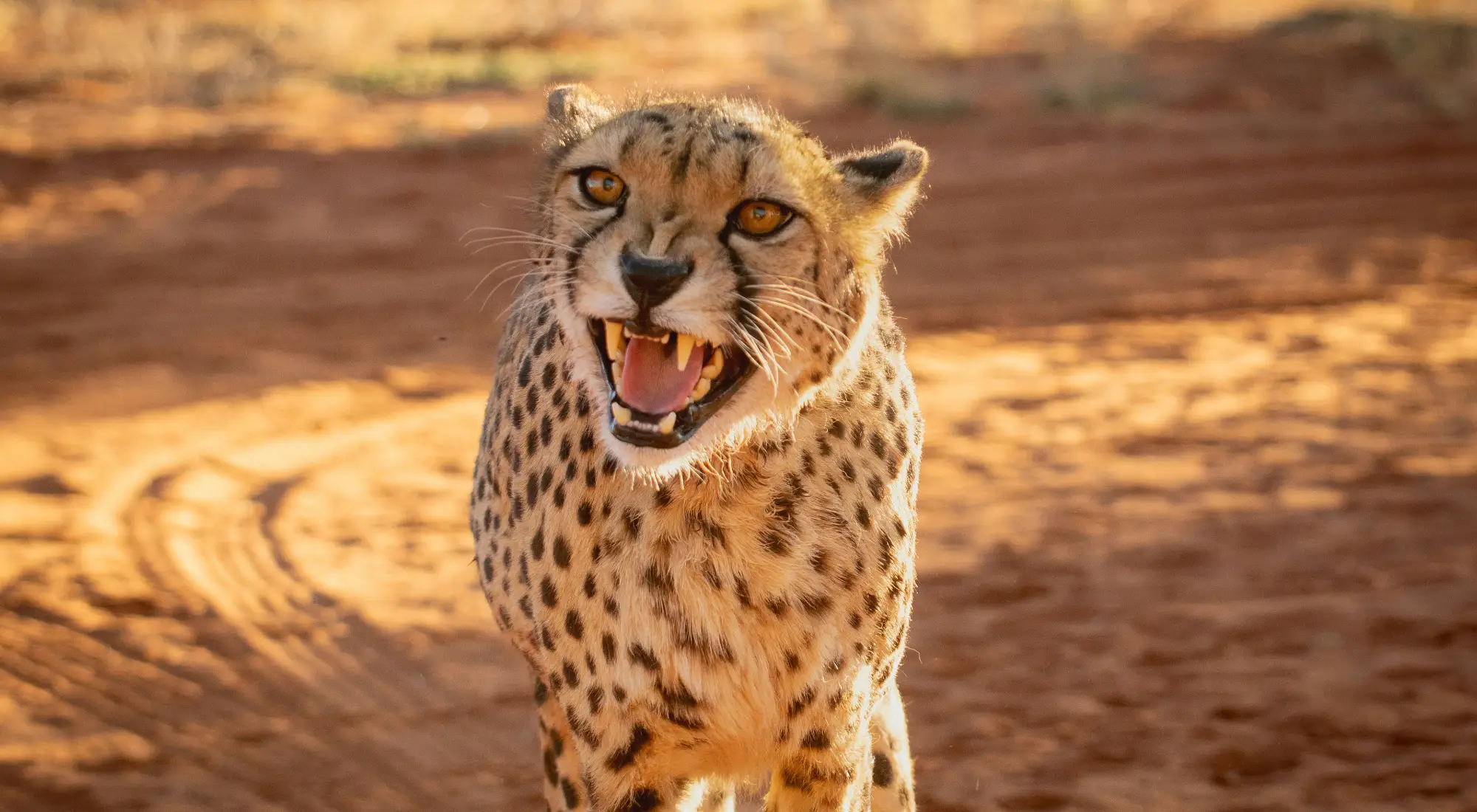
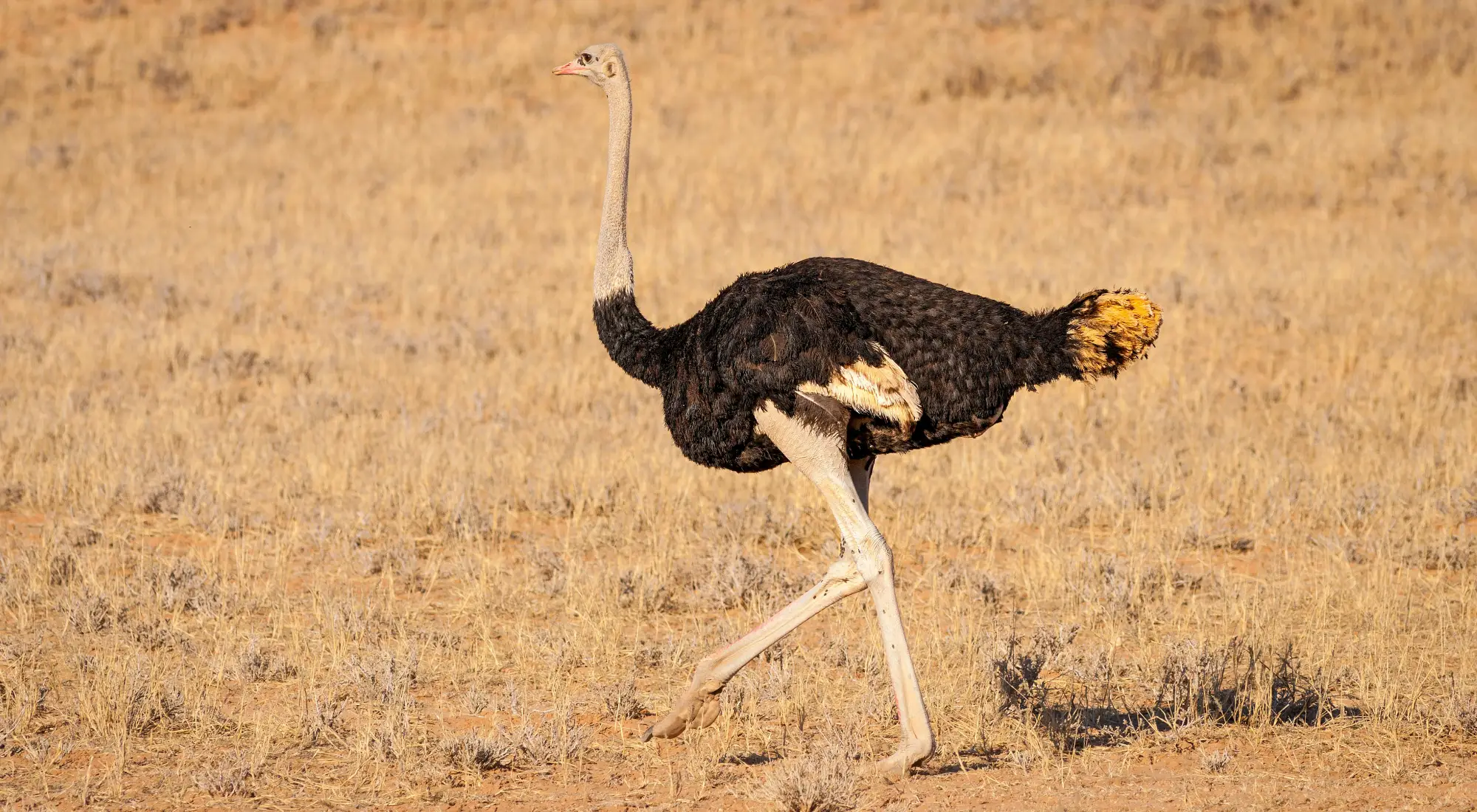
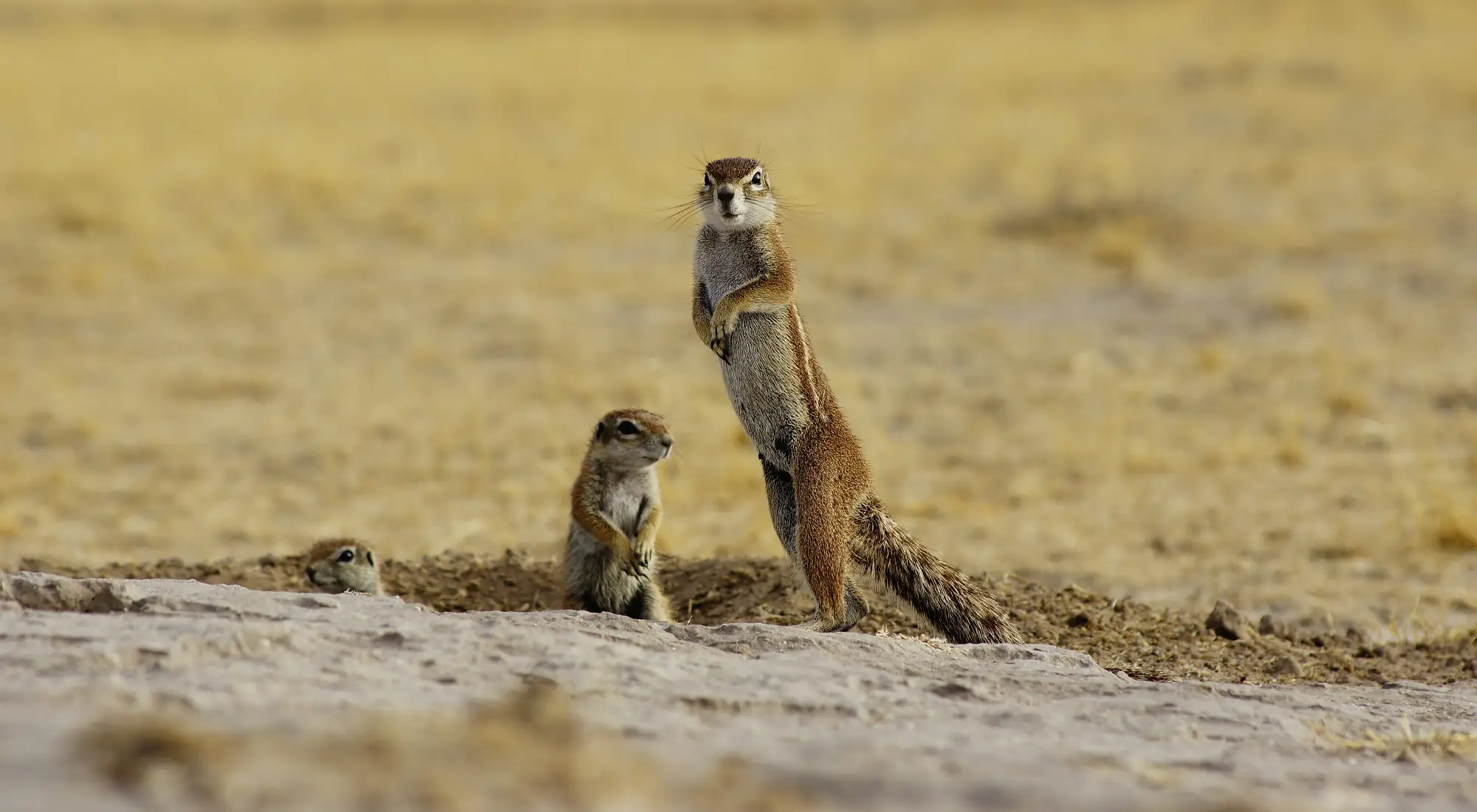
This gallery shows the Kalahari Desert through red dunes, open skies, San cultural scenes, desert wildlife, guest farms, weaver nests, and quiet landscapes that reveal Namibia’s softer semi-desert side.
The Kalahari Desert is one of Namibia’s quieter semi-desert regions. It is known for red dunes, San cultural experiences, guest farms, desert wildlife, birdlife, and wide open land that feels far from busy routes. These FAQs cover the basics before visiting, from wildlife and seasons to activities, accommodation, and what makes the area special.
Namibia has a lot to pull travelers in. Wide desert dunes, wildlife parks, salt pans, coastal towns, canyons, and quiet wilderness areas all sit within one country. This section brings the main attractions in Namibia together, so travelers can see what fits their route, time, comfort level, and the kind of journey they want.
Our Namibian tour was an unforgettable experience from start to finish. Henzel was both our guide and driver, and he did an outstanding job in both roles. He was incredibly thorough and well-prepared, always sharing detailed insights about the landscapes, wildlife, and local culture. You could tell he truly knew and loved the country.

We did the “7 Days Wildlife Etosha and Sossusvlei Namibian Safari (Accommodated)” with Safari World Tours in December 2023 and it was the best choice for our family! We are experienced travelers (49 countries visited) and found that to travel to Namibia with a small child (4 years old) a tour would the the best option







 English
  German