+264 81 8211 521
info@safariworldtours.com
Deals & Discounts


A vast southern canyon with ancient rocks and desert views
Fish River Canyon is one of Namibia’s greatest natural landmarks and the largest canyon in Africa. It lies in the country’s dry southern region and forms part of the Ai-Ais Richtersveld Transfrontier Park.
Often listed among the top Namibia Travel Destinations, this canyon stretches about 160 kilometers in length, reaches up to 27 kilometers wide, and drops around 550 meters at its deepest point. Its huge walls, winding riverbed, and old rock layers show a landscape shaped over millions of years. Some rocks in this region are believed to be nearly a billion years old.
The canyon takes its name from the Fish River, Namibia’s longest river. For much of the year, the riverbed looks dry, with only scattered pools remaining. During the rainy season, water can return in force, feeding wildlife and bringing life to this dry southern landscape.

Gather ideas from our Namibia tour packages, or let our consultants help you picture the possibilities. We can build the journey around your time, style, and interests.
Fish River Canyon sits in southern Namibia, inside the Ai-Ais Richtersveld Transfrontier Park. Most travelers reach it by road, often through Keetmanshoop, Hobas, Ai-Ais, or Lüderitz. The map helps you see long distances, dry roads, access to viewpoints, and rest stops before planning the drive.
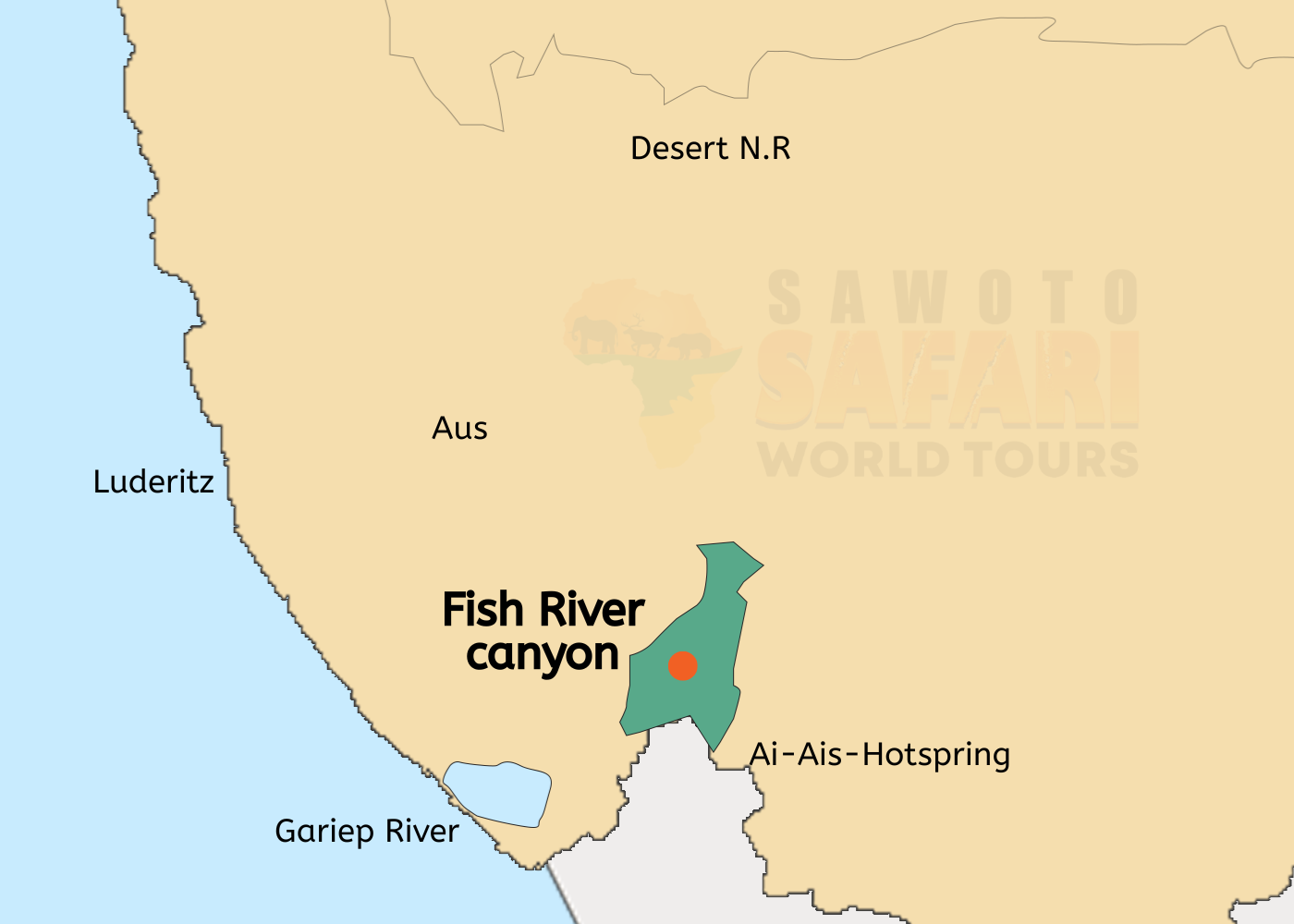
Fish River Canyon is one of those places that feels bigger in real life than it looks on a map. This huge canyon sits in southern Namibia, inside the Ai-Ais Richtersveld Transfrontier Park. Travelers come for Hell’s Bend, dry river views, sunset stops, rim walks, wildlife sightings, and the famous hiking trail that drops into the canyon.
Fish River Canyon is best visited during Namibia’s cooler months, mainly from May to September. The days feel easier for walking, photography, viewpoints, and longer outdoor stops. Summer heat can be rough, and the main canyon hike closes for safety during hotter months.
May to September is the most comfortable time to visit Fish River Canyon. The air is cooler, and standing at the rim does not feel as harsh as it can in summer. These months also suit travelers who want to walk between viewpoints or take on the longer Fish River Hiking Trail.
The hiking trail is a serious route, not a casual walk. It covers about 85 kilometers and usually takes four to six days. Hikers need permits, strong fitness, proper gear, and enough supplies. Once you go down into the canyon, it feels remote very quickly, so preparation is not something to rush.
Summer can be extremely hot in the canyon. Even a short stop at a viewpoint may feel tiring if you arrive in the middle of the day. Early morning or late afternoon works better during warmer months. Carry water, wear sun protection, and do not push long walks in exposed heat.
Winter evenings can turn cold, especially near the rim or at camps and lodges. After a hot, dusty drive, that cool air may catch you off guard. A light jacket helps. Sunset is usually worth waiting for, when the canyon walls soften in colour and the silence settles around you.
Fish River Canyon is known for its size, old rock layers, dry riverbed, and wide southern scenery. It stretches through a harsh part of Namibia, with deep cliffs, long bends, scattered pools, and views that make people stop talking for a while.
This is often called the largest canyon in Africa. It stretches about 160 kilometers, reaches up to 27 kilometers wide, and drops around 550 meters at its deepest point. From the rim, the scale is hard to understand at first. You stand there, look down, and then look again.
The canyon was carved over a very long time by the Fish River, Namibia’s longest river. For much of the year, the river may look almost dry, with only small pools left below. During the rainy season, water can return strongly, giving the dry canyon a completely different feeling.
Some rocks in this area are believed to be extremely old, with parts of the landscape linked to deep geological time. You can see rough walls, folds, layers, and broken stone everywhere. Even if geology is not your thing, the age of the place feels easy to sense.
Hell’s Bend is the most famous viewpoint, and for good reason. The river curves far below, and the canyon opens out in dry, wide layers. Sunrise and sunset are lovely here. The light becomes less sharp, the cliffs show more depth, and the view feels calmer.
Fish River Canyon sits far from Namibia’s busier routes, so planning helps. Most travellers arrive by self-drive, guided tour, or overland trip. Hobas is the main entry point, with park fees, viewpoint access, gravel roads, and long driving distances to think about.
The canyon is in far southern Namibia, close to the South African border. Keetmanshoop is the nearest major town, while Windhoek is a long drive away. Many travellers include the canyon after Sossusvlei, Lüderitz, or other southern stops, so it works best with a clear route plan.
There is no easy public transport to Fish River Canyon. Most visitors use a rental car, guided tour, or overland vehicle. Namibia’s road network is generally good, but the last stretch may include gravel. A high-clearance vehicle is useful, and a 4×4 can help on rougher tracks.
Visitors usually enter through Hobas before going to the main viewpoints. Park fees are paid there, and fees may change, so it is better to check before travelling. In remote places, card machines are not always reliable. Carry cash, water, snacks, and enough fuel before heading further.
Day visitors can enjoy the rim, but they cannot climb down into the canyon. The descent is only allowed for approved hikers on the official trail. It may sound strict, but it makes sense. The lower canyon is remote, hot, rough, and not a place to enter casually.
Fish River Canyon can be simple or demanding, depending on how you visit. Some travelers come only for the viewpoints. Others walk the rim, join guided drives, watch the sunset, look for wildlife, or take on the long multi-day hike through the canyon.
For many visitors, the main thing is the view itself. Hell’s Bend is the classic stop, but there are other lookout points, too. You can drive between them or walk short sections along the rim. Even a short visit feels worthwhile because the canyon is so vast and quiet.
The Fish River Hiking Trail is the big adventure. It runs for about 85 kilometers and takes several days to complete. Hikers need permits, fitness, gear, and confidence with self-supported walking. This trail is not for everyone, and that is fine. The viewpoints still give a strong experience.
Some lodges offer guided hikes, sunset drives, and scenic outings near the canyon. These are good options if you want local knowledge without doing the full trail. Shorter rim walks can also be rewarding, especially when the light is softer and the heat is easier to handle.
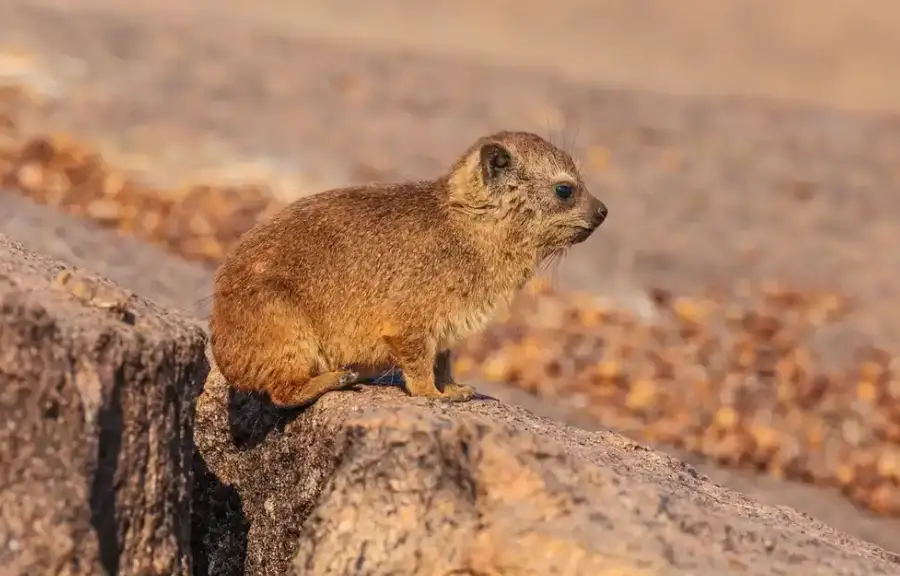
Wildlife is there, though not always easy to see. You may spot mountain zebras, kudu, antelope, baboons, and birds such as eagles. The plants are tough, too, with quiver trees standing out in the dry land. Look slowly, because this place does not reveal everything at once during a slow visit near viewpoints and tracks nearby too
A visit to Fish River Canyon offers deep views, dry cliffs, quiet viewpoints, sunset colors, and wide desert silence. Travelers can enjoy rim walks, photo stops, wildlife sightings, and one of Namibia’s most famous canyon landscapes.
These Namibia Safari Itineraries bring together the country’s wide range of travel experiences, from wildlife parks and desert roads to coastal towns, cultural stops, and quiet lodge stays. Some routes are short and focused. Others stretch across several regions. And for travelers comparing Namibia Safari Packages, these itineraries make it easier to choose a trip that fits their time, comfort, and travel style.
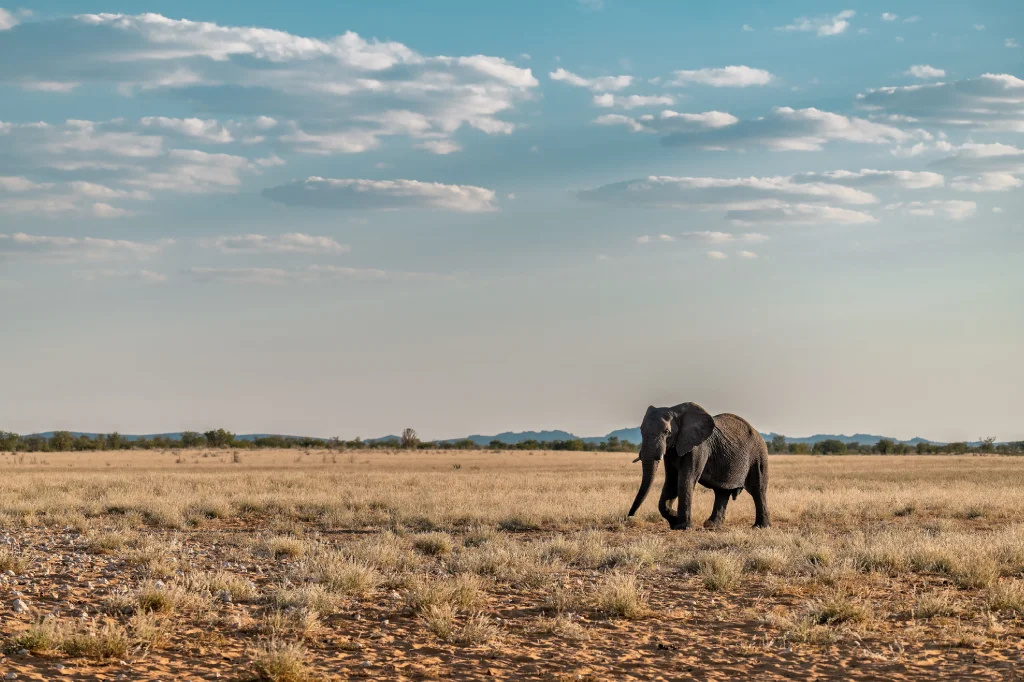
2 Destinations: Etosha National Park → Namibia
View Details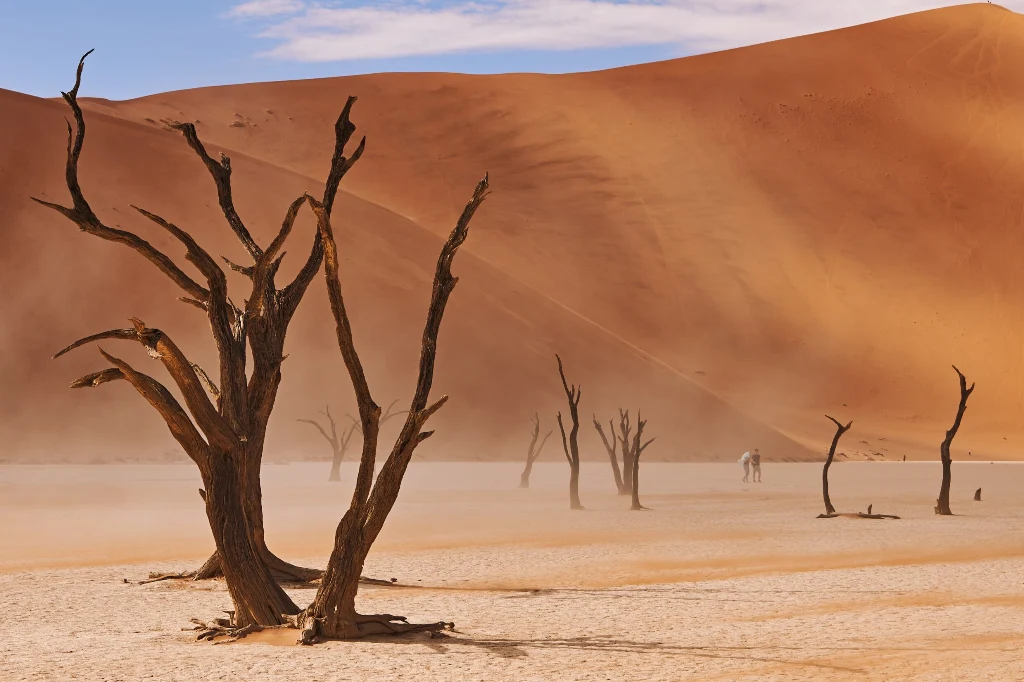
5 Destinations: Botswana → Etosha National Park → Namibia → Sossusvlei → Swakopmund
View Details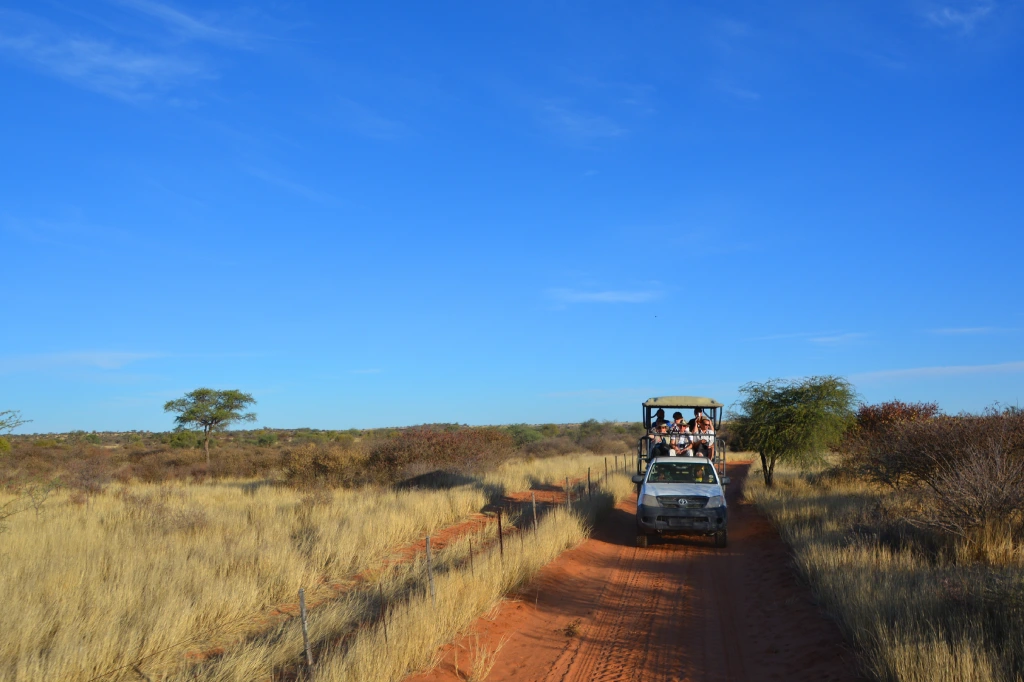
6 Destinations: Etosha National Park → Namibia → Sossusvlei → Spitzkoppe → Swakopmund → Windhoek
View Details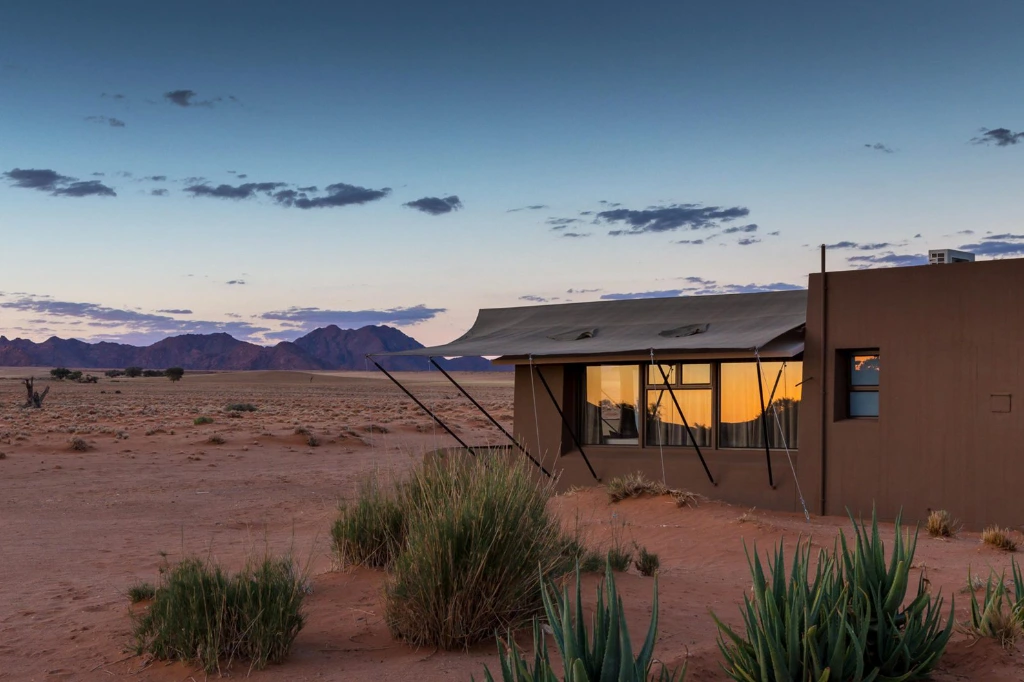
5 Destinations: Etosha National Park → Namibia → Sossusvlei → Swakopmund → Windhoek
View Details
5 Destinations: Etosha National Park → Namibia → Sossusvlei → Swakopmund → Windhoek
View Details
6 Destinations: Botswana → Etosha National Park → Namibia → Sossusvlei → Swakopmund → Zimbabwe
View Details
6 Destinations: Etosha National Park → Fish River Canyon → Namibia → Sossusvlei → Swakopmund → Twyfelfontein
View Details
6 Destinations: Botswana → Etosha National Park → Namibia → Sossusvlei → Swakopmund → Zimbabwe
View Details
7 Destinations: Etosha National Park → Kamanjab → Namibia → Spitzkoppe → Swakopmund → Twyfelfontein → Windhoek
View Details
4 Destinations: Etosha National Park → Namibia → Sossusvlei → Swakopmund
View Details
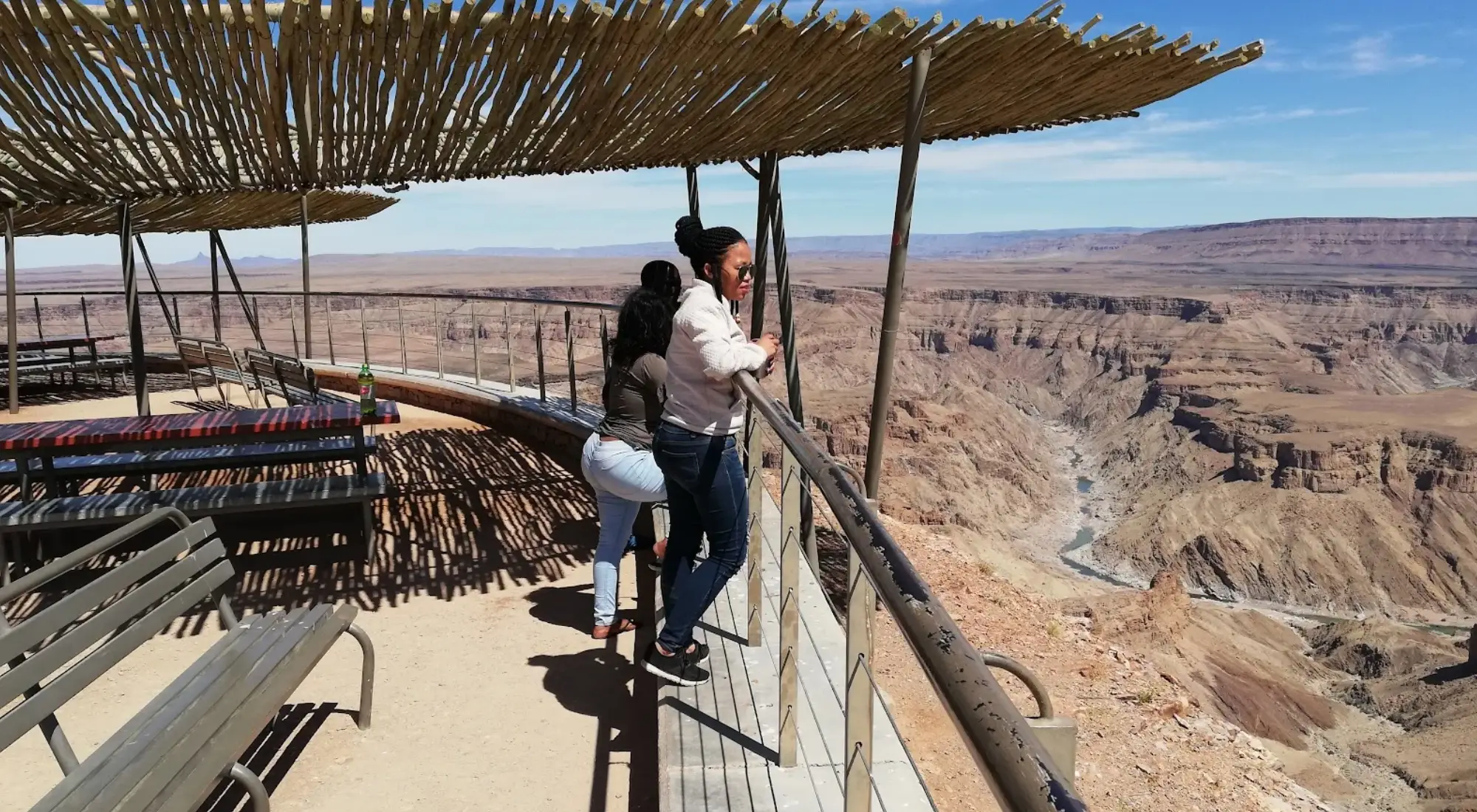
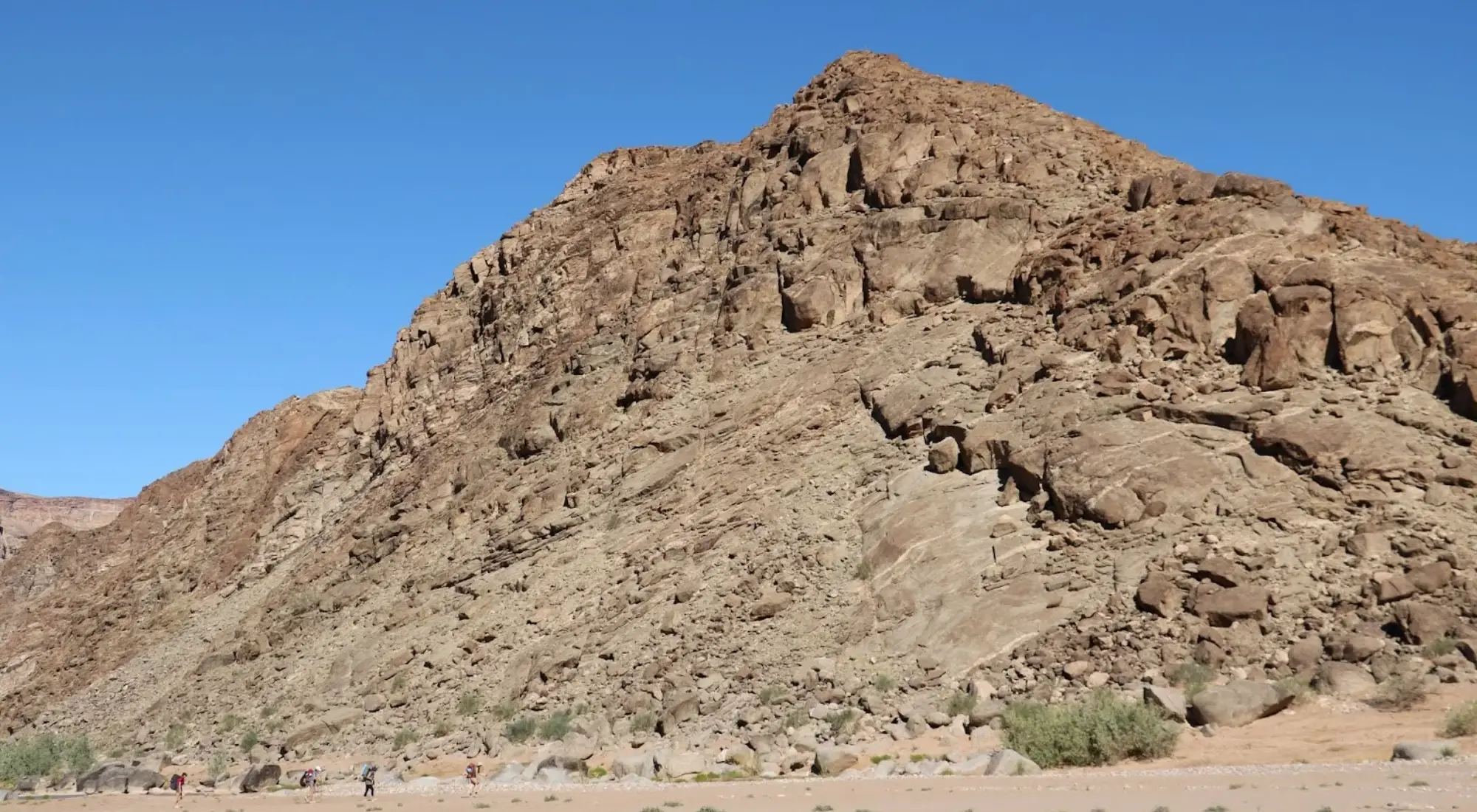
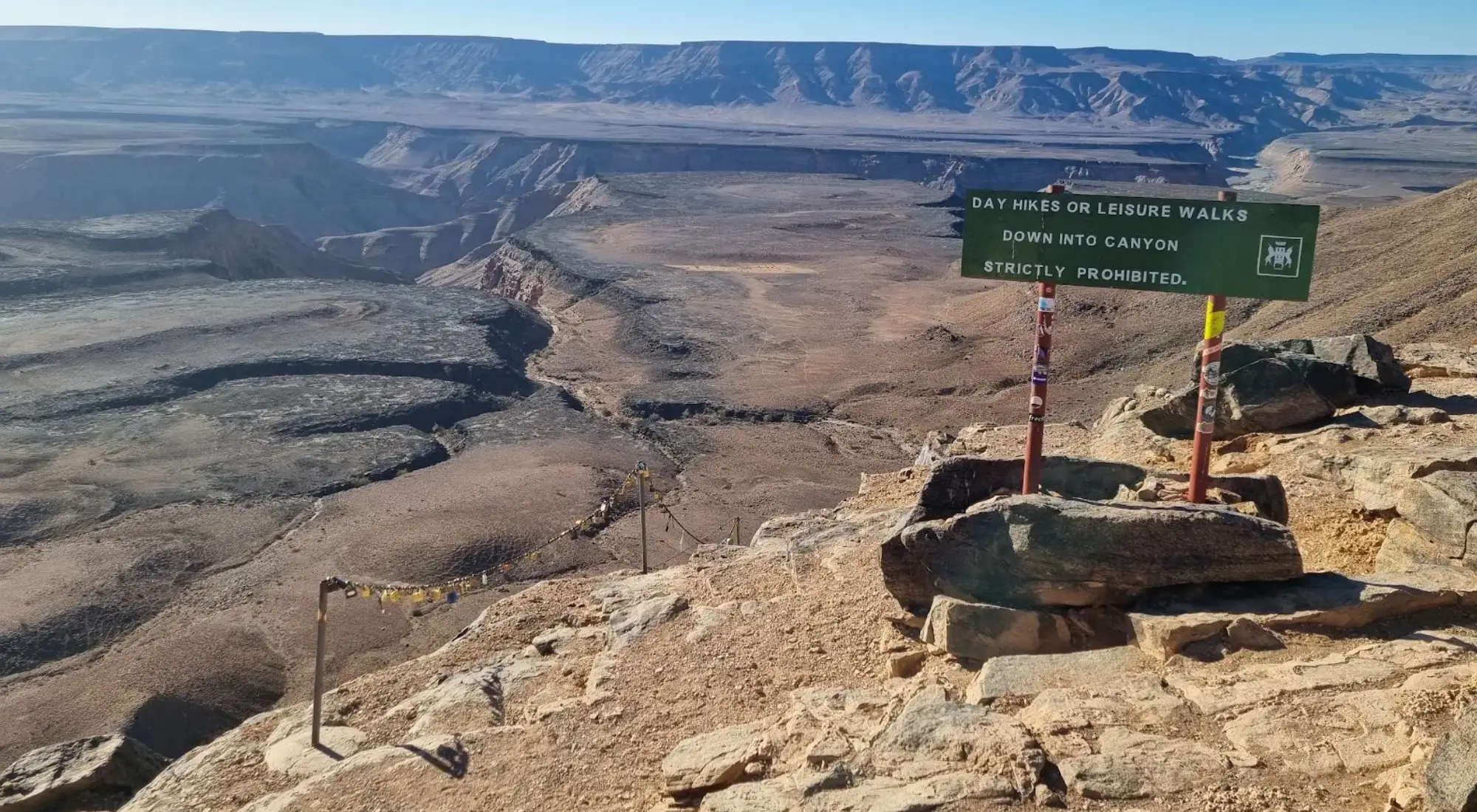
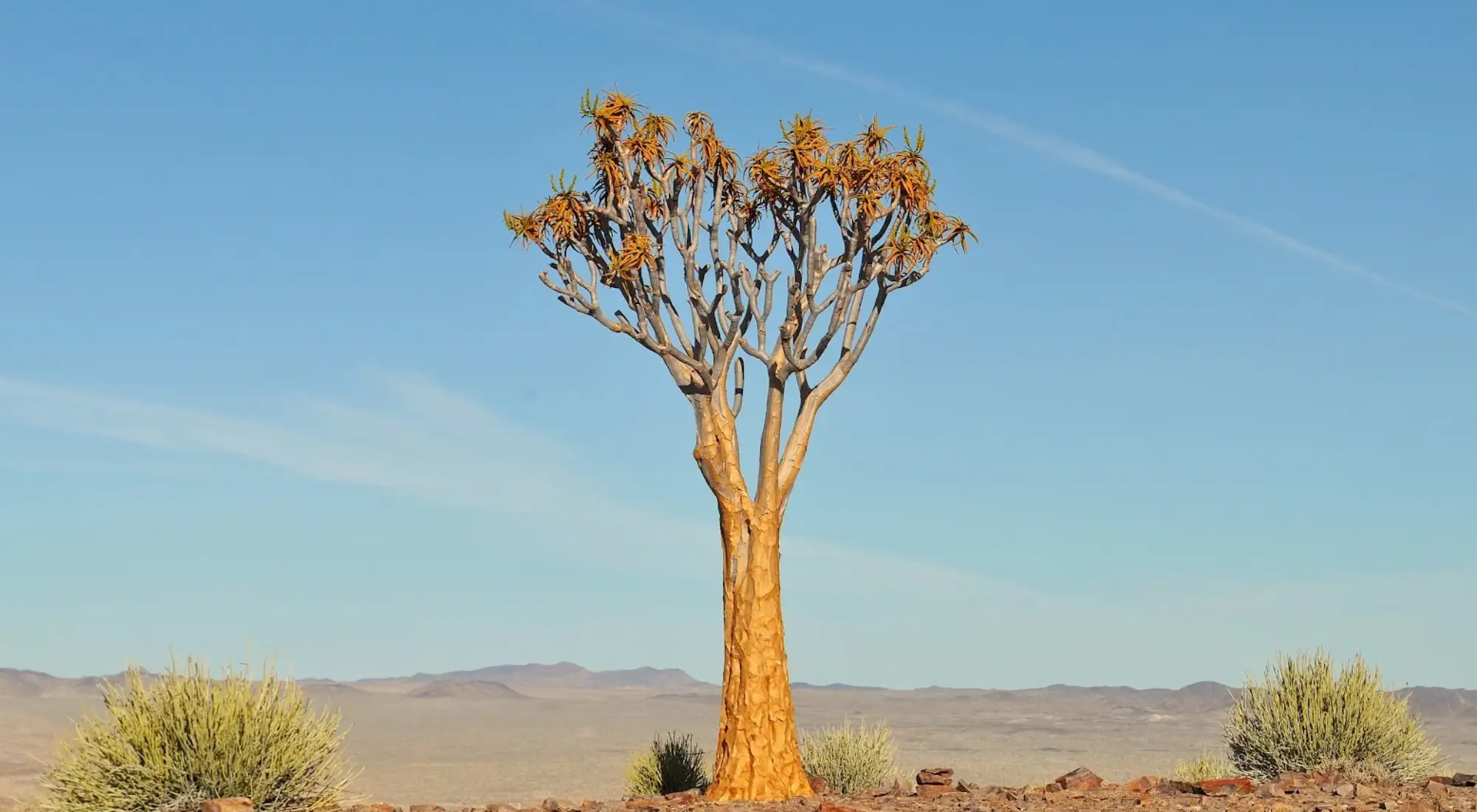
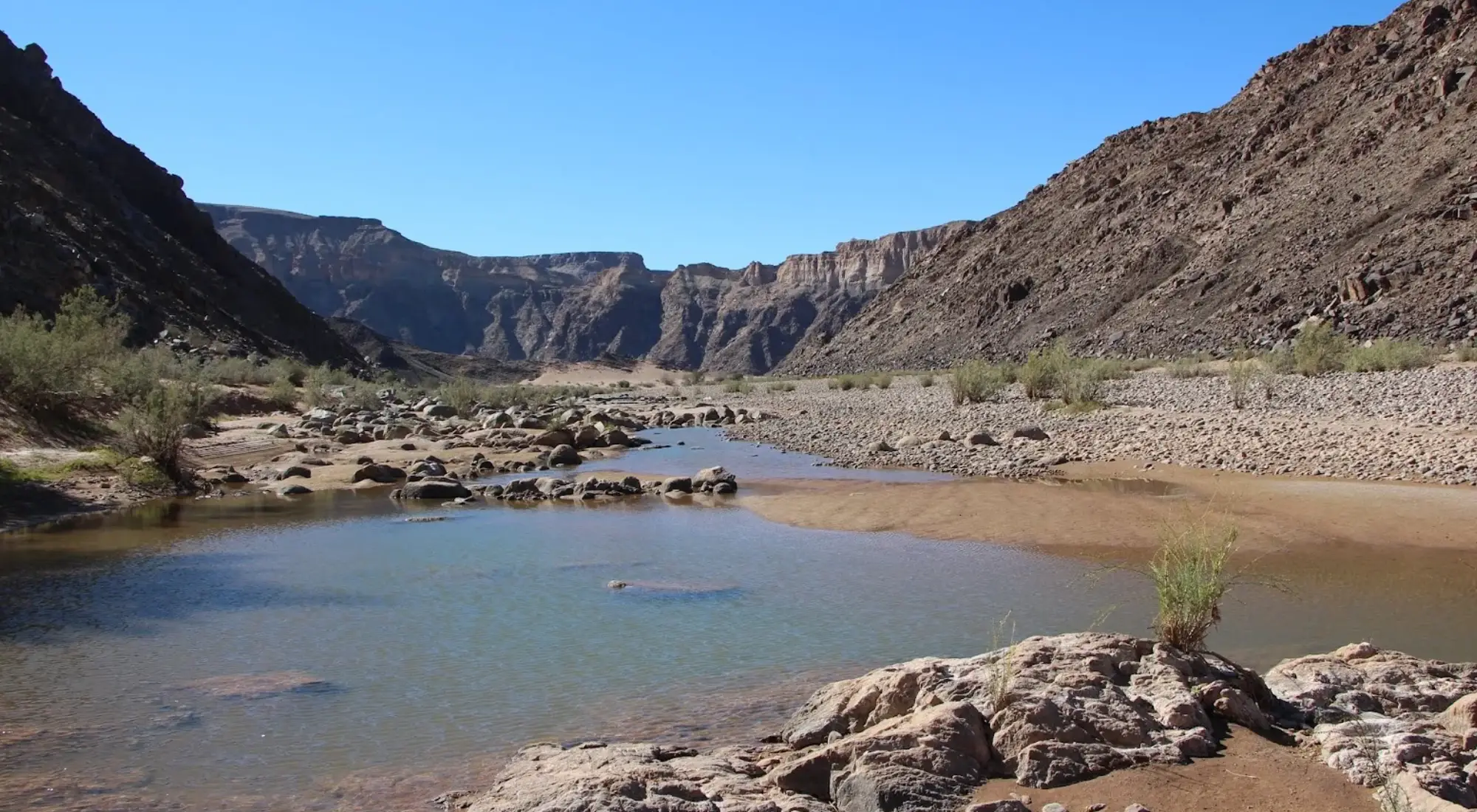
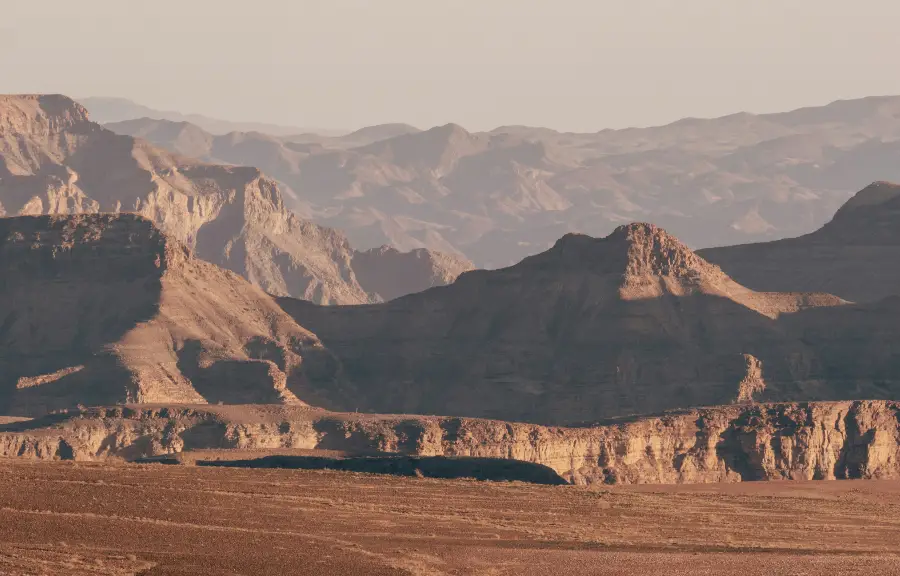
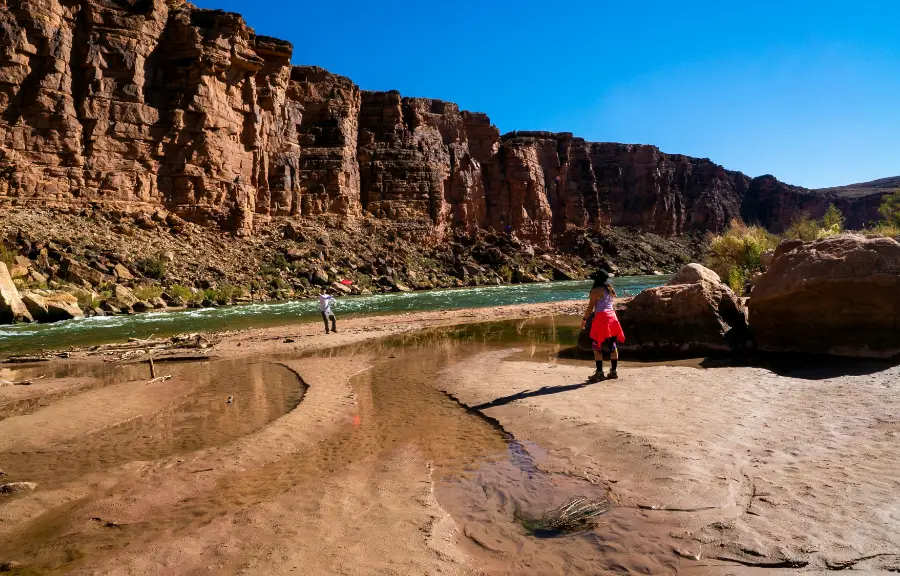
View Fish River Canyon through deep cliffs, dry riverbeds, rim viewpoints, desert light, and wide southern landscapes. Each image shows the canyon’s scale, rough beauty, and quiet natural power.
These Fish River Canyon FAQs help travellers understand the basics before visiting this remote southern Namibia landmark. The answers cover the canyon’s meaning, the best time to visit, hiking rules, trail length, basic facilities, and safety. This section is useful for visitors planning viewpoint stops, short walks, or the famous multi-day canyon hike.
Namibia has a lot to pull travelers in. Wide desert dunes, wildlife parks, salt pans, coastal towns, canyons, and quiet wilderness areas all sit within one country. This section brings the main attractions in Namibia together, so travelers can see what fits their route, time, comfort level, and the kind of journey they want.
Our Namibian tour was an unforgettable experience from start to finish. Henzel was both our guide and driver, and he did an outstanding job in both roles. He was incredibly thorough and well-prepared, always sharing detailed insights about the landscapes, wildlife, and local culture. You could tell he truly knew and loved the country.

We did the “7 Days Wildlife Etosha and Sossusvlei Namibian Safari (Accommodated)” with Safari World Tours in December 2023 and it was the best choice for our family! We are experienced travelers (49 countries visited) and found that to travel to Namibia with a small child (4 years old) a tour would the the best option







 English
  German