+264 81 8211 521
info@safariworldtours.com
Rabatte & Deals


A raised sandstone park with rare wildlife, history, and views
Waterberg Plateau Park lies in central Namibia, about 68 kilometers east of Otjiwarongo. Its high sandstone plateau rises above the surrounding plains, creating one of the most striking and important Namibia Reiseziele.
The park was proclaimed in 1972 as a sanctuary for rare and endangered wildlife. Its protected plateau helped breeding programs for species that were later moved to other parks and conservation areas. Black rhinos were reintroduced from Damaraland in 1989, adding national and international value to the park’s conservation work. Today, Waterberg is known for rare animals, rich birdlife, steep cliffs, and its role in Namibia Touren und Safaris.
Waterberg also carries a deep history. In 1904, Herero warriors fought German colonial forces near the plateau, leading to tragic loss during the retreat across the Omaheke Region. An older history is also evident in San rock engravings and dinosaur tracks.

Gather ideas from our Namibia tour packages, or let our consultants help you picture the possibilities. We can build the journey around your time, style, and interests.
Waterberg Plateau Park sits in central Namibia, east of Otjiwarongo, with its raised sandstone plateau standing above the surrounding plains. A map helps travelers understand the park’s location, nearby access roads, rest camp area, viewpoint routes, and wider travel links. It also makes planning easier for self-drive journeys, guided visits, and longer Namibia safari routes.
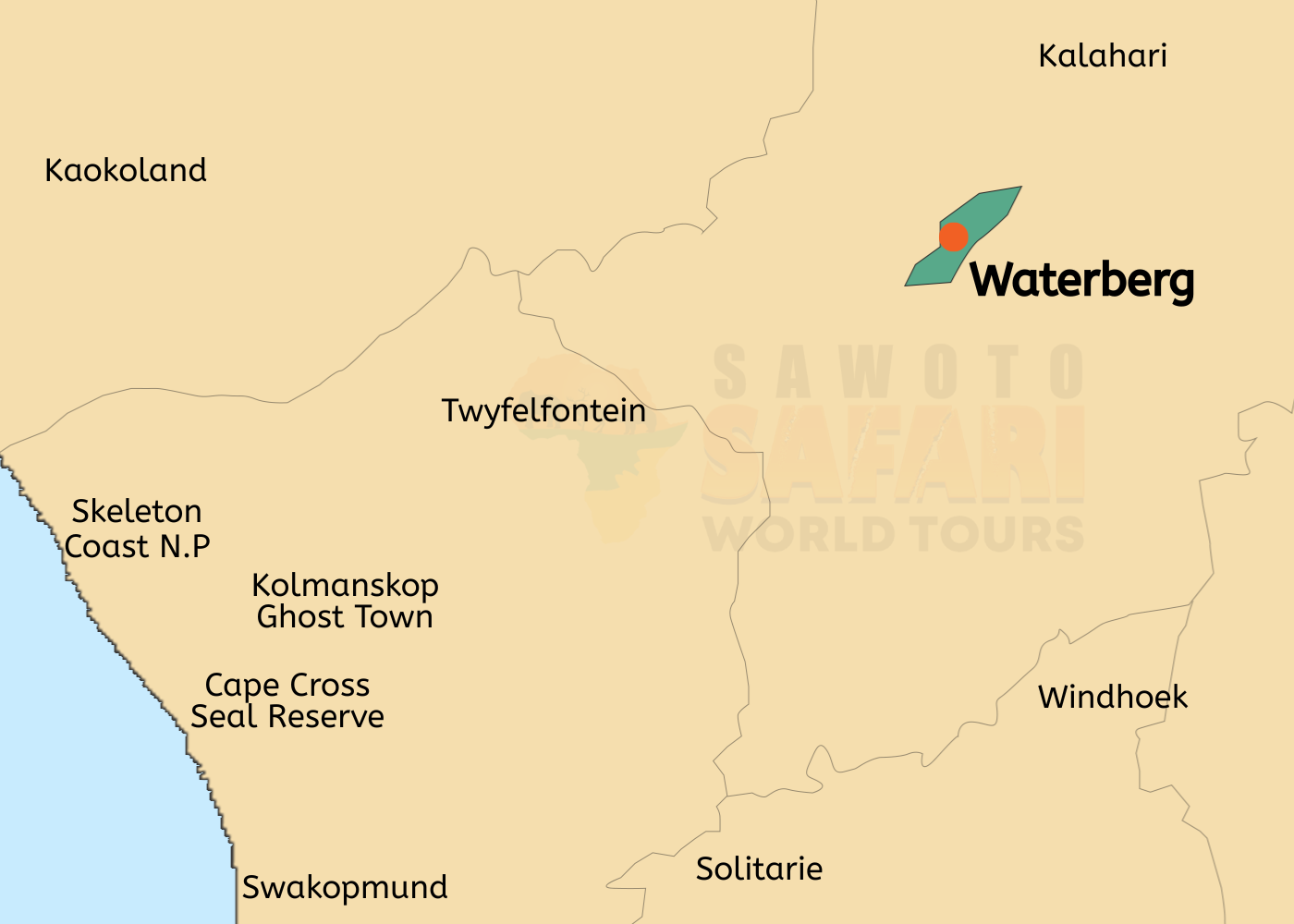
Waterberg Plateau Park needs more than a quick stop because its cliffs, wildlife, history, and walking trails each tell a different part of the place. Before visiting, travelers should understand the seasons, rare animals, scenery, and activities. This section keeps the details clear, so the plateau feels easier to explore and more meaningful for visitors on a central Namibia journey today.
Waterberg is pleasant in the dry months, especially for walks, hikes, and game drives. April to November suits longer hiking routes, while cooler mornings help with plateau views. The park can be visited more widely, but comfort depends on the heat and activity plans.
The dry season is usually the easier time to enjoy Waterberg Plateau Park. Trails are more comfortable, views feel clearer, and game drives are less tiring in cooler air. For travellers who want to walk the red cliffs or join guided activities, the mild months make the whole day feel more manageable and less rushed, especially on exposed paths.
Longer hiking routes are usually offered from April to November, which gives active travellers a clear window for planning. Some walks can be done independently on marked paths, while guided options add more detail about wildlife, plants, and the plateau’s history. It is worth checking lodge or camp arrangements before arriving, so trail plans stay realistic around the plateau.
Summer can still be visited, but heat changes the pace quickly. The plateau and lower slopes can feel heavy during the middle of the day, especially on exposed paths. Early starts help. Carry water, wear sun protection, and leave the harder walks for cooler hours when the cliffs feel less harsh for most walkers on the route in dry air.
The best time also depends on what you want from Waterberg. Hikers may prefer the cooler hiking season, while wildlife lovers may plan around game drives and guided tracking. If Herero culture, geology, and scenery are the focus, a slower two-night stay often works better than rushing through in one quick afternoon because the park has layers that need time.
Waterberg was created to protect rare and endangered animals. Its high plateau, steep sides, and good water supply made it safer for relocated wildlife. Today, visitors may see rhino, buffalo, antelope, giraffe, predators, and many birds during guided drives or nature walks here.
Waterberg Plateau Park has played an important role in Namibia’s conservation work. Rare animals were moved here because the plateau offered natural protection from poaching and predators. Black and white rhino, roan, sable antelope, and buffalo are part of that story, along with other species that found space on the raised land above the plains where access is controlled.
The park also supports giraffe and common antelope such as klipspringer, impala, gemsbok, and other dry-country species. Sightings are not always instant, so game drives work best with patience. The landscape can hide animals easily, especially around thicker vegetation, broken rock, and quieter parts of the plateau where shade gathers during hot parts of the day, so patience matters here.
Predators add another layer to Waterberg’s wildlife. Leopard, cheetah, wild dog, brown hyena, and black-backed jackal may occur in the area, though some are hard to see. The Waterberg region is also linked to nearby conservation work for cheetah and leopard around Otjiwarongo, which adds wider meaning for travellers who want more than a quick game drive here.
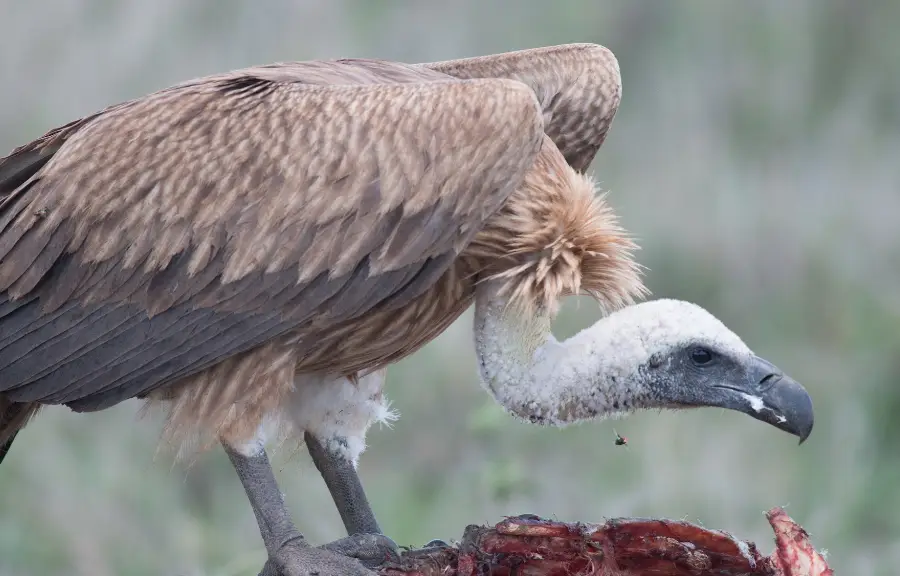
Birdlife is strong here too, with around two hundred species recorded in the park. The western edge of the plateau is known for Namibia’s only Cape vulture colony. Birdwatchers may also look for black eagles, Rüppell’s parrot, and other species moving across cliffs, trees, and open sky in calmer hours when the air is still cool and clear.
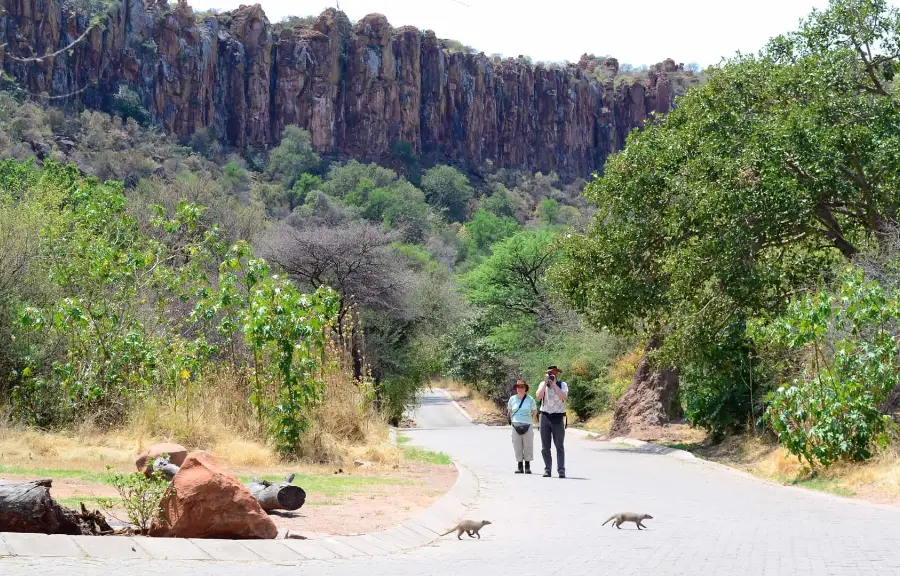
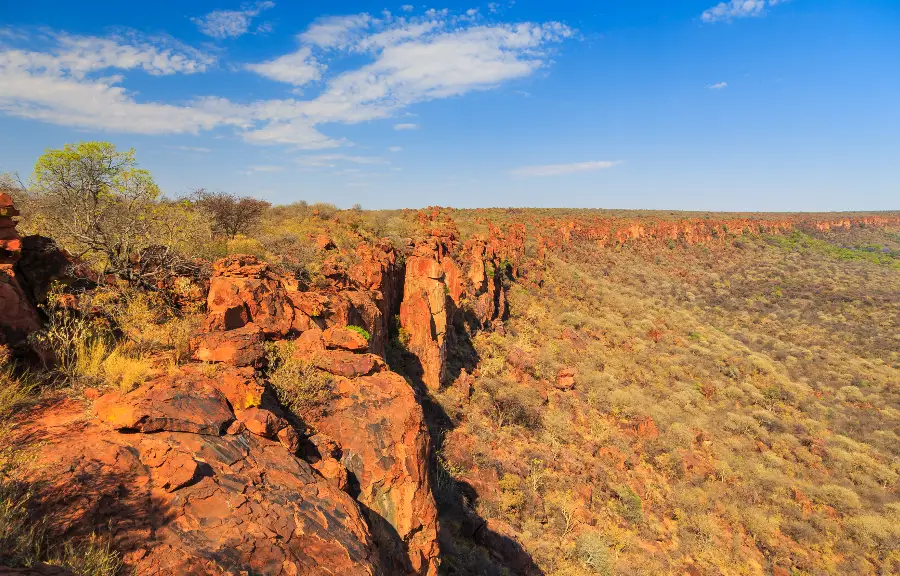
Waterberg’s scenery is built around a flat-topped sandstone plateau rising above the plains. Red cliffs, springs, green vegetation, ancient rocks, and wide views give the park a strong identity. It feels high, quiet, and different from Namibia’s lower dry landscapes around it here.
The plateau rises around two hundred metres above the surrounding plains, and that height changes everything. From below, the red sandstone cliffs look solid and protective. From above, the views stretch far across the Kalahari plains. It is the kind of landscape that feels larger once you start walking and looking out slowly from the cliff edge above the plains.
The sandstone formations are one of Waterberg’s most memorable features. The rock layers are ancient, with some dating back hundreds of millions of years. Dinosaur tracks left about two hundred million years ago add another strange detail. You stand there and realise this place has been holding stories for a very long time beneath your feet in dry light.
Water also gives the plateau its greener side. Rainwater collects above, and natural springs emerge near the base of the mountain. That is why the vegetation feels richer than expected. Wild fig trees, coral trees, flame lilies, and many other plants grow here, with some species found only in this region of Namibia after good seasonal rain on the slopes.
The scenery is not only about cliffs and views. It also carries history. San rock engravings remain from early inhabitants, and the foothills hold memories of the 1904 battle between Herero people and German colonial forces. So the landscape feels beautiful, yes, but also heavy in places, where the past feels close near the rest camp during quiet walks.
Things to do at Waterberg mix walking, wildlife, history, and culture. Visitors can follow marked trails, join guided hikes, take plateau game drives, learn about Herero heritage, visit rock engravings, and enjoy wide cliff views without treating the park as only safari stop.
Walking is one of the best ways to feel Waterberg properly. Marked paths lead around the red cliffs and lower slopes, giving travellers time to notice plants, birds, rocks, and views. Some lodges and camps also arrange guided walks, which help explain details that are easy to miss alone on a quick visit with a guide during slow walks.
Longer hikes are available in season and can stretch over several days. These are better suited to travellers who enjoy steady walking and simple outdoor time. Guided hiking may include rhino tracking or learning about hyena and leopard movement, adding a deeper wildlife angle to the plateau experience beyond ordinary sightseeing across higher ground with steady pacing outside.
Game drives onto the plateau give visitors the chance to see relocated rare wildlife in a protected setting. This is where Waterberg’s conservation story becomes visible. Rhino, buffalo, sable, roan, giraffe, antelope, and predators may be part of the experience, though sightings depend on timing and luck during each drive on plateau routes above the plains with guides.
History and culture deserve time here, too. Travelers can visit San rock engravings, dinosaur tracks, and the military cemetery near the rest camp. Nearby Herero communities add another human side to the visit, with strong cultural traditions, distinctive dress, and a history closely tied to the Waterberg landscape and the surrounding plains below the cliffs, during slow visits.
Waterberg Plateau Park gives travelers cliffs, rare wildlife, walking trails, and history in one place. It suits Namibia Guided Tours that need nature, culture, and wide views without making the visit feel rushed or heavy.
These Namibia Safari Itineraries bring together the country’s wide range of travel experiences, from wildlife parks and desert roads to coastal towns, cultural stops, and quiet lodge stays. Some routes are short and focused. Others stretch across several regions. And for travelers comparing Namibia Safari Packages, these itineraries make it easier to choose a trip that fits their time, comfort, and travel style.
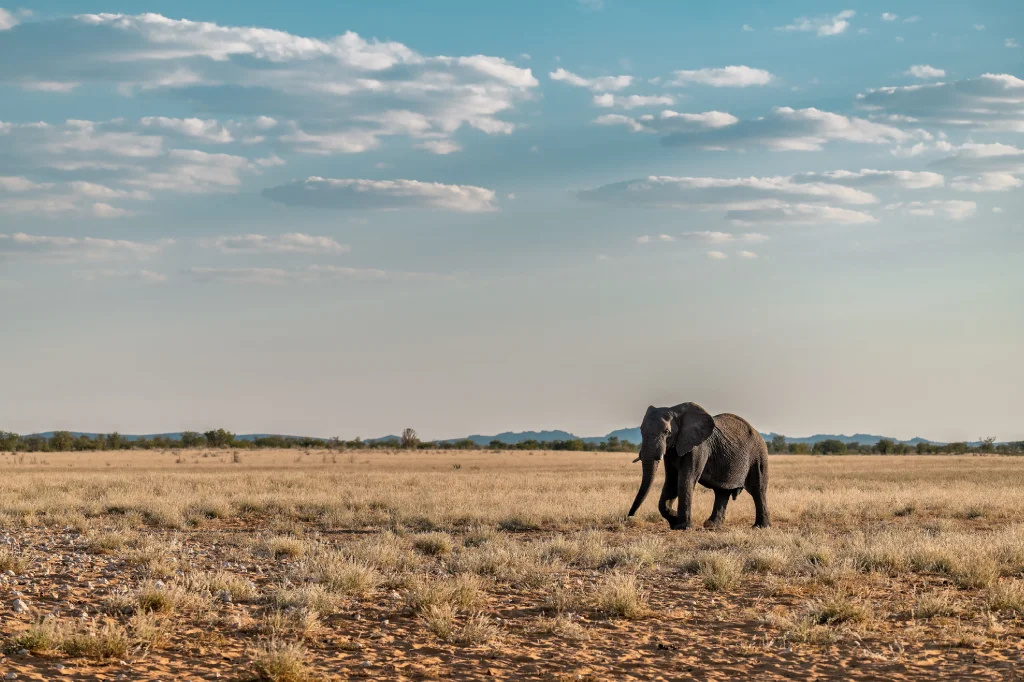
2 Destinations: Etosha National Park → Namibia
View Details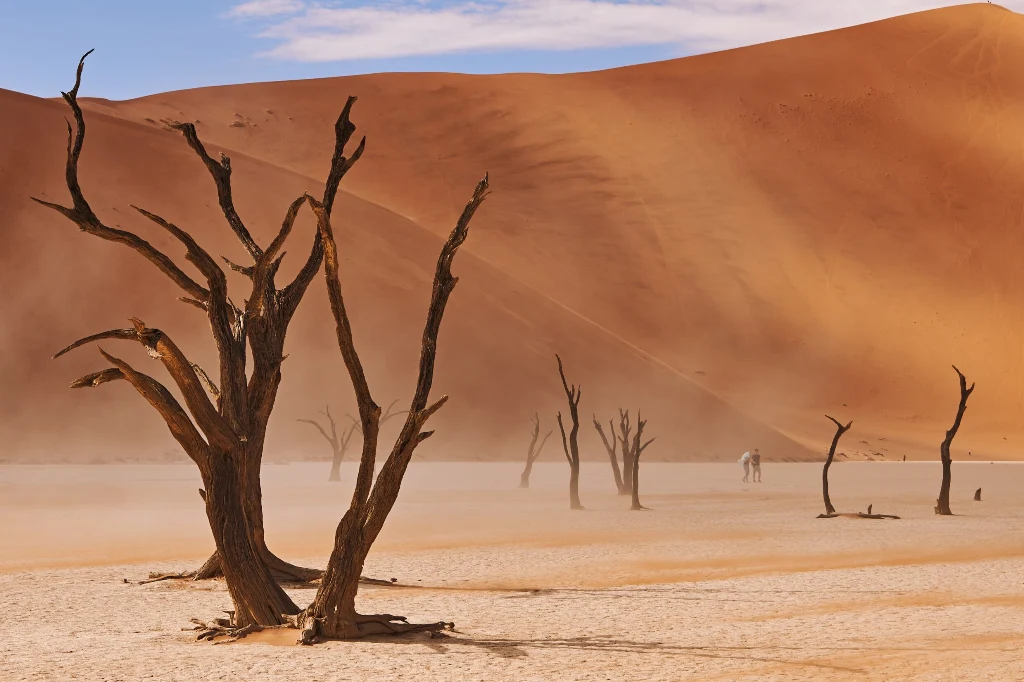
5 Destinations: Botswana → Etosha National Park → Namibia → Sossusvlei → Swakopmund
View Details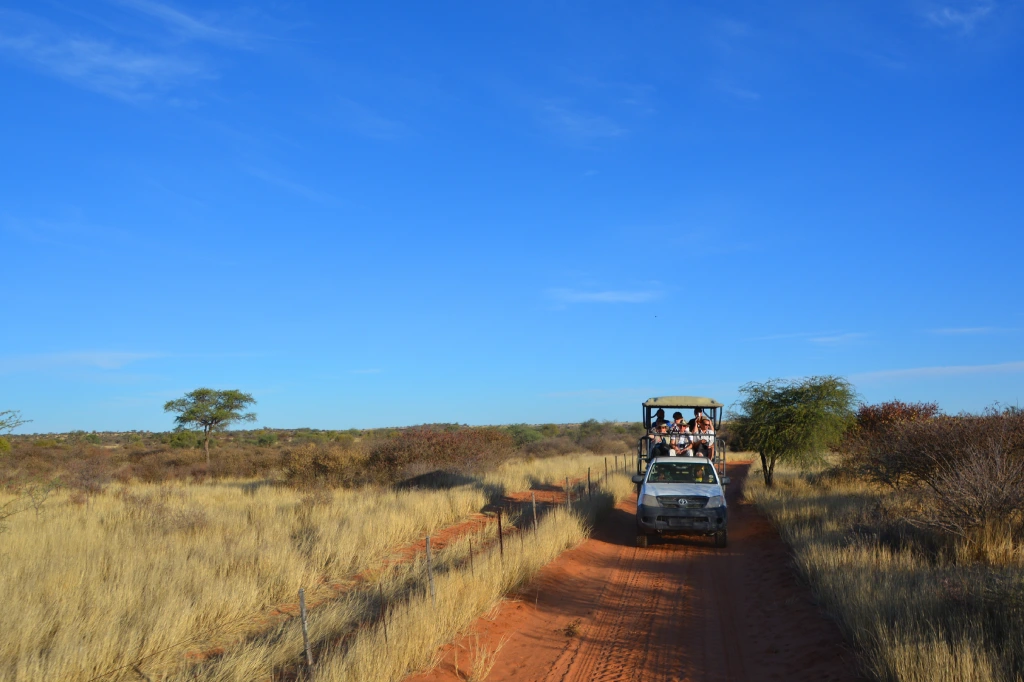
6 Destinations: Etosha National Park → Namibia → Sossusvlei → Spitzkoppe → Swakopmund → Windhoek
View Details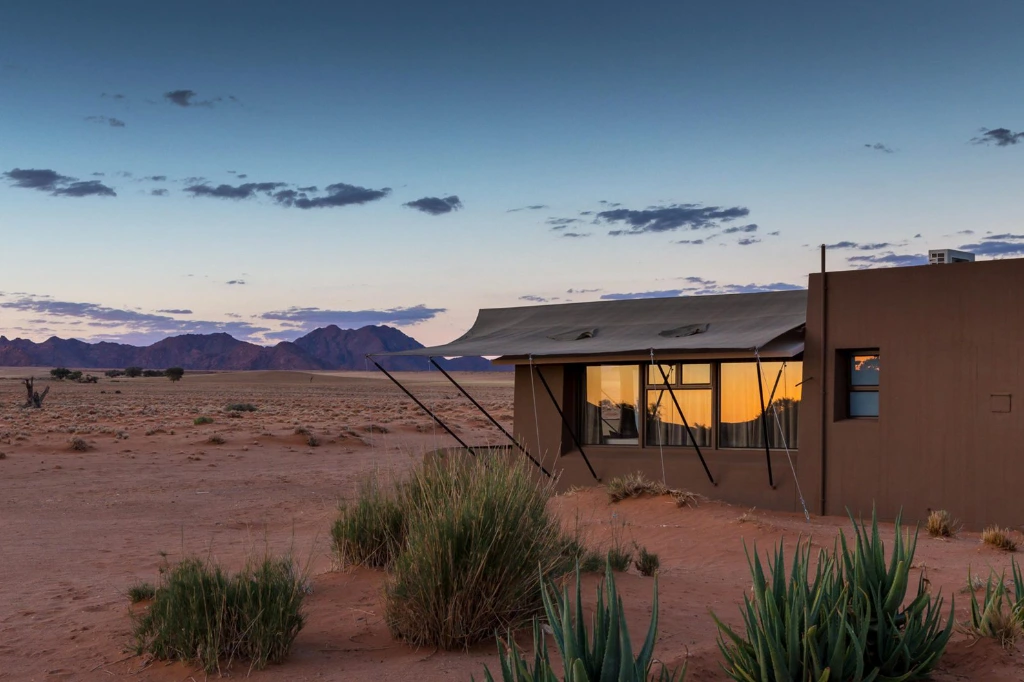
5 Destinations: Etosha National Park → Namibia → Sossusvlei → Swakopmund → Windhoek
View Details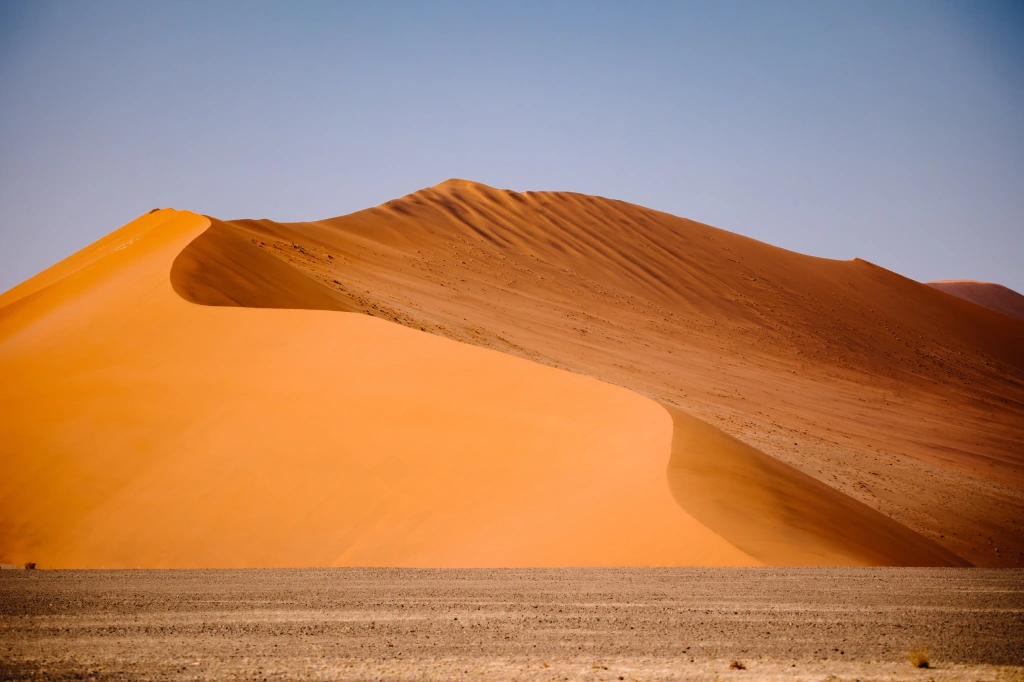
5 Destinations: Etosha National Park → Namibia → Sossusvlei → Swakopmund → Windhoek
View Details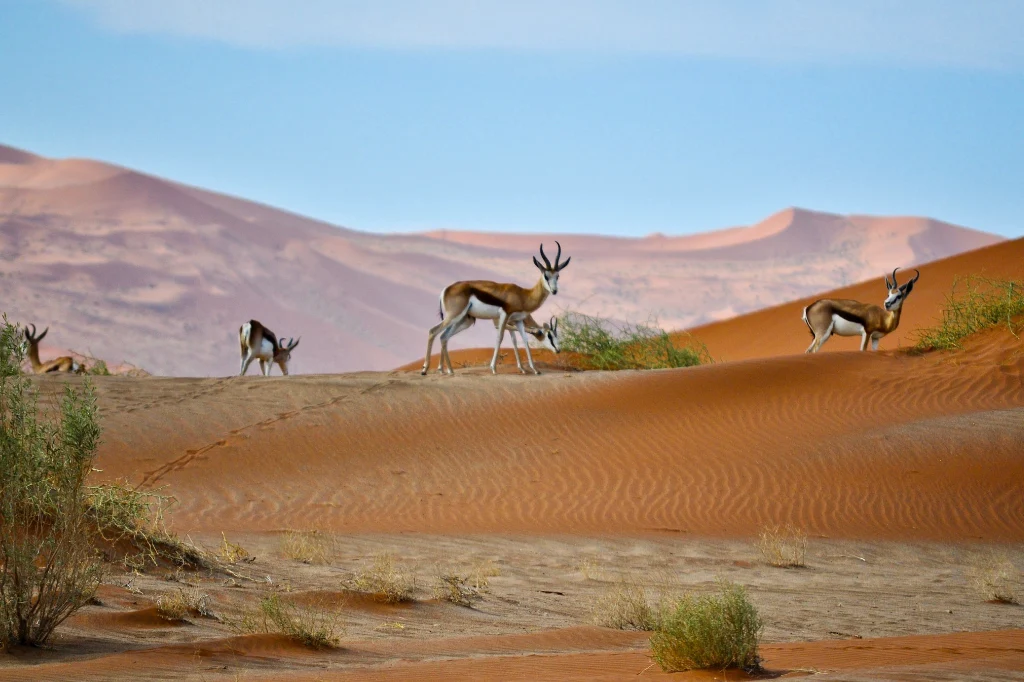
6 Destinations: Botswana → Etosha National Park → Namibia → Sossusvlei → Swakopmund → Zimbabwe
View Details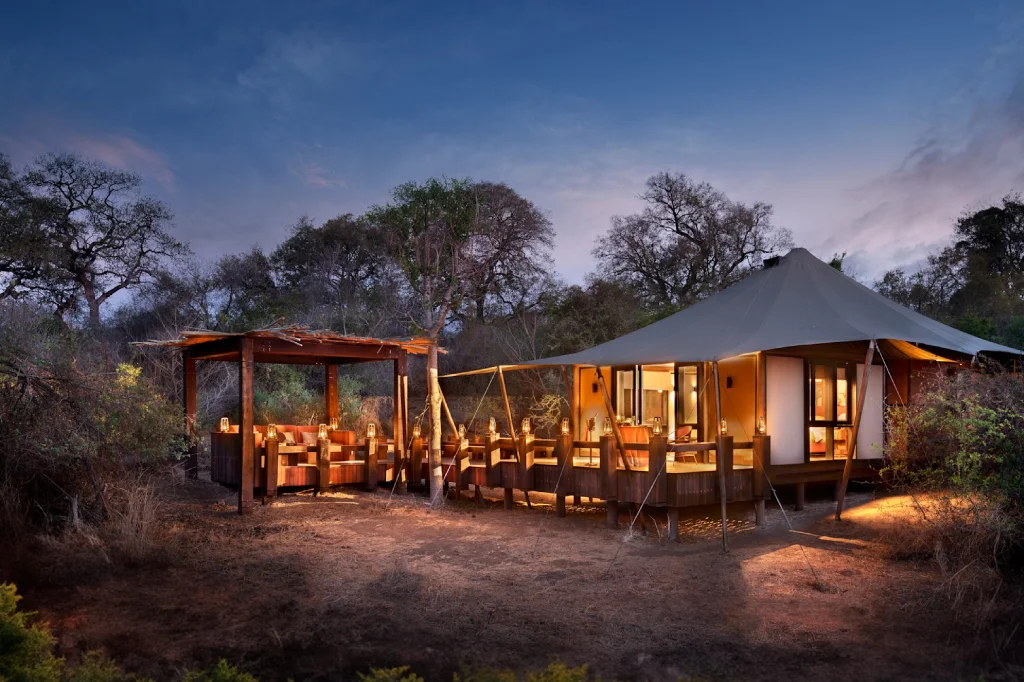
6 Destinations: Etosha National Park → Fish River Canyon → Namibia → Sossusvlei → Swakopmund → Twyfelfontein
View Details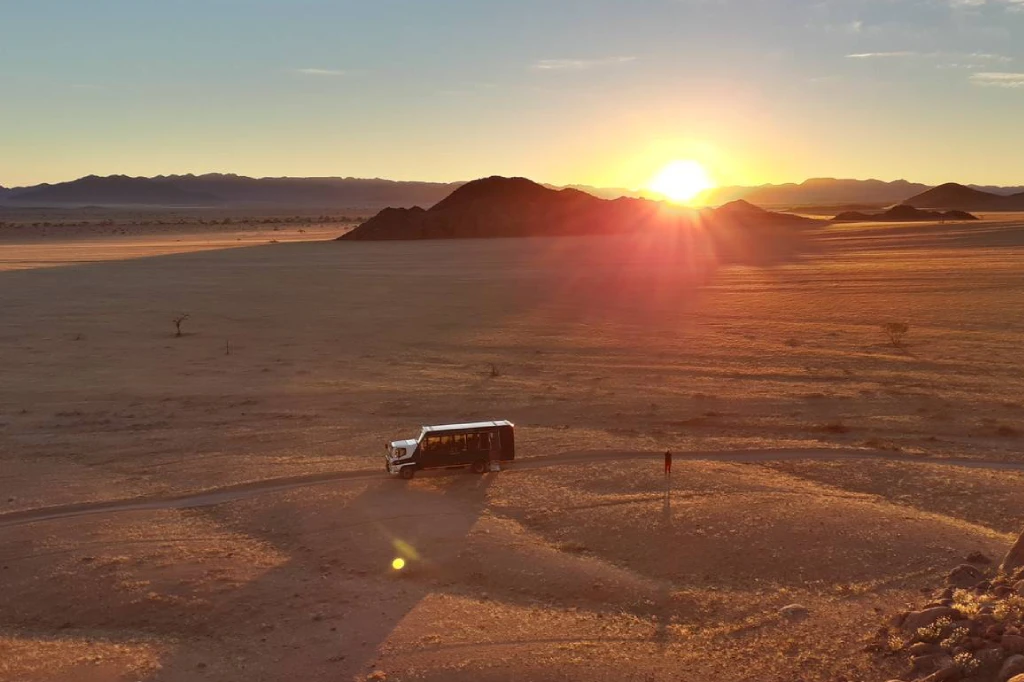
6 Destinations: Botswana → Etosha National Park → Namibia → Sossusvlei → Swakopmund → Zimbabwe
View Details
7 Destinations: Etosha National Park → Kamanjab → Namibia → Spitzkoppe → Swakopmund → Twyfelfontein → Windhoek
View Details
4 Destinations: Etosha National Park → Namibia → Sossusvlei → Swakopmund
View Details
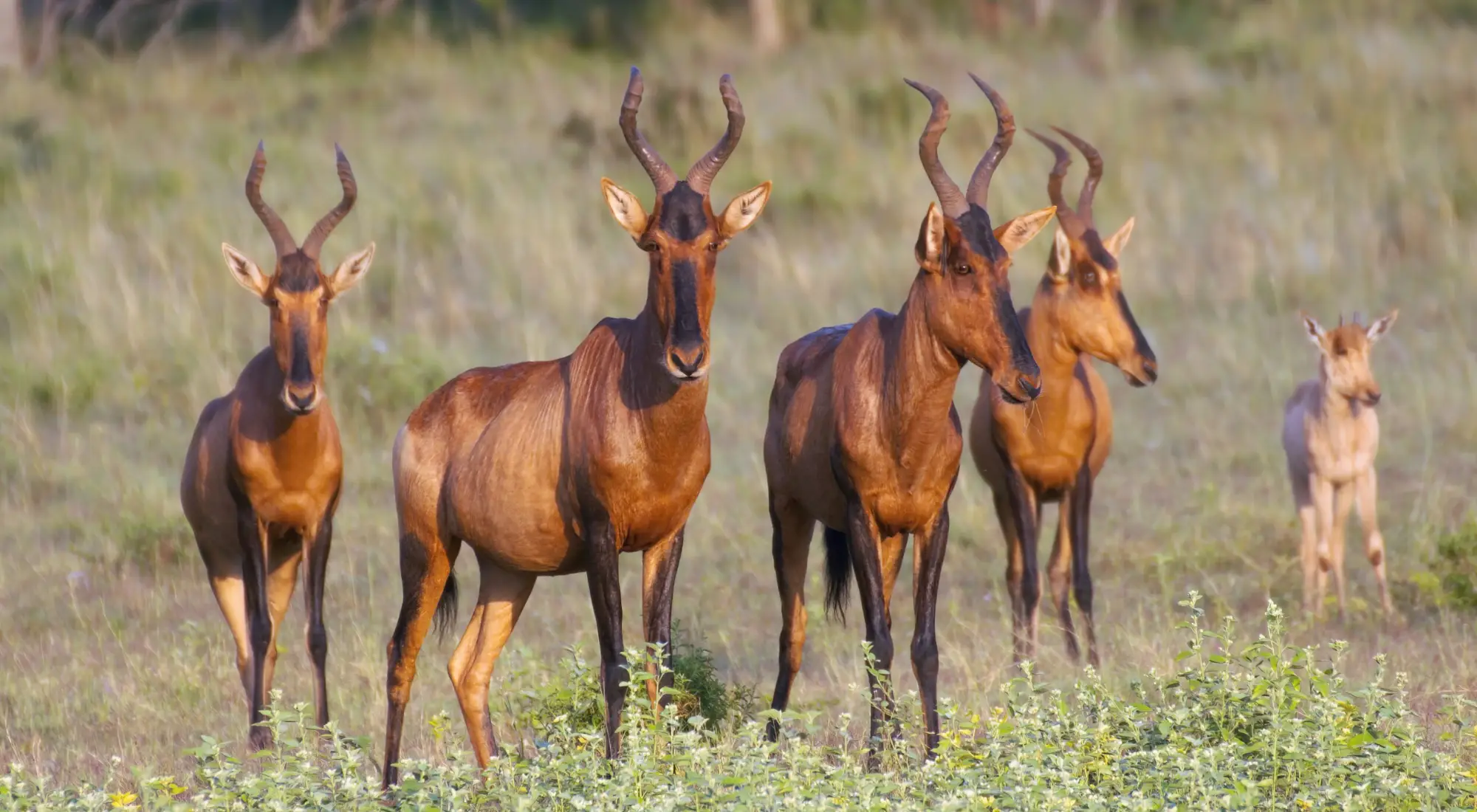
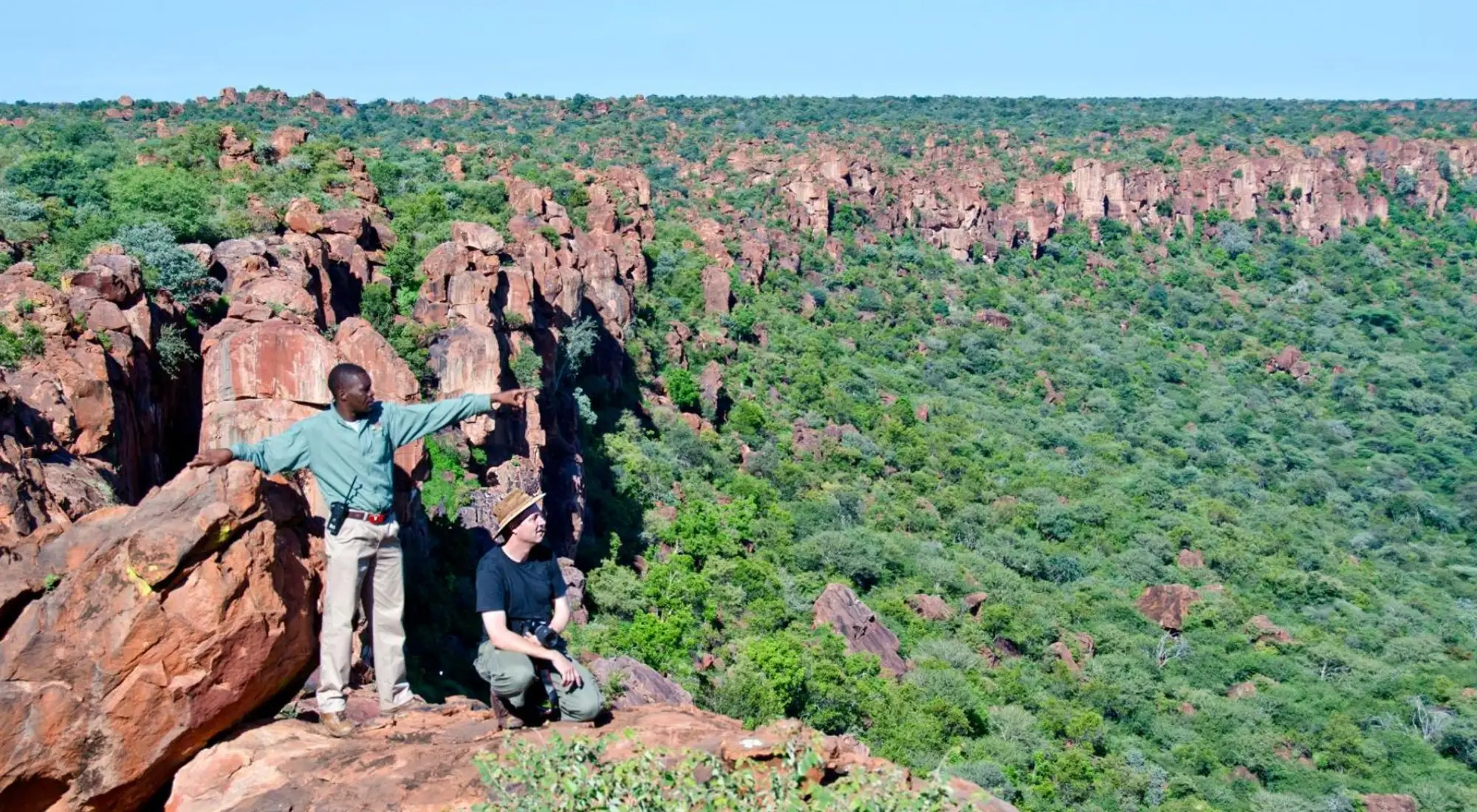
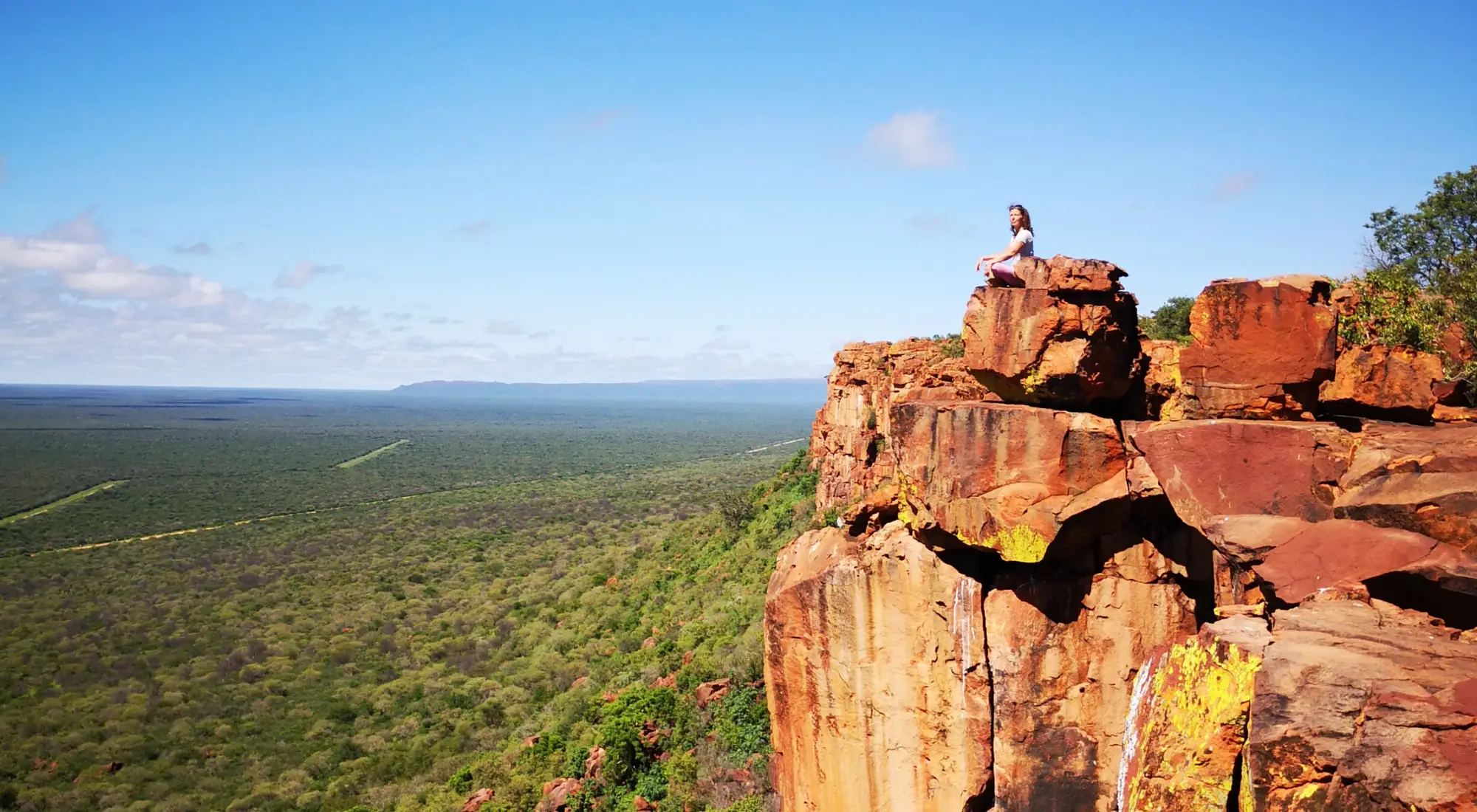
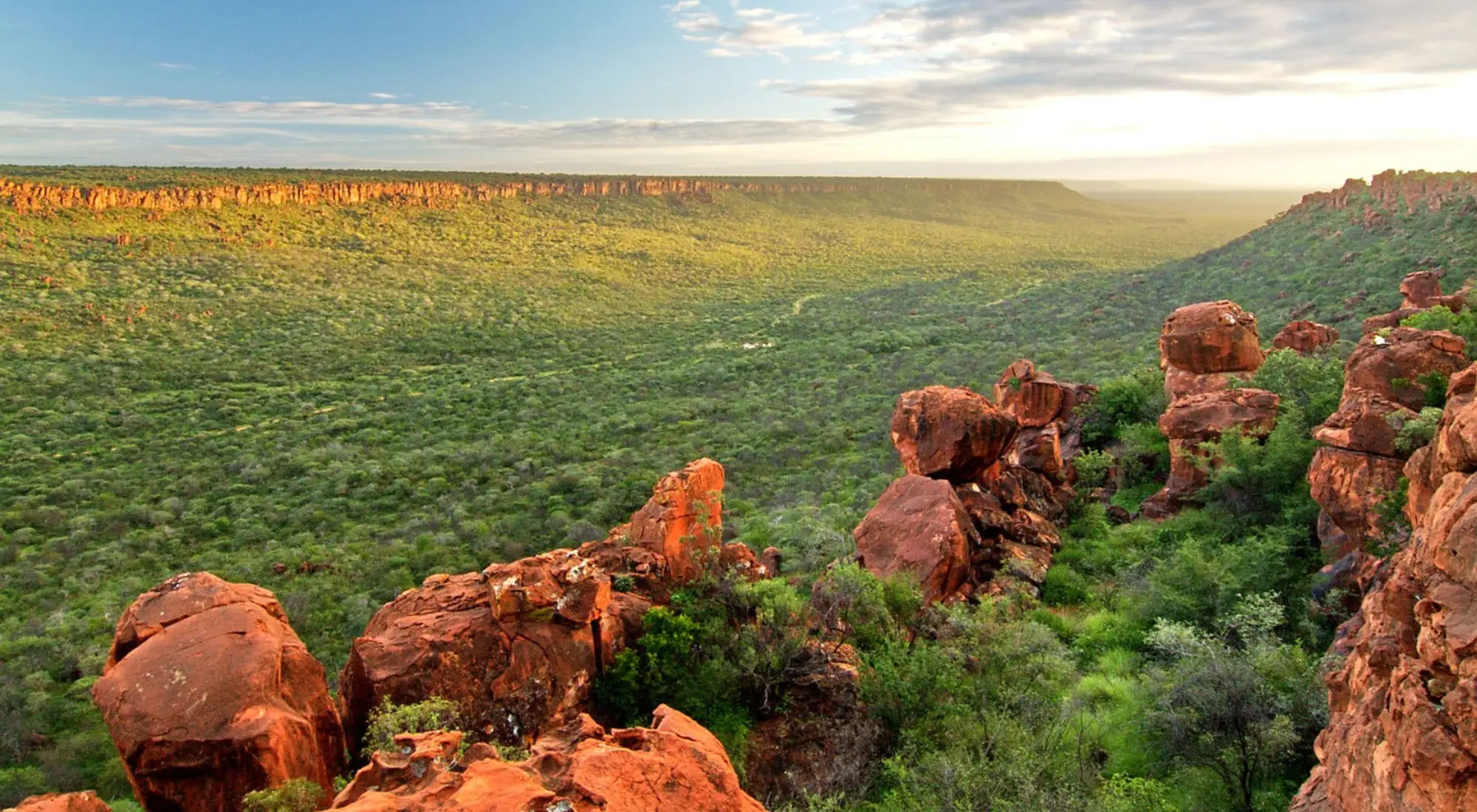
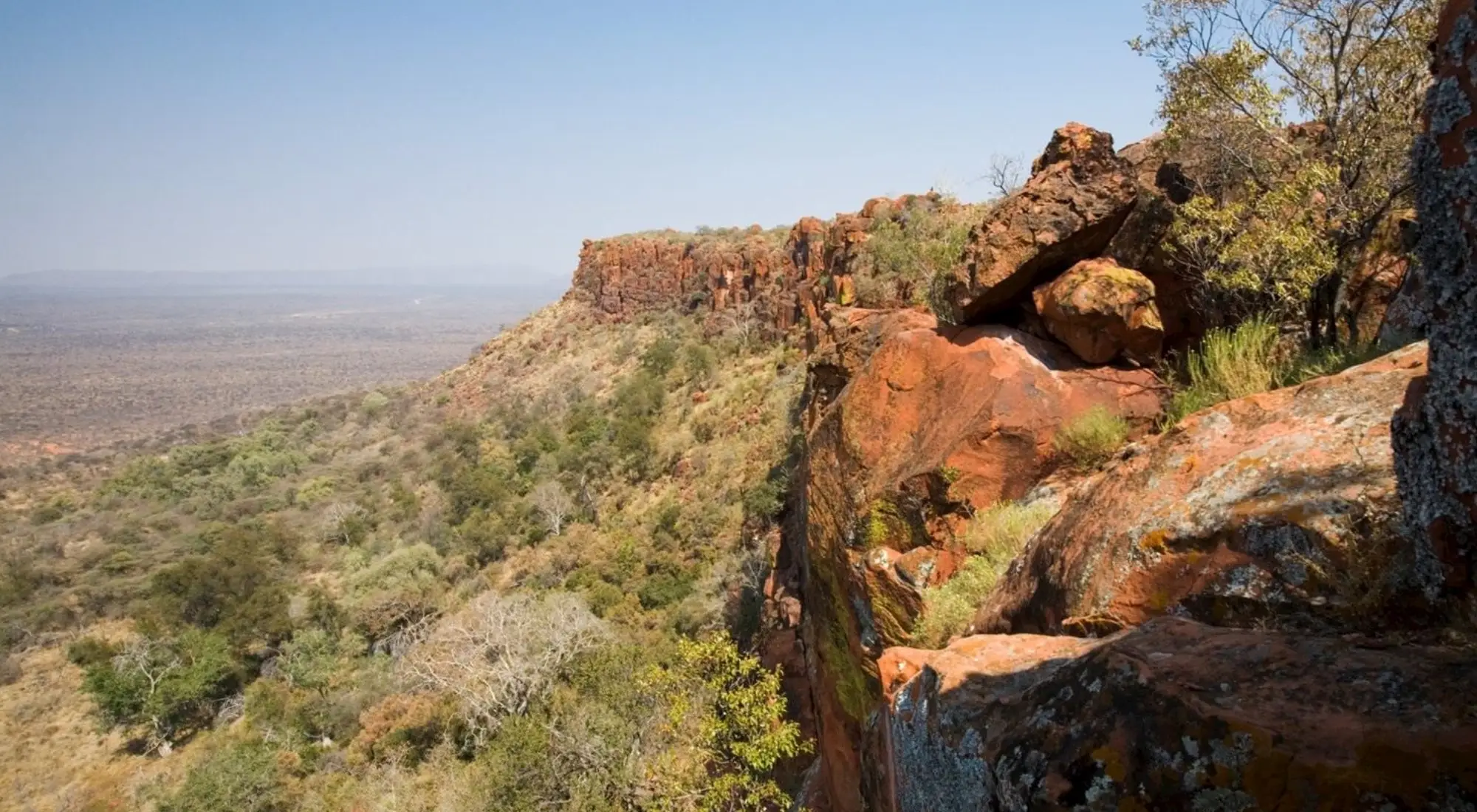
This gallery brings Waterberg Plateau Park into view through sandstone cliffs, quiet trails, rare wildlife, and historic traces. It offers travelers a clear glimpse of this remarkable Namibian tourist destination.
Waterberg Plateau Park is not just a wildlife stop. It has red cliffs, rare animals, walking trails, ancient rock markings, and a significant part of Namibian history. Travelers usually want to know what they can see, how to explore it, and where to stay. These answers keep the planning simple.
Namibia has a lot to pull travelers in. Wide desert dunes, wildlife parks, salt pans, coastal towns, canyons, and quiet wilderness areas all sit within one country. This section brings the main attractions in Namibia together, so travelers can see what fits their route, time, comfort level, and the kind of journey they want.
Our Namibian tour was an unforgettable experience from start to finish. Henzel was both our guide and driver, and he did an outstanding job in both roles. He was incredibly thorough and well-prepared, always sharing detailed insights about the landscapes, wildlife, and local culture. You could tell he truly knew and loved the country.

We did the “7 Days Wildlife Etosha and Sossusvlei Namibian Safari (Accommodated)” with Safari World Tours in December 2023 and it was the best choice for our family! We are experienced travelers (49 countries visited) and found that to travel to Namibia with a small child (4 years old) a tour would the the best option







 German
  English