+264 81 8211 521
info@safariworldtours.com
Rabatte & Deals

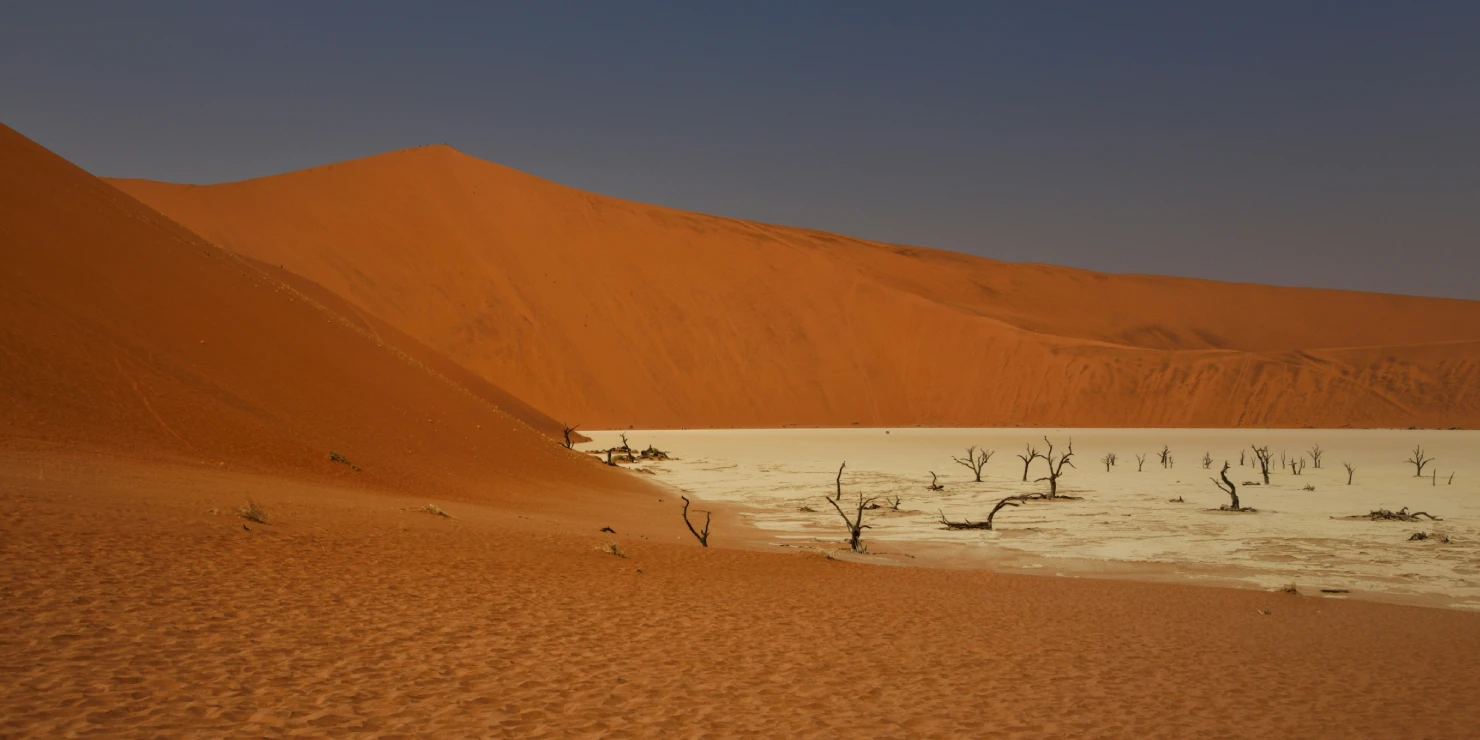
Namibia feels wide, dry, quiet, and deeply memorable from the first long drive. This travel guide helps you understand its deserts, wildlife areas, coastal towns, lodges, road routes, and best travel moments. From Sossusvlei’s red dunes to Etosha’s waterholes, every place adds a different part to your Namibia journey, with space to slow down and enjoy more fully.

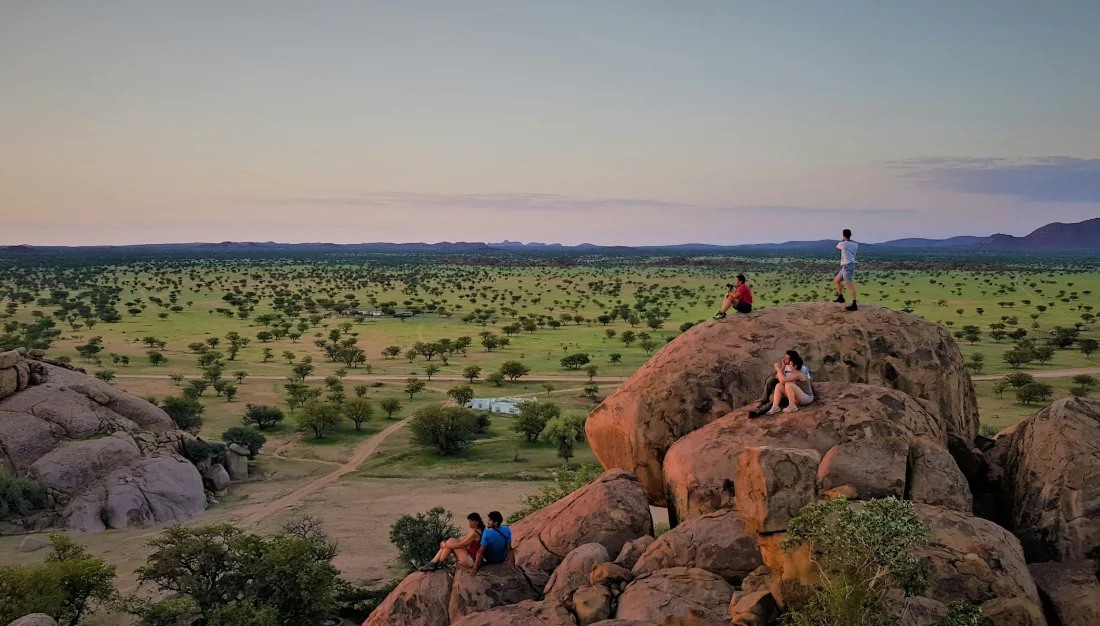
Namibia is widely regarded as one of the safer countries for travelers in Africa, especially for self-drive journeys, desert routes, and lodge-based holidays. Most trips run smoothly, with serious crime uncommon in major tourist areas. Still, travelers should stay alert in towns, fuel stations, markets, parking areas, and busy coastal stops during longer travel days in Namibia.
Petty theft is the main safety concern in Namibia, especially in Windhoek, Swakopmund, and other populated areas where travelers may stop to shop, eat, refuel, or make short city visits. Keep vehicle doors locked while driving through towns, and never leave cameras, phones, bags, passports, or wallets visible inside the car. Use guarded parking where possible, especially near restaurants, viewpoints, craft markets, and supermarkets. At lodges or camps, keep valuables inside a safe or locked bag, and carry only what you need for the day. Road safety is also important because distances are long, gravel roads can be loose, and help may be far away. Drive slowly, avoid night driving, carry water, check tires, and plan fuel stops carefully. These simple habits make Namibia-Touren safer, smoother, and far less stressful.
Wildlife safety is usually easy to manage when visitors follow park rules and guide advice. Animals rarely bother people unless they feel threatened, surprised, or fed. Stay inside vehicles during game drives, keep a distance at waterholes, and avoid walking alone near unfenced camps after dark. With sensible care, Namibia feels calm and rewarding.
Namibia can be visited year-round, thanks to its dry climate, open landscapes, and long sunny days. The Beste Reisezeit für Namibia is usually from May to October, when the weather is cooler, and wildlife viewing becomes easier. Animals gather around waterholes, especially in Etosha National Park, making safaris more active, clearer, and more rewarding for most travelers during the dry months.
From November to April, Namibia enters its warmer and greener season. Some areas receive brief afternoon rains, while desert regions remain fairly dry. Wildlife spreads out more widely because water is available in different places, yet the scenery looks fresh and colorful. This season also brings excellent birdlife, dramatic skies, fewer crowds, and softer light for photography across many Namibia Travel Destinations.
May to October is ideal for classic Namibia-Safaris, especially in Etosha, where animals gather around permanent waterholes. Days are sunny, nights can feel cold, and roads are usually easier to manage. This is the most popular time for wildlife viewing, desert drives, photography, and comfortable lodge stays across northern and central Namibia.
November to April brings warmer days, fresh vegetation, and scattered rain, often in short afternoon bursts. The landscapes look richer, migratory birds arrive, and sunsets can feel more colorful. Some days may be hot, especially from December to March, but this season suits travelers who enjoy quieter routes, softer scenery, and a different side of Namibia.
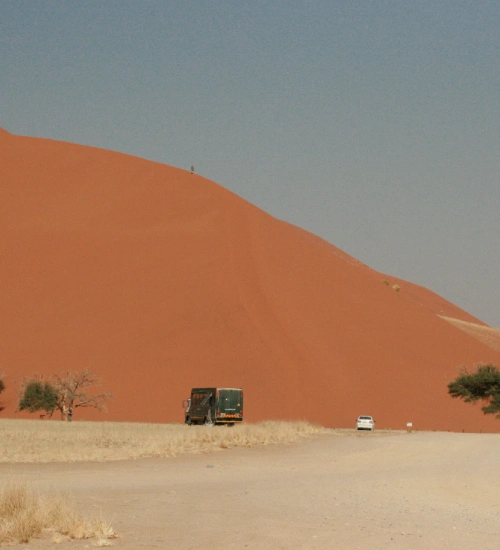
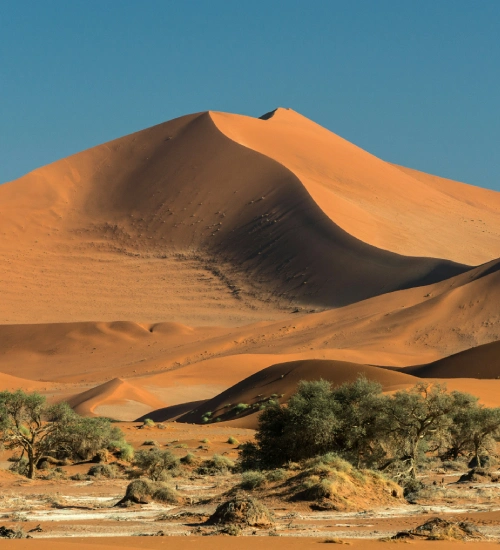
Getting to Namibia is usually simple, with most international travelers arriving by air through Windhoek. Many routes connect via Johannesburg or Cape Town before continuing into Namibia. Flights can become costly close to departure, so early booking helps. Some travelers also enter by road from South Africa, Botswana, or Zambia, mainly on longer regional journeys that combine several Southern African destinations.
Road entry into Namibia is usually smooth when the paperwork is ready. Travelers using a rental vehicle may need registration papers, proof of insurance, and a letter allowing cross-border travel. Foreign-plated vehicles often pay a border charge. Always check rental terms before crossing, as hidden cross-border fees can be high and may affect your overall travel budget in Namibia.
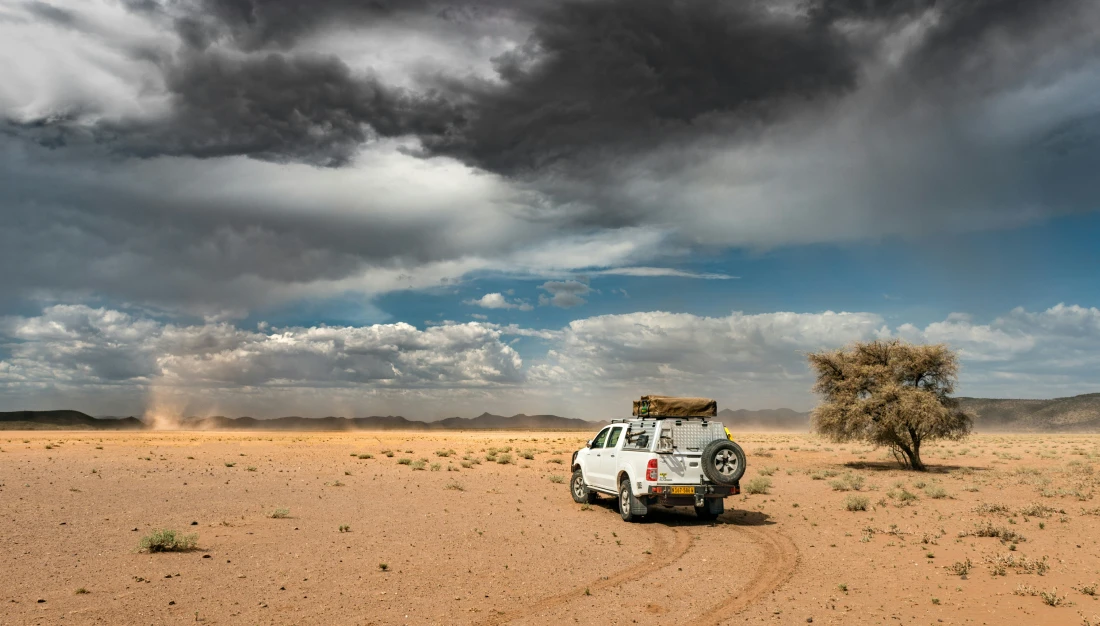
Namibia is a country where distance becomes part of the experience. Towns can sit far apart, fuel stops may be limited, and gravel roads need patient driving. Fill up whenever possible, carry water, snacks, and basic supplies, and avoid rushing long routes. With good planning, moving through Namibia feels calm, scenic, and deeply rewarding.
Travelers should always check the latest before booking flights, especially because visa requirements, passport validity, and arrival conditions can change. A valid passport is essential, and many travelers are advised to keep at least 6 months’ validity from the date of arrival, along with blank pages for stamps. Some nationalities may enter for short holidays without arranging a visa in advance, while others may need approval before travel or upon arrival. Anyone traveling for work, volunteering, media, filming, or longer stays should be more careful, as normal tourist rules may not apply. This part of the guide helps visitors prepare documents before reaching the airport or border.
Good preparation makes the arrival smoother. Carry printed hotel bookings, return tickets, travel insurance details, and child travel documents if needed. Border officers may ask for additional proof, especially on multi-country trips in Southern Africa, so keeping everything ready helps avoid last-minute stress.
Before traveling, it is vital to understand the Namibia currency and how payments work across towns, lodges, and remote safari areas. The official currency is the Namibian Dollar, often written as NAD or N$. It is pegged to the same value as the South African Rand, and both are widely accepted in Namibia. Cards work at many lodges, restaurants, fuel stations, and in larger towns, but cash is still useful in rural areas, markets, for tips, parking attendants, small shops, and community visits. ATMs are available in major towns, though travelers should not depend on them once they begin long desert or wildlife routes.
It is better to withdraw or exchange money in bigger towns before long road journeys. Keep smaller notes for tips, fuel stops, parking attendants, and simple purchases, as change may not always be easy to find in remote areas.
Health planning should begin early, especially for travellers heading into remote parks, desert routes, or northern regions. Before departure, visitors should review updated Namibia health advice and speak to a doctor or travel clinic about vaccines, malaria risk, and personal medicines. Routine vaccines should be up to date, and additional protection, such as Hepatitis A, Typhoid, or other vaccines, may be suggested depending on the route and travel style. Yellow fever proof is usually linked to travel from risk countries, while malaria advice may differ by region and season. Personal medical guidance is always better than guessing.
Basic care still matters on the road. Pack insect repellent, sunscreen, a small medical kit, rehydration salts, personal medicines, and enough drinking water. Namibia’s distances are long, and clinics may be far away from main towns.
Travel insurance is one of those practical details travelers may not enjoy arranging, but it is important for Namibia. The country has long driving distances, remote lodges, gravel roads, desert areas, wildlife regions, and outdoor activities that can make medical help or vehicle recovery expensive if something goes wrong. A good policy should cover medical emergencies, hospital care, evacuation, trip cancellation, lost baggage, personal belongings, and delays. Travelers planning self-drive routes, hiking, camping, drone use, photography work, or adventure activities should read the fine print carefully before choosing a policy. Not every plan covers the same activities, rental-vehicle incidents, or remote-travel needs.
It also helps to keep digital and printed copies of insurance documents. Share policy details with a travel partner, save emergency numbers offline, and confirm whether the insurer provides 24-hour support while travelling in Namibia.
Namibia has local rules that travelers should understand before arrival, especially for photography, national parks, protected areas, and drone use. Anyone carrying a drone should check the latest Namibian drone rules before packing it, as permission may be required to fly. Some reserves, lodges, airports, border areas, wildlife zones, and community lands may also restrict drone use or commercial filming. Travelers should respect park rules, speed limits, wildlife viewing distances, campsite guidelines, and local customs. Namibia feels relaxed, but small mistakes can still cause delays, fines, or missed travel moments.
The safest approach is simple: research before travel, ask permission when unsure, and follow the guide’s instructions. This is especially important for photographers, bloggers, filmmakers, drone users, and anyone visiting sensitive wildlife or cultural areas.
Namibia has plenty of stay options, from wild campsites and rooftop tents to desert lodges, guest farms, coastal hotels, and luxury safari camps. The best choice depends on budget, route, comfort level, and travel style. Many places offer both camping and lodge rooms, so travelers can mix both during one trip and enjoy different sides of Namibia.
Camping is the more affordable and adventurous option, especially for self-drive travelers using rooftop tents. It brings you closer to Namibia’s wild spaces, with open skies, quiet nights, and nature sounds around camp. It also keeps your belongings with you, which is practical for long road trips through remote areas.
Lodging is better for travelers who want comfort, privacy, proper beds, air-conditioning, en-suite bathrooms, and easier mornings. It costs more than camping, but it removes the effort of setting up tents each night. Lodges also suit longer journeys, special occasions, family trips, and travelers who prefer to relax after dusty days on a Namibian Safari.

Packing for Namibia requires a little more thought than for a normal holiday because the country has long roads, fluctuating temperatures, desert dust, wildlife areas, and very dark campsites. Days can be hot, nights can feel cold, and remote routes may have few shops. A good packing list should cover comfort, safety, navigation, wildlife viewing, and easy mornings on the road.
Pack warm and cool clothing, including light layers, a fleece, sunglasses, high SPF sunscreen, and strong mosquito repellent if traveling north. Neutral colors are useful for game viewing, though full safari-style dressing is not necessary. A camera is worth carrying because Namibia’s dunes, coastlines, salt pans, wildlife areas, and gravel roads are incredibly photogenic.
A few simple items can make the trip easier. Binoculars help during safaris, especially around Etosha’s waterholes. A headtorch is useful at campsites after dark. A thermos flask saves time on early starts, while a sleeping bag adds comfort on cold nights. Download offline maps and carry a road map for remote drives.
This FAQ section provides simple answers to common travel questions about Namibia. It covers entry documents, visa rules, passport requirements, child travel documents, visitor stay limits, spoken languages, and payment details. These points help travelers prepare the basics before planning flights, routes, accommodation, and safari experiences across Namibia.
A few practical details can make travel in Namibia smoother, especially for road trips, border crossings, and remote stays. The country is generally easy to move through when documents are ready, and communication is better than many travelers expect. Still, waiting times, slow internet, and patchy reception can happen outside towns, so it helps to stay patient and prepared.
Crossing into or out of Namibia is usually simpler than some other Southern African routes. Travelers should still carry passports, vehicle papers, proof of insurance, and rental company permission if driving across borders. Foreign-plated vehicles may also need to pay a cross-border fee. The process is often organized, but queues can happen at busy border points.
Phone reception is fairly widespread across Namibia, though it can drop in remote desert areas, national parks, or long rural stretches. Larger towns and cities often have 4G, while 3G is more common in many other areas. Wi-Fi is available in most towns and at many lodges, camps, and guesthouses, but speeds can be slow depending on location.
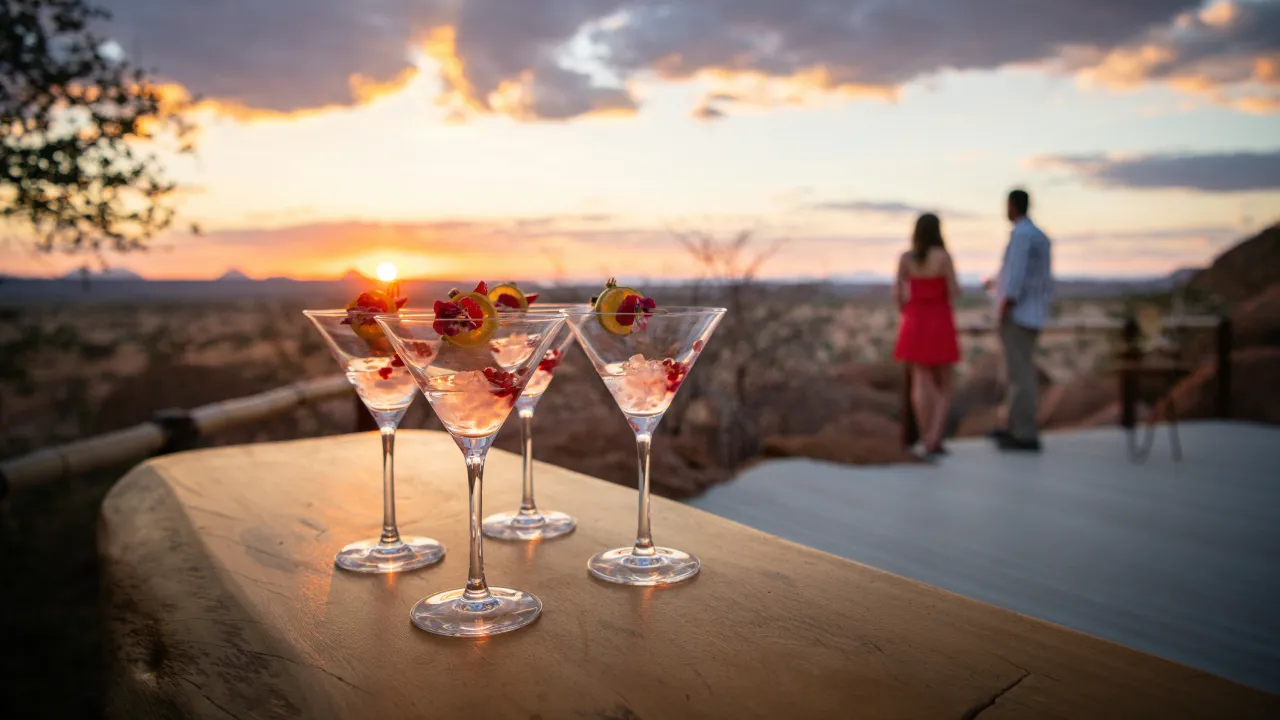
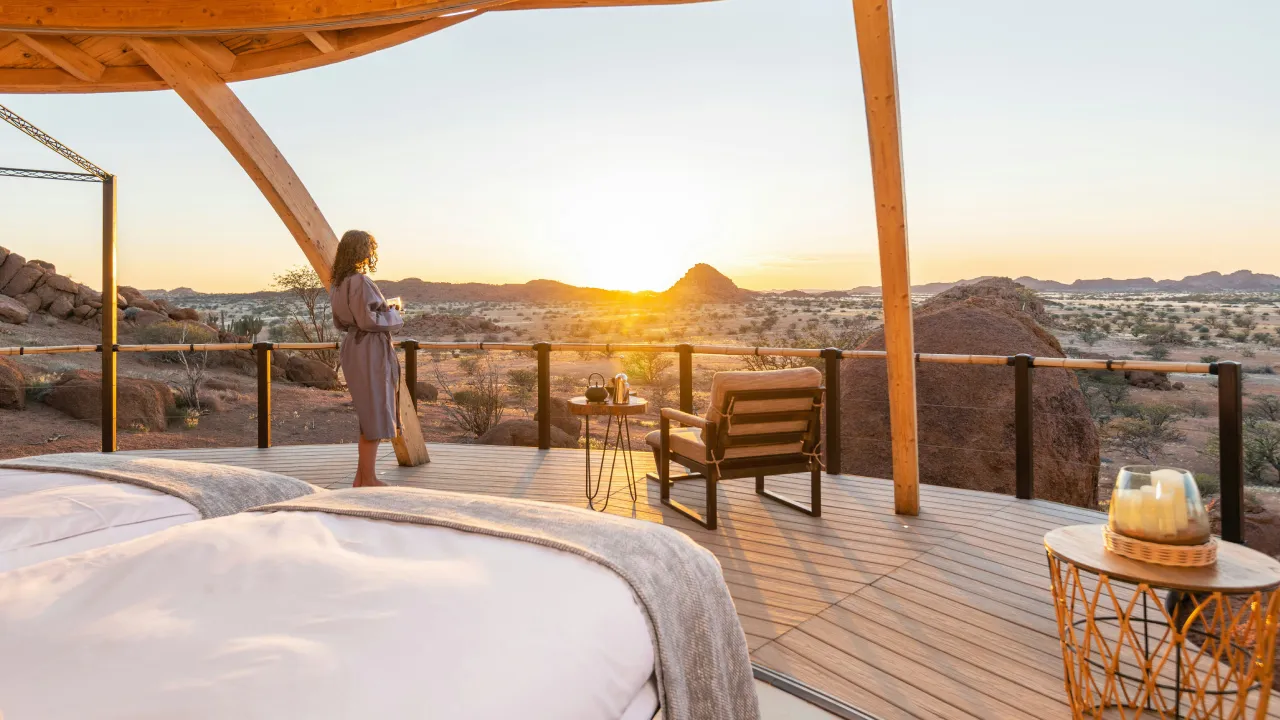
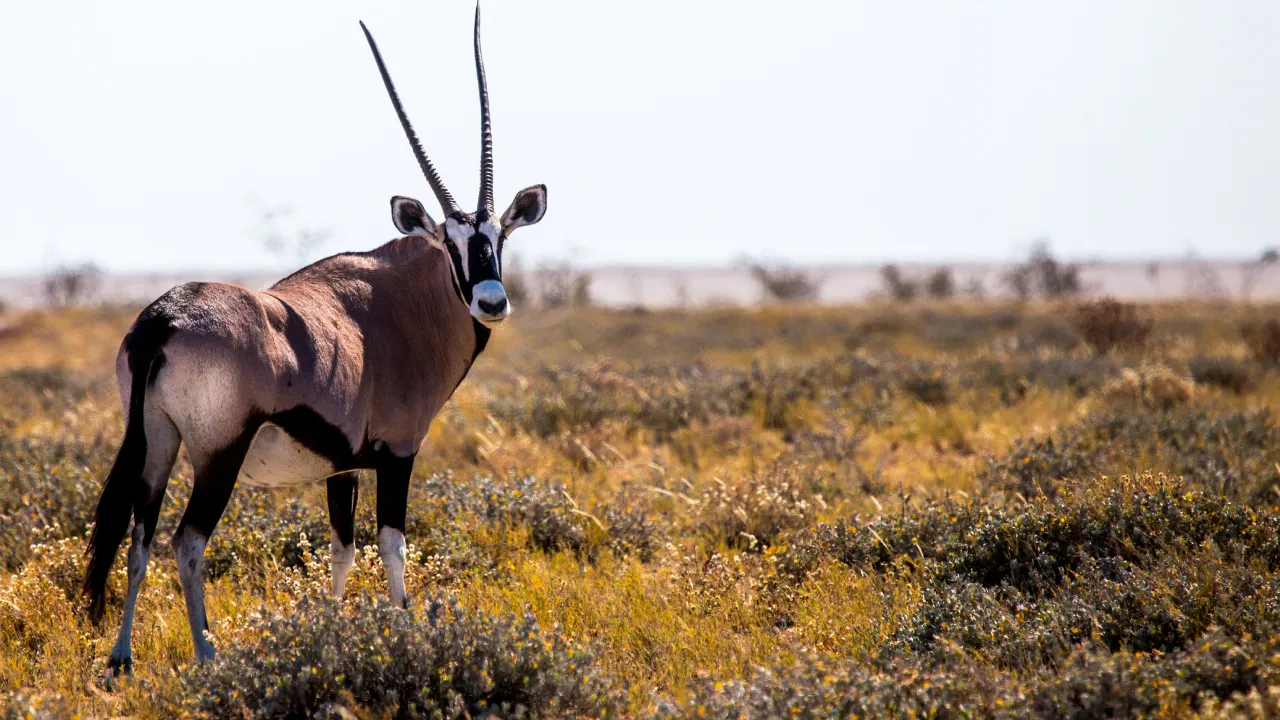
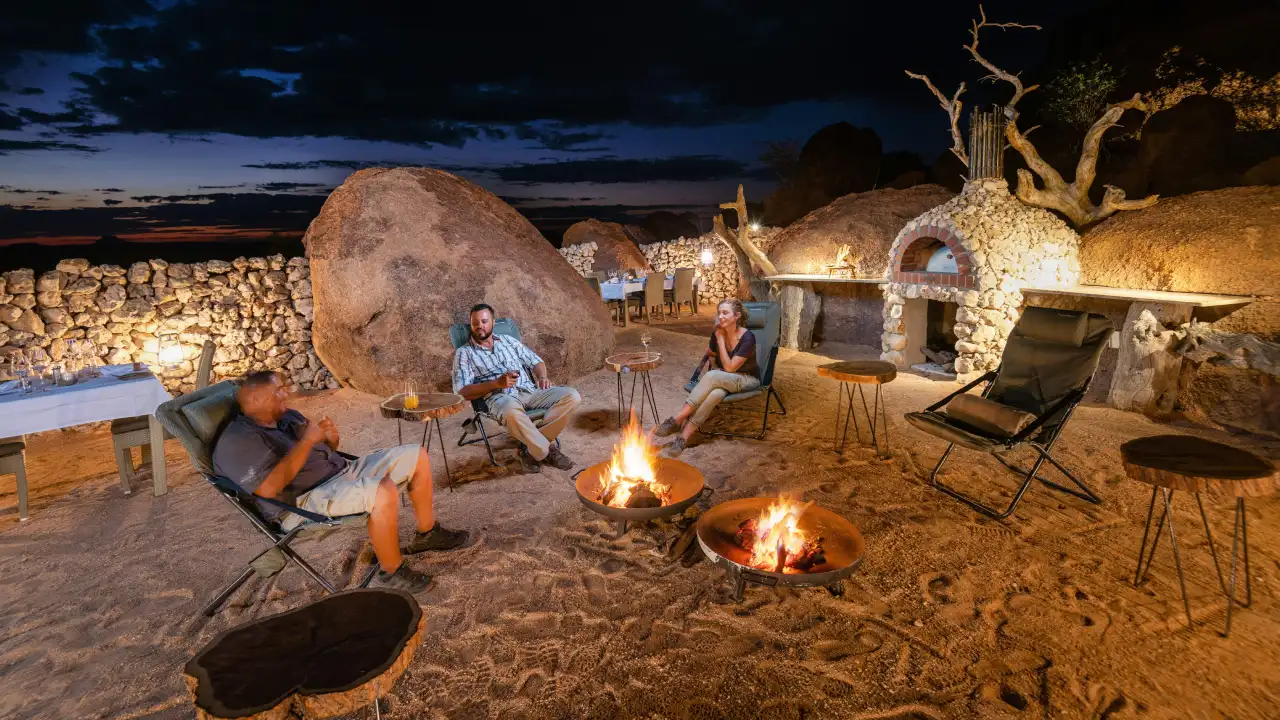
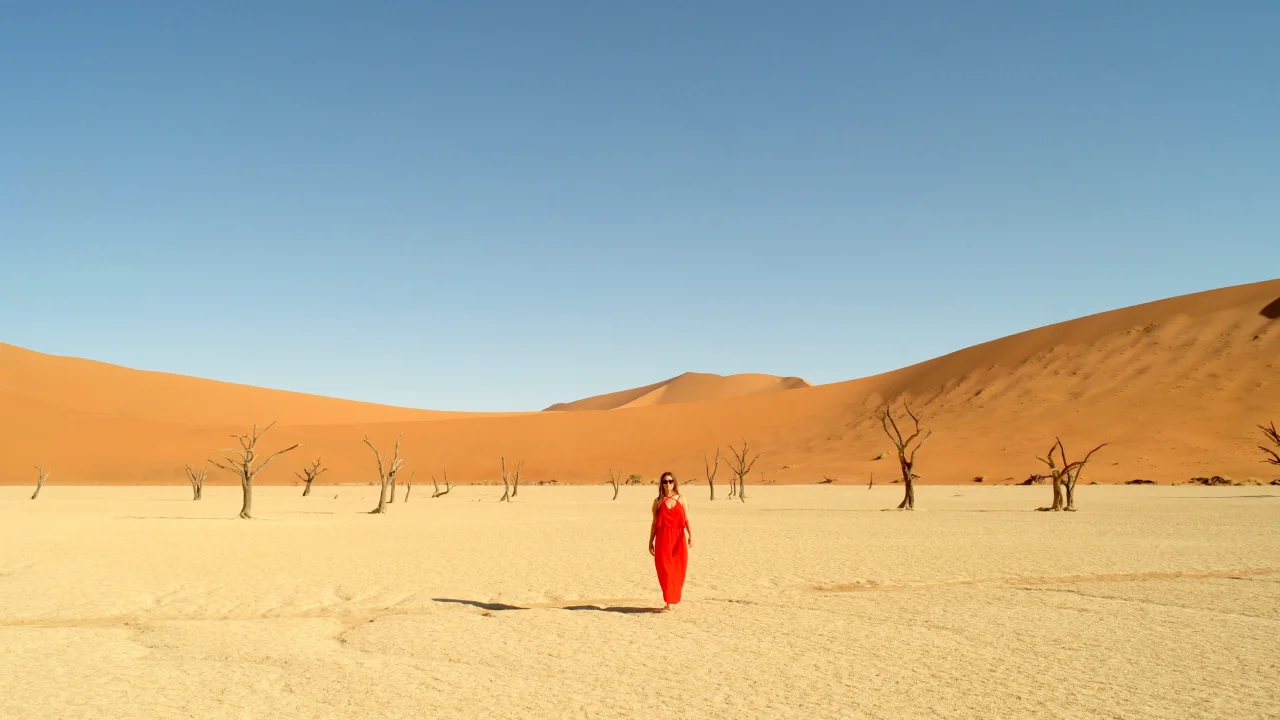
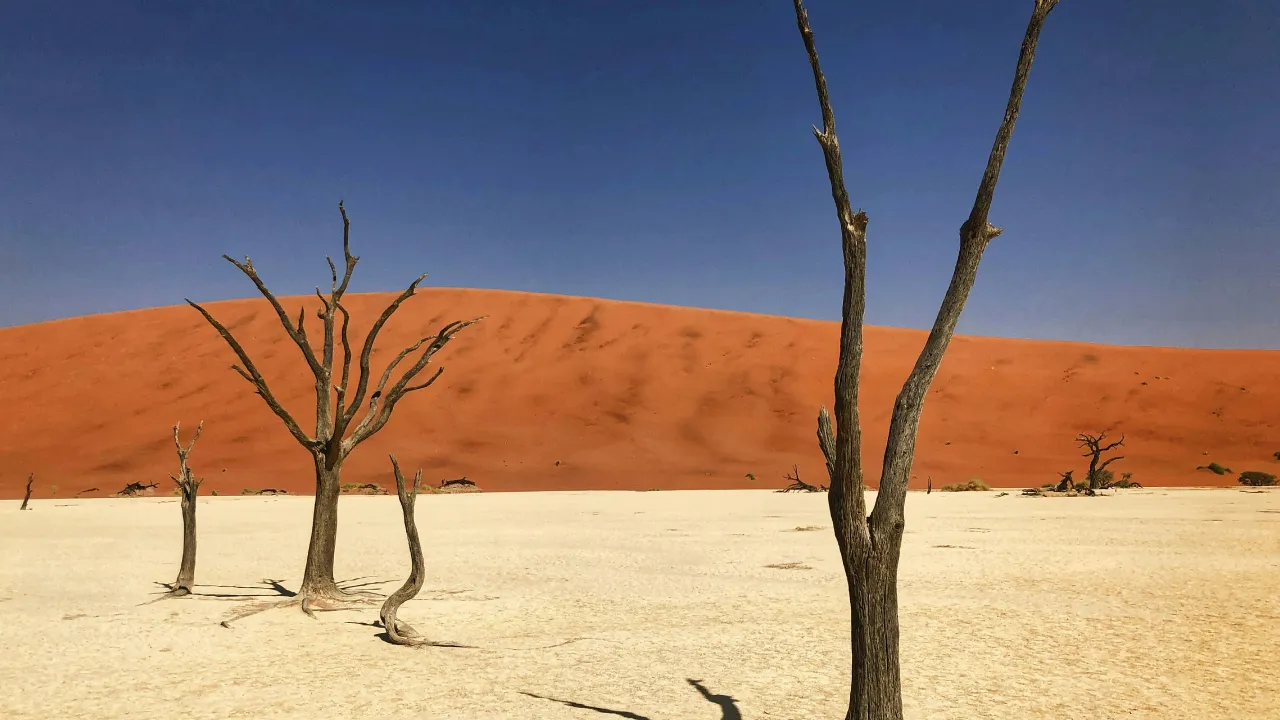
Browse Namibia’s gallery through sweeping deserts, wildlife moments, coastal views, canyon landscapes, quiet roads, rocky valleys, glowing sunsets, open horizons, and scenes that show the country’s raw travel beauty from every angle.

Meet Mr. Clarence, a visionary with big dreams. With years of experience managing businesses, he found his true passion in travel. Devoted to making travel affordable for clients visiting Namibia, Mr. Clarence ensures that each tour is crafted to provide exceptional value and unique experiences.
Gather ideas from our Namibia tour packages, or let our consultants help you picture the possibilities. We can build the journey around your time, style, and interests.
Lorem Ipsum is simply dummy text of the printing and typesetting industry. Lorem Ipsum has been the industry’s standard dummy text ever since the 1500s, when an unknown printer took a galley of type and scrambled it to make a type specimen book. It has survived not only five centuries, but also the leap into electronic typesetting, remaining essentially unchanged.
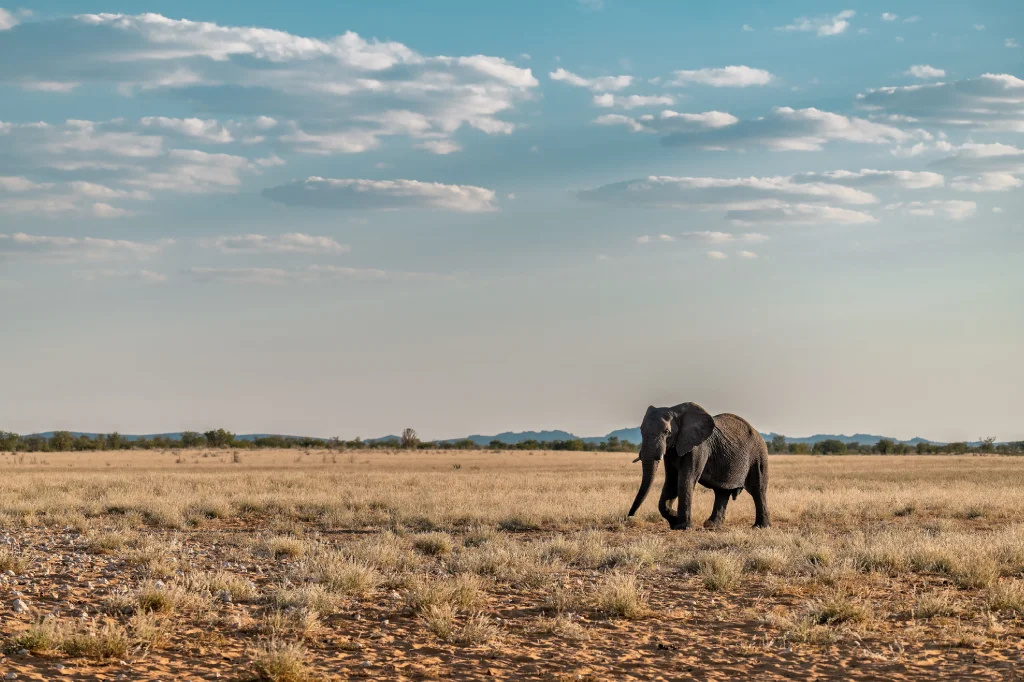
2 Destinations: Etosha National Park → Namibia
View Details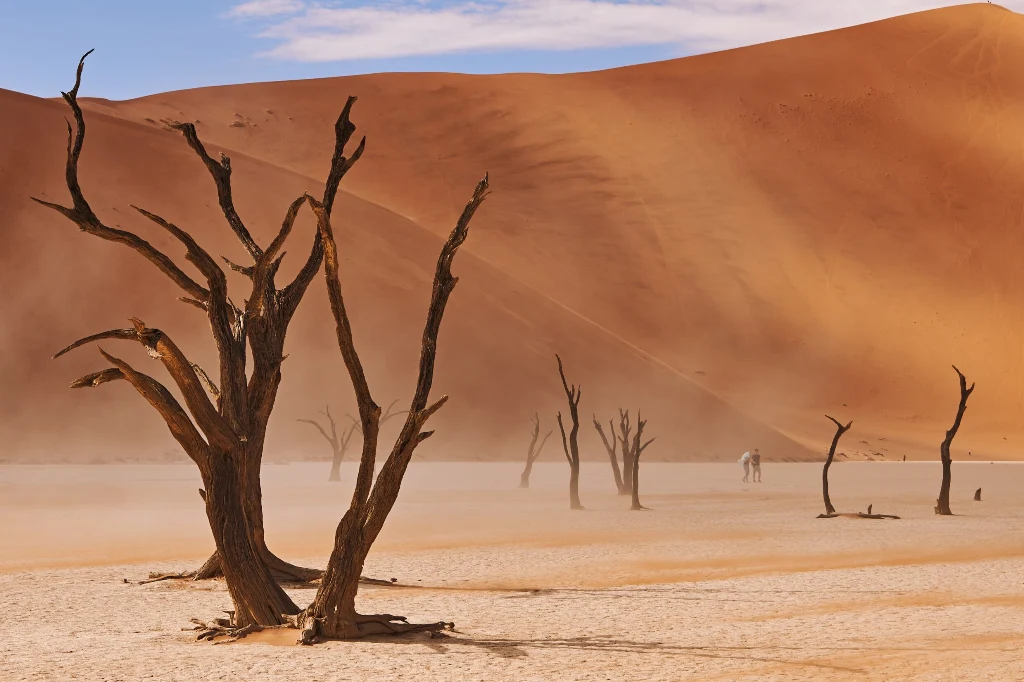
5 Destinations: Botswana → Etosha National Park → Namibia → Sossusvlei → Swakopmund
View Details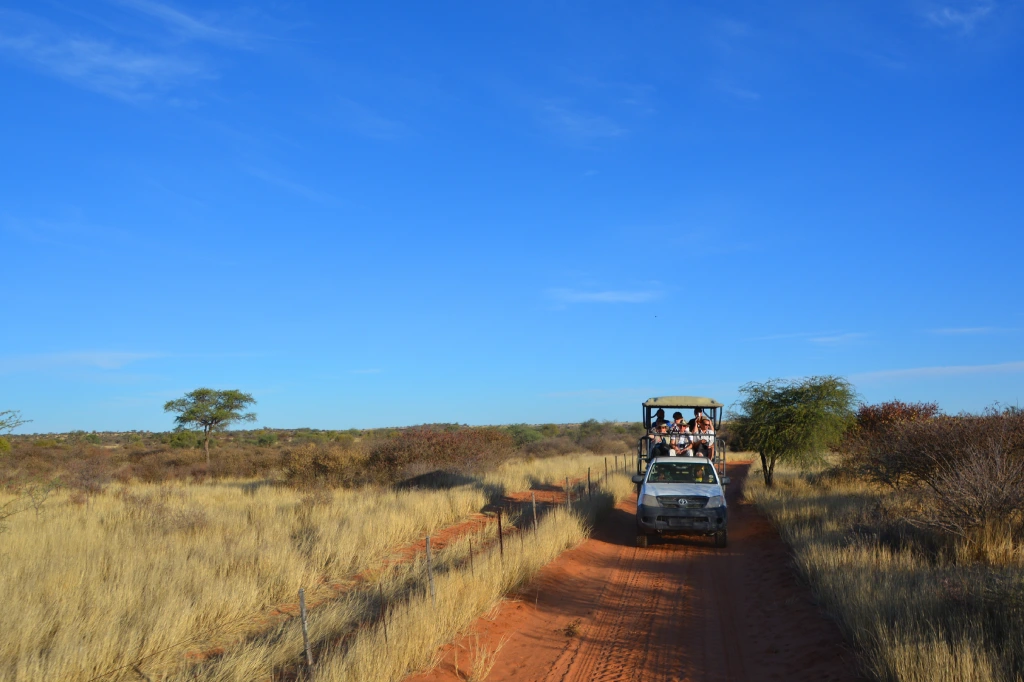
6 Destinations: Etosha National Park → Namibia → Sossusvlei → Spitzkoppe → Swakopmund → Windhoek
View Details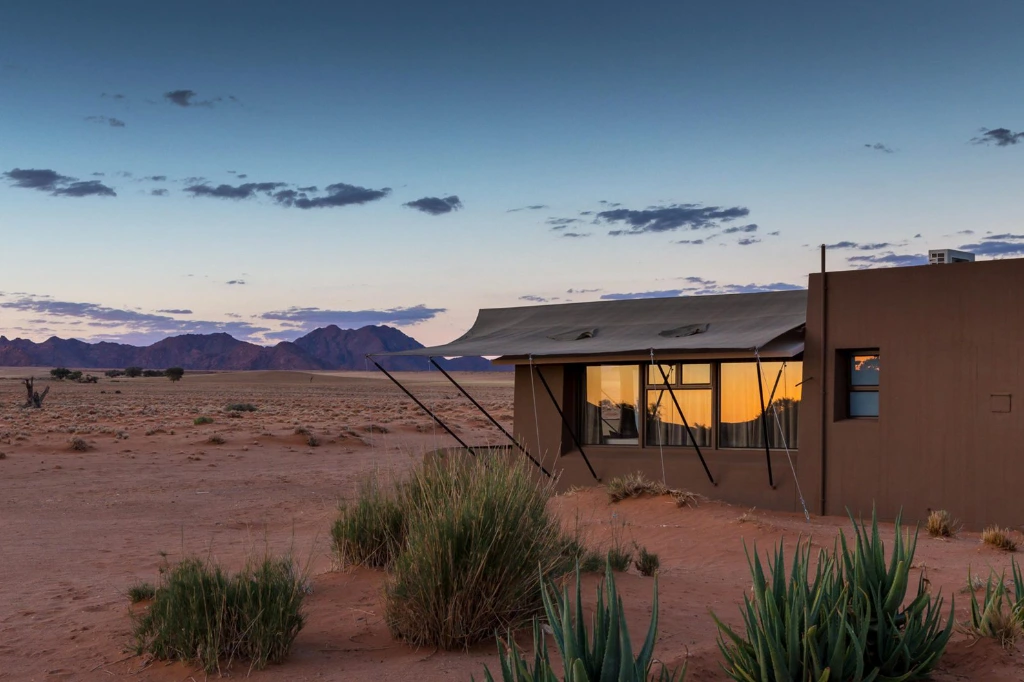
5 Destinations: Etosha National Park → Namibia → Sossusvlei → Swakopmund → Windhoek
View Details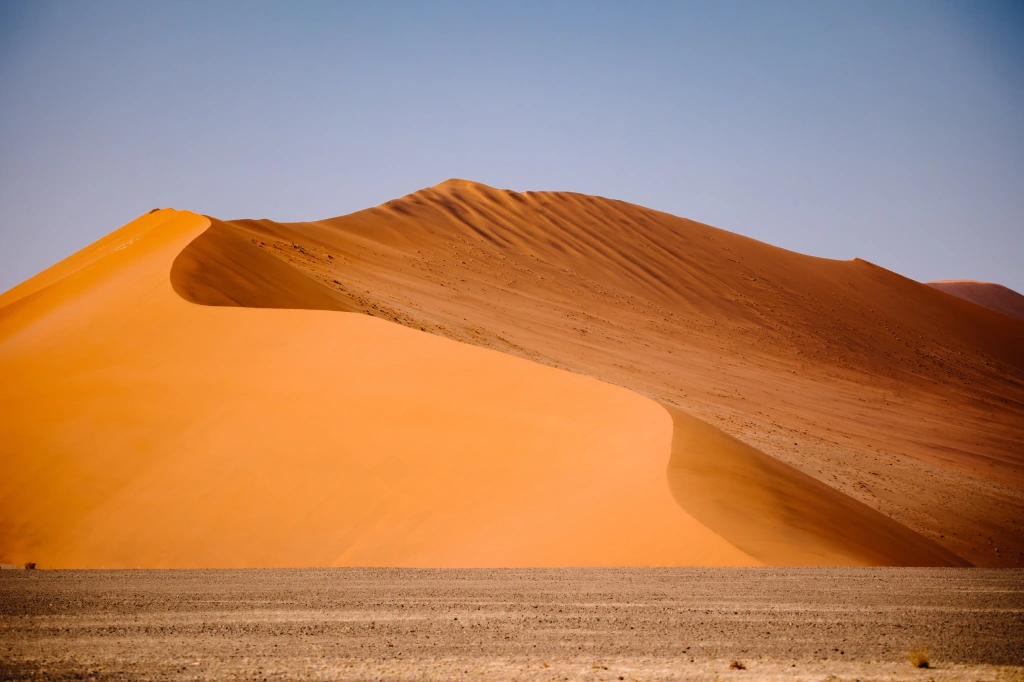
5 Destinations: Etosha National Park → Namibia → Sossusvlei → Swakopmund → Windhoek
View Details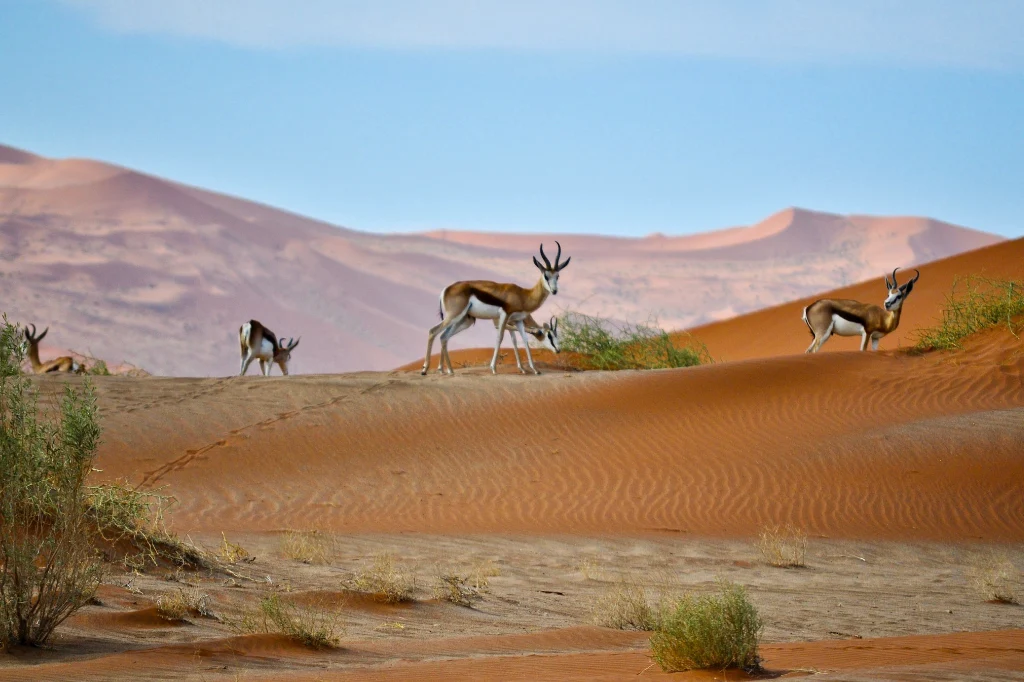
6 Destinations: Botswana → Etosha National Park → Namibia → Sossusvlei → Swakopmund → Zimbabwe
View Details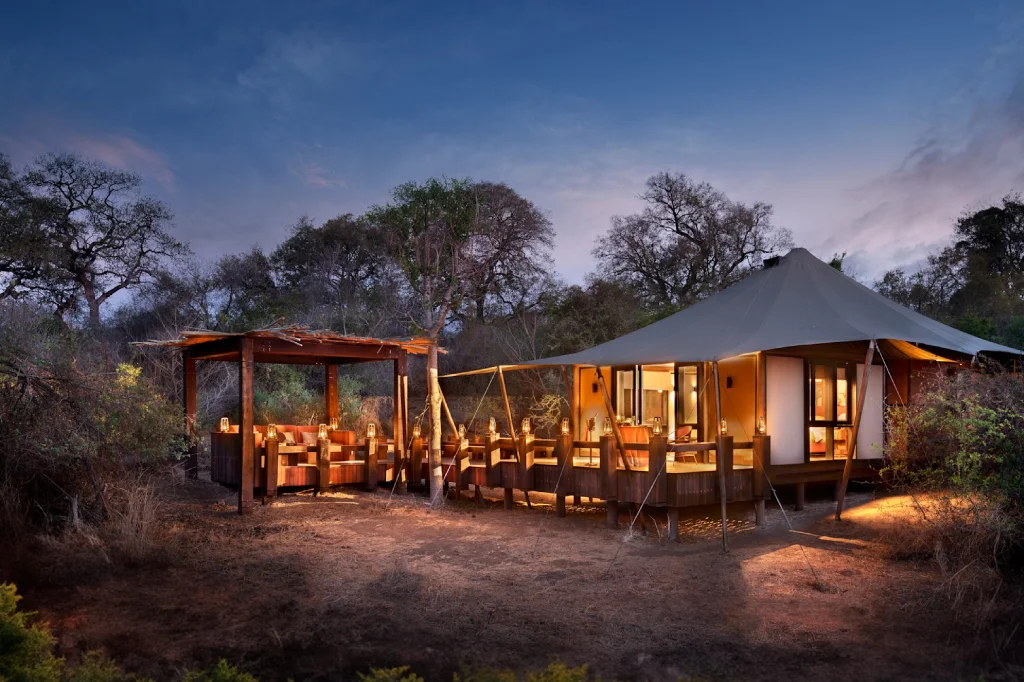
6 Destinations: Etosha National Park → Fish River Canyon → Namibia → Sossusvlei → Swakopmund → Twyfelfontein
View Details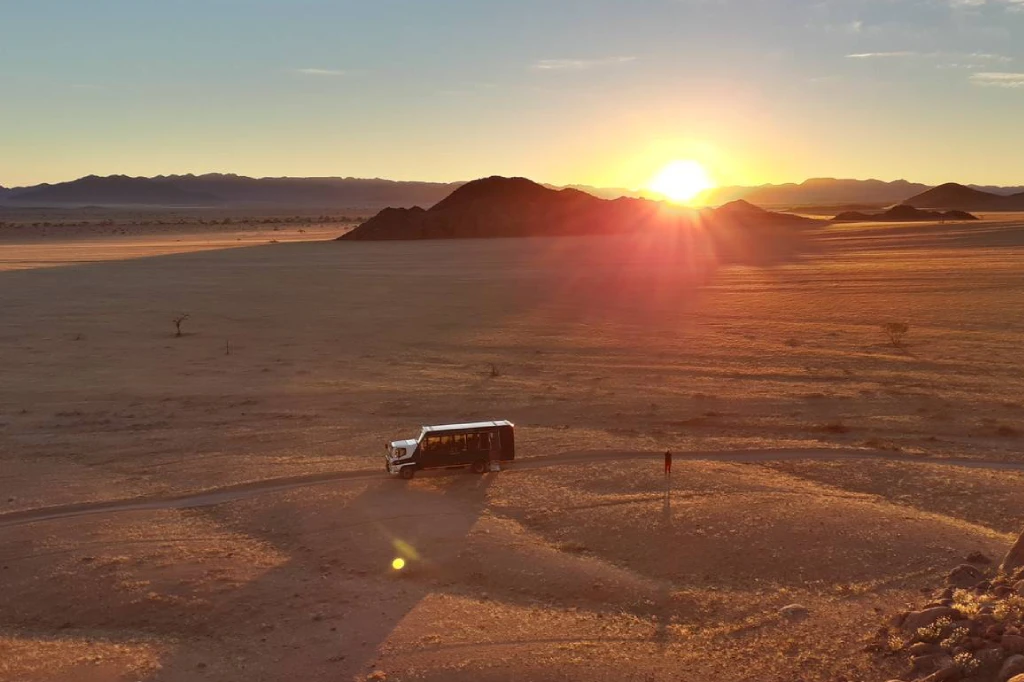
6 Destinations: Botswana → Etosha National Park → Namibia → Sossusvlei → Swakopmund → Zimbabwe
View Details
7 Destinations: Etosha National Park → Kamanjab → Namibia → Spitzkoppe → Swakopmund → Twyfelfontein → Windhoek
View Details
4 Destinations: Etosha National Park → Namibia → Sossusvlei → Swakopmund
View DetailsOur Namibian tour was an unforgettable experience from start to finish. Henzel was both our guide and driver, and he did an outstanding job in both roles. He was incredibly thorough and well-prepared, always sharing detailed insights about the landscapes, wildlife, and local culture. You could tell he truly knew and loved the country.

We did the “7 Days Wildlife Etosha and Sossusvlei Namibian Safari (Accommodated)” with Safari World Tours in December 2023 and it was the best choice for our family! We are experienced travelers (49 countries visited) and found that to travel to Namibia with a small child (4 years old) a tour would the the best option




 German
  English