+264 81 8211 521
info@safariworldtours.com
Rabatte & Deals


A remote coastline of shipwrecks, dunes, fog, and wild silence
Skeleton Coast National Park protects one of Namibia’s most haunting coastal landscapes, where the Atlantic Ocean meets dry desert land. This long, misty shoreline is known for shipwrecks, seal bones, dunes, and rough sea winds.
The Skeleton Coast stretches across a narrow coastal belt in north-western Namibia, where the cold Benguela Current meets sand and gravel plains and desert valleys. Thick fog, shifting sandbanks, and strong Atlantic currents once made this coast dangerous for sailors. Today, those same features make it one of the most unusual Namibian Holiday Destinations, with wide, empty views, scattered wrecks, and a feeling that the land has been left almost untouched.
Much of the coastline falls within Skeleton Coast National Park, giving protection to a place that looks harsh but supports surprising life. Wildlife can be seen near riverbeds, dunes, and inland plains, while the coast remains raw, windy, and dramatic. It is a rare safari setting.

Gather ideas from our Namibia tour packages, or let our consultants help you picture the possibilities. We can build the journey around your time, style, and interests.
Skeleton Coast National Park runs along Namibia’s far north-western coast, where the road feels long, and the sea often sits behind fog. The map helps travelers see how the park connects with Swakopmund, Damaraland, nearby river valleys, and northern routes. It also provides a clear idea of the distance, access points, and planning required before entering this remote area.
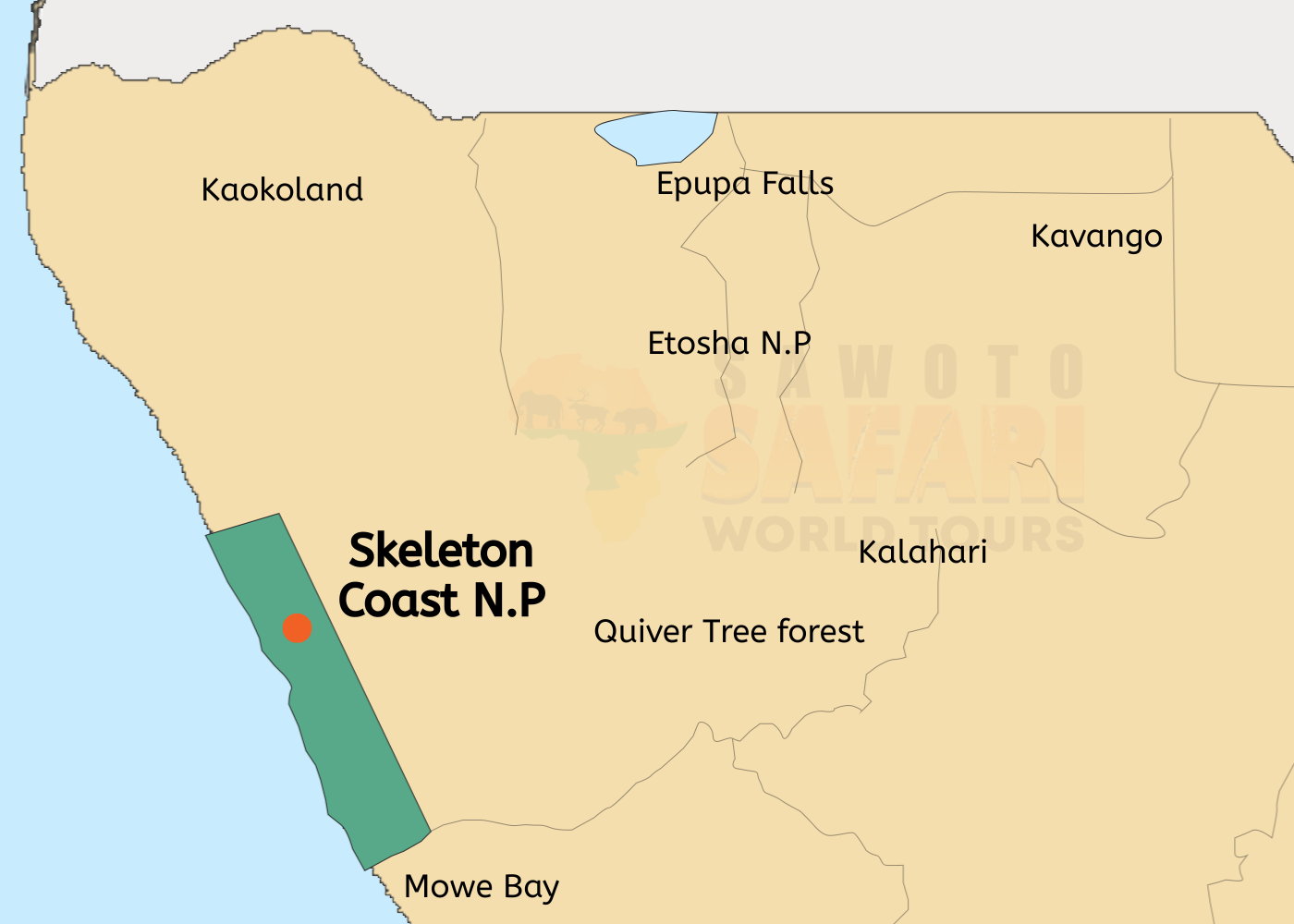
Skeleton Coast Nationalpark runs along Namibia’s far north-western coast, from the Ugab River toward the Kunene River. It is a huge, foggy wilderness of shipwreck traces, dunes, riverbeds, lichen fields, seals, and desert wildlife. Some areas are easy to reach with permits, while the far north needs guided access and careful travel planning for safety and comfort.
Skeleton Coast National Park covers a long coastal strip in north-western Namibia. It stretches from the Ugab River in the south toward the Kunene River near Angola, with the Atlantic on one side and dry desert land running inland behind it today, too.
The park is about 500 kilometres long and roughly 40 kilometres wide in many areas. That size gives it a strong sense of distance. You do not feel close to towns here. The sea, gravel plains, dunes, and bare mountains sit far apart, with long roads between them and very few easy stops.
The southern section is the easier part to visit. Travellers often approach from Swakopmund, Henties Bay, or Damaraland, then enter through Ugabmund or Springbokwasser. A permit is needed for entry, so arrange it early or check the gate rules before driving into this isolated coastal area on your own.
The northern section is more restricted and far less casual. From around Torra Bay up to the Kunene River, access is usually only possible with approved tour operators. This part is remote, controlled, and quieter, with fewer visitors and some of the park’s strongest coastal scenes along the foggy Atlantic edge.
The park works well in a longer Namibia road trip, especially with Damaraland, Swakopmund, Cape Cross, and remote northern routes. Still, distances are long, and services are limited. Fuel, water, permits, and overnight plans should be sorted before entry, not halfway through the drive.
This park is known for cold sea fog, rough beaches, dry plains, and scattered wreckage. The Benguela Current pushes mist along the coast, while the desert behind it stays harsh, windy, and almost rainless for much of the year here.
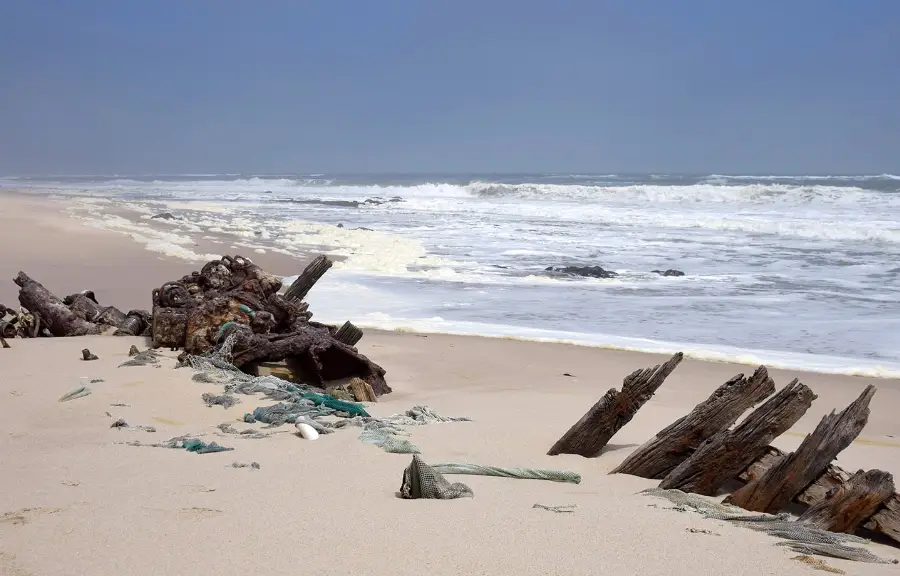
The shoreline is not a soft beach escape. It feels rough and exposed, with sand, pebbles, driftwood, bones, and old shipwreck remains in different places. Fog can roll in fast, and the Atlantic often looks cold and restless, even when the weather seems calm from a distance.
Behind the coast, the land changes into dunes, gravel plains, dry riverbeds, canyons, and rocky hills. Some canyon walls show deep volcanic colours when the light is low. It is easy to think the place is empty, until small details start appearing in the sand and stones.
Fog is one of the most important natural features here. Rainfall is very low, often only a few millimetres each year, so many plants depend on moisture from the sea mist. Lichens, dollar bush, vygies, and !nara plants survive in this quiet way along the cold coast.
The landscape also carries the old story behind the park’s name. Whale bones, seal bones, and shipwrecks gave the Skeleton Coast its hard reputation. Sailors who reached land often had little chance of survival, with no easy water, shelter, or safe route out of the desert.
Skeleton Coast National Park may look empty from a distance, but wildlife lives in careful pockets across the coast, riverbeds, and inland desert. Animals here have adapted to dry ground, fog, long distances, and very limited water sources.
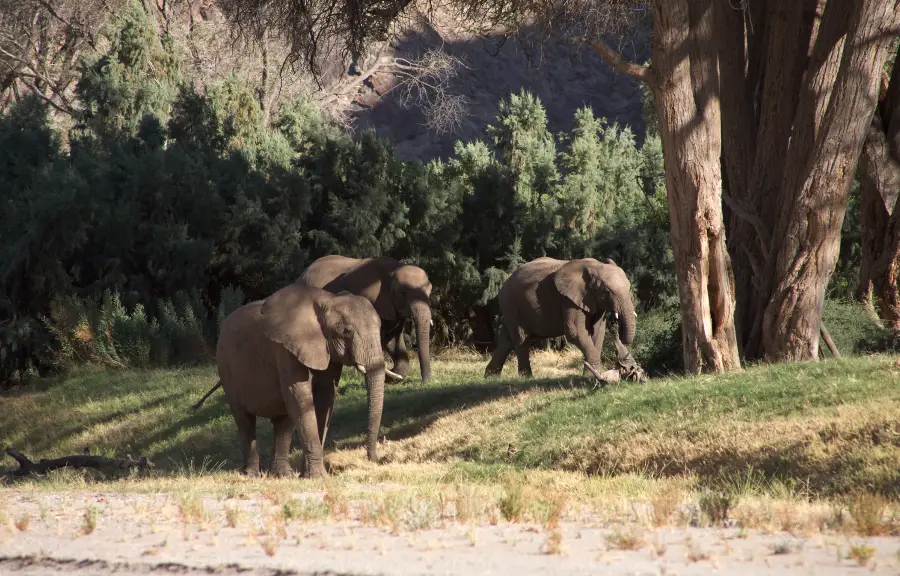
Desert-adapted elephants are among the most special animals linked with this region. They often move through dry riverbeds where there is more vegetation and shade. These river routes also support oryx, springbok, zebras, giraffes, jackals, brown hyenas, lions, and sometimes rhinos in the wider desert system.
The coast has a different kind of wildlife. Cape fur seals gather in large numbers along parts of Namibia’s shoreline, especially farther south near Kap Kreuz. Offshore, visitors may sometimes see Heaviside’s dolphins. The Kunene River mouth also brings wetland life into the far northern edge of the park.
Birdlife is richer than many travelers expect. More than 300 bird species have been recorded in the park, including flamingos, vultures, korhaans, and desert birds. Some areas look plain at first, but river mouths, wetlands, and coastal sections can be surprisingly active when you slow down.
Plant life is small, tough, and easy to miss. Lichen fields are especially important, with more than 100 species recorded. Welwitschias, !nara melons, living-stone succulents, pencil bush, wild tamarisk, mopane, and makalani palms show how life survives with fog and very little rain.
Travel in Skeleton Coast National Park requires more planning than many other destinations in Namibia. The area is remote, access rules vary by section, and visitor facilities are limited. Good preparation makes the journey safer, smoother, and more rewarding for every traveller.
Terrace Bay is one of the main overnight points inside the park, with rooms, a restaurant, a bar, and basic facilities. Accommodation is limited, so booking ahead is important. Camping is restricted in some areas and may only be available during certain months, especially around the holiday season.
Fishing is popular along parts of the coast, but travellers need the right licence before entering the park. Anglers often focus on the accessible southern areas. Rules can change, so checking current permit, gate, and fishing requirements before arrival is a sensible step before setting out.
The park can be visited throughout the year. Conditions stay dry, windy, and foggy, with very low rainfall. January to March is listed as the main rainy period, but this is still one of Namibia’s driest areas, so water, fuel, warm layers, and supplies remain important.
Popular activities include photography, game viewing, scenic flights, fishing, guided drives, and remote coastal exploration. Some travelers only see the southern section, while others book specialist trips into the north. Either way, this is not a place to rush. Slow planning gives a better visit.
Skeleton Coast Nationalpark feels remote, cold, and strangely still. Expect foggy beaches, rough Atlantic winds, shipwreck remains, desert wildlife, seal colonies, long empty roads, and wide coastal views that feel far from normal travel.
These Namibia Safari Itineraries bring together the country’s wide range of travel experiences, from wildlife parks and desert roads to coastal towns, cultural stops, and quiet lodge stays. Some routes are short and focused. Others stretch across several regions. And for travelers comparing Namibia Safari Packages, these itineraries make it easier to choose a trip that fits their time, comfort, and travel style.
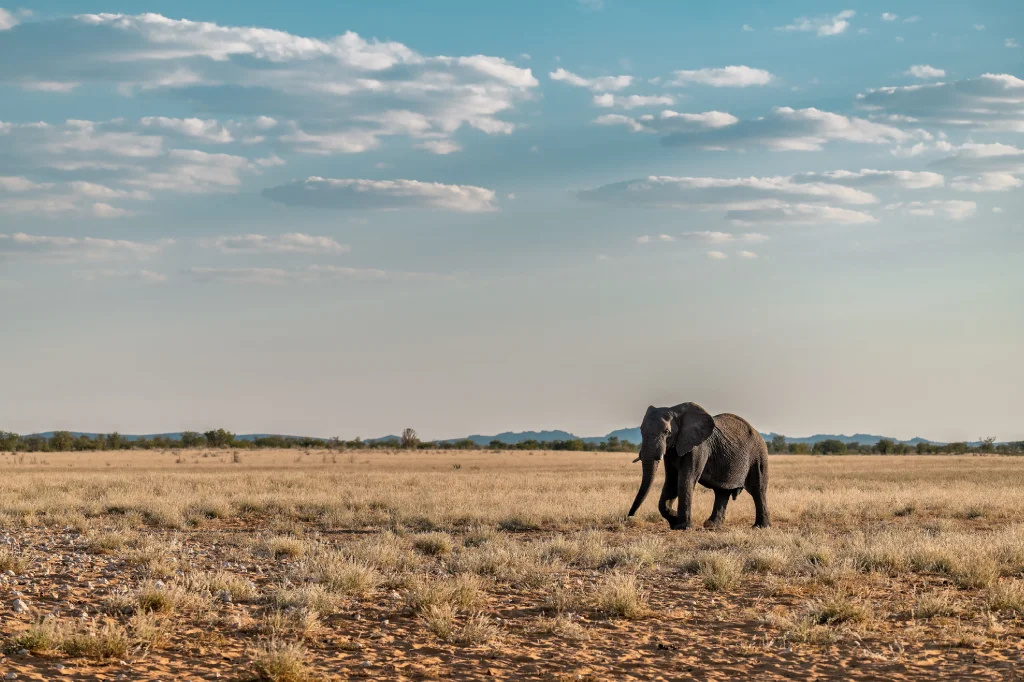
2 Destinations: Etosha National Park → Namibia
View Details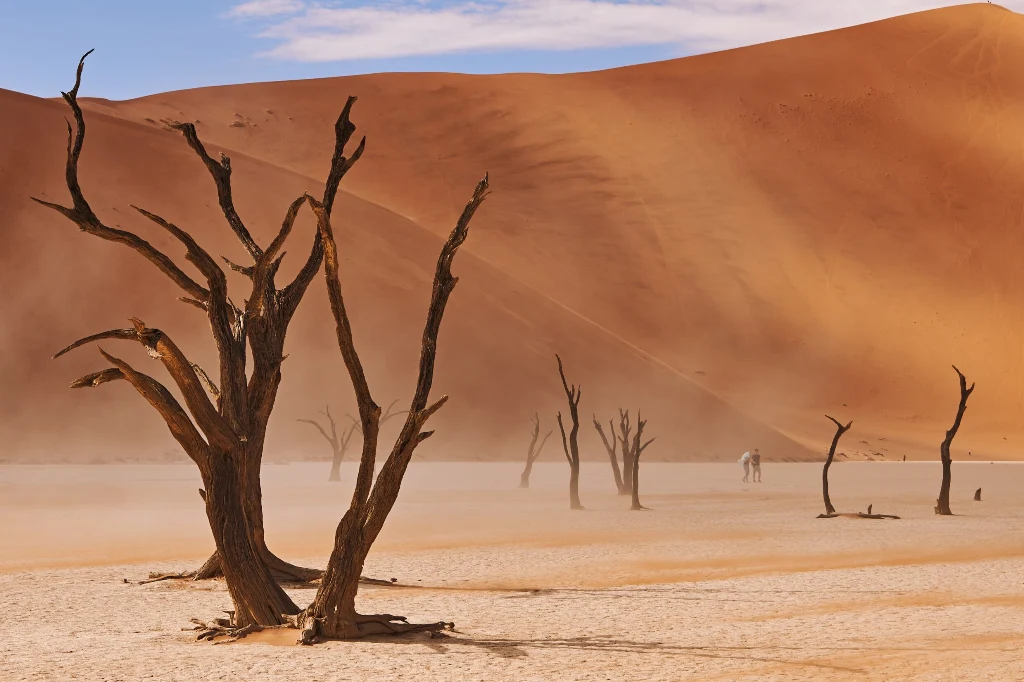
5 Destinations: Botswana → Etosha National Park → Namibia → Sossusvlei → Swakopmund
View Details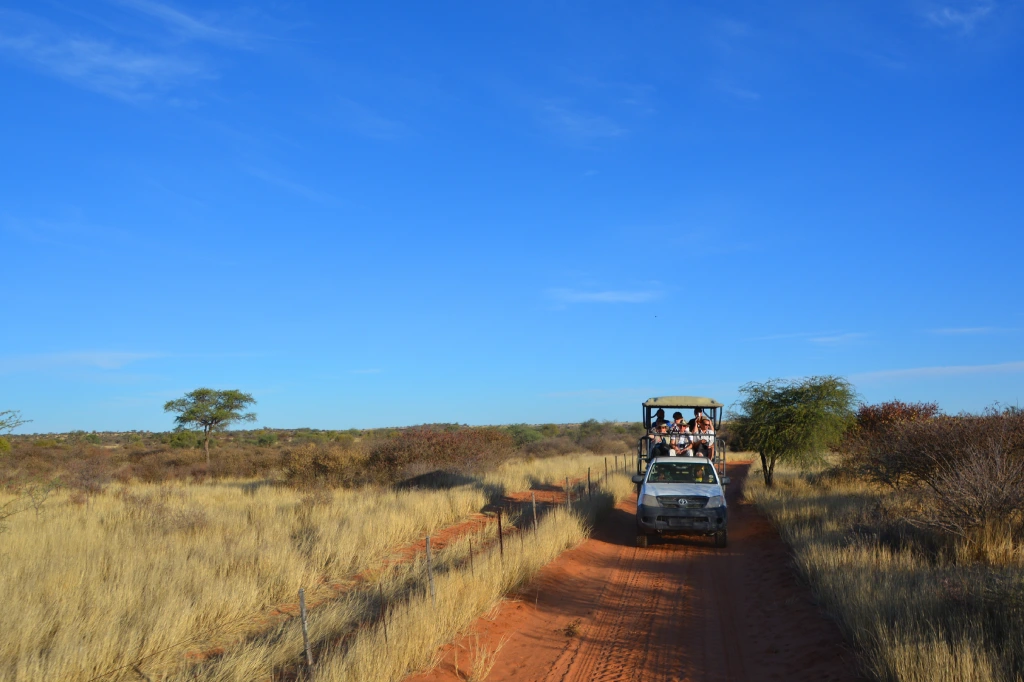
6 Destinations: Etosha National Park → Namibia → Sossusvlei → Spitzkoppe → Swakopmund → Windhoek
View Details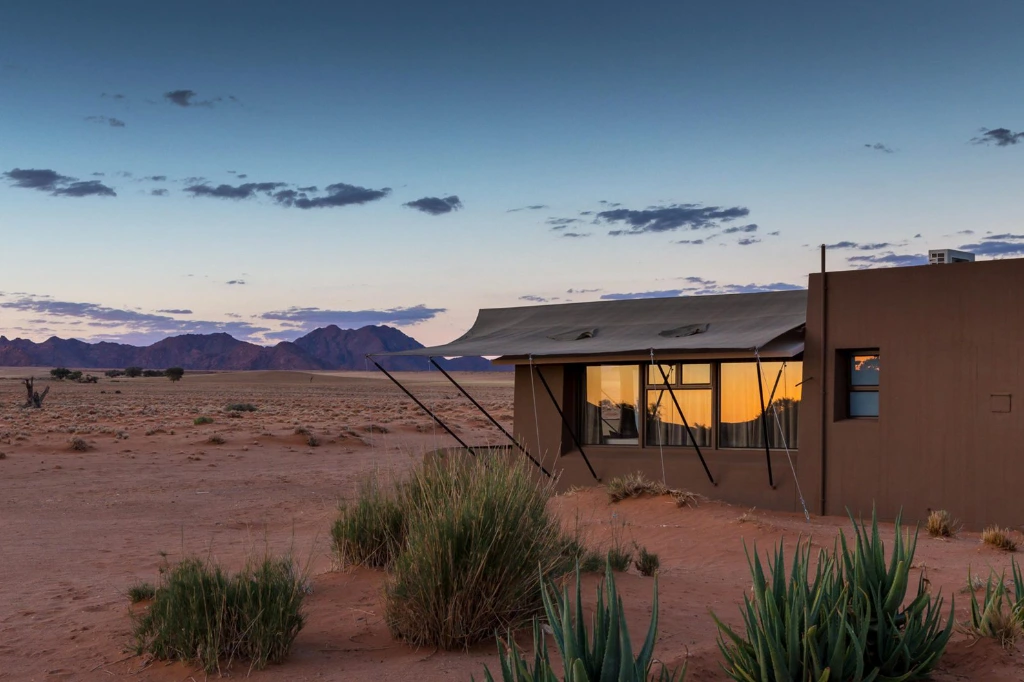
5 Destinations: Etosha National Park → Namibia → Sossusvlei → Swakopmund → Windhoek
View Details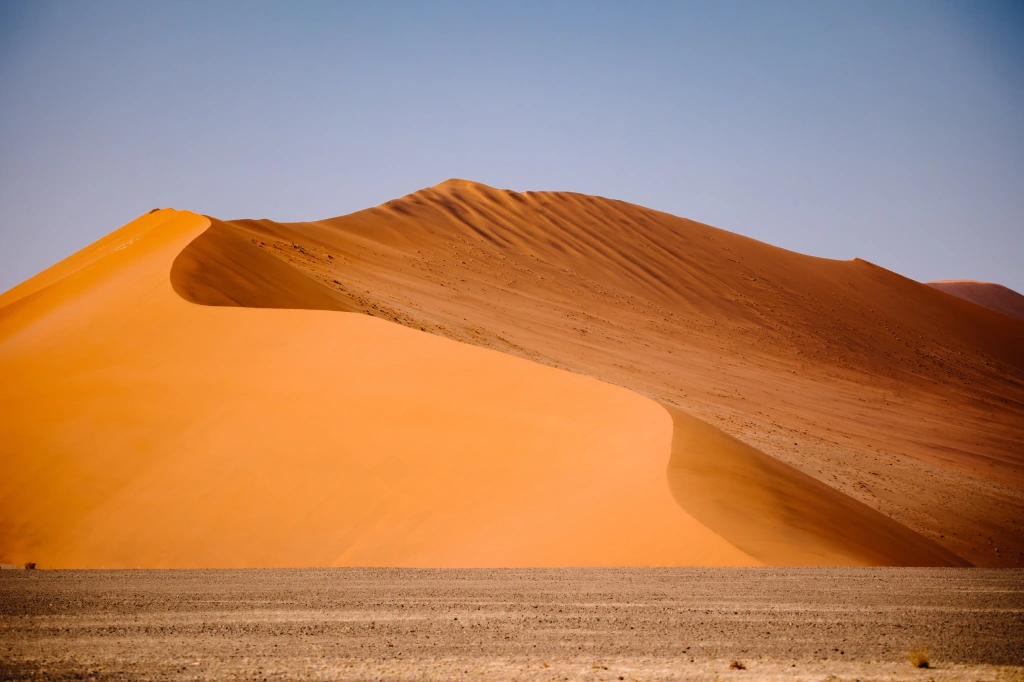
5 Destinations: Etosha National Park → Namibia → Sossusvlei → Swakopmund → Windhoek
View Details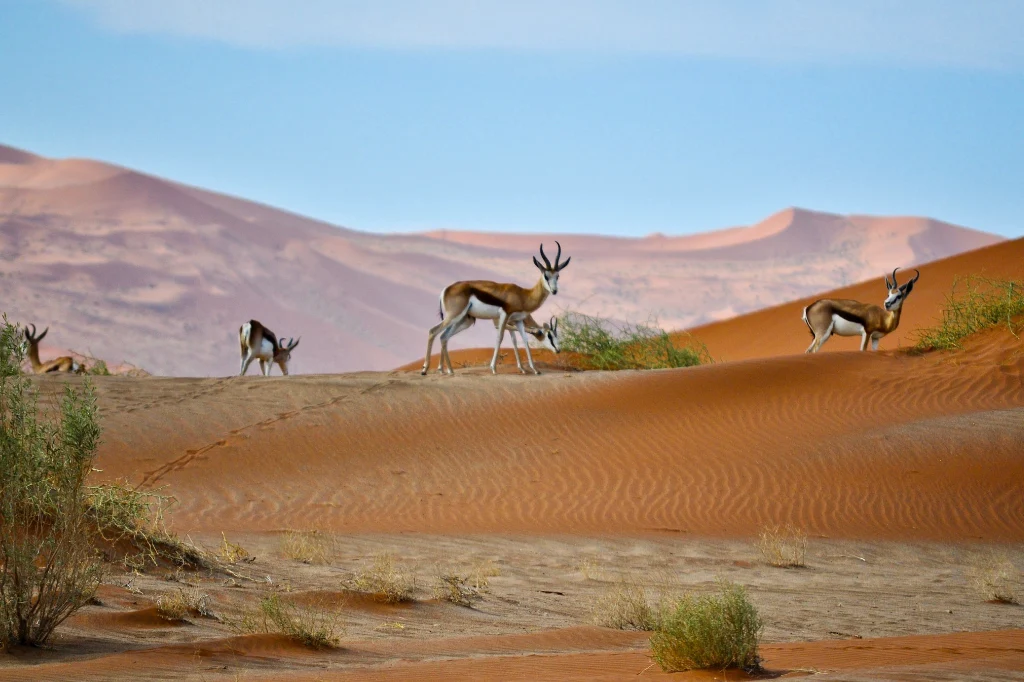
6 Destinations: Botswana → Etosha National Park → Namibia → Sossusvlei → Swakopmund → Zimbabwe
View Details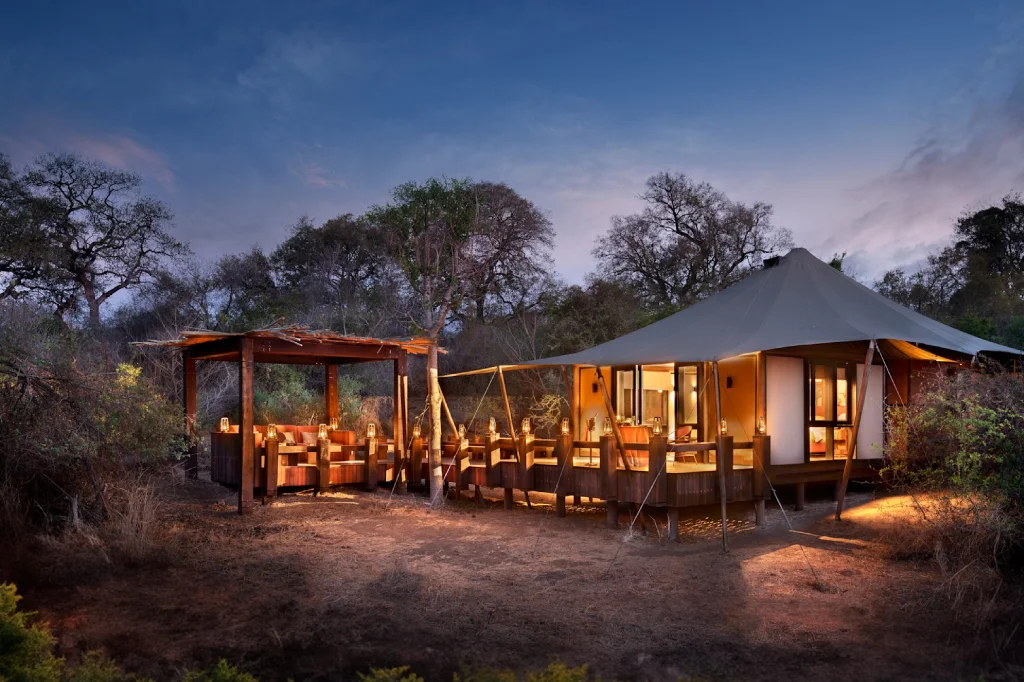
6 Destinations: Etosha National Park → Fish River Canyon → Namibia → Sossusvlei → Swakopmund → Twyfelfontein
View Details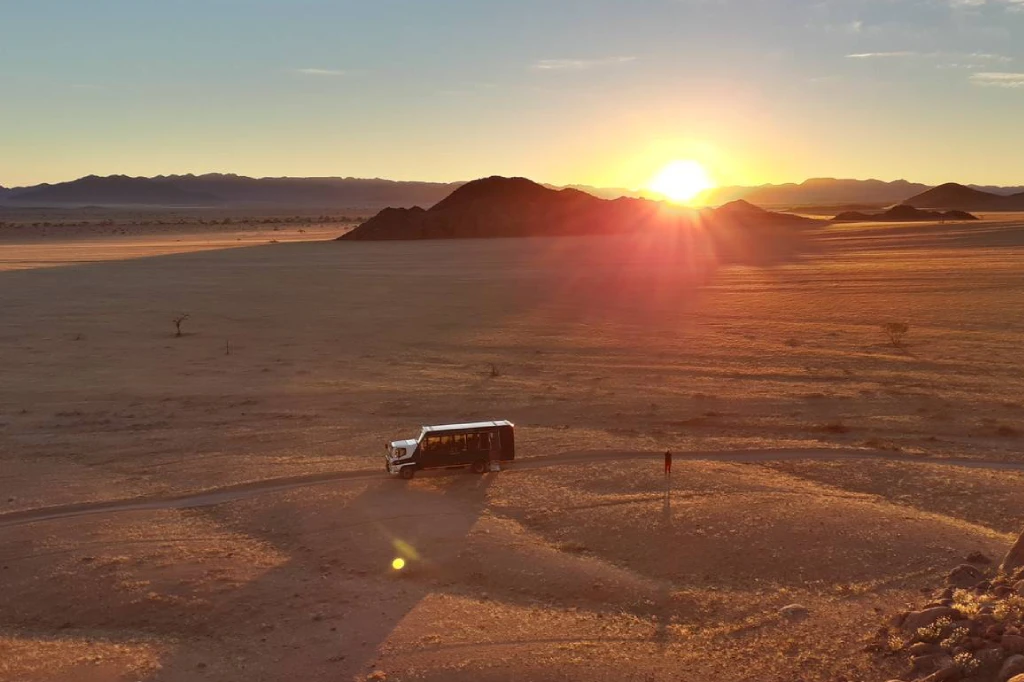
6 Destinations: Botswana → Etosha National Park → Namibia → Sossusvlei → Swakopmund → Zimbabwe
View Details
7 Destinations: Etosha National Park → Kamanjab → Namibia → Spitzkoppe → Swakopmund → Twyfelfontein → Windhoek
View Details
4 Destinations: Etosha National Park → Namibia → Sossusvlei → Swakopmund
View Details
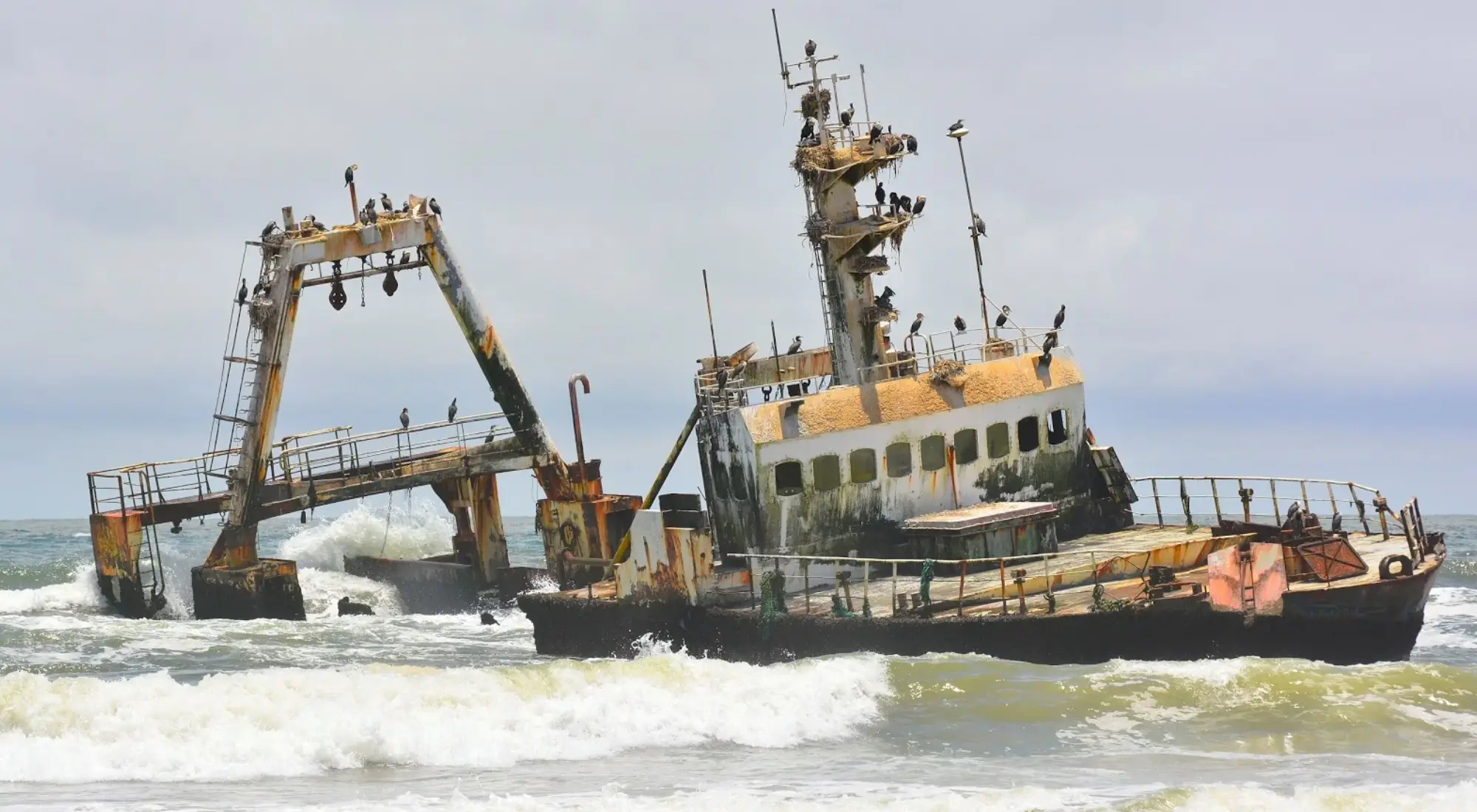
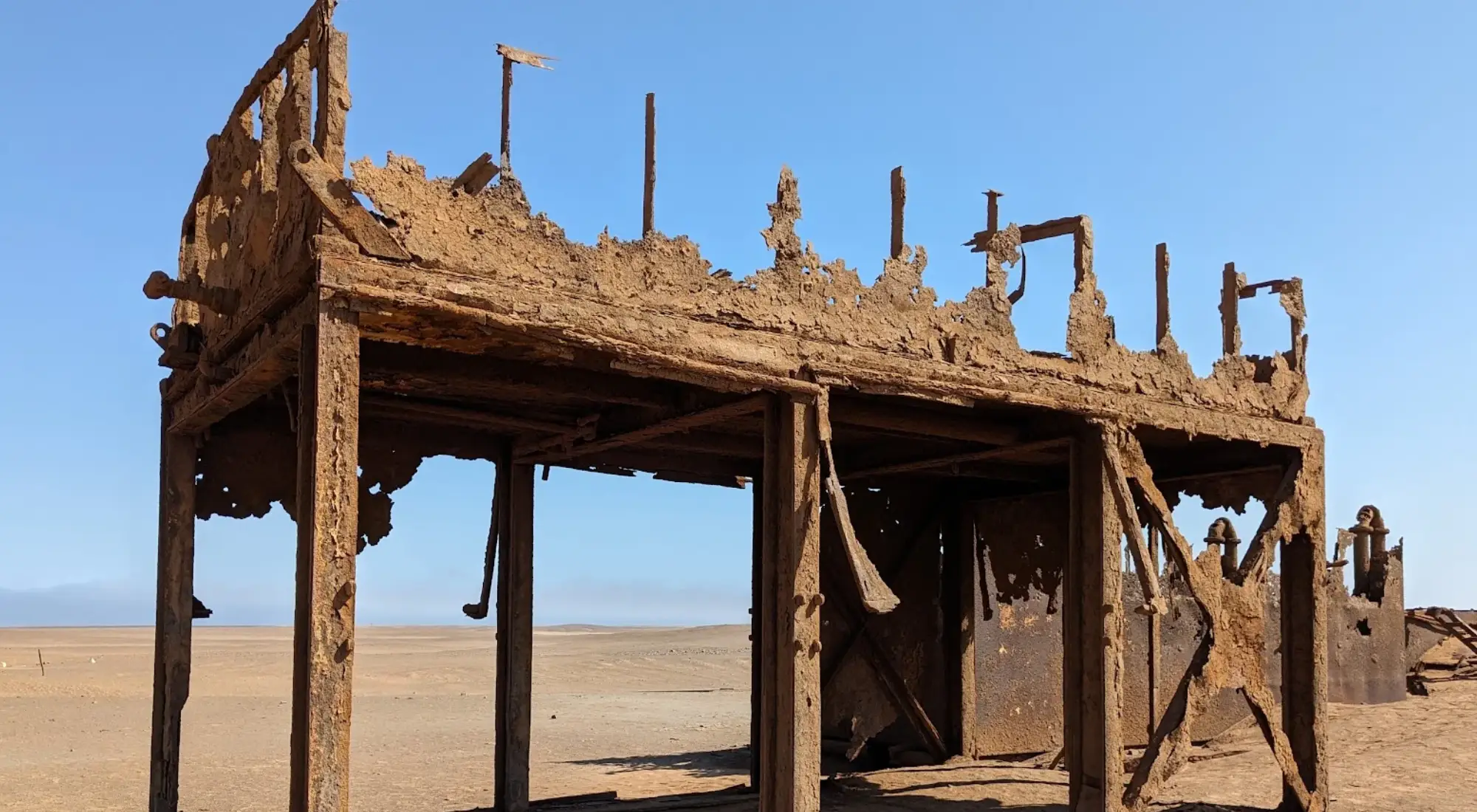
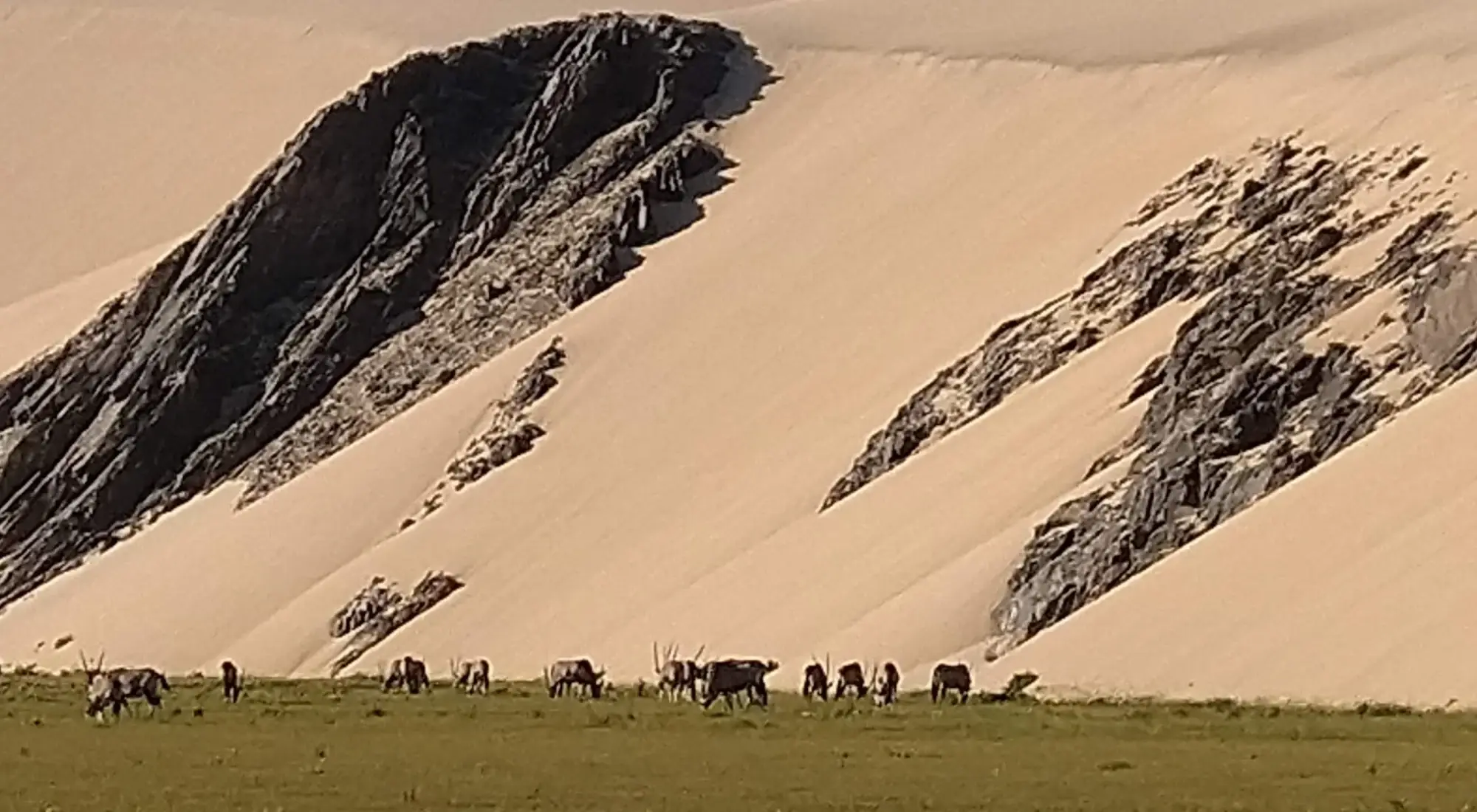
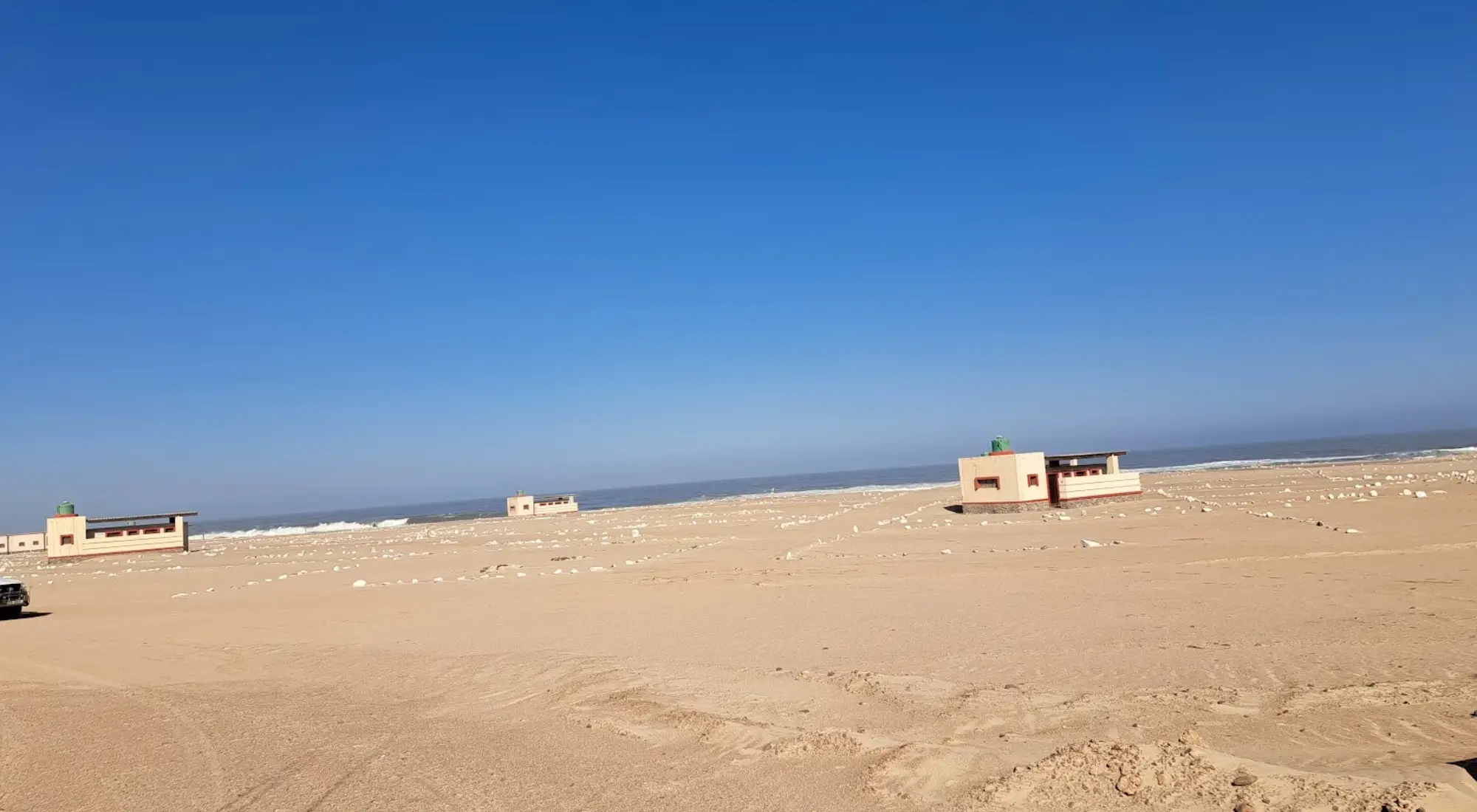
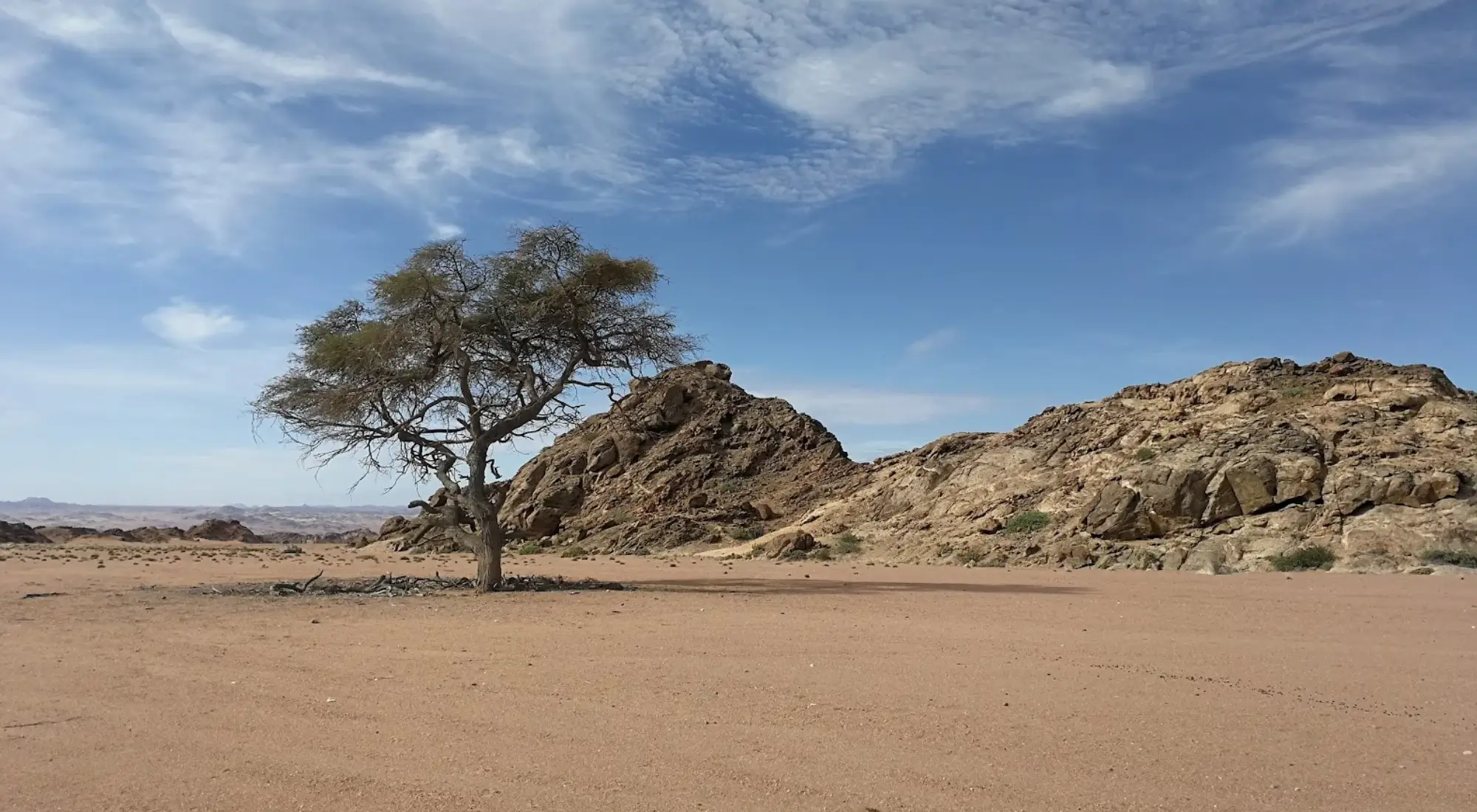
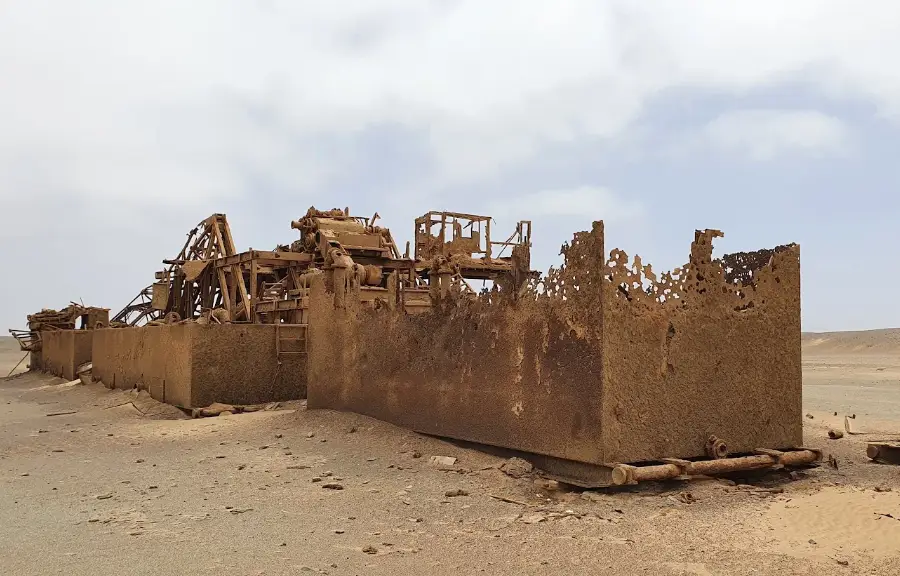
This gallery gives a close look at Skeleton Coast Nationalpark, from misty shorelines and broken wrecks to seal colonies, empty plains, and the cold Atlantic edge that defines this wild place.
A trip to Skeleton Coast National Park needs a bit of planning. It is not a place with busy viewpoints, cafés, and easy stops every few kilometres. The coast is remote, windy, foggy, and beautiful in a rough way. These FAQs explain the park, its location, wildlife, activities, guides, and travel timing in simple terms.
Namibia has a lot to pull travelers in. Wide desert dunes, wildlife parks, salt pans, coastal towns, canyons, and quiet wilderness areas all sit within one country. This section brings the main attractions in Namibia together, so travelers can see what fits their route, time, comfort level, and the kind of journey they want.
Our Namibian tour was an unforgettable experience from start to finish. Henzel was both our guide and driver, and he did an outstanding job in both roles. He was incredibly thorough and well-prepared, always sharing detailed insights about the landscapes, wildlife, and local culture. You could tell he truly knew and loved the country.

We did the “7 Days Wildlife Etosha and Sossusvlei Namibian Safari (Accommodated)” with Safari World Tours in December 2023 and it was the best choice for our family! We are experienced travelers (49 countries visited) and found that to travel to Namibia with a small child (4 years old) a tour would the the best option






 German
  English