+264 81 8211 521
info@safariworldtours.com
Rabatte & Deals


A wild coastal wetland framed by dunes, ocean, and silence
Sandwich Harbor sits south of Walvis Bay, inside Namib-Naukluft National Park. It is one of Namibia’s most striking coastal places, where huge desert dunes drop sharply toward the cold Atlantic Ocean.
This remote area is known for its lagoon, salt pans, and bird sanctuary, which together form part of the Walvis Bay Wetlands. These wetlands are among the most important coastal wetlands in Southern Africa and one of Namibia’s Ramsar sites. A Sandwich Harbor tour takes visitors into a landscape where sand, sea, and sky seem to meet without warning.
Once used as a fishing and trading port, Sandwich Harbor is now a quiet wetland wilderness with no human settlement. It shelters many wading birds, including endangered species, while the surrounding dunes create some of the most dramatic scenery in Namibia.

Gather ideas from our Namibia tour packages, or let our consultants help you picture the possibilities. We can build the journey around your time, style, and interests.
Sandwich Harbor sits south of Walvis Bay, inside Namib-Naukluft National Park. Getting there is part of the experience. The route can pass salt pans, open coastline, soft sand, and tall dunes. Tide and weather matter here, so most travelers visit with a trained 4×4 guide who knows the area well.
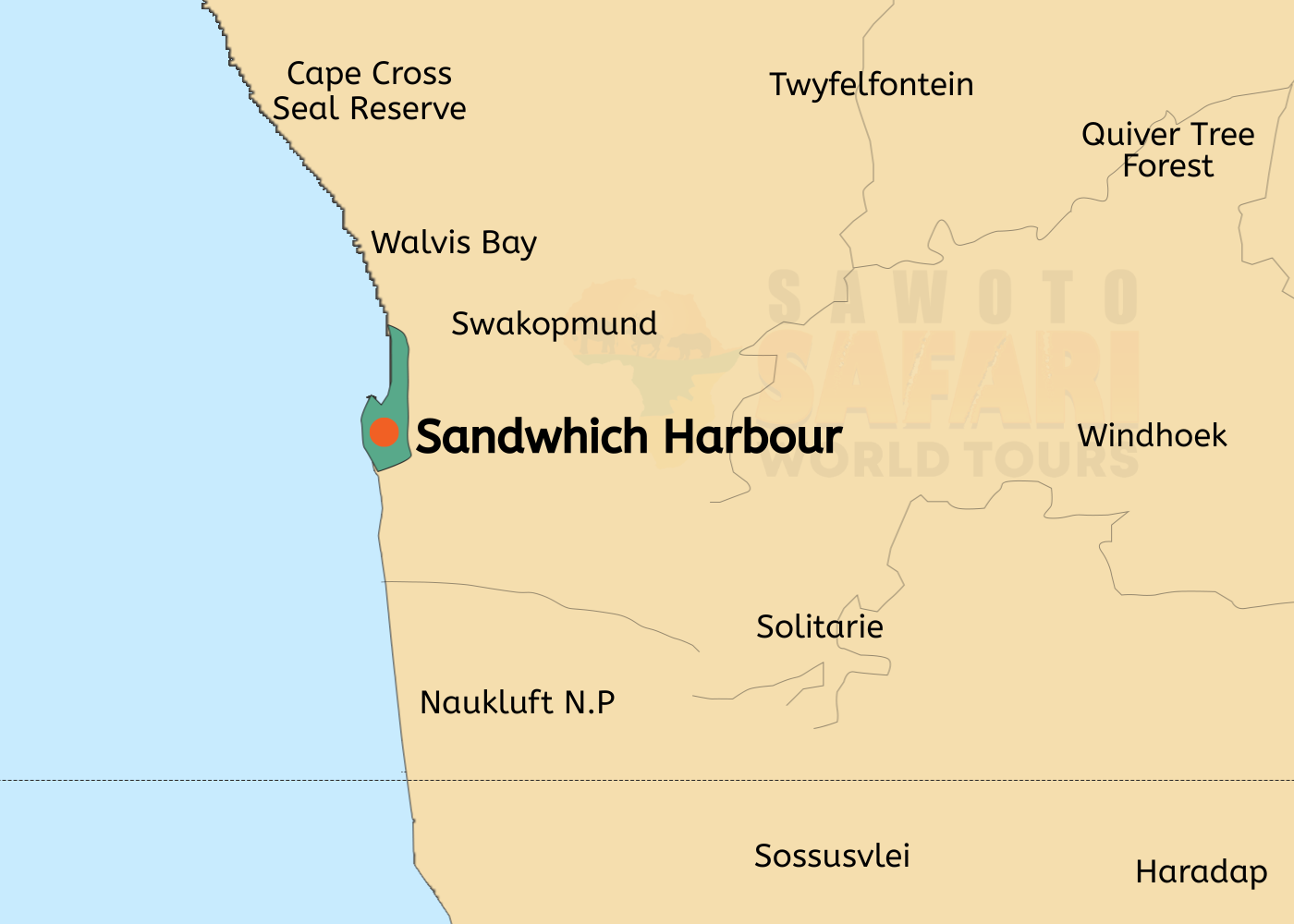
Sandwich-Hafen is a wild coastal place near Walvis Bay, where dunes, lagoon, salt pans, and Atlantic water meet in one rough landscape. It is best explored with a trained local guide because tides, fog, and soft sand can change the route quickly. Visitors come for birdlife, dune driving, coastal views, and quiet desert scenery across Namibia’s coast here too.
Sandwich Harbour can be visited year-round, though each season brings a different feel. Cooler winter months suit dune drives, clear views, and photography, while warmer months bring fog, heat, and stronger bird activity around the lagoon, wetlands, and nearby Walvis Bay coast area.
June to September is often the most comfortable time for travellers visiting Sandwich-Hafen. Days are usually warm without feeling too hot, and the coastal air feels fresh. This makes long 4×4 drives easier, especially when the route moves between beach tracks, high dunes, salt pans, and open viewpoints near the Atlantic coast and lagoon edges, safely with care today.
This period is also good for photography, especially for wide dune and ocean scenes. The sky is often clearer, and the dune edges stand out strongly against the sea. Mornings can feel cold, so a light jacket helps. Many people forget this because Namibia sounds hot, but the coast has its own cool mood in winter too near Walvis Bay.
October to April brings warmer weather, and fog can move along the coast without much warning. Dune drives may feel heavier on hot days, mainly inside soft sand areas. Birdwatchers still enjoy this season because migratory birds arrive, and the lagoon often feels busier with flamingos, pelicans, terns, and other wetland species near the water and dunes along the shore.
The tide is important in every season, especially along the narrow beach section. At high tide, the beach route can become unsafe when waves reach the dunes. This is why guided trips are strongly recommended. A good guide checks tide times, wind, fog, and sand conditions before choosing the safest route for guests along the shore with proper care.
Sandwich Harbour has a past tied to sailors, traders, fishing, fresh water, and desert survival. Its quiet coast carries old harbour stories, early human traces, Topnaar heritage, and the unclear origin of a name still discussed by many guides on local trips today.
Portuguese sailor Diego Cão reached this natural harbour in 1486 and named it Port d’Ilheo. Its early value is still not fully known, which makes the place feel even more curious. Later, in the 19th century, Sandwich Harbour became a fishing and trading port because fresh water was found nearby for sailors and crews arriving by sea and passing traders.
The harbour supported whaling, fish processing, guano collecting, beef canning, and coastal trade. In 1884, it became useful as a supply harbour during German rule in South-West Africa. Over time, Swakopmund grew stronger as a port, and Sandwich Harbour slowly lost its working role along this remote shoreline and quiet coast as activity moved elsewhere and quieter days followed.
The origin of the name “Sandwich” is not fully settled, which adds a small mystery to the place. Some link it to the German word “Sandfisch,” meaning sand fish or shark. Others connect it to HMS Sandwich, a ship that visited the bay in the late 18th century, according to common accounts shared today on guided trips here.
The human story goes much deeper than trade. The wider area holds signs of the Topnaar people, linked to the ancient !Khoi group. Their knowledge of underground water and the !nara plant shows how people survived in this dry, demanding land for many generations with skill and patience beside the coast through hard seasons in daily life there.
At first glance, Sandwich Harbour may look empty, dry, and still. Look closer, and the lagoon, dunes, beach, fossil riverbeds, and Atlantic waters support birds, mammals, reptiles, insects, marine life, and desert plants adapted to harsh coastal conditions here throughout the year today.
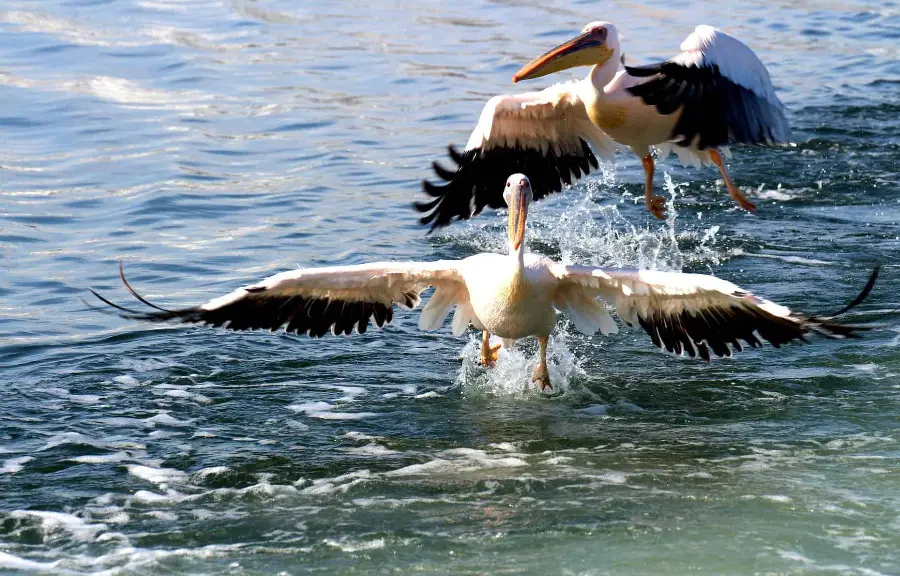
Birdlife is one of the main highlights of Sandwich Harbour and its nearby wetlands. The lagoon attracts flamingos, pelicans, cormorants, terns, and many wading birds. In summer, the wetland can support more than 50,000 birds, while winter still brings large numbers to this protected Ramsar coastal area near Walvis Bay during many visits near the lagoon too.
The Kuiseb Delta and nearby dunes are home to springbok, ostrich, black-backed jackal, and brown hyena. Smaller desert animals also live here, including gerbils, mice, shovel-snouted lizards, and snakes. They are not always easy to see, yet they fit this dry landscape perfectly and survive with surprising skill in sand through dry months in this harsh area nearby.
The ocean brings another side to the wildlife experience around Sandwich Harbour. Cape fur seals are often seen along the coast, and dolphins may appear offshore. Sometimes whales are spotted in the waves. The lagoon also supports fish and marine life, which helps draw many birds to the area during feeding times near shore when conditions allow too.
Plant life is limited, but the !nara plant is deeply important in this desert region. It grows where underground freshwater exists and has supported the Topnaar people for generations. It may look thorny and rough, yet in this dry place, it has long been a source of food and desert knowledge for local families in old times too.
Sandwich Harbour is mainly about the journey, not fixed attractions or busy stops. Travellers come for guided 4×4 dune drives, birdwatching, lagoon views, sandboarding, seal sightings, salt pans, and the rare feeling of moving between desert and ocean in one place with guides.
A guided 4×4 drive is the main activity at Sandwich Harbour. Coming south from Walvis Bay, the dunes grow steeper and the beach track narrows. At times, the ocean pushes close to the sand, making the drive exciting, slightly tense, and very dependent on local knowledge from experienced guides during changing tides and soft sand routes safely.
Birdwatching is another strong reason to visit Sandwich Harbour and its lagoon. Flamingos, pelicans, terns, cormorants, and other wetland birds gather around the water. Even casual travellers often pause for longer than planned. Watching birds move across water beside huge dunes feels simple, quiet, and very special on the coast during slow stops near the lagoon there.
Some tours include sandboarding for travellers who want more action during the trip. It is simple, messy, and fun. You climb a dune, slide down, and end up with sand everywhere. Other stops may include pink salt lakes, Walvis Bay Lagoon, seal areas, and scenic photo points along the route with local guides near the coast too.
Most trips start in Walvis Bay or Swakopmund, with many operators offering pick-up and drop-off services. Weather can change quickly, so carry sunscreen, sunglasses, a hat, water, and a warm jacket. Sandwich Harbour looks quiet from far away, but the route keeps you alert from start to finish throughout the drive in this remote area safely.
Soft sand tracks, steep dunes, Atlantic views, wetland birds, and quiet lagoon scenes make Sandwich Harbour feel remote and real. Guided 4×4 driving, changing coastal weather, and sudden wide views give the visit its raw coastal character.
These Namibia Safari Itineraries bring together the country’s wide range of travel experiences, from wildlife parks and desert roads to coastal towns, cultural stops, and quiet lodge stays. Some routes are short and focused. Others stretch across several regions. And for travelers comparing Namibia Safari Packages, these itineraries make it easier to choose a trip that fits their time, comfort, and travel style.
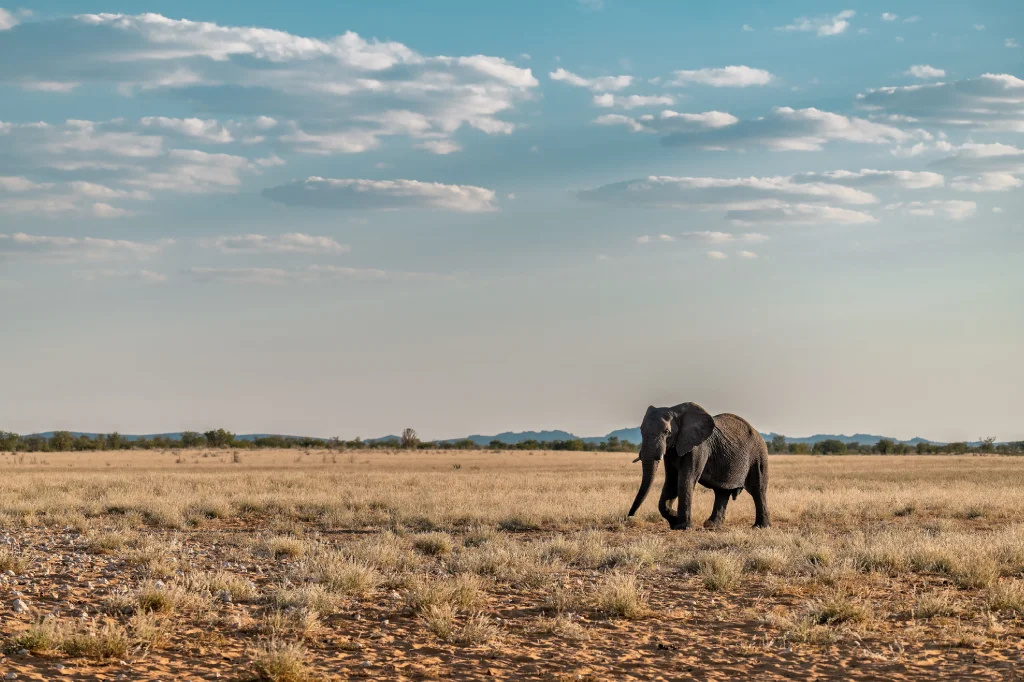
2 Destinations: Etosha National Park → Namibia
View Details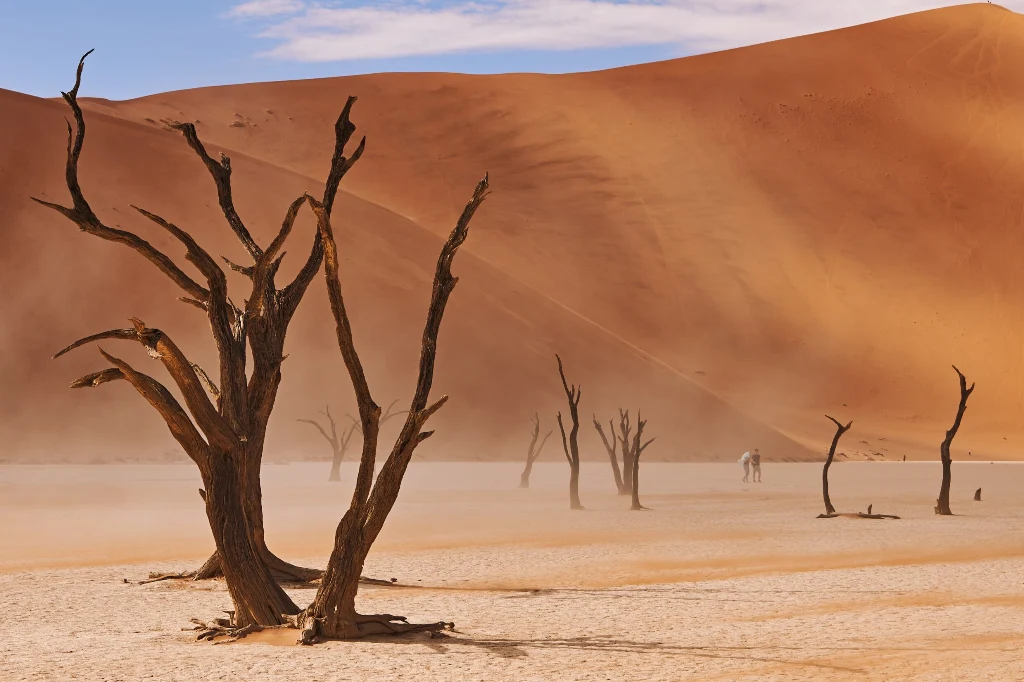
5 Destinations: Botswana → Etosha National Park → Namibia → Sossusvlei → Swakopmund
View Details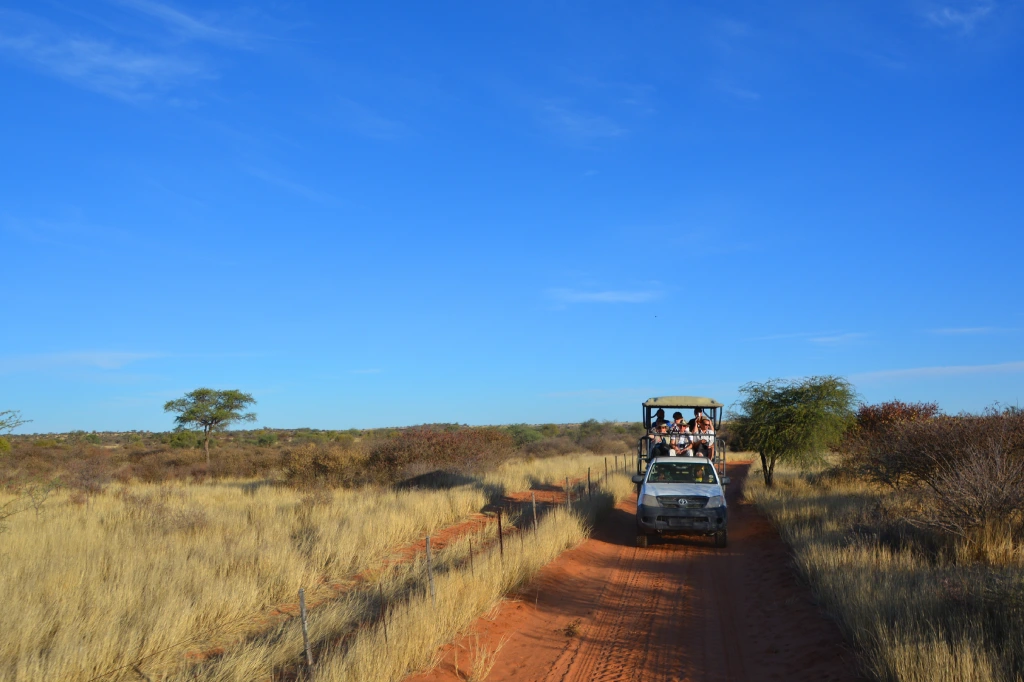
6 Destinations: Etosha National Park → Namibia → Sossusvlei → Spitzkoppe → Swakopmund → Windhoek
View Details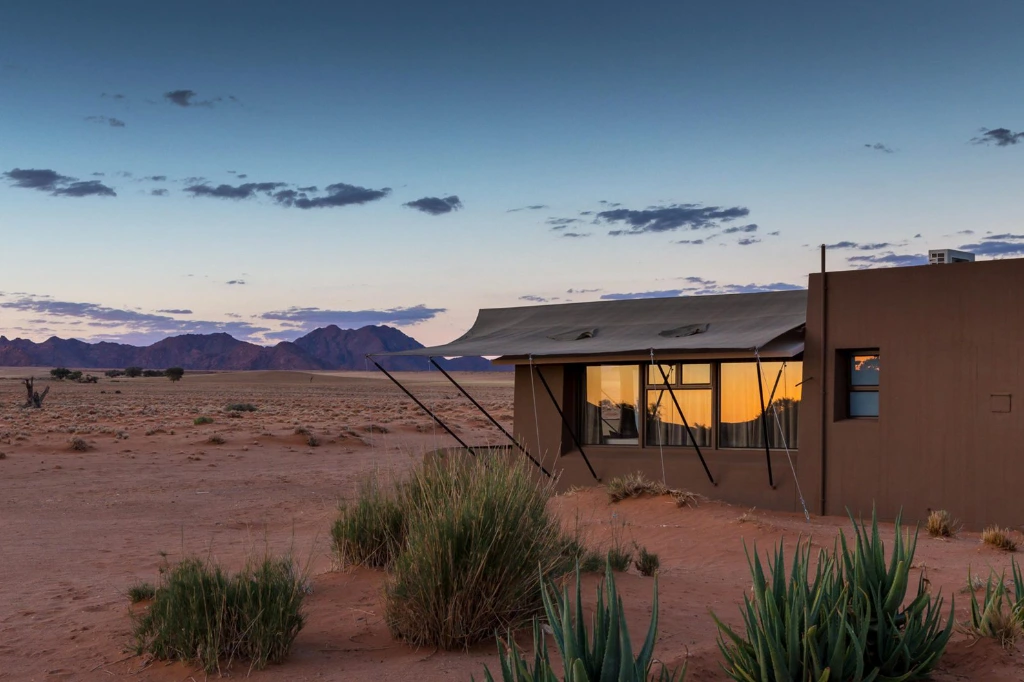
5 Destinations: Etosha National Park → Namibia → Sossusvlei → Swakopmund → Windhoek
View Details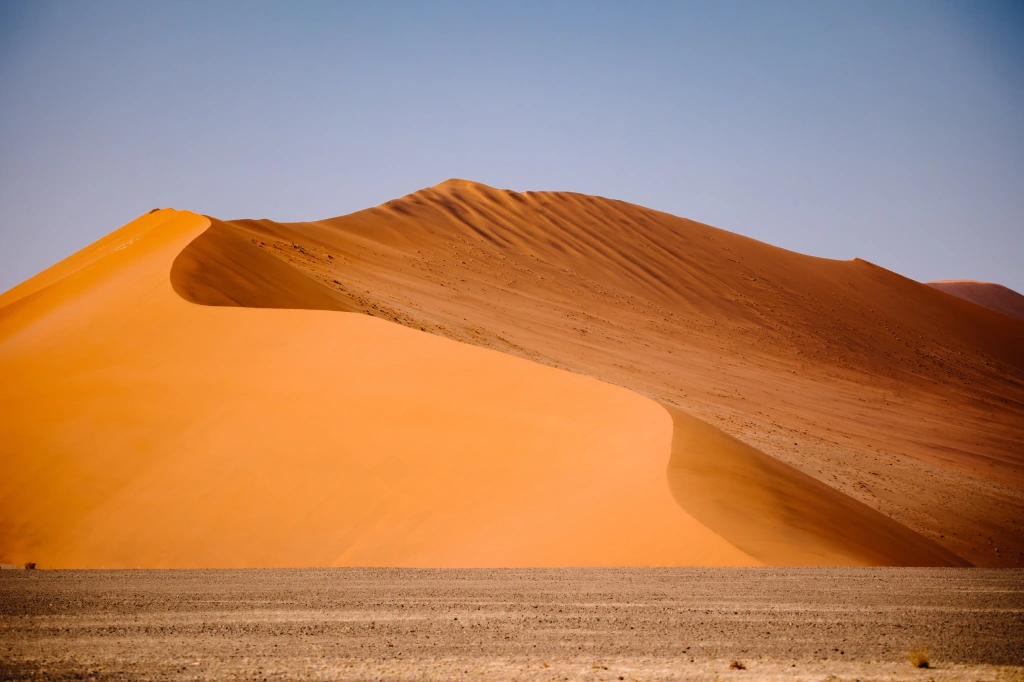
5 Destinations: Etosha National Park → Namibia → Sossusvlei → Swakopmund → Windhoek
View Details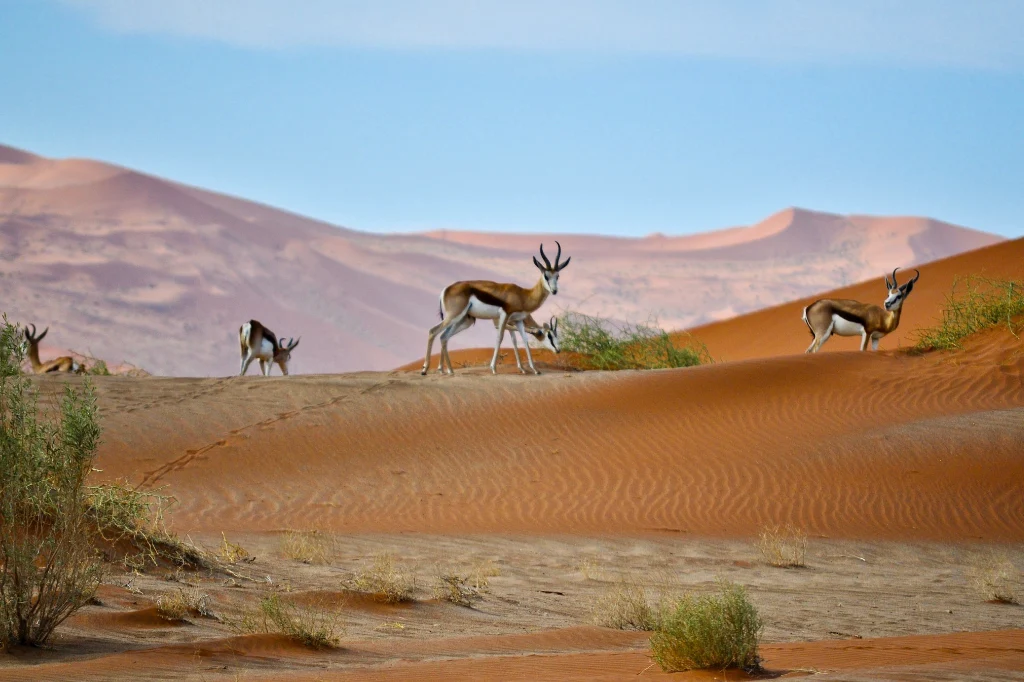
6 Destinations: Botswana → Etosha National Park → Namibia → Sossusvlei → Swakopmund → Zimbabwe
View Details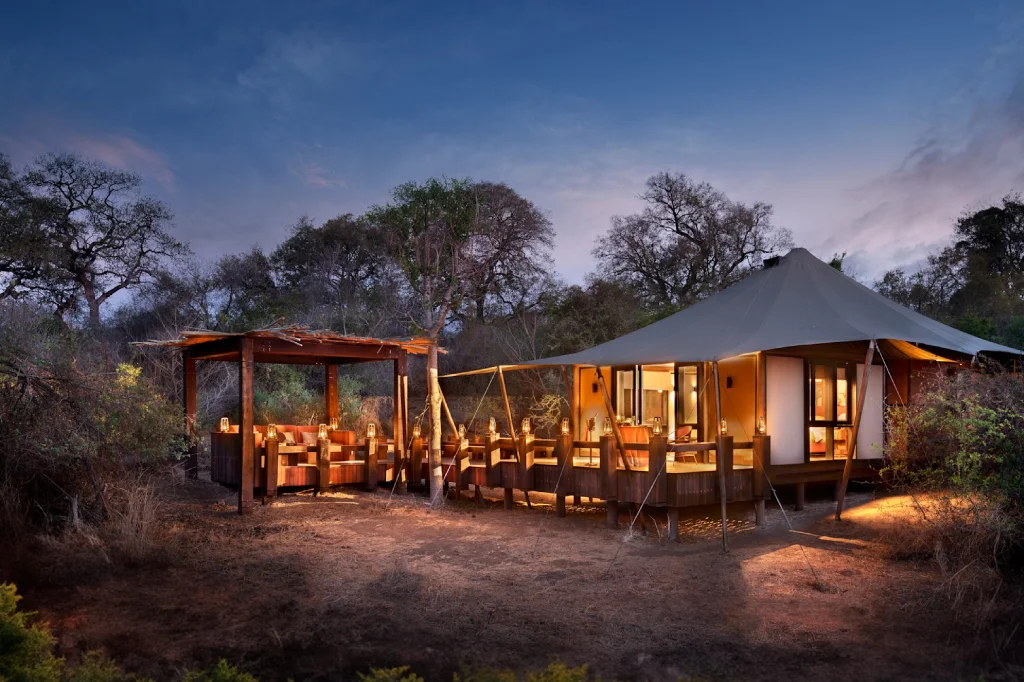
6 Destinations: Etosha National Park → Fish River Canyon → Namibia → Sossusvlei → Swakopmund → Twyfelfontein
View Details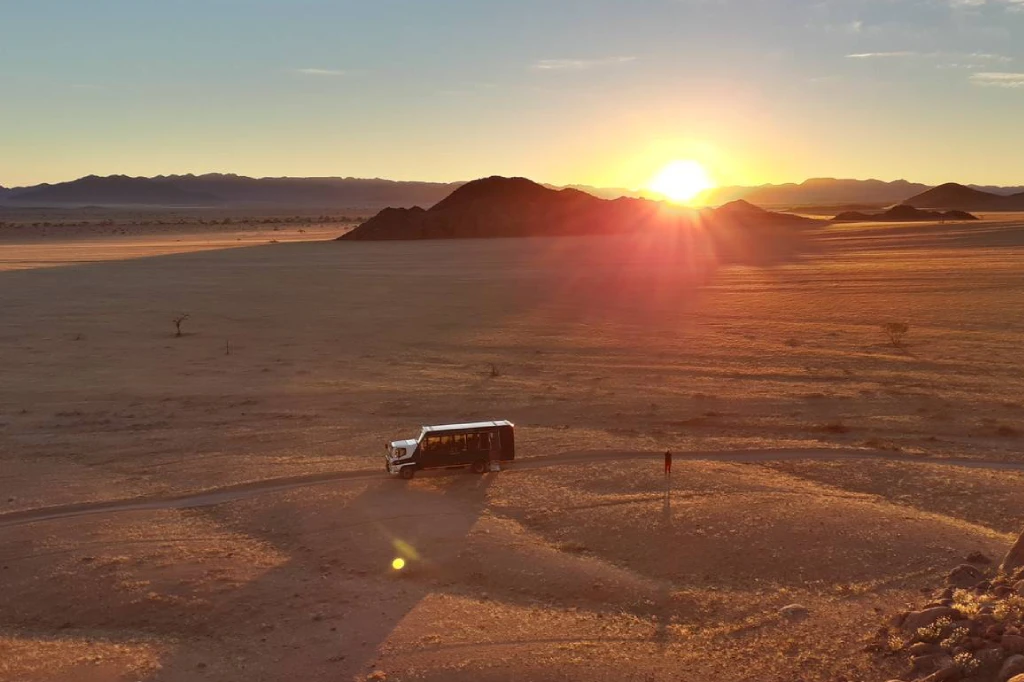
6 Destinations: Botswana → Etosha National Park → Namibia → Sossusvlei → Swakopmund → Zimbabwe
View Details
7 Destinations: Etosha National Park → Kamanjab → Namibia → Spitzkoppe → Swakopmund → Twyfelfontein → Windhoek
View Details
4 Destinations: Etosha National Park → Namibia → Sossusvlei → Swakopmund
View Details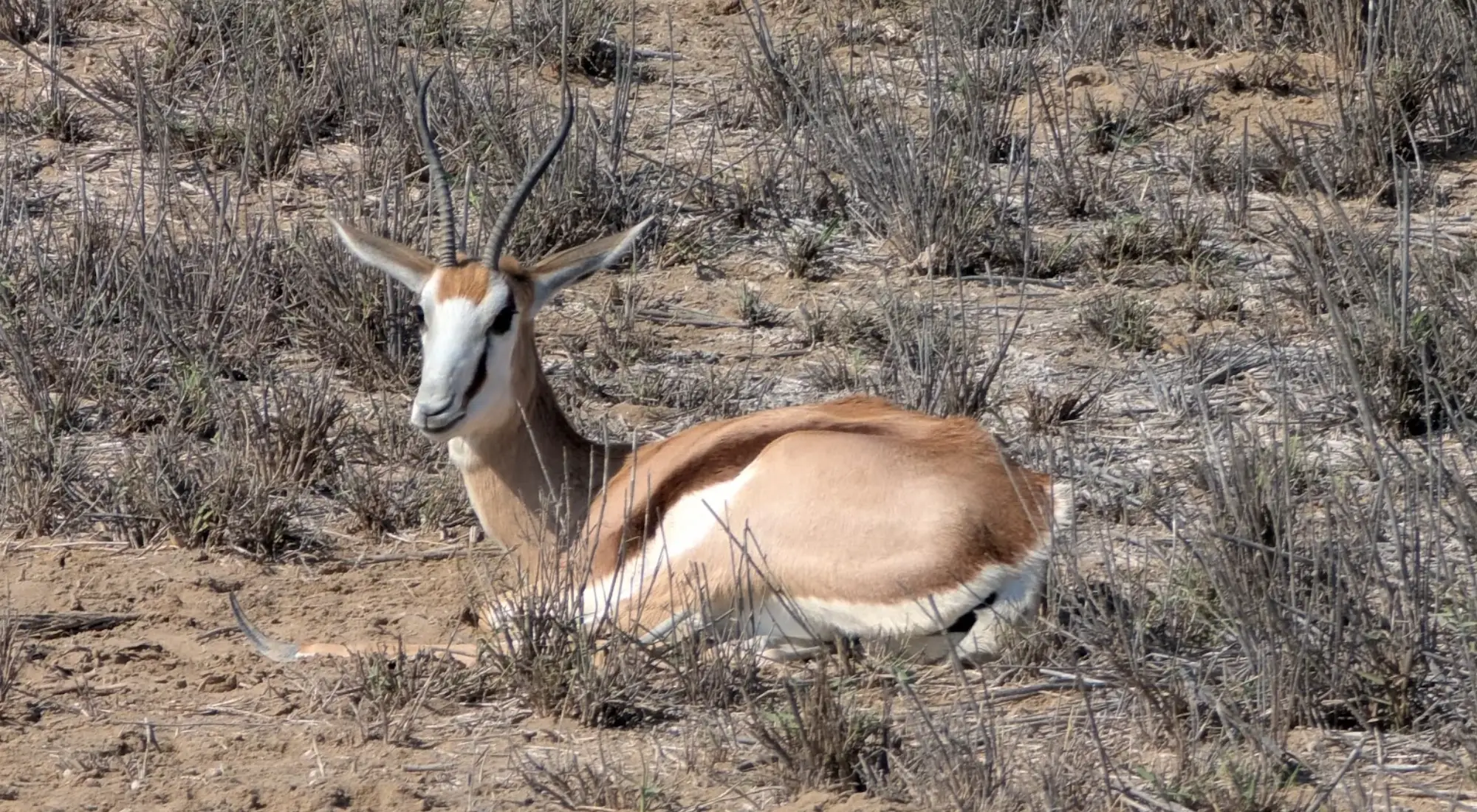
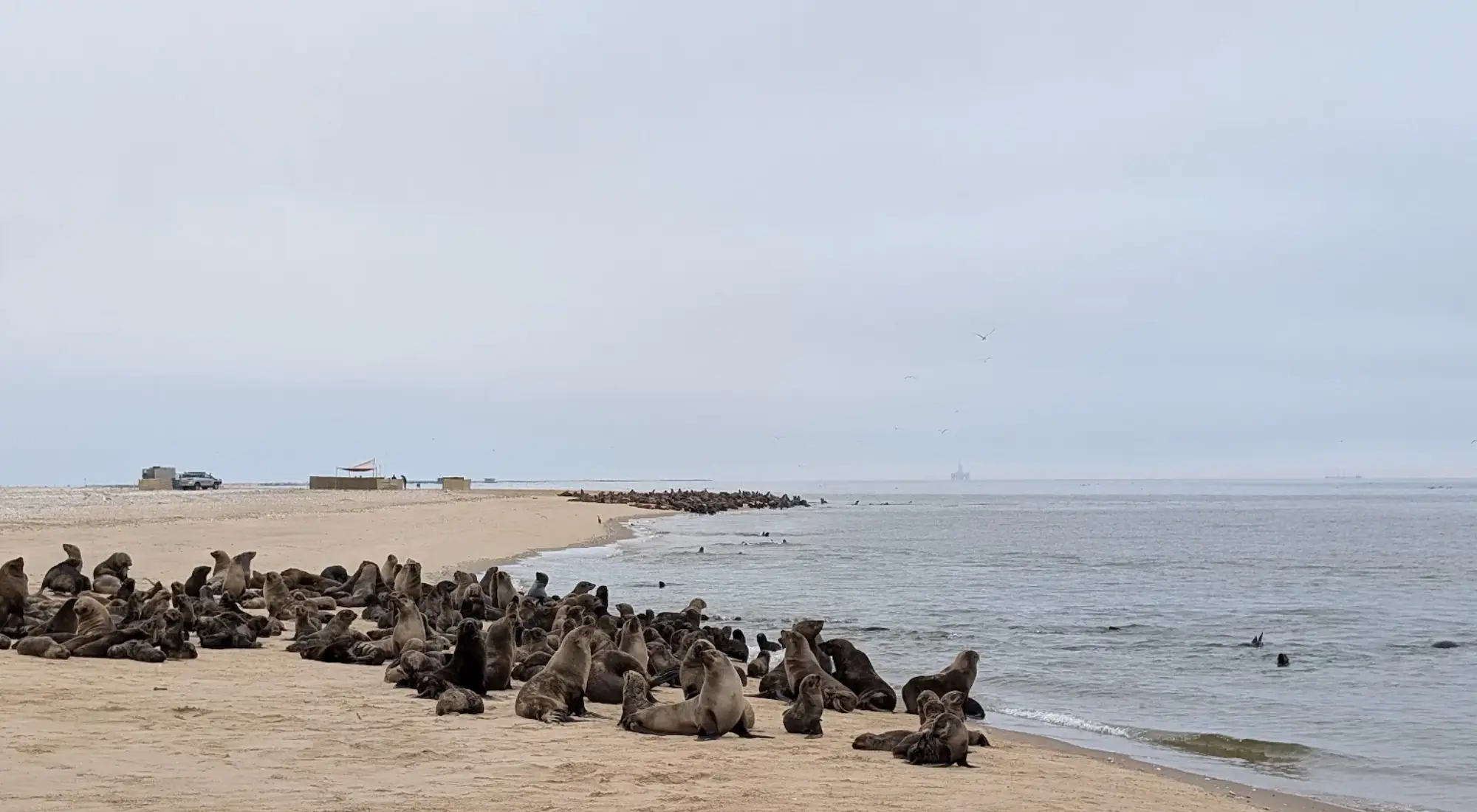
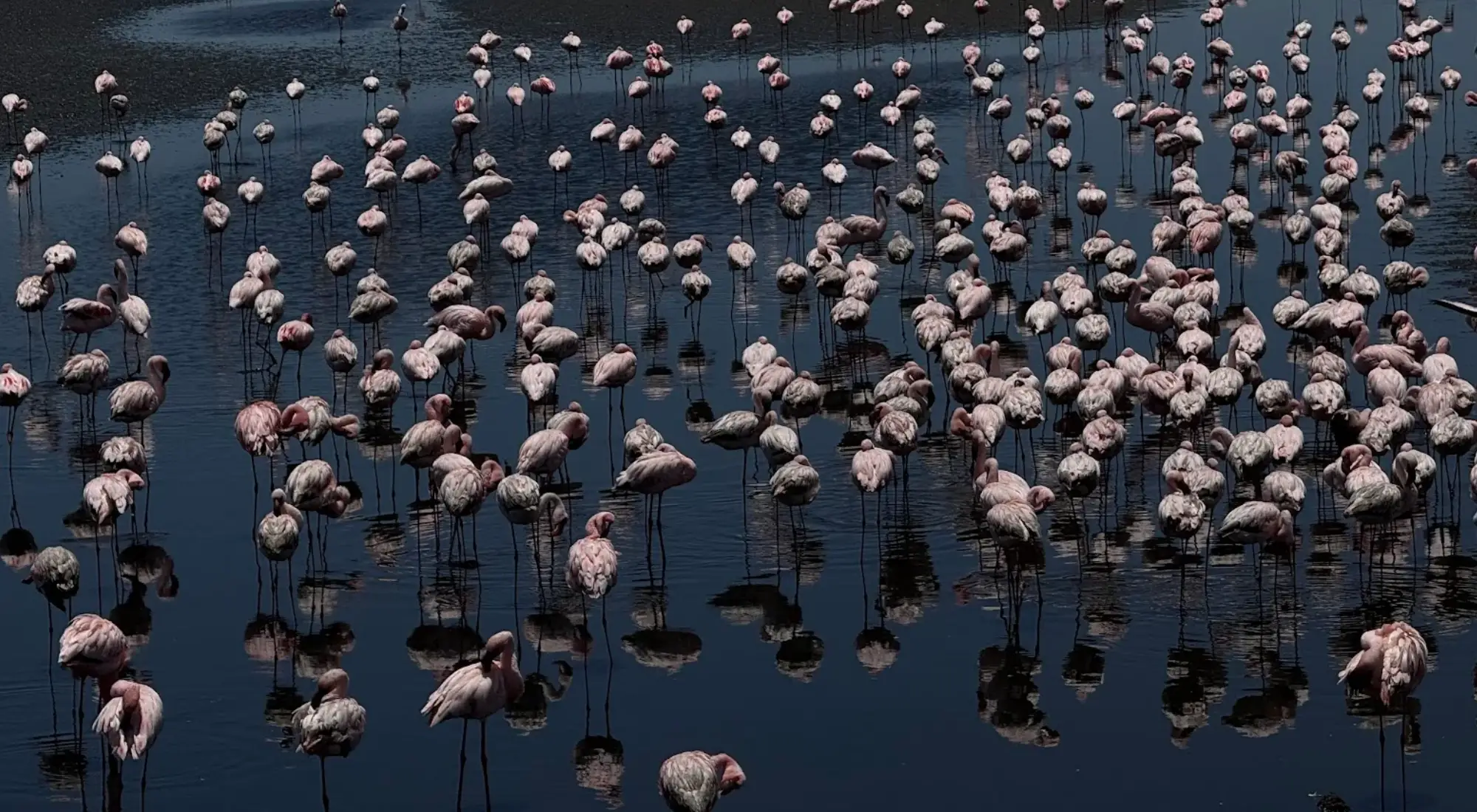
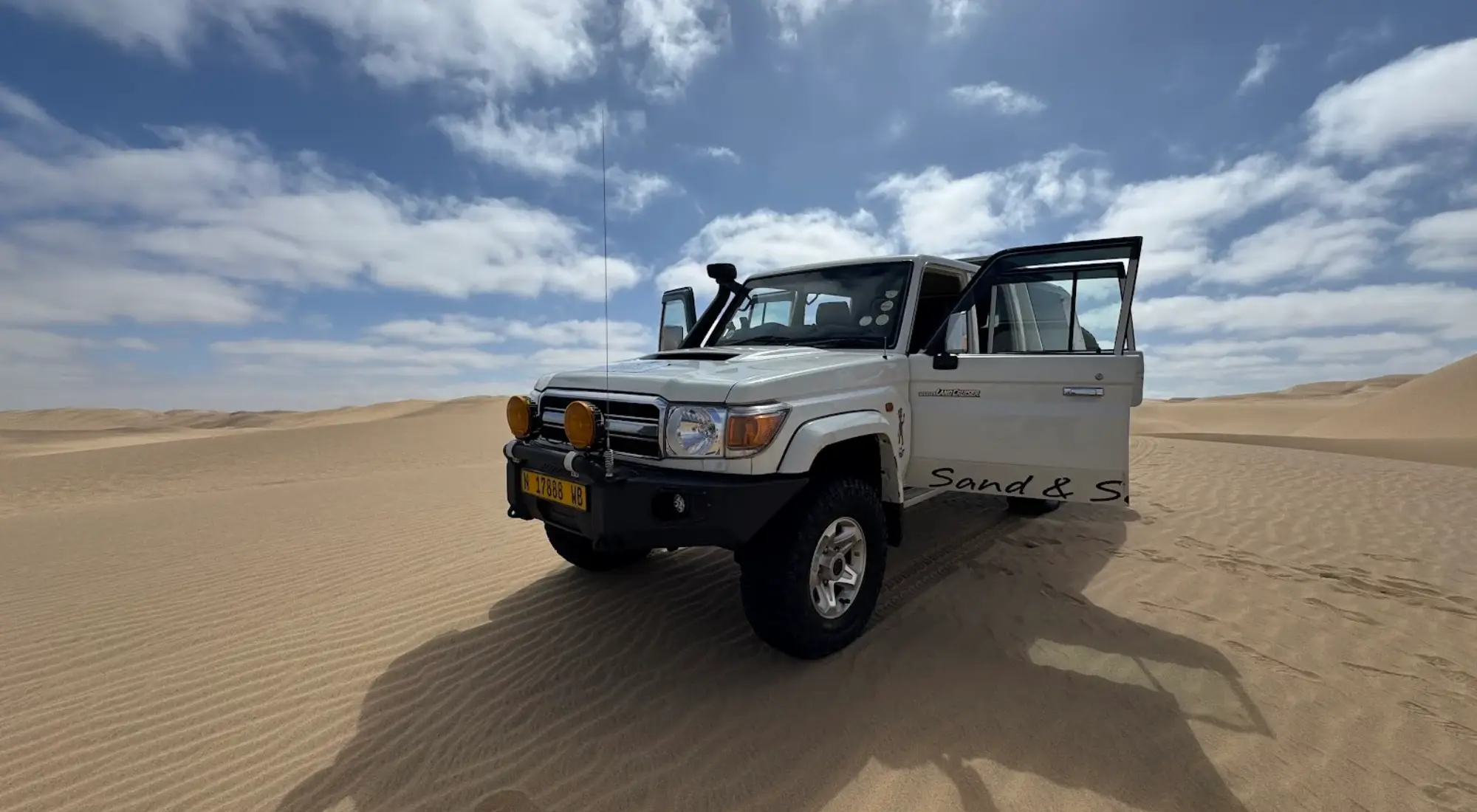
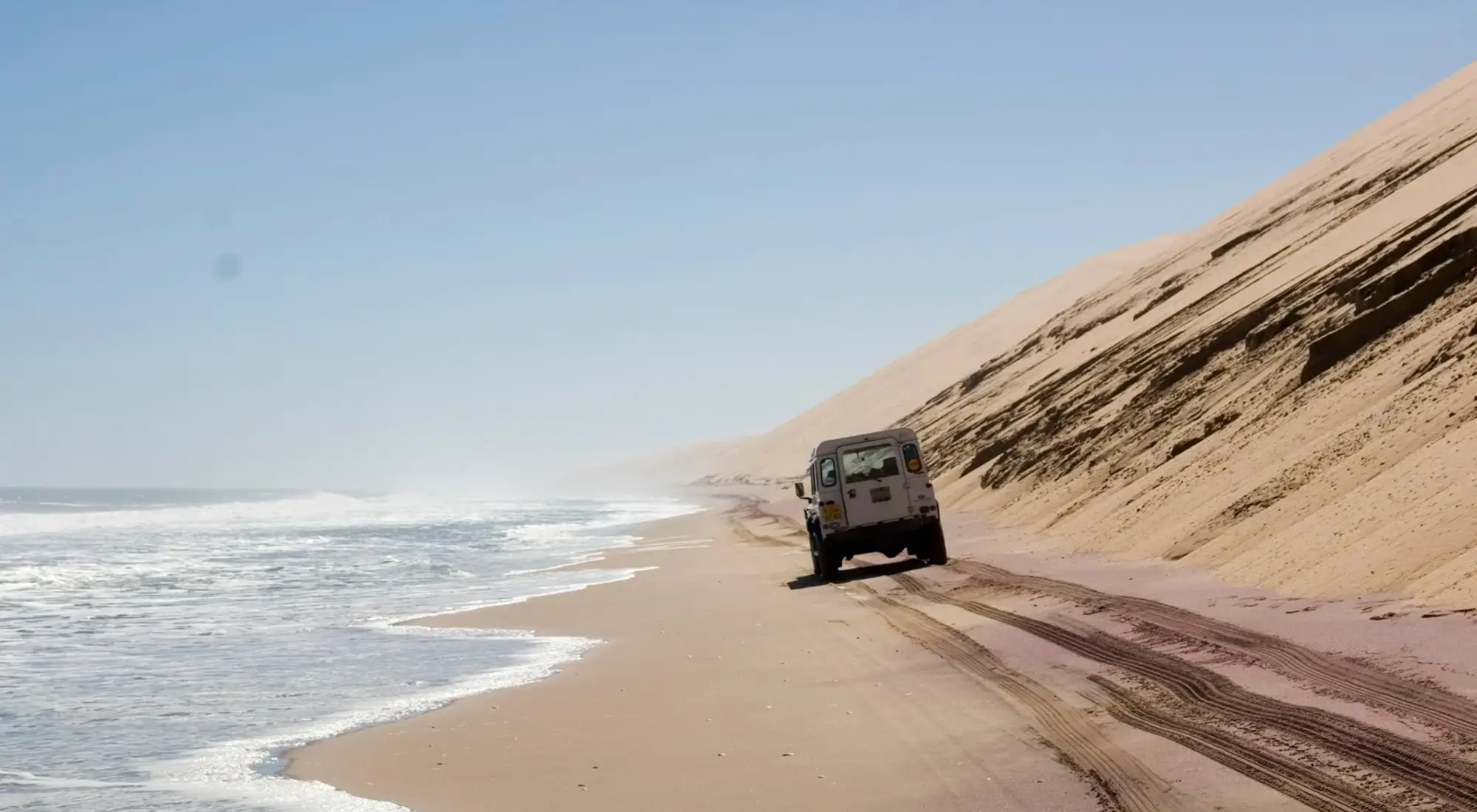
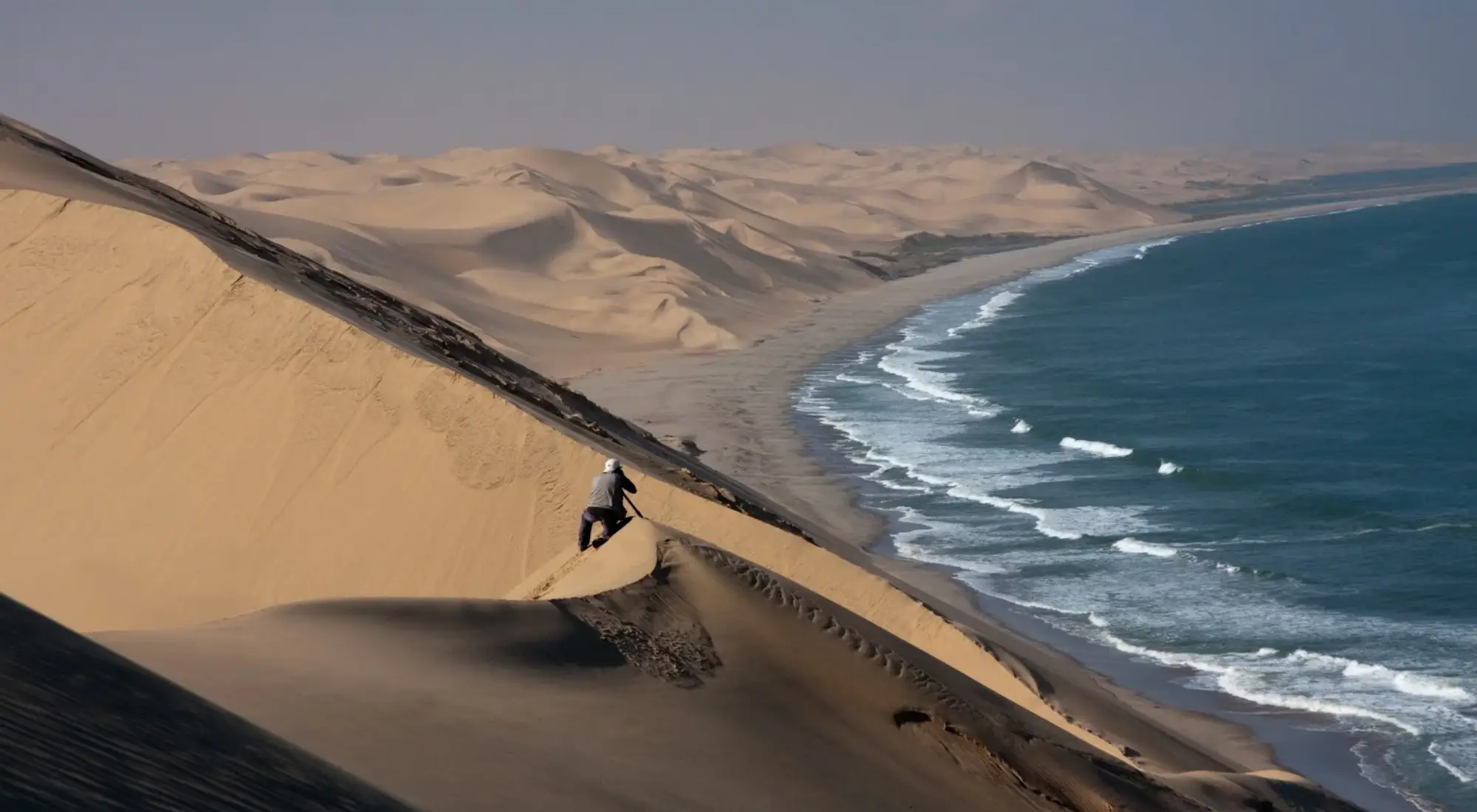
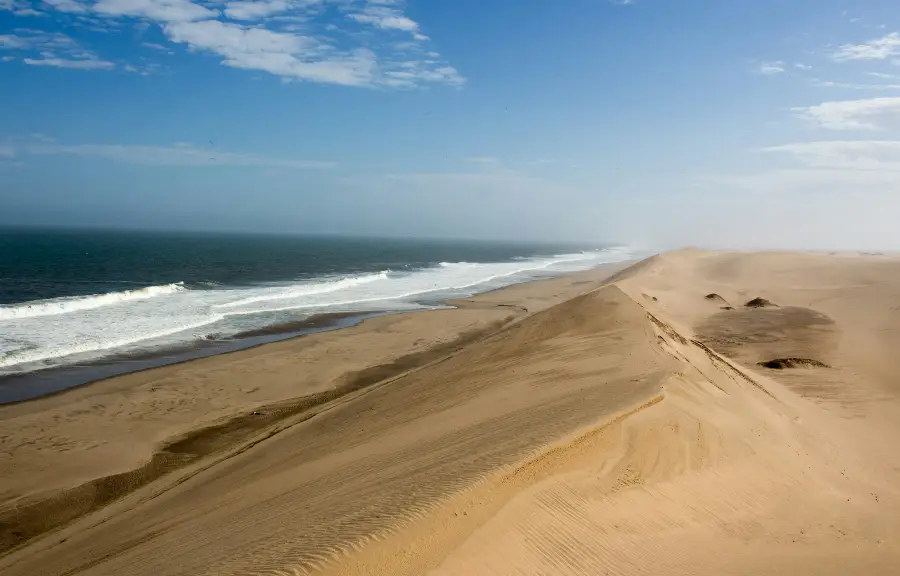
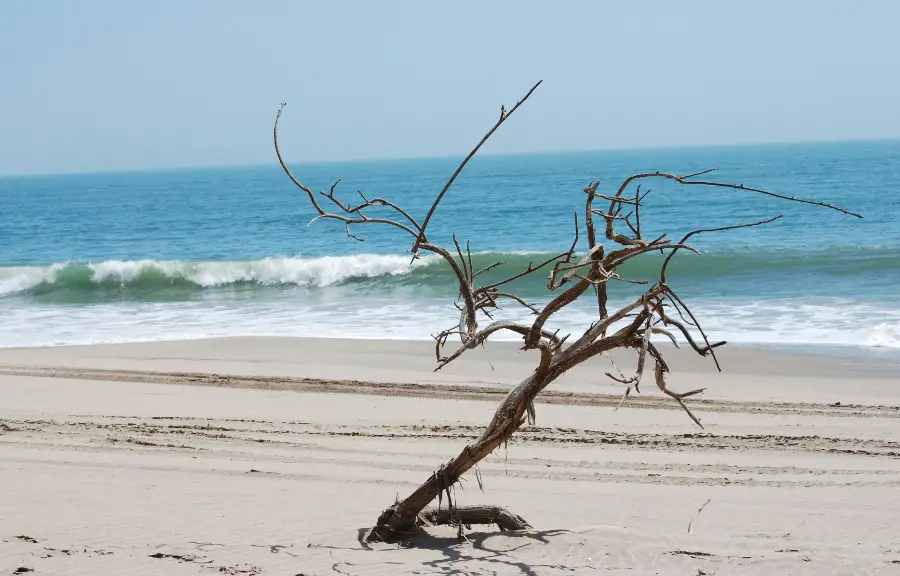
Explore Sandwich Harbor through views of golden dunes, quiet lagoon waters, birdlife, salt pans, and Atlantic coastlines. Every image shows the raw beauty of this remote Namibian landscape.
The Sandwich Harbour FAQ section helps travellers understand this remote coastal wetland before planning a visit. These answers explain its location, tide-based access, best travel time, 4×4 tours, birdlife, and what to carry for the trip through dunes, lagoon areas, salt pans, and Atlantic coastlines near Walvis Bay in Namibia’s dramatic desert-meets-ocean landscape.
Namibia has a lot to pull travelers in. Wide desert dunes, wildlife parks, salt pans, coastal towns, canyons, and quiet wilderness areas all sit within one country. This section brings the main attractions in Namibia together, so travelers can see what fits their route, time, comfort level, and the kind of journey they want.
Our Namibian tour was an unforgettable experience from start to finish. Henzel was both our guide and driver, and he did an outstanding job in both roles. He was incredibly thorough and well-prepared, always sharing detailed insights about the landscapes, wildlife, and local culture. You could tell he truly knew and loved the country.

We did the “7 Days Wildlife Etosha and Sossusvlei Namibian Safari (Accommodated)” with Safari World Tours in December 2023 and it was the best choice for our family! We are experienced travelers (49 countries visited) and found that to travel to Namibia with a small child (4 years old) a tour would the the best option







 German
  English