+264 81 8211 521
info@safariworldtours.com
Rabatte & Deals


A rare desert forest filled with age, culture, and silence
Quiver Tree Forest is one of those places in Namibia that feels a little strange at first sight. About 250 Aloidendron dichotomum trees stand across the dry land near Keetmanshoop, with thick trunks, forked branches, and a look that feels very different from normal woodland.
The tree gets its name from the San people, who once used its hollow branches to make arrow holders. Some of the tallest trees are believed to be two to three centuries old, so the place has a quiet sense of age. It was declared a national monument in 1995 and is still one of Namibia’s most fascinating tourist destinations for travelers who like nature, culture, and photography.
Between June and July, bright yellow flowers appear on the trees. Insects, birds, and small mammals come close for the nectar, adding small signs of life to the dry setting. Sunrise and sunset are lovely here, when the light falls softly on the bark and rocky ground.

Gather ideas from our Namibia tour packages, or let our consultants help you picture the possibilities. We can build the journey around your time, style, and interests.
Quiver Tree Forest is located near Keetmanshoop in southern Namibia, making it an easy stop for travelers moving through the region. The map helps visitors understand nearby routes, access points, and surrounding desert areas. It is often combined with Giant’s Playground, local farm stays, and longer journeys toward Fish River Canyon or the Kalahari.
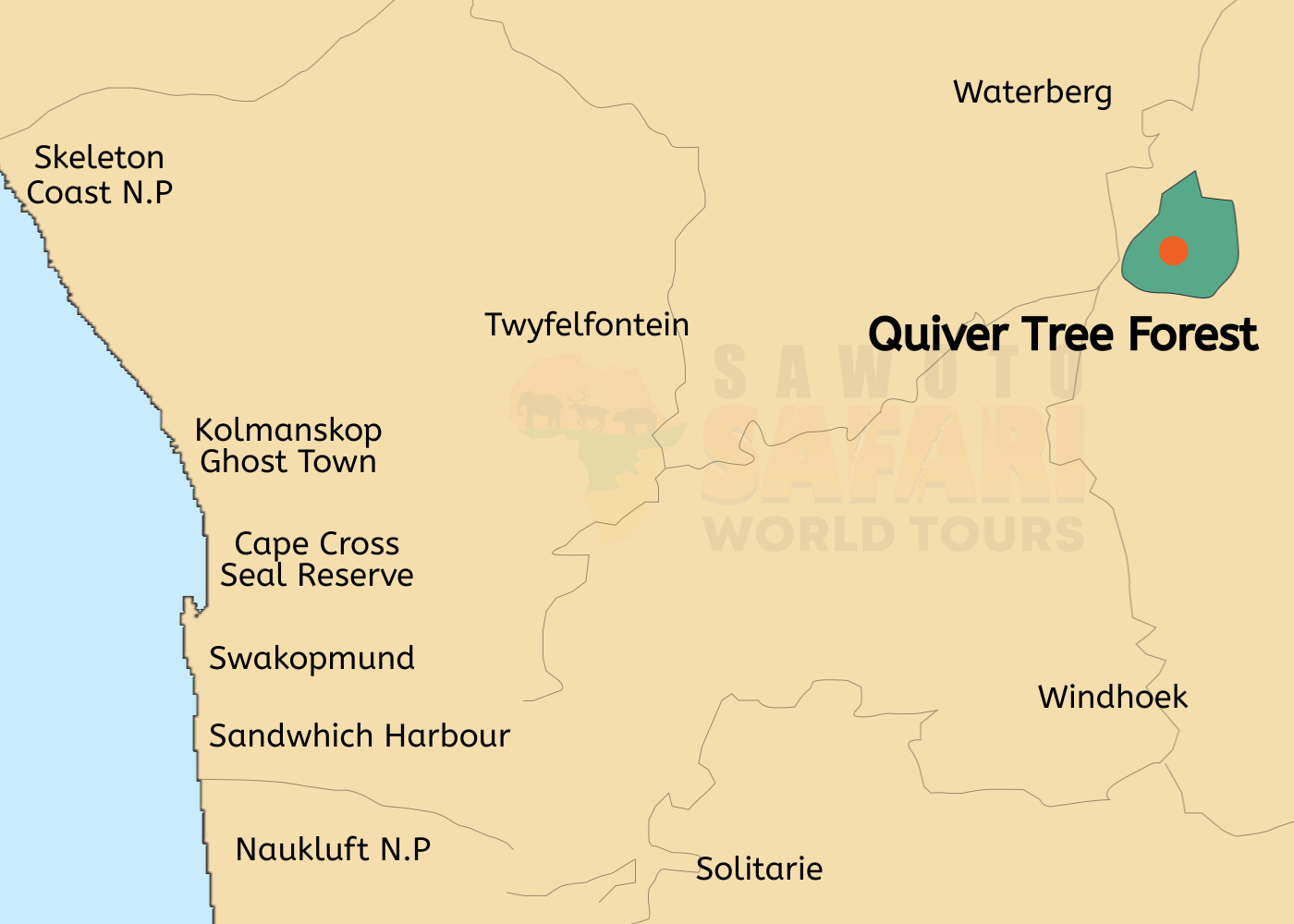
Quiver Tree Forest sits near Keetmanshoop in southern Namibia, where hundreds of striking aloe-like succulents rise from dry, rocky ground. The area is easy to visit on a road trip, especially when travelling toward Fish River Canyon. It is loved for cultural history, desert views, sunset photography, night skies, and the nearby Giant’s Playground.
Quiver Tree Forest is found about 14 kilometers north-east of Keetmanshoop, on private farmland in southern Namibia. Its location makes it a practical stop for travelers using the B1 route or planning a wider journey through the dry southern region.
The forest is located on Gariganus Farm, close enough to Keetmanshoop for a short visit, yet far enough from town lights to feel open and remote. Travellers often reach it by self-drive, guided tour, or as part of a longer Namibia road trip.
Road access is generally simple, and most travellers do not need a heavy off-road vehicle to reach the site. A normal 2WD vehicle is usually enough in good conditions. Still, it is wise to check road updates during rare periods of heavy rain.
The site is often visited together with Giant’s Playground, which is only a short distance away. Many visitors plan both places in one outing, especially during late afternoon. This gives enough time to enjoy the rocky landscape, then return to the trees for sunset.
Keetmanshoop is the nearest town for fuel, supplies, food, and overnight stays. Travelers heading toward Fish River Canyon, the Kalahari, or Lüderitz can include the forest without a major route change, making it one of the easiest southern Namibia Reiseziele.
The quiver tree is not a true tree, but a giant succulent known as Aloidendron dichotomum. Its name comes from San traditions, as hollow branches were once used to make arrow holders for hunting in dry southern African landscapes.
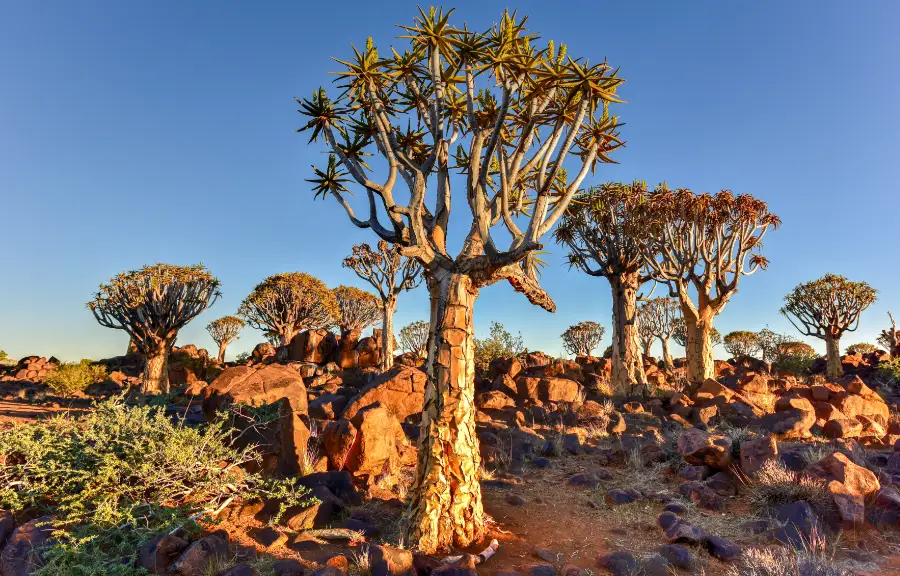
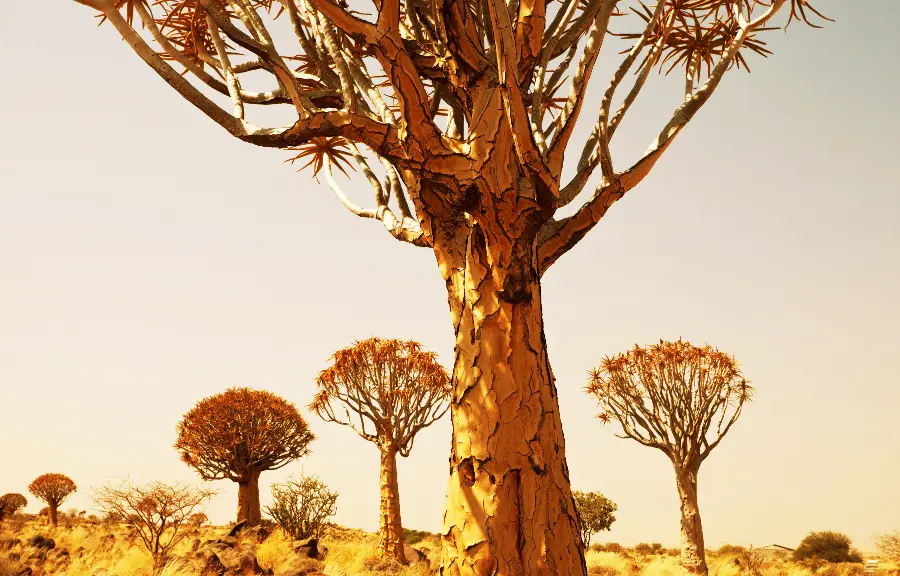
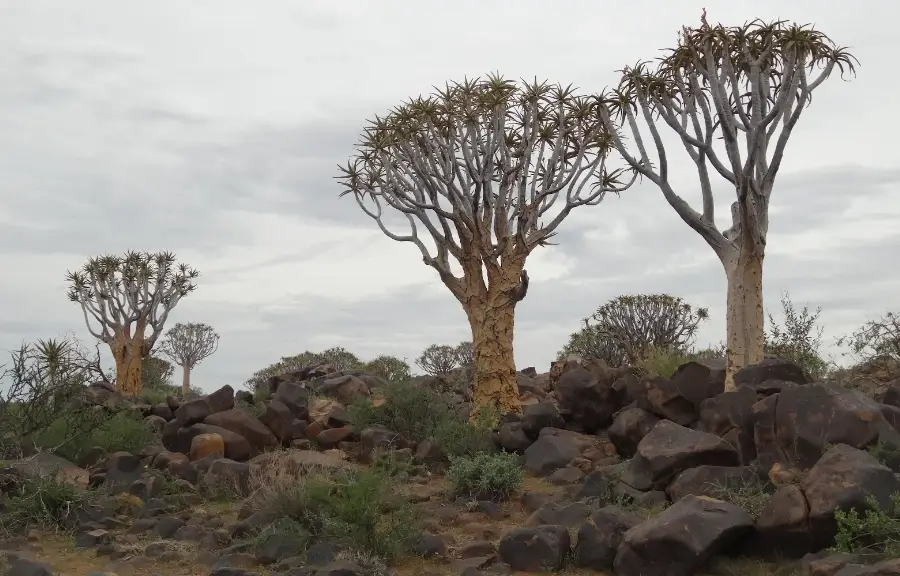
These plants can grow several metres tall, with thick trunks, forked branches, and pale bark that catches the desert light beautifully. Their unusual appearance gives the forest a strong visual character, especially when the trees stand apart against open sky and dark rocks.
The name “quiver tree” carries cultural meaning. San hunters are said to have hollowed out the branches and used them as quivers for poisoned arrows. This old use links the forest to human survival, movement, and resourcefulness in a difficult environment.
Some trees in the forest are believed to be hundreds of years old. They grow slowly, storing water in their thick stems to survive dry conditions. This quiet endurance is part of what makes the place feel old, patient, and unlike ordinary woodland.
The forest was declared a national monument of Namibia in 1995, giving it formal recognition as a special natural site. For travellers interested in culture, plants, and desert history, it offers more than a quick photo stop.
Quiver Tree Forest is one of southern Namibia’s most rewarding photography stops. The trees look especially dramatic during sunrise, sunset, and clear night hours, when desert colours, long shadows, and dark skies create strong scenes for cameras and phones.
Late afternoon is often the best time to arrive, as the harsh daylight softens and the trunks begin to glow. The open spacing between the trees helps photographers frame clean shots, while the rocky ground adds texture without making the view feel crowded.
Night photography is a major reason many travellers come here. Namibia’s clear desert skies often reveal bright stars and the Milky Way, especially away from town lights. The quiver trees make striking foregrounds, giving night images a strong sense of place.
The area also supports small desert wildlife. Rock hyraxes may be seen moving around the boulders, while birds sometimes use the trees and nearby rocks for shelter. In the flowering season, insects, birds, and small mammals are drawn to the nectar.
June and July bring yellow flowers to the quiver trees, adding colour to the dry setting. This is a lovely time for visitors who enjoy nature details, not just wide landscapes. It also gives the forest a softer seasonal mood.
Quiver Tree Forest can be visited year-round, though cooler months are usually more comfortable. April to October is a popular period, with milder daytime conditions, clearer skies, and better comfort for walking, photography, and longer outdoor viewing.
A small entrance fee is paid at the farm reception, and visitors should check current rates before arrival. Access for regular daytime visits is different from night photography access, which usually needs advance arrangement and comes with a higher fee.
Sunrise and sunset are the most rewarding times for the forest. Early morning feels quiet and cool, while sunset brings warm light across the trunks and rocks. Travelers with cameras often plan their visit around these golden-hour windows.
Bring water, a hat, sunscreen, and comfortable shoes, even for a short visit. The ground can be uneven in places, and shade is limited. It is not a difficult stop, but the dry climate can feel stronger than expected.
Many travelers stay nearby in lodges, campsites, farm stays, or guesthouses around Keetmanshoop. This makes it easier to visit at better light hours instead of rushing through midday. It also gives more time for Giant’s Playground nearby.
Quiver Tree Forest is quite different from common nature stops. The land is dry, the trees stand far apart, and the rocks hold the heat. Expect slow walking, old quiver trees, wide desert views, and warm light near sunset.
These Namibia Safari Itineraries bring together the country’s wide range of travel experiences, from wildlife parks and desert roads to coastal towns, cultural stops, and quiet lodge stays. Some routes are short and focused. Others stretch across several regions. And for travelers comparing Namibia Safari Packages, these itineraries make it easier to choose a trip that fits their time, comfort, and travel style.
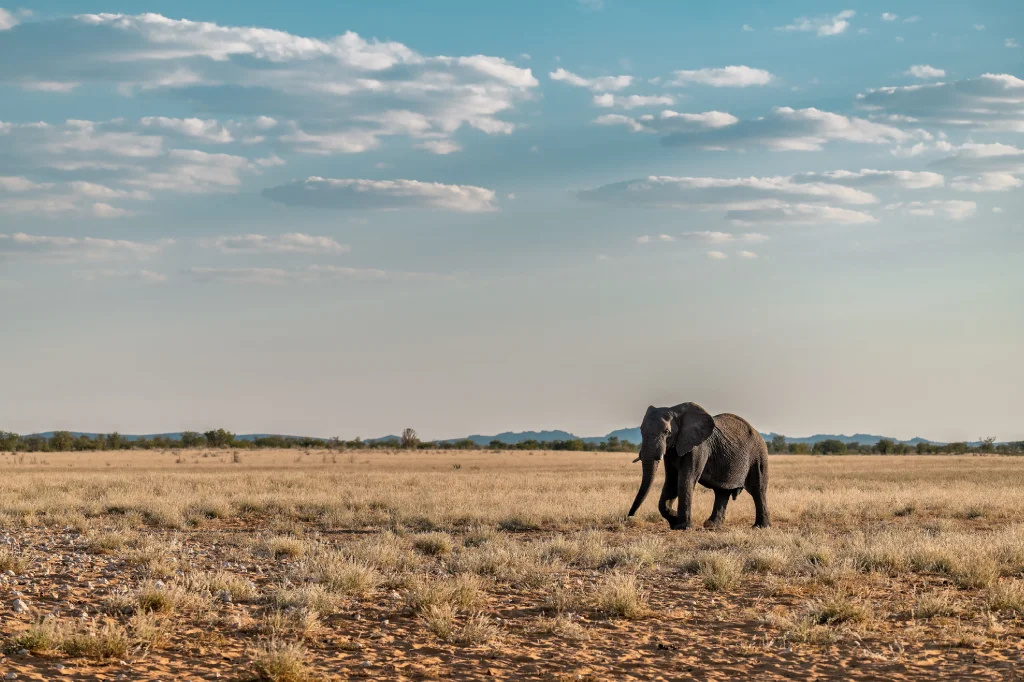
2 Destinations: Etosha National Park → Namibia
View Details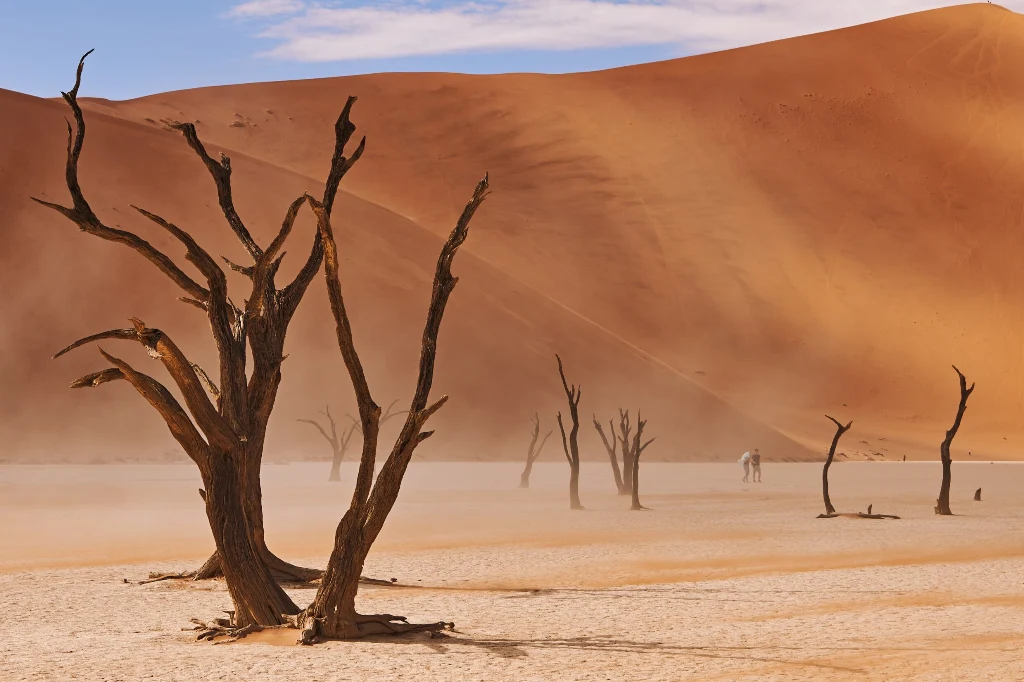
5 Destinations: Botswana → Etosha National Park → Namibia → Sossusvlei → Swakopmund
View Details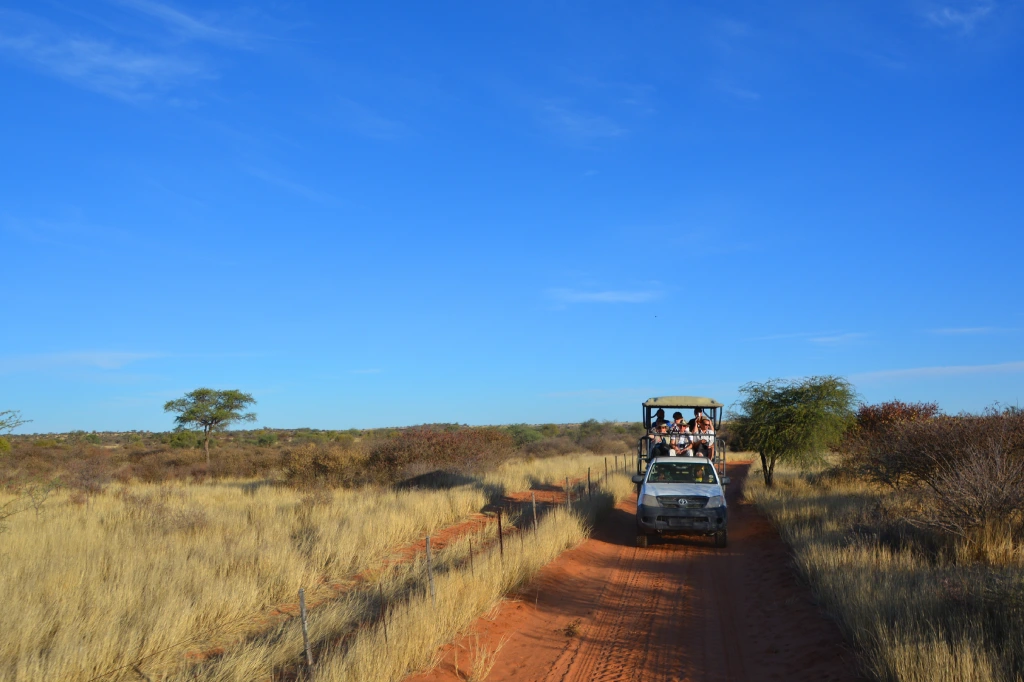
6 Destinations: Etosha National Park → Namibia → Sossusvlei → Spitzkoppe → Swakopmund → Windhoek
View Details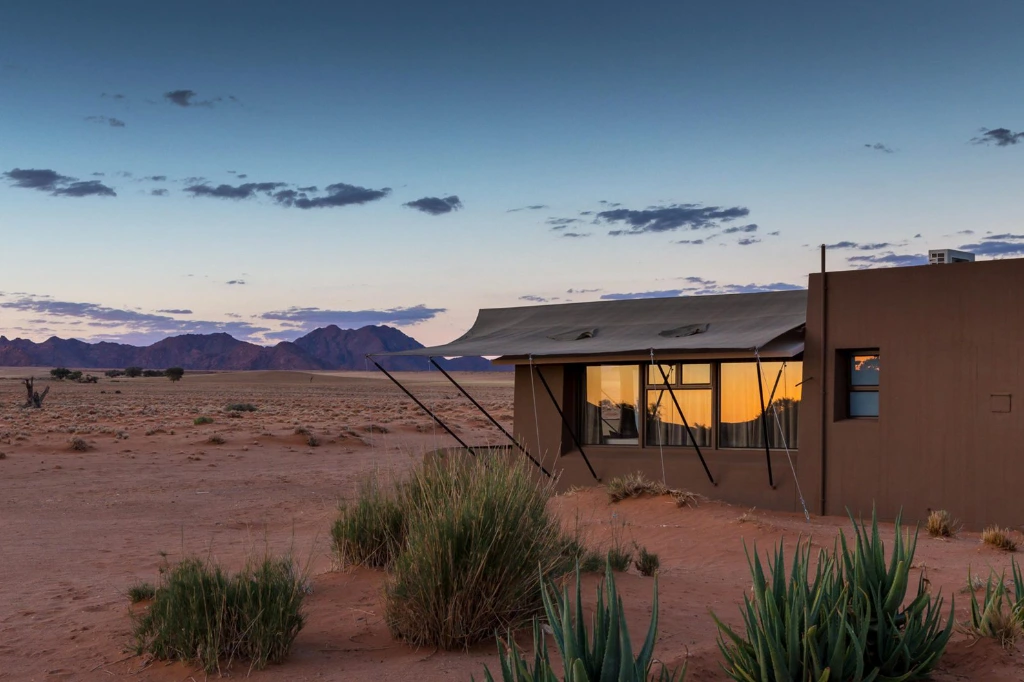
5 Destinations: Etosha National Park → Namibia → Sossusvlei → Swakopmund → Windhoek
View Details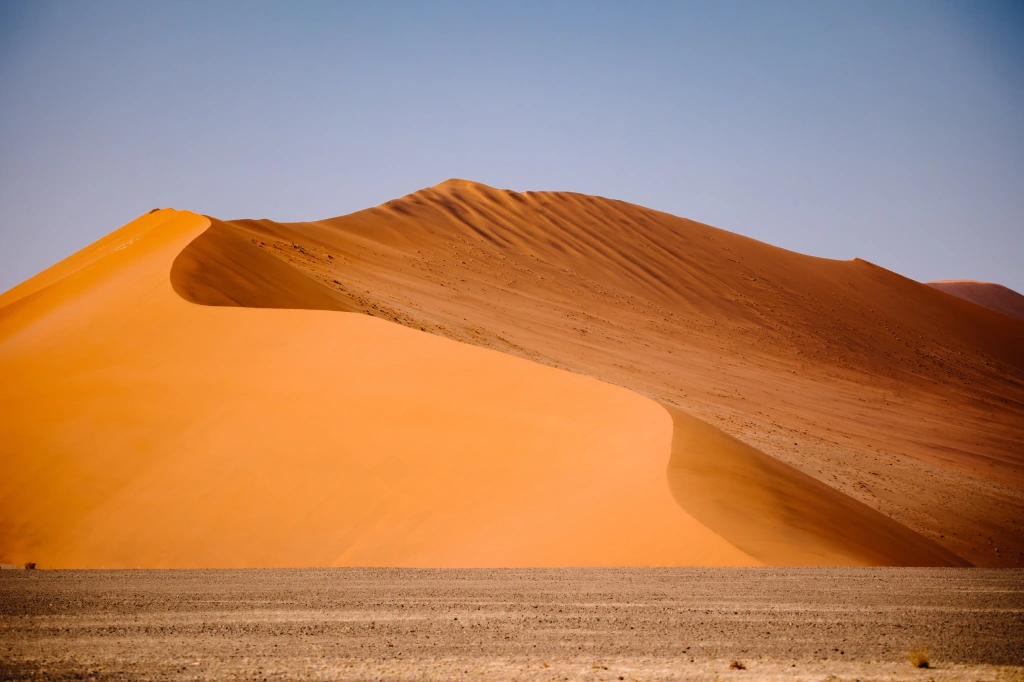
5 Destinations: Etosha National Park → Namibia → Sossusvlei → Swakopmund → Windhoek
View Details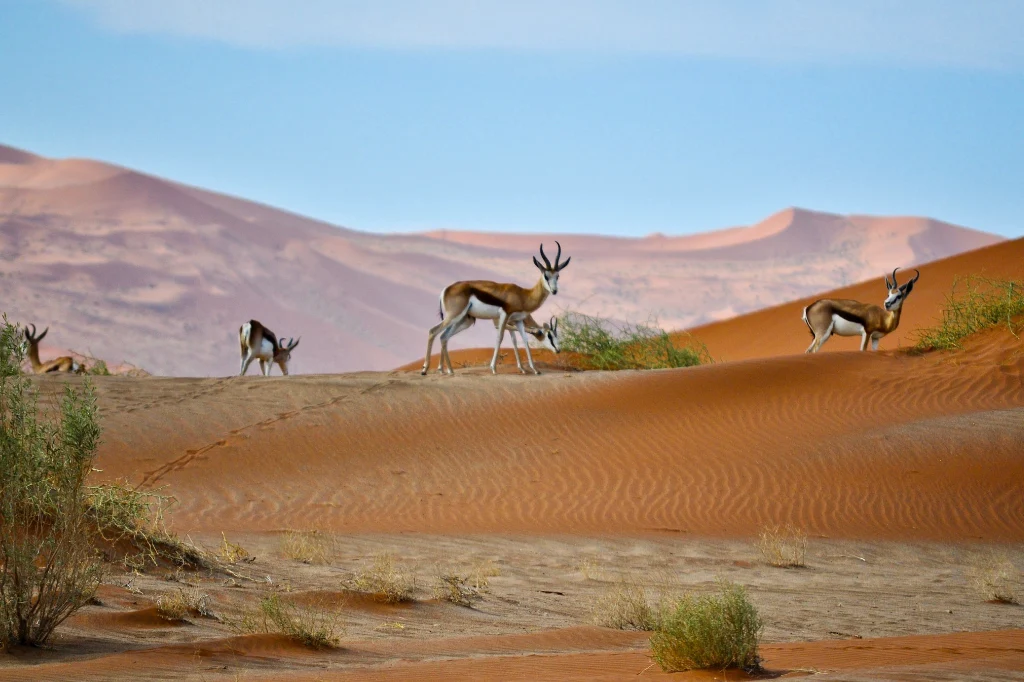
6 Destinations: Botswana → Etosha National Park → Namibia → Sossusvlei → Swakopmund → Zimbabwe
View Details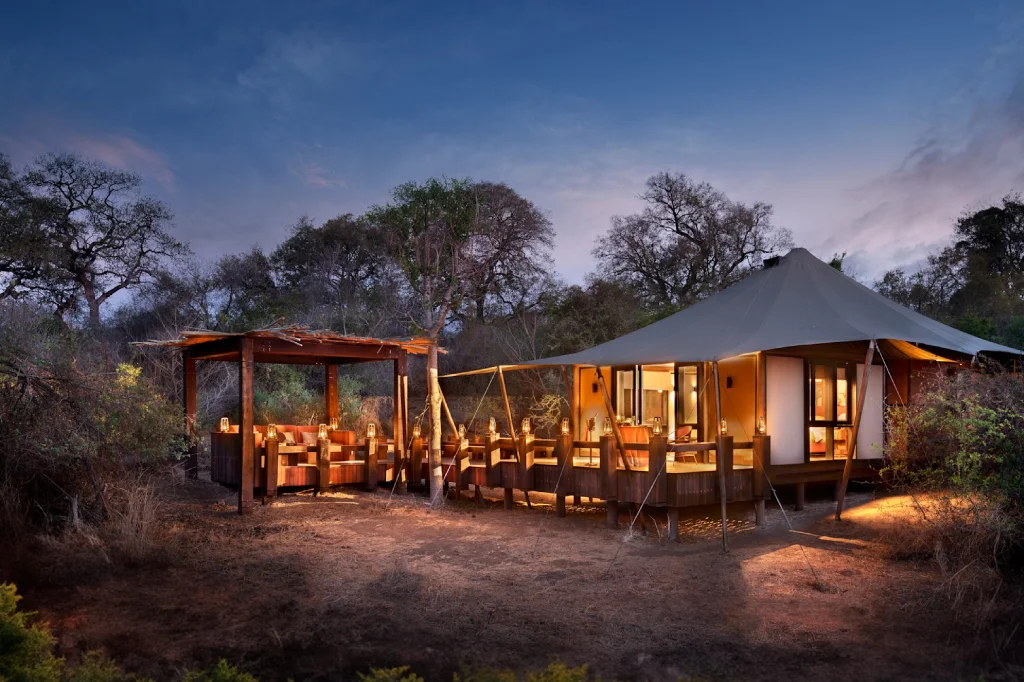
6 Destinations: Etosha National Park → Fish River Canyon → Namibia → Sossusvlei → Swakopmund → Twyfelfontein
View Details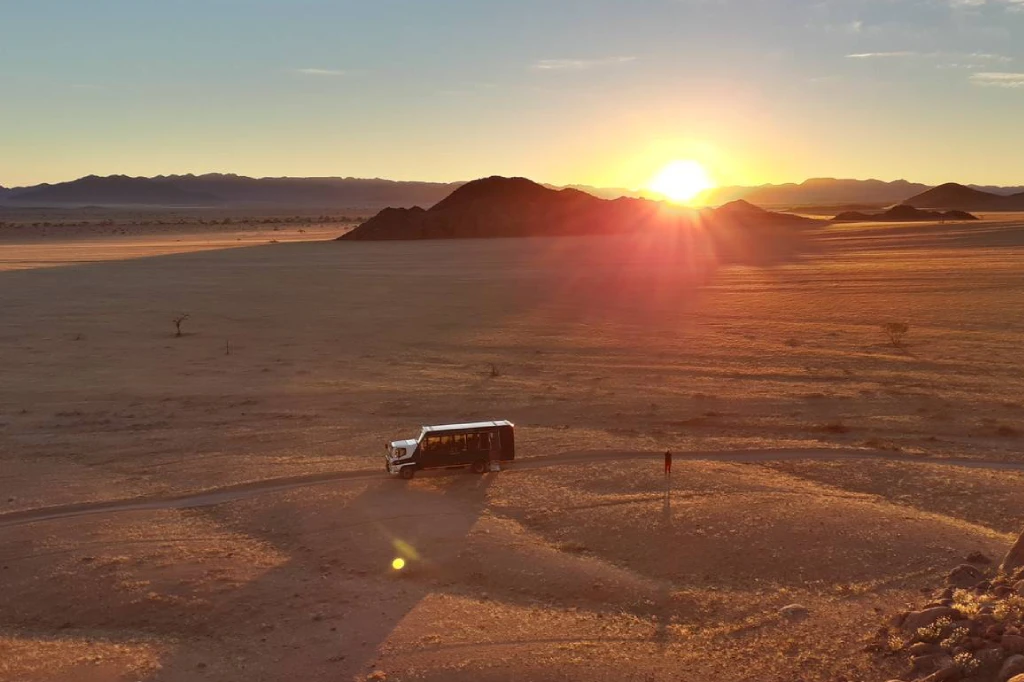
6 Destinations: Botswana → Etosha National Park → Namibia → Sossusvlei → Swakopmund → Zimbabwe
View Details
7 Destinations: Etosha National Park → Kamanjab → Namibia → Spitzkoppe → Swakopmund → Twyfelfontein → Windhoek
View Details
4 Destinations: Etosha National Park → Namibia → Sossusvlei → Swakopmund
View Details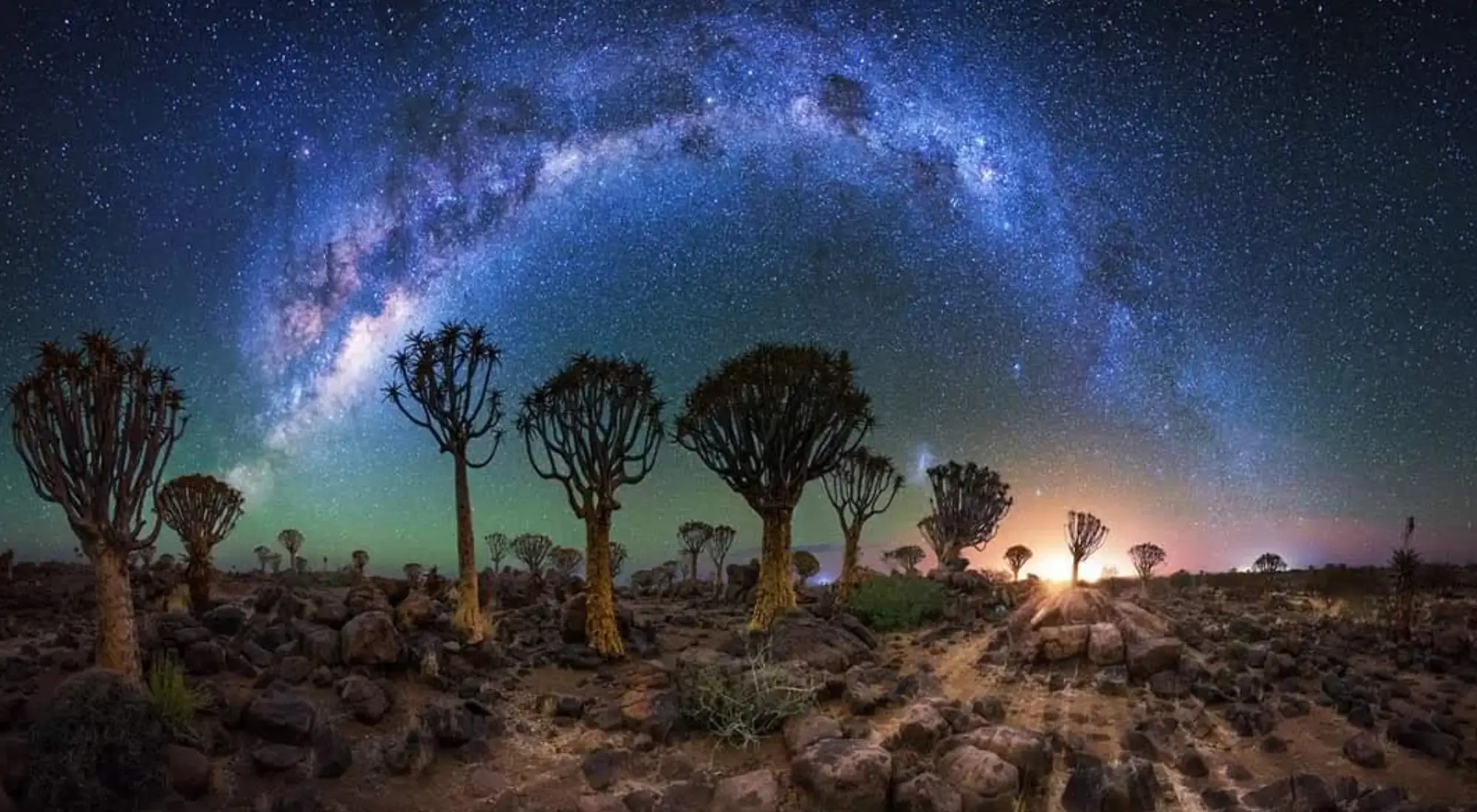
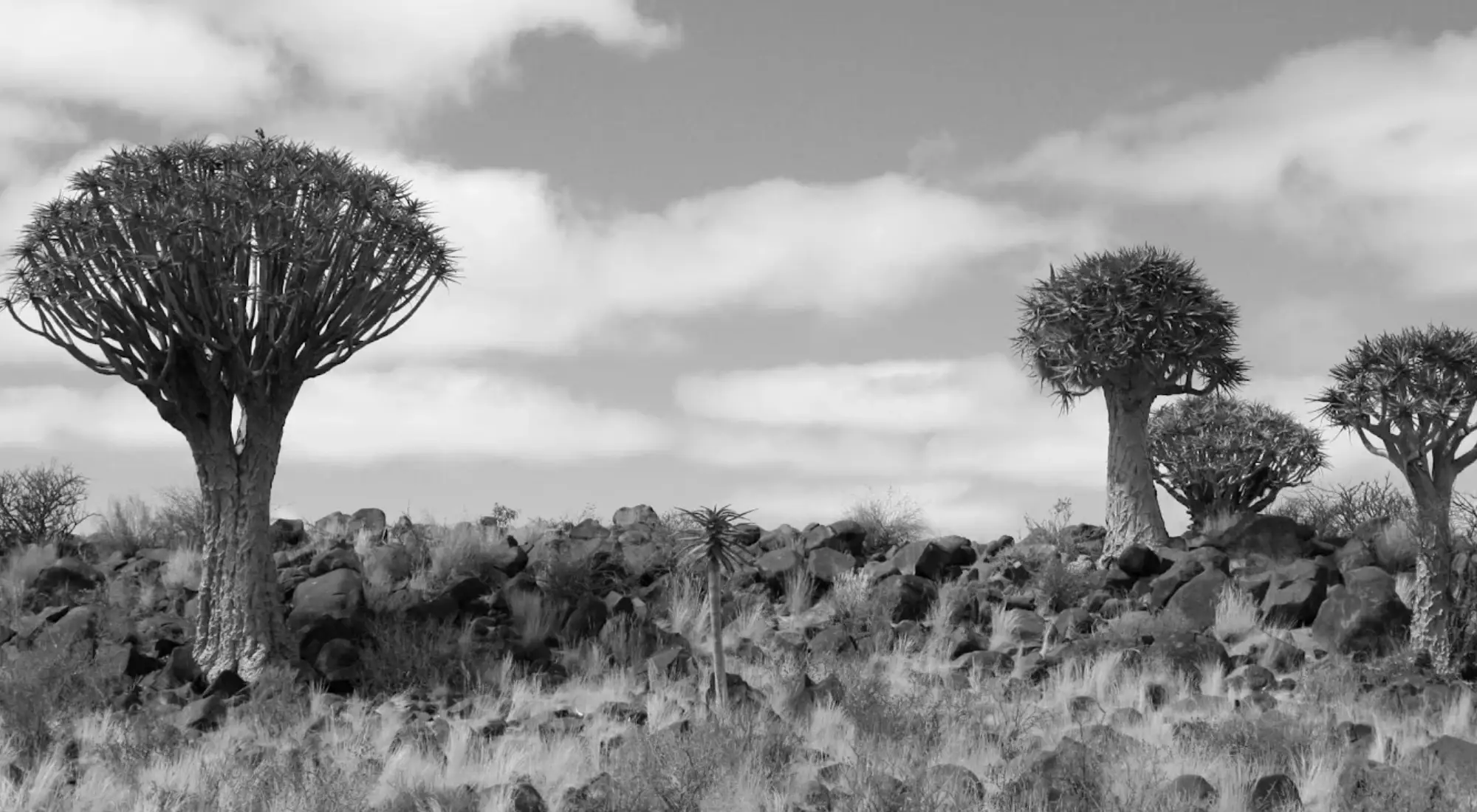
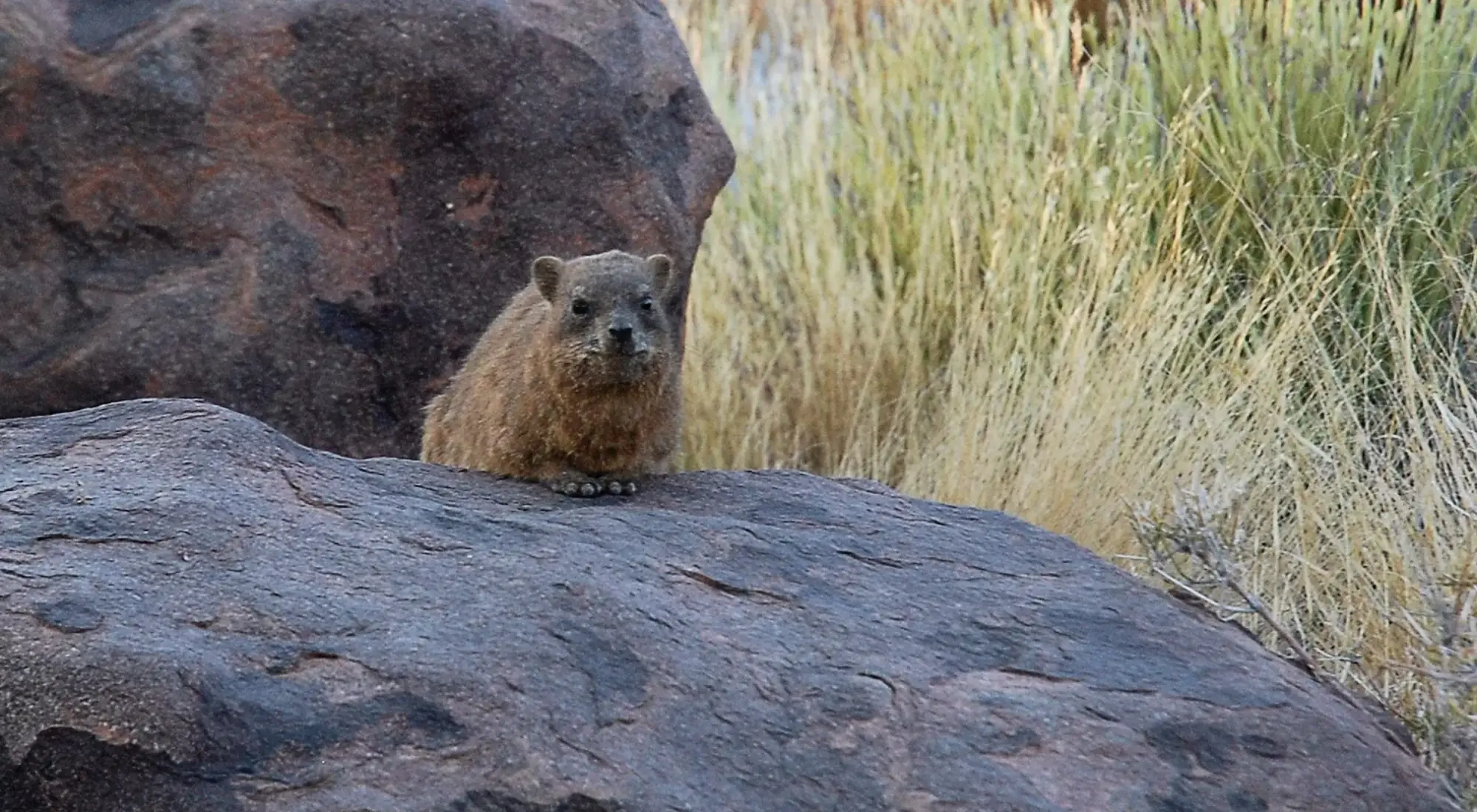
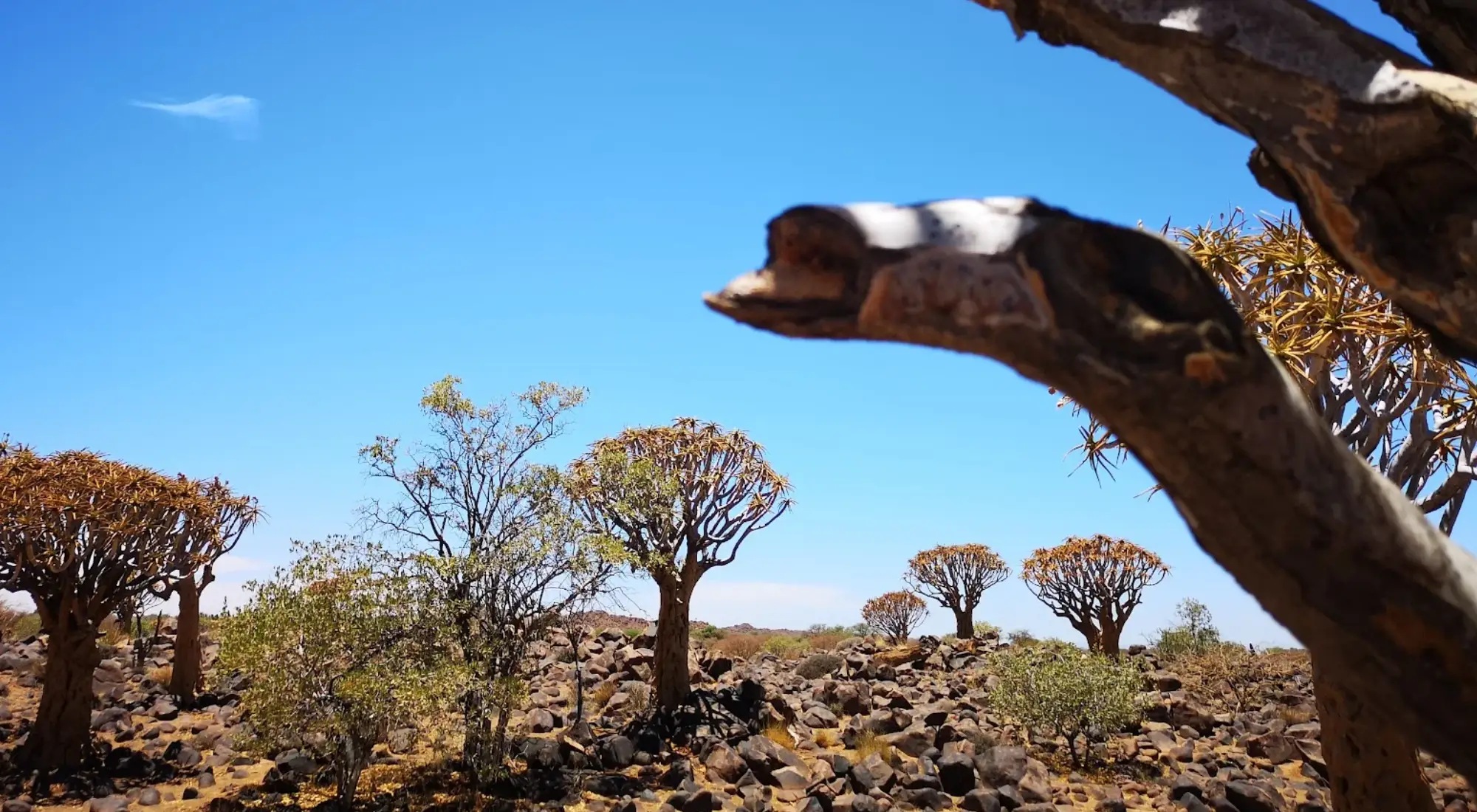
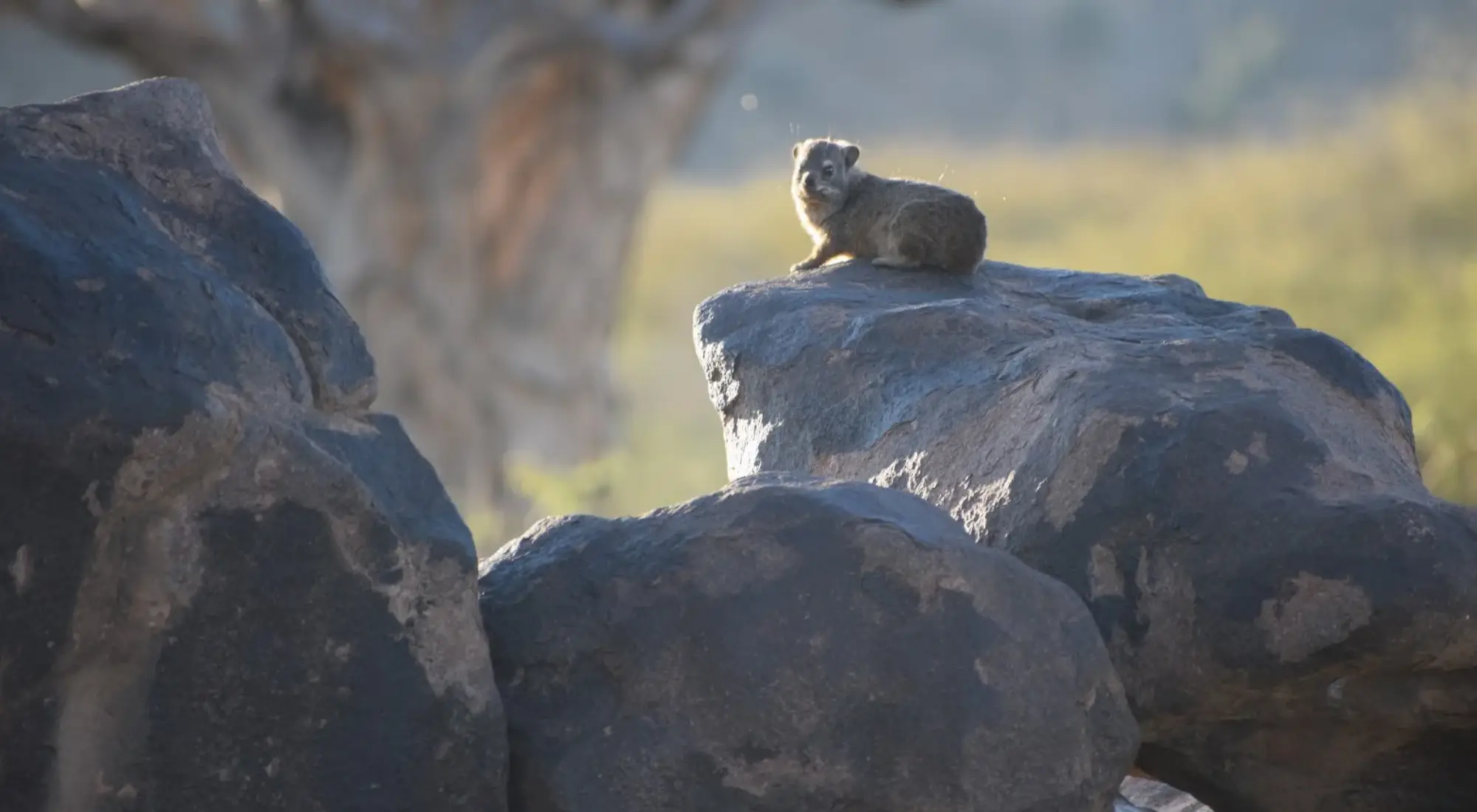
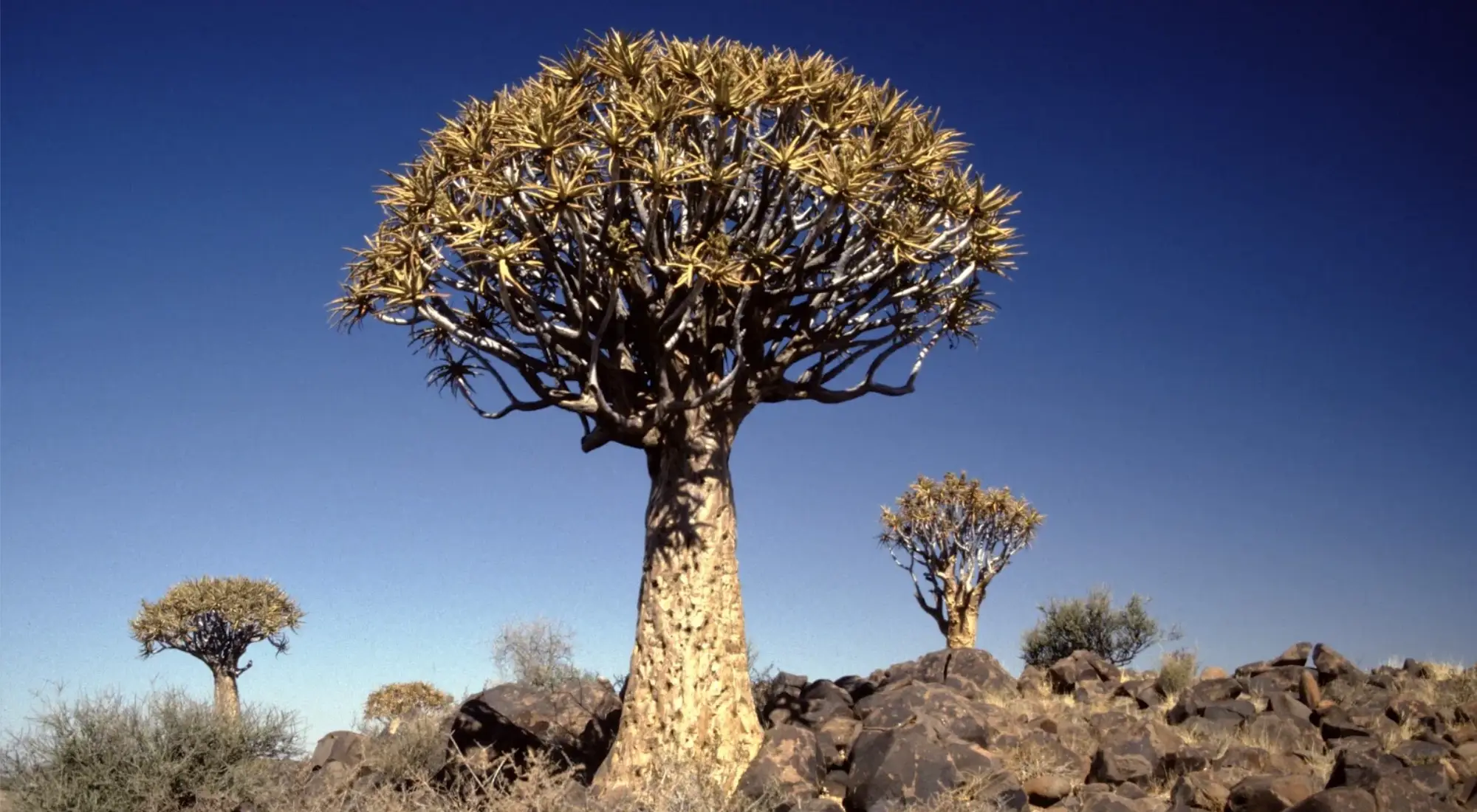
Quiver Tree Forest’s gallery captures forked trees, dry stone ground, yellow seasonal blooms, and soft desert light. Each image shows the quiet beauty of this rare southern Namibia landmark.
Quiver Tree Forest is an easy stop for anyone traveling through southern Namibia, especially near Keetmanshoop or Fish River Canyon. These FAQs cover the basics before you go, including permits, timing, wildlife, photography, and the nearby Giant’s Playground. The place is simple to reach, but a little planning makes the visit smoother.
Namibia has a lot to pull travelers in. Wide desert dunes, wildlife parks, salt pans, coastal towns, canyons, and quiet wilderness areas all sit within one country. This section brings the main attractions in Namibia together, so travelers can see what fits their route, time, comfort level, and the kind of journey they want.
Our Namibian tour was an unforgettable experience from start to finish. Henzel was both our guide and driver, and he did an outstanding job in both roles. He was incredibly thorough and well-prepared, always sharing detailed insights about the landscapes, wildlife, and local culture. You could tell he truly knew and loved the country.

We did the “7 Days Wildlife Etosha and Sossusvlei Namibian Safari (Accommodated)” with Safari World Tours in December 2023 and it was the best choice for our family! We are experienced travelers (49 countries visited) and found that to travel to Namibia with a small child (4 years old) a tour would the the best option







 German
  English