+264 81 8211 521
info@safariworldtours.com
Rabatte & Deals


A vast desert of dunes, fog, wildlife, and coastline
The Namib Desert is one of the oldest deserts on earth, stretching along Namibia’s Atlantic coast. Its huge dunes, gravel plains, dry mountains, fog-fed life, and remote beauty define much of the country.
This desert has been arid or semi-arid for millions of years and covers around 81,000 square kilometers. It stretches from South Africa toward Angola, forming a long and varied coastal wilderness. Travellers exploring Namibia Travel Destinations will find Sossusvlei’s red dunes, Sesriem Canyon, Namib-Naukluft landscapes, NamibRand Reserve, diamond areas near Lüderitz, and the harsher northern reaches of the Skeleton Coast.
The Namib is not just sand. Around Swakopmund and Walvis Bay, it changes into gravel plains, isolated hills, seal colonies, coastal towns, and foggy beaches. Farther north, dry valleys and ephemeral rivers cut through the land toward Damaraland and Kaokoveld.

Gather ideas from our Namibia tour packages, or let our consultants help you picture the possibilities. We can build the journey around your time, style, and interests.
The Namib Desert stretches along Namibia’s Atlantic coast, linking dunes, gravel plains, canyons, coastal towns, and remote wilderness areas. The map helps travelers understand how places like Sossusvlei, Sesriem, Swakopmund, Walvis Bay, Namib-Naukluft, and the Skeleton Coast connect within this vast desert region. It is useful for planning longer routes across western Namibia.
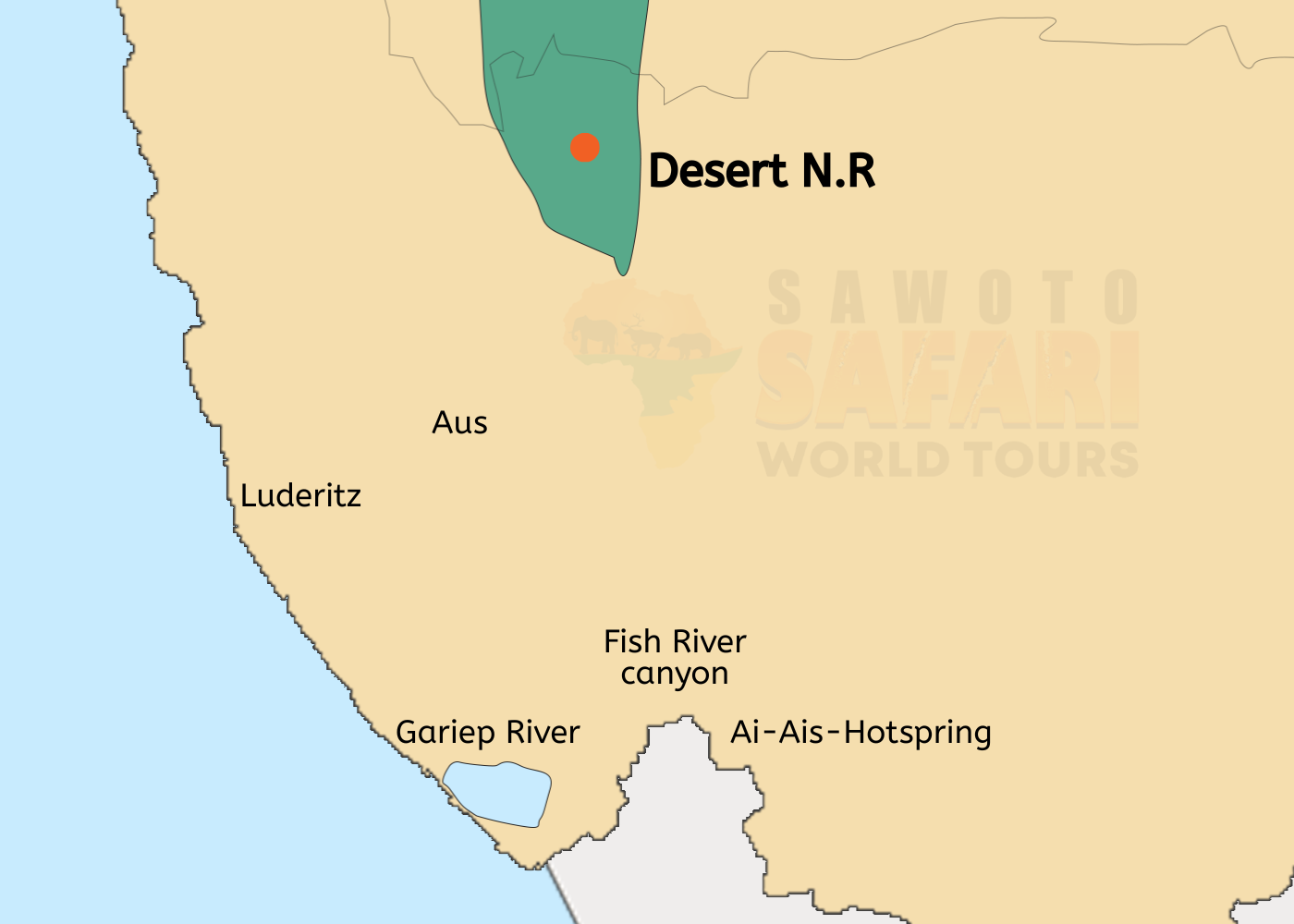
The Namib Desert is one of the oldest deserts on earth, stretching along Namibia’s Atlantic coast with dunes, gravel plains, foggy shores, salt pans, canyons, and desert-adapted wildlife. It includes famous places such as Sossusvlei, Deadvlei, Sesriem Canyon, Namib-Naukluft, Skeleton Coast, NamibRand, and coastal routes near Swakopmund and Walvis Bay.
The Namib Desert is huge, old, and deeply tied to Namibia’s identity. It runs along the Atlantic coast, with red dunes, rocky plains, dry river valleys, fog-fed areas, and some of the country’s most recognizable desert views.
The Namib stretches for more than 1,200 miles along the Atlantic coast of Angola, Namibia, and South Africa. The largest part lies in Namibia, where it covers much of the country’s western side. Its name is often linked to the idea of a vast, empty place.
The desert is believed to be at least 55 to 80 million years old. That is hard to fully take in. When you stand there, you are not only looking at sand. You are looking at land that has been shaped over an almost impossible stretch of time.
Some parts of the Namib are among the driest places on earth, with very little rainfall. The cold Atlantic Ocean changes the story, though. Fog moves inland and brings moisture to insects, plants, and animals that have learned to survive in hard conditions.
The Namib is not only one kind of landscape. It has dunes, salt pans, gravel plains, mountains, coastlines, dry riverbeds, and strange fairy rings. That mix is why travellers can spend several days here and still feel they have only seen a small part.
The Namib Desert includes many of Namibia’s best-known places. Sossusvlei, Deadvlei, Big Daddy, Sesriem Canyon, Skeleton Coast, Namib-Naukluft, NamibRand, and Twyfelfontein all show a different side of this wide desert region.
Sossusvlei is one of the first names people hear when planning Namibia. Its tall red dunes rise above pale salt pans and open desert land. Big Daddy, Deadvlei, Hiddenvlei, and nearby dunes are especially striking in morning light, when the sand turns orange and deep red.
Deadvlei feels still in a way that is hard to explain without seeing it. The white pan, dark dead trees, and red dunes create one of Namibia’s most photographed scenes. The trees have stood there for centuries, preserved by the dry air.
Sesriem Canyon sits near the entrance to Namib-Naukluft National Park. It was carved by the Tsauchab River over a long time. The narrow gorge gives shade, and water can remain in places, which is useful for animals and sometimes a relief for visitors.
The Skeleton Coast shows the harsher coastal side of the Namib. Fog, shipwreck remains, whale bones, strong currents, and empty beaches give it a serious mood. Inland areas such as NamibRand and Twyfelfontein add dark skies, wildlife, rock art, and quieter desert space.
The Namib Desert may look empty at first, but it is not. Look closely and you start seeing tracks, insects, reptiles, birds, antelope, predators, seals, desert plants, and small signs of life everywhere.
Around Sossusvlei and Namib-Naukluft, travellers may see oryx, springbok, ostrich, jackals, and smaller desert creatures. These animals live with heat, dry ground, and long distances. Early morning and late afternoon are often better times to notice movement.
The Skeleton Coast has its own kind of life. Cape fur seals gather along parts of the coast, while seabirds use the cold Atlantic edge. Fog brings moisture that helps tiny plants, insects, and desert-adapted wildlife survive in places that look almost impossible.
Farther inland and north, desert-adapted elephants, lions, hyenas, giraffes, zebras, kudu, and jackals may be found in certain Namib-linked areas. They often depend on dry river systems, underground water, and plants that hold moisture after rare rain.
The small creatures are just as interesting. Beetles, spiders, lizards, geckos, and other desert life leave fine tracks in the sand. Some collect moisture from fog. Once you begin noticing these details, the Namib feels less empty and much more alive.
The Namib Desert is best explored slowly, with early starts and proper planning. Travellers come for dune climbs, scenic flights, hot-air balloon rides, quad biking, desert drives, stargazing, wildlife viewing, photography, rock art, and coastal activities.
Climbing dunes in Sossusvlei is one of the classic Namib experiences. Big Daddy and nearby dunes are best done early, before the heat builds. The climb is tiring, yes, but the view across the red sand makes the effort feel worth it.
Scenic flights and hot-air balloon rides give a wider view of the desert. From above, the dunes, pans, coast, and dry valleys look completely different. NamibRand is also known for dark skies, with little light pollution and clear views of the stars.
Adventure activities are common around Swakopmund and nearby dunes. Travellers can try quad biking, sandboarding, desert drives, or coastal kayaking and boat trips. Walvis Bay adds flamingos, pelicans, dolphins, seals, and lagoon scenery to the wider Namib experience.
July to October is often a good time to visit, with more comfortable temperatures and little chance of rain. Still, the desert needs care in every season. Carry water, sun protection, warm layers for cold nights, fuel, and enough time for long distances.
Namib Desert feels vast, dry, and deeply quiet, with red dunes, foggy coastlines, salt pans, desert wildlife, fairy rings, gravel plains, and famous stops such as Sossusvlei, Deadvlei, Sesriem, and the Skeleton Coast.
These Namibia Safari Itineraries bring together the country’s wide range of travel experiences, from wildlife parks and desert roads to coastal towns, cultural stops, and quiet lodge stays. Some routes are short and focused. Others stretch across several regions. And for travelers comparing Namibia Safari Packages, these itineraries make it easier to choose a trip that fits their time, comfort, and travel style.
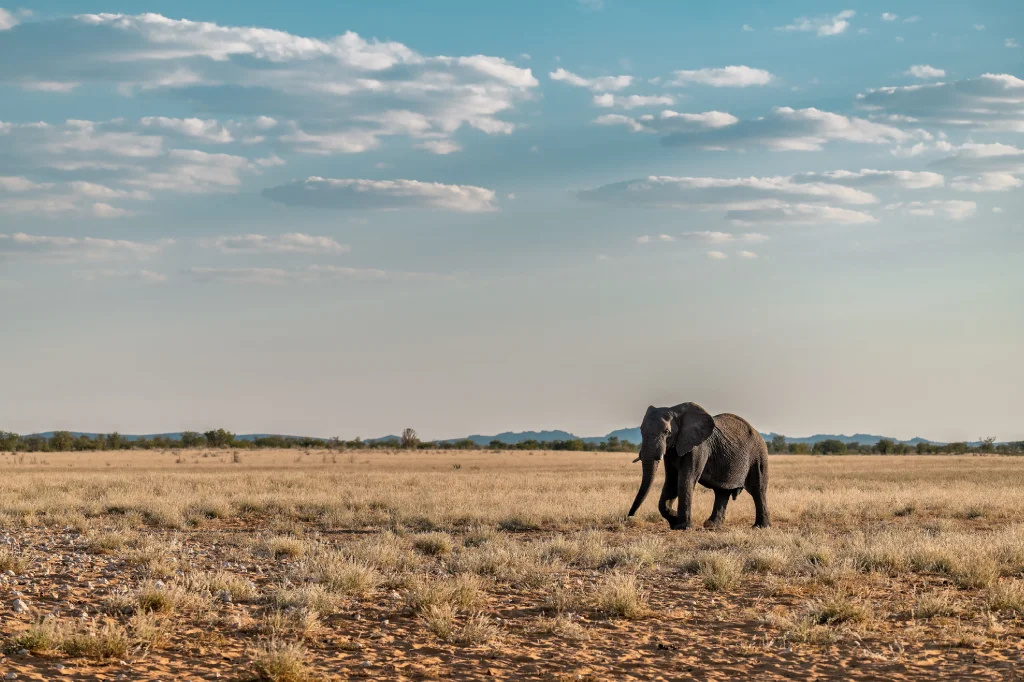
2 Destinations: Etosha National Park → Namibia
View Details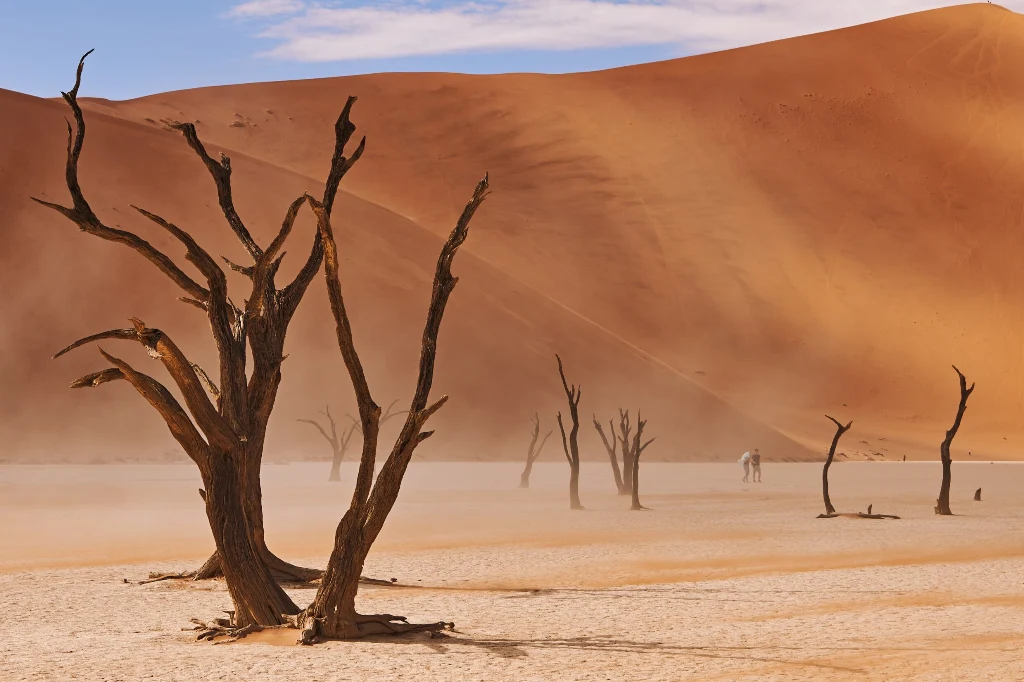
5 Destinations: Botswana → Etosha National Park → Namibia → Sossusvlei → Swakopmund
View Details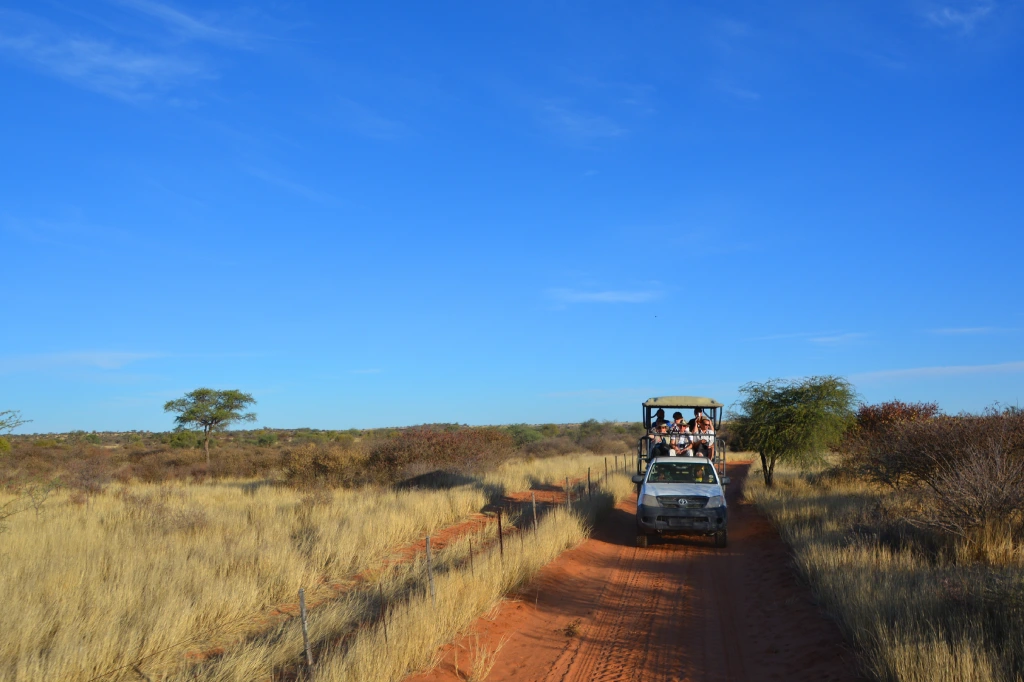
6 Destinations: Etosha National Park → Namibia → Sossusvlei → Spitzkoppe → Swakopmund → Windhoek
View Details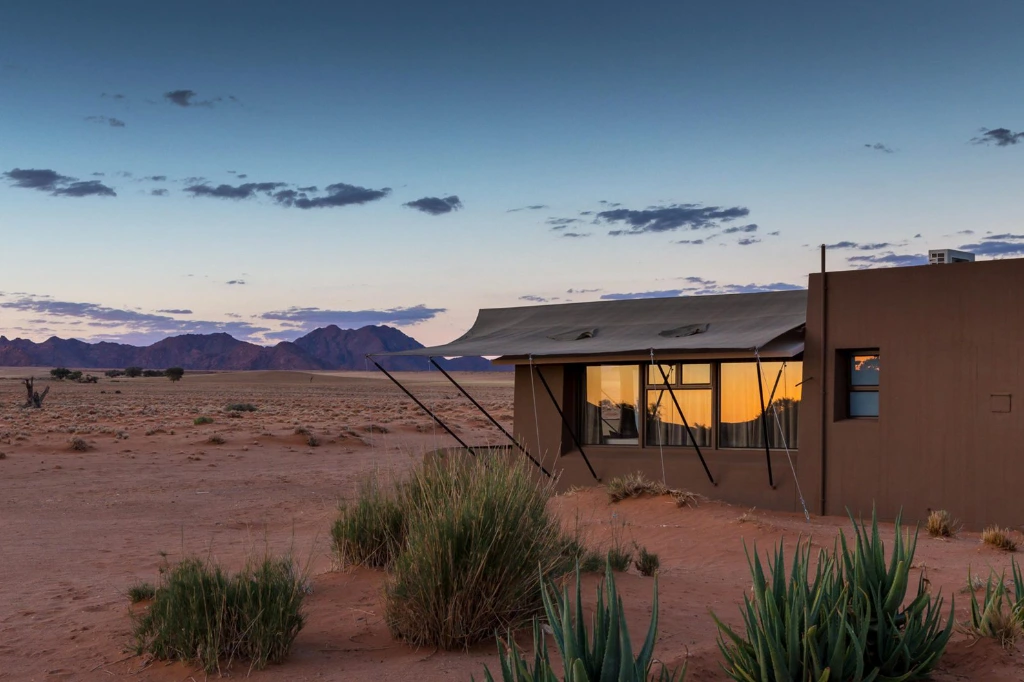
5 Destinations: Etosha National Park → Namibia → Sossusvlei → Swakopmund → Windhoek
View Details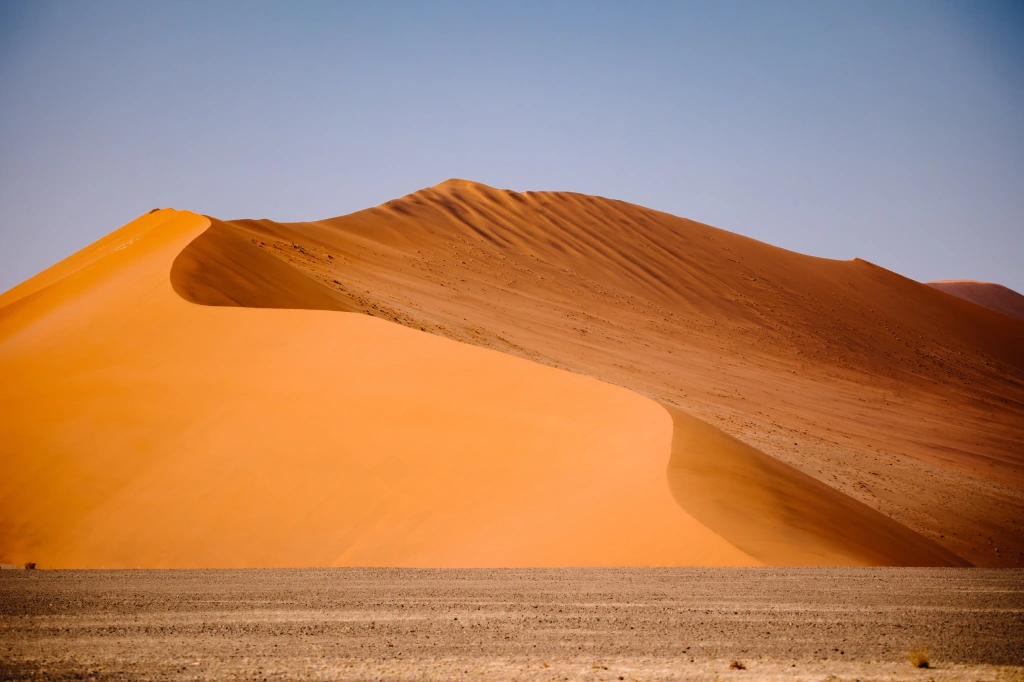
5 Destinations: Etosha National Park → Namibia → Sossusvlei → Swakopmund → Windhoek
View Details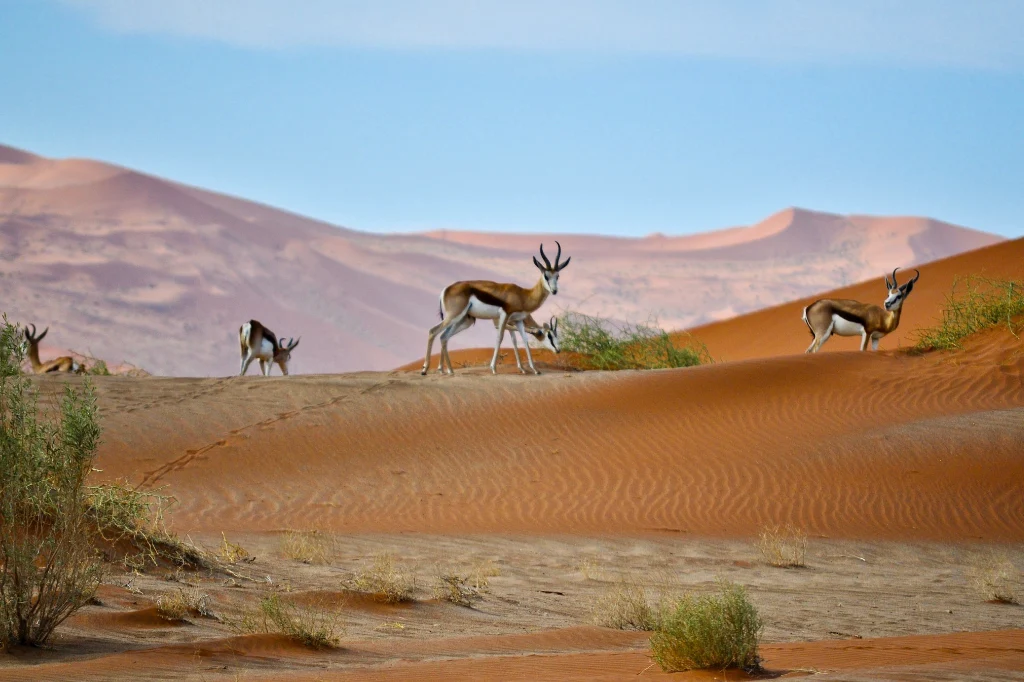
6 Destinations: Botswana → Etosha National Park → Namibia → Sossusvlei → Swakopmund → Zimbabwe
View Details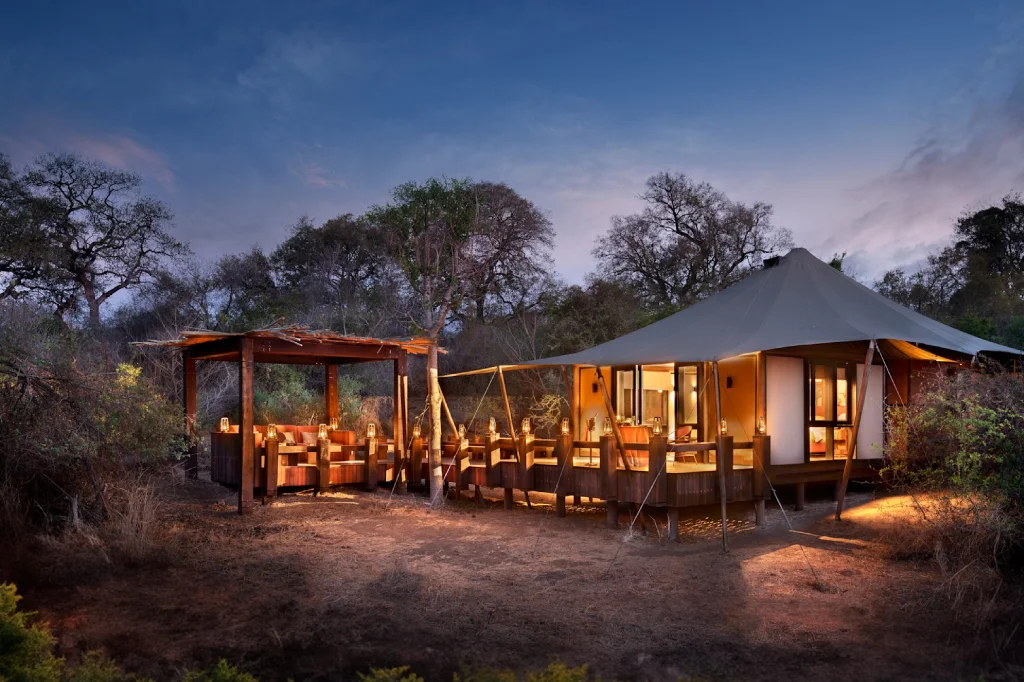
6 Destinations: Etosha National Park → Fish River Canyon → Namibia → Sossusvlei → Swakopmund → Twyfelfontein
View Details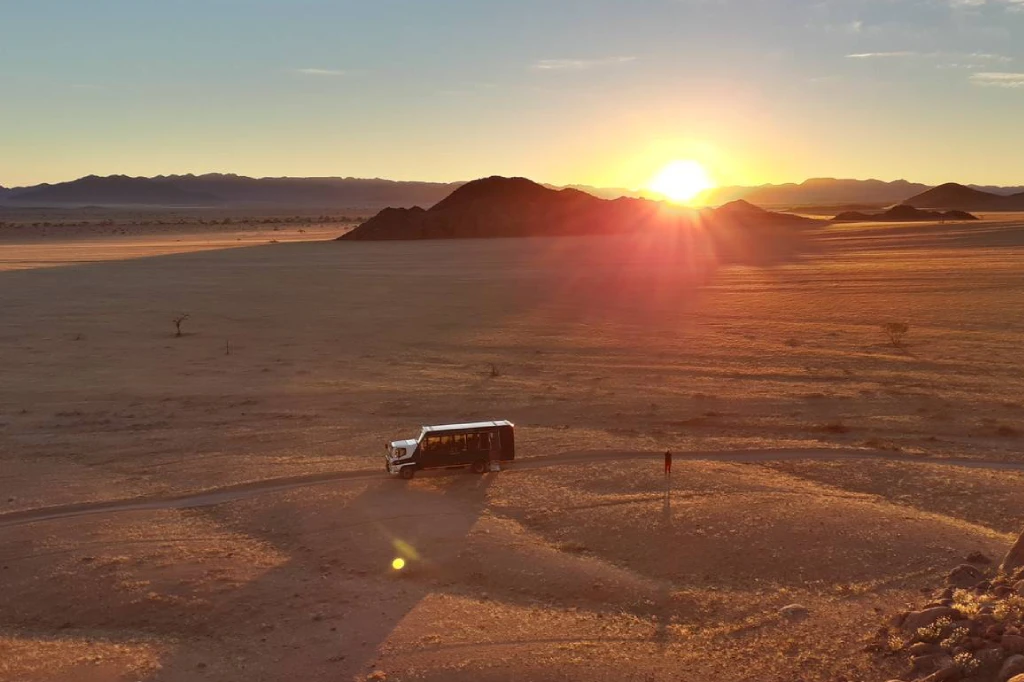
6 Destinations: Botswana → Etosha National Park → Namibia → Sossusvlei → Swakopmund → Zimbabwe
View Details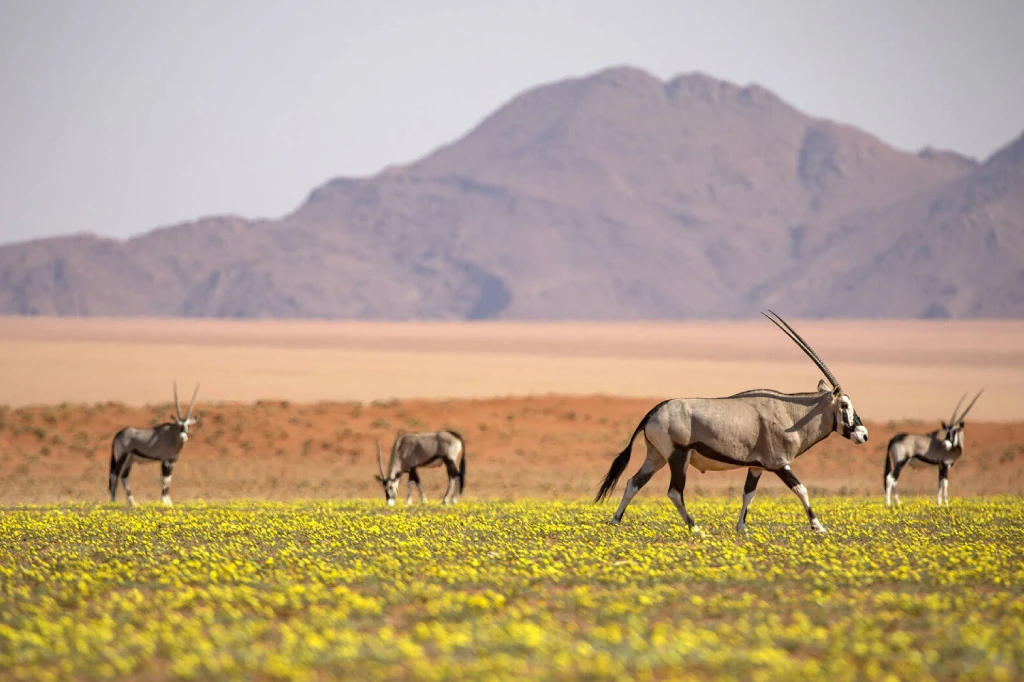
7 Destinations: Etosha National Park → Kamanjab → Namibia → Spitzkoppe → Swakopmund → Twyfelfontein → Windhoek
View Details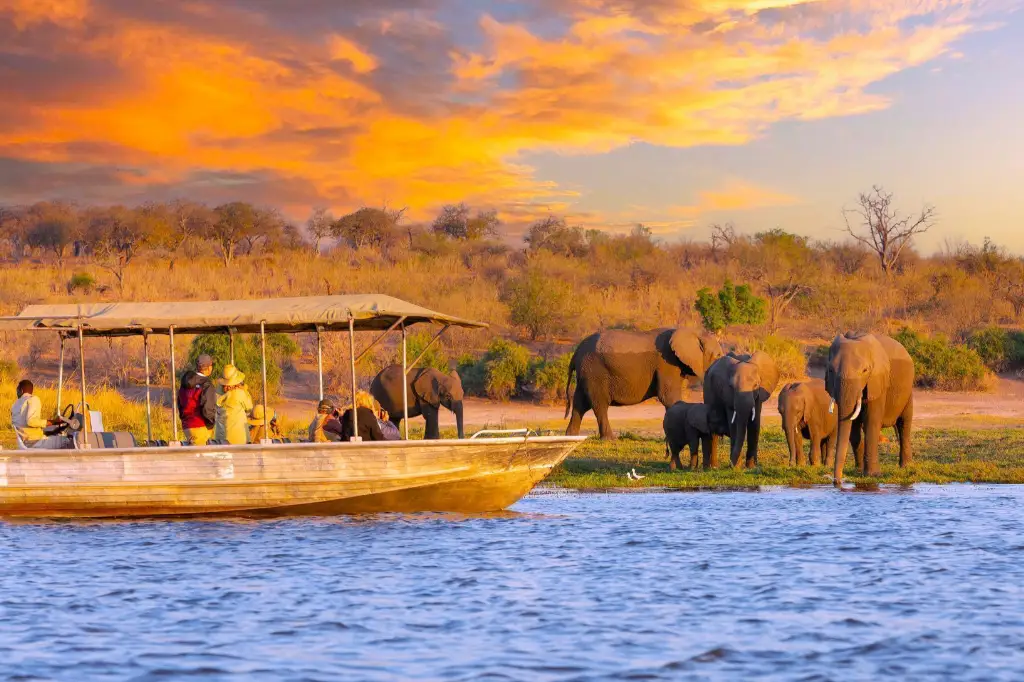
4 Destinations: Etosha National Park → Namibia → Sossusvlei → Swakopmund
View Details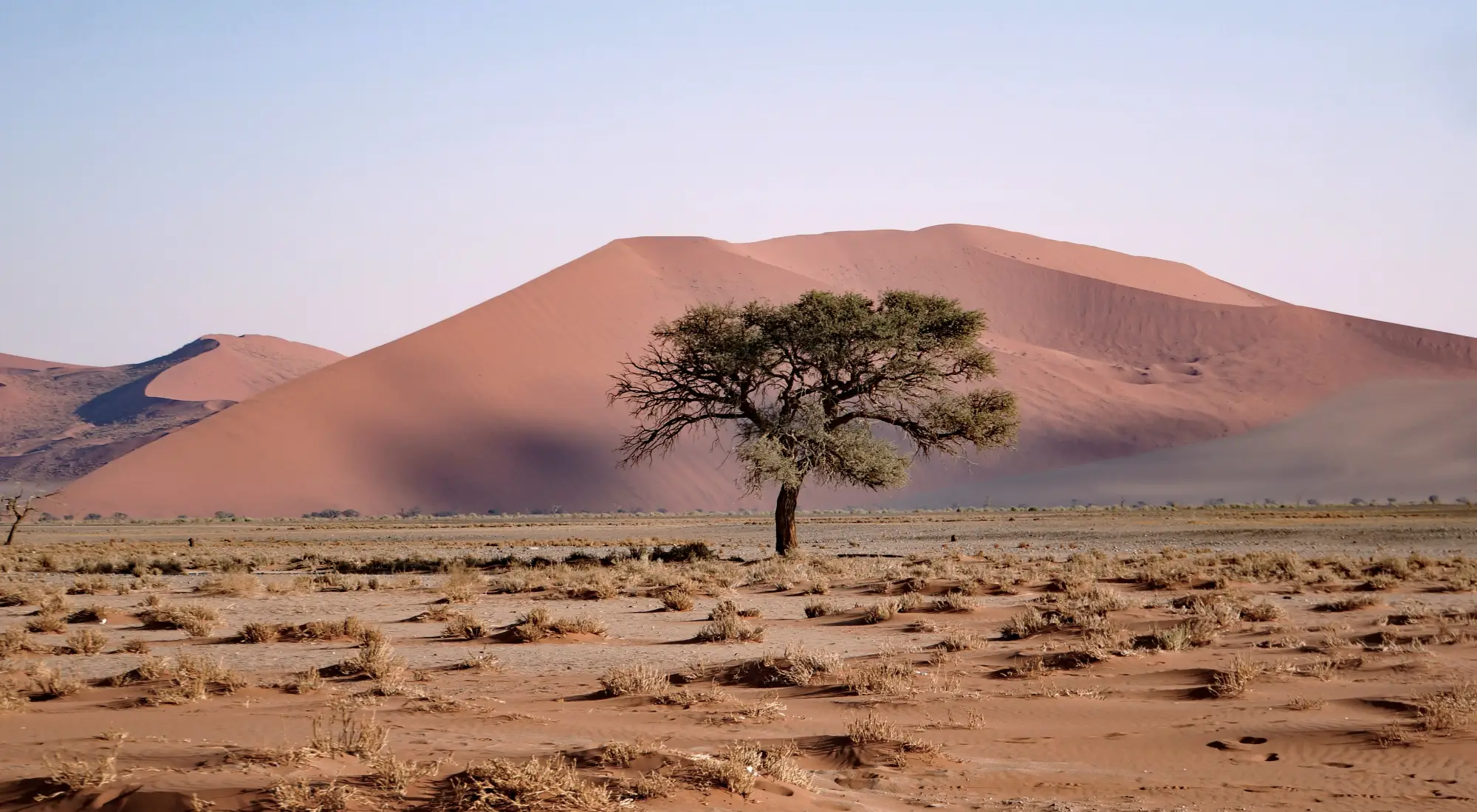
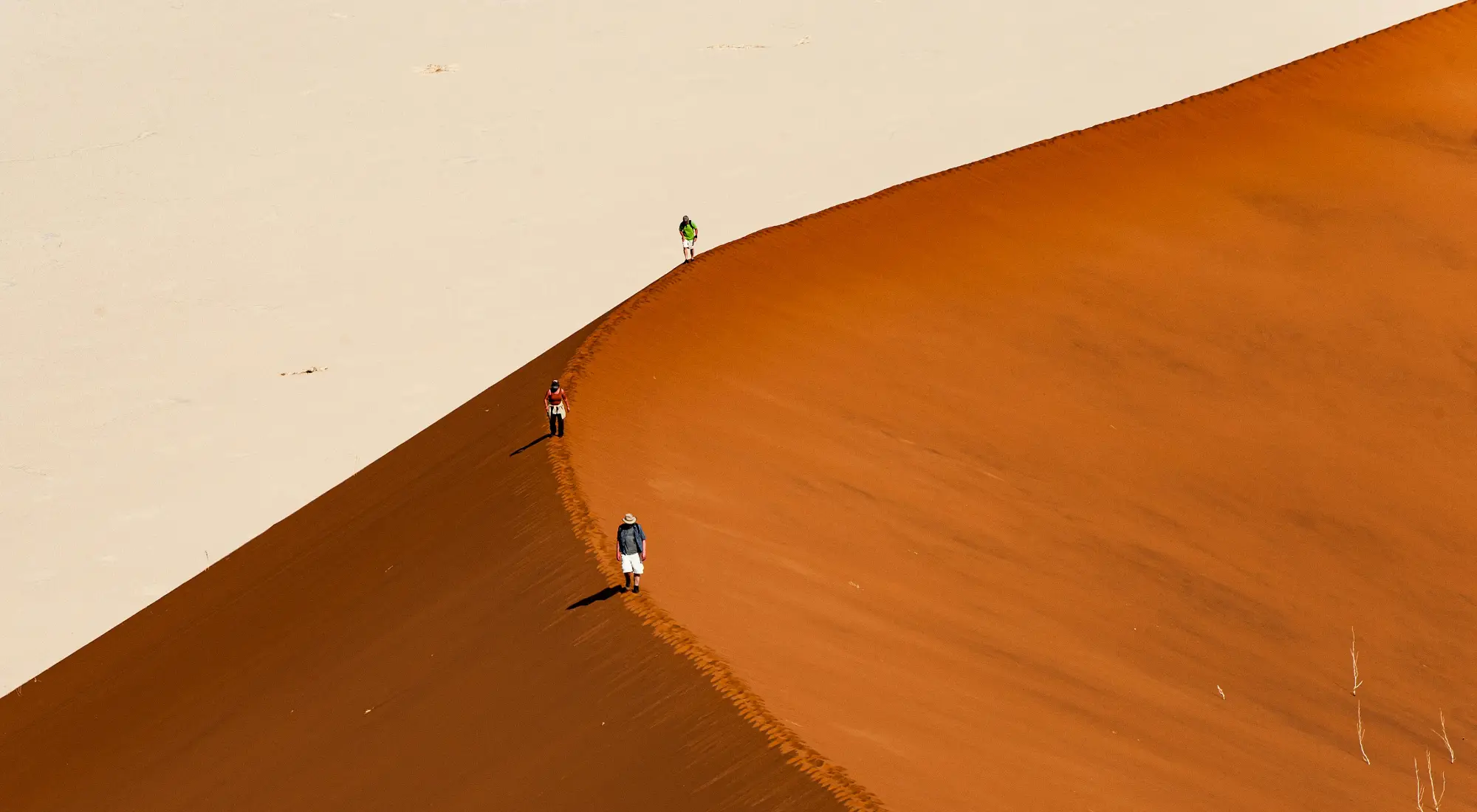
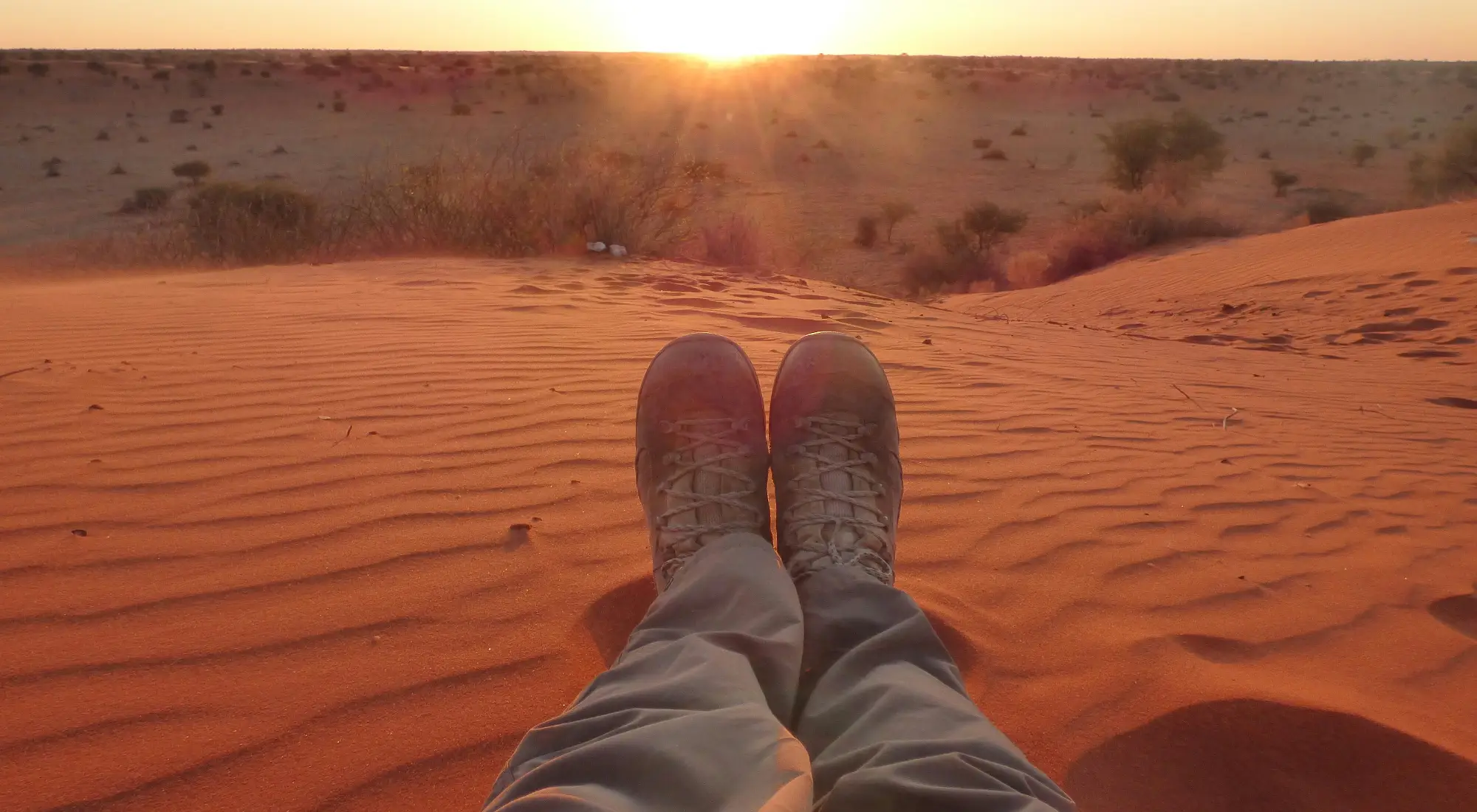
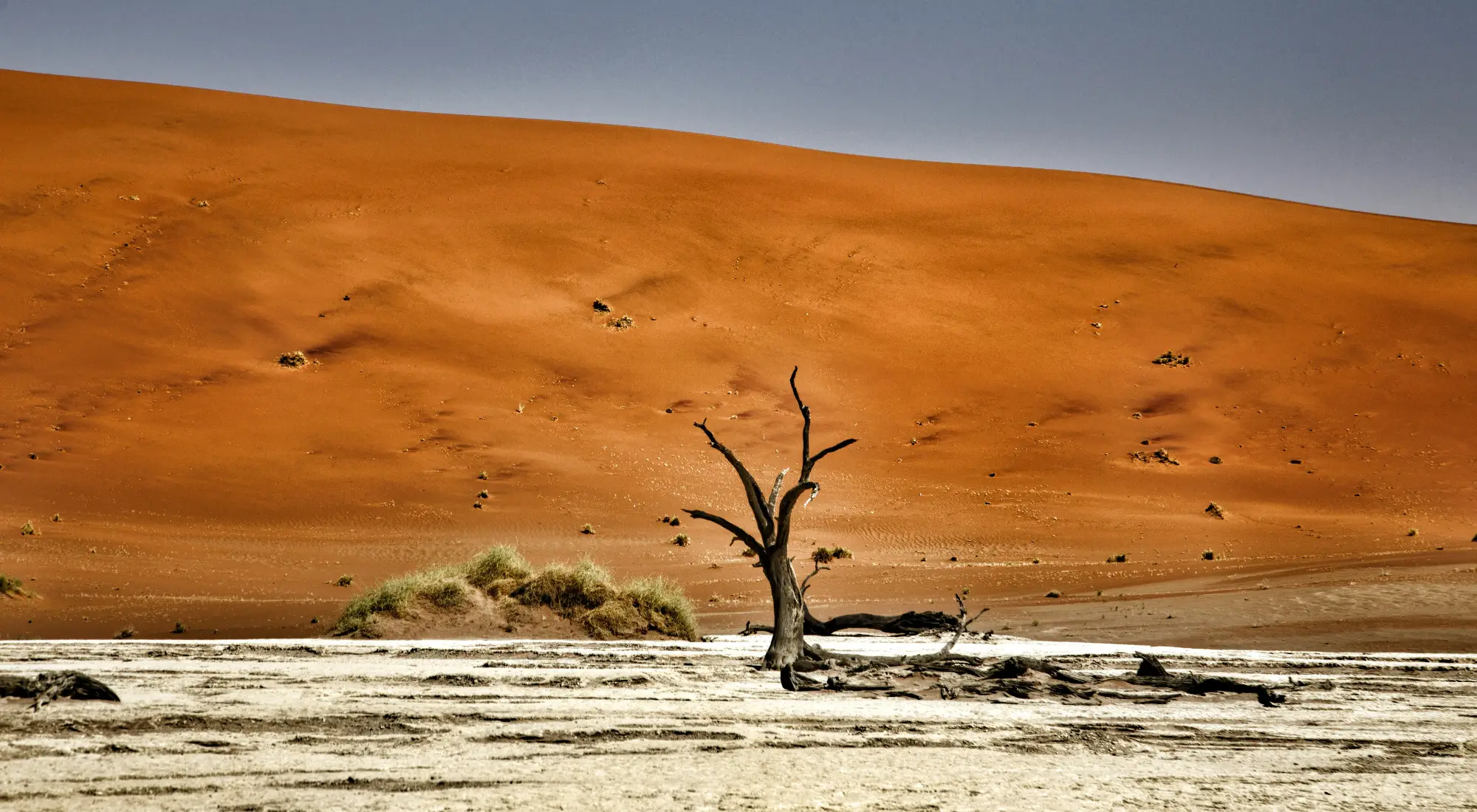
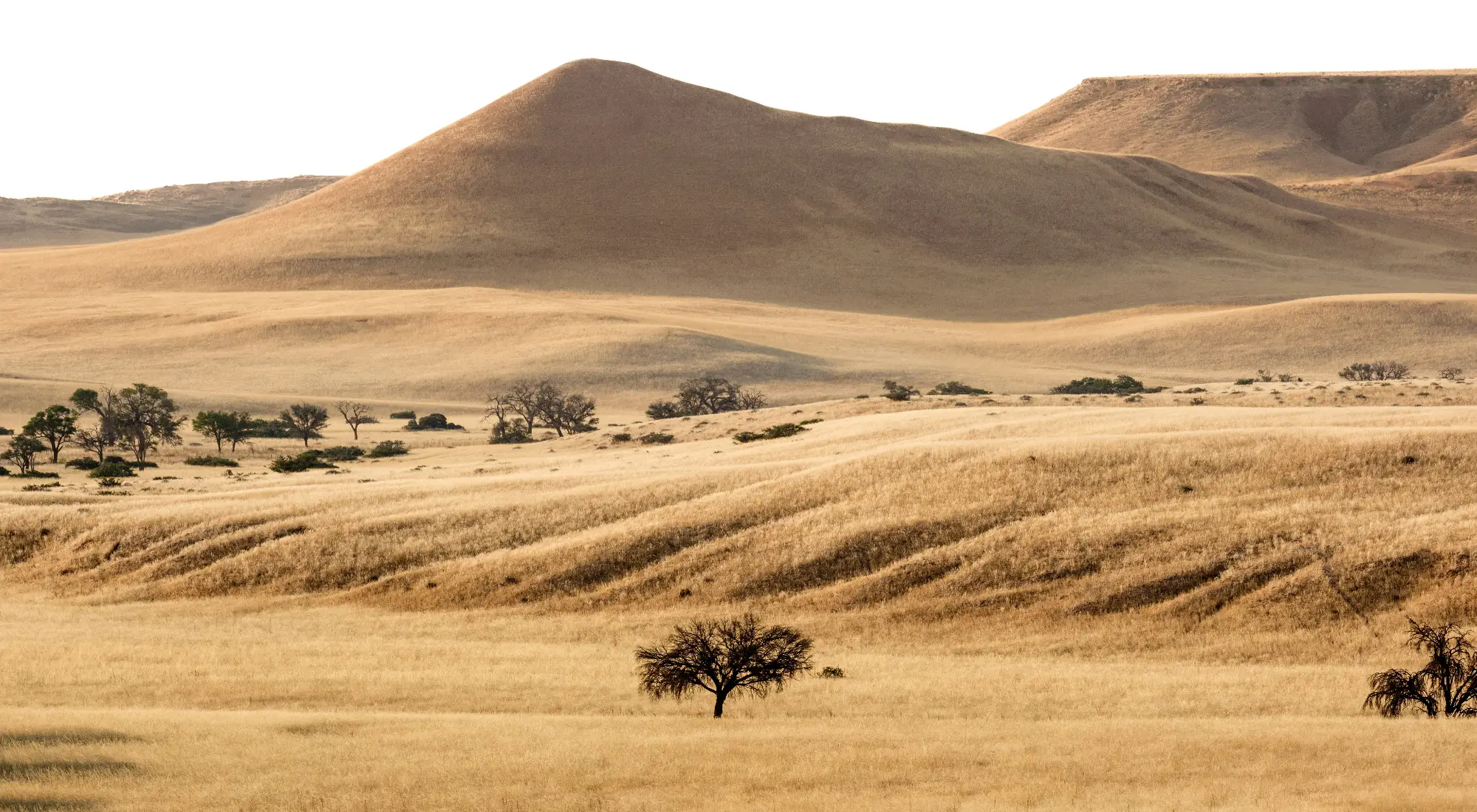
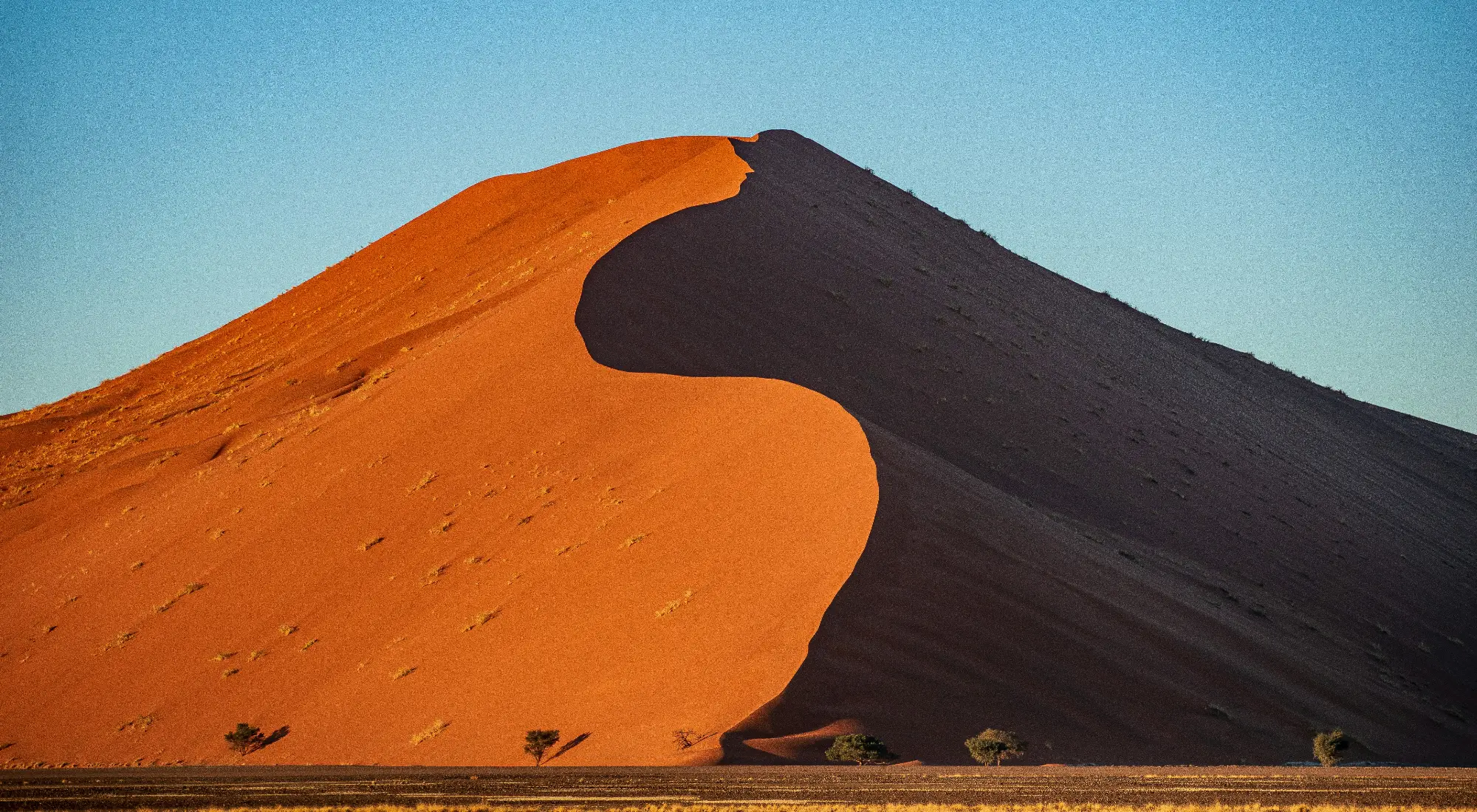
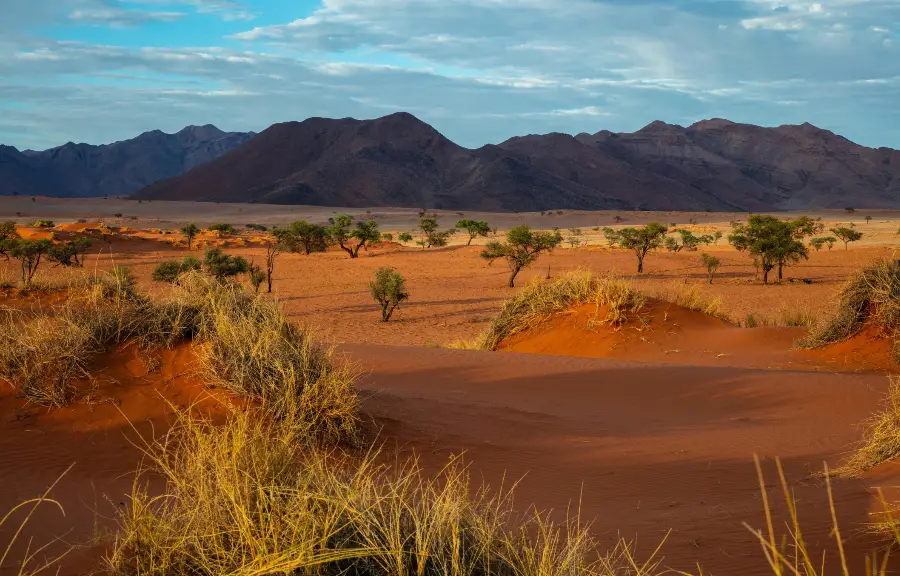
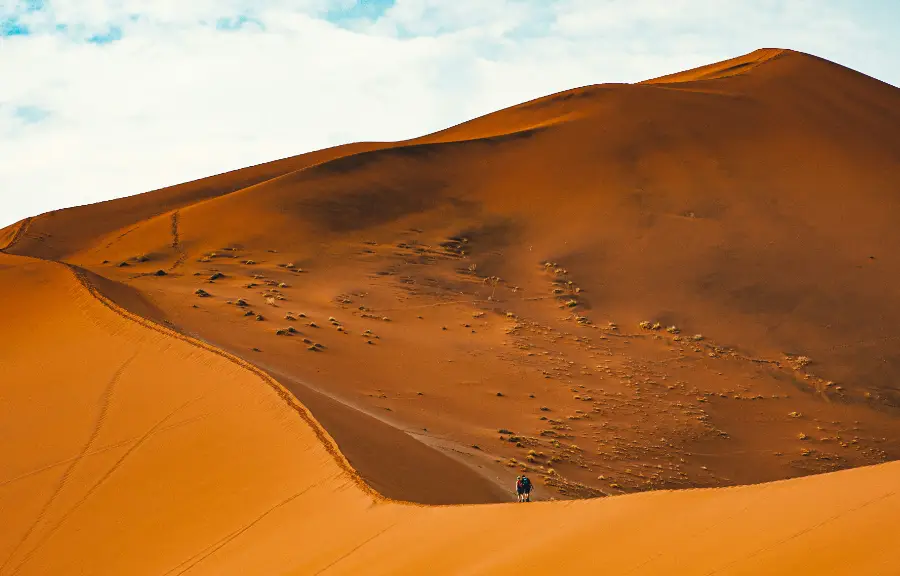
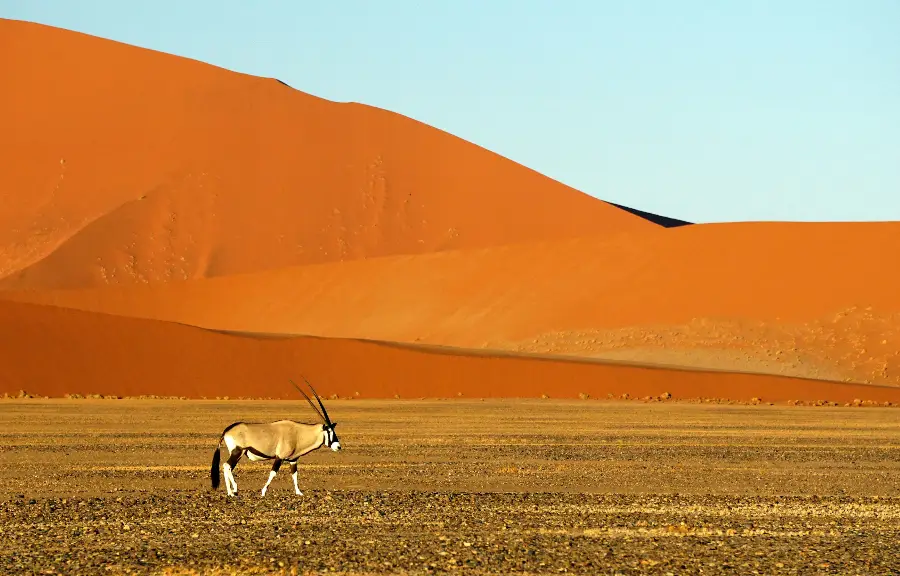
This gallery shows the Namib Desert through red dunes, Deadvlei trees, salt pans, foggy shores, gravel plains, canyon views, and wide desert scenes that define Namibia’s ancient coastal wilderness.
The Namib Desert is one of Namibia’s most famous landscapes, and for good reason. It has red dunes, foggy shores, salt pans, old plants, desert wildlife, and long empty views that stay in the mind. These FAQs answer the main things travellers ask before visiting, from Sossusvlei and Deadvlei to wildlife, activities, and the best time to go.
Namibia has a lot to pull travelers in. Wide desert dunes, wildlife parks, salt pans, coastal towns, canyons, and quiet wilderness areas all sit within one country. This section brings the main attractions in Namibia together, so travelers can see what fits their route, time, comfort level, and the kind of journey they want.
Our Namibian tour was an unforgettable experience from start to finish. Henzel was both our guide and driver, and he did an outstanding job in both roles. He was incredibly thorough and well-prepared, always sharing detailed insights about the landscapes, wildlife, and local culture. You could tell he truly knew and loved the country.

We did the “7 Days Wildlife Etosha and Sossusvlei Namibian Safari (Accommodated)” with Safari World Tours in December 2023 and it was the best choice for our family! We are experienced travelers (49 countries visited) and found that to travel to Namibia with a small child (4 years old) a tour would the the best option






 German
  English