+264 81 8211 521
info@safariworldtours.com
Rabatte & Deals


A deserted diamond town filled with sand, silence, and history
Kolmanskop Ghost Town is one of Namibia’s most unusual historic sites, standing near Lüderitz in the desert. Its abandoned homes, broken rooms, and sand-filled floors tell the story of sudden wealth and quiet decline.
In the early 1900s, Kolmanskop became famous after railway worker Zacharias Lewala found a stone believed to be a diamond. His boss, August Stauch, helped confirm the discovery, and soon the diamond rush began. At that time, Namibia was known as German South West Africa, and German colonists quickly started mining in the area. Today, Kolmanskop is one of the most photographed Namibia Tourist Destinations, especially for travelers interested in history, ruins, and desert scenes.
The town grew quickly and became extremely wealthy, with homes, services, and a small community built around diamond mining. At its peak, about 350 people lived here. Over time, the diamond supply dropped, mining slowed, and families began leaving. The last resident left Kolmanskop in 1954.

Gather ideas from our Namibia tour packages, or let our consultants help you picture the possibilities. We can build the journey around your time, style, and interests.
Kolmanskop Ghost Town sits near Lüderitz in southern Namibia, surrounded by dry desert and a rich diamond history. Most travelers reach it by road from Lüderitz, often as a short guided visit or photography stop. The map helps visitors understand nearby town access, road routes, the desert setting, and useful stops before planning their visit.
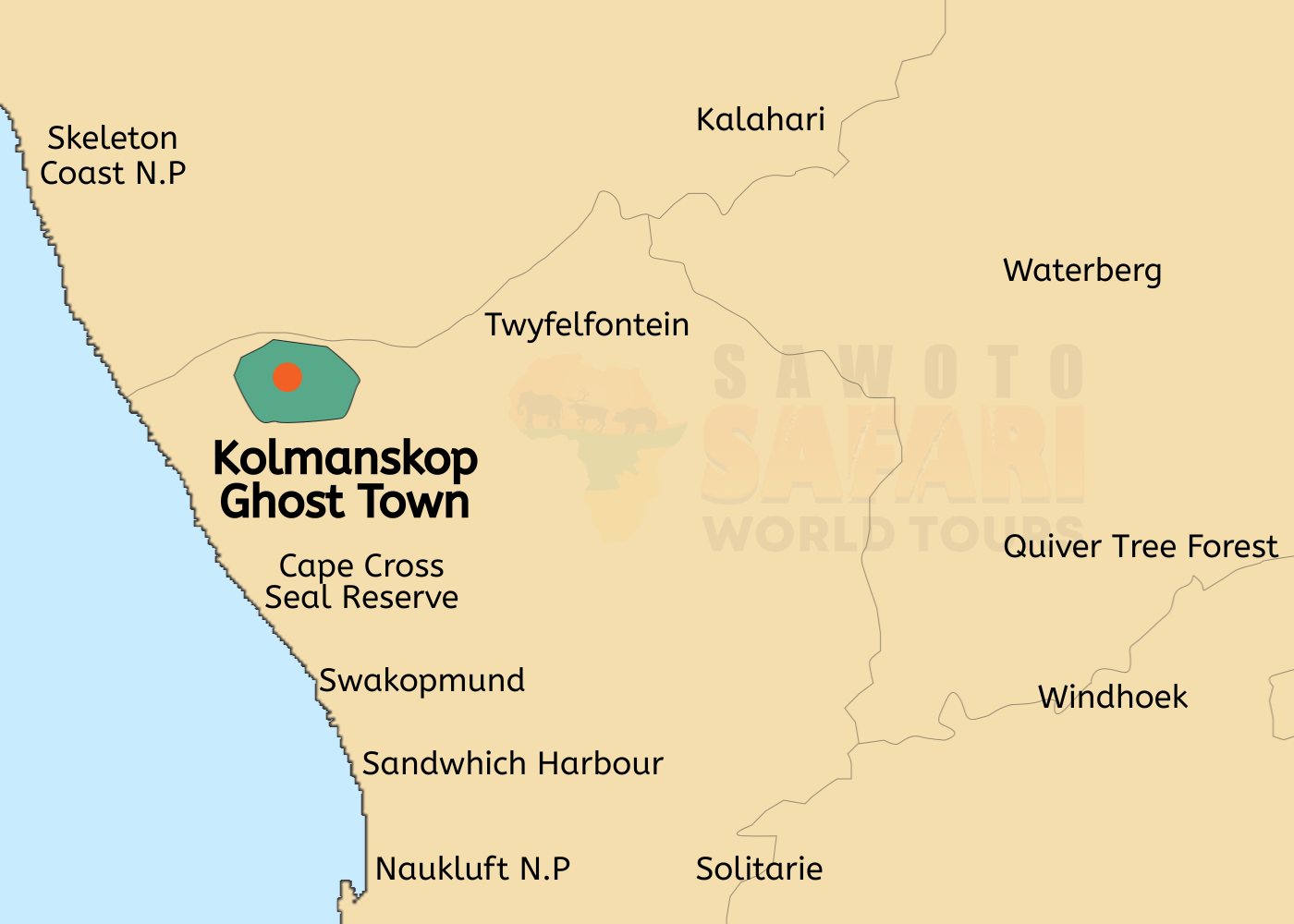
Geisterstadt Kolmanskop sits near Lüderitz, where old diamond wealth slowly gave way to sand, silence, and empty rooms. Visitors come to explore abandoned homes, museum displays, guided tours, and photo-filled interiors. A permit is needed before entry, and good shoes, sun protection, and a camera make the visit safer and more enjoyable in this desert setting.
Kolmanskop is easy to visit from Lüderitz, but entry rules are still important. Standard permits suit daytime visitors, while photography permits allow earlier or later access for better light. Planning ahead helps avoid closed services, missed tour times, and confusion at the gate.
If you are staying in Lüderitz, Kolmanskop is only about fifteen minutes away by road. The approach is simple, with an entry gate and parking area near the old town. You still need a permit before entering, so do not treat it like an open ruin you can walk into whenever you like.
A standard permit allows entry during normal visiting hours, usually from morning until early afternoon. Visitors can often buy this ticket at the gate during operating hours, or in advance at the Lüderitz Travel Information Centre. It works well if you want a relaxed look around without chasing sunrise or sunset light.
Photography permits are made for visitors who want softer light before or after normal hours. These usually need to be arranged in advance, especially for sunrise access. They cost more than standard permits, but photographers often find the extra time useful because the rooms are quieter and the shadows feel softer inside.
Sundays can feel different at Kolmanskop. You may still enter the abandoned buildings, but the museum, gallery, shop, and café may be closed. If those extras are important to you, choose another day. A weekday visit usually gives a fuller experience, especially if you want the guided tour too.
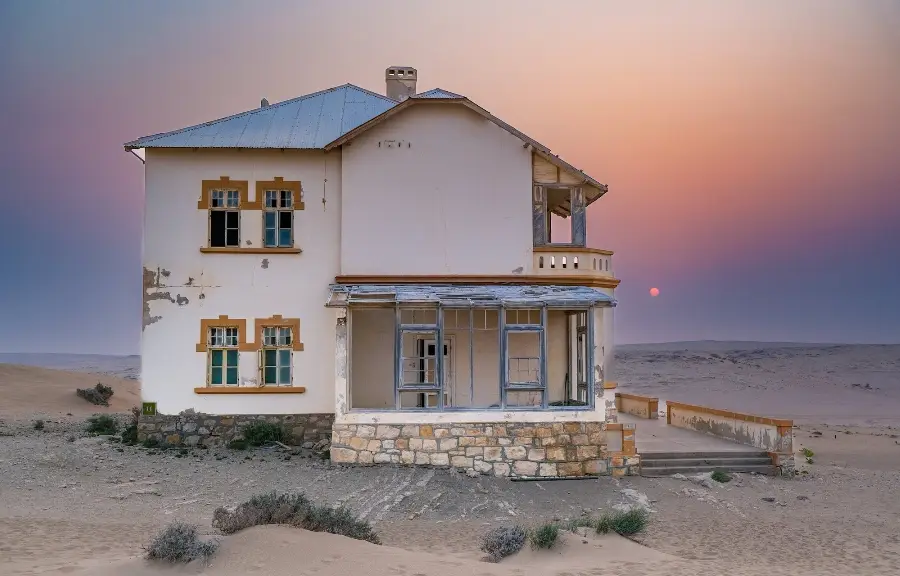
The main reason people visit Kolmanskop is to walk through its abandoned buildings, many now filled with soft desert sand. Old homes, a hospital, a school, a post office, an ice factory, and a bowling alley show how quickly wealth once arrived and then disappeared.
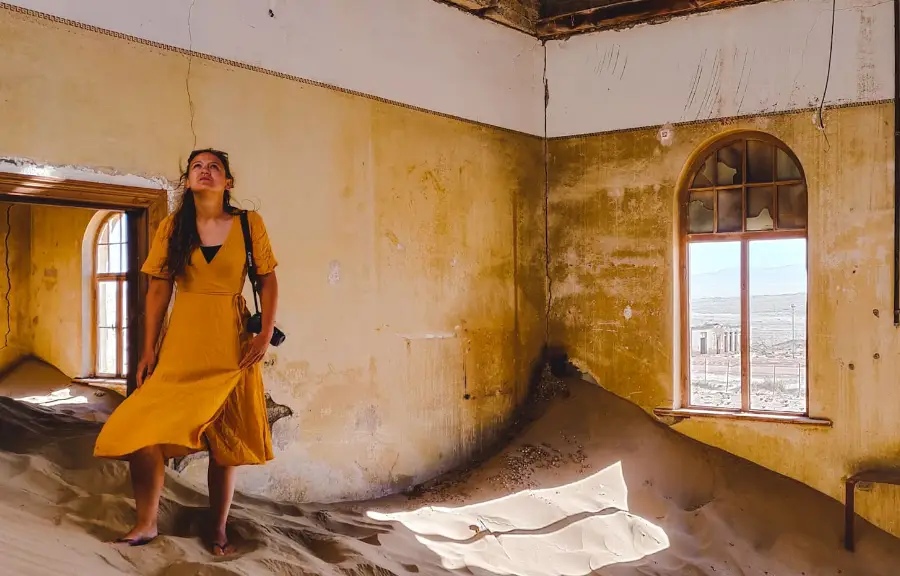
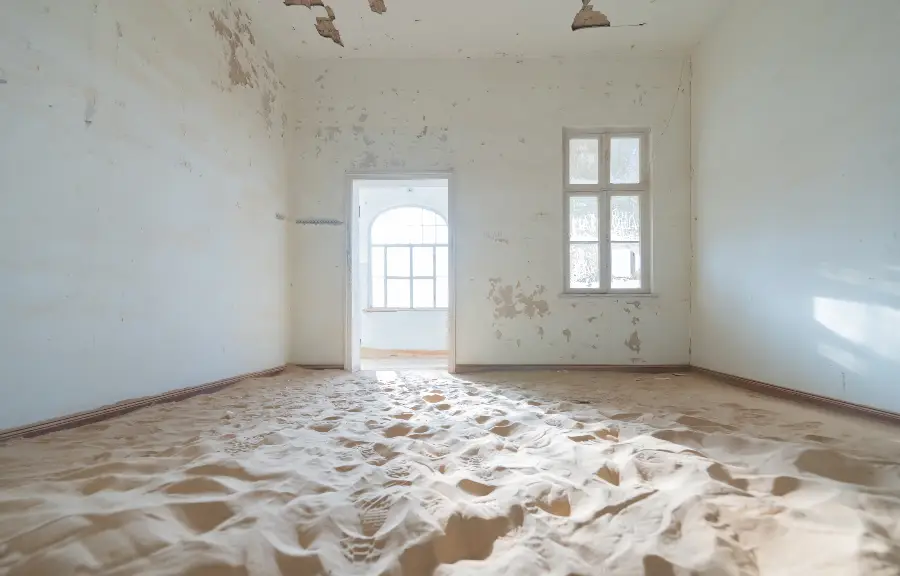
Kolmanskop has more than thirty abandoned buildings, and each one feels a little different. Some rooms are half-filled with sand, while others still show peeling paint, old doors, and broken frames. You move slowly here, partly because of safety, and partly because the empty rooms make you stop and look.
The town once had homes, a hospital, a school, an ice factory, a post office, and even a bowling alley. That detail surprises many visitors. It reminds you that Kolmanskop was not only a mining site. It was a working town, with daily routines, families, services, and social life.
Walking through the buildings can feel strange, but not in a dramatic way. Sand has entered through windows, doors, and cracks, covering floors that once carried footsteps and furniture. The desert is not loud here. It just sits inside the rooms, quietly taking back what people left behind.
Visitors should stay aware inside the buildings because some areas have warning signs, sharp materials, glass, nails, or unstable surfaces. Good shoes are important. There is not always clear signage indicating what to see first, so give yourself time and let curiosity guide you carefully.
Kolmanskop is one of Namibia’s strongest photography stops, especially for sand-filled rooms, broken windows, faded walls, and soft desert light. A photography permit gives better access outside normal hours, helping visitors catch quieter spaces, cleaner sand, warmer colours, and fewer people.
Morning and late afternoon light work beautifully at Kolmanskop. The rooms are softer then, and the sand does not look flat or harsh. If photography is important to you, the special permit is worth considering because normal visiting hours can feel brighter, busier, and less flexible for careful shots.
Inside the buildings, colourful doorways, peeling paint, cracked walls, and small dunes create strong photo scenes. Wide-angle lenses are useful in tight rooms, while lower aperture lenses help in dim interiors. You do not need to overthink every shot. Sometimes the best frame is just sand, light, and a half-open door.
Footprints can be a small problem in the sand, especially after many visitors have walked through. Windy nights may smooth the surface again, which photographers love. Be patient, look for clean corners, and avoid stepping across areas you may want to photograph later from a better angle.
Commercial photography, drones, and night photography are not allowed, so check the rules before planning serious work. Protect your camera from sand and wind. A bag, cloth, or simple cover can help. Kolmanskop is beautiful, but the desert can be rough on gear during a windy visit.
Kolmanskop has more than empty rooms. The museum, guided tour, café, and visitor facilities add useful context before or after exploring. A little preparation also helps, especially with shoes, sun protection, wind, sand, safe movement, and time inside old buildings.
The museum is housed in the old gymnasium and gives helpful background on the town’s diamond years. It is a good place to begin if you are not joining a guided tour. Seeing old objects, signs, and displays makes the abandoned rooms easier to understand when you walk through them later.
Guided tours are short, useful, and worth joining. They usually run on set times and may be offered in English, German, and Afrikaans. The guide explains how the diamond rush began, why the town grew so quickly, and why it was finally left behind in the desert.
The visitor center has basic facilities, including bathrooms and a café or deli on operating days. This is useful because Kolmanskop feels isolated, even though Lüderitz is nearby. You can grab a drink or small bite before continuing, but check opening days if those services are important.
Bring closed shoes because old glass, nails, and building materials can lie around the site. Sunglasses, sunscreen, a hat, and a face covering help on windy days. And yes, bring your camera. Even casual visitors often leave with more photos than they expected when they first arrived.
A Kolmanskop visit brings sand-filled rooms, faded walls, broken windows, old mining stories, and quiet desert views. Travellers can explore abandoned buildings, take creative photos, join tours, and feel the town’s strange stillness.
These Namibia Safari Itineraries bring together the country’s wide range of travel experiences, from wildlife parks and desert roads to coastal towns, cultural stops, and quiet lodge stays. Some routes are short and focused. Others stretch across several regions. And for travelers comparing Namibia Safari Packages, these itineraries make it easier to choose a trip that fits their time, comfort, and travel style.
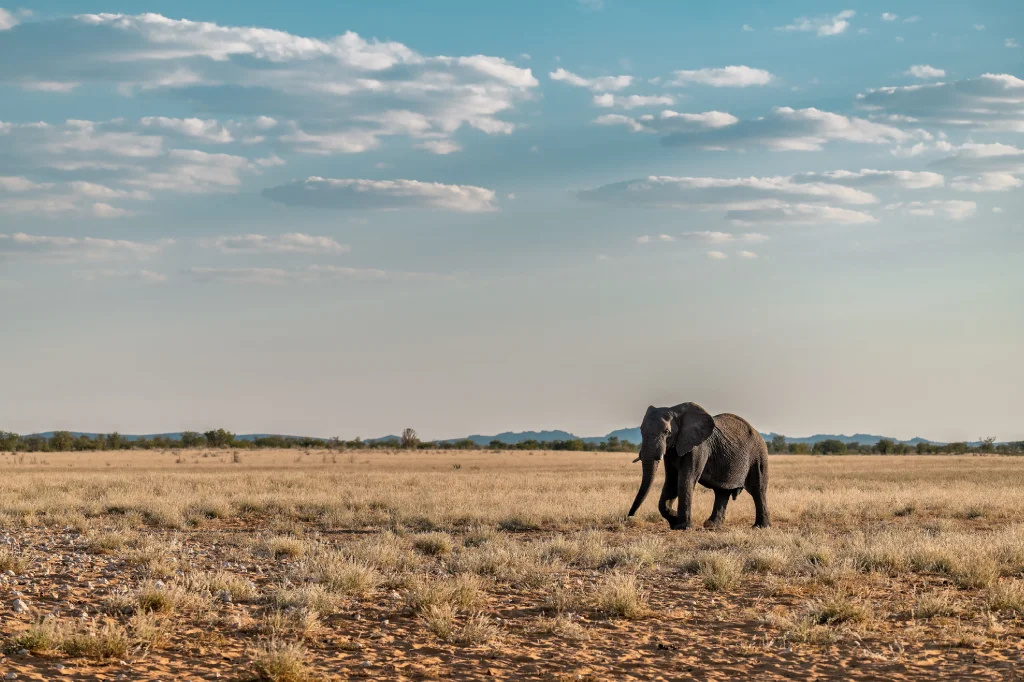
2 Destinations: Etosha National Park → Namibia
View Details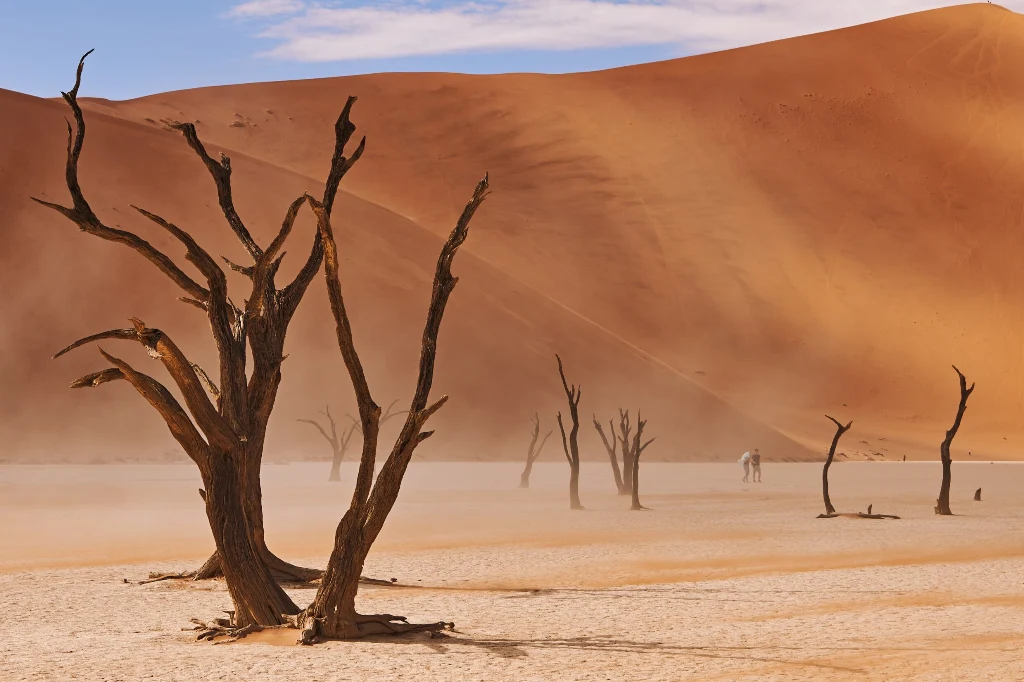
5 Destinations: Botswana → Etosha National Park → Namibia → Sossusvlei → Swakopmund
View Details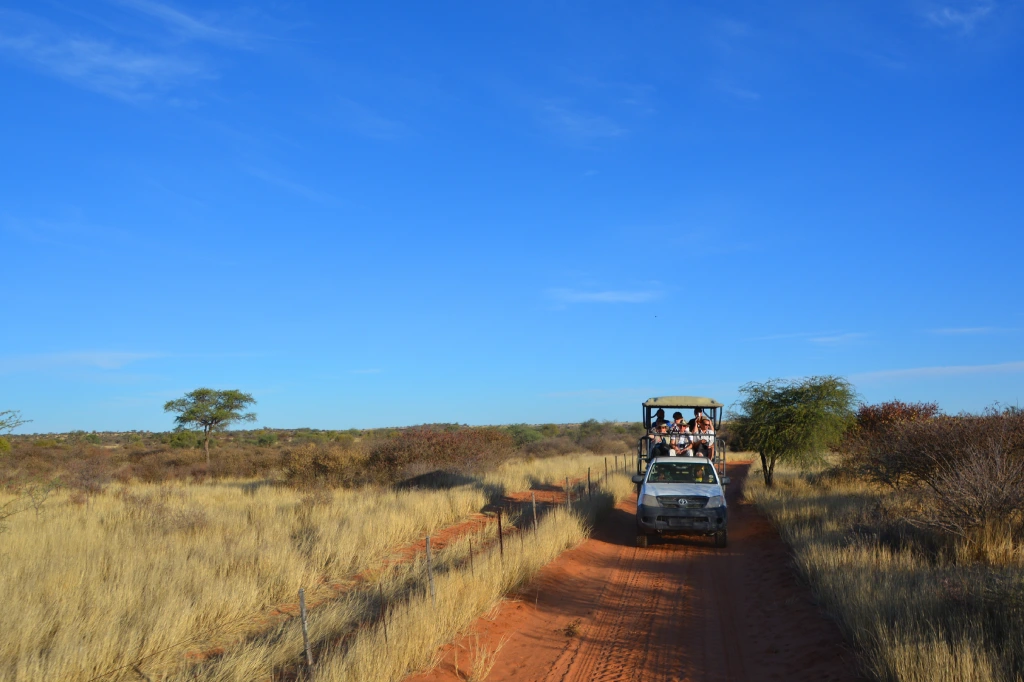
6 Destinations: Etosha National Park → Namibia → Sossusvlei → Spitzkoppe → Swakopmund → Windhoek
View Details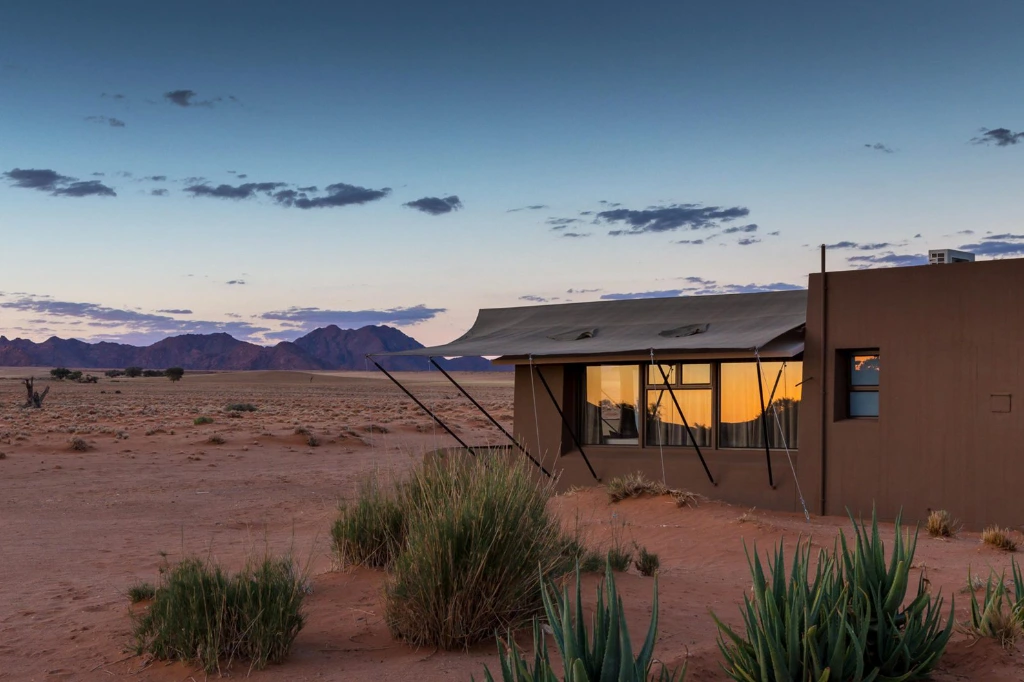
5 Destinations: Etosha National Park → Namibia → Sossusvlei → Swakopmund → Windhoek
View Details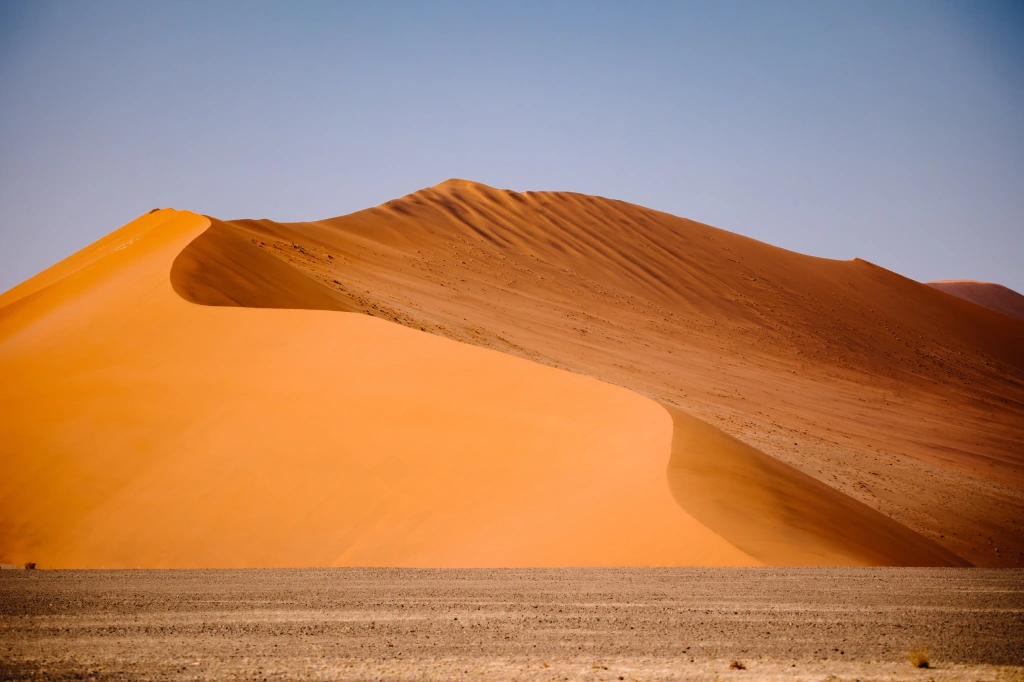
5 Destinations: Etosha National Park → Namibia → Sossusvlei → Swakopmund → Windhoek
View Details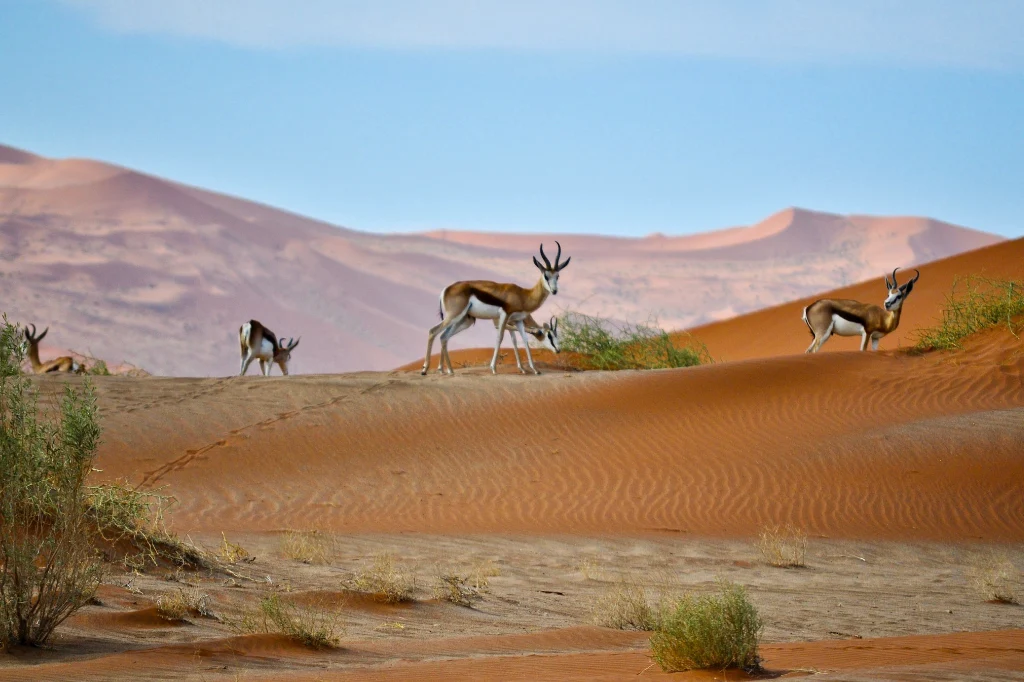
6 Destinations: Botswana → Etosha National Park → Namibia → Sossusvlei → Swakopmund → Zimbabwe
View Details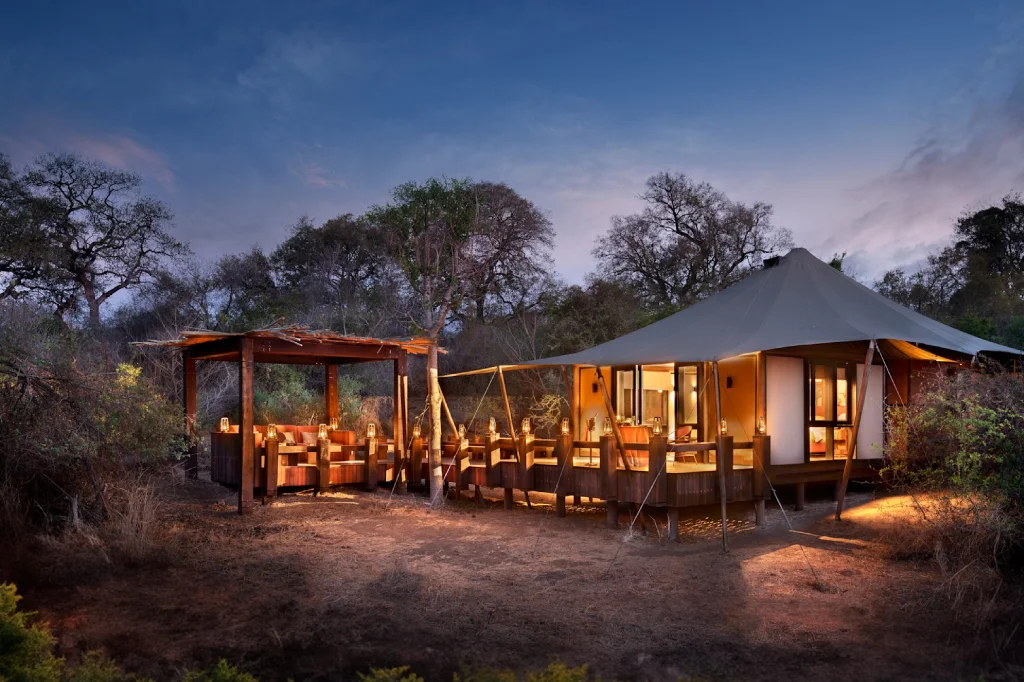
6 Destinations: Etosha National Park → Fish River Canyon → Namibia → Sossusvlei → Swakopmund → Twyfelfontein
View Details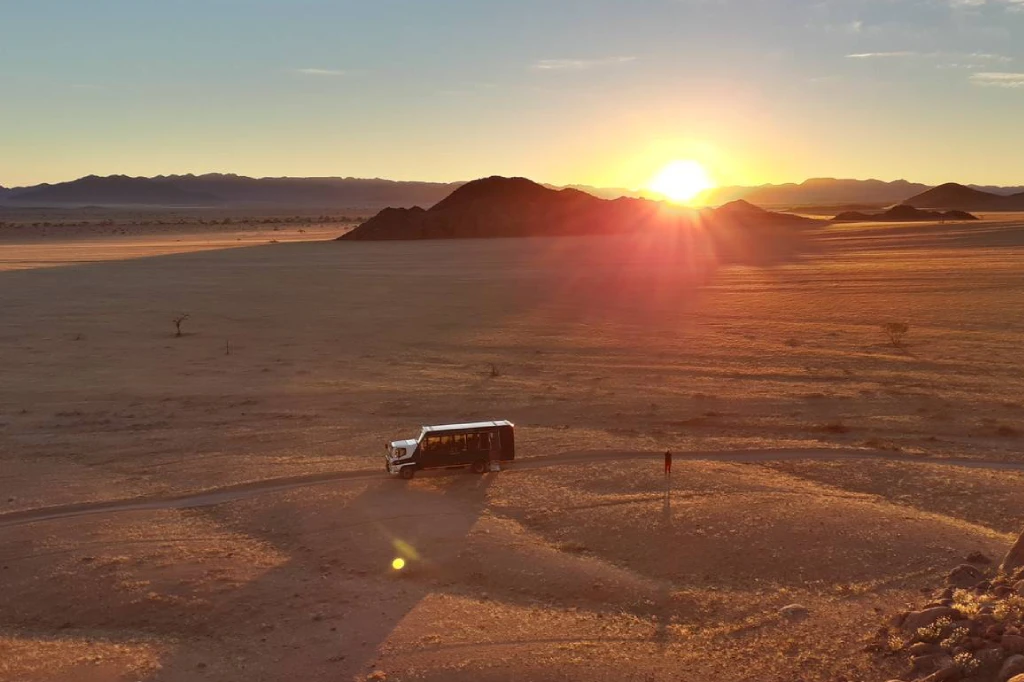
6 Destinations: Botswana → Etosha National Park → Namibia → Sossusvlei → Swakopmund → Zimbabwe
View Details
7 Destinations: Etosha National Park → Kamanjab → Namibia → Spitzkoppe → Swakopmund → Twyfelfontein → Windhoek
View Details
4 Destinations: Etosha National Park → Namibia → Sossusvlei → Swakopmund
View Details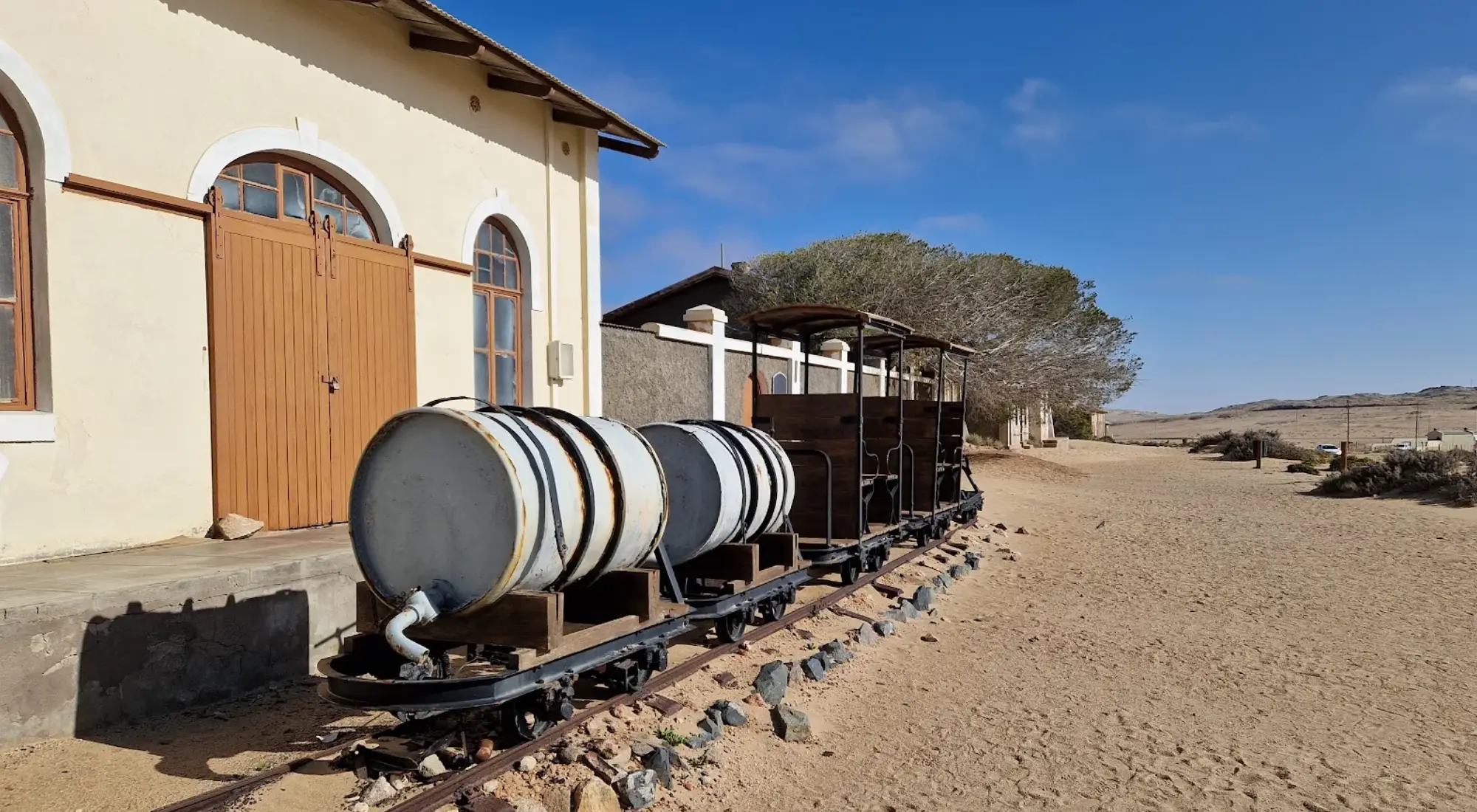
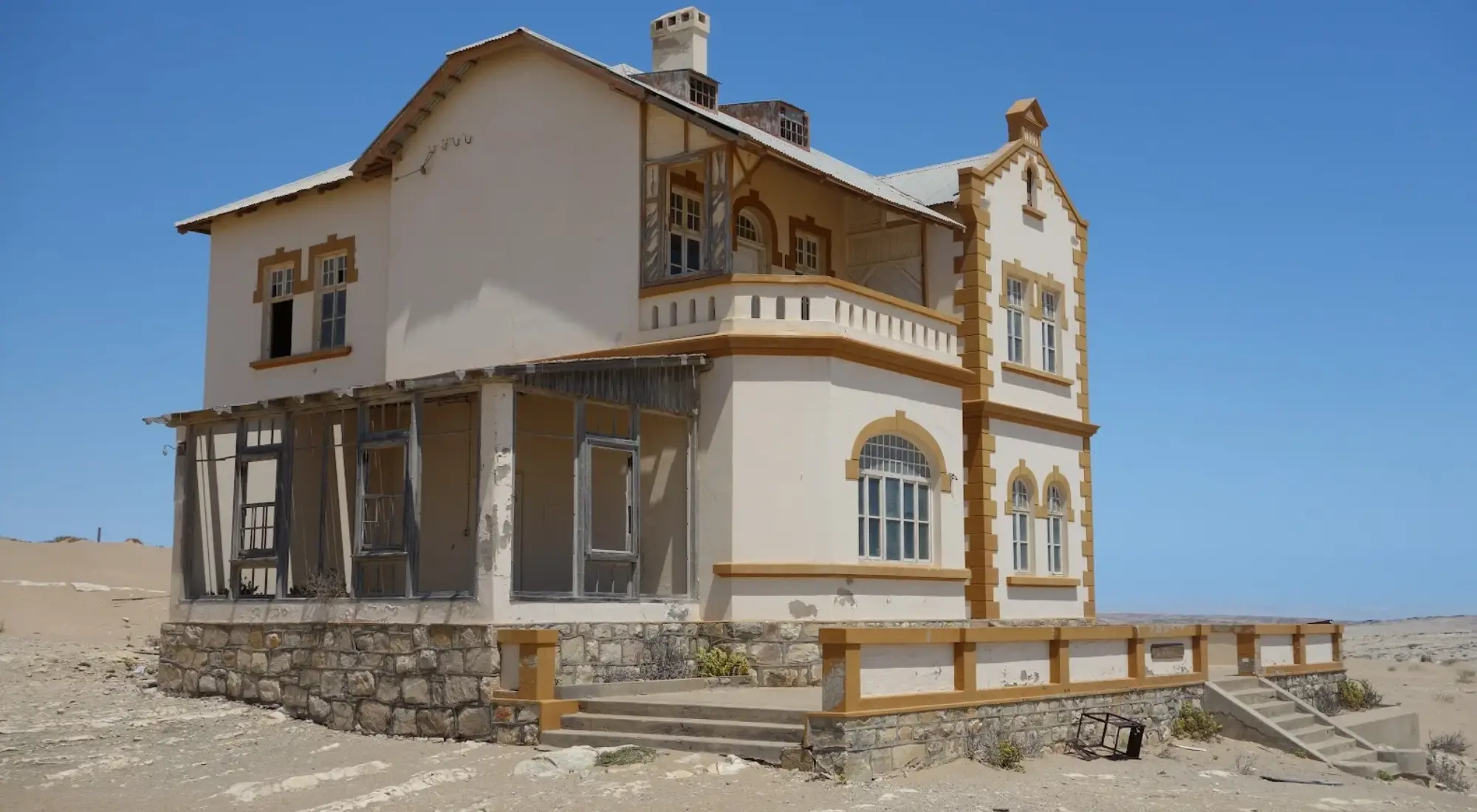
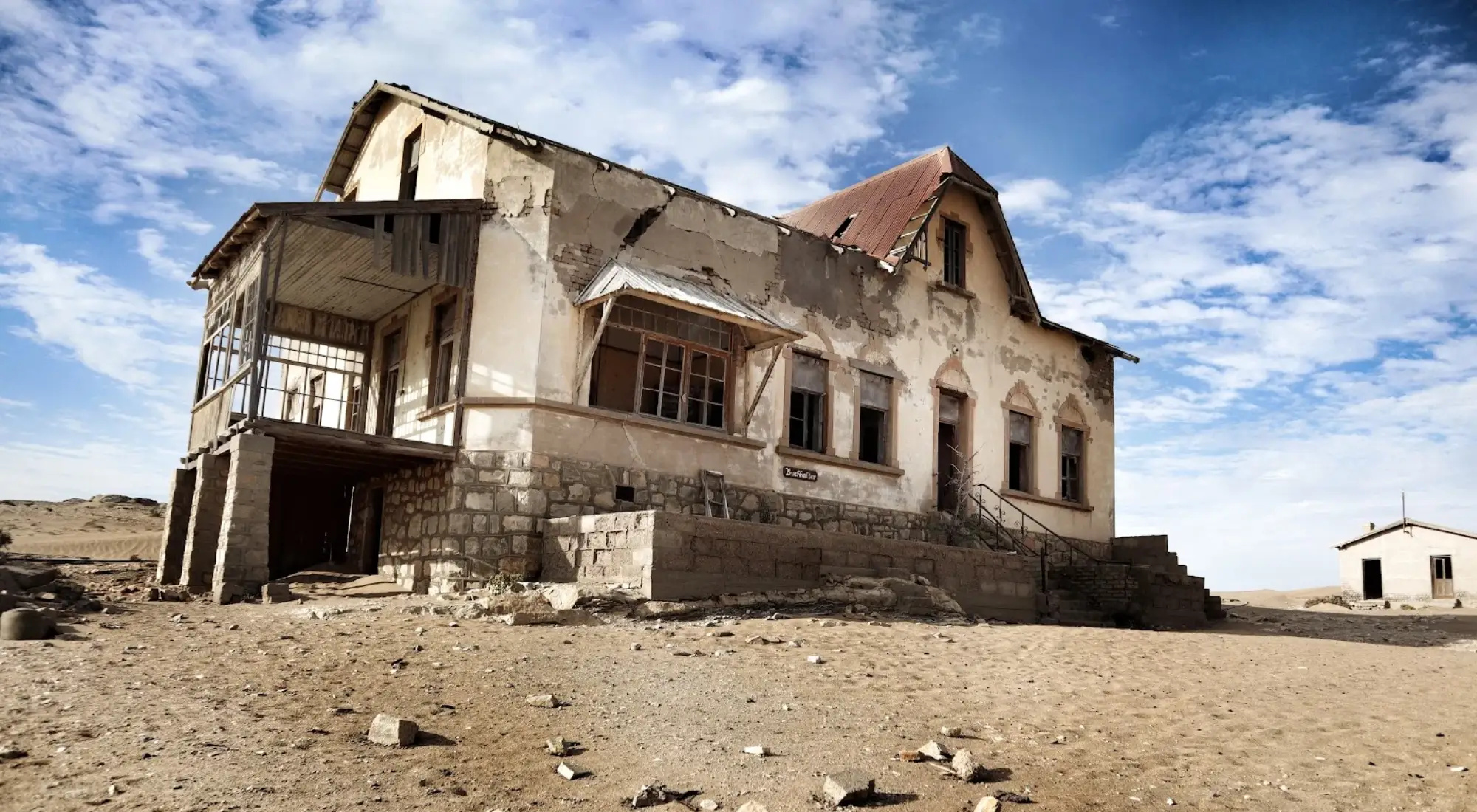
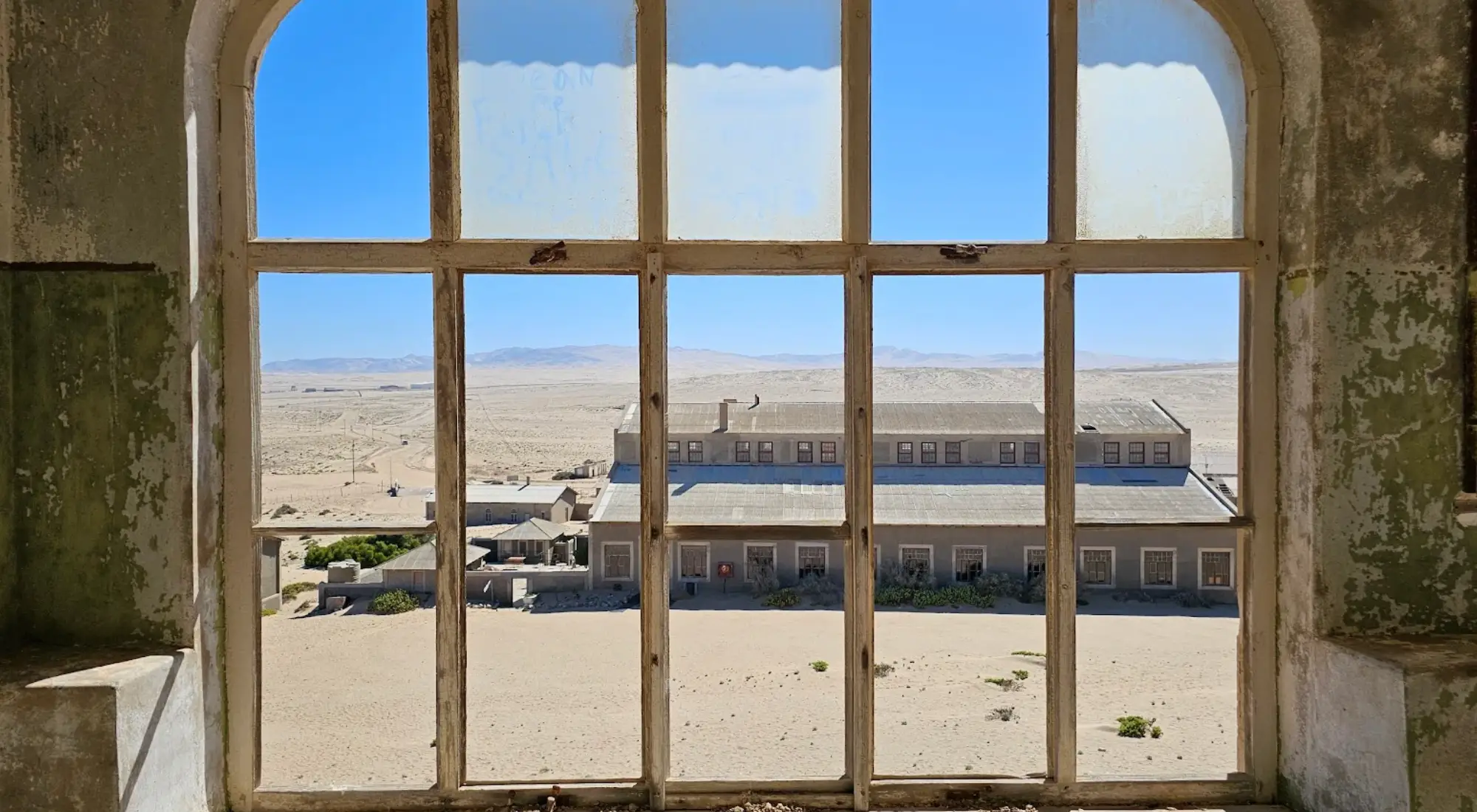
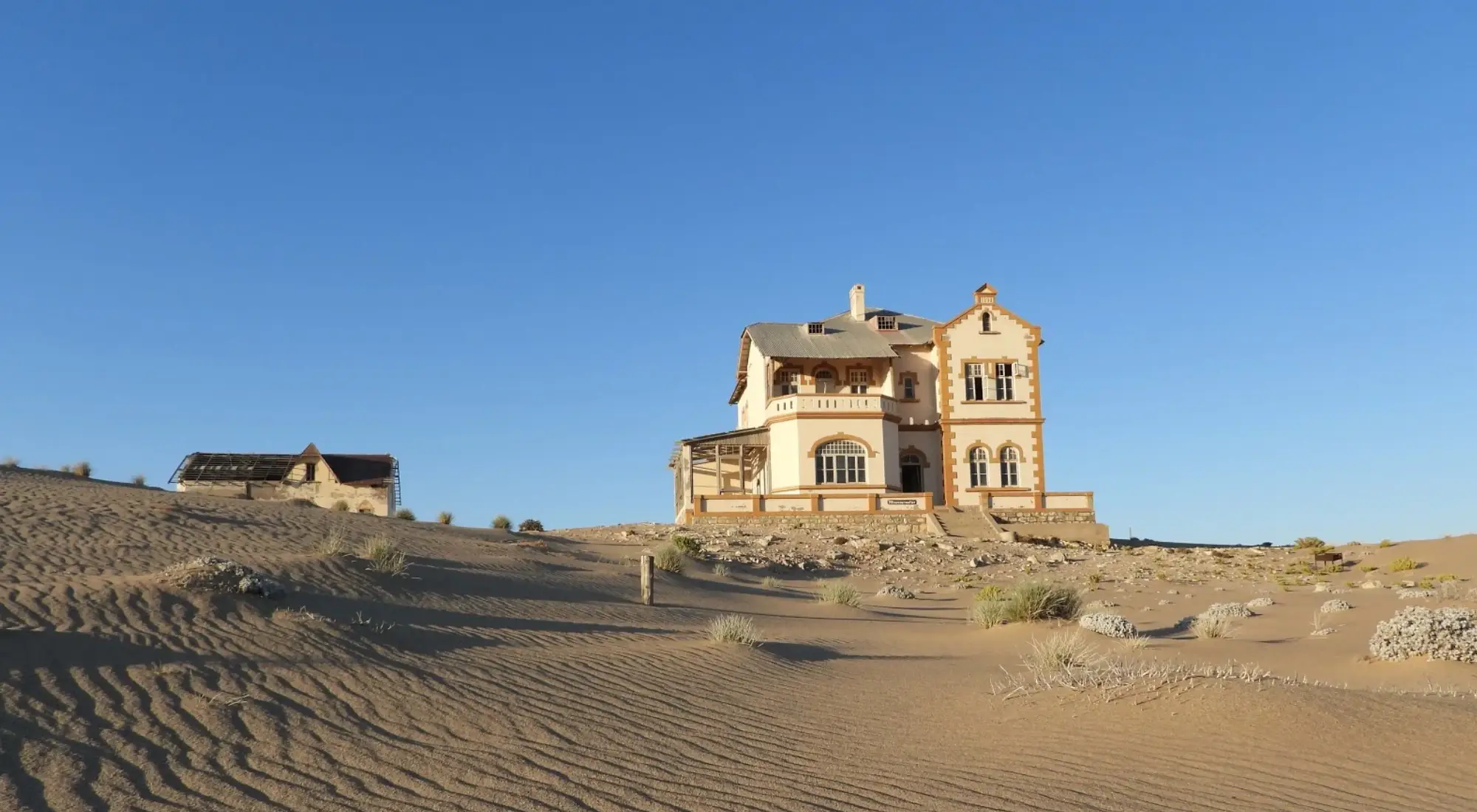
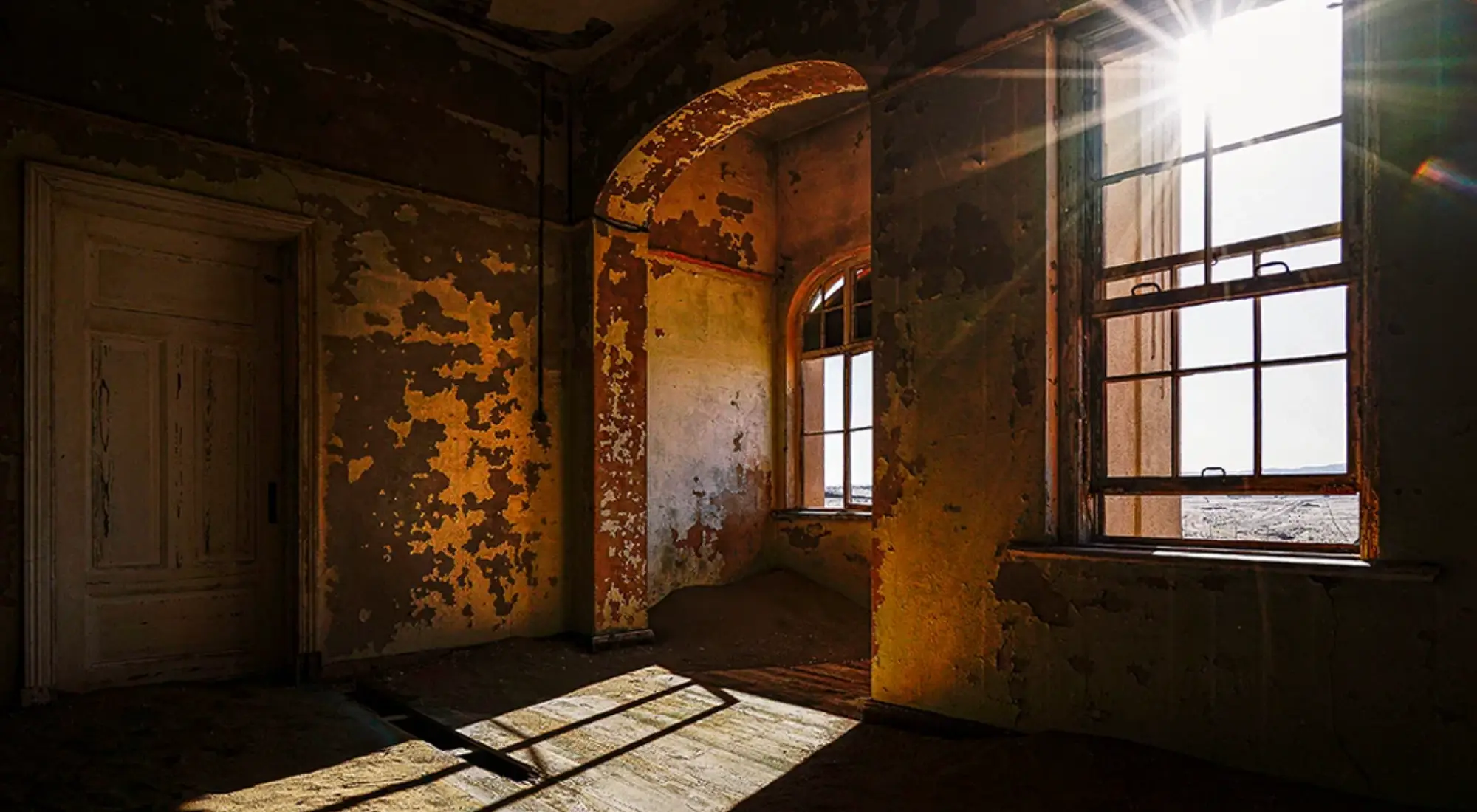
View Kolmanskop through rooms filled with sand, faded paint, broken windows, empty homes, and small traces of diamond-town life. The gallery shows how the desert quietly returned to this abandoned place.
Kolmanskop FAQs help visitors get a clear idea of this old diamond town before visiting from Lüderitz. The site is known for sand-filled rooms, German-style buildings, empty homes, guided tours, and strong photography appeal. These answers explain its history, what still remains, why people visit, and how to plan the trip properly.
Namibia has a lot to pull travelers in. Wide desert dunes, wildlife parks, salt pans, coastal towns, canyons, and quiet wilderness areas all sit within one country. This section brings the main attractions in Namibia together, so travelers can see what fits their route, time, comfort level, and the kind of journey they want.
Our Namibian tour was an unforgettable experience from start to finish. Henzel was both our guide and driver, and he did an outstanding job in both roles. He was incredibly thorough and well-prepared, always sharing detailed insights about the landscapes, wildlife, and local culture. You could tell he truly knew and loved the country.

We did the “7 Days Wildlife Etosha and Sossusvlei Namibian Safari (Accommodated)” with Safari World Tours in December 2023 and it was the best choice for our family! We are experienced travelers (49 countries visited) and found that to travel to Namibia with a small child (4 years old) a tour would the the best option






 German
  English