+264 81 8211 521
info@safariworldtours.com
Rabatte & Deals


A remote region with Himba culture, waterfalls, and desert wildlife
Kaokoland, now part of the Kunene Region, is one of Namibia’s most remote travel destinations in the northwest. It is not included in many standard itineraries, and that quiet distance gives the region much of its appeal.
This region is known for rugged hills, dry valleys, wide empty roads, desert elephants, and a strong Himba cultural presence. Epupa Falls and Ruacana Falls sit along the Kunene River, adding green river scenery to an otherwise harsh landscape. For travelers looking beyond the usual Namibia Travel Destinations, Kaokoland Tours bring rough routes, rare wildlife, local culture, and landscapes that feel far from busy travel paths and crowded sightseeing circuits across northern Namibia today, too.
Wildlife can be found here, though sightings need patience and local knowledge. Desert elephants, black rhinos, desert lions, zebras, springboks, oryx, and giraffes live across this tough region. The land is not crowded with animals, so knowing where to look makes a real difference during guided drives in remote valleys.

Gather ideas from our Namibia tour packages, or let our consultants help you picture the possibilities. We can build the journey around your time, style, and interests.
Kaokoland lies in Namibia’s far northwest, within the Kunene Region, close to Angola and the Kunene River. Most journeys pass through Opuwo, Epupa Falls, Ruacana, Sesfontein, or remote 4×4 tracks. A map helps travelers understand long distances, limited services, gravel routes, river areas, and the wild open spaces that define this region, enabling them to safely plan a tour here.
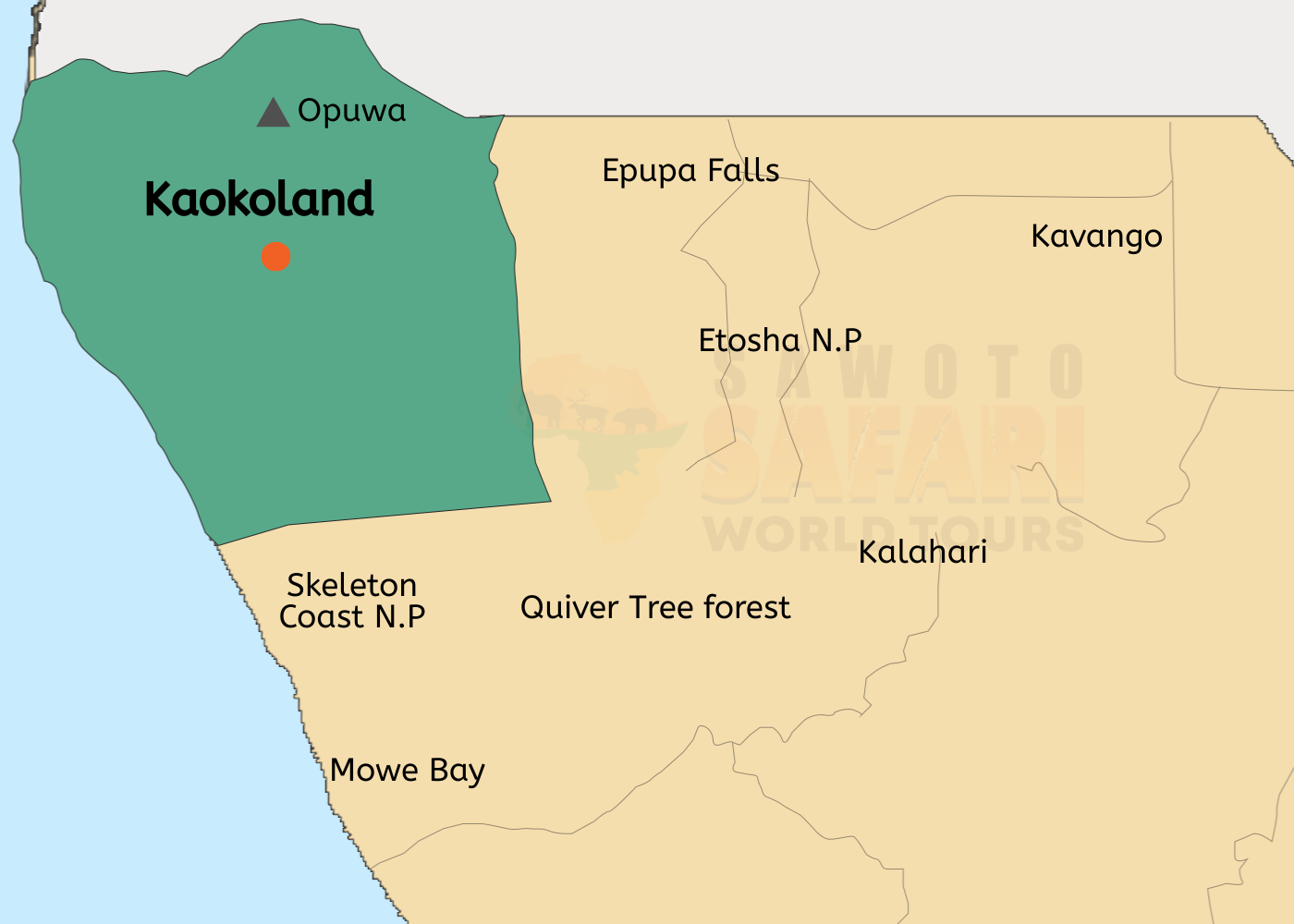
Kaokoland is a remote part of Namibia’s Kunene Region, known for open plains, mountain ranges, Himba communities, desert wildlife, and the Kunene River. Travel here needs patience, planning, and cultural respect. Visitors come for Epupa Falls, desert elephants, rough 4×4 routes, quiet views, and the feeling of being far from normal tourist paths in northern Namibia.
Kaokoland can be visited in both dry and green seasons, and each gives the region a different feel. Wildlife is never dense here, so timing depends on heat, road comfort, scenery, route access, and the kind of remote travel you prefer most.
The dry season runs from May to October and is often easier for travel in Kaokoland. Temperatures feel more comfortable, and the roads are usually less difficult than during rainy months. The land looks bare and dusty, but many travellers like that clear desert view around mountains, open plains, and long gravel routes.
Wildlife viewing does not change sharply here because animals are spread through the year. Still, dry months can make travel easier, and sightings may improve near water sources. Desert elephants, giraffes, oryx, and springbok may appear, though patience is always needed on quiet roads and dry riverbeds across the region.
The green season runs from November to April, with odd showers and very warm to hot days. When rain arrives, the plains can turn green for a short time, and the region feels softer. This season can be beautiful, but heat and muddy tracks may make travel harder in remote areas.
Many travellers choose the dry season because the green season can become uncomfortably hot. Still, there is no single perfect answer. Some people like the dry, bare look, while others enjoy rare green views after rain. A guided trip helps you choose safer routes and avoid difficult road sections.
Kaokoland is loved for wide plains, rough mountains, dry valleys, and sudden green river edges. The land can look harsh at first, but Epupa Falls and the Kunene River bring shade, sound, and a softer feeling to the far northwest.
Kaokoland’s strongest pull is its open space. The plains stretch far, the mountains rise rough and dark, and many roads feel almost empty. During the dry season, the land looks bare and severe. After rain, parts of it can turn green, giving the same region a very different face.
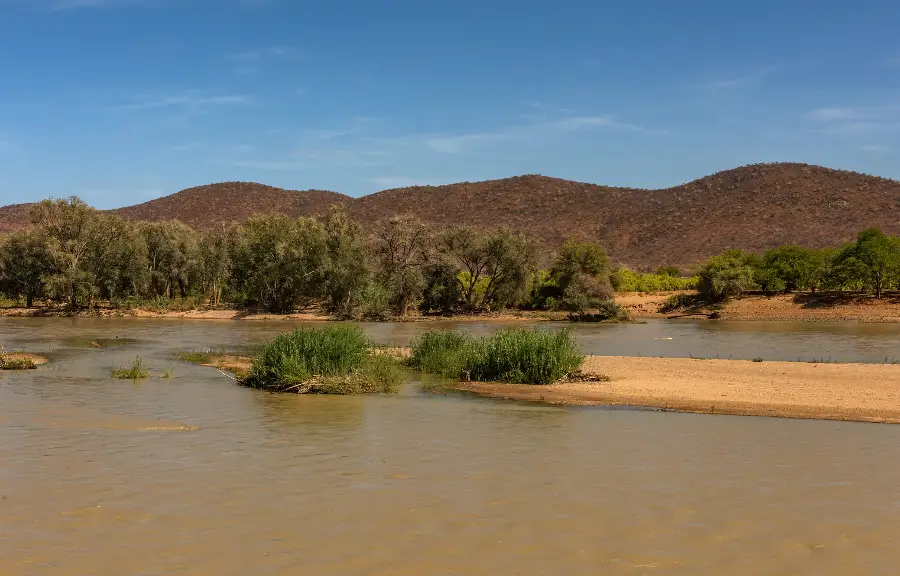
Epupa Falls is one of the great highlights of Kaokoland. The Kunene River spreads into channels, drops over rocks, and runs beside makalani palms and baobabs. After hours of dry roads, the green riverbank feels surprising. It is a good place to rest, take photos, and enjoy cooler air.
Ruacana Falls is another strong stop along the Kunene River, though the water flow can vary. When running well, it becomes one of the largest waterfall areas in Africa. The river also marks the border with Angola, giving the journey a clear sense of place in the far northwest.
Away from the river, Kaokoland becomes dry, rocky, and demanding again. Mountain ranges such as Etendeka, Tonnesen, Hartmann, and Baynes sit across the horizon. You may drive for hours without seeing another vehicle. That distance is exactly why many travellers remember this region long after leaving.
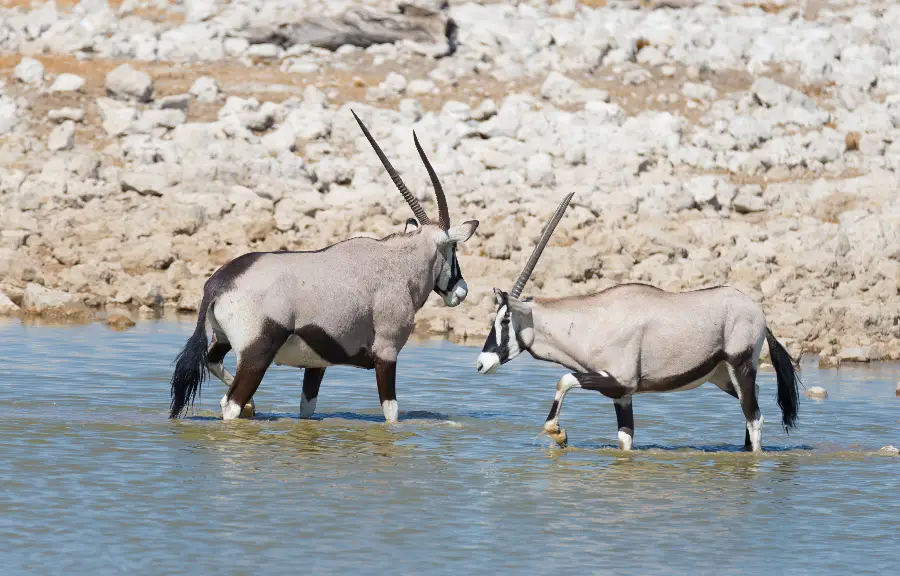
Wildlife in Kaokoland is scattered, so each sighting feels earned. Desert elephants, giraffes, gemsbok, springbok, and rare predators move through dry riverbeds, gravel plains, and sparse vegetation, while the Kunene River supports greener life along its banks.
Desert-adapted elephants are among the best-known animals in Kaokoland. They move long distances in search of water, often crossing dry riverbeds and gravel plains. Their numbers are not high, so a sighting can feel special. A good guide knows where to look without putting pressure on the animals.
Black rhinos and desert lions may also be found in parts of the region, though they are rarely seen by chance. Tracking them needs patience, local knowledge, and care. These animals live in difficult country, so respectful distance is important for both visitor safety and the protection of wildlife.
More common animals include zebra, springbok, oryx, and giraffe. Even these sightings can feel memorable because the land is so open and quiet. You may see them far from the road, moving across dry valleys or feeding near scattered plants after rain in the wider Kunene landscapes.
Plant life changes sharply between the river and the dry interior. Near the Kunene, palms, baobabs, and green riverbank plants bring shade and colour. Away from water, vegetation becomes low, tough, and sparse. These plants support insects, birds, and browsing animals through a difficult desert life.
Kaokoland is closely linked with Himba communities, Opuwo, remote roads, and careful travel planning. Visitors may meet local people, learn about traditions, and move through demanding routes where good guidance, supplies, cultural respect, and patience are essential for safe travel.
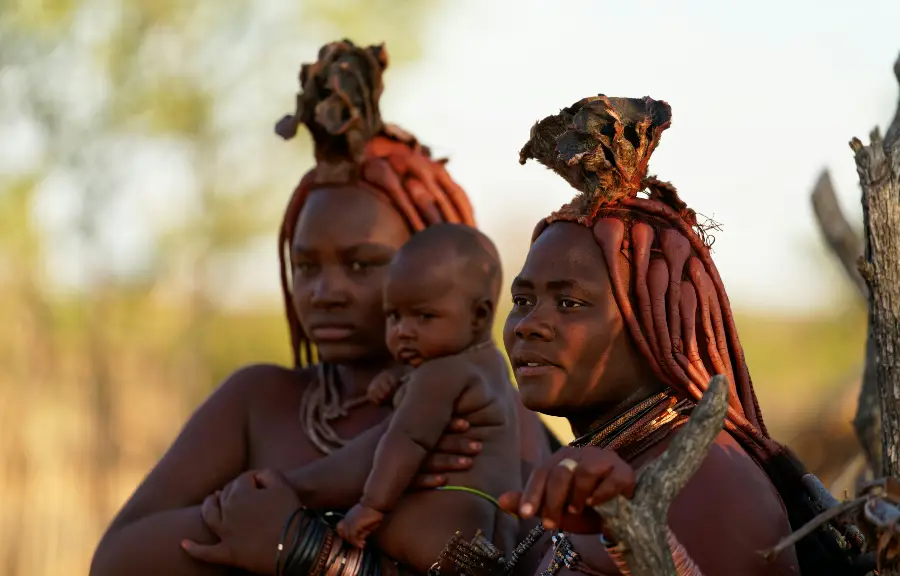
Himba communities are an important part of Kaokoland’s identity. Many visitors want to learn about their way of life, cattle culture, hairstyles, and use of red ochre. These visits should be handled with care. People are not displays, so permission and a respectful guide are always important.
Opuwo is the main town and a useful stopover during travel in Kaokoland. It has shops, fuel, basic services, and places to rest before heading deeper into remote areas. Travelers often use it to restock supplies, check vehicles, and prepare for harder routes toward Epupa, Ruacana, or inland valleys.
Driving in Kaokoland can be challenging, especially after rain or in dry riverbeds with soft sand. Some routes require real 4×4 skill, and Van Zyl’s Pass is famous for testing both the vehicle and the driver. This region is not ideal for careless travel or poorly prepared self-drive trips.
Accommodation is more limited than in busier parts of Namibia, but lodges and campsites do exist in beautiful settings. Along the Kunene River, the landscape can feel greener and calmer, with shade from palms and baobabs. Further inland, places are fewer, so booking ahead is wise.
A Kaokoland visit brings remote roads, Himba culture, desert elephants, Kunene River views, waterfalls, and wide mountain scenery. It feels quiet, rough, and far from busy routes, with each stop needing time and patience.
These Namibia Safari Itineraries bring together the country’s wide range of travel experiences, from wildlife parks and desert roads to coastal towns, cultural stops, and quiet lodge stays. Some routes are short and focused. Others stretch across several regions. And for travelers comparing Namibia Safari Packages, these itineraries make it easier to choose a trip that fits their time, comfort, and travel style.
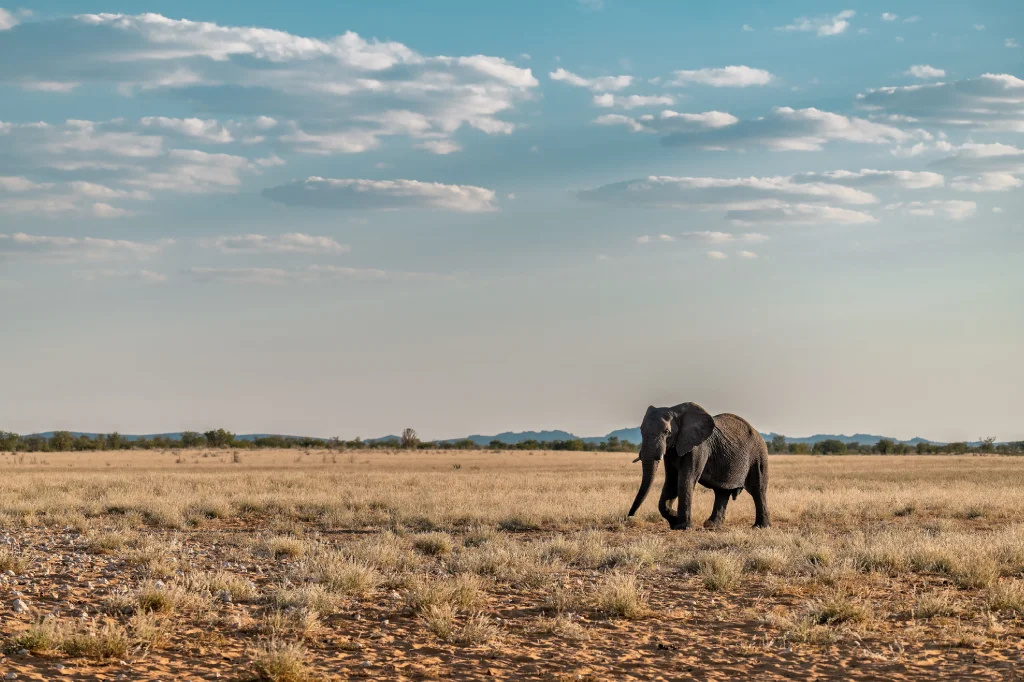
2 Destinations: Etosha National Park → Namibia
View Details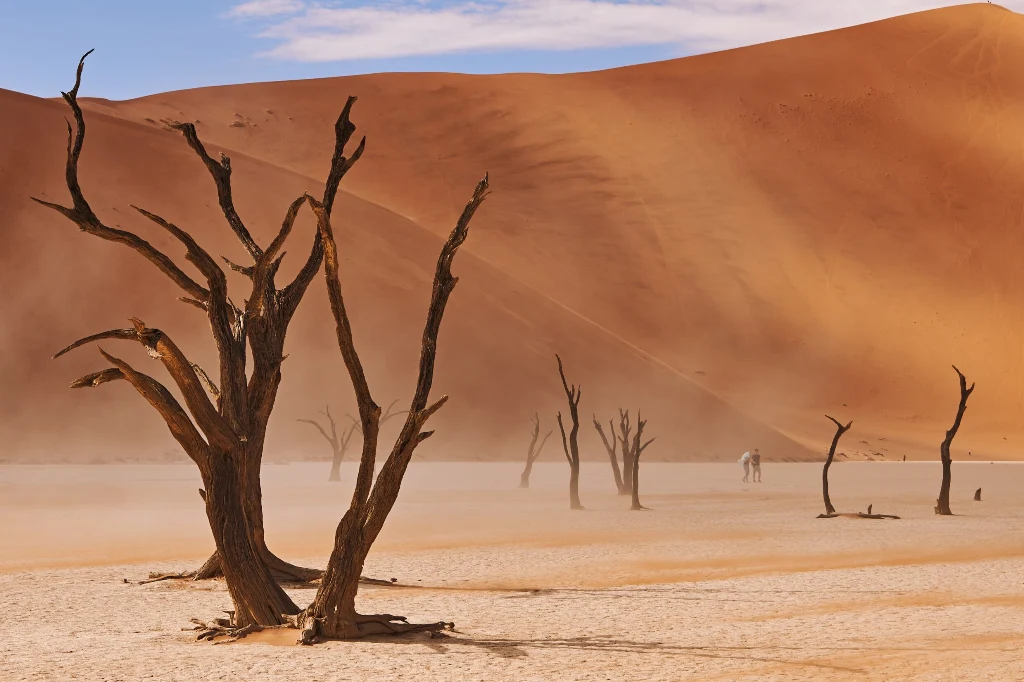
5 Destinations: Botswana → Etosha National Park → Namibia → Sossusvlei → Swakopmund
View Details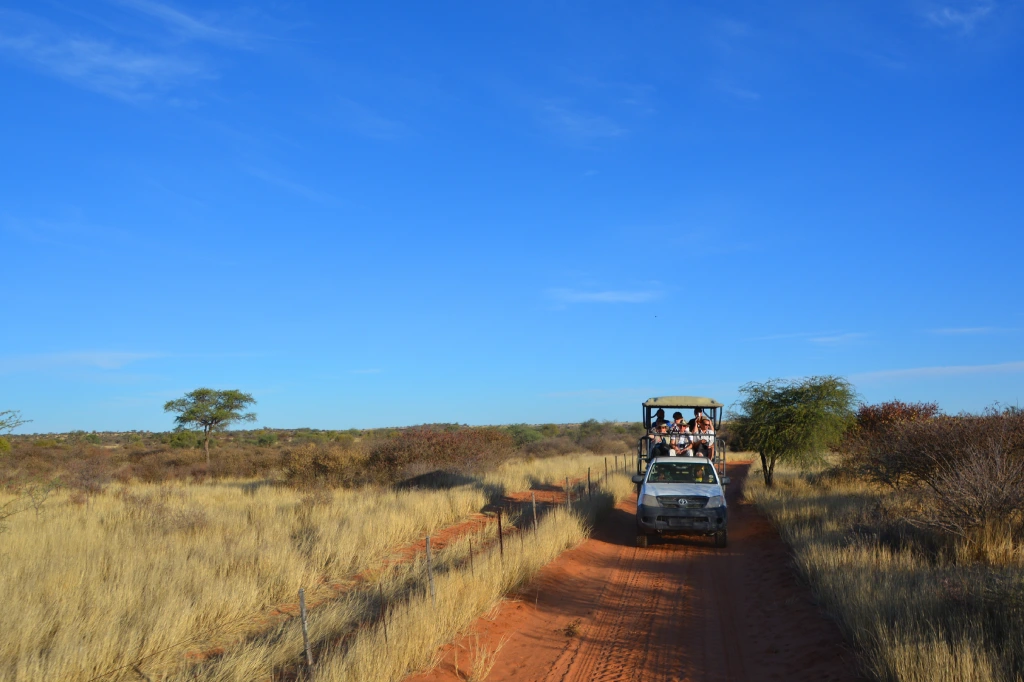
6 Destinations: Etosha National Park → Namibia → Sossusvlei → Spitzkoppe → Swakopmund → Windhoek
View Details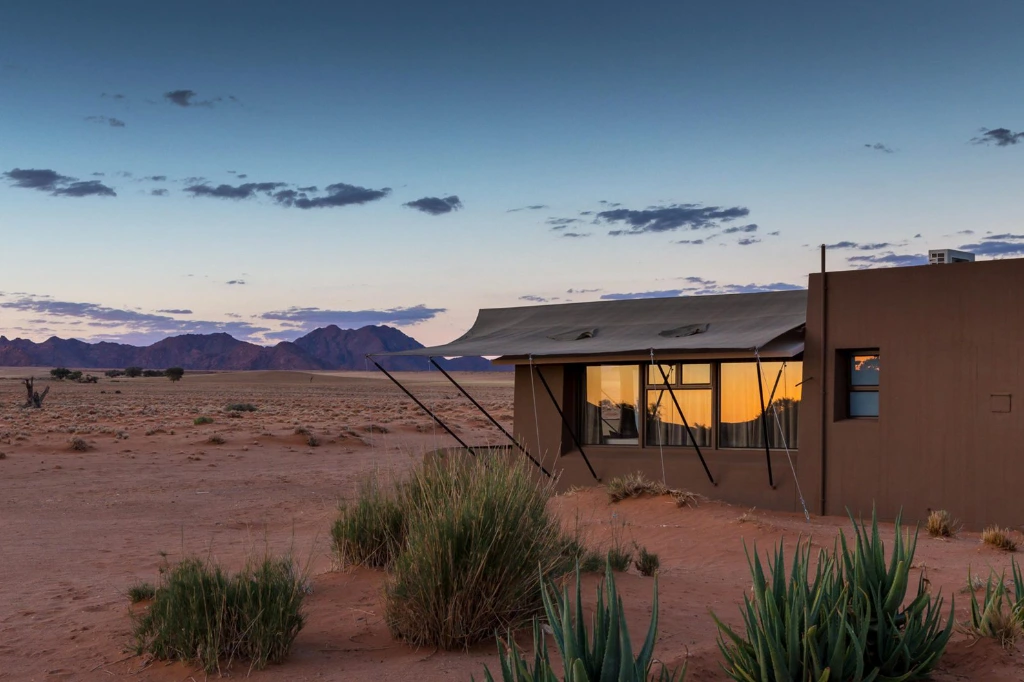
5 Destinations: Etosha National Park → Namibia → Sossusvlei → Swakopmund → Windhoek
View Details
5 Destinations: Etosha National Park → Namibia → Sossusvlei → Swakopmund → Windhoek
View Details
6 Destinations: Botswana → Etosha National Park → Namibia → Sossusvlei → Swakopmund → Zimbabwe
View Details
6 Destinations: Etosha National Park → Fish River Canyon → Namibia → Sossusvlei → Swakopmund → Twyfelfontein
View Details
6 Destinations: Botswana → Etosha National Park → Namibia → Sossusvlei → Swakopmund → Zimbabwe
View Details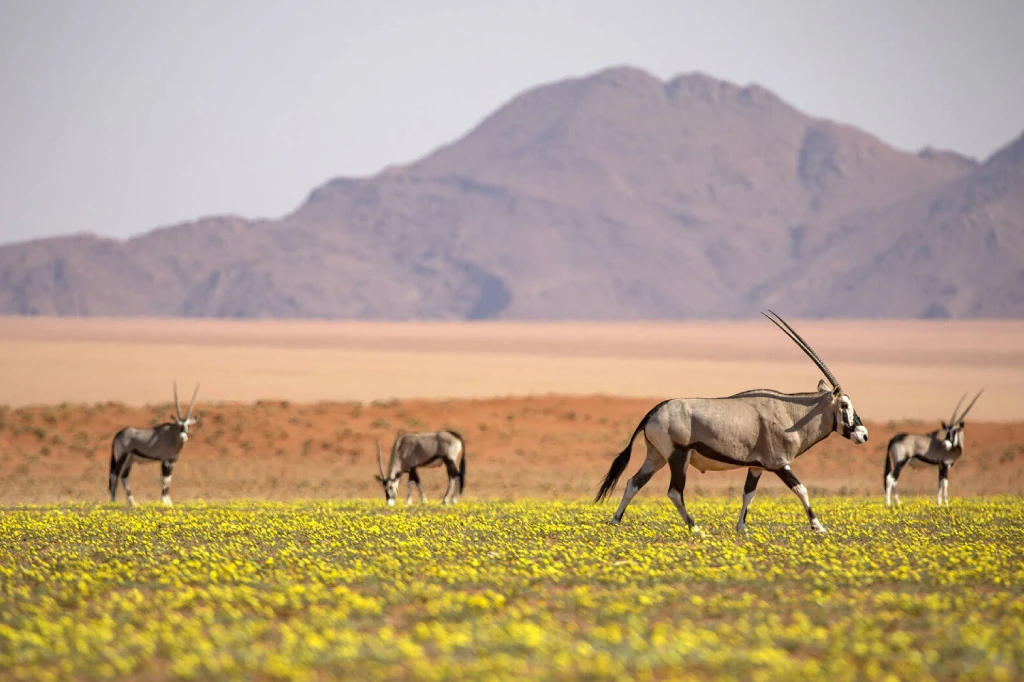
7 Destinations: Etosha National Park → Kamanjab → Namibia → Spitzkoppe → Swakopmund → Twyfelfontein → Windhoek
View Details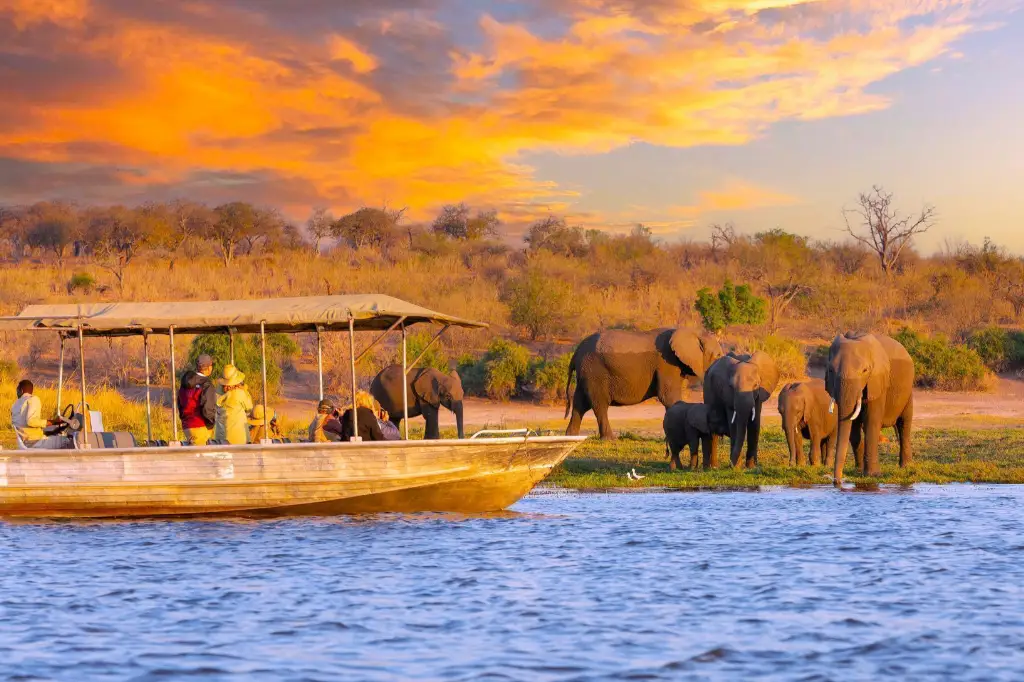
4 Destinations: Etosha National Park → Namibia → Sossusvlei → Swakopmund
View Details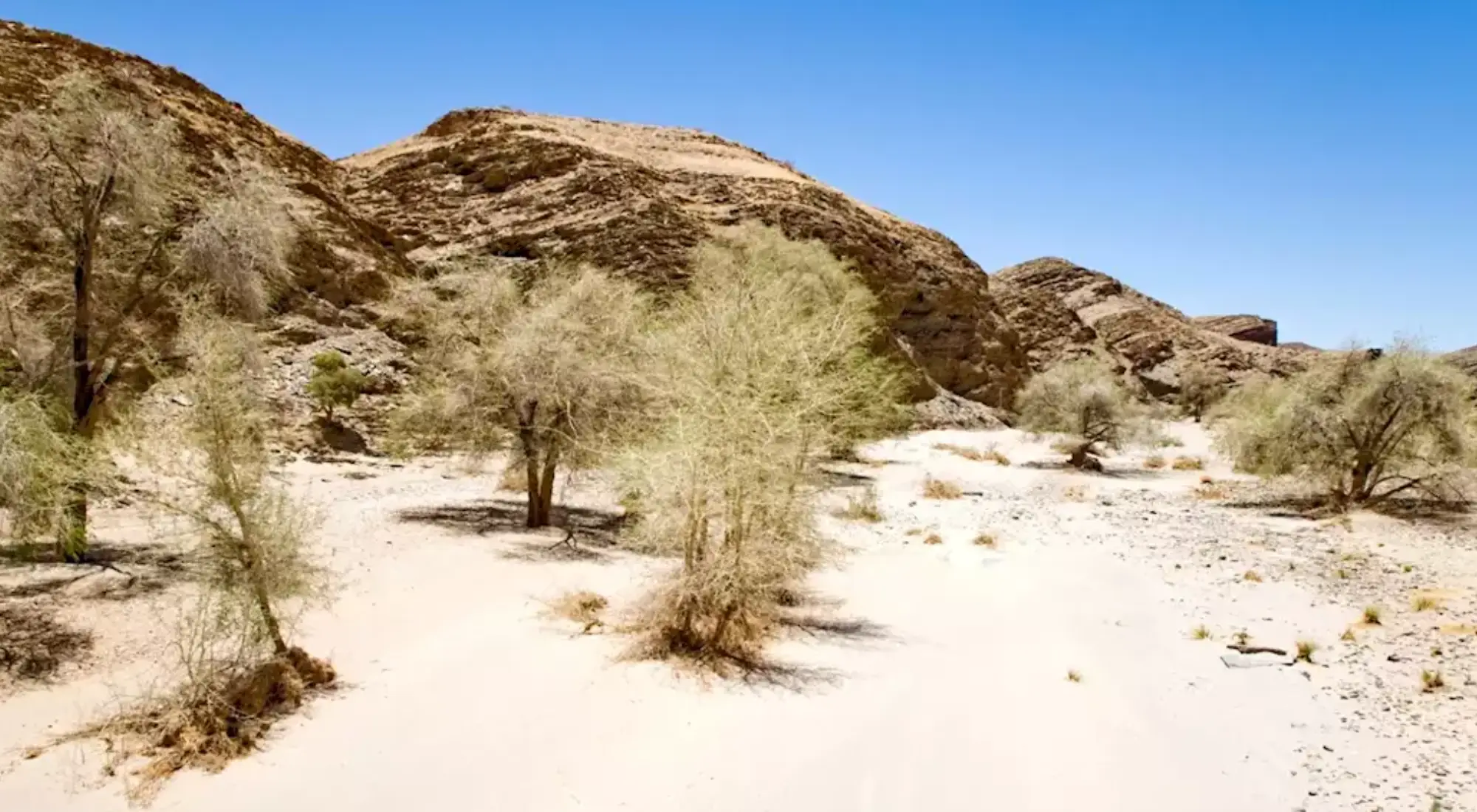
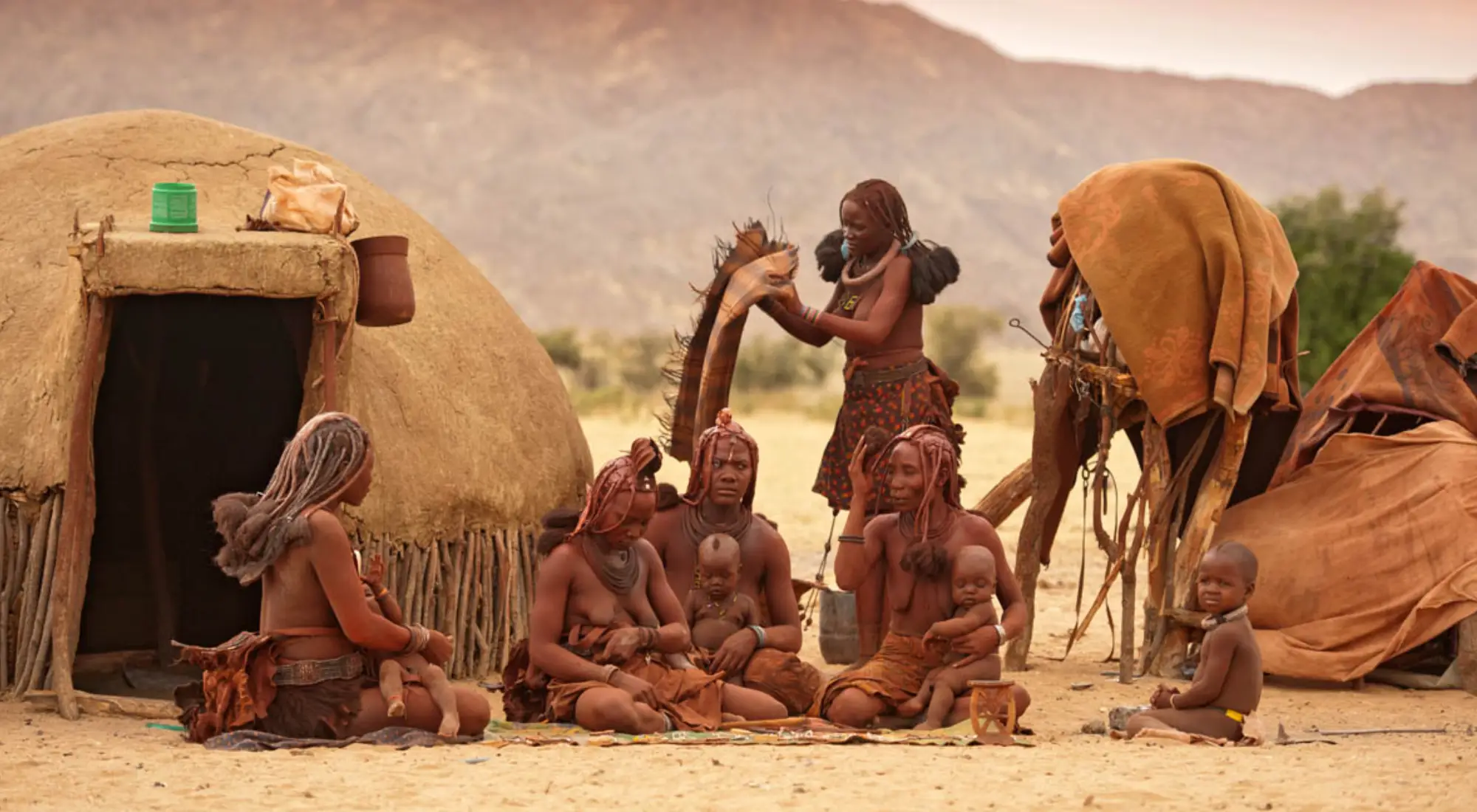
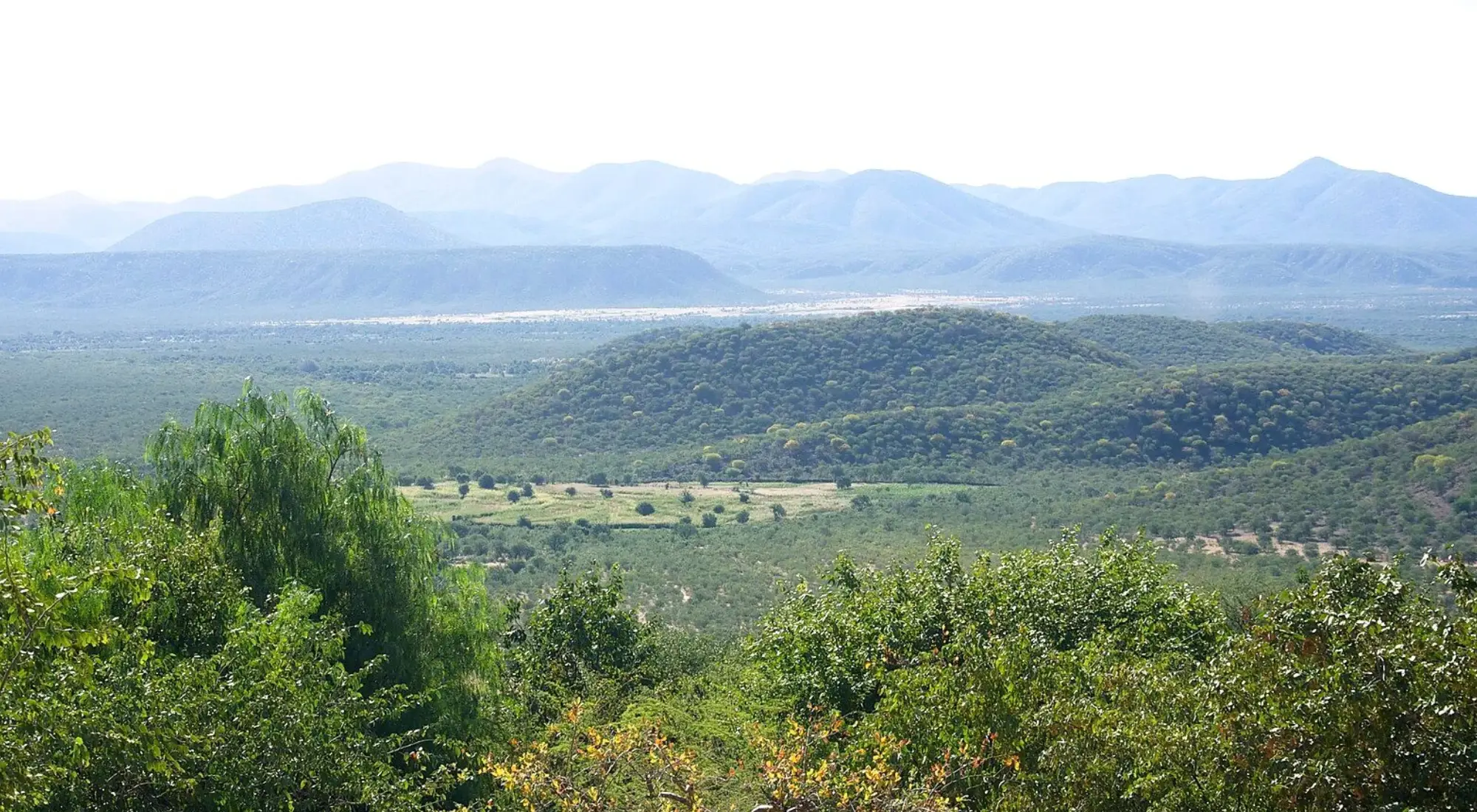
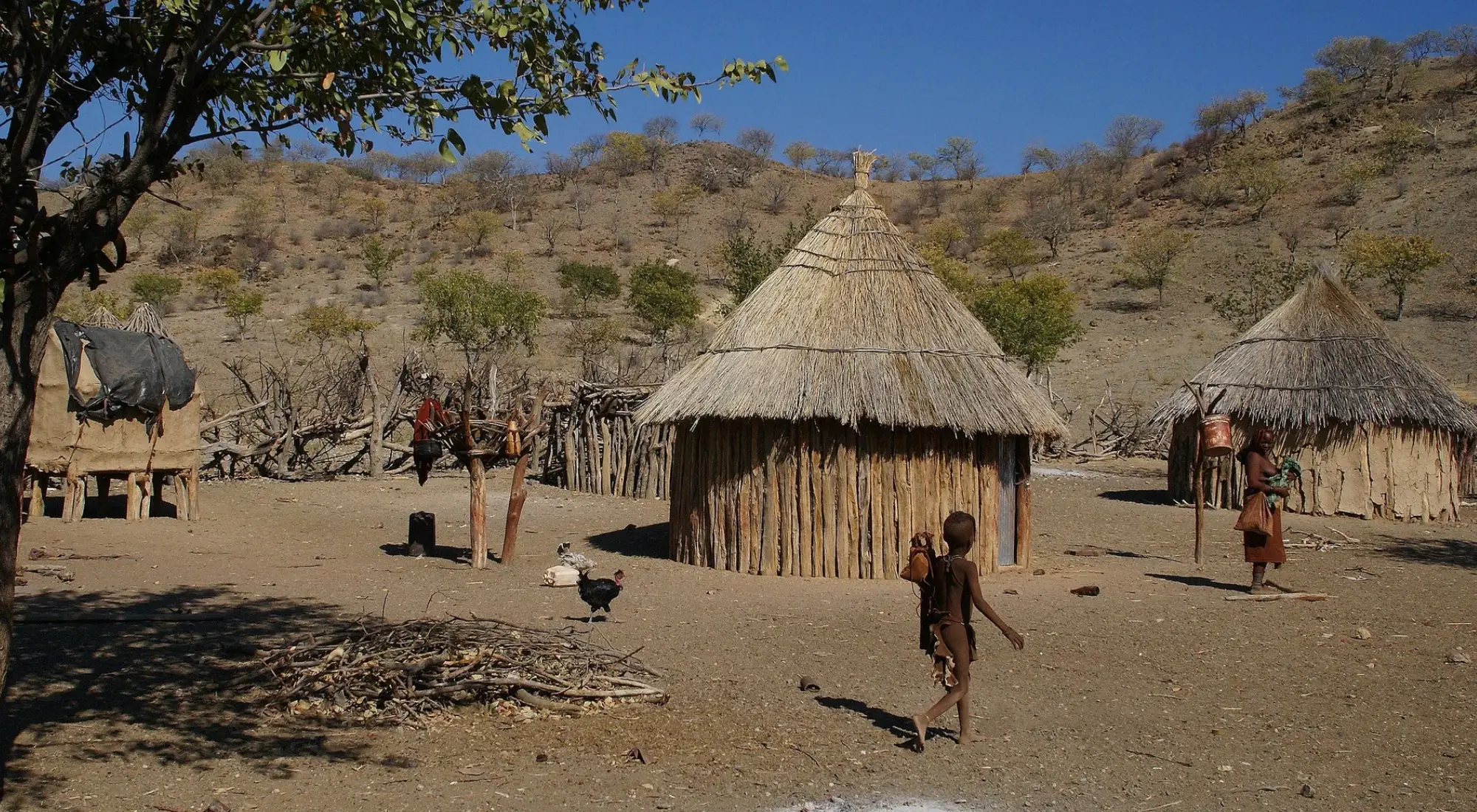
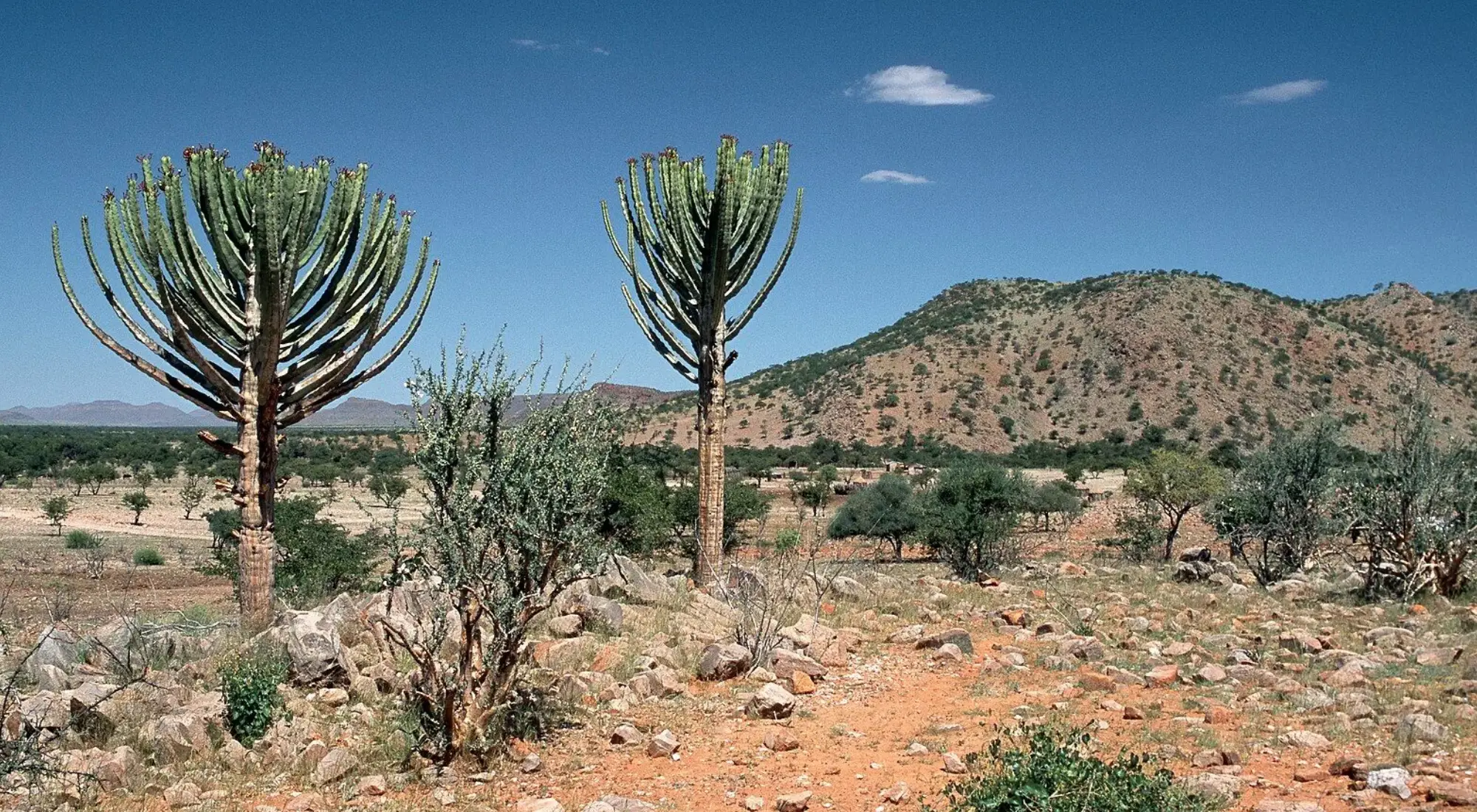
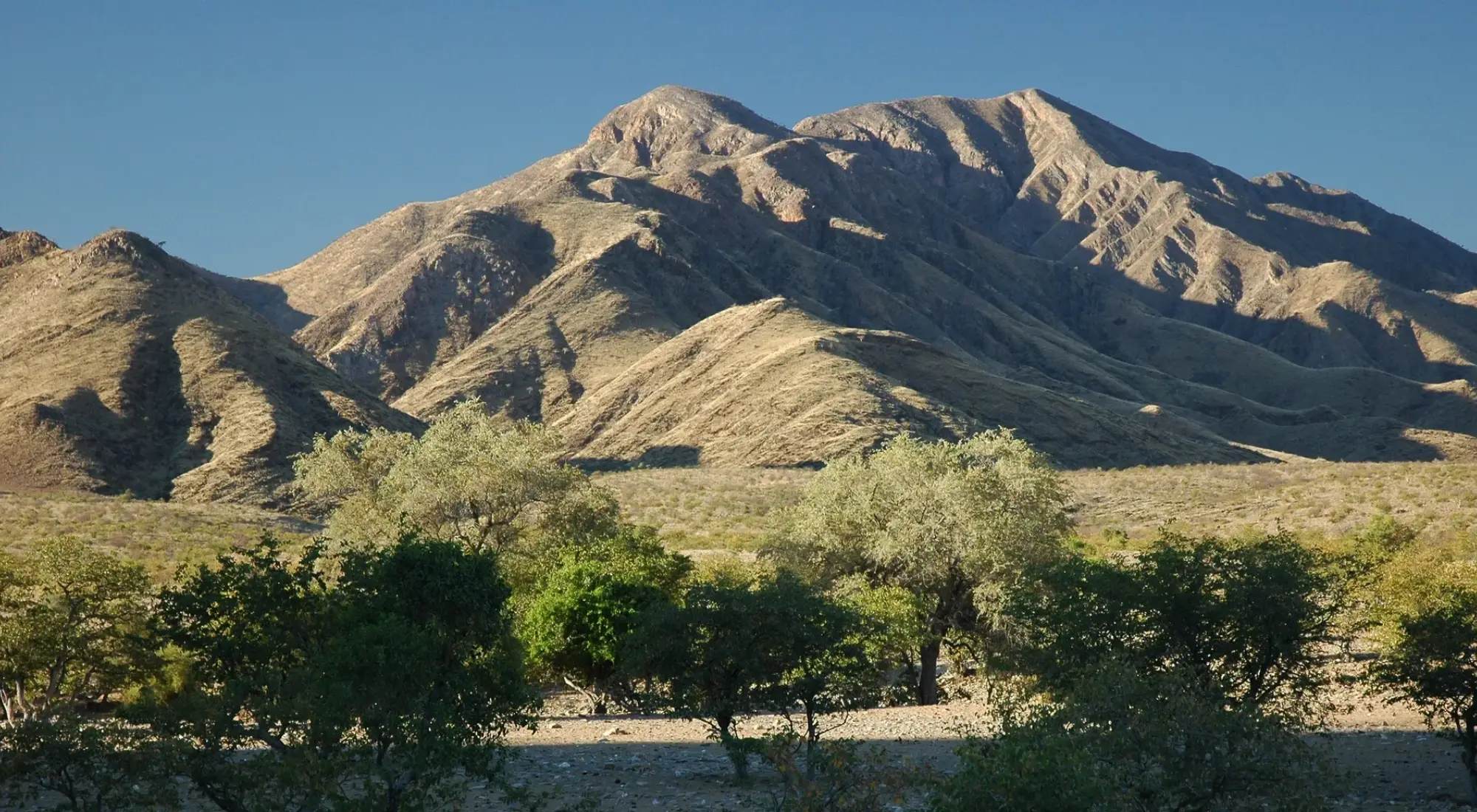
View Kaokoland through remote gravel roads, Himba villages, Epupa Falls, desert elephants, baobab trees, and open mountain scenery. Every image reflects the region’s quiet, rugged, and deeply cultural side.
These Kaokoland FAQs help travelers get a clear idea of this far northern region before planning a trip. Kaokoland is known for Himba communities, Epupa Falls, desert elephants, rough 4×4 roads, and the Kunene River. It is not a place to rush through, so a little planning makes the journey easier.
Namibia has a lot to pull travelers in. Wide desert dunes, wildlife parks, salt pans, coastal towns, canyons, and quiet wilderness areas all sit within one country. This section brings the main attractions in Namibia together, so travelers can see what fits their route, time, comfort level, and the kind of journey they want.
Our Namibian tour was an unforgettable experience from start to finish. Henzel was both our guide and driver, and he did an outstanding job in both roles. He was incredibly thorough and well-prepared, always sharing detailed insights about the landscapes, wildlife, and local culture. You could tell he truly knew and loved the country.

We did the “7 Days Wildlife Etosha and Sossusvlei Namibian Safari (Accommodated)” with Safari World Tours in December 2023 and it was the best choice for our family! We are experienced travelers (49 countries visited) and found that to travel to Namibia with a small child (4 years old) a tour would the the best option







 German
  English