+264 81 8211 521
info@safariworldtours.com
Rabatte & Deals


A southern Namibia destination with fishing, birds, wildlife, and views
Hardap Recreation Resort lies about 260 kilometers south of Windhoek, near Mariental. It is built around Hardap Dam, Namibia’s largest dam, set on the Fish River, with open savannah and rocky surroundings.
The resort is one of the most practical destinations in Namibia for travelers who enjoy water, wildlife, and relaxed outdoor time in one place. Hardap Dam covers a wide surface area and has long been important for fishing, recreation, and freshwater research. Around it, the landscape shifts among dam shores, river areas, savannah plains, and higher ground such as the Gemsbok Plateau, offering visitors more variety than they might expect from a recreation resort.
Hardap is known as an angler’s paradise, with regular fishing competitions held for keen visitors. The nearby reserve is home to black rhinos, giraffes, gemsboks, springboks, kudus, Hartmann’s mountain zebras, and black-backed jackals, making it a rewarding stop on Namibia Touren und Safaris.

Gather ideas from our Namibia tour packages, or let our consultants help you picture the possibilities. We can build the journey around your time, style, and interests.
Hardap Recreation Resort is located in southern Namibia, near Mariental and about 260 kilometers from Windhoek. A map helps travelers understand their position along the Fish River, the extent of the Hardap Dam, nearby access roads, and the wider reserve area. It also makes route planning easier for self-drive trips, fishing visits, birding stops, and relaxed journeys in southern Namibia.
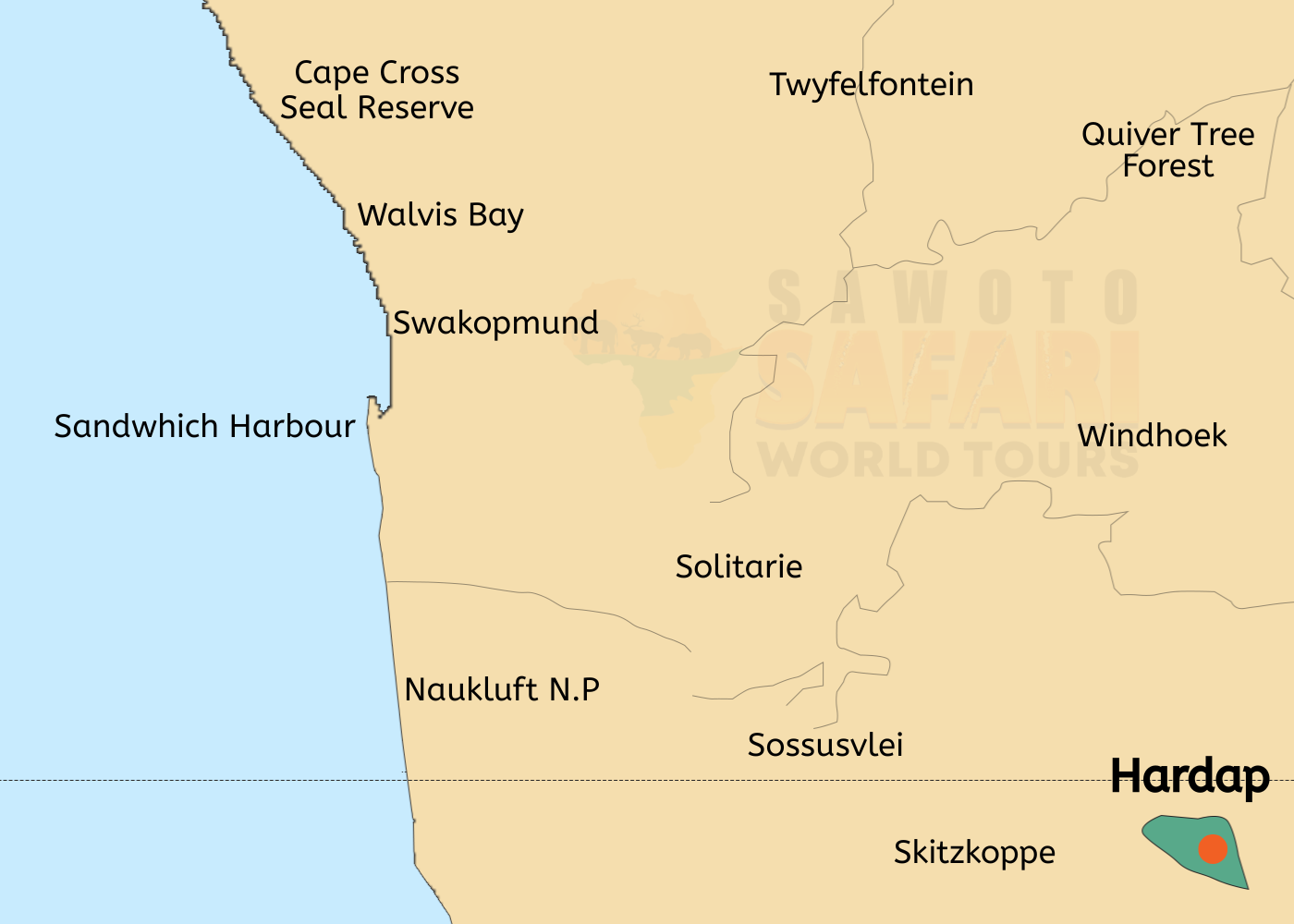
Hardap Recreation Resort is a practical, easy-going stop in southern Namibia, built around the country’s largest dam. Before visiting, it helps to know the weather, wildlife, birdlife, scenery, and activities. The place suits travelers who enjoy fishing, light game viewing, waterbirds, hiking, and a calm stay near Mariental during a longer Namibia route through the south, with good access and comfort.
Hardap can be visited at any time of year, though the cooler dry months are usually more comfortable. June to September is often preferred for outdoor activities. May to August also works well, especially for travellers who want pleasant weather around the dam.
Hardap stays open throughout the year, so travellers can plan it into different Namibia routes without worrying about a strict season. Still, winter feels easier for most people. The sun is gentler, the air is cooler, and activities such as fishing, birdwatching, hiking, and game drives feel less tiring around the dam and reserve during the day nearby.
June to September is a good time for travellers who want simple outdoor days. The weather is generally dry, and road travel is easier. You can spend more time near the water, on short trails, or inside the reserve without the heavy heat that can make slower activities feel harder in the middle hours of the day too.
May to August also brings comfortable conditions, though mornings can feel cold. A light jacket helps, especially if you start early near the dam or head out for a drive. Later in the day, the warmth returns, making it easier to enjoy views, birds, and quiet time around the resort without rushing your plans at all during stays.
Summer visits are possible, but the heat needs respect. Start early, carry enough water, and avoid doing too much when the sun is strongest. The dam still gives the place a cooler feeling, and birdlife can remain active, but most travellers will enjoy the area more with slower plans and proper breaks during warm afternoons in the resort.
Hardap’s wildlife is a mix of dry-land animals and waterbirds. The reserve may show rhino, oryx, kudu, springbok, zebras, and jackals. Around the dam, pelicans, flamingos, fish eagles, herons, spoonbills, and storks add a strong birdwatching side to the visit throughout the year.
Hardap Game Reserve is not one of Namibia’s major safari parks, yet it still offers rewarding wildlife viewing. Travelers may see black rhino, kudu, oryx, springbok, red hartebeest, Hartmann’s mountain zebra, giraffe, and black-backed jackal. Sightings depend on timing and patience, so a slow drive often works better than rushing through the reserve area slowly.
The dam brings a very different kind of wildlife experience. Great white pelicans breed in the area, which makes Hardap important for birdlife. Flamingos, fish eagles, spoonbills, yellow-billed storks, osprey, and Goliath herons may also be seen near the water, especially around quieter edges where birds feed, rest, and gather through much of the year.
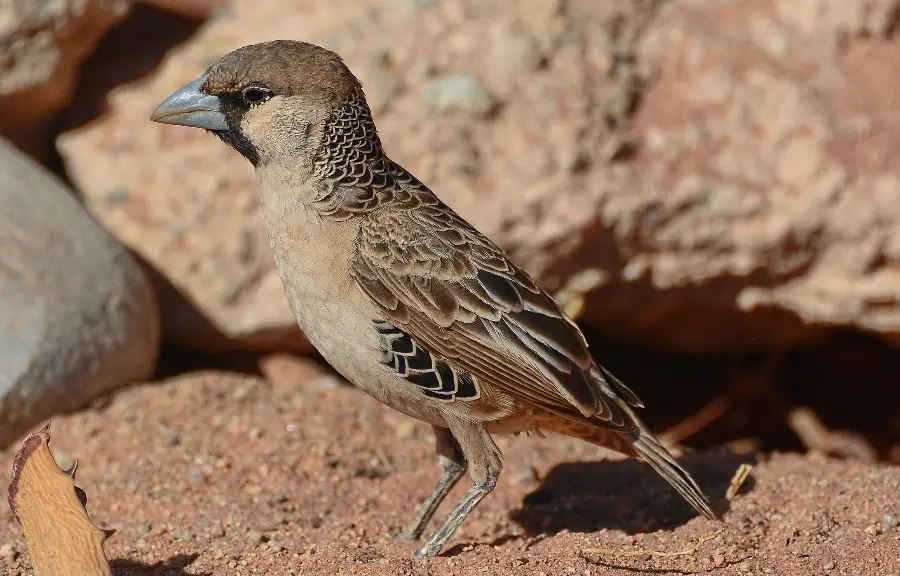
Birders can find more than just waterbirds here. The dry shrubland and river courses support species such as cinnamon-breasted warbler, Karoo eremomela, Sclater’s lark, Bradfield’s swift, Stark’s lark, and rosy-faced lovebirds. It is a nice mix, and honestly, better than many visitors expect from a recreation resort like this each morning slowly.
Predators are present, but they are not the main reason to visit. Leopard may live in the hilly, thick bush areas, though sightings are rare. Jackals are more commonly seen. There are no lion, elephant, or buffalo here, so the wildlife experience feels calmer and more focused on birds and antelope around the reserve too.
Hardap’s scenery is built around water in a dry landscape. The dam, Fish River, Groot Komatsas River, open savannah, shrubland, and low hills give the resort a mixed look. It feels open, practical, and calm, especially after the road from Windhoek from Mariental.
The Hardap Dam is the main feature, and it changes the area’s overall mood. Its broad water surface brings birds, fishing boats, and quiet views into a dry part of Namibia. Travellers often notice the contrast first: water on one side, open brown land and low hills around it nearby during a first arrival there too.
Away from the dam, the reserve has dry savannah and Nama Karoo vegetation. Shepherd’s tree, camel-thorn, green-hair tree, and buffalo-thorn grow across the landscape. It is not lush, and it does not pretend to be. The beauty here is simple, tough, and very much part of southern Namibia for anyone who enjoys quiet dry country on the road.
River courses bring thicker growth and break the dry look of the reserve. Taller camelthorn and buffalo-thorn trees often stand along these lines, giving shade and cover for wildlife. These green strips make the scenery more varied, especially when seen from a slow drive through the reserve after time beside the dam during a relaxed afternoon drive nearby.
The Gemsbok Plateau and nearby hilly areas add another side to Hardap. From certain points, travellers can see water, dry plains, slopes, and reserve tracks in one view. It is not a dramatic place in a loud way. It is steady, open, and quietly useful on a southern route for travellers who prefer quieter places here.
Hardap is made for simple outdoor activities. Travellers come for fishing, boating, birdwatching, swimming, game drives, and hiking. It is also a good overnight stop, with resort facilities that make the stay easier for families than a remote wilderness camp in southern Namibia.
Fishing is one of Hardap’s biggest attractions. The dam is well known among anglers, and regular competitions are held here. Visitors should check permit details at the tourism office inside the reserve. Even if you are not fishing, the activity gives the resort a relaxed, local feel that is different from many safari stops nearby in Namibia, too.
Game drives are another option, especially for travelers who want light wildlife viewing without a full wilderness setting. The routes pass through open ground, bushy areas, and hilly patches where antelope, zebras, rhinos, and jackals may appear. It is better to take it slowly and enjoy whatever shows up along the way through the reserve, too.
Water activities give Hardap its recreational feel. Depending on conditions and local rules, visitors may enjoy boating, swimming, or time along the dam edge. Birdwatching fits naturally into the same day, because pelicans, flamingos, fish eagles, herons, and storks often keep the shoreline interesting without much effort from visitors there during a relaxed dam visit too.
The hiking trails, including routes of about nine and fifteen kilometers, are useful for travelers who want to move after long drives. The resort also has bungalows, a rest camp, a restaurant, and a shop. That makes Hardap easy to use as a relaxed overnight stop instead of a quick pass-through for visitors on longer southern journeys, too.
Hardap Recreation Resort gives travelers an easy southern Namibia stop with dam views, fishing, birds, and light wildlife moments. It feels relaxed, not rushed, and works well for outdoor time without going too remote.
These Namibia Safari Itineraries bring together the country’s wide range of travel experiences, from wildlife parks and desert roads to coastal towns, cultural stops, and quiet lodge stays. Some routes are short and focused. Others stretch across several regions. And for travelers comparing Namibia Safari Packages, these itineraries make it easier to choose a trip that fits their time, comfort, and travel style.
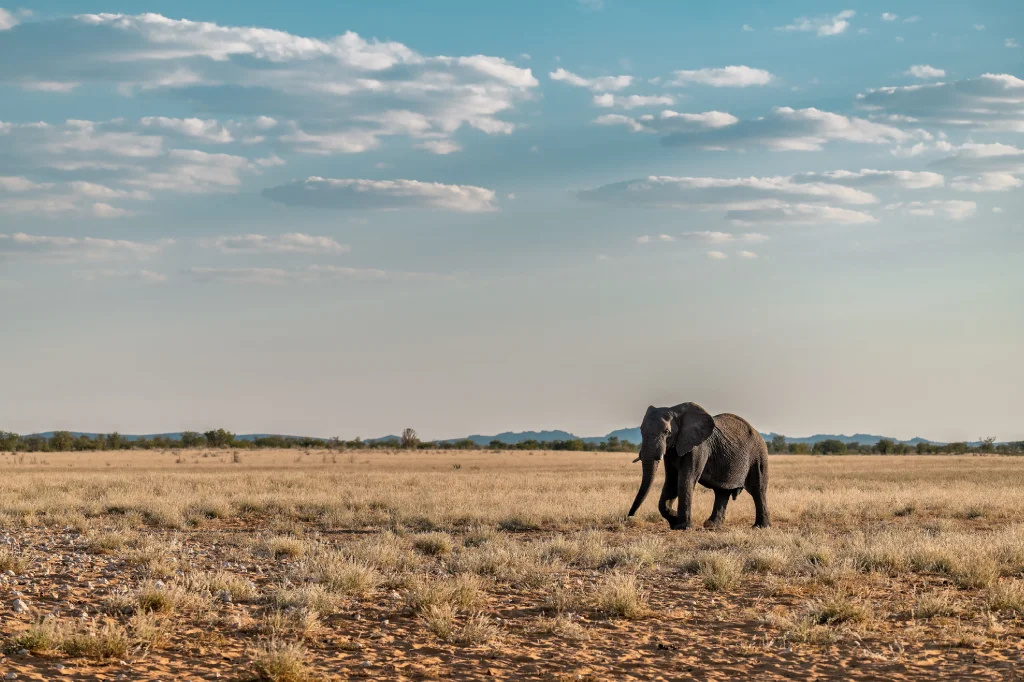
2 Destinations: Etosha National Park → Namibia
View Details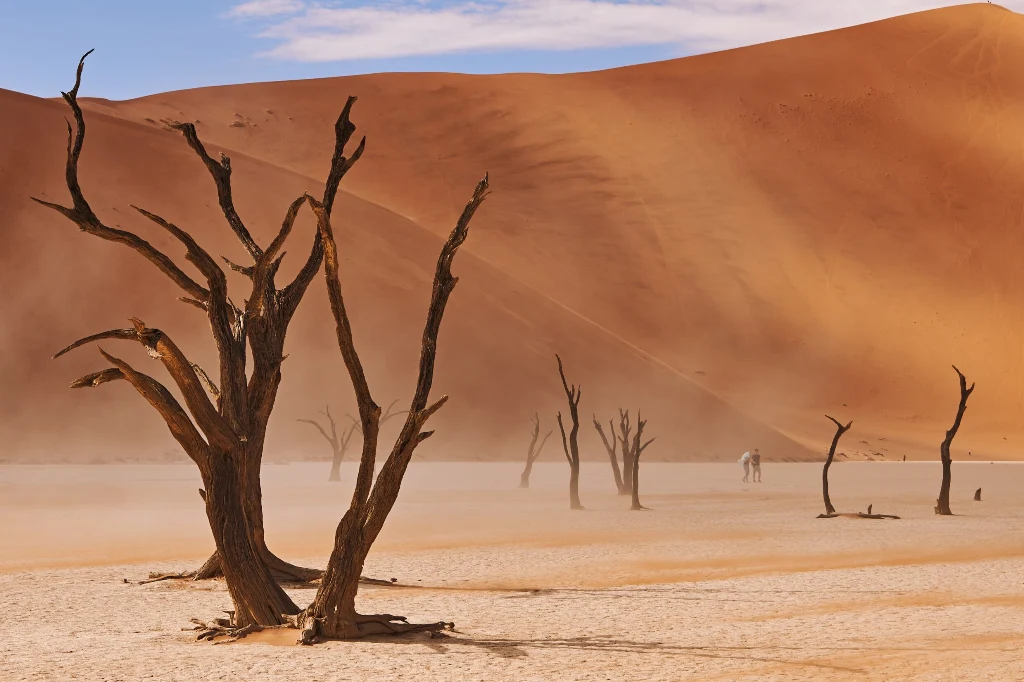
5 Destinations: Botswana → Etosha National Park → Namibia → Sossusvlei → Swakopmund
View Details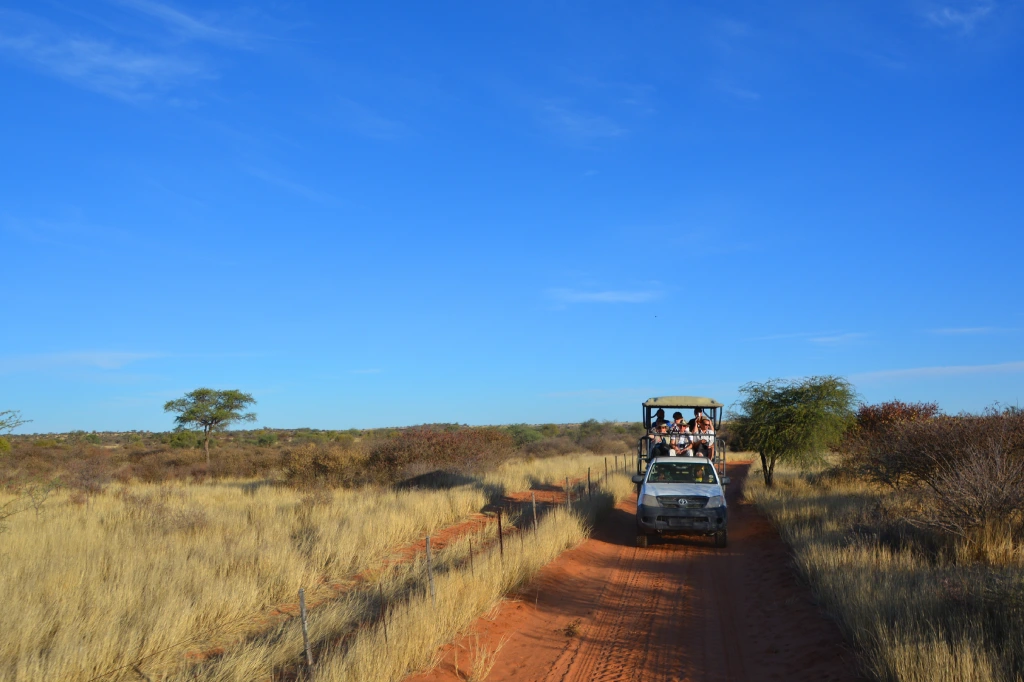
6 Destinations: Etosha National Park → Namibia → Sossusvlei → Spitzkoppe → Swakopmund → Windhoek
View Details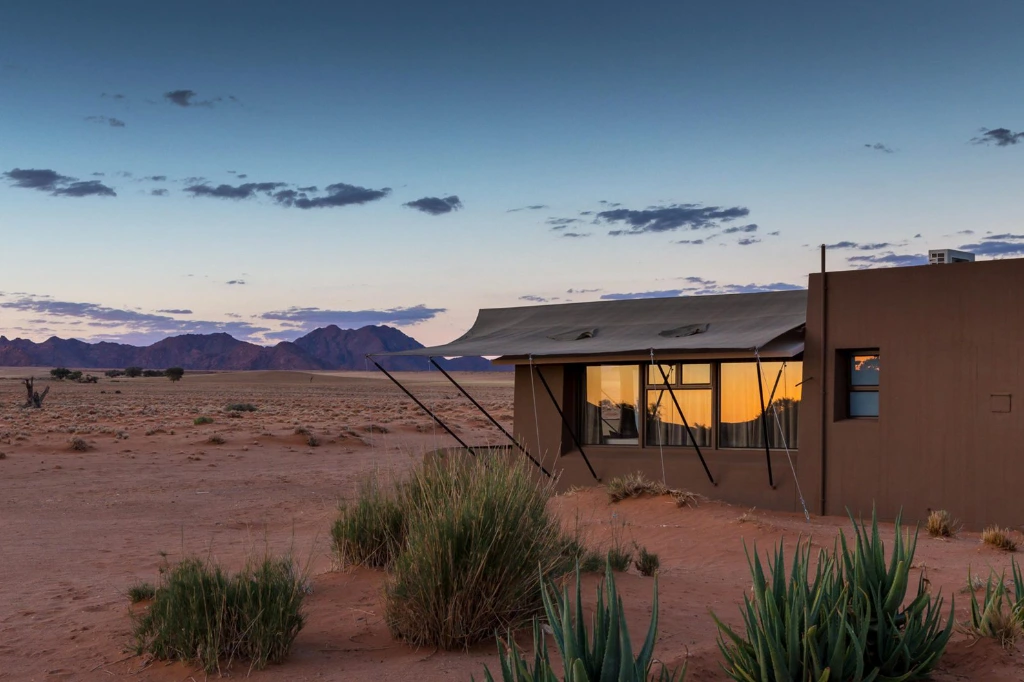
5 Destinations: Etosha National Park → Namibia → Sossusvlei → Swakopmund → Windhoek
View Details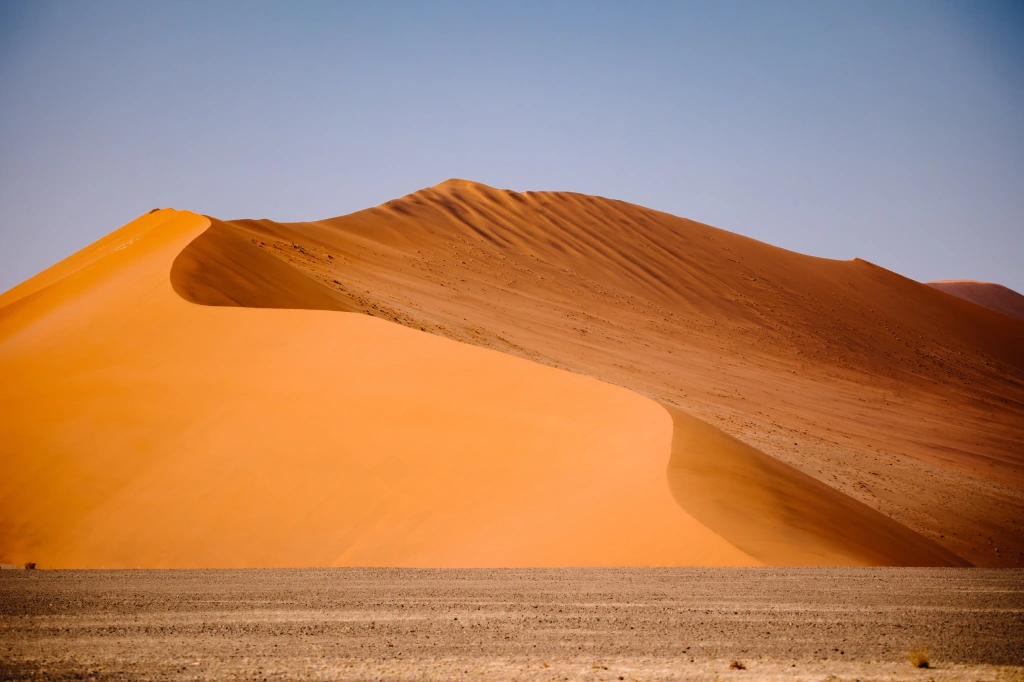
5 Destinations: Etosha National Park → Namibia → Sossusvlei → Swakopmund → Windhoek
View Details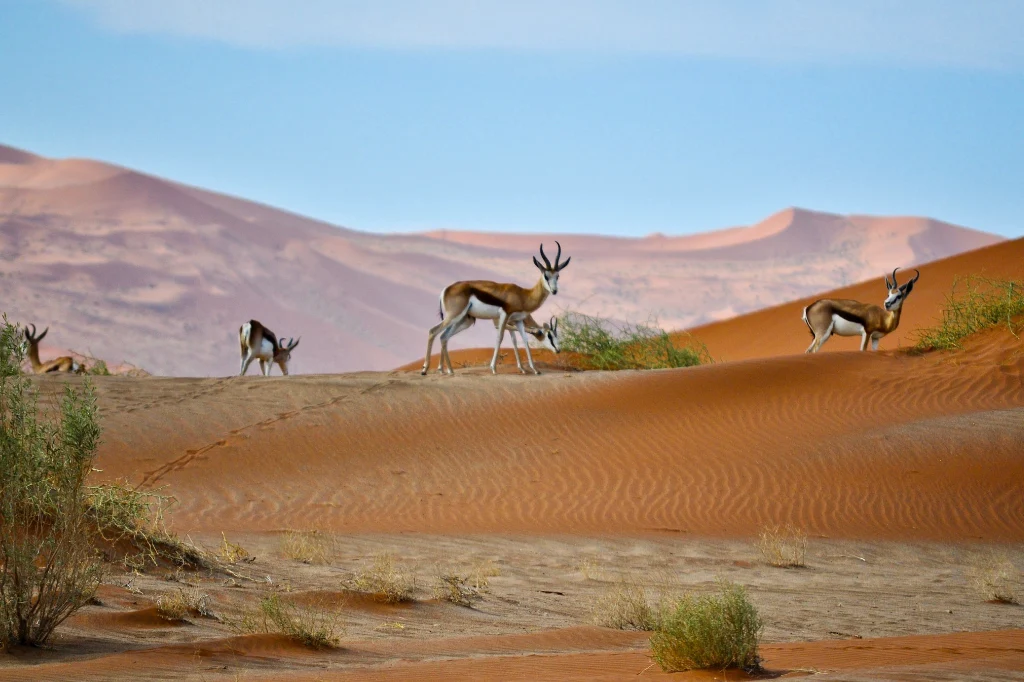
6 Destinations: Botswana → Etosha National Park → Namibia → Sossusvlei → Swakopmund → Zimbabwe
View Details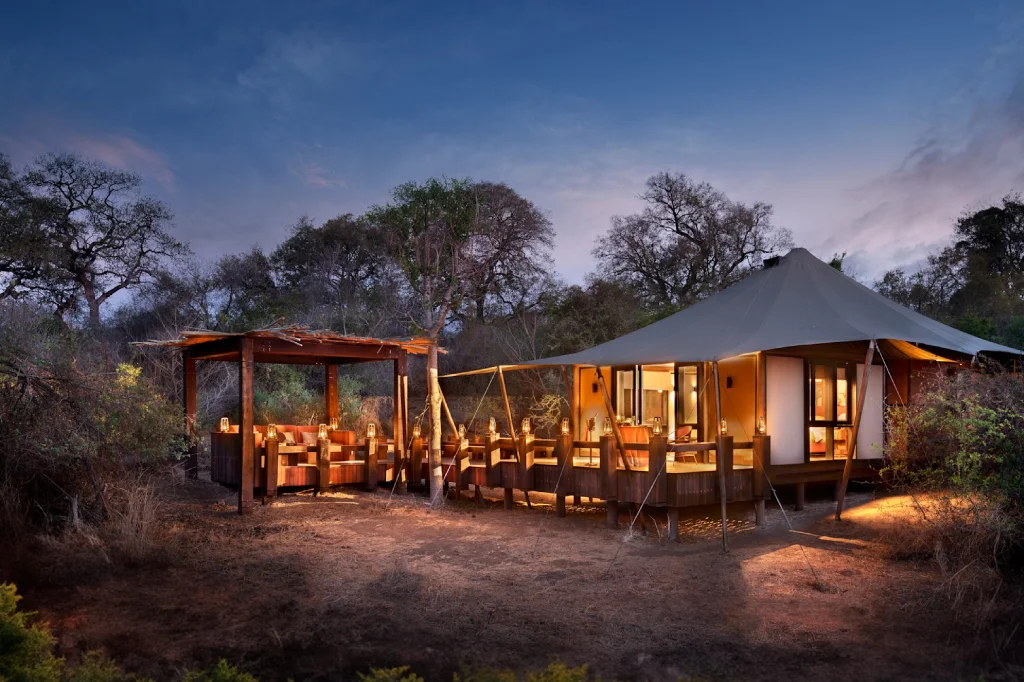
6 Destinations: Etosha National Park → Fish River Canyon → Namibia → Sossusvlei → Swakopmund → Twyfelfontein
View Details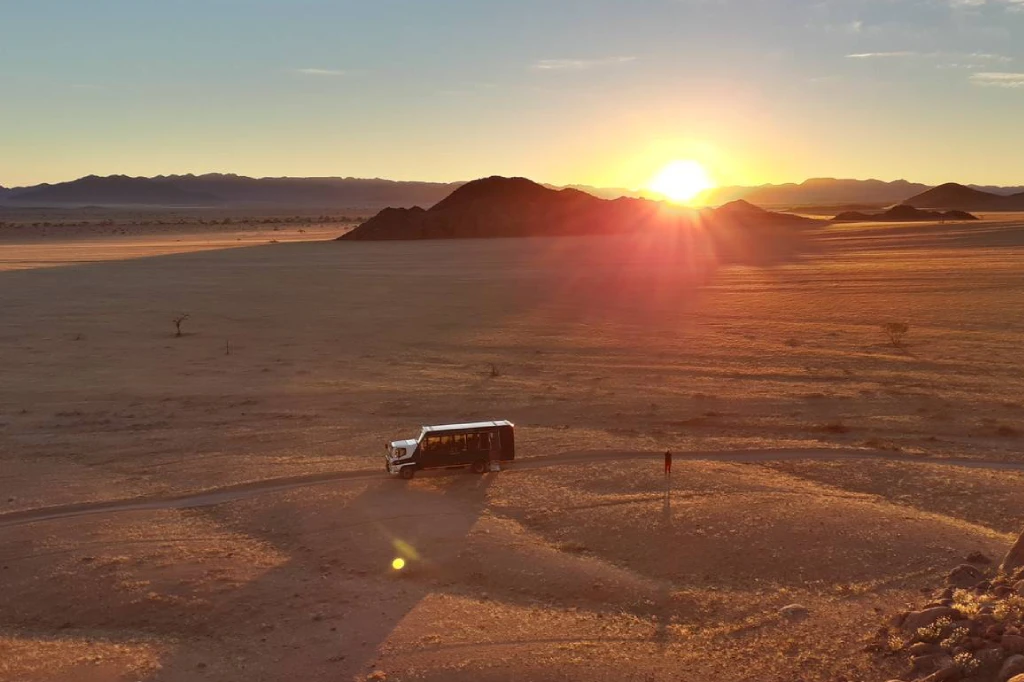
6 Destinations: Botswana → Etosha National Park → Namibia → Sossusvlei → Swakopmund → Zimbabwe
View Details
7 Destinations: Etosha National Park → Kamanjab → Namibia → Spitzkoppe → Swakopmund → Twyfelfontein → Windhoek
View Details
4 Destinations: Etosha National Park → Namibia → Sossusvlei → Swakopmund
View Details
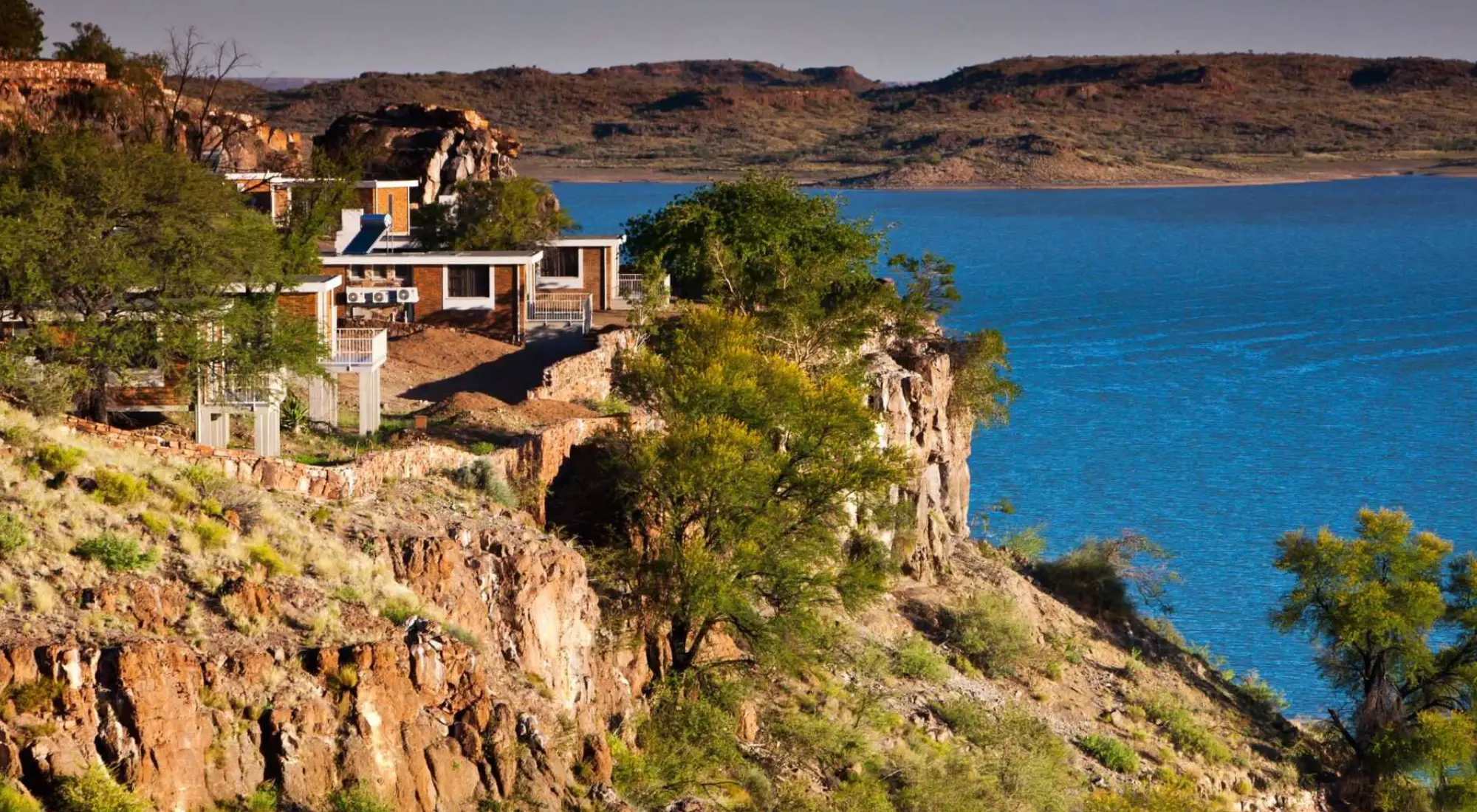
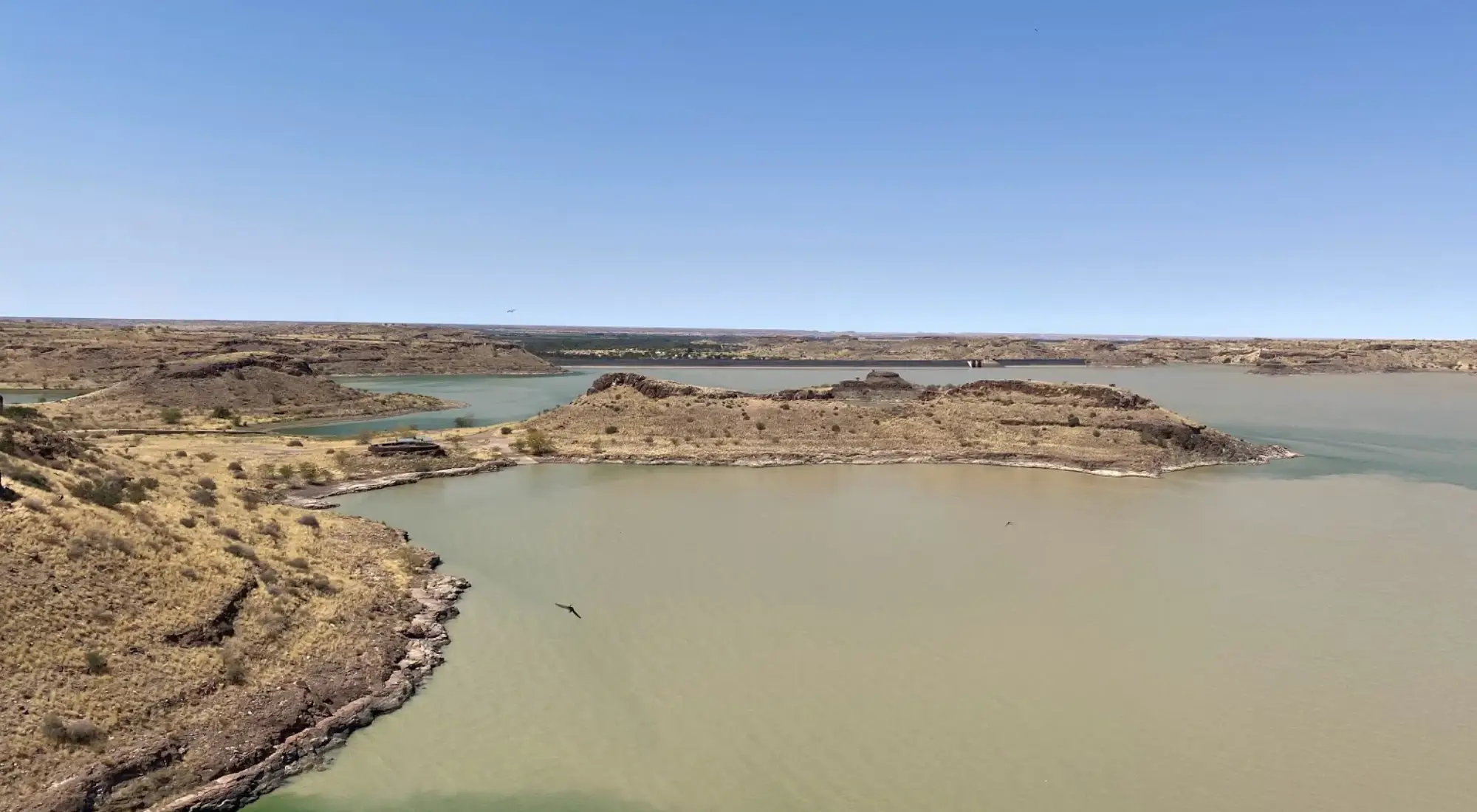
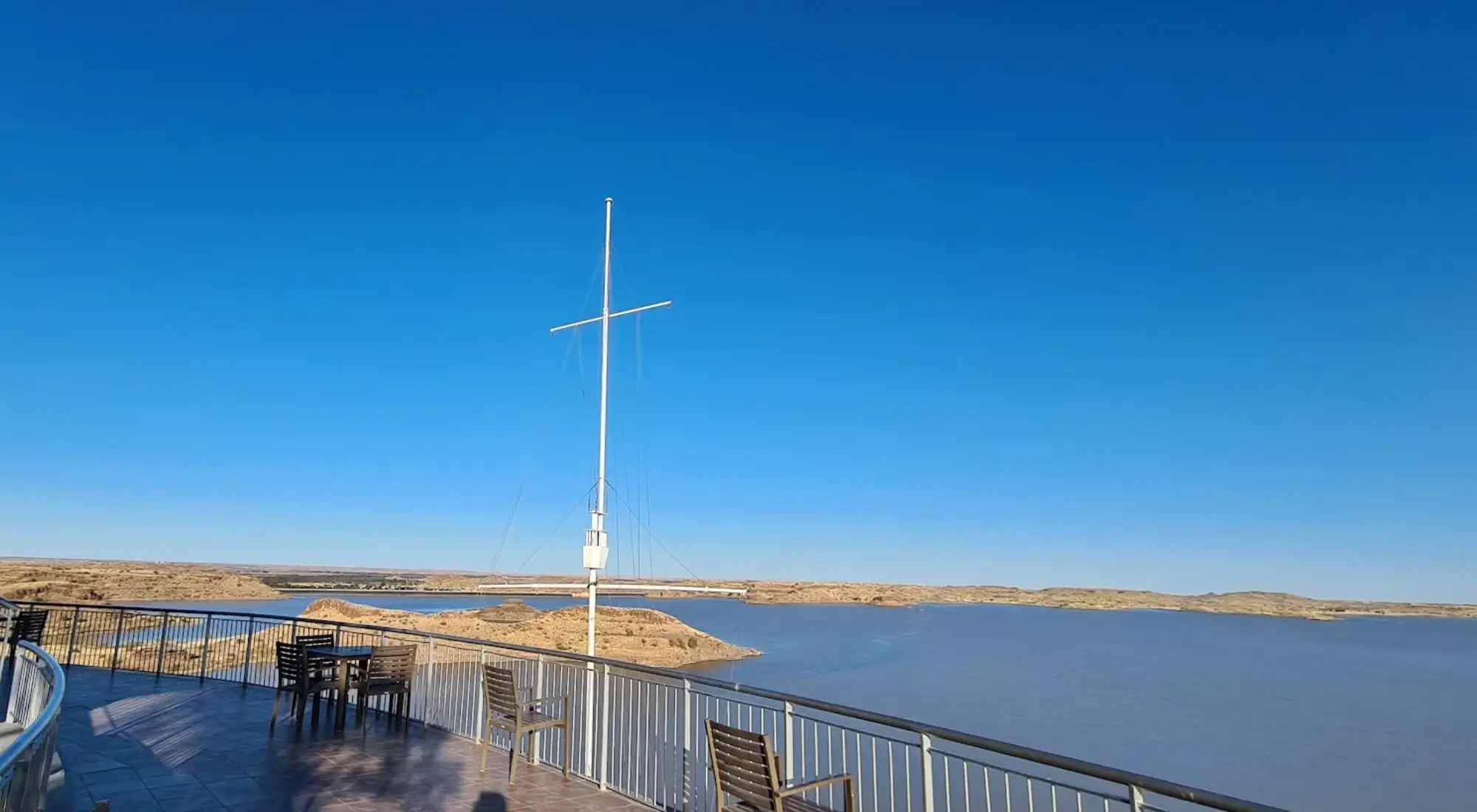
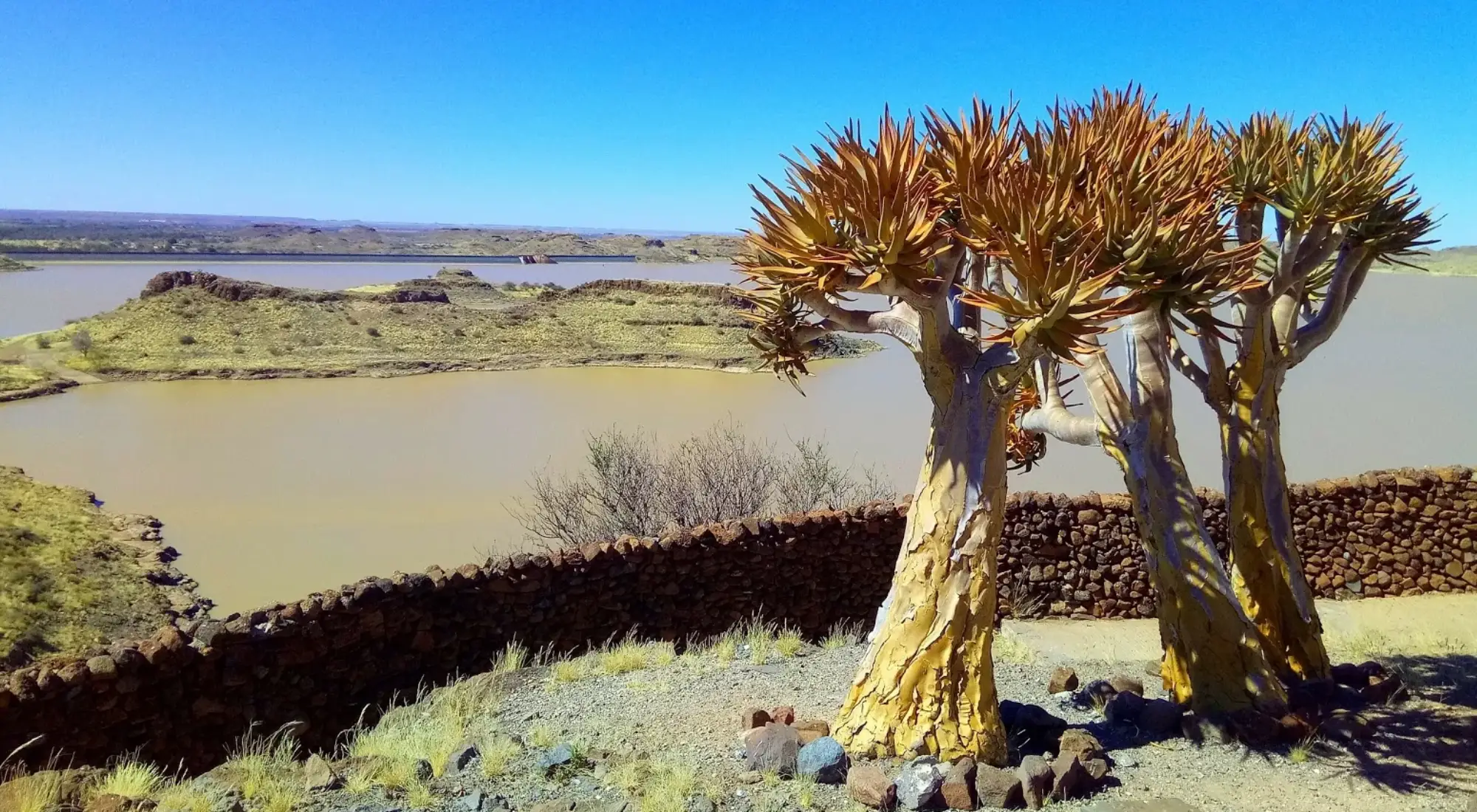
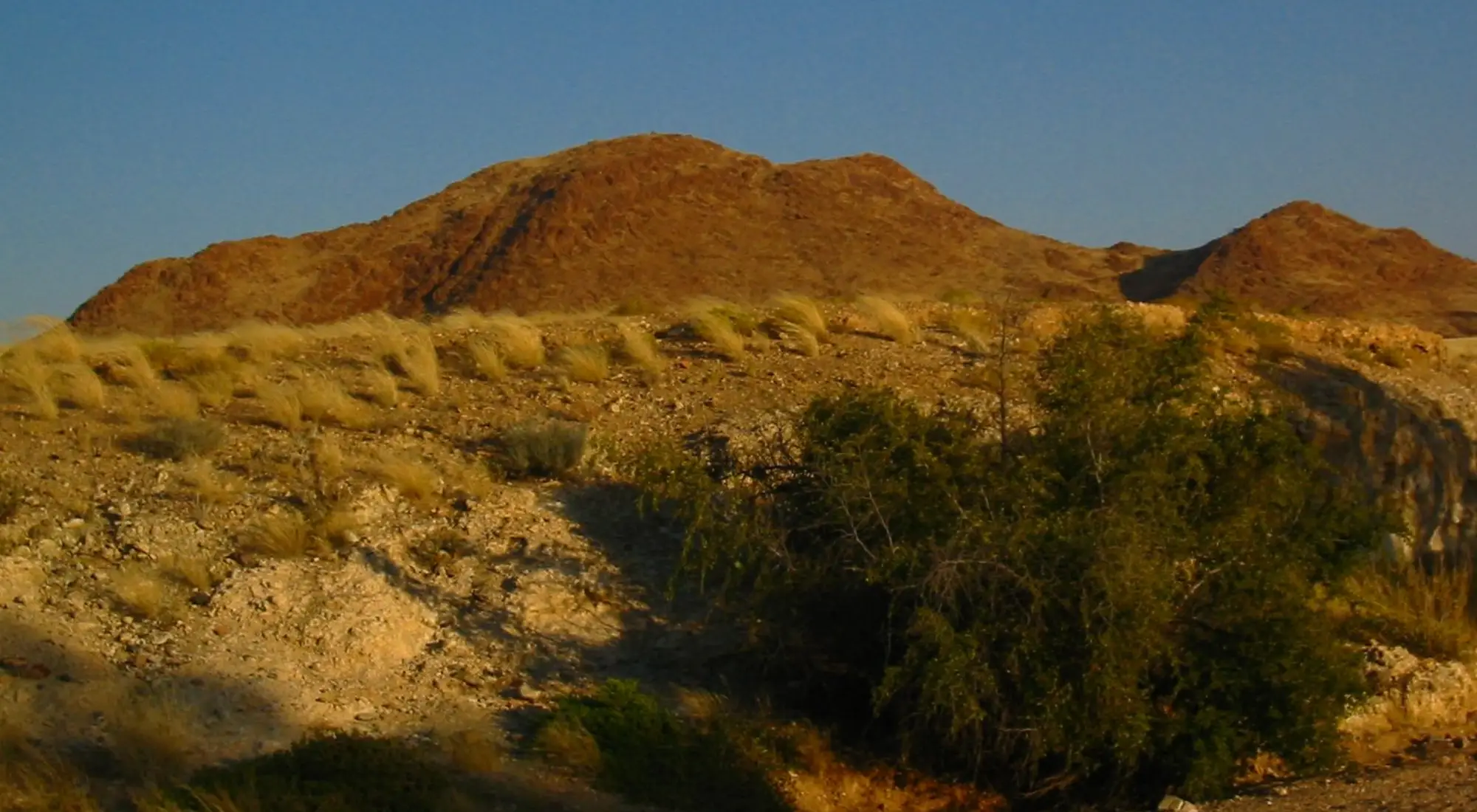
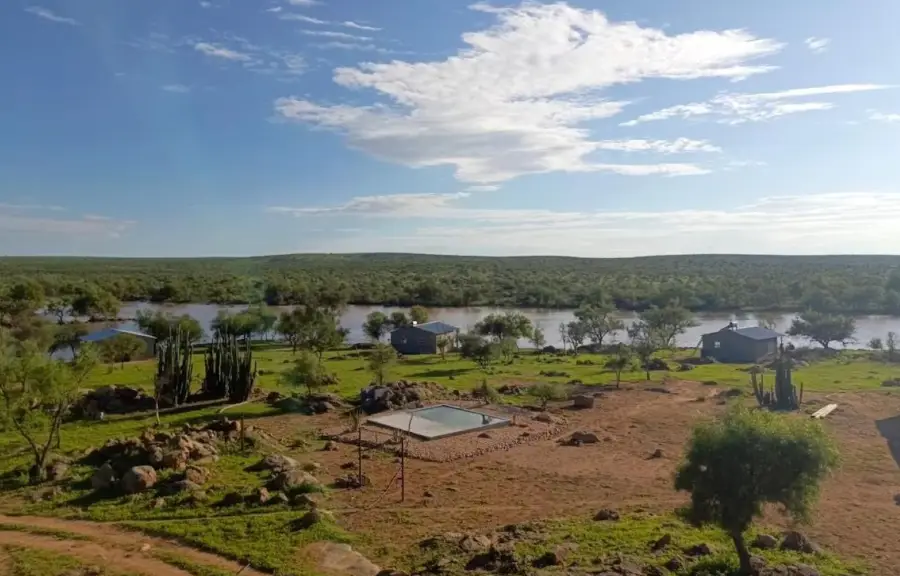
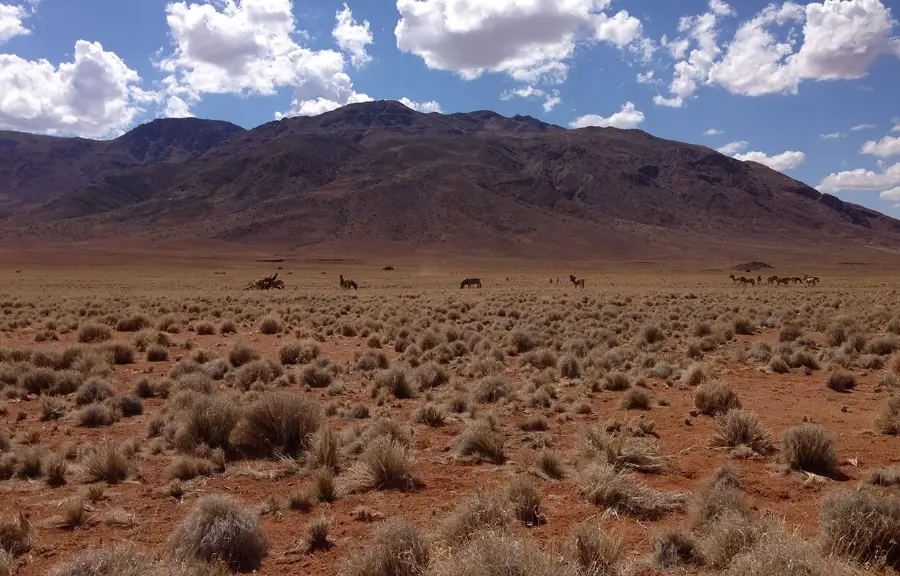
Hardap Recreation Resort’s gallery brings together calm dam scenes, fishing corners, birdlife, open savannah, and dry hill views. It gives travelers a simple visual feel of the resort before visiting.
Hardap Recreation Resort looks simple at first: a dam, dry hills, open land, and a few places to stay. But travellers usually have practical questions before they go. These FAQs explain the location, dam history, wildlife, birdlife, activities, and accommodation in plain language, making planning easier.
Namibia has a lot to pull travelers in. Wide desert dunes, wildlife parks, salt pans, coastal towns, canyons, and quiet wilderness areas all sit within one country. This section brings the main attractions in Namibia together, so travelers can see what fits their route, time, comfort level, and the kind of journey they want.
Our Namibian tour was an unforgettable experience from start to finish. Henzel was both our guide and driver, and he did an outstanding job in both roles. He was incredibly thorough and well-prepared, always sharing detailed insights about the landscapes, wildlife, and local culture. You could tell he truly knew and loved the country.

We did the “7 Days Wildlife Etosha and Sossusvlei Namibian Safari (Accommodated)” with Safari World Tours in December 2023 and it was the best choice for our family! We are experienced travelers (49 countries visited) and found that to travel to Namibia with a small child (4 years old) a tour would the the best option





 German
  English