+264 81 8211 521
info@safariworldtours.com
Rabatte & Deals


Namibia feels bigger than a normal holiday. It pulls travelers into red deserts, open savannas, rocky hills, Atlantic coastlines, and quiet wetland corners. On Namibia Tours and Safaris, the experience is not only about seeing famous places. It is about feeling the country’s space, light, silence, wildlife, and culture in a very direct way as you slowly travel across Namibia.
Across the country, each day can feel different from the last. One morning may begin on the dunes of Sossusvlei, watching the sand change color before the heat arrives. Another day may bring Etosha’s waterholes, where elephants, giraffes, zebras, rhinos, and antelope gather in plain view. Along the coast, Swakopmund adds cool air, ocean life, German-style buildings, and adventure activities. In Damaraland, rock art, dry riverbeds, and desert-adapted elephants show a much older side of Namibia. In the north, river regions add birds, boats, and greener views. Around the Himba and San communities, respectful visits bring human stories into the trip, making the land feel less distant and more understood. These Namibia Experiences work well for photographers, families, culture seekers, self-drive travelers, and guests who want nature without crowded spaces too.
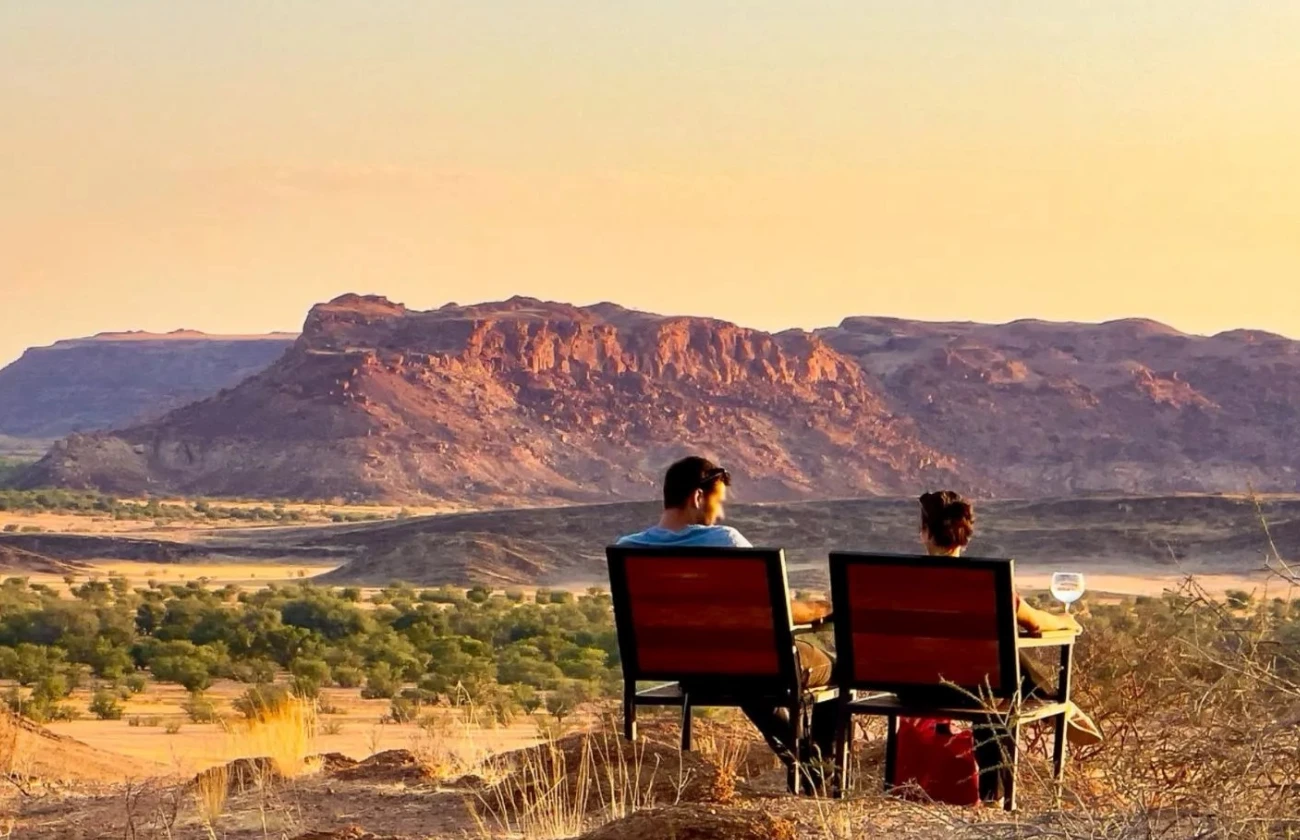
Travel here also gives time to slow down. Long roads, small towns, starlit camps, and warm local meetings turn simple moments into lasting memories. From guided journeys to private travel, Namibia lets every traveler choose a pace that feels honest, comfortable, and deeply personal every single day.

Namibia offers many travel experiences for different interests, budgets, and comfort levels. Some travelers come to Etosha for wildlife, while others want desert views, coastal adventures, cultural visits, or private guided journeys. From luxury tours to mid-range trips, small group travel, and private itineraries, each option helps guests explore Namibia in a way that feels clear, flexible, and personal.
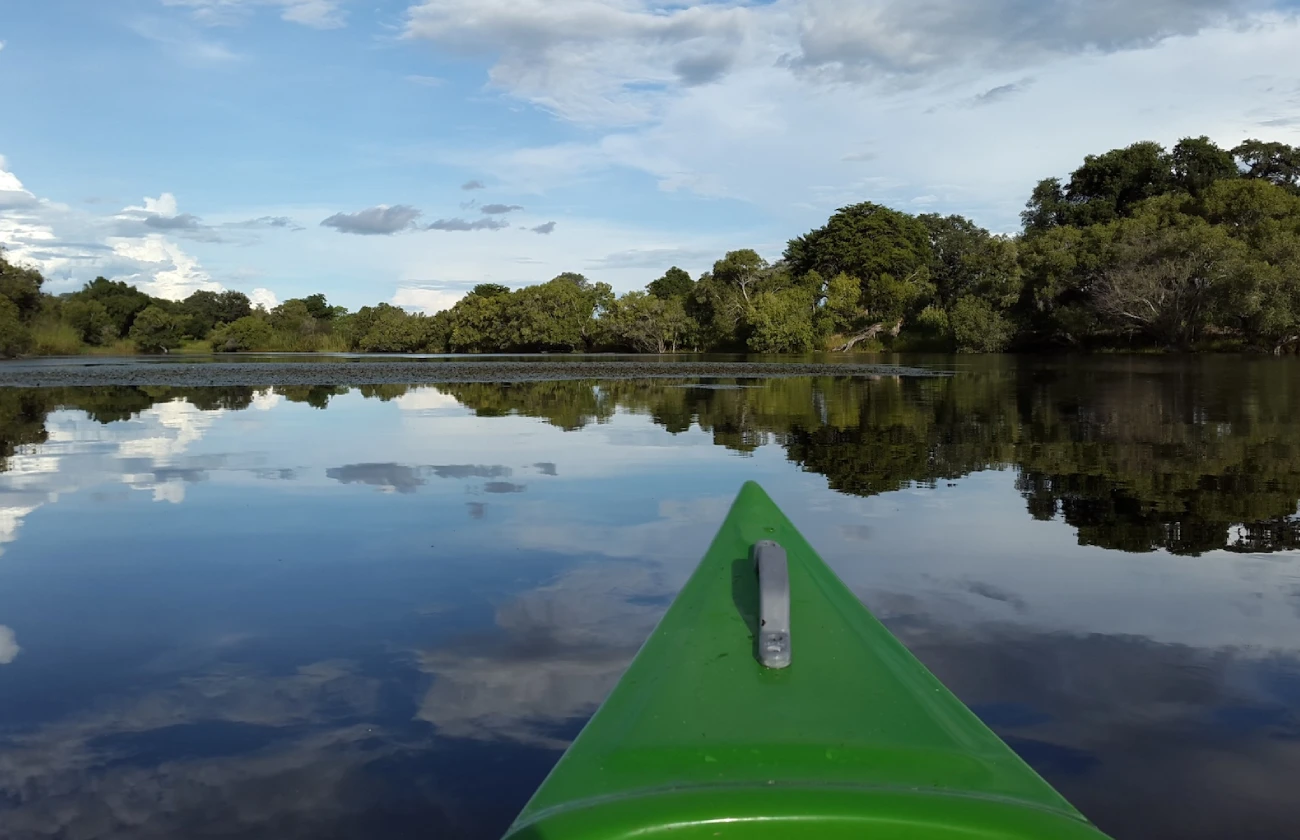
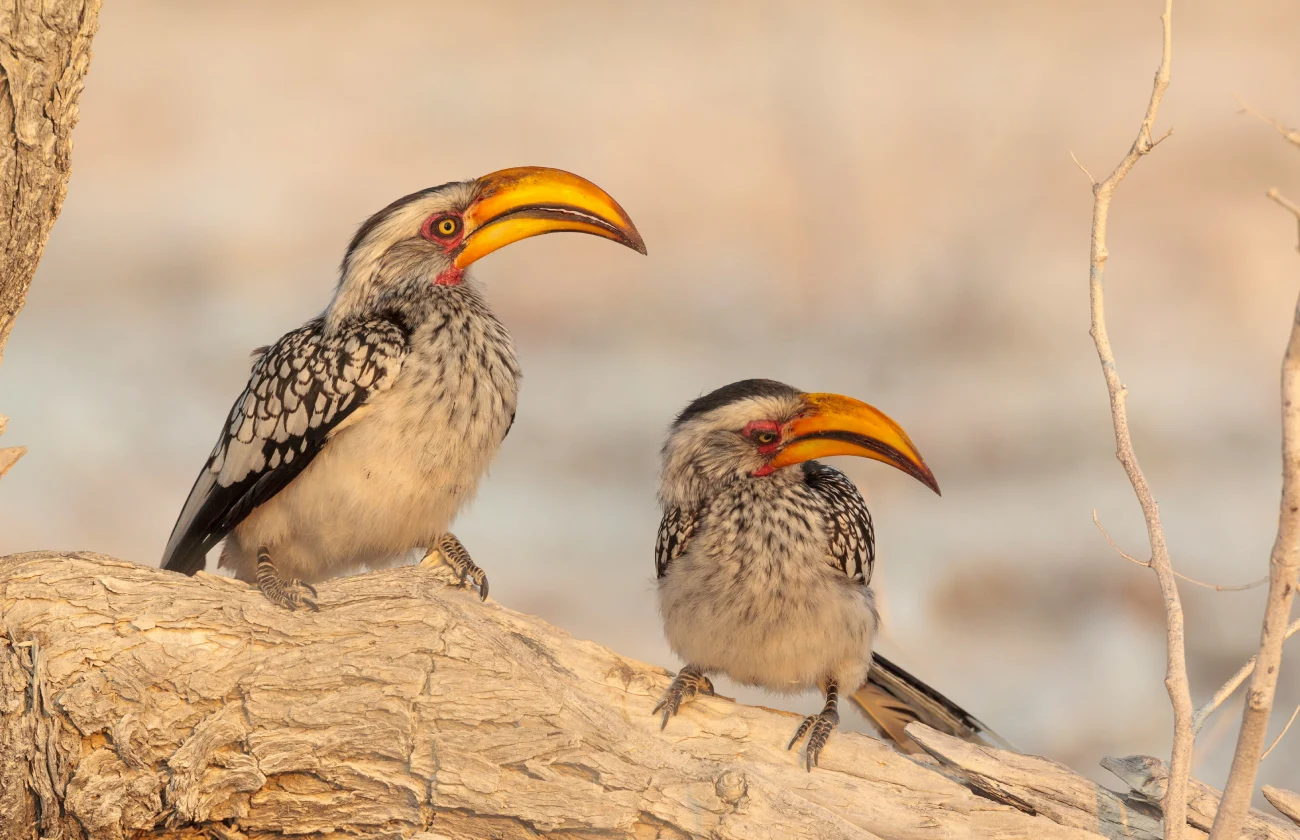
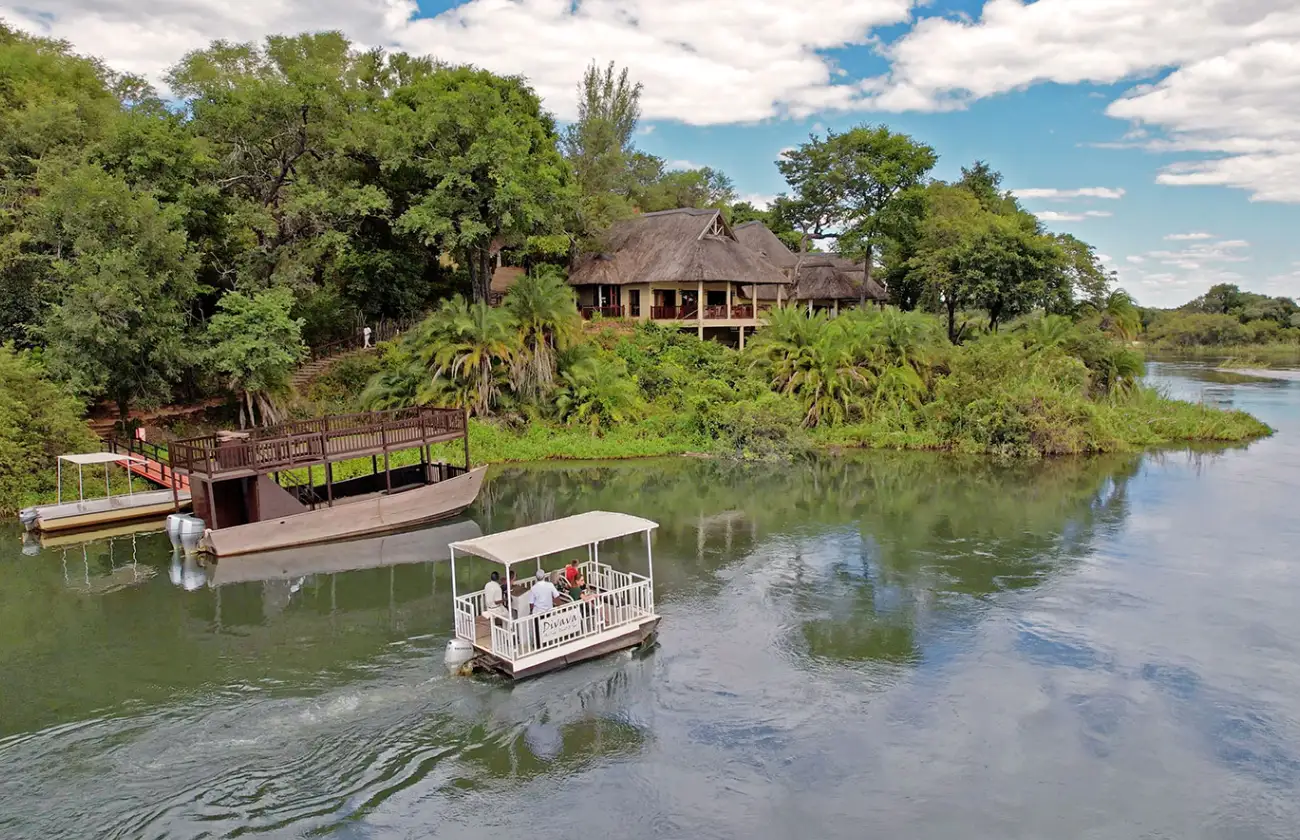
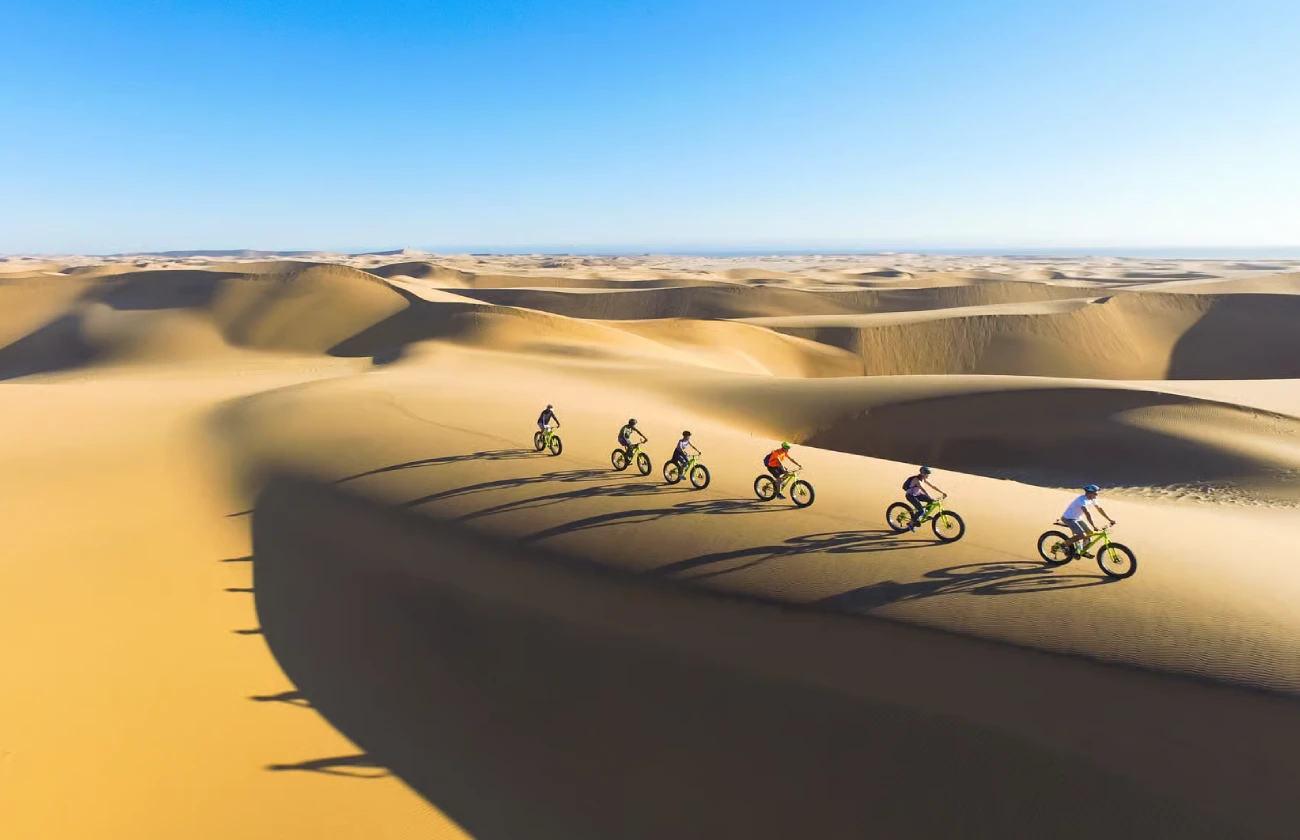
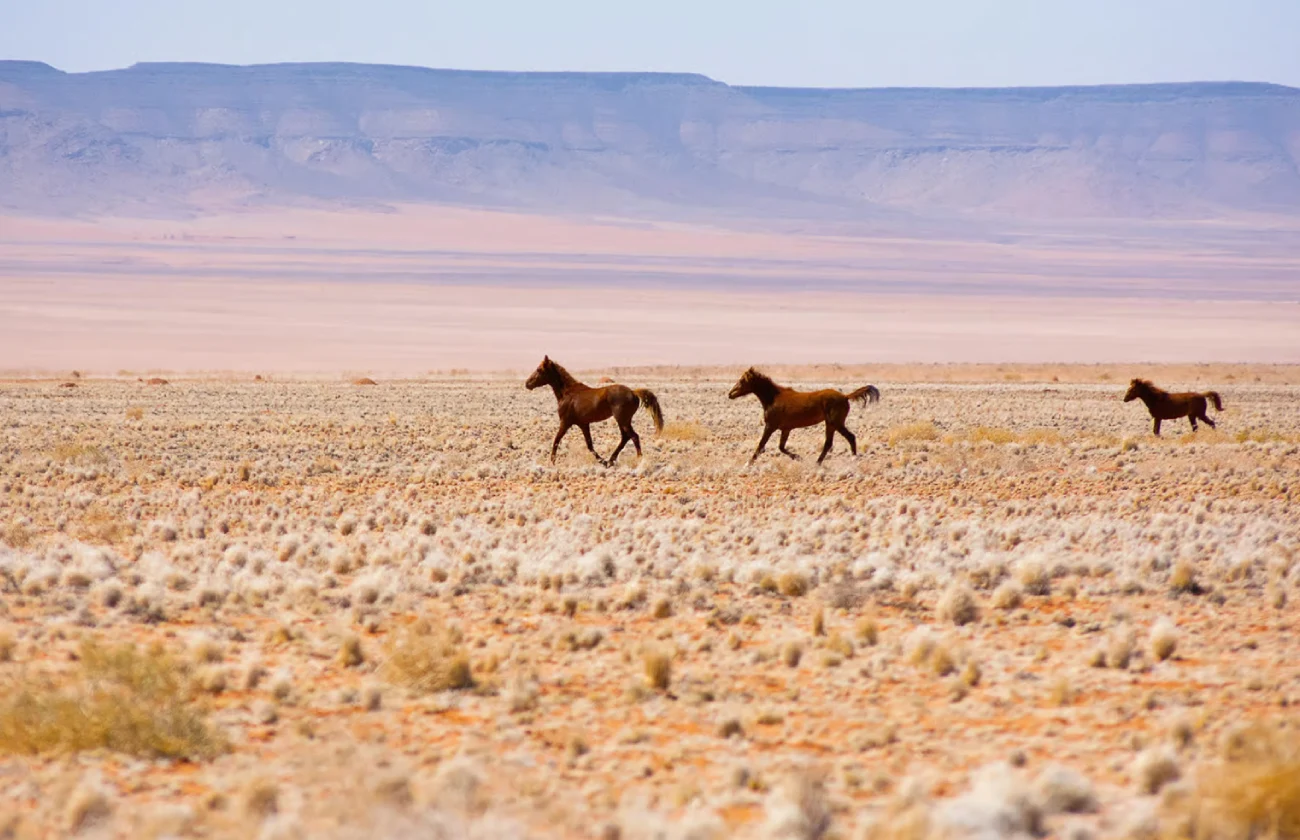

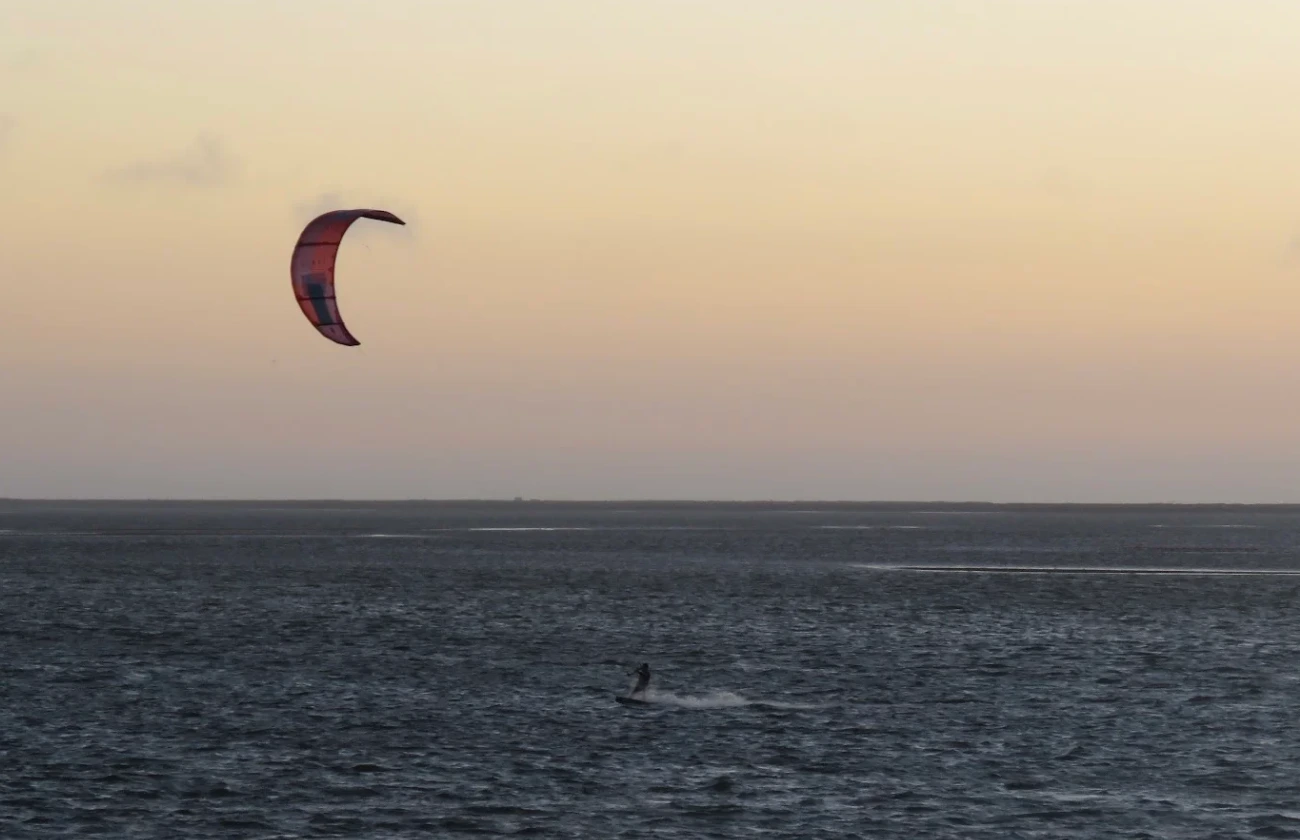
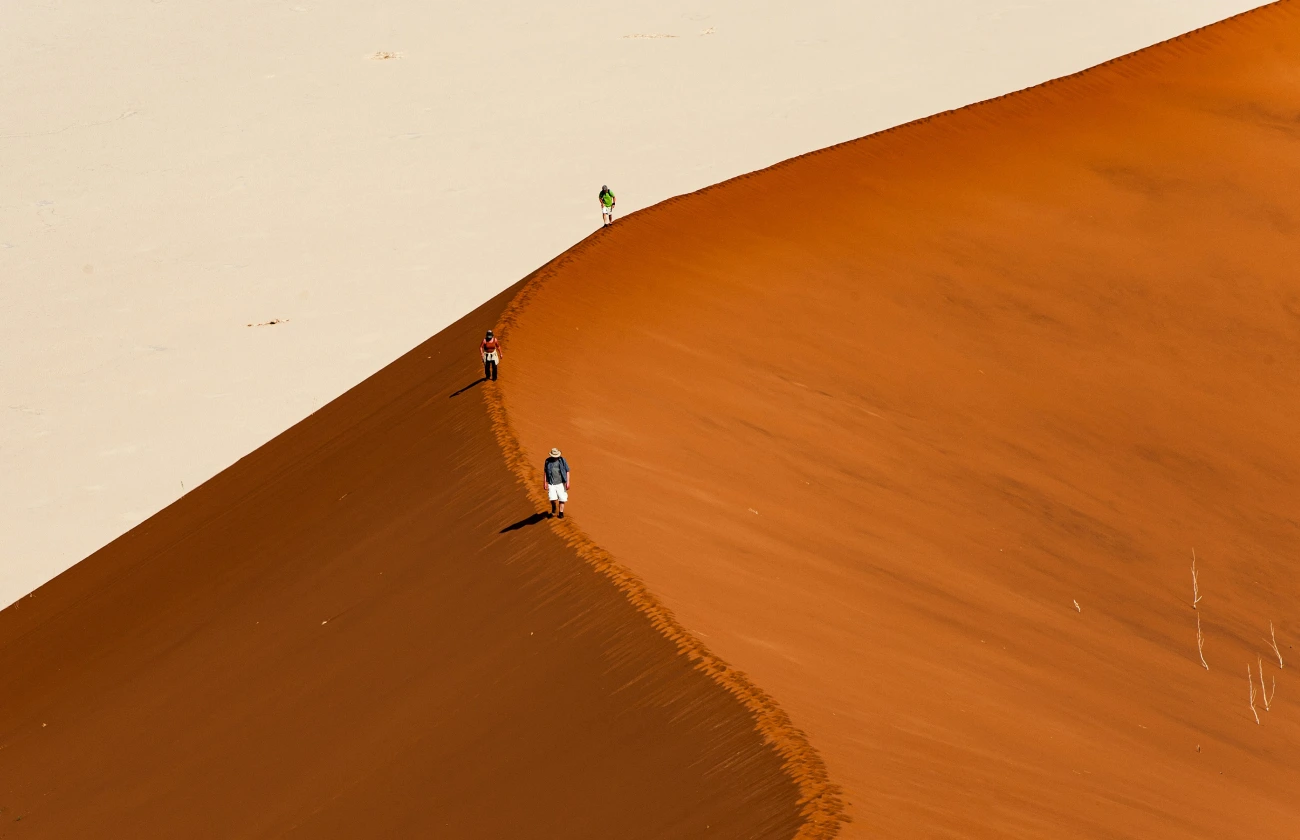
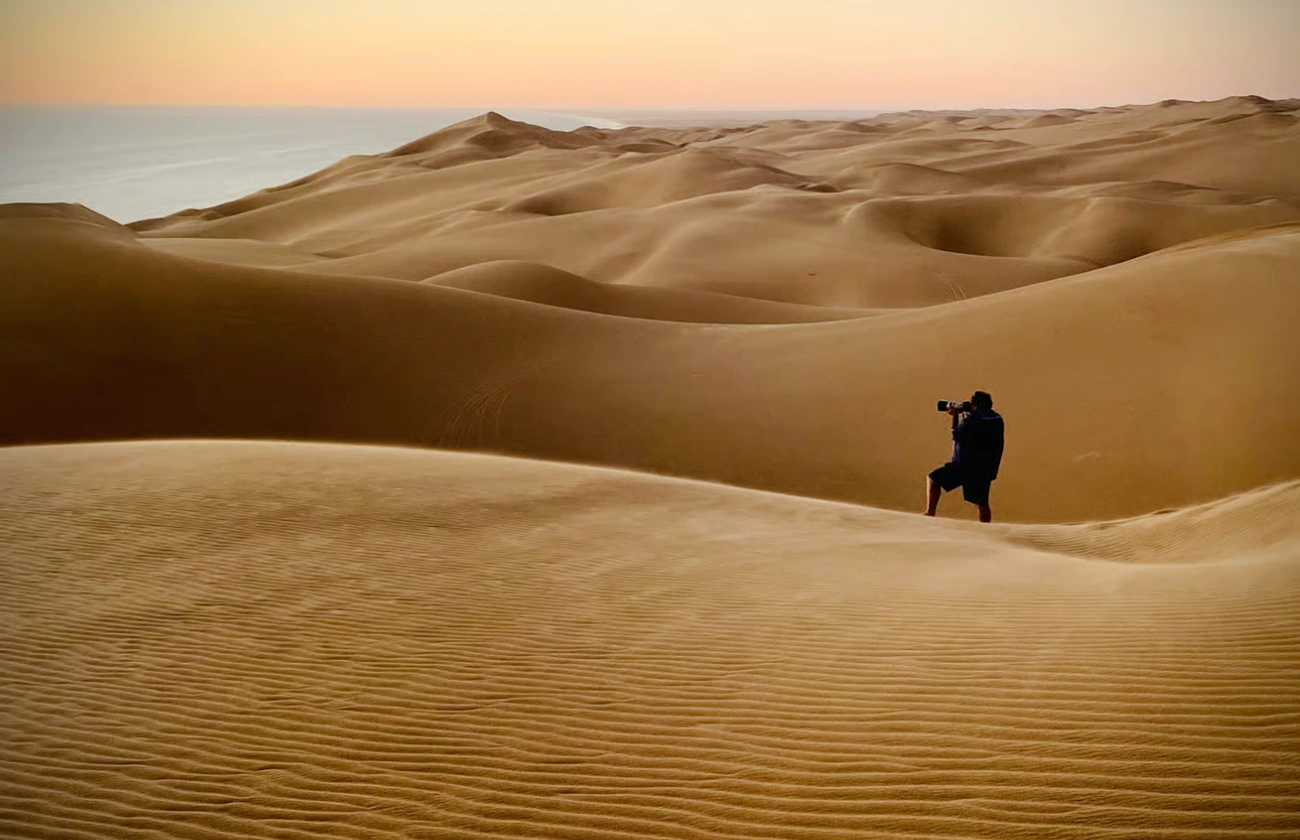
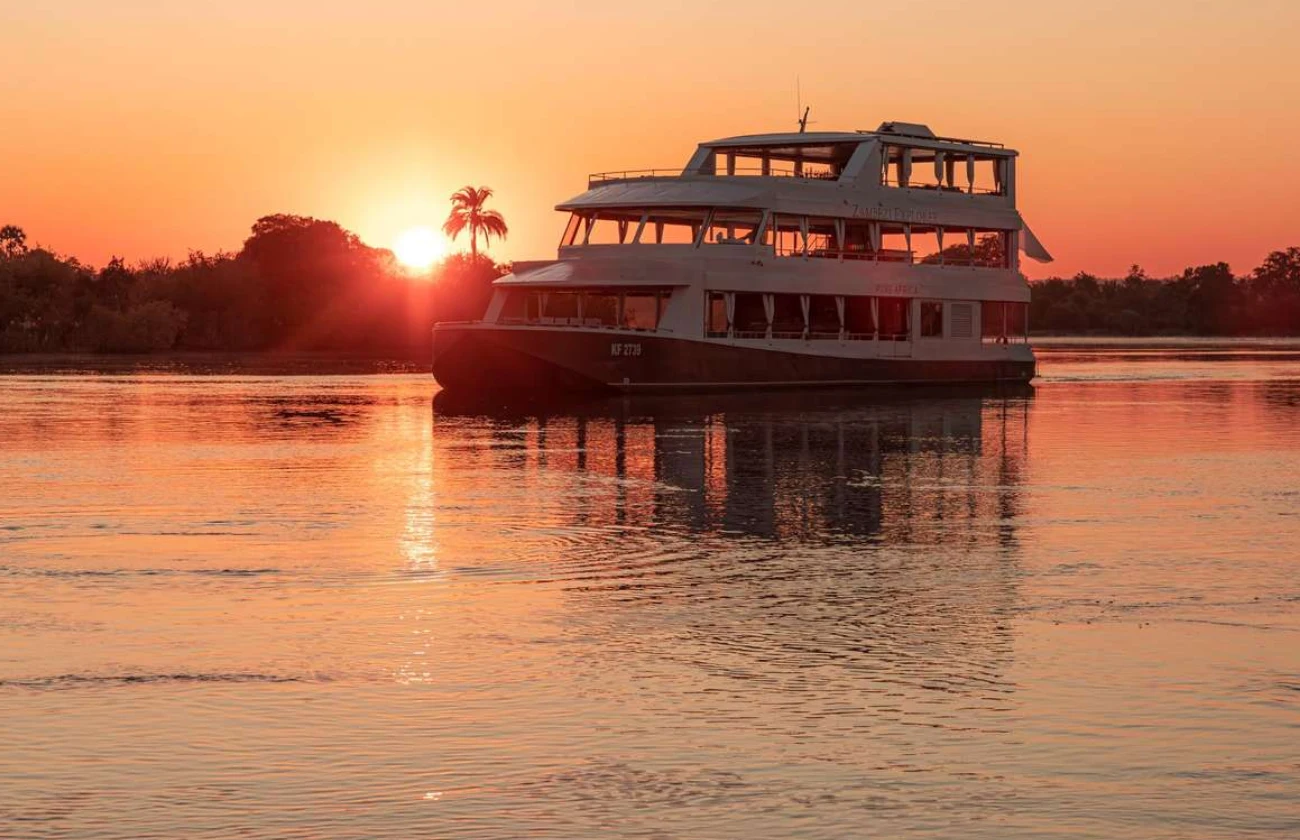
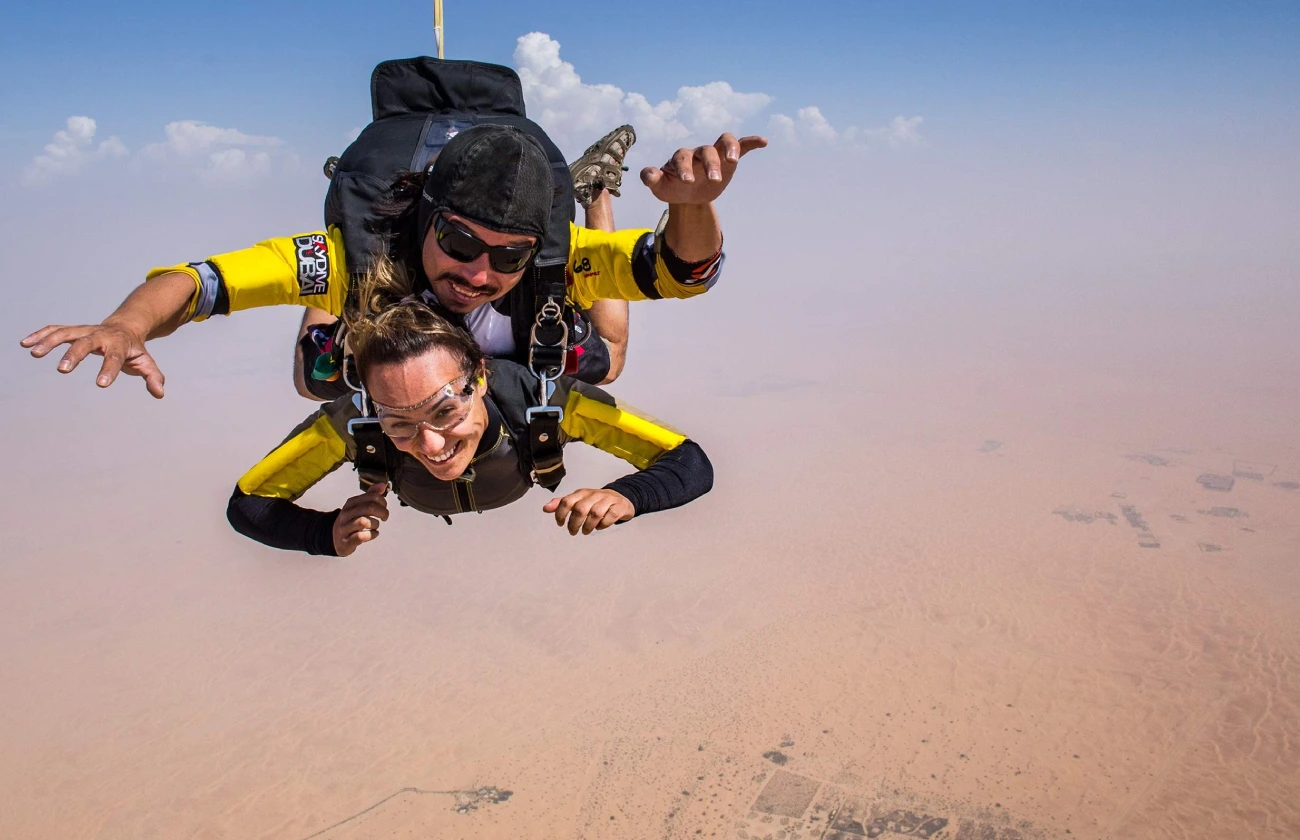
Gather ideas from our Namibia tour packages, or let our consultants help you picture the possibilities. We can build the journey around your time, style, and interests.
Namibia is defined by desert plains, salt pans, canyons, coastlines, mountains, and wildlife areas that feel very different from greener safari countries. Before traveling, it helps to understand how the land, weather, distances, and seasons affect each experience. This guide provides simple details on wildlife, activities, climate, and the best time to visit Namibia.
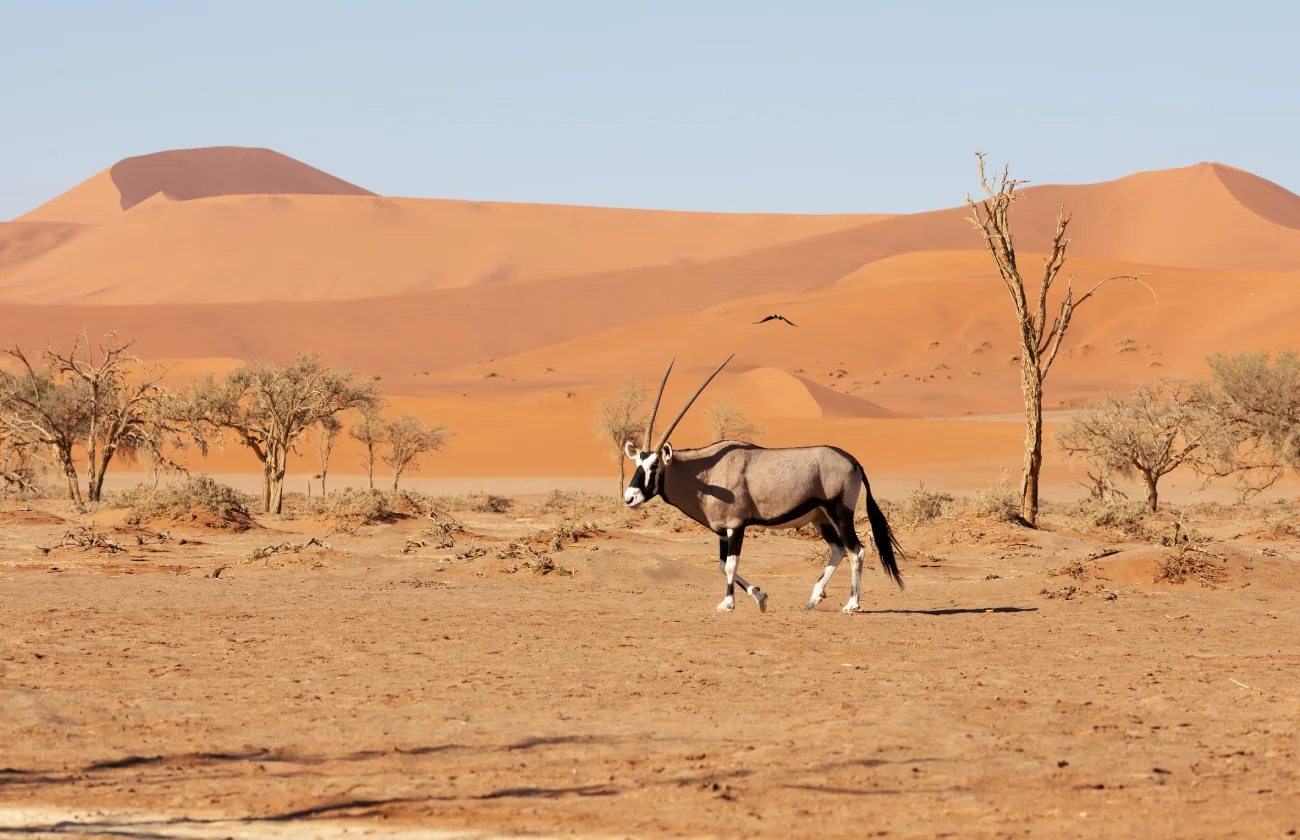
Namibia’s wildlife lives in dry, open country, so sightings often feel clear and rewarding. Etosha is the main wildlife centre, while Damaraland, Kunene, and coastal areas add desert elephants, black rhinos, seals, cheetahs, and rare species adapted to tough conditions.
The open land does not always hold animals in large numbers, but the views are often excellent. In Etosha, wildlife gathers around waterholes, especially during the dry months. Elephants, zebras, giraffes, lions, wildebeest, springbok, and rhinos are commonly seen, while the salt pan adds a bright, unusual setting to each sighting.
Namibia is also known for cheetahs, which are more widespread here than in many other African safari destinations. Leopards, hyenas, jackals, and other predators may also be seen, depending on the area. Sightings feel special because the landscapes are open, quiet, and often free from heavy crowds.
Damaraland and Kunene bring a different wildlife experience. Here, guides may track desert-adapted elephants, black rhinos, and sometimes lions through dry riverbeds and rocky valleys. These animals survive in harsh conditions, making their presence feel even more impressive for travellers who enjoy rare, patient wildlife viewing.
Along the coast, Namibia’s wildlife changes again. Cape Cross is known for its large seal colony, while offshore areas may offer dolphins, seabirds, and seasonal whales. Birdlife is also strong in wetlands, river regions, Etosha, and coastal lagoons, giving birdwatchers plenty of variety throughout the journey.
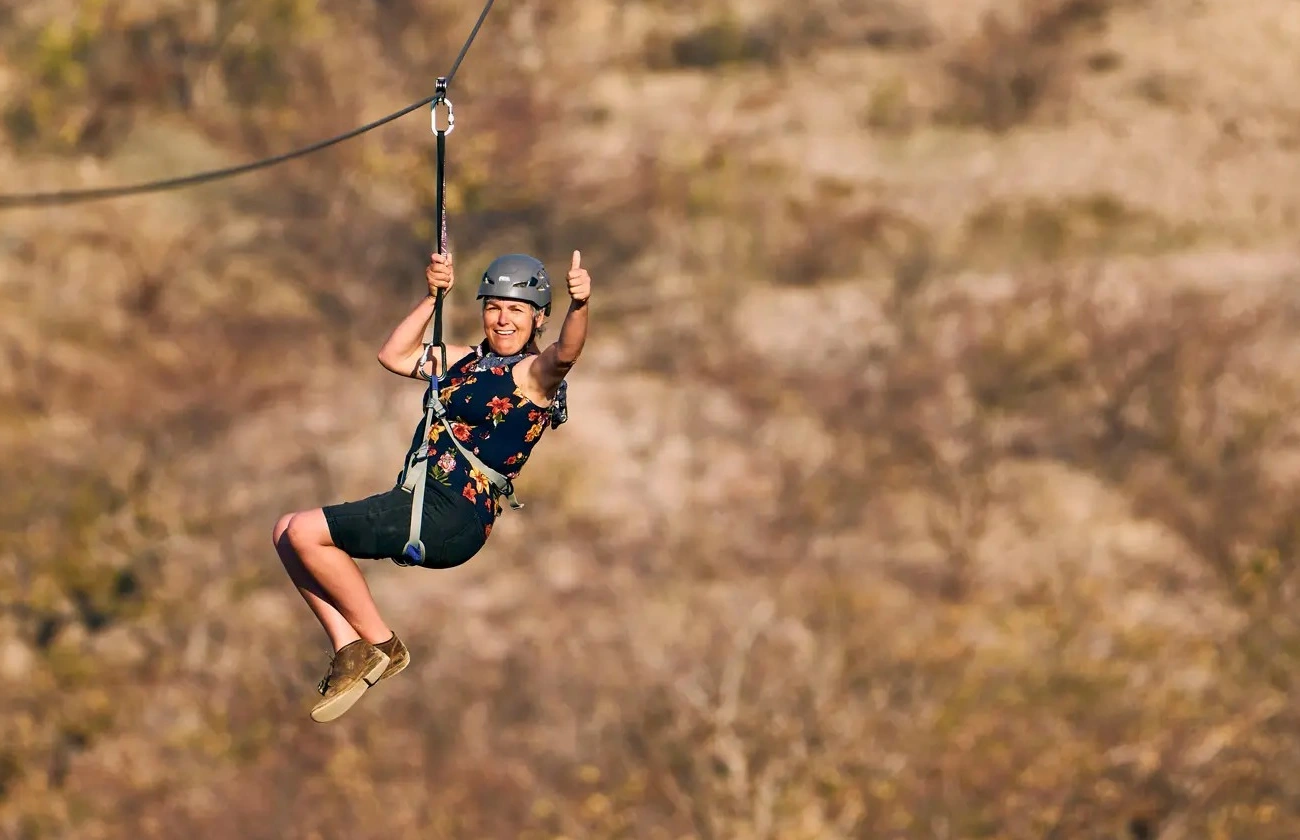
Namibia offers more than classic game drives. Travellers can climb dunes, explore canyons, visit rock art sites, track wildlife, enjoy coastal adventures, meet local communities, and take scenic drives across wide landscapes. Activities often depend on location, season, comfort level, and travel style.
Game drives are central to many Namibia tours, especially in Etosha and private reserves. Travellers can join guided drives or explore some parks by self-drive. Waterholes, salt pans, dry bush, and open roads create a different safari feeling, where patience often leads to quiet and memorable wildlife moments.
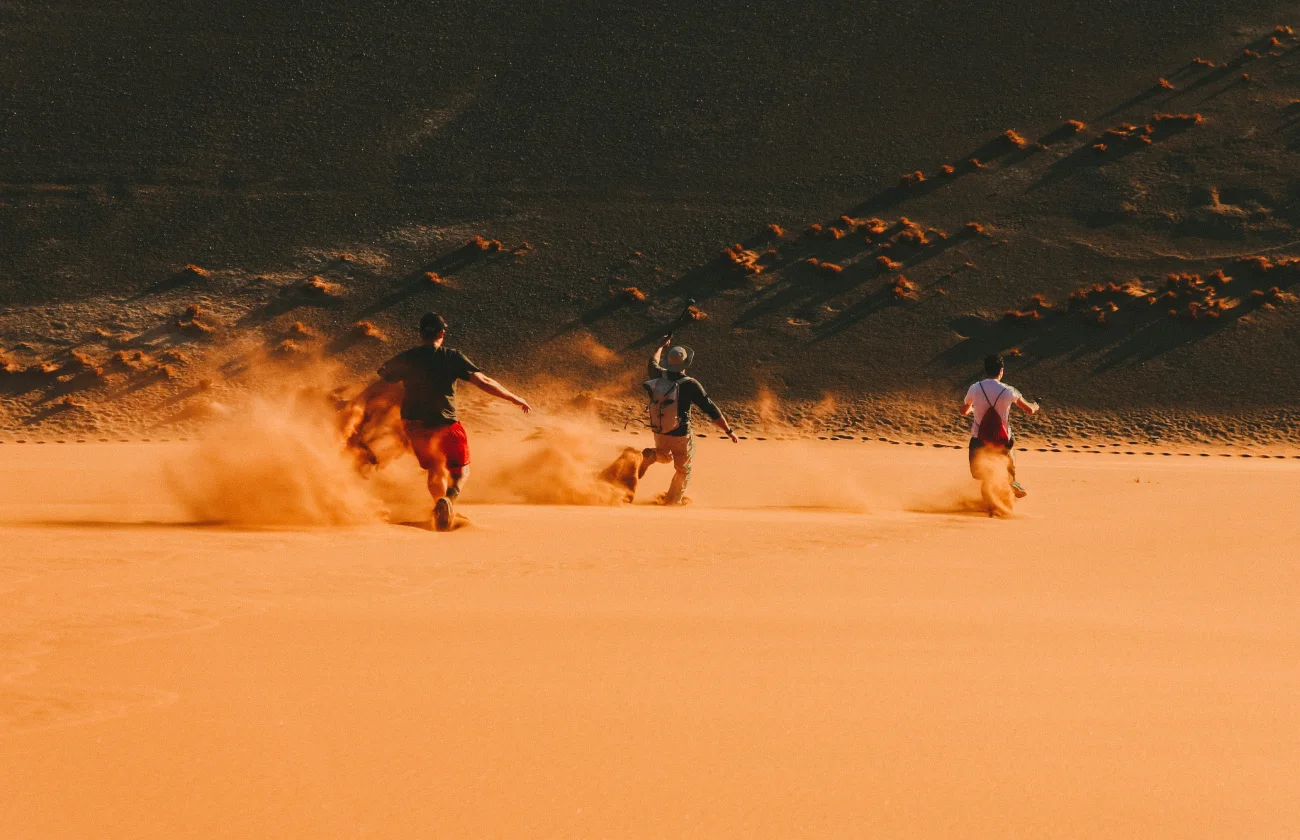
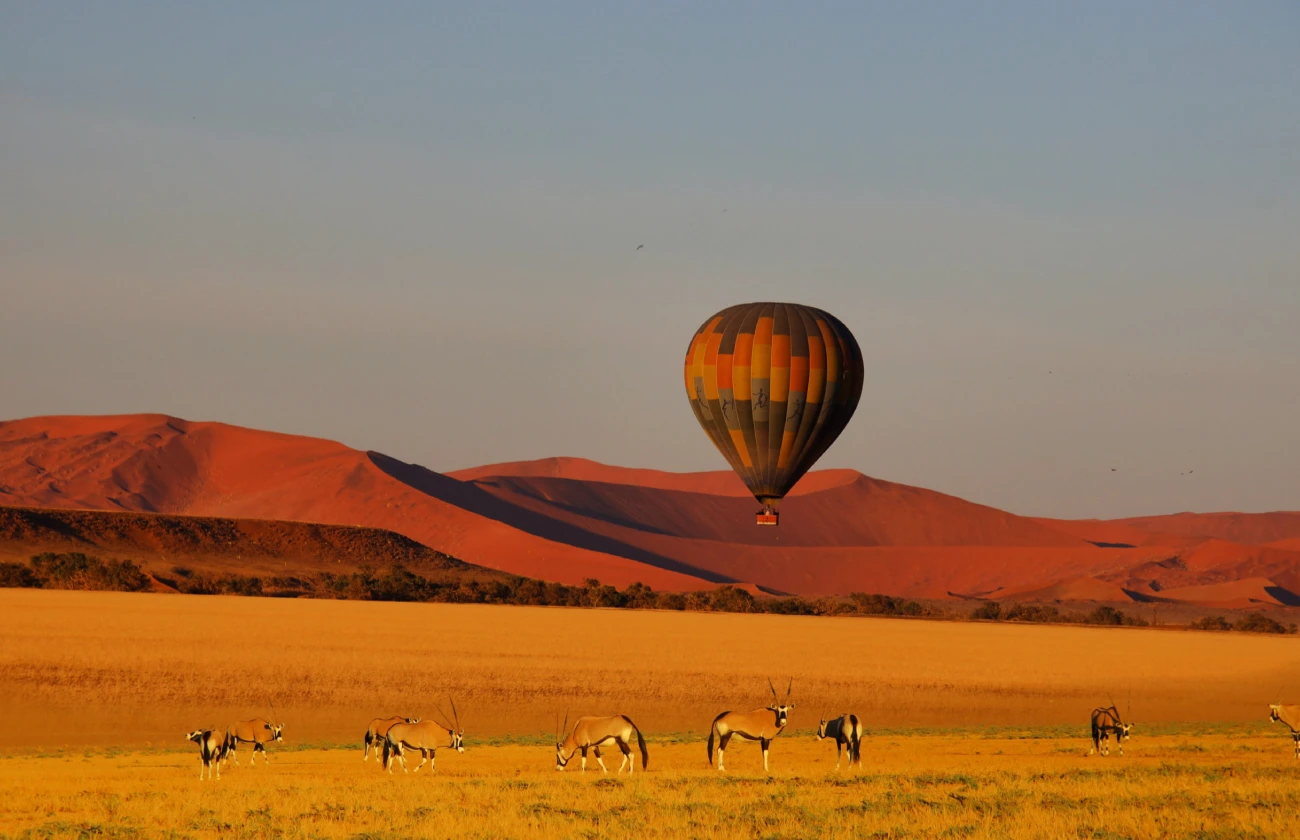
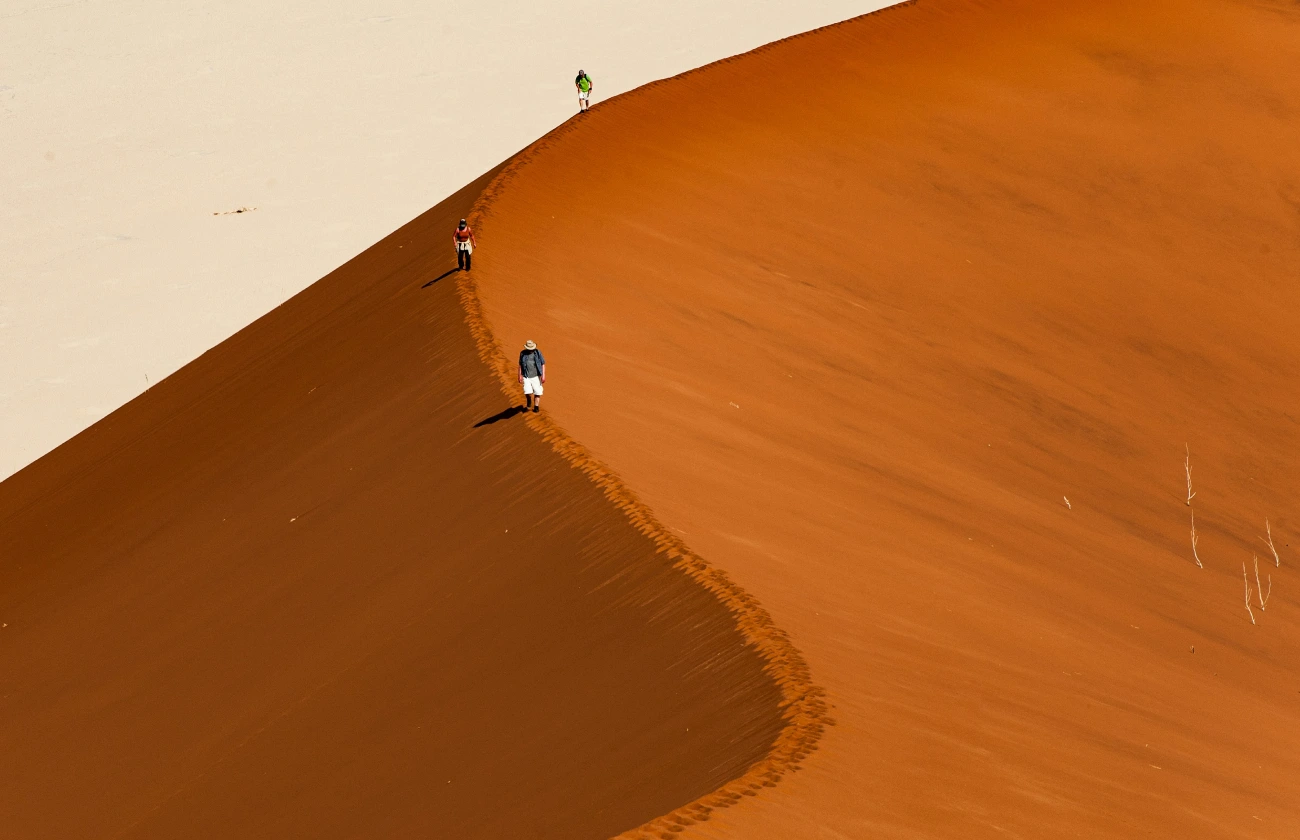
Desert activities are a major part of the experience. In Sossusvlei, travellers can climb Dune 45 or Big Daddy, walk through Deadvlei, and visit Sesriem Canyon. Hot-air balloon flights, nature drives, stargazing, and photography are also popular in desert areas where light and space change beautifully.
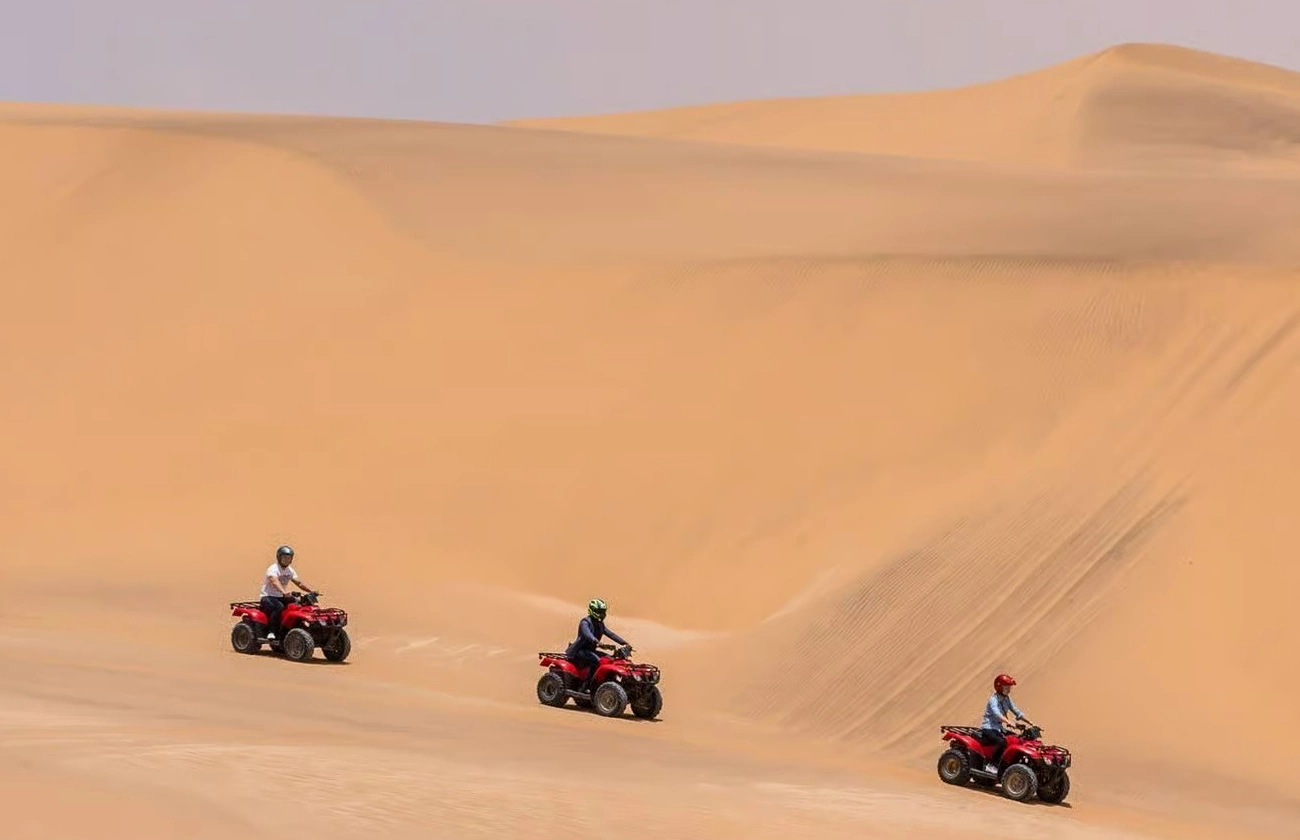
The coast adds more active choices. Swakopmund and Walvis Bay offer quad biking, sandboarding, kayaking, boat cruises, township visits, museum stops, and living desert tours. These activities bring a refreshing change after desert drives, with cool Atlantic air and a relaxed town atmosphere.
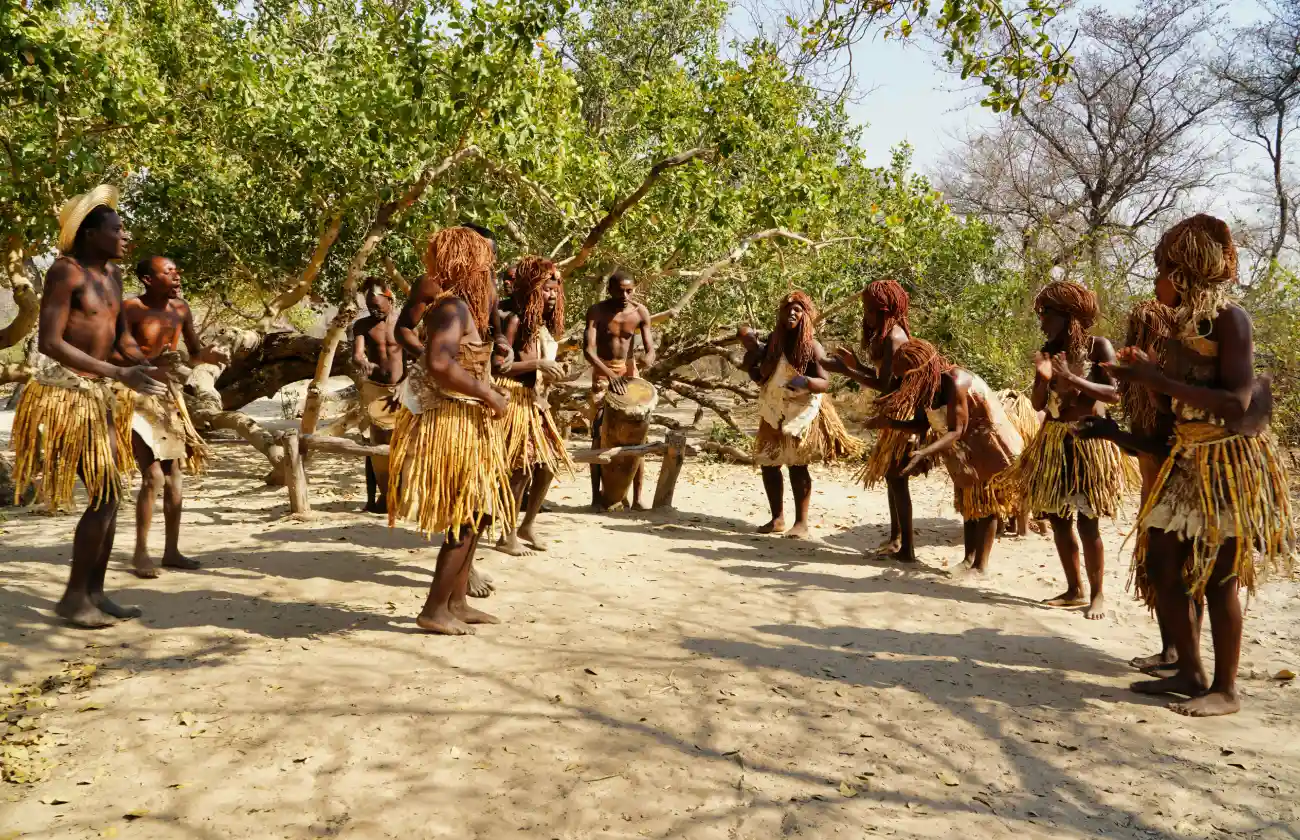
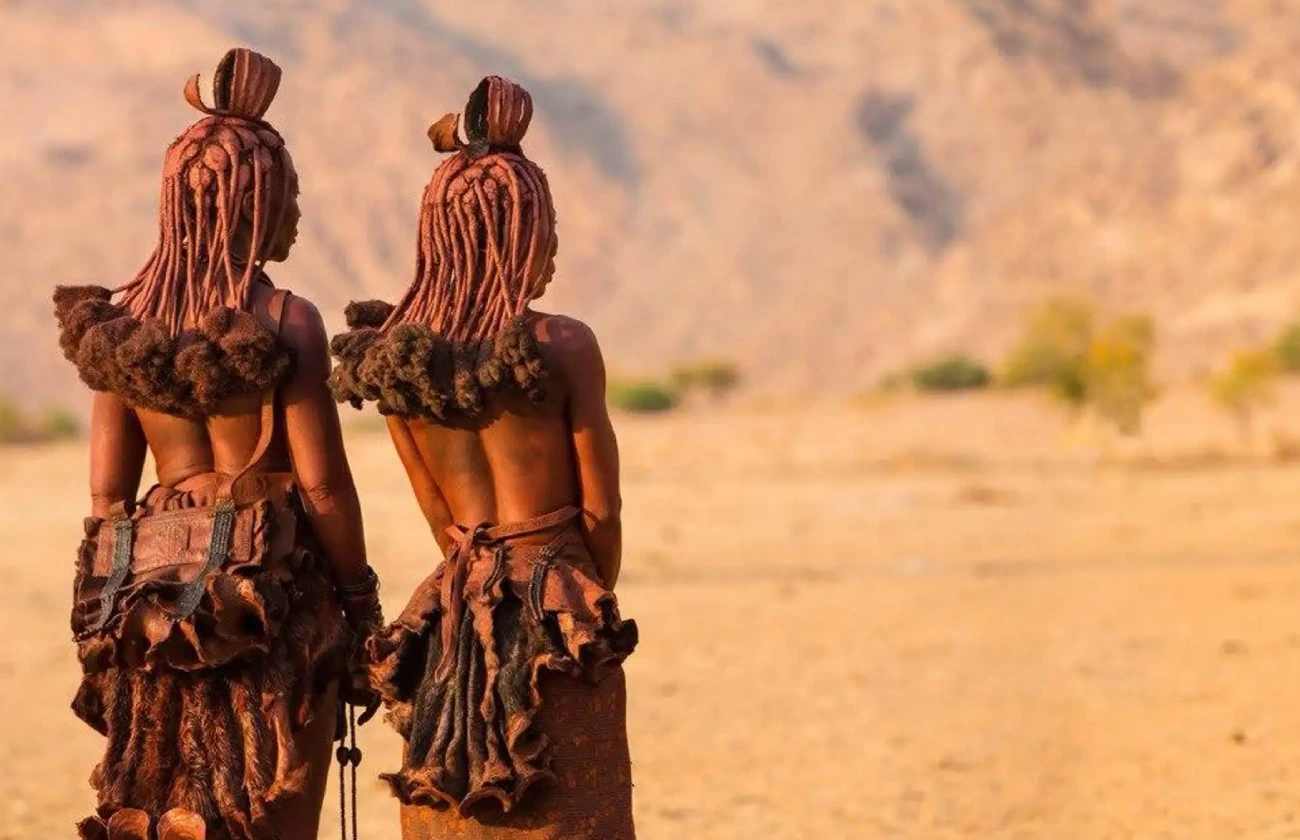
Culture and history add depth to a Namibia trip. Travellers can visit Twyfelfontein rock engravings, learn from Damara, Himba, or San communities, walk through Kolmanskop Ghost Town, and explore Windhoek or Swakopmund’s colonial-era buildings. These experiences help connect the scenery with real human stories.
Namibia has a mostly dry climate with hot summers, cooler winters, and big temperature changes between day and night. Desert areas can be harsh, while coastal towns stay cooler. Understanding the weather helps travellers pack better and plan activities at safer times.
The dry season runs from May to October. Days are usually sunny, clear, and comfortable, with very little rain. Mornings and evenings can be cold, especially from June to August, so warm layers are important. This season works well for wildlife, photography, walking, and long-distance travel.
The wet season usually falls between November and April. Rain is not constant across the country, but afternoon storms can occur, especially from January to March. Some areas become greener, young animals may appear, and birding improves. Roads can become slippery in places after rain, so careful driving is important.
Summer temperatures can be intense, especially in desert regions such as Sossusvlei, Fish River Canyon, and the Namib. Daytime heat may climb close to 40°C. Early starts, enough water, sunscreen, hats, and rest during midday help make travel more comfortable and safer during hotter months.
The coast has its own mood. Swakopmund, Walvis Bay, and the Skeleton Coast are often cooler, misty, and windy because of the Atlantic Ocean. Fog can appear in the morning, then clear later. This cooler air can feel refreshing after the inland desert heat.
Namibia can be visited year-round, but the best months depend on what travellers want to experience. The dry season is best for wildlife and comfortable travel, while the wet season brings greener scenes, fewer crowds, and a different look to the land.
May to October is the most popular time to visit Namibia. Wildlife viewing is easier because animals gather near waterholes, especially in Etosha. Days are dry and bright, roads are usually easier to manage, and temperatures are better for outdoor activities, although nights can feel surprisingly cold.
July to October is especially good for serious wildlife viewing. Water becomes scarce, so animals concentrate around reliable sources. This makes Etosha very rewarding for game drives and photography. It is also a busier travel period, so booking lodges, camps, and guided activities early is recommended.
November to April has its own appeal. The scenery can look softer and greener after rain, birds are active, and some animals give birth. The heat can be high, and wildlife may spread out more, making sightings less predictable. Still, this season can feel quieter and more relaxed.
For hiking and canyon visits, cooler months are usually better. Fish River Canyon, Naukluft trails, and desert walks are more comfortable from May to September. Sossusvlei is best visited early in the morning in any season, when the light is beautiful, and the sand is still cooler.
These Namibia Safari Itineraries bring together the country’s wide range of travel experiences, from wildlife parks and desert roads to coastal towns, cultural stops, and quiet lodge stays. Some routes are short and focused. Others stretch across several regions. And for travelers comparing Namibia Safari Packages, these itineraries make it easier to choose a trip that fits their time, comfort, and travel style.
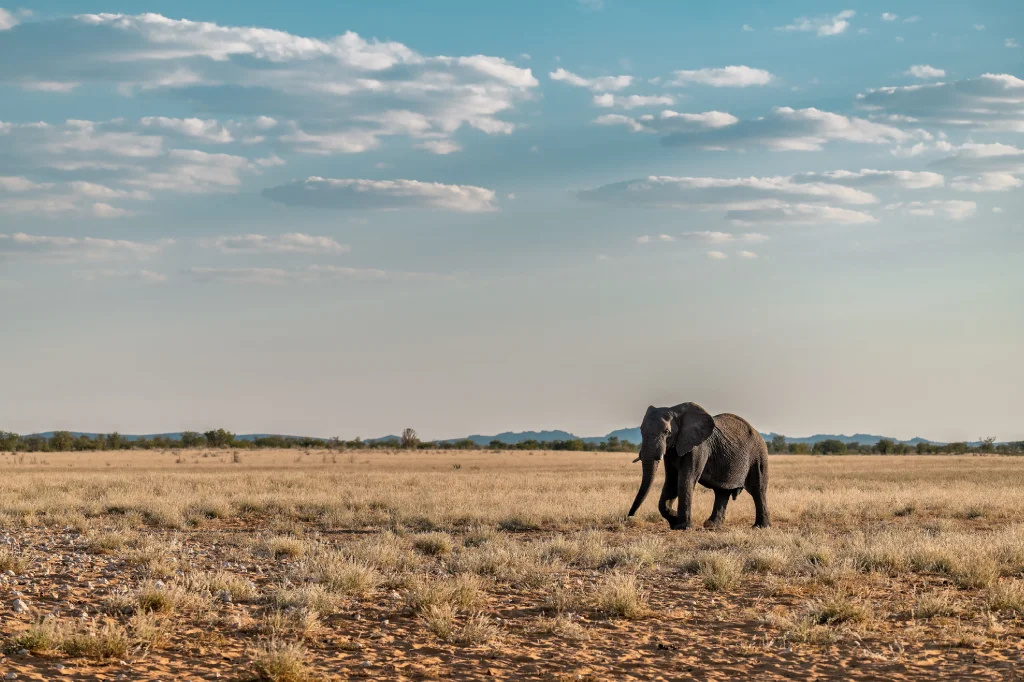
2 Destinations: Etosha National Park → Namibia
View Details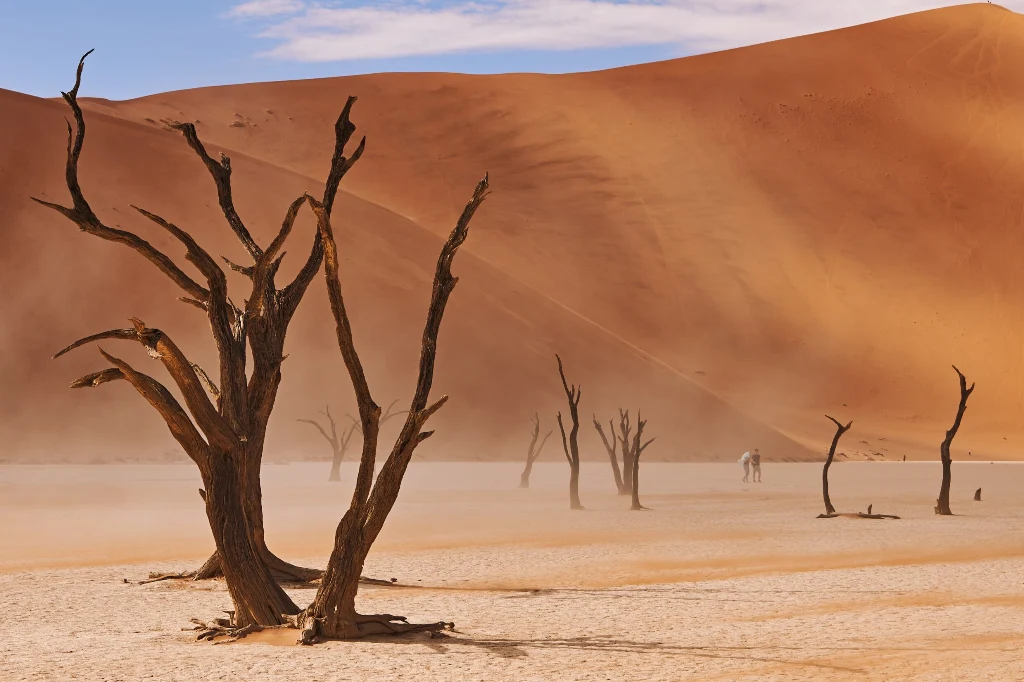
5 Destinations: Botswana → Etosha National Park → Namibia → Sossusvlei → Swakopmund
View Details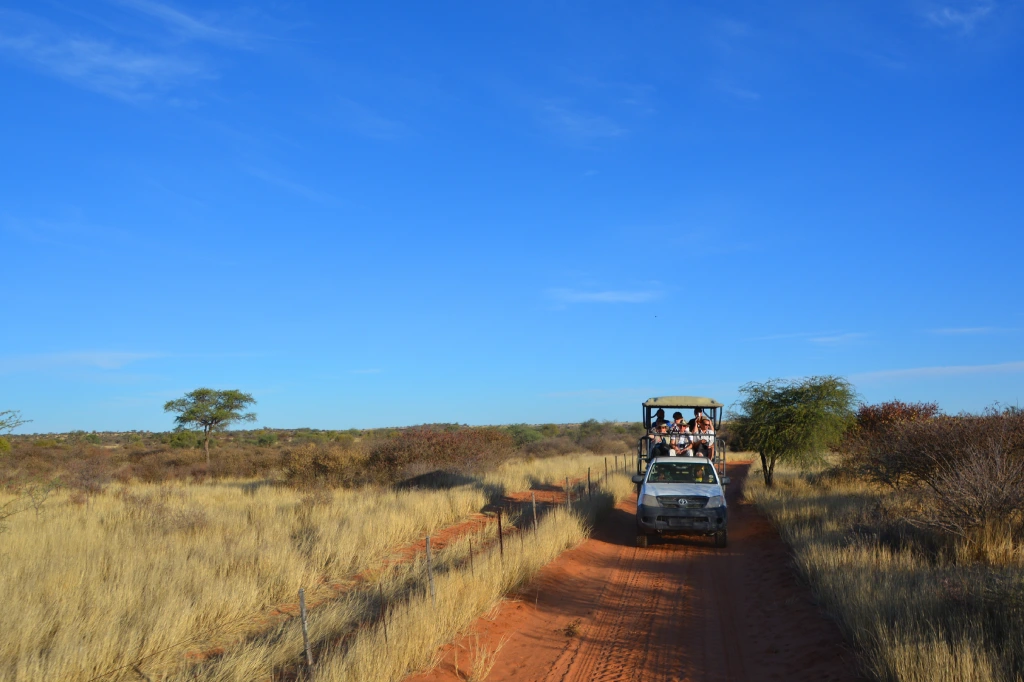
6 Destinations: Etosha National Park → Namibia → Sossusvlei → Spitzkoppe → Swakopmund → Windhoek
View Details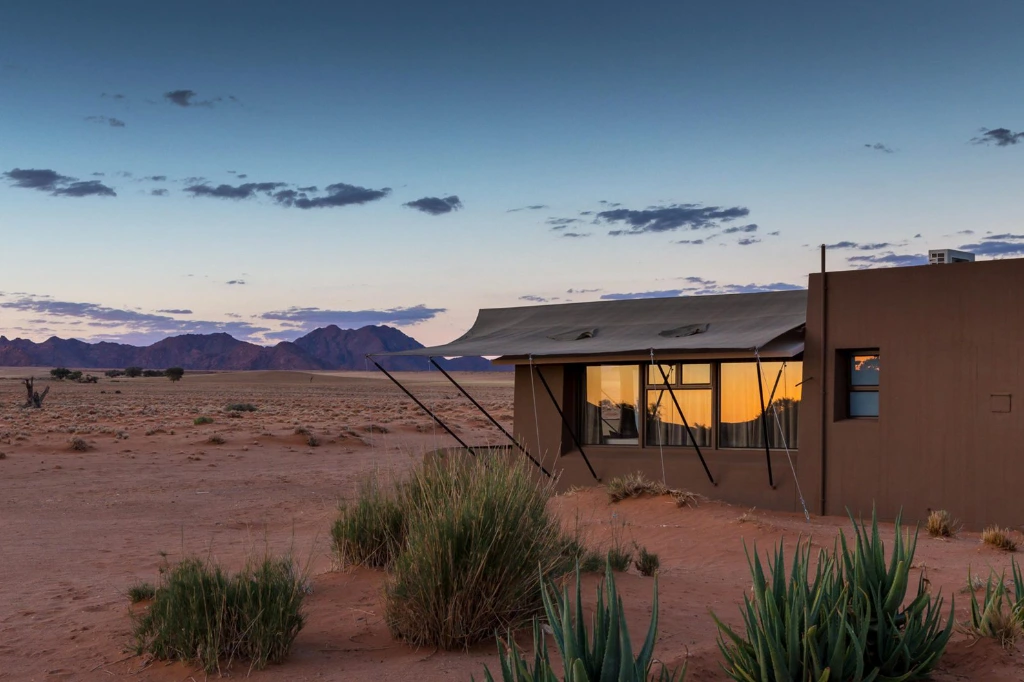
5 Destinations: Etosha National Park → Namibia → Sossusvlei → Swakopmund → Windhoek
View Details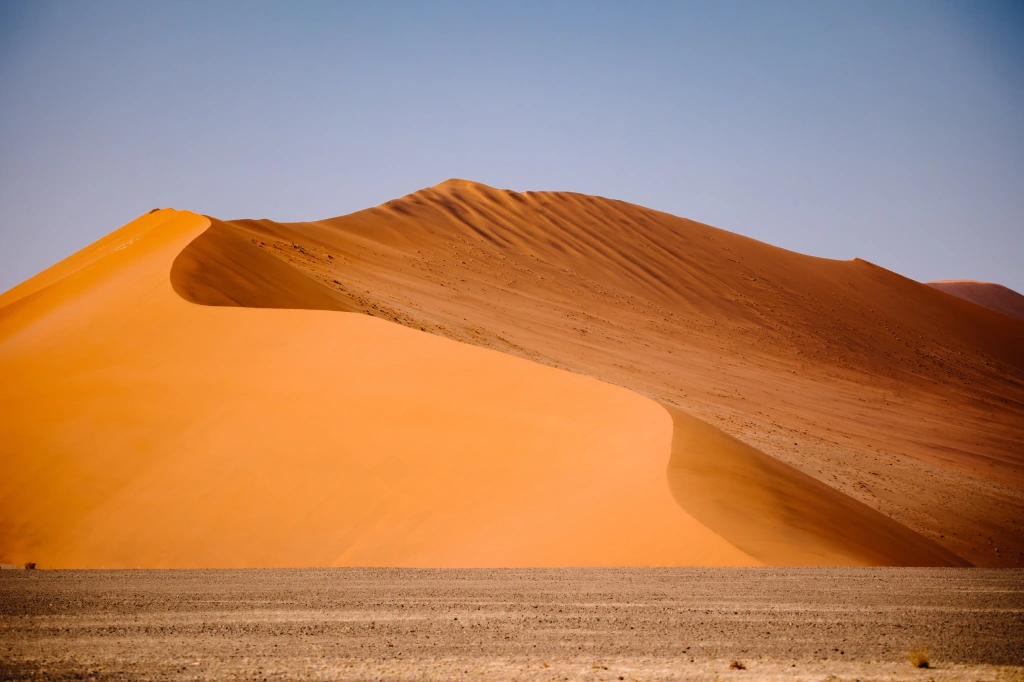
5 Destinations: Etosha National Park → Namibia → Sossusvlei → Swakopmund → Windhoek
View Details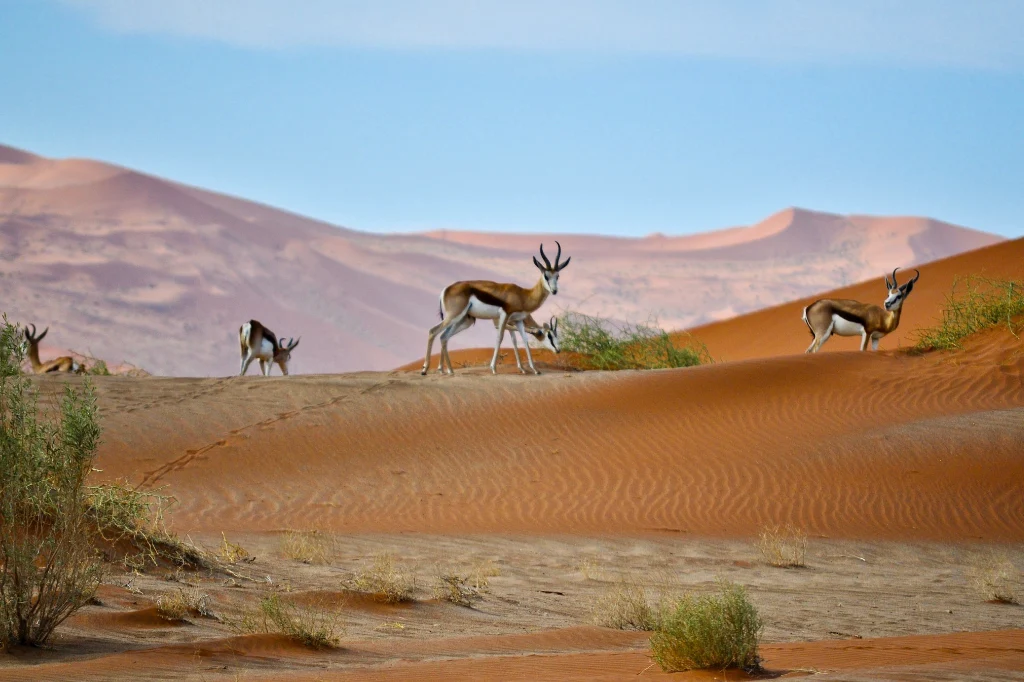
6 Destinations: Botswana → Etosha National Park → Namibia → Sossusvlei → Swakopmund → Zimbabwe
View Details
6 Destinations: Etosha National Park → Fish River Canyon → Namibia → Sossusvlei → Swakopmund → Twyfelfontein
View Details
6 Destinations: Botswana → Etosha National Park → Namibia → Sossusvlei → Swakopmund → Zimbabwe
View Details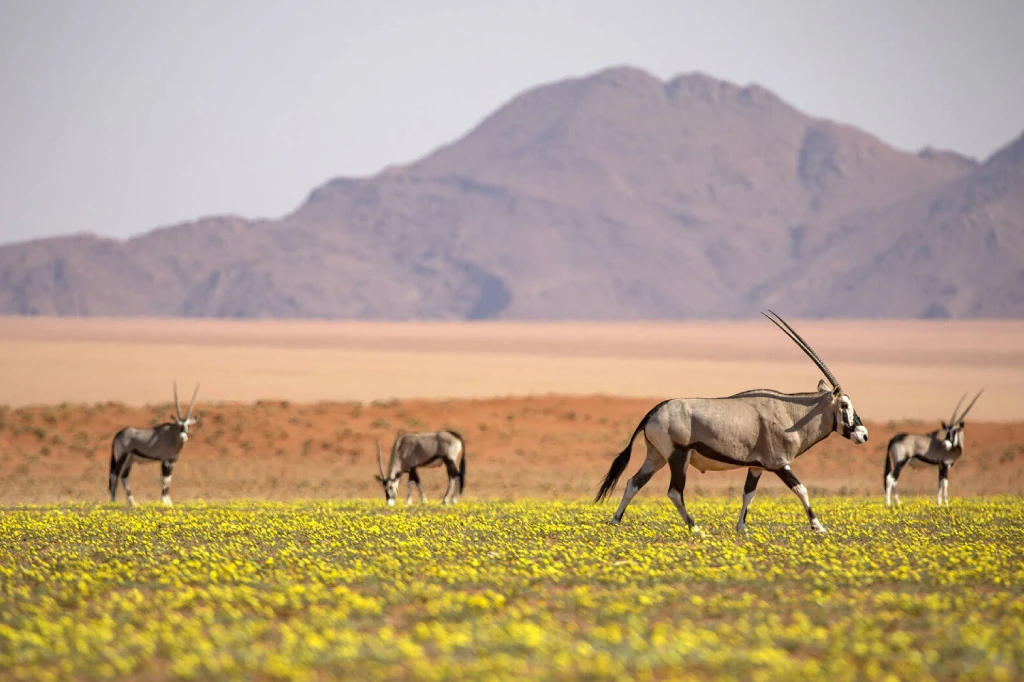
7 Destinations: Etosha National Park → Kamanjab → Namibia → Spitzkoppe → Swakopmund → Twyfelfontein → Windhoek
View Details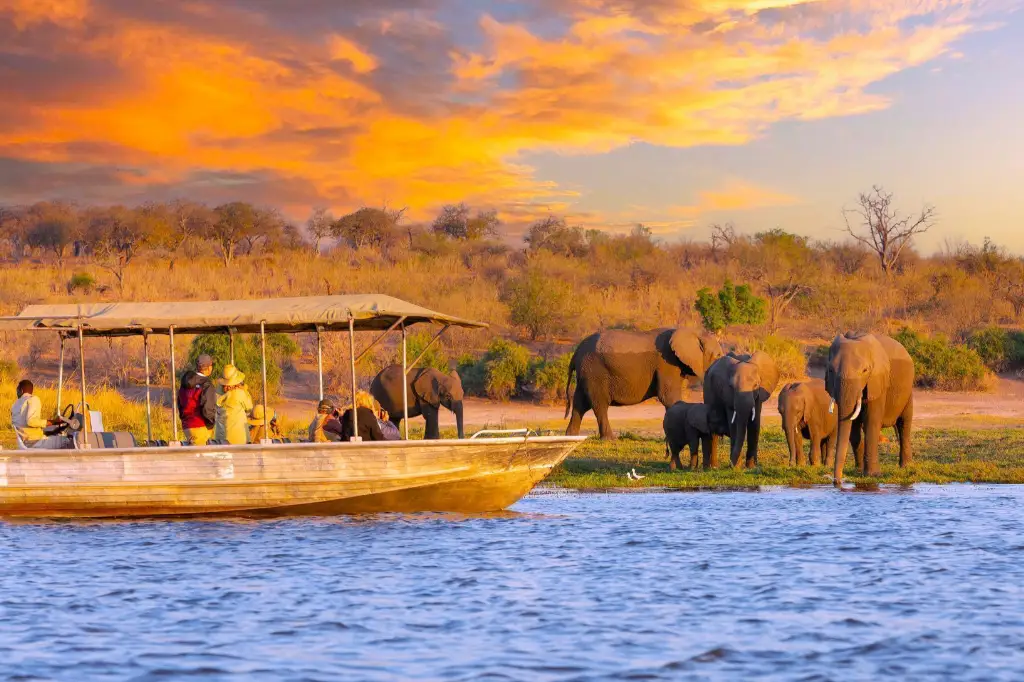
4 Destinations: Etosha National Park → Namibia → Sossusvlei → Swakopmund
View Details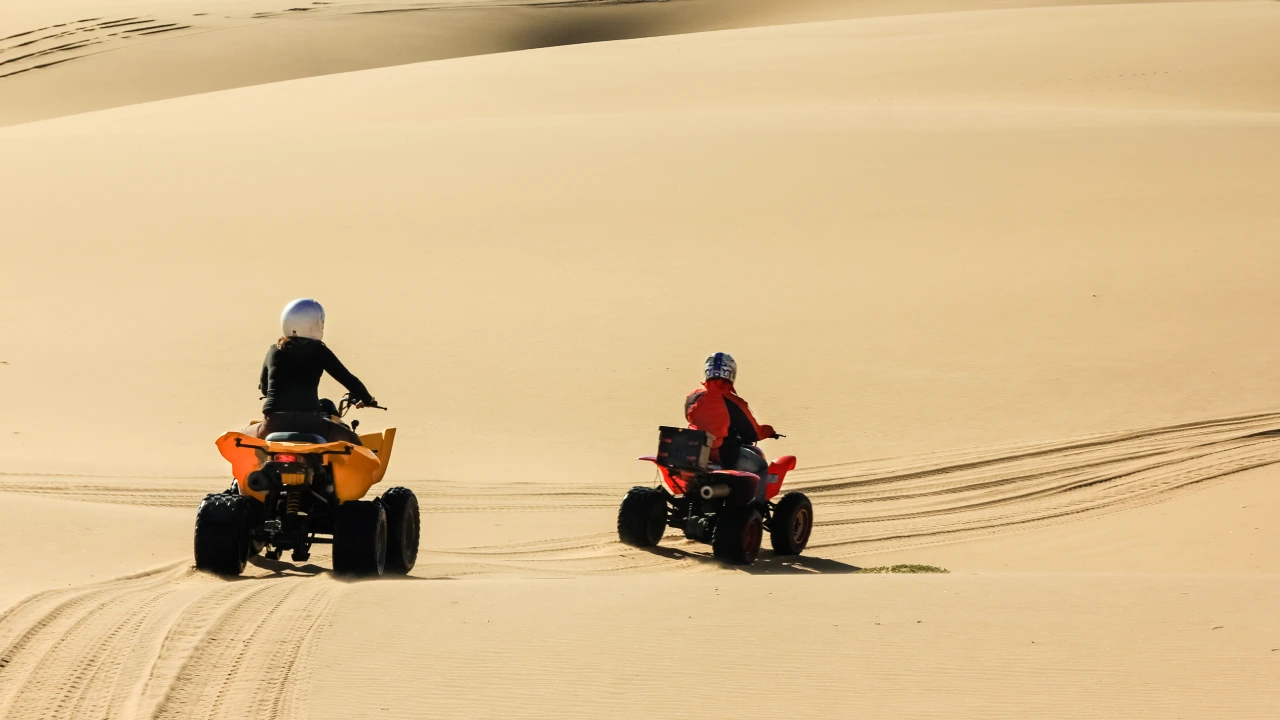
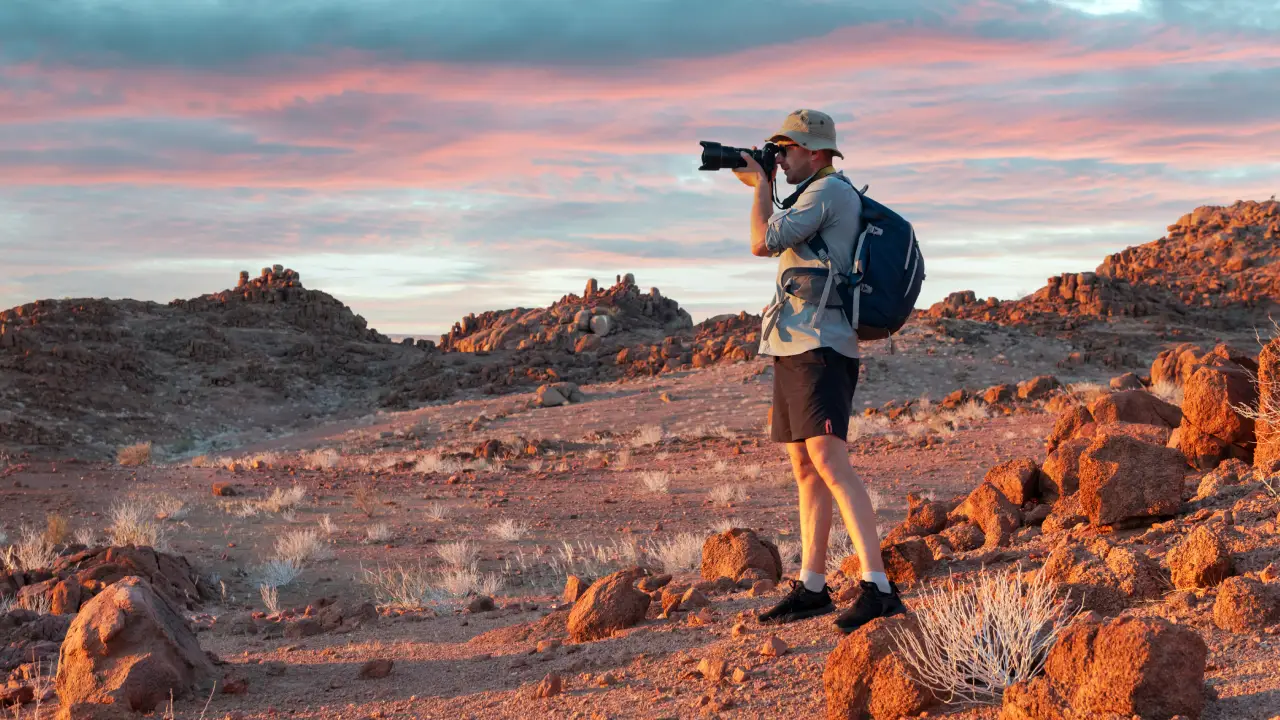
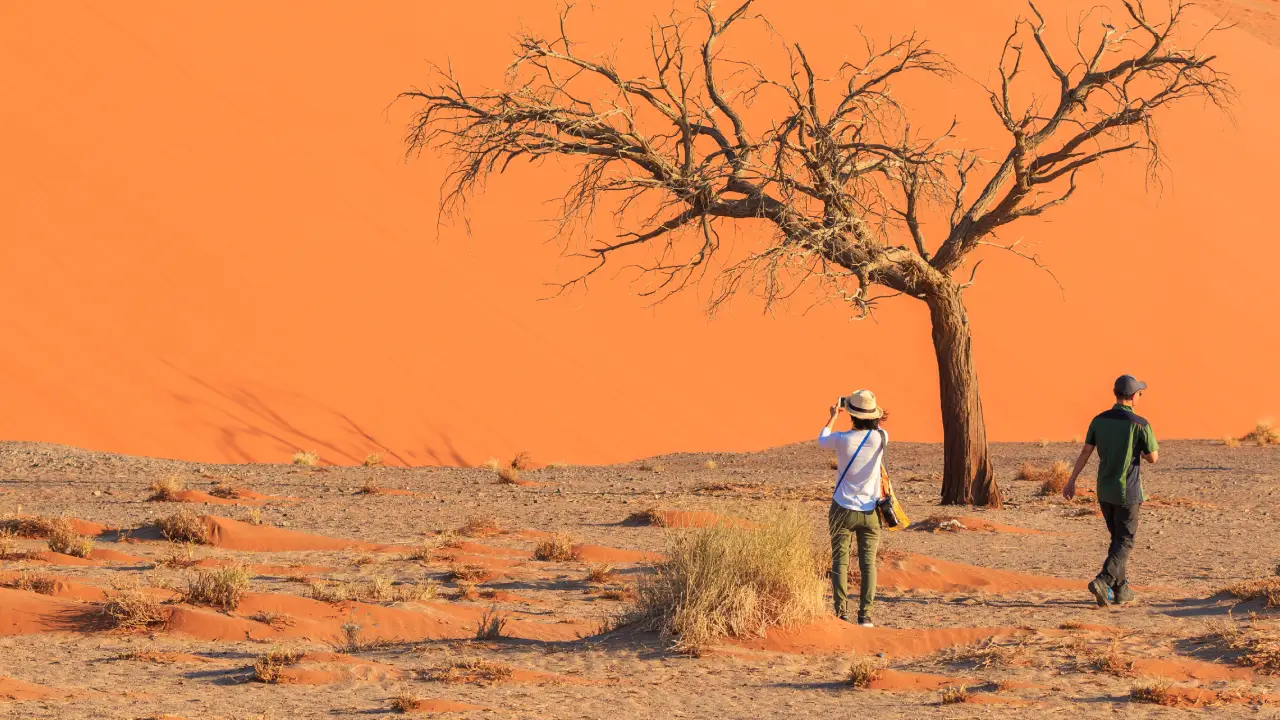
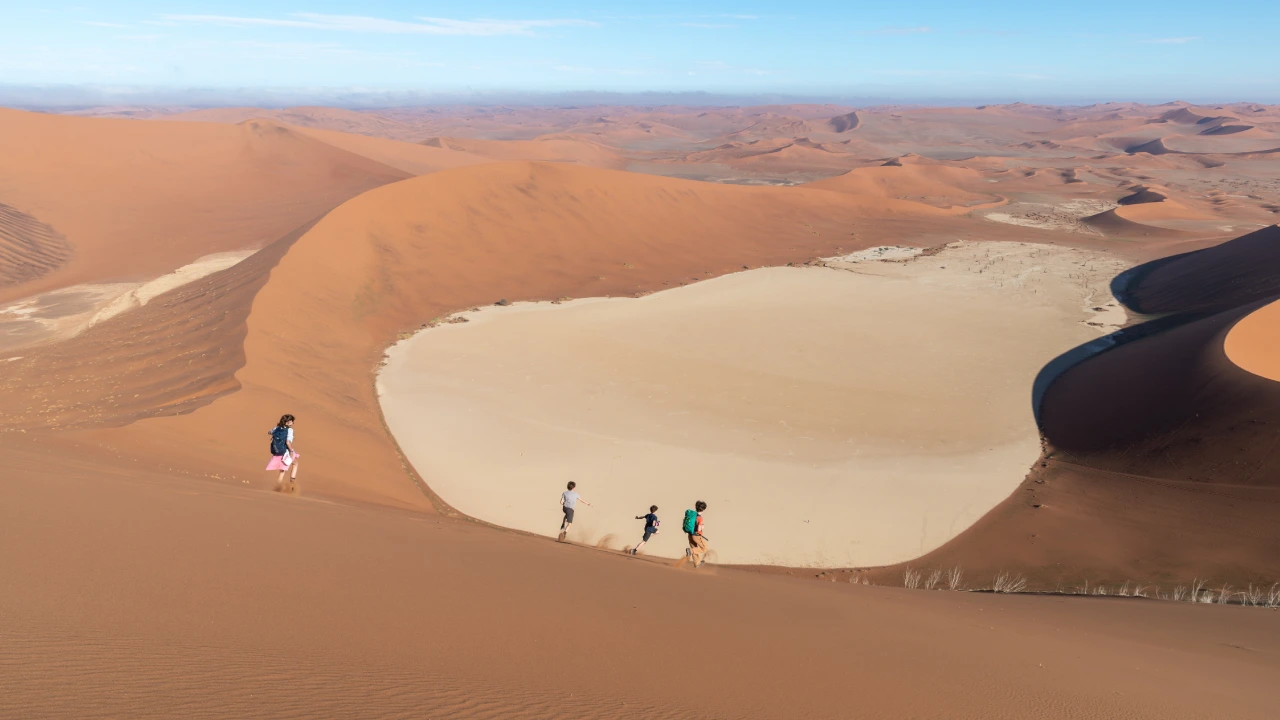
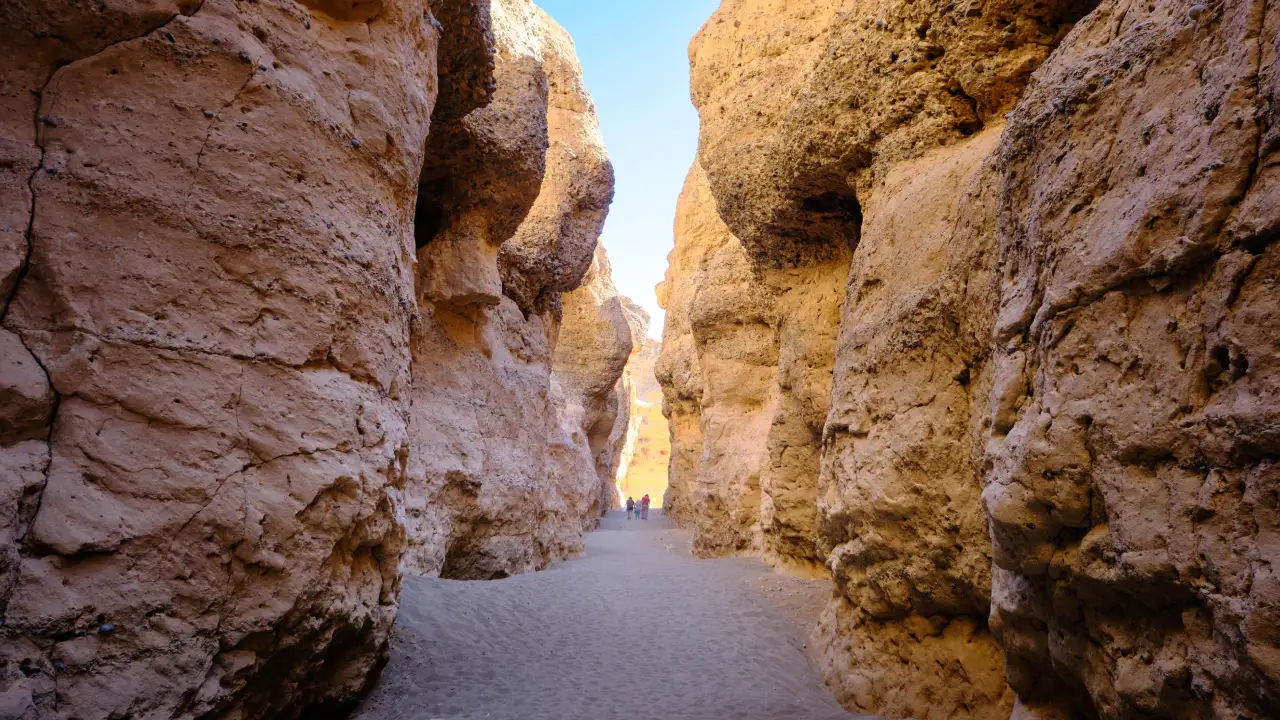
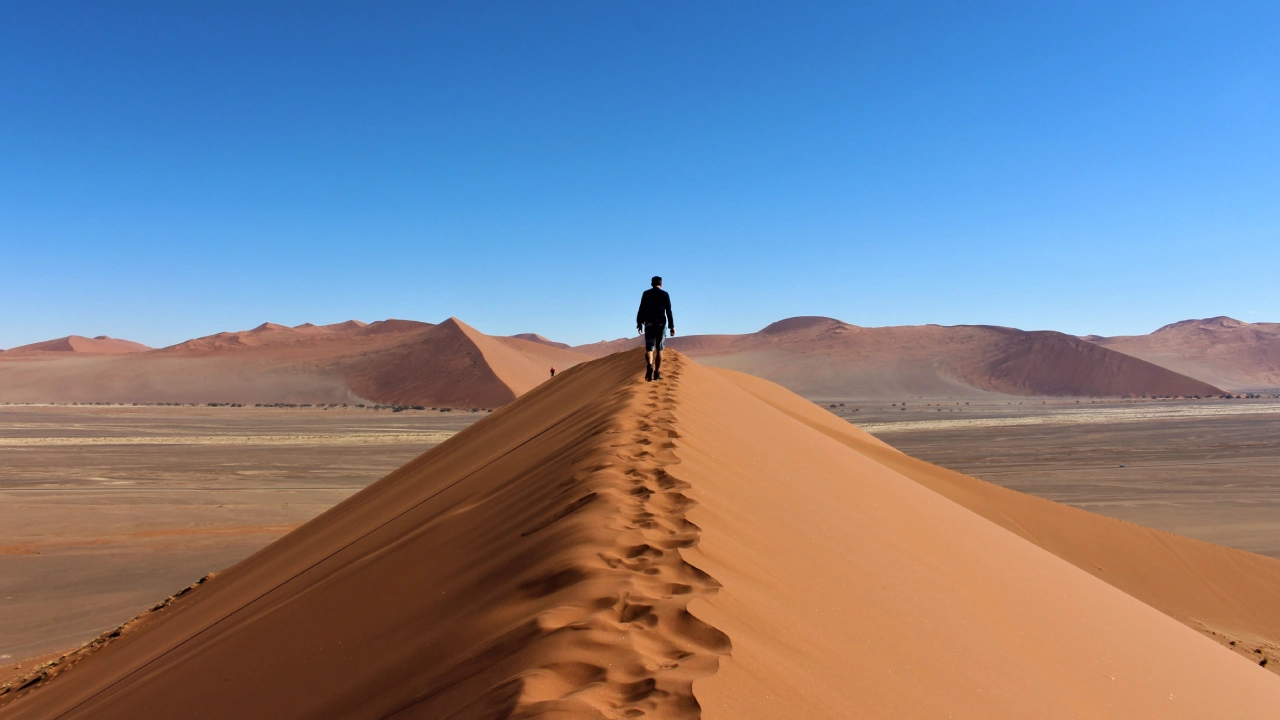
Explore Namibia experiences through desert climbs, wildlife sightings, cultural visits, coastal adventures, river journeys, starlit camps, scenic drives, and quiet moments that make each trip feel personal and memorable.
Our Namibian tour was an unforgettable experience from start to finish. Henzel was both our guide and driver, and he did an outstanding job in both roles. He was incredibly thorough and well-prepared, always sharing detailed insights about the landscapes, wildlife, and local culture. You could tell he truly knew and loved the country.

We did the “7 Days Wildlife Etosha and Sossusvlei Namibian Safari (Accommodated)” with Safari World Tours in December 2023 and it was the best choice for our family! We are experienced travelers (49 countries visited) and found that to travel to Namibia with a small child (4 years old) a tour would the the best option






 German
  English