+264 81 8211 521
info@safariworldtours.com
Rabatte & Deals


A remote Namibia destination with waterfalls, palms, culture, and river views
Epupa Falls lies on the Cunene River, along the border between Namibia and Angola. Set in the Kaokoland area of the Kunene Region, it is known for falling water, rocky channels, and remote beauty.
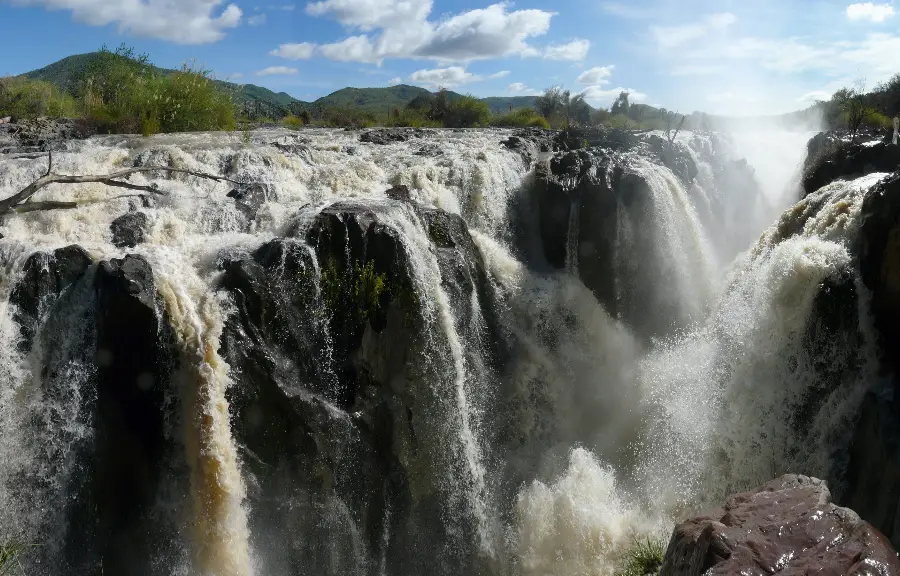
The falls are formed where the Cunene River spreads wide, then drops through a series of waterfalls and rocky gaps. The highest drop reaches about 37 meters, while the river runs through a dramatic stretch of more than one kilometer. Epupa is also the name of the nearby settlement, and the word is often linked to “falling water” in the Herero language, which suits the place perfectly.
Epupa Falls is one of the most scenic Namibia Reiseziele for travelers who enjoy wild river landscapes. Fig trees, baobabs, makalani palms, coloured rock walls, and the steady sound of water give this area a peaceful, untouched feeling.

Gather ideas from our Namibia tour packages, or let our consultants help you picture the possibilities. We can build the journey around your time, style, and interests.
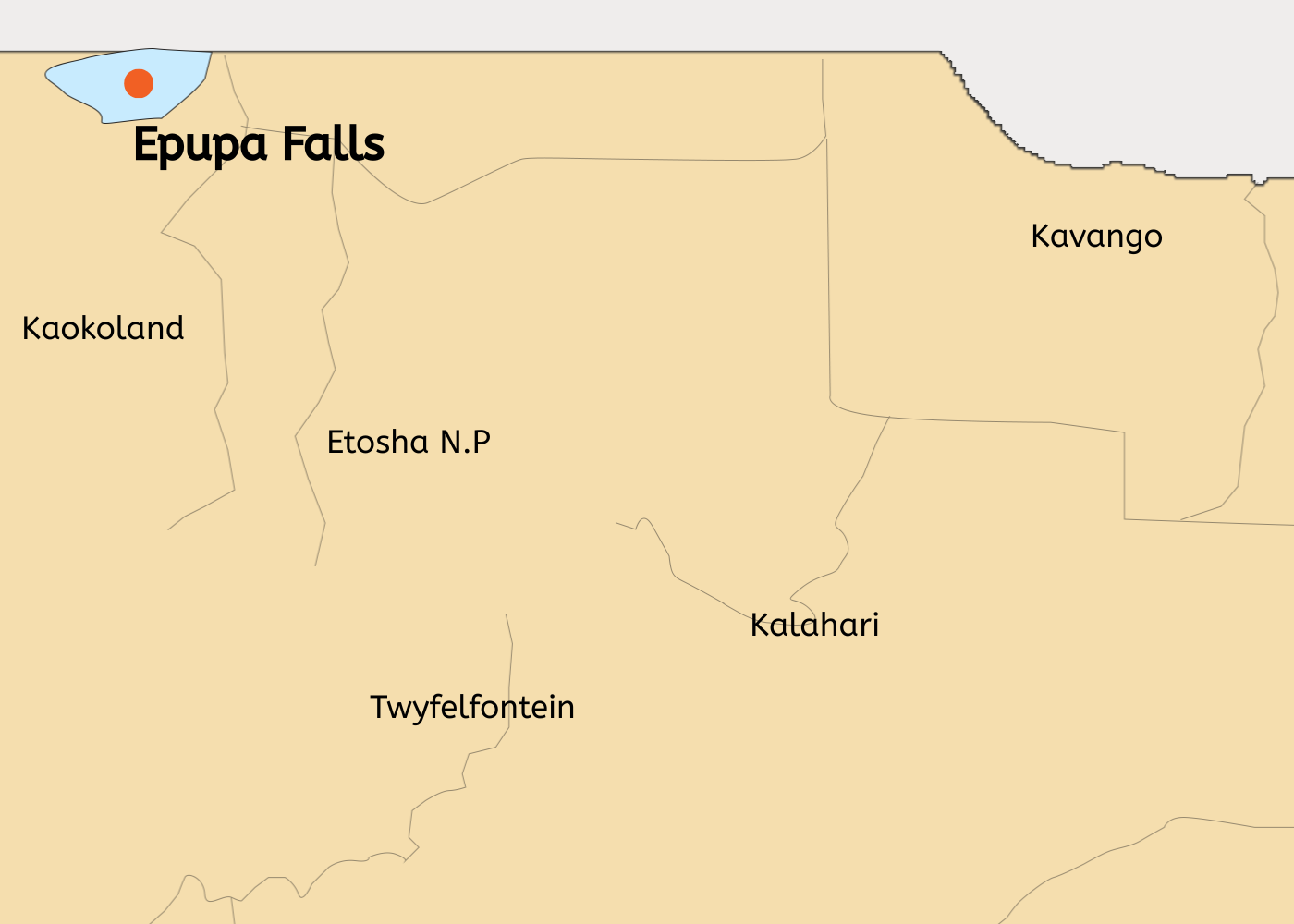
Epupa Falls sits in Namibia’s far north-west, along the Cunene River on the border with Angola. A map helps travelers understand its remote setting, access from Opuwo, nearby lodges, river viewpoints, and surrounding routes. It also makes planning easier for guided visits, 4×4 travel, cultural stops, and longer journeys in the Kunene Region.
Epupa Falls gives travelers a softer, greener side of northern Namibia. The Kunene River runs through dry Kaokoland, creating waterfalls, palms, baobabs, birdlife, and quiet river paths near Angola. It is a place for slow walks, Himba cultural visits, sunset views, and simple moments beside moving water before the long desert road continues again for many visitors up north again.
Epupa Falls is open throughout the year, but the season changes the whole feeling. Dry months bring easier roads and clearer skies. After rain, the river feels fuller, greener, and more alive, especially around April and May, when fresh banks lift the valley.
May to October is usually the easiest time to visit Epupa Falls. The weather feels milder, rain is low, and walking near the river becomes more comfortable. Travellers can enjoy viewpoints, village visits, and short nature walks without the heavy heat that often builds later in the year, especially during long afternoons. Carry water for each walk near the river.
April and May can be beautiful months here. The rainy season has just passed, so the Kunene River often carries stronger flow. Plants along the banks look fresher too. If you want the falls with more water, green edges, and brighter valley scenes, this period feels rewarding, even a little surprising. It suits slow travel and photography beside the water.
From September to March, the area becomes warmer because Namibia moves through spring and summer. Travel is still possible, but midday heat can feel tiring. Early morning walks and late afternoon outings are better then, especially for photography, birding, and quiet time near the river, when the air softens. These hours feel calmer and kinder for visitors walking outside.
The best light often comes early or late. Sunrise brings cooler air and softer color over the palms and baobabs. Sunset is slower, warmer, and very calm. It is worth keeping those hours free, even if the rest of the day is planned lightly, because the valley feels different then after a hot drive through the north of Namibia.
The Kunene River gives Epupa Falls a surprising amount of life. Reptiles, monkeys, birds, palms, and river plants gather around this water source, making the area feel rich even in a dry northern Namibian setting, especially for patient travelers who enjoy small sightings.
Nile crocodiles are often seen along the riverbanks, especially where rocks give them space to warm in the sun. Water monitors also live near the river and can sometimes be spotted slipping between stones, plants, and shaded edges. You need a careful eye and a little patience near calm pools and reeds. Watch from a safe distance near your guide.
Birdwatching is one of the quiet pleasures of Epupa Falls. The area is known for more than 240 bird species, including Rufous-tailed Palm Thrush, Cinderella Waxbill, Hartlaub’s Spurfowl, Rüppell’s Parrot, and Monteiro’s Hornbill. Some birds appear suddenly, then vanish into thick palms before you expect it. Guides help visitors notice calls and movement.
The riverine trees attract sunbirds, bee-eaters, cuckoos, and birds of prey. African Harrier-Hawk and Black-chested Snake-Eagle may be seen in the wider valley. It is not a loud wildlife place. You look, wait, listen, and then small details start coming forward, one by one. This slower pace makes the birding feel more personal.
Vervet monkeys move through the makalani palms, bringing sound and movement to the river edge. The rare African Clawless Otter may also be seen, though sightings are never guaranteed. Around Epupa, wildlife feels tied to water, shade, and patient observation more than quick sightings from a vehicle. These sightings feel special because they feel unforced.
Epupa Falls is striking because water appears in such a dry land. The Kunene River brings palms, baobabs, islands, rocks, and green banks into Kaokoland, giving the valley a clear contrast travellers remember quickly after arriving and walking close to the river nearby.
The falls do not drop in one simple line. The river splits into channels, curls around rocks, moves past small islands, and falls in several places. This gives Epupa a wide, broken, natural look that feels different from a single viewpoint waterfall, and more interesting to explore. It feels better when explored slowly and on foot.
Makalani palms and old baobab trees frame many river views. Their green leaves stand against red earth, dry hills, and rough stone. From a distance, the valley may look harsh. Up close, it feels cooler, softer, and full of small riverside details that catch attention slowly. The river changes the whole mood of the valley.
The Baines Mountains add a strong backdrop, especially in the late afternoon. As the sun drops, the valley turns warmer, the water catches more light, and shadows gather around the palms. It is a good time to stand quietly and just look, without rushing away. That soft hour makes the valley easier to feel.
The scenery also includes signs of daily life. Walks beside the river pass gardens, paths, cattle areas, and local homes. That matters. Epupa Falls is not an empty postcard. It is a lived-in valley, and that makes the place feel more real to many travellers. These details give the scenery a human side too here.
Epupa Falls suits travellers who enjoy slow, meaningful activities. You can walk near the river, visit viewpoints, meet Himba communities with guides, watch birds, take sunset trips, and spend quiet time beside the Kunene without needing a packed schedule or rushed sightseeing plan.
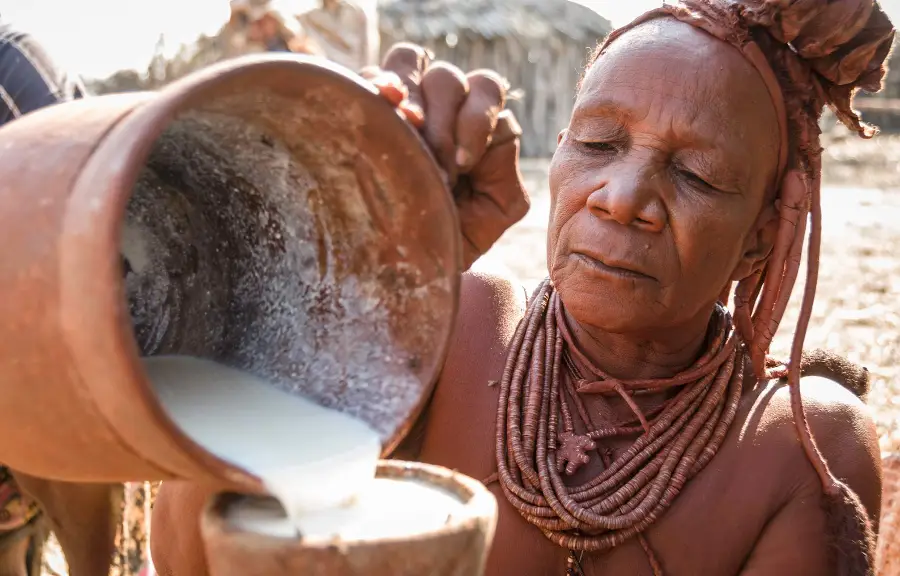
A visit to a Himba village is one of the main experiences near Epupa Falls. With a local guide and interpreter, travellers can learn about homes, dress, food, family life, and daily routines. It feels best when done with patience, respect, and enough time to listen properly. A good guide keeps the visit grounded and respectful.
Sunset experiences are simple, but they stay in memory. Visitors usually go out in the late afternoon, when the heat drops and the valley changes colour. The river, palms, mountains, and sky settle together, creating a calm end to the day that feels easy and natural. It is peaceful, simple, and easy to enjoy slowly.
River walks are also worth taking. Some routes move upstream, while others lead toward viewpoints and sandy river edges. Along the way, guides may point out birds, plants, crops, and local challenges linked to farming, cattle, and life beside the Kunene in this remote valley. These walks make the place feel closer and clearer.
You can explore the falls on foot from more than one angle. Short walks make the area easier to understand, not just to photograph. And sometimes the best part is very simple: standing near the water, hearing it move, and slowing down for a few quiet minutes. Those few minutes often say more than a viewpoint.
Epupa Falls brings a calm riverside setting in northern Namibia, where the Kunene River moves through palms, rocks, waterfalls, and Himba village life. The area feels remote, warm, simple, and better enjoyed slowly.
These Namibia Safari Itineraries bring together the country’s wide range of travel experiences, from wildlife parks and desert roads to coastal towns, cultural stops, and quiet lodge stays. Some routes are short and focused. Others stretch across several regions. And for travelers comparing Namibia Safari Packages, these itineraries make it easier to choose a trip that fits their time, comfort, and travel style.
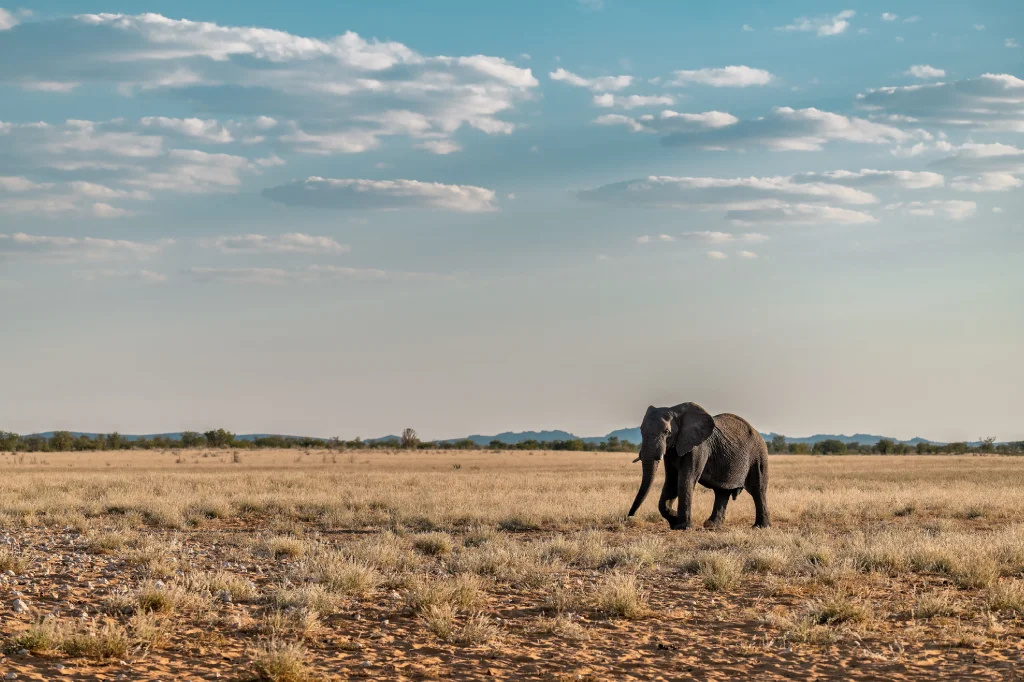
2 Destinations: Etosha National Park → Namibia
View Details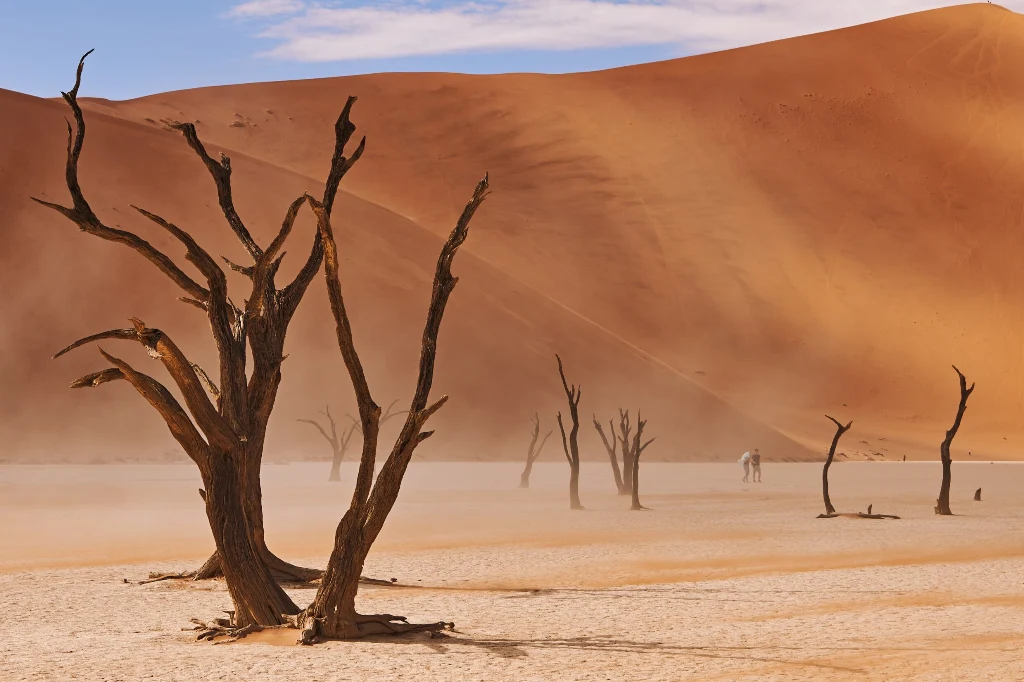
5 Destinations: Botswana → Etosha National Park → Namibia → Sossusvlei → Swakopmund
View Details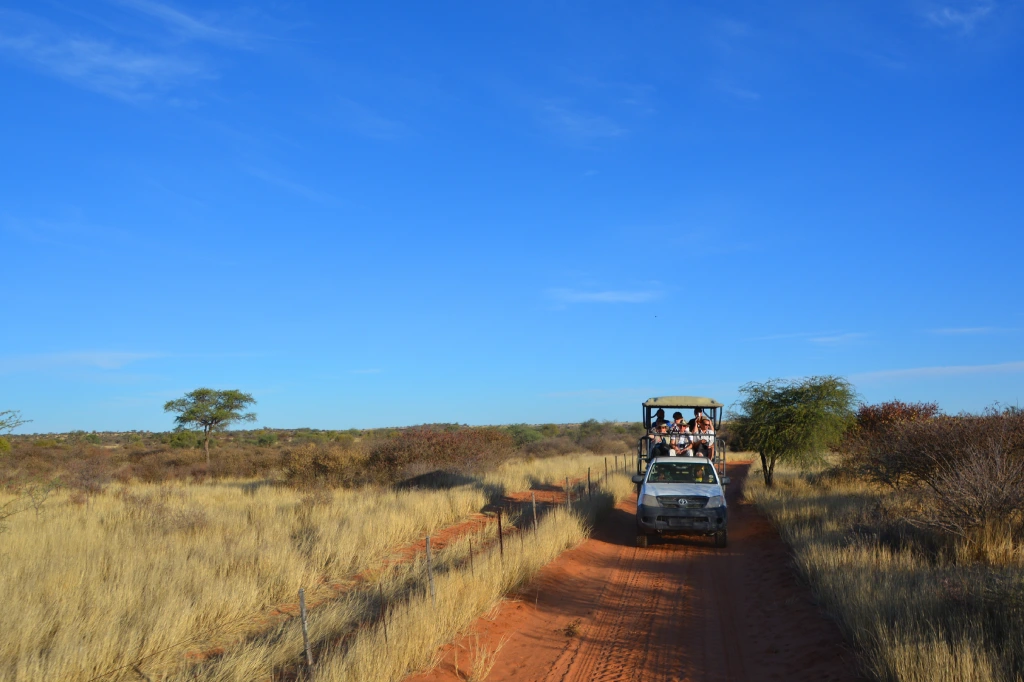
6 Destinations: Etosha National Park → Namibia → Sossusvlei → Spitzkoppe → Swakopmund → Windhoek
View Details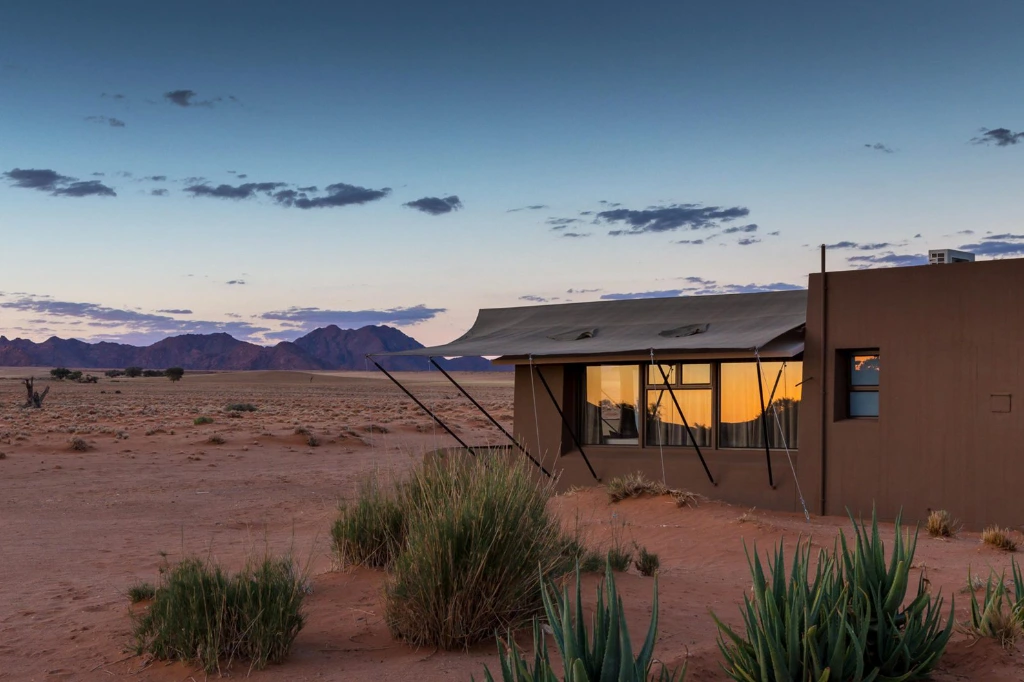
5 Destinations: Etosha National Park → Namibia → Sossusvlei → Swakopmund → Windhoek
View Details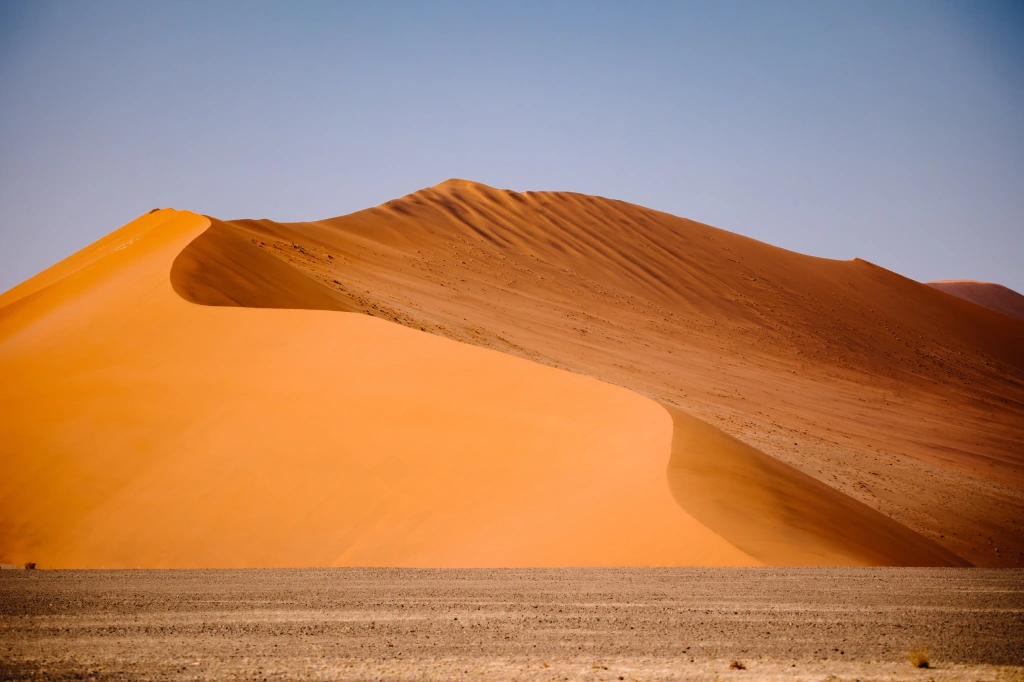
5 Destinations: Etosha National Park → Namibia → Sossusvlei → Swakopmund → Windhoek
View Details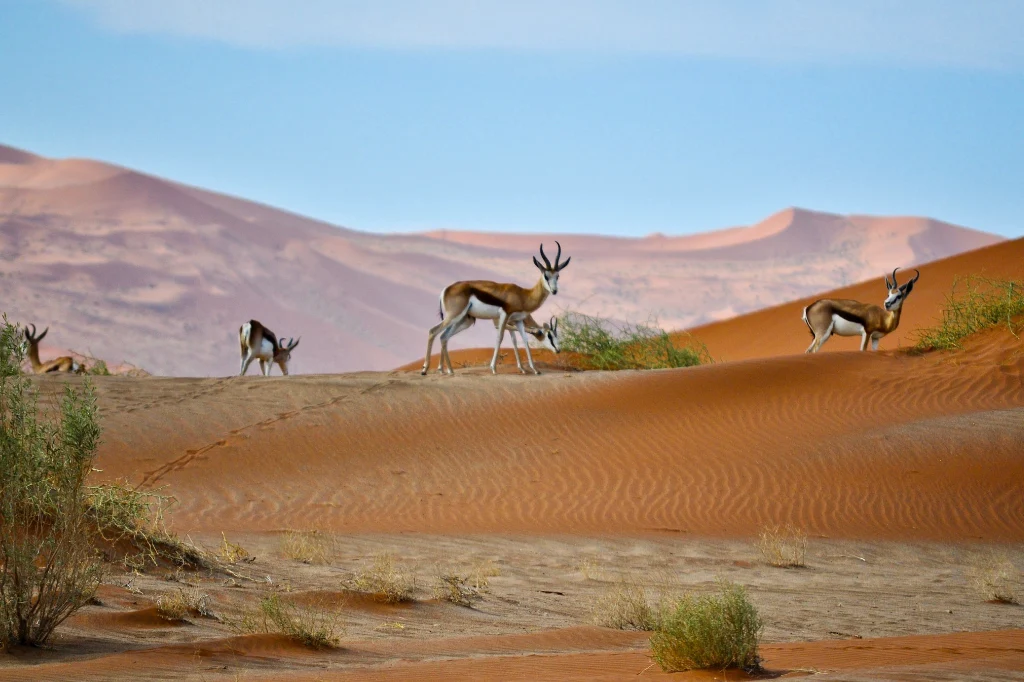
6 Destinations: Botswana → Etosha National Park → Namibia → Sossusvlei → Swakopmund → Zimbabwe
View Details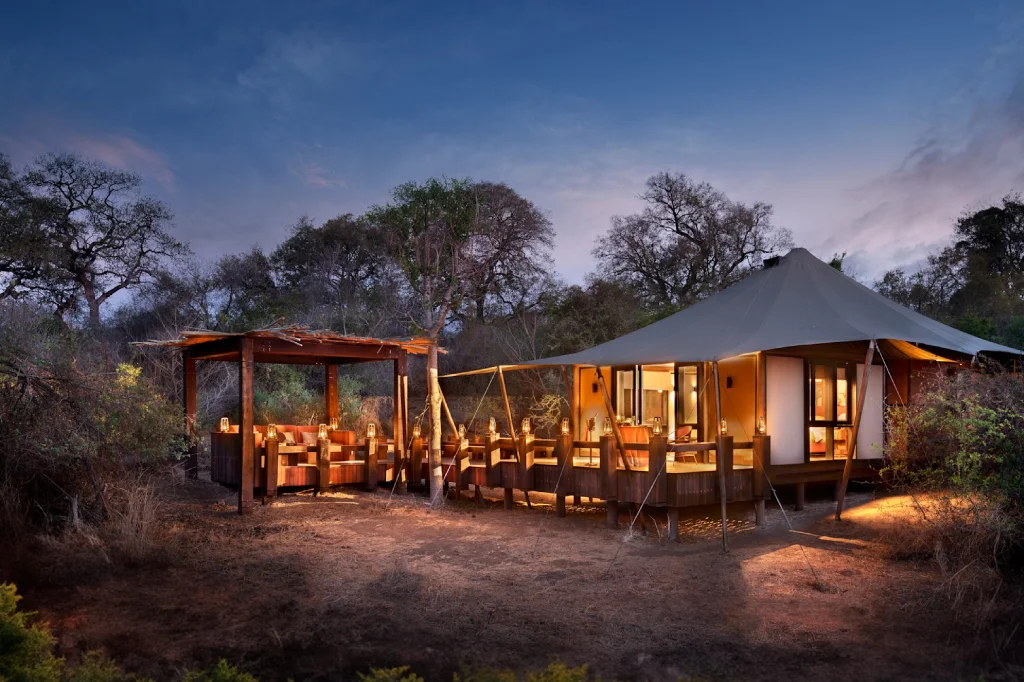
6 Destinations: Etosha National Park → Fish River Canyon → Namibia → Sossusvlei → Swakopmund → Twyfelfontein
View Details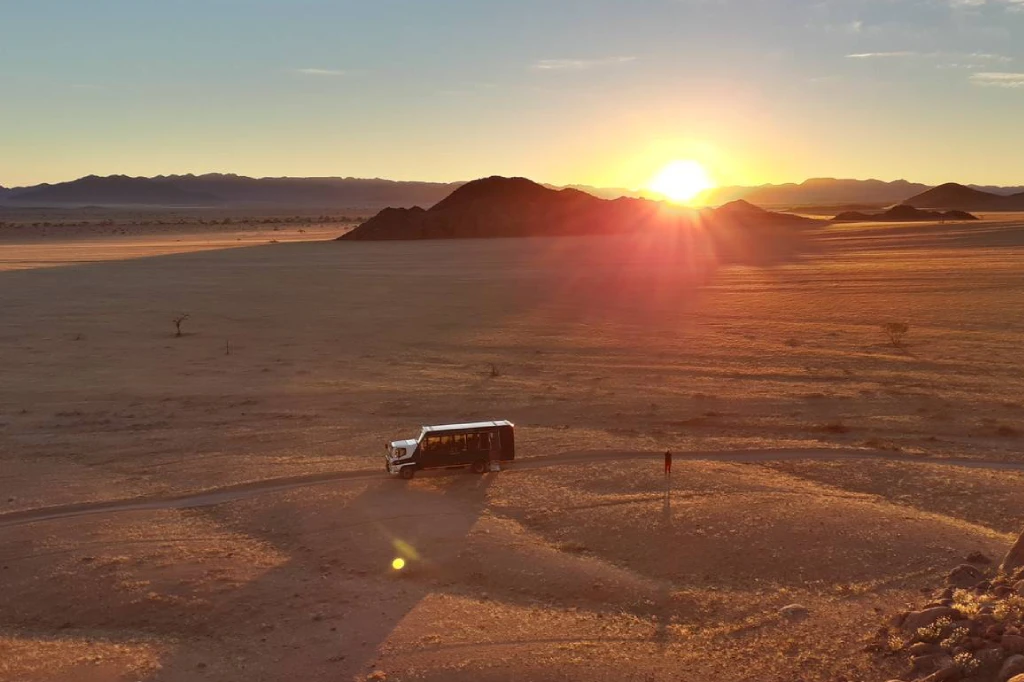
6 Destinations: Botswana → Etosha National Park → Namibia → Sossusvlei → Swakopmund → Zimbabwe
View Details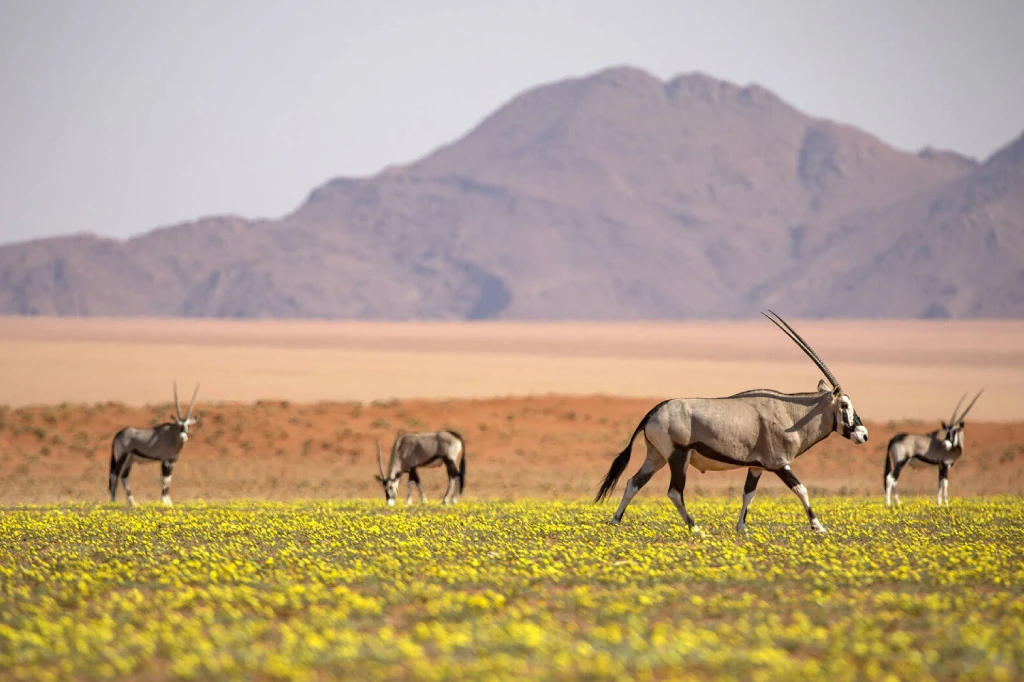
7 Destinations: Etosha National Park → Kamanjab → Namibia → Spitzkoppe → Swakopmund → Twyfelfontein → Windhoek
View Details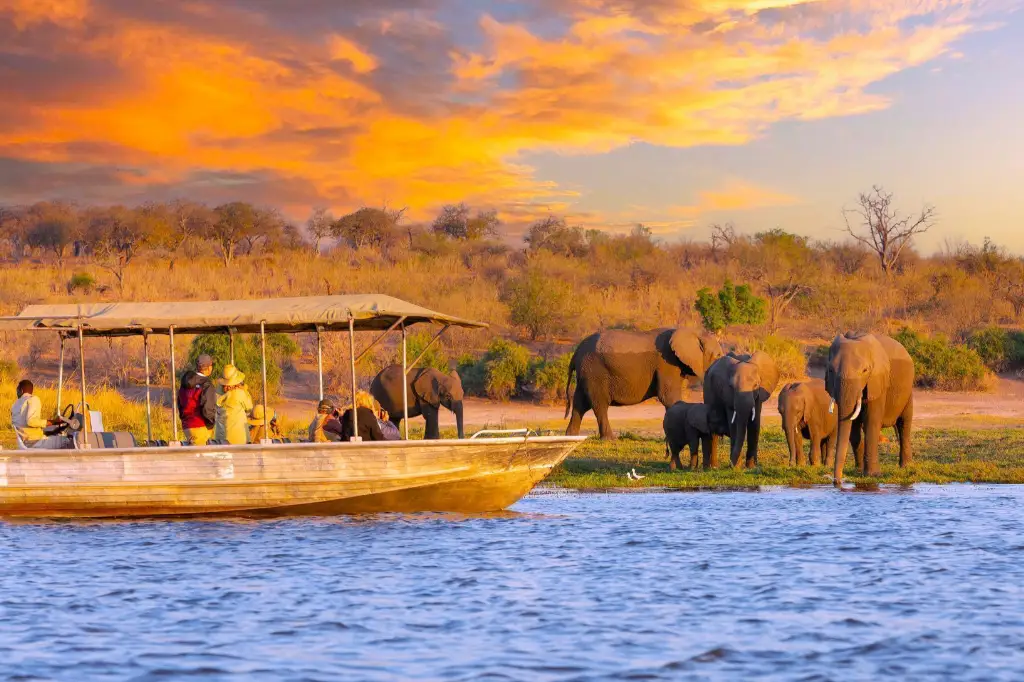
4 Destinations: Etosha National Park → Namibia → Sossusvlei → Swakopmund
View Details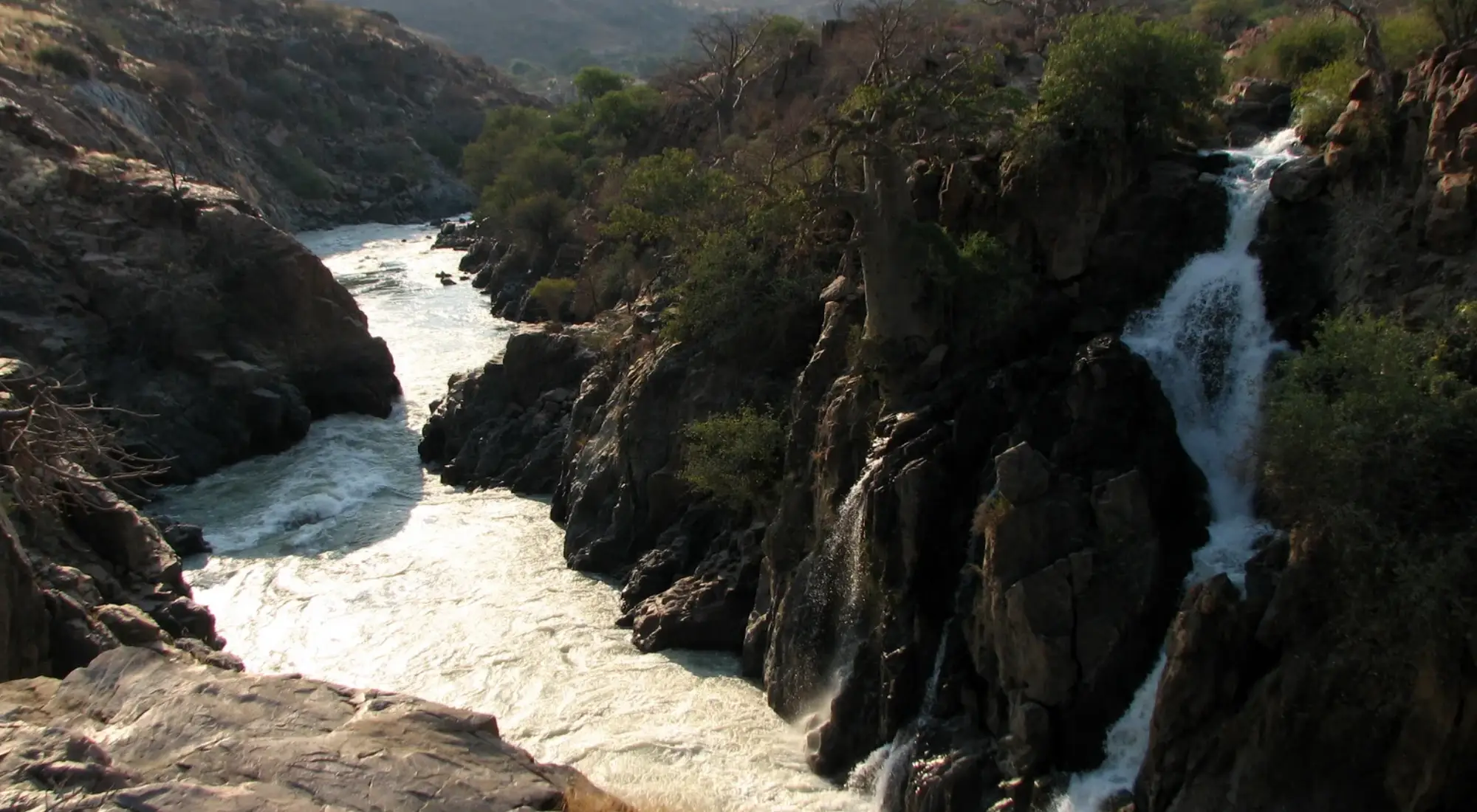
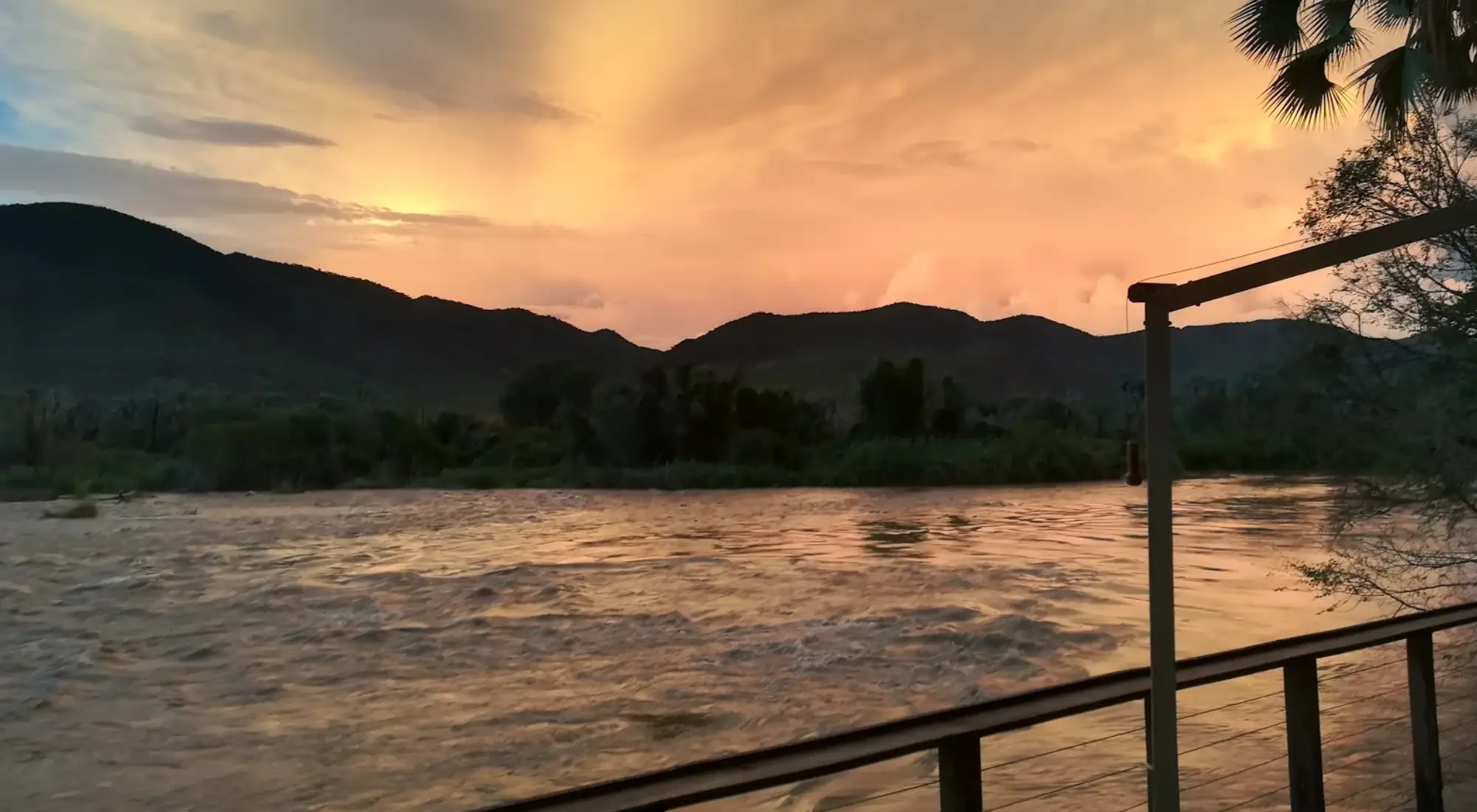
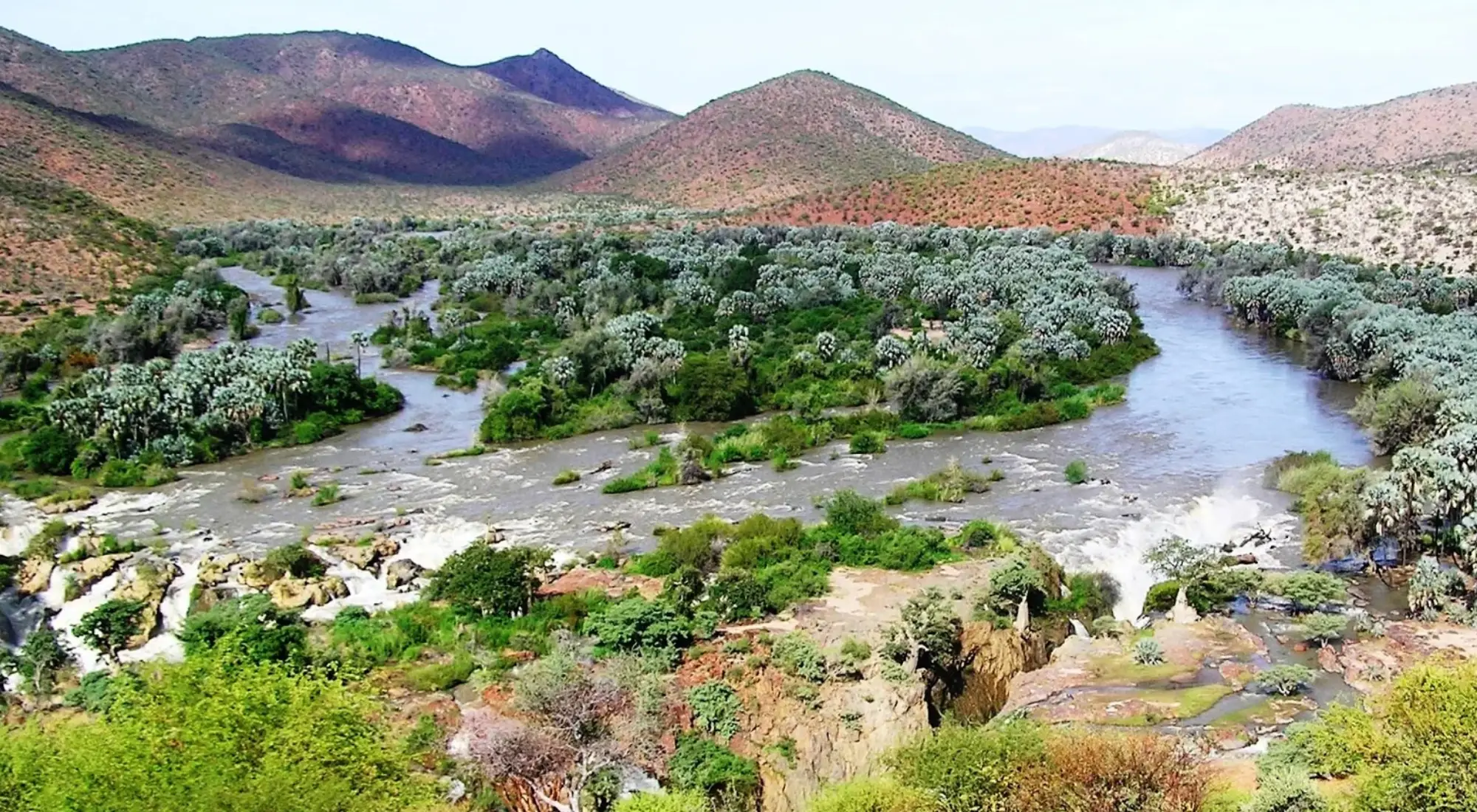
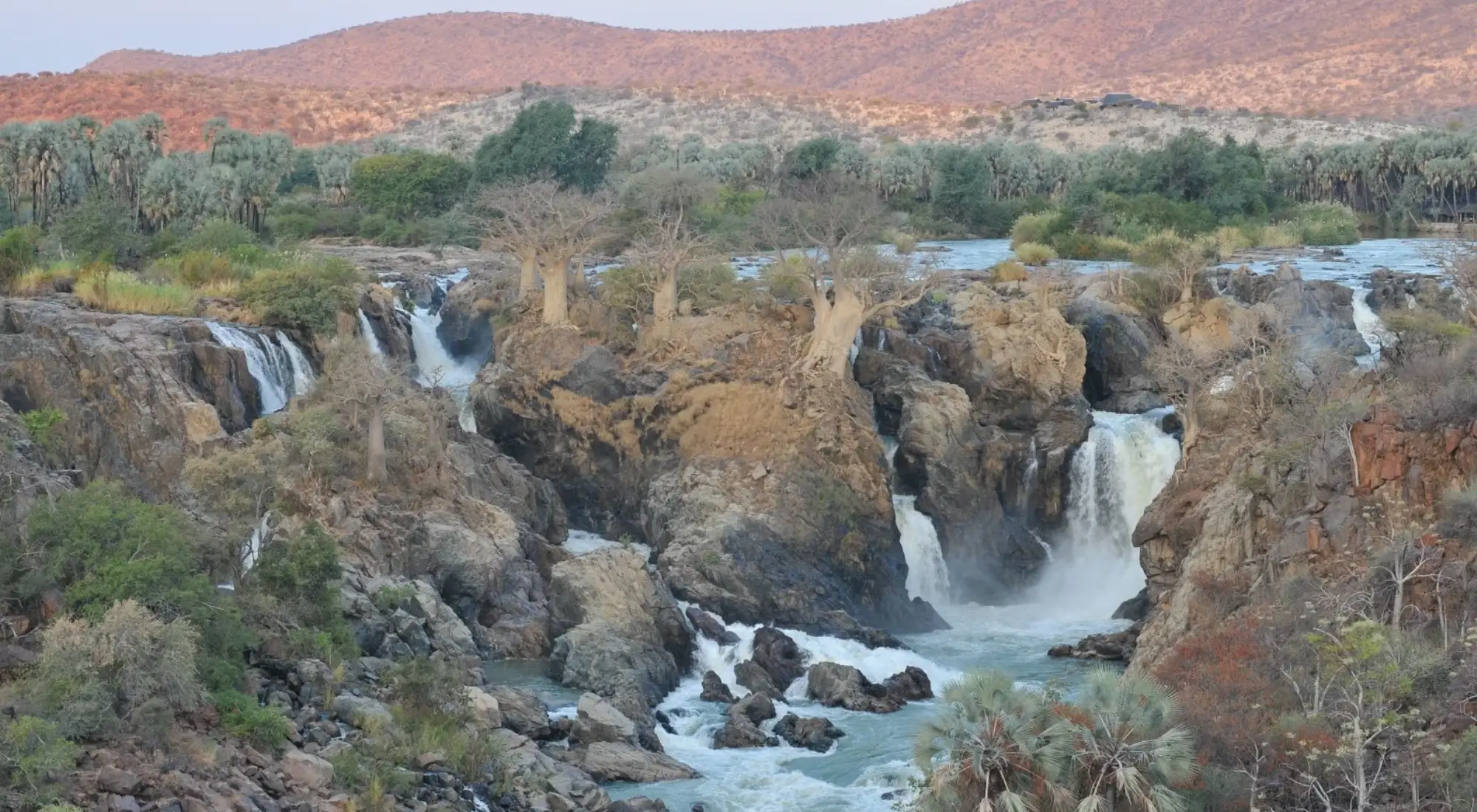
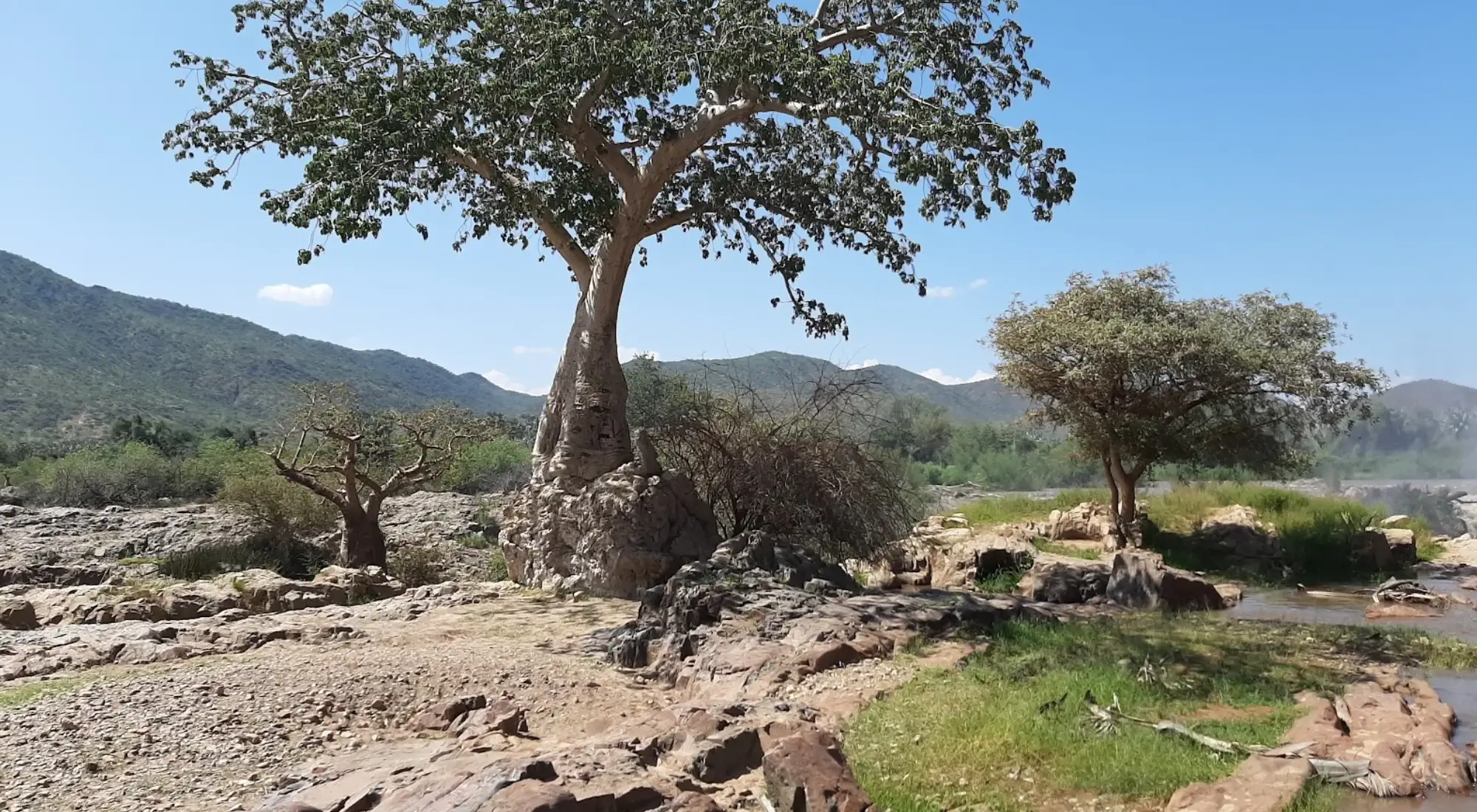
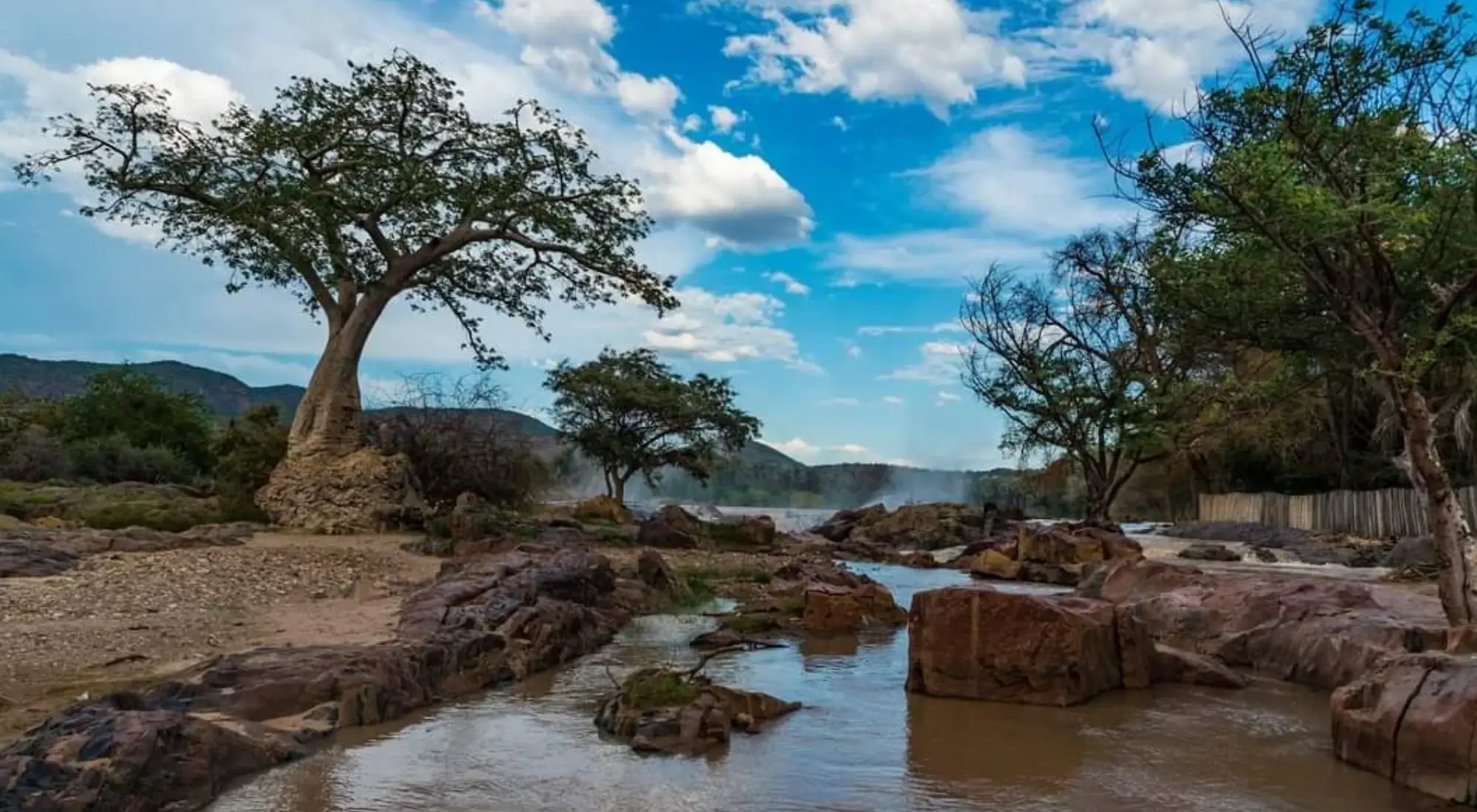
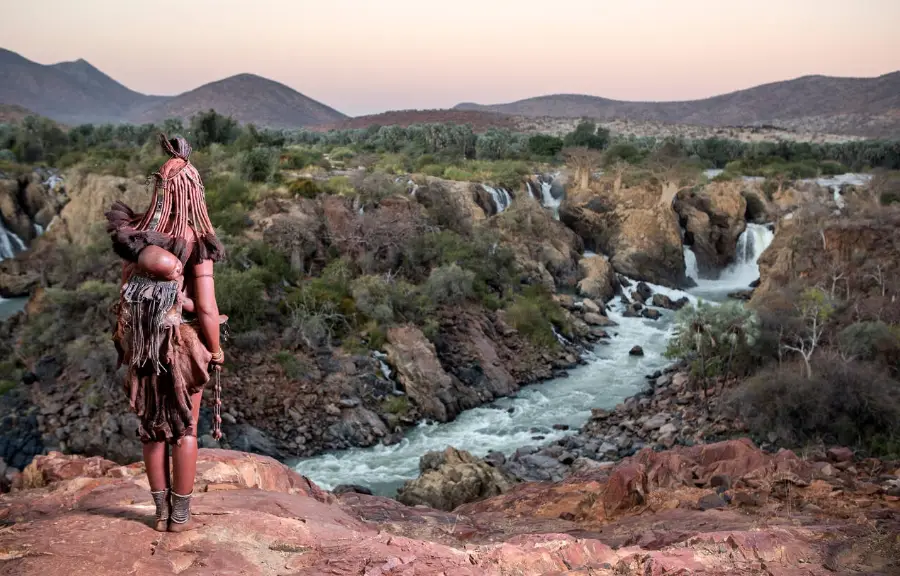
Browse through scenes from Epupa Falls, where the Kunene River, palms, rocky viewpoints, Himba village life, birdlife, and golden evening light come together in one calm setting in northern Namibia.
Planning a visit to Epupa Falls often brings small but important questions. Travelers want to know when to go, what to see, how remote it feels, and what activities make the stop worthwhile. These FAQs provide clear, simple answers about the falls, wildlife, Himba visits, scenery, walking routes, and travel timing to this northern Namibia destination.
Namibia has a lot to pull travelers in. Wide desert dunes, wildlife parks, salt pans, coastal towns, canyons, and quiet wilderness areas all sit within one country. This section brings the main attractions in Namibia together, so travelers can see what fits their route, time, comfort level, and the kind of journey they want.
Our Namibian tour was an unforgettable experience from start to finish. Henzel was both our guide and driver, and he did an outstanding job in both roles. He was incredibly thorough and well-prepared, always sharing detailed insights about the landscapes, wildlife, and local culture. You could tell he truly knew and loved the country.

We did the “7 Days Wildlife Etosha and Sossusvlei Namibian Safari (Accommodated)” with Safari World Tours in December 2023 and it was the best choice for our family! We are experienced travelers (49 countries visited) and found that to travel to Namibia with a small child (4 years old) a tour would the the best option







 German
  English