+264 81 8211 521
info@safariworldtours.com
Rabatte & Deals

A green corridor of rivers, villages, wetlands, and wildlife
Caprivi is a long, narrow region in north-eastern Namibia, stretching toward the Zambezi River. Unlike much of the country, it has rivers, wetlands, floodplains, woodlands, and small villages spread across a greener landscape.
The region lies between major river systems, including the Zambezi, Okavango, Kwando, Linyanti, and Chobe. This gives Caprivi a very different feel from Namibia’s deserts and dry plains. Local communities depend on fishing, cattle, farming, and river-based life, while travellers visit for birdlife, wetlands, wildlife, and cross-border routes. It is one of the most distinctive Travel Destinations in Namibia for visitors who want water, culture, and nature together.
Caprivi is also known for its rich wildlife areas, especially around riverbanks, marshes, and woodland zones. Antelopes, elephants, hippos, crocodiles, and many bird species can be found across the region. Katima Mulilo, on the Zambezi River, is the area’s main town and travel center.

Gather ideas from our Namibia tour packages, or let our consultants help you picture the possibilities. We can build the journey around your time, style, and interests.
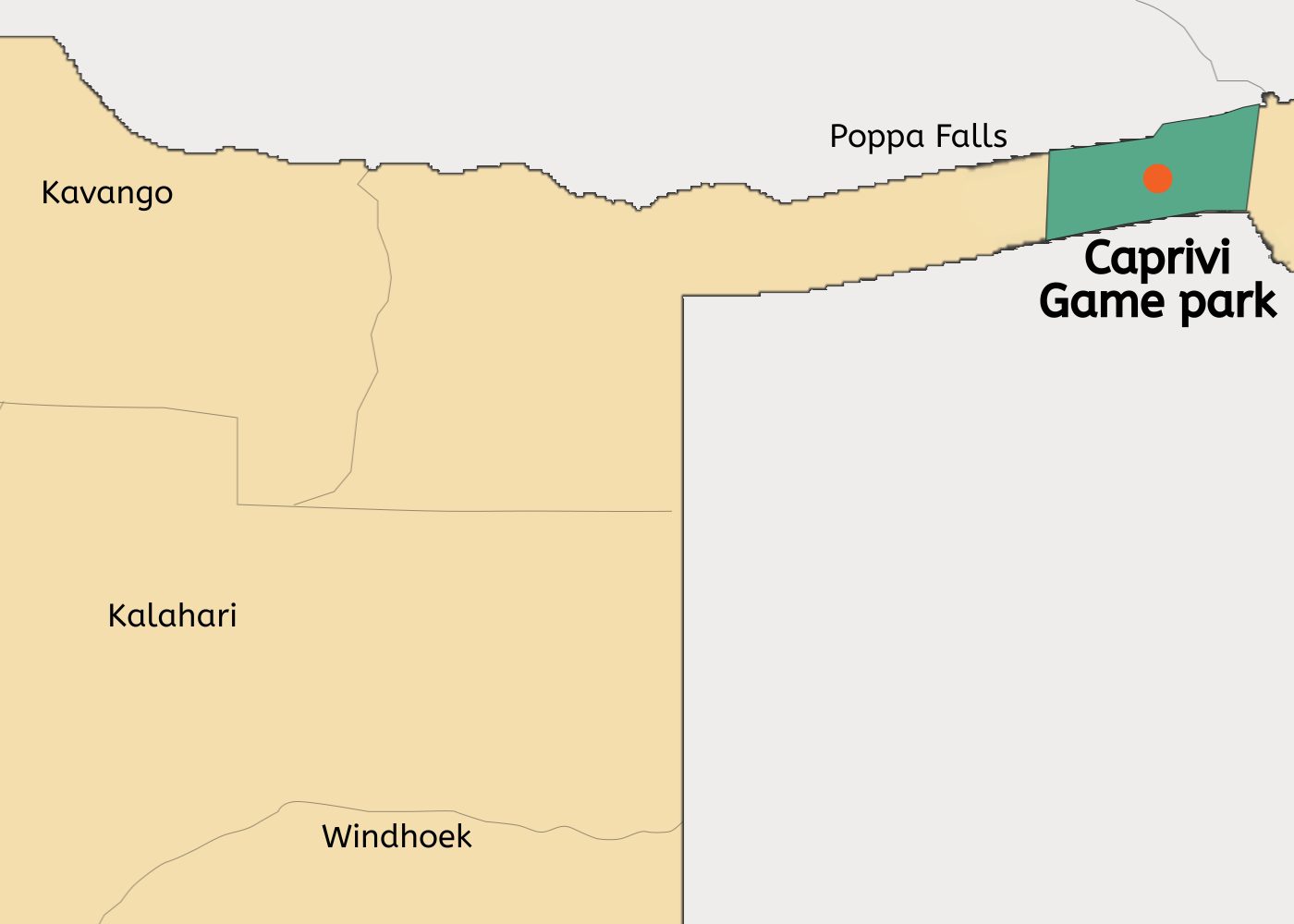
Caprivi stretches across north-eastern Namibia, linking river landscapes, villages, wetlands, and wildlife areas near Zambia, Botswana, Angola, and Zimbabwe. The map helps travellers understand the long corridor, nearby border points, river routes, and access toward Katima Mulilo, Bwabwata, Mudumu, and Nkasa Rupara. It is useful for planning safaris, transfers, and cross-border journeys.
Caprivi is Namibia’s green north-eastern corridor, shaped by the Zambezi, Okavango, Kwando, Linyanti, and Chobe river systems. It feels far from Namibia’s dry desert image, with wetlands, forests, floodplains, villages, birds, elephants, hippos, buffalo, predators, fishing areas, and river lodges. It also fits well into cross-border routes toward Botswana, Zambia, and Zimbabwe.
Caprivi sits in Namibia’s far north-east, running like a long green strip between neighbouring countries. Rivers guide much of life here, from wildlife movement to village activity, making the region feel very different from Namibia’s drier travel areas.
The Caprivi, now often linked with the Zambezi Region, stretches about 450 kilometres east from Namibia’s main landmass. Its width changes from roughly 32 to 105 kilometres. It is narrow, but it connects Namibia to important river routes and border areas near Angola, Botswana, Zambia, and Zimbabwe.
Water gives this region its character. The Zambezi, Okavango, Kwando, and Linyanti rivers all influence the land, with Chobe close by too. Reeds, floodplains, forests, and wetlands appear here in a way that can surprise travellers who expect only desert and dry plains.
Katima Mulilo is the main town in the region and sits beside the Zambezi River. Travellers often use it for supplies, transfers, fuel, accommodation, and onward plans. It also works well for routes toward Botswana’s Chobe area, Victoria Falls, and nearby river lodges.
The Trans-Caprivi Highway is the main road through the corridor. From Windhoek, the drive is long, around 1,200 kilometres, so planning helps. Some travellers fly into Mpacha Airport near Katima Mulilo, then continue by lodge transfer, guided safari, or self-drive route.
Caprivi is one of Namibia’s richest wildlife areas because land and water sit so close together. Elephants, buffalo, hippos, crocodiles, antelope, predators, and hundreds of birds live around rivers, woodlands, floodplains, and protected parks.
This region works as a wildlife corridor, especially for elephants and African wild dogs. Animals move across borders and between protected areas, so the safari does not feel too fixed or boxed in. Sightings often happen near riverbanks, floodplains, wet grass, and woodland edges.
Bwabwata National Park is known for elephants, buffalo, rivers, forests, and communities living near wildlife. Mudumu feels more remote and is good for travellers hoping to see predators. Nkasa Rupara, also called Mamili, has wetlands, lagoons, and a wild floodplain feel.
Mahango Game Reserve is another strong stop, especially for birding and antelope sightings. It is easier to access than some deeper wetland areas. Travellers may see sable, roan, sitatunga, puku, giraffe, hyena, lion, leopard, and many animals linked to water.
Birdlife is a major reason to visit Caprivi. African fish eagles, carmine bee-eaters, wattled cranes, and many wetland birds can be seen here. The wet season is especially good for birdwatchers, though the roads may need more patience after rain.
Caprivi gives travellers a softer, wetter kind of Namibia safari. Game drives are still important, but boat cruises, canoeing, fishing, birdwatching, photography, and village visits also become part of the journey in this river-rich region.
Game drives are common in Bwabwata, Mudumu, Nkasa Rupara, and Mahango. The scenery keeps changing. One moment there is woodland, then floodplain, then river edge. Wildlife may take time to appear, but there is always something to notice, like tracks, calls, birds, or water movement.
Boat safaris are one of the best ways to feel Caprivi properly. Travellers can move along the Zambezi, Kwando, Chobe, or Linyanti systems and watch hippos, crocodiles, elephants, waterbirds, and riverbank life from the water. It is slow, quiet, and very different from a vehicle safari.
Fishing is also popular, especially for tiger fish on the Zambezi and Okavango. Other freshwater species include nembwe, tilapia, and African pike. Local rules, seasons, and catch guidelines should be checked before fishing, because the rivers support both wildlife and local communities.
Cultural visits add meaning to the trip. Communities such as the Subia, Yeyi, Mafwe, San, Tortela, and Mbukushu are part of Caprivi’s identity. Village visits, crafts, local guides, and shared stories help travellers see the region beyond animals and river views.
Caprivi changes a lot through the year. The dry season is better for classic wildlife viewing, while the wet months bring green land, birds, dramatic skies, fishing, and fewer crowds. Both seasons have their own appeal.
May to October is the dry season and usually the best time for game viewing. Animals gather closer to rivers and floodplains, roads are easier, and the bush is thinner. June to August feels cooler, while September and October can become very hot.
November to April brings rain, green views, and active birdlife. It can be beautiful, especially for photographers and birdwatchers. But heavy rains, mainly from January to February, may flood roads or make access harder, so travellers need flexible plans and local advice.
Accommodation ranges from riverside lodges and safari camps to simpler campsites. Many places sit close to water, with views of birds, hippos, elephants, or quiet river bends. Katima Mulilo, the Kwando River, and park areas all give different base options.
Guided travel can be useful in Caprivi. Distances are long, animals move widely, and some areas are easier with local knowledge. A good guide also helps with boat trips, cultural visits, lodge planning, and cross-border extensions toward Chobe or Victoria Falls.
Caprivi feels greener, wetter, and more river-based than much of Namibia. Expect boat safaris, elephants, hippos, birdlife, village visits, fishing, floodplains, forests, and quiet lodges close to the water.
These Namibia Safari Itineraries bring together the country’s wide range of travel experiences, from wildlife parks and desert roads to coastal towns, cultural stops, and quiet lodge stays. Some routes are short and focused. Others stretch across several regions. And for travelers comparing Namibia Safari Packages, these itineraries make it easier to choose a trip that fits their time, comfort, and travel style.
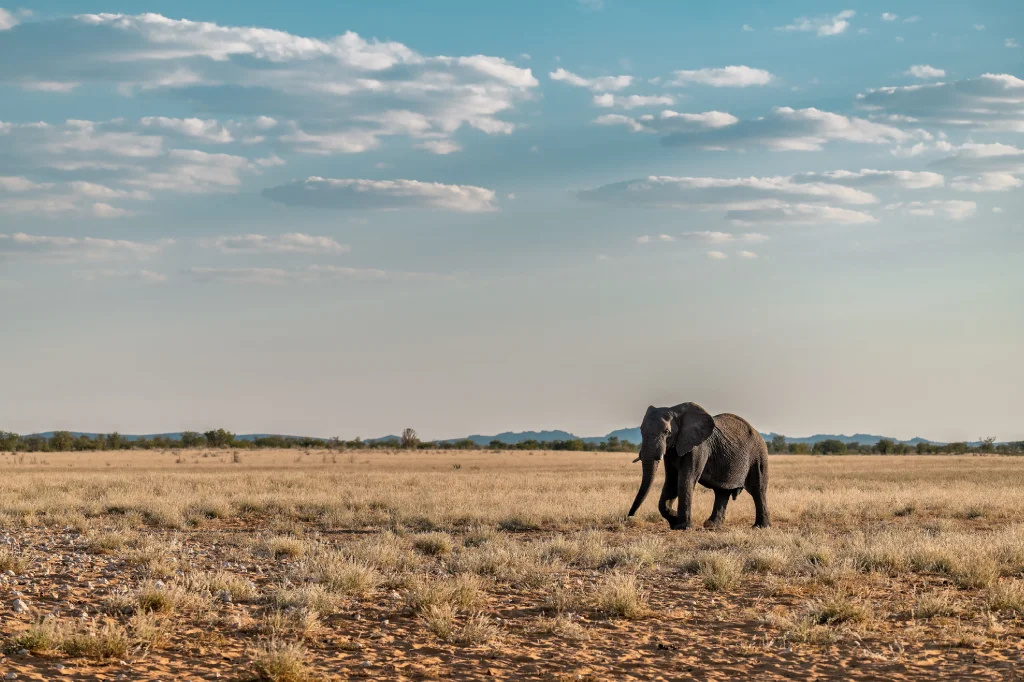
2 Destinations: Etosha National Park → Namibia
View Details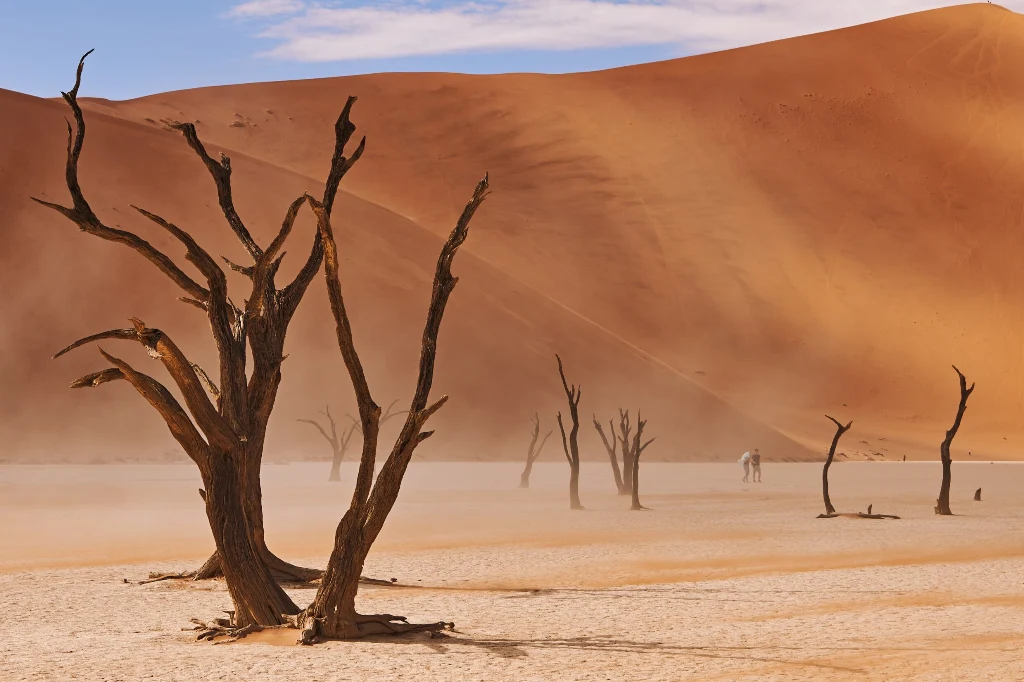
5 Destinations: Botswana → Etosha National Park → Namibia → Sossusvlei → Swakopmund
View Details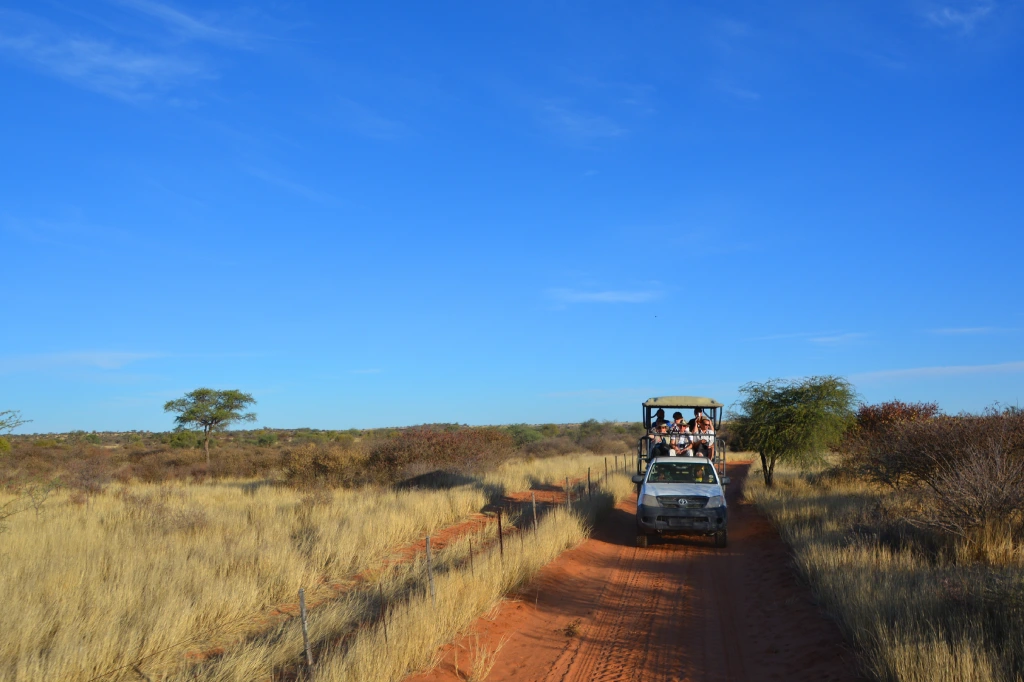
6 Destinations: Etosha National Park → Namibia → Sossusvlei → Spitzkoppe → Swakopmund → Windhoek
View Details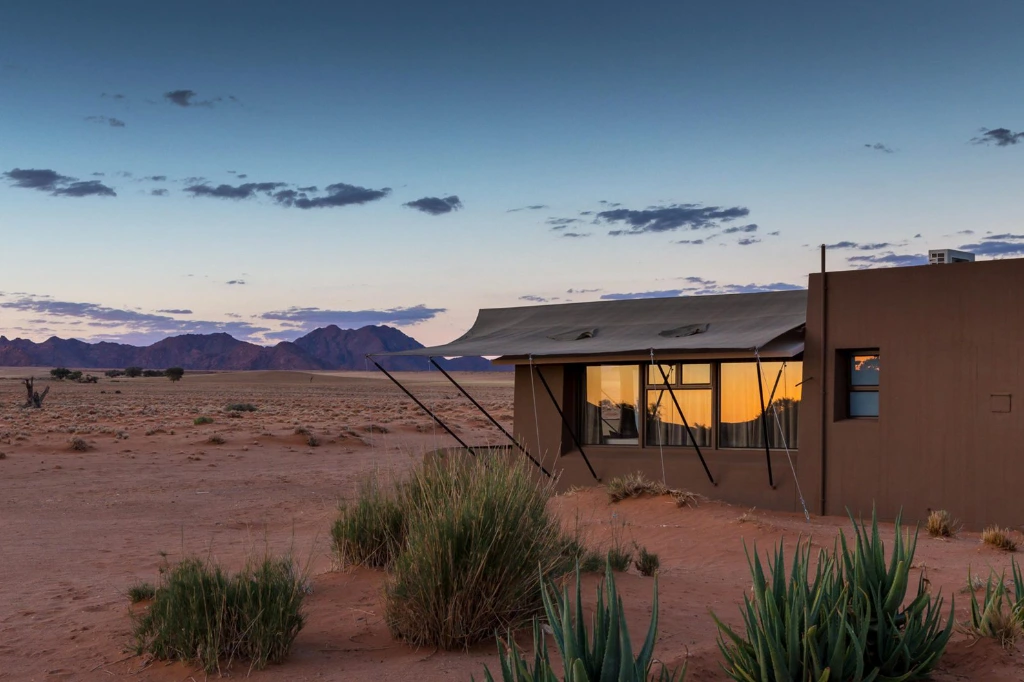
5 Destinations: Etosha National Park → Namibia → Sossusvlei → Swakopmund → Windhoek
View Details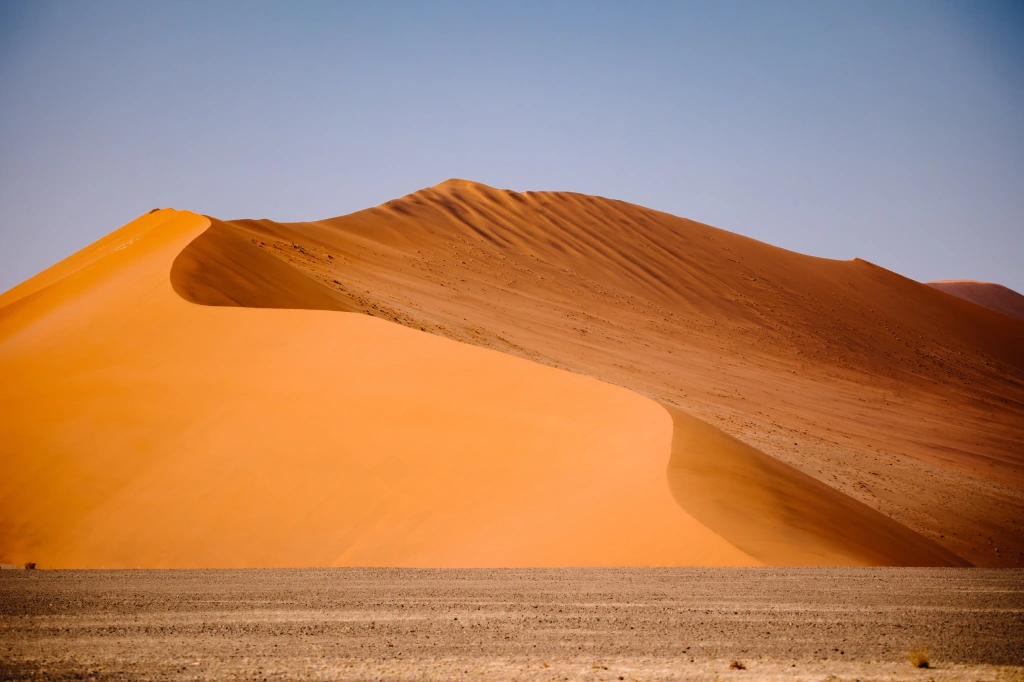
5 Destinations: Etosha National Park → Namibia → Sossusvlei → Swakopmund → Windhoek
View Details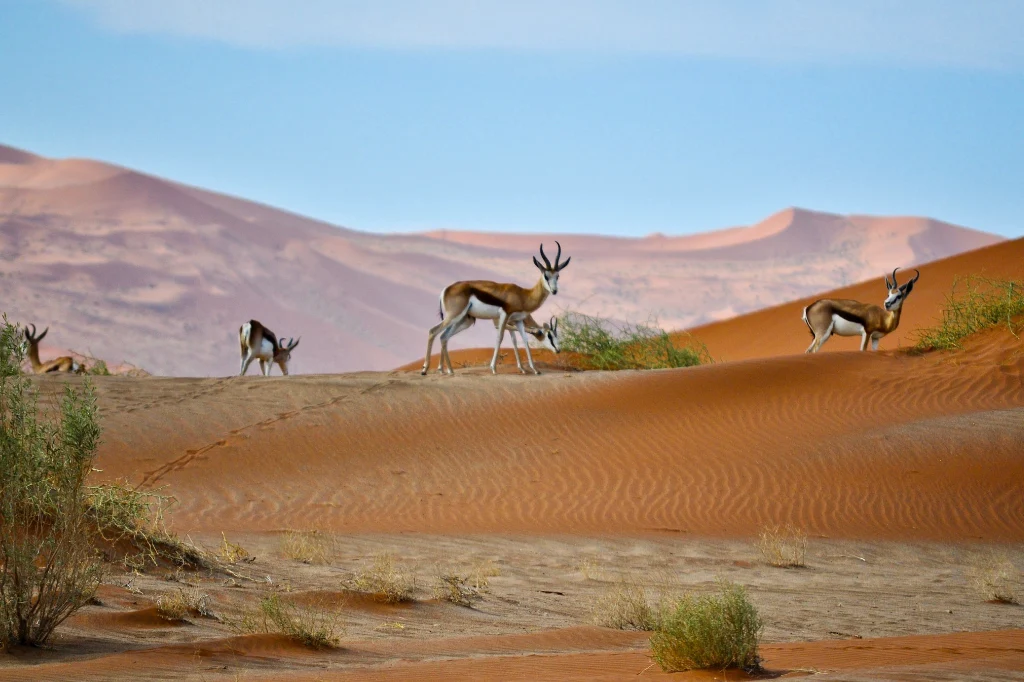
6 Destinations: Botswana → Etosha National Park → Namibia → Sossusvlei → Swakopmund → Zimbabwe
View Details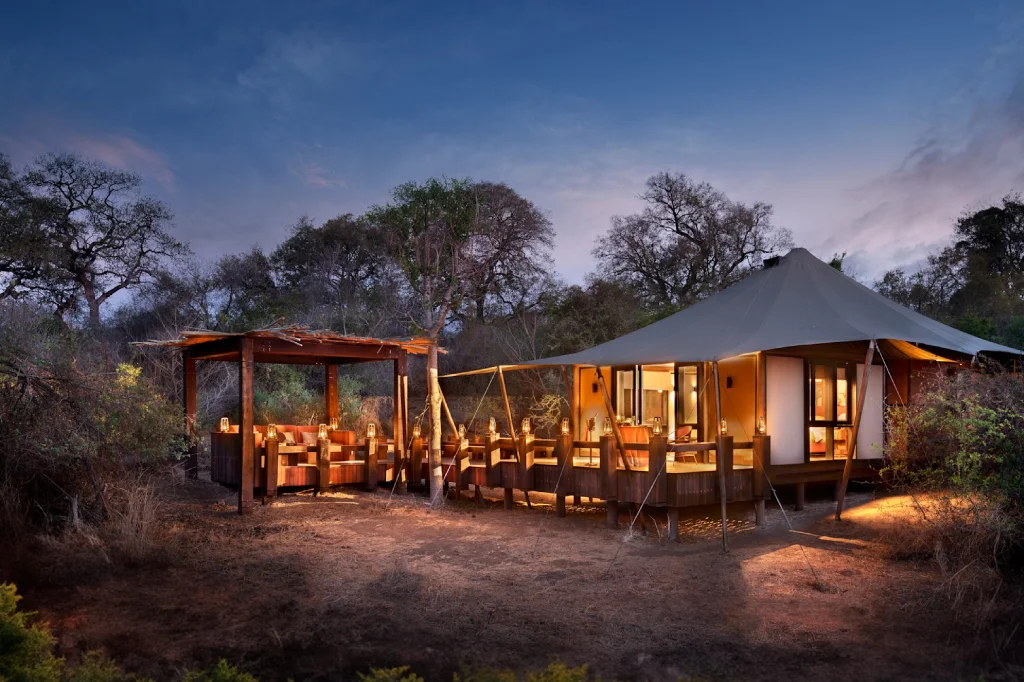
6 Destinations: Etosha National Park → Fish River Canyon → Namibia → Sossusvlei → Swakopmund → Twyfelfontein
View Details
6 Destinations: Botswana → Etosha National Park → Namibia → Sossusvlei → Swakopmund → Zimbabwe
View Details
7 Destinations: Etosha National Park → Kamanjab → Namibia → Spitzkoppe → Swakopmund → Twyfelfontein → Windhoek
View Details
4 Destinations: Etosha National Park → Namibia → Sossusvlei → Swakopmund
View Details
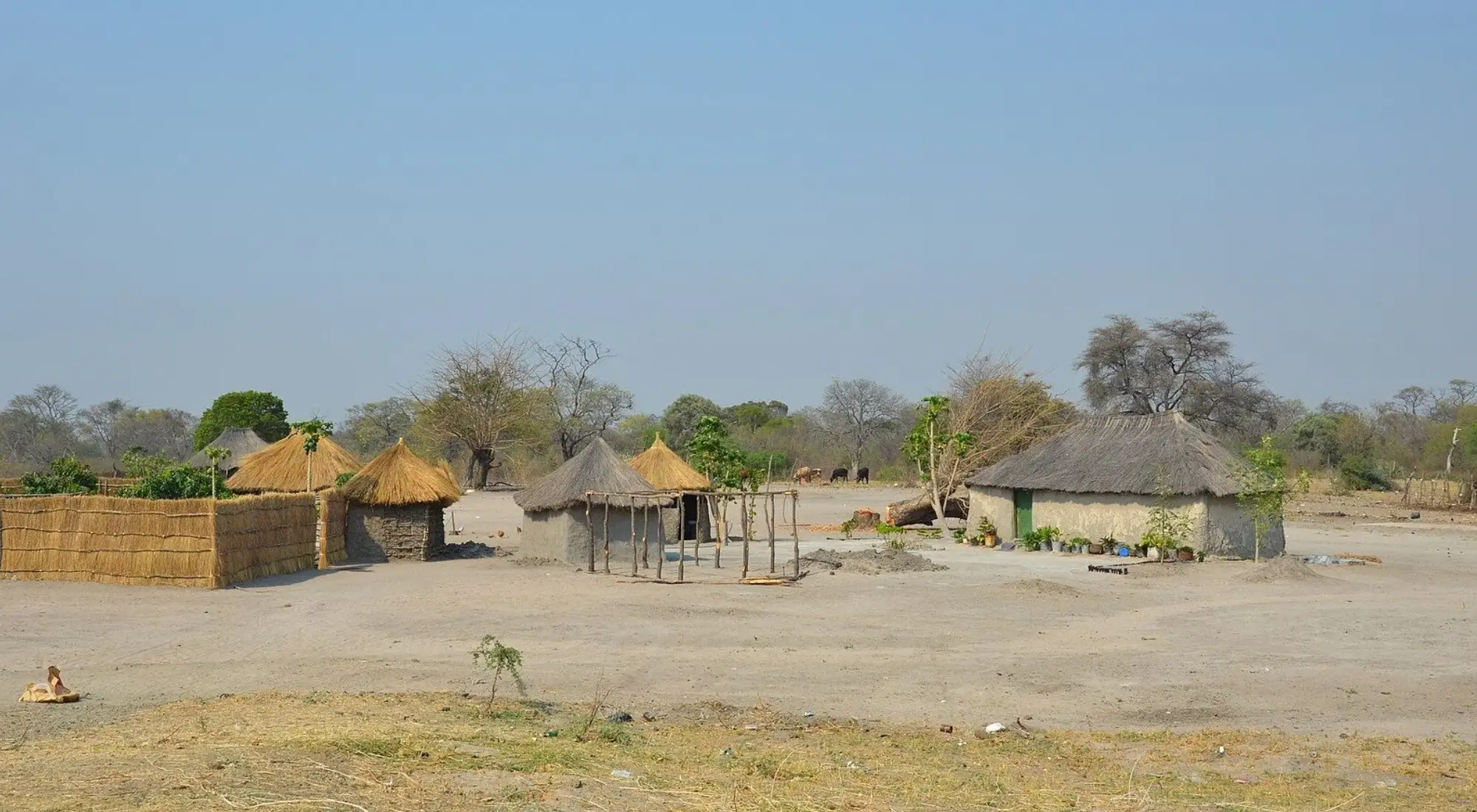
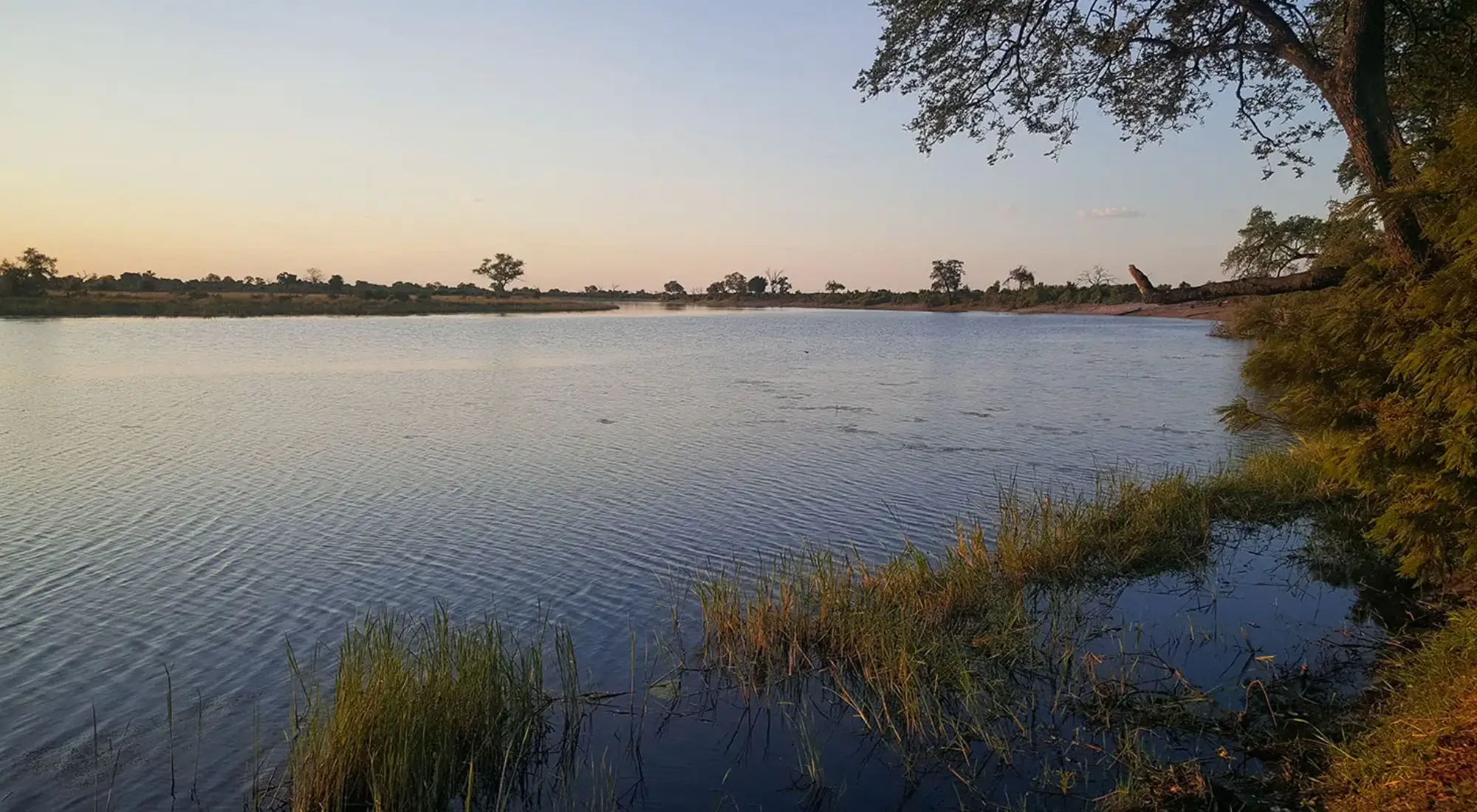
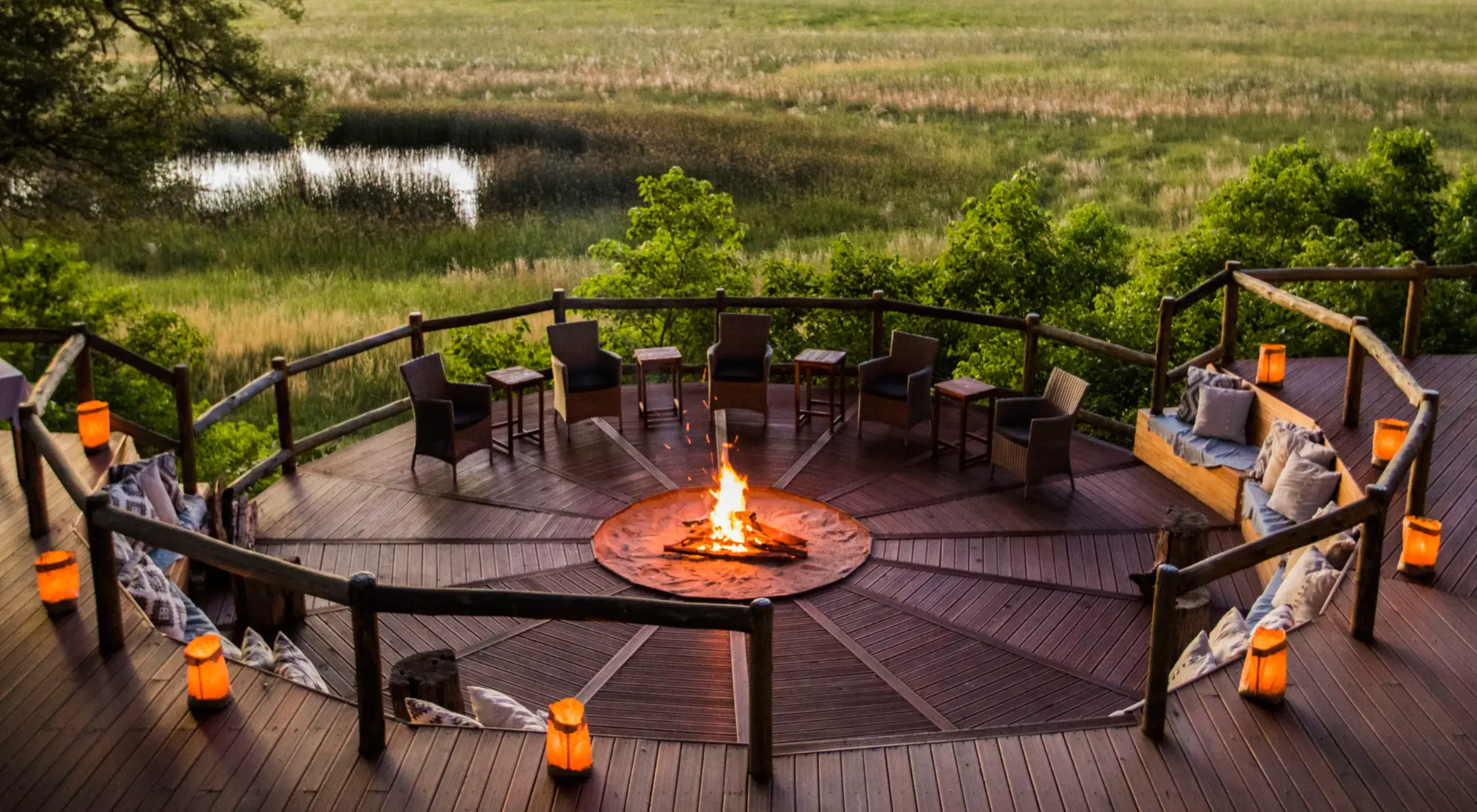
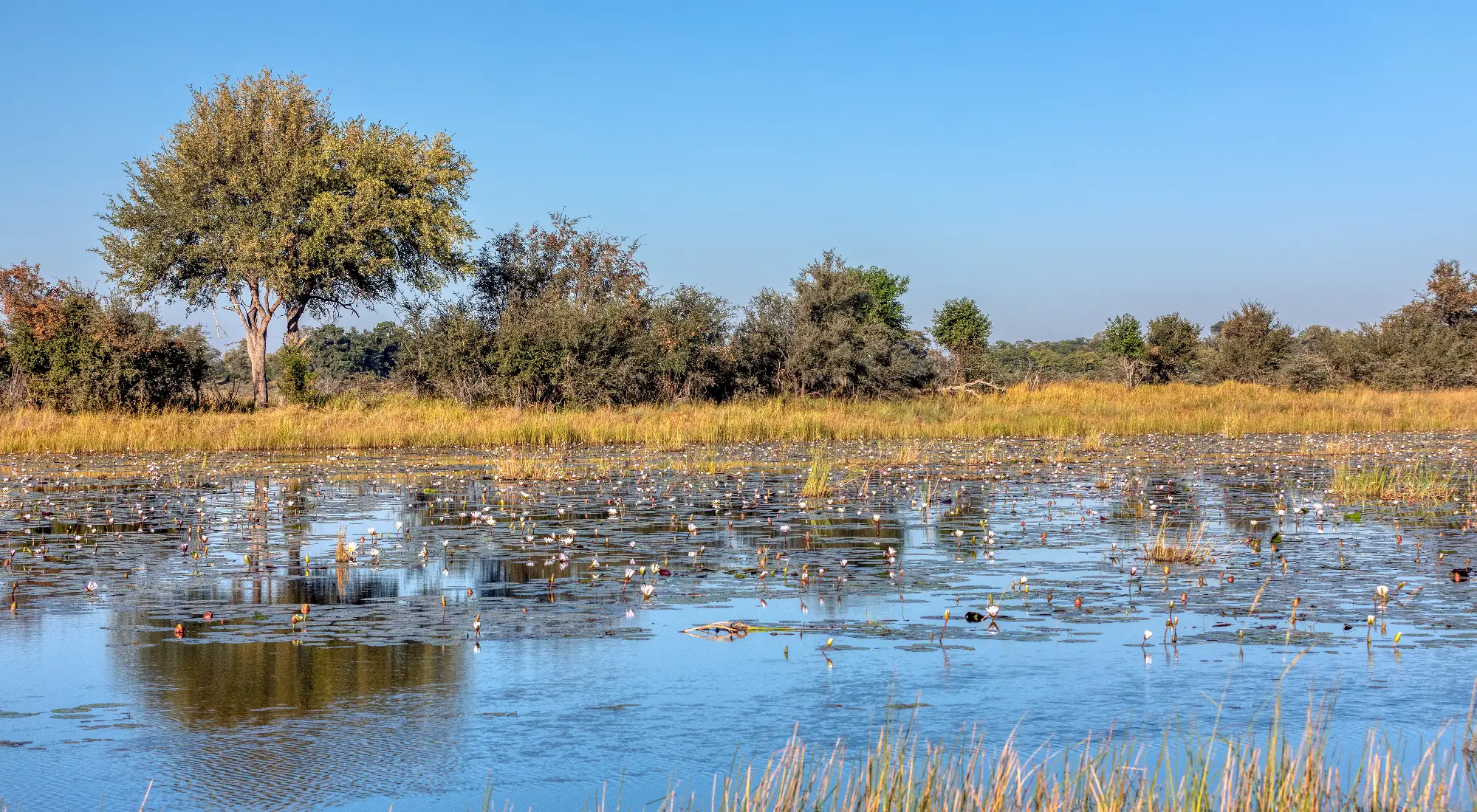
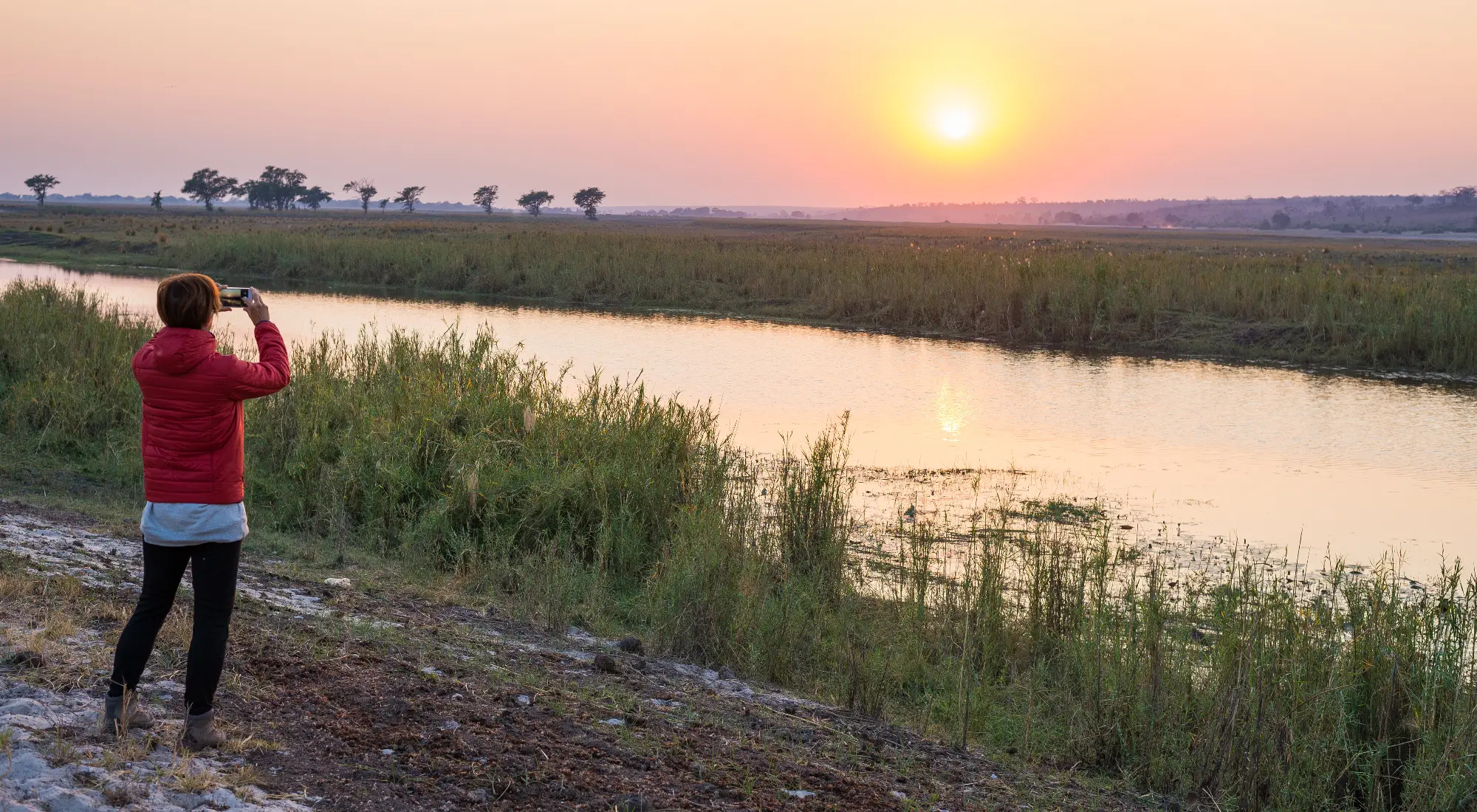
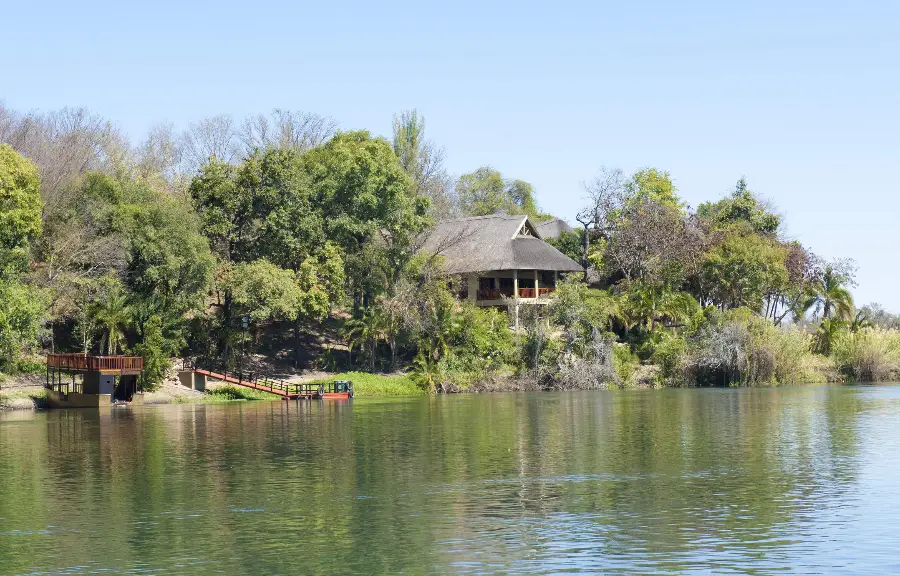
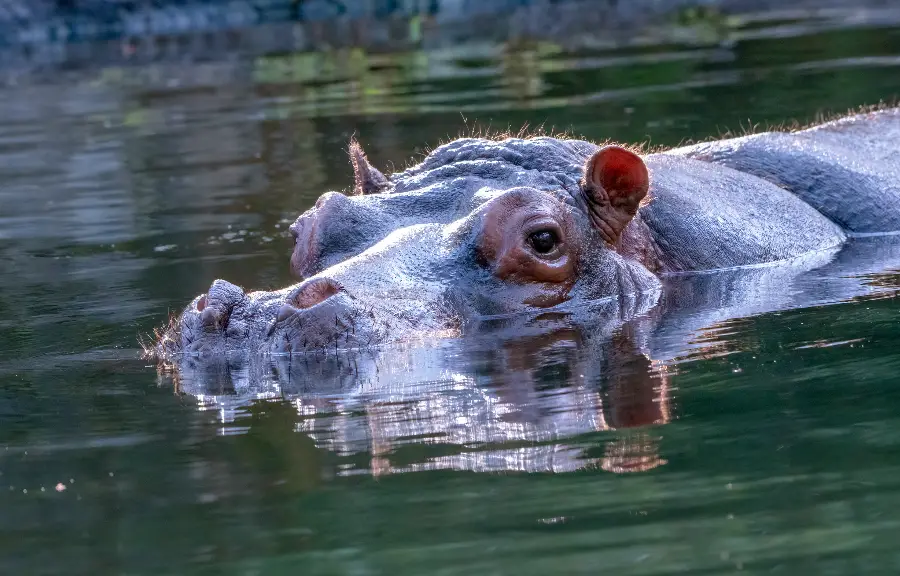
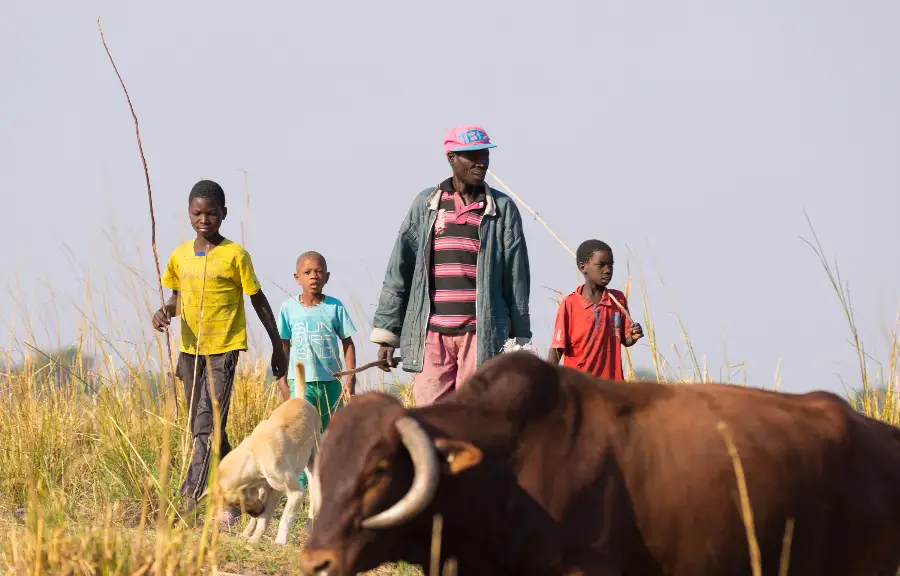
This gallery shows Caprivi’s rivers, wetlands, elephants, birds, village scenes, and quiet lodges near the water, giving travelers a clear feel for Namibia’s greener, wilder north-eastern corridor.
Caprivi feels different from the Namibia many people picture first. It is greener, wetter, and full of river life. Travellers come here for boat safaris, elephants, hippos, birdwatching, fishing, village visits, and quiet lodges near the water. These FAQs cover the basic things to know before planning a Caprivi trip.
Namibia has a lot to pull travelers in. Wide desert dunes, wildlife parks, salt pans, coastal towns, canyons, and quiet wilderness areas all sit within one country. This section brings the main attractions in Namibia together, so travelers can see what fits their route, time, comfort level, and the kind of journey they want.
Our Namibian tour was an unforgettable experience from start to finish. Henzel was both our guide and driver, and he did an outstanding job in both roles. He was incredibly thorough and well-prepared, always sharing detailed insights about the landscapes, wildlife, and local culture. You could tell he truly knew and loved the country.

We did the “7 Days Wildlife Etosha and Sossusvlei Namibian Safari (Accommodated)” with Safari World Tours in December 2023 and it was the best choice for our family! We are experienced travelers (49 countries visited) and found that to travel to Namibia with a small child (4 years old) a tour would the the best option







 German
  English