
Most African safaris are sold with the same pictures: lions in grass, elephants near a river, and a vehicle parked under an acacia tree. Beautiful, yes. But after a while, many trips start to sound almost the same. Namibia does not fit that fixed pattern. Then, how is it different exactly?
This blog helps travelers understand why Namibia-Touren feel different from other safari choices in Africa. It looks at the land, the wildlife, the silence, the road travel, and the strange beauty that makes this country stand apart. For anyone planning with Safari Weltreisen, it also gives a clearer idea of what to expect before booking.
What Makes Namibia Tours Different?
Namibia-Touren feel different because the experience is not only about spotting animals. Travelers move through wide desert landscapes, quiet roads, remote lodges, and places where there are often fewer vehicles and fewer crowds. The journey may include Sossusvlei, Etosha Nationalpark, desert-adapted wildlife, clear night skies, and visits with local communities. The pace is slower, giving travelers more time to notice the land, the silence, and the small details along the way.
It Gives Space, Not Crowds
The first big difference is space.

Namibia is one of the least crowded safari destinations in Africa. Long roads pass through desert, rocky hills, dry valleys, and open plains. There are places where you can drive for a long time without seeing many vehicles. For travelers used to busy safari parks, this can feel strange at first. Later on, it starts to feel like a gift.
A Namibia-Safari is not built around rushing from one animal sighting to the next. It gives room to breathe. You notice shadows on the dunes, animal tracks in sand, a lone oryx standing still in the heat, and the quiet sound of gravel under the tires. That kind of travel feels slower and better, maybe.
The Desert Is the Main Attraction
Many African safaris are about green plains and thick wildlife areas. Namibia is different because the desert takes the lead.
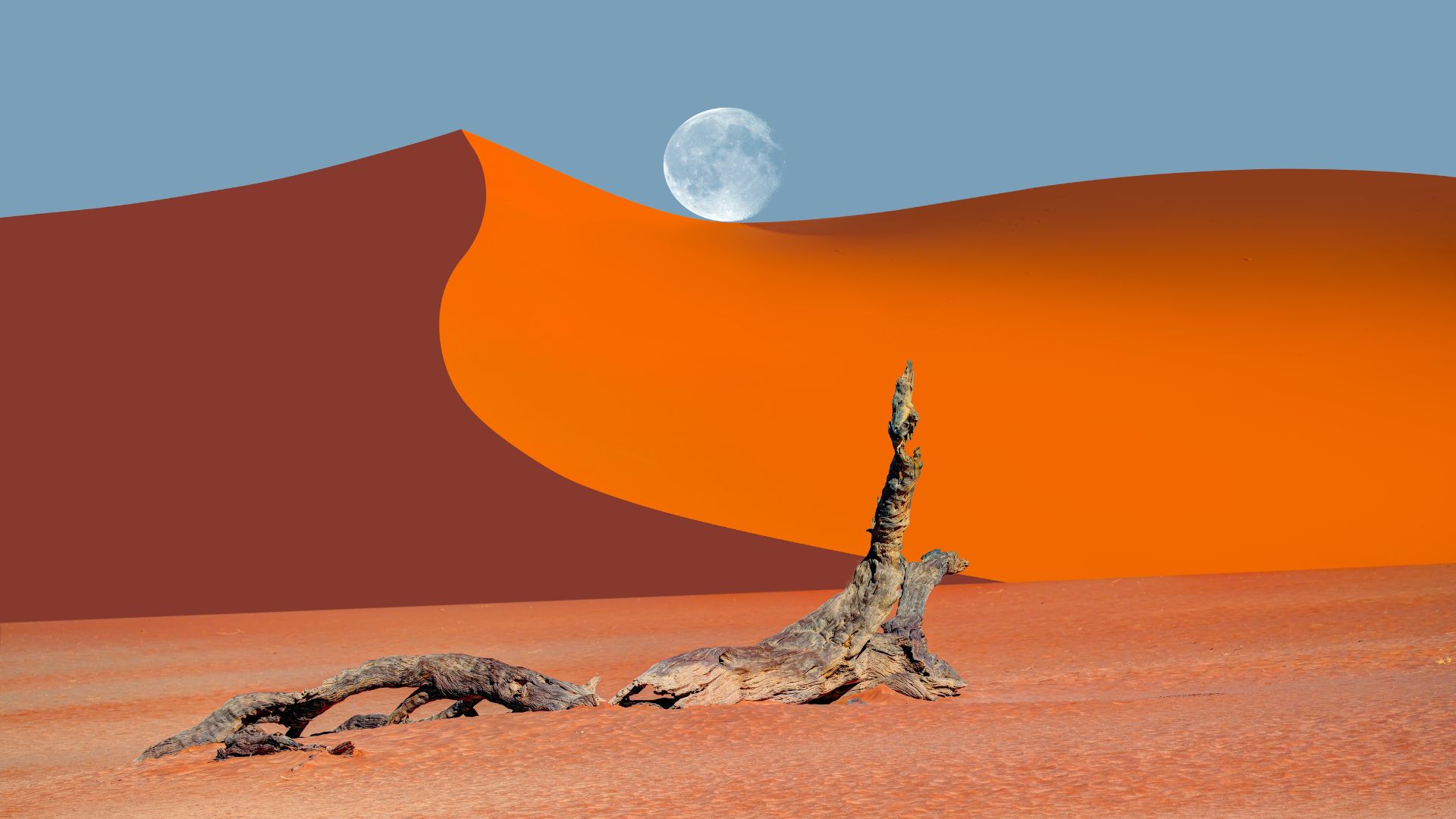
The Namib Desert is often called the world’s oldest desert. It is dry, wide, and almost unreal in places. In Sossusvlei Namibia, the dunes rise high in deep red and orange shades. The early morning light changes everything. One side of a dune glows. The other side stays dark.
Nearby, Deadvlei Namibia has a white clay pan, old black trees, and red dunes around it. It looks quiet, but not empty. It feels like time stopped there and forgot to move again.
This is one reason Namibia Touren und Safaris are different. The safari is not only about animals. The landscape itself becomes part of the experience.
Wildlife Feels Hard-Earned Here
In many safari places, wildlife lives in richer, wetter areas. Namibia’s animals survive in harsher land. Desert-adapted elephants move through dry riverbeds, often covering long distances for food and water. Lions in remote regions have learned to live in harsh desert conditions. Oryx, springbok, ostriches, brown hyenas, and black rhinos all belong to landscapes where survival is not easy.
A Namibia-Safari teaches you to respect small signs. A footprint in sand. Fresh dung near a dry riverbed. Birds circling above. A guide slowing down because something has changed on the ground. The sighting may come later. Or it may not. That little uncertainty is part of Namibia’s honesty.
Etosha Feels Open and Raw
Etosha Nationalpark gives travelers a more classic safari experience, but even there, Namibia does it in its own way.
The park is dry, bright, and open. During the dry months, animals gather at waterholes. Elephants, giraffes, zebras, antelope, lions, hyenas, and rhinos may all come to drink. But the scene is not crowded with thick bush.
You can often see far across the land. Dust rises before animals arrive. A rhino may step in slowly at sunset. Elephants sometimes cover themselves in pale Etosha dust, giving them a ghost-like look.
This makes Etosha feel different from greener parks in East or Southern Africa. It is simple. Bare. Strong.
The Night Sky Is Part of The Trip
Another thing that makes Namibia-Touren special is the night sky. In many modern places, light pollution hides the stars. Namibia still has areas where the sky feels full and close. NamibRand Nature Reserve is known for its dark skies, and many desert lodges make stargazing part of the stay. There is something quietly humbling about this.
After a long day on the road, you look up, and suddenly the world feels much larger than your plans. The Milky Way is not just a faint line. It can feel clear, bright, and almost touchable. This is a different kind of luxury. No noise. No rush. Just sky.
Culture Feels More Grounded
Cultural visits can feel awkward in some travel places. Too staged. Too polished for cameras. Namibia feels more real when the visit is planned with care and respect. Community-led experiences, including Living Museums connected with groups such as the San and Himba, help local people share their own stories, skills, and traditions.
Good Namibia Travel should not treat culture like a quick stop between wildlife drives. It should give people time to listen, ask carefully, and understand that communities are not attractions. They are hosts.
That difference can change the whole tone of the trip.
The Roads Make You Slow Down
Namibia is not a place to pack too tightly. The distances are long. The roads can be rough. A route that looks easy on a map may feel much bigger on the ground. This is why careful planning matters for Namibia Trips.
The best Namibia Touren und Safaris leave enough time between places. Rushing from Sossusvlei to Swakopmund, Damaraland, Etosha, and the coast without breathing space can make the trip feel like a checklist.
Namibia works better when the plan has pauses.
A coffee stop. A short walk. A photo stop that turns into twenty minutes because the light is good. A quiet evening at a lodge instead of another rushed transfer.
How Namibia Feels Different From Other Safari Countries
The difference becomes clearer on the road.
Kenya has wide grasslands, busy park gates, and long lines of safari vehicles in well-known areas. Tanzania feels larger, especially when moving between the Serengeti, Ngorongoro, and the southern parks. Botswana offers more water-based safari options, with boats, wetlands, and small camps reached by light aircraft.
Namibia feels more open. Sometimes there is no animal in sight for a long stretch. Just gravel roads, dry hills, low bushes, and an empty horizon. Then an oryx appears beside the road, or elephant tracks cross a dry riverbed. Wildlife is part of the trip, but the land often gets your attention first. Namibia does not always give the same number of animal sightings as Kenya or Tanzania. Some drives are long, and there may be little movement outside the window. That is normal here.
But the route does not feel empty. Small towns appear after hours of driving. Fuel stops need planning. Dust gets into the vehicle. Lodges may sit far from the next one. These details become part of the experience.
A Namibia-Safari works well for travelers who enjoy wildlife but do not need every hour filled with sightings. The dunes, coast, dry riverbeds, Etosha waterholes, and long roads carry equal weight. The safari feels less crowded and less arranged, with more time to look around.
| Safari Feature | Namibia | Kenia | Tansania | Botswana |
| Main Landscape | Desert, gravel plains, dry riverbeds, and open land | Grasslands, hills, and Rift Valley scenery | Savannah, highlands, mountains, and volcanic areas | Wetlands, rivers, woodland, and dry bush |
| Mostly Known For | Desert safaris and long road routes | Classic game drives and large herds | Great Migration and large park circuits | Water safaris and private camps |
| Crowd Levels | Usually quieter outside major stops | Popular parks can become busy | Migration areas can become crowded | Private reserves often feel quieter |
| Common Travel Style | Self-drive trips and guided road safaris | Mostly guided road safaris | Guided safaris between several parks | Fly-in safaris and lodge-based travel |
| Main Attraction | Sossusvlei | Maasai Mara | Serengeti-Nationalpark | Moremi-Wildreservat |
| Another Major Stop | Skelettküste | Great Rift Valley | Ngorongoro-Krater | Chobe Nationalpark |
| Wildlife Experience | Desert animals and waterhole viewing in Etosha | Large herds, cats, and open grassland sightings | Migration, predators, and varied habitats | Elephants, predators, and water wildlife |
| Works Well For | Road trips, desert scenery, and quieter travel | First safaris and migration trips | Longer wildlife routes and park combinations | Luxury stays and water-based safaris |
So, What Really Makes Namibia Different?
Namibia feels less crowded, less predictable, and less dressed up than many safari destinations.
It has dunes, salt pans, desert wildlife, dark skies, rough coastlines, ancient rock art, and wide roads that make people slow down. It also asks for patience. That is the part many travelers do not expect.
A Namibia-Safari is not only about ticking off animals. It is about scale, silence, heat, dust, and the surprise of life surviving in dry places.
For travelers who want a thoughtful route, Safari Weltreisen can plan Namibia Touren und Safaris with the right balance of wildlife, desert, comfort, and time. And that balance is what makes the trip feel real.
Related Itinerary
3 Days Etosha Wildlife Safari (Camping)
2 Destinations: Etosha National Park → Namibia
View Details
14 Days Tour to Great Safari in Namibia, Botswana & Victoria Falls Tour (Camping)
5 Destinations: Botswana → Etosha National Park → Namibia → Sossusvlei → Swakopmund
View Details
14 Days Tour to Wonderful Safari in Namibia, Botswana & Victoria Falls Tour (Accommodated)
6 Destinations: Etosha National Park → Namibia → Sossusvlei → Spitzkoppe → Swakopmund → Windhoek
View Details
17 Days Tour to Namibia, Botswana & Victoria Falls Tour (Camping and Lodging)
5 Destinations: Etosha National Park → Namibia → Sossusvlei → Swakopmund → Windhoek
View Details
16 Days Tour to Marvelous Safari in Namibia, Botswana and Victoria Falls (Lodging & Camping)
5 Destinations: Etosha National Park → Namibia → Sossusvlei → Swakopmund → Windhoek
View Details
18 Days Adventure Safari in Namibia, Botswana and Vic Falls (Lodging)
6 Destinations: Botswana → Etosha National Park → Namibia → Sossusvlei → Swakopmund → Zimbabwe
View Details
24 Days Tour Southern African Safari – 4 Countries (Camping)
6 Destinations: Etosha National Park → Fish River Canyon → Namibia → Sossusvlei → Swakopmund → Twyfelfontein
View Details
12 Days Tour to Namibia, Botswana & Zimbabwe – Vic Falls Safari (Camping)
6 Destinations: Botswana → Etosha National Park → Namibia → Sossusvlei → Swakopmund → Zimbabwe
View Details
17 Days Trail Safari in Namibia, Botswana and Vic Falls (Lodging & Camping)
7 Destinations: Etosha National Park → Kamanjab → Namibia → Spitzkoppe → Swakopmund → Twyfelfontein → Windhoek
View Details
12 Days Trail Safari in Namibia, Botswana and Vic Falls (Lodging)
4 Destinations: Etosha National Park → Namibia → Sossusvlei → Swakopmund
View Details
 German
  English