

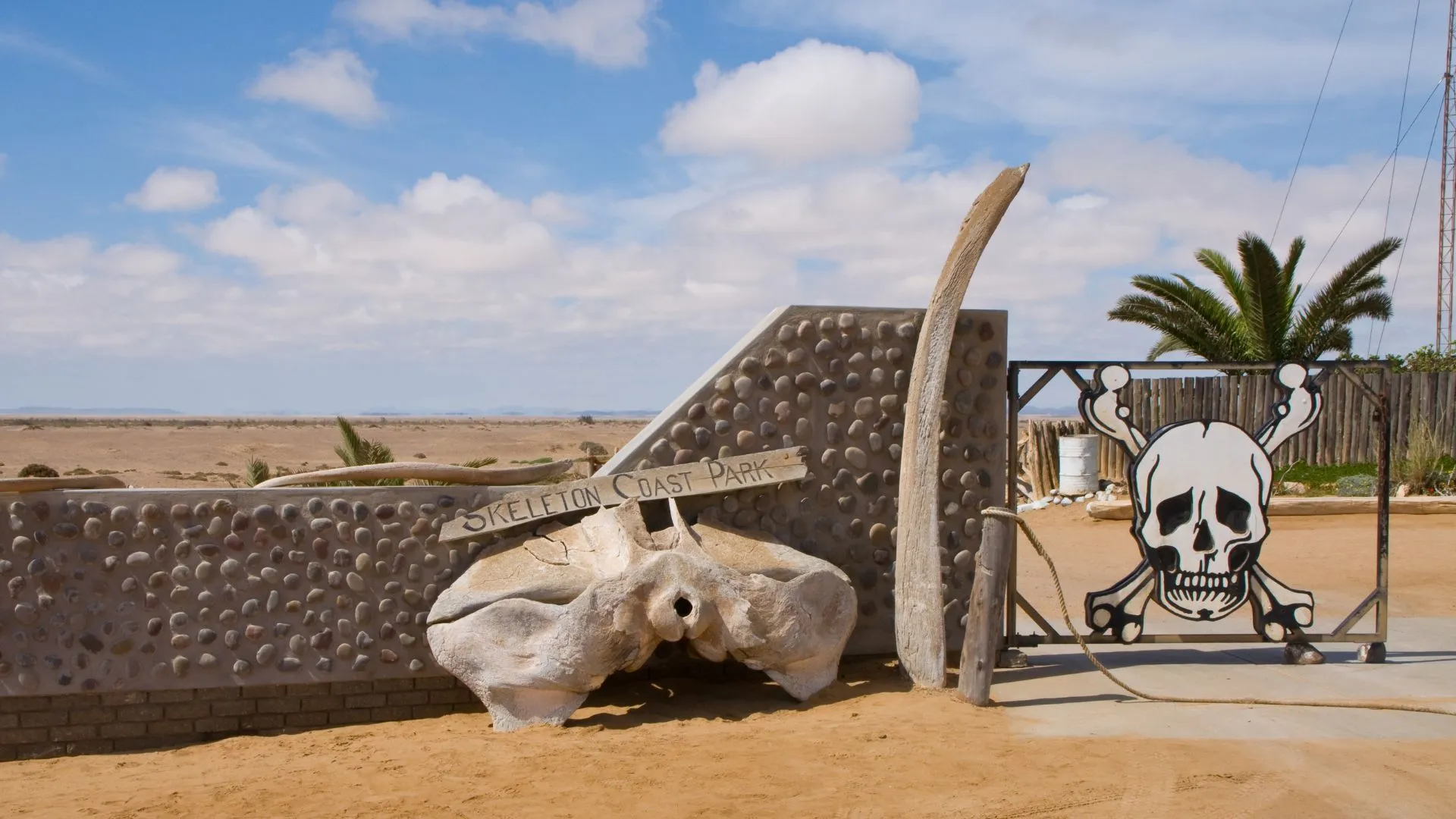
A Skeleton Coast Safari in Namibia takes you into one of Namibia’s most remote and unusual regions, where the Namib Desert meets the Atlantic Ocean. The area is known for Cape fur seals, desert-adapted wildlife, old shipwrecks, coastal fog and vast stretches of empty coastline. You can see large seal colonies near the shore, look for wildlife across dry river valleys, and explore beaches shaped by strong winds and ocean currents.
The landscape never sits still. Sandy dunes give way to rocky shore, then mist-covered beach, then open desert plain. This isn’t just a wildlife trip. It’s really about watching how animals and people have adapted to one of Africa’s harshest environments. That’s what sets the Skeleton Coast apart on a Namibia safari.
What makes the Skeleton Coast Special?
The Skeleton Coast is special because it combines the Namib Desert, Atlantic coastline, coastal fog, shipwrecks and unusual wildlife in one remote region. A Skeleton Coast Safaris can include Cape fur seals, desert-adapted wildlife, dramatic beaches and desert landscapes that look very different fromNamibia’s inland safari areas.
Key Facts About the Skeleton Coast
| Key Fact | Einzelheiten |
| Standort | Northwestern Namibia |
| Main Landscape | Namib Desert and Atlantic coastline |
| Famous For | Shipwrecks, seals, fog and remote wilderness |
| Key Wildlife | Cape fur seals and desert-adapted species |
| Famous Wildlife Area | Kap Kreuz |
| Best For | Wildlife, photography and landscapes |
| Safari Style | Guided or customized safari |
| Nearby Destinations | Etosha, Damaraland and Swakopmund |
What Animals can you find on the Skeleton Coast?
A Skeleton Coast Namibia-Safari is also a wildlife experience, but much different than a typical game park. Limited water and a dry climate have moulded the animals that can survive in such difficult conditions. The places you visit, the seasons and the route you take on your safari will all affect your sightings.

Cape Fur Seals
Cape fur seals are among the most recognizable animals along the Skeleton Coast. Large colonies gather around parts of the coastline, with Cape Cross being one of the best-known places to see them. Thousands of seals can gather near the shore, creating a loud and active scene against the quiet desert landscape.
This contrast creates a memorable experience for photographers. The dark silhouettes of the seals, the light sand, the waves of the Atlantic and the coastal fog form a scene that’s quite different from what is seen in most African wildlife destinations.
Desert-Adapted Elephants
Desert elephants can also be seen in the broader Skeleton Coast and northwest Namibia area. These elephants migrate through the dry river valleys and other locations where water is scarce. They have adjusted to the difficult conditions through their movements and feeding.
Sightings are very dependent on route and conditions and should not be the sole basis for arranging a Skeleton Coast trip.
Lions and Brown Hyenas
Predators like lions and brown hyenas are also found in the remote parts of the Northwest of Namibia. These animals inhabit an environment in which they must travel long distances to locate food and water.
When one encounters predators in this dry environment, it’s a different kind of Skeleton Coast wildlife. The experience is about understanding the animals’ survival rather than seeing them frequently.
Oryx, Springbok and Other Wildlife
In Namibia’s dry northwest, you can see antelopes such as oryx and springbok. Being able to withstand both heat and low water levels makes them suitable for desert conditions.
Birdlife also adds variety to the trip. Coastal areas, wetlands and desert habitats attract different bird species, giving photographers plenty of opportunities to look beyond large mammals.
What Landscapes and Shipwrecks Define the Skeleton Coast?
The landscape is one of the main reasons travelers choose a Skeleton Coast Safari. The Atlantic Ocean runs alongside the Namib Desert, creating a sharp contrast between cold water and dry sand.
Coastal fog rolls in off the Atlantic regularly, especially where cold ocean air meets the heat of the desert. It can change the entire look of the coastline in minutes flat. Beaches, dunes, rocky stretches, dry riverbeds all of them shift under changing light and fog.
Then there are the shipwrecks. Strong currents, rough seas, hidden rocks, and stretches of poor visibility made navigation along this coast brutal for a long time. Ships went down here over the decades, and what’s left behind now forms some of Namibia’s most recognizable coastal imagery
When Is the Best Time to Visit the Skeleton Coast?
Der Best Time to Visit Skeleton Coast will depend on what you want from your visit. May to October is a popular time to visit Namibia as the months from May to October tend to be cooler and drier. Days might be nice, and mornings and evenings might be chilly.
The temperature may increase from November until April and the climate may seem warmer. Fog is always possible along the coast and weather can change rapidly. Fog is a part of the Skeleton Coast and can occur at various times of the year.
When planning a trip that includes the Skeleton Coast, as well as Etosha or other inland destinations, take into account the conditions of your entire trip – not just the coastal dates.
Skeleton Coast vs Etosha: What Is the Difference?
The Skeleton Coast and Etosha offer very different types of safari experiences.
| Skelettküste | Etosha Nationalpark |
| Atlantic coastline and desert | Inland salt pan and savanna |
| Famous for seals and shipwrecks | Famous for diverse wildlife |
| Coastal fog and beaches | Waterholes and game viewing |
| Remote desert landscapes | Established wildlife-viewing areas |
| Strong focus on scenery and photography | Strong focus on animal sightings |
Etosha works well for travelers who want traditional game viewing, while the Skeleton Coast adds coastal landscapes, remote wilderness and unusual wildlife experiences. Combining both destinations can give you a broader view of Namibia.
How Many Days Do You Need for a Skeleton Coast Safari?
The length of time varies based on the areas of the coast you want to visit and the destinations you want to include on your trip. Two to three days is enough time to see the important coastal locations and wildlife areas. Four to five days will allow you to take a trip through remote places and mix in the coast with nearby areas.
A longer Skeleton Coast Safari Itinerary is recommended if you wish to visit Etosha, Damaraland, Swakopmund or Sossusvlei. In Namibia, distances are great so do not plan a trip based only on the number of destinations. Leave sufficient driving and changing time.
How Do You Plan a Skeleton Coast Safari?
The Skeleton Coast requires more planning than a standard city-to-city holiday. Some areas are extremely remote; roads can involve long stretches of driving and services become limited as you travel farther from major towns. Pack warm layers because coastal conditions can feel cold, especially in the morning. You should also carry sun protection, comfortable shoes, a hat, binoculars and camera equipment if photography is important to you.
A guided Namibia Desert Safari can make the journey easier because experienced guides understand the routes, driving conditions and local environment. Private and customized options also allow travelers to spend more time on photography, wildlife or specific landscapes.
How Can You Combine the Skeleton Coast with Other Namibia Destinations?
The Skeleton Coast works well as part of a larger Namibia safari rather than as a completely separate trip. You can combine the coast with Etosha National Park for traditional wildlife viewing, Damaraland for dramatic desert scenery and rock formations, or Swakopmund for a break between remote safari areas.
Sossusvlei can also add towering dunes and one of Namibia’s most famous desert landscapes. A well-planned route can therefore include very different environments without making every day of the trip feel the same.
Planning a Skeleton Coast Safari with Safari World Tours
Safari Weltreisen can help travelers build a Skeleton Coast Trip around their interests, whether the focus is wildlife, photography, landscapes or a broader Namibia itinerary. A customized route can combine the Skeleton Coast with Etosha, Damaraland, Swakopmund and Sossusvlei.
Travelers can also choose between different safari styles depending on their preferred level of comfort and flexibility. The key is to plan around travel distances, seasonal conditions and the places you most want to experience.
Related Itinerary
3 Days Etosha Wildlife Safari (Camping)
2 Destinations: Etosha National Park → Namibia
View Details
14 Days Tour to Great Safari in Namibia, Botswana & Victoria Falls Tour (Camping)
5 Destinations: Botswana → Etosha National Park → Namibia → Sossusvlei → Swakopmund
View Details
14 Days Tour to Wonderful Safari in Namibia, Botswana & Victoria Falls Tour (Accommodated)
6 Destinations: Etosha National Park → Namibia → Sossusvlei → Spitzkoppe → Swakopmund → Windhoek
View Details
17 Days Tour to Namibia, Botswana & Victoria Falls Tour (Camping and Lodging)
5 Destinations: Etosha National Park → Namibia → Sossusvlei → Swakopmund → Windhoek
View Details
16 Days Tour to Marvelous Safari in Namibia, Botswana and Victoria Falls (Lodging & Camping)
5 Destinations: Etosha National Park → Namibia → Sossusvlei → Swakopmund → Windhoek
View Details
18 Days Adventure Safari in Namibia, Botswana and Vic Falls (Lodging)
6 Destinations: Botswana → Etosha National Park → Namibia → Sossusvlei → Swakopmund → Zimbabwe
View Details
24 Days Tour Southern African Safari – 4 Countries (Camping)
6 Destinations: Etosha National Park → Fish River Canyon → Namibia → Sossusvlei → Swakopmund → Twyfelfontein
View Details
12 Days Tour to Namibia, Botswana & Zimbabwe – Vic Falls Safari (Camping)
6 Destinations: Botswana → Etosha National Park → Namibia → Sossusvlei → Swakopmund → Zimbabwe
View Details
17 Days Trail Safari in Namibia, Botswana and Vic Falls (Lodging & Camping)
7 Destinations: Etosha National Park → Kamanjab → Namibia → Spitzkoppe → Swakopmund → Twyfelfontein → Windhoek
View Details
12 Days Trail Safari in Namibia, Botswana and Vic Falls (Lodging)
4 Destinations: Etosha National Park → Namibia → Sossusvlei → Swakopmund
View Details
 German
  English