

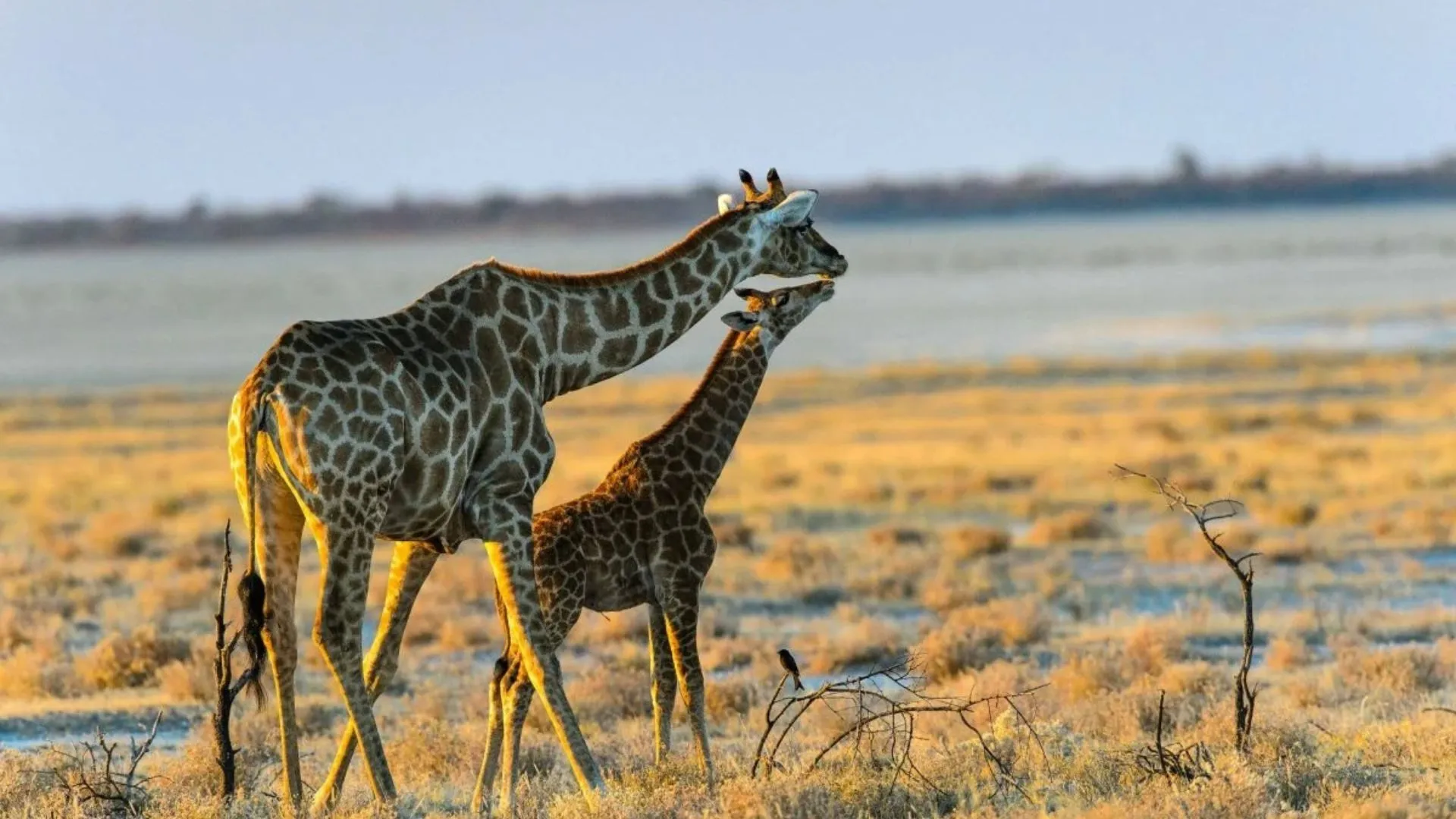
Northern Namibia is made for travellers who enjoy open roads, small lodges and places where few vehicles pass during the day. This 10-Day Northern Namibia Itinerary connects Etosha Nationalpark, Damaraland, the Skeleton Coast and the Ugab Valley.
Based on our safari planning experience at Safari World Tours, this route gives enough time for wildlife, desert scenery and local visits without turning every day into a long drive. Some areas are remote, so fuel stops, lodge locations and road conditions need to be checked before travel.
Days 1 to 3 Windhoek and Etosha National Park
The trip starts in Windhoek. We normally keep the first day light, especially when guests arrive after a long international flight. There is no need to collect luggage, meet the guide and then rush straight towards Etosha.

Guests can stay overnight in Windhoek, rest and prepare for the days ahead. Our team also uses this time to explain the route, answer questions and check any final travel details.
The next morning, we drive north towards Etosha Nationalpark. The road is mostly easy, but the drive still takes around four to five hours before stops. Otjiwarongo or Outjo are useful places for fuel, lunch and basic supplies.
Etosha is one of the best-known wildlife areas in Namibia. It can become busy near popular waterholes, but our guides avoid following every vehicle. Sometimes it is better to wait quietly at a less crowded waterhole.
Arrival in Windhoek – Day 1
- Arrive at Windhoek airport
- Meet the Safari World Tours team
- Transfer to the hotel
- Rest after the flight
- Check luggage and safari plans
- Overnight in Windhoek
Drive to Etosha – Day 2
- Leave Windhoek after breakfast
- Drive north towards Etosha
- Stop for fuel and lunch
- Arrive near the southern park gate
- Take a short afternoon game drive
- Watch wildlife near a waterhole
Etosha Wildlife Safari – Day 3
- Start the game drive early
- Visit several Etosha waterholes
- Look for elephants and giraffes
- Search for lions and rhinos
- Stop for lunch inside the park
- Continue with an afternoon drive
Early morning is often the best time to look for predators. Lions and hyenas may still be active before the day becomes hot. During the dry season, elephants, zebras, springbok and other animals gather close to water.
Our guides decide where to drive based on recent sightings, weather and animal movement. This makes the Etosha National Park itinerary more flexible than following a fixed list of waterholes.
Days 4 to 5 Etosha to Damaraland
After Etosha, the route turns west towards Damaraland. The drive usually takes around five or six hours, depending on the park exit and the chosen lodge.
The change in scenery happens slowly. Open grassland becomes dry river country, with rocky hills, dark mountains and small settlements along the way. Traffic also becomes lighter.
A Damaraland Safari is different from a normal national park visit. The area is not fully fenced, and animals move across valleys, riverbeds and community land. Wildlife may take longer to find, but the search itself is part of the day.
Journey into Damaraland – Day 4
- Take a final Etosha game drive
- Leave the park after breakfast
- Drive west into Damaraland
- Stop in a small town
- Continue along gravel roads
- Arrive at the lodge before dark
Remote lodges are spread far apart, so we choose accommodation that fits the next day’s activities. Staying too far from Twyfelfontein or the elephant tracking areas can add unnecessary driving.
Some lodges are simple and comfortable. Others are designed for guests booking a Luxus-Safari in Namibia. Safari World Tours selects the lodge according to budget, comfort and location.
Elephants and Rock Art – Day 5
- Join a desert elephant drive
- Follow dry river systems
- Look for fresh tracks
- Visit Twyfelfontein rock engravings
- Walk with a local guide
- See nearby geological sites
Desert-adapted elephants are not kept inside one small area. They move through dry riverbeds looking for food and water. A local tracker may look for footprints, broken branches or recent reports from nearby communities.
Sightings cannot be promised. Some days the elephants are found quickly. On other days, the search takes much longer.
Later, we visit Twyfelfontein. A local guide explains the rock engravings and the animals shown in them. The walk is not very long, but the ground can be uneven and hot.
Depending on time, the day may also include the Organ Pipes, Burnt Mountain or the Petrified Forest. We do not try to add every stop if it makes the day rushed.
Days 6 to 7 Damaraland and the Skeleton Coast
The drive towards the Skeleton Coast passes through wide, empty land. Shops and fuel stations become less common, and mobile phone service can disappear for long periods.
Before entering the coastal area, our guide checks fuel, water and road conditions. This is one reason guided travel is useful on a Namibia off the beaten path itinerary.
The Atlantic coast can feel cold after the dry inland heat. Fog often covers the road, and the ocean may appear suddenly through the grey air.
Entering the Skeleton Coast – Day 6
- Leave Damaraland in the morning
- Drive west towards the coast
- Cross remote gravel landscapes
- Enter through an approved park gate
- Stop at safe viewpoints
- Overnight near Terrace Bay
The Skeleton Coast is known for empty beaches, old shipwreck remains and long gravel plains. It is quiet, but it is not an area for careless driving.
Some sections are open to normal road travellers, while other parts need special arrangements. The far northern coast is more restricted and normally requires a specialist trip.
Unser Namibia Safari Routes only include areas where access has been properly arranged. Guests should not leave marked tracks or enter closed sections.
Exploring the Coastal Route – Day 7
- Drive south along the coast
- Stop at shipwreck viewpoints
- See old mining remains
- Visit approved beach areas
- Look for Cape fur seals
- Continue towards the Ugab region
The coast is not a normal wildlife safari area like Etosha. The main experience comes from the fog, silence, ocean and desert meeting in one place.
Cape fur seal colonies may be included, depending on the final route. The colonies are active and noisy, and the smell can be strong. Still, they show how wildlife survives along this cold coastline.
Fog can change visibility quickly. Our guide keeps the day flexible rather than planning too many stops.
Days 8 to 10 Ugab Valley and Windhoek
After the coast, the route turns inland towards the Ugab Valley and Brandberg area. The land becomes warmer again, with dry riverbeds, scattered trees and rocky slopes.
Desert elephants may also move through parts of the Ugab Valley. Local reports are useful because animal movement changes with rainfall and water levels.
We avoid entering unknown river tracks without local guidance. Roads can fade, sand can become soft and help may be far away.
Ugab Valley and Culture – Day 8
- Drive inland from the coast
- Explore the Ugab Valley
- Watch for desert wildlife
- Stop at rocky viewpoints
- Visit a local community project
- Stay near Brandberg or Ugab
A cultural visit may be arranged through a local guide or community project. Before the visit, guests are told when photographs are suitable and when permission should be requested.
The aim is to learn about daily life, livestock, local work and the challenges of living in a dry area. It should not feel like a quick stop made only for photographs.
This part adds local context to the Northern Namibia Safari Itinerary and supports community tourism when the visit is managed properly.
Return Drive to Windhoek -Day 9
- Leave after an early breakfast
- Begin the drive to Windhoek
- Stop for fuel and lunch
- Take short photography breaks
- Arrive in Windhoek by evening
- Stay overnight in the city
The return to Windhoek is a long driving day. Gravel roads and slower sections can make the trip longer than online maps suggest.
We recommend staying in Windhoek on the final night. Driving directly from a remote lodge to the airport can create problems if there is a flat tyre or road delay.
Departure from Windhoek – Day 10
- Have breakfast at the hotel
- Check the flight schedule
- Transfer to the airport
- Complete final travel checks
- Depart from Windhoek
Guests with an evening flight may have time for a short city visit. We keep the day relaxed and arrange the airport transfer according to the flight time.
Why Guided Planning Helps
A Namibia Road Trip Itinerary may appear simple because the roads look direct on a map. In reality, lodges can be far apart, fuel may not be available everywhere and gravel roads need slower driving.
At Safari World Tours, we plan the route around practical travel time. We also check lodge locations, park access and fuel stops before the trip starts.
Guided travel can help with
- Safe driving on gravel roads
- Reliable fuel stop planning
- Park gate and permit checks
- Lodge selection by location
- Wildlife tracking information
- Emergency support in remote areas
- Flexible changes during the trip
- Local and community arrangements
Self-driving is possible, but travellers should carry enough water, spare tyres, emergency contacts and offline route details. Accommodation should also be booked before entering remote areas.
Our guided Namibia Travel Packages allow guests to spend more time taking in the scenery and wildlife while the guide handles the driving.
A Quieter Side of Namibia
Das 10-day Northern Namibia itinerary shows how different the north and west of the country can feel. Etosha brings wildlife around open plains and waterholes. Damaraland adds dry valleys, elephant tracking and ancient rock engravings. The Skeleton Coast brings cold fog, quiet roads and long beaches.
At Safari Weltreisen, we create private Namibia-Touren based on travel dates, budget and preferred lodge style. The route can also be adjusted for couples, families, photographers or guests looking for a slower Safari in Namibia.
Explore our Namibia Travel Packages or speak with our team about planning a private Northern Namibia route.
Related Itinerary
3 Days Etosha Wildlife Safari (Camping)
2 Destinations: Etosha National Park → Namibia
View Details
14 Days Tour to Great Safari in Namibia, Botswana & Victoria Falls Tour (Camping)
5 Destinations: Botswana → Etosha National Park → Namibia → Sossusvlei → Swakopmund
View Details
14 Days Tour to Wonderful Safari in Namibia, Botswana & Victoria Falls Tour (Accommodated)
6 Destinations: Etosha National Park → Namibia → Sossusvlei → Spitzkoppe → Swakopmund → Windhoek
View Details
17 Days Tour to Namibia, Botswana & Victoria Falls Tour (Camping and Lodging)
5 Destinations: Etosha National Park → Namibia → Sossusvlei → Swakopmund → Windhoek
View Details
16 Days Tour to Marvelous Safari in Namibia, Botswana and Victoria Falls (Lodging & Camping)
5 Destinations: Etosha National Park → Namibia → Sossusvlei → Swakopmund → Windhoek
View Details
18 Days Adventure Safari in Namibia, Botswana and Vic Falls (Lodging)
6 Destinations: Botswana → Etosha National Park → Namibia → Sossusvlei → Swakopmund → Zimbabwe
View Details
24 Days Tour Southern African Safari – 4 Countries (Camping)
6 Destinations: Etosha National Park → Fish River Canyon → Namibia → Sossusvlei → Swakopmund → Twyfelfontein
View Details
12 Days Tour to Namibia, Botswana & Zimbabwe – Vic Falls Safari (Camping)
6 Destinations: Botswana → Etosha National Park → Namibia → Sossusvlei → Swakopmund → Zimbabwe
View Details
17 Days Trail Safari in Namibia, Botswana and Vic Falls (Lodging & Camping)
7 Destinations: Etosha National Park → Kamanjab → Namibia → Spitzkoppe → Swakopmund → Twyfelfontein → Windhoek
View Details
12 Days Trail Safari in Namibia, Botswana and Vic Falls (Lodging)
4 Destinations: Etosha National Park → Namibia → Sossusvlei → Swakopmund
View Details
 German
  English