+264 81 8211 521
info@safariworldtours.com
Rabatte & Deals


A long freshwater route with canoeing, birds, and desert views
Gariep River, also known as the Orange River, is Southern Africa’s longest river, flowing from Lesotho’s Drakensberg Mountains toward the South Atlantic. Along Namibia’s southern edge, it brings rare freshwater into dry land.
The river forms part of the border between Namibia and South Africa, creating a peaceful route through rocky desert scenery, quiet banks, and open skies. It has long supported farming, wildlife, birdlife, and travel across this dry region. For visitors exploring Namibia Travel Destinations, the Gariep River brings a softer experience, with canoeing, riverside camps, gentle paddling, and warm evenings beside the water after long desert drives.
The river is also linked with diamonds carried from inland regions toward the Atlantic coast. Some nearby areas remain restricted because of mining history, leaving stretches of land surprisingly untouched. Travellers often remember the quiet riverbanks, birdlife, and simple outdoor feeling more than anything else.

Gather ideas from our Namibia tour packages, or let our consultants help you picture the possibilities. We can build the journey around your time, style, and interests.
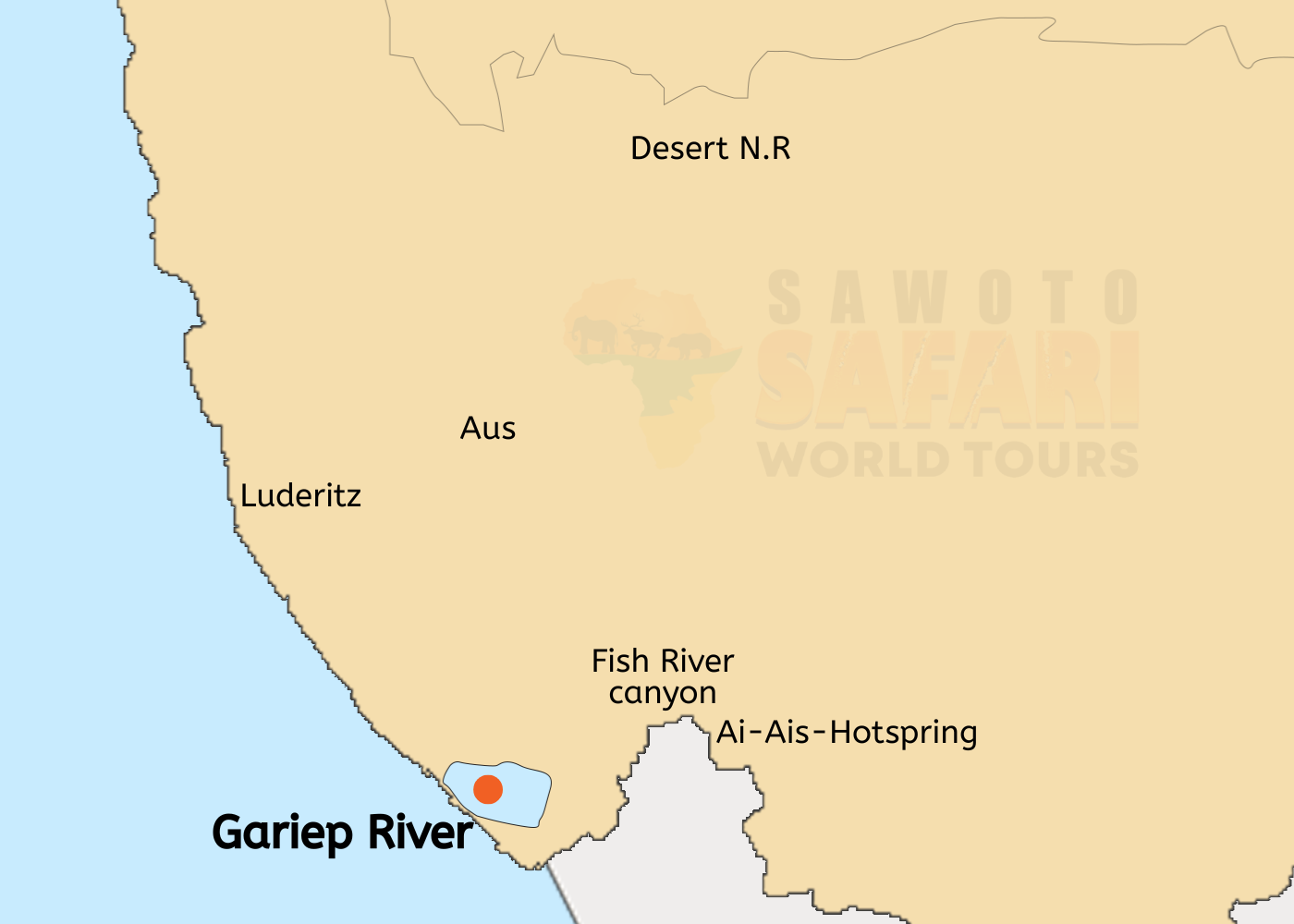
Gariep River runs along Namibia’s southern border with South Africa, passing through dry landscapes, rocky banks, and quiet riverside areas. The map helps travellers understand nearby crossings, camps, canoeing sections, and routes linking the river with Fish River Canyon, Ai-Ais, and southern Namibia journeys. It is useful for planning relaxed river stops during longer road trips.
Gariep River, also called the Orange River, is Southern Africa’s longest river. It begins high in Lesotho, flows west across South Africa, reaches Namibia near the Karas Region, and finally meets the Atlantic. Along the way, it supports farming, tourism, canoeing, rafting, birdlife, small wildlife, and quiet riverside stays in very dry country.
Gariep River has several names, including Orange River, Groote, and Senqu. It starts high in Lesotho’s mountains, then moves west through South Africa before reaching Namibia near the Karas Region and continuing toward the Atlantic Ocean.
The name Orange River was given in 1779 by Robert Jacob Gordon, a Dutch VOC official. He named it after the Dutch Royal House of Orange. But the older names, like Gariep and Senqu, still carry local meaning and connect the river to earlier histories.
The river begins about 3,000 metres above sea level in the Maluti and Drakensberg Mountains of Lesotho. In this high section, it is called the Senqu River. During winter, the cold can be strong enough for parts of the river to freeze.
From Lesotho, the river travels west through South Africa. It passes major dams, including Gariep Dam and Vanderkloof Dam, then joins the Vaal River near Douglas. Farther along, it moves through drier country, passes Augrabies Falls, and heads toward Namibia.
The river reaches Namibia near Noordoewer and Vioolsdrif in the Karas Region. From there, it continues toward the Atlantic near Alexander Bay and Oranjemund. This lower stretch is popular for canoeing, rafting, riverside camps, and slower southern Namibia journeys.
The Gariep River passes through very dry land, especially in its western sections. Rain can be scarce, but the river still supports farming, towns, power generation, tourism, mining, and everyday life across a huge part of southern Africa.
The western river area receives very little rain, often less than 25 millimetres a year. Summer days can be seriously hot, around 38 to 40°C. Winter days are milder, usually around 22 to 25°C, while nights can feel cool beside the water.
The river’s catchment area is huge, and it supports many communities. It provides water for towns, rural homes, farms, mines, power projects, and tourism businesses. In such dry country, a steady river is not just beautiful. It is useful in almost every way.
Large dams help manage the river’s water. Gariep Dam stores a huge amount of water, while Vanderkloof Dam farther downstream also supports storage and hydro-electric power. These projects help supply dry regions where rainfall is not reliable enough on its own.
The river is also tied to diamond history. Over millions of years, diamonds moved through the river system toward the Atlantic. Mining later grew along parts of the river and near the mouth, especially around Oranjemund and Alexander Bay.
Gariep River is not mainly a big-game destination, but the smaller life along the banks is worth noticing. Birds, reptiles, insects, fish, small mammals, and tough desert plants all belong to this dry riverside setting.
Large animals are less common along many parts of the river today, though Cape leopard and cheetah have been reported in nearby mountain areas. Visitors may also see vervet monkeys, chacma baboons, klipspringers, steenbok, black-backed jackals, otters, bats, and other small mammals.
Reptiles and insects are part of the river scene too. Cape monitors may splash suddenly into the water, which can startle visitors a little. On warm nights, barking geckos may be heard, and Red Romans are also known from the region.
The river holds fish such as yellowfish, mudfish, and catfish. Birdlife is often easier to enjoy, especially near quieter banks, reeds, and rocky sections. For many travellers, the small sounds of wings, water, and insects become part of the river stay.
Plant life near the lower river and Richtersveld area is especially interesting. You may see quiver trees, wild tamarisk, white karee, buffalo thorn, Namaqua rock fig, shepherd’s tree, halfmens, and many succulents. Some plants grow only in tiny local areas.
Canoeing and river rafting are two of the main reasons travellers visit Gariep River. The lower sections near Noordoewer, Vioolsdrif, and the Richtersveld are popular because access is easier and the scenery feels open, rocky, and peaceful.
River trips run through much of the year, and each season feels a little different. Some trips are gentle and short. Others last several days. Many visitors choose this area because it gives a wilderness feeling without needing a harsh white-water rafting experience.
The Richtersveld section is one of the easiest areas for canoeing and rafting logistics. Many trips begin around Noordoewer or Vioolsdrif and continue toward Sendelingsdrif. The route brings rocky banks, quiet water, desert views, and enough space to slow down.
These river trips are not only about paddling. Evenings beside the water, simple campfires, shared meals, and wide night skies become part of the memory. You start noticing small wildlife, plant life, silence, and the way the light changes on the rocks.
Gariep River fits well into southern Namibia routes, especially with Fish River Canyon, Ai-Ais, Noordoewer, and border crossings into South Africa. Before any canoeing or rafting trip, plan water, sun protection, dry bags, river shoes, and proper guided support.
The Gariep River offers travelers a slower-paced desert break, with cool water cutting through the dry southern landscapes. Expect canoeing, rocky banks, birdlife, quiet camps, warm afternoons, and peaceful evenings beside the river.
These Namibia Safari Itineraries bring together the country’s wide range of travel experiences, from wildlife parks and desert roads to coastal towns, cultural stops, and quiet lodge stays. Some routes are short and focused. Others stretch across several regions. And for travelers comparing Namibia Safari Packages, these itineraries make it easier to choose a trip that fits their time, comfort, and travel style.
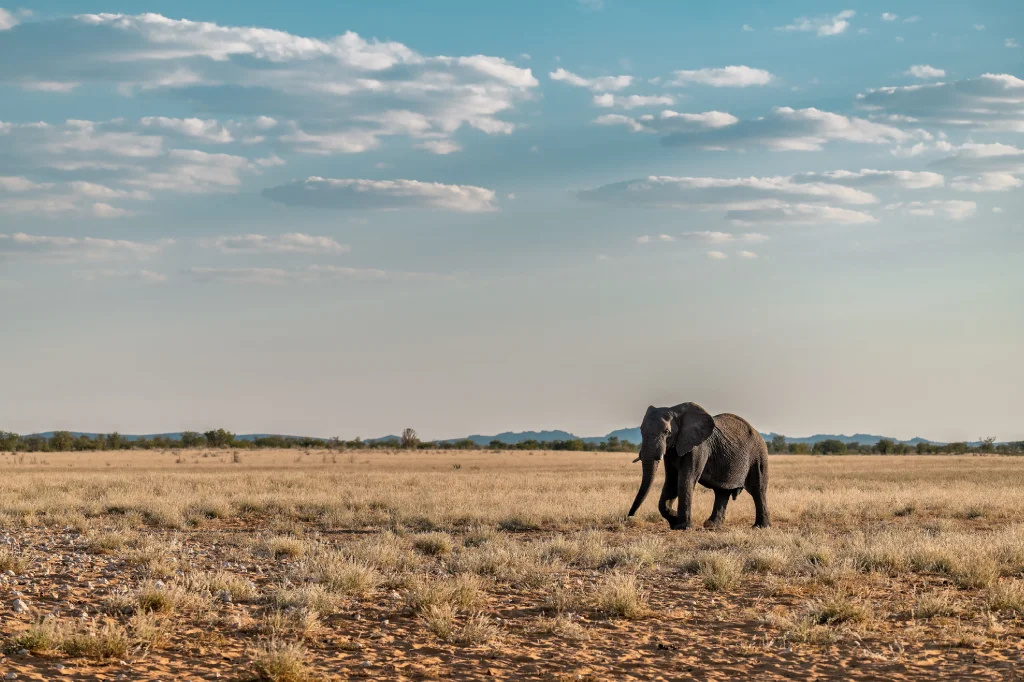
2 Destinations: Etosha National Park → Namibia
View Details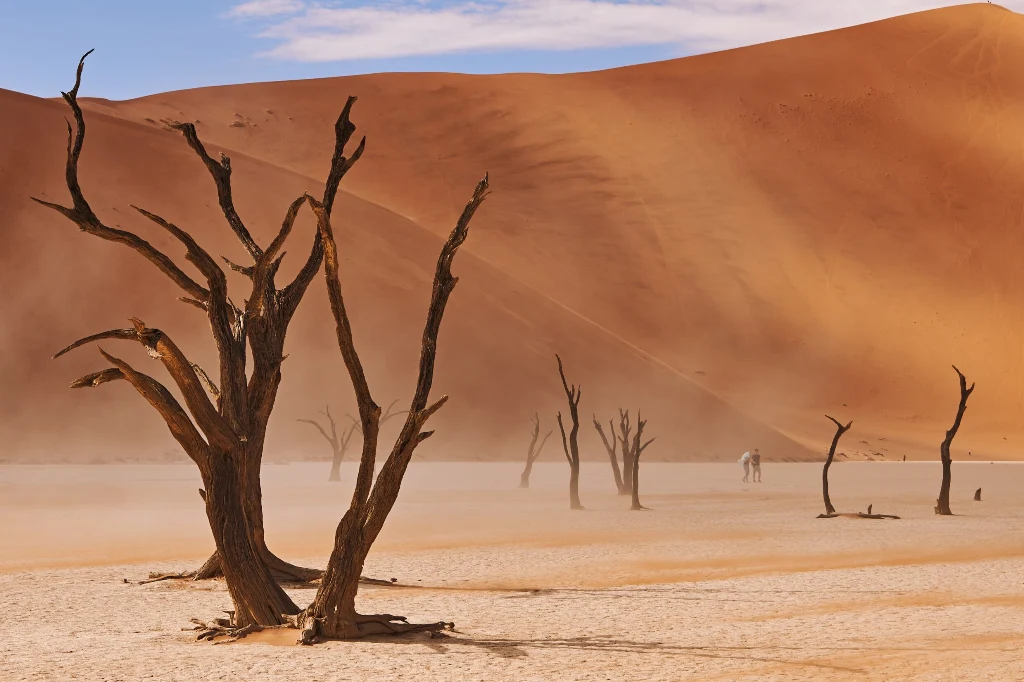
5 Destinations: Botswana → Etosha National Park → Namibia → Sossusvlei → Swakopmund
View Details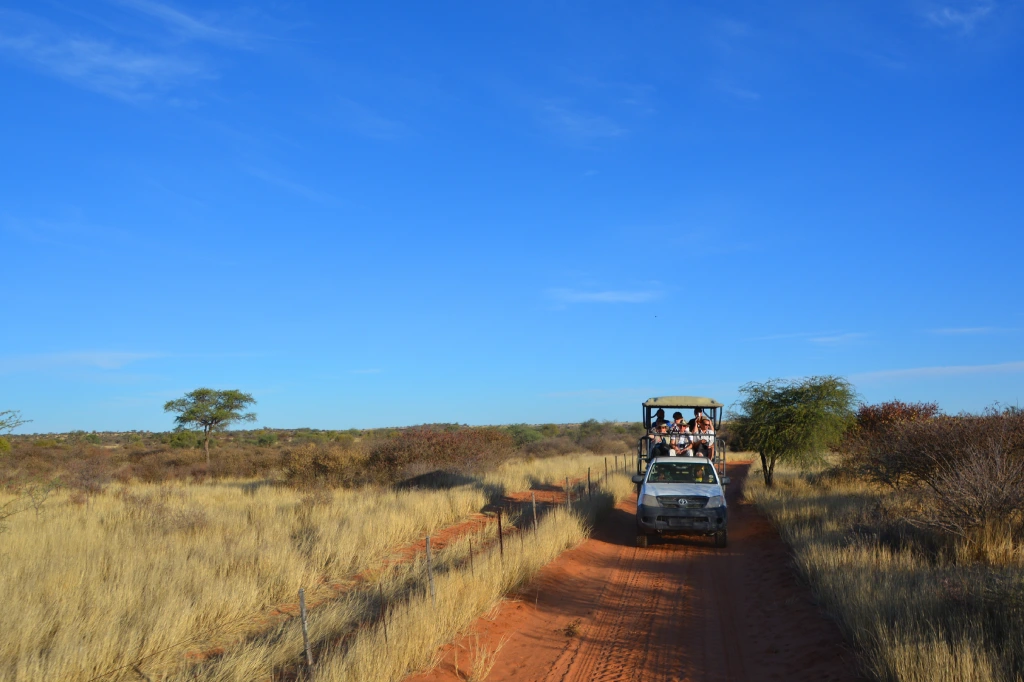
6 Destinations: Etosha National Park → Namibia → Sossusvlei → Spitzkoppe → Swakopmund → Windhoek
View Details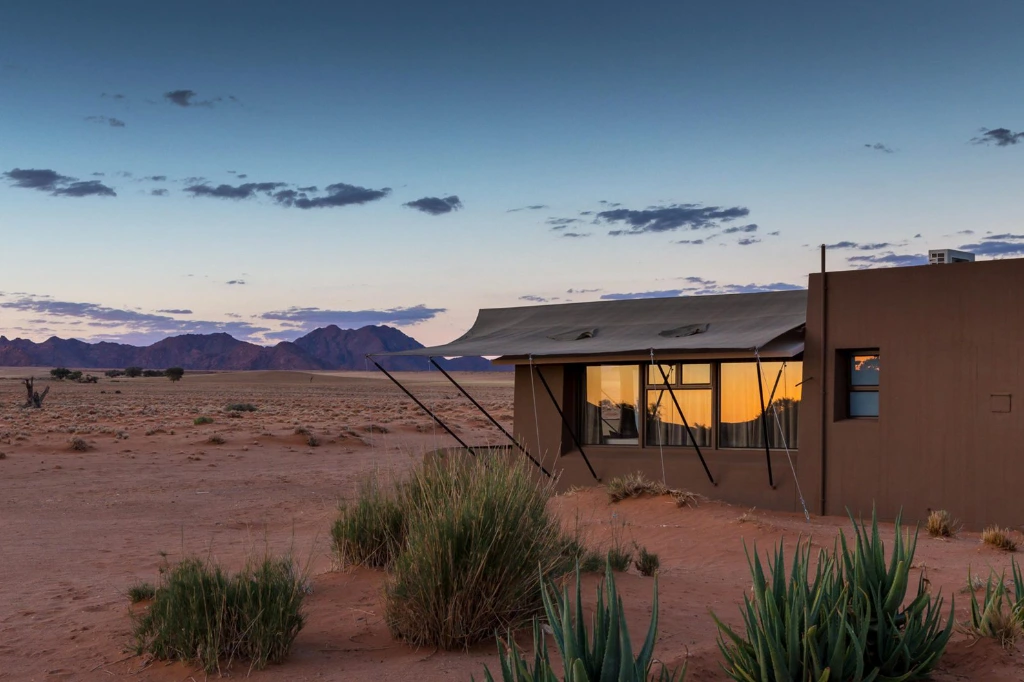
5 Destinations: Etosha National Park → Namibia → Sossusvlei → Swakopmund → Windhoek
View Details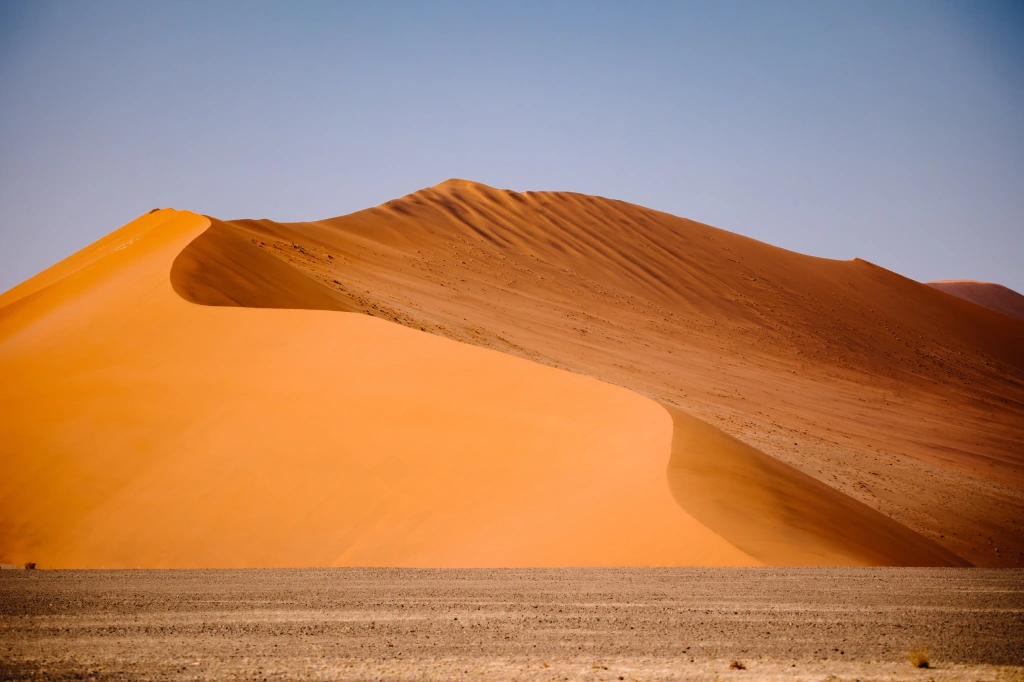
5 Destinations: Etosha National Park → Namibia → Sossusvlei → Swakopmund → Windhoek
View Details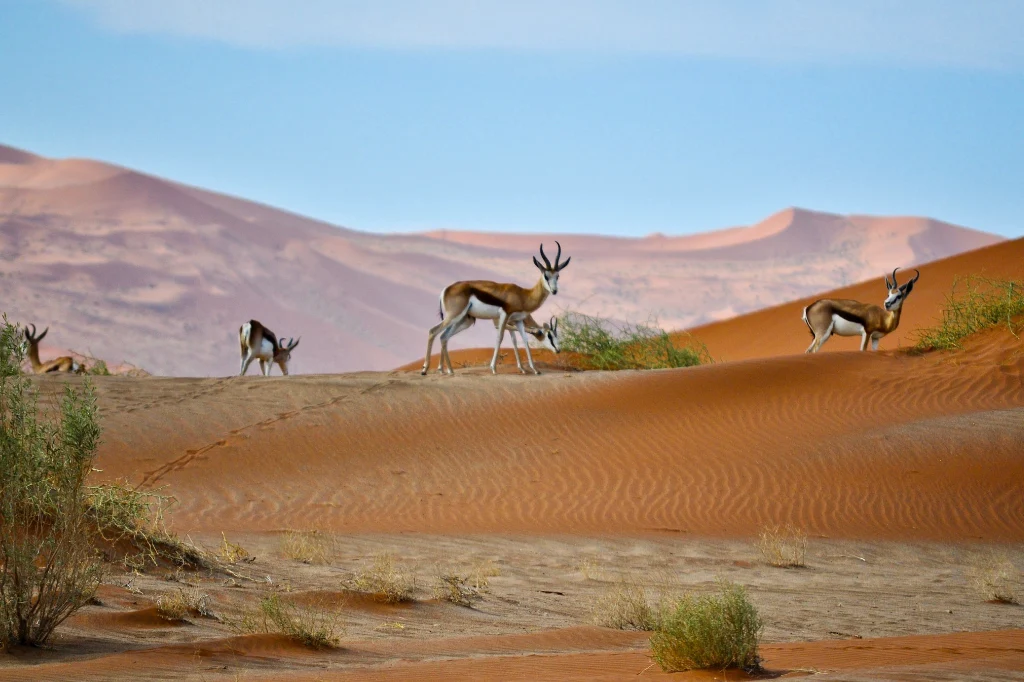
6 Destinations: Botswana → Etosha National Park → Namibia → Sossusvlei → Swakopmund → Zimbabwe
View Details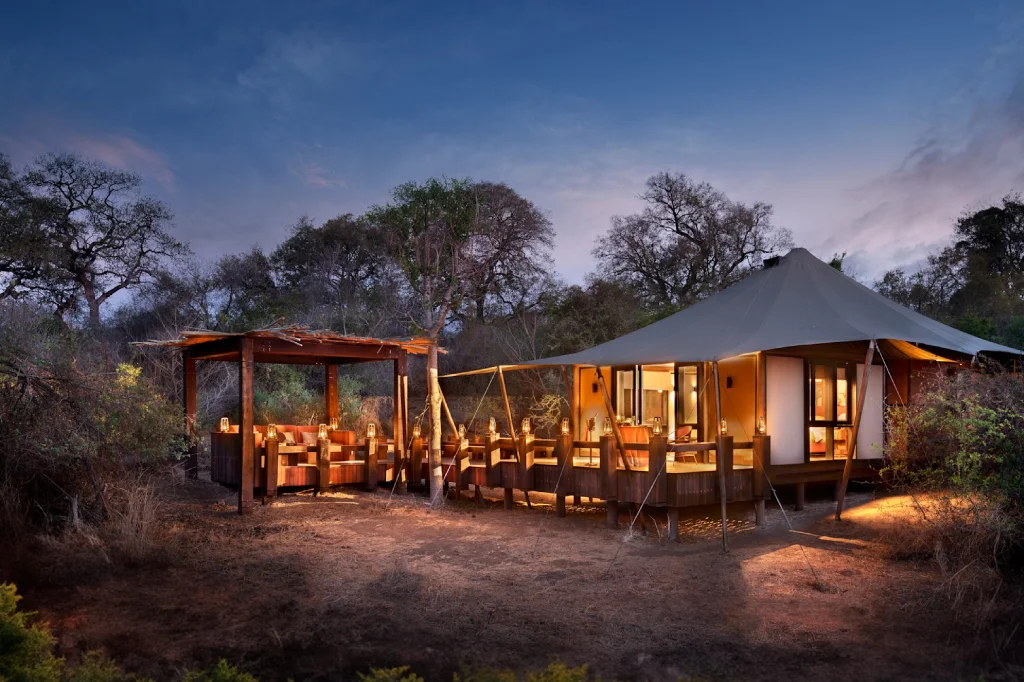
6 Destinations: Etosha National Park → Fish River Canyon → Namibia → Sossusvlei → Swakopmund → Twyfelfontein
View Details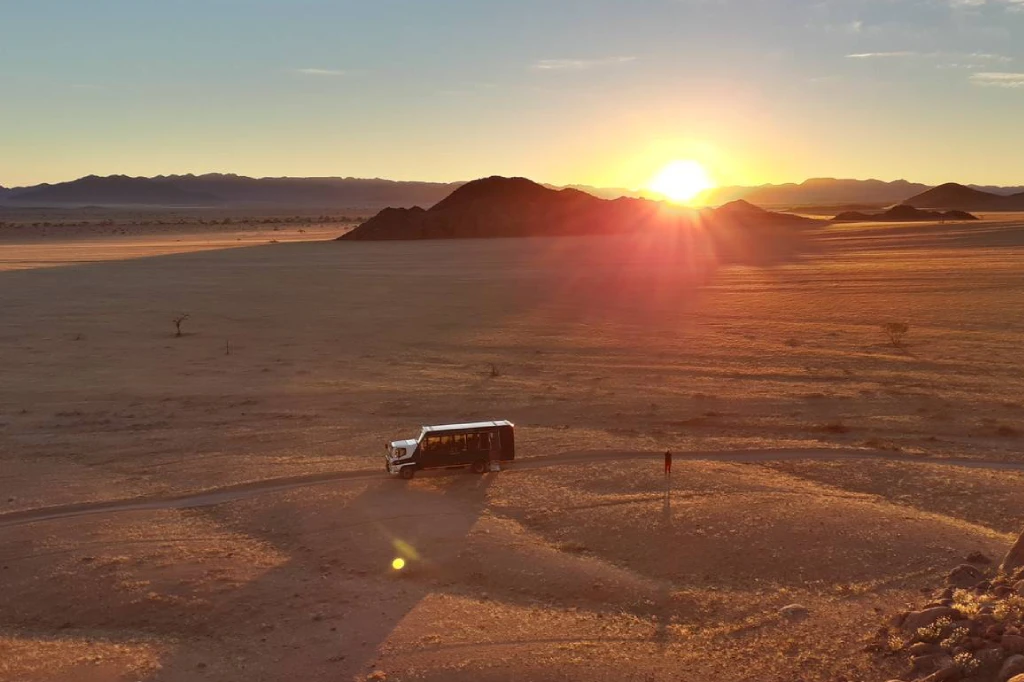
6 Destinations: Botswana → Etosha National Park → Namibia → Sossusvlei → Swakopmund → Zimbabwe
View Details
7 Destinations: Etosha National Park → Kamanjab → Namibia → Spitzkoppe → Swakopmund → Twyfelfontein → Windhoek
View Details
4 Destinations: Etosha National Park → Namibia → Sossusvlei → Swakopmund
View Details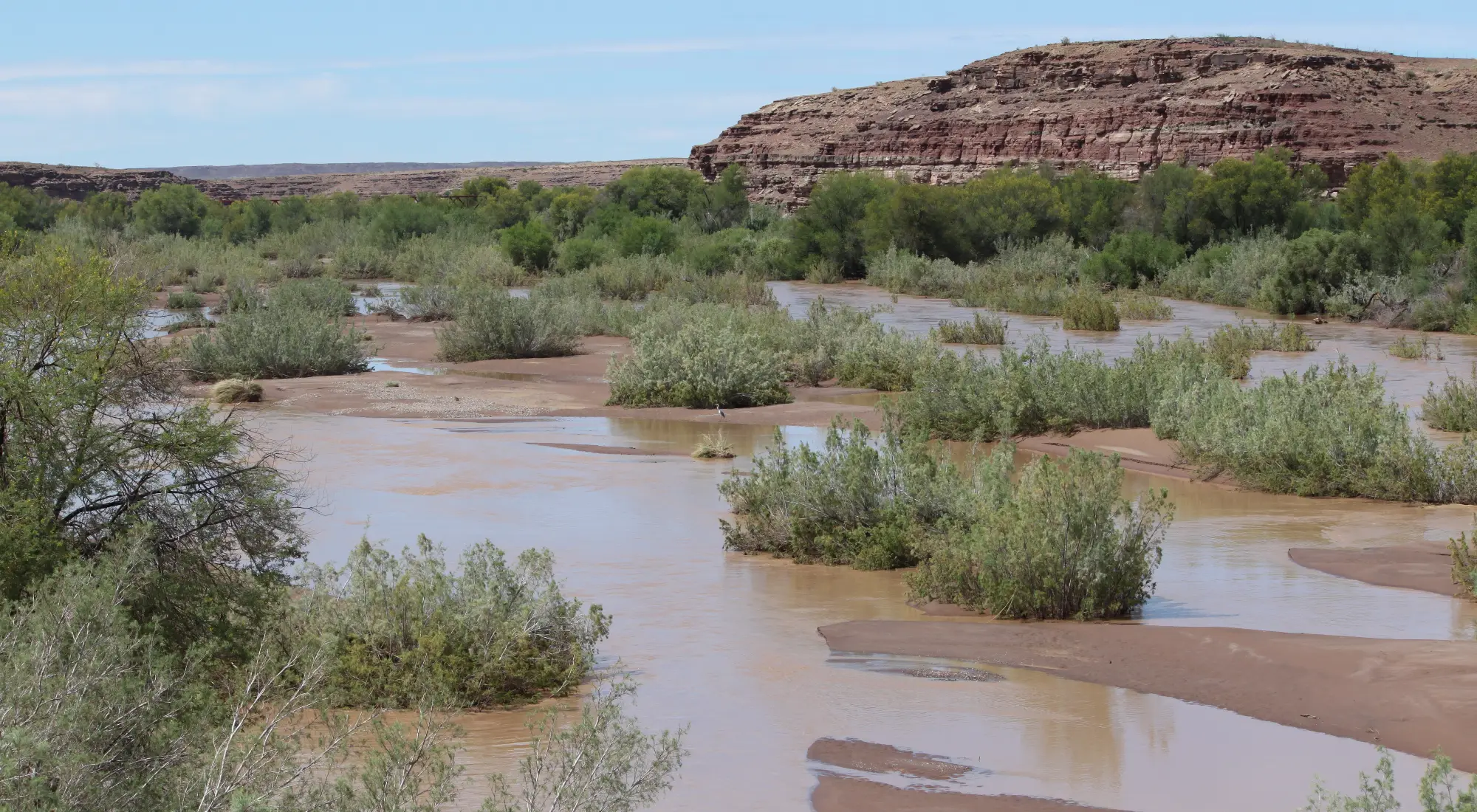
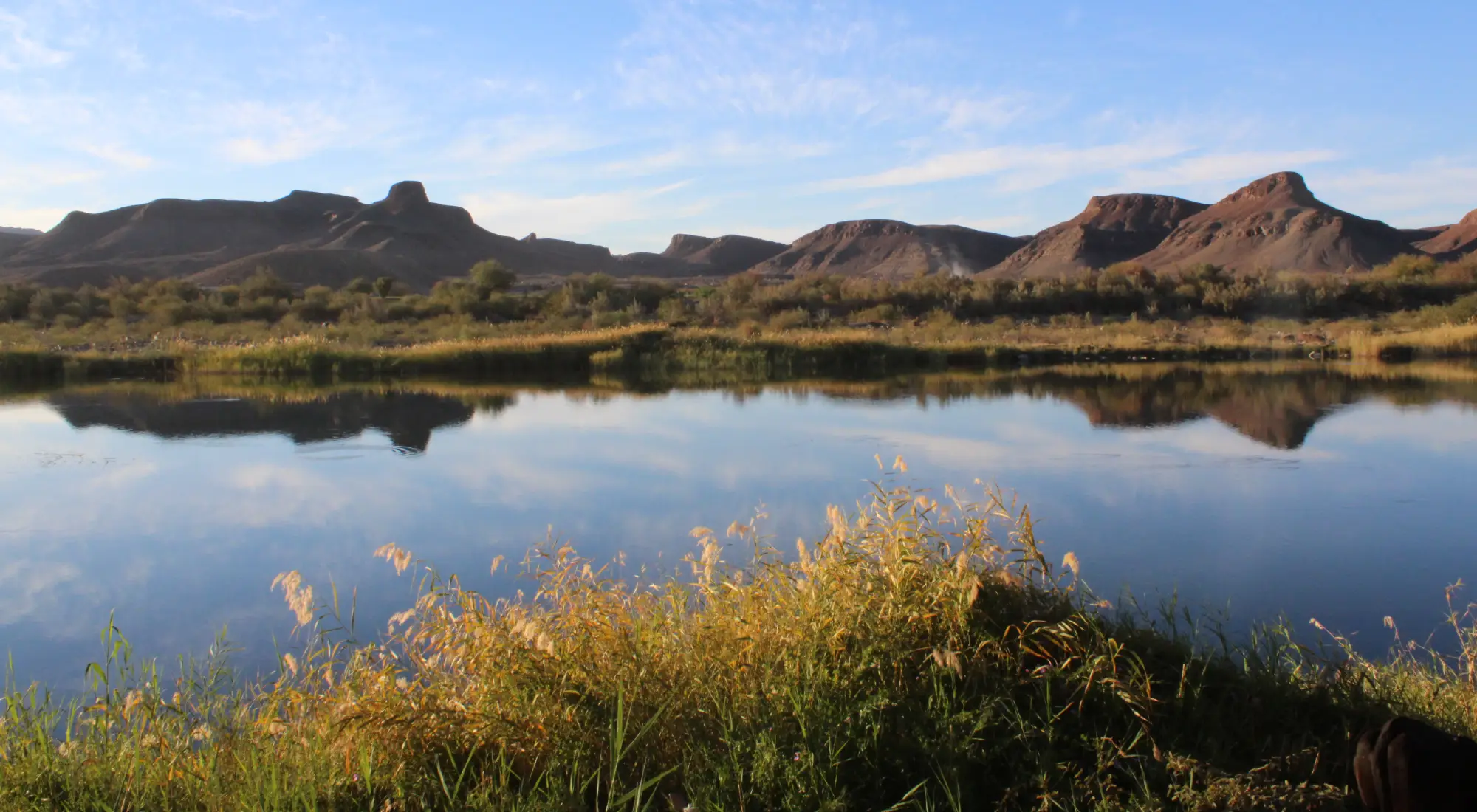
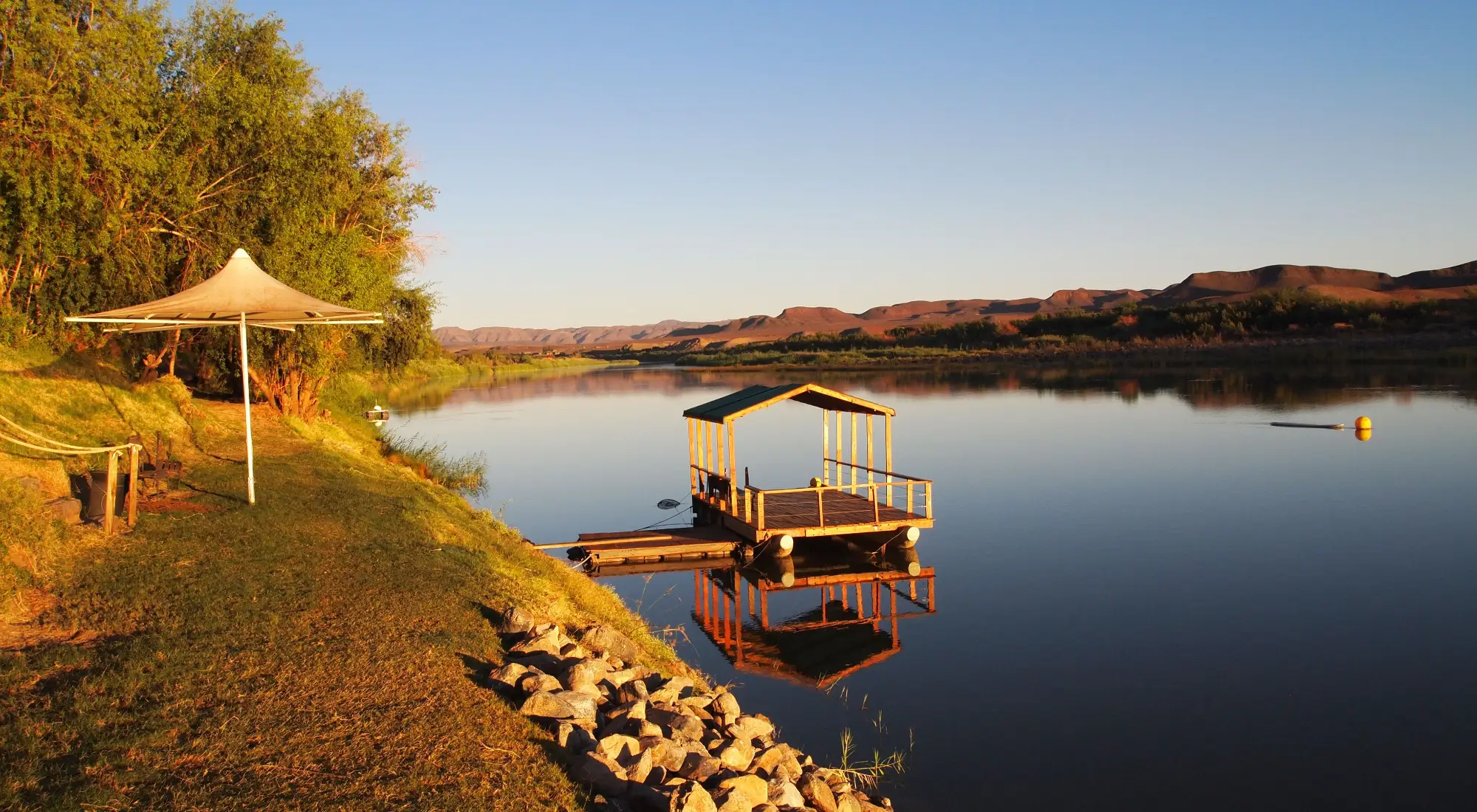
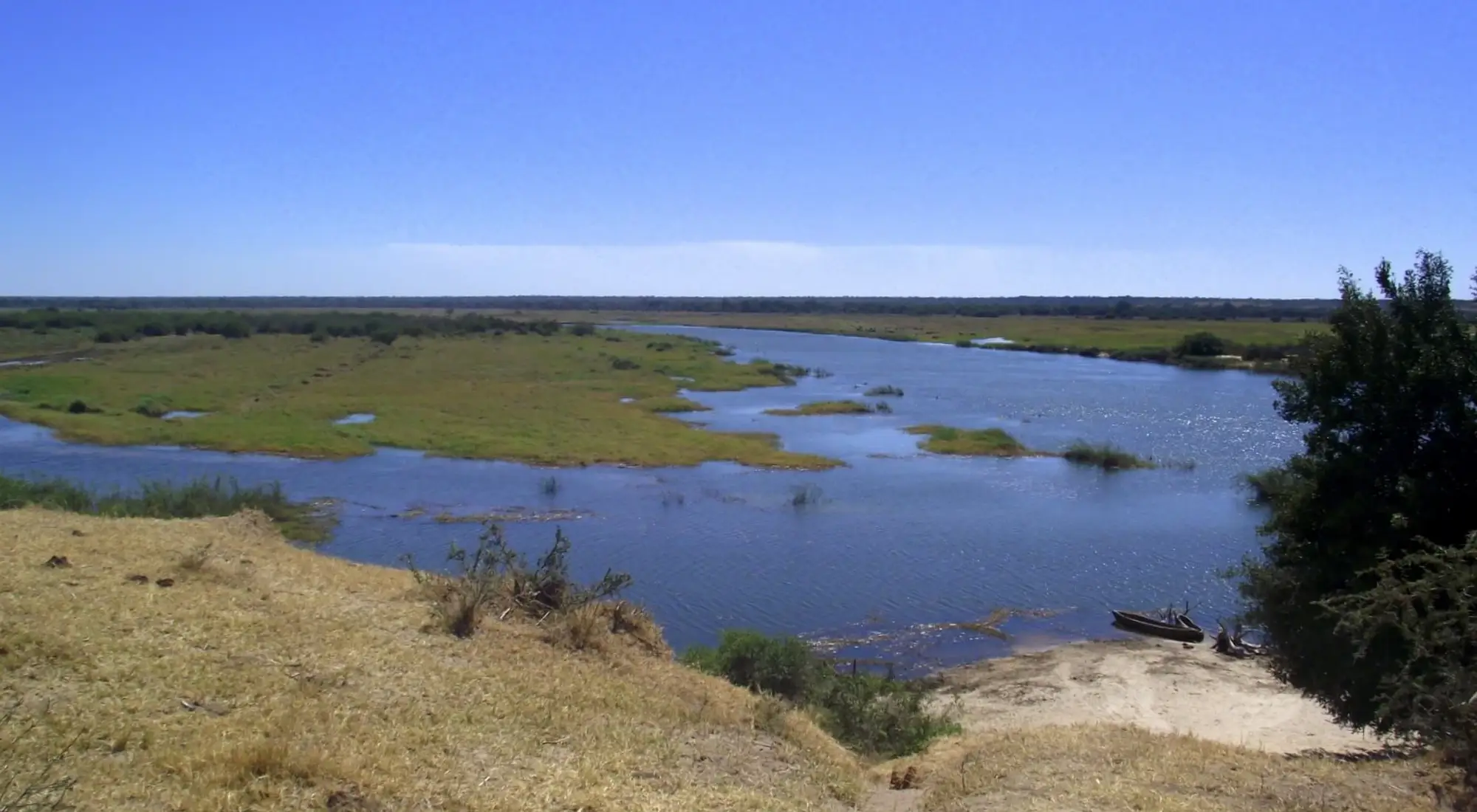
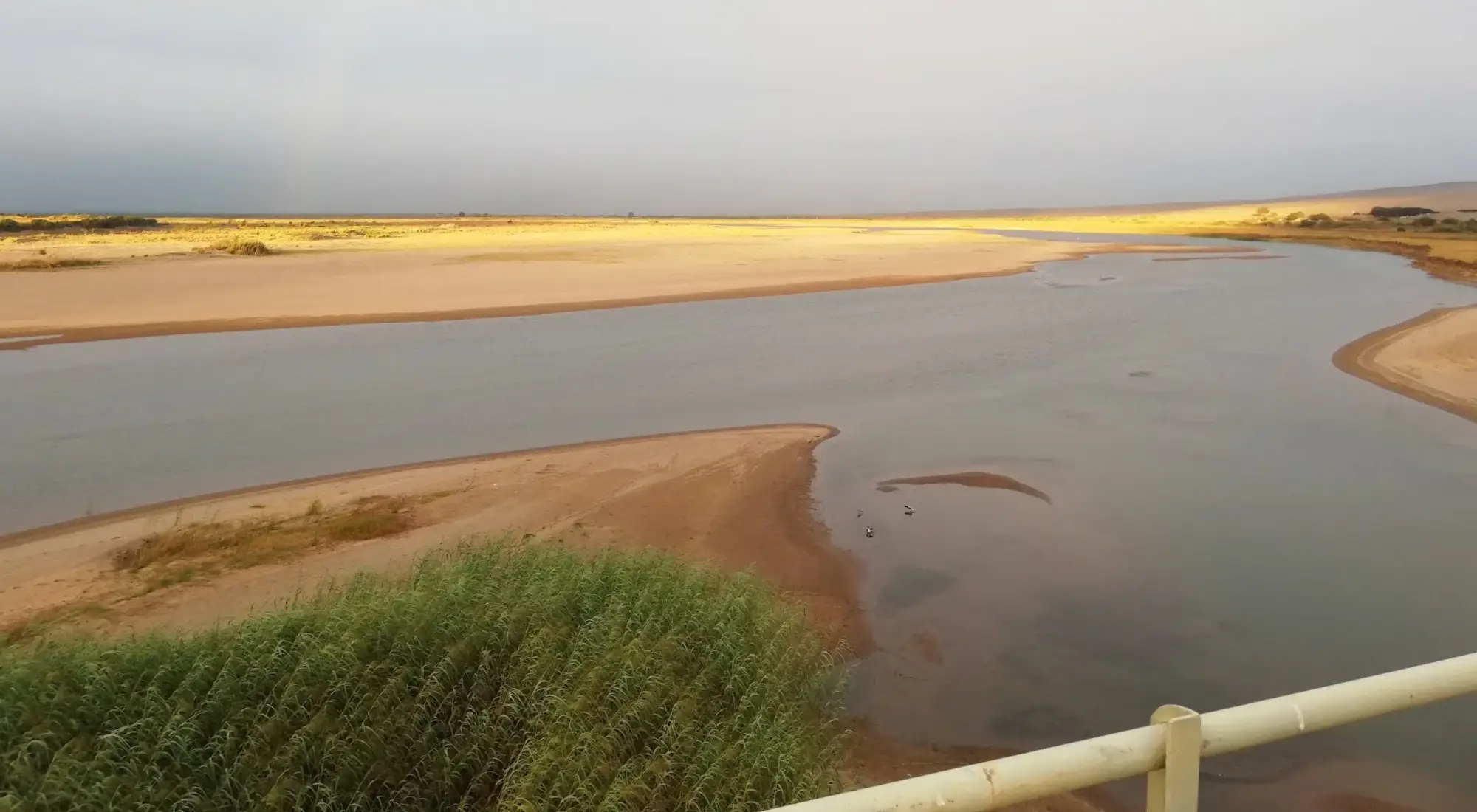
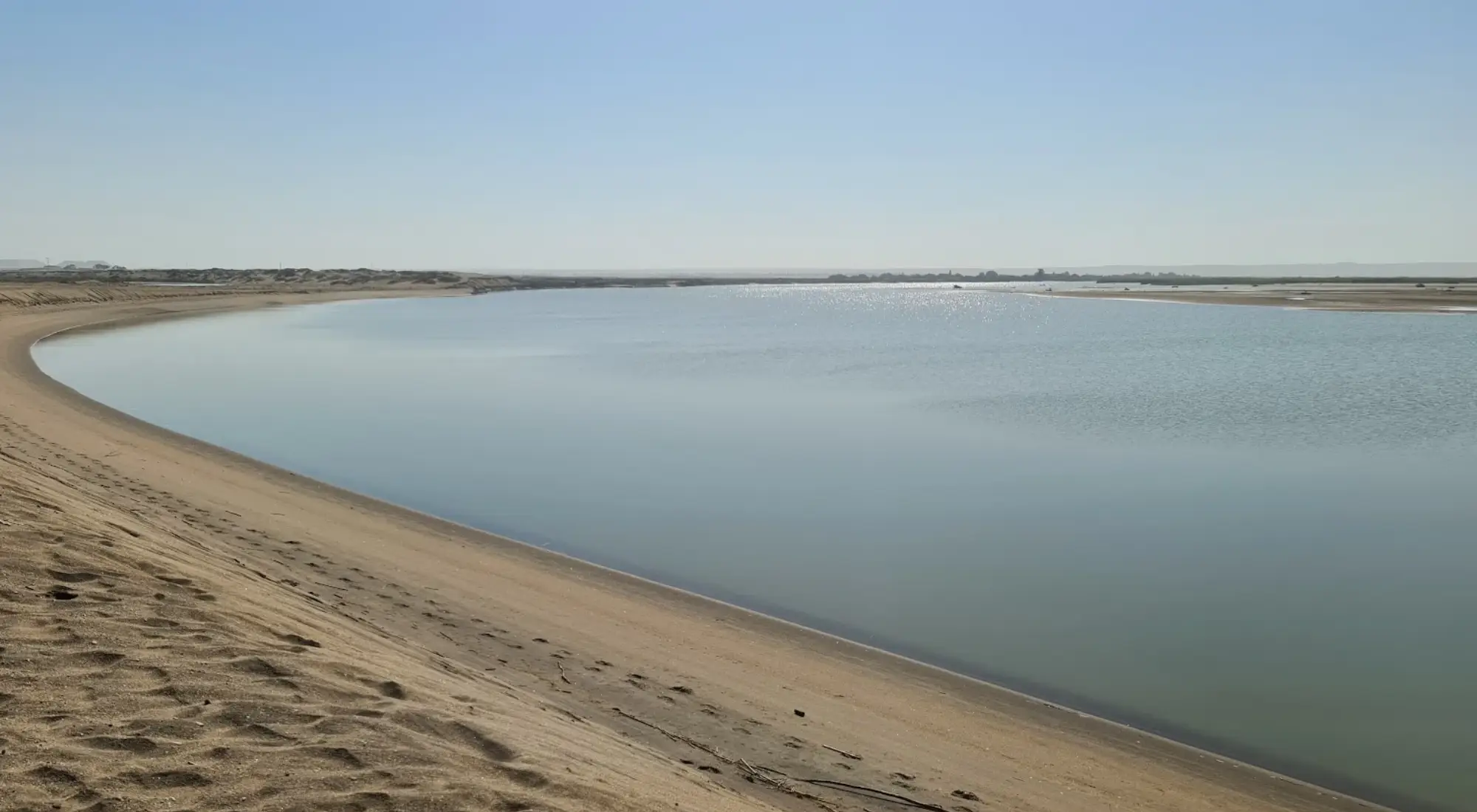
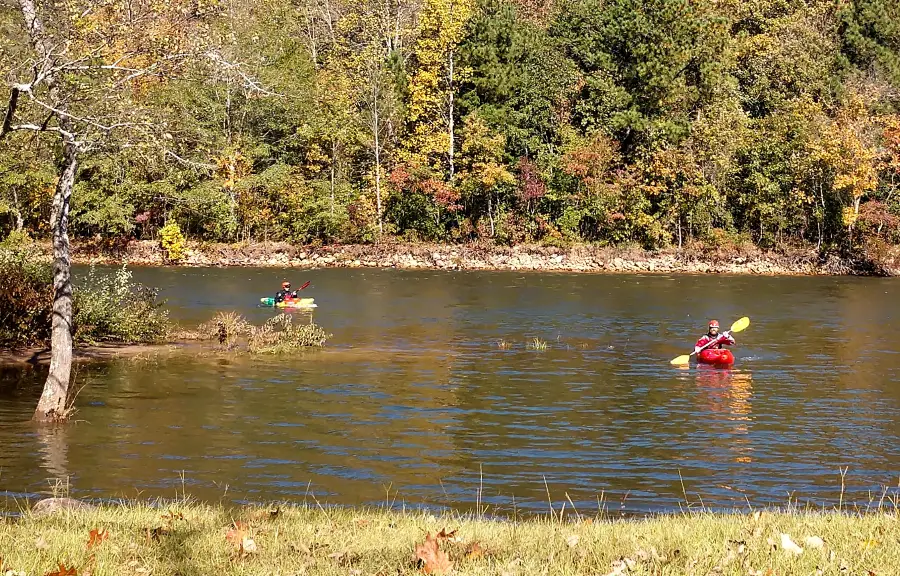
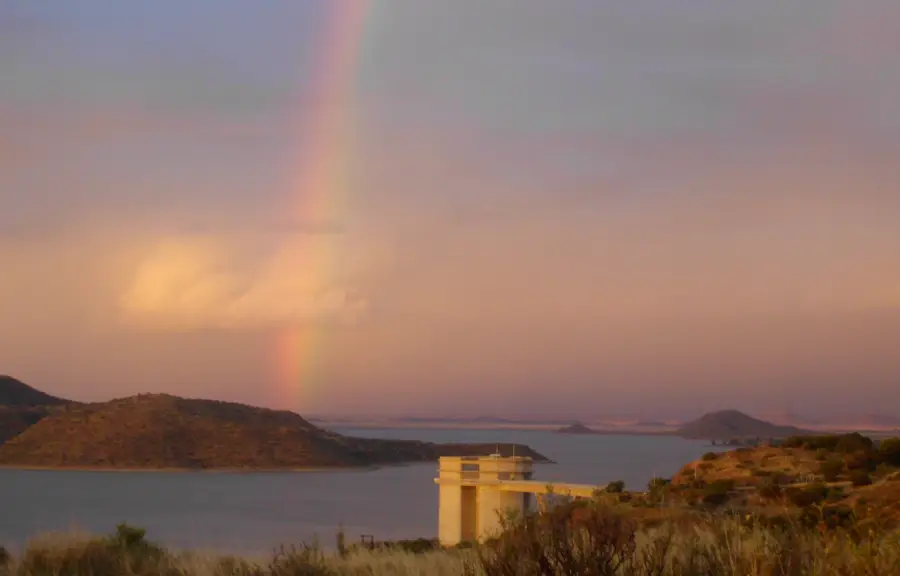
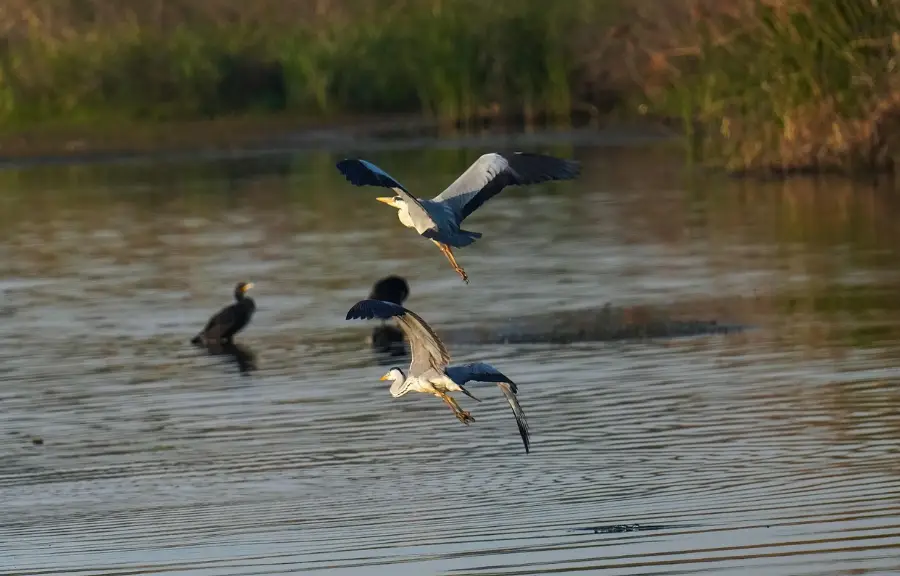
This gallery shows the Gariep River through canoe routes, rocky banks, calm water, birdlife, desert plants, riverside camps, and wide southern skies, giving travelers a gentle look at Namibia’s quieter border landscapes nearby.
The Gariep River is Southern Africa’s longest river, and it brings water through some very dry land. Travelers know it for canoeing, rafting, rocky banks, riverside camps, birdlife, and quiet desert views. These FAQs cover the basics, from the river’s length and Gariep Dam to wildlife, Fish River Canyon, and simple outdoor activities.
Namibia has a lot to pull travelers in. Wide desert dunes, wildlife parks, salt pans, coastal towns, canyons, and quiet wilderness areas all sit within one country. This section brings the main attractions in Namibia together, so travelers can see what fits their route, time, comfort level, and the kind of journey they want.
Our Namibian tour was an unforgettable experience from start to finish. Henzel was both our guide and driver, and he did an outstanding job in both roles. He was incredibly thorough and well-prepared, always sharing detailed insights about the landscapes, wildlife, and local culture. You could tell he truly knew and loved the country.

We did the “7 Days Wildlife Etosha and Sossusvlei Namibian Safari (Accommodated)” with Safari World Tours in December 2023 and it was the best choice for our family! We are experienced travelers (49 countries visited) and found that to travel to Namibia with a small child (4 years old) a tour would the the best option






 German
  English