
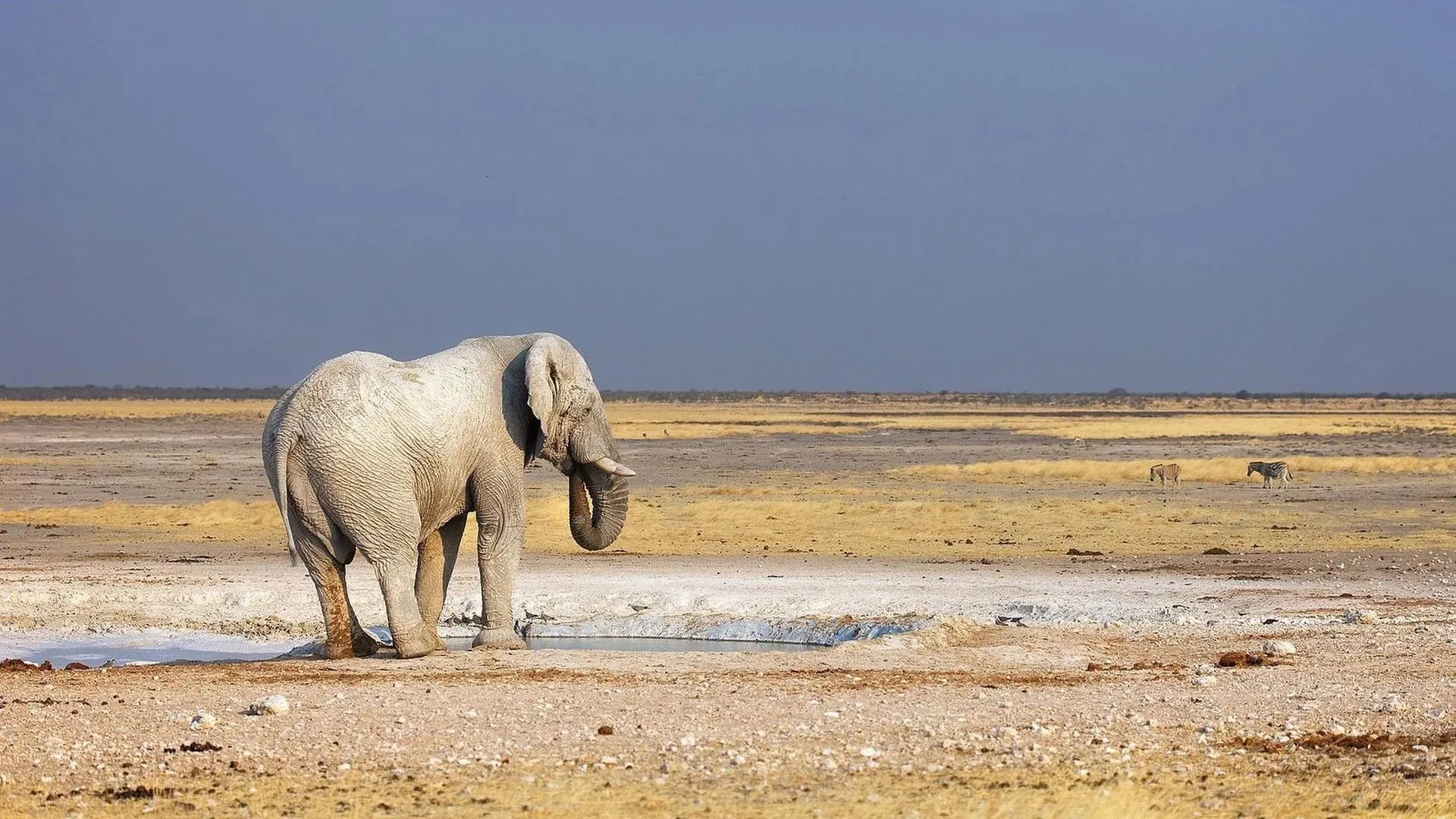
On an Etosha National Park Safari, you can see elephants, lions, black rhinos, giraffes, zebras, cheetahs, springbok, oryx, wildebeest, kudu, and many other animals. You can also spot a wide range of bird species. Etosha National Park stands out for its open plains, dry woodlands, and waterholes, where animals often come to drink. The park is home to four of Africa’s Big Five: elephants, lions, leopards, and rhinos. Its antelope and other dryland species make the wildlife experience even more varied.
What makes an Etosha safari special is the role of water. During the dry months, many animals gather around reliable water holes. You may see elephants drinking while zebras graze nearby. Giraffes edging in carefully, necks lowered. Predators show up too, sometimes. Wildlife doesn’t run on schedule here. What you see depends on season, weather, location, and plain animal movement.
There’s plenty beyond the big mammals too. The salt pan, the open plains, the dry terrain generally, all of it supports a genuinely strong bird population. Oryx and springbok tell their own story about surviving Namibia’s harshness. Anyone planning a Namibia wildlife safari will find Etosha a world apart from the grassland safaris found elsewhere on the continent.
Which Animals Are Commonly Seen on an Etosha Safari?
An Etosha Safari can bring you close to elephants, lions, black rhinos, giraffes, zebras, wildebeest, oryx, springbok, kudu, cheetahs, leopards and hyenas. You can also see many bird species. Etosha National Park has four of Africa’s Big Five: elephant, lion, leopard and rhino. African buffalo don’t live in the park, worth knowing before you go. Nothing’s guaranteed with wildlife sightings, but waterholes give you a genuinely good shot at watching animals in the wild.
Quick Facts
| Category | Details |
| Main Wildlife Destination | Etosha National Park |
| Famous Wildlife Feature | Waterholes |
| Big Five Species Present | Elephant, lion, leopard and rhino |
| Big Five Species Absent | Buffalo |
| Preferred Wildlife Period | May–October |
| Key Viewing Areas | Waterholes and open plains |
| Major Landscape Feature | Etosha Pan |
Why Is Etosha National Park Famous for Wildlife?
Water shapes the wildlife experience in Etosha. The park has many natural and artificial Waterholes, which attract animals when rainfall becomes scarce. Instead of searching through thick vegetation, you can spend time near a waterhole and watch different animals arrive to drink.
Etosha also has large open areas with grassland and sparse vegetation. This makes it easier to scan the landscape for wildlife. You may see zebra, springbok and wildebeest crossing the plains, while predators may rest or hunt nearby. The open terrain and waterholes make Etosha a great choice for photographers and first-time safari travelers.
What Animals Can You See in Etosha National Park?
Discover the animals you can see in Etosha National Park Safari Tours, from elephants and lions to rhinos, giraffes, zebras, antelopes, cheetahs, leopards and hyenas.
Elephants at Waterholes
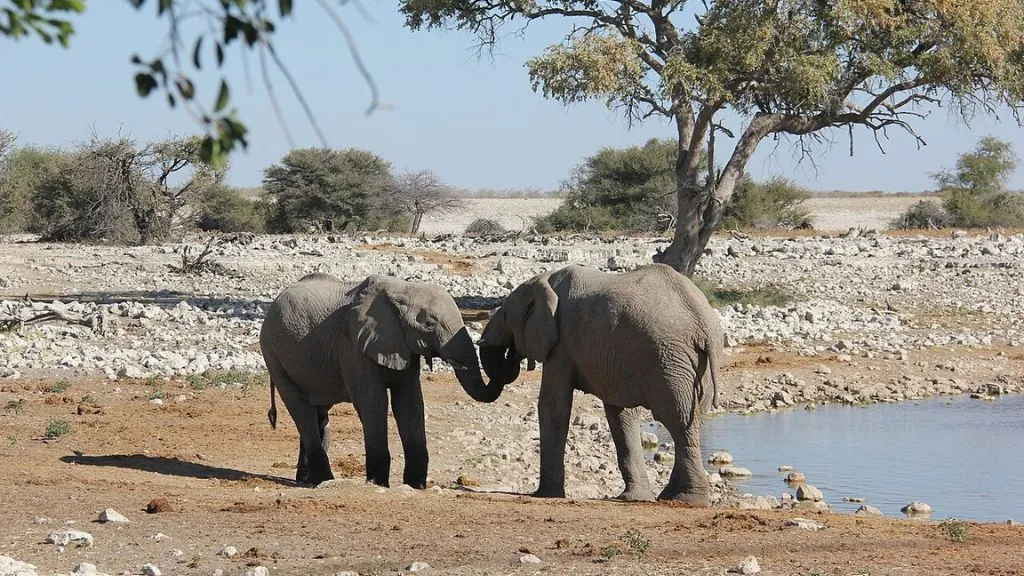
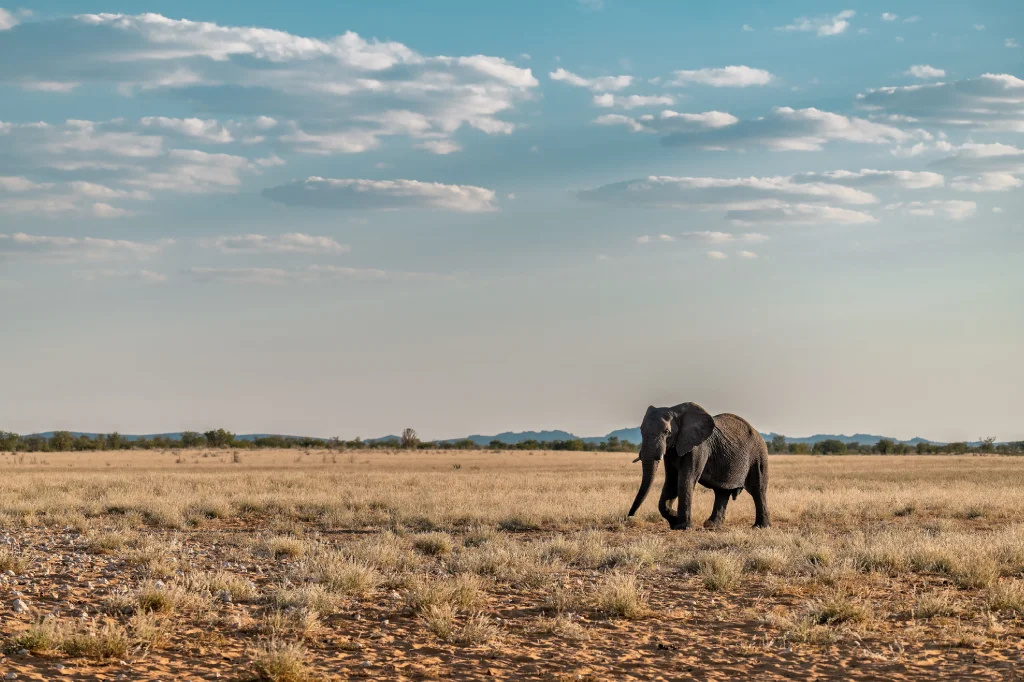
African elephants are one of the most memorable animals to see in Etosha. They often visit water sources, especially during the dry months. Dust from the dry landscape can cover their skin and give them a pale, almost white appearance. Watching elephants at a waterhole can also give you a glimpse of their family life. Young calves stay close to adults, while larger elephants often lead the herd toward water.
Lions on the Plains
Lions are among Etosha’s main predators. You may find them resting in the shade during the heat of the day. They often become more active during the cooler morning and evening hours. Finding lions takes patience. A knowledgeable guide can use recent sightings and signs of animal movement to decide where to look.
Black Rhinos in the Wild
Etosha offers good opportunities to look for Black Rhinos, one of Africa’s most threatened large mammals. Rhinos may visit waterholes or move through open and scrub-covered areas. You may not see one on every drive, so patience matters. If you do find a rhino, keep your distance and let it move freely.
Giraffes and Zebras Together
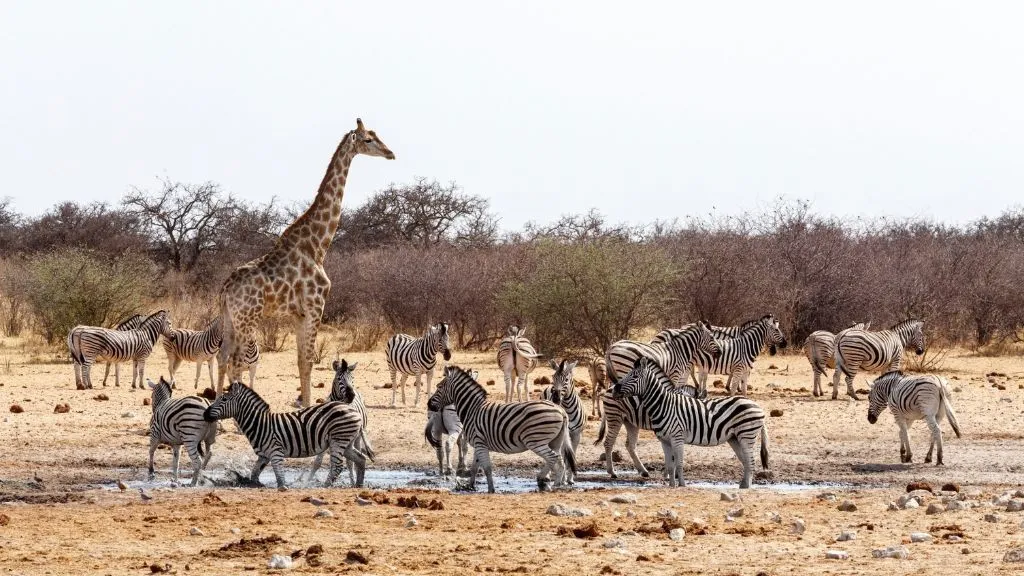
Giraffes suit Etosha’s open landscapes well — their height lets them reach vegetation most other herbivores can’t touch, and you can often spot them from a long way off. Zebras show up constantly across the park too, in groups moving across the plains or gathered near other grazers.
Oryx, Springbok and Other Antelope
Etosha holds plenty of antelope species — oryx, springbok, kudu, wildebeest, black-faced impala among them. They matter a lot to the park’s food chain, providing prey for lions, cheetahs, and hyenas. Oryx in particular are built for Namibia’s dry climate: high heat tolerance, minimal water needs. One of the more distinctive animals to watch here.
Cheetahs, Leopards and Hyenas
Etosha also has predators such as cheetahs, leopards and spotted hyenas. These animals can make more effort to find because they often move across large areas or stay hidden. Leopards may use vegetation or rocky areas for cover, while cheetahs often use open ground to watch for prey. Your chances of seeing these predators depend on their movements and the conditions during your game drive.
Can You See the Big Five in Etosha?
No. Etosha doesn’t have all five of Africa’s traditional Big Five. Lions, elephants, leopards and rhinos, yes — African buffalo, no, it just doesn’t live here. So a Namibia Safari in Etosha safari realistically gives you a shot at four of the Big Five, with no guarantees of any specific sighting.
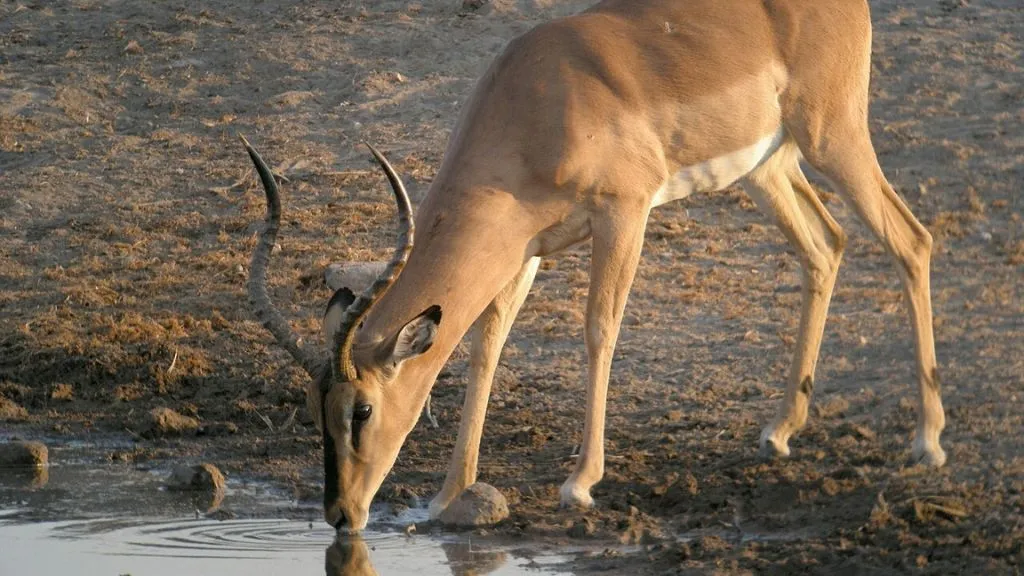
There’s a lot more to the park than the Big Five anyway. Black-faced impala, oryx, springbok, giraffes, zebras, wildebeest — all parts of what makes the wildlife experience here memorable. For plenty of travelers, seeing these species in Etosha’s dry, open landscape matters just as much as spotting a big predator.
Where Are the Best Places to See Wildlife in Etosha?
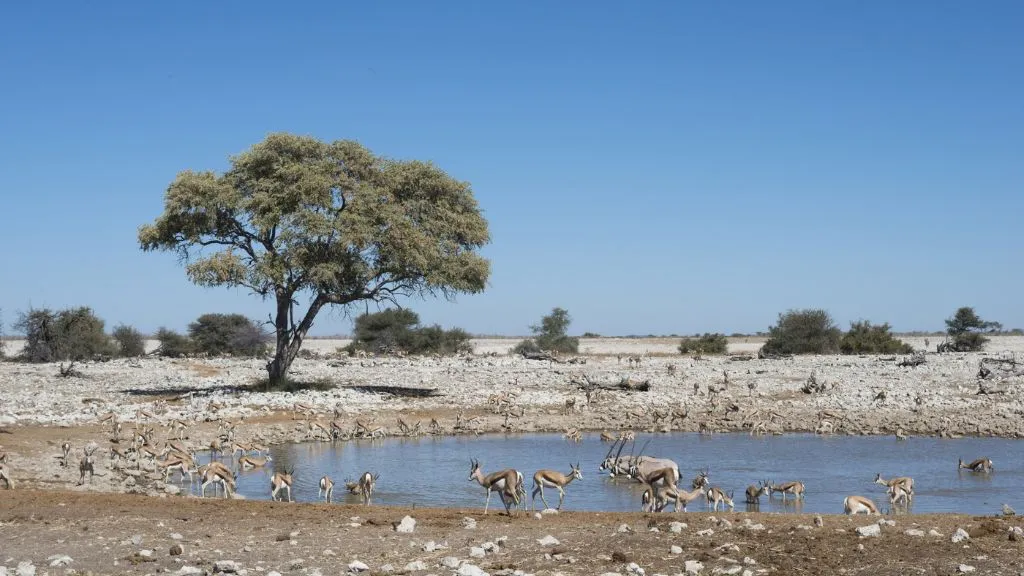
Waterholes are some of the best places to watch wildlife in Etosha. During the dry season especially, different species converge on the same spots just to get water. Waterholes near Okaukuejo, Namutoni and elsewhere in the park let you sit and watch rather than chase from sighting to sighting.
Patience really does matter at a waterhole. It can sit quietly for ages, then suddenly burst into activity — an elephant herd arrives, zebras or antelope follow, predators might show up nearby too. But no waterhole can promise a specific animal. Wildlife moves on its own terms.
When Is the Best Time to See Animals in Etosha?
You can visit Etosha throughout the year, but May to October is generally a good period for wildlife viewing. The weather is drier, vegetation becomes less dense in many areas and animals often gather around reliable water sources. These conditions can make it easier to spot wildlife during game drives.
Dry Season — May to October
The dry season usually brings less rain and clearer wildlife-viewing conditions. As natural water becomes scarce, animals rely more on waterholes. Cooler mornings and evenings can also make game drives more comfortable. This period works well for travelers who want to focus mainly on traditional wildlife viewing.
Green Season — November to April
Rain transforms the landscape — more greenery everywhere in Etosha. Water shows up in more places, so animals spread out more widely, which can make certain sightings less predictable. Still, this season has real advantages of its own.
Expect more bird activity, young animals, and dramatic skies during the green season. The greener landscape also makes for a completely different photography setting. Travelers who enjoy birdwatching and landscapes may find this season particularly interesting.
Which Birds will you find at Etosha?
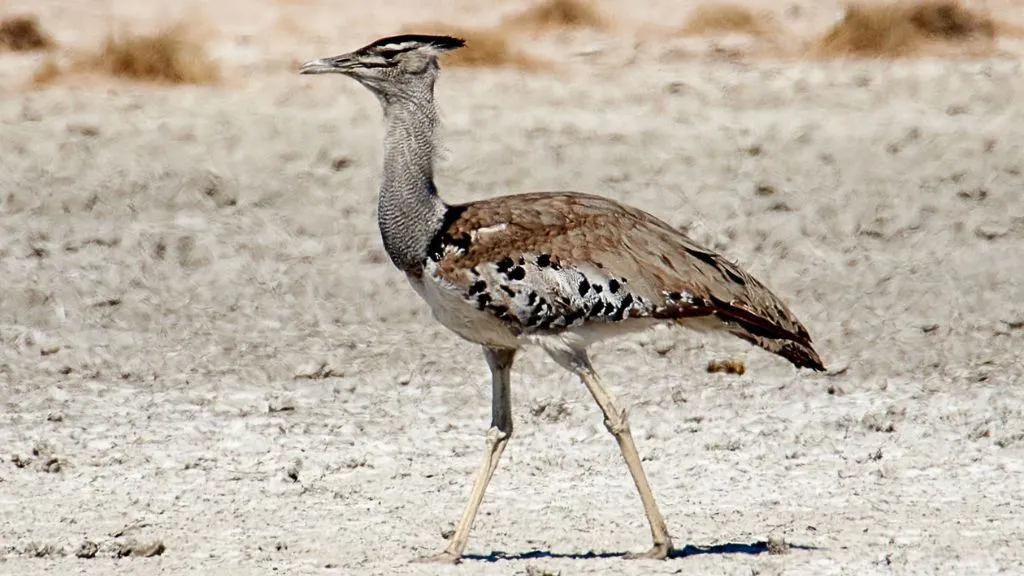
It’s a good place for birdwatchers at Etosha. Flamingos, ostriches, kori bustards, eagles, vultures, bee-eaters, owls, weavers and many others can be seen, depending on the season and location. Resident and migratory birds bring a variety of birds to the Park throughout the year.
More birds may be seen during the wetter months as it is the water that attracts a number of different species. Binoculars are good to have even if you only want to look for mammals. Birdlife adds another element to an Etosha safari and can help to keep the wildlife enthusiast busy between the larger animals.
What to Expect on an Etosha National Park Game Drive
An Etosha National Park Game Drive is not just about ticking animals off a list. Some drives may bring several sightings close together, while others may involve long periods of quiet driving. This is a normal part of a safari and gives you time to appreciate Etosha’s open landscapes.
Early mornings and late afternoons can offer good wildlife activity. Your guide may take you between waterholes, scan the open plains and stop when they spot tracks, movement or animals in the distance. Sitting quietly and watching an animal behave naturally can often be more rewarding than trying to find as many species as possible.
Planning an Etosha Safari with Safari World Tours
Safari World Tours can help you plan an Etosha Safari Tour around your travel dates, wildlife interests and preferred travel style. Travelers can choose Guided Etosha Safari Tours, private wildlife trips, luxury stays or photography-focused experiences, depending on the type of trip they want.
If you have more time, you can combine Etosha with Sossusvlei, Damaraland or the Skeleton Coast. This gives you the chance to experience Namibia’s wildlife alongside its famous desert and coastal landscapes. Safari World Tours can help shape the itinerary around the places and experiences you want to include.
Related Itinerary
3 Days Etosha Wildlife Safari (Camping)
2 Destinations: Etosha National Park → Namibia
View Details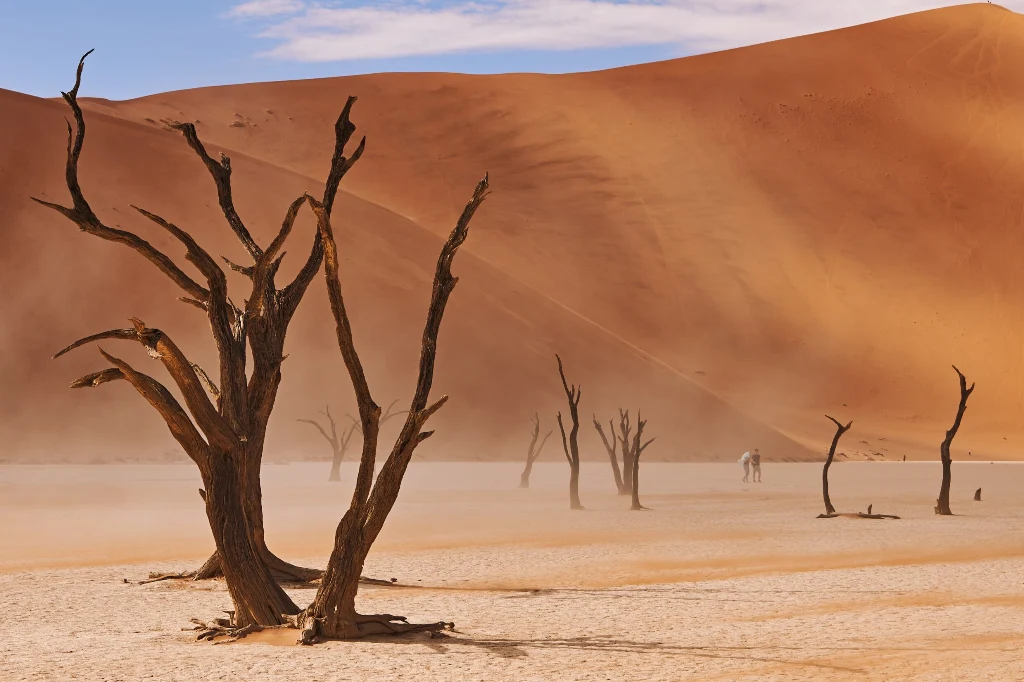
14 Days Tour to Great Safari in Namibia, Botswana & Victoria Falls Tour (Camping)
5 Destinations: Botswana → Etosha National Park → Namibia → Sossusvlei → Swakopmund
View Details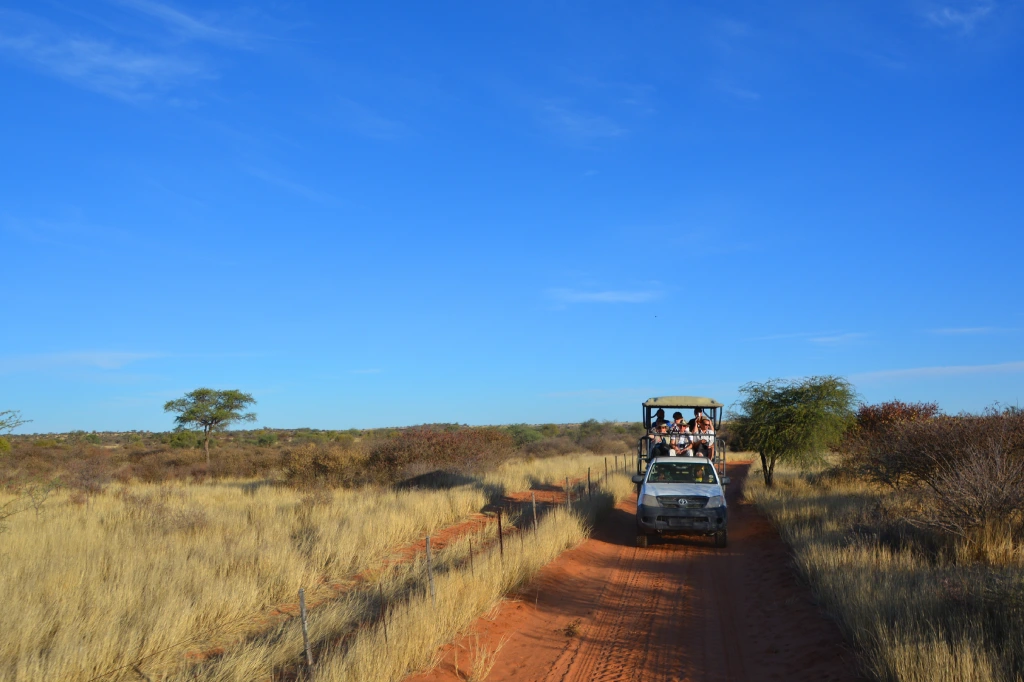
14 Days Tour to Wonderful Safari in Namibia, Botswana & Victoria Falls Tour (Accommodated)
6 Destinations: Etosha National Park → Namibia → Sossusvlei → Spitzkoppe → Swakopmund → Windhoek
View Details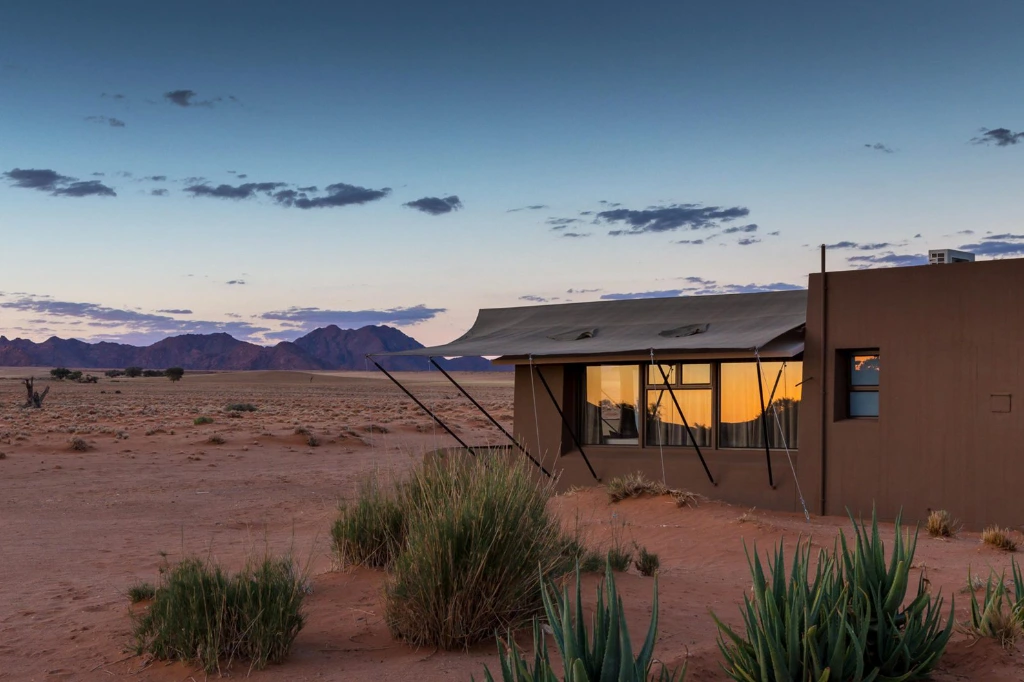
17 Days Tour to Namibia, Botswana & Victoria Falls Tour (Camping and Lodging)
5 Destinations: Etosha National Park → Namibia → Sossusvlei → Swakopmund → Windhoek
View Details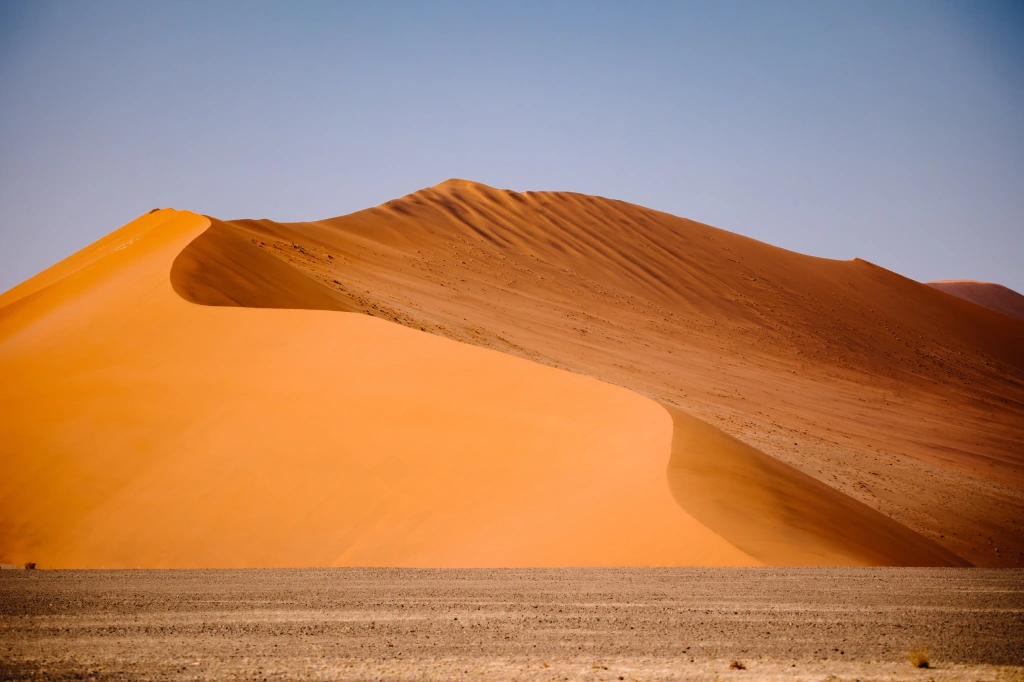
16 Days Tour to Marvelous Safari in Namibia, Botswana and Victoria Falls (Lodging & Camping)
5 Destinations: Etosha National Park → Namibia → Sossusvlei → Swakopmund → Windhoek
View Details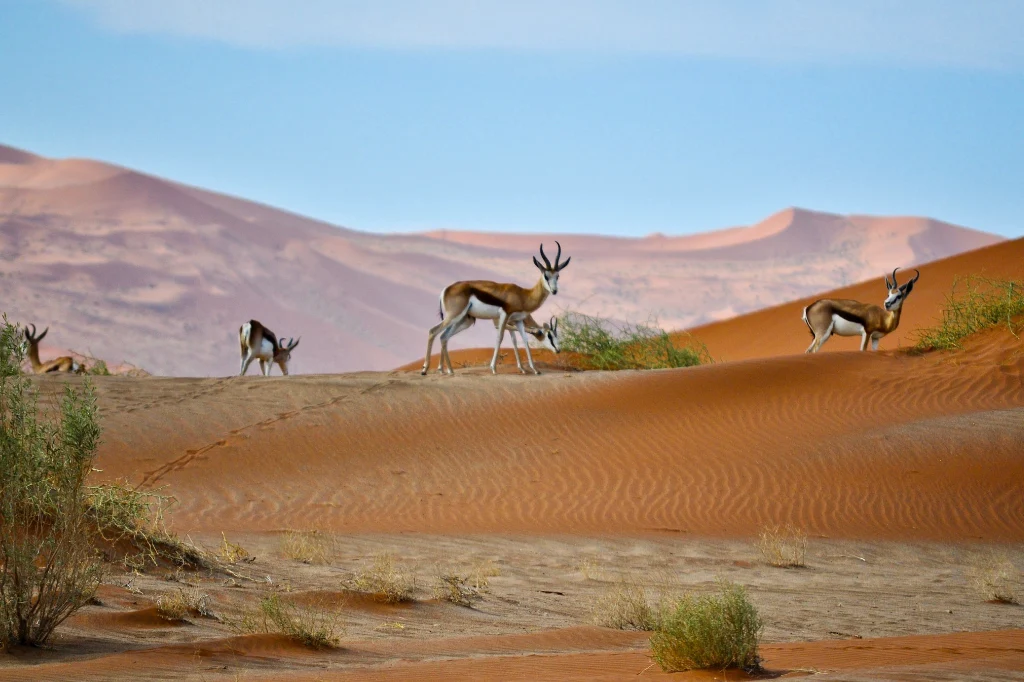
18 Days Adventure Safari in Namibia, Botswana and Vic Falls (Lodging)
6 Destinations: Botswana → Etosha National Park → Namibia → Sossusvlei → Swakopmund → Zimbabwe
View Details
24 Days Tour Southern African Safari – 4 Countries (Camping)
6 Destinations: Etosha National Park → Fish River Canyon → Namibia → Sossusvlei → Swakopmund → Twyfelfontein
View Details
12 Days Tour to Namibia, Botswana & Zimbabwe – Vic Falls Safari (Camping)
6 Destinations: Botswana → Etosha National Park → Namibia → Sossusvlei → Swakopmund → Zimbabwe
View Details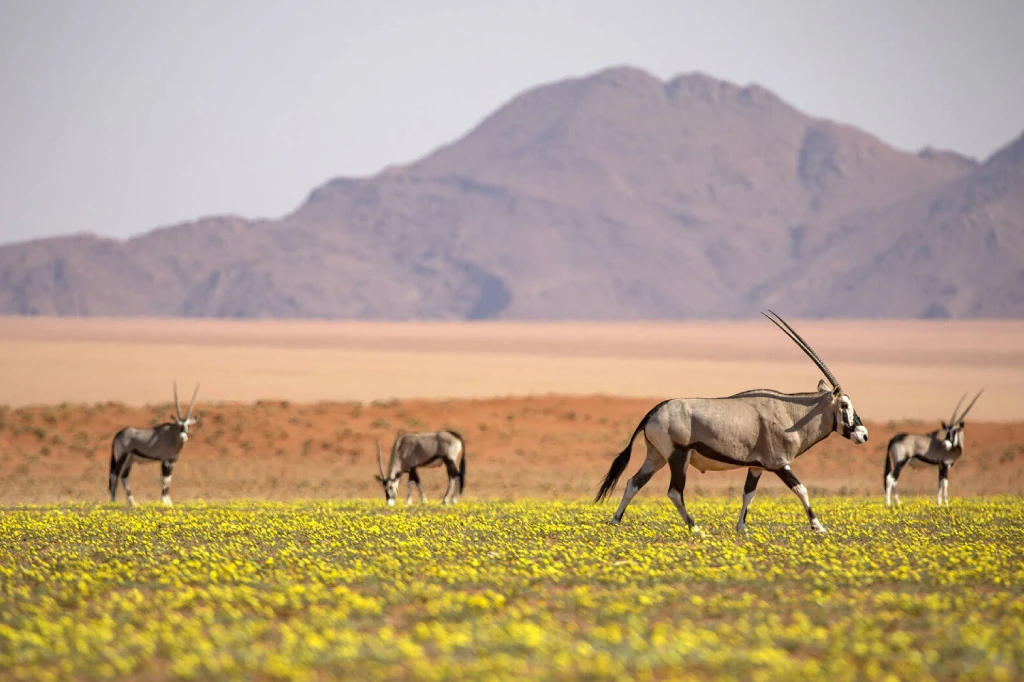
17 Days Trail Safari in Namibia, Botswana and Vic Falls (Lodging & Camping)
7 Destinations: Etosha National Park → Kamanjab → Namibia → Spitzkoppe → Swakopmund → Twyfelfontein → Windhoek
View Details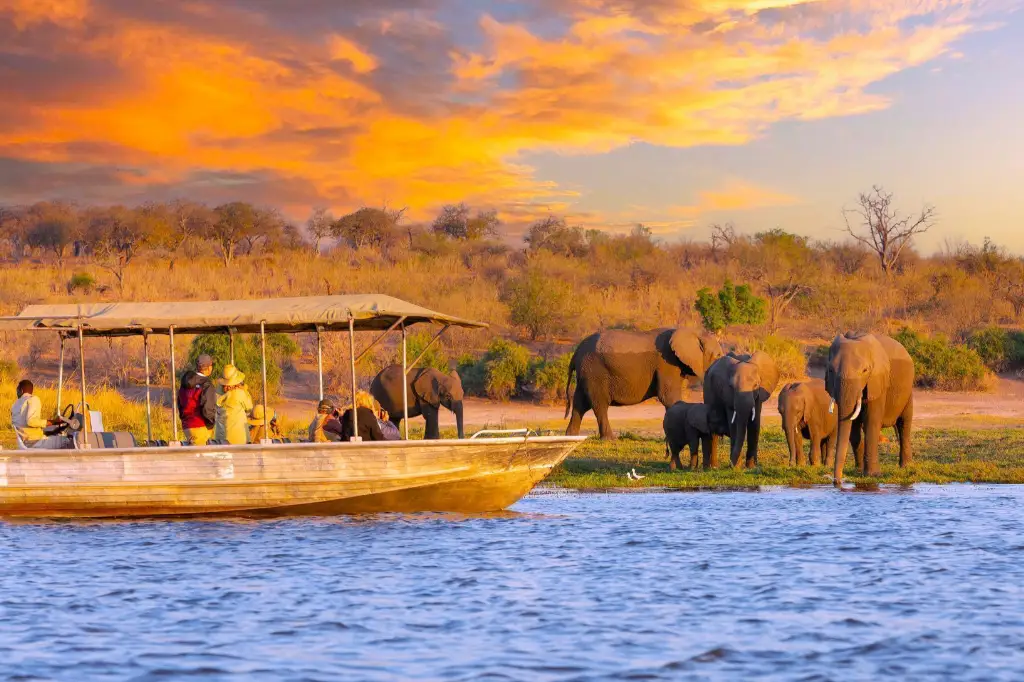
12 Days Trail Safari in Namibia, Botswana and Vic Falls (Lodging)
4 Destinations: Etosha National Park → Namibia → Sossusvlei → Swakopmund
View Details
 English
  German