

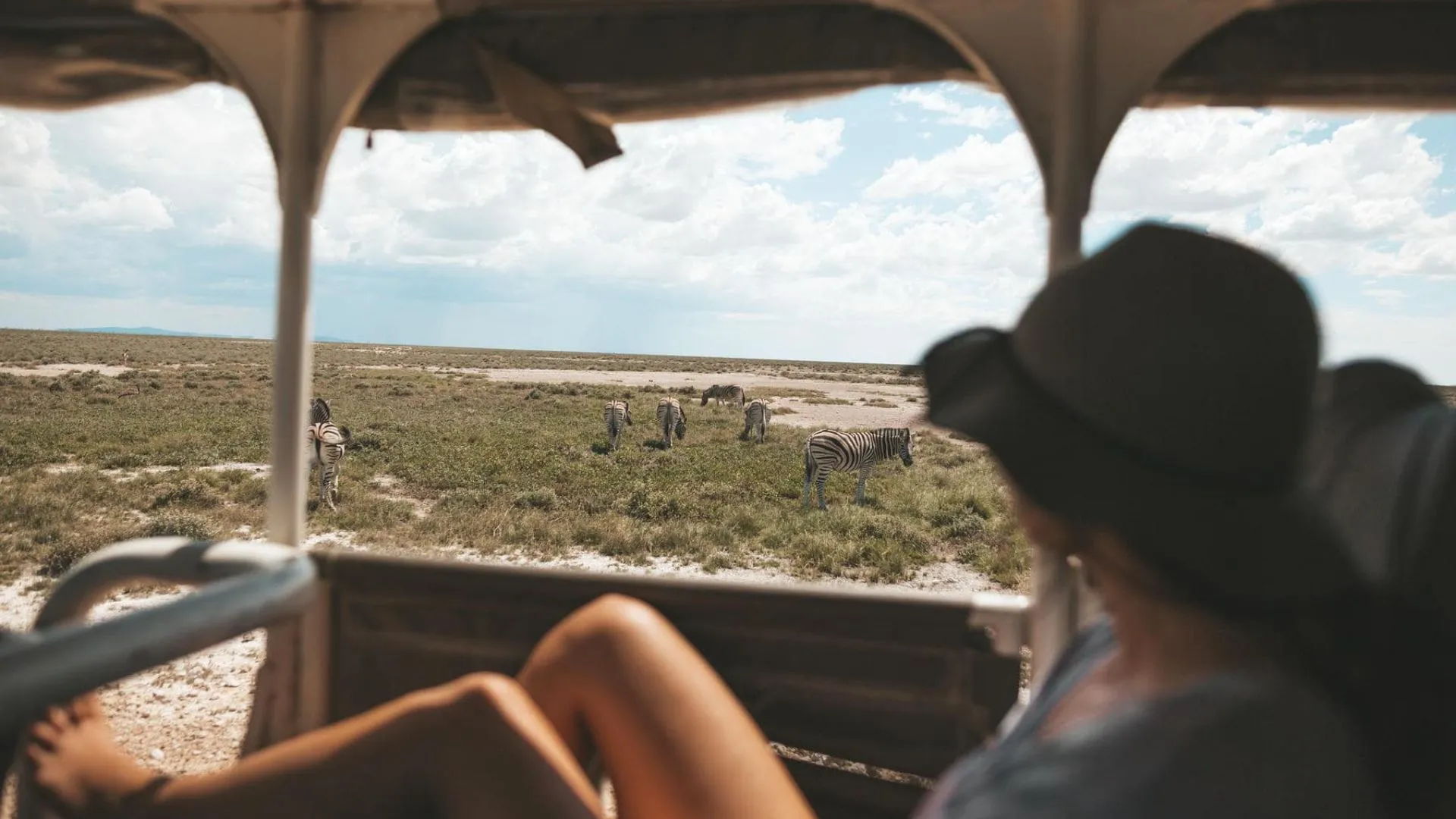
Namibia is generally safe for tourists who take sensible precautions, but visitors should prepare for theft, gravel roads, desert heat and long distances between destinations. Keep valuables secure, avoid driving outside towns after dark and follow wildlife rules. If you plan to visit remote areas, carry enough water and confirm how to get help. From Etosha National Park and Sossusvlei to the Skeleton Coast, each destination needs different preparation. Checking current Namibia Safari Advice, choosing reliable transport and arranging suitable insurance will help you enjoy your trip with greater confidence.
What are the main safety risks for tourists in Namibia?
The main risks for tourists in Namibia include theft, road accidents, heat and difficulties getting help in remote areas. Keep valuables secure, avoid driving outside towns after dark and follow wildlife rules. Check current travel advice, prepare for your route and arrange insurance that covers medical emergencies and planned activities.
Namibia Travel Safety at a Glance
| Safety concern | Where to take extra care | What you can do |
| Theft and robbery | Town centres, parking areas and busy public places | Keep valuables hidden and use trusted transport |
| Road accidents | Gravel roads, bends and unfamiliar routes | Slow down, wear seatbelts and allow extra time |
| Animals on roads | Rural roads, especially after dark | Plan to reach your destination before sunset |
| Heat and dehydration | Dunes, desert walks and remote stops | Carry water, use sun protection and take breaks |
| Wildlife encounters | Parks, waterholes and unfenced camps | Keep your distance and follow local rules |
| Delays getting help | Remote coastal and desert areas | Agree on communication and emergency arrangements |
Is Namibia Safe to Visit?
For most travellers, it is. Tourism is well established, withguided safaris, plenty of lodges and some very popular road-trip routes. Australia’s Smartraveller currently advises normal safety precautions. No advisory can promise a trouble-free holiday, of course, so it helps to think about the places you’ll actually be.
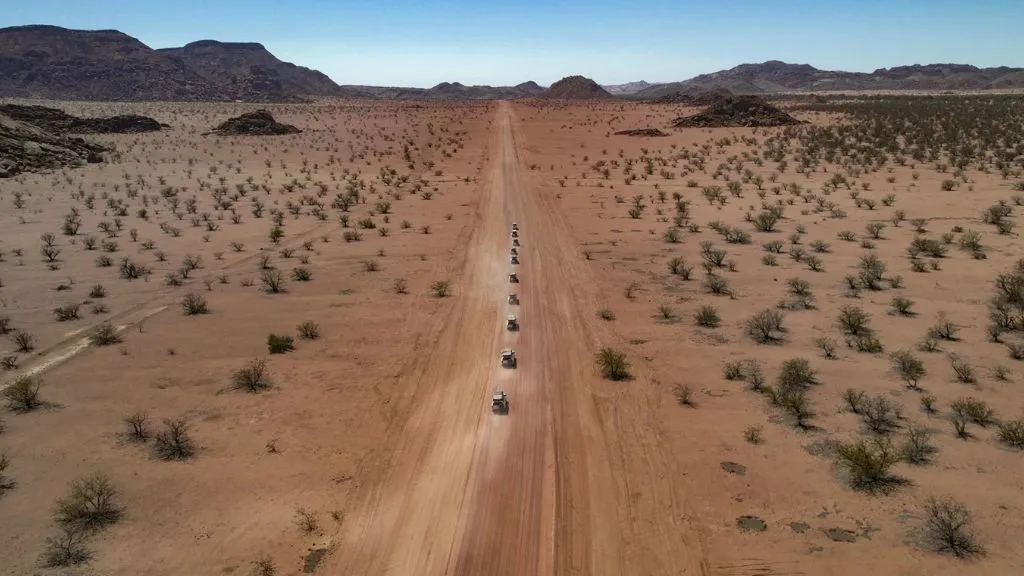
In Windhoek, that means thinking about where you park and how you get around in the evening. Out in the desert, the questions change. How much water do you have? What are the roads like? How far is the nearest help?
A guided tour takes a lot of the worry out of remote travel. Going independently works too, as long as your route is realistic and you’ve thought about what happens if you run late.
How Can Tourists Avoid Theft in Namibia?
Theft and robbery can happen to visitors, even in daylight in Windhoek. A busy street isn’t automatically a safe one, so keep an eye on what’s going on around you.
Keep cash, jewellery and your phone out of sight when you’re not using them. Take only what you need for the day and leave the rest in secure storage at your accommodation. Lock your car doors, and don’t leave bags in a parked vehicle where people can see them. Fuel stations and busy junctions are worth staying alert at, too.
At night, ask your hotel or lodge to arrange a trusted driver. It beats wandering through an unfamiliar area or climbing into a taxi you know nothing about.
Is It Safe to Drive in Namibia?
A self-drive trip is one of the best ways to see the country, but gravel roads ask for respect. Lose surfaces, sharp bends and sudden braking can make you lose control faster than you’d expect.
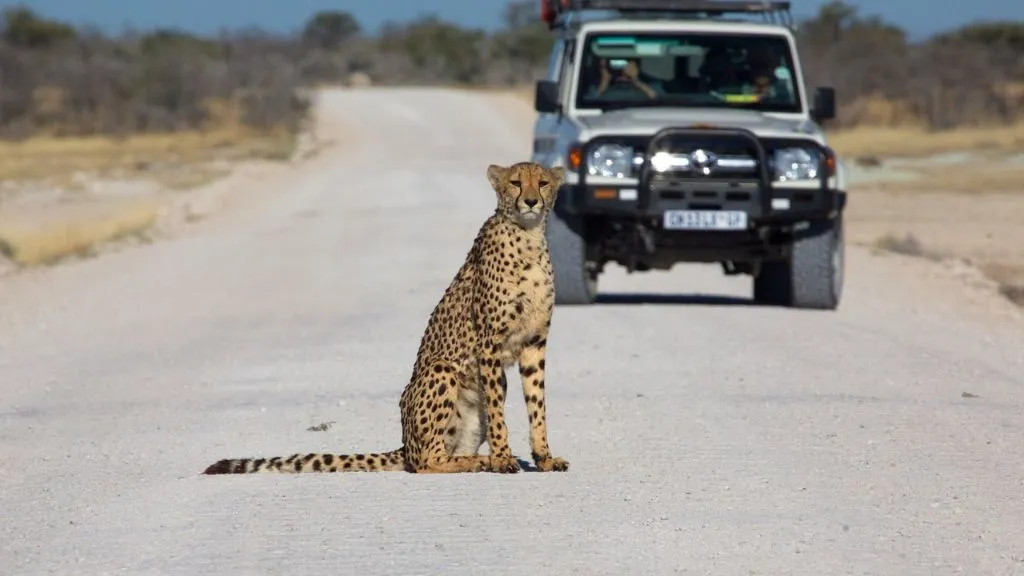
Drive on the left, wear your seatbelt, and choose a speed that suits the road rather than the one you’d like to do. Stay off rural roads after dark, because animals can step out without warning. The easiest fix is to plan your days, so you arrive before sunset. Before you collect a rental car, read the insurance terms carefully. Ask about the tyres, the spare equipment and what breakdown support you can count on. Plan your fuel stops, carry drinking water, and allow more time than the map says. Distances here have a habit of stretching.
If long drives on gravel don’t appeal, there’s no shame in hiring an experienced driver. Plenty of people do, and they tend to enjoy the scenery more.
What Wildlife Safety Rules Should You Follow?
It starts with giving animals space. Even one that looks calm can react badly if you get too close.
Stay in your vehicle wherever park rules say to. Never feed wildlife, block an animal’s path or edge closer for a better photo. Follow your guide’s instructions, and if you’re staying at an unfenced camp, ask about the rules for walking around.
If you’re travelling with children, go over all this before each outing. Keep them close at viewing areas and encourage quiet watching. It’s safer, and you’ll probably see more.
Destination by destination
Each part of the country asks for slightly different preparation.
| Destination | What to prepare for | Planning tip |
| Etosha National Park | Wildlife near roads, camps and waterholes | Use the designated viewing areas and follow park rules |
| Sossusvlei | Heat, sun and tiring walks through sand | Go early, carry water, pick a walk you can manage |
| Swakopmund | Getting around town, adventure activities | Arrange trusted transport and check the safety equipment |
| Damaraland | Remote roads and desert wildlife | Confirm your route, supplies and guiding arrangements |
| Skeleton Coast | Isolation, fog, restricted access in some areas | Check access conditions and emergency support first |
How Should You Prepare for Desert Conditions?
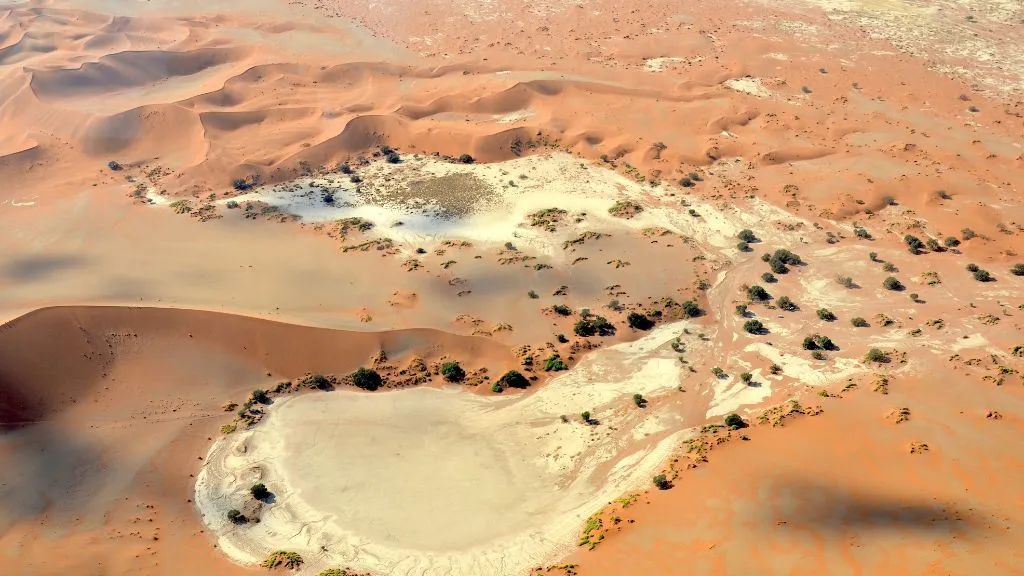
The desert can feel cool in the morning and properly hot a few hours later. Walking in sand is also much harder work than it looks. Carry water, wear a hat and put on sunscreen. Save your walks for the cooler hours, and rest before you’re worn out. You also don’t have to climb the tallest dune to enjoy Sossusvlei. There’s plenty to see without it.
Pack warm layers as well, because evenings and coastal mornings can be chilly. If you fancy quad biking or dune boarding, pick a reliable operator, use the equipment they give you and check that your insurance covers it.
What Health Advice Do You Need Before Travelling?
See a travel health professional about six to eight weeks before you go and bring your full itinerary so they can advise on vaccinations and other precautions.
Malaria risk depends on where you’re going and when. It’s a bigger concern in the north, so the advice for a coastal holiday can look quite different from the advice for a northern safari.
Bring enough of any prescribed medicine, along with a basic first-aid kit. Your travel insurance should cover medical treatment, emergency evacuation and the activities you’ve planned. It’s also worth working out how you’d get help on the remote parts of your route.
Is Namibia Safe for Solo Travellers?
Solo Travel in Namibia is very doable, but it rewards a little extra planning. Book reliable accommodation and arrange trusted transfers, especially if you’re arriving late.
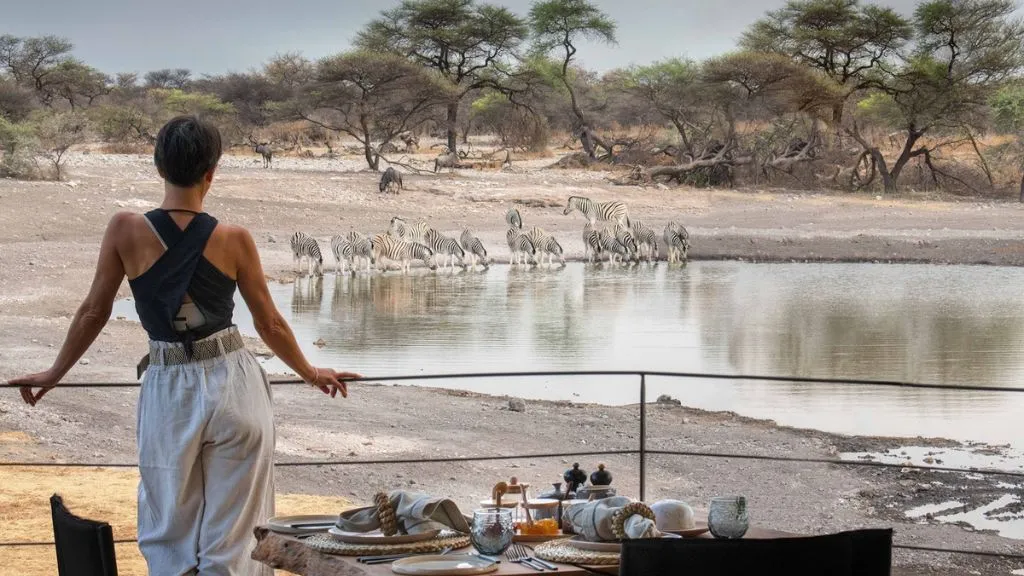
Tell someone you trust where you’re going and when you expect to get there. Download your maps before leaving town, since phone coverage can be patchy. If you’d like support with the driving and the remote stretches, an organised tour is a good option. If you go alone, make sure you have suitable equipment and a backup plan.
What Should You Check Before Departure?
Read your government’s latest Namibia travel advice, and confirm the passport and visa rules for your nationality. Travelling with children? Check which documents they need.
Keep copies of important documents separate from the originals. Save the emergency contacts for your accommodation, rental company and insurer so you can reach them offline. For remote journeys, ask how you’d call for help without a signal.
And be a good guest. Respect local communities, ask before photographing people and follow the rules in protected areas.
Plan your Namibia safari with Safari World Tours
A good itinerary leaves room for breaks, changing road conditions and simply enjoying where you are. Fewer stops often make for a more relaxed holiday.
Safari World Tours can help you shape guided travel, accommodation and routes around what you want to see. You might pair wildlife in Etosha with desert scenery and a few days on the coast. Get in touch to talk through your dates, how fast you like to travel and the places you most want to visit.
Related Itinerary
3 Days Etosha Wildlife Safari (Camping)
2 Destinations: Etosha National Park → Namibia
View Details
14 Days Tour to Great Safari in Namibia, Botswana & Victoria Falls Tour (Camping)
5 Destinations: Botswana → Etosha National Park → Namibia → Sossusvlei → Swakopmund
View Details
14 Days Tour to Wonderful Safari in Namibia, Botswana & Victoria Falls Tour (Accommodated)
6 Destinations: Etosha National Park → Namibia → Sossusvlei → Spitzkoppe → Swakopmund → Windhoek
View Details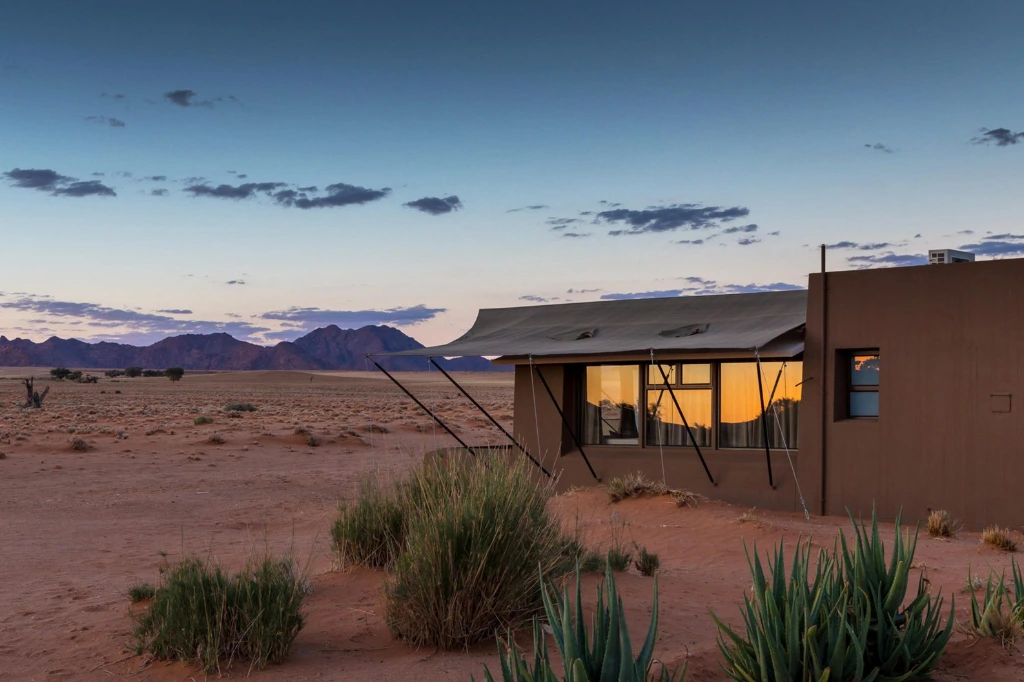
17 Days Tour to Namibia, Botswana & Victoria Falls Tour (Camping and Lodging)
5 Destinations: Etosha National Park → Namibia → Sossusvlei → Swakopmund → Windhoek
View Details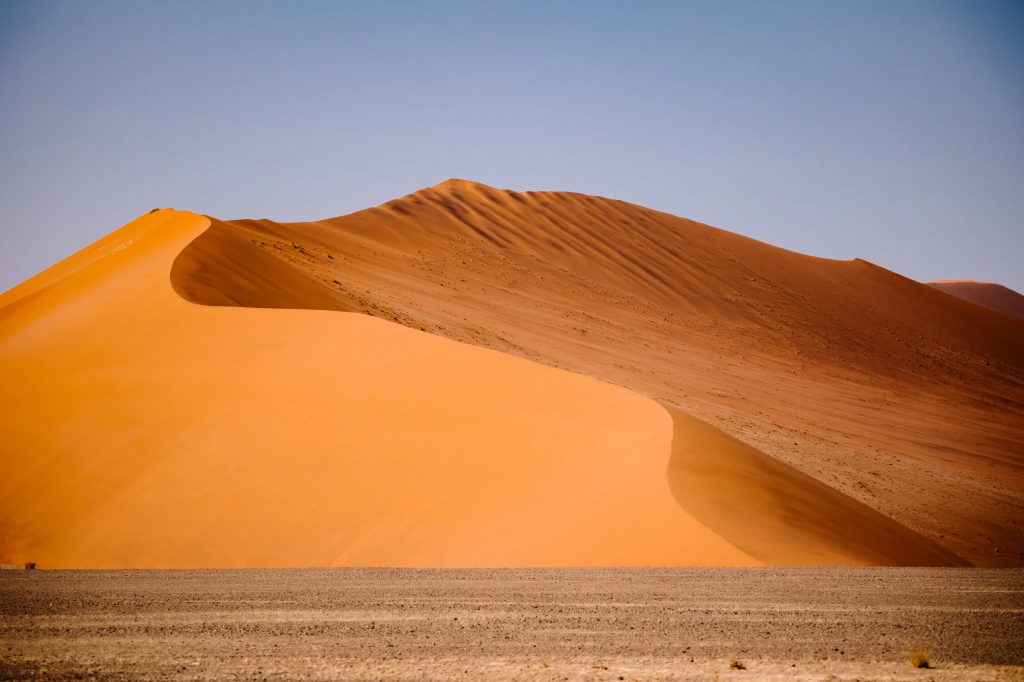
16 Days Tour to Marvelous Safari in Namibia, Botswana and Victoria Falls (Lodging & Camping)
5 Destinations: Etosha National Park → Namibia → Sossusvlei → Swakopmund → Windhoek
View Details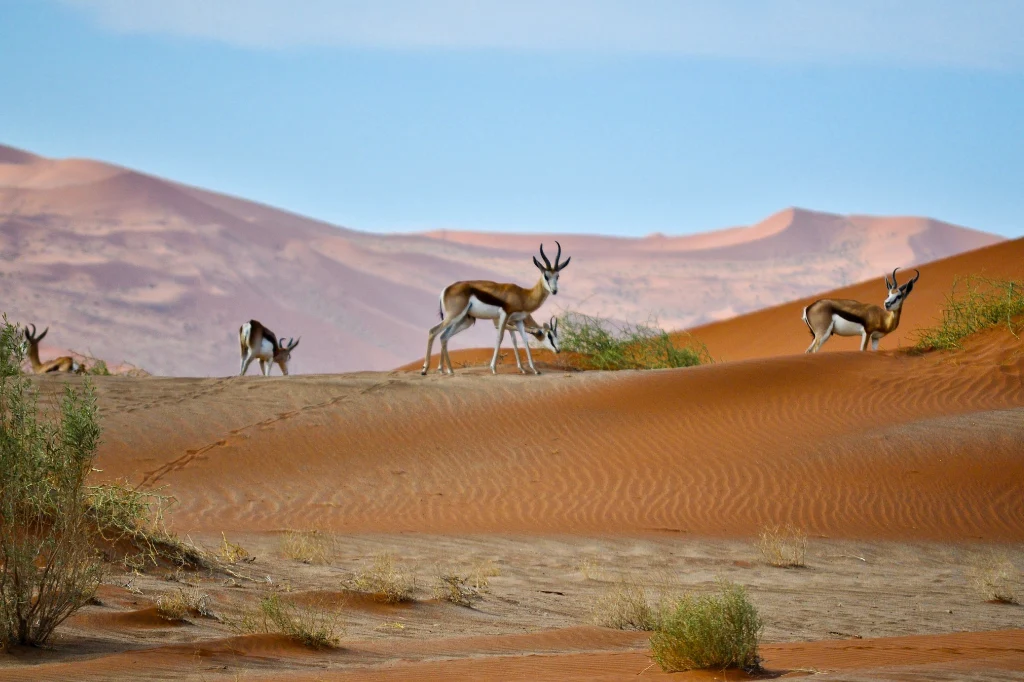
18 Days Adventure Safari in Namibia, Botswana and Vic Falls (Lodging)
6 Destinations: Botswana → Etosha National Park → Namibia → Sossusvlei → Swakopmund → Zimbabwe
View Details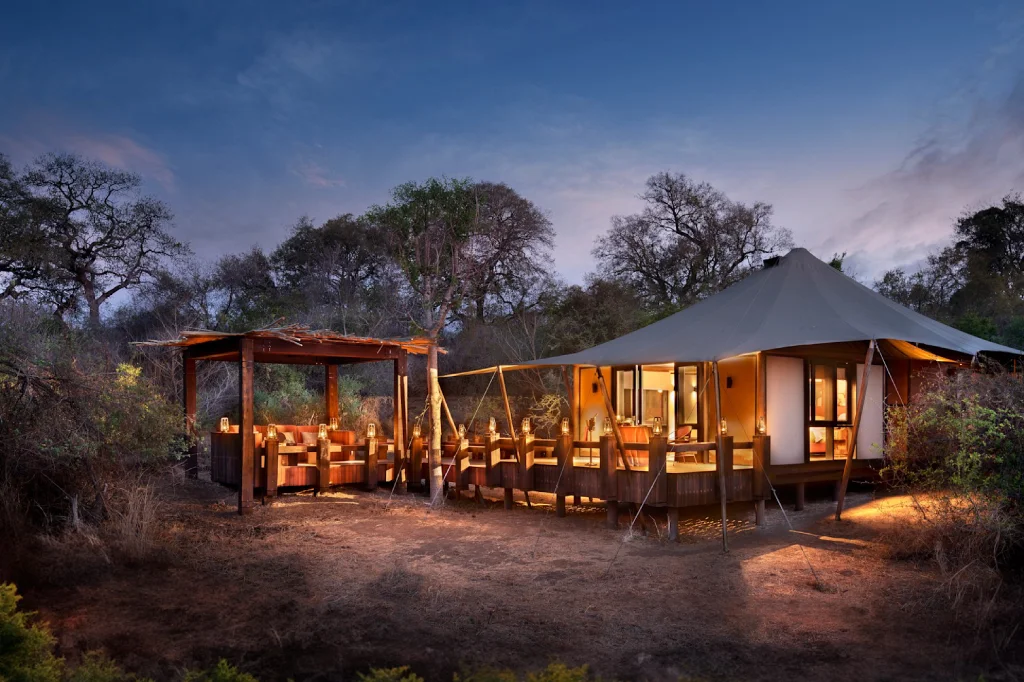
24 Days Tour Southern African Safari – 4 Countries (Camping)
6 Destinations: Etosha National Park → Fish River Canyon → Namibia → Sossusvlei → Swakopmund → Twyfelfontein
View Details
12 Days Tour to Namibia, Botswana & Zimbabwe – Vic Falls Safari (Camping)
6 Destinations: Botswana → Etosha National Park → Namibia → Sossusvlei → Swakopmund → Zimbabwe
View Details
17 Days Trail Safari in Namibia, Botswana and Vic Falls (Lodging & Camping)
7 Destinations: Etosha National Park → Kamanjab → Namibia → Spitzkoppe → Swakopmund → Twyfelfontein → Windhoek
View Details
12 Days Trail Safari in Namibia, Botswana and Vic Falls (Lodging)
4 Destinations: Etosha National Park → Namibia → Sossusvlei → Swakopmund
View Details
 English
 German