+264 81 8211 521
info@safariworldtours.com
Deals & Discounts


Northern homesteads, Oshiwambo language, farming traditions, matrilineal clans, music, basketry, and family customs reveal the Owambo people’s strong place in Namibia’s cultural life.

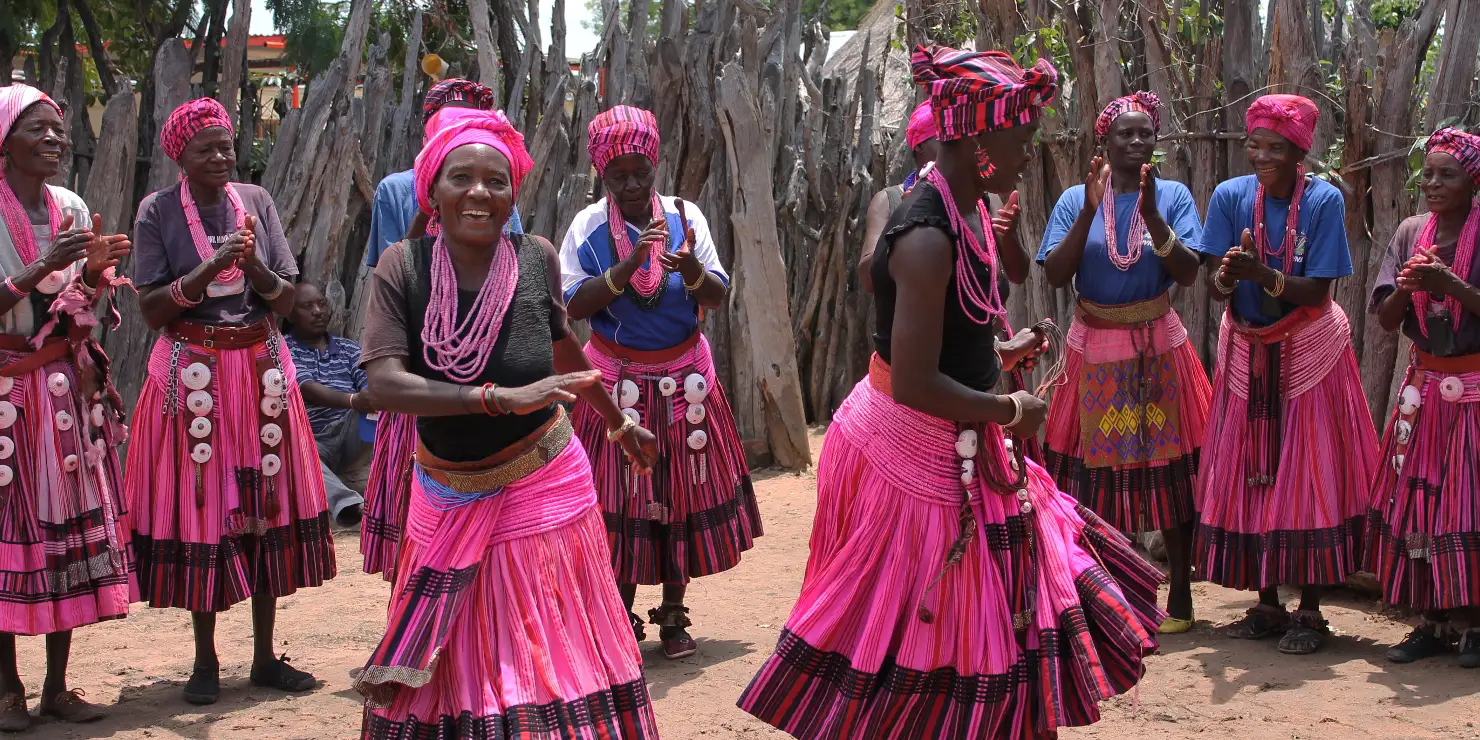
The Owambo people, also called Aawambo, Ambo, or Ovawambo, are a Bantu ethnic group mainly found in north-central Namibia and southern Angola. They are Namibia’s largest ethnic group and speak Oshiwambo, a language with several dialects, including Oshikwanyama and Oshindonga. Their culture is closely linked with farming, cattle, family compounds, Christianity, traditional beliefs, and strong community values within Namibian culture.
An Owambo cultural visit adds local depth to Namibia Tours and Safaris, especially for travelers exploring northern Namibia, Etosha, and community-based routes.
The Owambo people form the largest ethnic group in Namibia, with many living in the Oshana, Ohangwena, Omusati, and Oshikoto regions. Their traditional land, often called Owambo or Ovamboland, has sandy soils, flat terrain, seasonal rains, and shallow flood channels known as oshana. These water channels help shape farming, fishing, grazing, travel, and daily life across northern Namibia.
Owambo life is closely tied to the homestead, known as an ehumbo. A traditional homestead is usually enclosed by tall wooden palisades, with separate huts, living areas, food storage spaces, cattle areas, and a central meeting space. It is more than a house. It is a working family space where food, kinship, livestock, respect, and daily duties all come together.
Owambo culture feels strongest through family life, language, food, music, and shared work.
The Owambo are believed to have migrated toward their current homeland from the northeast around the 14th century, with links to the region of Zambia. They later settled near the Angola-Namibia border and expanded further south into Namibia around the 17th century. Their history connects them with neighboring groups such as the Herero and Kavango through language, contact, movement, and shared regional life.
During colonial rule, Owambo communities were deeply affected by labor migration, border politics, apartheid control, and resistance. Many Owambo men became migrant workers in mines, farms, and towns, while women and children carried much of the work at home. The Owambo also played an important role in Namibia’s history of independence through political resistance and the broader SWAPO movement. Their story is a major part of the People of Namibia.
The Owambo speak Oshiwambo, a Bantu language from the Niger-Congo language family. It includes dialects such as Oshikwanyama, Oshindonga, Oshingandjera, Oshimbadja, and others. Oshiwambo is one of the most widely spoken languages in Namibia and is also used in southern Angola. Language remains one of the strongest markers of identity, especially among families who still keep close ties to Owambo.
Kinship is traditionally matrilineal, meaning descent is traced through the mother’s line. Clans carry names linked to stories, ancestors, animals, travel, or important events. These clans are remembered through songs, praise, marriage customs, and family history. Siblings and the children of sisters are especially close. Respectful language, birth-order terms, and family titles show how deeply social life is structured around relationship and belonging.
The traditional Owambo homestead is a large enclosed compound with a maze-like structure. Each hut has a purpose, such as cooking, sleeping, storage, or women’s living areas. Cattle spaces are placed around the outer areas, while the central meeting space helps hold the household together. A homestead may include a husband, wife or wives, children, and other relatives.
Owambo people have long followed an agro-pastoral way of life. They grow millet, sorghum, beans, Bambara groundnuts, pumpkins, and melons. Cattle, goats, and sheep are also important, mainly for milk and household value. In good rainy years, oshana floodplains support fishing and grazing. In drier times, waterholes and wells become essential. These details show how Namibia Traditions are shaped by land, rain, animals, and work.
Historically, each Owambo kingdom occupied its own area within the wider Owambo region. A king or paramount chief, called an ohamba, traditionally held authority over the oshilongo, or country. The area was divided into districts governed by appointed district heads and counsellors. Women as well as men could hold district leadership roles, and the king’s mother often had her own important district.
Political life varied across different Owambo communities. Some were strongly centralised under kings or queens, while others had more local leadership. Traditional leaders were responsible for land allocation, dispute settlement, ritual duties, security, and productive timing. After independence, traditional authorities continued to play a role, especially in land matters and local dispute resolution.
Traditional Owambo belief includes Kalunga, the supreme creator, along with sacred fire rituals, rainmaking, ancestral respect, and offerings during important life or economic moments. Earlier ceremonies could relate to birth, female initiation, death, harvest, fishing, salt work, illness, drought, or breaking a taboo. Ancestors were believed to continue influencing their descendants when remembered and respected.
Christianity arrived in Ovamboland in the late 19th century through Finnish missionaries, and most Owambo people are now Lutheran Christians. Still, some older beliefs and practices continue in changed forms. Many weddings, songs, life events, and community gatherings carry both Christian and traditional elements. This mixture gives Namibia Africa Culture a living, layered quality rather than a frozen past.
Marriage among the Owambo has traditionally been linked with clans, family approval, household building, and social responsibility. Polygamy was once accepted as an ideal, though Christianity made monogamous church marriage more common. Female initiation ceremonies such as olufuko or efundula were once important transitions into womanhood, and in some areas they have returned in cultural or public forms, though not without debate.
Inheritance has also changed over time. Traditionally, a man’s movable property could pass to his matrilineal relatives, leaving widows and children with only limited goods. This caused hardship and was challenged by churches, communities, and later legal reforms. In modern Namibia, widows have stronger rights to remain in their late husband’s home. These changes show how Modern Namibian People continue to reshape tradition.
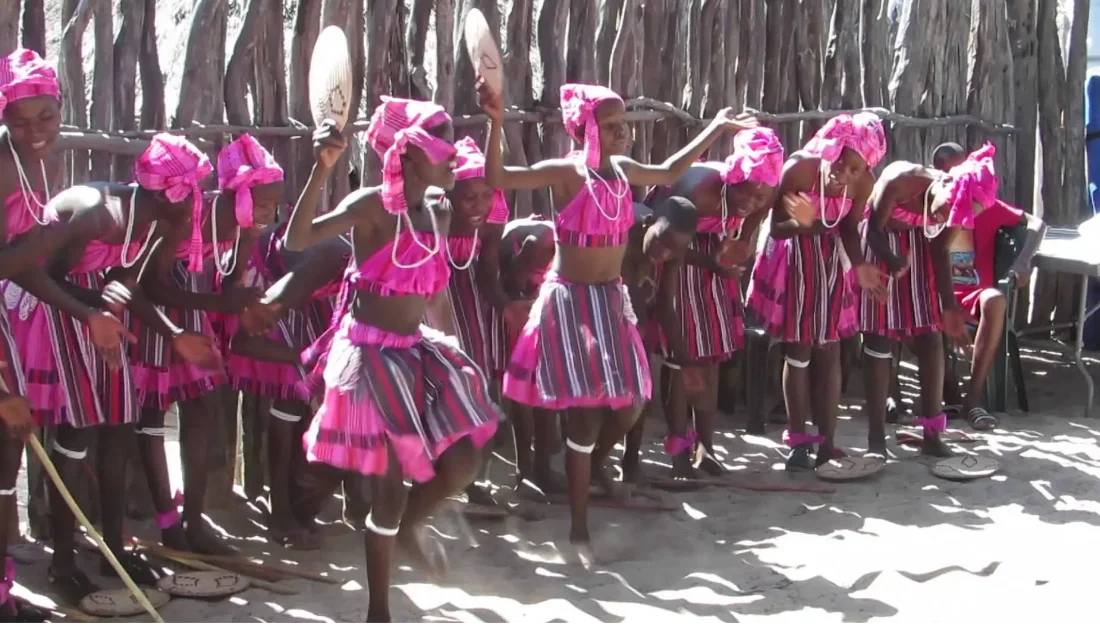
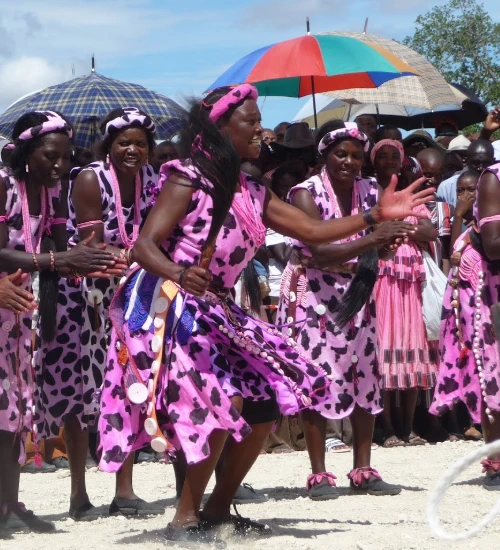
Owambo arts include traditional dance, music, basket weaving, pottery, beadwork, wood carving, and geometric household objects. Uuvano, a traditional dance style, uses full-body movement, clapping, repeated lyrics, and rhythm. It was traditionally performed at weddings, homecomings, and female initiations. Today, it may also appear at political events, cultural exhibitions, fundraisers, and school performances.
Women are known for basket weaving, pottery, bead strings, food preparation, beer brewing, and gathering work. Men traditionally built homes, repaired compounds, carved wooden items, herded livestock, cleared fields, made tools, and worked with iron. Some older skills declined with wage labor and factory-made goods, yet many remain important in cultural memory, tourism, and home life.
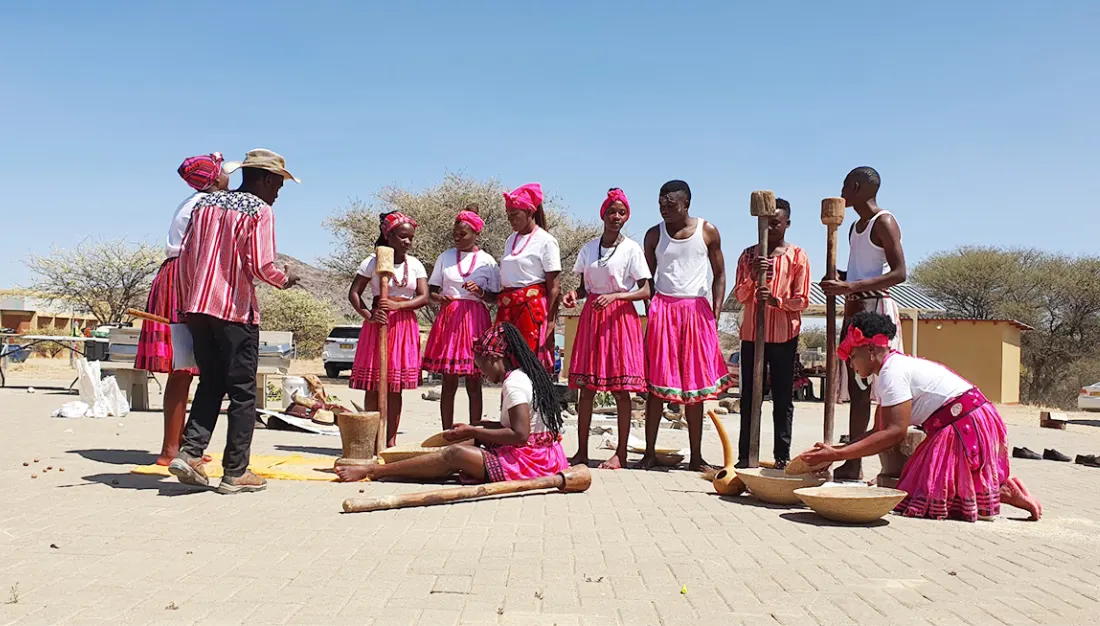
A traditional Owambo homestead, or ehumbo, is one of the clearest ways to understand the culture. It is usually enclosed with tall wooden fencing and divided into huts, storage areas, cattle sections, passageways, and family spaces. Each part has a purpose. For travellers interested in Namibia Guided Tours, a homestead visit helps explain family structure, food, livestock, and daily respect.
Oshiwambo is spoken by many people in Namibia and Angola. Its dialects include Oshikwanyama, Oshindonga, Oshingandjera, and others, each linked with different communities and regions. Language carries greetings, kinship terms, clan praise, songs, jokes, and respect. For visitors, even hearing simple Oshiwambo phrases can make northern Namibia Tourist Destinations feel more personal and connected to local life.
Owambo farming depends on rain, soil, family work, and local knowledge. Millet and sorghum are important staple crops, supported by beans, pumpkins, melons, and other foods. Cattle, goats, and sheep provide milk and household value. Seasonal floodplains may also support fishing. This makes the Owambo life deeply connected to the land and water, especially in northern Namibia, where safari destinations, culture, and the environment meet.
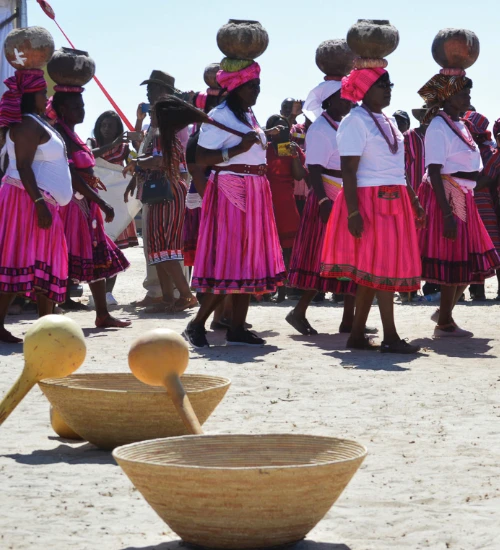
Owambo women are known for making baskets, pots, bead strings, and household containers used at home, sold locally, or made for visitors. Men traditionally carved wood, made tools, and crafted household objects. These crafts show patience, memory, and practical design. They also give travelers a softer cultural link to Namibia Holiday Destinations, especially when bought respectfully from local makers.
Owambo music and dance are full of rhythm, clapping, repeated lyrics, and expressive movement. Uuvano dance may appear at weddings, cultural events, homecomings, school performances, or public gatherings. Church hymns and Christian women’s or youth group songs are also part of modern cultural life. These performances help travelers see how old and new traditions continue together in northern Namibia.
The Owambo people are not a small cultural footnote in Namibia. They are central to the country’s language, politics, farming life, labor history, church life, music, food, and family identity. Their culture carries older traditions, colonial disruption, Christian influence, the struggle for independence, and modern movements into towns and cities. A good cultural visit should show this fullness, not only a few surface details.
This experience fits well within Namibia Safari Tours for travellers who want to understand northern Namibia beyond Etosha and wildlife routes. Owambo culture gives context to homesteads, floodplains, millet fields, cattle areas, church gatherings, family respect, and local markets. It also helps visitors see how people adapt without losing all connection to their roots. The strongest visits are guided with care, allowing travelers to listen, ask politely, and understand daily life as something living and still changing.
Explore Owambo culture with patience, and let northern Namibia’s people, language, and home life add meaning to your journey.
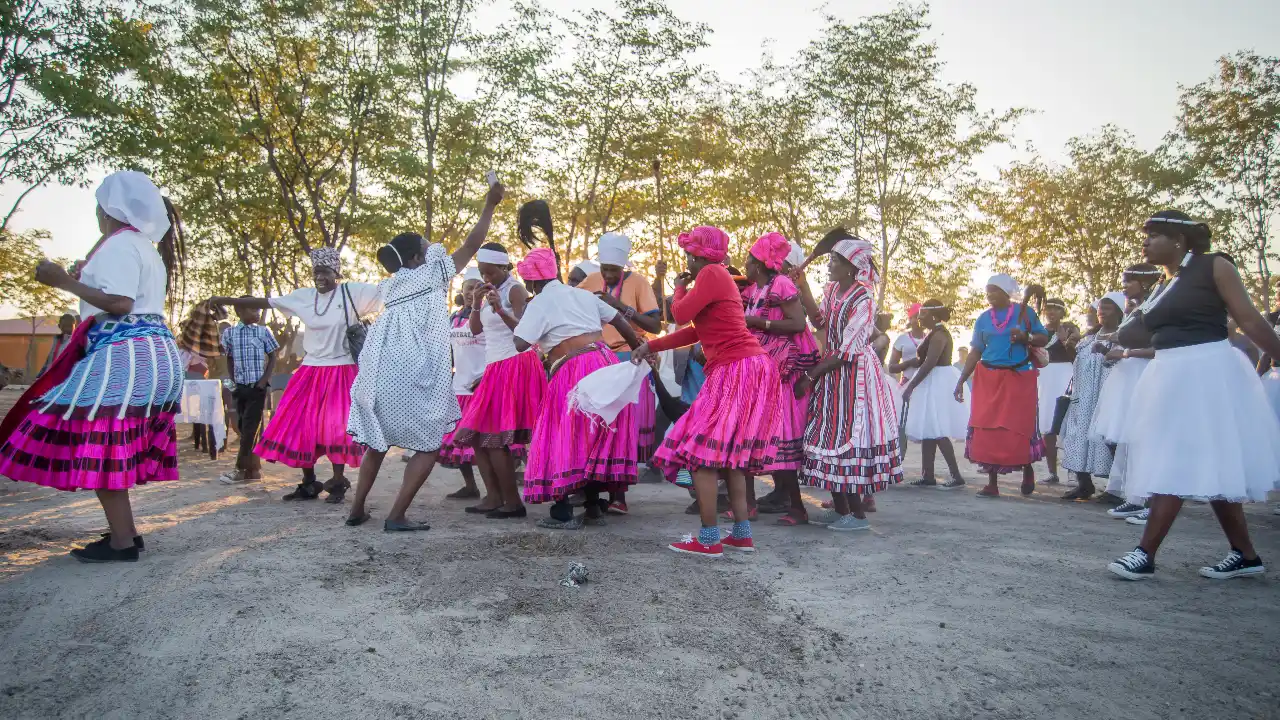
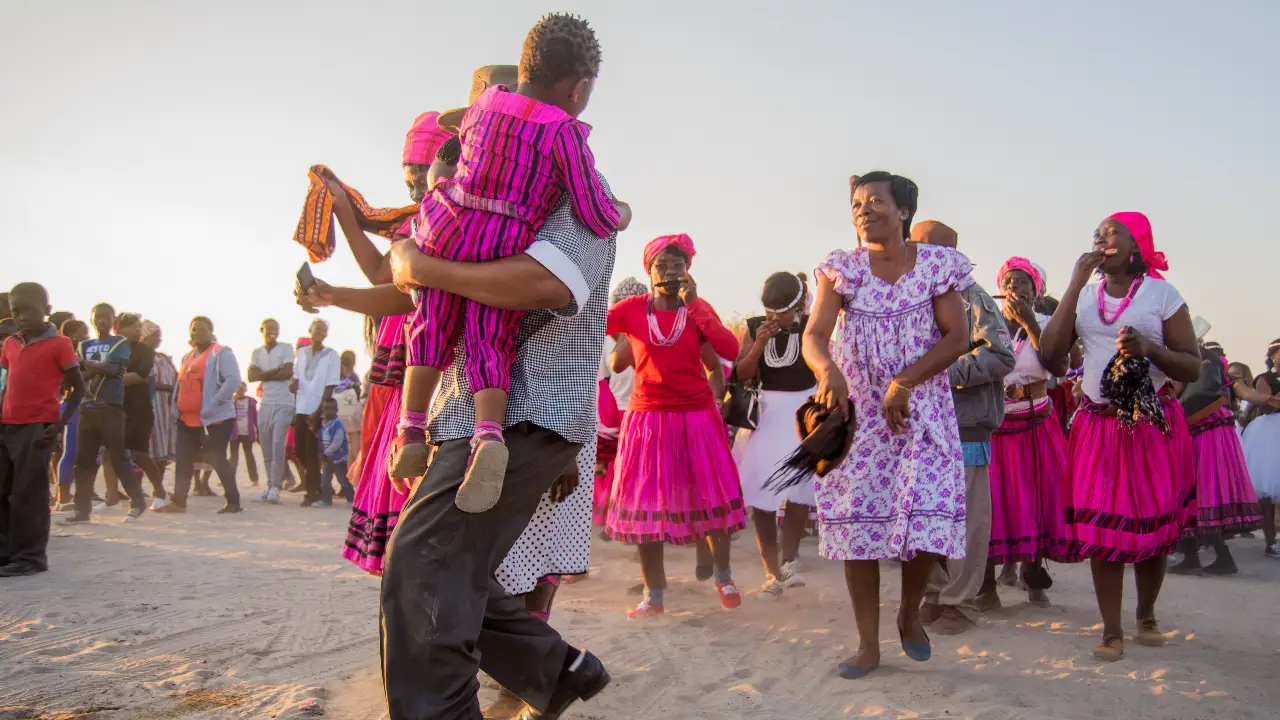
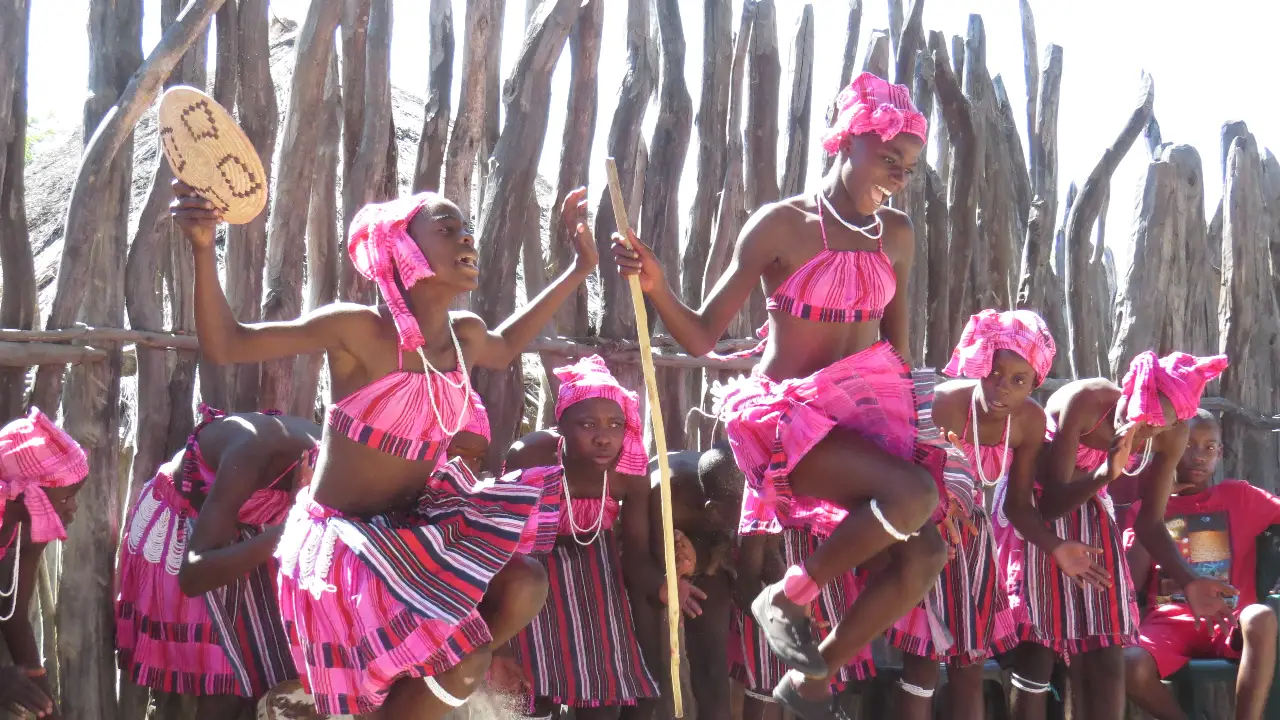
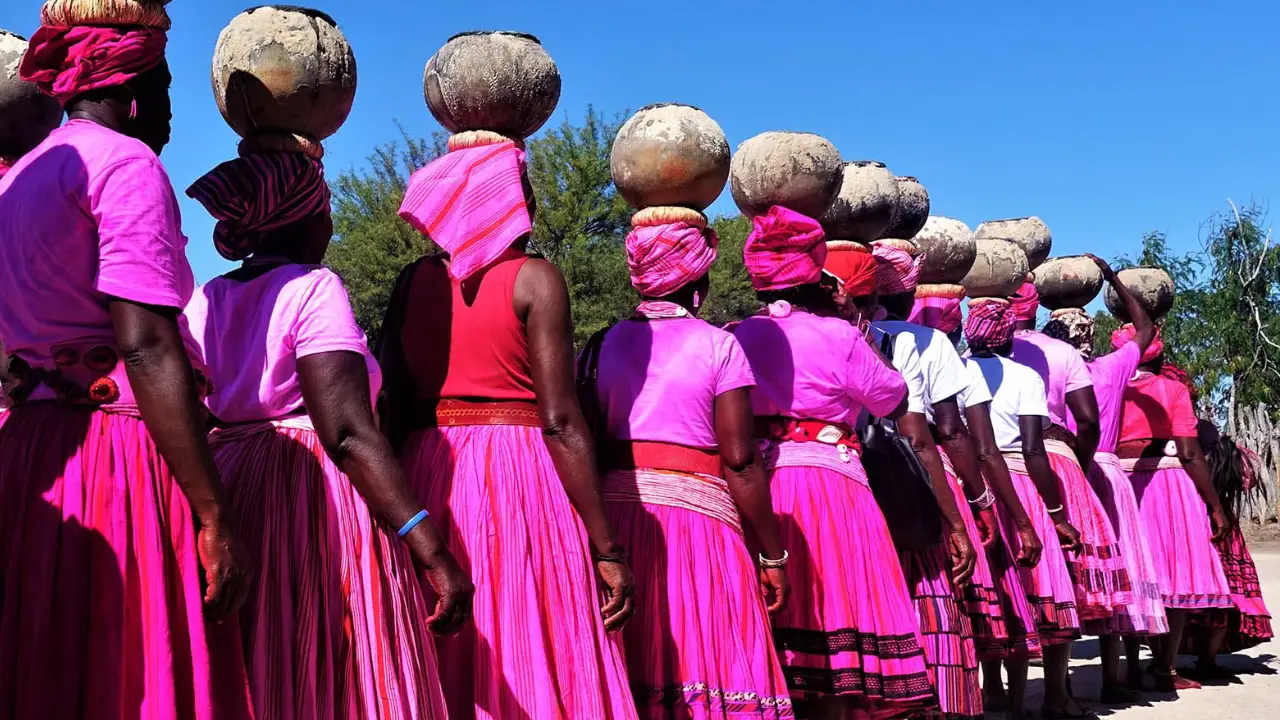
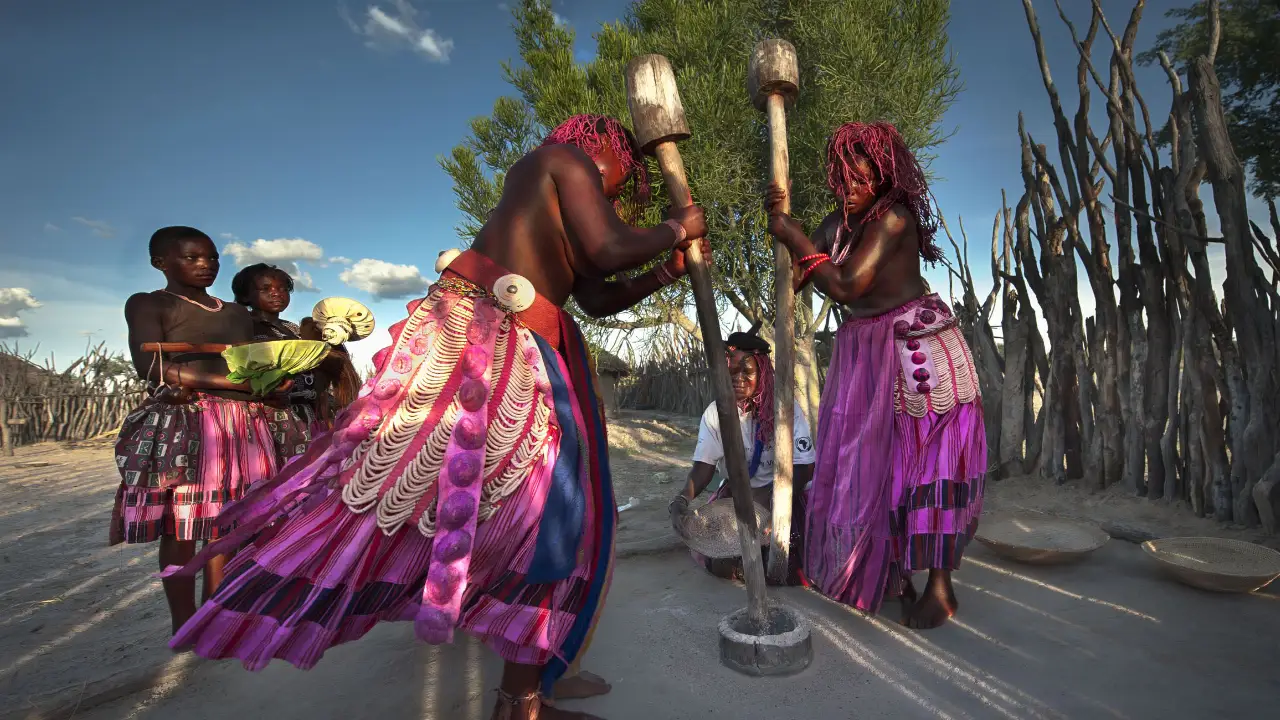

Browse Owambo homesteads, baskets, millet fields, cattle areas, traditional dances, family spaces, and northern Namibia scenes that show culture through work, language, and everyday community life.
Owambo cultural visits bring questions about location, language, homesteads, farming, religion, and family life. These FAQs explain the basics in a clear way before travellers visit northern Namibia. They also help place the Owambo culture within wider Namibia Tours and Safaris without reducing it to only dance, dress, or village scenery.
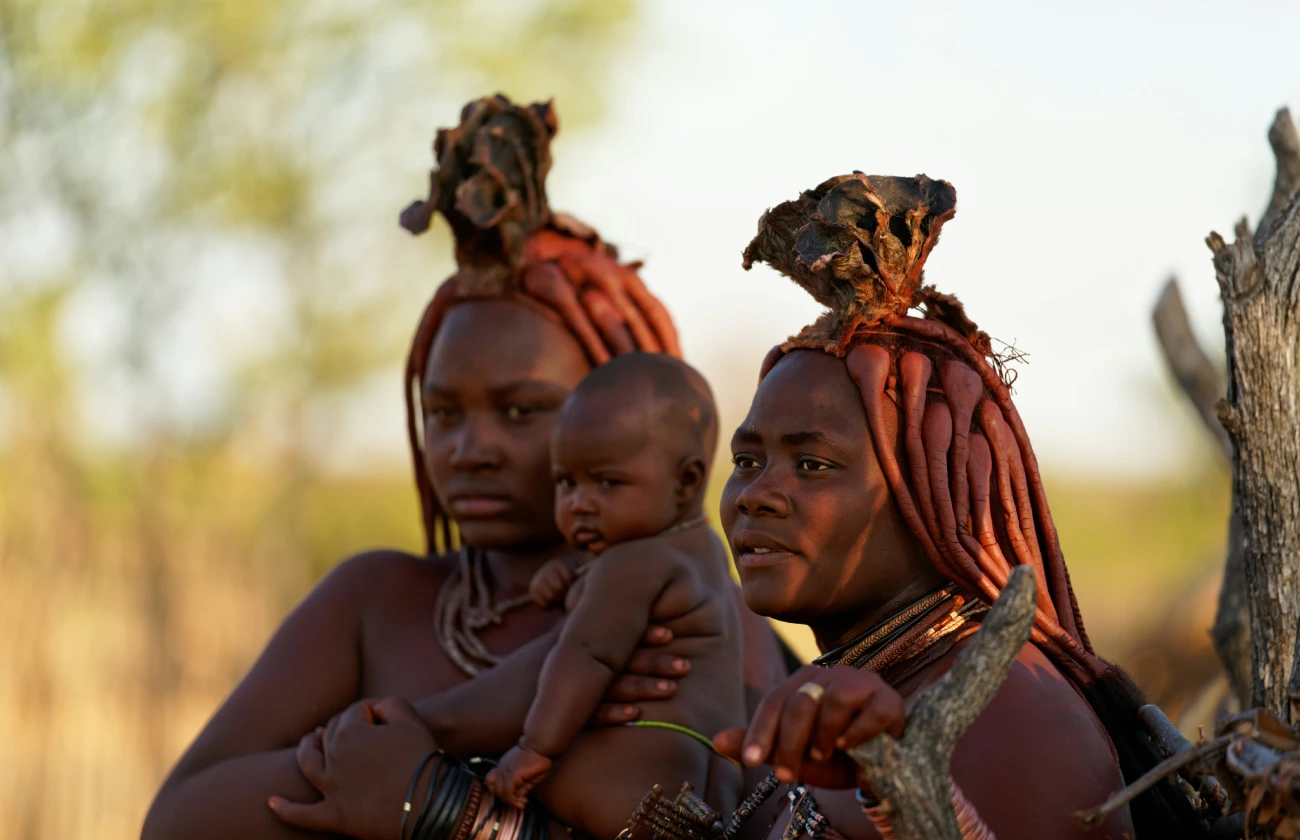
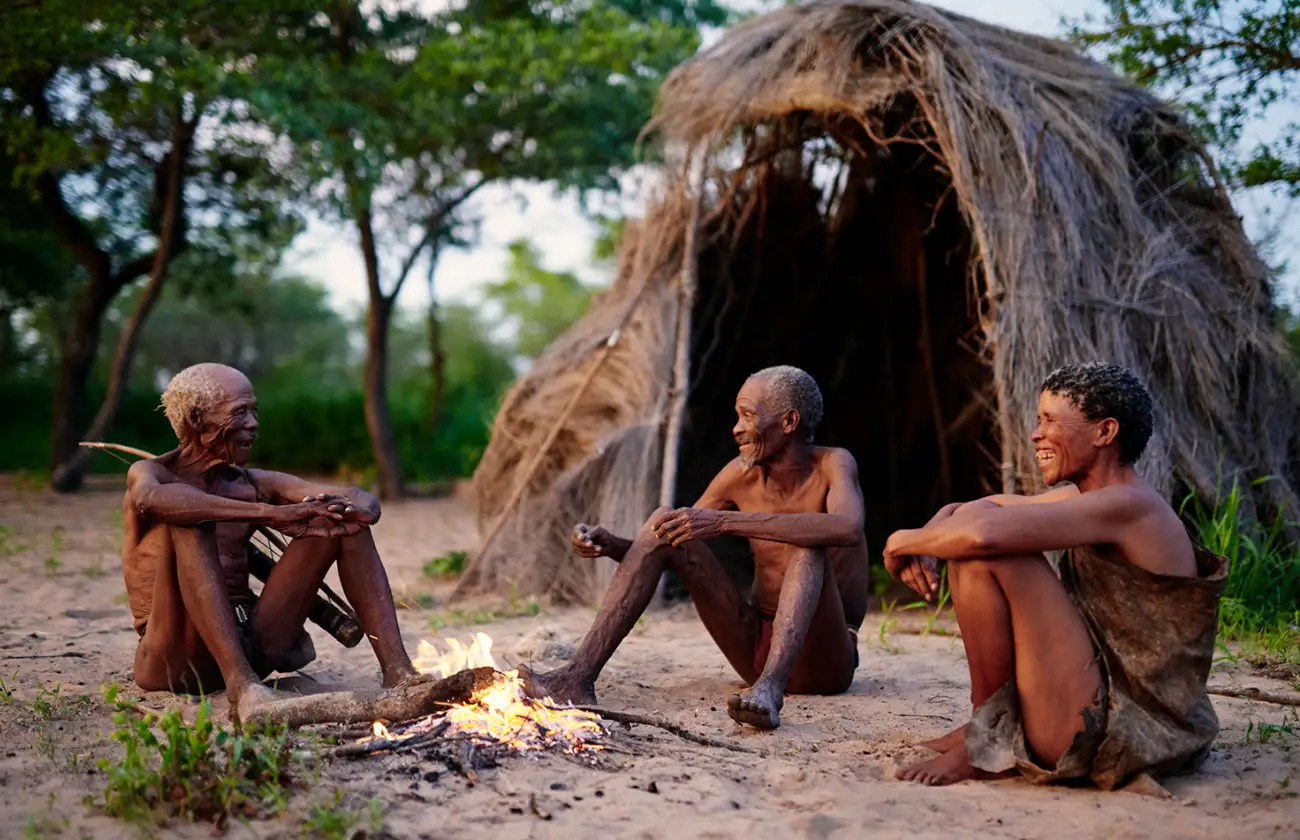
Meeting Namibia’s indigenous tribes offers a unique glimpse into the country’s rich cultural heritage. From learning about the traditions of the Himba and San people to hearing local stories and experiencing traditional ways of life, these encounters provide a deeper connection to Namibia beyond its landscapes and wildlife.
Gather ideas from our Namibia tour packages, or let our consultants help you picture the possibilities. We can build the journey around your time, style, and interests.
Our Namibia safari itineraries are designed to link desert landscapes, wildlife parks, coastal towns, and remote cultural areas into one seamless journey. Travelers can move from Etosha’s game drives to Sossusvlei’s dunes, Swakopmund’s coast, and Damaraland’s rugged beauty, with enough time to enjoy each place properly.
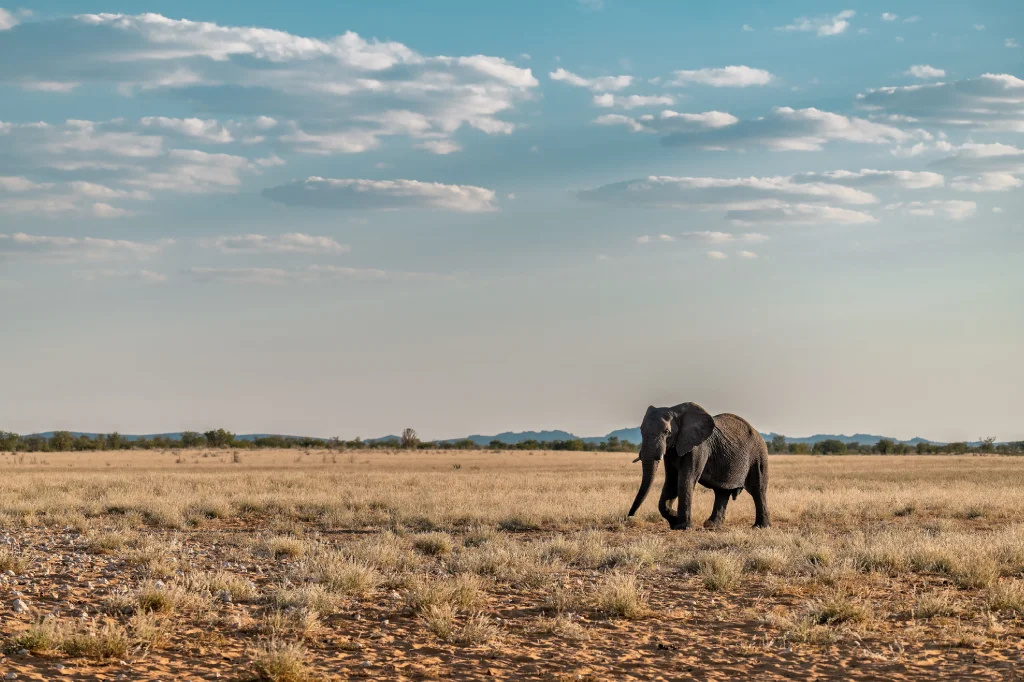
2 Destinations: Etosha National Park → Namibia
View Details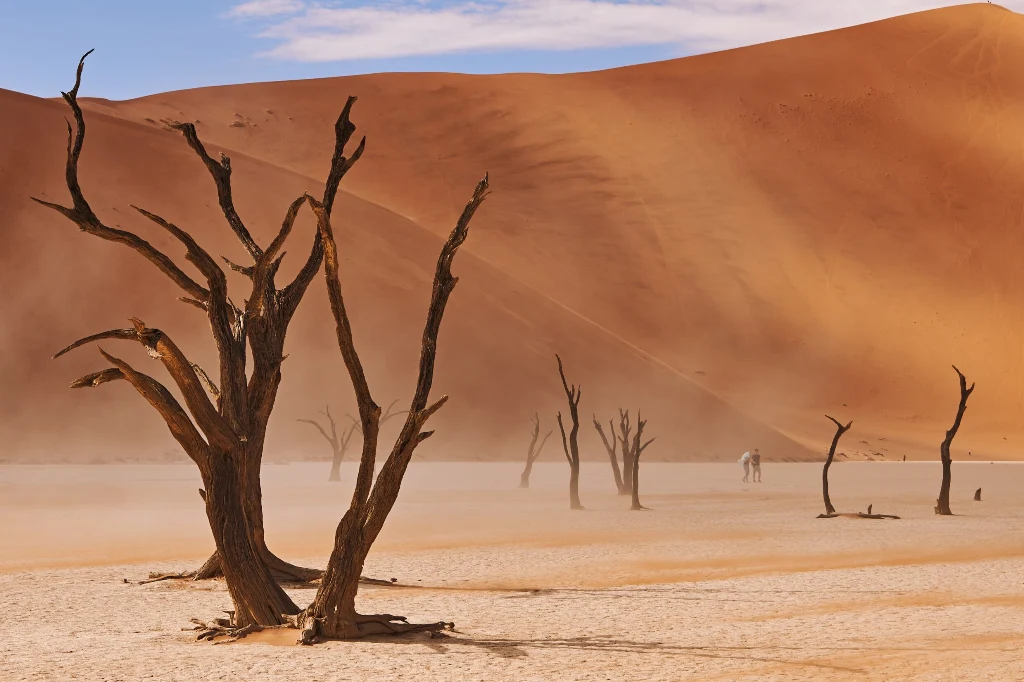
5 Destinations: Botswana → Etosha National Park → Namibia → Sossusvlei → Swakopmund
View Details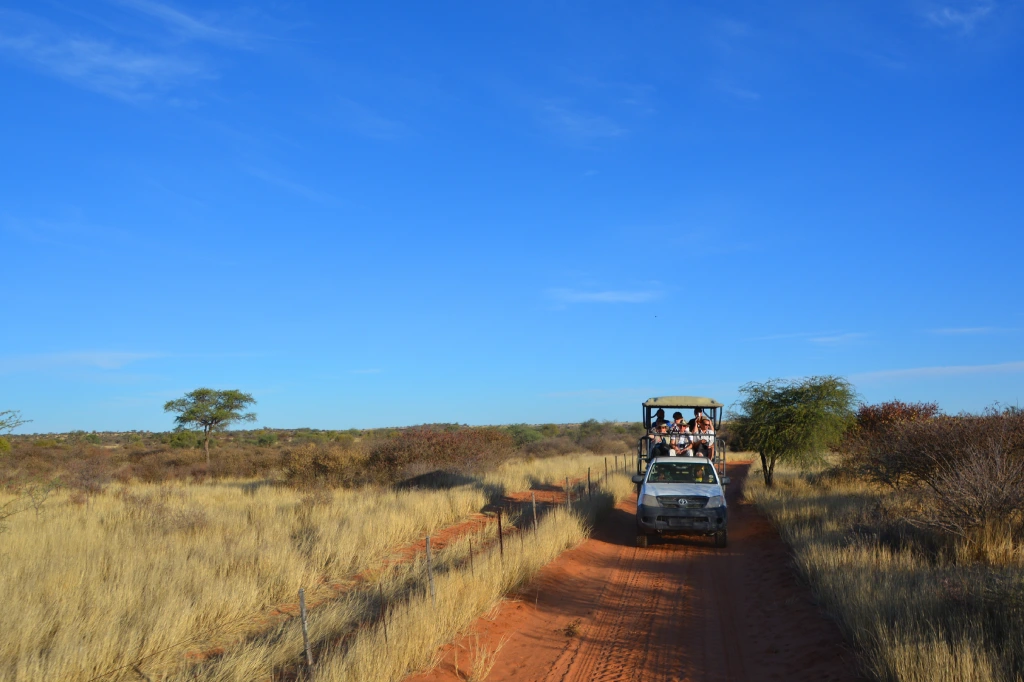
6 Destinations: Etosha National Park → Namibia → Sossusvlei → Spitzkoppe → Swakopmund → Windhoek
View Details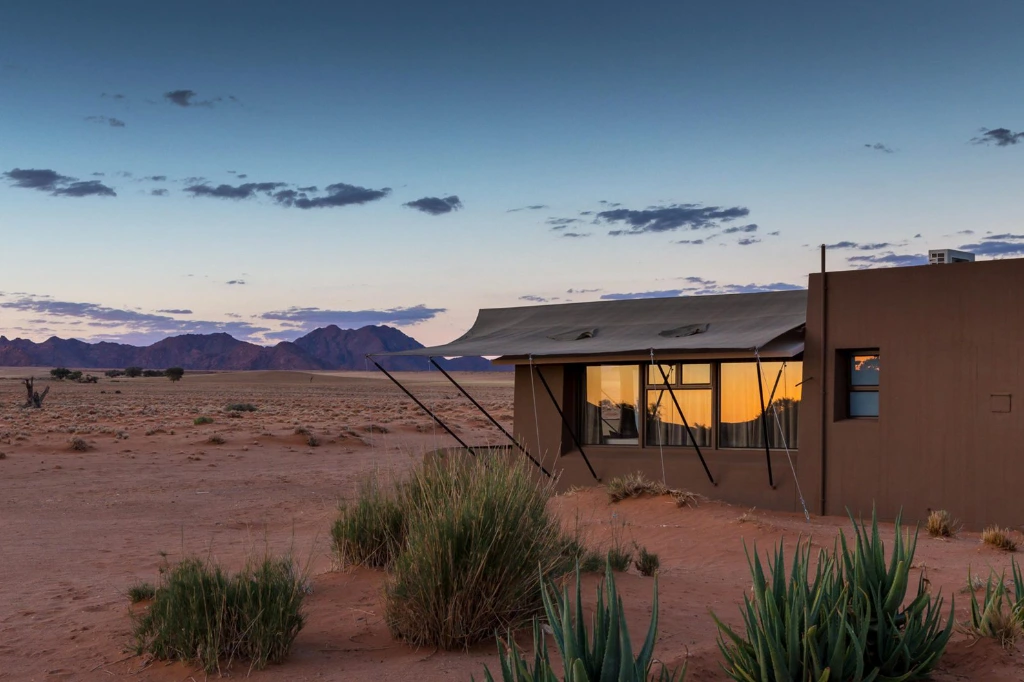
5 Destinations: Etosha National Park → Namibia → Sossusvlei → Swakopmund → Windhoek
View Details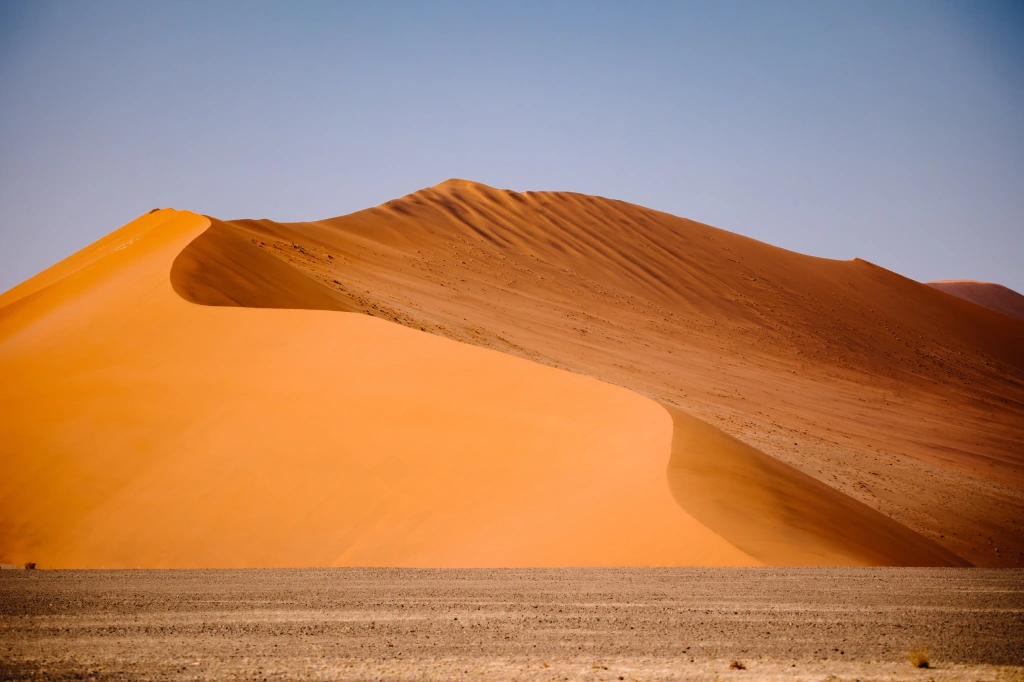
5 Destinations: Etosha National Park → Namibia → Sossusvlei → Swakopmund → Windhoek
View Details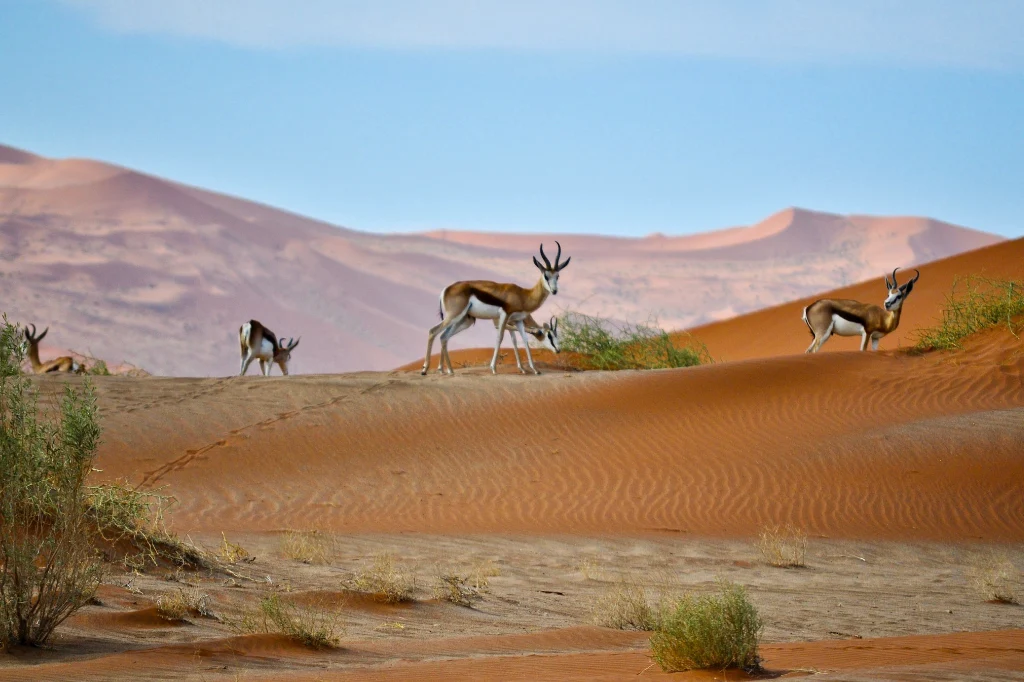
6 Destinations: Botswana → Etosha National Park → Namibia → Sossusvlei → Swakopmund → Zimbabwe
View Details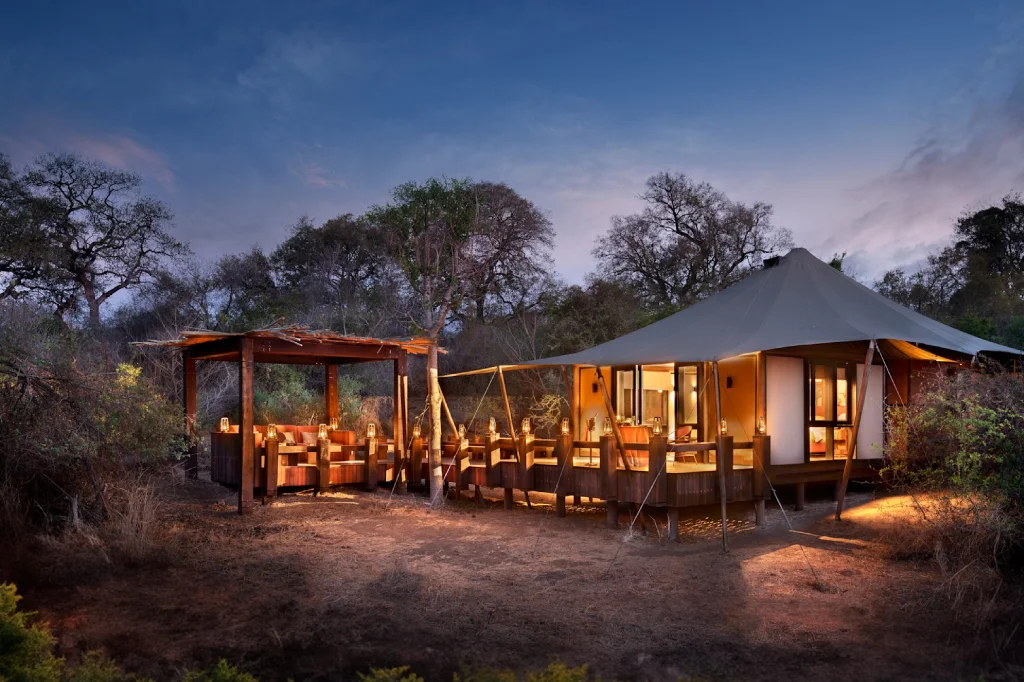
6 Destinations: Etosha National Park → Fish River Canyon → Namibia → Sossusvlei → Swakopmund → Twyfelfontein
View Details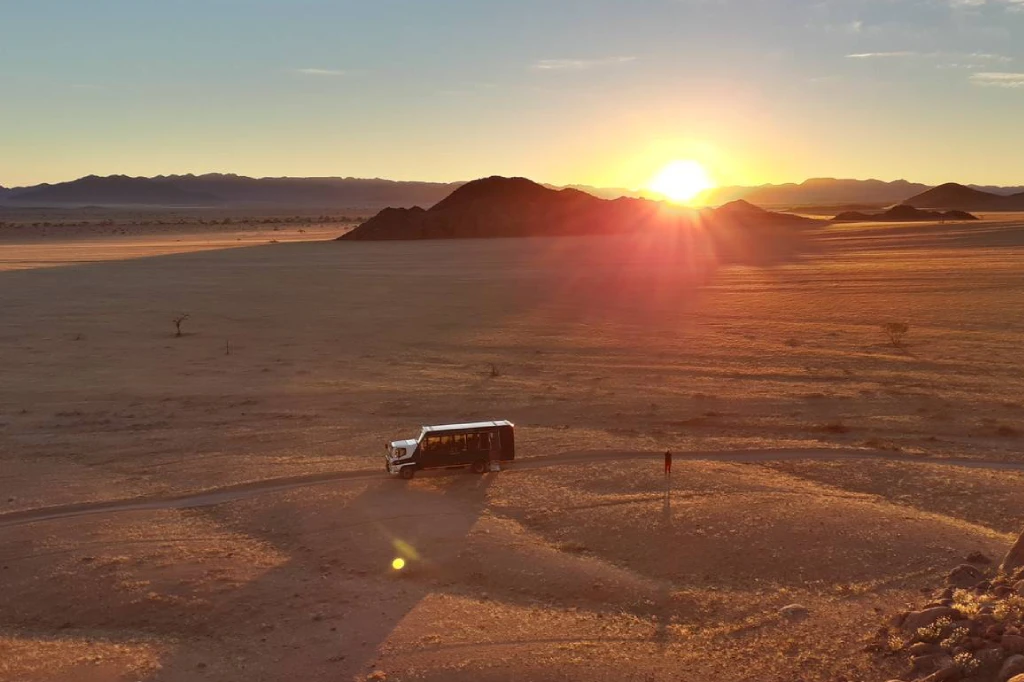
6 Destinations: Botswana → Etosha National Park → Namibia → Sossusvlei → Swakopmund → Zimbabwe
View Details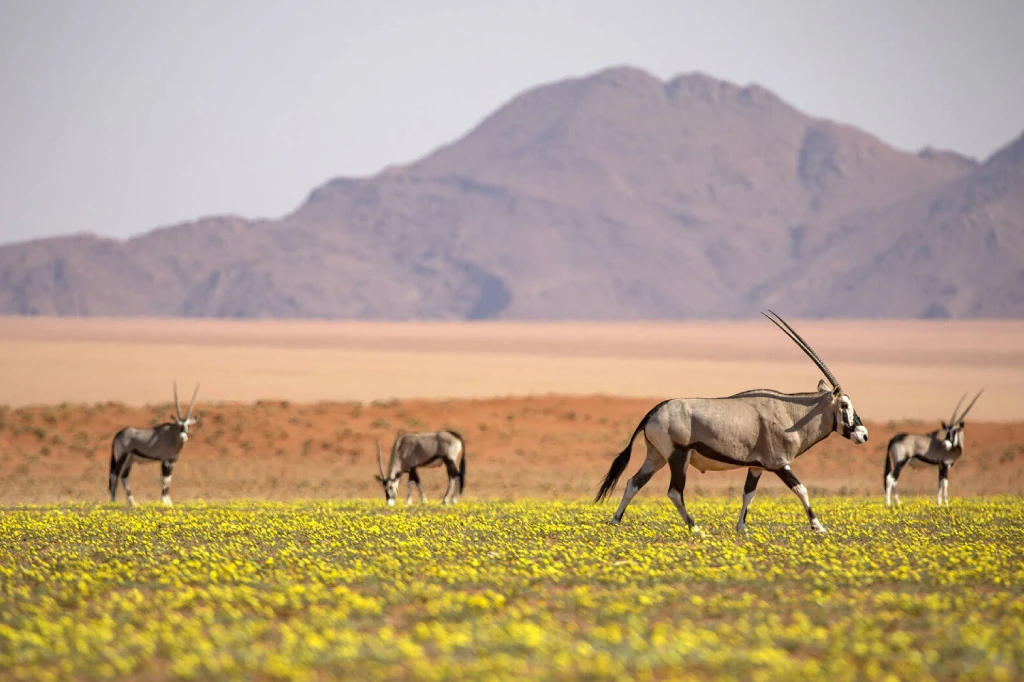
7 Destinations: Etosha National Park → Kamanjab → Namibia → Spitzkoppe → Swakopmund → Twyfelfontein → Windhoek
View Details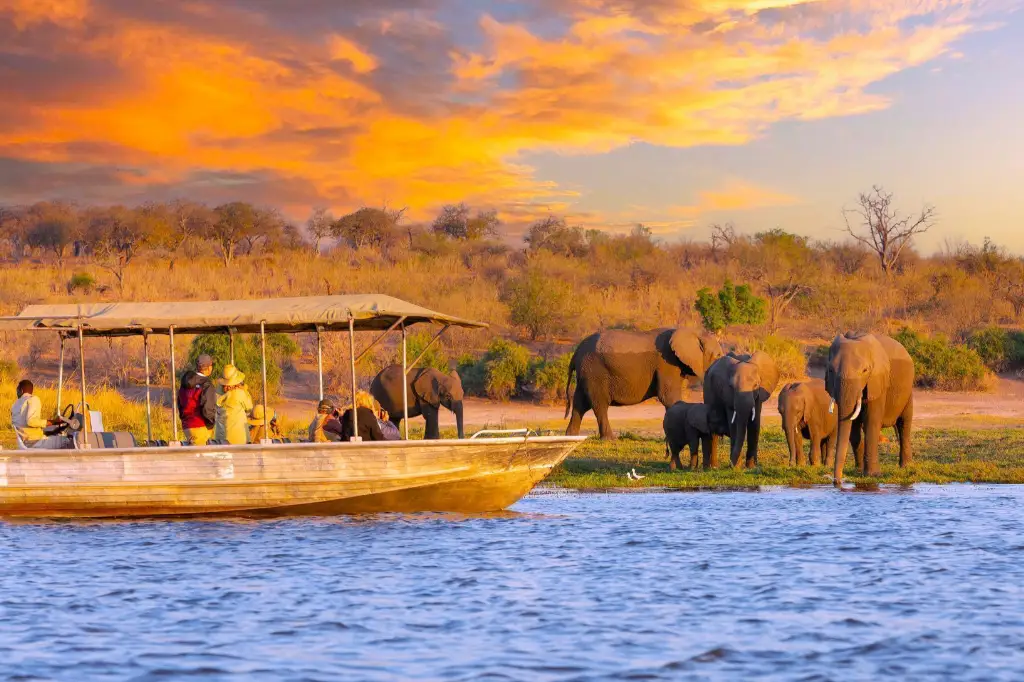
4 Destinations: Etosha National Park → Namibia → Sossusvlei → Swakopmund
View DetailsOur Namibian tour was an unforgettable experience from start to finish. Henzel was both our guide and driver, and he did an outstanding job in both roles. He was incredibly thorough and well-prepared, always sharing detailed insights about the landscapes, wildlife, and local culture. You could tell he truly knew and loved the country.

We did the “7 Days Wildlife Etosha and Sossusvlei Namibian Safari (Accommodated)” with Safari World Tours in December 2023 and it was the best choice for our family! We are experienced travelers (49 countries visited) and found that to travel to Namibia with a small child (4 years old) a tour would the the best option






 English
  German