+264 81 8211 521
info@safariworldtours.com
Deals & Discounts


Walk through Namibia’s past, from ancient rock art and coastal exploration to colonial towns, independence landmarks, and museums that help travelers understand the country beyond landscapes and wildlife.

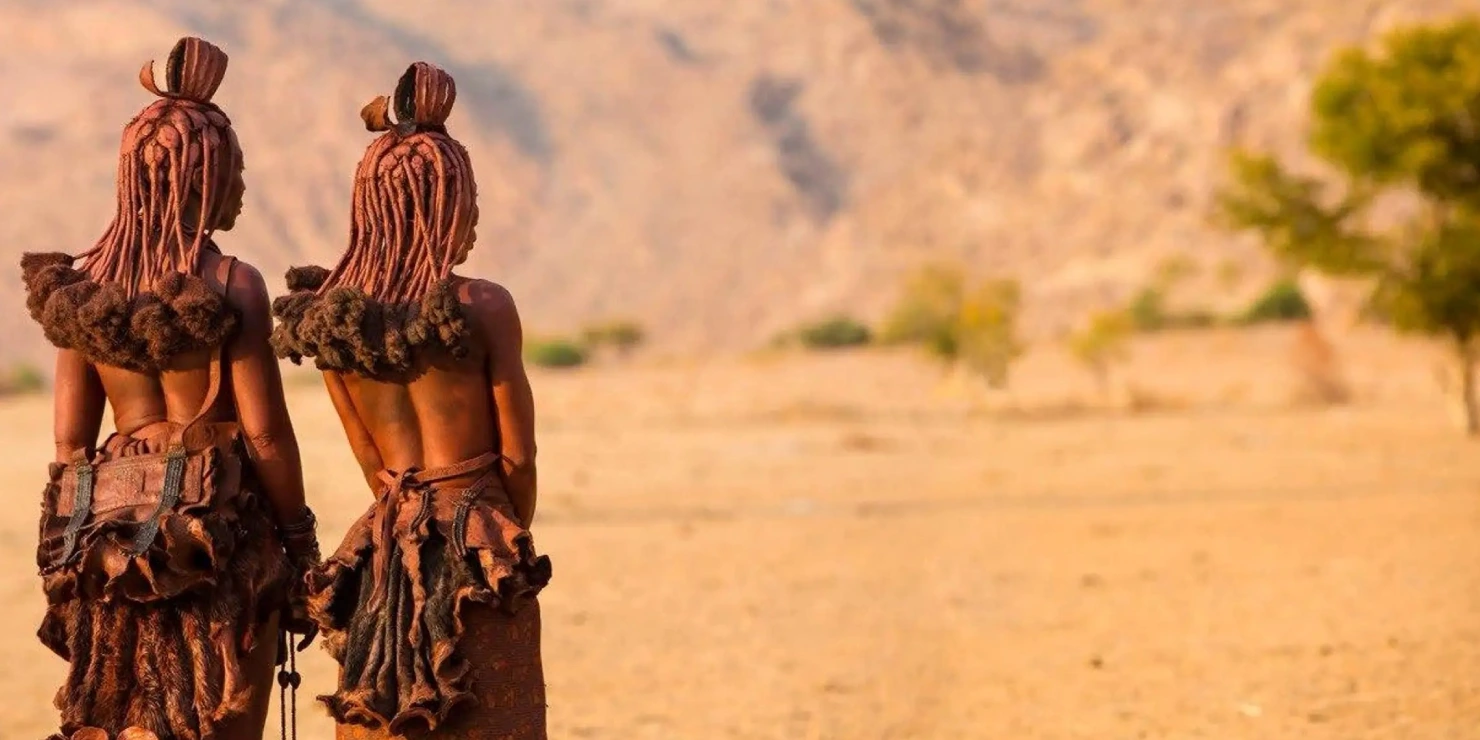
The History of Namibia is layered, sometimes beautiful, sometimes painful. Long before borders and towns, San communities left rock art at places like Twyfelfontein and the Huns Mountains. Later came Portuguese explorers, German colonization, the diamond rush, South African rule, and the long struggle for independence. Travelers can still see these chapters in Windhoek museums, Kolmanskop’s sand-filled rooms, coastal towns, memorial sites, and ancient stone engravings.
These historical places fit into Namibia Tours and Safaris, especially for travelers who want wildlife, landscapes, culture, and national memory together.
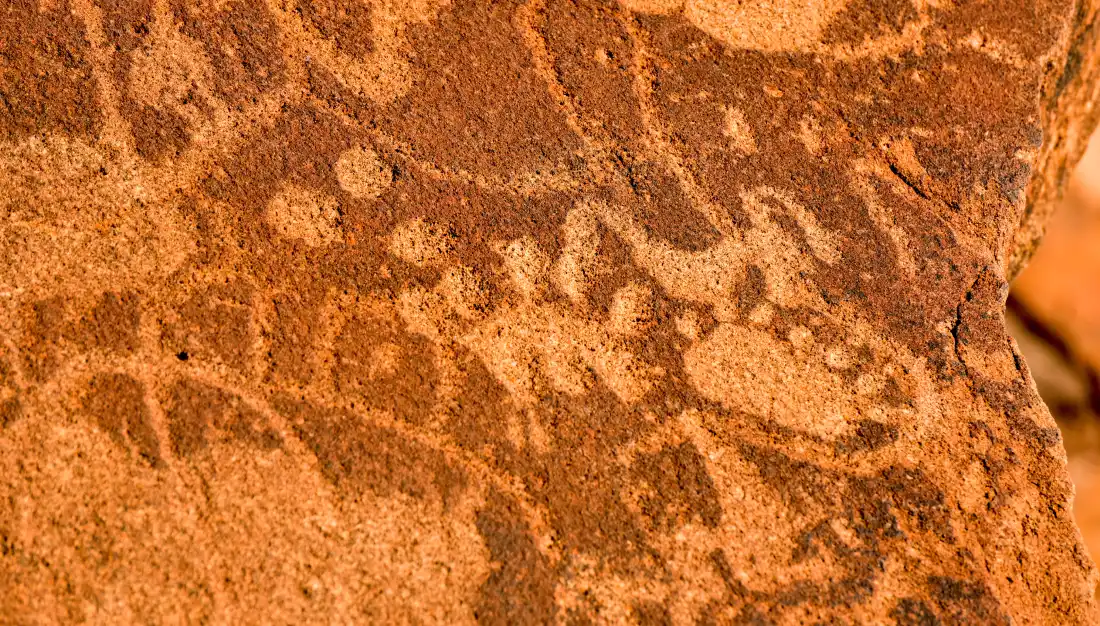
Namibia’s history is not hidden away in books. You feel it while walking through Kolmanskop, where desert sand fills old houses from the diamond era. You see it at Twyfelfontein, where ancient engravings speak of early hunters and animals. In Windhoek, the Independence Memorial Museum and Heroes’ Acre tell a more recent story of resistance, loss, and freedom. Some places feel quiet. Others feel heavy.
The earliest signs of human life in Namibia appear in rock art and painted stone plates, some of which are linked to very old settlements. European contact came slowly because the coast was harsh and difficult. Germany colonized the land in 1884, calling it German South West Africa. Later came diamonds, conflict, South African rule, and finally independence in 1990 under Dr. Sam Nujoma. These places make Namibia Travel Destinations feel deeper than scenery alone.
Travel slowly through history, because Namibia’s past still speaks clearly.
Travel gently, listen first, and let local stories guide the whole experience.
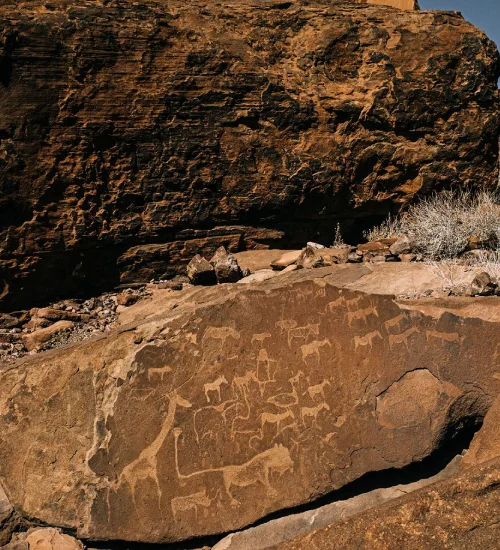
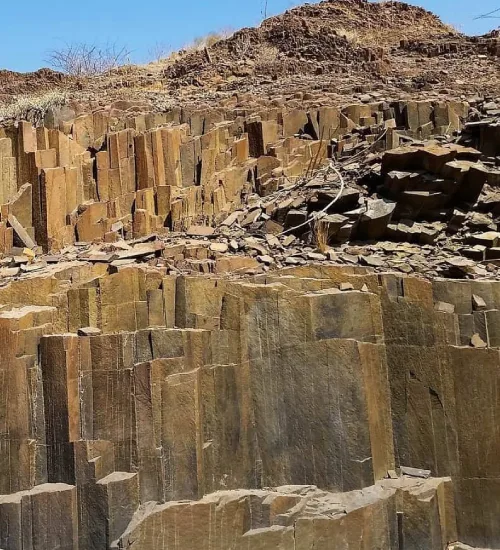
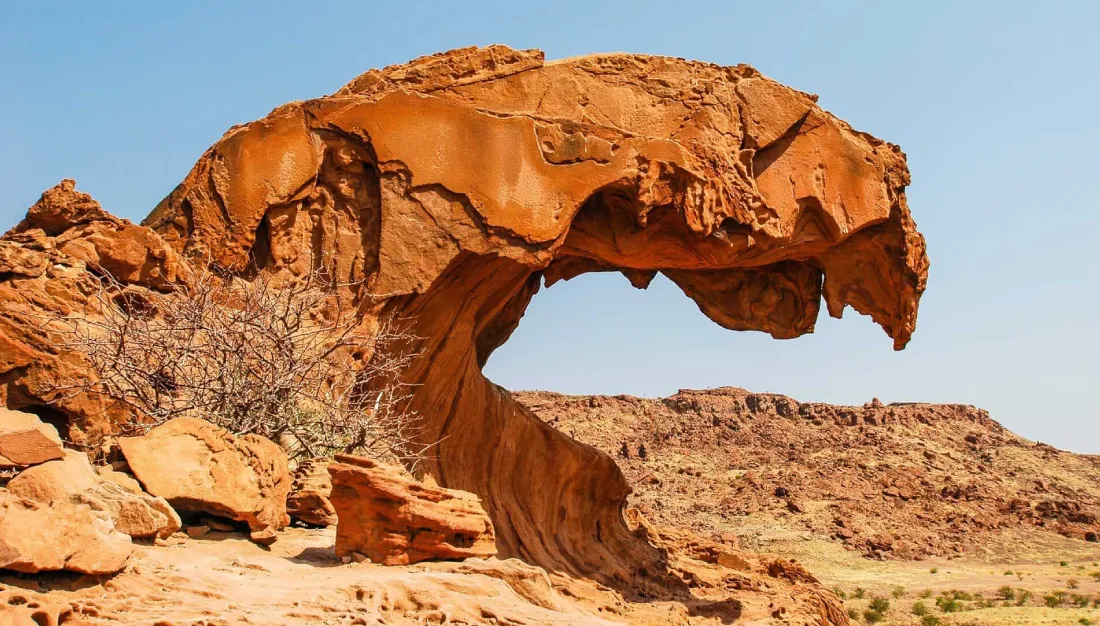
Twyfelfontein, in Damaraland, is one of Namibia’s strongest historical sites. This UNESCO World Heritage Site holds thousands of ancient rock engravings made by San hunter-gatherer communities. The images show animals, tracks, movement, and belief systems from long before modern borders. A guided walk helps travelers understand the meaning behind the marks, not just photograph them. It is one of the best places to visit in Namibia for ancient history.
The Huns Mountains, now part of the Ai-Ais / Richtersveld Transfrontier Park area, hold some of Namibia’s oldest known art evidence. Painted stone plates found here suggest human settlement as far back as 25,000 B.C. That is hard to take in at first. The place reminds travelers that Namibia’s story began long before colonial names, mining towns, or modern roads, underscoring its importance in Namibia’s culture and early human history.
The Independence Memorial Museum in Windhoek gives travelers a clear look at Namibia’s struggle for freedom. Its displays cover colonialism, resistance, liberation, and independence through art, artifacts, and historical interpretation. The building also offers a wide view of the city, which feels somehow fitting. For visitors interested in modern political history, this museum adds important context to Safari Windhoek, Namibia, before traveling deeper into the country.
Heroes’ Acre, outside Windhoek, is a national memorial dedicated to people connected with Namibia’s independence struggle. The site is large, formal, and symbolic, with monuments that point toward sacrifice, resistance, and national identity. It may not be a light stop, but it gives travellers a stronger understanding of the country’s modern memory. It fits well into Namibia Guided Tours focused on history, independence, and national heritage.
The Damara Living Museum, near Twyfelfontein, gives travelers a more interactive view of cultural history. Visitors can learn about traditional skills, dance, crafts, food practices, and older ways of living. It should be approached with respect, not treated like a performance for quick photos. The experience helps connect ancient rock art areas with living communities, making it meaningful for travelers exploring Namibia Tourist Destinations around Damaraland.
The History of Namibia is not one simple story. It moves from ancient San engravings to Portuguese landings, German rule, diamond towns, South African administration, and independence in 1990. Some places feel inspiring. Some feel uncomfortable. That is part of honest travel. A museum, a ghost town, or a rock engraving can change how travelers see the desert, the coast, and the people living here now.
Safari World Tours can help travellers include historical stops without making the route feel like a school lesson. A journey may begin with Windhoek’s museums, continue to Twyfelfontein, pass through Swakopmund, and reach Kolmanskop or the Skeleton Coast. With careful planning, Namibia Safari Packages can include history, wildlife, landscapes, and culture in a steady way. The best historical travel does not rush from site to site. It gives travelers time to stand still, read, listen, and understand why these places matter.
Come for Namibia’s open landscapes, but leave with a clearer sense of its people, struggles, and stories.
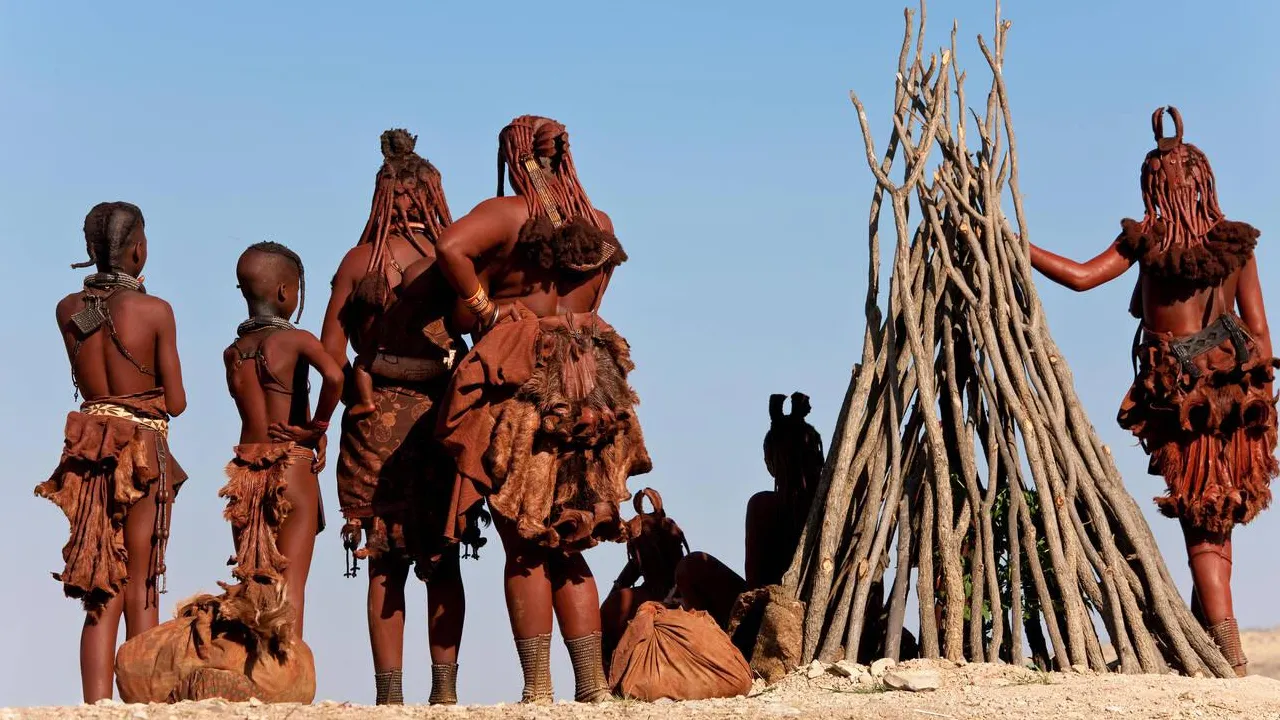
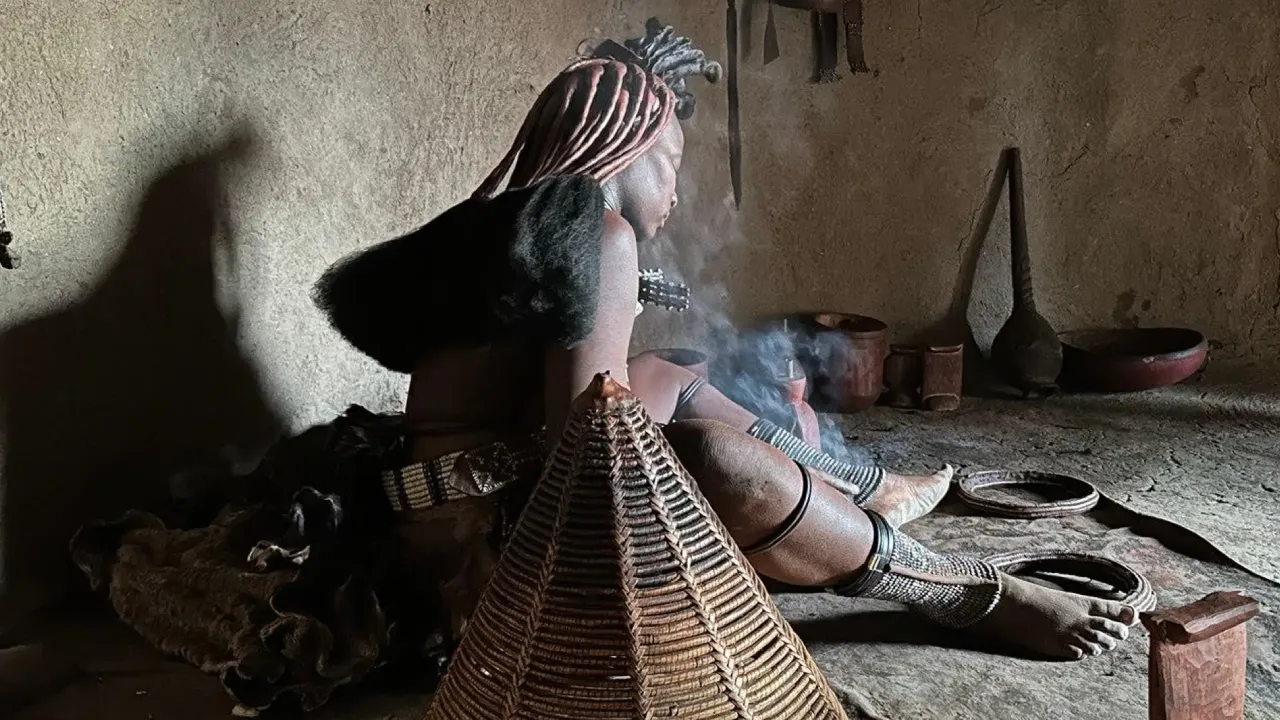
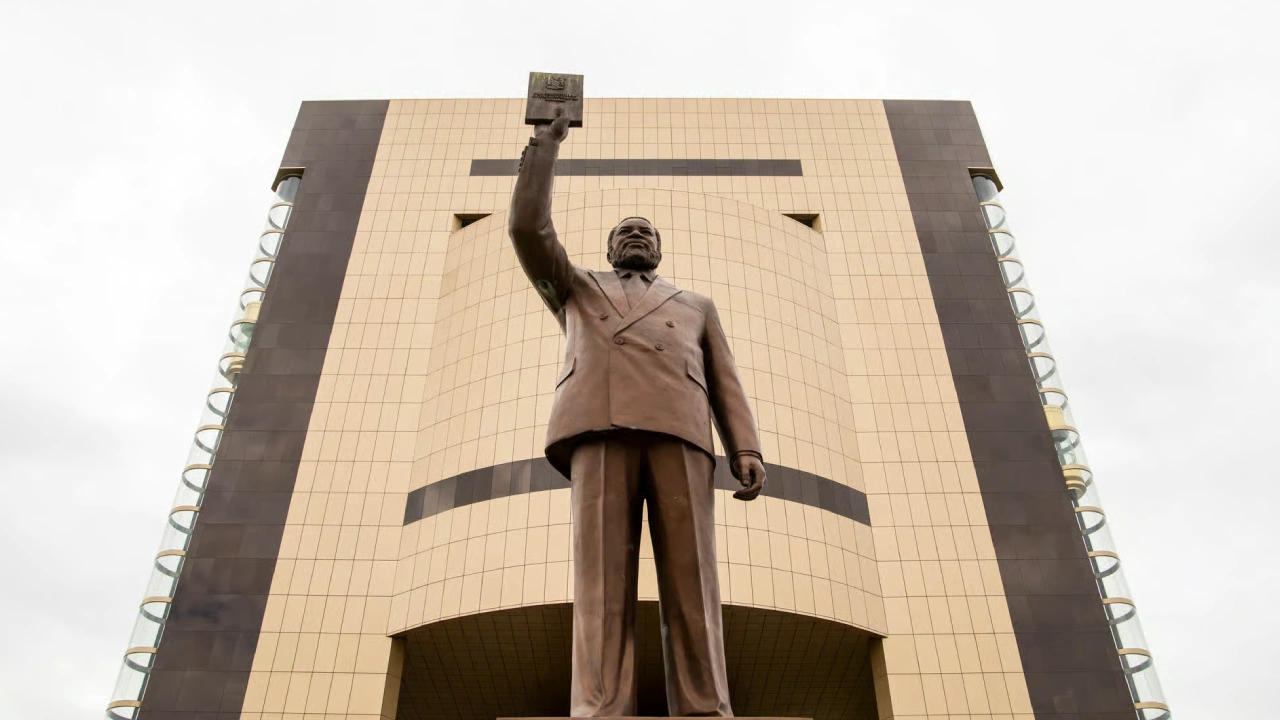
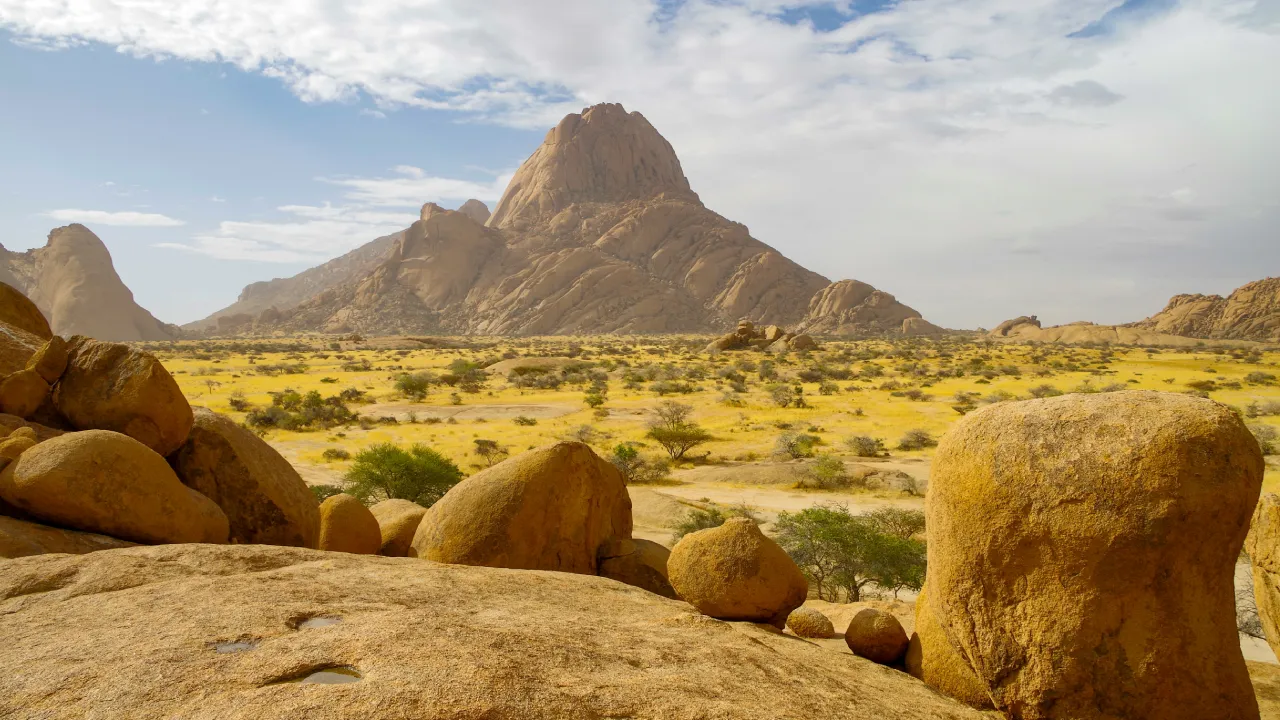
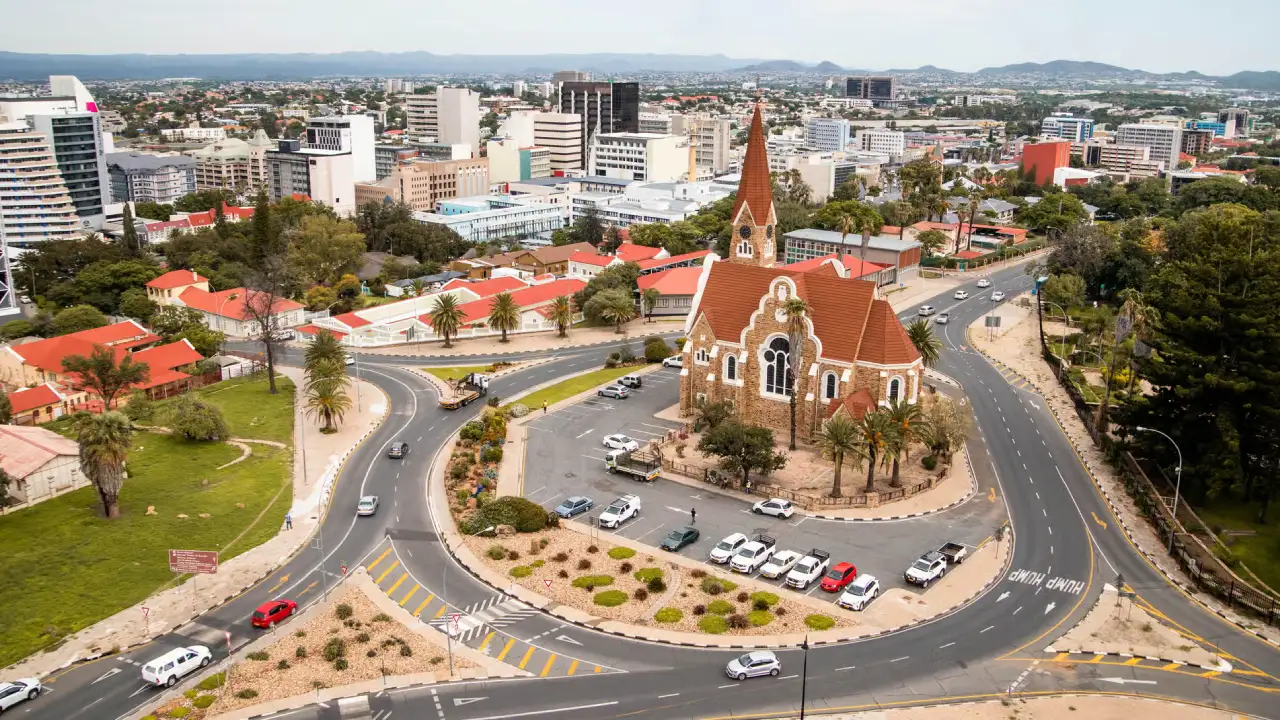
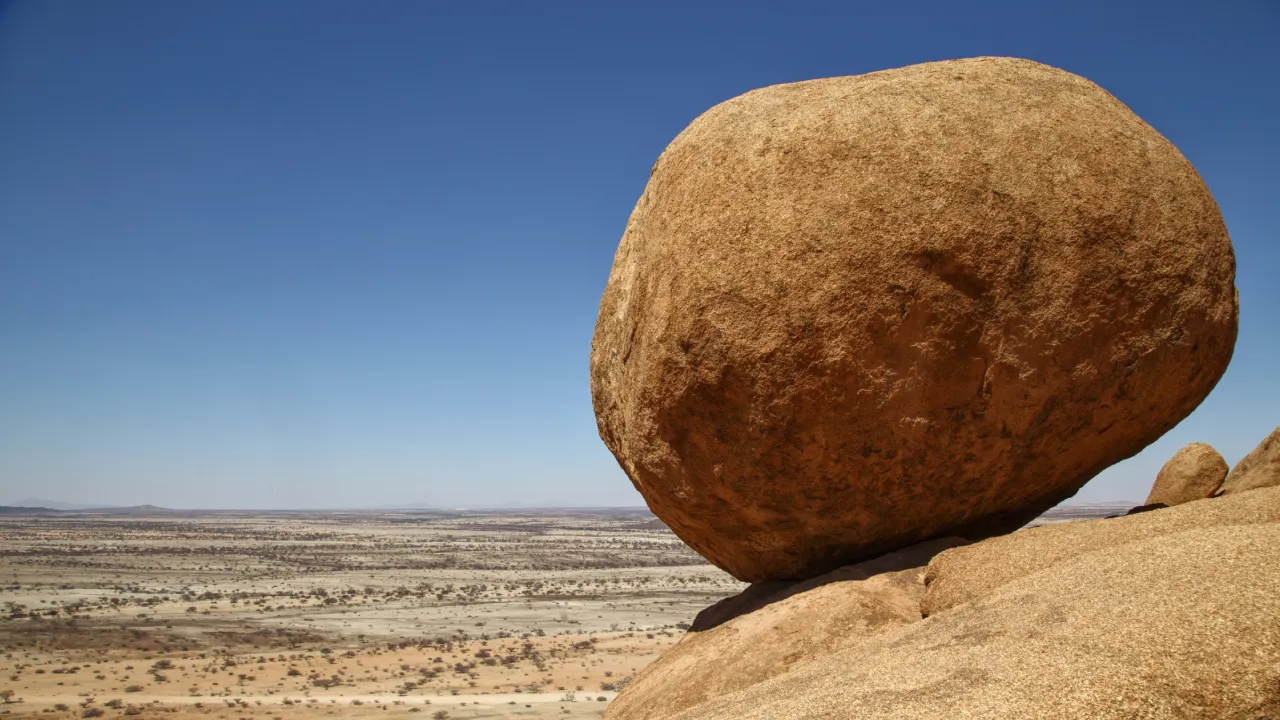
Explore Namibia’s history through ancient rock art, colonial landmarks, old trading towns, cultural heritage, stories of independence, memorial sites, traditional settlements, and historic landscapes that reveal the country’s layered past.
Namibia’s history is best understood through places travelers can actually visit. Rock art sites, colonial towns, museums, memorials, ghost towns, and coastal landmarks all tell different parts of the story. These FAQs answer common traveler searches about historical sites, independence, colonial history, and adding heritage stops to Namibia Tours and Safaris.
Namibia has many travel experiences that pair well with adventure, from desert drives and wildlife safaris to coastal escapes, cultural visits, and desert nature walks. These journeys give travelers a fuller sense of the country, with time to explore quiet landscapes, hear local stories, see rare wildlife, and visit places that feel far from the rush of tourism.
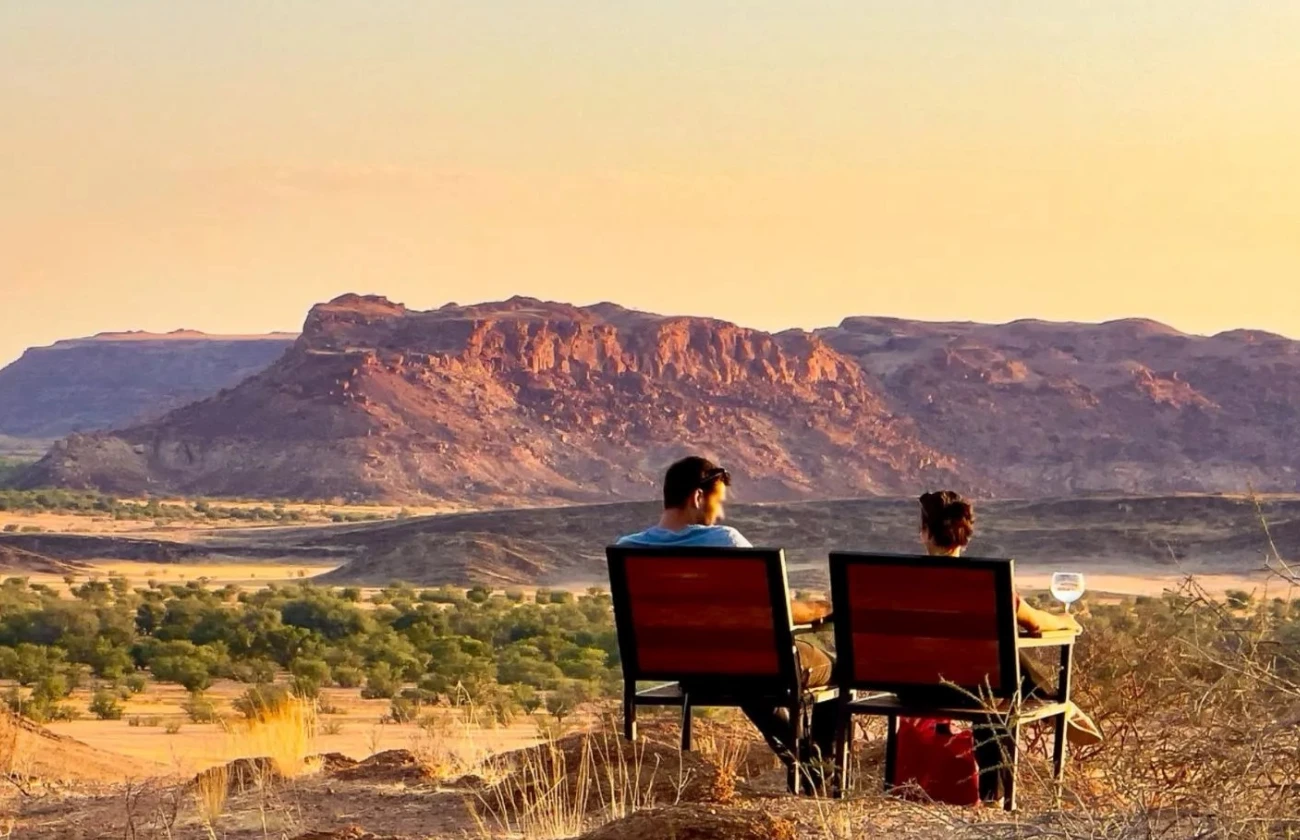
Gather ideas from our Namibia tour packages, or let our consultants help you picture the possibilities. We can build the journey around your time, style, and interests.
Our Namibia safari itineraries are designed to link desert landscapes, wildlife parks, coastal towns, and remote cultural areas into one seamless journey. Travelers can move from Etosha’s game drives to Sossusvlei’s dunes, Swakopmund’s coast, and Damaraland’s rugged beauty, with enough time to enjoy each place properly.
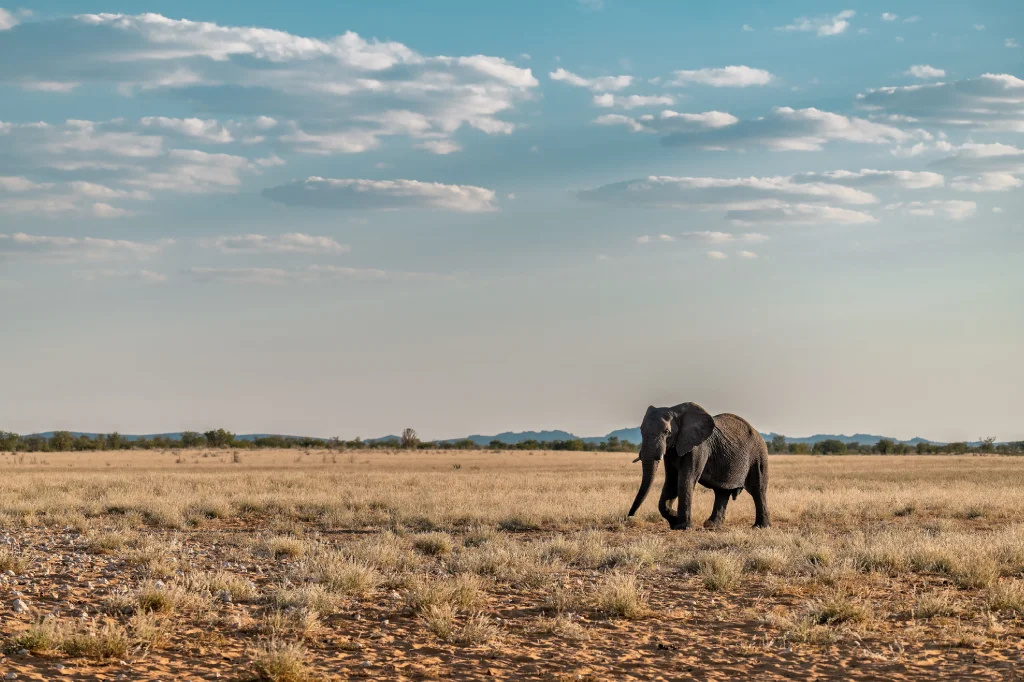
2 Destinations: Etosha National Park → Namibia
View Details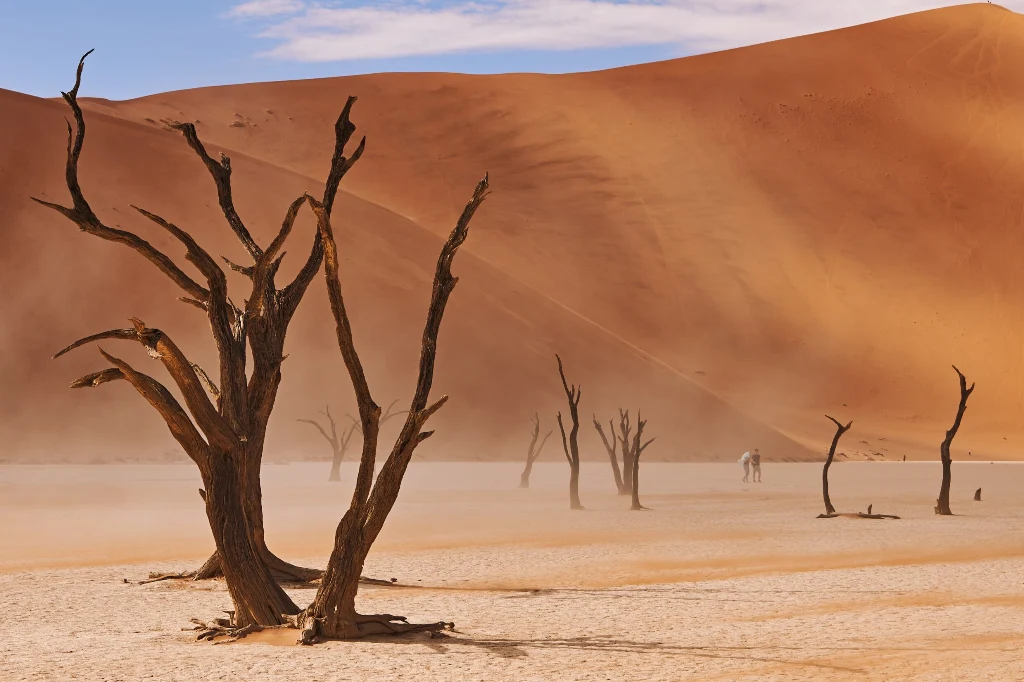
5 Destinations: Botswana → Etosha National Park → Namibia → Sossusvlei → Swakopmund
View Details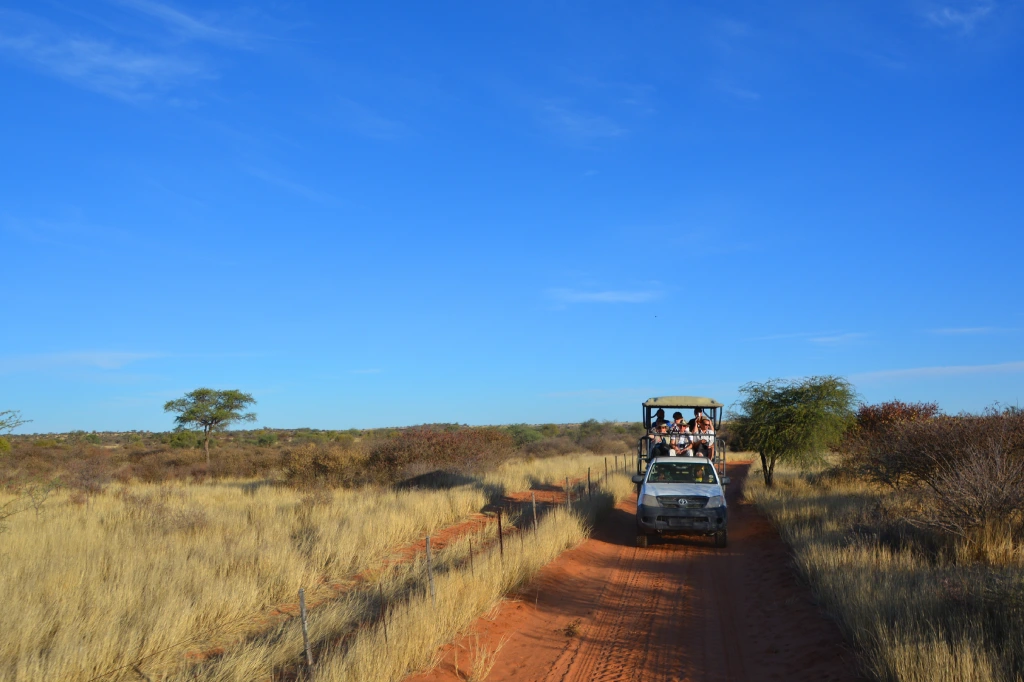
6 Destinations: Etosha National Park → Namibia → Sossusvlei → Spitzkoppe → Swakopmund → Windhoek
View Details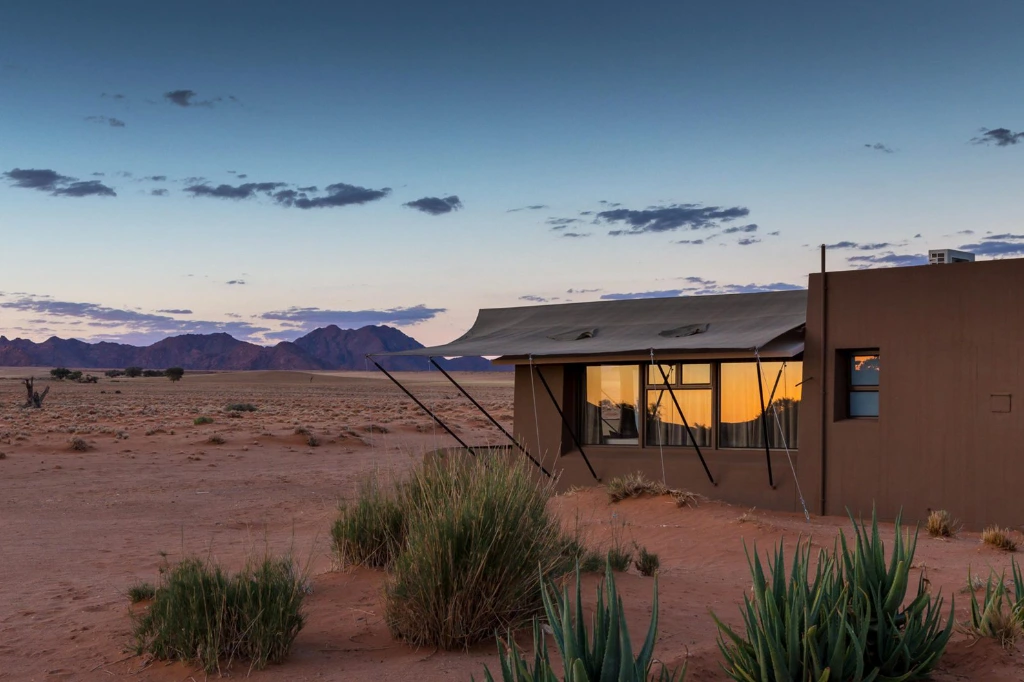
5 Destinations: Etosha National Park → Namibia → Sossusvlei → Swakopmund → Windhoek
View Details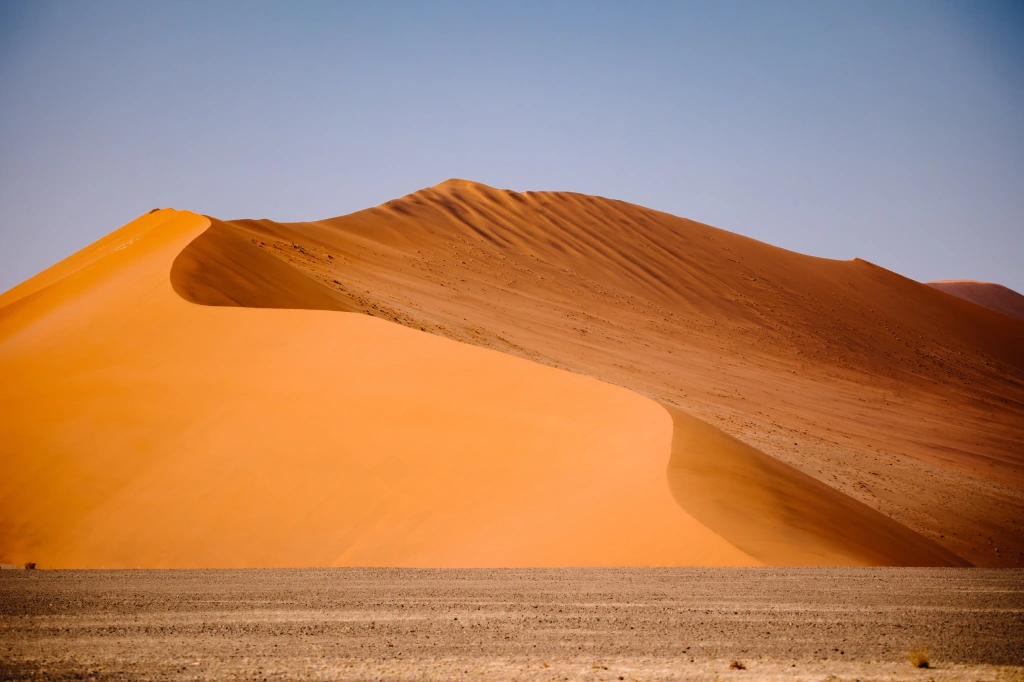
5 Destinations: Etosha National Park → Namibia → Sossusvlei → Swakopmund → Windhoek
View Details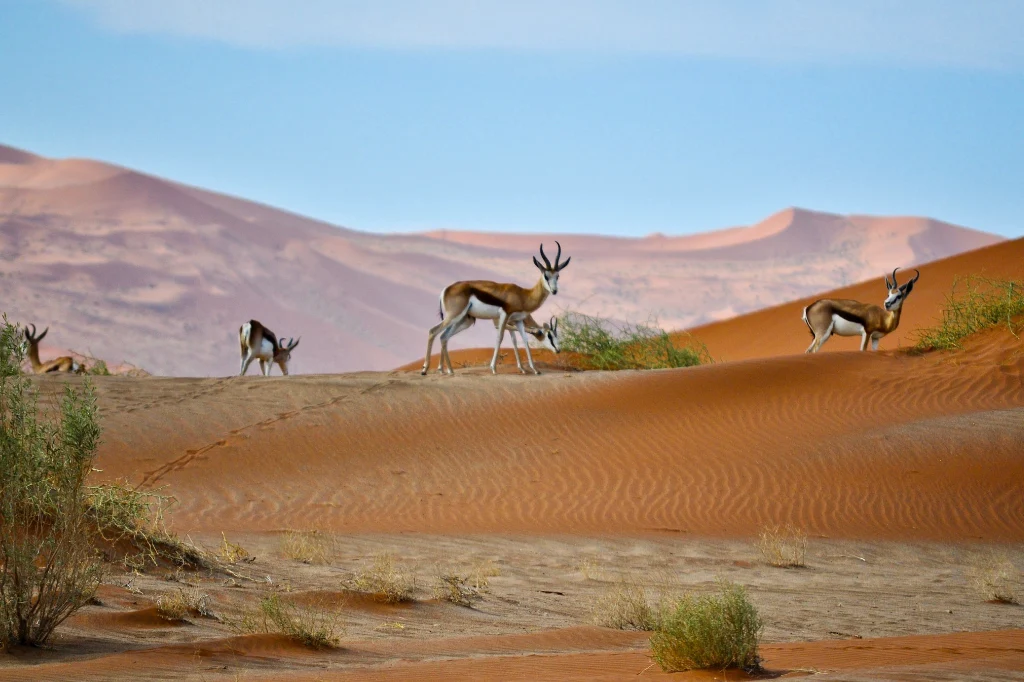
6 Destinations: Botswana → Etosha National Park → Namibia → Sossusvlei → Swakopmund → Zimbabwe
View Details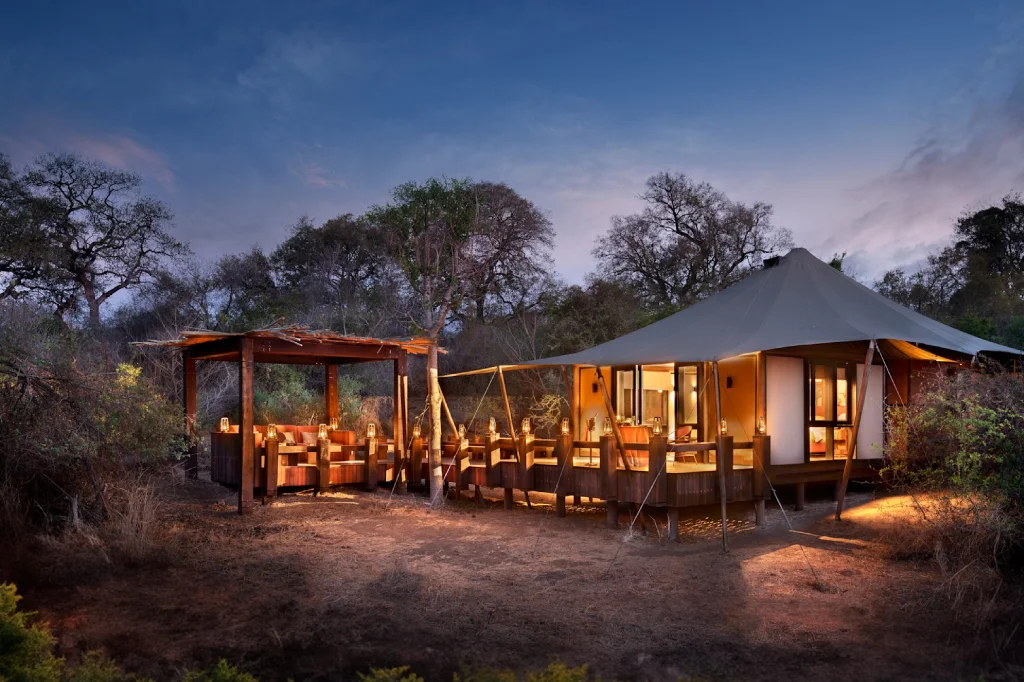
6 Destinations: Etosha National Park → Fish River Canyon → Namibia → Sossusvlei → Swakopmund → Twyfelfontein
View Details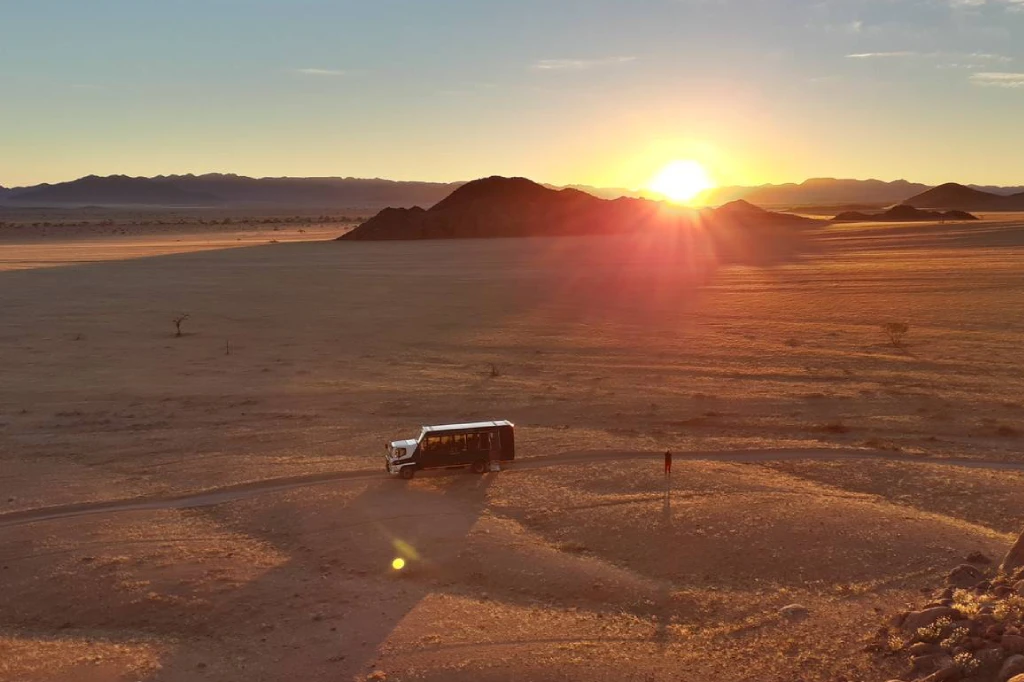
6 Destinations: Botswana → Etosha National Park → Namibia → Sossusvlei → Swakopmund → Zimbabwe
View Details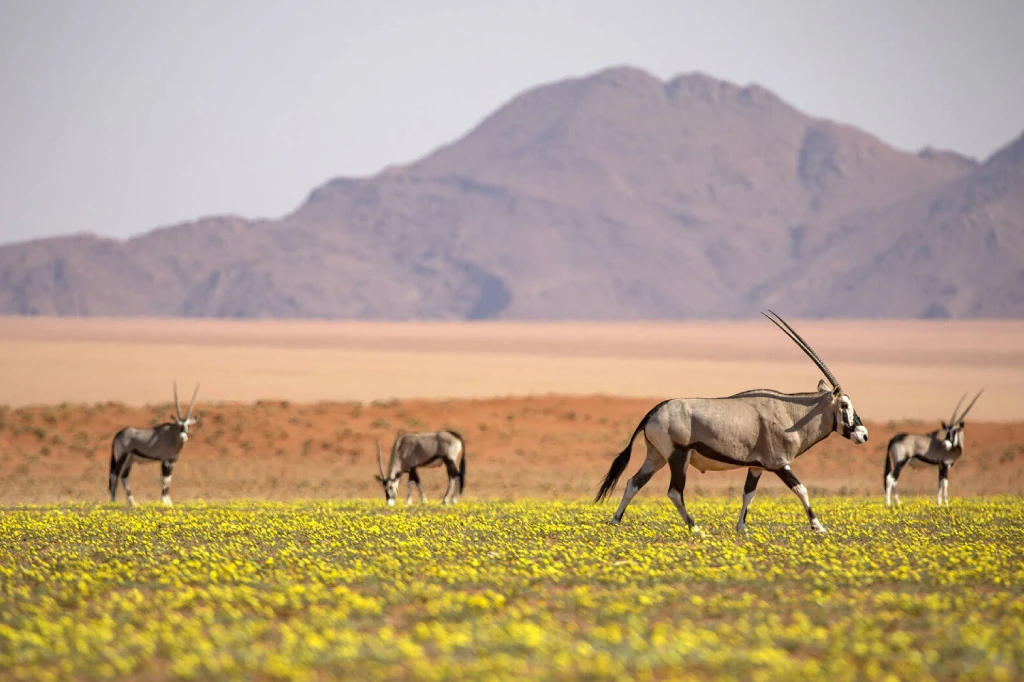
7 Destinations: Etosha National Park → Kamanjab → Namibia → Spitzkoppe → Swakopmund → Twyfelfontein → Windhoek
View Details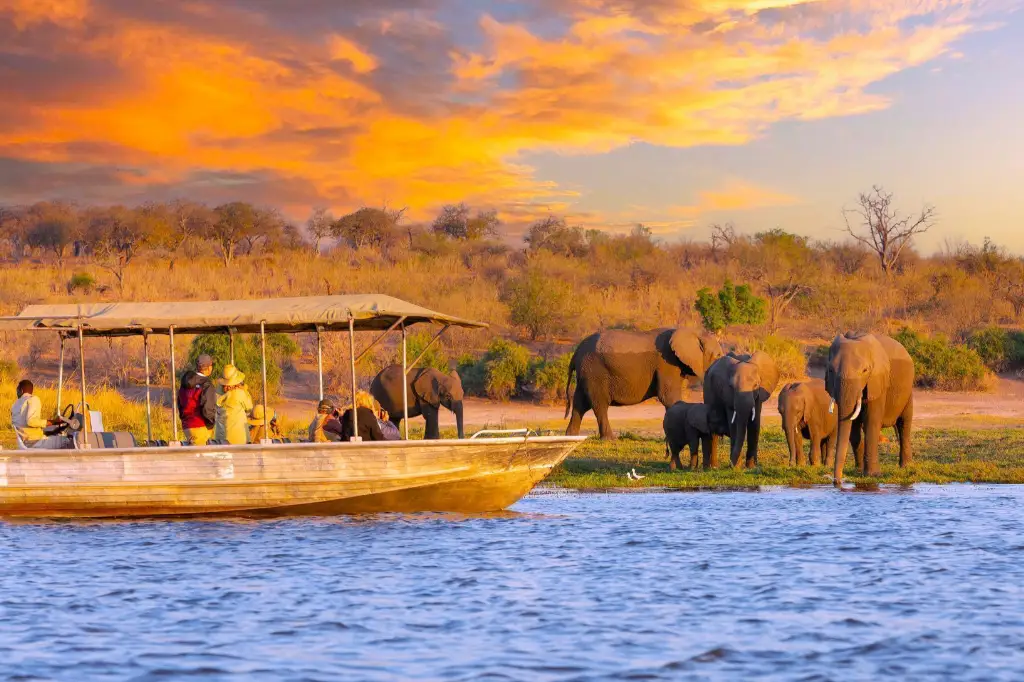
4 Destinations: Etosha National Park → Namibia → Sossusvlei → Swakopmund
View DetailsOur Namibian tour was an unforgettable experience from start to finish. Henzel was both our guide and driver, and he did an outstanding job in both roles. He was incredibly thorough and well-prepared, always sharing detailed insights about the landscapes, wildlife, and local culture. You could tell he truly knew and loved the country.

We did the “7 Days Wildlife Etosha and Sossusvlei Namibian Safari (Accommodated)” with Safari World Tours in December 2023 and it was the best choice for our family! We are experienced travelers (49 countries visited) and found that to travel to Namibia with a small child (4 years old) a tour would the the best option






 English
  German