+264 81 8211 521
info@safariworldtours.com
Deals & Discounts


A lively Atlantic Bay with birds, boats, dunes, and salt pans.
Walvis Bay sits on Namibia’s Atlantic coast, where a busy harbor, calm lagoon, fishing boats, salt pans, and desert dunes come together. It is one of the country’s most important coastal towns.
Its name means “Bay of Whales” in Afrikaans, and the area has a long history tied to sailors, fishermen, trade routes, and changing colonial control. Portuguese explorer Bartolomeu Dias entered the bay in 1487, and later the sheltered waters drew fishermen from Europe and North America. Today, Walvis Bay remains a working harbor city and one of the most interesting Holiday Destinations In Namibia for travelers who want both coastal life and desert scenery.
The town is also known for its wildlife and easy day trips. Boat cruises often bring visitors close to seals, dolphins, pelicans, and sometimes whales. The lagoon attracts flamingos and many other birds, while Dune 7 gives travelers a quick taste of Namibia’s sand-filled adventure side.

Gather ideas from our Namibia tour packages, or let our consultants help you picture the possibilities. We can build the journey around your time, style, and interests.
Walvis Bay sits on Namibia’s central coast, not far from Swakopmund and the Namib Desert. The map helps travelers get a clear feel for the area, from the harbor and lagoon to the salt pans, dunes, and nearby coastal roads. It also helps when planning boat trips, birdwatching stops, drives to Sandwich Harbor, and short visits around town.
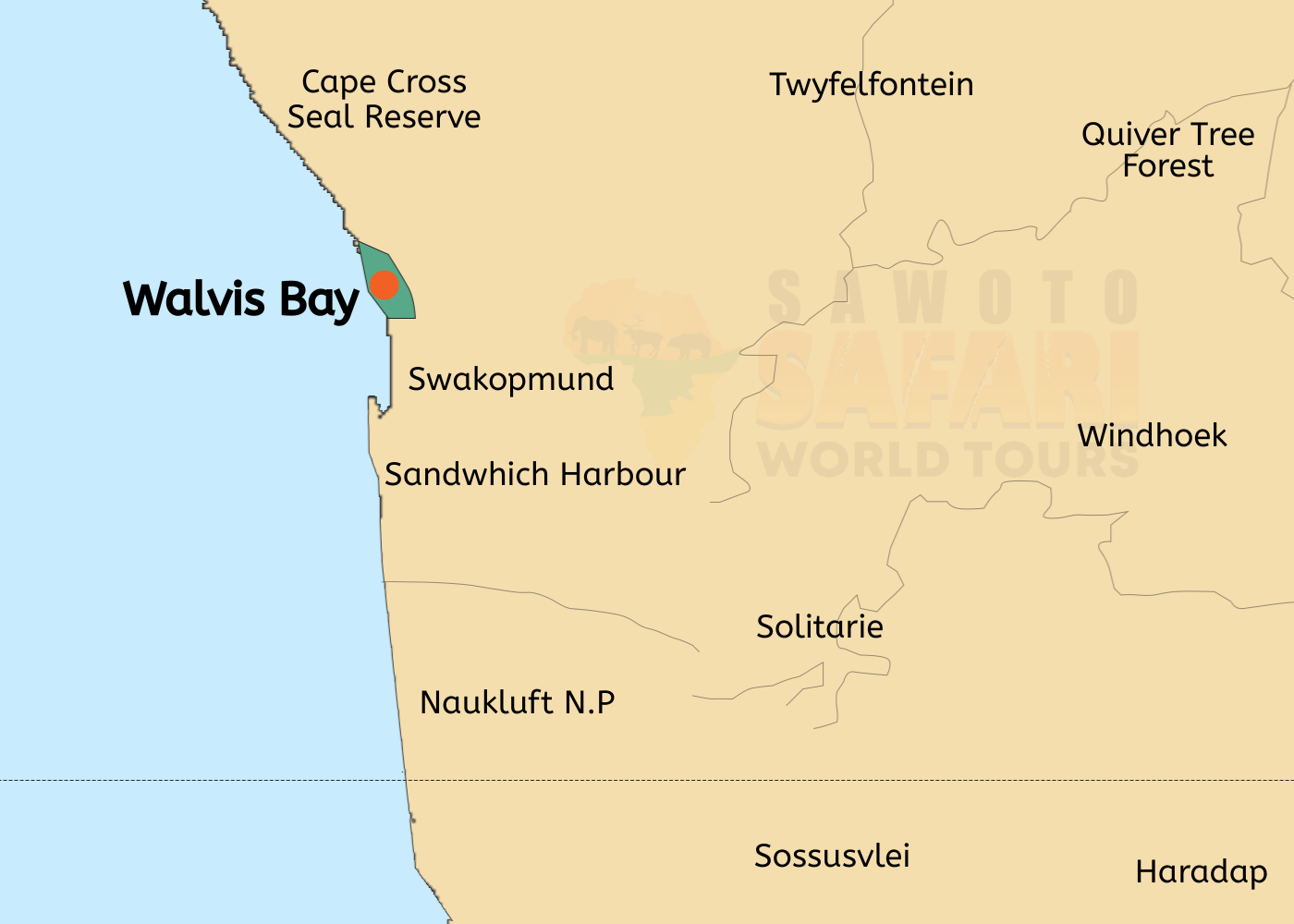
Walvis Bay is Namibia’s main harbor city, set between the Atlantic, a calm lagoon, salt pans, and desert dunes. It has a long past tied to fishing, whaling, trade, and colonial control. Today, travelers come for boat trips, flamingos, seals, pelicans, Sandwich Harbor, Dune 7, fresh seafood, and quick access to Swakopmund.
Walvis Bay has a long, uneven history. Its sheltered bay brought in sailors, whalers, traders, and later colonial powers. The harbour became important because ships could anchor close to shore, and that made this coastal town valuable for trade, fishing, and control.
European and American whaling and fishing boats came to Walvis Bay as early as the 18th century. The waters were rich with fish and whales, so the bay quickly drew outside interest. Its name means “Bay of Whales,” a reminder of that old whaling period.
The natural harbour made Walvis Bay useful for anchoring, landing, and trading. Britain claimed the bay in 1795 because of its strategic position along the coast. Topnaar-Nama communities, traders, and marine officials also became part of the settlement as the harbour town slowly grew.
In the late 1800s, the land behind Walvis Bay became German South West Africa, while Walvis Bay stayed under British control. That created an unusual situation. The town remained British, sitting beside German-held land. Swakopmund later grew as Germany’s alternative harbour.
After World War I, the wider territory came under South African administration. Namibia became independent in 1990, but Walvis Bay stayed under South African control until 1994. Only then did it become part of Namibia, closing a long and complicated chapter.
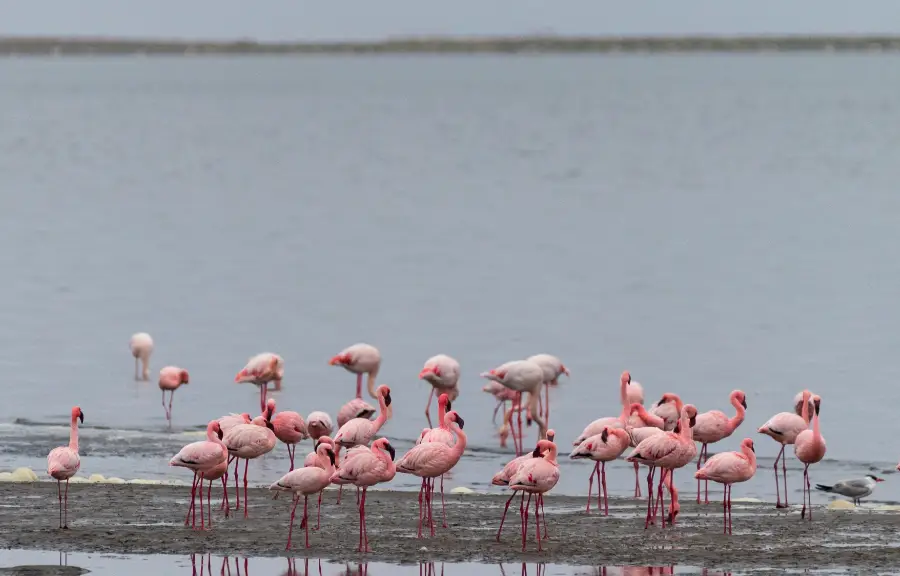
The Walvis Bay Lagoon is one of the easiest places to enjoy the town’s natural side. You do not need to go far. Flamingos, pelicans, mudflats, sea air, and shallow water sit close to the streets, restaurants, and waterfront.
The promenade runs along the southern edge of town near the Flamingo Lagoon. It is a simple place for a slow walk, especially when the birds are close to shore. Depending on water levels and season, large flamingo groups may feed in the shallows.
Greater and lesser flamingos are often seen here, along with pelicans and other coastal birds. They move slowly through the water, picking for food. Some moments feel busy, with birds calling and shifting. Other times, the lagoon is quiet and almost still.
Pelican Point is another special area near Walvis Bay. This long sandy peninsula helps form the bay and protects important wetland habitat. It is known for Cape fur seals, waterbirds, and the lighthouse, which stands about 35 kilometres by road from town.
Because Pelican Point is sensitive, visitors usually go by guided 4×4 tour, escorted self-drive, lodge transfer, or kayak trip. It feels close to nature in a very direct way, with seals, birds, wind, sand, and open bay views all around.
Walvis Bay may look like a working harbor town at first, and it is. But stay a little longer. The area has boat trips, kayaking, flamingos, Sandwich Harbor drives, Dune 7, seafood spots, and easy coastal day trips.
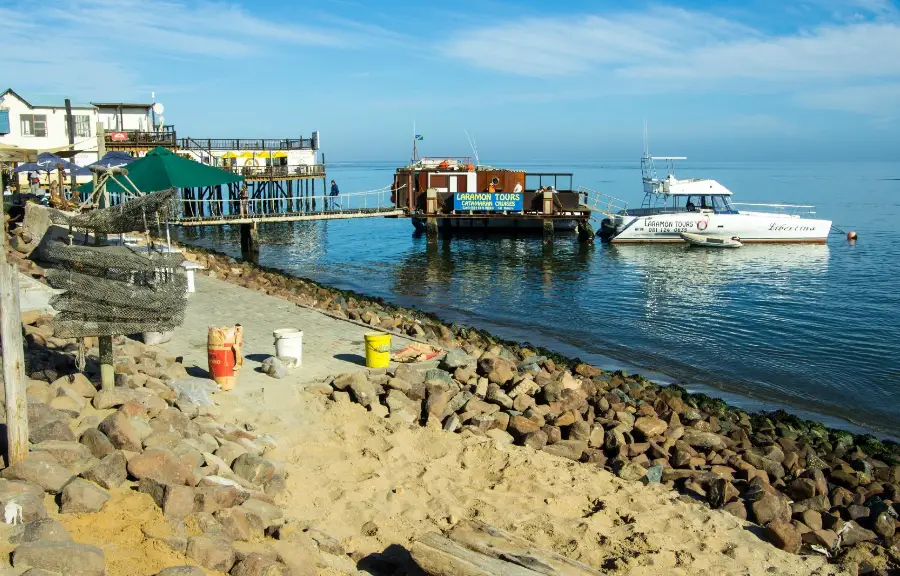
Boat cruises are one of the most popular things to do in Walvis Bay. Visitors often see seals, pelicans, dolphins, and sometimes whales. Some seals and pelicans come very close to the boats, while guides explain the bay, marine life, and fishing history.
Sandwich Harbour is a major highlight for travellers who want dunes and lagoon views together. Tours usually go by boat or 4×4 vehicle. The scenery feels wild and open, with sand, water, birds, and big coastal views giving plenty of strong photo stops.
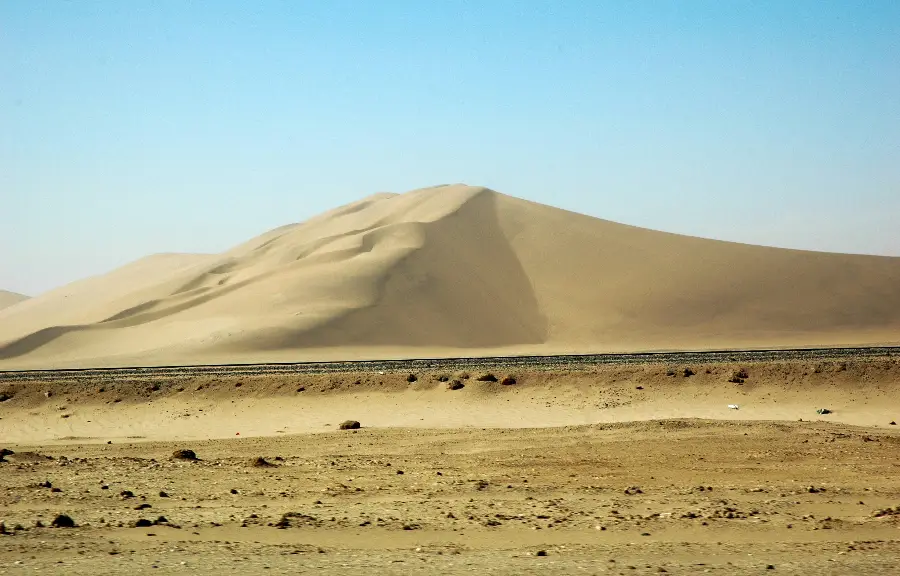
Dune 7 sits just outside town and is one of the best-known dunes near Walvis Bay. Travellers climb it for wide desert views or try sandboarding. It is a short, fun stop for people who want a quick taste of Namibia’s dune landscape.
Swakopmund is only about 30 kilometres away, so many travellers visit both towns together. Swakopmund has colonial buildings, cafés, beach walks, markets, and adventure activities. Walvis Bay gives the harbour, lagoon, birds, and boat trips, while Swakopmund adds a livelier coastal town feel.
Walvis Bay is easy to add to a Namibia trip because it has road links, an airport, coastal attractions, and nearby Swakopmund. Travelers can reach it by car, flight, shuttle, or guided tour, depending on their route and time.
The airport is about 16 kilometers from town, close to the dune area. Flights from Windhoek take about one hour. From the airport, travelers can use taxis, hotel shuttles, or rental cars to reach the city, the waterfront, or nearby accommodations.
Driving from Windhoek is also common. The paved route through the B6, B1, and B2 covers roughly 440 kilometers from Hosea Kutako International Airport. There are more scenic gravel options, too, but those need extra time and a little more care.
Travelers coming from the south often arrive after visiting Sossusvlei. The drive toward Walvis Bay can be beautiful, with long stretches of desert and remote gravel sections. Carry water, fuel, snacks, and a spare tire plan, especially when traveling away from main roads.
Many visitors sleep in Swakopmund and visit Walvis Bay during the day. Still, staying in Walvis Bay works well for early boat trips, lagoon walks, seafood dinners, and Sandwich Harbor pick-ups. Accommodation near the promenade or waterfront is usually the most convenient.
Walvis Bay feels busy near the harbour, then calm beside the lagoon. Expect flamingos, pelicans, seals, boat trips, fresh seafood, salt pans, nearby dunes, and easy day trips toward Sandwich Harbour or Swakopmund.
These Namibia Safari Itineraries bring together the country’s wide range of travel experiences, from wildlife parks and desert roads to coastal towns, cultural stops, and quiet lodge stays. Some routes are short and focused. Others stretch across several regions. And for travelers comparing Namibia Safari Packages, these itineraries make it easier to choose a trip that fits their time, comfort, and travel style.
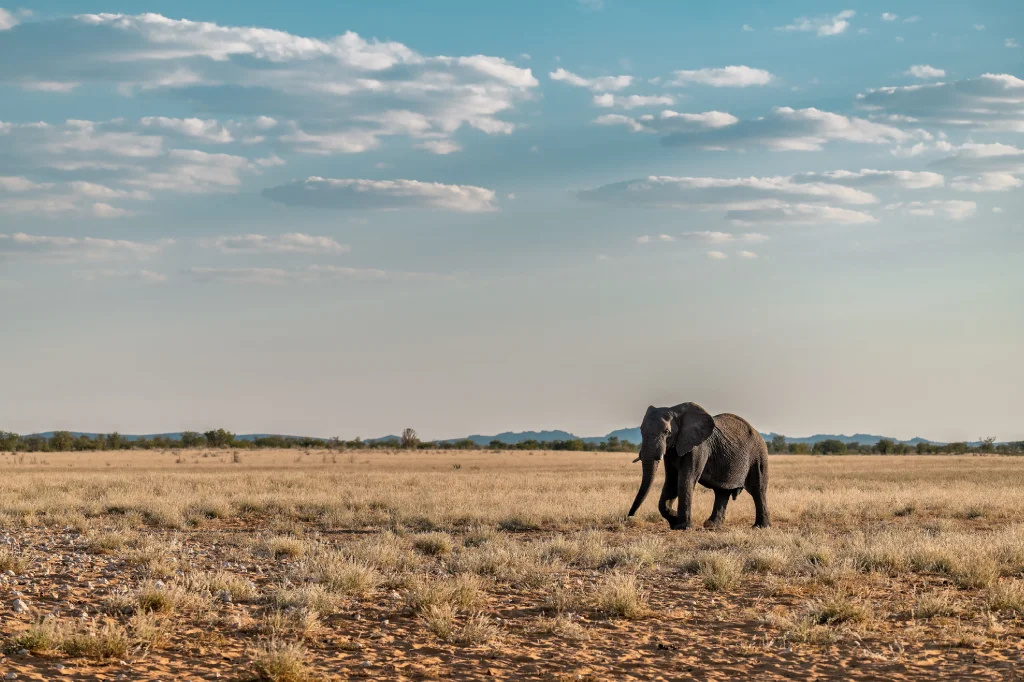
2 Destinations: Etosha National Park → Namibia
View Details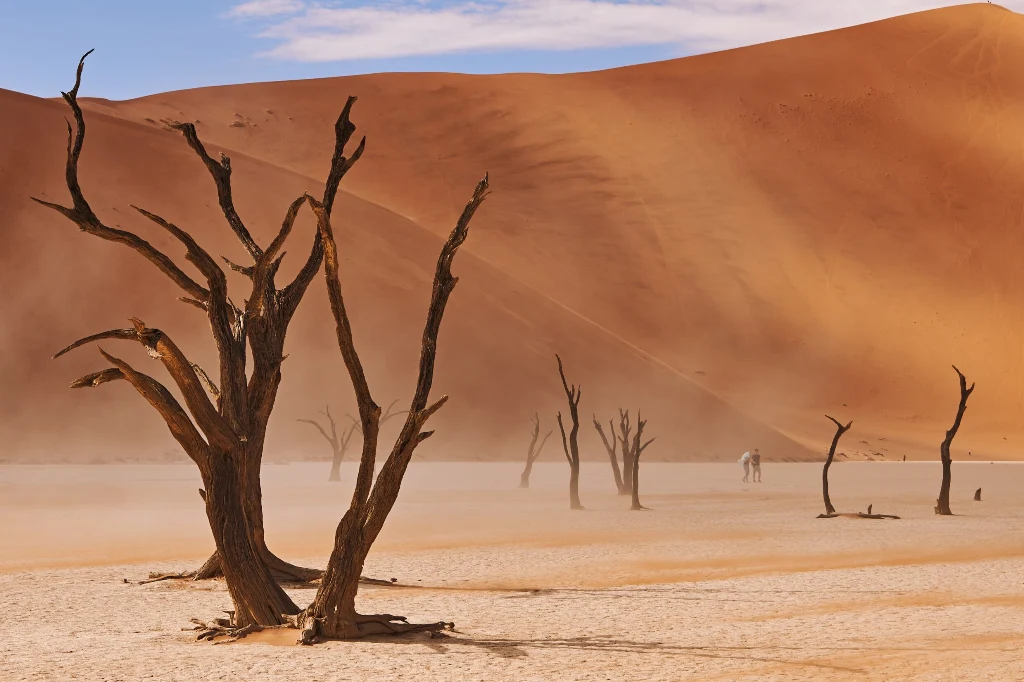
5 Destinations: Botswana → Etosha National Park → Namibia → Sossusvlei → Swakopmund
View Details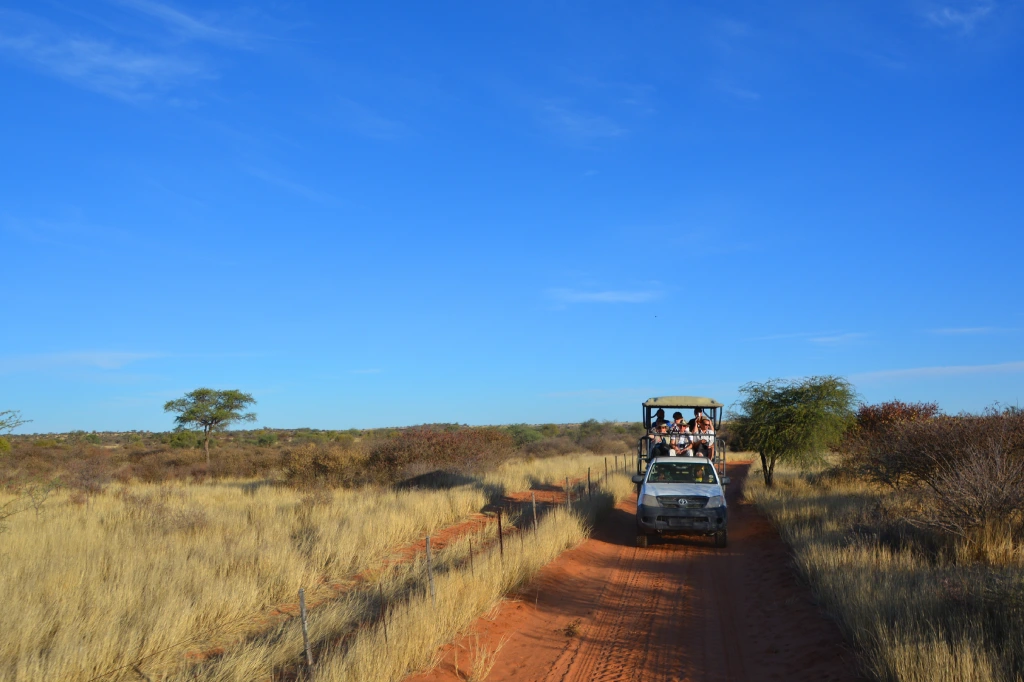
6 Destinations: Etosha National Park → Namibia → Sossusvlei → Spitzkoppe → Swakopmund → Windhoek
View Details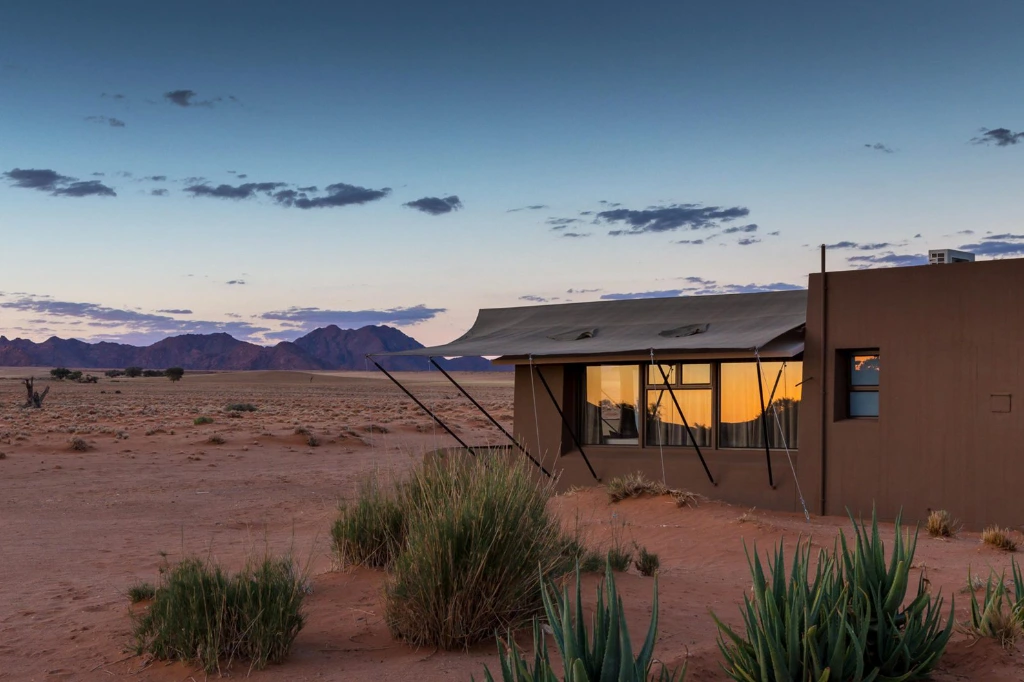
5 Destinations: Etosha National Park → Namibia → Sossusvlei → Swakopmund → Windhoek
View Details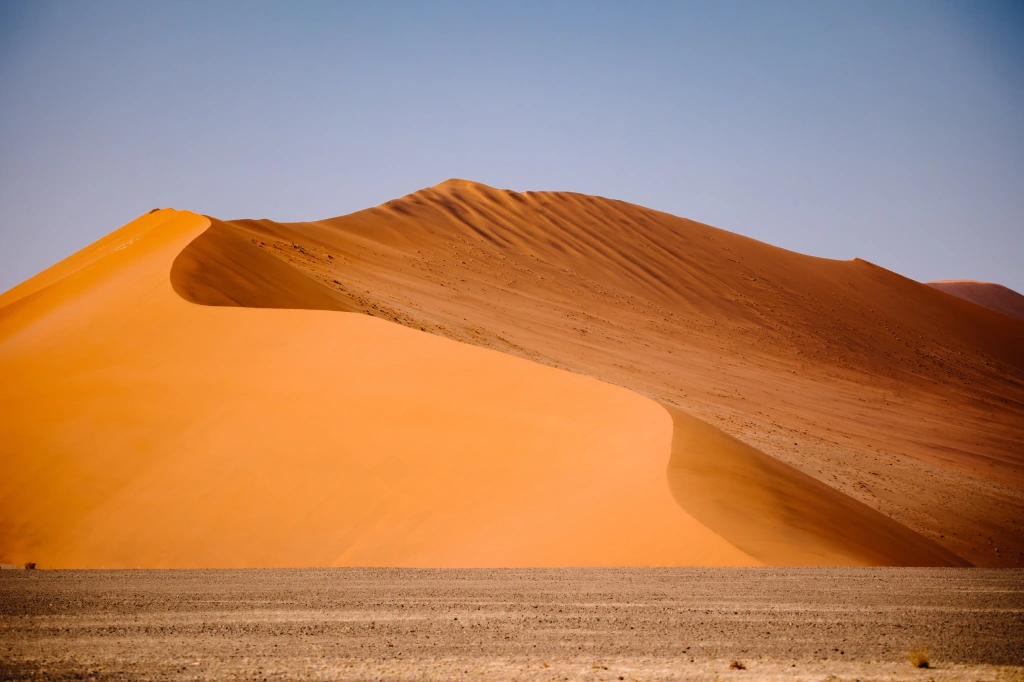
5 Destinations: Etosha National Park → Namibia → Sossusvlei → Swakopmund → Windhoek
View Details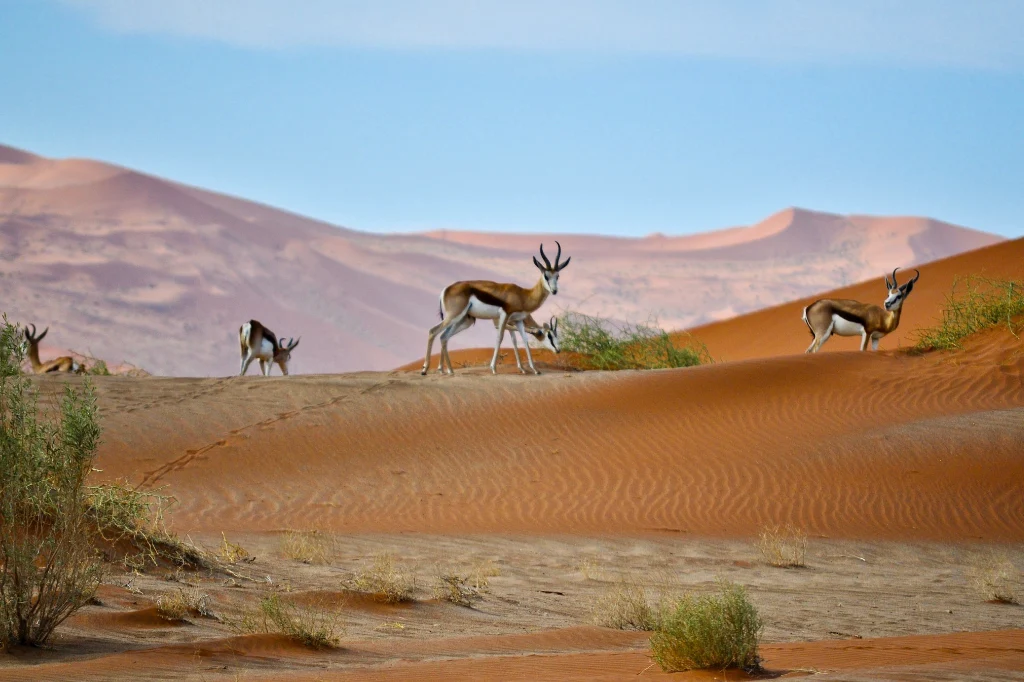
6 Destinations: Botswana → Etosha National Park → Namibia → Sossusvlei → Swakopmund → Zimbabwe
View Details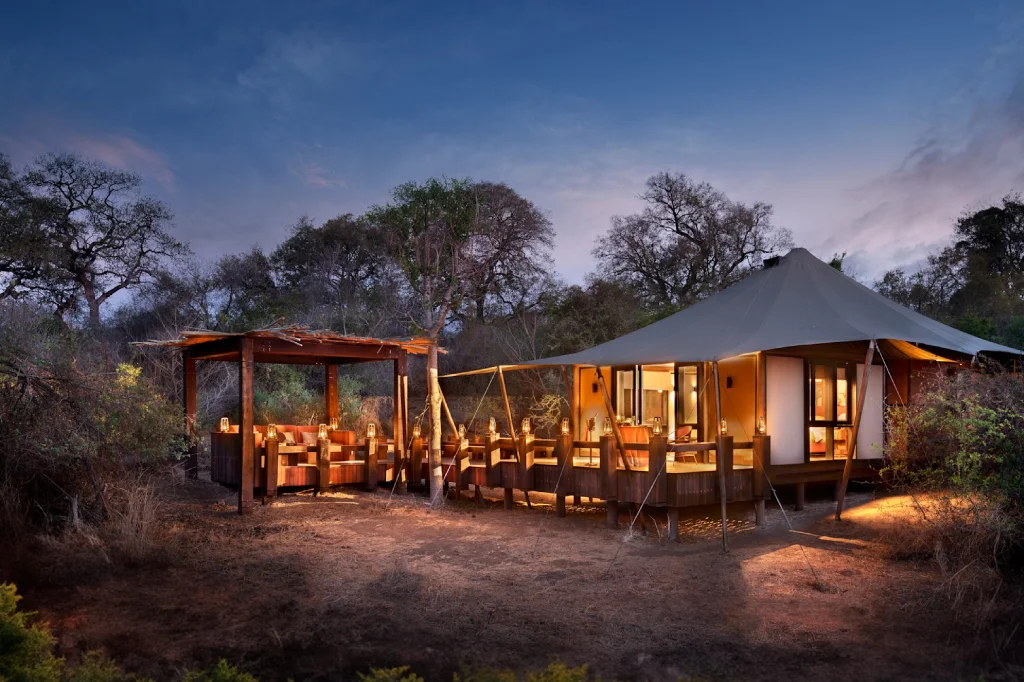
6 Destinations: Etosha National Park → Fish River Canyon → Namibia → Sossusvlei → Swakopmund → Twyfelfontein
View Details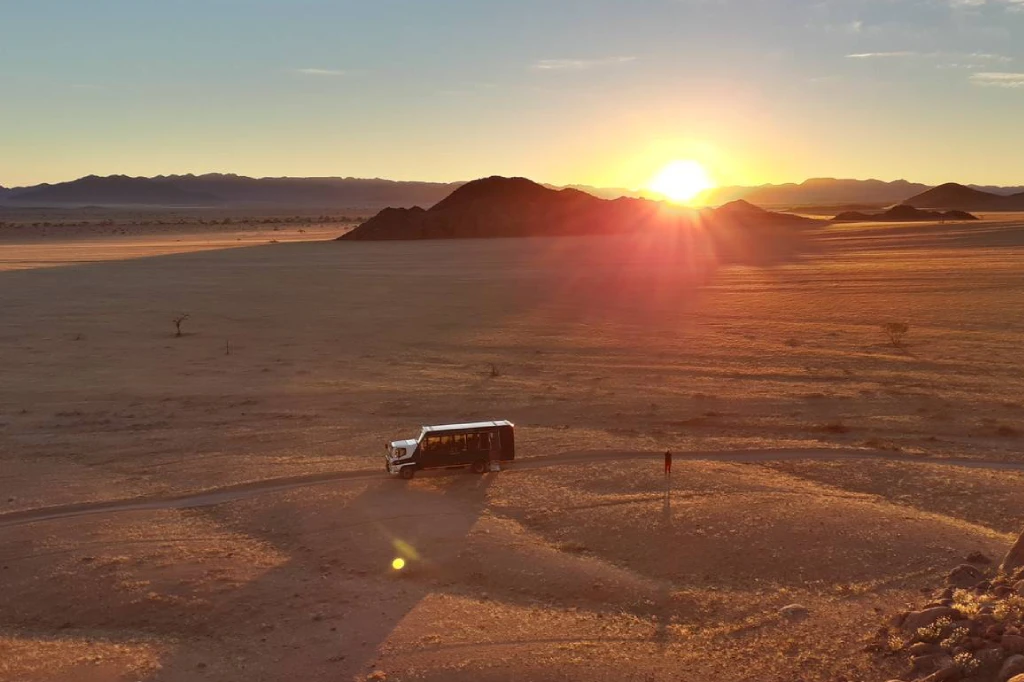
6 Destinations: Botswana → Etosha National Park → Namibia → Sossusvlei → Swakopmund → Zimbabwe
View Details
7 Destinations: Etosha National Park → Kamanjab → Namibia → Spitzkoppe → Swakopmund → Twyfelfontein → Windhoek
View Details
4 Destinations: Etosha National Park → Namibia → Sossusvlei → Swakopmund
View Details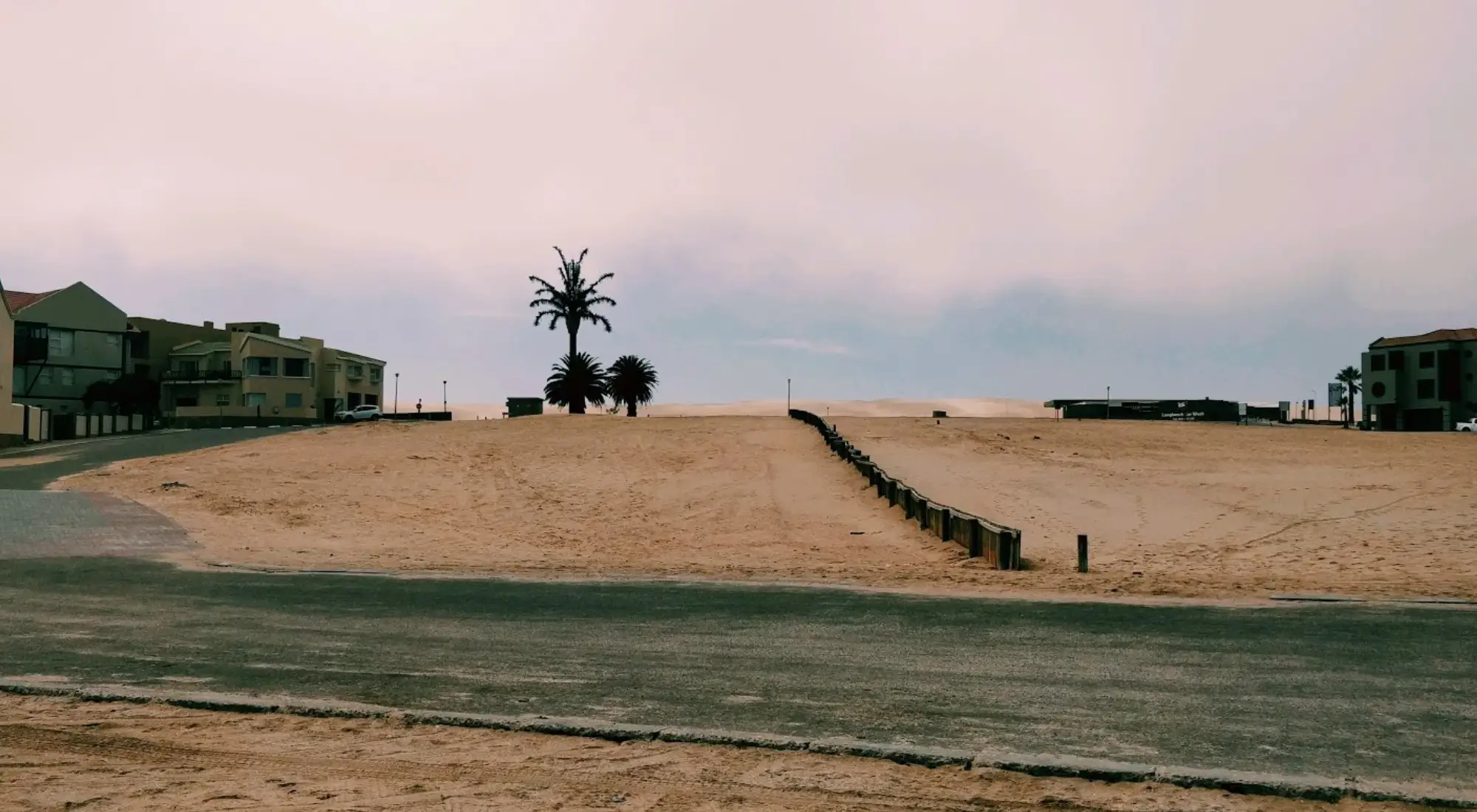
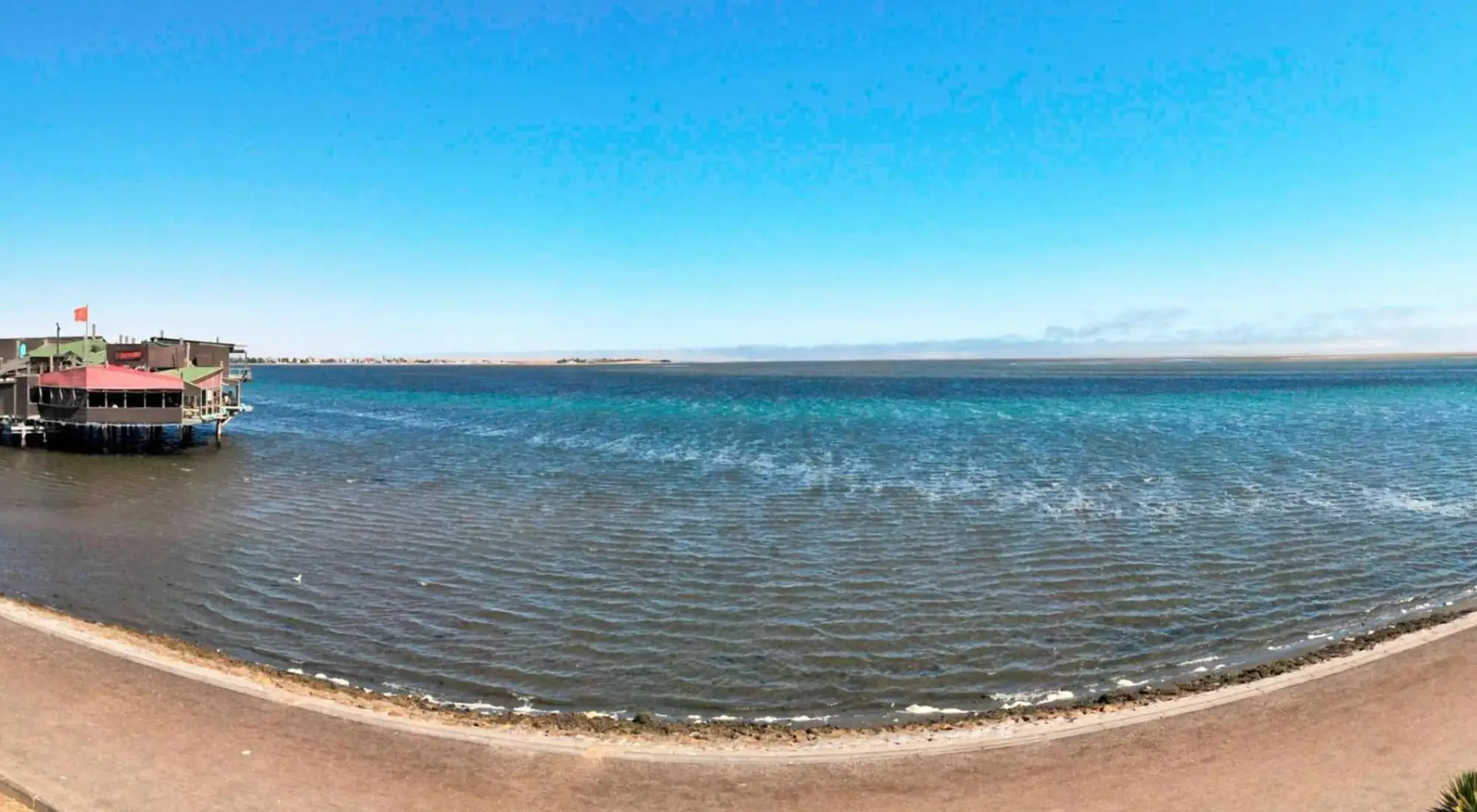
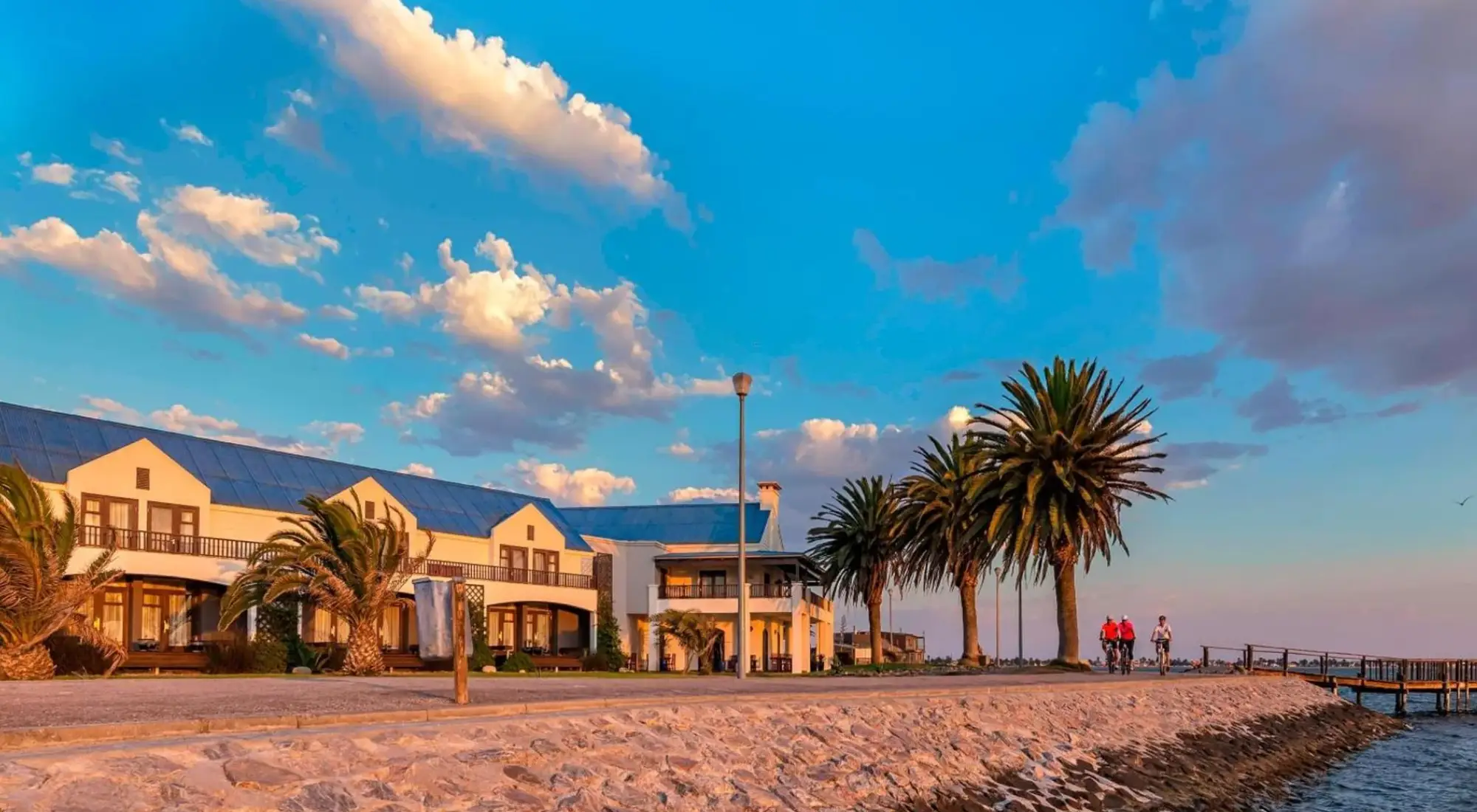
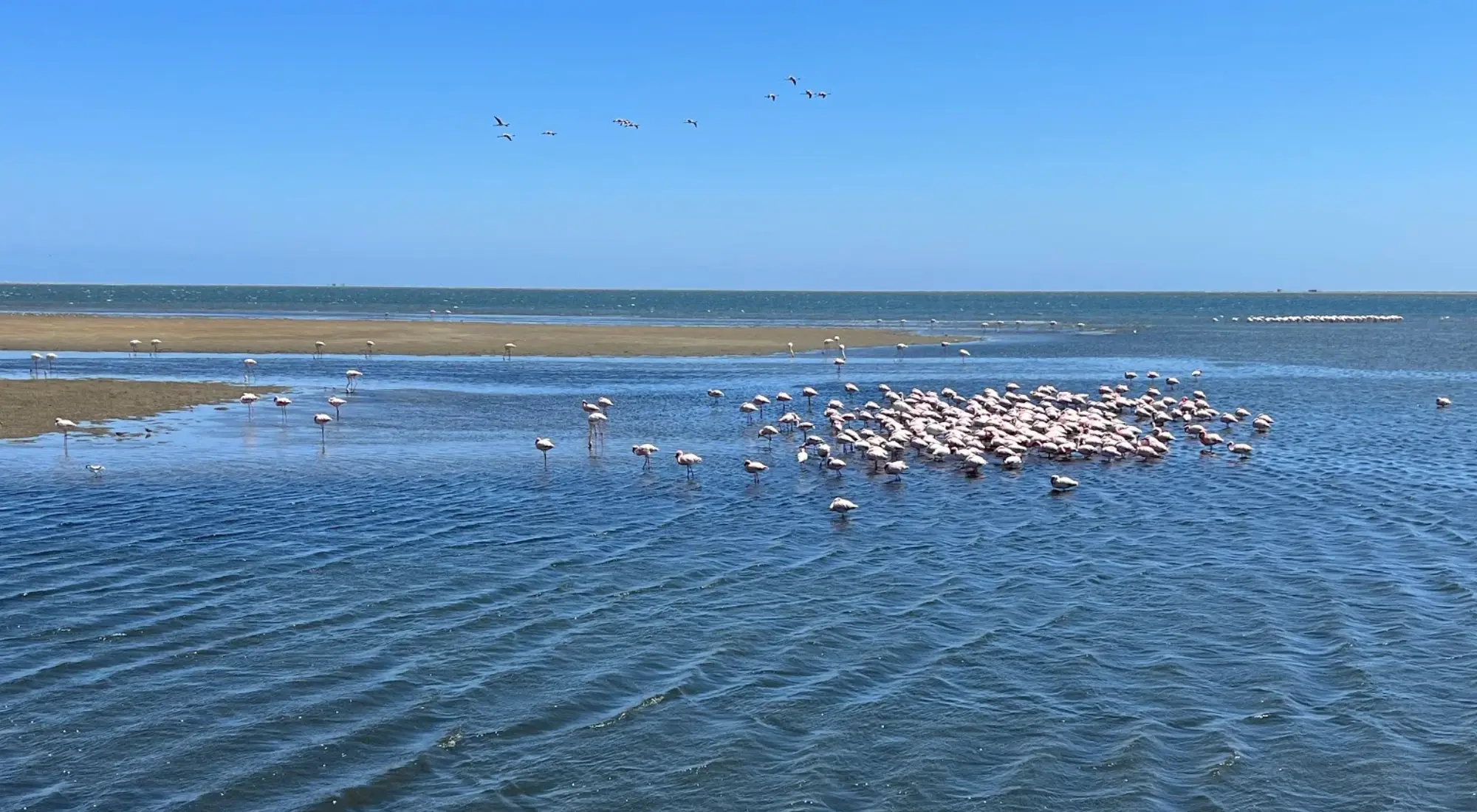
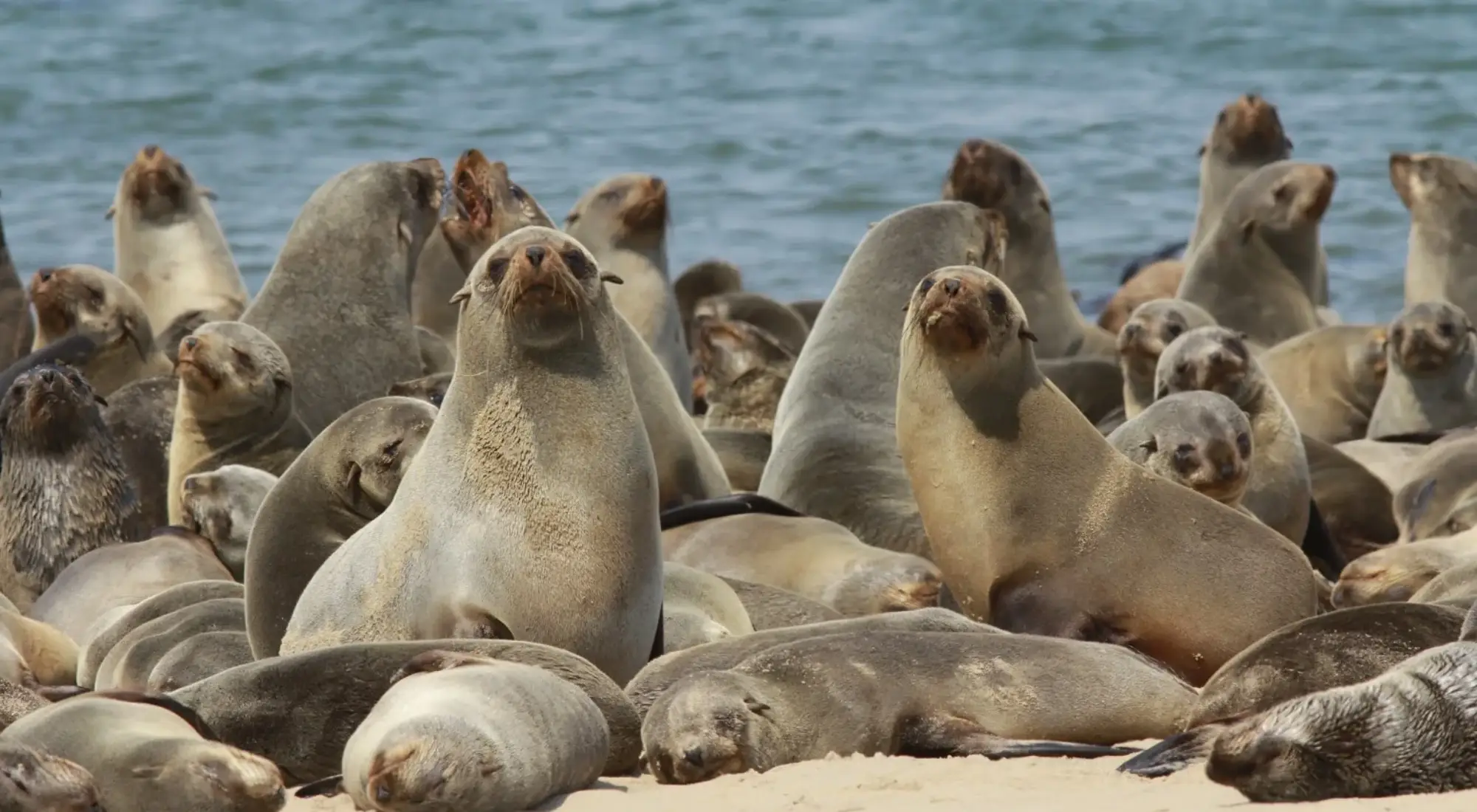
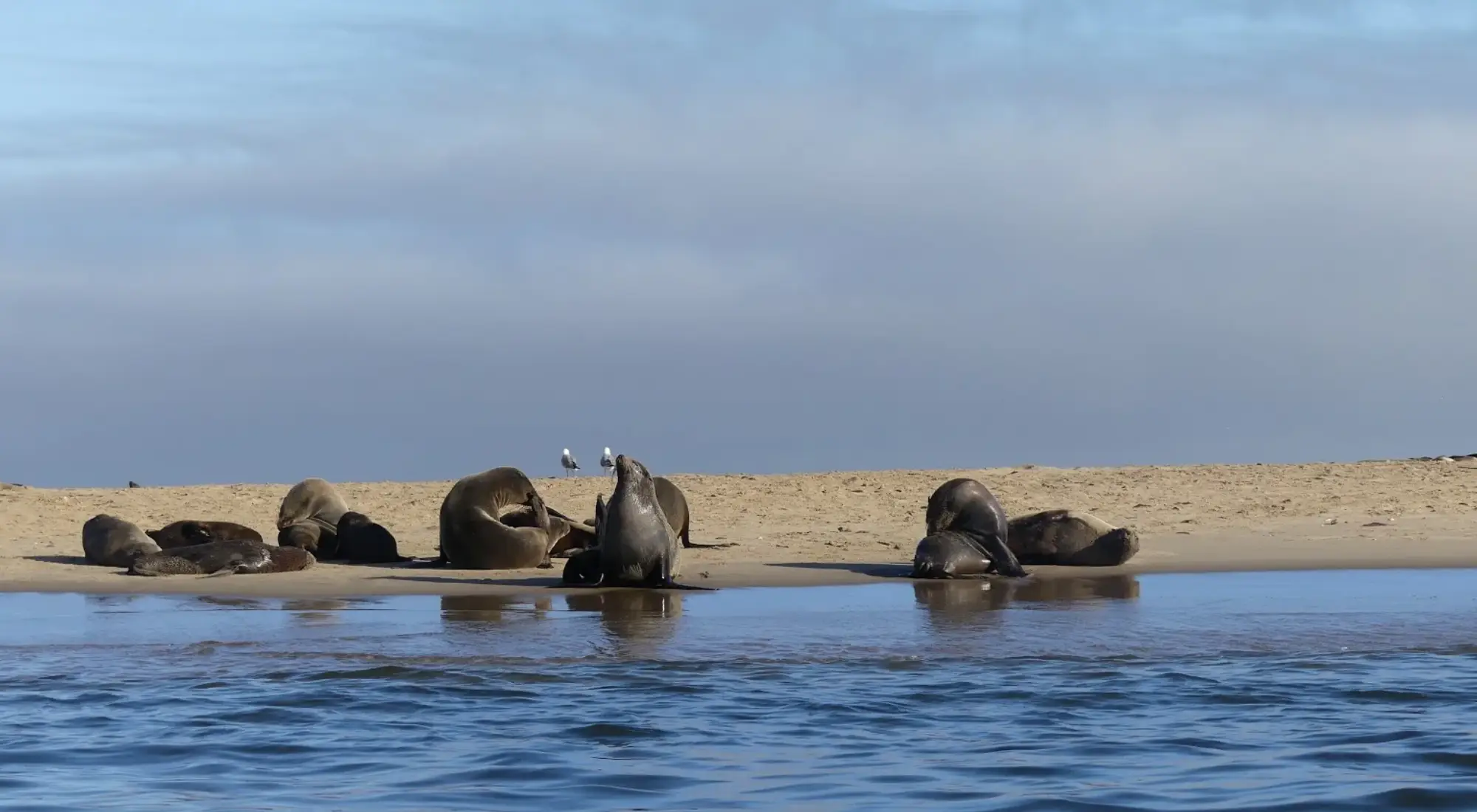
This gallery shows Walvis Bay’s calm lagoon, flamingos, harbor scenes, salt pans, boat trips, and nearby dunes. All these images give a clear feel of the town’s coastal life and desert edge.
Walvis Bay is not only a harbour town. It has fishing boats, salt pans, sea fog, flamingos, pelicans, calm lagoon water, and dunes sitting just outside the city. These FAQs cover the basics travellers usually ask before visiting, from its history and climate to activities, sightseeing, and how to get there.
Namibia has a lot to pull travelers in. Wide desert dunes, wildlife parks, salt pans, coastal towns, canyons, and quiet wilderness areas all sit within one country. This section brings the main attractions in Namibia together, so travelers can see what fits their route, time, comfort level, and the kind of journey they want.
Our Namibian tour was an unforgettable experience from start to finish. Henzel was both our guide and driver, and he did an outstanding job in both roles. He was incredibly thorough and well-prepared, always sharing detailed insights about the landscapes, wildlife, and local culture. You could tell he truly knew and loved the country.

We did the “7 Days Wildlife Etosha and Sossusvlei Namibian Safari (Accommodated)” with Safari World Tours in December 2023 and it was the best choice for our family! We are experienced travelers (49 countries visited) and found that to travel to Namibia with a small child (4 years old) a tour would the the best option






 English
  German