+264 81 8211 521
info@safariworldtours.com
Deals & Discounts


A simple roadside stop with real geographic meaning in Namibia
The Tropic of Capricorn is one of Namibia’s most photographed roadside stops. You will often see it between Sossusvlei and Walvis Bay, marked by two colorful signs on either side of the desert road.
This line is one of the five major circles of latitude and runs parallel to the equator. It marks the southernmost point where the sun can appear directly overhead. In Namibia, many travellers stop here during long desert drives, take quick photos, and enjoy a small but memorable geographic moment.
The Tropic of Capricorn currently sits near 23.5 degrees south, though its exact position slowly shifts north each year. This makes the roadside signs slightly imperfect, but still meaningful for travelers exploring Namibia’s Travel Destinations and desert routes.

Gather ideas from our Namibia tour packages, or let our consultants help you picture the possibilities. We can build the journey around your time, style, and interests.
The Tropic of Capricorn marker is found along key driving routes in Namibia, including the road between Sossusvlei and Walvis Bay. Travellers also see a marker near the route from Keetmanshoop toward Windhoek, after Mariental. It is a simple roadside stop, often added to longer desert, coastal, or self-drive journeys.
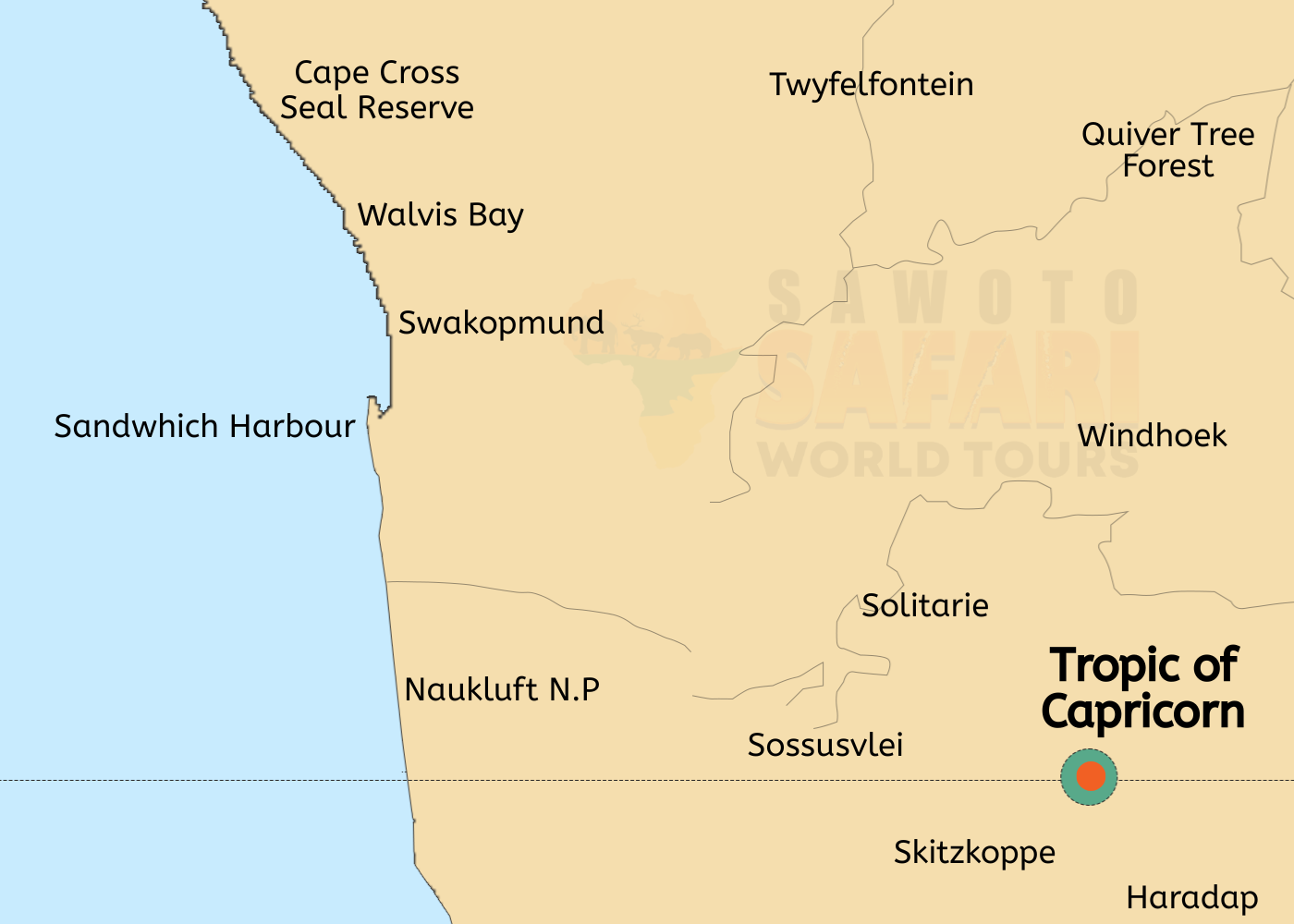
The Tropic of Capricorn is a small roadside stop with big geographic meaning. In Namibia, the marker appears along desert driving routes near wide, dry landscapes and long open roads. Travellers stop here for photos, a short break, and the fun of standing beside an invisible latitude line that connects countries across the southern part of the world.
The Tropic of Capricorn can be visited throughout the year, since it is a roadside marker rather than a seasonal attraction. Your best visit depends on driving comfort, daylight, desert heat, and the route you choose across Namibia’s dry interior roads.
May to September is usually the most comfortable period for stopping at the Tropic of Capricorn marker. The air is cooler, the sun feels less harsh, and long road journeys are easier to manage. Many travellers prefer these months for Namibia self-drive routes, especially when moving between Windhoek, Sossusvlei, Swakopmund, Walvis Bay, and desert viewpoints.
October to April can feel much warmer, especially during midday stops on open roads. The sign is easy to visit, but the heat can make even a short pause feel tiring. Morning or late afternoon works better for photos, with softer light, cooler air, and fewer problems from strong sun, glare, and dry wind.
The stop itself does not take long, which makes it easy to fit into a busy route. Most visitors spend ten to fifteen minutes here, taking photos, reading the marker, and stretching after a long drive. It is simple, quick, and still oddly satisfying during a Namibia road trip.
Weather can still surprise you, even at a short roadside stop. Wind, dust, bright sun, and dry air are common across this region. Carry water, sunscreen, sunglasses, and a hat in the vehicle. And if you are self-driving, check fuel, tyre pressure, and distance before leaving the nearest town.
The Tropic of Capricorn is known more for geography than buildings or monuments. Its story comes from latitude, the sun, world maps, navigation, and the old human habit of marking important invisible lines with something clear and simple on land.
The Tropic of Capricorn is one of the five major circles of latitude on Earth. It lies at about 23.5 degrees south of the equator. This line marks the farthest southern latitude where the sun can appear directly overhead during the December solstice, giving it real value in world geography.
In Namibia, the roadside sign turns an invisible line into a clear travel stop. The exact latitude is not completely fixed, as it shifts slowly over time. So the marker is more symbolic than perfectly exact, but it still gives travellers a fun and useful point to pause.
This latitude passes through many countries, including Namibia, Botswana, South Africa, Mozambique, Australia, Brazil, Chile, Argentina, Paraguay, and Madagascar. If traced from the Prime Meridian, it first reaches land on Namibia’s coast. That gives Namibia a small but interesting link to this global geographic line and its wider journey.
Over the years, the marker has become a road-trip tradition for travellers. People stop, take photos, pose beside the sign, laugh a little, and continue toward their next destination. It is not a grand attraction, but it gives a long desert drive a small, memorable break.
The Tropic of Capricorn marker stands in a dry Namibian landscape, where nature looks quiet at first. The area around the road may still hold hardy plants, desert birds, and occasional wildlife moving across open plains and gravel routes.
Plant life near the marker is sparse, but not absent. Small shrubs, dry grasses, and tough desert plants can survive in the surrounding plains. They handle strong sun, poor soil, and little rainfall. This simple roadside setting quietly shows how life continues even in Namibia’s dry and exposed regions.
Wildlife sightings are possible in the wider area, though they are not guaranteed. Travellers may sometimes see oryx, springbok, ostrich, or smaller desert animals during the drive. The Tropic of Capricorn stop is mainly geographic, but the surrounding desert still gives small chances for natural encounters.
Birds may also be seen along the road and nearby open spaces. Dry-country species move through the area looking for food, shade, or water. Early mornings can feel best for noticing them, as the light is softer, the air is cooler, and the desert feels less disturbed.
The natural charm of this stop comes from its setting more than its wildlife. Wide skies, gravel plains, distant hills, and quiet roads surround the marker. It feels open and plain in a good way, giving travellers a small taste of Namibia’s dry interior scenery.
The Tropic of Capricorn is a short roadside stop, so activities stay simple. Travelers usually visit for photos, a quick stretch, a geography moment, and a small break while driving between Namibia’s desert, coast, and interior destinations.
Taking photos is the main activity here. The colorful sign gives travelers an easy road-trip memory, especially on routes between Sossusvlei, Walvis Bay, Swakopmund, Windhoek, or Keetmanshoop. People often stand beside the marker, point at the latitude, or capture the empty road behind it.
Reading the sign is also worth a moment. It explains that you are standing beside one of the earth’s major latitude lines, around 23.5 degrees south of the equator. That small detail can turn a simple roadside stop into something more curious and meaningful.
Many travellers use this place to stretch their legs and reset during a long drive. Namibia’s roads can feel wide, dry, and endless at times. A short pause at the Tropic of Capricorn gives the journey a light break without taking much time from the day.
The marker also fits well into wider Namibia routes. It pairs naturally with Sossusvlei, Solitaire, Walvis Bay, Swakopmund, Windhoek, and Keetmanshoop journeys. There are no major facilities here, so come prepared. Treat it as a quick, interesting pause rather than a full visitor site.
A short stop at the Tropic of Capricorn brings desert views, a famous latitude marker, road-trip photos, and a quick geography moment. It is simple, easy, and useful for long driving routes in Namibia.
These Namibia Safari Itineraries bring together the country’s wide range of travel experiences, from wildlife parks and desert roads to coastal towns, cultural stops, and quiet lodge stays. Some routes are short and focused. Others stretch across several regions. And for travelers comparing Namibia Safari Packages, these itineraries make it easier to choose a trip that fits their time, comfort, and travel style.
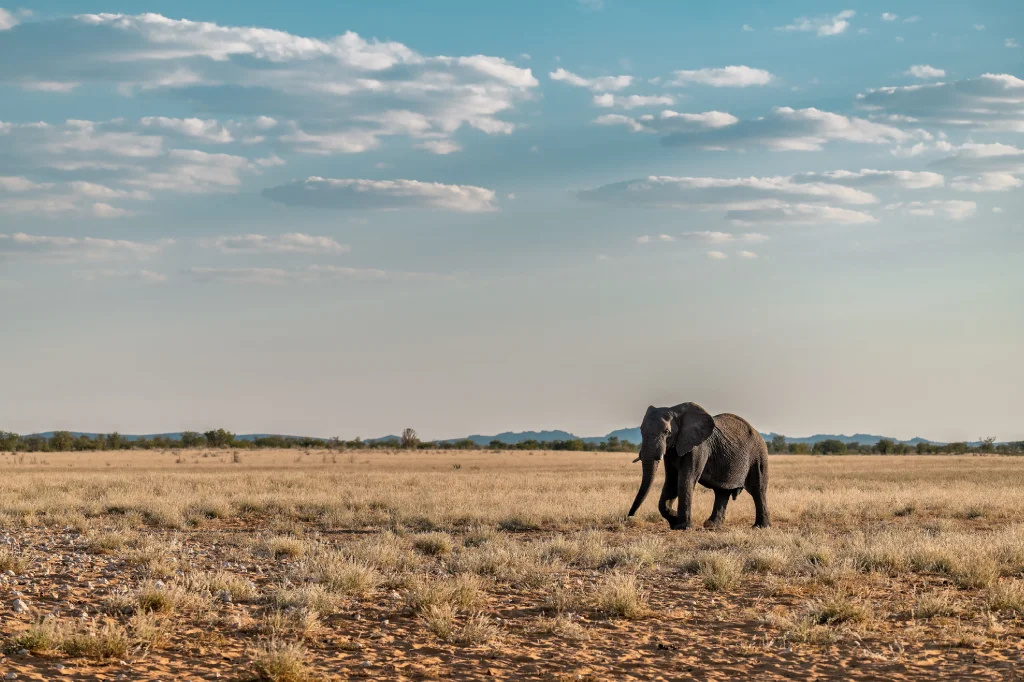
2 Destinations: Etosha National Park → Namibia
View Details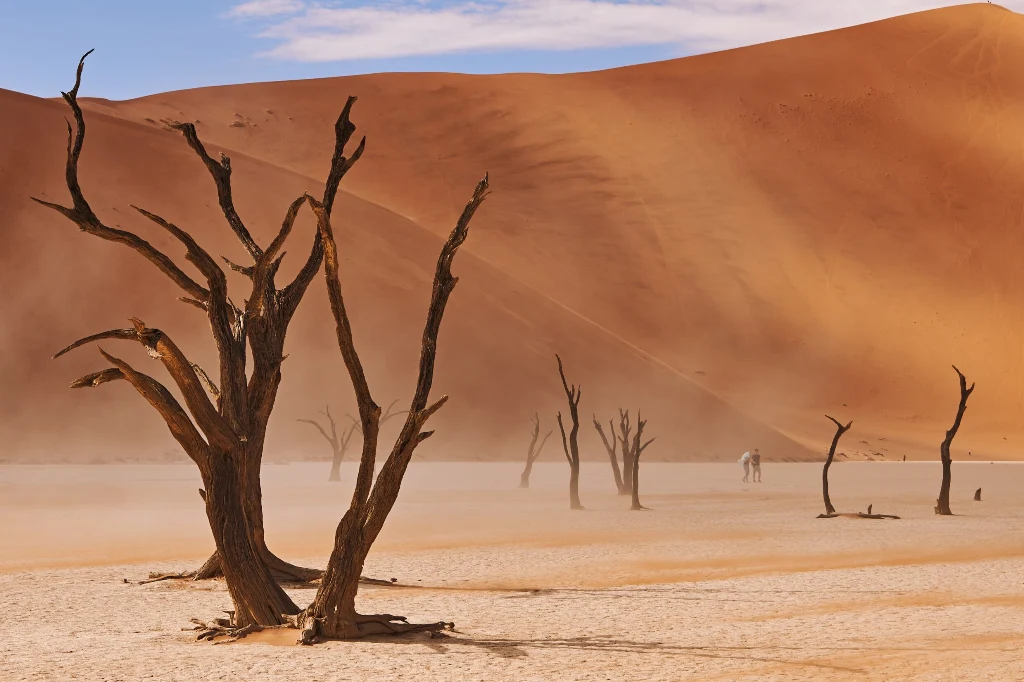
5 Destinations: Botswana → Etosha National Park → Namibia → Sossusvlei → Swakopmund
View Details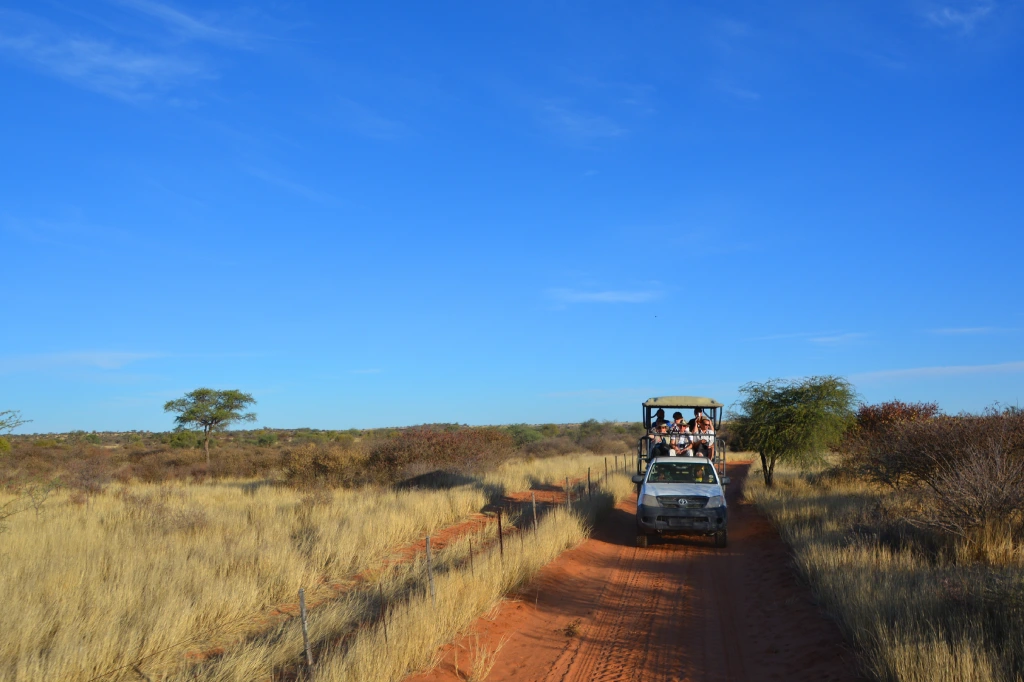
6 Destinations: Etosha National Park → Namibia → Sossusvlei → Spitzkoppe → Swakopmund → Windhoek
View Details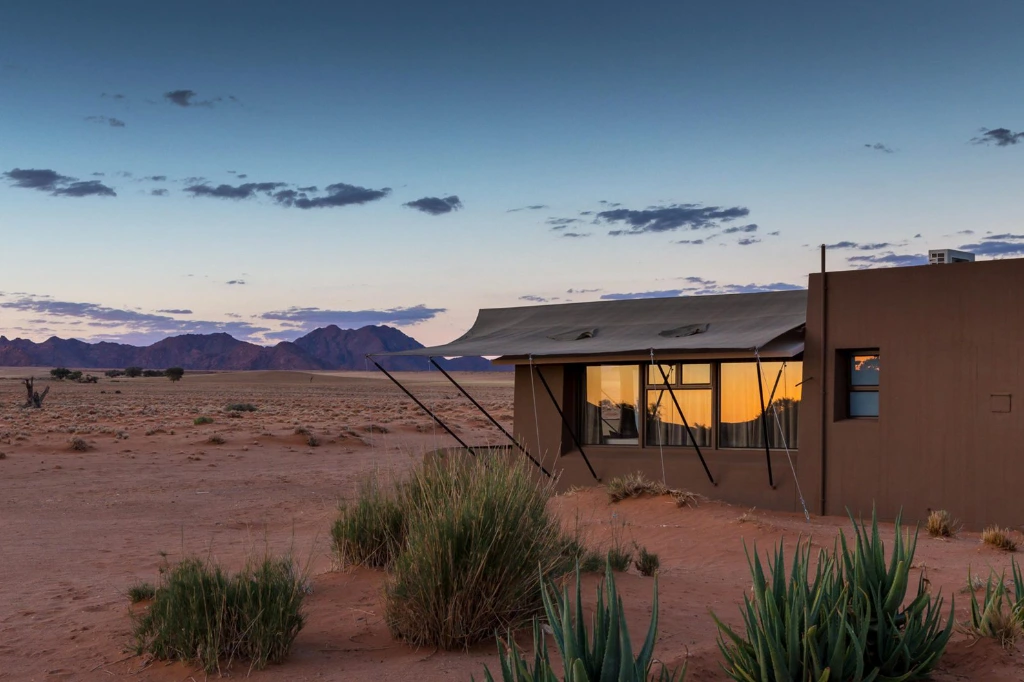
5 Destinations: Etosha National Park → Namibia → Sossusvlei → Swakopmund → Windhoek
View Details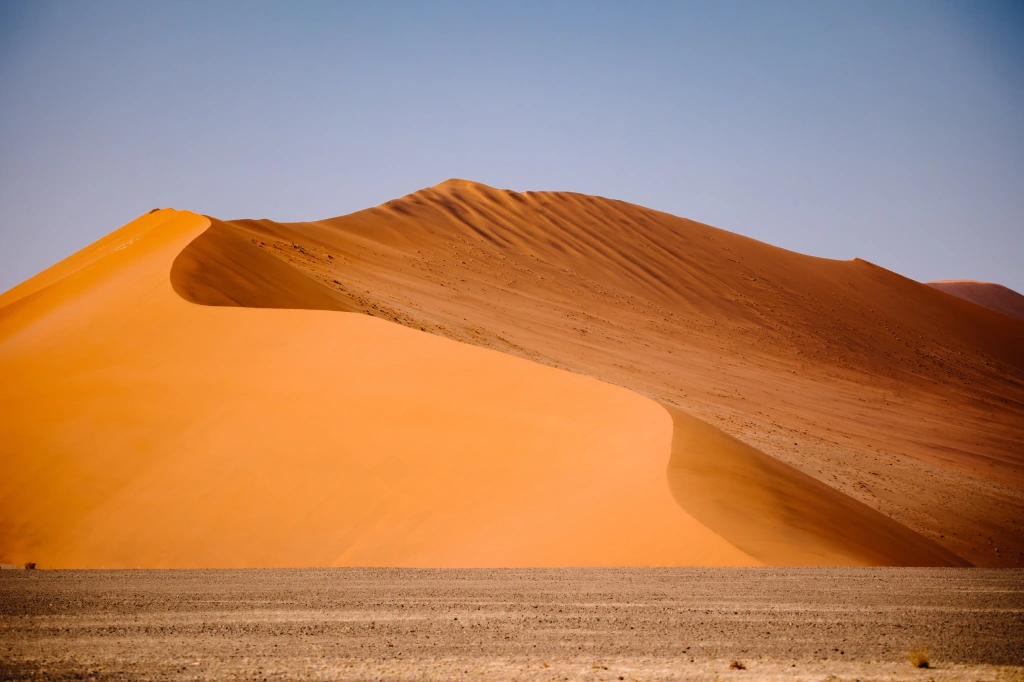
5 Destinations: Etosha National Park → Namibia → Sossusvlei → Swakopmund → Windhoek
View Details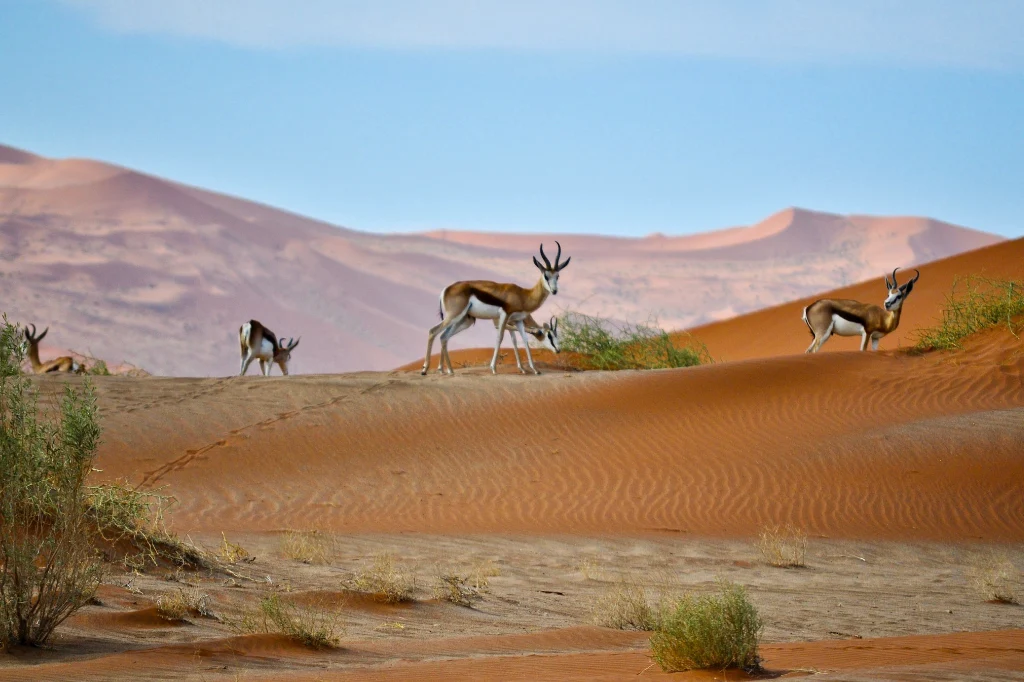
6 Destinations: Botswana → Etosha National Park → Namibia → Sossusvlei → Swakopmund → Zimbabwe
View Details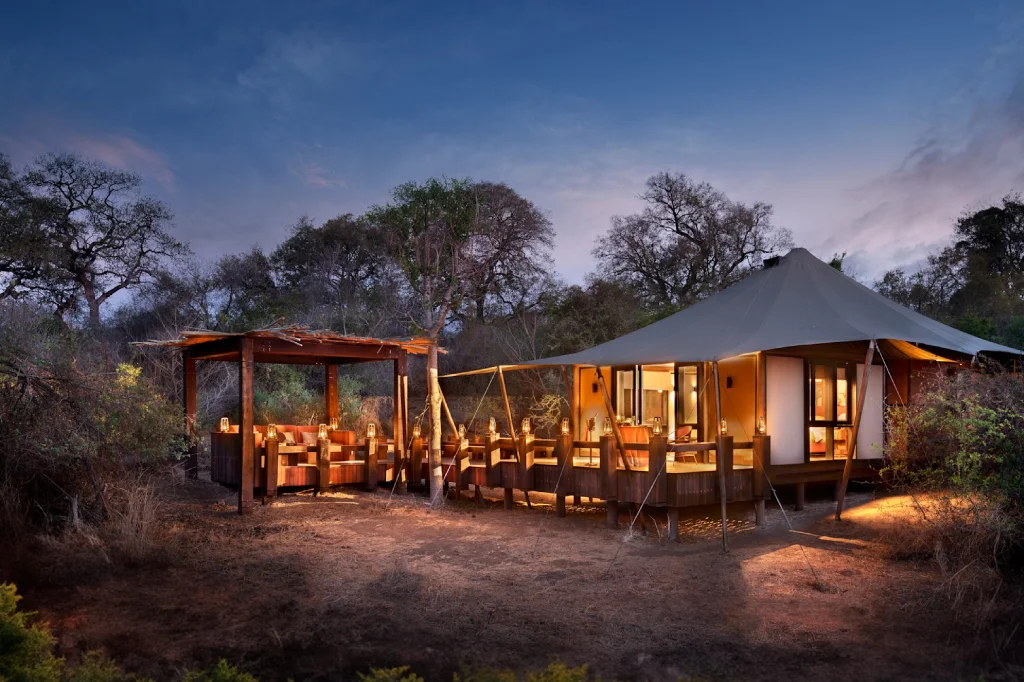
6 Destinations: Etosha National Park → Fish River Canyon → Namibia → Sossusvlei → Swakopmund → Twyfelfontein
View Details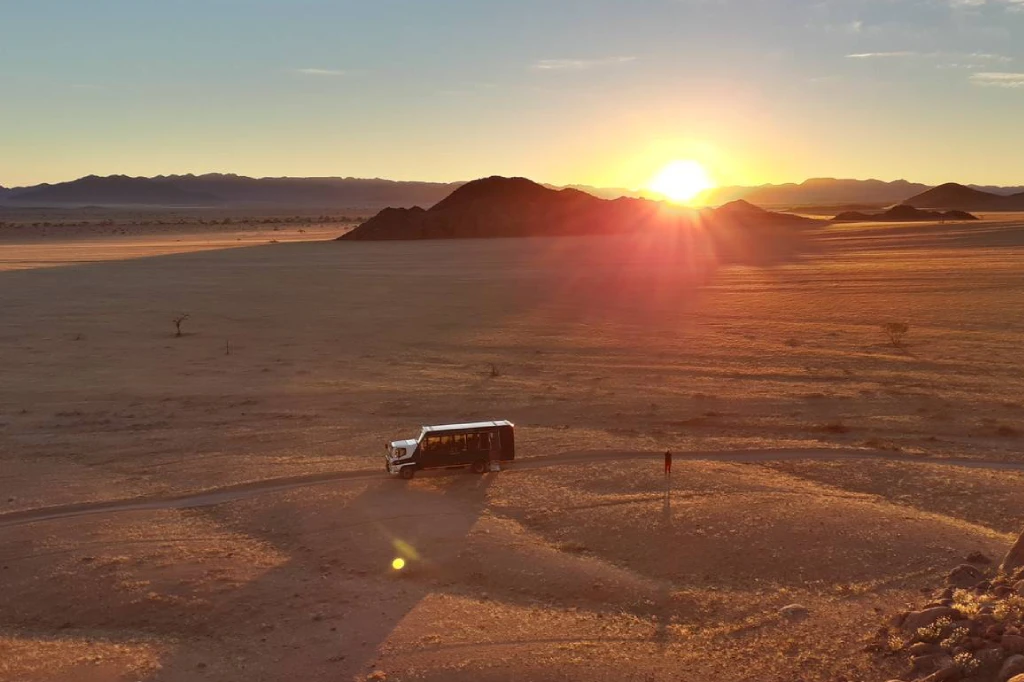
6 Destinations: Botswana → Etosha National Park → Namibia → Sossusvlei → Swakopmund → Zimbabwe
View Details
7 Destinations: Etosha National Park → Kamanjab → Namibia → Spitzkoppe → Swakopmund → Twyfelfontein → Windhoek
View Details
4 Destinations: Etosha National Park → Namibia → Sossusvlei → Swakopmund
View Details
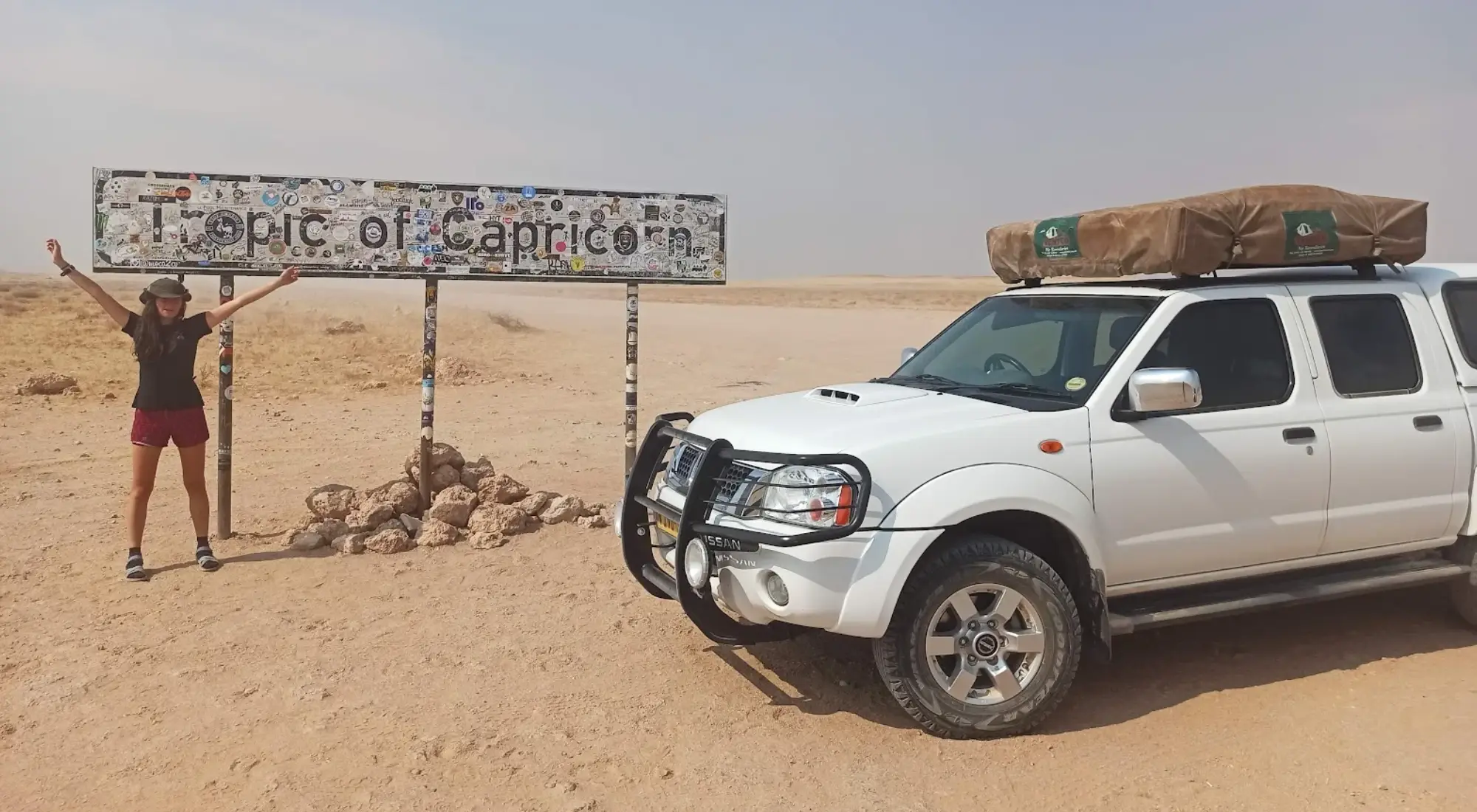
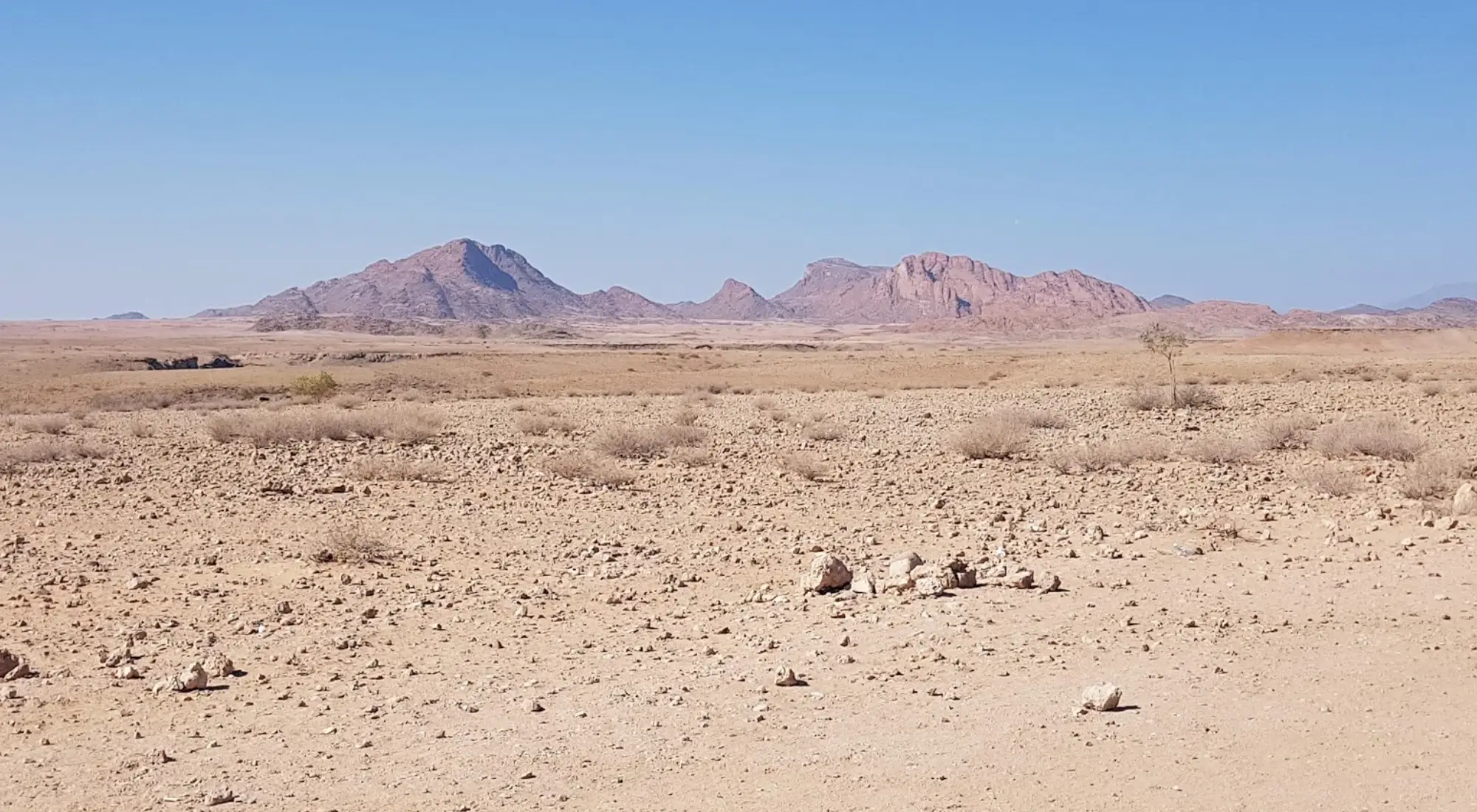
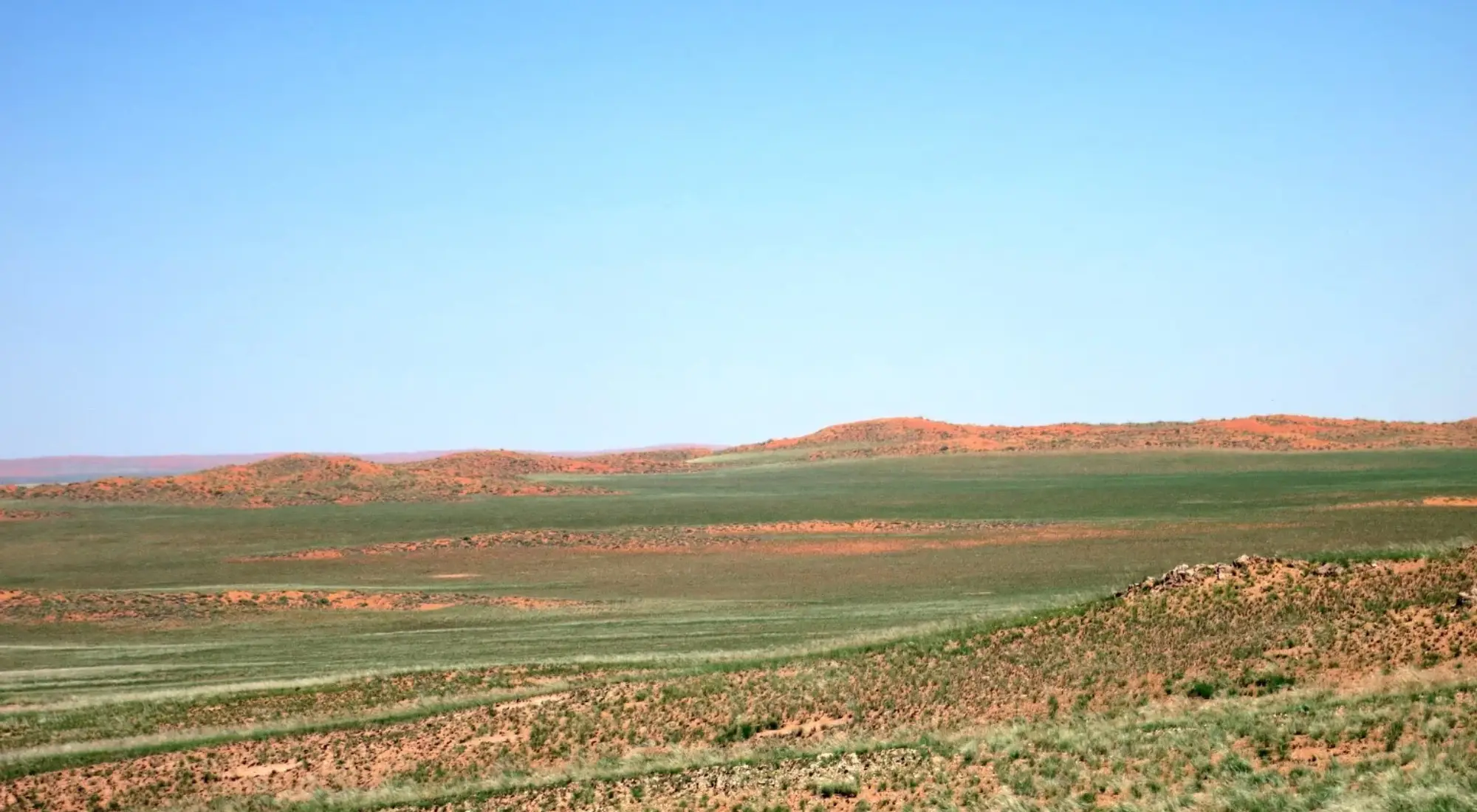
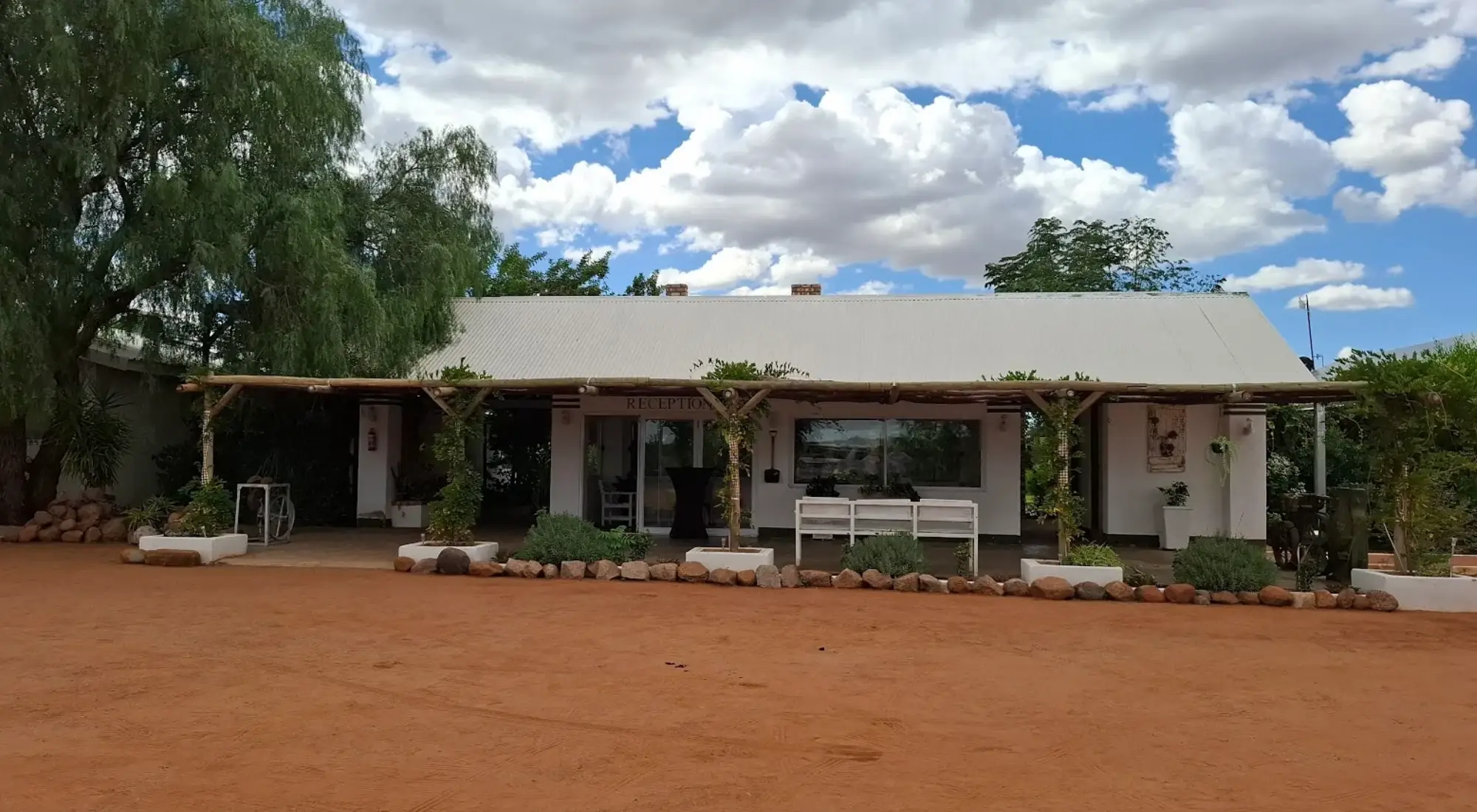
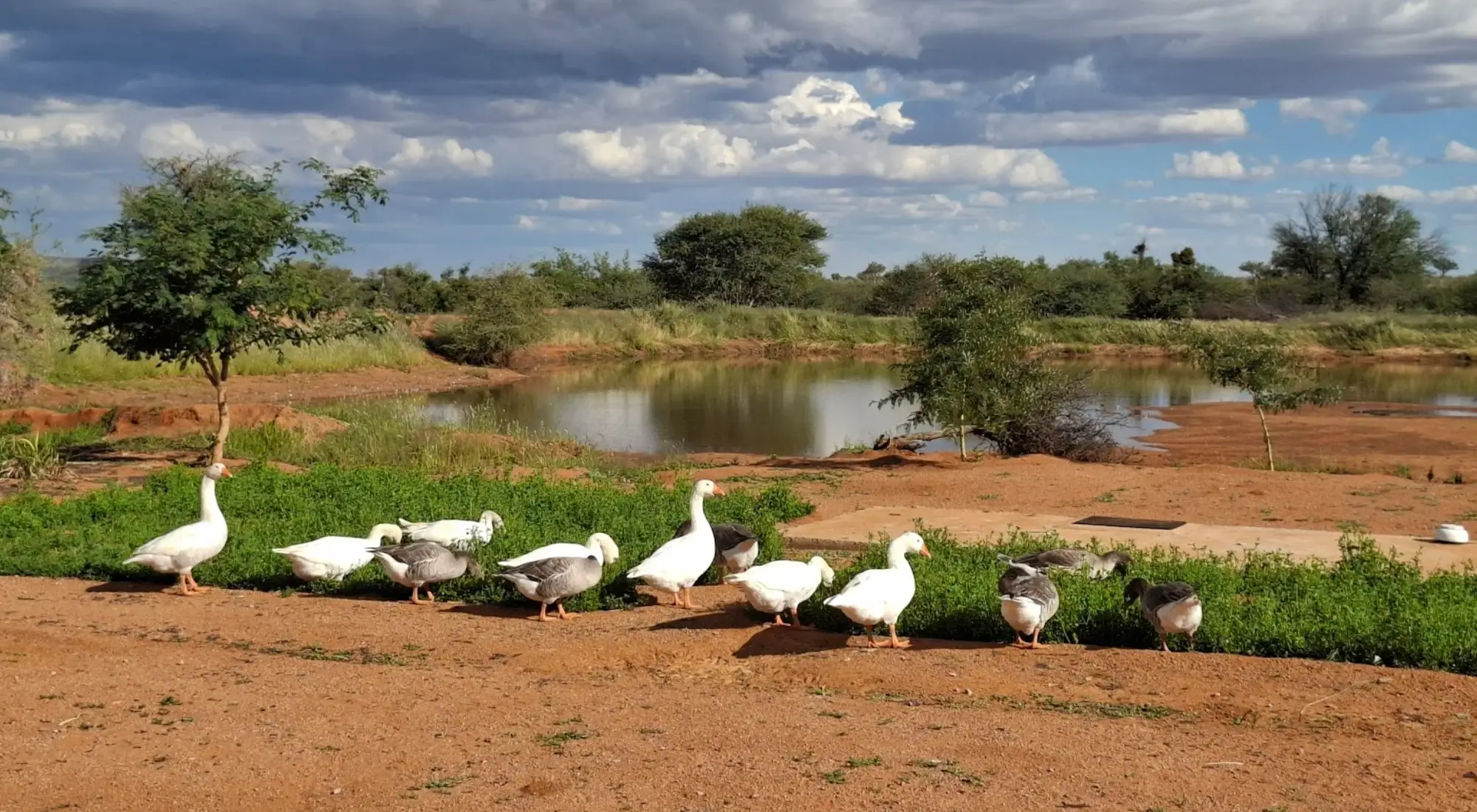
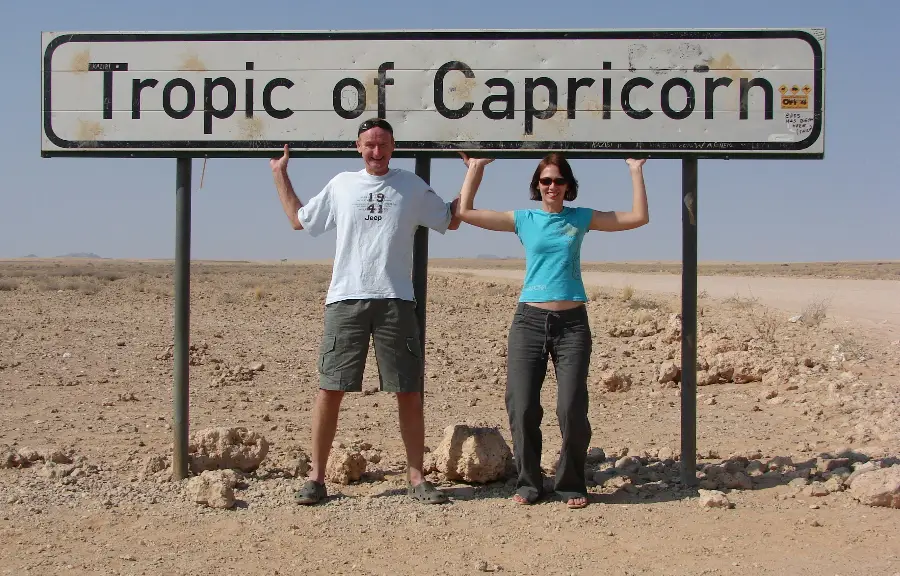
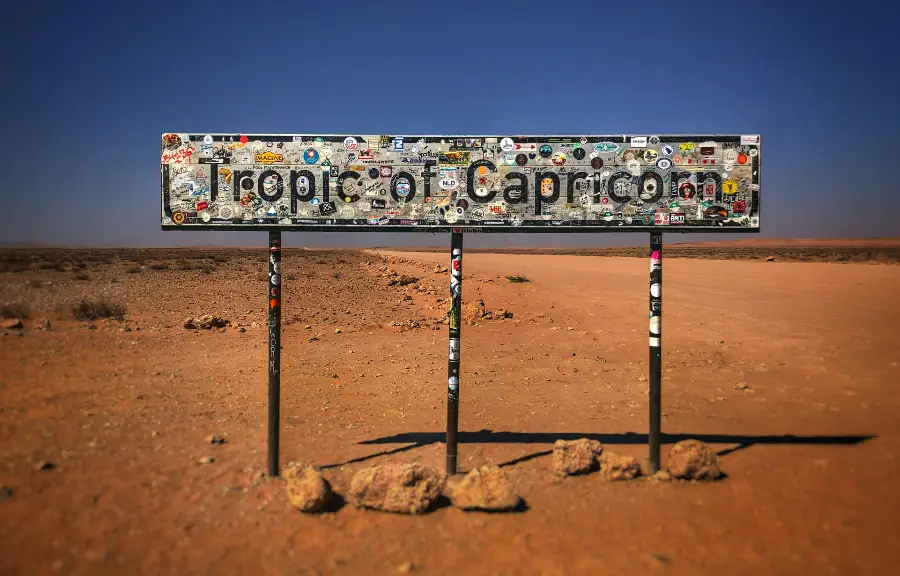
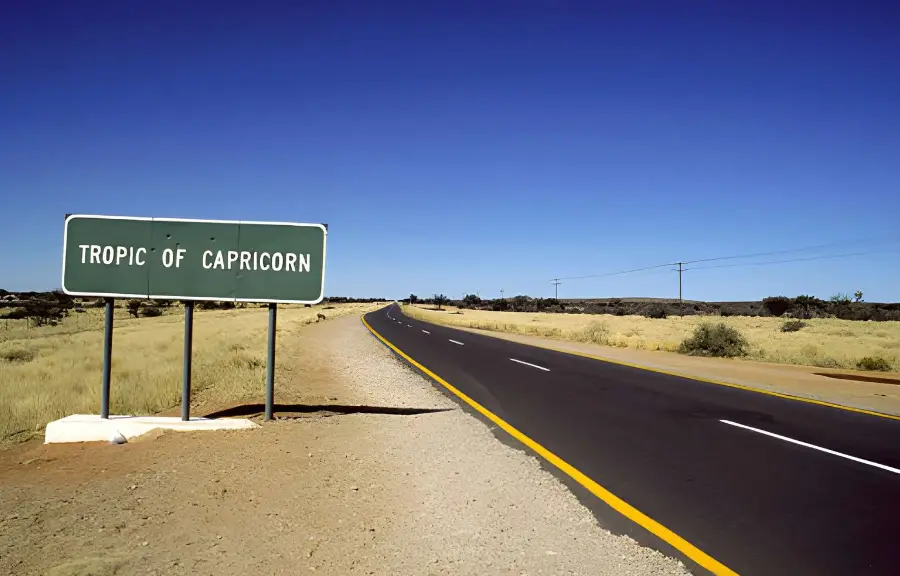
View the Tropic of Capricorn through roadside markers, open desert roads, gravel plains, distant hills, and wide Namibian skies. Each image captures a simple but memorable stop along the journey.
The Tropic of Capricorn FAQ section helps travelers understand this simple but interesting roadside stop in Namibia. These answers explain its meaning, location, best time to visit, photo value, road access, and what to expect during a short break on long desert routes between major travel destinations in Namibia.
Namibia has a lot to pull travelers in. Wide desert dunes, wildlife parks, salt pans, coastal towns, canyons, and quiet wilderness areas all sit within one country. This section brings the main attractions in Namibia together, so travelers can see what fits their route, time, comfort level, and the kind of journey they want.
Our Namibian tour was an unforgettable experience from start to finish. Henzel was both our guide and driver, and he did an outstanding job in both roles. He was incredibly thorough and well-prepared, always sharing detailed insights about the landscapes, wildlife, and local culture. You could tell he truly knew and loved the country.

We did the “7 Days Wildlife Etosha and Sossusvlei Namibian Safari (Accommodated)” with Safari World Tours in December 2023 and it was the best choice for our family! We are experienced travelers (49 countries visited) and found that to travel to Namibia with a small child (4 years old) a tour would the the best option







 English
  German