+264 81 8211 521
info@safariworldtours.com
Deals & Discounts


A quiet stop known for wild horses, history, and cold nights
Aus sits about 120 kilometers east of Lüderitz on the B4 road to Keetmanshoop. This small desert village lies among dry hills and is best known for its wild horses.
The town has a quiet, old frontier feel, with a history tied to railways, trade, Karakul sheep, diamonds, and German colonial movement through southern Namibia. Its name comes from the Nama word! Aus, meaning “snake fountain,” once an important water source before the wide, dry Namib. Today, Aus is one of the more interesting Namibia Holiday Destinations for travellers moving between Lüderitz, Keetmanshoop, and the southern desert.
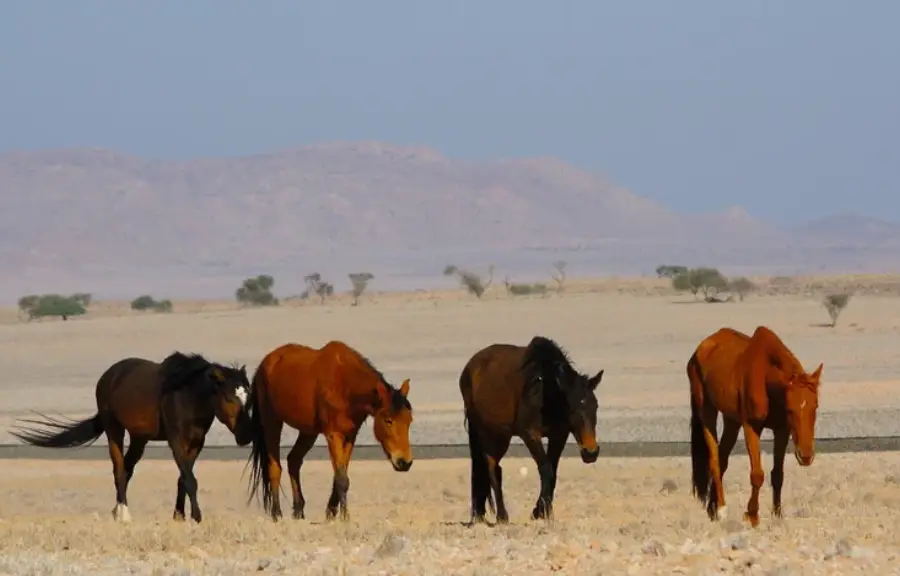
The wild horses are the main reason many visitors stop here. They roam near the restricted diamond area and are often seen around Garub waterhole, about 20 kilometres west of town. Their exact origin is still debated, which adds to the mystery.

Gather ideas from our Namibia tour packages, or let our consultants help you picture the possibilities. We can build the journey around your time, style, and interests.
Aus sits on the B4 road between Lüderitz and Keetmanshoop, making it a useful stop on southern Namibia routes. The map helps travelers see nearby roads, the Garub wild horse viewing area, links to Lüderitz, and onward desert routes. It is helpful for planning short stops, overnight stays, and wider journeys through the dry south.
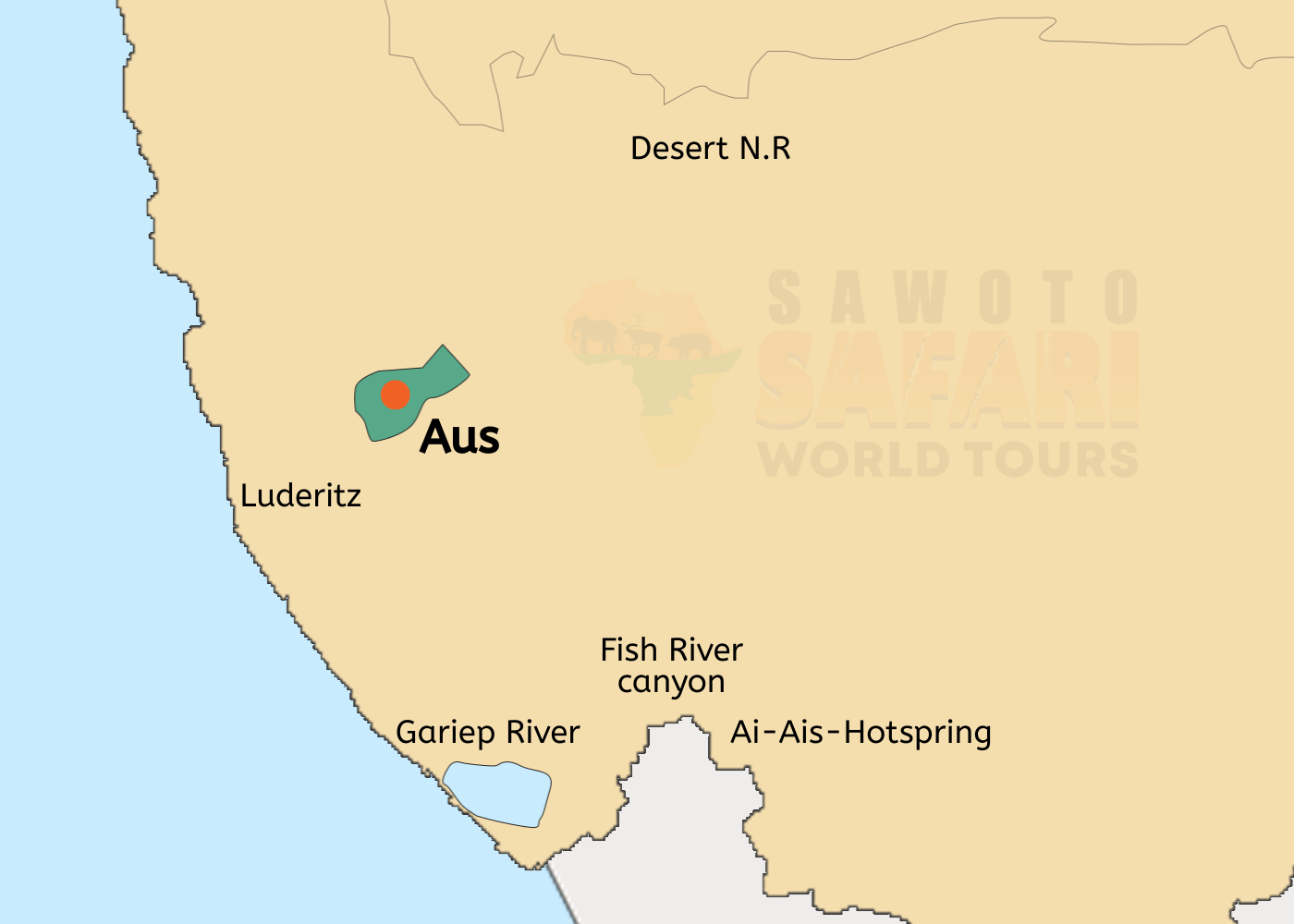
Aus is a small village in Namibia’s Karas region. It is known for wild horses, cold winter nights, desert plains, mountain views, old wartime history, and easy access to Garub, Kolmanskop, Lüderitz, and the southern Namib Desert.
Aus sits close to the edge of the Namib Desert, with dry plains, granite hills, and long open roads around it. Its position between Lüderitz and Keetmanshoop makes it a useful stop for travelers moving through southern Namibia.
The village lies in the Karas region, along the B4 highway. It is small and quiet, the kind of place many people might pass too quickly. But the land around it is worth slowing down for, especially if you like open desert views and empty roads.
Aus has always been linked to water in a dry place. Its Nama name means “snake fountain,” a reminder of the spring that once helped people before or after crossing the harsh Namib Desert. In a region like this, even one water source meant a lot.
The surrounding area has granite hills, dry riverbeds, wide plains, and tough desert plants. After soft winter rains, parts of the Succulent Karoo can burst into seasonal flowers. It is still a dry landscape, but for a short time, colour appears in unexpected places.
Aus is also well placed for nearby trips. Lüderitz and Kolmanskop are about an hour away by road, while Garub waterhole sits closer to town. So, travellers can use Aus as a quiet base for wild horses, desert views, and coastal history.
The wild horses of the Namib are the main reason many travellers stop near Aus. They move across the dry plains around Garub, where a shaded viewing shelter gives visitors a chance to watch them without getting too close.
Garub waterhole lies about 20 kilometres west of Aus. This is the best-known place to look for the horses. They often appear in small groups, walking across pale grass and dusty ground, with the desert stretching behind them.
No one knows their exact origin. Some stories connect them to German colonial troops, while others link them to old farms or wartime movement. Whatever the truth, the horses have learned to survive in one of Namibia’s toughest desert areas.
Seeing them takes patience. They are not always there, and the desert does not work on a visitor’s schedule. But when the horses come near the waterhole, the scene feels special in a very simple way. No noise. Just animals, dust, and space.
The viewing shelter at Garub gives shade and a safe place to wait. Visitors should stay quiet and keep distance. These horses have survived because they have space to move, and that space should be respected.
Aus has a deeper past than its quiet streets suggest. Its history includes Nama communities, old water routes, German colonial movement, rail links, wartime events, sheep farming, diamonds, decline, and a slow return through tourism.
Before Aus became a small trading point, it was important because of water. Indigenous people and early travellers used it as one of the last reliable stops near the Namib. That old spring gave the place its value long before modern roads arrived.
During the German colonial period, Aus grew because it sat between Lüderitz and the inland around Keetmanshoop. The railway strengthened this connection. Later, diamond activity near Kolmanskop and Karakul sheep farming brought more people and trade through the village.
World War I left a serious mark here. After German colonial troops surrendered to South African forces in 1915, a prisoner-of-war camp was set up a few kilometres outside Aus. The remains of that camp can still be visited today.
Aus later lost much of its importance. Lüderitz declined, the diamond industry shifted south, Karakul farming collapsed, and drought made life harder. Many people left. Tourism has helped the village breathe again, mainly through the wild horses, desert lodges, and nearby attractions.
Aus works well as a one or two-night stop, depending on your route. It is useful for travellers visiting Garub, Kolmanskop, Lüderitz, the Namib Desert edge, or the wide mountain and plains scenery of southern Namibia.
The village has a small but useful range of places to stay, including guesthouses, hotels, and nearby lodges. Some lodges offer nature walks, scenic drives, hiking, biking, and trips to see the wild horses. Staying overnight gives the area more time to open up.
Aus is known for unpredictable weather. Winter nights can feel very cold, while summer days can get hot. Because of its position and elevation, the climate can surprise travellers. Even on a desert trip, it is smart to carry warm layers.
The local Information Centre is worth a stop. It explains the area’s history, culture, and natural setting, including the wild horses and desert environment. It also supports the local community, which makes the visit feel more connected.
Self-drive travellers should plan properly. Fill fuel when possible, carry water, and keep an eye on distances. The B4 makes access simple, but the region around Aus is still remote. It is better to treat the village as more than just a quick road stop.
Aus feels small, cold at night, and open to the desert. Expect wild horses near Garub, quiet roads, old railway and wartime traces, dry hills, simple stays, and easy routes toward Lüderitz and nearby Kolmanskop.
These Namibia Safari Itineraries bring together the country’s wide range of travel experiences, from wildlife parks and desert roads to coastal towns, cultural stops, and quiet lodge stays. Some routes are short and focused. Others stretch across several regions. And for travelers comparing Namibia Safari Packages, these itineraries make it easier to choose a trip that fits their time, comfort, and travel style.
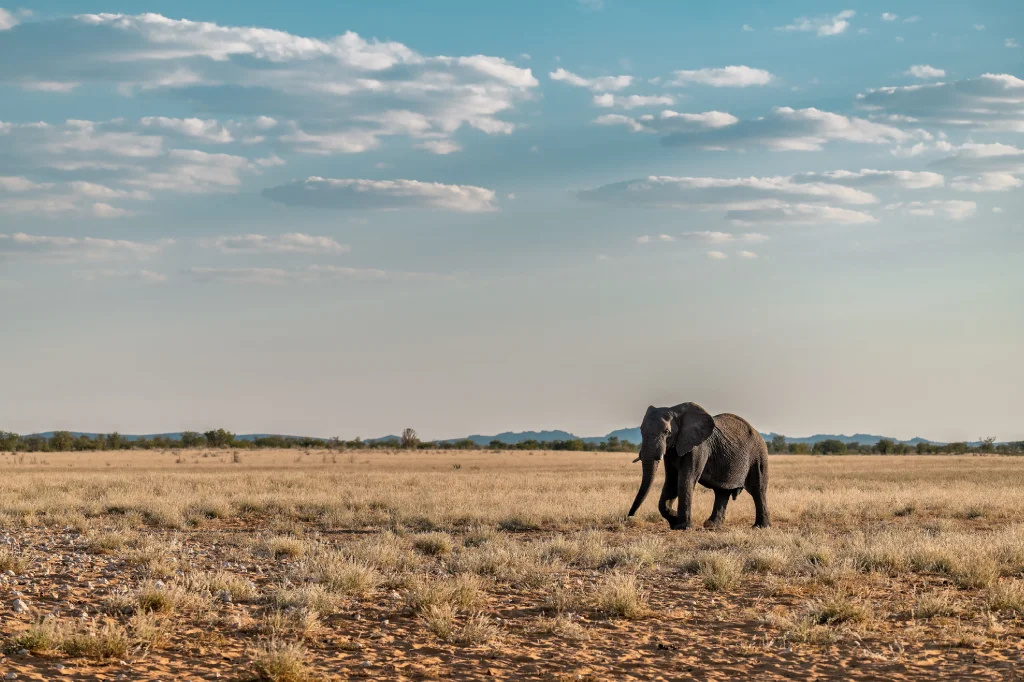
2 Destinations: Etosha National Park → Namibia
View Details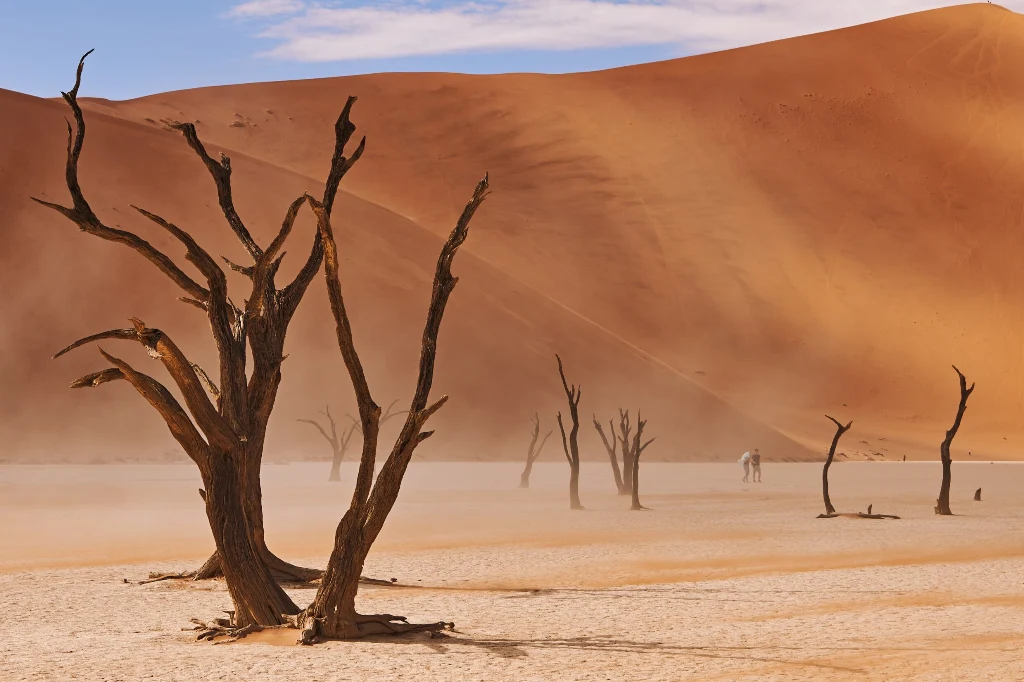
5 Destinations: Botswana → Etosha National Park → Namibia → Sossusvlei → Swakopmund
View Details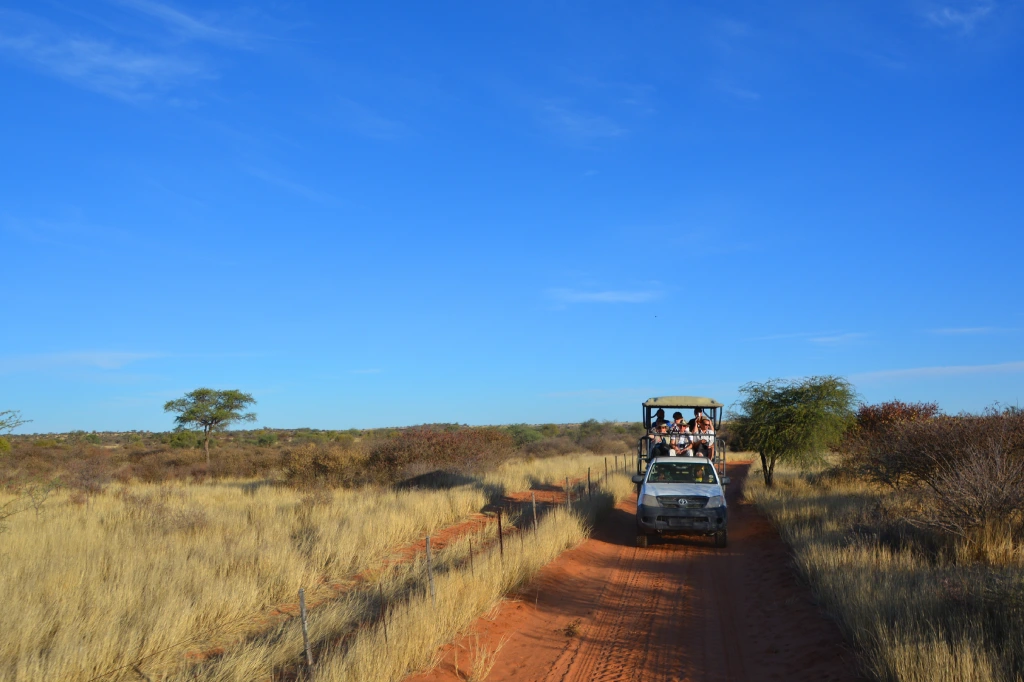
6 Destinations: Etosha National Park → Namibia → Sossusvlei → Spitzkoppe → Swakopmund → Windhoek
View Details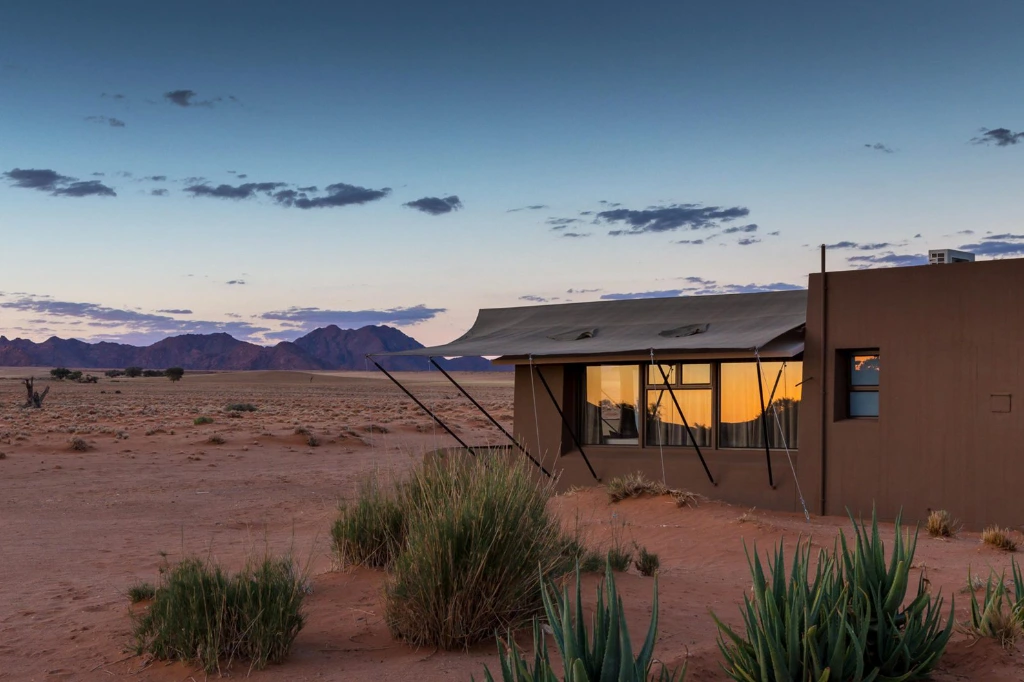
5 Destinations: Etosha National Park → Namibia → Sossusvlei → Swakopmund → Windhoek
View Details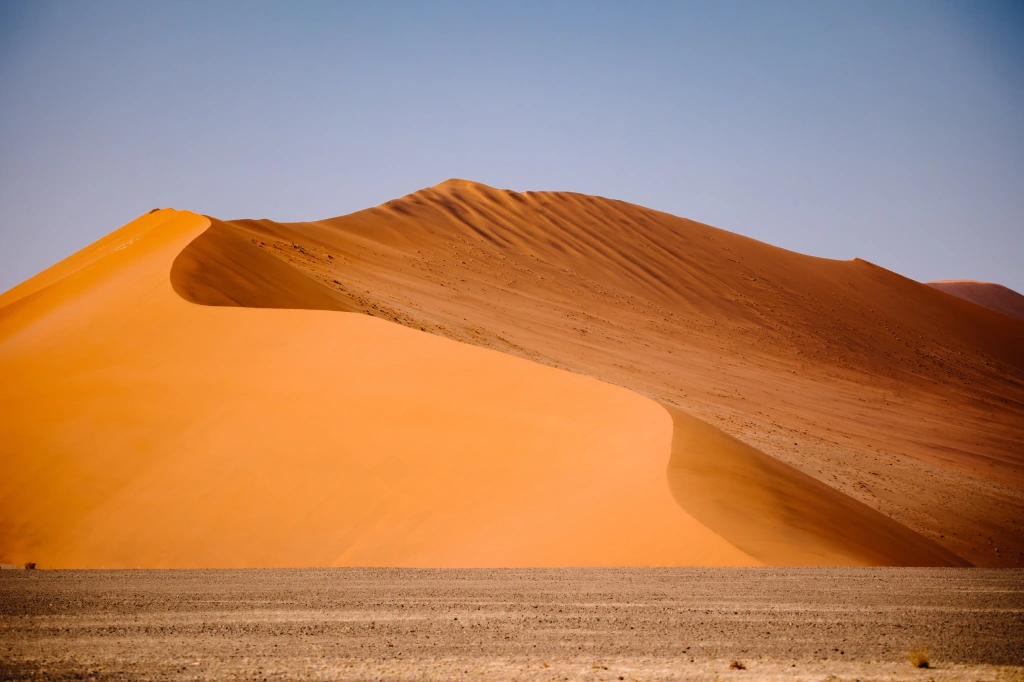
5 Destinations: Etosha National Park → Namibia → Sossusvlei → Swakopmund → Windhoek
View Details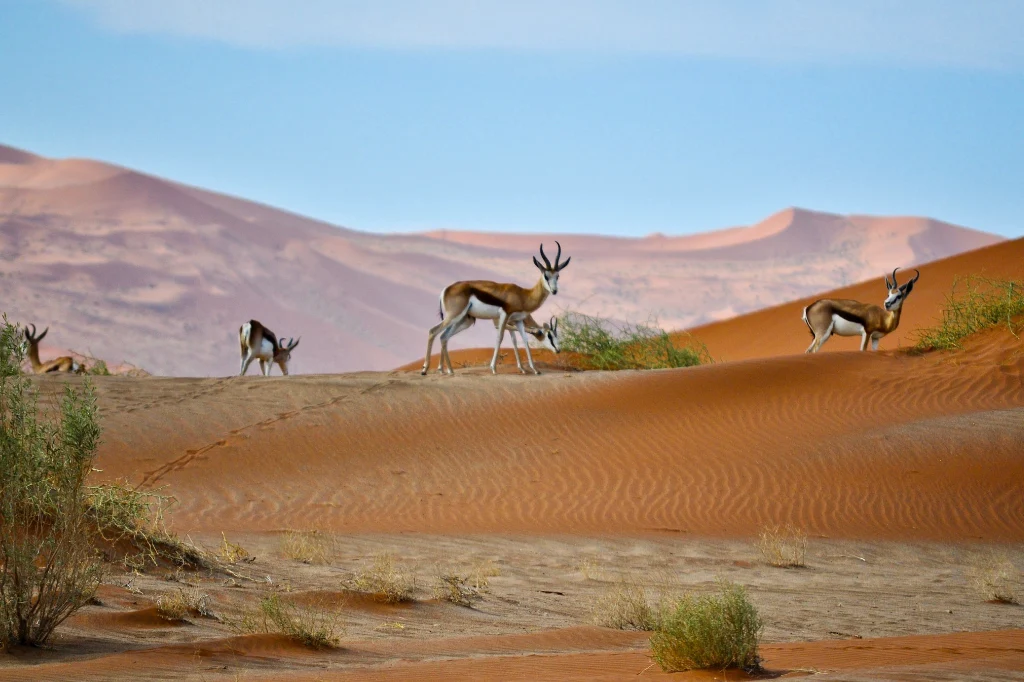
6 Destinations: Botswana → Etosha National Park → Namibia → Sossusvlei → Swakopmund → Zimbabwe
View Details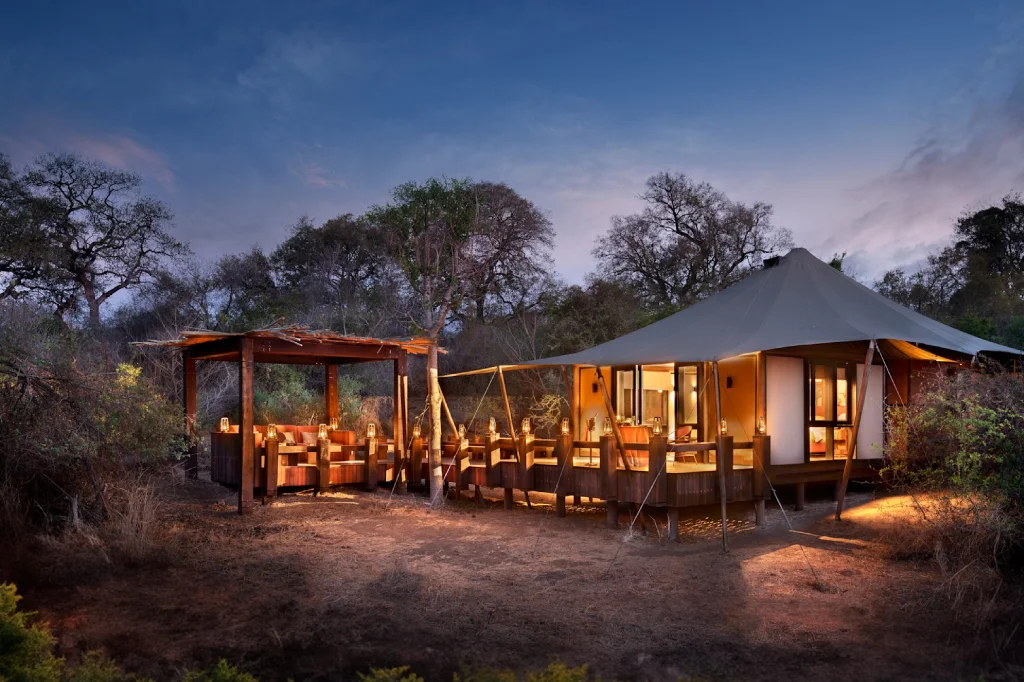
6 Destinations: Etosha National Park → Fish River Canyon → Namibia → Sossusvlei → Swakopmund → Twyfelfontein
View Details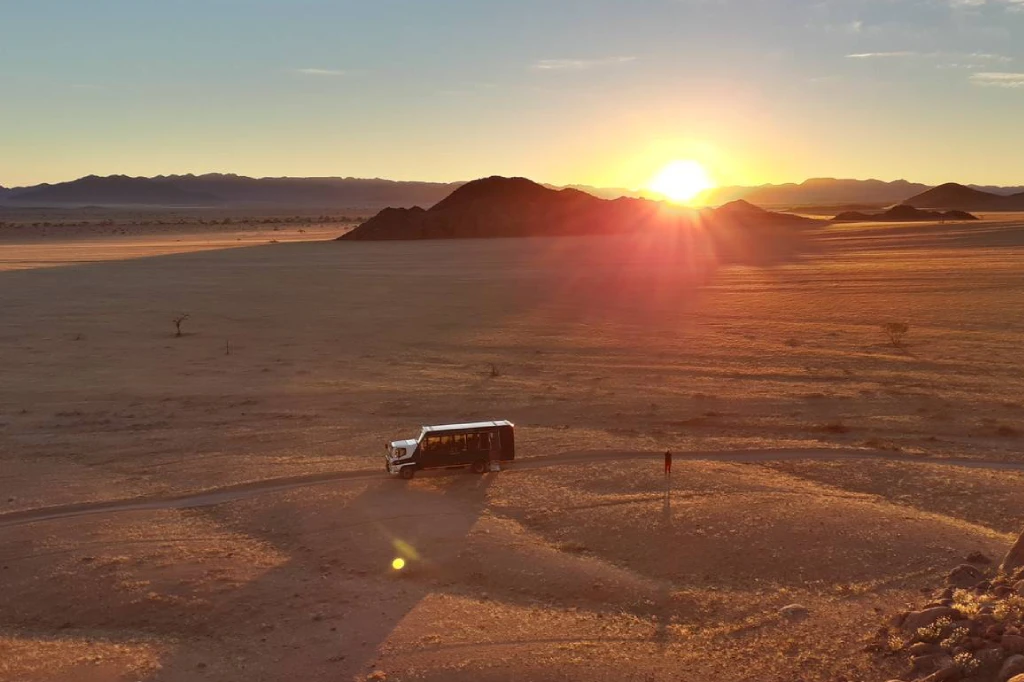
6 Destinations: Botswana → Etosha National Park → Namibia → Sossusvlei → Swakopmund → Zimbabwe
View Details
7 Destinations: Etosha National Park → Kamanjab → Namibia → Spitzkoppe → Swakopmund → Twyfelfontein → Windhoek
View Details
4 Destinations: Etosha National Park → Namibia → Sossusvlei → Swakopmund
View Details
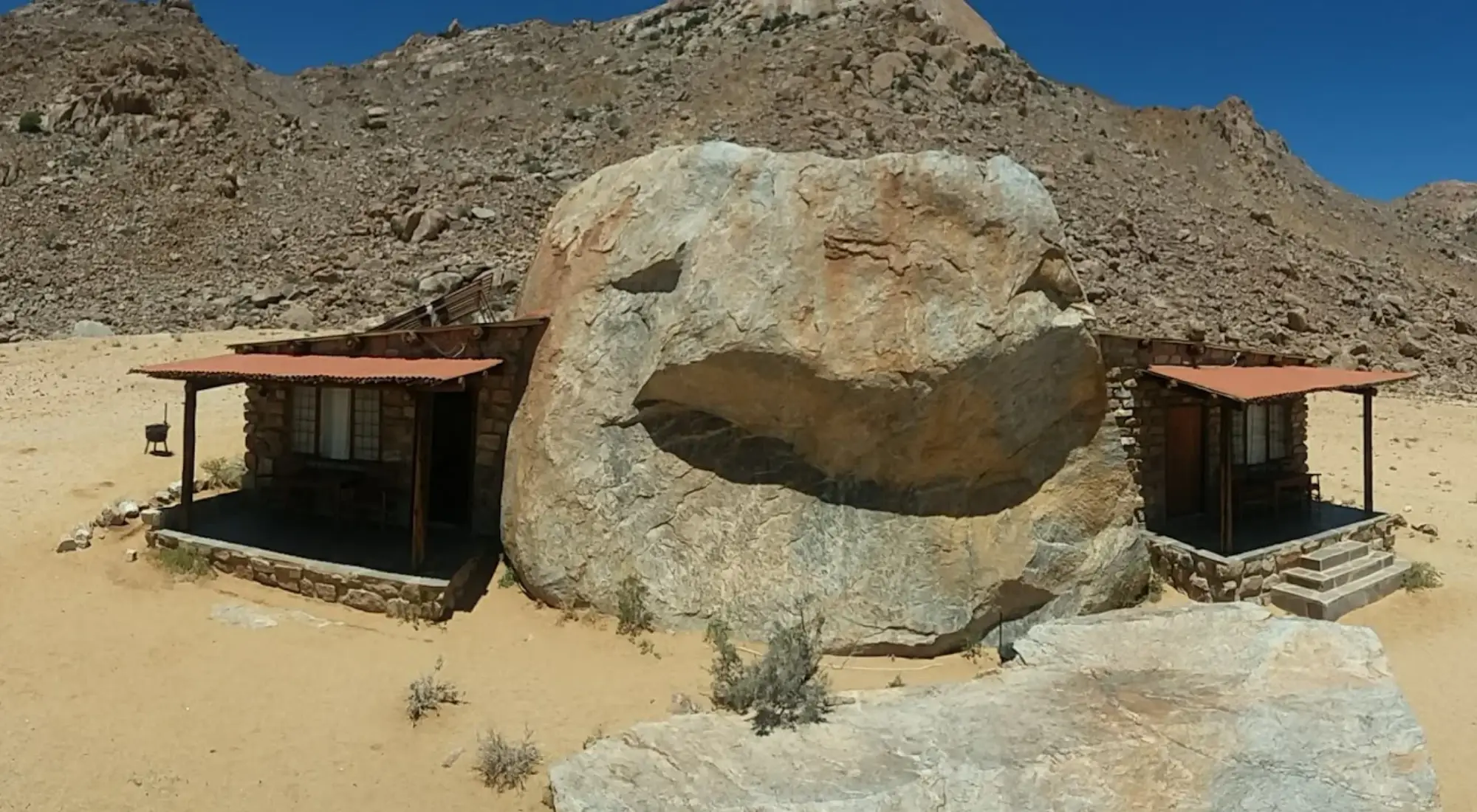
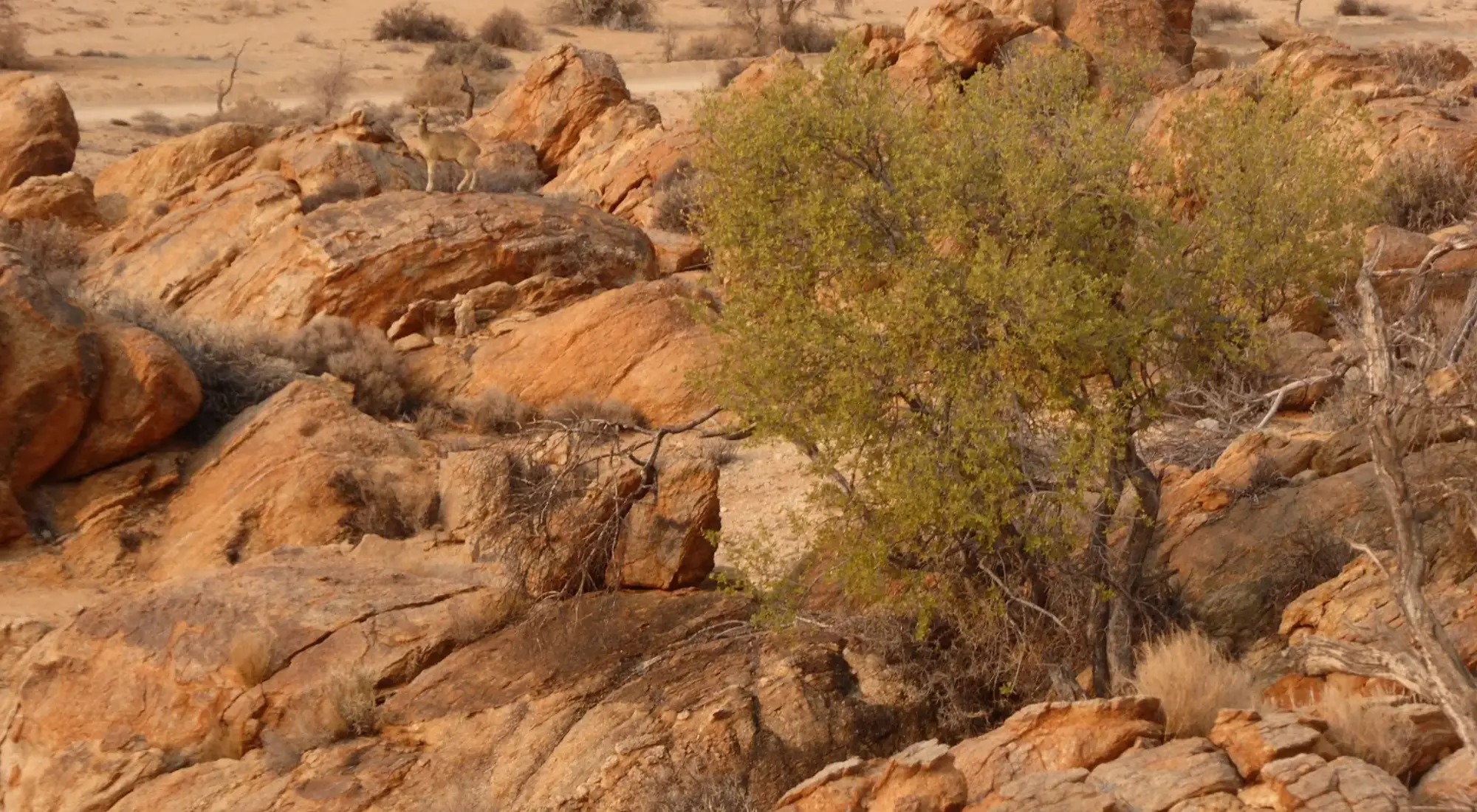
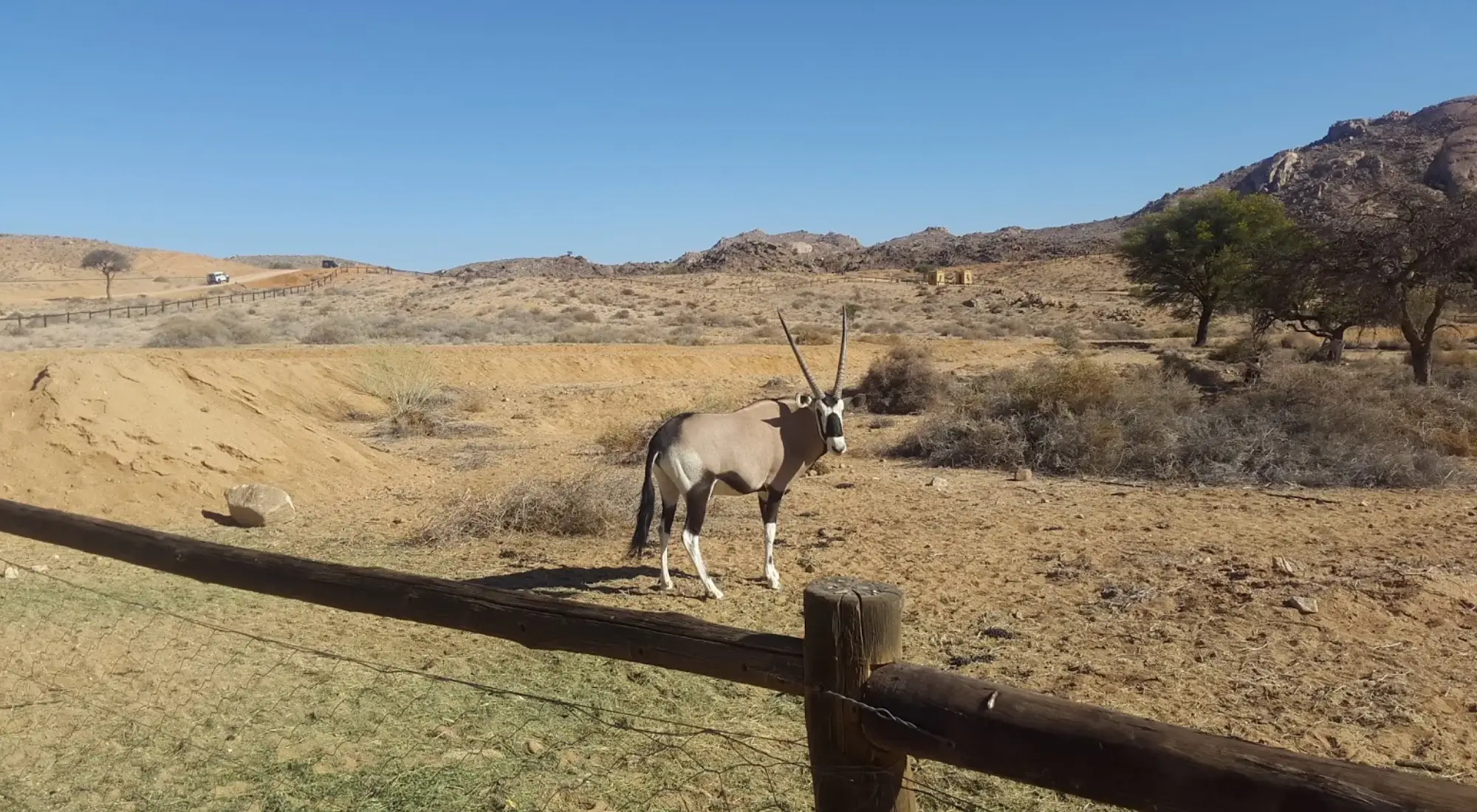
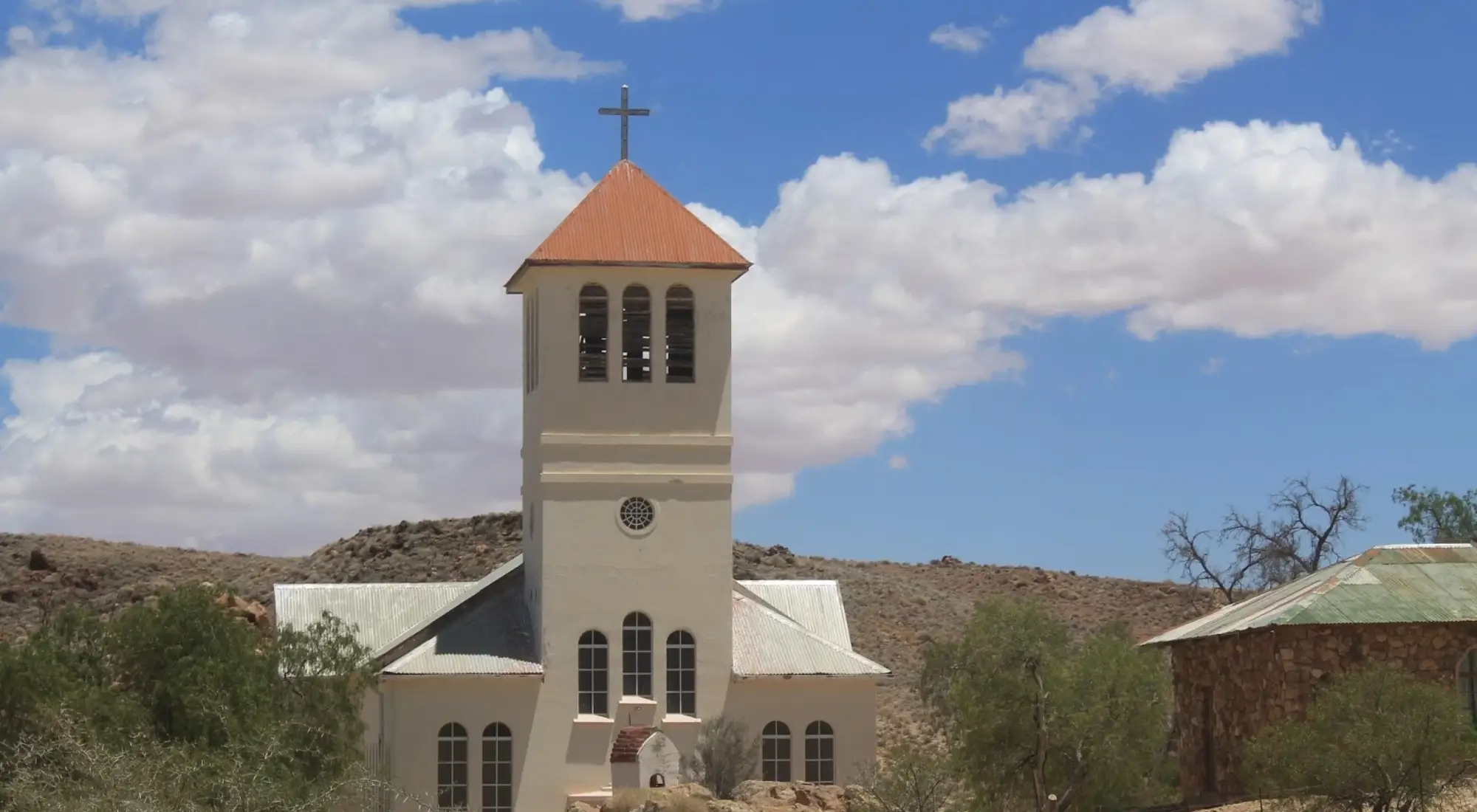
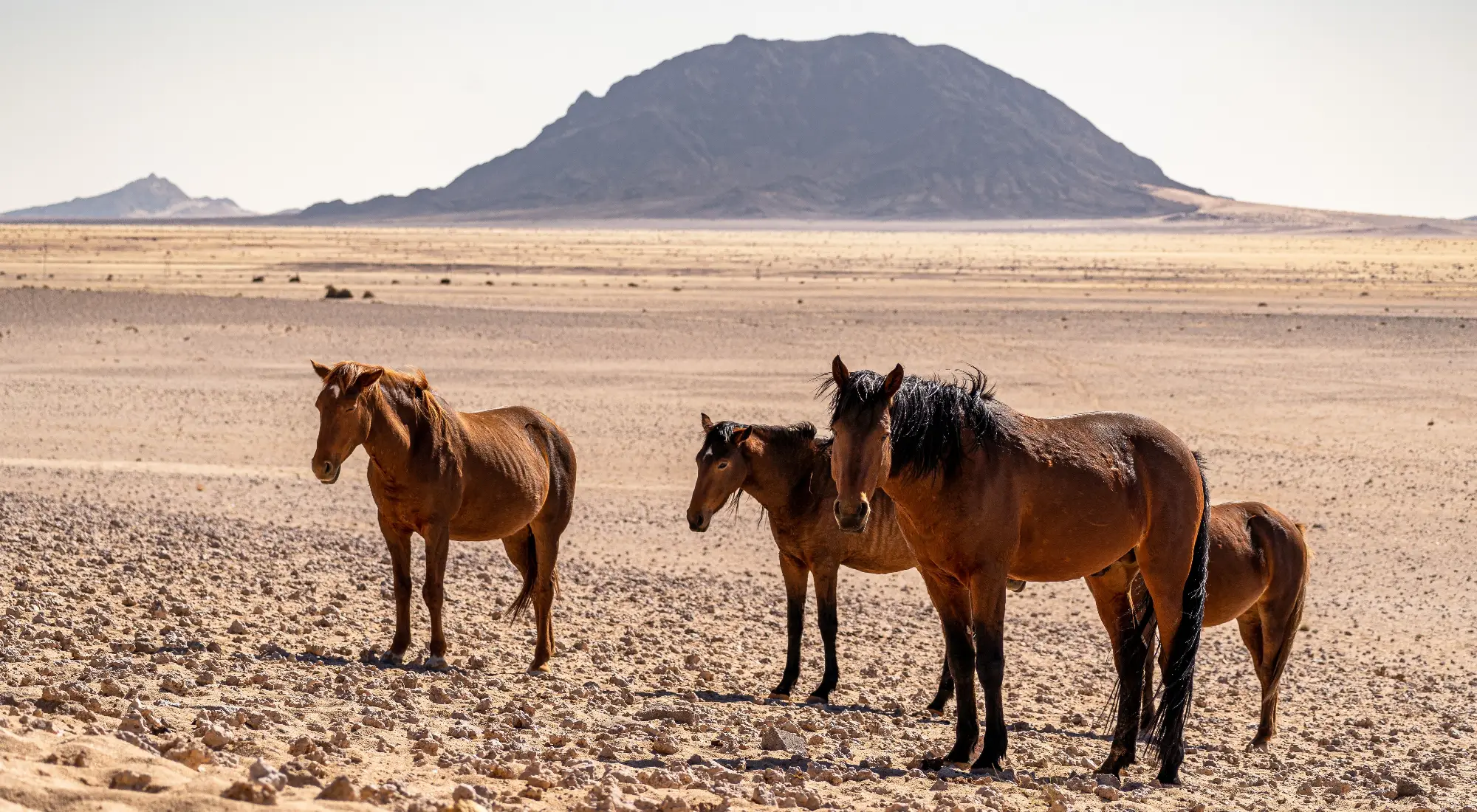
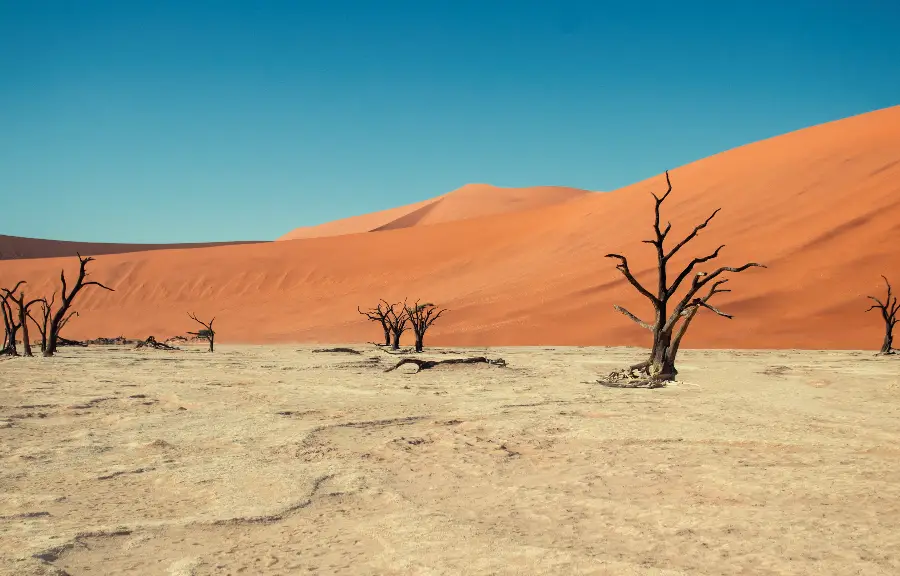
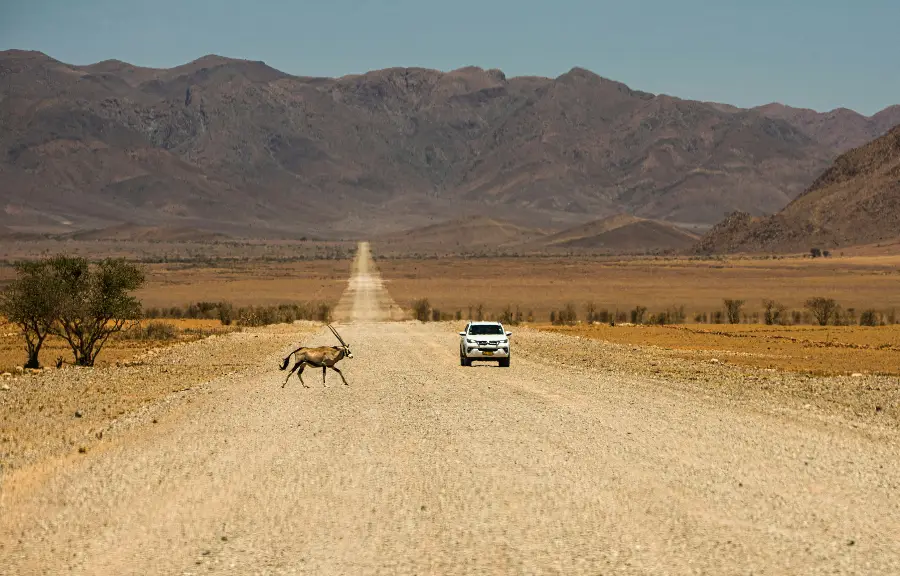
This gallery shows Aus through wild horses, dry plains, quiet roads, rocky hills, and small-village scenes, giving travelers a clear sense of this cold, open desert stop in southern Namibia.
Aus is a small desert village in southern Namibia, sitting quietly on the road between Lüderitz and Keetmanshoop. Most travelers know it for the wild horses near Garub, old railway links, cold winter nights, and easy access to Kolmanskop. These FAQs cover the simple things to know before stopping here.
Namibia has a lot to pull travelers in. Wide desert dunes, wildlife parks, salt pans, coastal towns, canyons, and quiet wilderness areas all sit within one country. This section brings the main attractions in Namibia together, so travelers can see what fits their route, time, comfort level, and the kind of journey they want.
Our Namibian tour was an unforgettable experience from start to finish. Henzel was both our guide and driver, and he did an outstanding job in both roles. He was incredibly thorough and well-prepared, always sharing detailed insights about the landscapes, wildlife, and local culture. You could tell he truly knew and loved the country.

We did the “7 Days Wildlife Etosha and Sossusvlei Namibian Safari (Accommodated)” with Safari World Tours in December 2023 and it was the best choice for our family! We are experienced travelers (49 countries visited) and found that to travel to Namibia with a small child (4 years old) a tour would the the best option





 English
  German