+264 81 8211 521
info@safariworldtours.com
Deals & Discounts


A lively Atlantic coast where Cape fur seals gather daily
Cape Cross Seal Reserve is one of Namibia’s most unusual coastal wildlife sites. Set near Swakopmund and Henties Bay, it protects a huge Cape fur seal colony along the cold Atlantic shoreline of Namibia’s west coast.
The reserve is known for one of the world’s largest breeding colonies of Cape fur seals, with more than 210,000 seals gathering on the rocky shore. Visitors can follow the walkway beside the colony, observe their noisy behavior, and read informational signs along the route. As one of the most distinctive Tourist Destinations In Namibia, Cape Cross also marks the historic landing place of Portuguese explorer Diogo Cão in 1486 on this wild coast.
The nutrient-rich Benguela Current brings good fishing, which keeps seals at Cape Cross throughout the year. Bull seals arrive in large numbers around late October, while pups are born in November and December. Kelp gulls, cormorants, jackals, brown hyenas, copper sharks, and killer whales also appear nearby.

Gather ideas from our Namibia tour packages, or let our consultants help you picture the possibilities. We can build the journey around your time, style, and interests.
The Cape Cross map helps travelers understand where the reserve lies along Namibia’s Atlantic coast, near Swakopmund and Henties Bay. It gives a simple view of nearby routes, coastal access, and surrounding travel points. For anyone planning a short wildlife stop or a wider coastal journey, the map makes the location easier to find.
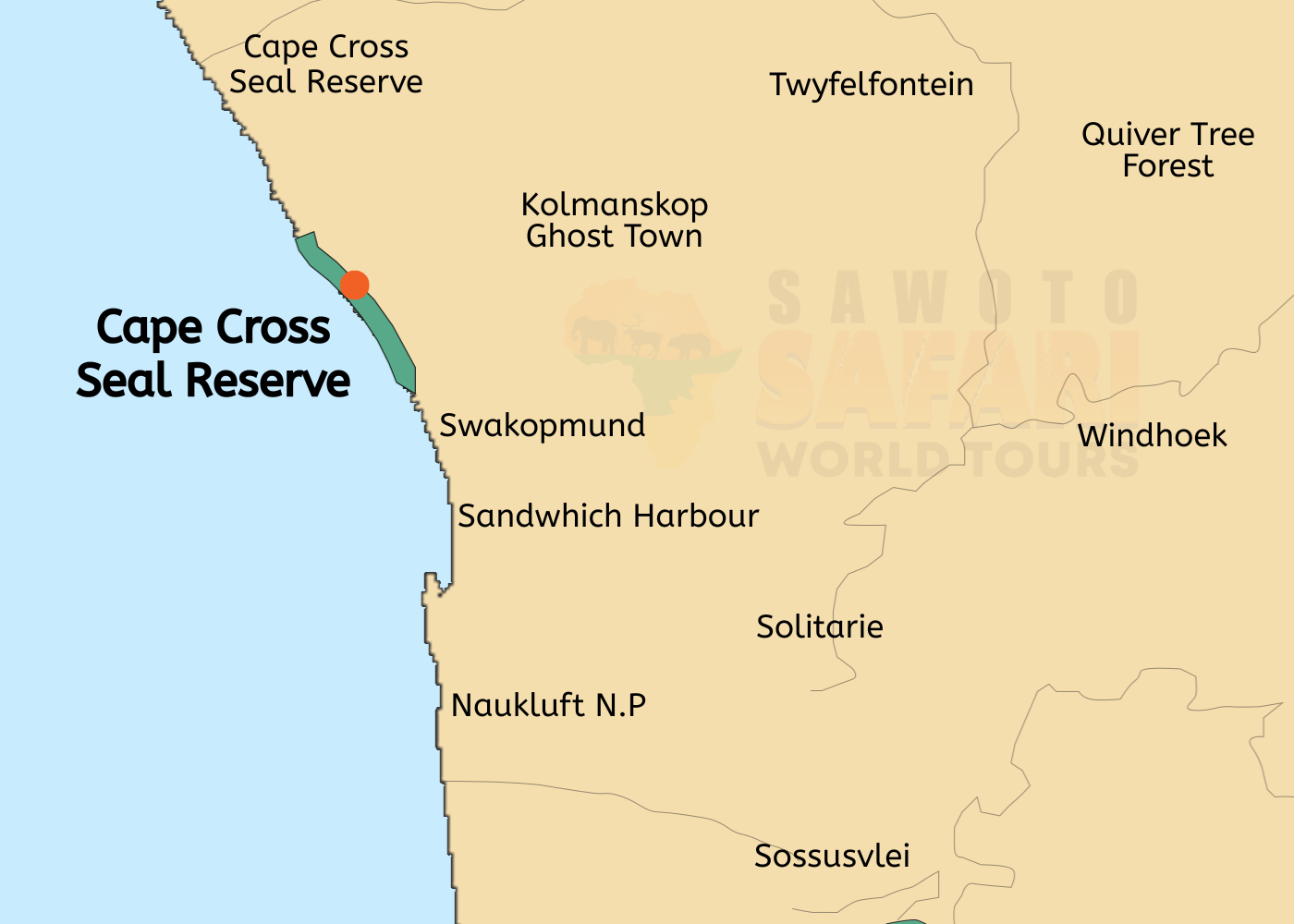
Cape Cross Seal Reserve is a coastal place with history, noise, wildlife, and hard human stories packed into one small reserve. Before visiting, it helps to know about Diogo Cão’s cross, the old guano boom, seal breeding cycles, predators, seabirds, walkways, viewing times, entry hours, permits, and the strong Atlantic setting around this raw Namibian shoreline before arrival there properly.
Cape Cross history moves from San coastal life to Portuguese arrival, shipwreck years, guano settlement, rail work, and abandoned industry. The reserve still holds replica crosses, old remains, and a small graveyard, so the place is not only about seals, noise, and wildlife.
Rock art at Twyfelfontein in the Kunene Region shows seals and penguins, which suggests San communities may have fished and hunted along the Skeleton Coast long before Europeans arrived. In 1486, Portuguese explorer Diogo Cão landed at Cape Cross during his second expedition south of the equator, searching for a sea route to India and the Spice Islands.
Cão raised a padrão, a stone cross, to claim the coast for Portugal and mark the southern limit of his journey. That cross later gave Cape Cross its name. The original was removed by a German Navy commander in 1893 and now stands in Berlin’s Deutsches Historisches Museum, far from this cold Atlantic shore.
Two replica crosses can still be seen at Cape Cross today. There is also a stone with an English translation of the Latin and Portuguese text from the original. After Cão’s landing, the coastline saw more than 400 years of shipwrecks, helped along by fog, rough seas, and the barren nature of the shore.
People began settling at Cape Cross after guano was discovered in 1895. The business grew fast, with tens of millions of tons shipped to Europe. Namibia’s first railway line and water-distilling plant were built here, and the post office became linked to the country’s first postal robbery. Nine years later, the boom was over, leaving rusty remains in the sand.
Cape Cross Seal Reserve was proclaimed in 1968 to protect the world’s largest breeding colony of Cape fur seals. The Cape fur seal, Arctocephalus pusillus pusillus, is the largest of the world’s nine fur-seal species. The reserve covers about 60 km².
No one knows exactly when the Cape Cross rookery began, but the colony helped spark Namibia’s first railway line in the late 1800s. Trains brought workers to the coast, then carried back seal pelts and guano, or seabird waste, for export to Europe as valuable fertilizer.
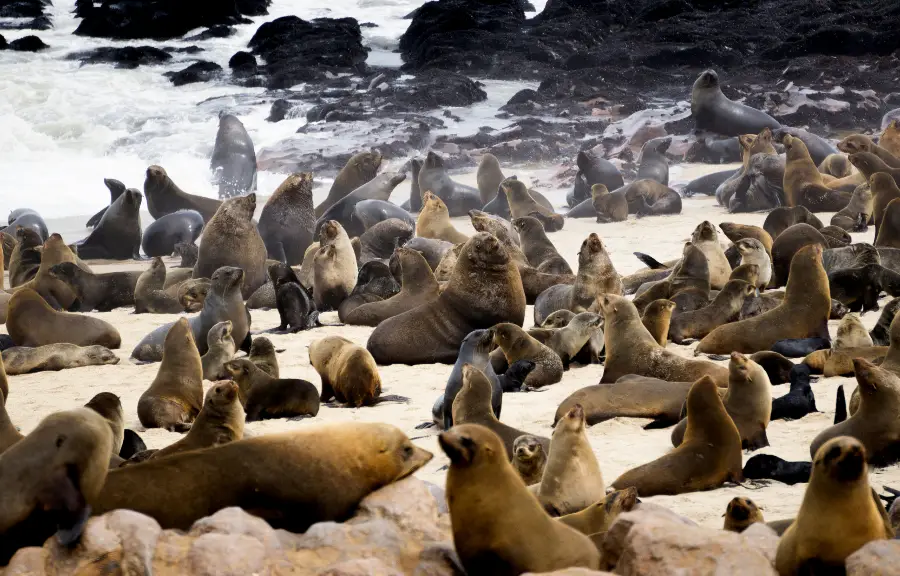
The colony is one of the largest Cape fur seal settlements in the world, with more than 200,000 seals gathering on the rocky shore during peak periods. The nutrient-rich Benguela Current brings good fishing to this coast, and that is a big reason the seals stay here throughout the year.
Male seals arrive around mid to late October to claim breeding territories. Bulls can weigh between 187 kg and 360 kg, and they guard their space fiercely. One bull may hold a harem of 5 to 25 females, while stronger territories can sometimes include up to 60 females.
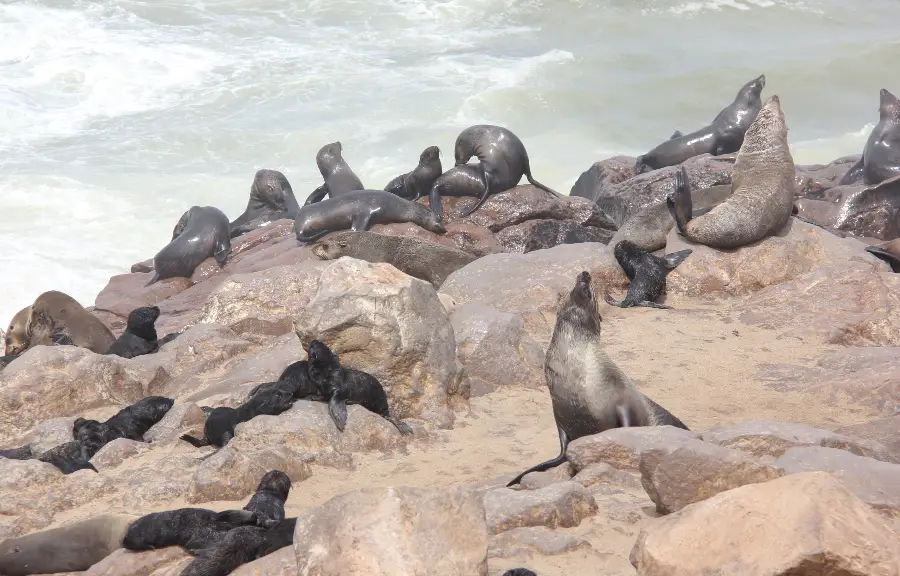
Cow seals are much smaller, weighing up to about 75 kg. Pregnant females arrive to give birth to one pup after a pregnancy of about eight months. Most pups are born in November or December, weighing around 4.5 kg to 7 kg, with pitch-black fur. Only seven days after birth, the next rutting season begins.
Cape Cross gives visitors a close look at one of Namibia’s noisiest coastal wildlife scenes. There are seals everywhere, but also pups, predators, seabirds, salt pans, replica crosses, a small graveyard, toilets, picnic areas, and that heavy Atlantic smell people remember long after leaving.
Visitors can walk along the raised walkway beside the colony and watch the seals from behind a low wall. Depending on the season, males may fight for territory, mothers may call for pups, and young seals may play in the sand. It is close, loud, messy, and very real – an unforgettable moment on Namibia Tours and Safaris.
Cape fur seals live along the Southern African coast from Cape Cross to Port Elizabeth in South Africa. The same species is also found in Australia. They spend much of their lives at sea, then come ashore to mate, give birth, and nurse their pups in crowded rookeries.
The colony attracts other wildlife too. Black-backed jackals and brown hyenas often move around the edges, especially at dusk and dawn, looking for vulnerable pups. Offshore, killer whales and copper sharks may wait for young seals entering the sea. Kelp gulls, cormorants, flamingos, terns, teals, phalaropes, and waders can also be seen nearby.
Historic sights include the replica padrãos and the stone with the English translation of the original cross text. A small graveyard marks workers who did not survive the harsh 19th-century guano industry. Toilets and picnic areas are available, though the smell of seals and seabird waste can make lunch feel unlikely.
Cape Cross can be visited throughout the year, and there are usually seals at the rookery. The busiest natural action starts in mid-October, when males arrive to fight for breeding space, then continues through November and December as females give birth and the colony fills with pups.
In mid-October, male fur seals arrive and fight noisily for the best territories. They become so focused on holding their space that they do not have time to fish. By the time females arrive in November, some males may have lost up to half their body weight.
Most females arrive already pregnant from the previous breeding season. They fight for birthing space inside the territory of their chosen male. Once they give birth, they can conceive again within only a few days. So the breeding cycle begins again almost immediately, right in the middle of the noise.
Peak breeding season runs from November to December, when as many as 210,000 fur seals have been recorded at the rookery. Pups stay on land until they are weaned, usually between four and six months, so December to June is a good time to see plenty of young seals.
Visitors should be prepared for harsh natural scenes, including jackals and hyenas hunting pups. Cape Cross opens daily from 08:00 to 17:00 between 16 November and 30 June, and from 10:00 to 17:00 between 1 July and 15 November. Permits must be purchased at reception before entering.
A Cape Cross visit feels loud, windy, and full of movement. Expect thousands of Cape fur seals, strong Atlantic air, raised walkway views, seabirds, jackals, historic crosses, and raw coastal scenes that stay in memory.
These Namibia Safari Itineraries bring together the country’s wide range of travel experiences, from wildlife parks and desert roads to coastal towns, cultural stops, and quiet lodge stays. Some routes are short and focused. Others stretch across several regions. And for travelers comparing Namibia Safari Packages, these itineraries make it easier to choose a trip that fits their time, comfort, and travel style.
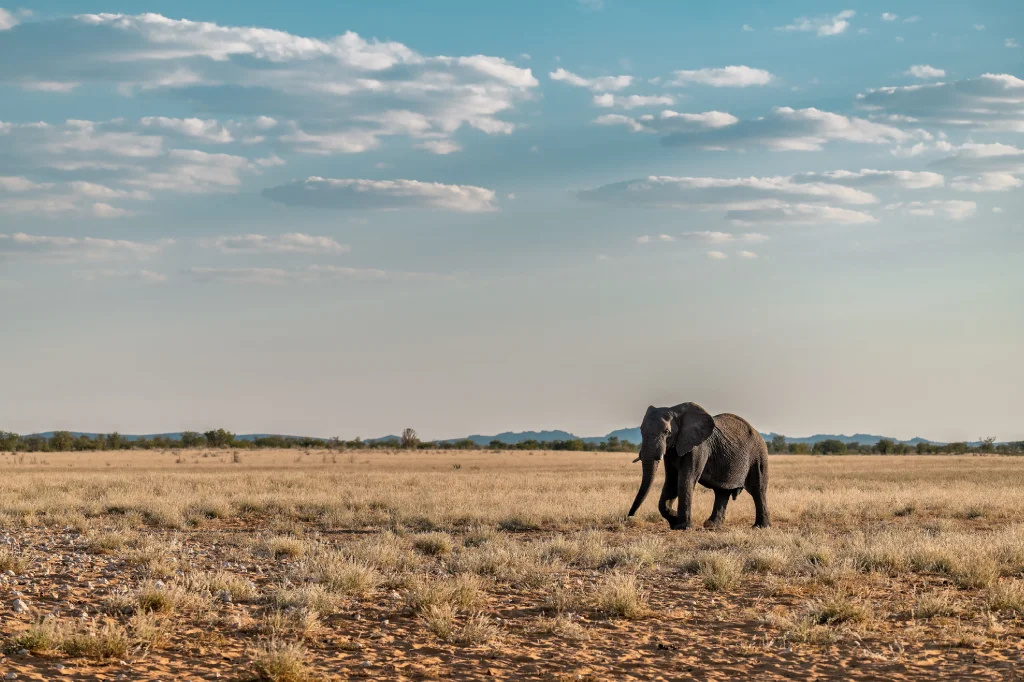
2 Destinations: Etosha National Park → Namibia
View Details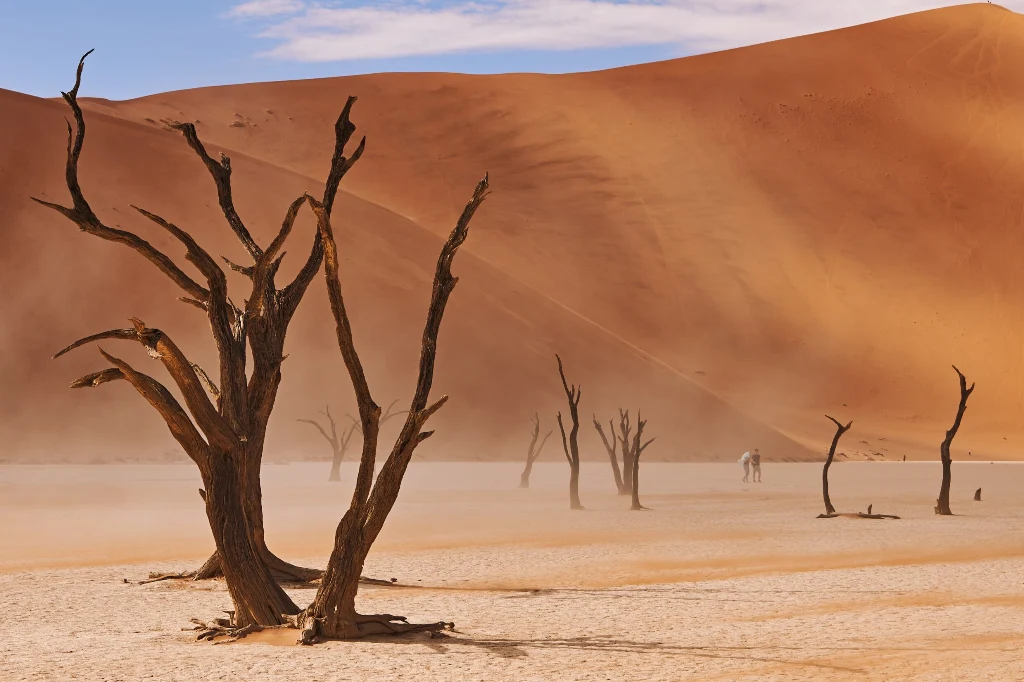
5 Destinations: Botswana → Etosha National Park → Namibia → Sossusvlei → Swakopmund
View Details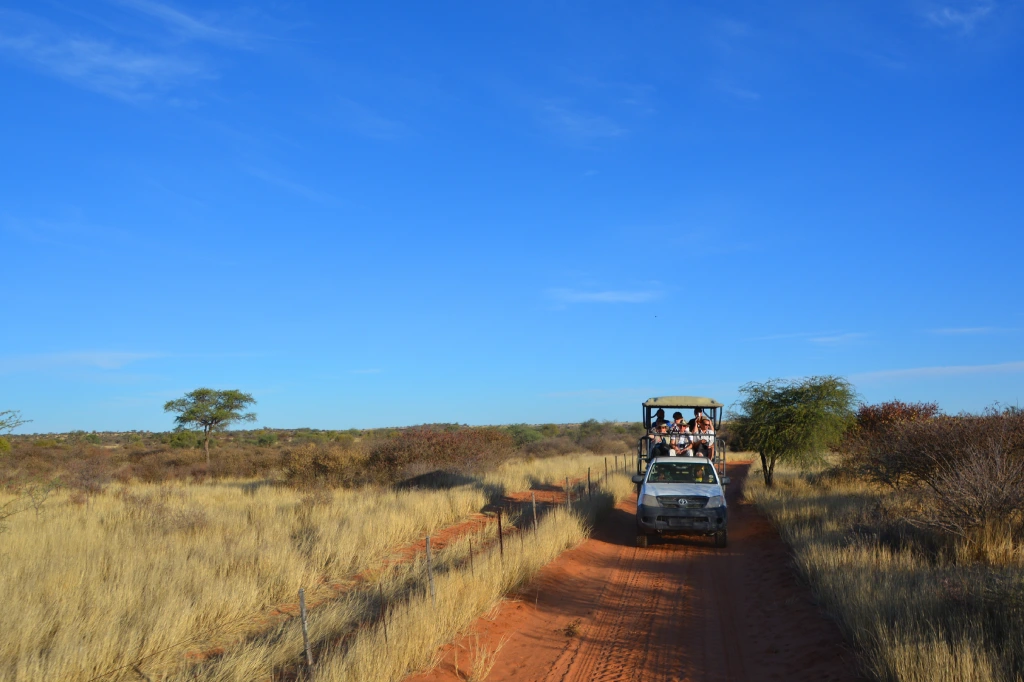
6 Destinations: Etosha National Park → Namibia → Sossusvlei → Spitzkoppe → Swakopmund → Windhoek
View Details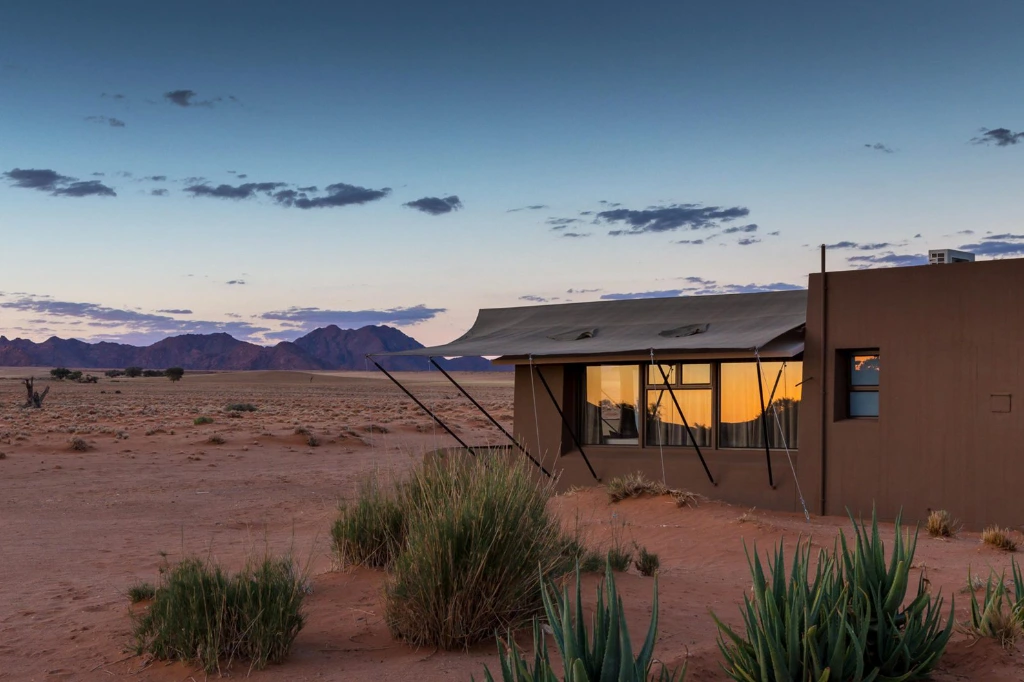
5 Destinations: Etosha National Park → Namibia → Sossusvlei → Swakopmund → Windhoek
View Details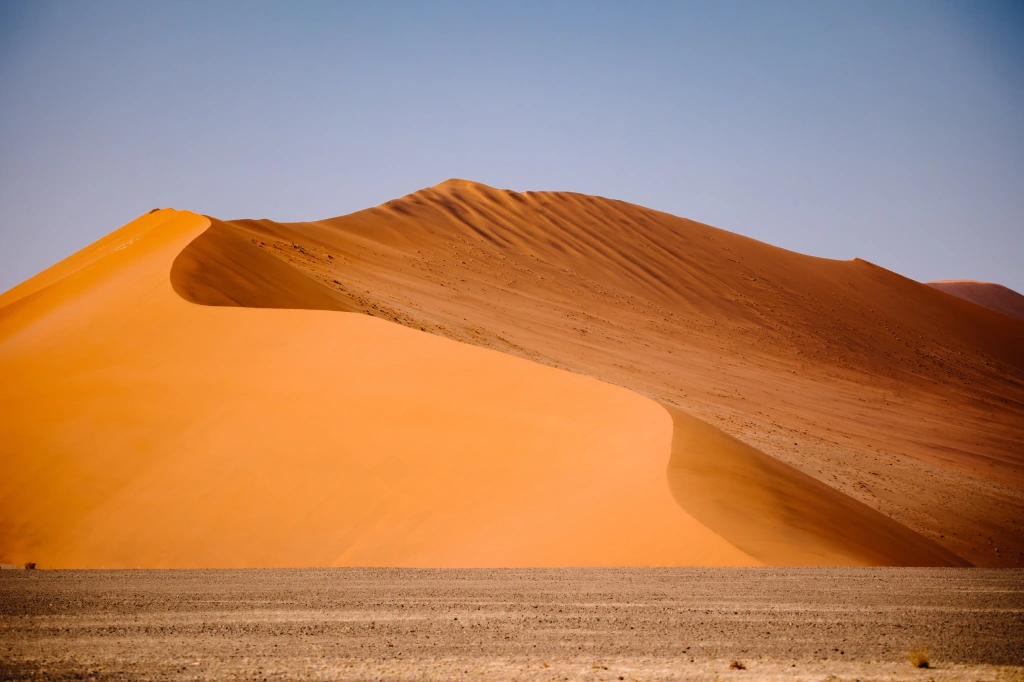
5 Destinations: Etosha National Park → Namibia → Sossusvlei → Swakopmund → Windhoek
View Details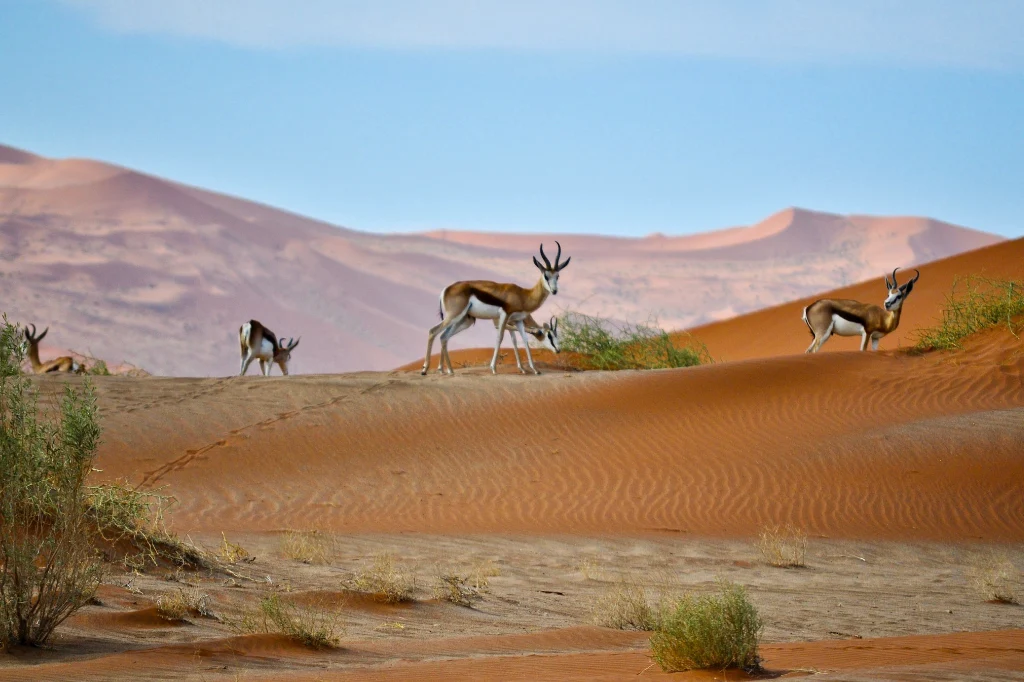
6 Destinations: Botswana → Etosha National Park → Namibia → Sossusvlei → Swakopmund → Zimbabwe
View Details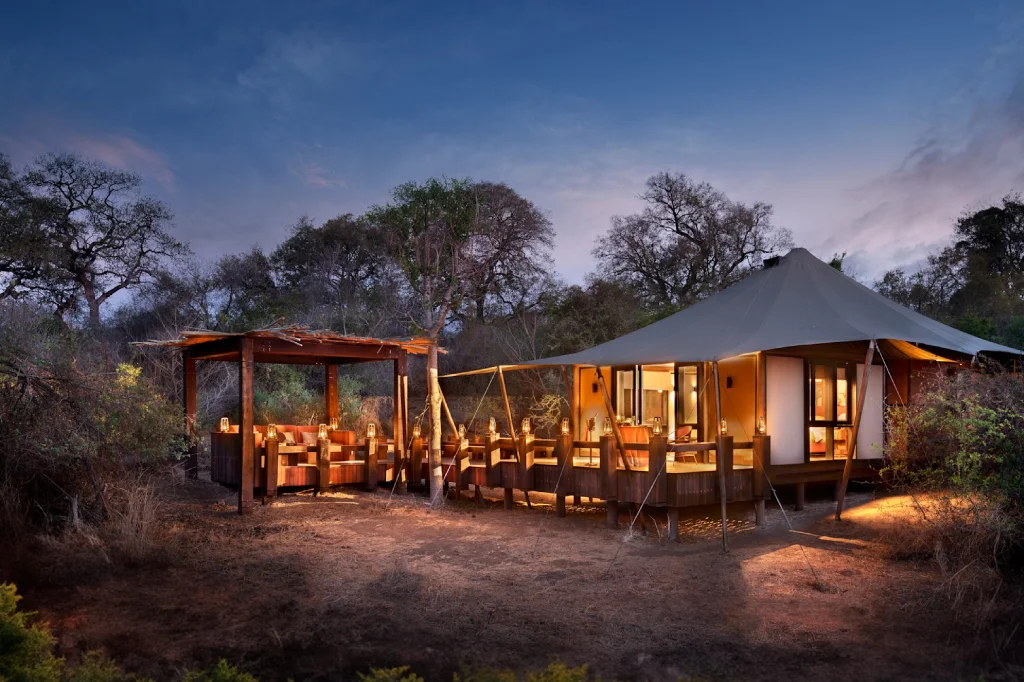
6 Destinations: Etosha National Park → Fish River Canyon → Namibia → Sossusvlei → Swakopmund → Twyfelfontein
View Details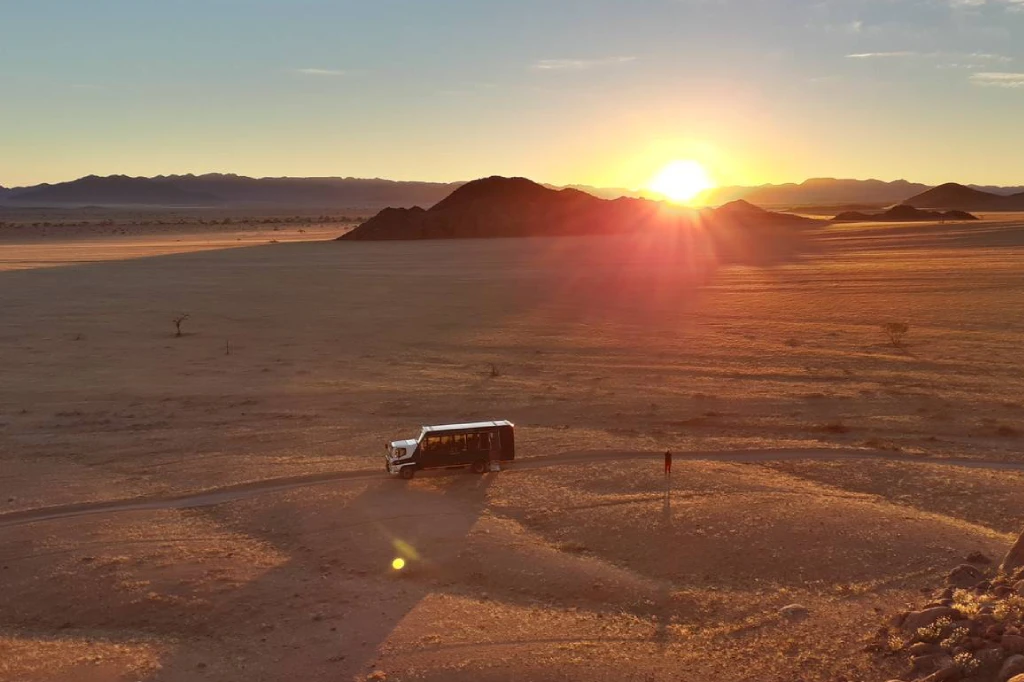
6 Destinations: Botswana → Etosha National Park → Namibia → Sossusvlei → Swakopmund → Zimbabwe
View Details
7 Destinations: Etosha National Park → Kamanjab → Namibia → Spitzkoppe → Swakopmund → Twyfelfontein → Windhoek
View Details
4 Destinations: Etosha National Park → Namibia → Sossusvlei → Swakopmund
View Details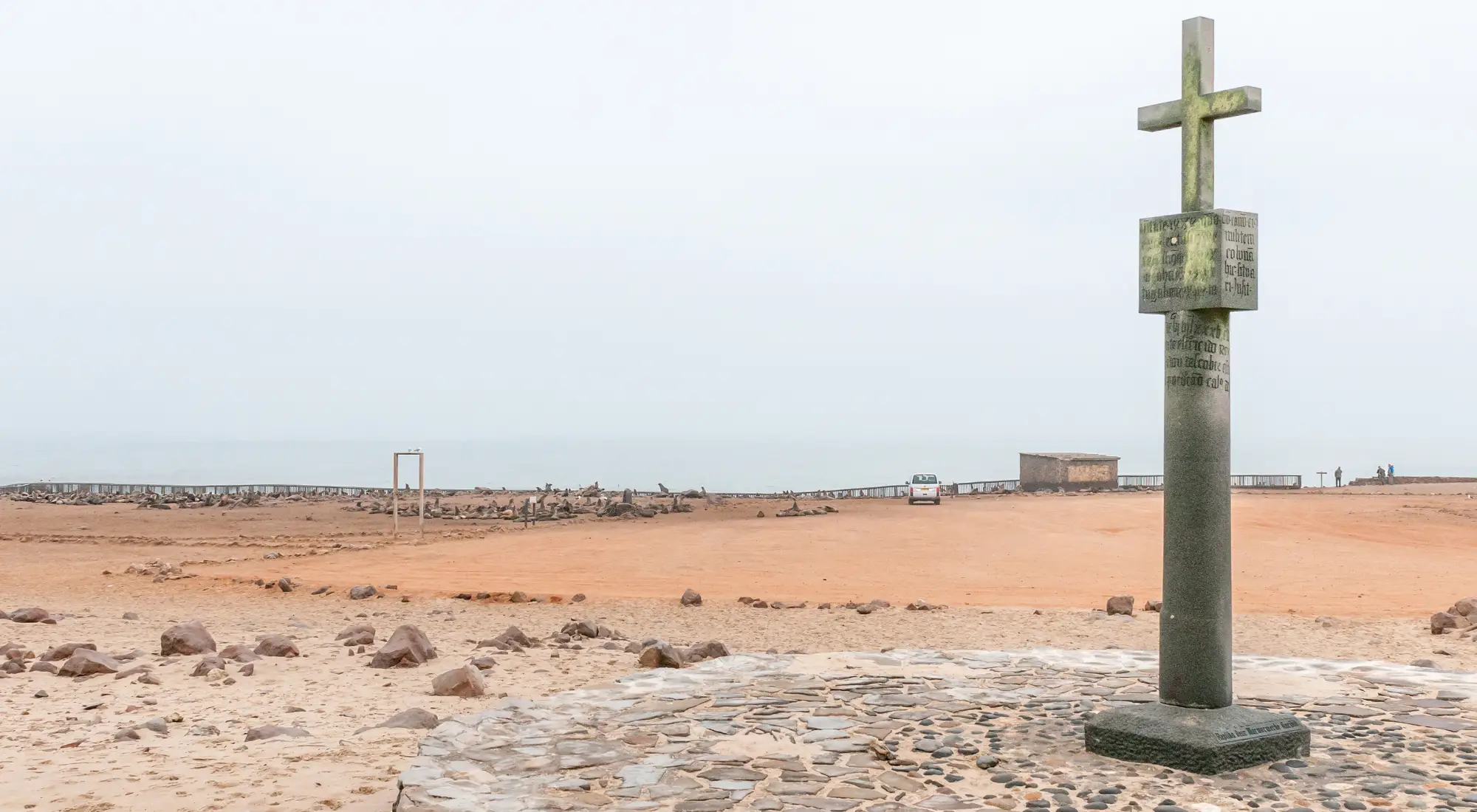
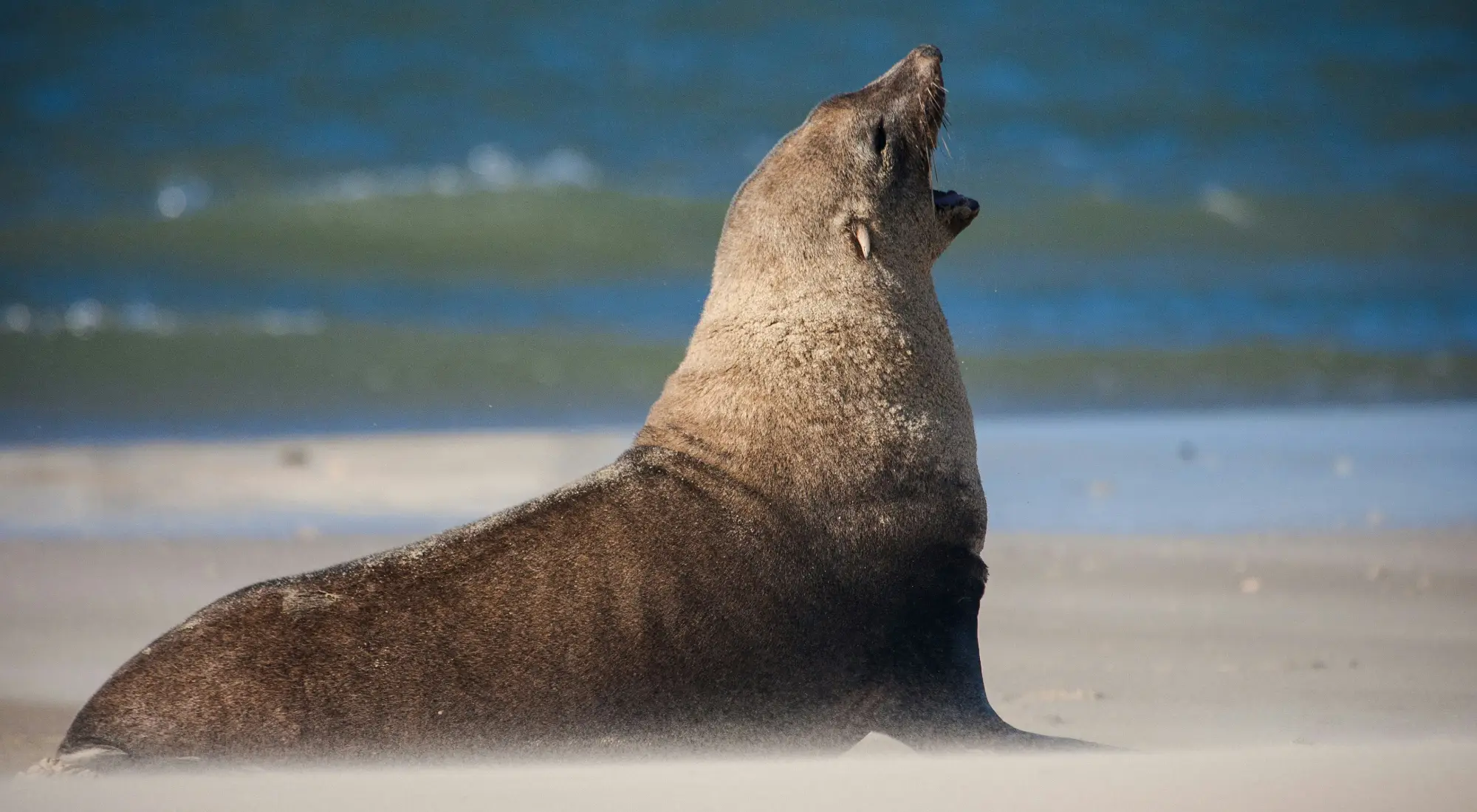
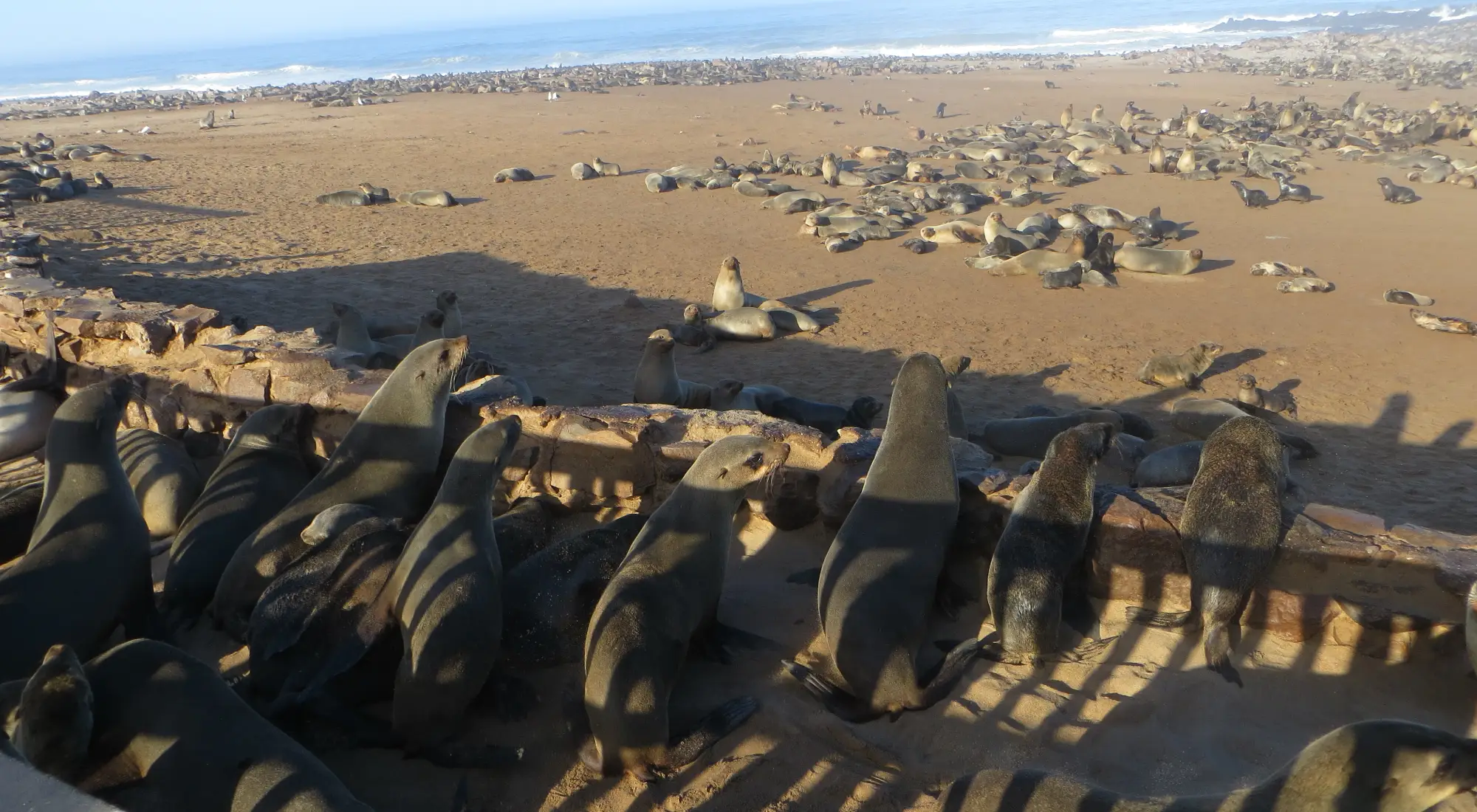
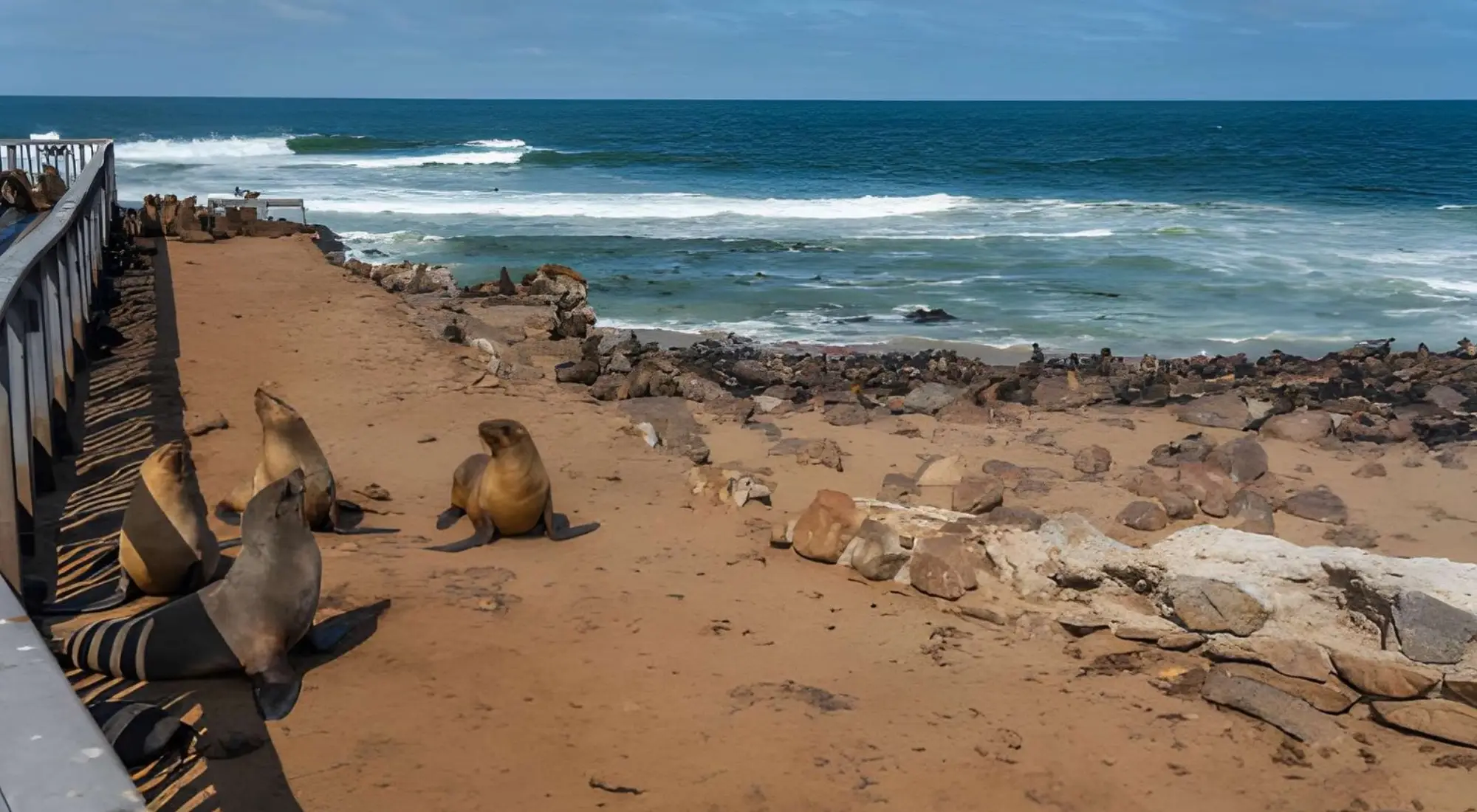
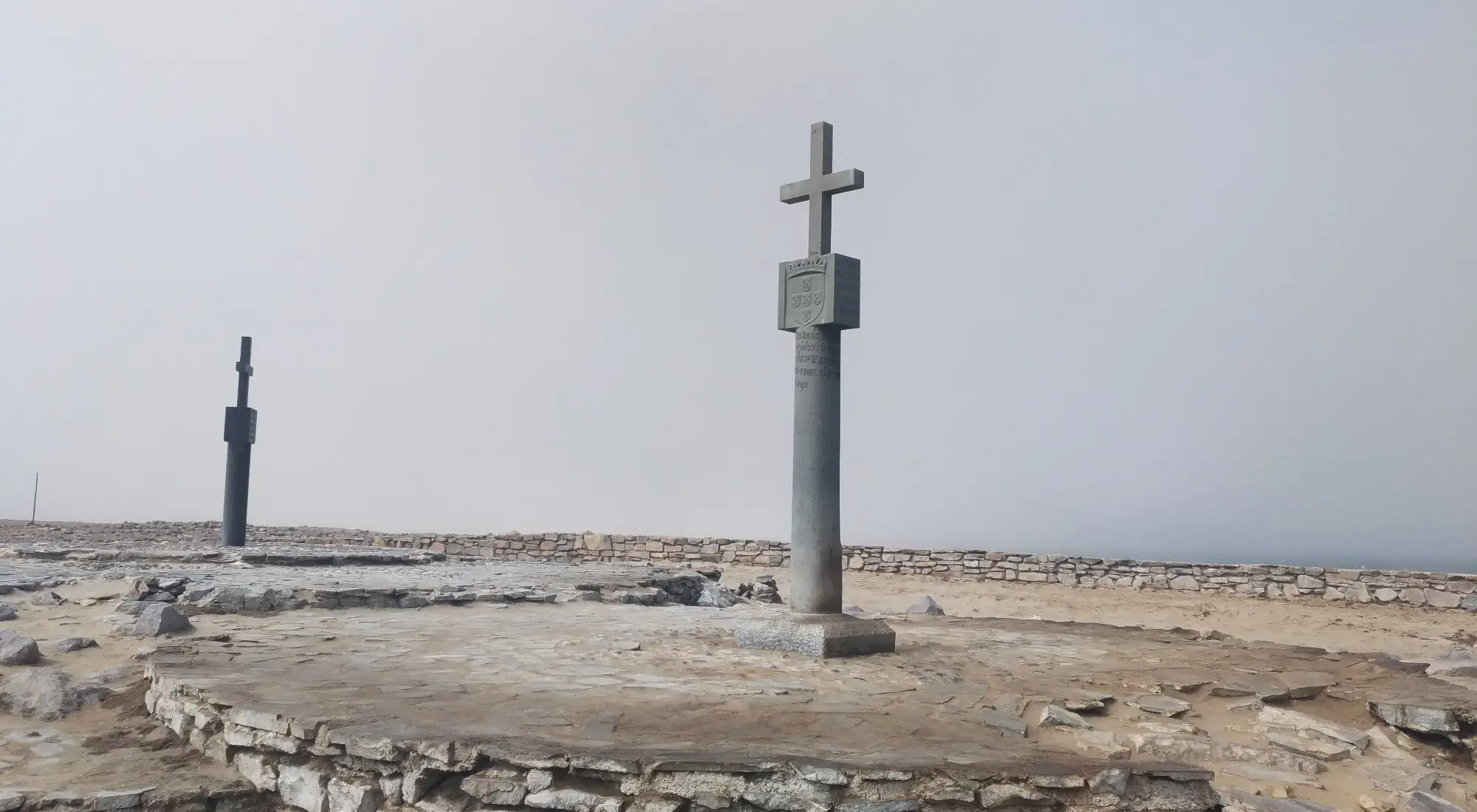
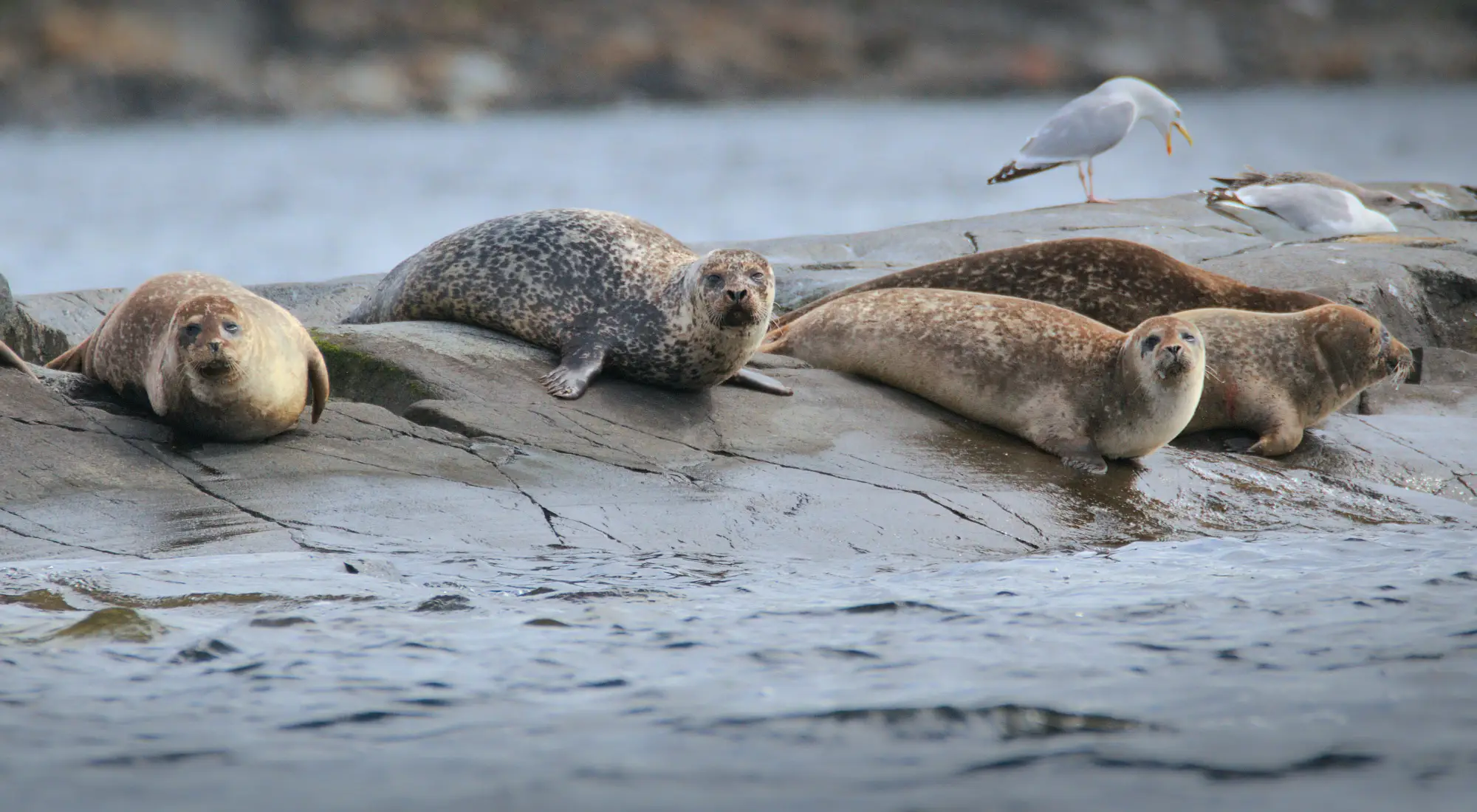
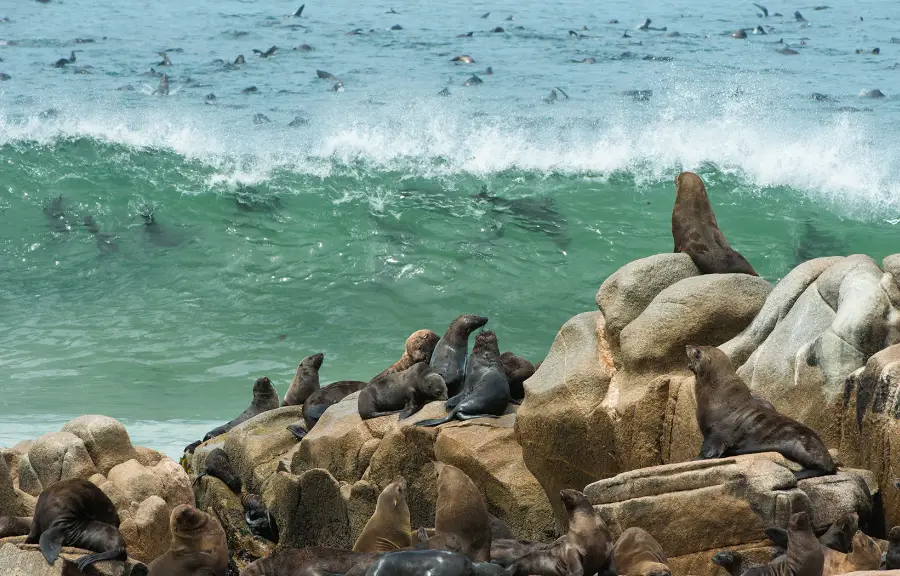
Cape Cross comes through in noisy seal crowds, rocky Atlantic shores, seabirds, old crosses, salt pans, and raw coastal moments that show the reserve’s wild character.
Cape Cross is easy to visit, but travelers still need clear details before arriving. This FAQ section covers Cape Cross Seal Reserve, permits, visitor rules, facilities, routes, opening hours, and nearby campsites. It also helps visitors understand what to prepare before reaching this remote coastal wildlife site in Namibia.
Namibia has a lot to pull travelers in. Wide desert dunes, wildlife parks, salt pans, coastal towns, canyons, and quiet wilderness areas all sit within one country. This section brings the main attractions in Namibia together, so travelers can see what fits their route, time, comfort level, and the kind of journey they want.
Our Namibian tour was an unforgettable experience from start to finish. Henzel was both our guide and driver, and he did an outstanding job in both roles. He was incredibly thorough and well-prepared, always sharing detailed insights about the landscapes, wildlife, and local culture. You could tell he truly knew and loved the country.

We did the “7 Days Wildlife Etosha and Sossusvlei Namibian Safari (Accommodated)” with Safari World Tours in December 2023 and it was the best choice for our family! We are experienced travelers (49 countries visited) and found that to travel to Namibia with a small child (4 years old) a tour would the the best option





 English
  German