+264 81 8211 521
info@safariworldtours.com
Deals & Discounts


Southern Namibia’s Nama culture carries stories of pastoral life, clan pride, oral poetry, traditional dresses, wedding customs, music, and a long struggle to protect land and identity.

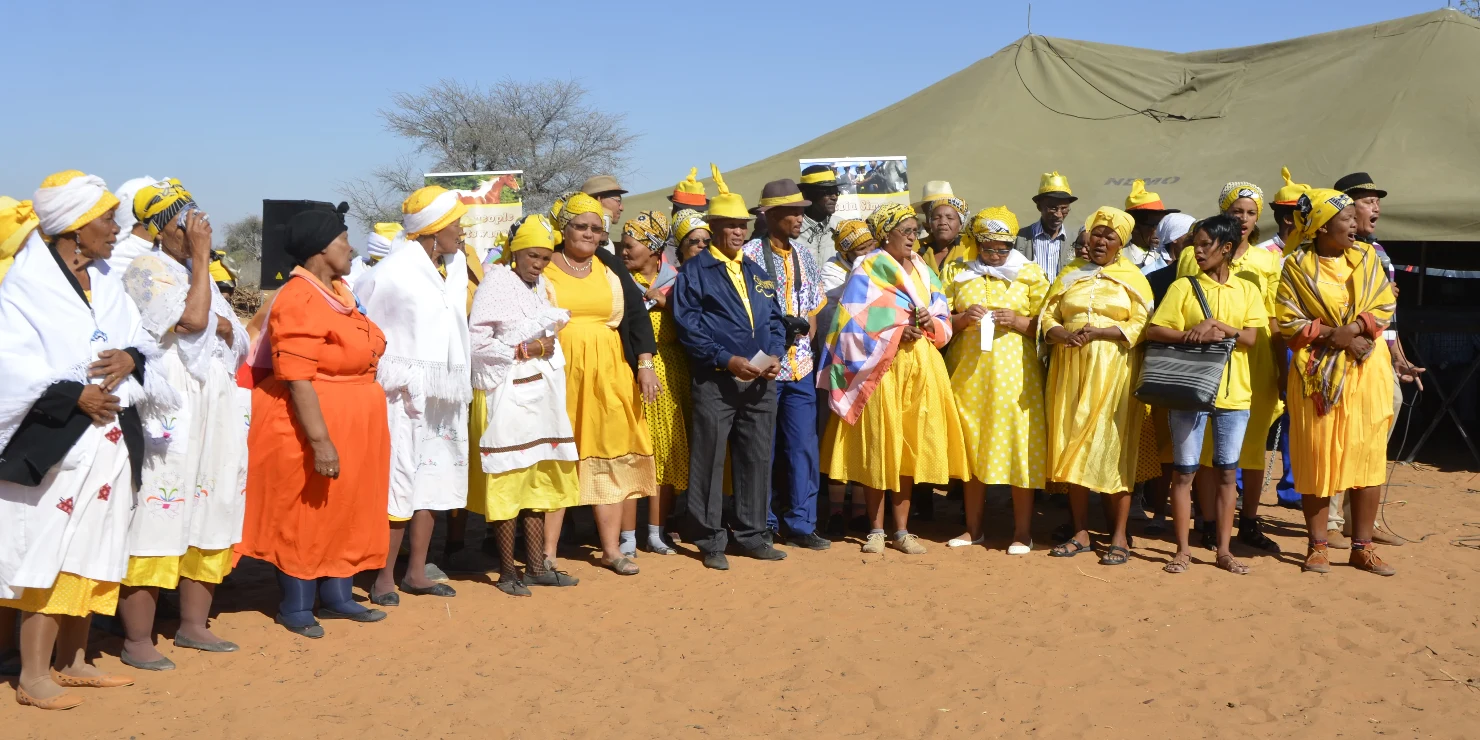
The Nama people, also known as Nama-Khoe or, historically, Namaqua, are one of the main Khoikhoi groups in Southern Africa. Many live in central and southern Namibia, with smaller groups in South Africa and Botswana. Their culture is known for click language, pastoral roots, oral storytelling, praise poetry, traditional dress, wedding customs, communal land practices, and deep links to southern Namibian culture.
A Nama cultural visit adds human depth to Namibia Tours and Safaris, especially across southern Namibia, Namaqualand, and historic desert routes.
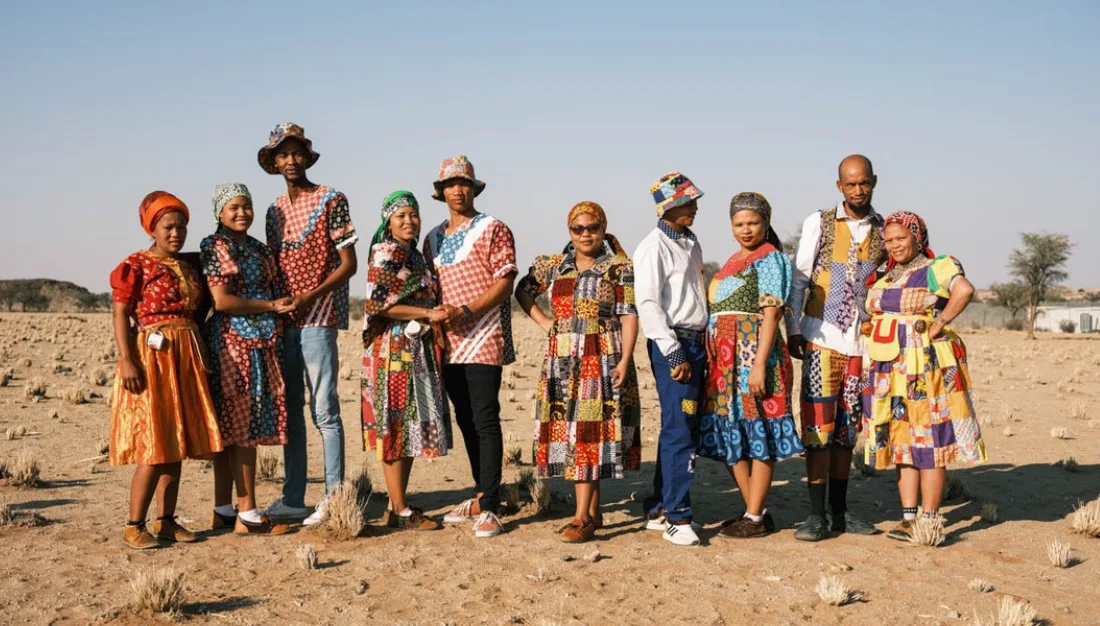
The Nama people were traditionally pastoral nomads, moving with sheep, cattle, goats, water, and grazing needs. Their older life was shaped by dry land, seasonal movement, family groups, and shared access to grazing areas. Their beehive-shaped rush-mat homes were practical, light, and easy to move when livestock needed fresh ground or better water.
Nama culture is carried strongly through music, poetry, proverbs, folktales, praise songs, dance, embroidery, appliqué work, and traditional clothing. The long dresses worn by Nama women reflect missionary-era influence from the 1800s, yet they have become part of Nama identity. For travellers exploring Namibia Travel Destinations, this culture adds a strong human layer to southern routes.
Nama culture is best understood through land, language, song, dress, and memory.
The Nama people originally lived around the Orange River in southern Namibia and northern South Africa. As pastoral people, they depended on fertile grazing areas for sheep, cattle, and goats. In precolonial times, they were known as strong fighters and often clashed with neighboring Herero communities over grazing grounds in central Namibia. Some of these conflicts continued through much of the 1800s.
This history of defending land helps explain why the Nama later rose in armed resistance against German colonial rule. From 1904 to 1907, German forces waged war against the Nama and Herero, leading to the Herero and Namaqua genocide. Many people were killed, displaced, forced into labour, or pushed away from their traditional land. This painful chapter remains central to the story of the People Of Namibia.Language, Movement, and Land
The Nama traditionally speak a Khoe-Kwadi language known for its click sounds. Many Nama also speak Afrikaans, especially due to colonial contact, missionary influence, and regional history. Their linguistic roots are closely linked with wider Khoisan language traditions, and this connection is one reason the Nama are often discussed alongside the San.
The Nama are regarded as one of the strongest surviving Khoikhoi-descended groups in Namibia. Their identity is held through clan memory, language, place names, praise poetry, dress, and community traditions. Several Nama clans are linked with historic places such as Gibeon, Hoachanas, Warmbad, Bethanie, Keetmanshoop, Koës, Rooibank, Sesfontein, and other southern Namibia Destinations.
As pastoral nomads, the Nama had little need for large permanent buildings in earlier times. Their traditional |haru oms, or portable rush-mat-covered domed hut, suited their way of life. It gave protection from harsh sun and could be moved when grazing became scarce. This simple structure says a lot about Nama life. It was made for heat, livestock, travel, and survival in the dry country.
The idea of communal land ownership has also remained important in Nama culture. Land was not only a private possession. It was linked to grazing, family survival, clan use, and community belonging. Today, many Nama live in permanent settlements and work within the formal economy, yet land memory still carries deep meaning across southern Namibia Traditions.
The Nama people are known for their natural talent in music, poetry, prose, riddles, folktales, and praise songs. Many stories and poems were passed down orally from one generation to another. Some praise poems honor heroic figures. Others speak about animals, plants, love, humor, daily life, or the wider environment that shaped Nama identity.
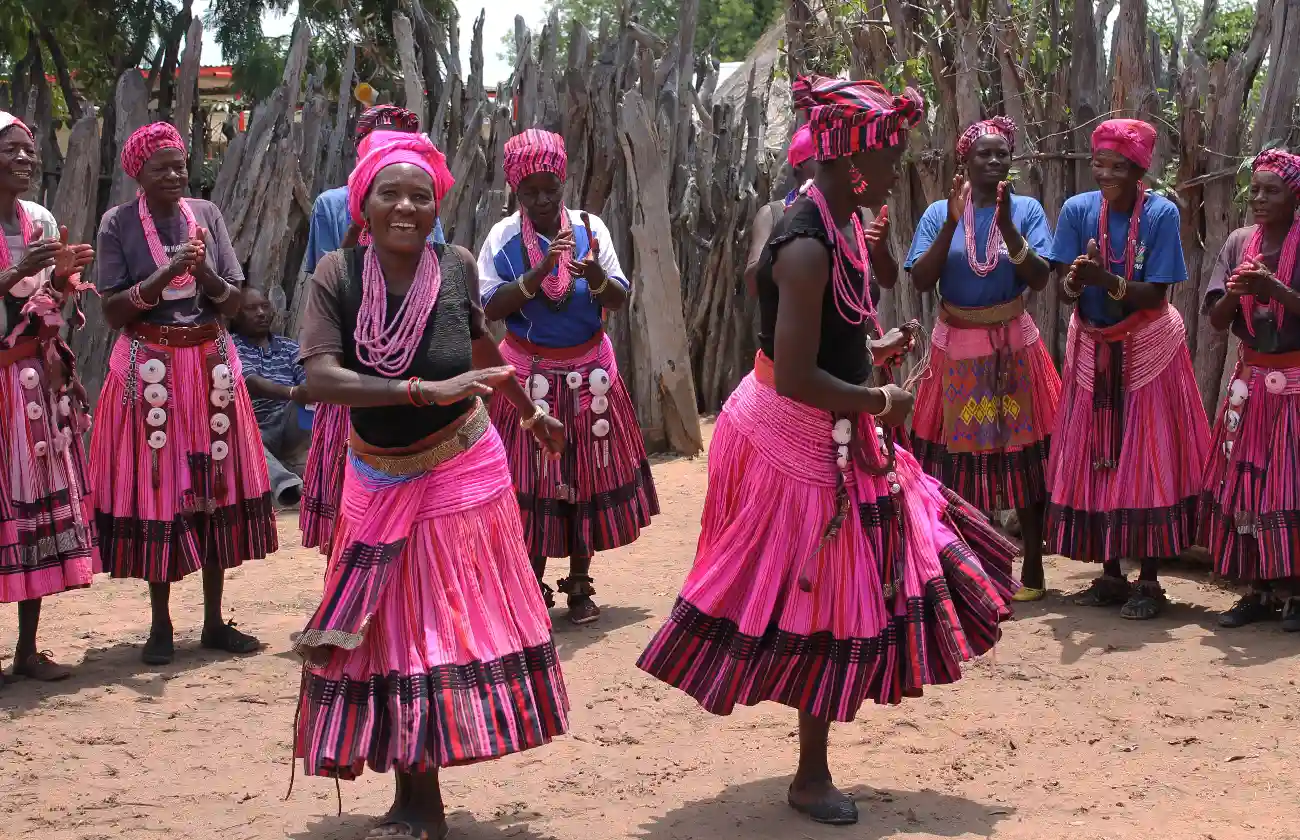
One well-known traditional dance is the Nama stap. It carries rhythm, pride, and community expression. Dance, music, and praise poetry are not just performances. They are ways of remembering people, places, struggles, and values. For travelers interested in Namibia’s African culture, these traditions reveal how voice and movement can keep history alive.
Nama women are known for their traditional long, formal dresses, which resemble Victorian-style clothing. These dresses developed from missionary influence in the 1800s but later became a clear part of Nama cultural identity. They are often worn during ceremonies, gatherings, and cultural occasions, and they help illustrate how outside influence can become part of local heritage over time.
Nama women are also highly skilled in needlework, embroidery, appliqué, and patchwork. Their bright motifs often reflect rural life, color, animals, plants, and the everyday world around them. The patchwork dresses are especially typical of Nama women’s cultural expression. These skills make clothing part of memory, art, and identity among Modern Namibian People.
Most Nama people in Namibia are Christian today, though Nama Muslims also form an important part of the country’s Muslim community. Many older religious practices have changed under missionary influence, but cultural customs remain evident in dress, wedding rituals, family gatherings, and oral traditions.
Nama weddings are detailed and family-led. A man first speaks with his family, then his family approaches the bride’s family. The groom may be questioned about the bride and their relationship. Gifts, animals, food, and family discussions form part of the process. A white flag may show that marriage arrangements are in place. These customs show that marriage belongs to families and the community, not only the couple.
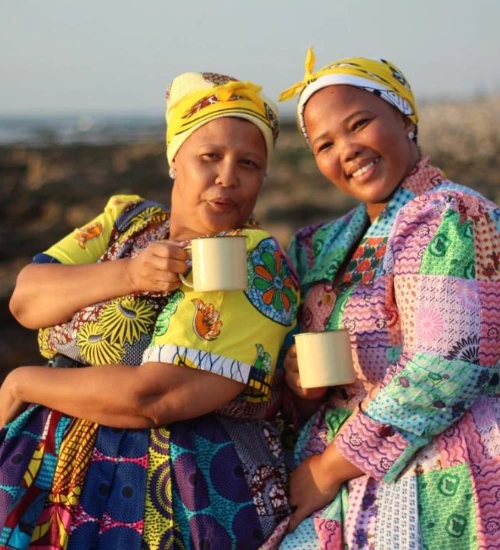
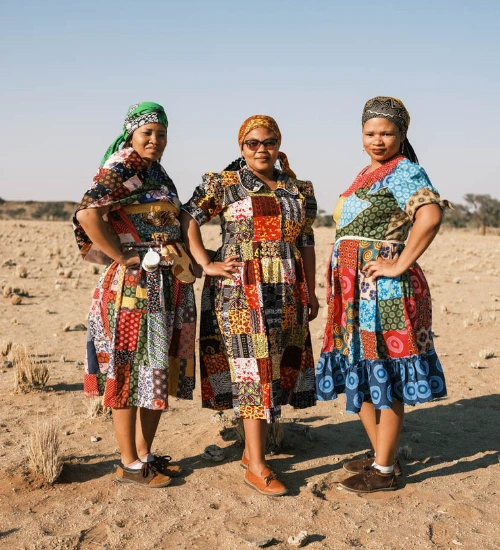
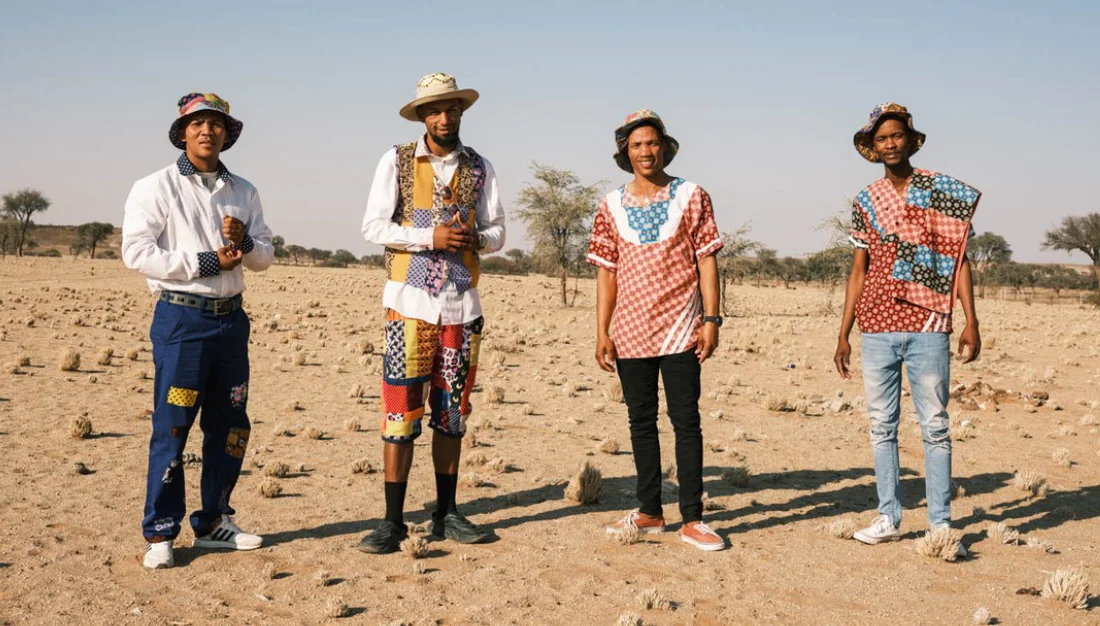
The Nama language is one of the most recognizable parts of Nama identity because of its click sounds. It belongs to the Khoe-Kwadi language family and carries stories, clan names, greetings, praise poetry, and older memories. Many Nama also speak Afrikaans today. For Namibia Guided Tours, language adds depth and respect to cultural visits.
The traditional dress of Nama women includes long, formal gowns influenced by Victorian and missionary-era styles. These dresses have become an important symbol of Nama culture, especially during ceremonies, weddings, and cultural gatherings. Their patchwork, color, shape, and handmade details show how clothing can carry memory, pride, and family identity across generations.
Storytelling, praise poetry, proverbs, riddles, songs, and folktales form a major part of Nama cultural life. These oral traditions pass history, humor, lessons, and values from one generation to another. A good cultural experience may include songs or stories, helping travelers understand Nama traditions through spoken memory, not only through written history.
Nama identity is connected with many clans, including groups linked with Gibeon, Hoachanas, Warmbad, Bethanie, Keetmanshoop, Koës, Rooibank, Sesfontein, and other places. These clans carry stories of leadership, migration, grazing land, resistance, and belonging. This makes southern Namibia one of the Unique places to visit in Namibia for travellers interested in layered cultural routes.
Nama wedding customs are detailed and deeply family-based. They may include family discussions, permission from the bride’s family, engagement gifts, live animals, church ceremonies, food sharing, white flags, and celebrations across both households. The process shows respect between families and marks marriage as a community event tied to honour, abundance, and responsibility.
The Nama story is tied to southern Namibia’s dry lands, the Orange River, Namaqualand, clan history, pastoral movement, oral traditions, colonial violence, and cultural survival. It includes grazing conflicts, resistance to German rule, the Herero and Namaqua genocide, and the struggle to keep land, language, and memory alive. Through dress, dance, poetry, and weddings, Nama identity still speaks clearly.
This experience fits well within Namibia Safari Tours for travelers who want to understand the human side of southern Namibia. The Nama people add depth to desert routes, historic towns, and borderland landscapes. Their story includes beauty and pain, movement and settlement, pastoral skill and cultural change. A respectful visit should never flatten that into a quick cultural stop. It should create space to listen, ask carefully, and understand why language, clan history, and land matter so much.
Explore Nama culture with patience, and let southern Namibia’s stories, voices, and traditions enrich your journey.
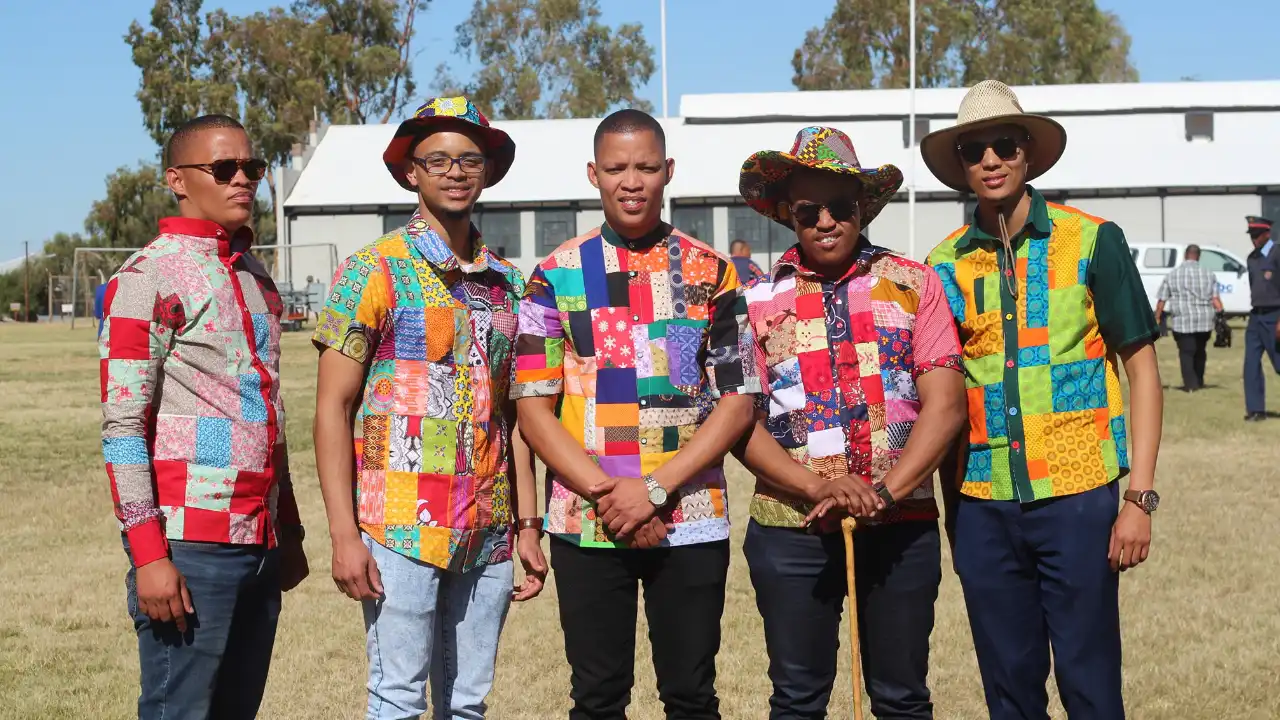
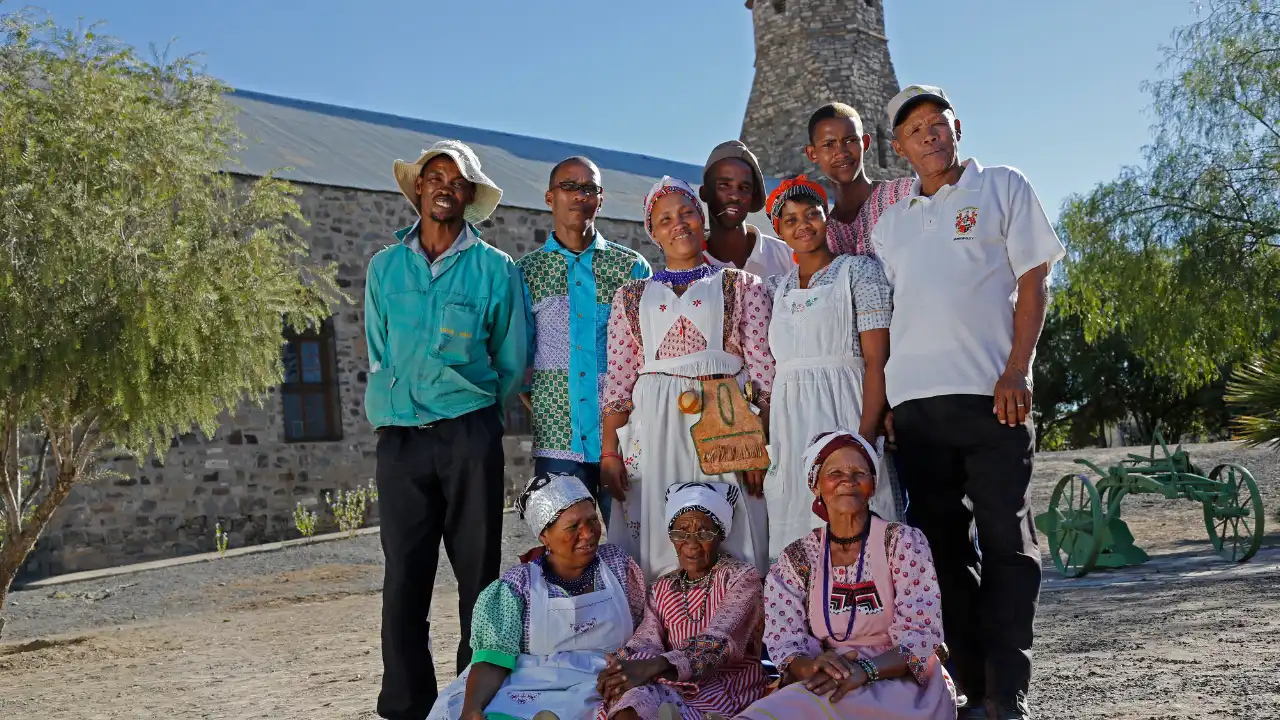
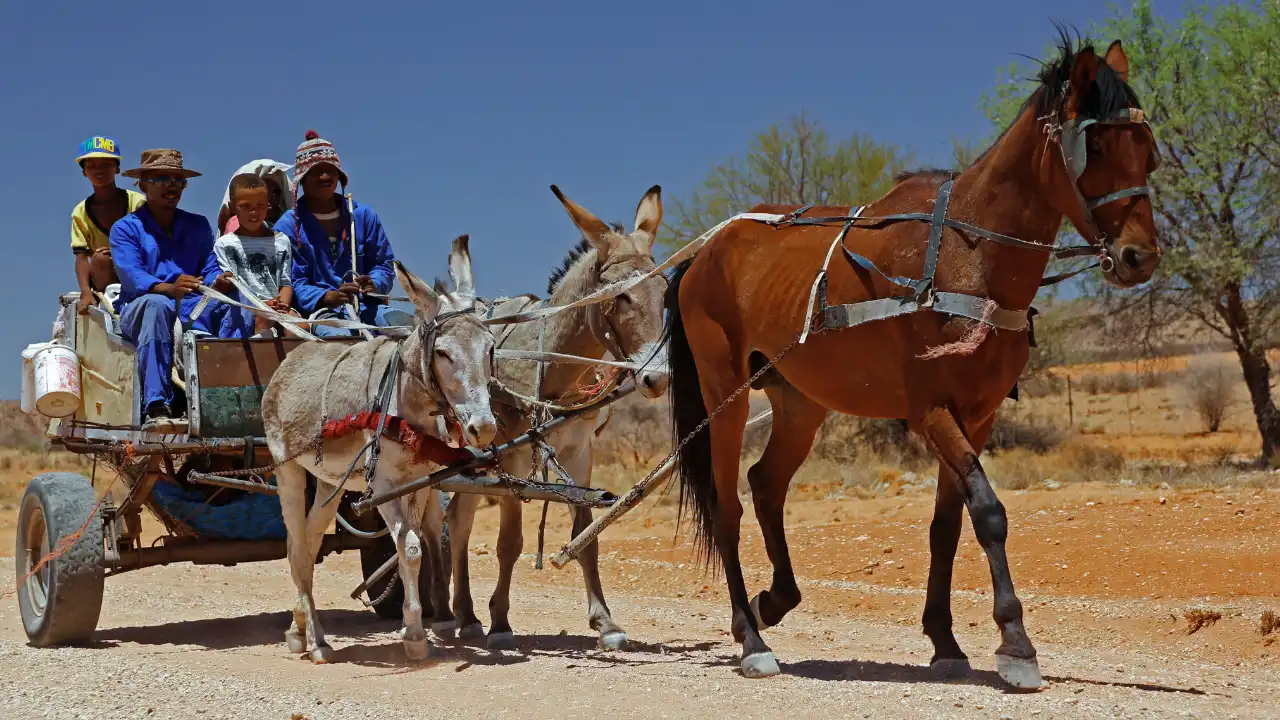
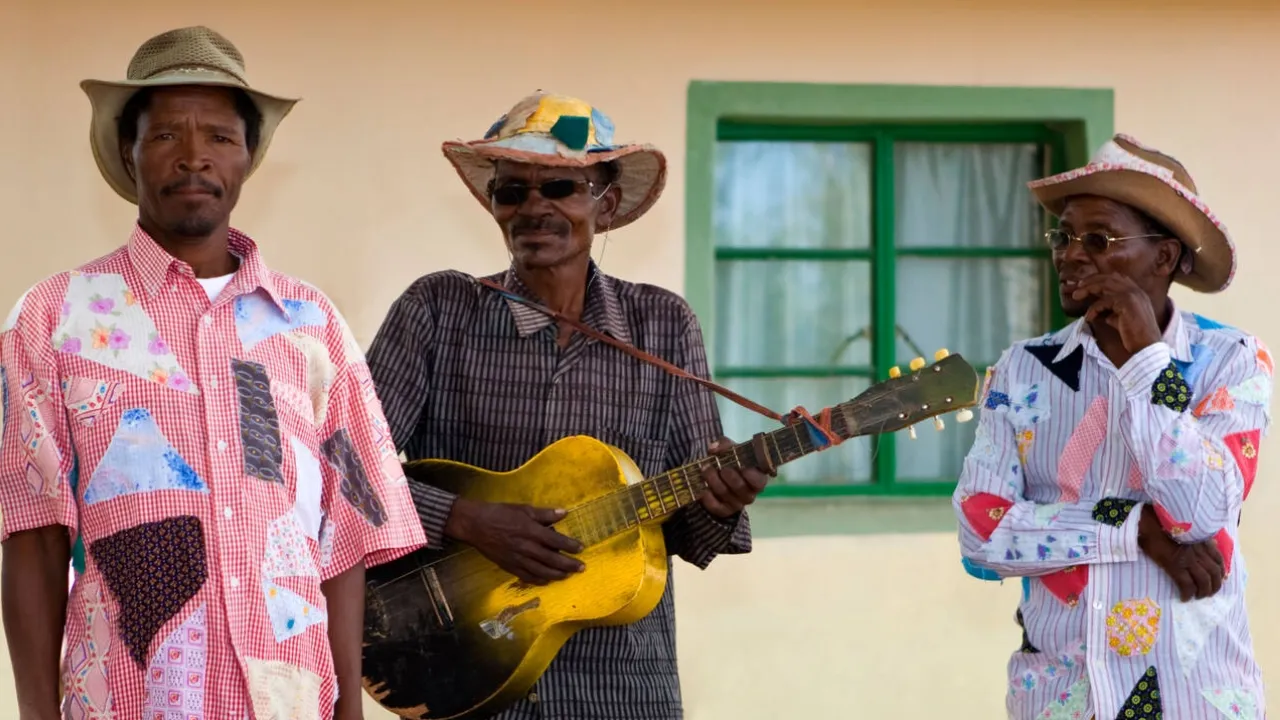
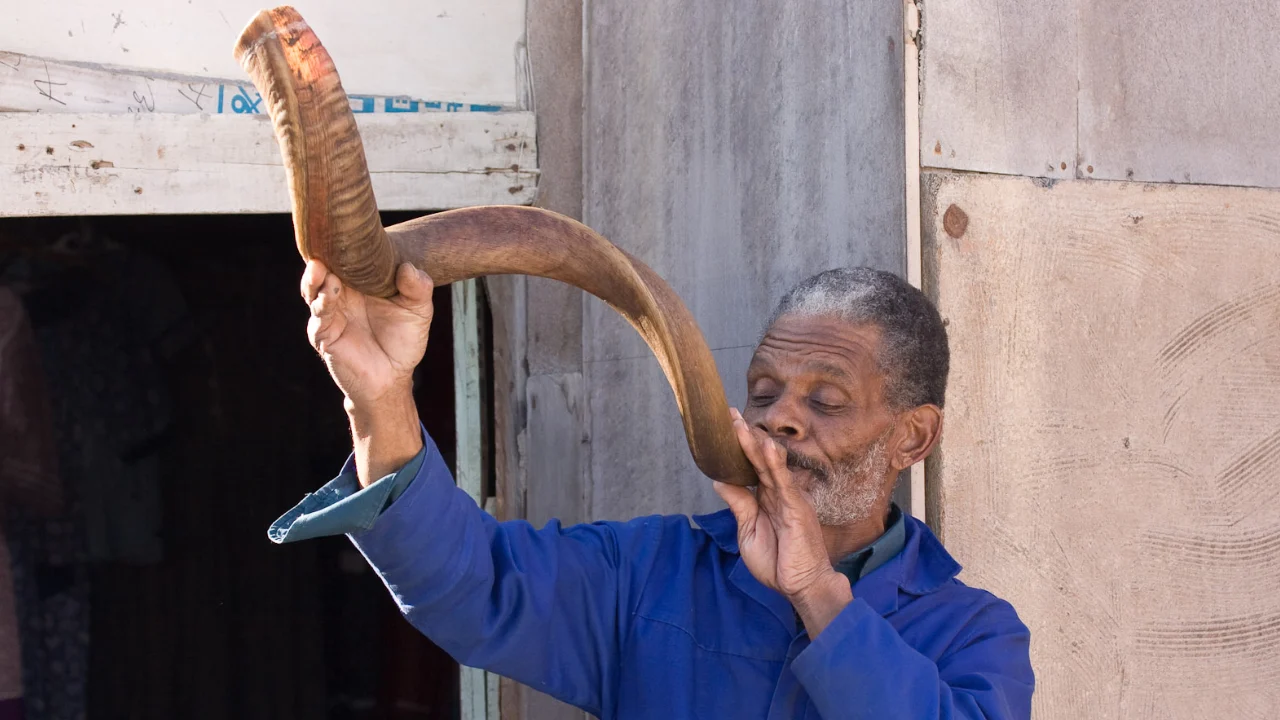
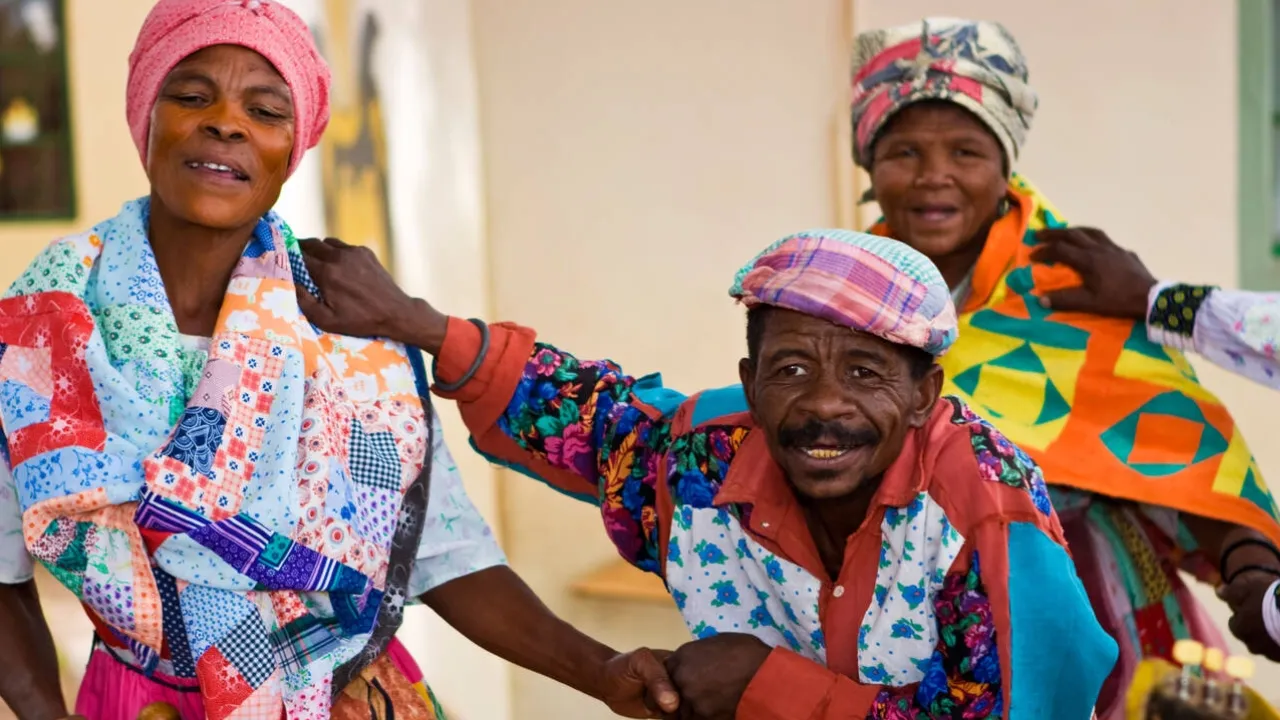
Browse Nama dresses, patchwork details, clan gatherings, wedding symbols, oral storytelling, desert homes, pastoral landscapes, and southern Namibia scenes that show culture through memory and land.
Nama culture brings questions about language, clans, history, dress, weddings, and southern Namibia’s pastoral heritage. These FAQs explain the basics in a clear way before travellers visit Nama communities or historic regions. They also place the Nama people within wider Namibia Tours and Safaris without reducing their story to dress, song, or scenery.
Meeting Namibia’s indigenous tribes offers a unique glimpse into the country’s rich cultural heritage. From learning about the traditions of the Himba and San people to hearing local stories and experiencing traditional ways of life, these encounters provide a deeper connection to Namibia beyond its landscapes and wildlife.
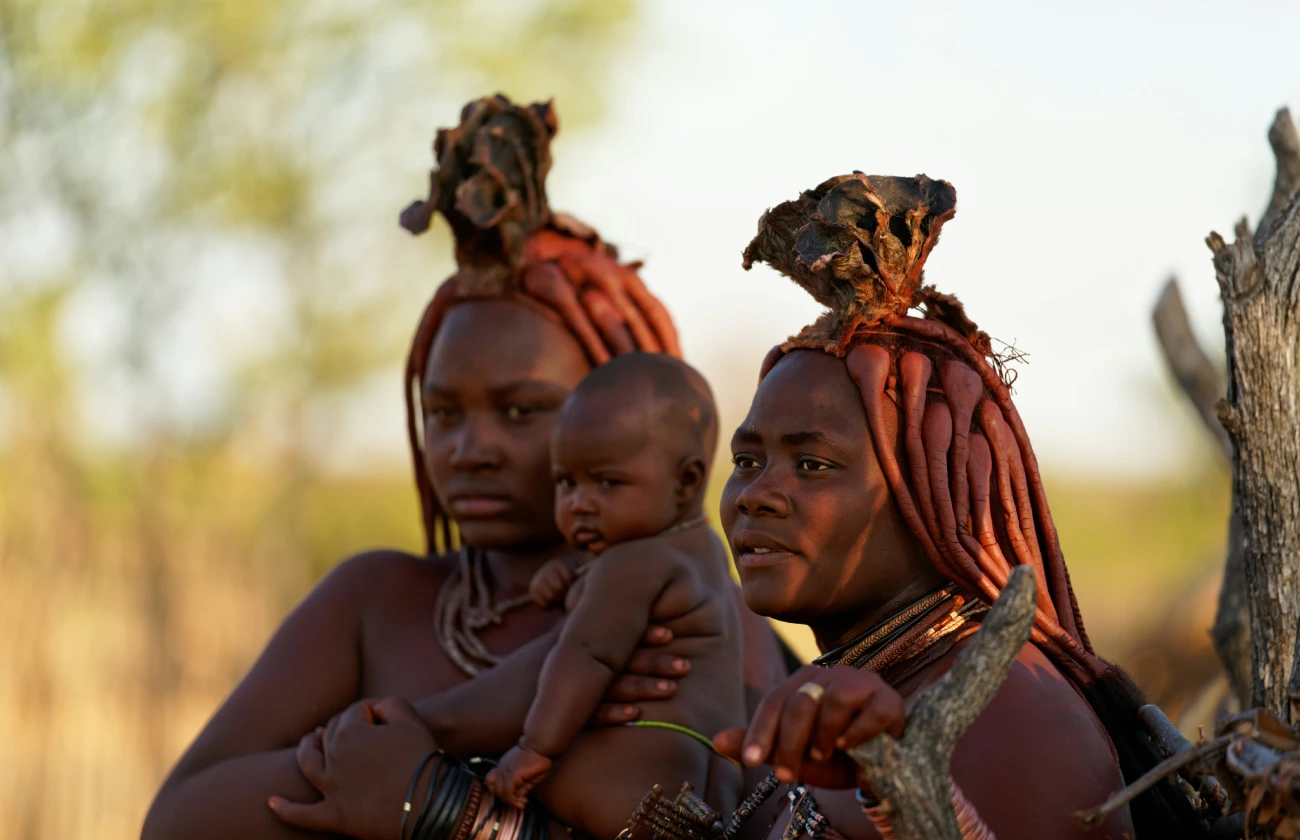
Gather ideas from our Namibia tour packages, or let our consultants help you picture the possibilities. We can build the journey around your time, style, and interests.
Our Namibia safari itineraries are designed to link desert landscapes, wildlife parks, coastal towns, and remote cultural areas into one seamless journey. Travelers can move from Etosha’s game drives to Sossusvlei’s dunes, Swakopmund’s coast, and Damaraland’s rugged beauty, with enough time to enjoy each place properly.
2 Destinations: Etosha National Park → Namibia
View Details
5 Destinations: Botswana → Etosha National Park → Namibia → Sossusvlei → Swakopmund
View Details
6 Destinations: Etosha National Park → Namibia → Sossusvlei → Spitzkoppe → Swakopmund → Windhoek
View Details
5 Destinations: Etosha National Park → Namibia → Sossusvlei → Swakopmund → Windhoek
View Details
5 Destinations: Etosha National Park → Namibia → Sossusvlei → Swakopmund → Windhoek
View Details
6 Destinations: Botswana → Etosha National Park → Namibia → Sossusvlei → Swakopmund → Zimbabwe
View Details
6 Destinations: Etosha National Park → Fish River Canyon → Namibia → Sossusvlei → Swakopmund → Twyfelfontein
View Details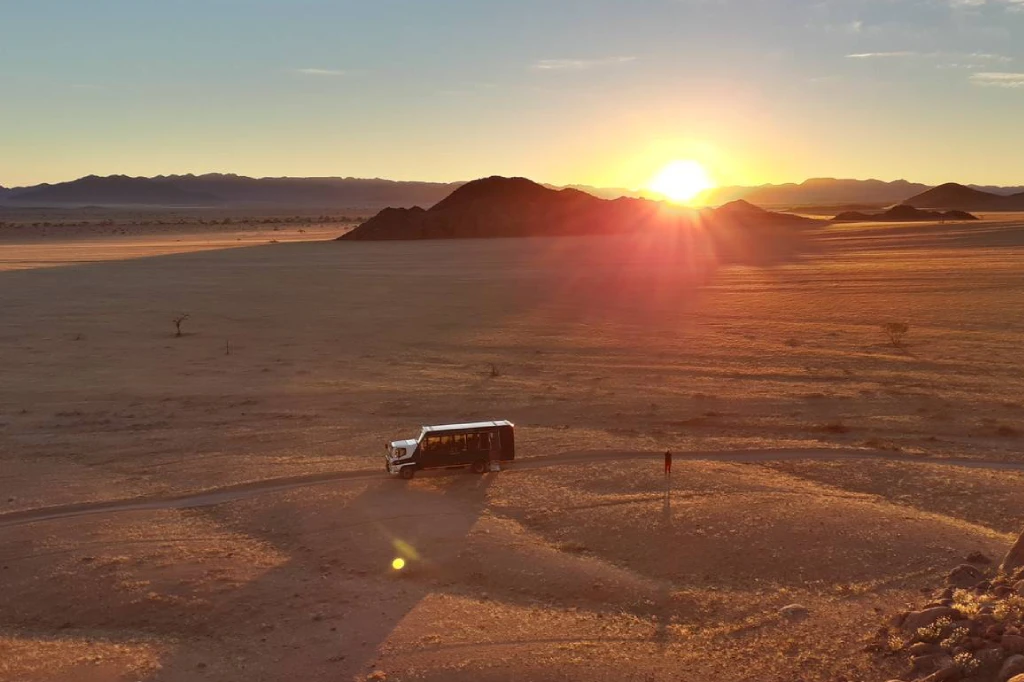
6 Destinations: Botswana → Etosha National Park → Namibia → Sossusvlei → Swakopmund → Zimbabwe
View Details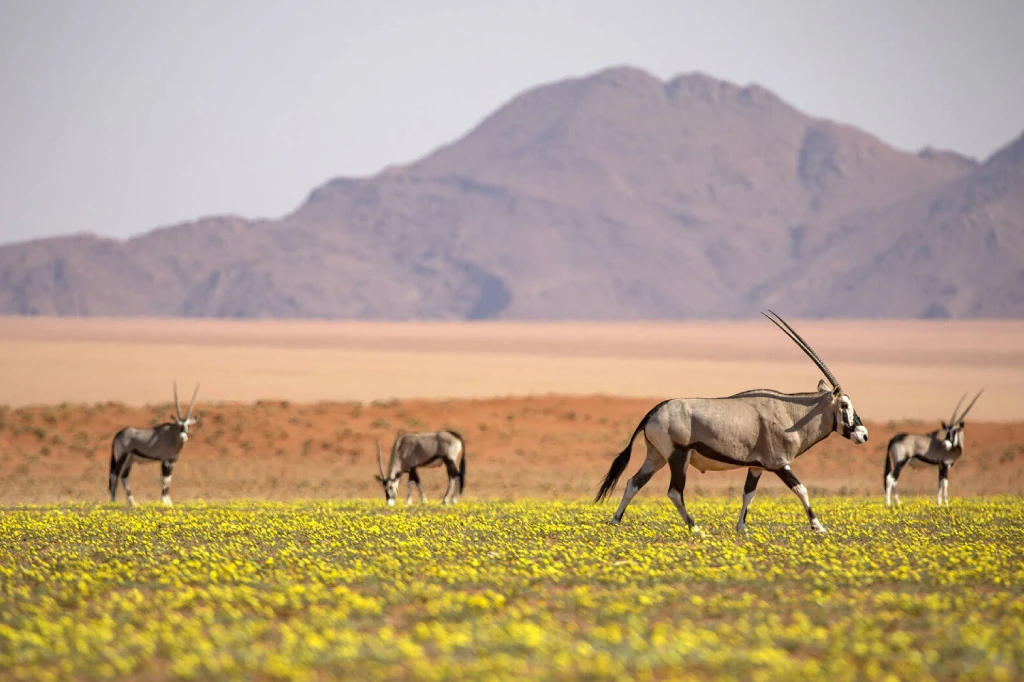
7 Destinations: Etosha National Park → Kamanjab → Namibia → Spitzkoppe → Swakopmund → Twyfelfontein → Windhoek
View Details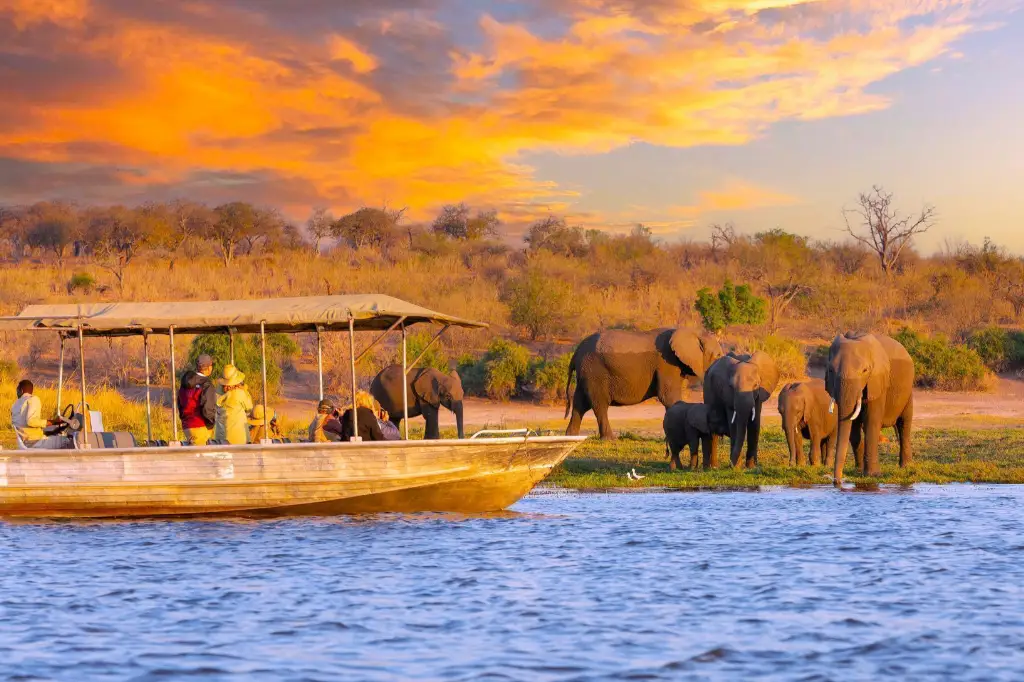
4 Destinations: Etosha National Park → Namibia → Sossusvlei → Swakopmund
View DetailsOur Namibian tour was an unforgettable experience from start to finish. Henzel was both our guide and driver, and he did an outstanding job in both roles. He was incredibly thorough and well-prepared, always sharing detailed insights about the landscapes, wildlife, and local culture. You could tell he truly knew and loved the country.

We did the “7 Days Wildlife Etosha and Sossusvlei Namibian Safari (Accommodated)” with Safari World Tours in December 2023 and it was the best choice for our family! We are experienced travelers (49 countries visited) and found that to travel to Namibia with a small child (4 years old) a tour would the the best option






 English
  German